



























Message our coordinator
Free online consultation · Reply within 15 minutes
Message us on TelegramMessage us on WhatsAppBy messaging us, you agree to our Privacy Policy
Facelift and neck lift in Nottingham: price and key facts
Facelift for patients from Nottingham at City Medical Centre starts at £1,850 (from $2,400). The first online consultation is free; the doctor names the final price and it is fixed in the contract.
- Price
- £1,850 (from $2,400)
- Anesthesia
- general (inhalation)
- Recovery
- about 2 months to full recovery
- Final result
- 3–6 months after surgery
- How it works
- Send photos on WhatsApp or Telegram, get a free doctor assessment and the price, then confirm the plan and dates before anything is booked.
How it works · Facelift prices
Information current as of 24 October 2026

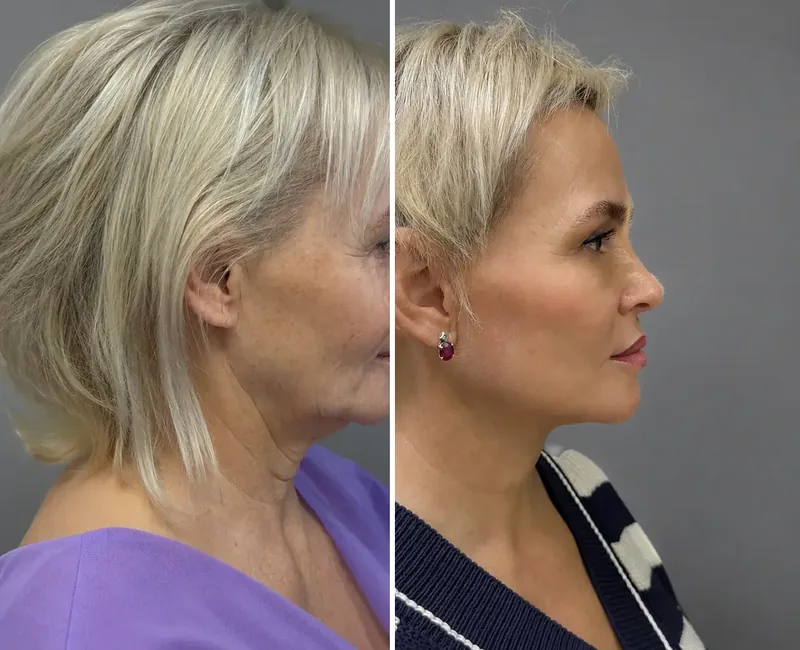
50 years
9 months
SMAS facelift
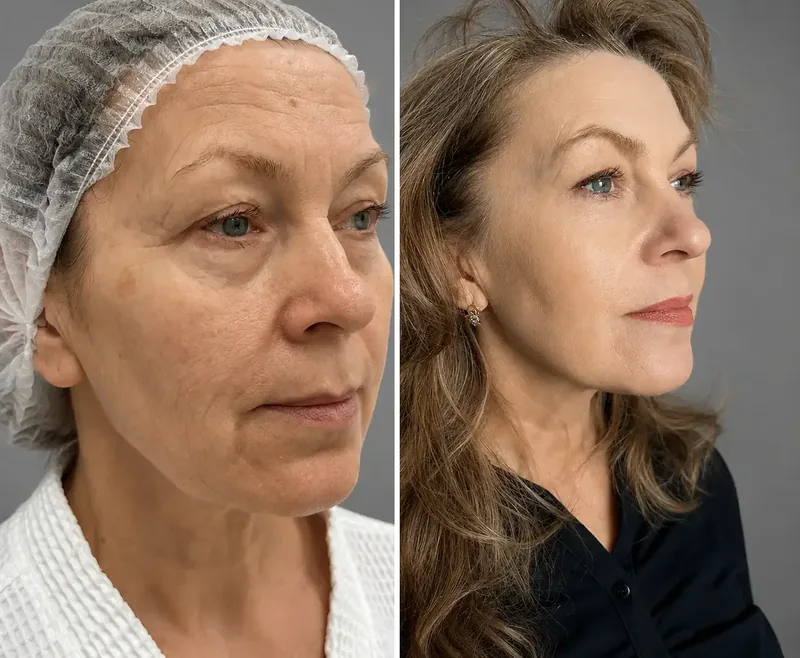
58 years
8 months
SMAS facelift
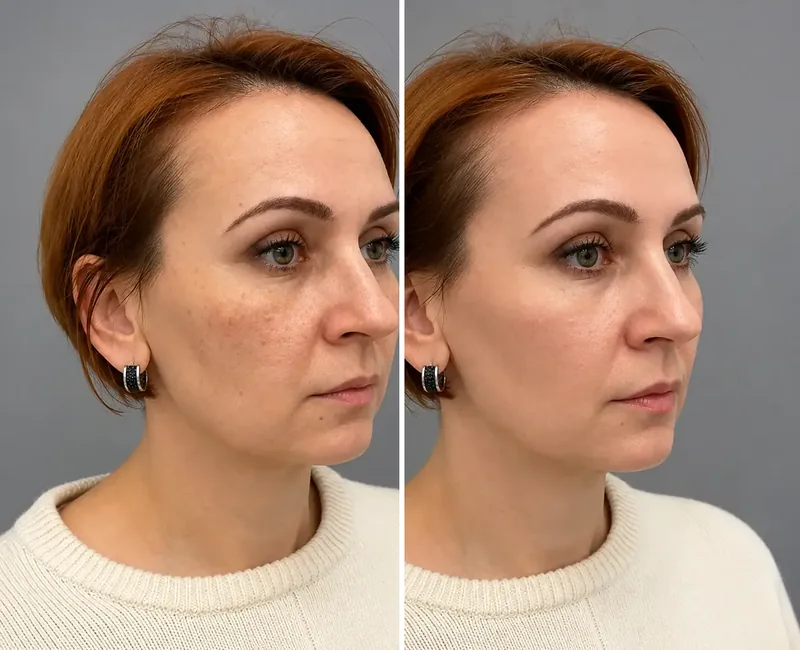
34 years
5 months
SMAS facelift
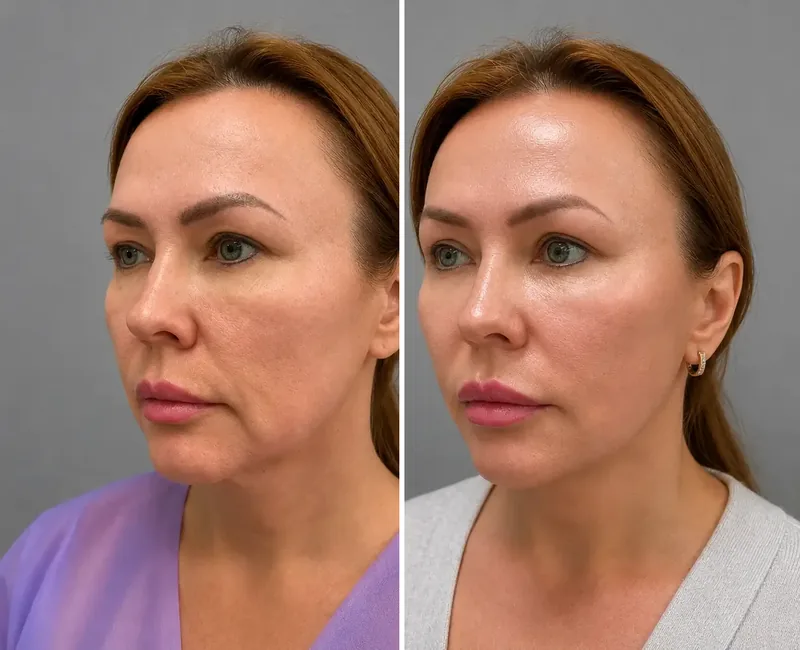
32 years
7 months
SMAS facelift
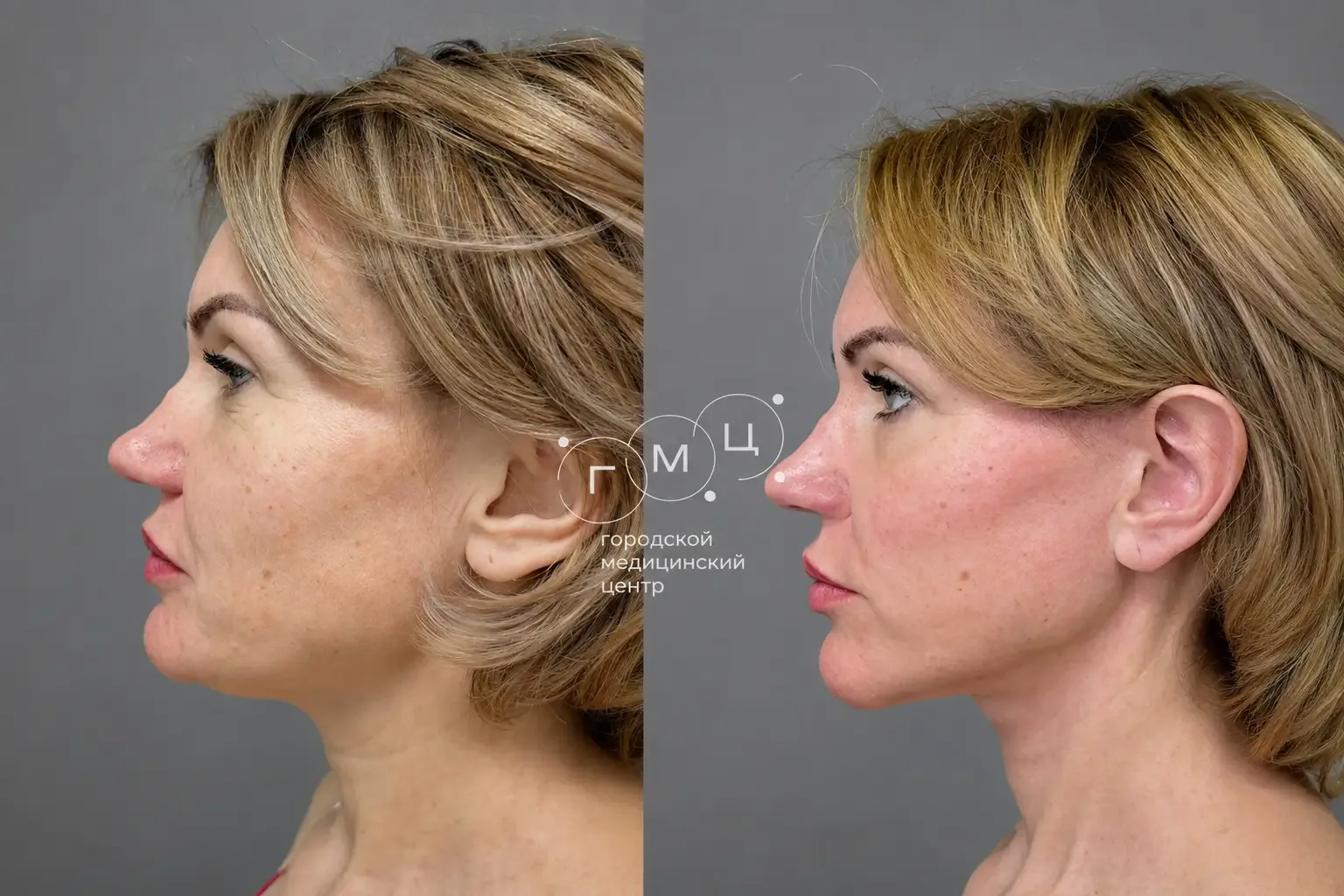
40 years
6 months
SMAS facelift
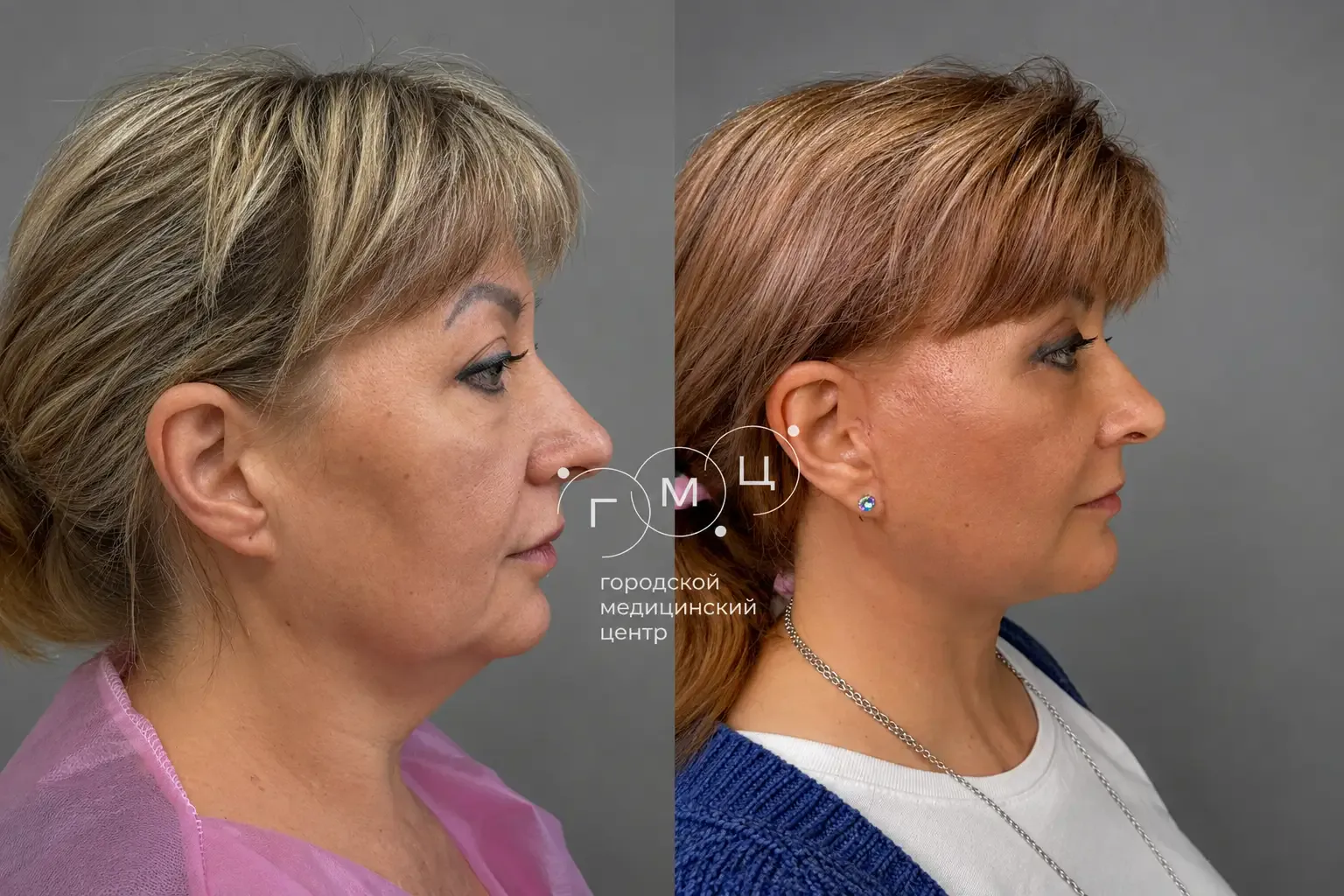
45 years
8 months
SMAS facelift
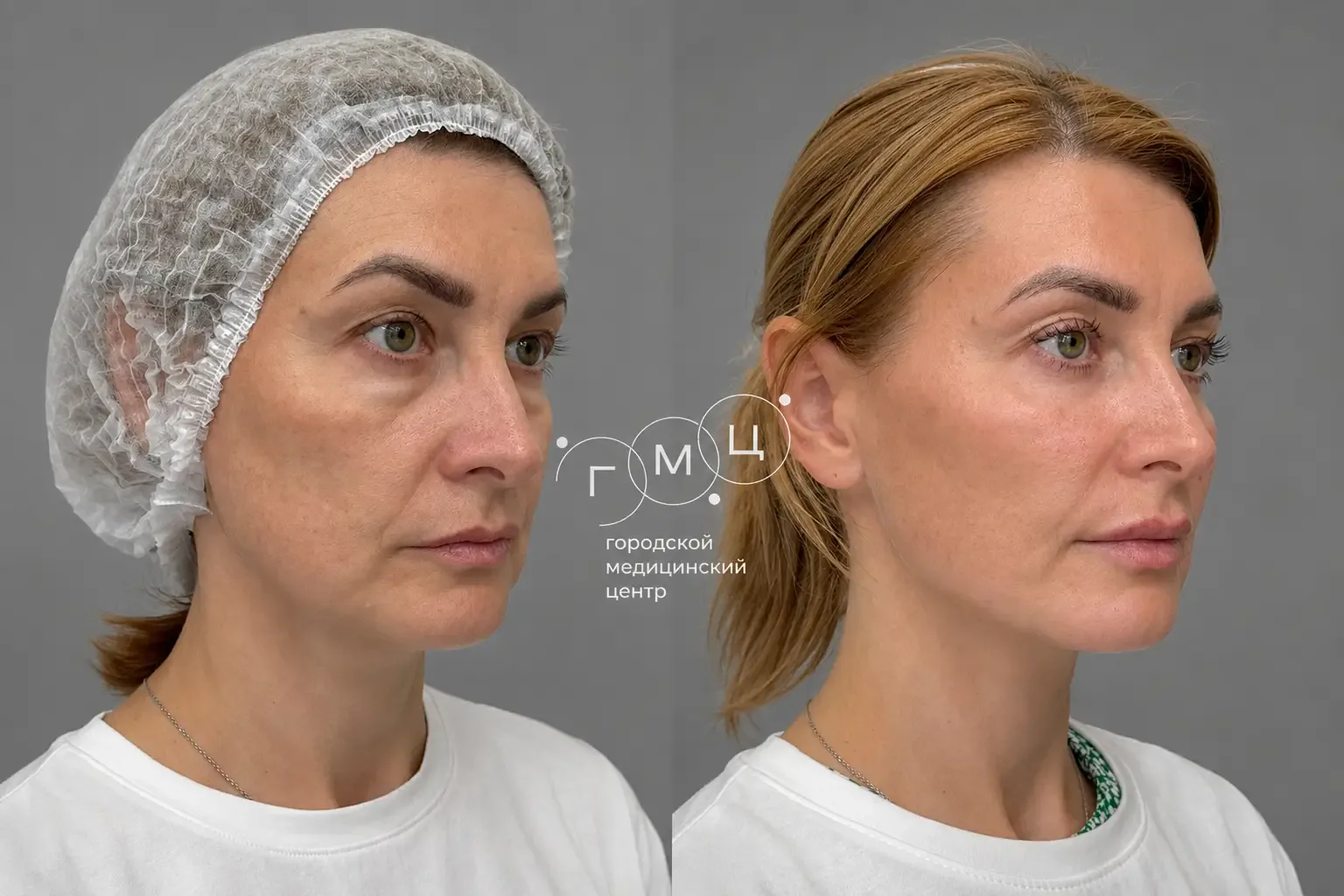
38 years
5 months
SMAS facelift
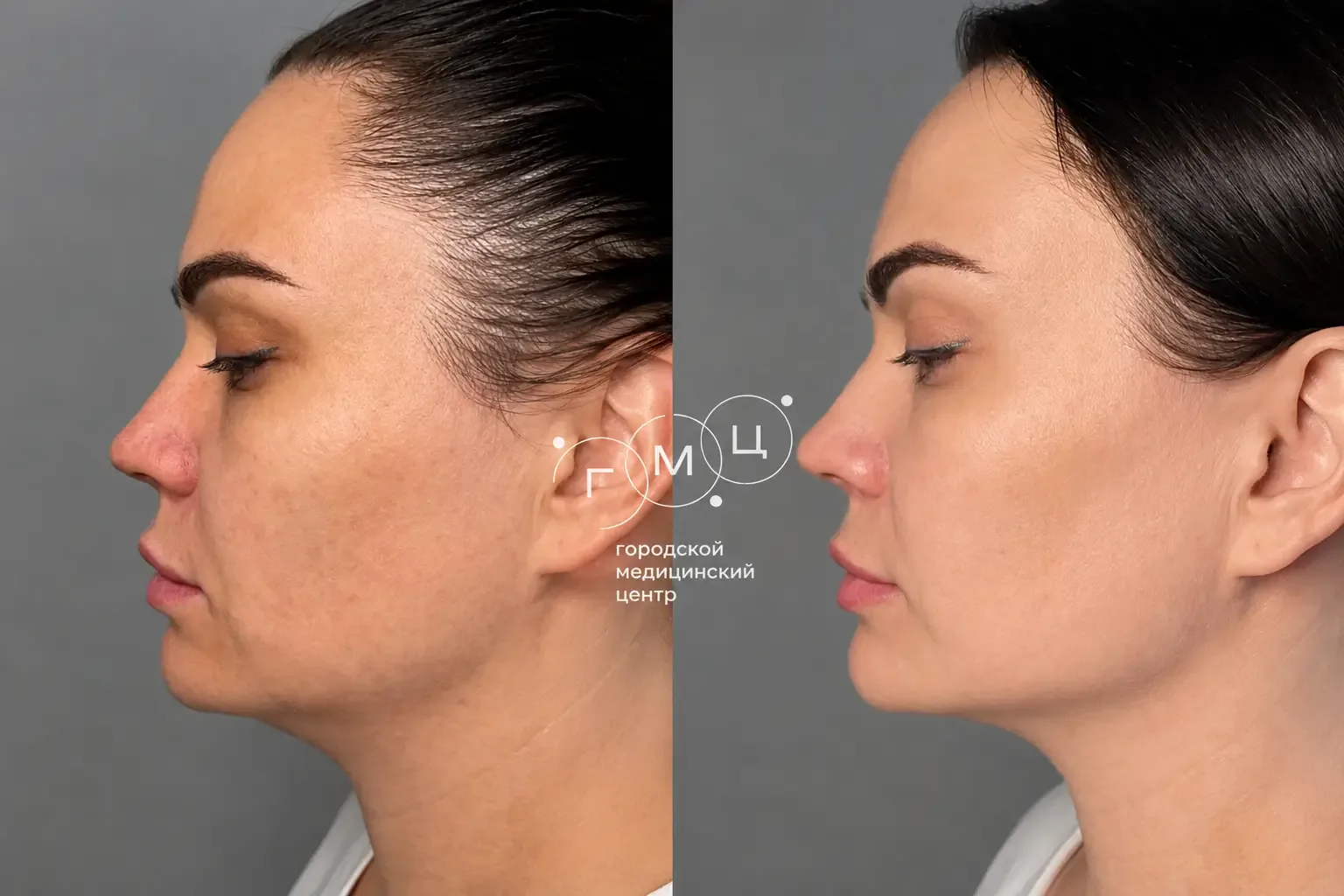
33 years
6 months
SMAS facelift
50 years
9 months
SMAS facelift
58 years
8 months
SMAS facelift
34 years
5 months
SMAS facelift
32 years
7 months
SMAS facelift
40 years
6 months
SMAS facelift
45 years
8 months
SMAS facelift
38 years
5 months
SMAS facelift
33 years
6 months
SMAS facelift
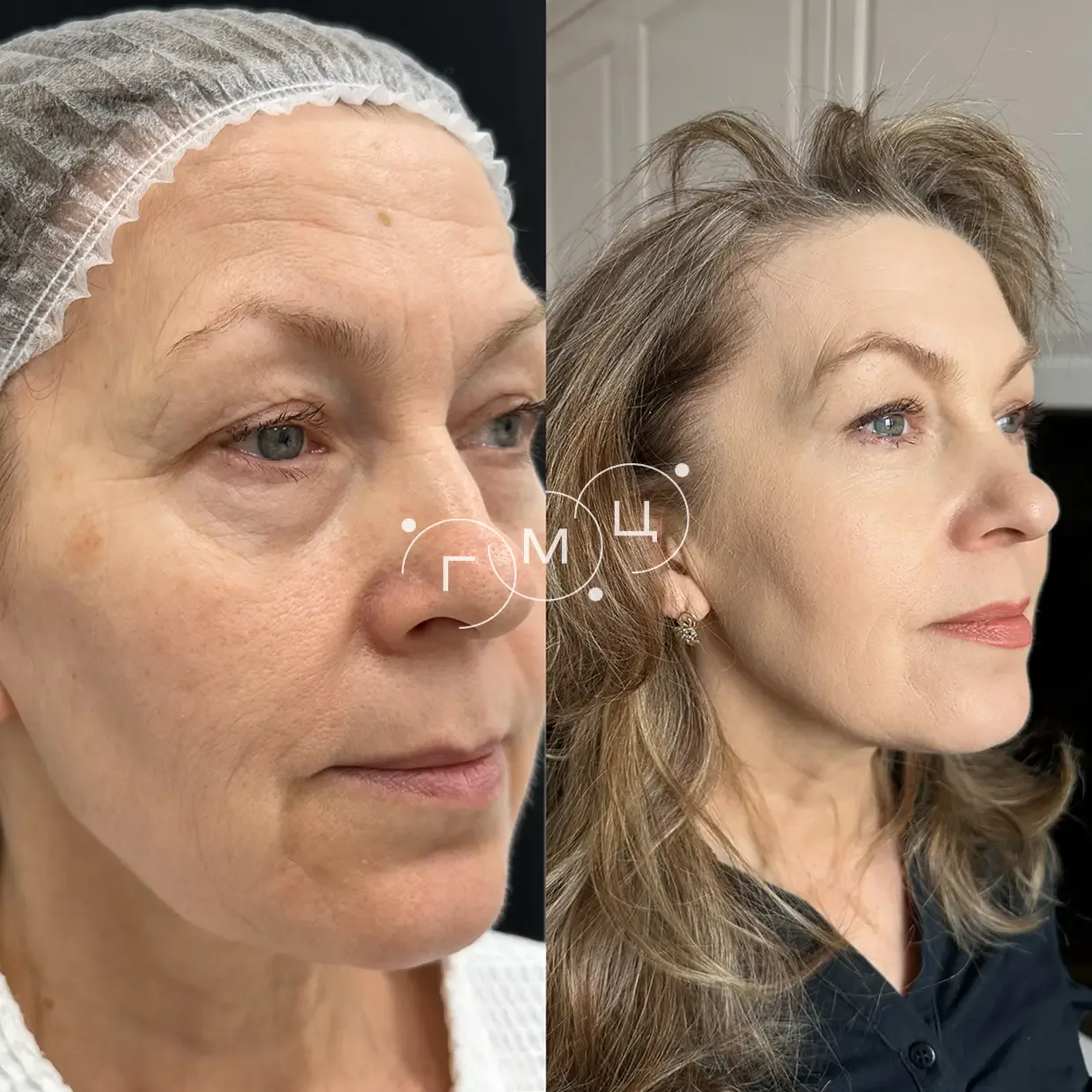

The face and neck show marked sagging
A blurred jawline, jowls
A double chin and loose neck skin
Pronounced nasolabial folds and marionette lines
Drooping brows and a heavy look
Significant loss of skin firmness after 40
Wish for a long-term result (7–10 years)

Patients under the age of 30
Skin in an acute inflammatory state
Being pregnant or currently breastfeeding
A severe disease of the cardiovascular system
Problems with blood clotting
Cancer
Decompensated diabetes
Facelift in Nottingham: what you should know
What is the difference between a standard and a SMAS facelift? A skin-only lift affects just the top layer and gives a short-lived effect. A SMAS facelift is deeper surgery: the surgeon lifts and secures the facial muscle and fascia layer, addressing weakened ligaments and descended muscles. For anyone researching a facelift in Nottingham, that depth is what makes the outcome natural and long-lasting.
Follow-up does not end at discharge. Throughout the first year, your plastic surgeon monitors how the face settles and checks the result until it is final. Personal support is provided before and after surgery. When combined procedures such as eyelid surgery or double-chin liposuction are planned, the surgeon sets their scope in advance. For patients from Nottingham, every step is agreed at the consultation.
One payment, many components. From $2,400 (≈ £1,850), Nottingham patients receive a personal consultation, surgery by an experienced team, combined inhalation anaesthesia, an inpatient room, meals and 24/7 monitoring by medical staff. Personal support before and after surgery and a full year of plastic surgeon follow-up are part of the package. The first step, a consultation, is free.
Stories of well-known people
Well-known people who spoke openly about this operation, in their own words.
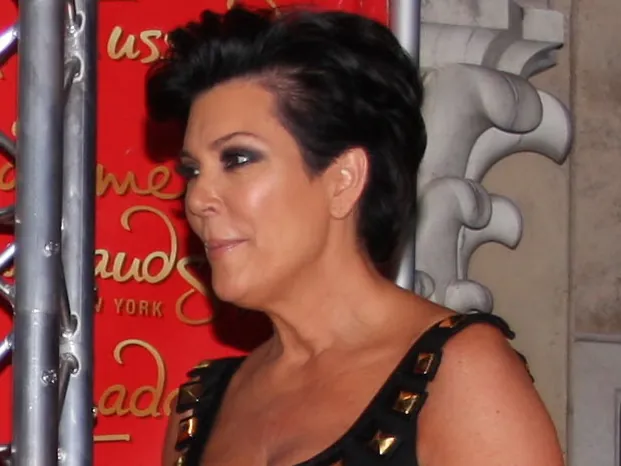 Kris Jenner’s facelift: “I love my facelift”Kris Jenner said she had a facelift about 15 years ago and a refresh before turning 70 — and that she loves it. How a SMAS facelift and recovery work.
 Did Vicki Gunvalson have a facelift? Yes, and she showed the result herselfVicki Gunvalson had a facelift in May 2018 after deciding fillers no longer looked like her. Her own words, how a facelift works and recovery.
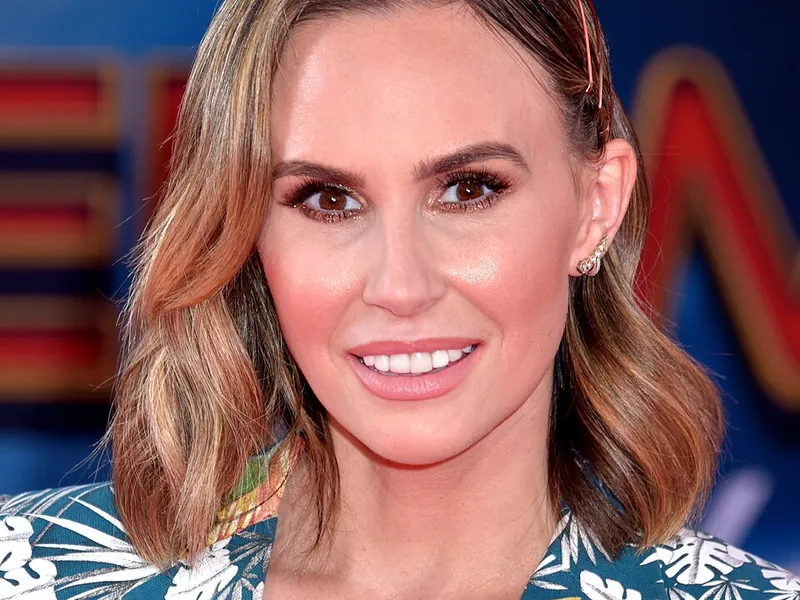 Keltie Knight’s facelift: why she decided to “just own it”Keltie Knight had a facelift in 2023 at 41 and chose to talk about it openly. What she said, how a SMAS facelift works and what recovery looks like.
 Did Linda de Mol have a neck lift? Yes, and she wrote about it herselfLinda de Mol wrote in LINDA. in 2025 that she had a neck lift. What she said, why she chose to be open, and how a face and neck lift works today.
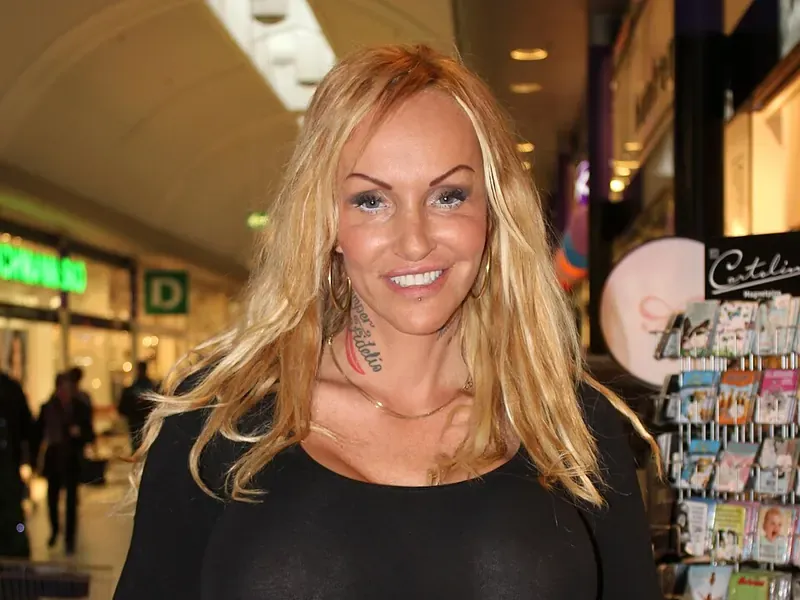 Linse Kessler and her facelifts: what she said herselfDanish reality star Linse Kessler has said openly that she has had several facelifts. Her words, how a modern facelift works and what recovery involves.
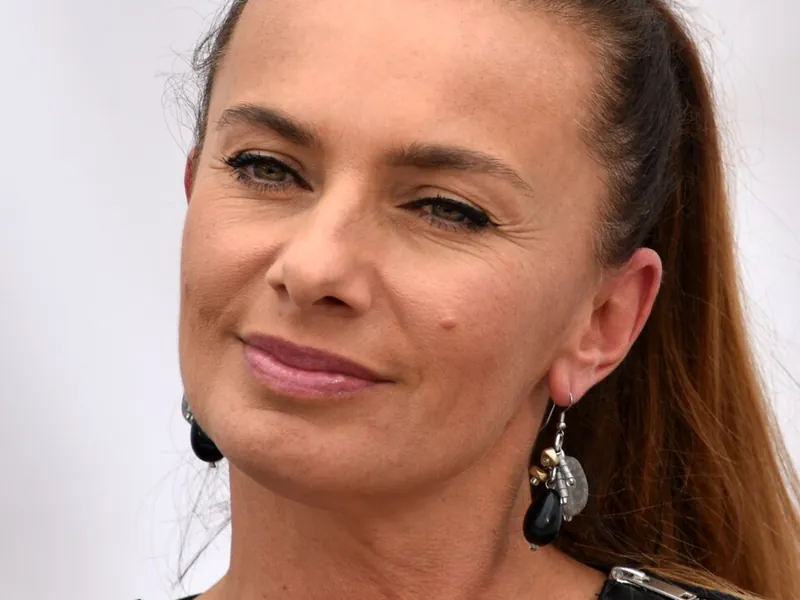 Did Alice Bendová have a facelift? Yes, and she explained why herselfAlice Bendová confirmed a deep plane facelift in September 2026. Her words, how a facelift works, who it suits and what recovery looks like.
Facelift in Nottingham: price and what is included
Prices are in US dollars; the amount in brackets is an approximate conversion to GBP at the rate of 02.10.2026. The final price is fixed in your contract.
- Faceliftfrom $2,400 (≈ £1,850)
What is a SMAS facelift?
It is a face lift that tightens the deep SMAS layer under the skin, not only the skin itself, so the lower face, jawline and neck stay firmer for longer. The result lasts about 7–10 years.
How much does a facelift in Nottingham cost?
Prices start from $2,400 (≈ £1,850). The surgeon sets the final price at the free consultation, and it is fixed in the contract, with no hidden extras.
What is included in the price?
A one-to-one consultation, the medical team, anaesthesia, inpatient care with meals, 24/7 monitoring and twelve months of follow-up by the surgeon.
How do I get my exact price?
Message us on WhatsApp or Telegram using the buttons below. A coordinator will answer your questions and book a free consultation where the doctor names the exact price.
By messaging us, you agree to our Privacy Policy
Facelift from Nottingham: what patients ask us
How long is recovery after a facelift?
Plan the first 7–10 days for rest and the compression bandage, then the follow-up visits the doctor sets.
Can I get a facelift consultation without leaving Nottingham?
Yes. The first consultation is free and starts online: send your details and photos on WhatsApp or Telegram, and the doctor reviews them and explains the options and the price.
How can I get a facelift estimate without visiting the clinic?
Send the coordinator front, side and three-quarter photos of your face and neck without filters, your age and earlier procedures. The surgeon reviews them and the price is fixed in the contract.
How far ahead should I plan a facelift before an event?
Leave at least 3–4 weeks before the date: swelling and bruising fade in 2–4 weeks and the first visible changes come after 3–4 weeks. The face reaches its final look in 3–6 months.
Can I book a facelift consultation for a specific date?
Yes. Send us the date you have in mind on WhatsApp or Telegram. The first consultation is free, and you can start it online with the photos and details you send; the clinic then confirms the nearest available dates for the consultation and the operation before you plan anything.
Fitting a facelift around the Nottingham calendar
Nottingham is a city of about 325,765 people packed into roughly 75 km2, which works out at around 4,365 people per square kilometre. Almost 62,000 of them are students at the three universities. Term time, graduation season and the sporting year all shape how busy a person's weeks feel. That matters for a facelift because the first stretch of recovery is not something to squeeze between commitments. The medical details below come from the facelift programme at City Medical Centre. The doctor sets the final plan during your consultation.
The recovery pattern is the starting point. For the first 7–10 days the routine is rest, a compression bandage and reduced physical activity. Swelling and bruising then fade over 2–4 weeks, and full recovery takes about 2 months. The final look of the face settles 3–6 months after surgery. So the useful question is not «when can I book?» but «which weeks do I want to keep free, and which events do I want to be fully comfortable at?».
The city's annual events give a rough map of the year. The Nottingham Trophy tennis tournament, the Robin Hood Marathon and the Outlaw Triathlon are all fixed points in the sporting calendar. If you attend, or help organise, an event like that, count backwards from its date. Aim to be well past the 2–4 week swelling window, and ideally further into the 2 months of full recovery, before you are in front of cameras or crowds. Reduced physical activity in the early days also means a race of your own is not a sensible target for the first weeks.
Public holidays are another handy marker. England and Wales have 8 bank holidays in 2026, and the late-year ones fall on 25 December (Christmas Day) and 28 December (the substitute for Boxing Day). Take a plan that starts in early November 2026. The first 7–10 days of rest would then pass well before Christmas, and the 3–4 week point, when the first clear changes appear, would land close to the festive weeks. Many people like that overlap, because they are not choosing a date in a hurry. The doctor can go through such a timeline with you in the chat, and no dates are booked before you confirm the plan.
Frost, damp air and a healing face
Nottingham's weather is mild by most measures, but it is not warm for much of the year. The Met Office 1991–2020 averages for Watnall, a few miles north-west of the centre, show an annual mean temperature of 10.1 °C. The mean daily maximum is 13.8 °C and the mean minimum is 6.5 °C. January is the coldest month, with a mean maximum of 6.9 °C and a minimum of 1.7 °C. February has the same 1.7 °C minimum. Across a year, air frost occurs on average on 36.9 days.
Why does this matter for a facelift? In the first days the face is bandaged, swollen and under a compression dressing, and the instruction is to rest. Anyone who has stood at a bus stop in a January frost knows how unwelcome cold air on the face can be. A winter plan is realistic, but it works best if the first 7–10 days are spent indoors with little to do. Short, planned outings are enough. The doctor will tell you what is and is not allowed during the consultation and after, so ask directly about walking outdoors in cold weather.
Dampness is the second factor. Annual precipitation is 715.6 mm over 125.9 days. The wettest months are October (71.7 mm), December (69.6 mm) and November (69.5 mm). March is the driest month, with 45.5 mm. This will not change a medical plan, because the operation is done under general (inhalation) anaesthesia in a clinic setting. It does shape the practical side. Wet pavements and gloomy light in late autumn favour staying home, which suits the 7–10 days of rest. Dry March days suit the stage when the swelling is fading and short walks feel good again.
One sensible approach for a Nottingham resident is to match the stages to the seasons. The rest phase is easy to spend indoors in November or December. The 2–4 weeks of fading swelling and bruising fall into the colder months, and the 3–6 months before the final look arrives stretch into the spring light. The final result, with its 7–10 years of effect, does not depend on the month you choose. What the season changes is how comfortable the early recovery feels for you.
Sunshine hours: when the sky is generous and when it is not
Nottingham receives about 1,487.0 hours of sunshine a year. The brightest months are May and July, with 191.5 hours each, and June follows with 170.5 hours. The dullest month is December, with only 55.3 hours. About 11 days a year reach 25 °C or above, and Watnall recorded 39.8 °C on 19 July 2022. So summers are usually moderate but can occasionally be very hot.
Think about this with healing tissue in mind. After a SMAS facelift the skin is being redraped and the incision lines are young. Bruising lasts 2–4 weeks, and the full recovery takes about 2 months. The medical information we work from does not give a protocol for sun exposure, so there is no number for you to remember here. What the figures above do show is that the sunniest weeks and the days that reach 25 °C or more cluster in late spring and summer. If you plan a procedure in spring, the brightest weeks could overlap with your first outdoor days. Ask the doctor in the consultation how to protect the face from strong sun during recovery, and follow the individual instructions.
December gives the opposite picture. With only 55.3 hours of sun in the whole month, a late-autumn or winter start means bright light is rarely a problem. That is one reason some patients prefer the darker part of the year for the resting stage. The trade-off is the cold and wet already described, so neither season is simply better. It depends on your plans, your work and how you feel about being out in the open.
If you notice that your skin already reacts strongly to sunlight, mention it when you send photos. The doctor assesses the skin together with the sagging of the cheeks, jowls and neck, and the individual plan is made after that. Photographs taken in even daylight, without heavy make-up and without filters, make a conversation like this much more useful. A bright Nottingham May afternoon by a window is a perfectly good setting, as is any evening in December under a ceiling light, as long as the face is evenly lit.
What the NHS covers, and why many people choose a private online route
The NHS states plainly that cosmetic surgery is not routinely provided. It might pay for some procedures for psychological or other health reasons, such as rhinoplasty for breathing problems. Most people who want cosmetic surgery need to pay privately. A facelift for sagging cheeks, jowls, a blurred jawline and loose skin on the neck is a cosmetic procedure of exactly that kind. If you are hoping for an NHS referral for it, you should not count on one.
The wider context also shapes how people look for care. NHS England's press notice of 10 September 2026 reported 7.3 million waiting pathways at the end of July 2026, covering about 6.2 million unique patients. Of these, 111,379 had waited more than 52 weeks. This is a figure about NHS waiting lists, not about a facelift, and it does not describe any private option. But it helps explain why people who need a clear timetable look for a service that fixes the plan and the dates with them before anything is booked.
City Medical Centre works with Nottingham residents online. You send photographs through WhatsApp or Telegram, and the coordinators answer round the clock on both messengers. The first consultation is free, and the doctor assesses your photos, names the final price and fixes it in the contract. You confirm the plan and the dates before anything is booked. Instalment options exist: in-house 0% instalments, with no bank interest or overpayment.
Because the first conversation is a chat, you do not need to rearrange a working week for it. You can write in the evening after the students have left the tram, or on a quiet weekend morning, and the reply comes within 15 minutes. If you have a chronic condition, mention it at the start. The contraindications include a severe cardiovascular condition, problems with blood clotting, cancer and decompensated diabetes, along with acute skin inflammation, pregnancy and the breastfeeding stage. Being under 30 is also a contraindication. The doctor decides individually after reviewing everything.
From the Trent valley to a chat window: how the consultation and the procedure fit together
Nottingham sits on low hills along the lower valley of the River Trent, with Sherwood Forest to the north. Nothing in that geography affects the operation, but it describes the setting you will recover in. A SMAS facelift is a surgical procedure done under combined (inhalation) anaesthesia. It works on the skin, the subcutaneous fat and the SMAS layer, which is made up of muscles and ligaments. Because it reaches the layer that causes the sagging, rather than only the skin, the effect lasts 7–10 years. A repeat procedure after that period is possible if you wish.
The types differ by area. The standard SMAS facelift treats the mid and lower face, with incisions hidden around the ears and along the frontal edge of the hair. It is used for jowls, sagging cheeks, a double chin and deep nasolabial folds. The full (circular) facelift covers the forehead, temples, mid and lower face and neck, and suits marked sagging in several areas at once. A lift for the neck and lower face concentrates on the chin, jowls and loose skin on the neck through small incisions. The endoscopic brow and temple lift uses tiny punctures with an endoscope to reposition the brows and soften forehead and frown lines.
The usual age for a surgical facelift is 40 and over, with marked tissue sagging, and in some cases from 35. Indications include a loss of jawline definition, jowls, a double chin, marionette lines, deep nasolabial folds and a heavy look caused by drooping brows. The facelift can be combined with eyelid surgery, rhinoplasty or double-chin liposuction, and the doctor decides on the combined scope at the consultation. After the procedure you are followed up by the operating doctor for the whole first year.
A good first message to the coordinator is short. Say your age, what bothers you most (the jawline, the neck, the cheeks or the brows) and how much time you could keep free after the procedure. Add two or three clear photographs: front, three-quarter and profile, in daylight. Mention any chronic illness and medicines you take. Then ask for a rough timeline for the date you are considering, perhaps one that places the first 7–10 days of rest before the busy weeks of the year. The doctor will answer with an honest assessment, and you decide at your own pace.
Is it better to plan a facelift in Nottingham for the colder or the brighter months?
It depends on what you want from the recovery. The coldest month is January, with a mean maximum of 6.9 °C and a minimum of 1.7 °C, and there are 36.9 days of air frost a year. The brightest are May and July, with 191.5 hours of sunshine each. The early rest of 7–10 days is easier to spend indoors in the colder, duller months. Strong sun is something to discuss with the doctor if your recovery overlaps with late spring or summer.
How do I time the recovery around Christmas 2026?
Count the stages back from the date you want to feel presentable. The first 7–10 days are for rest and a compression bandage. Swelling and bruising fade in 2–4 weeks, and the first clear changes show after 3–4 weeks. Full recovery takes about 2 months. Christmas Day falls on 25 December 2026 and the substitute bank holiday for Boxing Day on 28 December. A start in early November 2026 would put the rest phase well before them. The doctor will tune the schedule with you.
Can the NHS pay for a facelift in Nottingham?
The NHS says cosmetic surgery is not routinely provided and that most people who want it need to pay privately. It might fund some procedures for psychological or other health reasons, and examples it gives include rhinoplasty for breathing problems. A facelift to correct sagging cheeks, jowls and the neck is cosmetic, so you should plan on a private route. Ask your GP only if you have a health concern separate from appearance.
Do students and busy work weeks in Nottingham make an online consultation easier?
They can. Almost 62,000 people attend the three universities, and the city's rhythm is full of fixed terms and deadlines. The first consultation is free and happens in WhatsApp or Telegram, where coordinators reply round the clock, with a reply within 15 minutes. You can send photographs in the evening or at the weekend, so no appointment has to be fitted into the working day. Nothing is booked until you confirm the plan and the dates.
What photos should I send from Nottingham for the first assessment?
Send clear photos in even daylight: front, three-quarter and profile, with a neutral expression, without filters and with the hair pulled back. If the neck is a concern, add a photo showing the neck and jawline. Mention your age, the chronic illnesses you have and any medicines you take. The doctor uses these to judge the degree of sagging, suggest which type of lift fits and name the final price, which is then fixed in the contract.
Should I worry that Nottingham has hot days in summer?
About 11 days a year reach 25 °C or above, and Watnall recorded 39.8 °C on 19 July 2022, so summer heat is occasional rather than constant. During the first 2–4 weeks, when swelling and bruising are fading, strong heat and sun are worth discussing with the doctor. They will give you individual instructions. Many patients simply plan the early recovery for cooler, duller months, but this is a matter of comfort and convenience.
Does a facelift need to be repeated, and how long do the results last?
A complete result is achieved in one operation. With a surgical SMAS facelift the effect lasts 7–10 years, because the doctor works on the muscle and fascia layer, which is the cause of the sagging. The final look of the face settles within 3–6 months. A repeat procedure after 7–10 years is possible if you want it. The operating doctor follows you up for the whole first year.