


























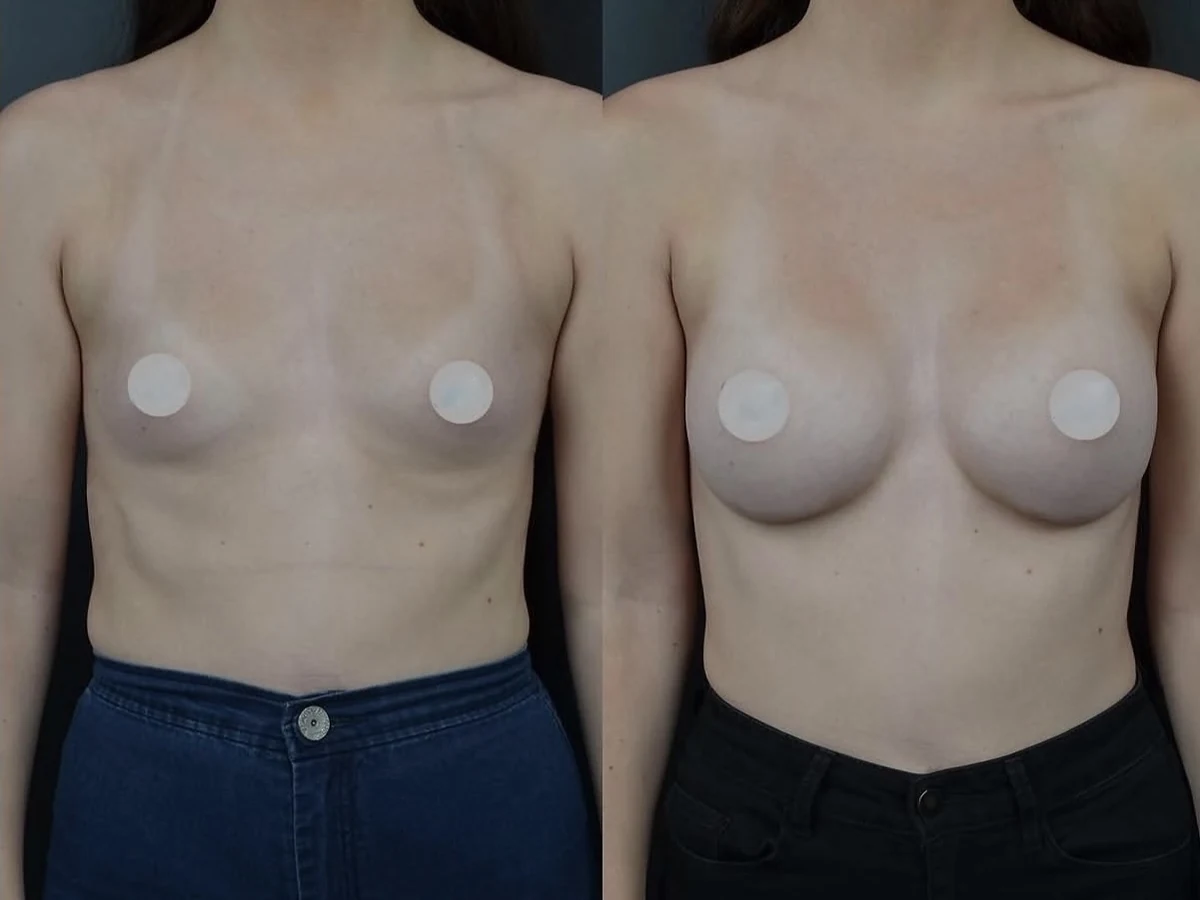
 beforeafter
Mammoplasty
Method: implants
Breast augmentation
$4,700
$5,900 · First consultation — Free
Free online consultation · Reply within 15 minutes
Message our coordinator
Free online consultation · Reply within 15 minutes
Message us on TelegramMessage us on WhatsAppBy messaging us, you agree to our Privacy Policy
Breast augmentation for patients from Accra at City Medical Centre starts at GHS 55,000 (from $4,700). The first online consultation is free; the doctor names the final price and it is fixed in the contract.
How it works · Breast augmentation prices
Information current as of 5 November 2026
Results
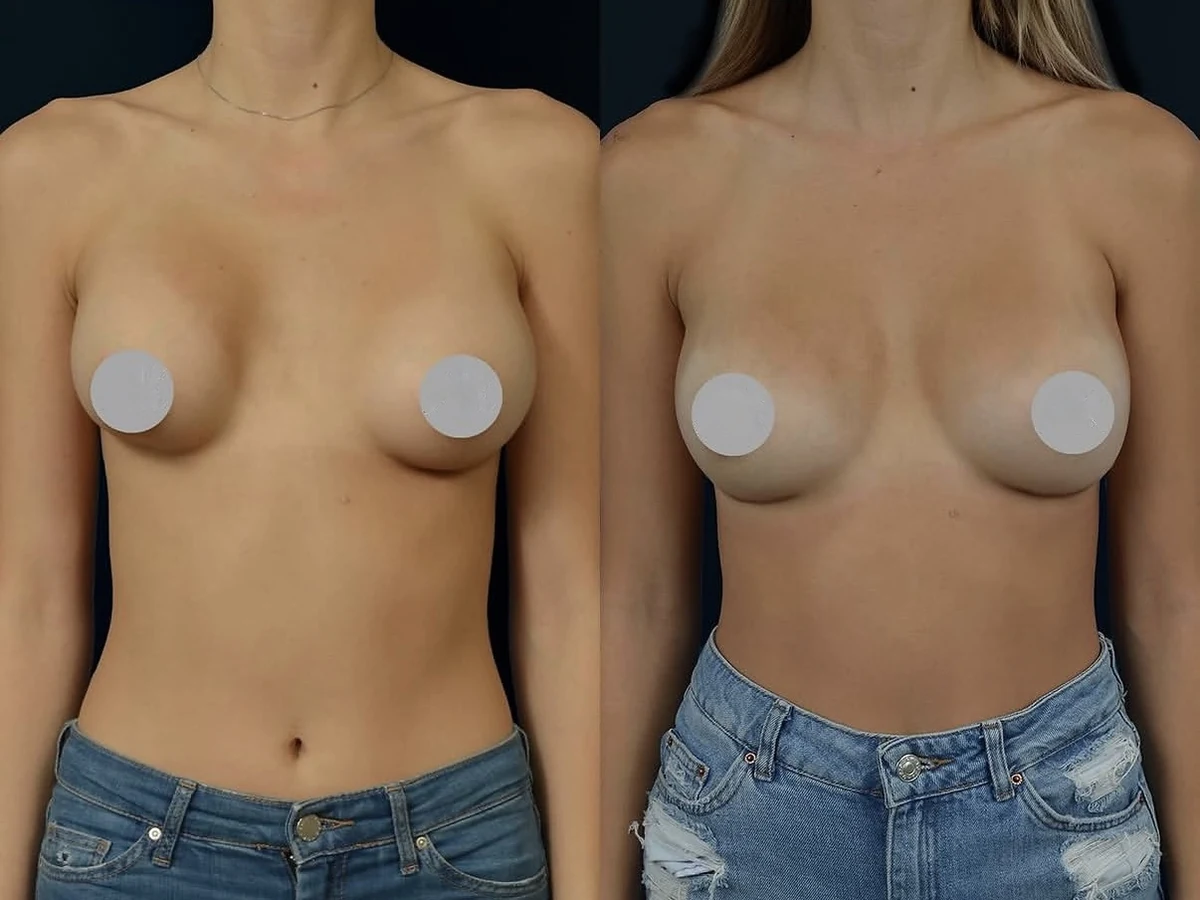
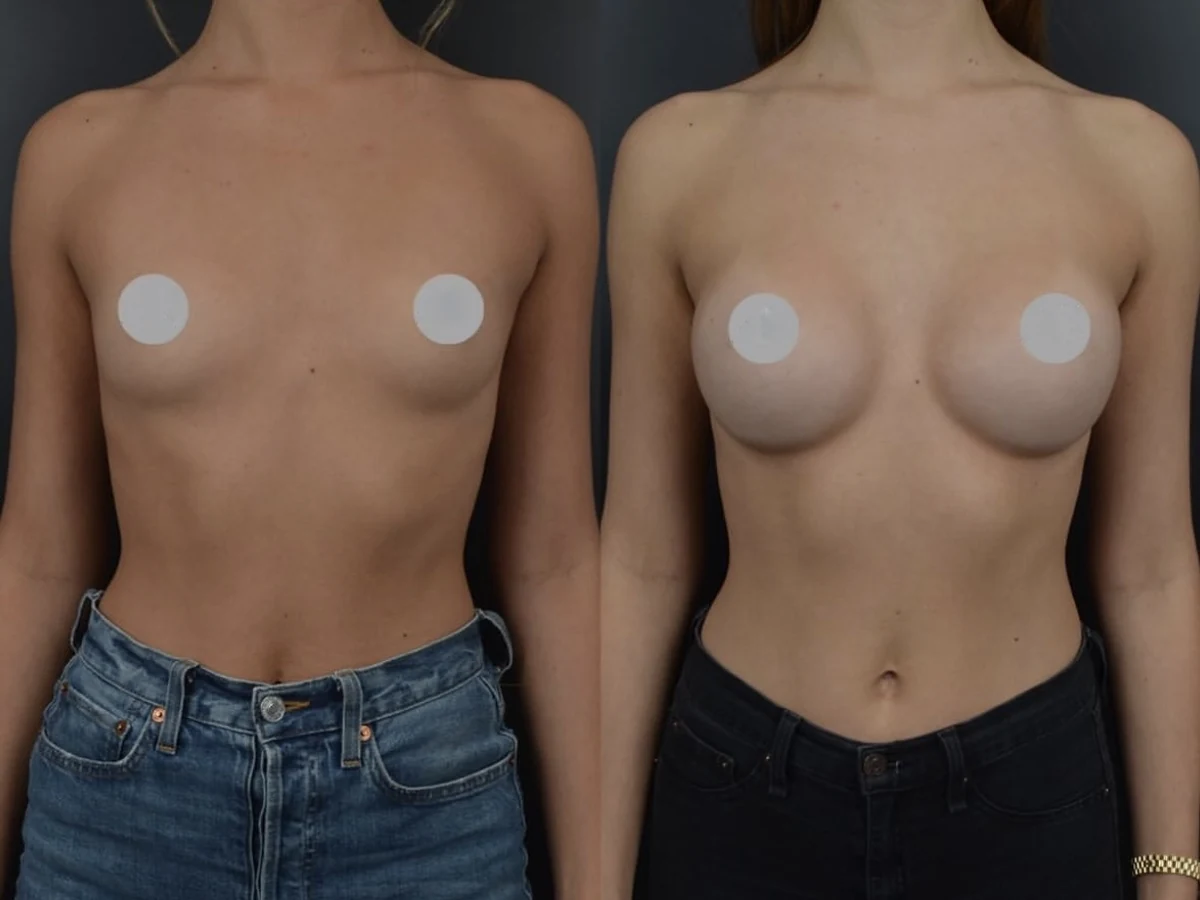
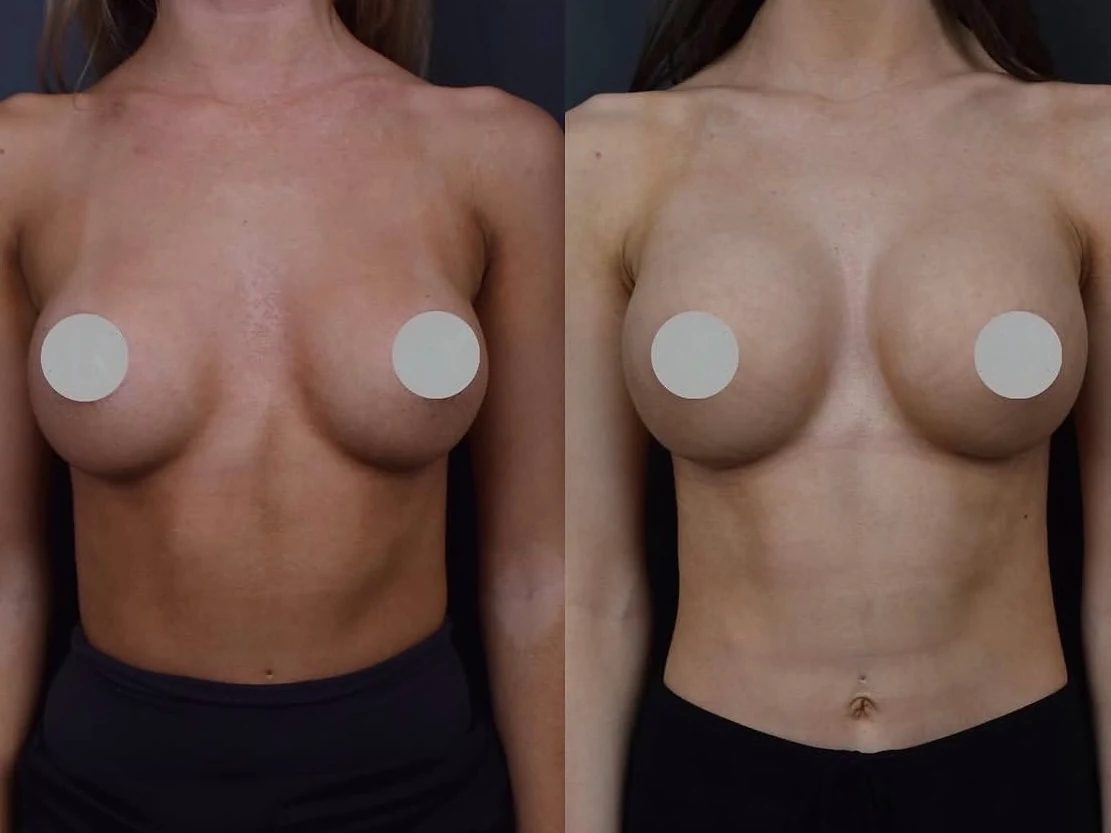
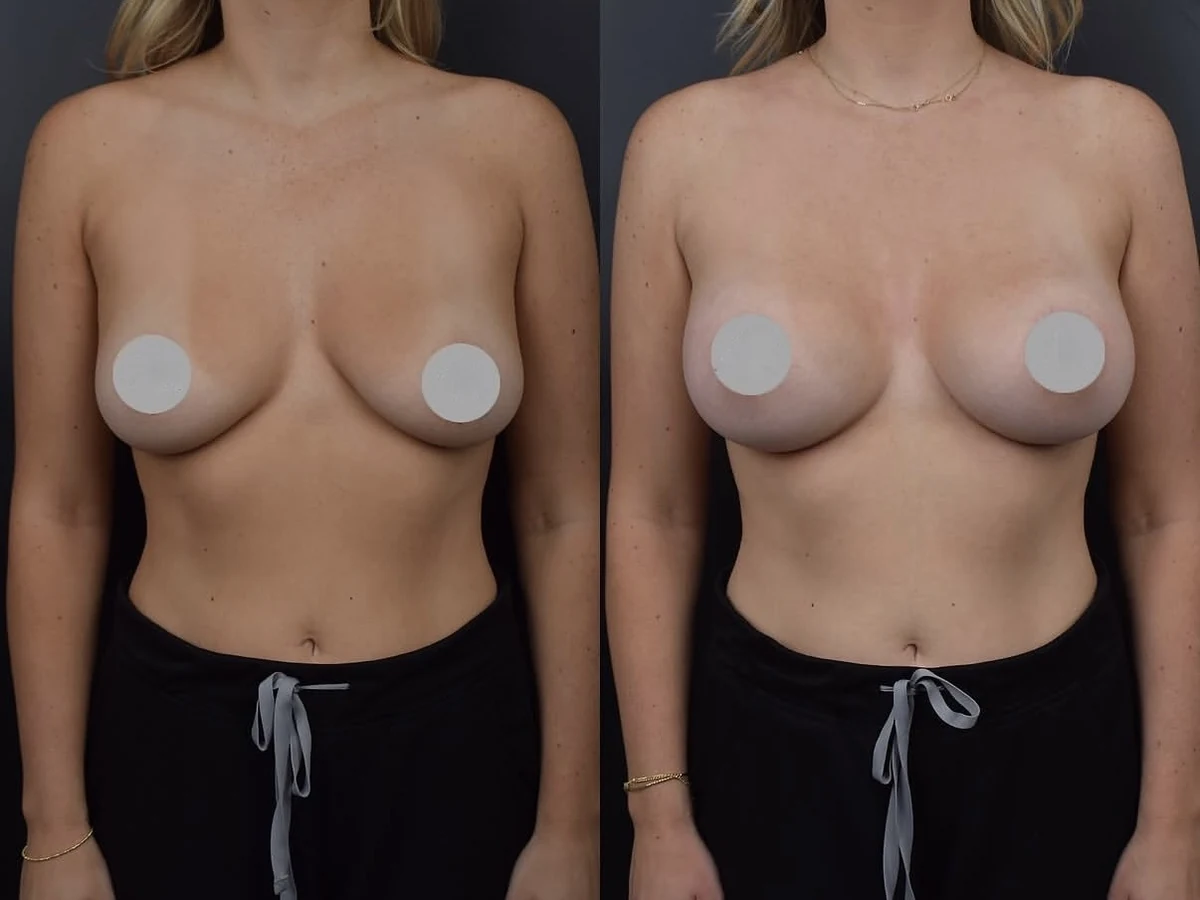
These are real patients of the clinic, with faces and identifying details hidden.
beforeafterMethod: implants
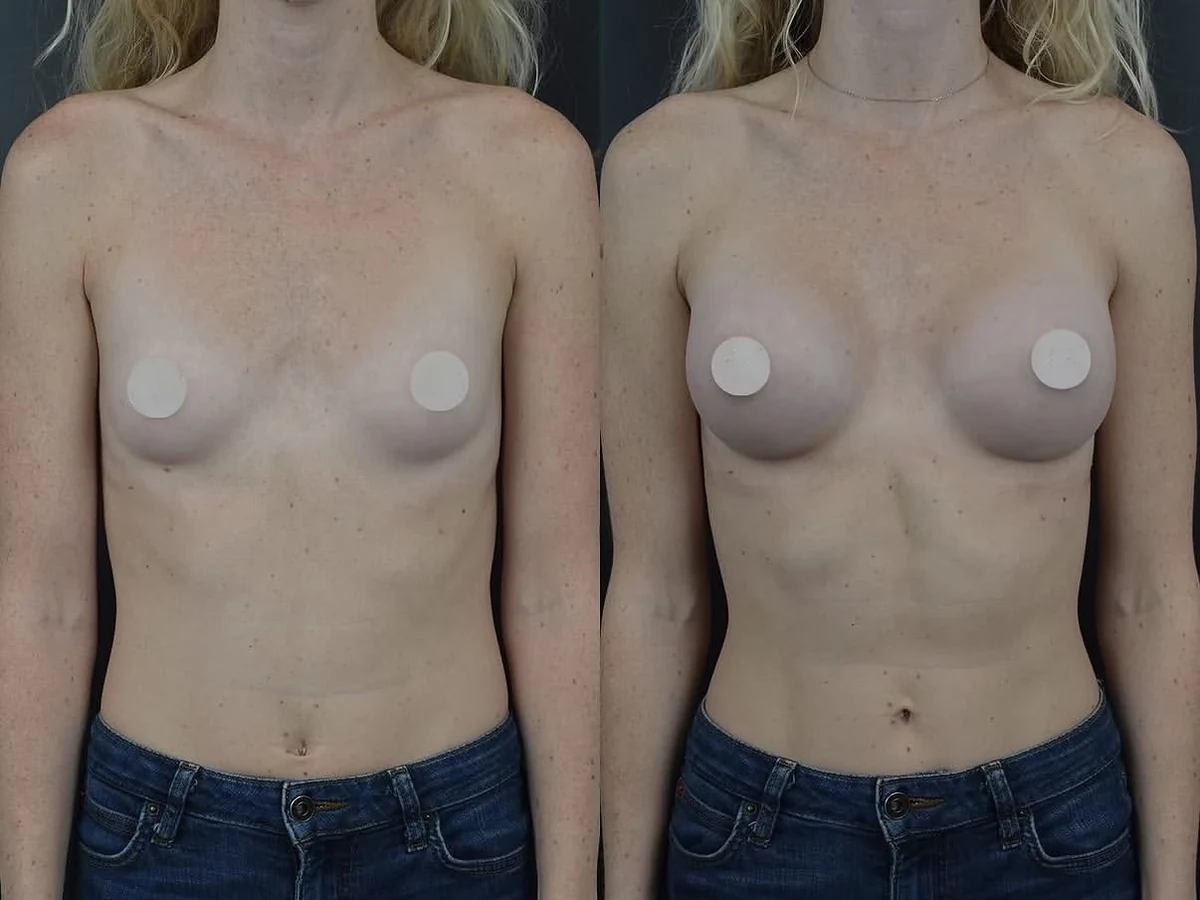 beforeafter
Method: implants
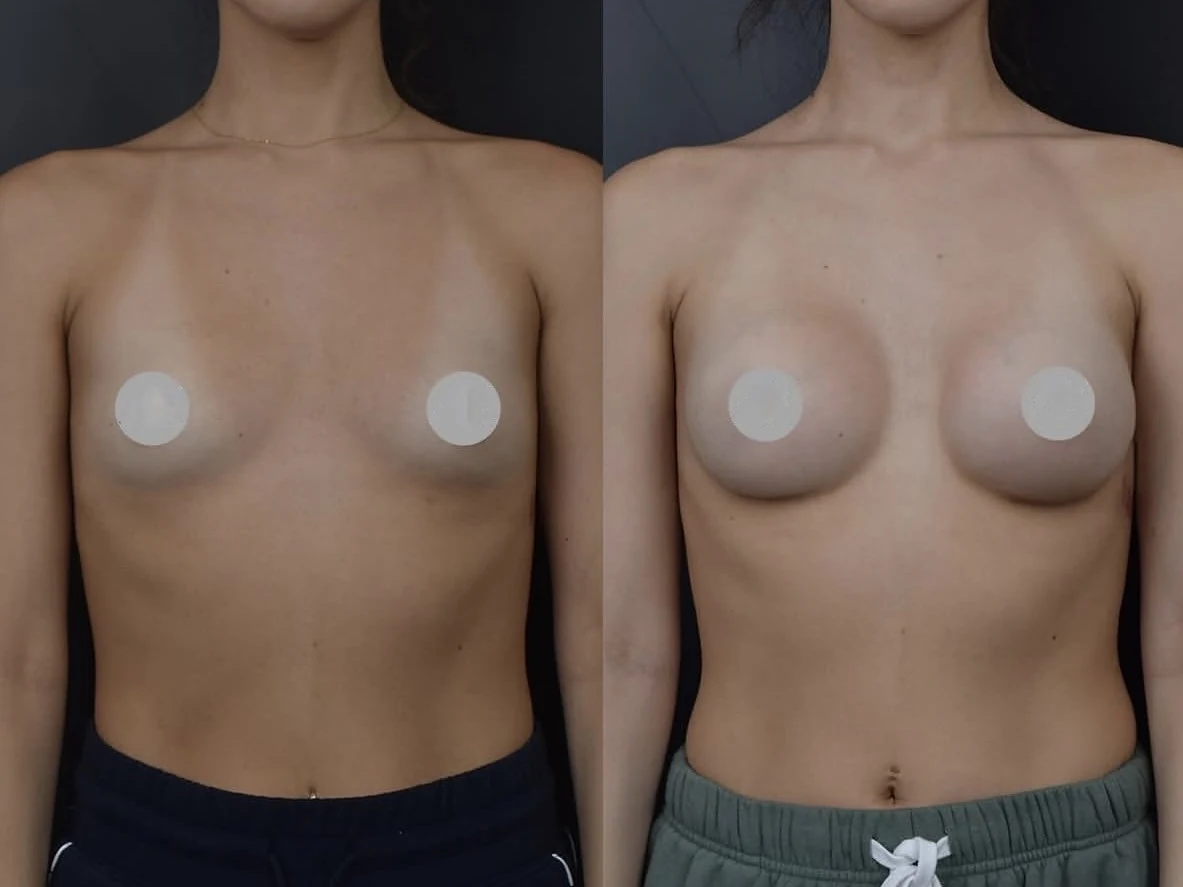 beforeafter
Method: implants
 beforeafter
Method: implants
 beforeafter
Method: implants
 beforeafter
Method: implants
 beforeafter
Method: implants
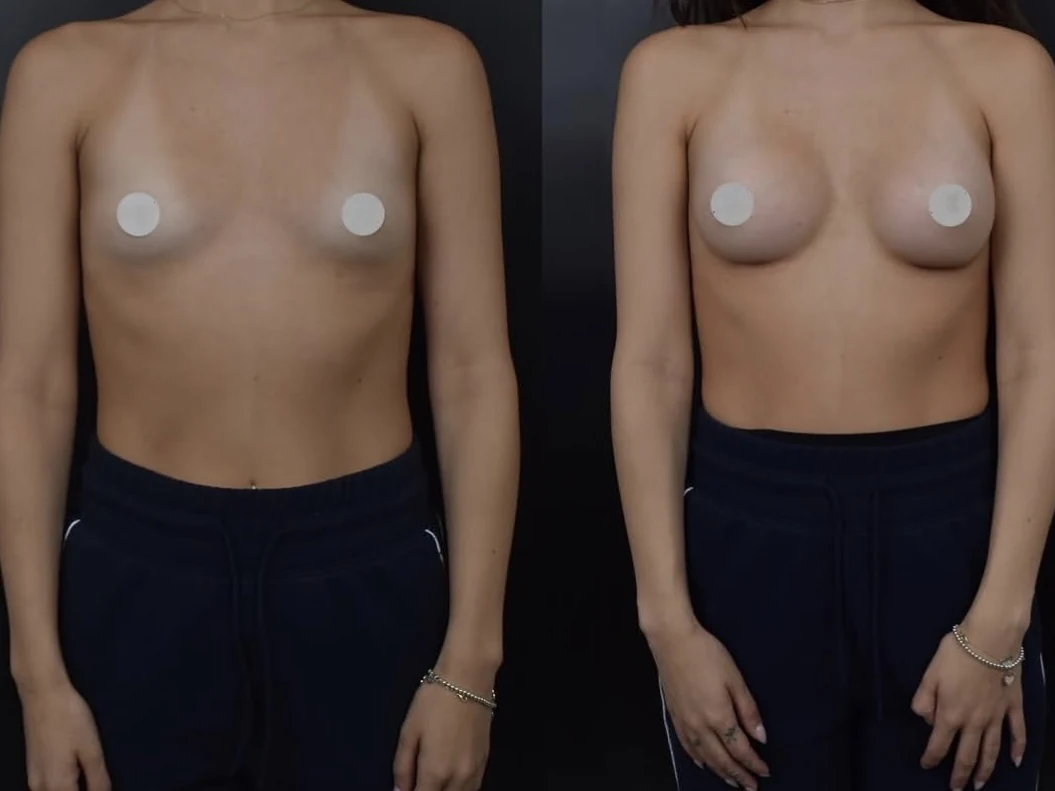 beforeafter
Method: implants
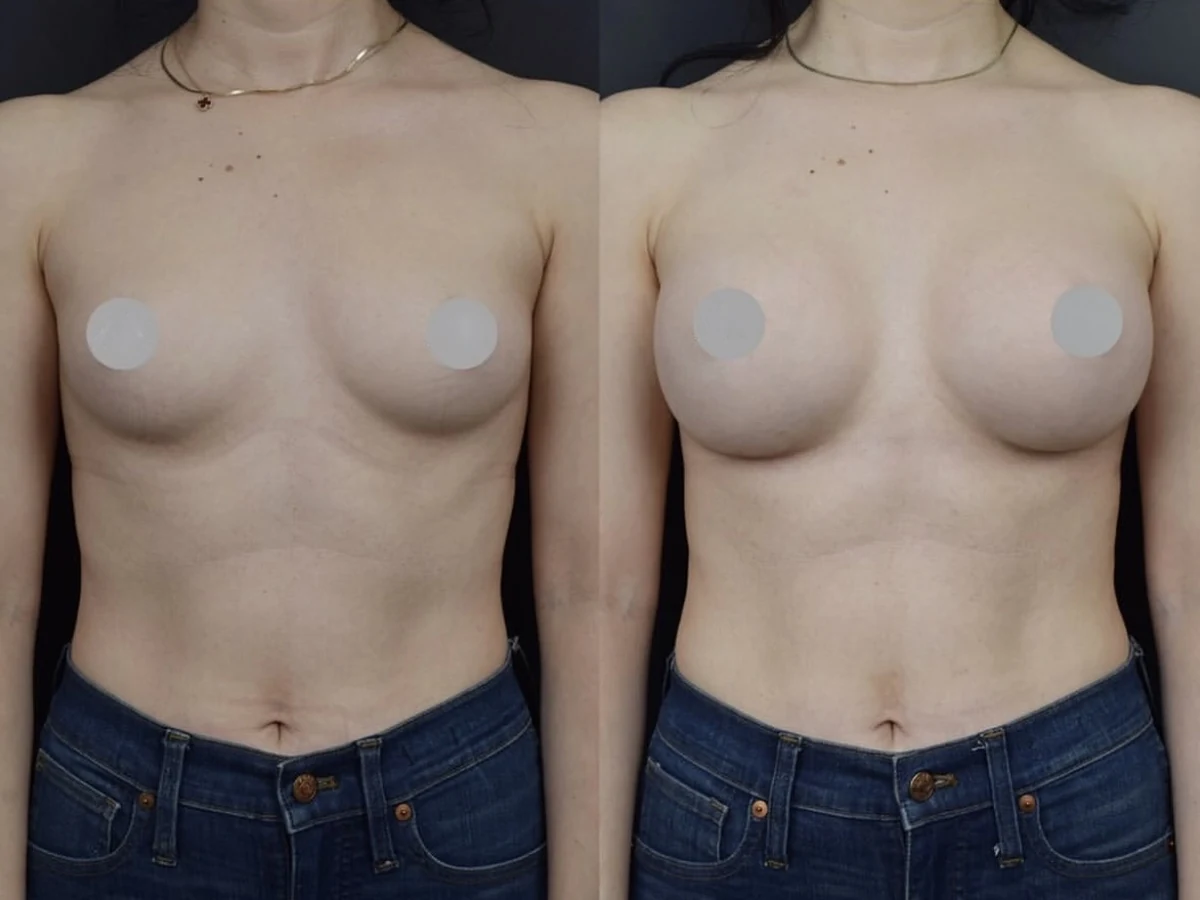 beforeafter
Method: implants
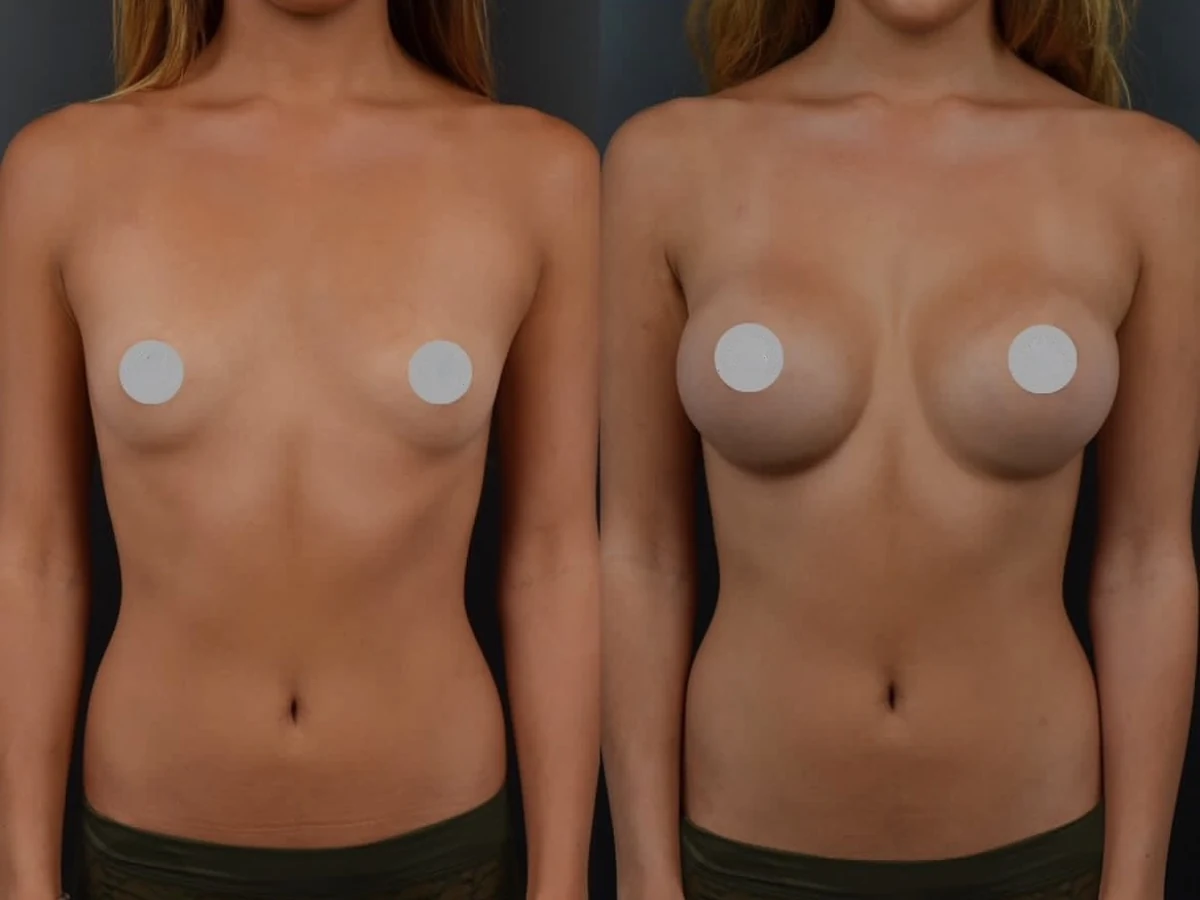 beforeafter
Method: implants
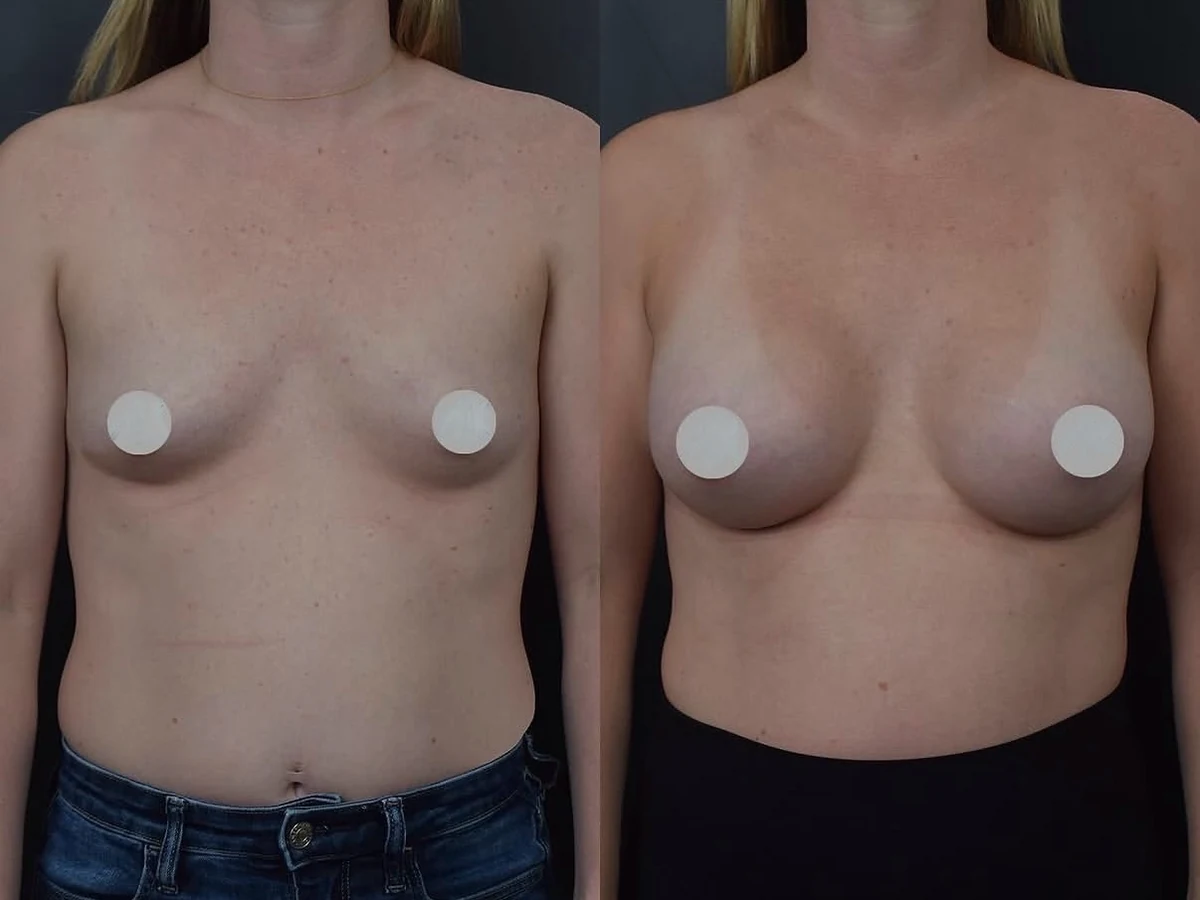 beforeafter
Method: implants
Comparison
There are two main ways we correct the breasts: augmentation and reduction. Compare their goal, how precise the correction is and who they suit, and choose your method with confidence.
Size and shape correction with implants
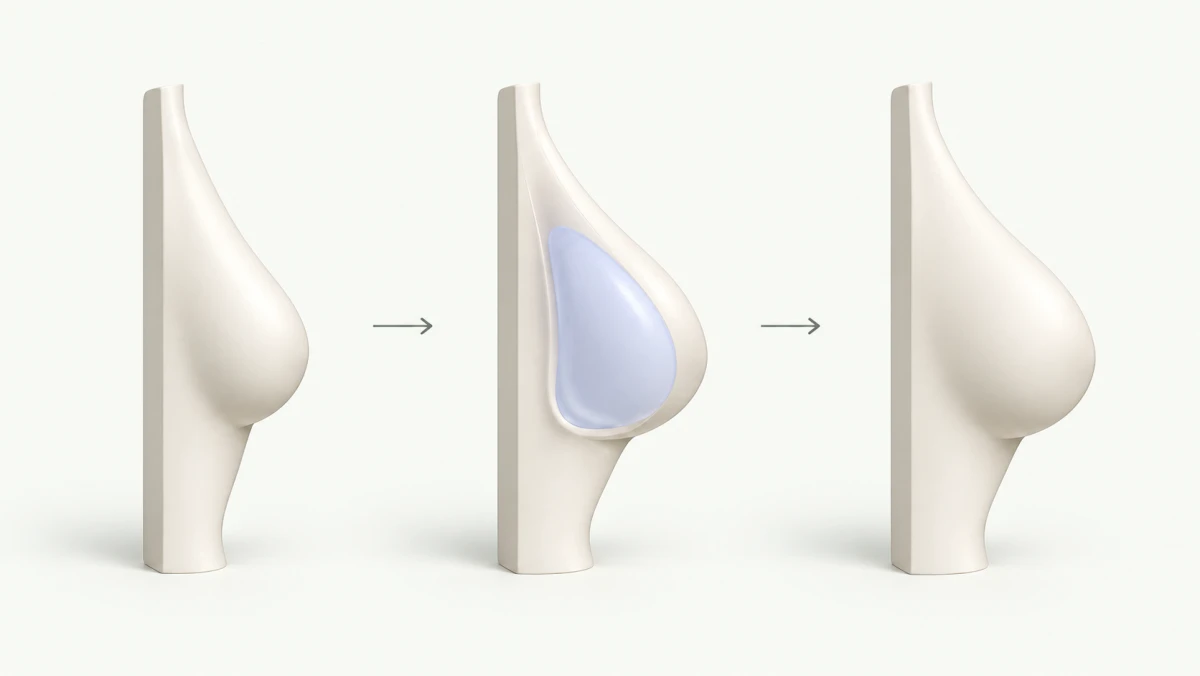
Discounted price
$4,700 $5,900
Reducing breast volume and weight to correct size
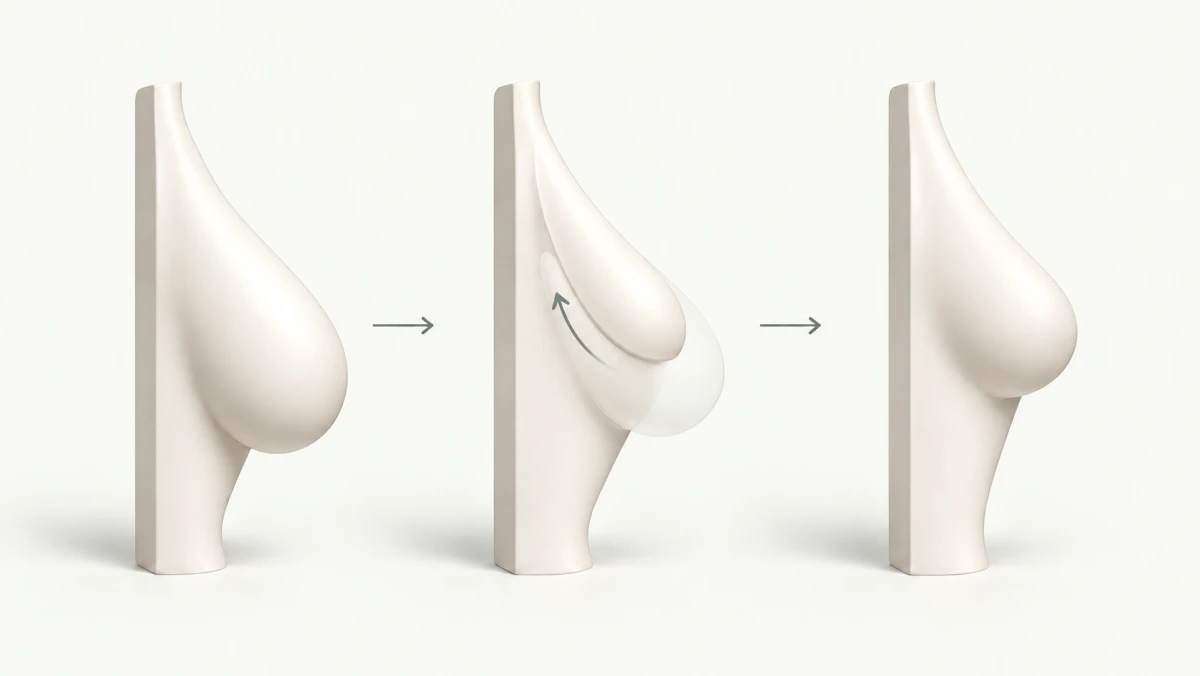
Discounted price
$4,700 $5,900
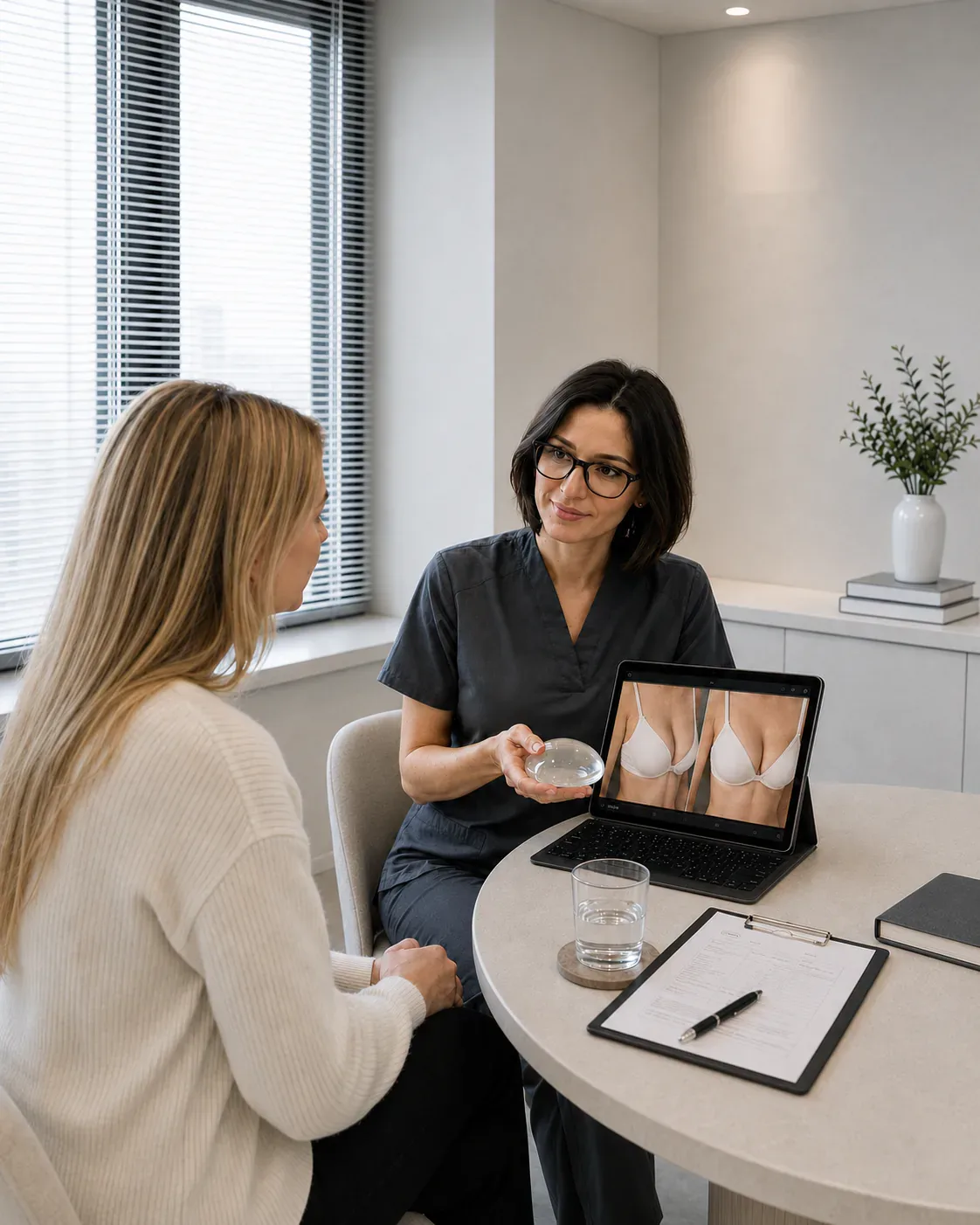
During the consultation the surgeon evaluates the shape and proportions of your breasts, listens to your wishes and selects the most suitable type of mammoplasty.
The consultation is free, before surgery and with no commitment.
Comparison
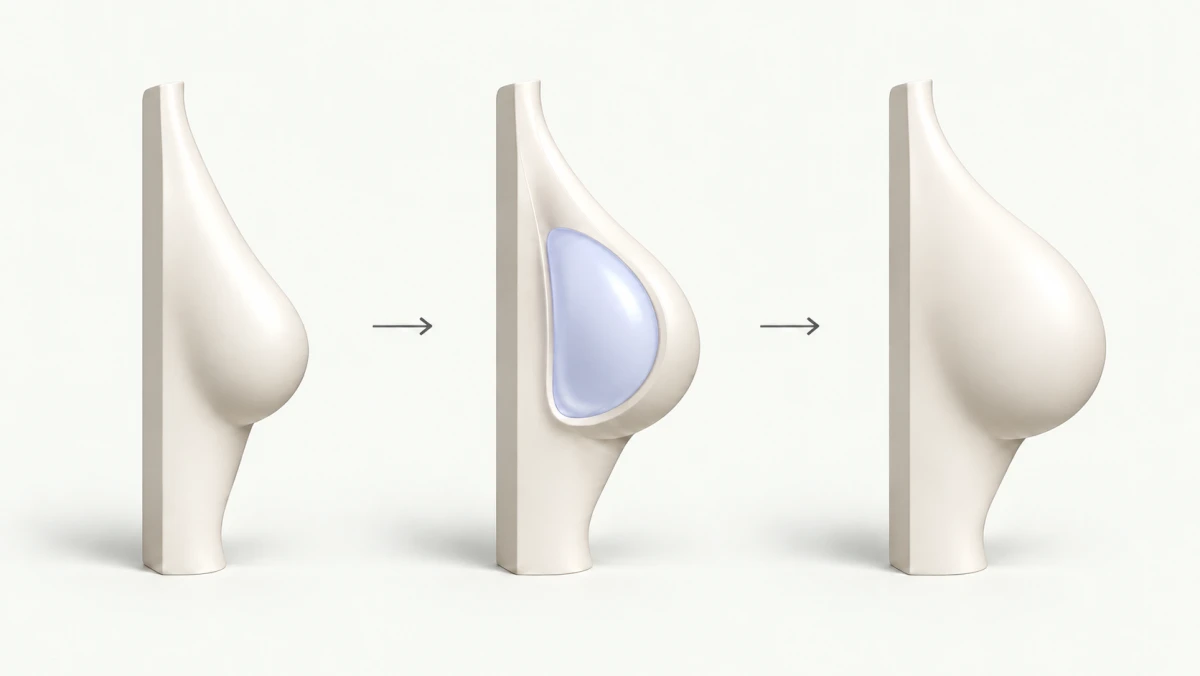
We work with two main types of implants: round and anatomical. Both add volume and correct the shape of the breasts, but they differ in shape and in the kind of result.
Even volume and a fuller upper pole
A natural slope with a soft, teardrop-like shape
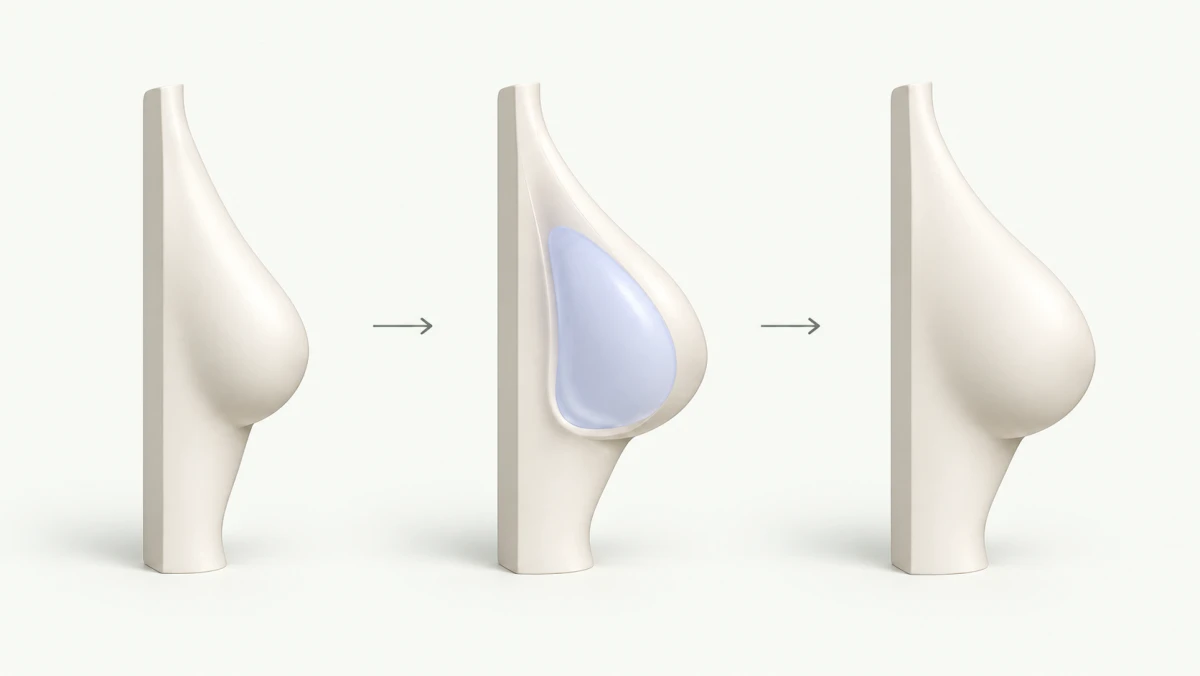
The surgeon will help you choose the implant shape and volume.
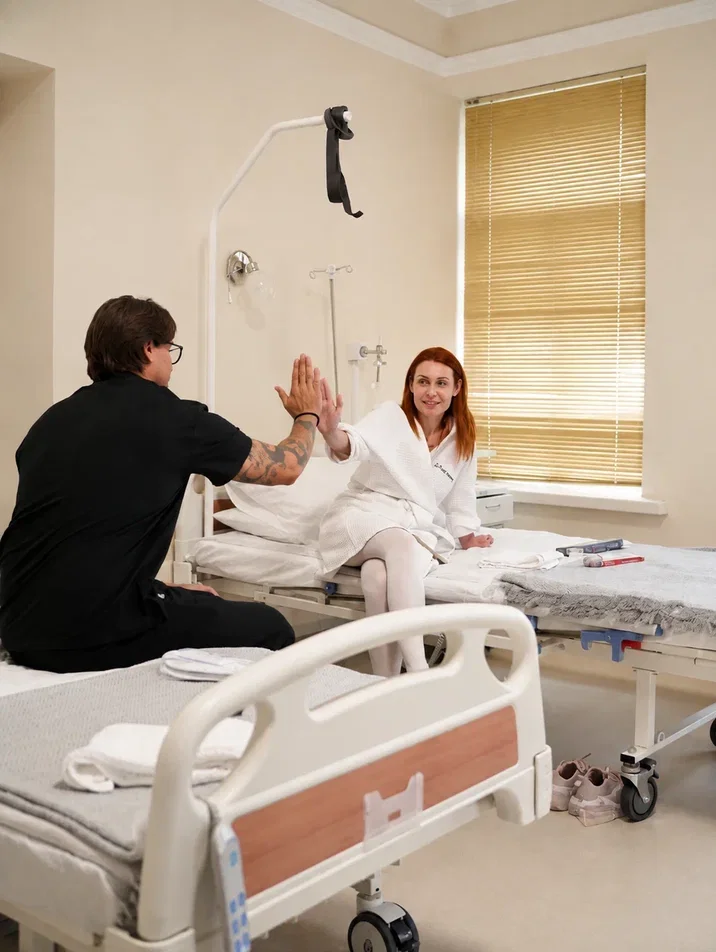
Our clinic
Modern technology, cosy rooms and personal attention for every patient
Ask us anything, and we will arrange a consultation at a time that suits you
By messaging us, you agree to our Privacy Policy
Should your case not require surgery, you will hear it from the doctor at the consultation, and no money will be spent in vain.
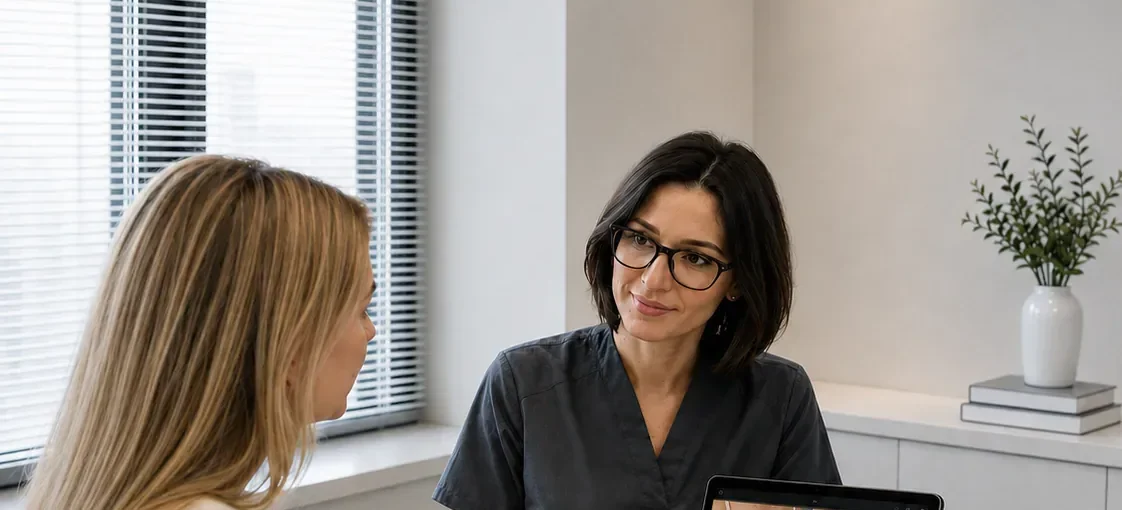

Can't tell whether surgery is right for you?
Message us — your coordinator will ask for photos in a messenger, and the surgeon will look at them and tell you whether mammoplasty is right for you.
Find out if it suits me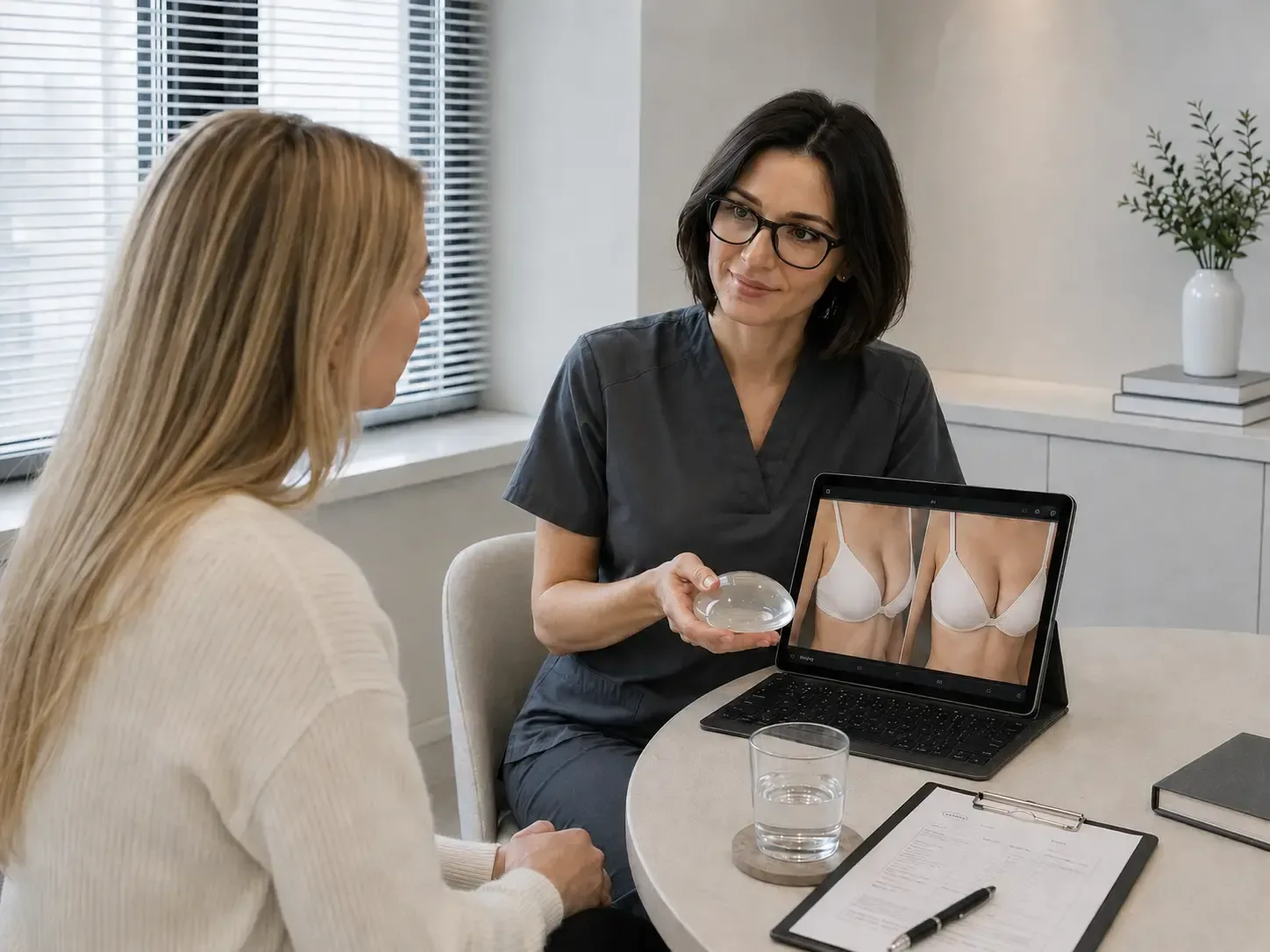
Prices
The price is set at the consultation and fixed in the contract.
Discounted price
Size and shape correction with implants
$4,700$5,900
Discounted price
Reducing the volume and weight of the breasts
$4,700$5,900
Breast restoration after mastectomy
The surgeon evaluates the anatomy and proportions of your breasts, hears what you want and selects the most suitable correction method.
The price is set at the consultation and fixed in the contract.
Message our coordinator
Free online consultation · Reply within 15 minutes
Message us on TelegramMessage us on WhatsAppBy messaging us, you agree to our Privacy Policy

all inclusive
Everything from surgery preparation
to support over 12 months.
Discounted price
$4,700$5,900
What to expect
An agreed correction plan, inpatient observation and recovery monitoring for a year.
 1
After assessing your figure and discussing your wishes, the surgeon chooses the best volume, shape and correction method.
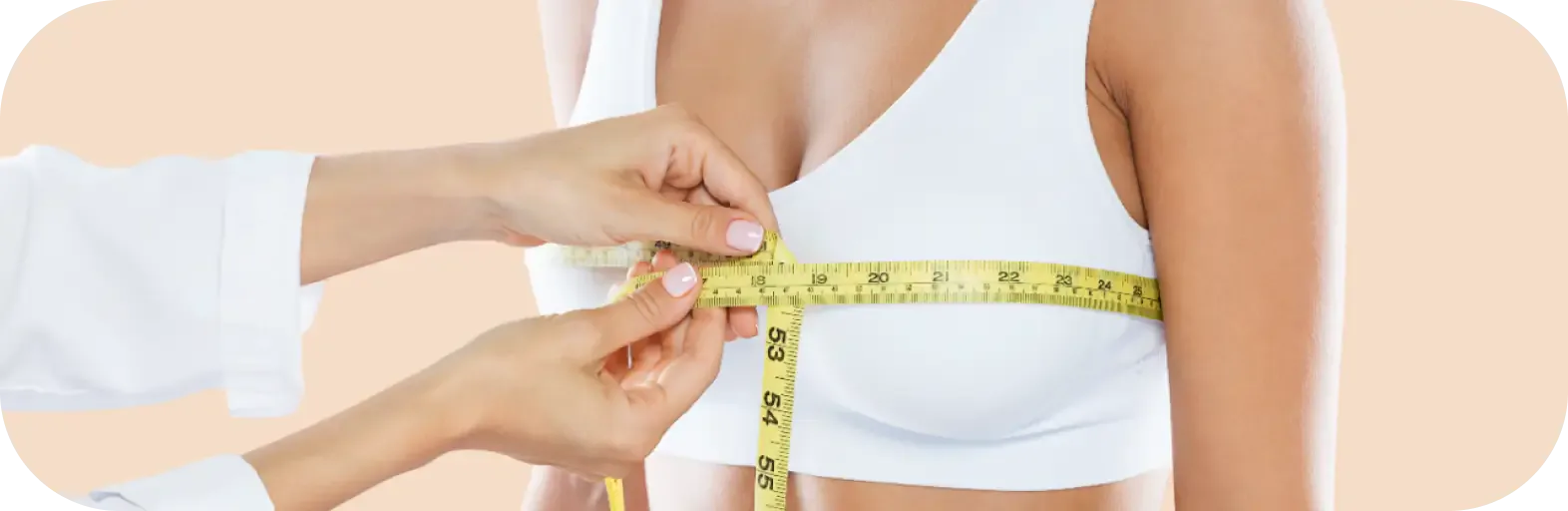 2
Your surgery date is reserved for you: the deposit can be paid by card at the clinic or online by bank transfer, and the terms are fixed in the medical services contract
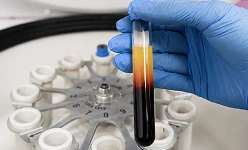 3
Ahead of surgery you go through full testing — blood tests, an ECG and other examinations as prescribed by the doctor.
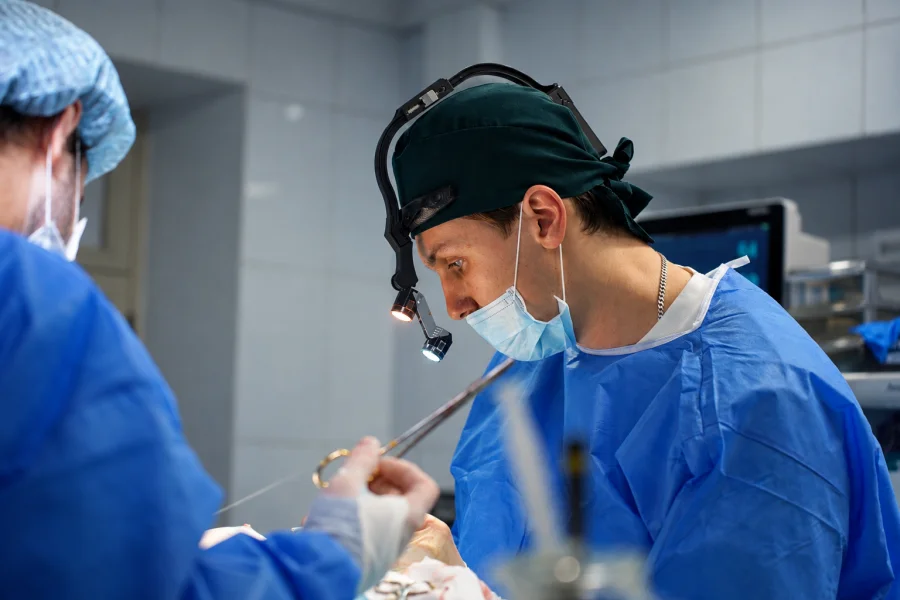 4
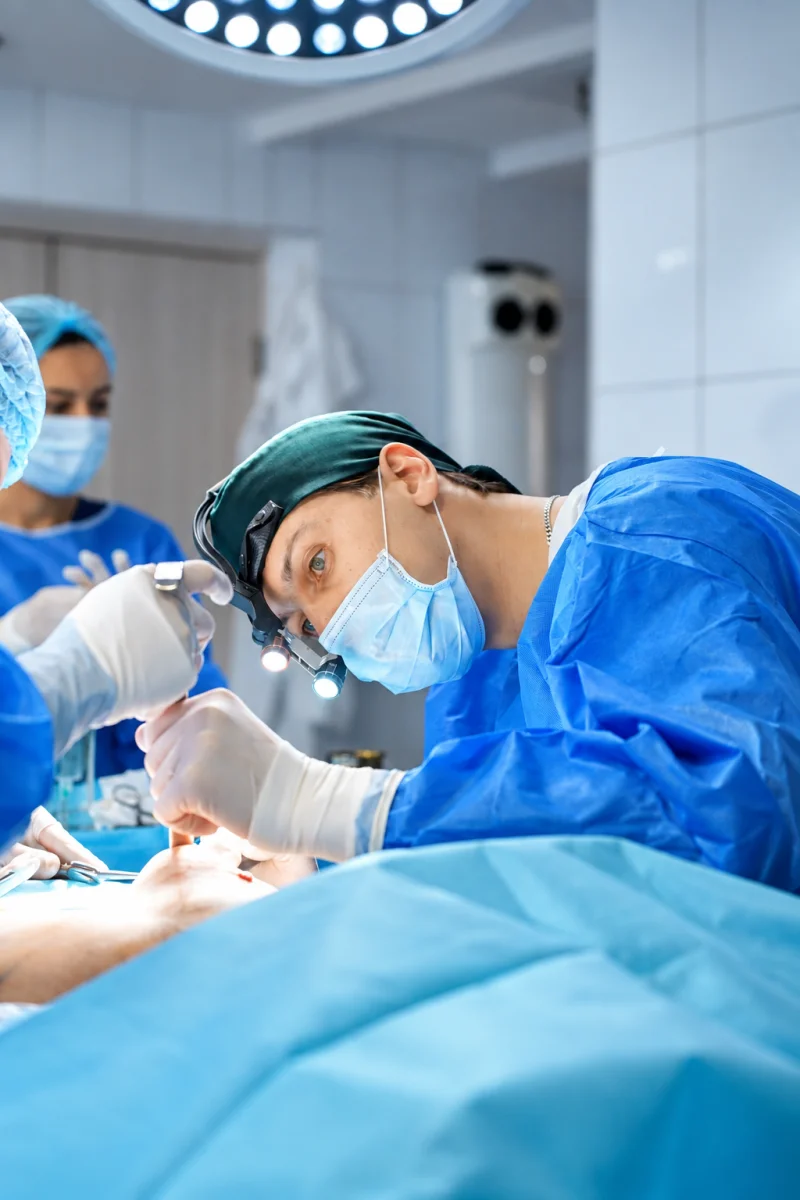
The surgeon performs mammoplasty according to your individual plan. The operation takes place under general anaesthesia with continuous patient monitoring.
 5
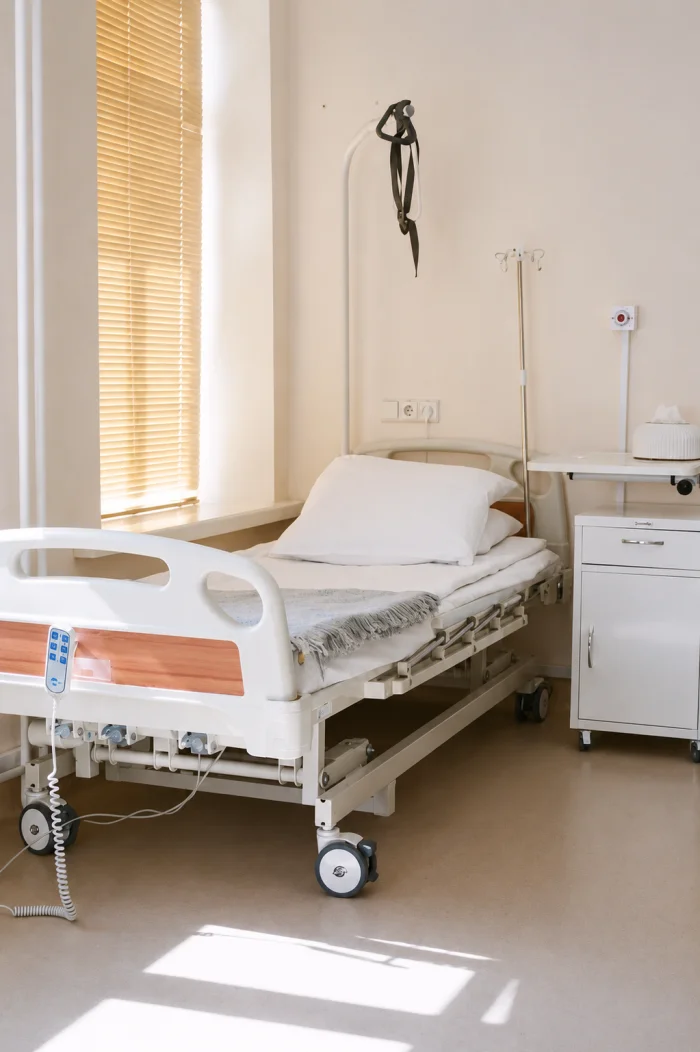
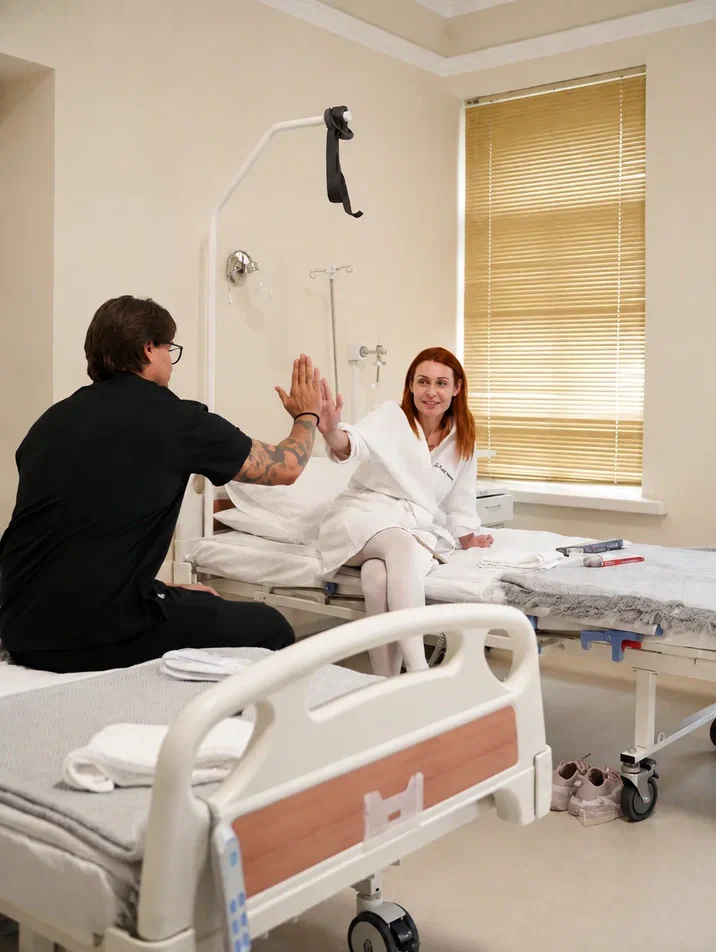
Following surgery, you recover in a comfortable inpatient ward of the clinic with the medical team looking after you until discharge.
 6
A recovery programme is prescribed after surgery. Check-ups at 7 days, 3 and 6 months follow your recovery, and for a year after surgery you consult your surgeon for free.
In the run-up to surgery, follow simple advice: keep work and rest in healthy balance, sleep more, avoid stress, anxiety and emotional strain, and ease off physical activity.
Come off hormonal oral contraceptives no later than a month before the procedure
Before surgery, stop taking drugs that contain aspirin, as well as steroids and hormonal medicines for chronic conditions
Take your tests a week before surgery
Post-operative swelling disappears in 3 weeks
Scars develop within 3 weeks
No heavy exertion (lifting more than 3 kg)
Avoid raising arms above shoulder level — 3 weeks
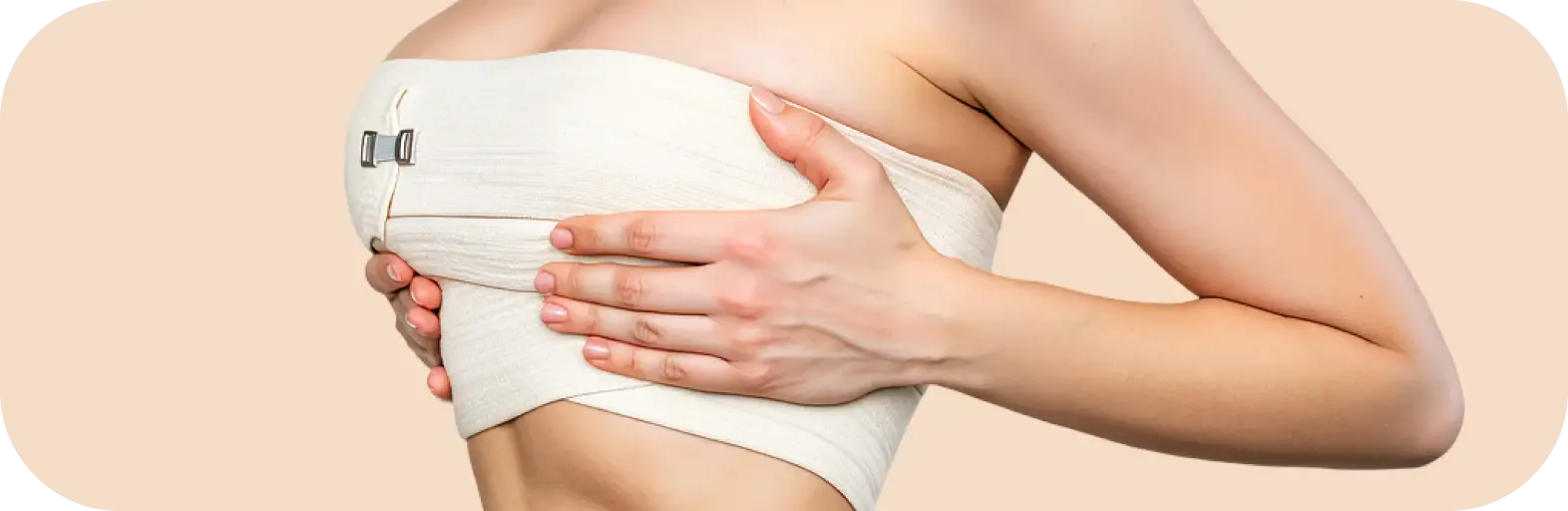
Part of recovery after the correction is wearing compression garments for 1–1.5 months
For up to 40 days, avoid hard gym workouts and very active aerobics; after a month you may do light cardio. Keep an eye on your diet and meals.
Within 3 months, discomfort disappears
Skip baths and saunas for up to three months and avoid physiotherapy
Within 3 months, inflammation in the tissue fully resolves and a “pocket” takes shape around the implant
Doctors
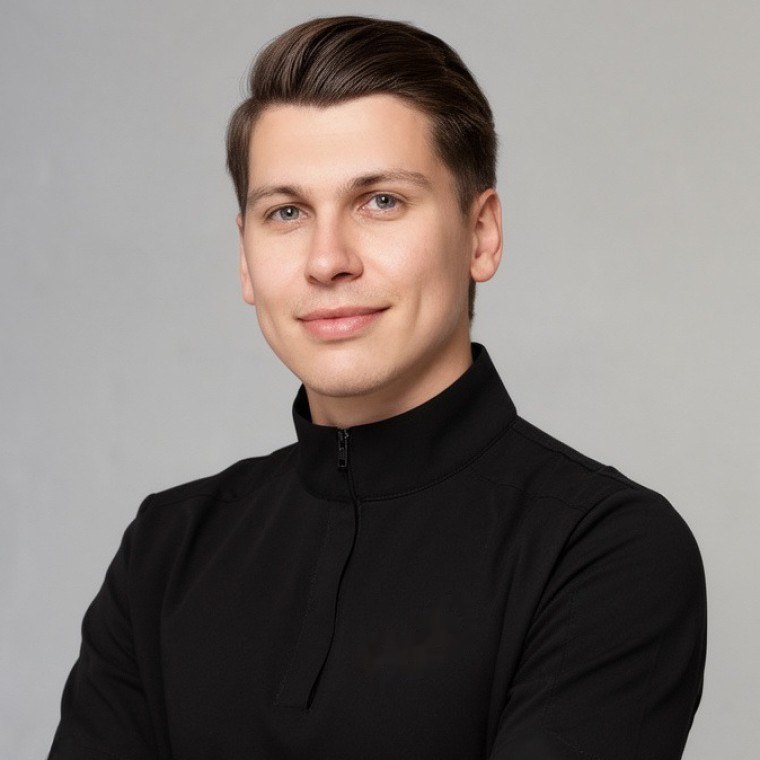
7 years of experience
Plastic surgeon
Did a residency in plastic surgery at the Petrovsky National Research Centre of Surgery. Specialty: aesthetic and reconstructive breast and body surgery.
The consultation is with the surgeon who will perform the surgery
A plastic surgeon with experience who takes care of patients' health and beauty
Book a consultationAdvantages
At the consultation we talk through what you want and model the changes. The surgeon explains the possibilities of surgery so that the goal is clear to you.
For a year the surgeon monitors your recovery and how your breast shape settles. Check-ups and dressings are already included in the price.
Shape, volume and correction method are chosen to match your anatomy and wishes. For augmentation, the implant size and profile are selected individually.
Your time matters to us: we work 24/7, booking is easy, and our personal approach adapts to your pace.
After the consultation the surgeon determines the scope of correction, and you receive a clear price for the surgery with no surprises along the way.

Recovery starts in a comfortable inpatient ward with nursing care around the clock. Your stay and meals are already included in the price.
FAQ
Yes. Boob job is the everyday name for breast augmentation. At City Medical Centre it is done with round or anatomical implants that the surgeon chooses with you at the consultation.
Breast enlargement adds volume with implants. A breast lift (mastopexy) raises sagging breasts and removes excess skin. Which one suits you is decided at the free consultation.
Mammoplasty spans several procedures: augmentation (enlargement with implants), reduction (excess tissue and skin are removed), mastopexy (lift of sagging breasts), reconstruction (after mastectomy) and asymmetry correction. The ideal method is chosen for you individually, taking into account your wishes and the surgeon's advice.
Message us — our coordinator will get back to you shortly and book your consultation. The plastic surgeon consultation is free.
Following all recommendations makes complications rare. Still, they may involve hematoma or seroma, infection of the wound, decreased or increased nipple sensitivity, capsular contracture, aesthetic asymmetry, wound separation and tissue necrosis.
Mammoplasty results are durable: about 10–15 years following augmentation (until implant replacement) and 5–10 years following a lift or reduction. Weight, pregnancy, aging skin and gravity influence how long the effect lasts. Maintain it by wearing supportive underwear and watching your weight.
Whether breastfeeding remains possible after mammoplasty depends on the type of operation. With augmentation via an under-breast or armpit incision and the implant beneath the muscle, lactation is usually preserved, as the glandular tissue is spared. After a lift or reduction the risk is higher because ducts may be cut. Talk it through with your surgeon beforehand.
Implant choice considers material (silicone looks most natural, saline is used less often), shape (round or anatomical teardrop), surface (smooth or textured), size and profile. The surgeon will choose the best option for your anatomy and wishes.
The surgery itself is performed under general anaesthesia — the patient feels nothing. In the first 1–3 days moderate discomfort is possible and is relieved with painkillers. By day 5–7 pain decreases significantly, and by weeks 2–3 discomfort is gone. If pain is severe, tell your doctor right away.
You may go back to work (with no physical exertion) after 7–14 days, take light walks after 1–2 weeks, and do fitness and swimming after 4–6 weeks. Strength training is allowed after 3 months, pool and sea after 4–6 weeks. Compression garments stay on for 4–6 weeks. Timing depends on your recovery.
No scientific evidence shows that mammoplasty raises the risk of breast cancer, and implants do not cause cancer. After surgery, continue regular screening with self-exams, mammography and ultrasound, and always tell the examining doctor that you have implants.
A C-section does not rule out mammoplasty, but full recovery of the body must come first. Wait 6–12 months or more after giving birth and after you stop breastfeeding. Before surgery, you must have a surgeon's consultation and check-up.
Scars after mammoplasty are unavoidable, but with a skilled surgeon they stay minimal. Incisions are made in hidden places, namely under the breast, around the areola or in the armpit. Scars look reddish during the first months, but within 6–12 months they fade to almost invisible.
Slight asymmetry in the first weeks after surgery is normal: it is caused by swelling and uneven healing. If a difference in shape or size persists after 3–6 months, see your surgeon for an examination to find the cause.
After mammoplasty, sensitivity of the nipples and breasts may change for a while, becoming lower or higher. This is due to irritation of the nerve endings. In most cases sensitivity comes back within 3–12 months. If nothing improves after a year, see your surgeon.
Hormonal drugs (contraceptives, hormone replacement therapy) do not affect implants directly, but may cause swelling or changes in breast tissue volume, temporarily affecting appearance. Be sure to tell your surgeon about such medications before surgery.
Prices are in US dollars; the amount in brackets is an approximate conversion to GHS at the rate of 02.10.2026. The final price is fixed in your contract.
Prices start from $4,700 (≈ GHS 55,000). The surgeon sets the final price at the free consultation, and it is fixed in the contract, with no hidden extras.
The surgical team's work, anaesthesia, the inpatient stay with meals, dressings and follow-up visits for twelve months.
Message us on WhatsApp or Telegram using the buttons below. A coordinator will answer your questions and book a free consultation where the doctor names the exact price.
By messaging us, you agree to our Privacy Policy
Women in Accra who are unhappy with small or uneven breasts often look into augmentation. The operation places an implant in a pocket created by the surgeon, who then adjusts its position for symmetry and a natural contour. Incisions sit in discreet places: under the breast, around the areola or in the armpit. Over the following months the scars fade and become almost invisible.
Nothing is rushed. First, surgeon and patient agree on a plan together; then a full diagnostic work-up confirms it is safe to proceed. During surgery you feel nothing thanks to general anaesthesia. The first one to three days bring moderate discomfort relieved by painkillers, and by the second or third week it passes. That is the typical course for women in Accra.
Budget matters, so the price is fixed upfront: from $4,700 (≈ GHS 55,000) for breast augmentation with implants. Nothing essential is billed separately — the team's work, anaesthesia, meals, inpatient rooms, dressings and post-op visits over twelve months are part of the package. To begin, Accra residents simply leave a phone number and wait for the coordinator's call.
Public accounts from well-known people about the operation: breast augmentation.
Written by Dmitry S. Kuznetsov, plastic surgeon
How we prepare and review medical content · Medical disclaimer
Page last updated:
If you hold a National Health Insurance card, the natural first question is whether it helps here. The Authority's benefits package answers it. Cosmetic surgeries and aesthetic treatment appear on its list of exclusions, whereas reconstructive surgery, for instance for burns patients, is covered. The same list leaves out cancer treatment except for cervical and breast cancer. Breast augmentation chosen for shape or volume belongs to the aesthetic group, so plan to fund it yourself.
Reconstruction after a mastectomy is a different matter, and the clinic handles it as a separate service priced on request. If your situation involves reconstruction, say so at the very start of the conversation, because the route, the paperwork and the questions to ask all change.
Knowing that the card will not apply is useful in its own right. It means the only document that protects you is the one you sign with the clinic. That document should state the procedure, the list of what is covered by the sum, the follow-up and the way payment works. To hold a surgery date the clinic takes a deposit, which can be handed over by card in person or sent electronically, and the conditions are written into the paid-services agreement.
The 2021 census counted 284,124 people in the Accra Metropolitan District and 5.46 million across the Greater Accra Region. Ghana offers two public records that help you check a provider, one for premises and one for practitioners.
Ghana's Health Facilities Regulatory Agency came into being through Act 829 of 2011. Its job is to grant licences to health facilities in the public and private sectors, to monitor them, and to inspect them against the minimum equipment and personnel required for the type of service provided.
The Medical and Dental Council of Ghana keeps the register of practitioners. Its verification page asks for a first name, a last name and a register type, and specialist registers are kept apart from the general register. If a surgeon is introduced as a plastic surgeon, choose the specialist register and see whether the name appears.
City Medical Centre publishes its medical licence number and names the legal body that provides treatment. At the consultation you talk to the surgeon who will operate. Request all of this by message and set what you receive beside the records described above.
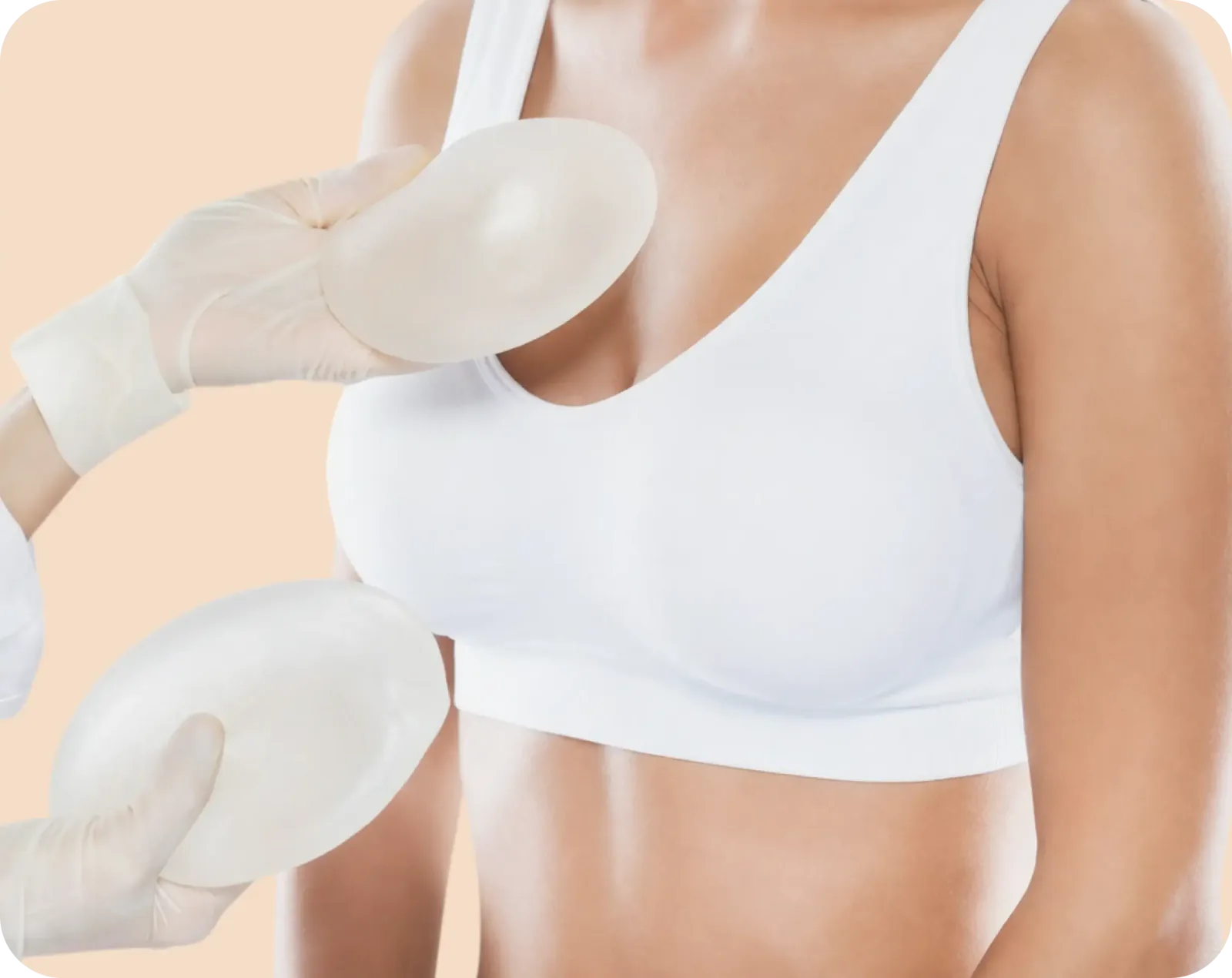
Two shapes are on offer. Round implants produce evenly spread volume, with the weight of the fullness sitting higher, in a symmetrical form. Anatomical ones follow a teardrop, soft and gently sloping, and are called the most natural line. Beyond shape, the surgeon picks the material, the surface, the size and the profile for you personally. Silicone is said to look most natural, saline is the rarer choice, and surfaces are either smooth or textured. Ask the surgeon to write down each of these choices, so that you have a record of exactly what was agreed.
Photographs help you prepare. Collect three or four pictures of results you like and, just as usefully, one or two you do not. Look for what you are reacting to: the fullness at the top, the slope, the width. Put one sentence of explanation under each picture and send them with your own photos so that the surgeon can see your taste as well as your anatomy.
At the consultation the surgeon models the planned result, and the model should be saved for you. Seeing a simulation twice, once on the day and once the following morning, is a gentle way of testing a choice.
Questions worth asking: how will the round form change my upper outline compared with the anatomical form? What profile do you suggest, and why that one? What would change your advice? Request the reply in writing so that it can be placed beside any second opinion you collect.
Implants are advised where there is too little volume, a difference in size or shape between the sides, sagging, loss of fullness after pregnancy and feeding, a changed shape after weight loss, a correction needed after earlier surgery, or inborn features of breast shape.
Reasons given for waiting or saying no: a current pregnancy or nursing, a sudden infectious illness, skin that is inflamed or broken in the area of the cut, long-term disease that is poorly managed, age under 18, bleeding or clotting problems no one has treated, blood sugar out of control, or a cancerous breast growth still awaiting treatment.
The doctor also says, upfront, when your case can be resolved without surgery, because spending money for nothing helps no one. Raise any item from the second list, plus every regular medicine, while still writing to the coordinator. A point left out of the first message can change the entire plan.
Named complications include a pocket of blood or fluid, wound infection, changed feeling in the nipple, a tight capsule, asymmetry, the wound opening, and tissue death. Asking how each is reduced is a normal part of the conversation.
The first step needs no appointment slot. Message the coordinator on WhatsApp or Telegram at any hour, since the team is reachable round the clock, and the free online consultation is arranged for a time that suits you. Nothing is booked by writing.
Pictures are requested through the chat, and the surgeon goes through them. Stand tall in natural light with a bare wall behind you, in simple underwear, and shoot once facing the camera and once from either side. Add a note with your age, any pregnancies, earlier operations, regular medicines and the single question you want answered first.
If you go ahead, preparation is down to earth. Medicines containing aspirin, steroids and hormone treatments taken for long-term conditions are put aside 1–2 weeks beforehand, and birth-control pills are put aside a full month or longer beforehand. Your tests are completed one week before. During the 1–2 months before, aim for extra sleep, less strain and fewer hard workouts; hard gym sessions and fast aerobics are dropped for up to 40 days, and gentle cardio returns after a month.
The operation itself means one day at the clinic. Puffiness goes down over about 3 weeks, anything heavier than 3 kg is left alone for as long as 3 months, and hot baths and saunas are off limits for up to three months. Keep every document and reply together in a dated folder; the decision is yours, and the paperwork is how you stay in charge of it. If a time comes when you want to compare with another surgeon, that folder is also what you hand over.
The Authority's benefits package excludes cosmetic surgeries and aesthetic treatment, while reconstructive surgery, such as for burns patients, is covered. Plan on paying for an aesthetic augmentation yourself and get the arrangement in writing.
The Health Facilities Regulatory Agency, created by Act 829 of 2011, grants licences to public and private facilities, monitors them, and checks them against the minimum equipment and personnel required for the service.
Open the Medical and Dental Council of Ghana's practitioner verification page. Enter the first name, the last name and the type of register; the specialist registers are kept apart from the general one.
Reconstruction is a separate service at the clinic, priced on request, and the questions differ. Say so in your first message so that the surgeon can plan for it from the outset.
Yes. A few pictures you like and one or two you dislike, each with a sentence of explanation, let the surgeon see your preferences alongside your anatomy before the modelling.
You only need your phone. The consultation is online, free and without commitment, and the coordinator replies on WhatsApp or Telegram round the clock.
Mention aspirin-containing drugs, steroids, hormonal medicines taken for chronic conditions and contraceptive pills, together with any clotting disorder or diabetes. These decide the timing of preparation.