


























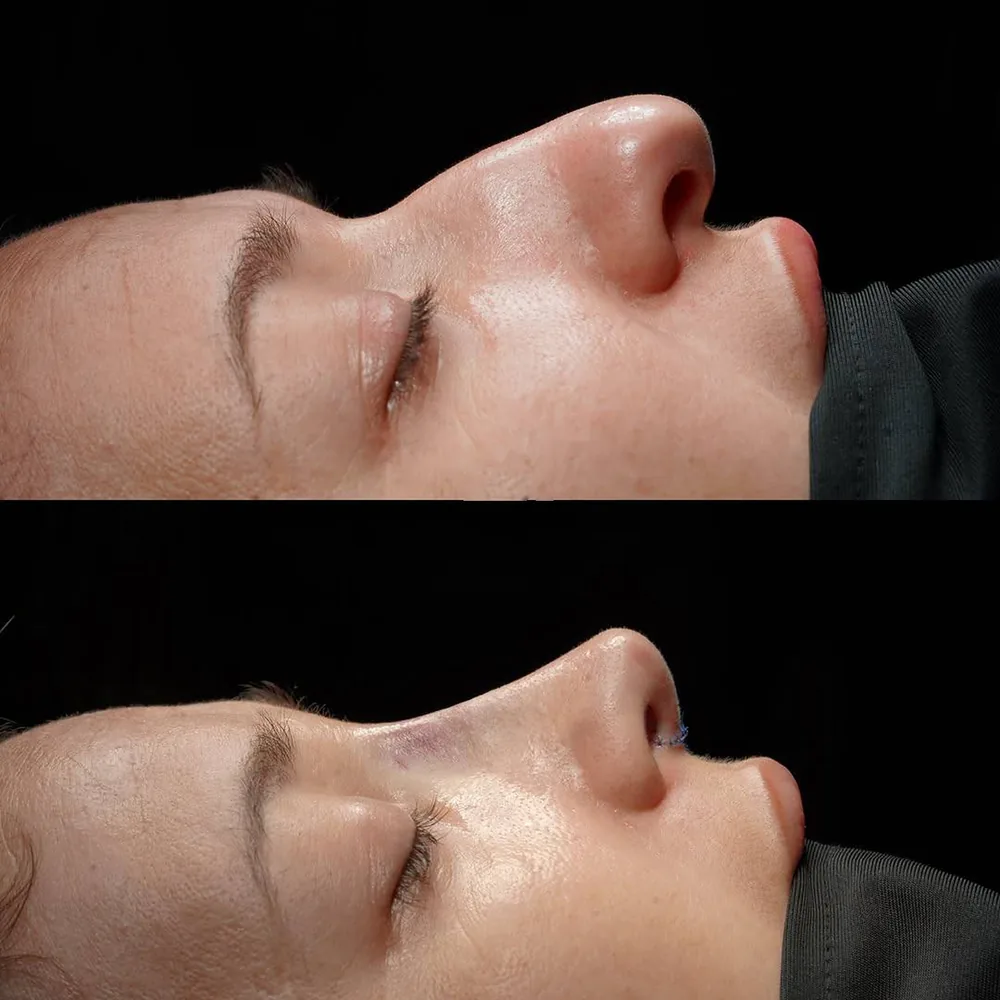
 beforeafter
Irina, 24
Rhinoplasty
Rhinoplasty
$4,200
Instead of $6,000 · First consultation — Free
Free online consultation · Reply within 15 minutes
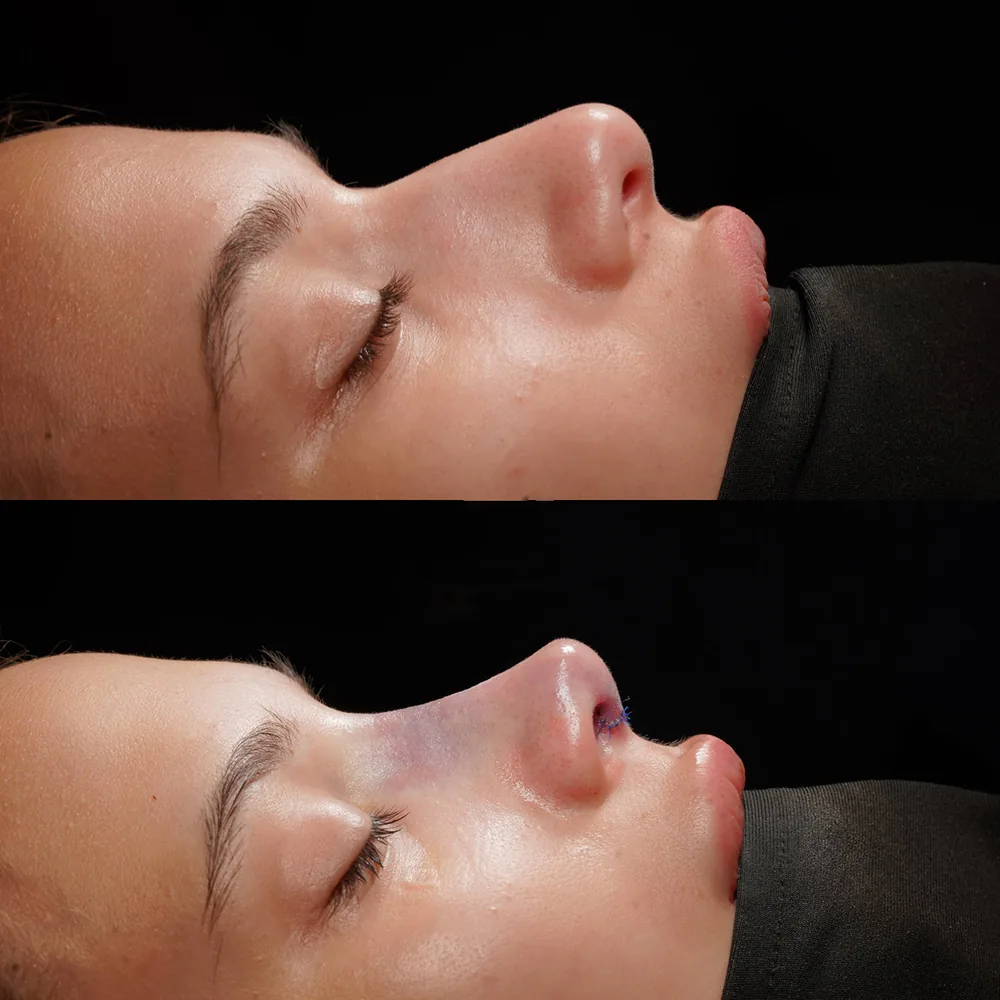 before
after
Message our coordinator
Free online consultation · Reply within 15 minutes
Message us on TelegramMessage us on WhatsAppBy messaging us, you agree to our Privacy Policy
Rhinoplasty for patients from Harare at City Medical Centre starts at $4,200. The first online consultation is free; the doctor names the final price.
How it works · Rhinoplasty prices
Information current as of 18 November 2026
Results
Your own result depends on your case.
beforeafterRhinoplasty
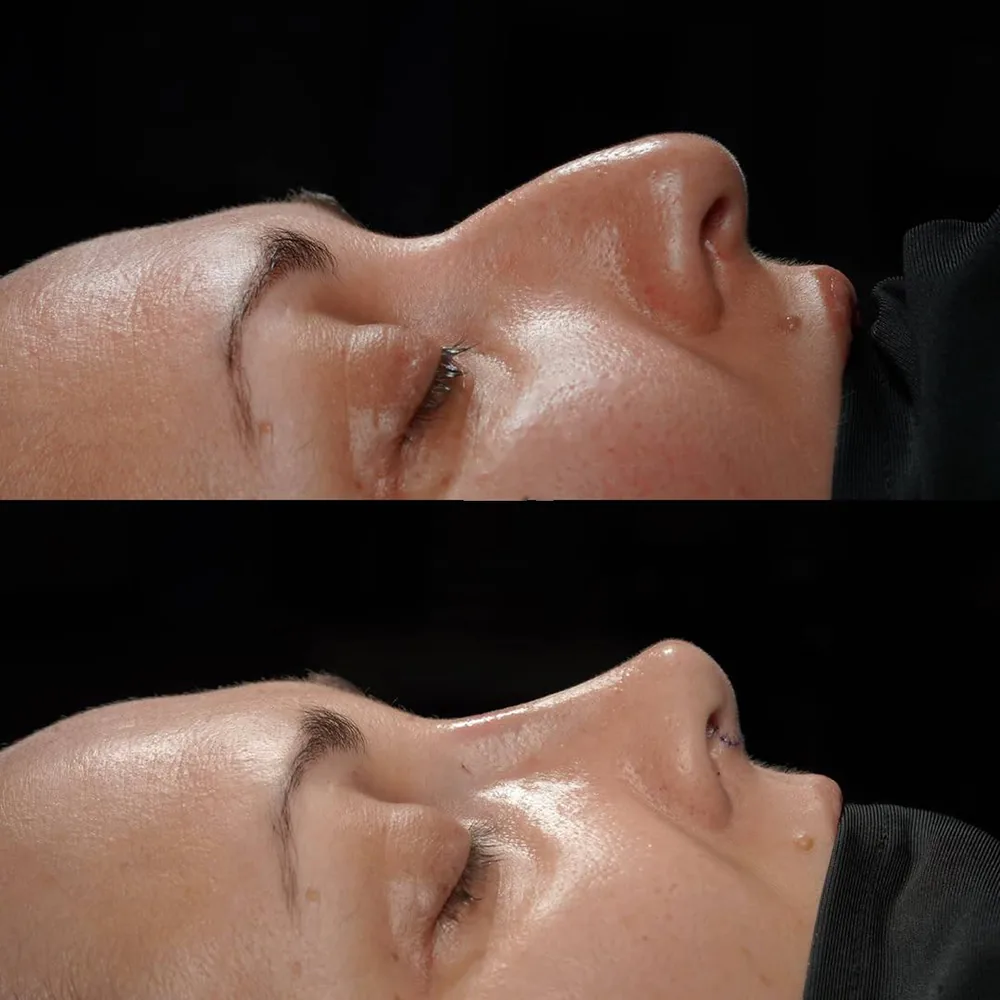 beforeafter
Rhinoplasty
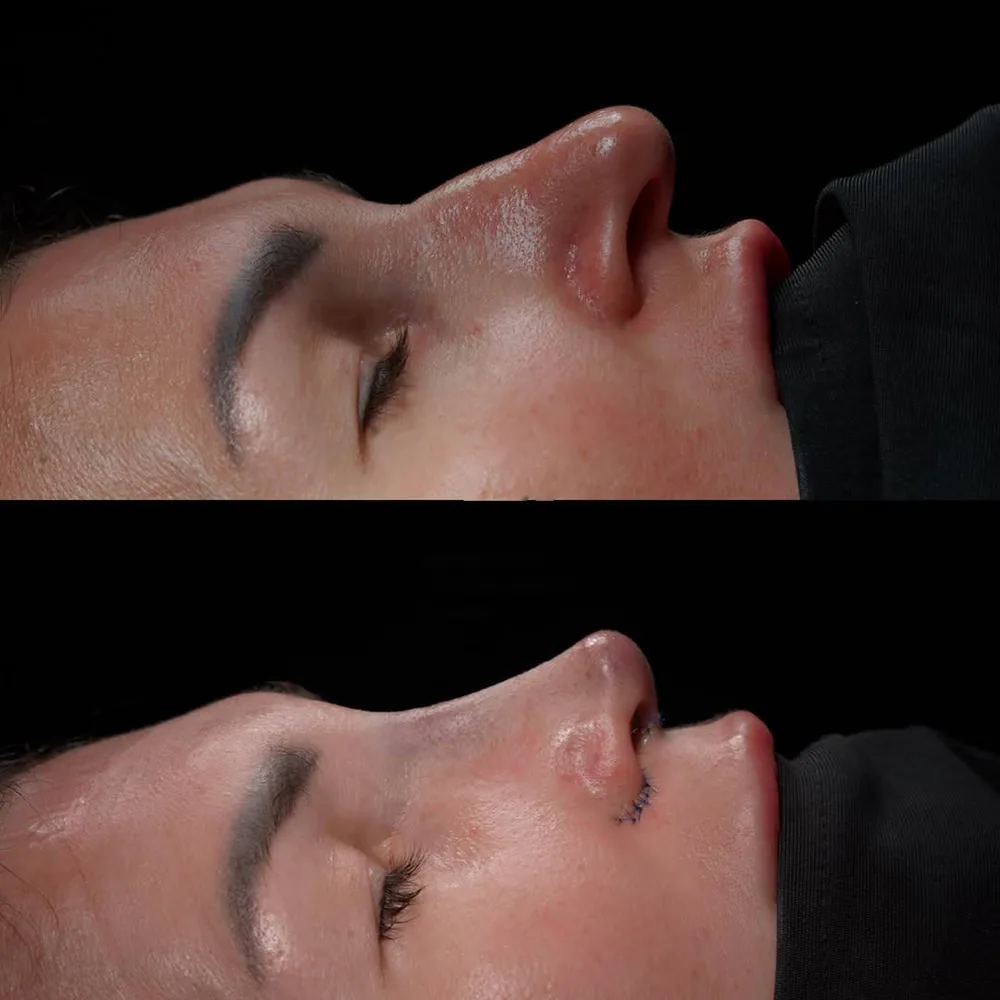 beforeafter
Rhinoplasty
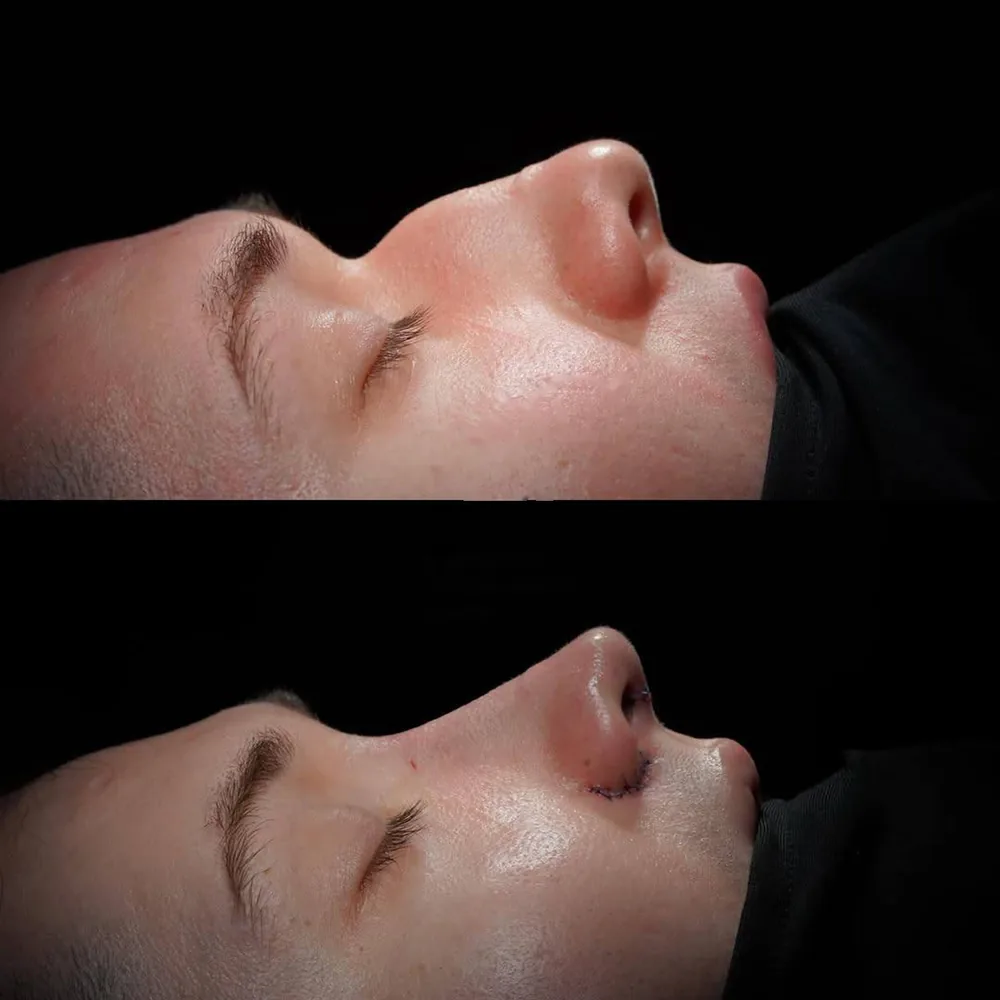 beforeafter
Rhinoplasty
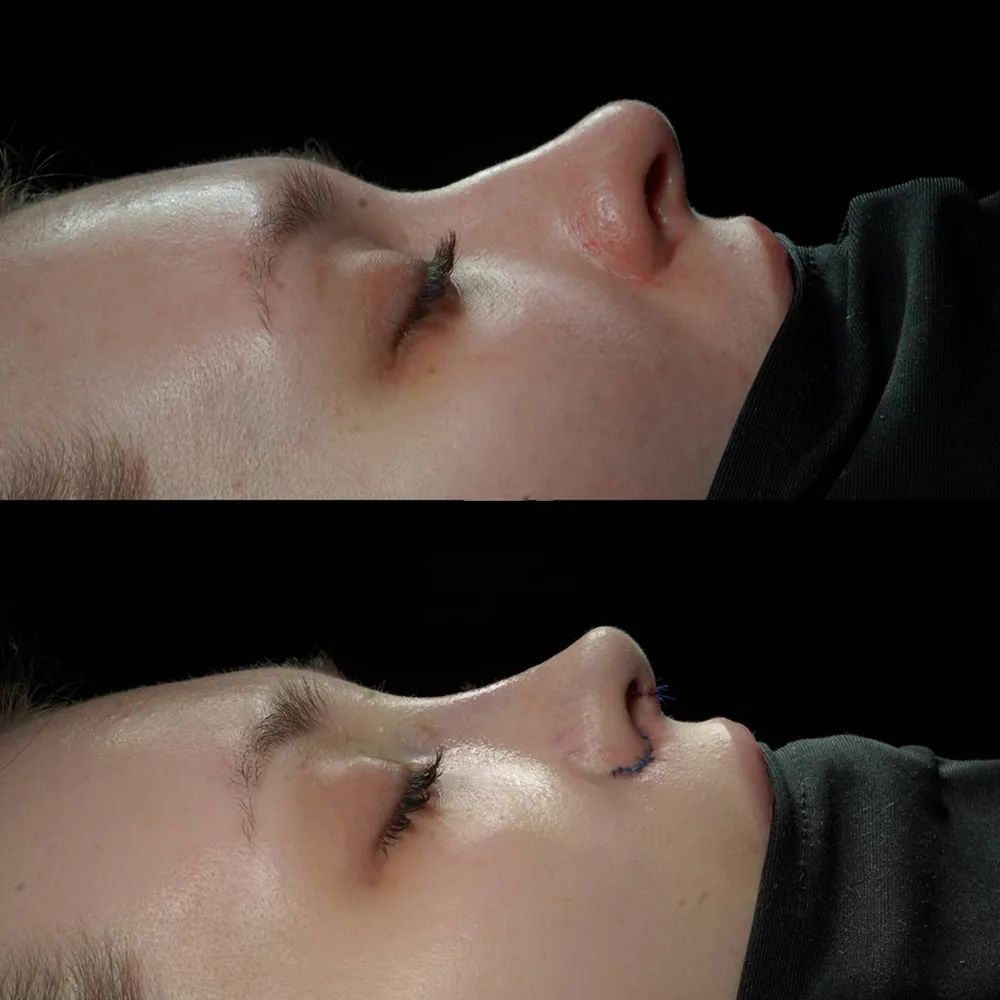 beforeafter
Rhinoplasty
beforeafterRhinoplasty
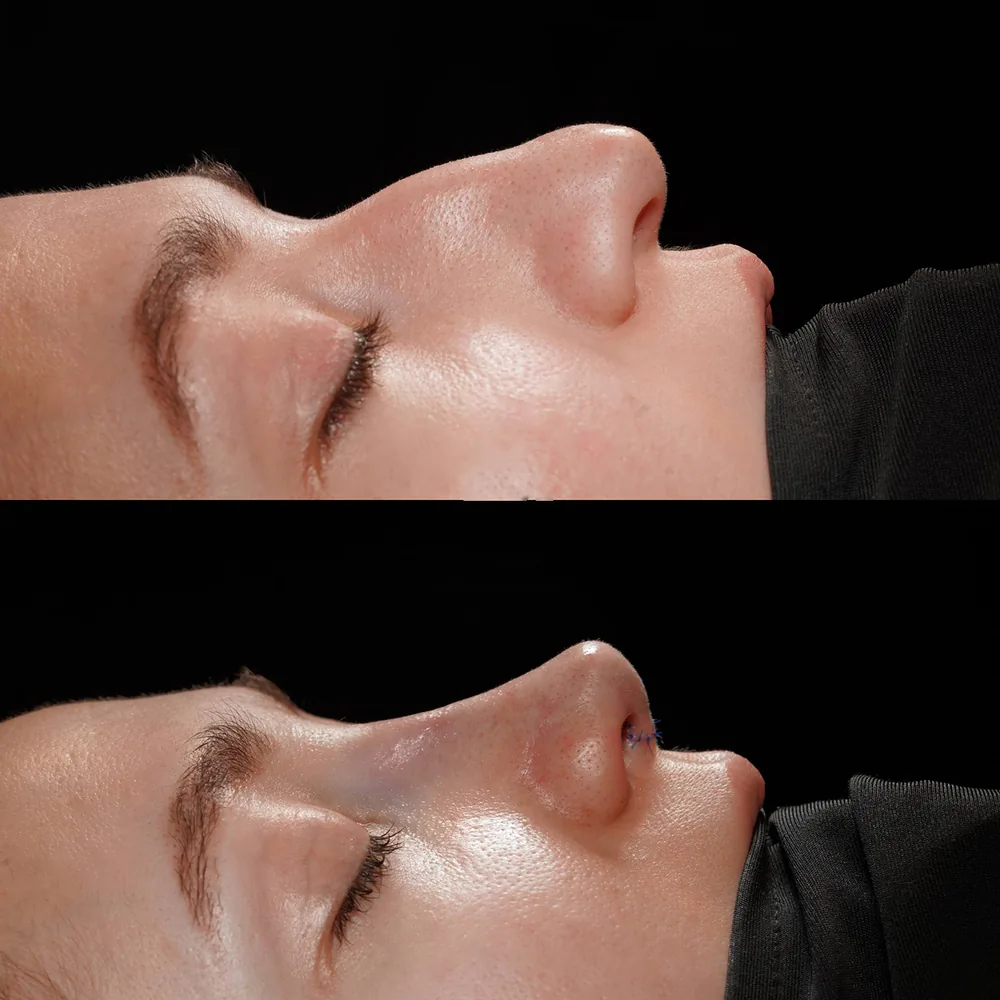 beforeafter
Rhinoplasty
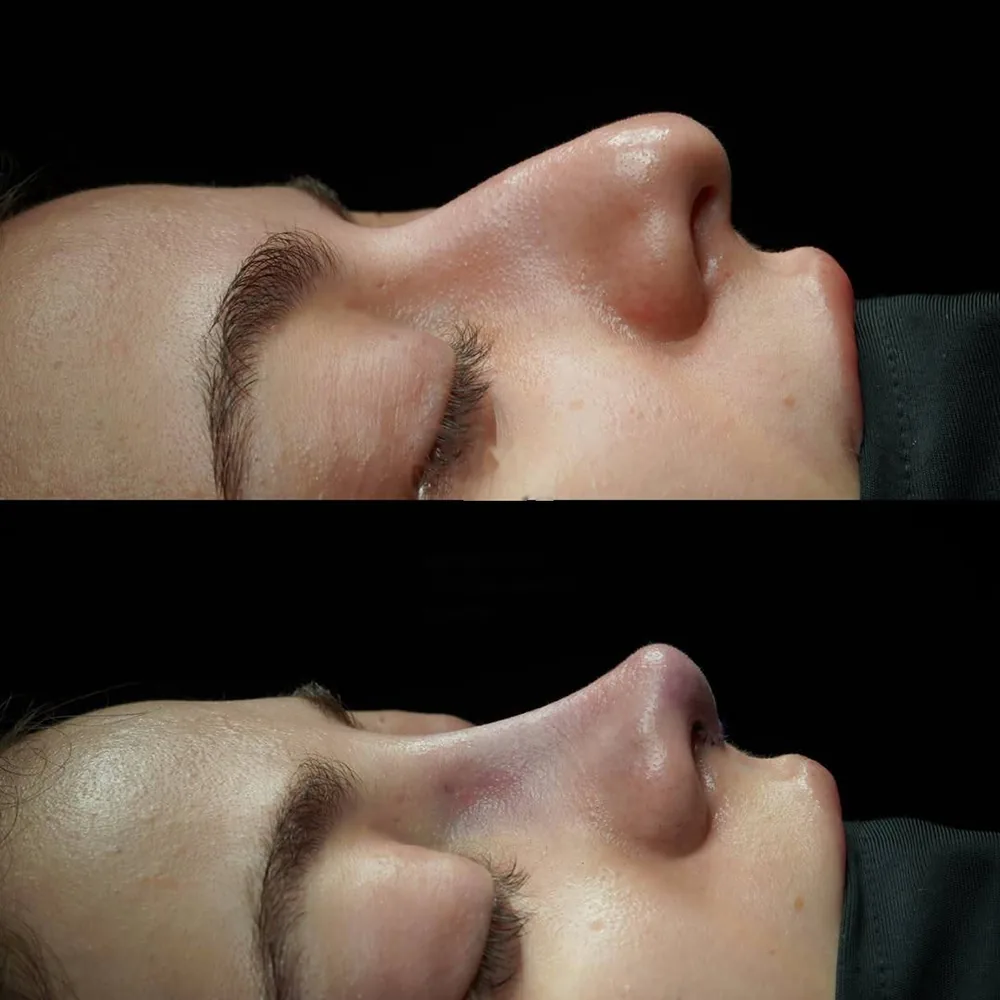 beforeafter
Rhinoplasty
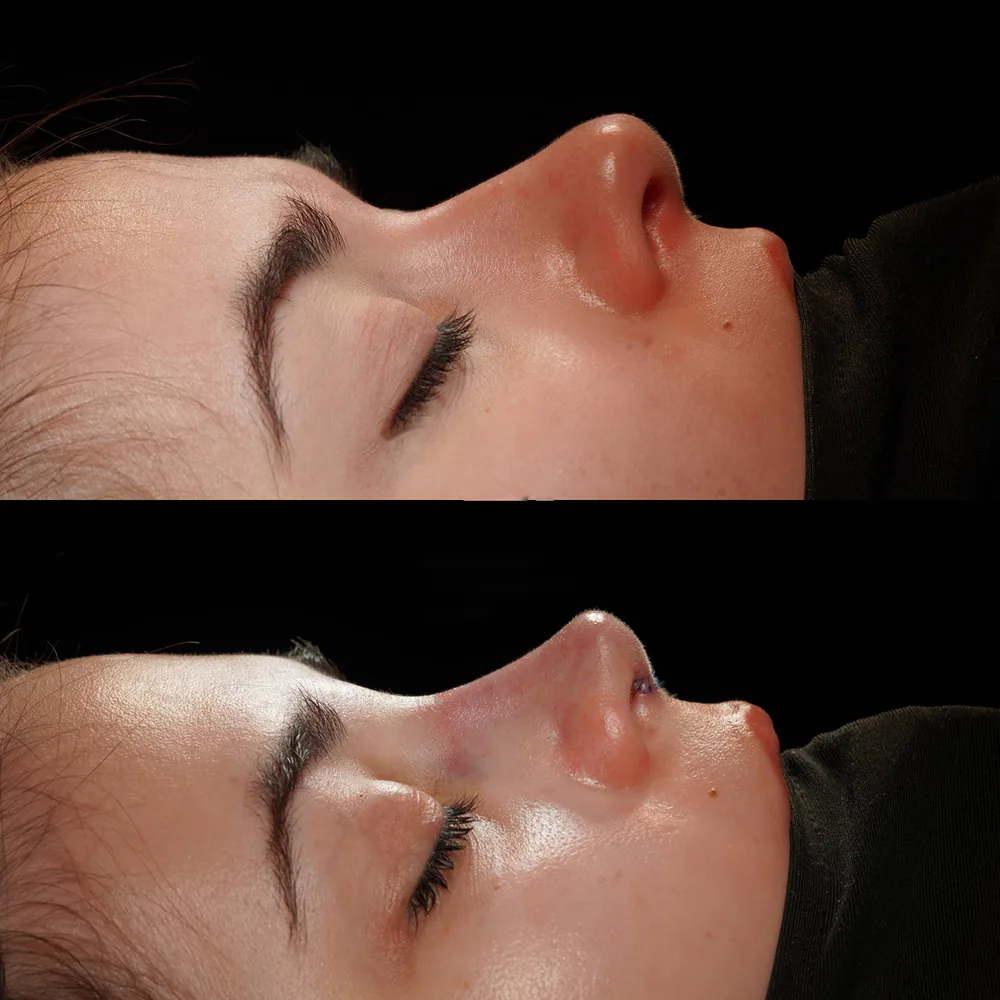 beforeafter
Rhinoplasty
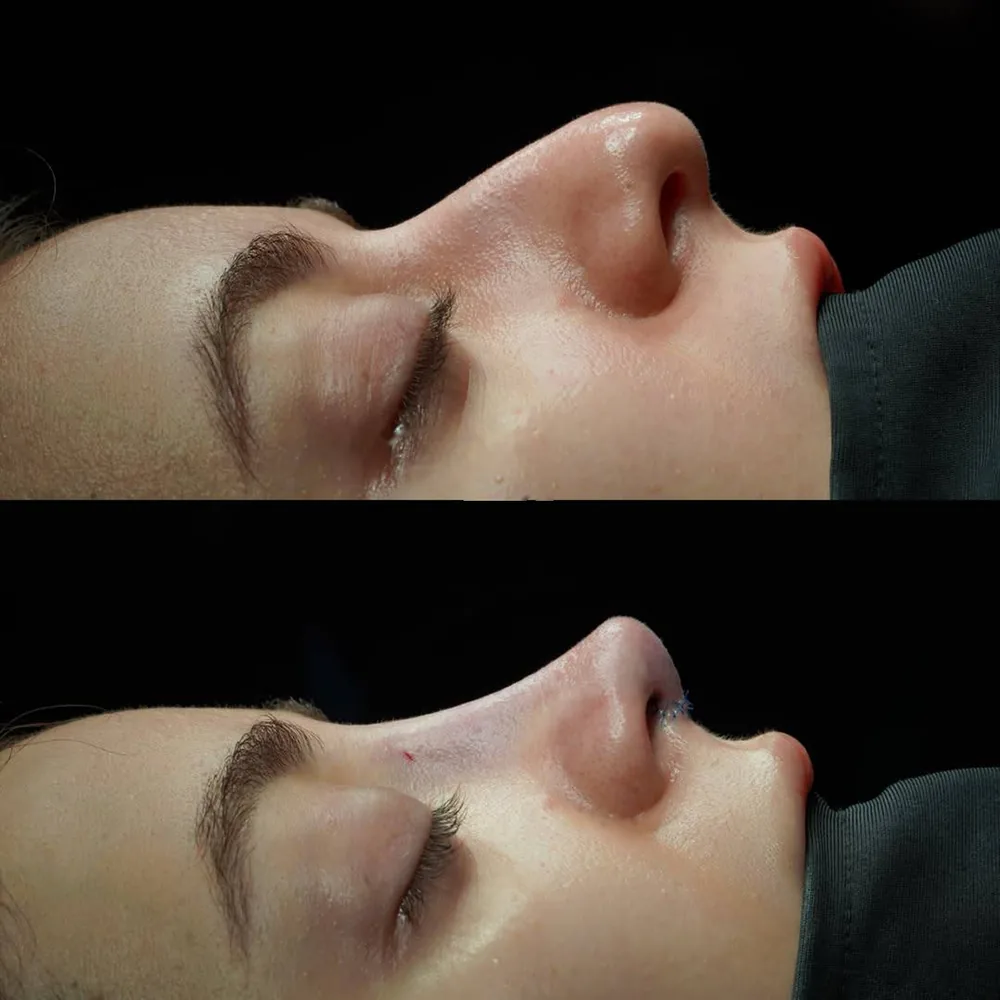 beforeafter
Rhinoplasty
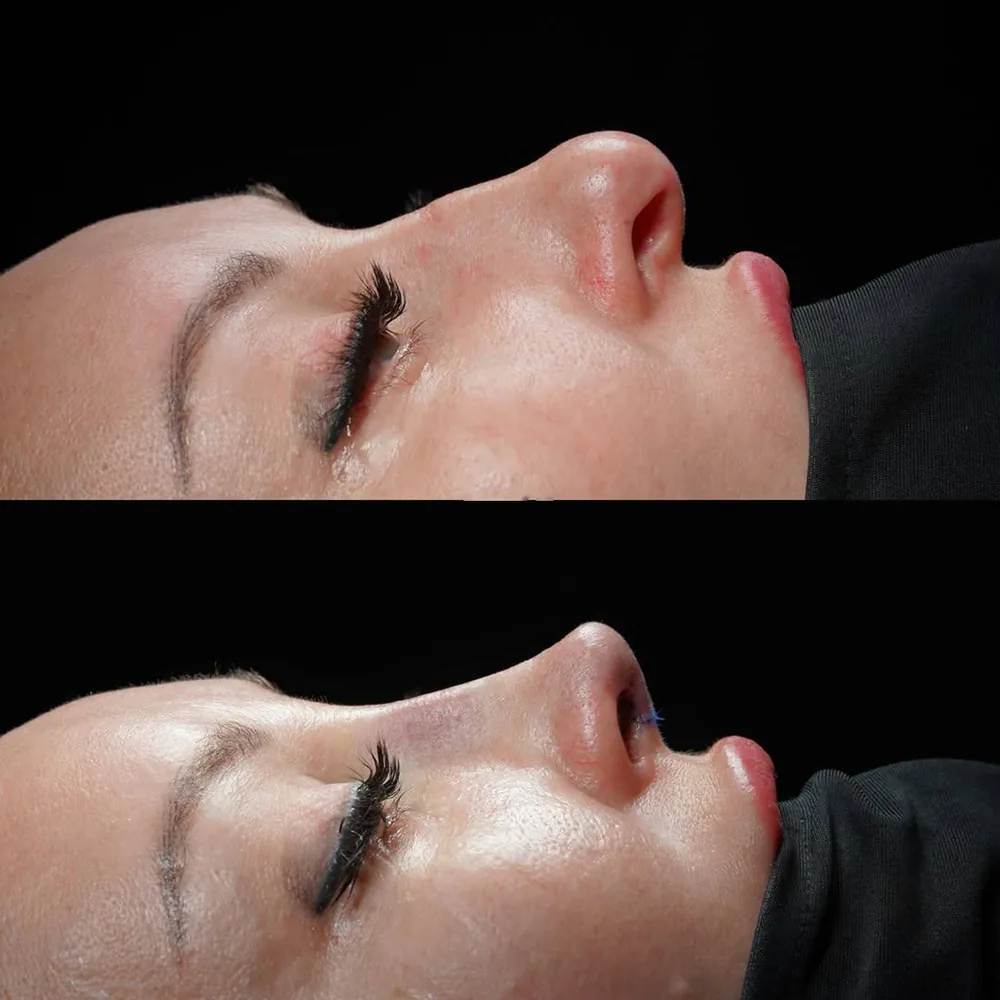 beforeafter
Rhinoplasty
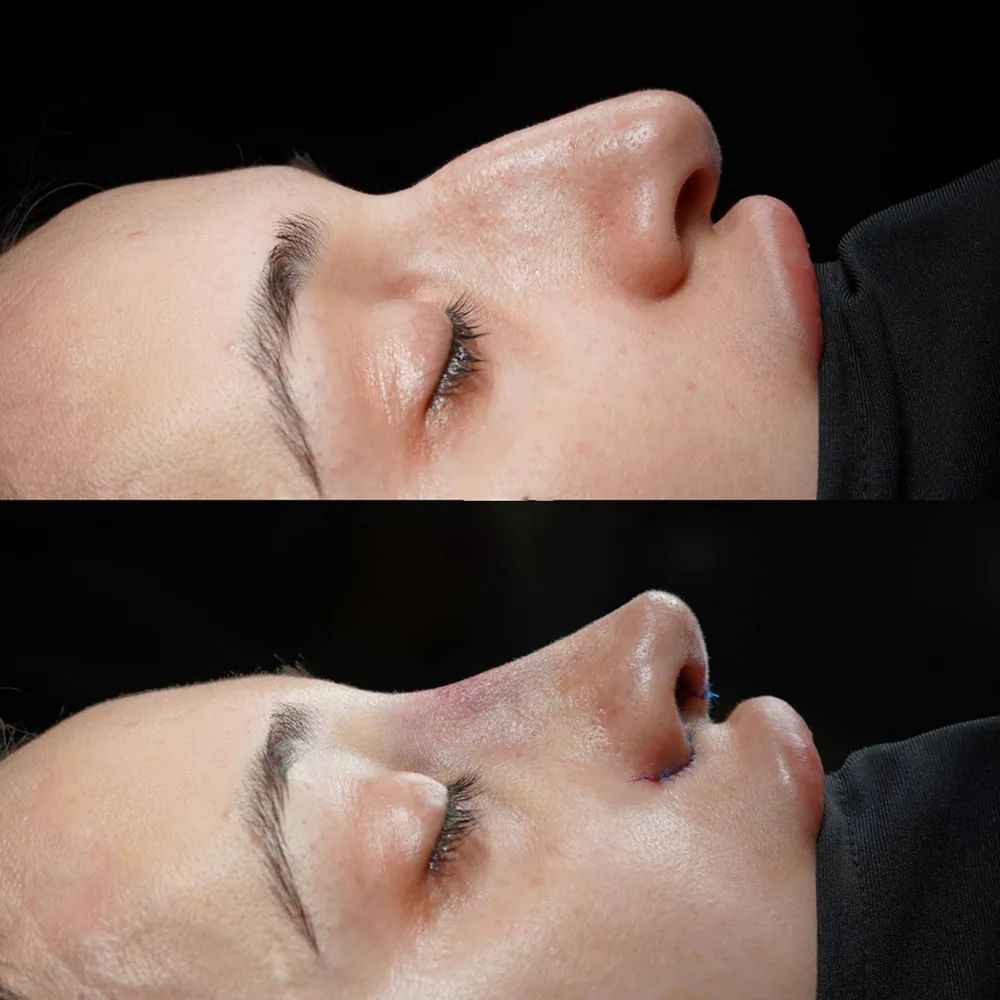 beforeafter
Rhinoplasty
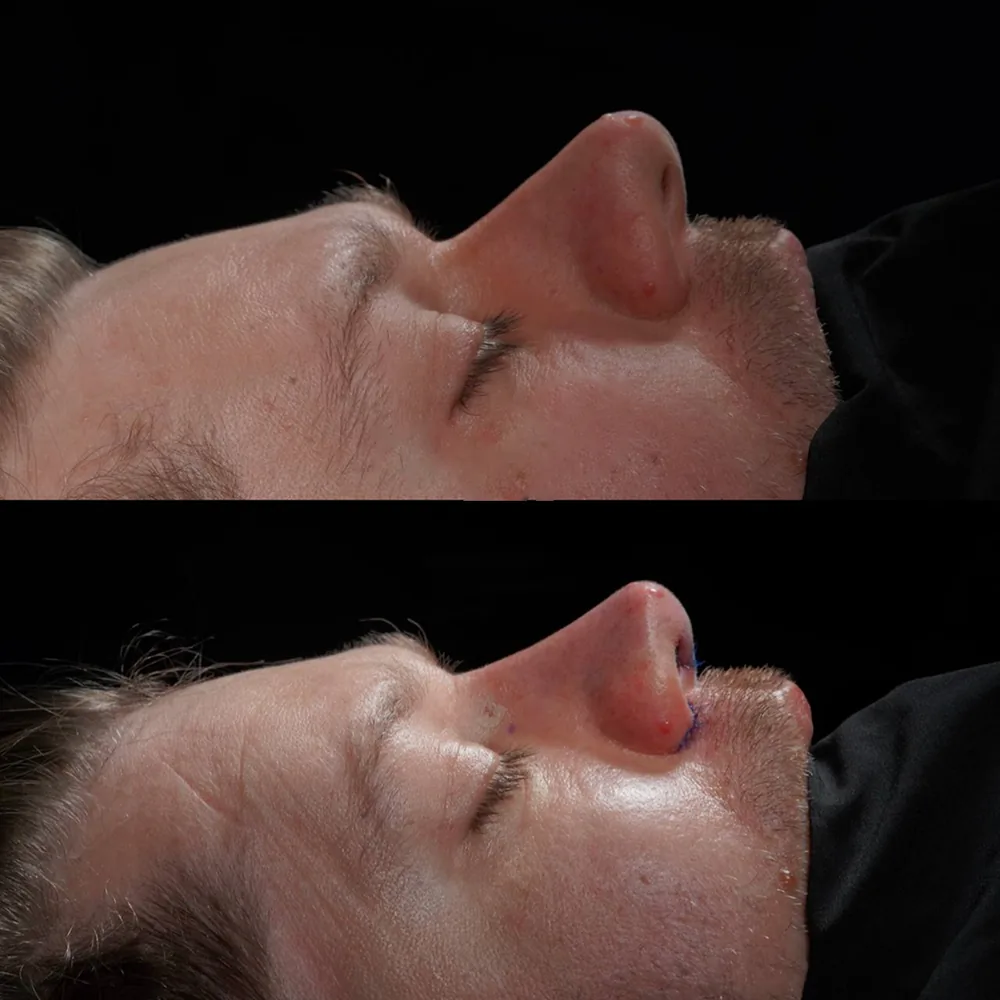 beforeafter
Rhinoplasty
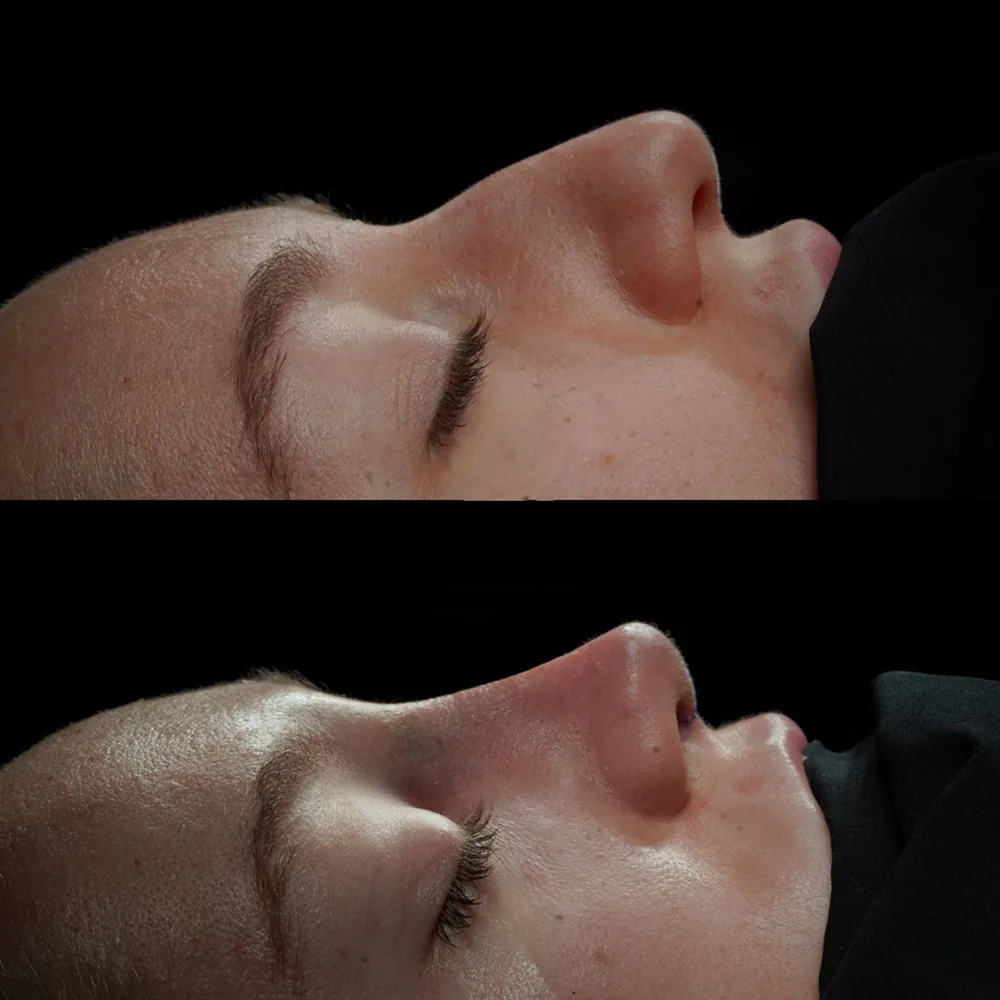 beforeafter
Rhinoplasty
City Medical Centre coordinates the trip; the partner clinic operates and is medically responsible.
Norvik Hospital Limited in Kampala, Uganda. The operation is done by the clinic's own surgeon.
In October and November 2026, English-speaking patients who wrote to us about rhinoplasty asked most about where the clinic is (5 of 10), then the price (5 of 10), then which photos to send (3 of 10). The coordinator gets the answer for your case from the clinic.
About us
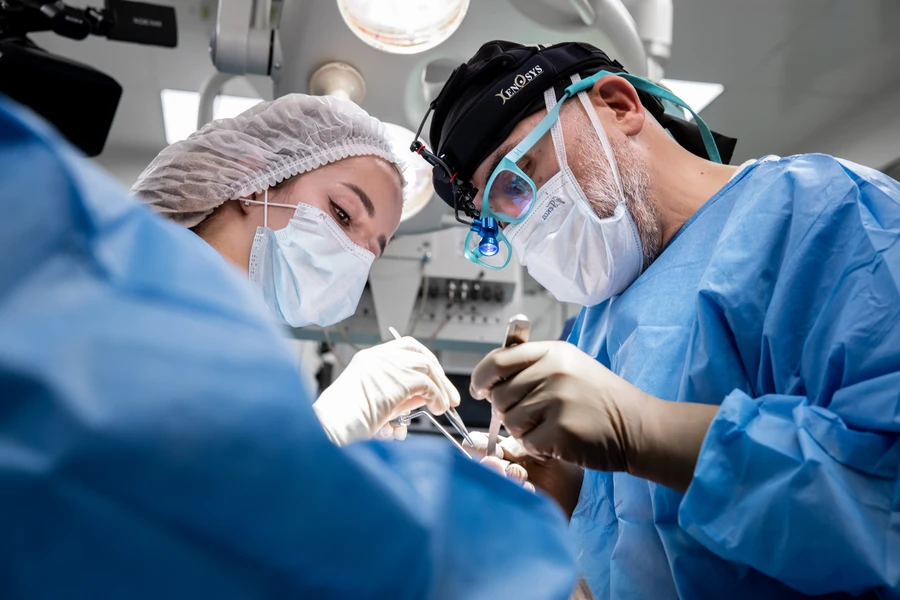
Up-to-date equipment, comfortable rooms and attentive care for every patient
We will answer your questions and find a convenient time for a consultation
By messaging us, you agree to our Privacy Policy
Get a consultationPrices
The exact price is set by the partner clinic after reviewing your photos.
Discounted price
reshaping the nose
$4,200$6,000
Discounted price
secondary, revision
$5,400$7,200
Discounted price
nasal shape plus the septum
$5,000$6,600
Free
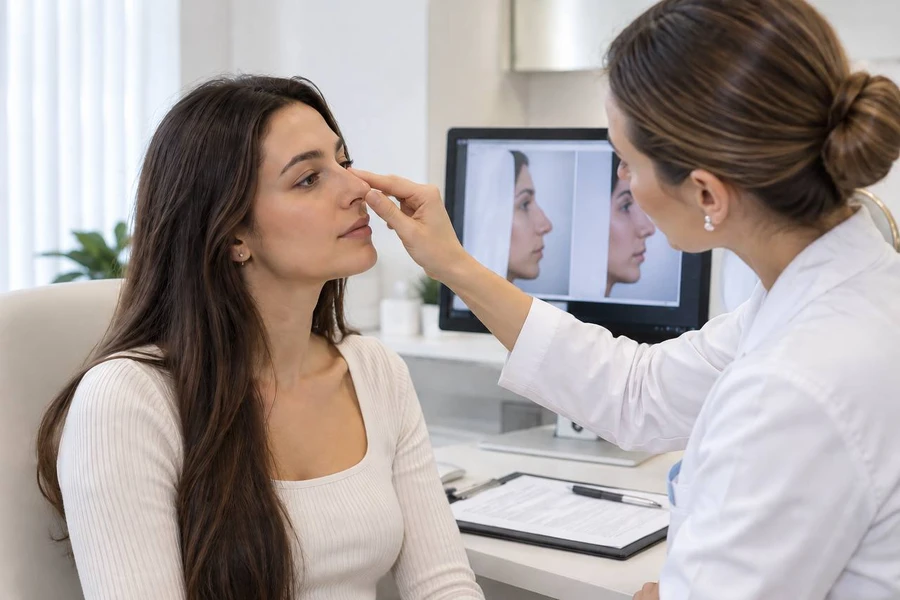
3D modelling after the surgeon's examination
Free
the cost of surgery is named
The doctor will examine the anatomy of your nose, hear out your wishes
and select a suitable correction technique. You learn the cost at the consultation.

Message our coordinator
Free online consultation · Reply within 15 minutes
Message us on TelegramMessage us on WhatsAppBy messaging us, you agree to our Privacy Policy
Message us — our coordinator will contact you shortly and book your consultation
By messaging us, you agree to our Privacy Policy
Get a consultationPrices
Send a request and get a free consultation on any service
Free
BookPrice without discount: $6,000$4,200
Price without discount: $7,200$5,400
Price without discount: $6,600$5,000
Price without discount: $6,500$4,700
Price without discount: $7,200$5,400
Prices are in US dollars. Message us to get your exact price.
Prices start from $4,200. The surgeon sets the final price at the free consultation.
The operation under general anaesthesia, a one-day inpatient stay, follow-up visits and dressings.
Surgery takes 1.5–3 hours and you stay one day in the clinic. The nasal splints come out on day 7, and the cast is worn for up to 14 days.
Yes. The first consultation is free and does not oblige you to anything. You can start online by sending a message to the coordinator.
Message us on WhatsApp or Telegram using the buttons below. A coordinator will answer your questions and book a free consultation where the doctor names the exact price.
By messaging us, you agree to our Privacy Policy
Written by Marina T. Pershikova, rhinoplasty surgeon
Content updated: · Editorial policy
How we prepare and review medical content · Medical disclaimer
Page last updated:
People often start thinking about nose surgery because of a mirror, but a good surgeon starts with the airway. The clinic treats shape and breathing as two parts of one question: if the septum is deviated, a purely cosmetic operation can leave you with a straighter profile and the same stuffy nostril. That is why the combined operation, rhinoseptoplasty, exists, and why the first consultation includes an examination as well as a conversation about photographs.
Early breathing is limited by design. For the first days silicone splints sit in the nostrils and swelling narrows the passages, so you breathe through the mouth. Normal nasal breathing usually comes back inside a fortnight, give or take the scope of the work. Persistent trouble, strong pain, fever or a visible change in the nose should go to the doctor straight away.
Bring one more observation to the call: did the problem start after a knock, or has it always been there? Injury, a lifelong narrowness and a change that came with age lead to different conversations. Say also which medicines you take regularly, because a surgeon who sees only photographs needs that background in words.
A useful habit is to describe your own breathing before the call, in plain terms. Does one side close at night? Do you wake with a dry mouth? Does exercise make it worse? Your answers help the doctor decide whether the plan is built around the outline, the airway or both.
Clinics sometimes use the phrase nose job as if it described a single operation. Here it covers three. Primary rhinoplasty is the first surgery on the nose, meant to correct the shape and, where air flow is limited, the breathing. Surgeons suggest the window between eighteen and forty-five, when the nose has finished forming and tissue heals well. An older patient may still be operated on when health permits and there is a medical reason.
Revision rhinoplasty is meant for a nose that has already been through surgery and left its owner dissatisfied or only half-satisfied. It asks more of the surgeon and cannot happen sooner than twelve months after the first operation, so the tissues can settle. Rhinoseptoplasty, the third type, straightens the inner partition and reshapes the exterior in a single session; it suits a deviated septum together with cosmetic wishes. Septoplasty alone serves the airway and does not touch the outline.
If your case is a repeat operation, gather the paper trail first: the discharge summary, the date of the earlier surgery, any photographs from before and after, and the name of the previous surgeon if you know it. Ask the new surgeon to explain what, in their reading, went wrong or was left unfinished the first time, and what the limits are now. A calm, specific answer is worth more than a confident promise.
Anaesthesia is general. The operation lasts between ninety minutes and three hours, and a day on the ward follows. How much is done is decided at the consultation from your goals and your anatomy, and a three-dimensional model lets you see the expected proportions before any step is taken.
Typical reasons to operate are a dorsal hump, a broad or saddle-shaped bridge, a rounded tip, crooked cartilage or nostrils, injury and obstructed breathing. Typical reasons to wait are infectious disease, cancer, mental health disorders, being under eighteen, clotting disorders, damaged skin in the area of the planned surgery and inflammation of the ears, throat or eyes.
Zimbabwe's Health Professions Act lets a professional council set up a register for practitioners with special knowledge and experience in a branch of their field. The Medical and Dental Practitioners Council of Zimbabwe publishes its public register on the web, where the table shows name, gender, status, qualification and specialty, and the list can be sorted and filtered by profession. The register held a little over five thousand entries at the time of reading.
The register speaks only for practitioners registered in Zimbabwe, and your operation is at a partner clinic in Kampala, Uganda, so ask the coordinator which authority issued the surgeon's registration. For a rhinoplasty candidate that is a very practical question. The same Act says a registered practitioner may not work without a valid practising certificate. So before you decide, ask for the exact name of the surgeon, request the registration in writing, and compare the qualification with what you were told in the consultation. A title that you can verify is worth more than any brochure.
When the registration details arrive, write down three things beside the name: the status shown, the qualification and specialty listed, and the date on which you received them. If any of the three differs from what the clinic told you, put the discrepancy to the coordinator in writing and wait for an explanation before you reserve a date.
You will talk to the surgeon who will actually operate, and the same surgeon follows you from consultation to the final check-up, which after your return takes place online. Ask the coordinator to send the registration details together with the consultation summary.
Harare Province counted 2,427,209 people in the 2022 census, 16.0 % of the national total. Make the written registration details your first stop and the opinions of acquaintances the second.
Medical aid societies in Zimbabwe serve roughly a tenth of the population, with almost all principal beneficiaries formally employed apart from pensioners, according to an EQUINET discussion paper, and each scheme has its own rules. No reimbursement is promised for a cosmetic nose operation, and no general rule can tell you what your own plan does.
Two questions put in writing settle most of it. The first: does the scheme pay for any part of a nasal operation done because breathing is impaired? The second: which documents would it need from the surgeon, and in what form? Keep the reply together with your other papers. If the answer is no, you have lost nothing but an afternoon; if the answer is a partial yes, you now know what to request from the clinic.
The exact price is set by the partner clinic after reviewing your photos. The package is described as, covering the operation, the anaesthetic, modelling, the ward stay, meals, check-ups, dressings, a personal coordinator and consumables. Lay that description beside the signed pages and query every promise that you cannot find there.
A last practical point: keep every written answer, from the scheme and from the clinic, in one place and in date order. When a question comes up three weeks later about what was agreed, the folder replaces memory.
The operation is at a partner clinic in Kampala, Uganda, so Zimbabwe's public register does not cover the surgeon. Ask the coordinator for the registration in writing and compare the qualification with what you were told.
No. It lists practitioners registered with the Council of Zimbabwe, and a registered practitioner may not work without a valid practising certificate. For a surgeon registered with a different authority, ask the clinic which authority issued the registration and request the document in writing.
Medical aid societies serve roughly a tenth of the population, mostly formally employed members, and each scheme has its own rules. No reimbursement is promised, so ask your scheme to confirm in writing.
Yes, with photographs alone. Send them to a coordinator in Telegram or WhatsApp and the doctor gives a first opinion without a booking or a fee.
Describe it in ordinary words: which side blocks, whether nights are worse, whether effort makes it harder. That helps the doctor decide between shape alone, the septum alone or a combined operation.
No. The Health Professions Act says a registered practitioner may not work without a valid practising certificate, so the status column of the public register is worth reading as well as the qualification.
Not in the first month. Glasses, makeup around the nose, hot baths, saunas, sport and sun are all avoided while the nose heals.
The discharge summary, the date of that surgery, before and after photographs and the surgeon's name if known. A repeat operation is possible no sooner than a year after the first, and these papers let the new surgeon see the starting point.