


























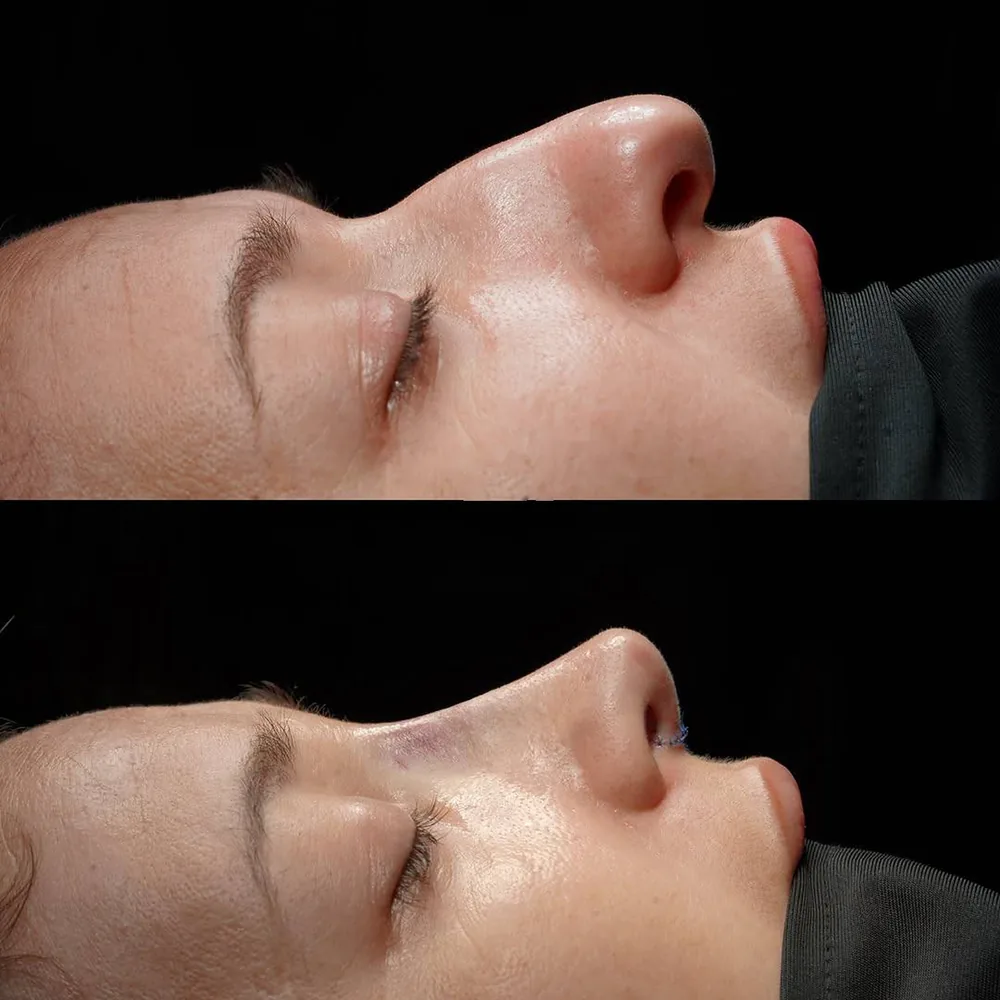
 beforeafter
Irina, 24
Rhinoplasty
Rhinoplasty
$4,200
Instead of $6,000 (≈ €5,400) · First consultation — Free
Free online consultation · Reply within 15 minutes
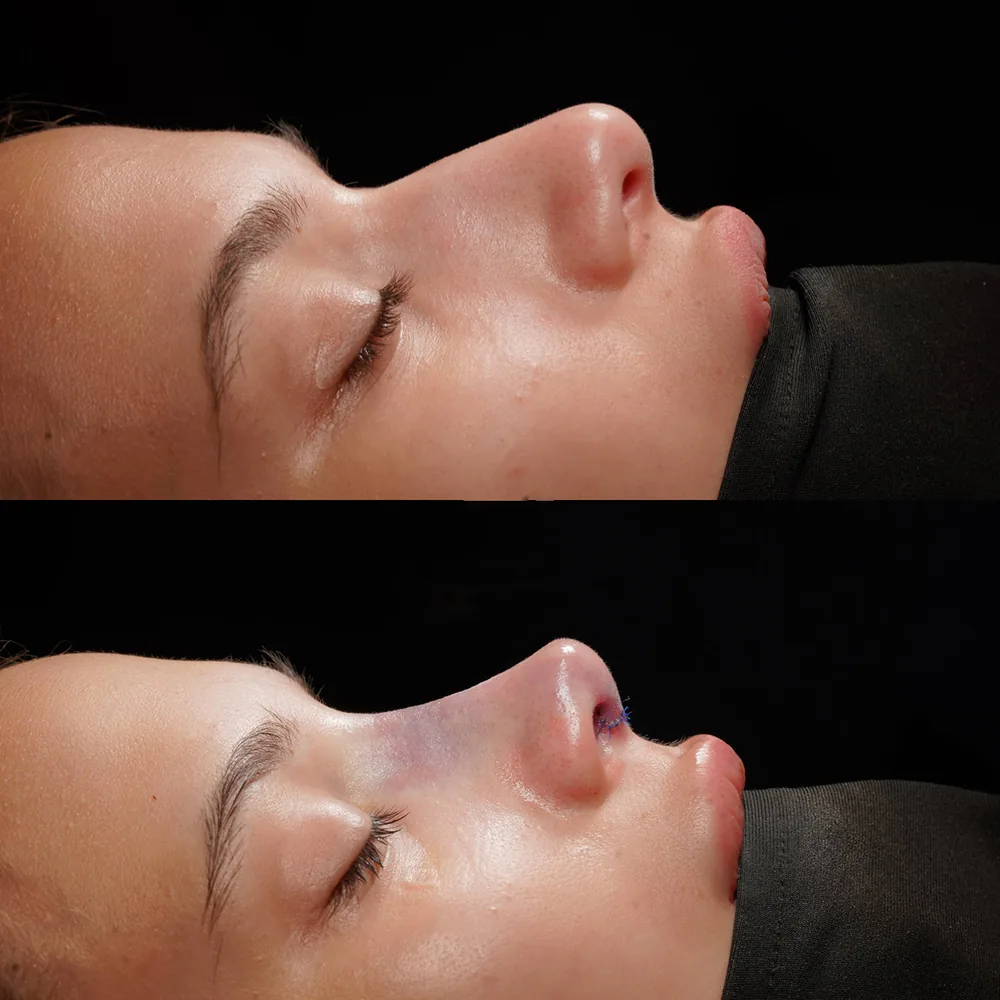 before
after
Message our coordinator
Free online consultation · Reply within 15 minutes
Message us on TelegramMessage us on WhatsAppBy messaging us, you agree to our Privacy Policy
Rhinoplasty for patients from Pristina at City Medical Centre starts at €3,750 (from $4,200). The first online consultation is free; the doctor names the final price and it is fixed in the contract.
How it works · Rhinoplasty prices
Information current as of 5 November 2026
Results
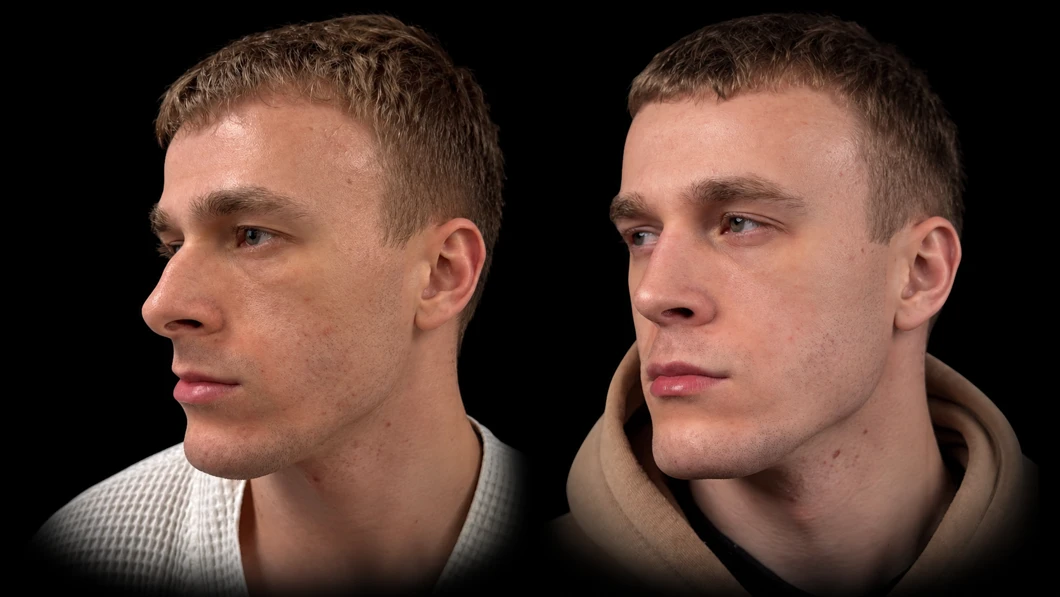
Every case shown belongs to a real patient of the clinic.
You can reach out to the clinic's own patients inside our Telegram community.
beforeafterRhinoplasty
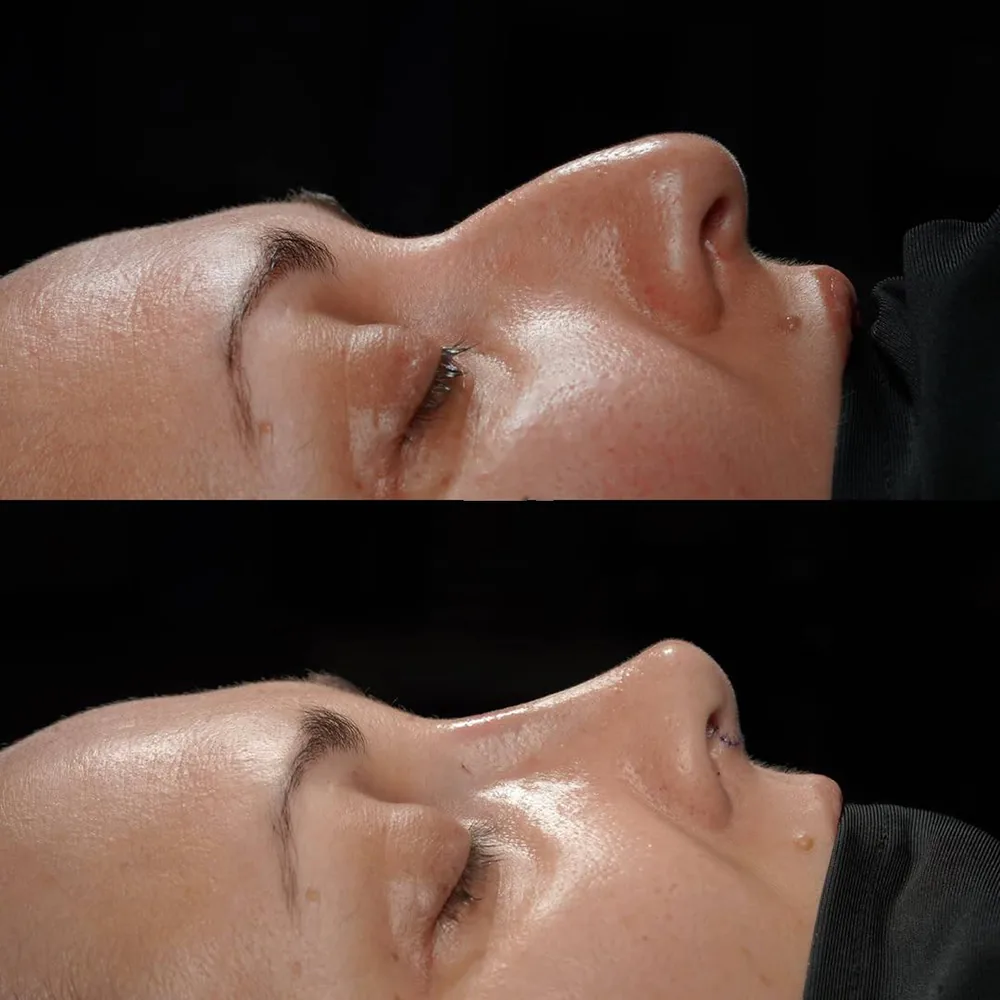 beforeafter
Rhinoplasty
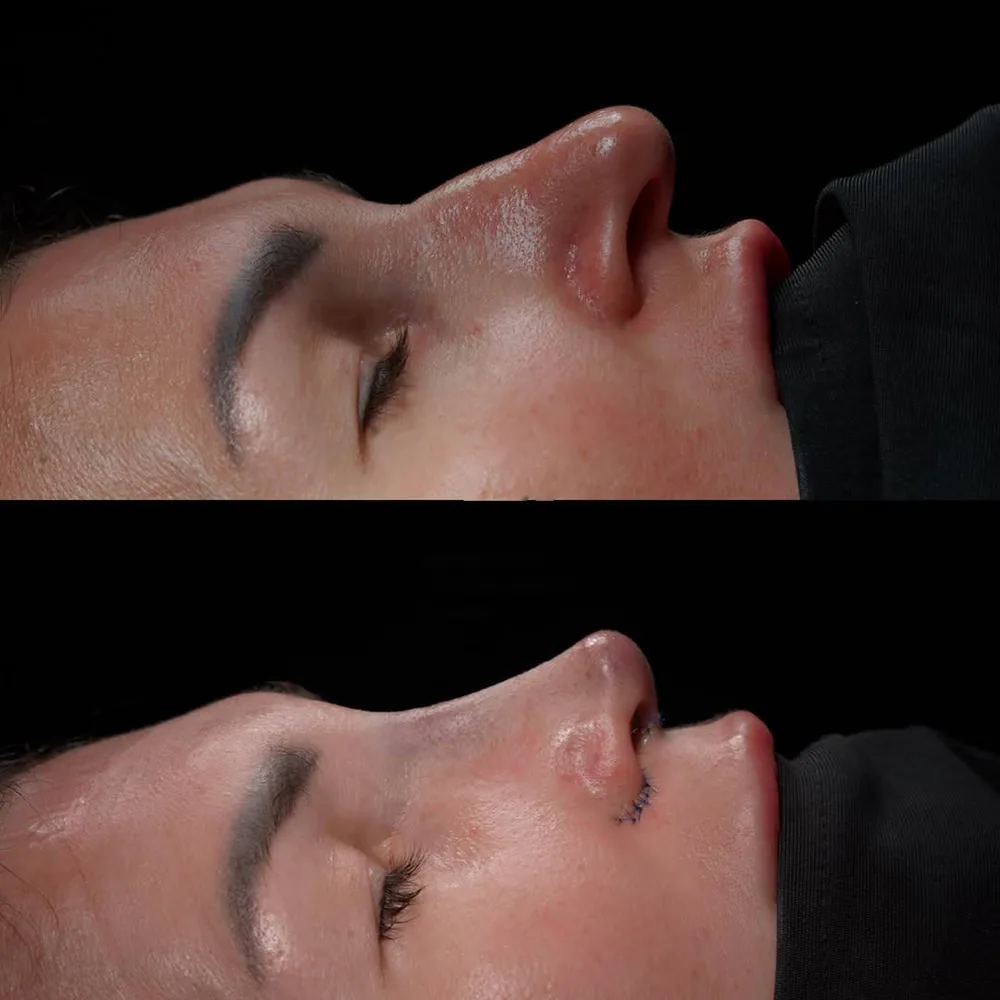 beforeafter
Rhinoplasty
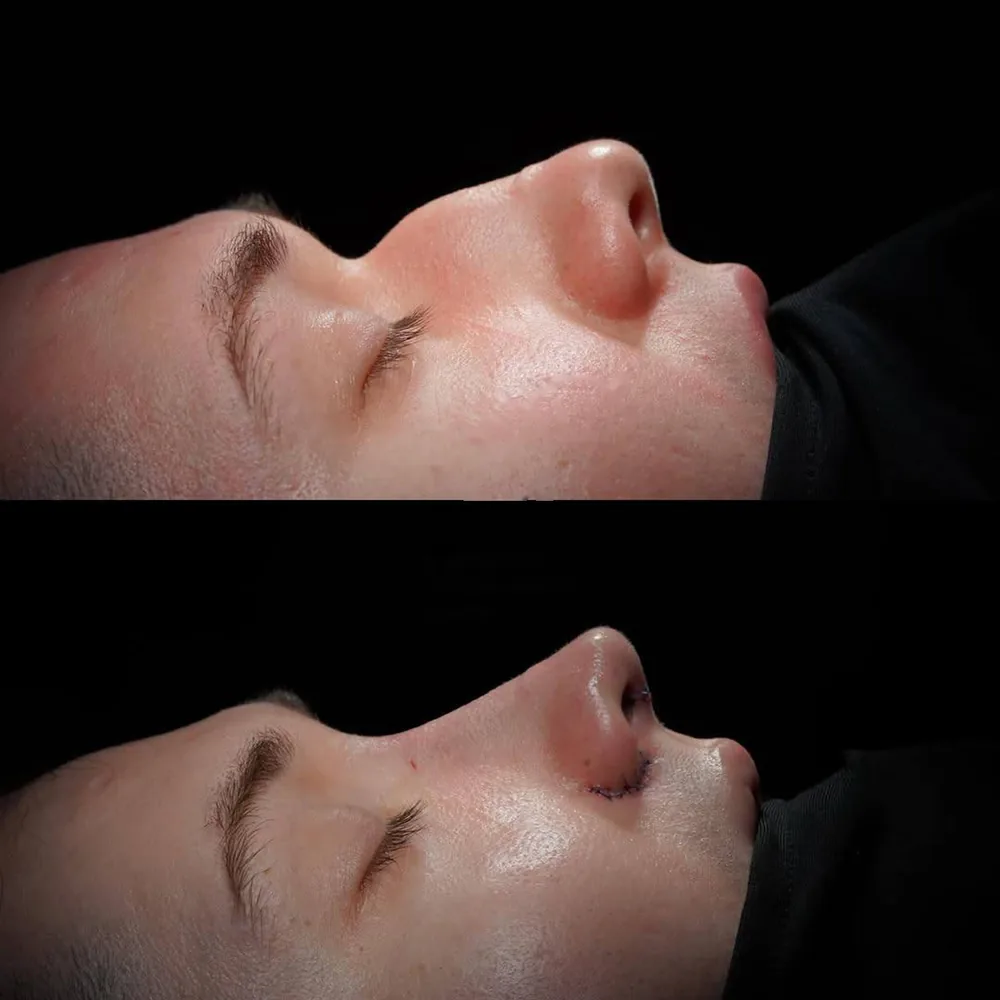 beforeafter
Rhinoplasty
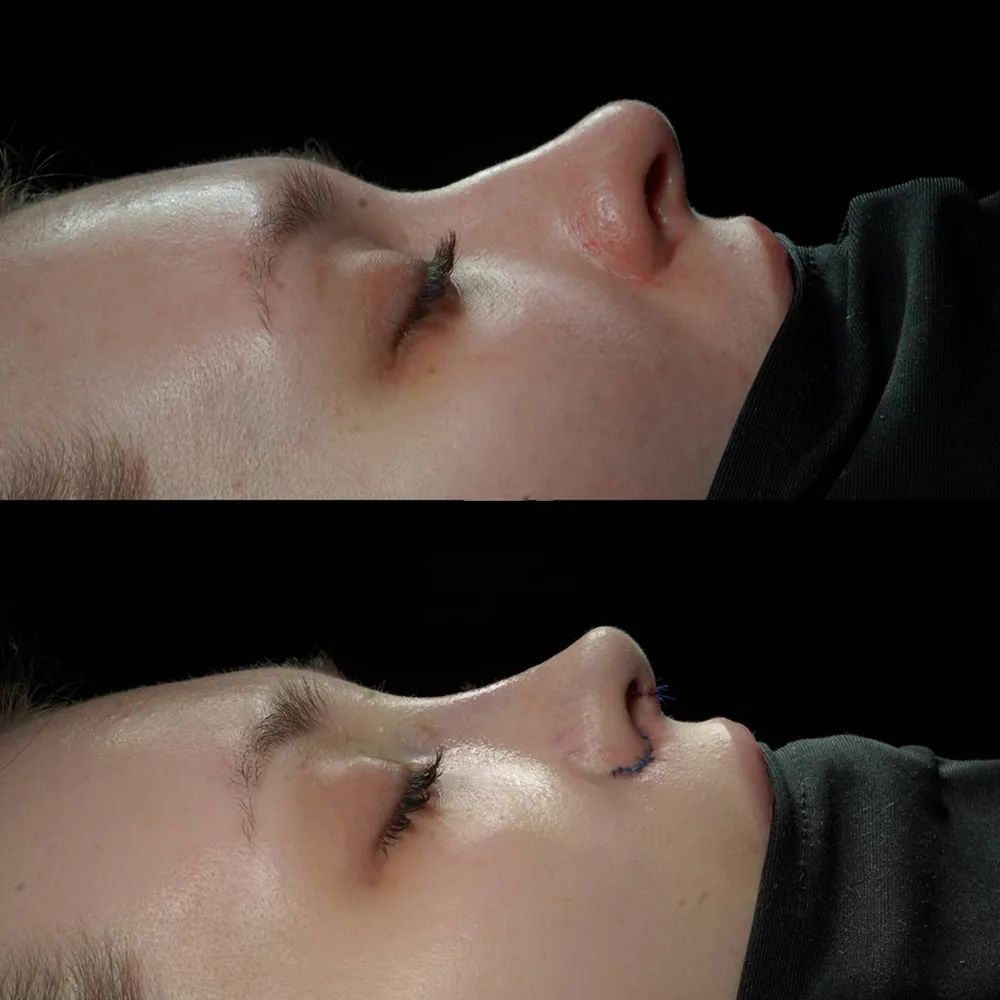 beforeafter
Rhinoplasty
beforeafterRhinoplasty
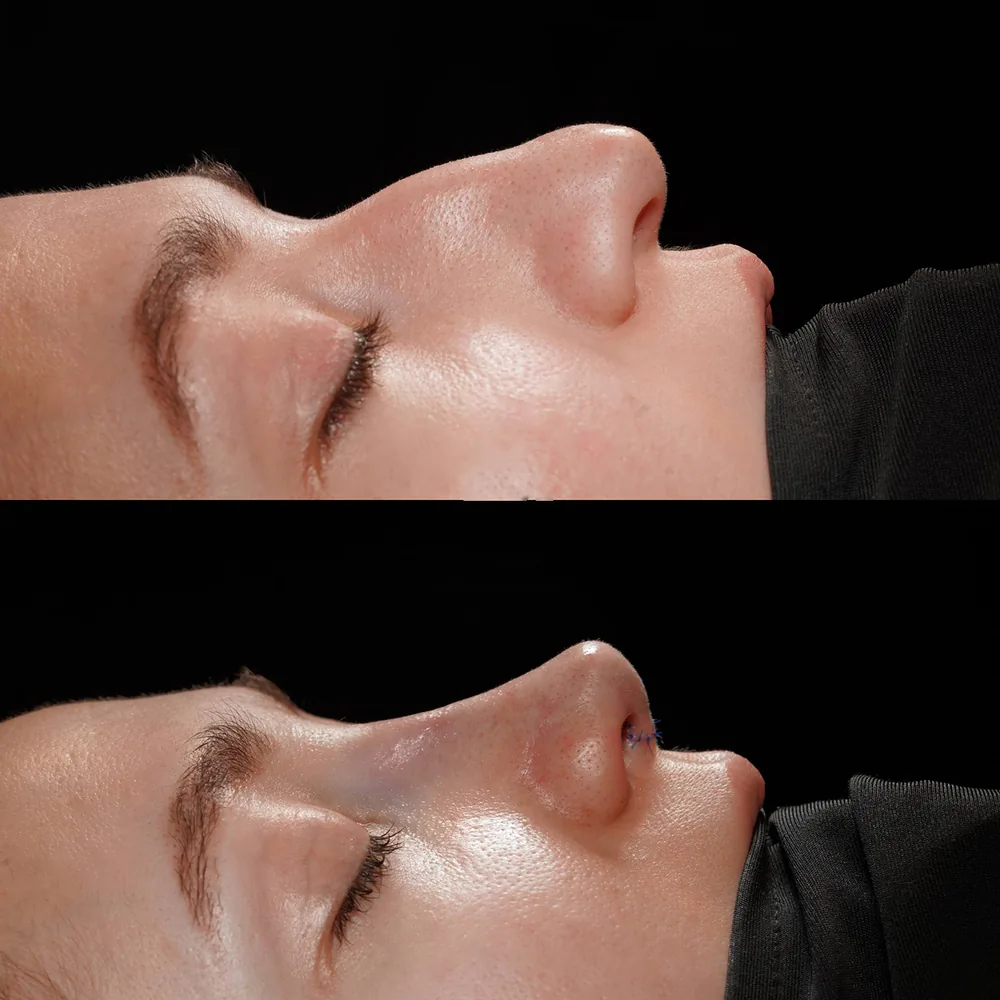 beforeafter
Rhinoplasty
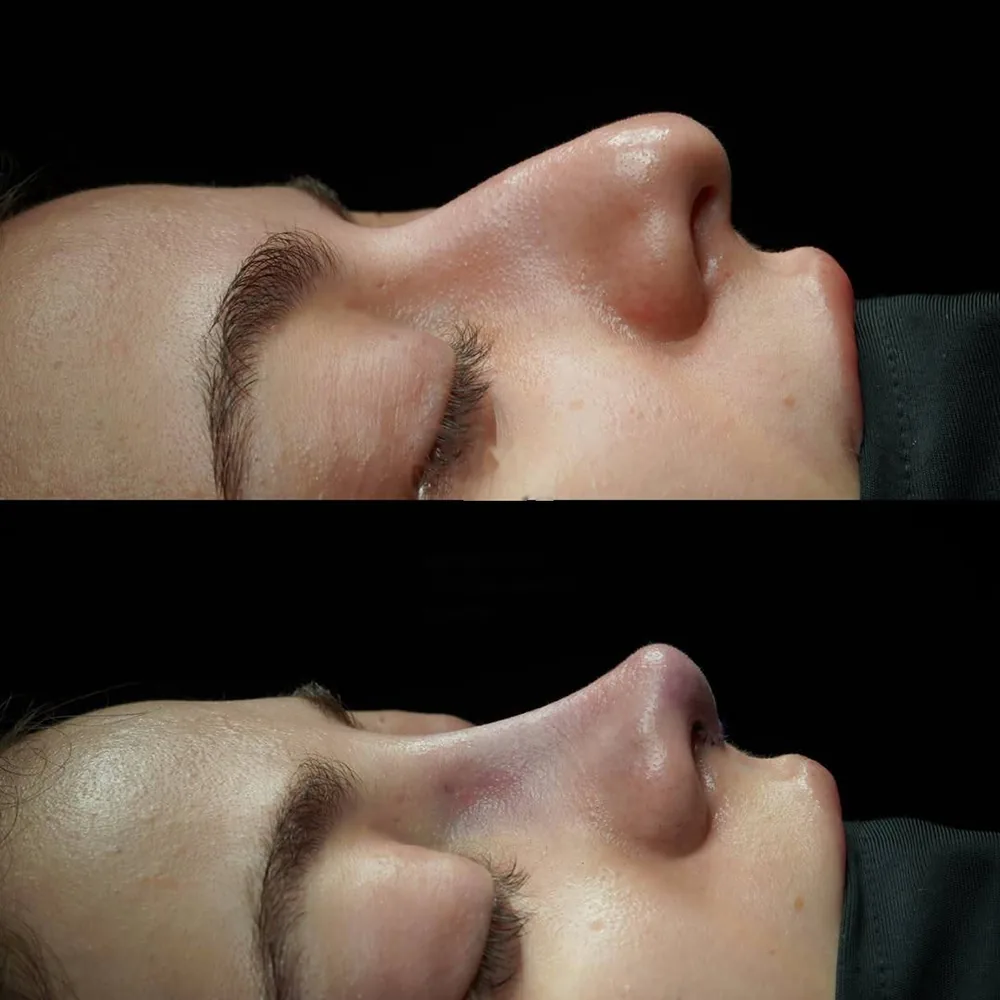 beforeafter
Rhinoplasty
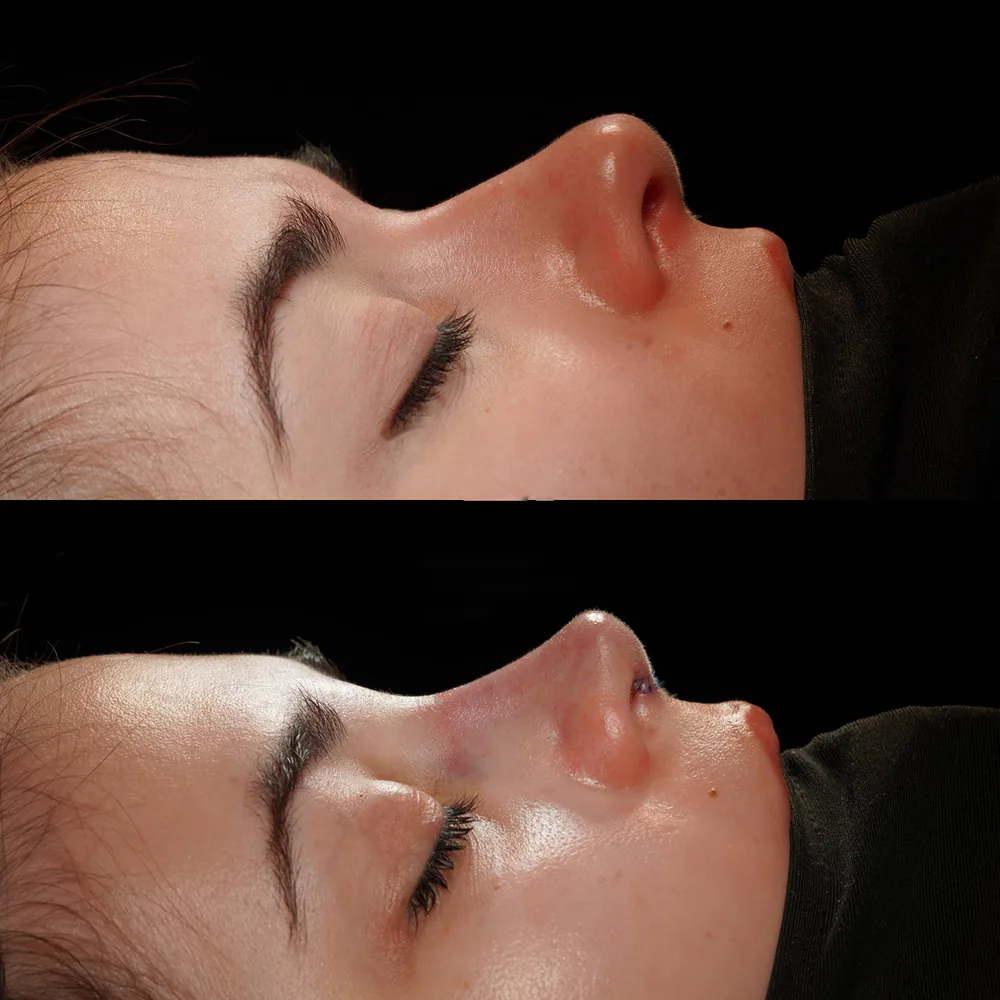 beforeafter
Rhinoplasty
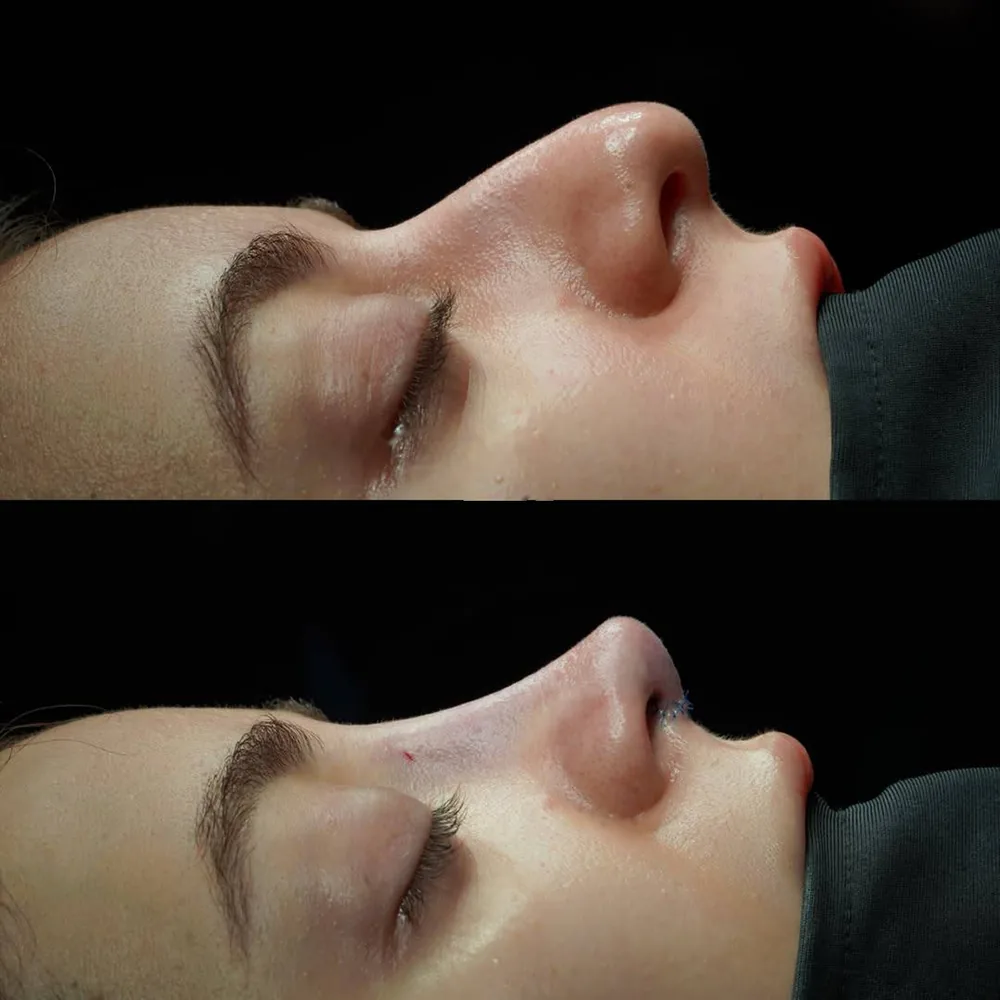 beforeafter
Rhinoplasty
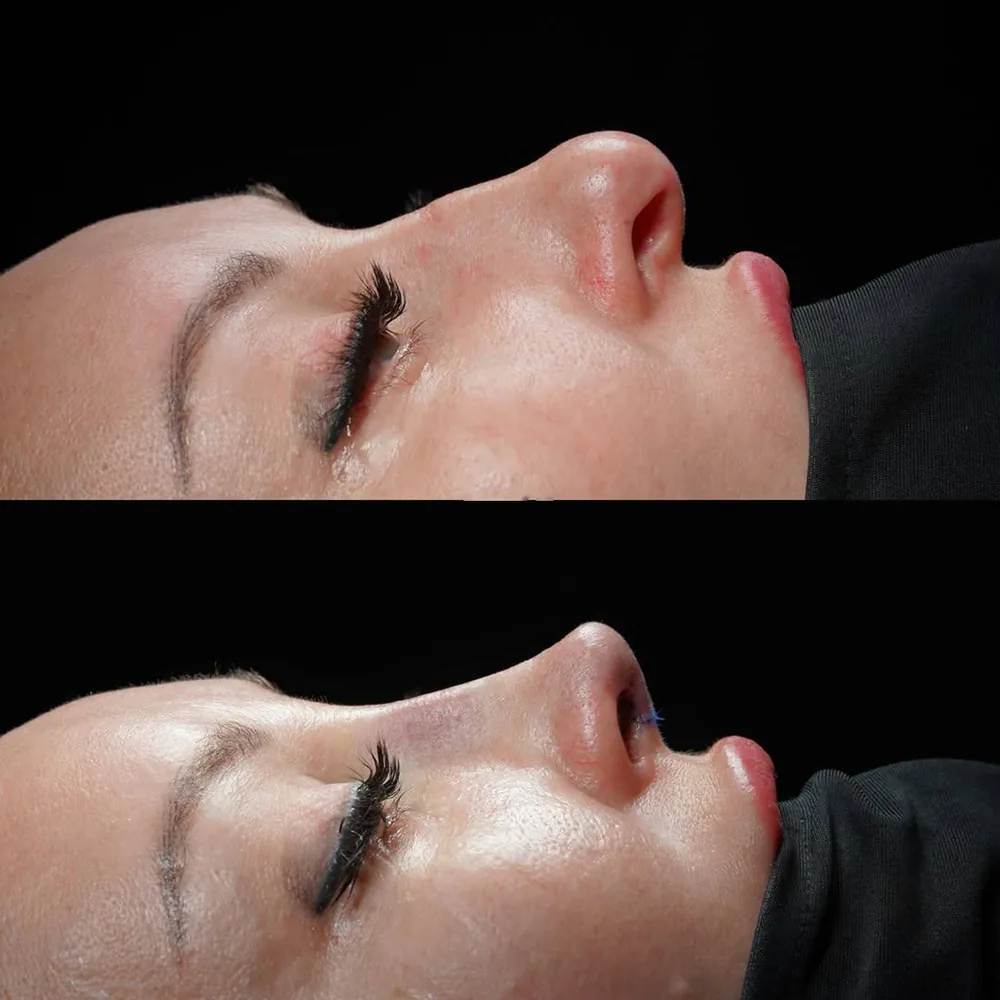 beforeafter
Rhinoplasty
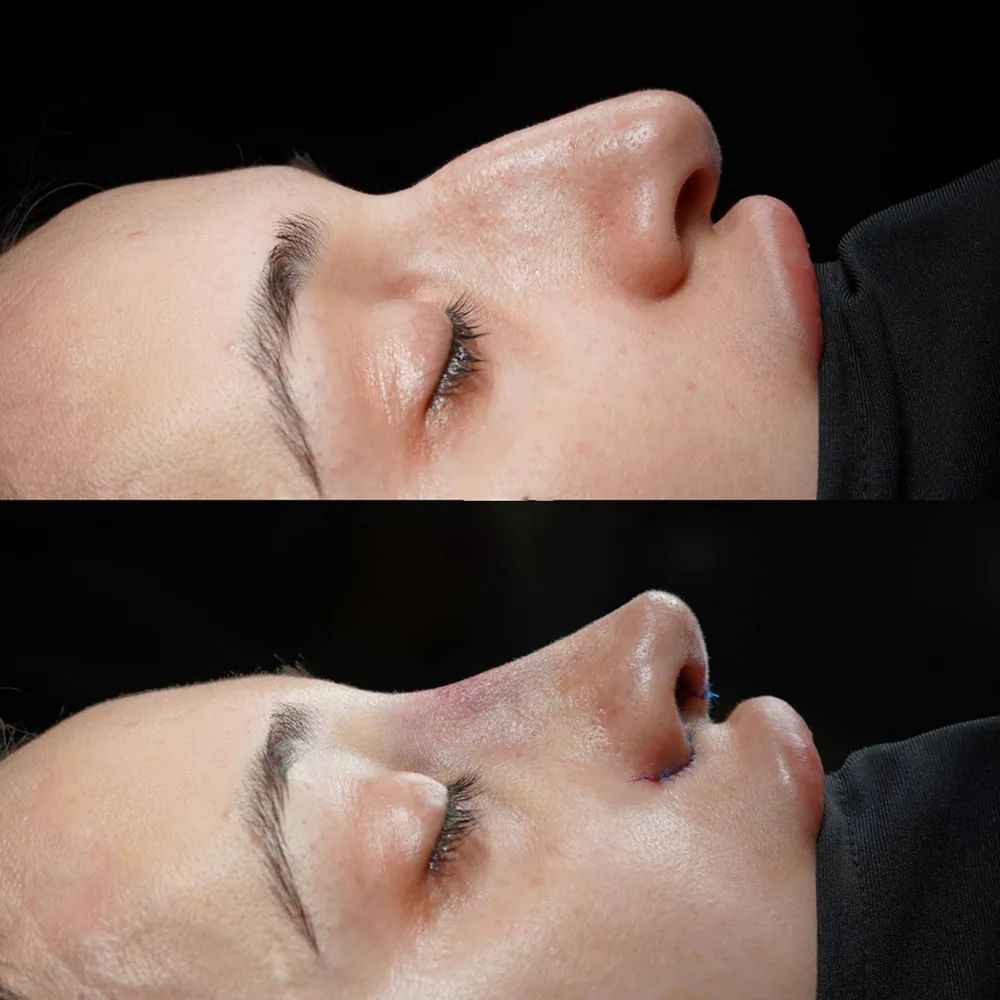 beforeafter
Rhinoplasty
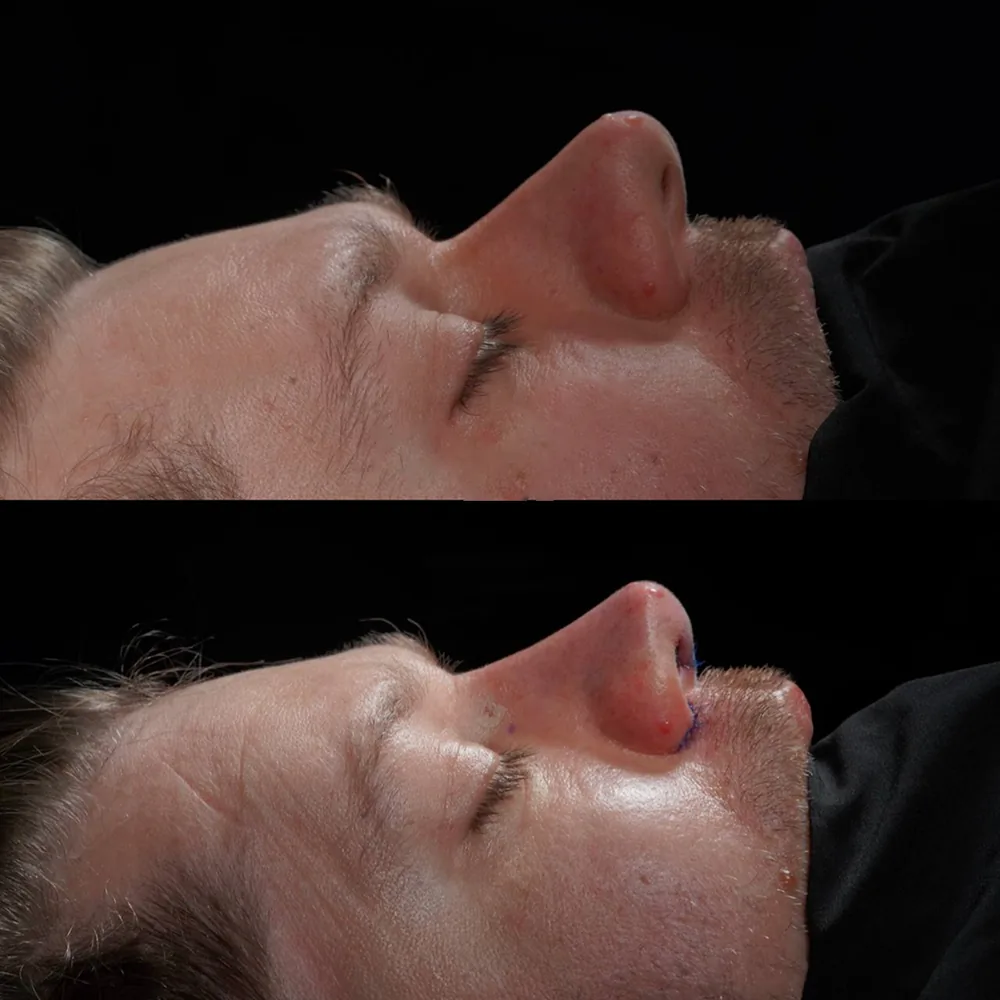 beforeafter
Rhinoplasty
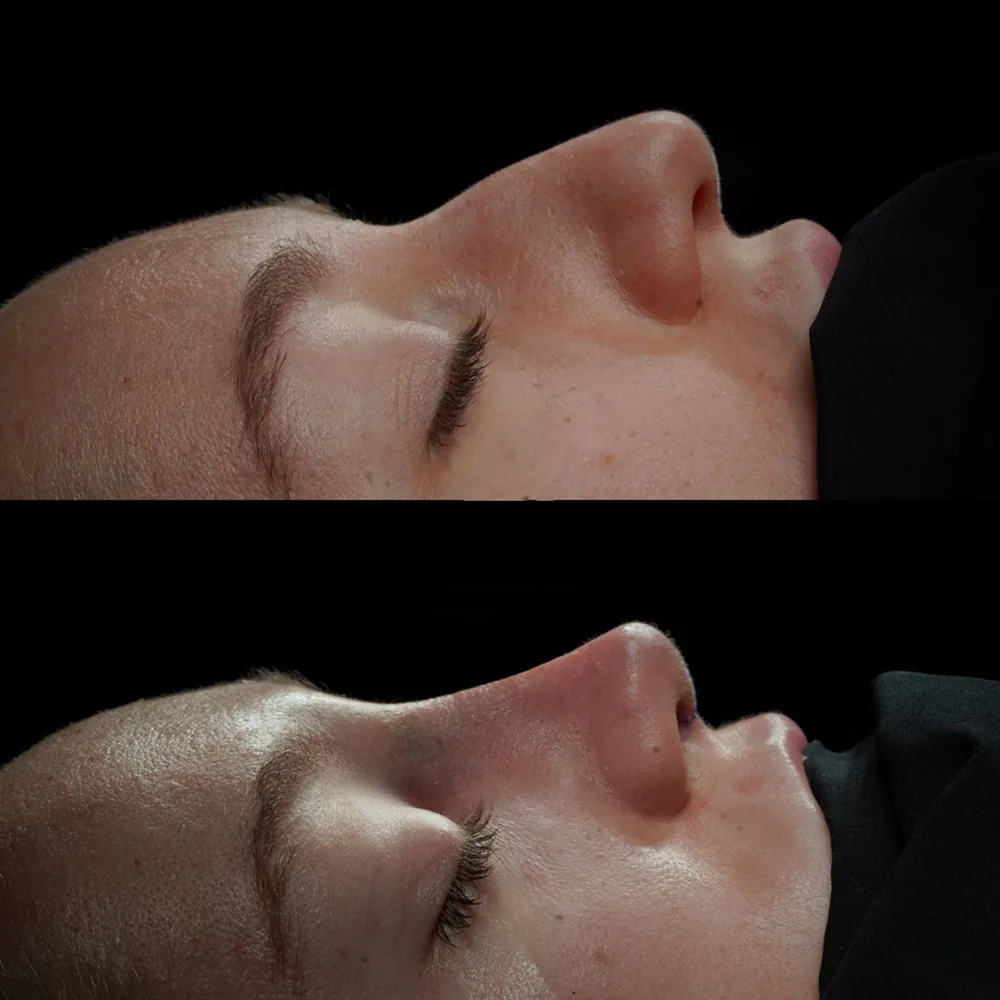 beforeafter
Rhinoplasty
Comparison
We'll pick the most effective solution for you and produce an excellent outcome.
The initial nose procedure, aimed at changing its shape and restoring function if breathing is impaired.
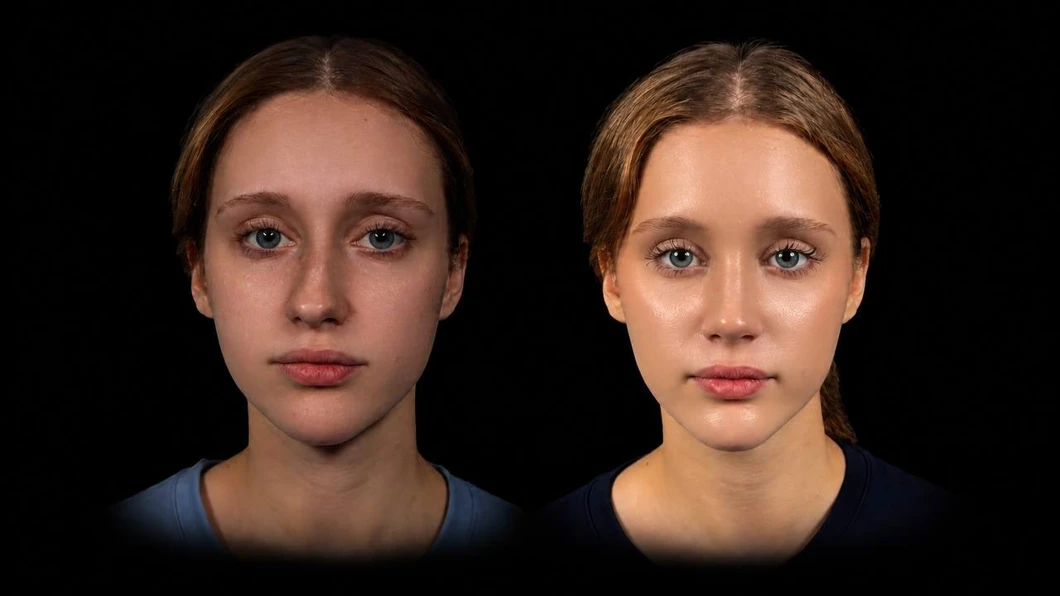
Discounted price
$4,200 $6,000
Revision rhinoplasty corrects the nose after a previous operation that was unsuccessful or partially successful, and is only performed once a year has passed since the first surgery.
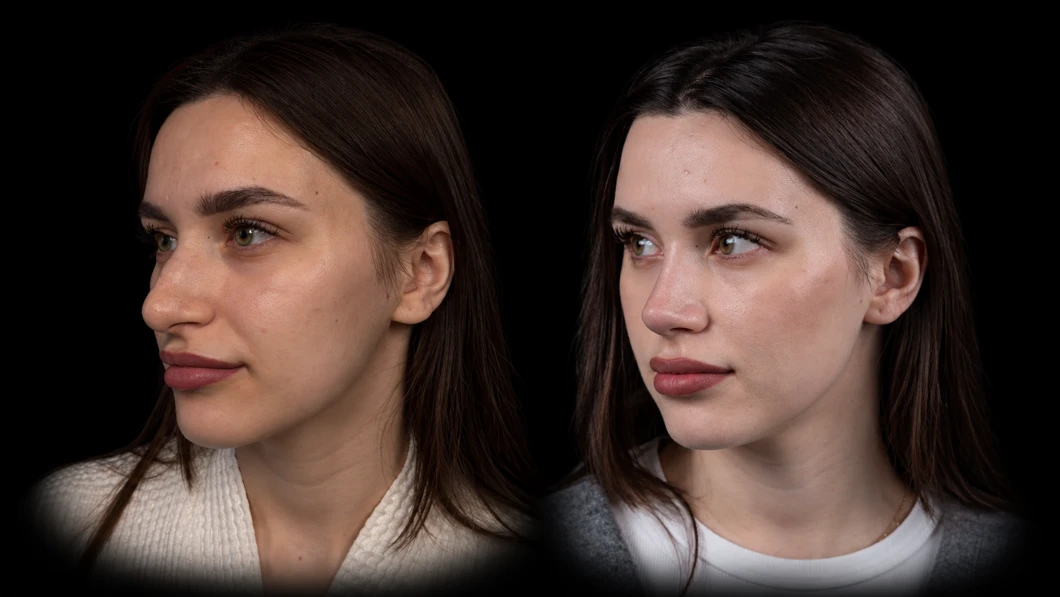
Discounted price
$5,400 $7,200
A combined procedure that treats the septum and reshapes the nose at the same time.
Discounted price
$5,000 $6,600
The benefits and recovery periods listed here are average figures by surgery type, provided only for guidance — the actual scope of correction and recovery time depend on your own anatomy, and the surgeon will confirm them at the consultation.
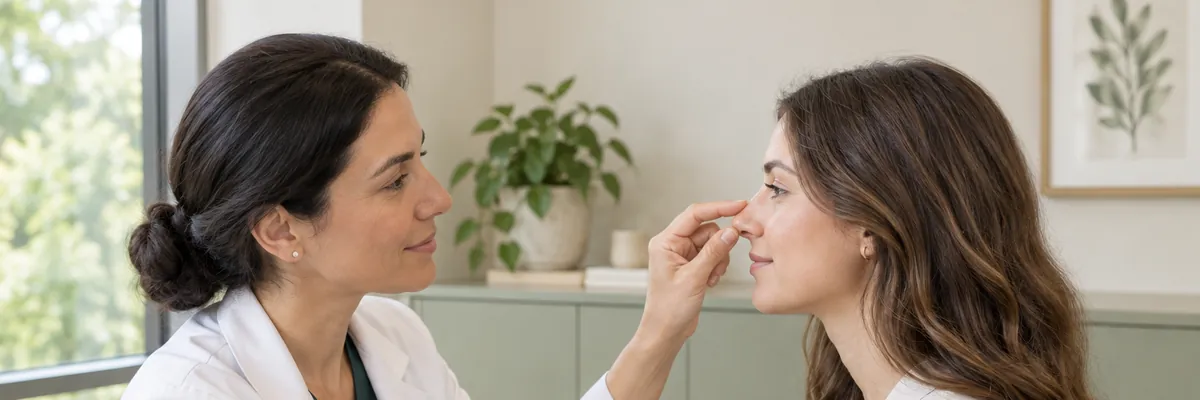
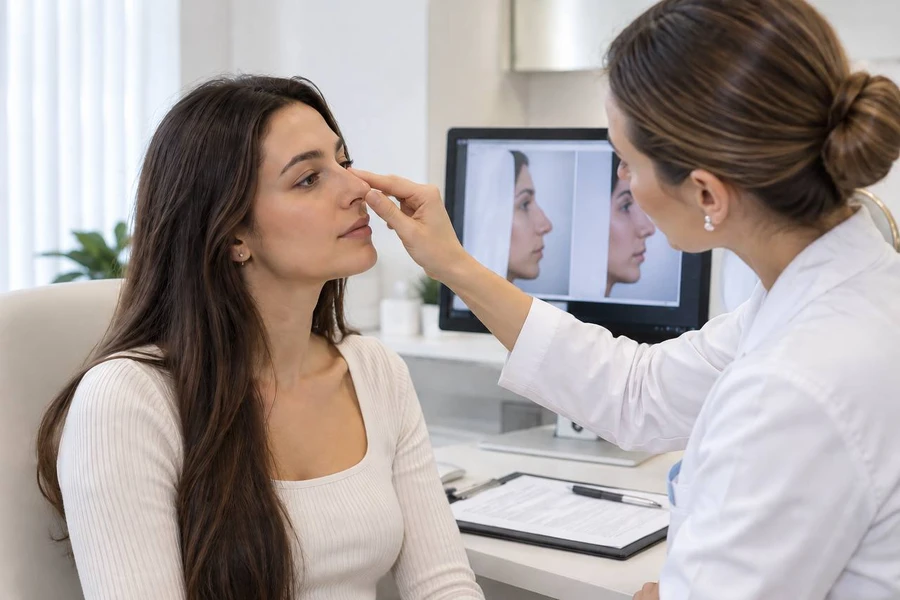
At the consultation the doctor will make a 3D model of the future result and explain
each step of your rhinoplasty
It is a free, pre-surgery consultation with no obligation attached.
Book a consultationOur clinic
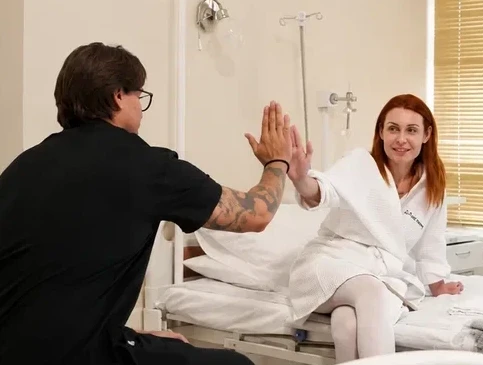
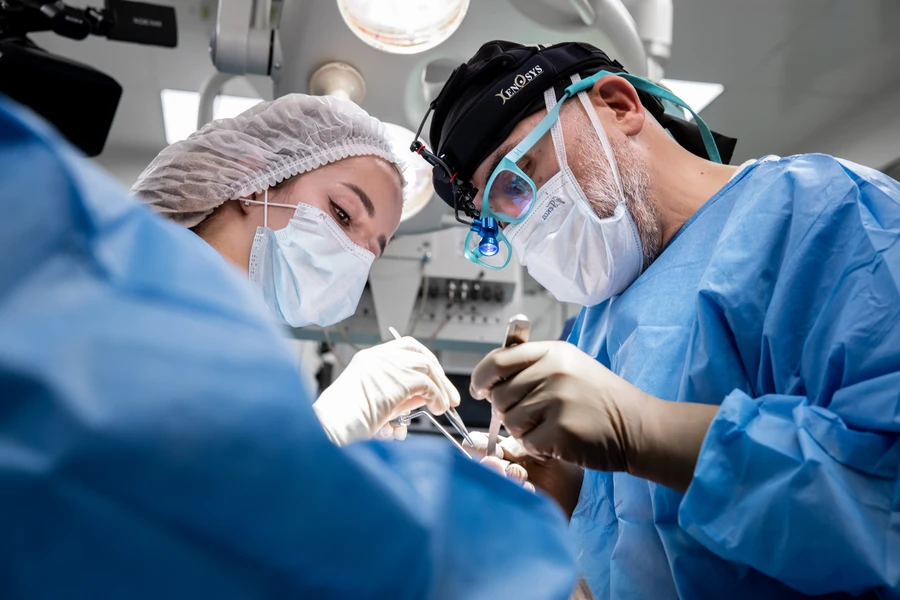
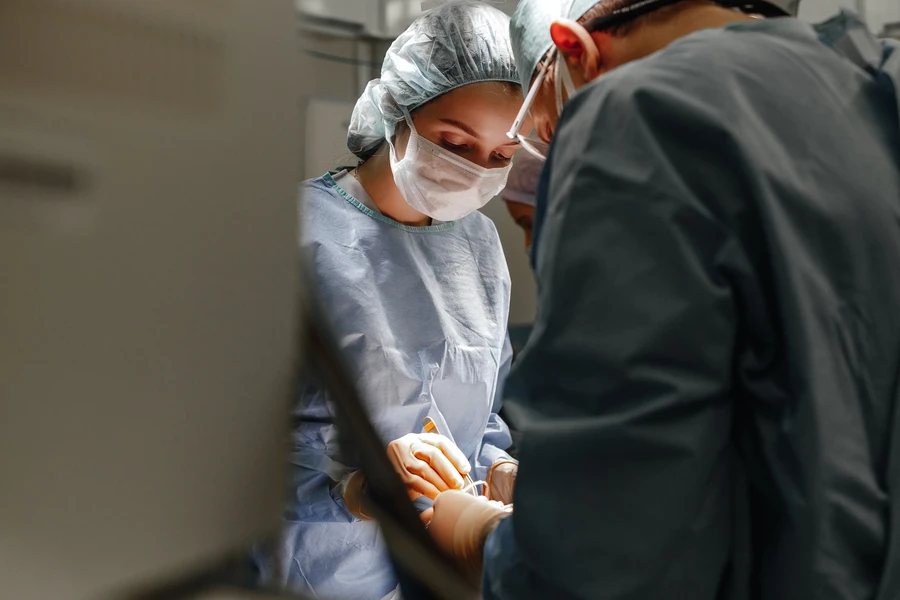
Modern facilities, comfortable rooms and care given to every patient
Our team answers your questions and finds a convenient consultation slot
By messaging us, you agree to our Privacy Policy
Get a consultationIf an operation turns out not to be necessary, the doctor will say so during the consultation — you won't pay for nothing.

Unsure which column applies to you?
Share photos of your nose with us on Telegram and the doctor will assess whether rhinoplasty fits your case, free of charge and with no obligation to proceed.
Find out if it suits me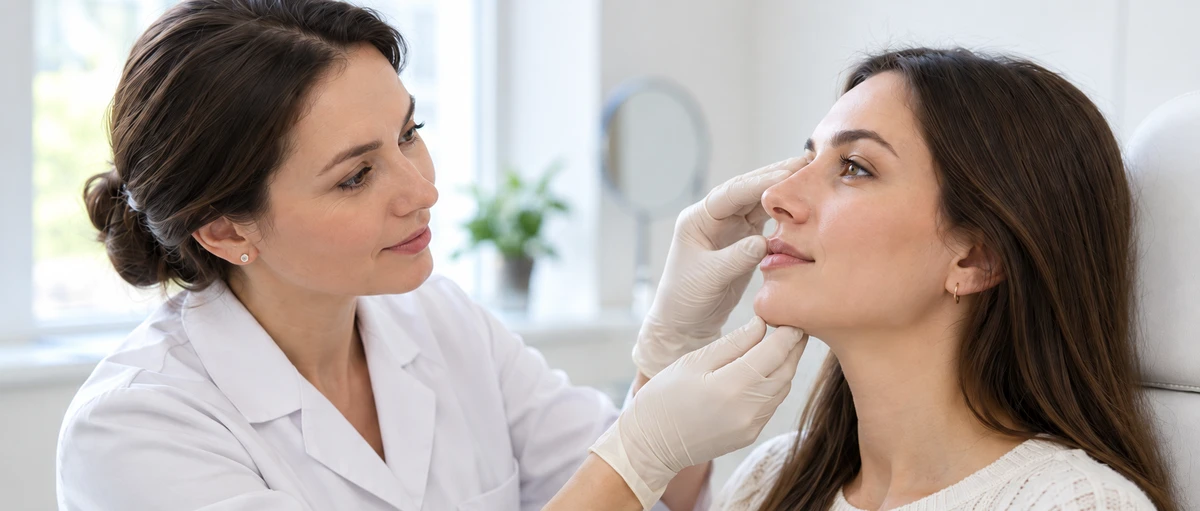
Prices
The cost is named at the free consultation, after result modelling, and fixed in the contract.
Discounted price
changing the nose shape
$4,200$6,000
Discounted price
secondary, revision
$5,400$7,200
Discounted price
nasal shape plus the septum
$5,000$6,600
Free
3D modelling after the surgeon's examination
Free
you are told the cost of surgery
and it is fixed in the contract
The doctor will examine the anatomy of your nose, hear out your wishes
and choose the right correction technique. The cost is named at the consultation and fixed in the contract.

Message our coordinator
Free online consultation · Reply within 15 minutes
Message us on TelegramMessage us on WhatsAppBy messaging us, you agree to our Privacy Policy
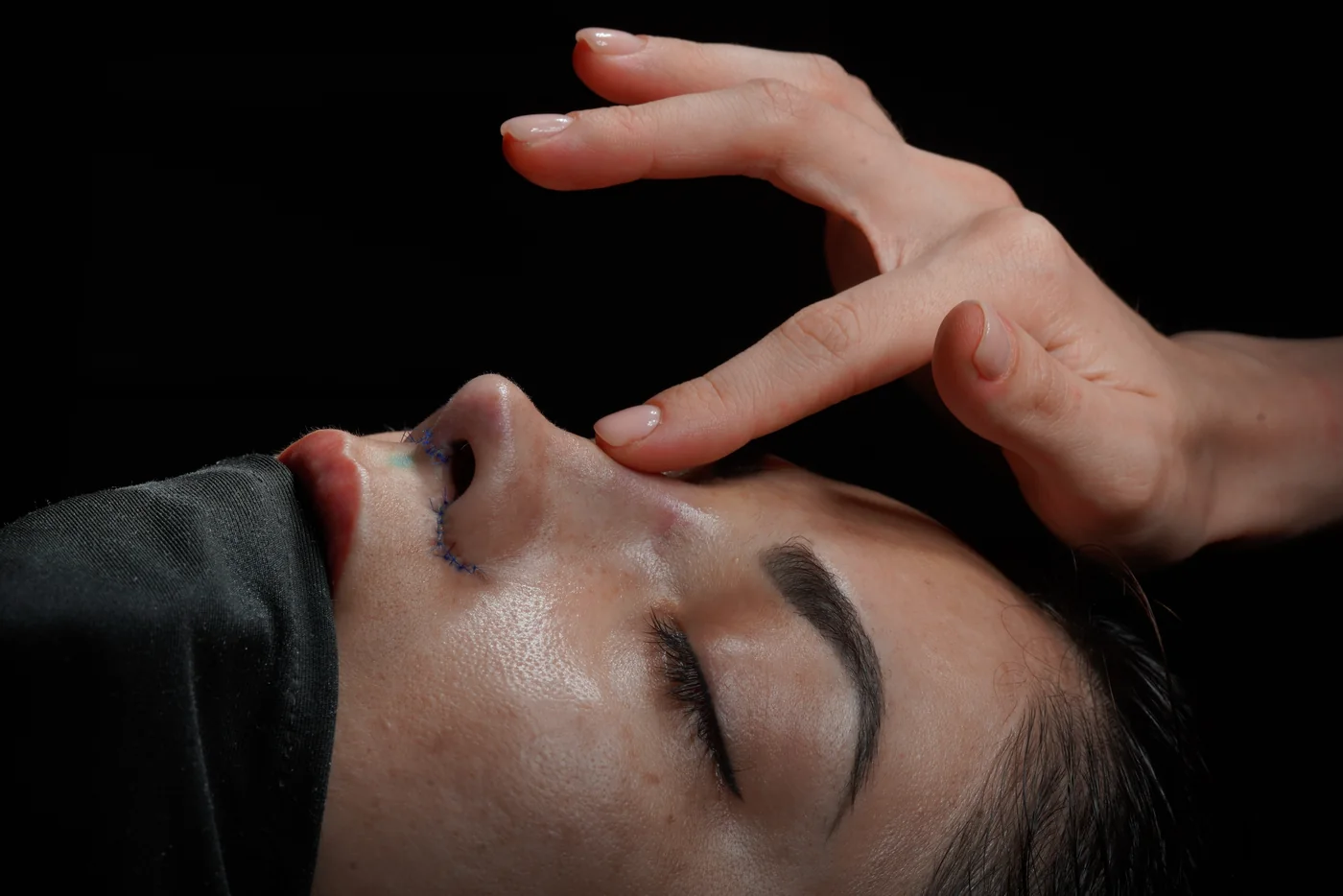
Price
Everything from surgery preparation
to support over 12 months.
Discounted price
$4,200$6,000Discounted price
Step by step
A plan for your correction agreed in advance, inpatient observation, and monitoring throughout the year of recovery.
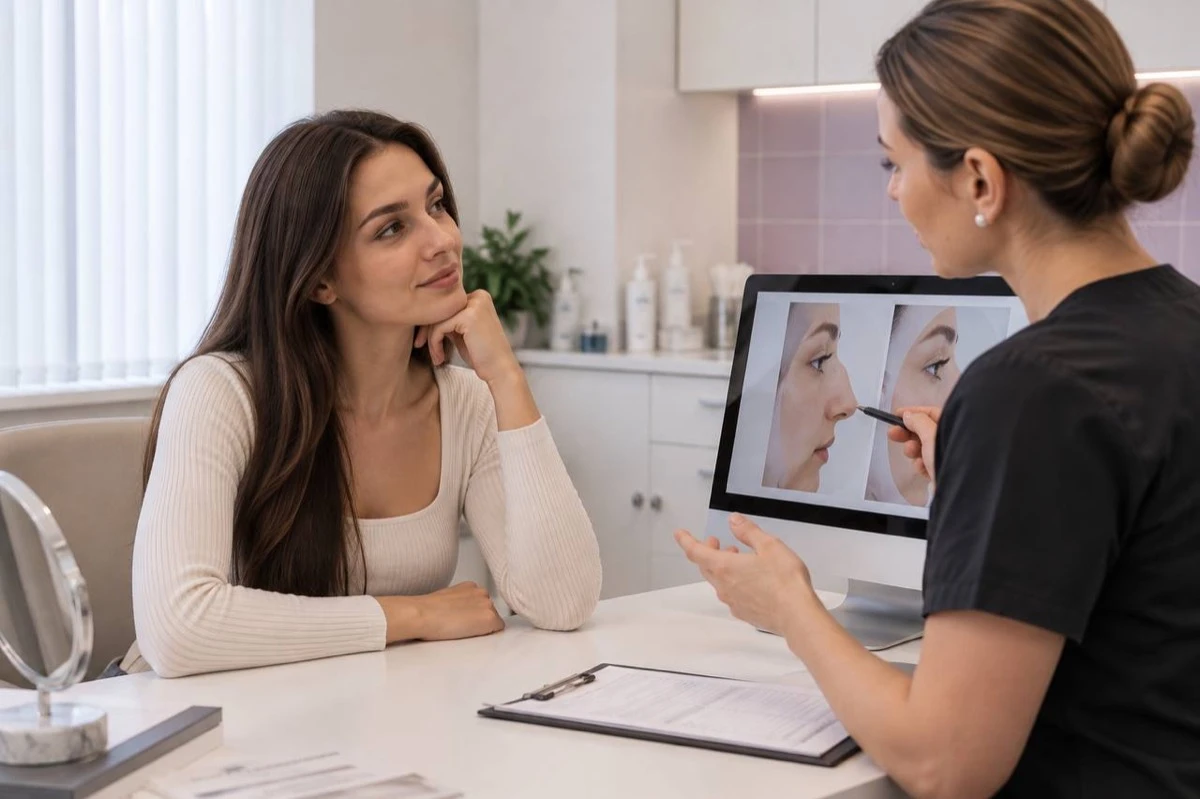
The doctor assesses your nose and your wishes, then performs the examinations needed to choose the right correction technique

We hold a surgery date for you; the deposit may be paid at the clinic by card or online via bank transfer, with the terms fixed in the contract for medical services
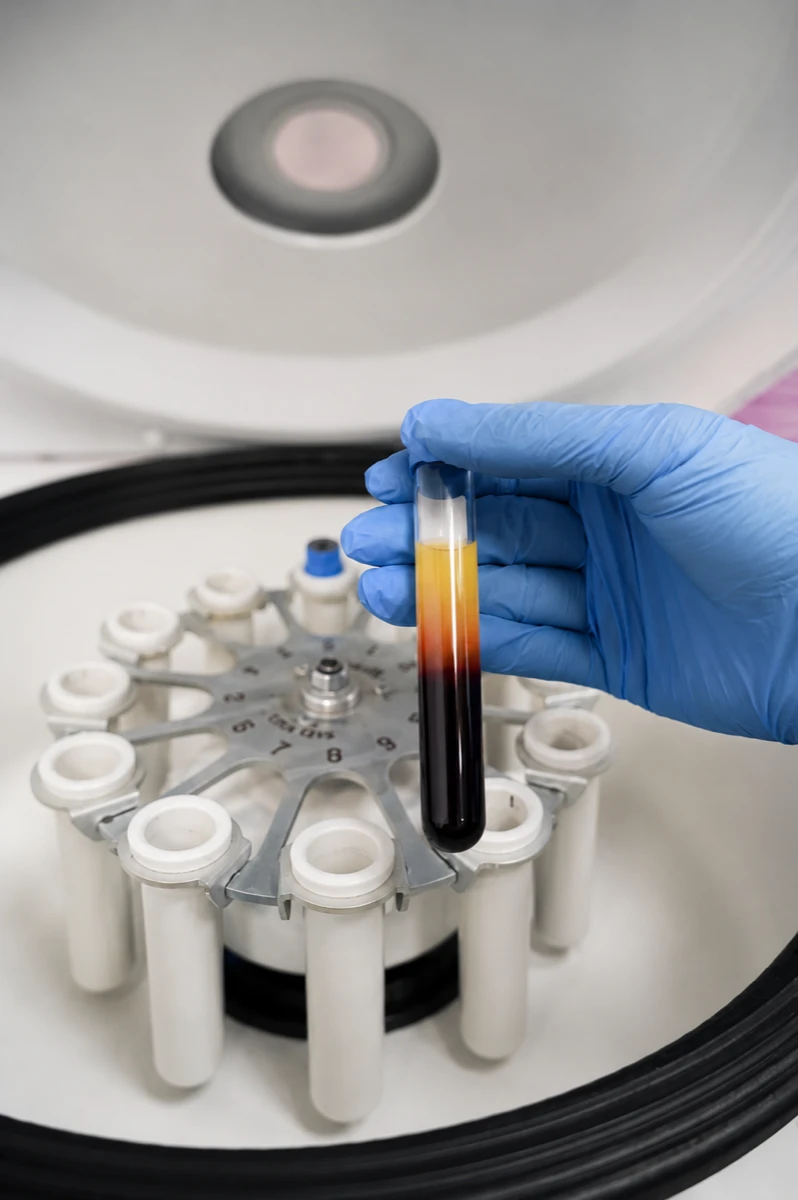
Before the operation you will need a complete set of lab tests — complete blood count, biochemistry, coagulation panel, chest X-ray and an X-ray of the sinuses
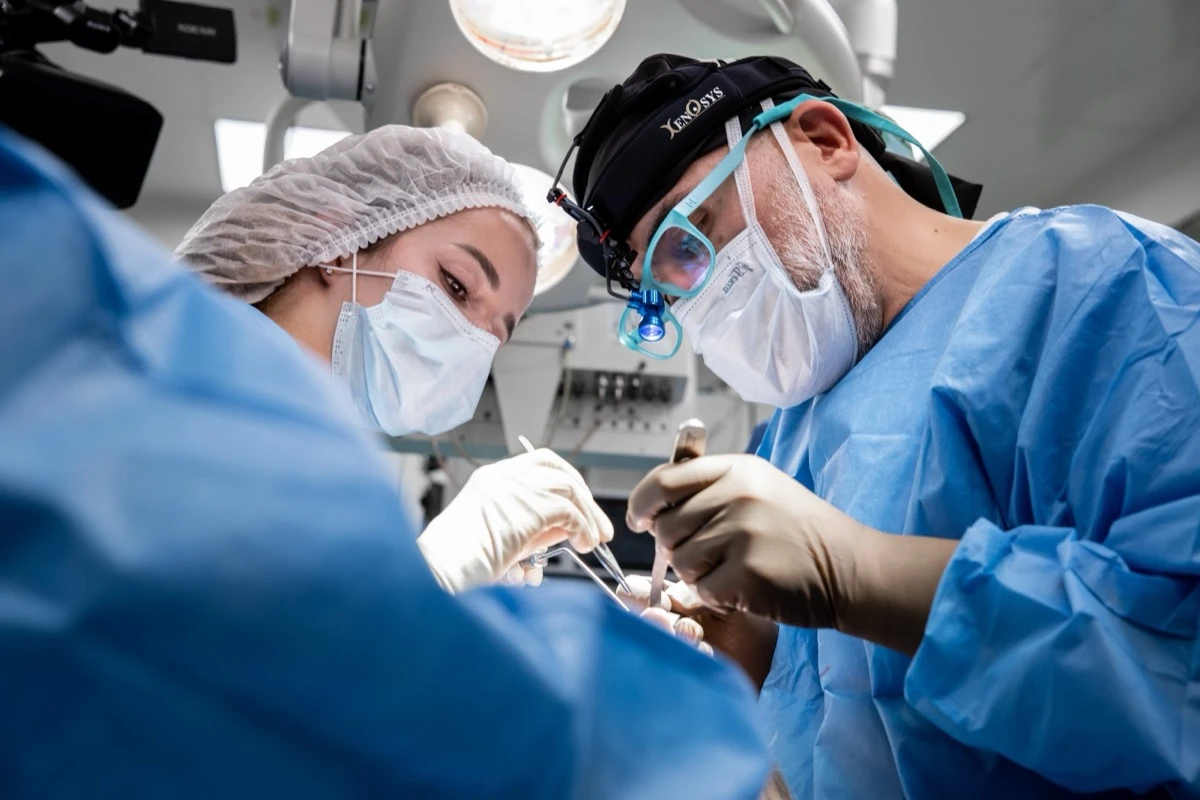
The surgeon operates with the selected technique under general or local anaesthesia, reshaping and correcting the structure of the nose
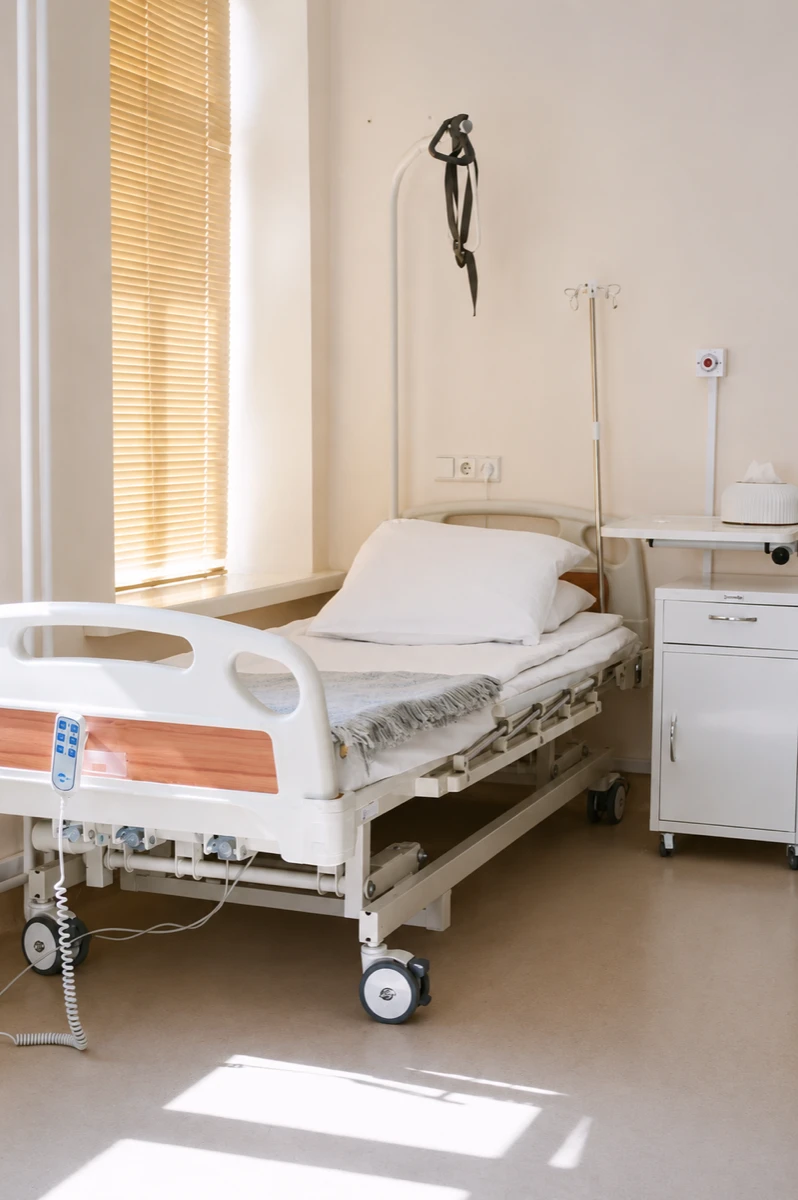
The clinic's inpatient unit is where all procedures are performed. You stay for one day post-surgery
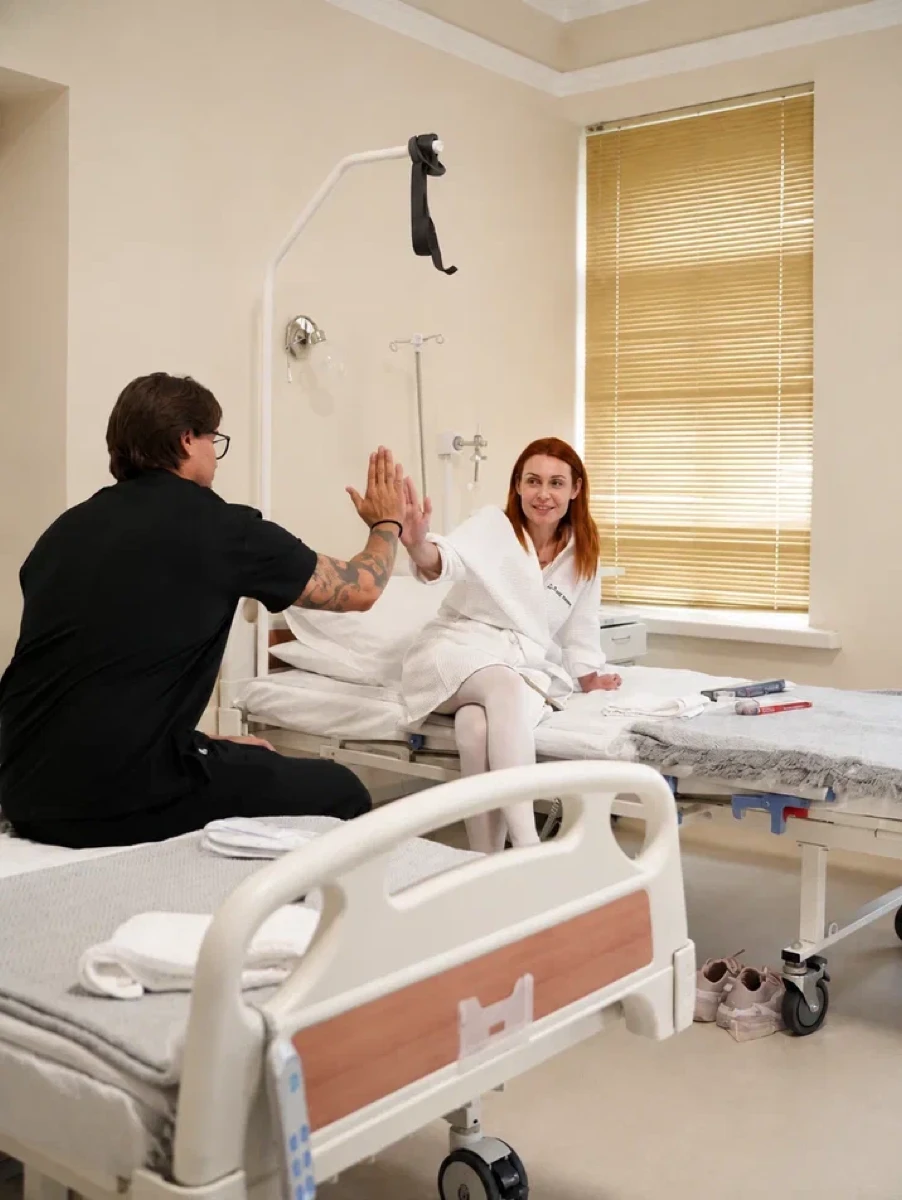
A recovery programme follows your surgery, including check-ups at 7 days, 3 and 6 months to track progress, with free surgeon consultations for a year after the operation.
During the consultation you get a realistic forecast of the expected result
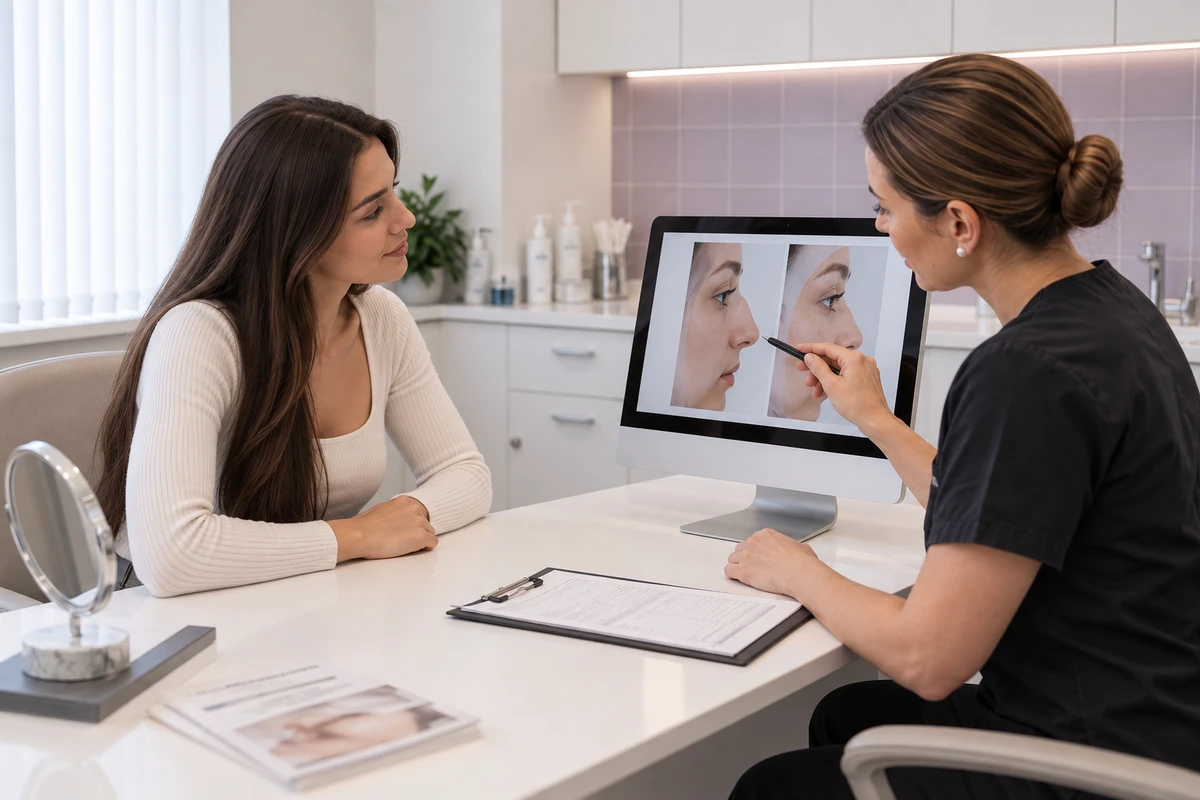
It is a free, pre-surgery consultation with no obligation attached.
Book a consultationNasal splint
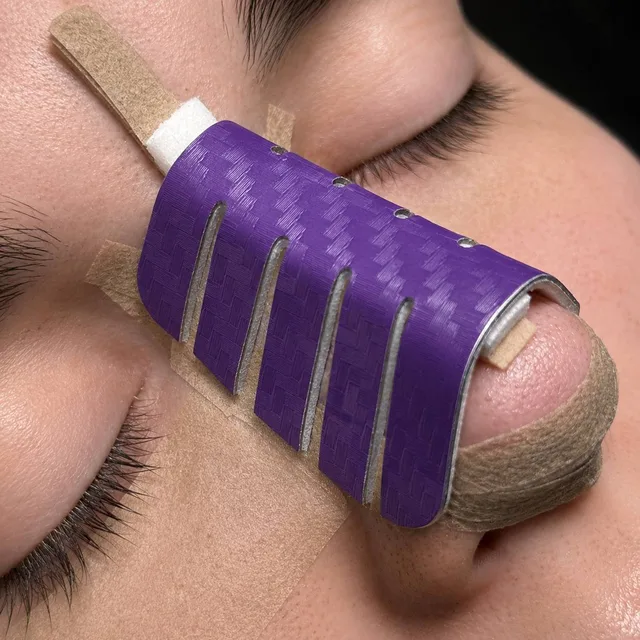
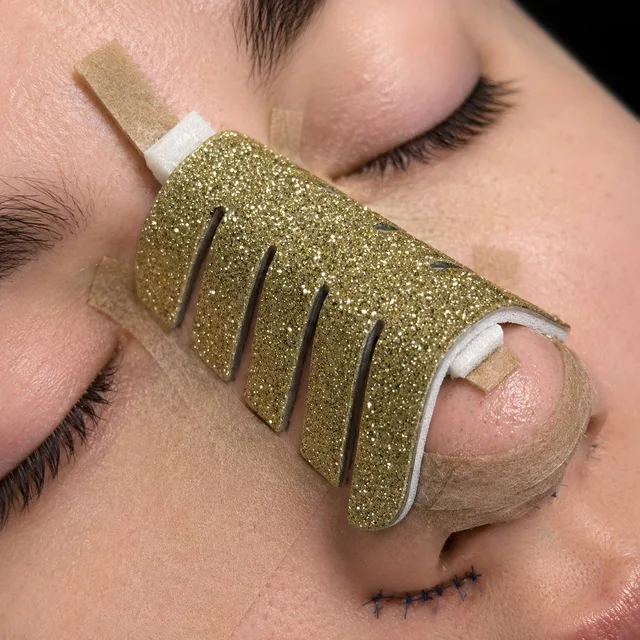
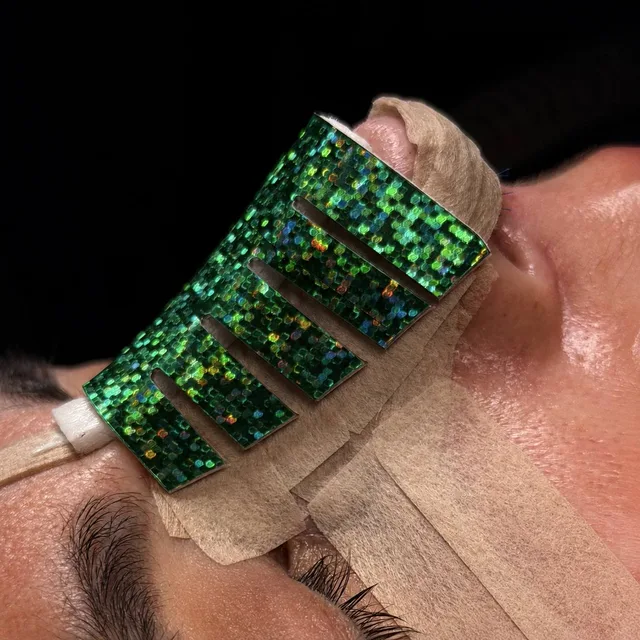
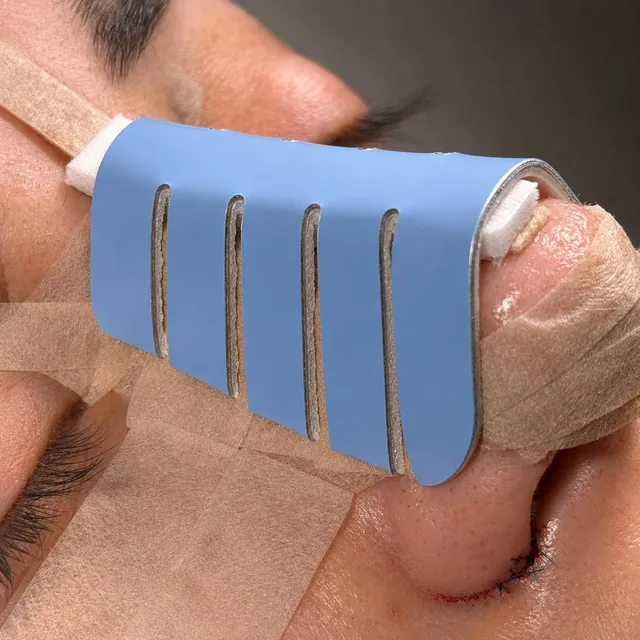
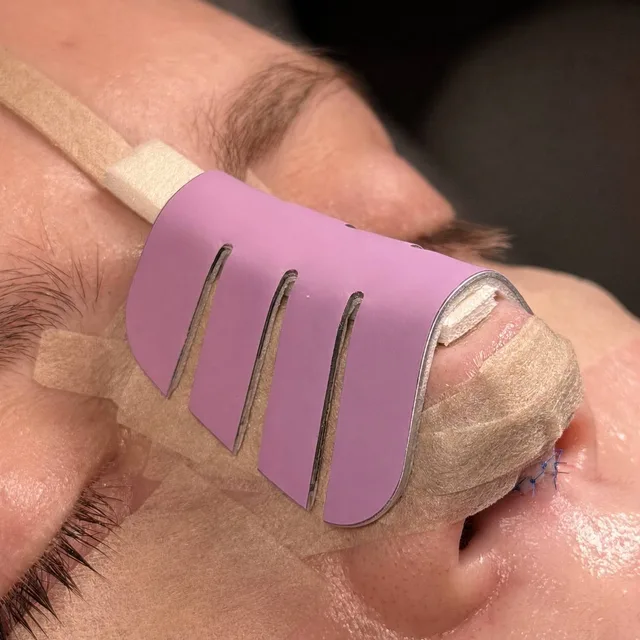
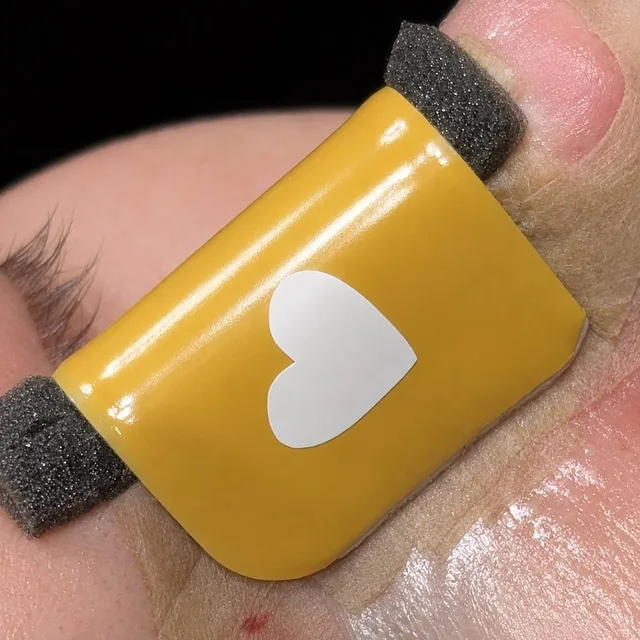
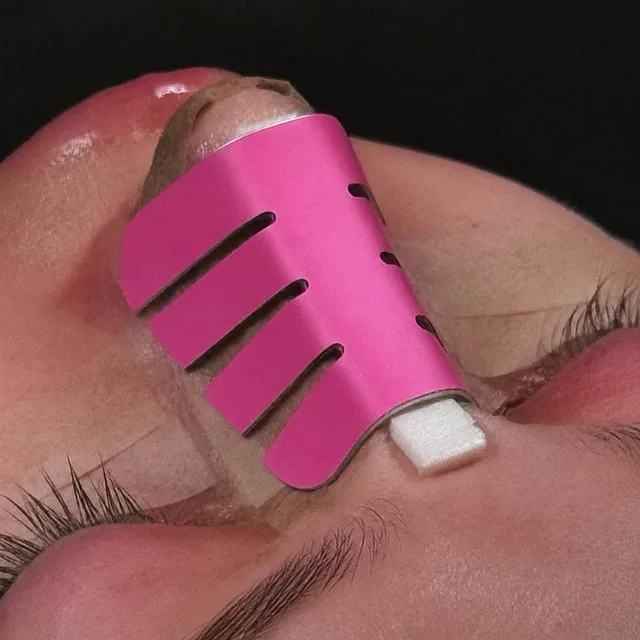
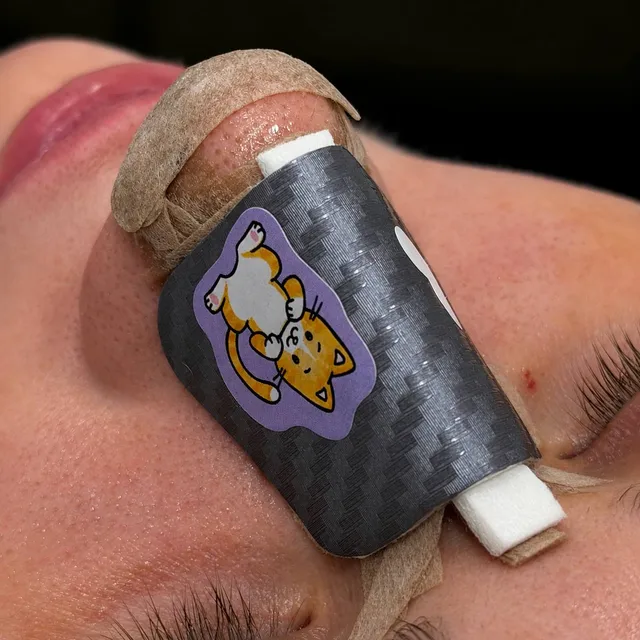
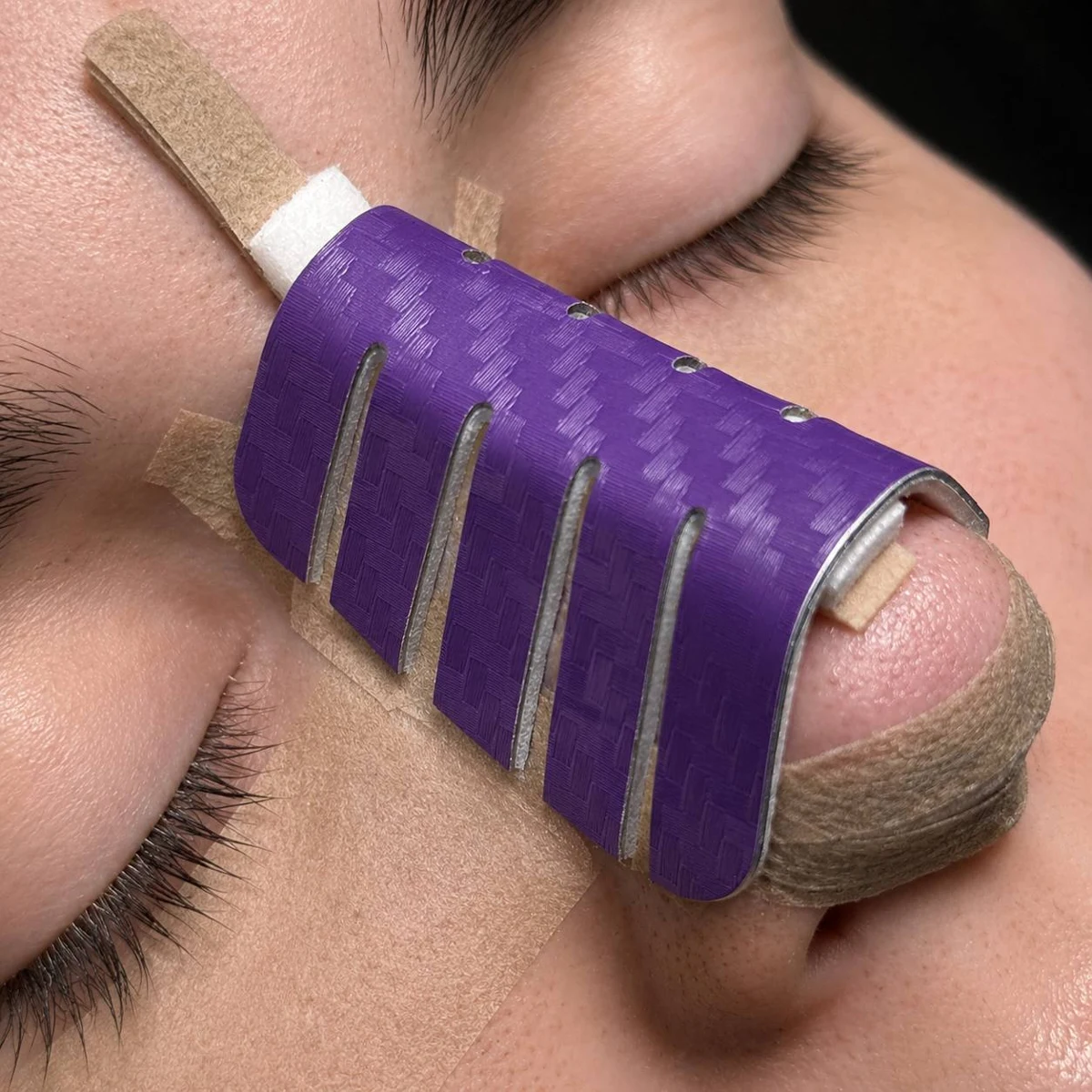
Every detail is chosen to highlight your natural beauty. So that you enjoy the change even while recovering, you can choose the colour of your own nasal splint.
Your own style, in the small details:
Select a splint colour that suits how you feel
Small details build confidence, much as they shape your future profile
Doctors
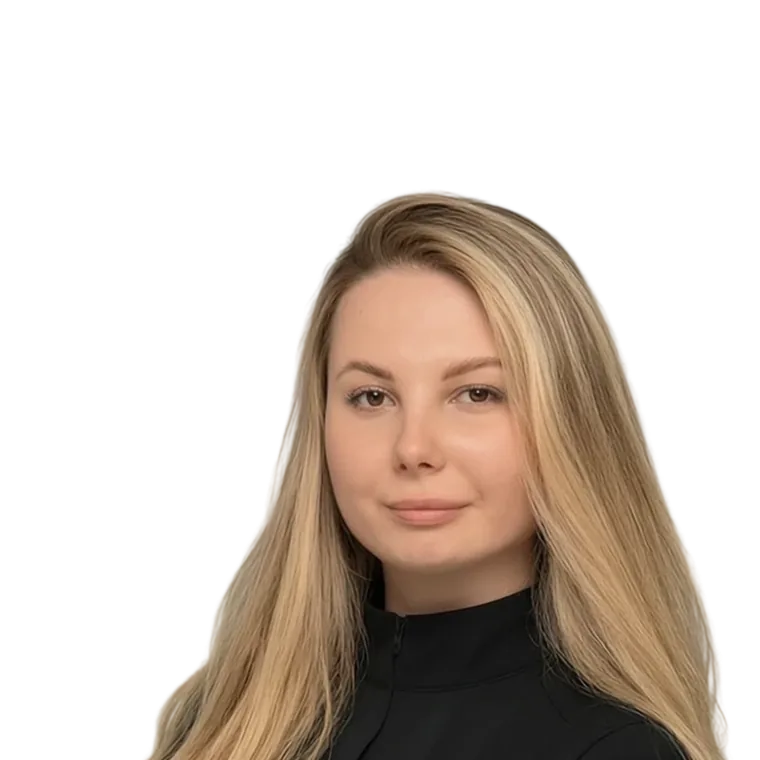
Rhinoplasty surgeon
At the consultation you meet and talk with the surgeon who will perform your surgery
The doctor reviews your facial proportions, hears out your wishes and explains what changes are possible.
Book a consultationCoordinators
We stay with you through every stage

A personal coordinator
Your first point of contact at the clinic — from your very first message through to the consultation
Patient care specialist
Answers your questions ahead of the first consultation and helps you pick a convenient date

A personal coordinator
By your side before and throughout your stay — from the moment you book to discharge
Patient care specialist
Guides your preparation for surgery and keeps in contact throughout your stay

A personal coordinator
With you throughout recovery, from discharge all the way to your final check-up
Patient care specialist
Keeps you updated during recovery and sets up your follow-up visits with the surgeon
A closed channel built for those who care about honesty and expertise
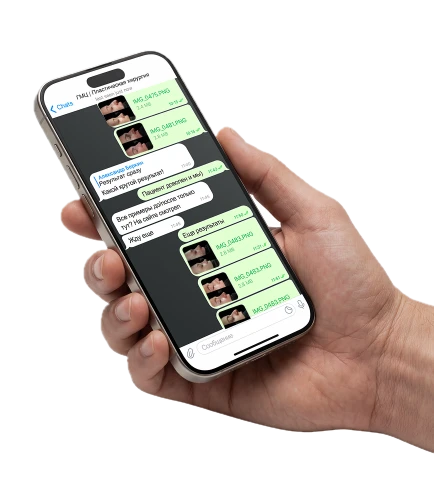
Message us — our coordinator will contact you shortly and book your consultation
By messaging us, you agree to our Privacy Policy
Get a consultationAdvantages
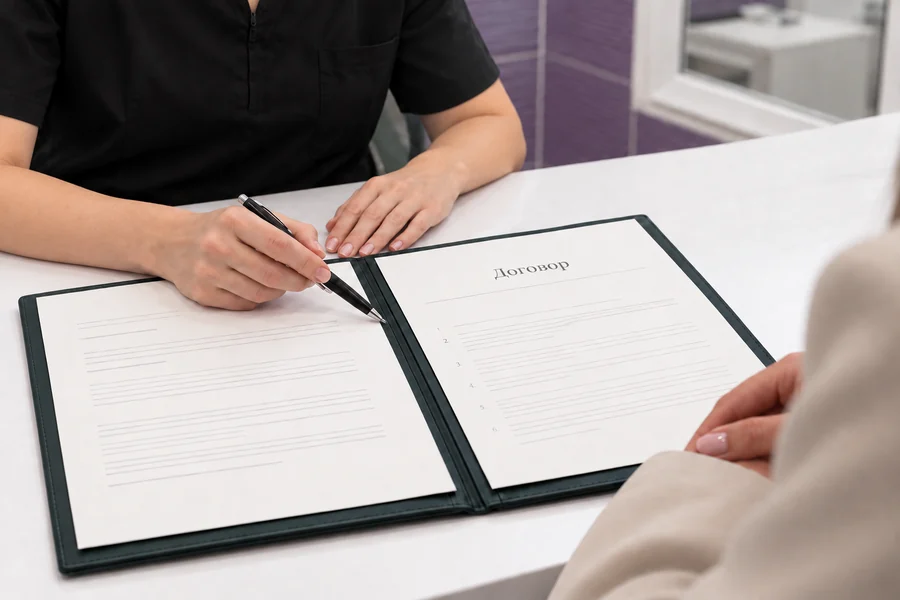
Under contract, you receive a lifetime guarantee — the surgery, support and post-operative follow-up terms are all fixed in advance.
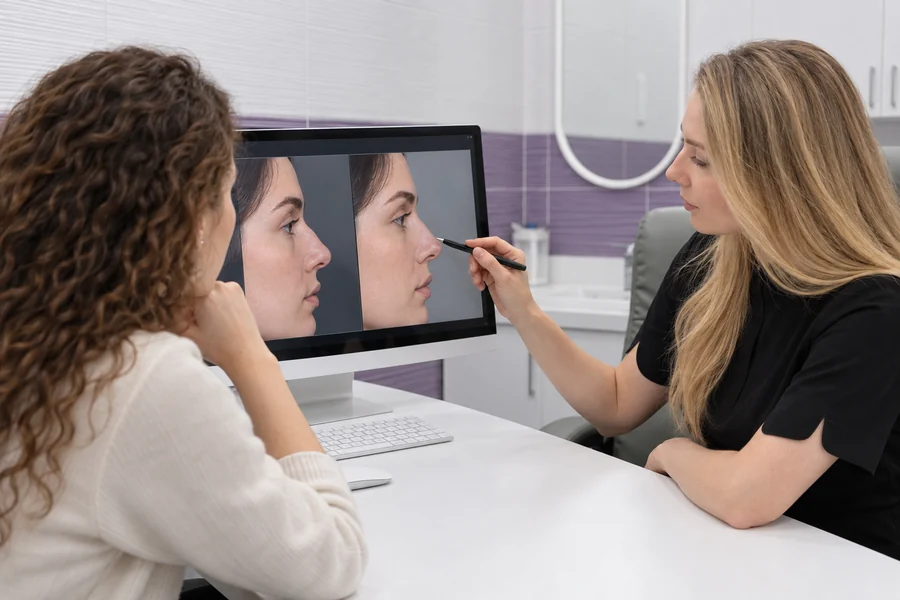
We review your case at a free consultation and tell you plainly whether rhinoplasty is right for you. Just the facts, with no push toward surgery.
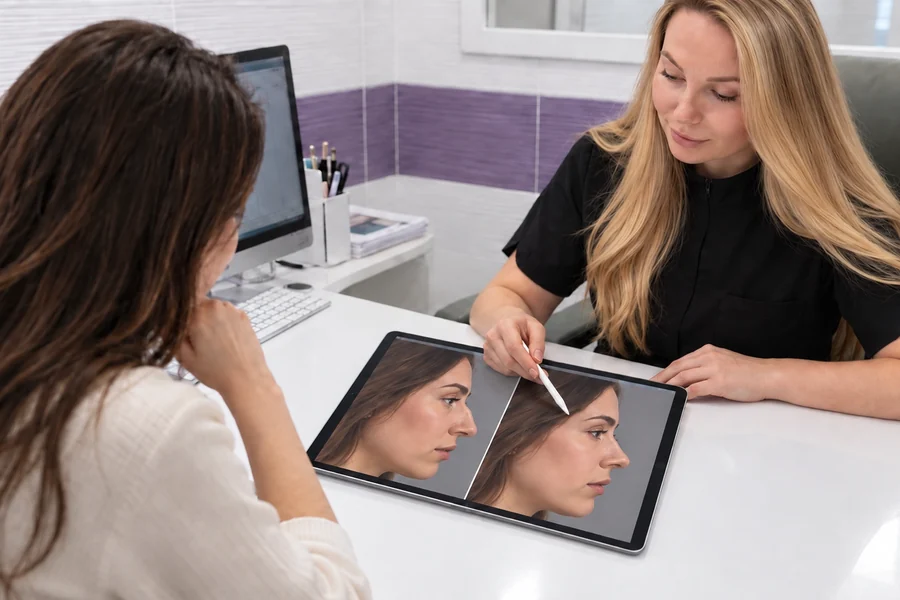
If your journey starts in another city or country, we fit the consultation and necessary preparation into a single trip, keeping the path to change comfortable with fewer trips.
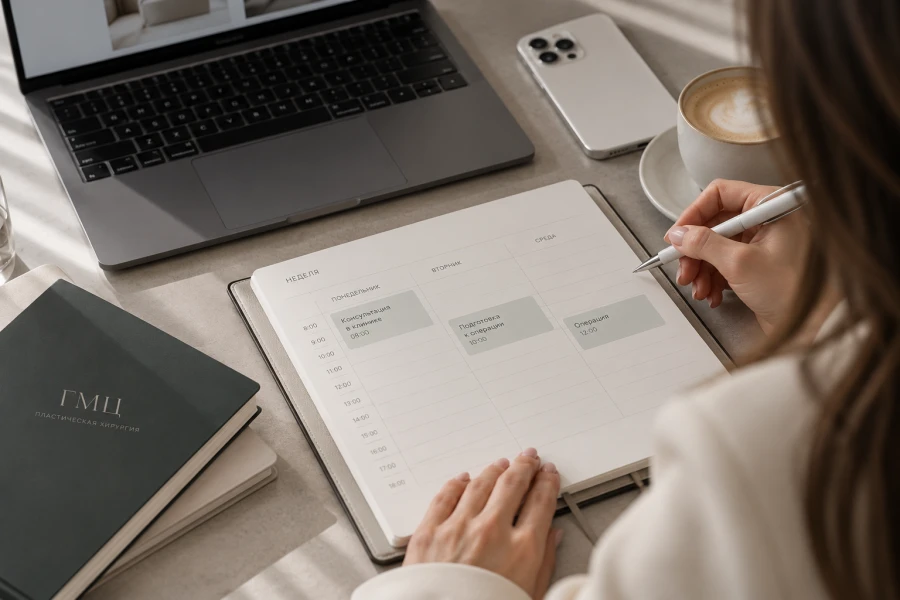
Available 24/7 with easy booking and a personal approach, we adapt to your pace because your time matters.
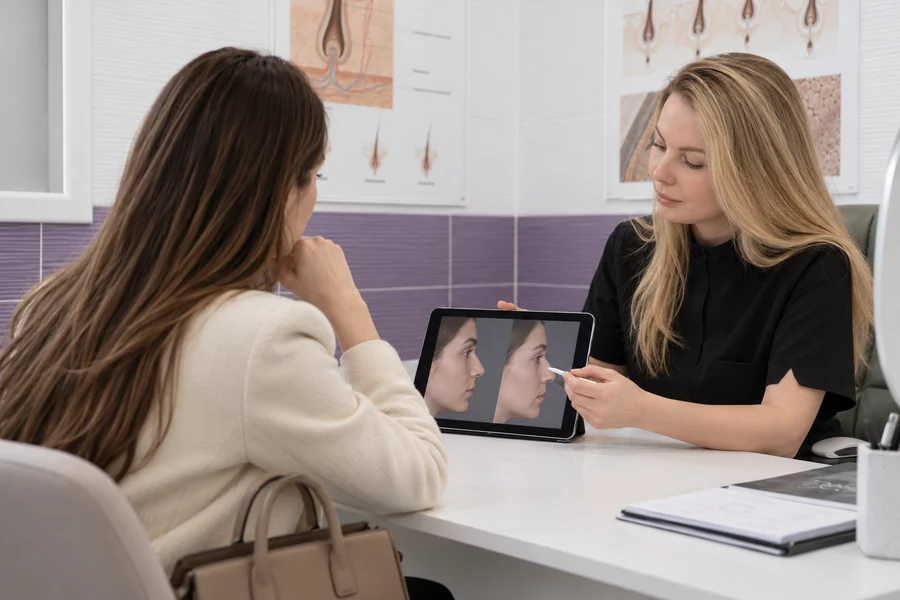
Following the consultation, the surgeon decides on the extent of correction and names a clear surgery price, keeping the path to your result free of surprises.
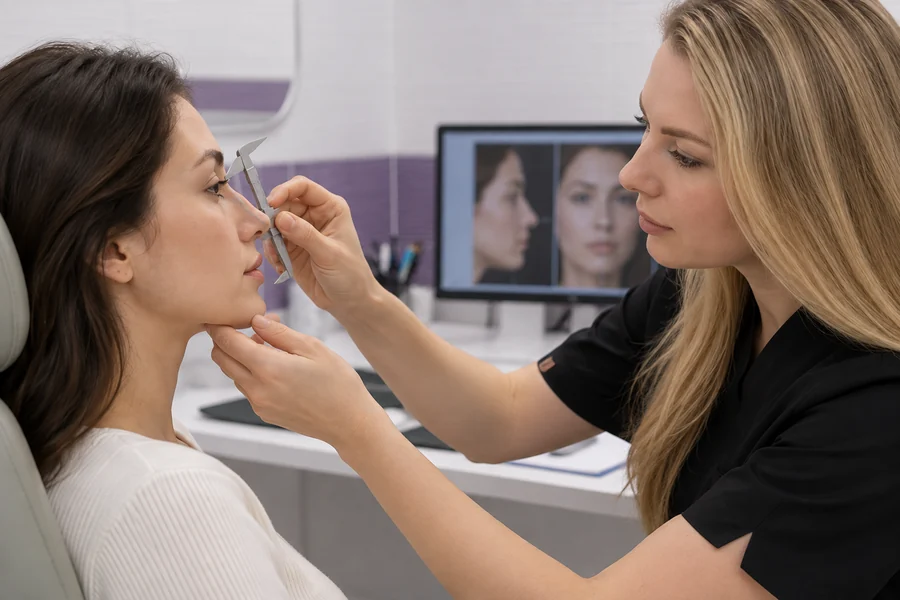
Modern equipment allows the surgeon to work precisely and gently, which matters where a single millimetre can affect proportions, profile and facial harmony.
Prices
Send a request and get a free consultation on any service
Free
BookPrice without discount: $6,000$4,200
Price without discount: $7,200$5,400
Price without discount: $6,600$5,000
Price without discount: $6,500$4,700
Price without discount: $7,200$5,400
FAQ
Rhinoplasty (nose job) — one of the most delicate and sought-after plastic surgeries, aimed at reshaping the nose in line with the individual proportions of the nose and the whole face. Modern rhinoplasty is not just an operation to change how the nose looks, but complex surgical work aimed at an aesthetic ideal without compromising health.
Yes. Nose job is the everyday name for rhinoplasty, plastic surgery of the nose. The surgeon can change its shape and, with rhinoseptoplasty, also correct a deviated septum to make breathing easier.
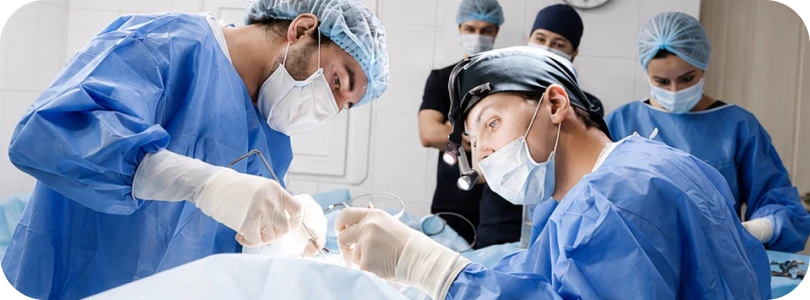
Optimal age: 18 to 45. The nose is fully formed by this time, and tissues still heal well. Where medically indicated, surgery can be performed at an older age if your general health allows
At its core, rhinoplasty is a comprehensive solution. It corrects both congenital and acquired nasal deformities, for example after a nasal injury. Patients are often bothered by a dorsal hump or an overly wide nose. Nose correction can also target the tip (tip rhinoplasty) or the nostrils (alar rhinoplasty). The surgical plan is created individually for each patient, taking every feature of their nose into account.
Rhinoplasty is performed under general anaesthesia and, depending on complexity, takes 1.5 to 3 hours.
The surgeon determines the extent and course of the surgery at the consultation, based on your goals and the anatomy of your nose.
Rhinoplasty — surgery to change the appearance of the nose (an aesthetic goal) and improve its function if breathing is impaired.
Septoplasty — surgery to correct the nasal septum and restore normal breathing, keeping the nose's external contour intact.
Often both surgeries are combined, especially when a patient has a deviated septum and aesthetic concerns. This gives a harmonious look and restores full breathing. At City Medical Centre we perform rhinoseptoplasty — a combined surgery that solves both tasks at once
For a successful operation, preparation should begin 21 days before rhinoplasty. At the first appointment our plastic surgeon will give you a list of the required tests.
| Complete blood count (including ESR, white cell differential, platelets) | 2 weeks |
| Urinalysis | 2 weeks |
| Infection tests: HIV, HBsAg, anti-HCV, antibodies to Treponema pallidum | 2 weeks |
| Blood group and Rh factor | 2 weeks |
| Blood biochemistry (total protein; urea; uric acid; creatinine; glucose; total, unconjugated and conjugated bilirubin; ALT; AST; K; Na; Cl; cholesterol) | 2 weeks |
| Coagulation panel (Quick prothrombin, INR, APTT, D-dimer, antithrombin III) | 2 weeks |
| Electrocardiogram (ECG) tracing with a report | 2 weeks |
| Doppler ultrasound of the leg vessels / duplex scan of the leg veins | 2 weeks |
| Chest X-ray or fluorography with a report | 6 months |
| MSCT of the paranasal sinuses | 6 months |
| After the full laboratory work-up — a physician's report confirming there are no contraindications to surgery | 2 weeks |
Getting ready involves consultations with the plastic surgeon, lab work (CBC, biochemistry, coagulation, infection tests), ECG, chest X-ray, plus a nasal X-ray or CT. A week ahead, give up anticoagulants, alcohol and smoking. The day before — light food; no food 6 hours before surgery
Although nose surgery is one of the most popular and well-established aesthetic operations, like any surgery it carries certain risks. To minimise the likelihood of complications after rhinoplasty, our clinic provides thorough pre-operative preparation and post-operative monitoring.
Important: if after rhinoplasty you have difficulty breathing, severe pain, a high temperature or a change in the shape of your nose, contact your doctor immediately.
Rhinoplasty at City Medical Centre is performed with modern technology, safe materials and constant medical supervision, which keeps the risk of complications to a minimum.
We also provide post-operative monitoring and prescribe recovery therapy.
Recovery after nose surgery is just as important as the operation itself. Proper recovery determines how aesthetic and harmonious the final result will be. At City Medical Centre recovery is closely monitored and divided into three phases: early, intermediate and late
Swelling subsides and first improvements appear (2–3 weeks), but judging the final rhinoplasty result is possible in 1–1.5 years, when tissues fully settle
The nose needs to be protected after surgery. An aluminium cast is placed over the nose, with special silicone splints inside the nasal cavity. Nasal function is limited in the first days but recovers quickly. The final result of rhinoplasty can be assessed after 1–1.5 years, once the swelling has fully subsided.
Important: if nasal function is impaired after the first operation or you are not satisfied with the result, revision (secondary) rhinoplasty may be needed. It is a more complex procedure, performed no earlier than one year after the primary operation.
Right after surgery, the nasal passages can be partially obstructed by splints or swelling for the first days. Normal breathing typically returns within 1–2 weeks, based on the extent of surgery and your body
Our doctors use microsurgical techniques and quality sutures to keep scars minimal
Rhinoplasty brings more harmony to facial features and improves aesthetics while keeping your individuality. 3D modelling lets you see the predicted result beforehand and agree on changes with your surgeon
Rhinoplasty is a serious step. A well-performed rhinoplasty means the new nose is in perfect harmony with your facial features and works flawlessly. At the consultation the nasal surgeon assesses every parameter in detail: the size of the nose, tip projection, and the condition of the septum and nasal mucosa. We use 3D modelling so you can see the future proportions of your nose before the surgery is performed.
Don't just browse rhinoplasty photos online. Book a consultation to discuss what modern rhinoplasty can and cannot do for you. Correcting external nasal deformities and reshaping the nose is our speciality.
The cost varies with the extent of surgery and is finalised at the consultation: the doctor examines your nose and facial proportions, then names the exact price.
Blog
More about rhinoplasty
Find out how recovery after rhinoplasty goes in the first 7, 14 and 30 days
Read the article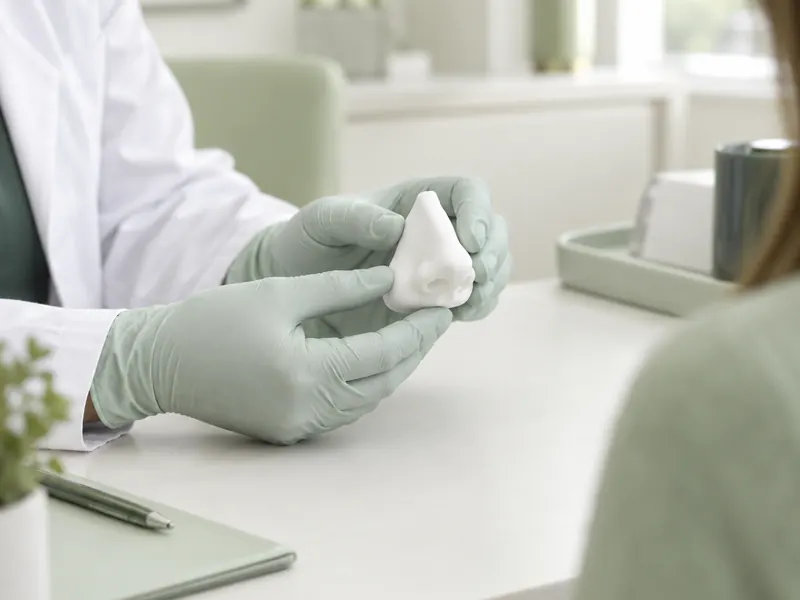
Preparation, recovery week by week, when the splint and stitches come out and how long to wait before flying home.
Read the articlePrices are in US dollars; the amount in brackets is an approximate conversion to EUR at the rate of 02.10.2026. The final price is fixed in your contract.
Prices start from $4,200 (≈ €3,750). The surgeon sets the final price at the free consultation, and it is fixed in the contract, with no hidden extras.
The operation under general anaesthesia, a one-day inpatient stay, follow-up visits and dressings, plus a lifetime guarantee on the result.
Surgery takes 1.5–3 hours and you stay one day in the clinic. The nasal splints come out on day 7, and the cast is worn for up to 14 days.
Yes. The first consultation is free and does not oblige you to anything. You can start online by sending a message to the coordinator.
Message us on WhatsApp or Telegram using the buttons below. A coordinator will answer your questions and book a free consultation where the doctor names the exact price.
By messaging us, you agree to our Privacy Policy
There are two main approaches. Closed rhinoplasty is done through incisions inside the nose and leaves no visible scars. Open rhinoplasty uses a small incision on the columella, the tissue between the nostrils, giving the surgeon a full view of all structures. For Pristina patients, the choice depends on goals: complex reshaping of the bones and bridge often calls for the open approach.
Some details are easy to miss. Class 2 compression stockings should be bought in advance for the hospital stay, each test must be on a separate form with a stamp and signature, and chronic conditions require a specialist's clearance. After the operation, microcurrent or ultrasound therapy and a diet without salty or spicy food help speed recovery. This applies to all Pristina residents.
For anyone searching for rhinoplasty in Pristina, the key figures are simple: $4,200 (≈ €3,750) for the surgery package and $0 (≈ €0) for the first consultation. The package covers the surgeon's work, one day in the inpatient unit, follow-up visits, dressings and a personal coordinator. The exact cost is agreed after the doctor examines your nose. Leave a request to book.
Public accounts from well-known people about the operation: rhinoplasty.
Written by Marina T. Pershikova, rhinoplasty surgeon
How we prepare and review medical content · Medical disclaimer
Page last updated:
The 2024 census counted 227,466 residents in the municipality of Pristina, with 143,469 of them in the urban settlement, out of 1,585,566 in Kosovo as a whole. Behind figures like these stands a health system with two names that every patient should recognise. The Ministry of Health is the highest health care authority in Kosovo, while the Chamber of Doctors is the body of the profession itself and is responsible for forming its ethical code.
What does that mean for someone weighing a nose operation? Should a surgeon be described to you as registered in Kosovo, ask the coordinator for the full name and the licence details in writing. The Chamber's website has a section headed Lista e anëtarëve, the list of members, and another on licensing, together with its code of ethics. Compare what you find there with what you were told. A team confident of its papers will not mind.
Be specific about what you are verifying. You want to know that the person is entitled to practise, and you want to know the specialty. These are separate facts, and a licence number alone does not establish the second. Ask the surgeon to state the specialty and to say where it is recorded, then write the answer down beside the number.
The last item concerns presence. The surgeon who speaks with you at the consultation is described as the one who will operate. Ask whether that same person attends the later visits too, and if the answer is yes, ask for it to be stated in the contract in plain words.
When you write to any official body, keep the message short: the surgeon's name as you were given it, the name of the clinic, and a single question. Save the reply together with the date. Two or three such messages make a small file that tells you more than any brochure.
An article of 4 September 2024 on Kosovo's draft health insurance law reported that the government had approved the bill on 29 August 2024, that the programme was still far from operating, and that regardless of insurance status all citizens would keep free access to essential health services in public institutions. Nothing in it suggests that a cosmetic change to the nose counts among those services, so plan on meeting the cost yourself unless a doctor who has examined you says otherwise. That does not make the quotation less important. It makes it more important, because no public body will rescue an unclear agreement.
Ask for a document that shows exactly what the sum buys, line by line: the surgeon, the anaesthesia, the modelling, the stay and the meals, the dressings and check-ups, the coordinator, the consumables and the twelve months of follow-up. Put any rival offer beside it and look for blank spaces. A blank is not an accusation, only a question.
A price is named once the free consultation and the modelling are behind you, and it then goes into the contract. The deposit that holds your date can be paid by card or by bank transfer. Ask what that deposit is for, and what becomes of it if you change your mind, and get the answer on paper.
Keep every message and every receipt in one folder, in date order. When the final figure is agreed, the trail shows how you got there, and it makes a comparison with any other clinic far easier than memory does.
If your problem is breathing as much as appearance, tell the coordinator in the first message. The clinic lists marked breathing problems and polyps among the cases where rhinoplasty is considered, and it performs a combined operation for the septum and the outer shape. Whether any of this has consequences for funding is a matter for a doctor who has examined you, not for a guess.
Names for operations tend to blur in conversation, so convert each into a question you can answer yourself. Primary rhinoplasty asks: has nobody operated on my nose before? It is performed to correct shape and to restore breathing where airflow is limited, ideally between 18 and 45, under general anaesthesia, with one day at the clinic.
Revision rhinoplasty asks: was an earlier operation unsuccessful or only partly successful? It cannot be done sooner than a year after the first surgery. It helps to bring the discharge summary, the dates and any pictures from before and after. Ask what, in the surgeon's reading, limited the first result and what remains possible.
Rhinoseptoplasty asks: do I need the inside put right as well as the outside? It treats the septum and reshapes the nose in the same session. Septoplasty alone is a different thing, because it restores breathing and leaves the visible outline as it was. Which of the two applies to you depends on what the examination finds.
If you cannot yet say which question is yours, that is normal. Photographs sent to a coordinator are enough to start, and the doctor's free reply will usually name the type of operation that is under discussion.
Treat the numbers you hear as guidance. The averages for benefit and recovery are given for orientation only, and the surgeon confirms them for your own anatomy at the consultation. If a figure arrives in a message and no one has looked at your nose, it is a general figure.
A short written brief of your own makes a consultation more useful. Before it, write down what you want to say. Say what bothers you: the width of the bridge, a bump in profile, a tip that droops or rounds, nostrils of unequal size, an old injury. Say what you want to keep: the length, the line from the forehead, the character of your face. Say whether breathing is a concern.
At the consultation the doctor models the future result in three dimensions, assessing your facial proportions, the tip projection, and the state of the septum and the lining. Treat the model as a conversation piece. Ask what changes it assumes, ask what it cannot show, and ask for a copy with the written plan so that you can compare it later with the mirror.
Ask what the surgeon would advise against and why. The clinic invites you to discuss what modern rhinoplasty can and cannot do for you, so put the second half of that question as firmly as the first.
Gather clear photographs of your nose before the consultation. These pictures serve twice: they go to the coordinator for the first opinion, and they become the first frame of your own record.
A brief can be three sentences long. For example: 'The bridge looks wide to me and there is a bump in profile. The tip is fine, and I would like to keep the length. I breathe well on the right but not on the left.' A surgeon can answer that in detail, and you can later check whether the plan matches what you asked.
Recovery comes in three phases, and a notebook with three columns keeps them apart. Days 1 to 7 are the early phase, and begin with a day in the inpatient unit. Days 8 to 30 are the intermediate phase, with swelling that fades slowly while the tip and the bridge may stay puffy. From month 1 to month 18 runs the late phase, and the final shape shows after a year to a year and a half. Date every entry.
In the early phase write down what you were told about the splints and the cast, whom to call and when. In the intermediate phase, record the rules you follow and the questions that arise: sleeping on the back in a semi-upright position, avoiding glasses and make-up near the nose, no steam rooms, pools or hot baths. In the late phase, add one photograph at every scheduled visit, taken from the same distance and in the same light.
Reviews are planned for the end of the first week, then at three months and at six. Some signs should never wait for the next one: laboured breathing, strong pain, fever, or a nose that has visibly changed shape. Phone the doctor at once and note the hour and your actions. The surgeon's time for you is free of charge for twelve months.
Humidifying the air indoors, keeping a regular routine of rest and sleep, avoiding salty and spicy food, and a course of microcurrent or ultrasound therapy are the clinic's suggestions for supporting recovery. Ask your surgeon which of them apply to you. Then keep the notebook until the nose has settled.
Yes. Write to a coordinator in WhatsApp or Telegram with photographs of your nose attached, and a doctor answers, free of charge, whether the operation fits your case.
Ask for the surgeon's full name and licence details, then compare them with the members list and the licensing section on the website of the Chamber of Doctors. Ask also whether the surgeon who meets you at the consultation will be the one operating.
Roughly one and a half to three hours, depending on the plan the surgeon sets at the consultation. General anaesthesia is used, and the night afterwards is spent in the inpatient unit.
Laboured breathing, strong pain, fever, or a shape that visibly changes. A stuffy nose in the first days is different, since the splints and the swelling account for it.
The surgeon at the scheduled visits, with consultations free for a year, and a coordinator who answers in the messenger at any hour.
Not in the first weeks. The shape settles at the end of the late phase, and the first improvements show once the swelling goes down, within two to three weeks.
The 2024 article on the draft law speaks of essential services being free in public institutions and does not name cosmetic surgery among them. Plan to pay yourself, and ask what the contract covers.