






















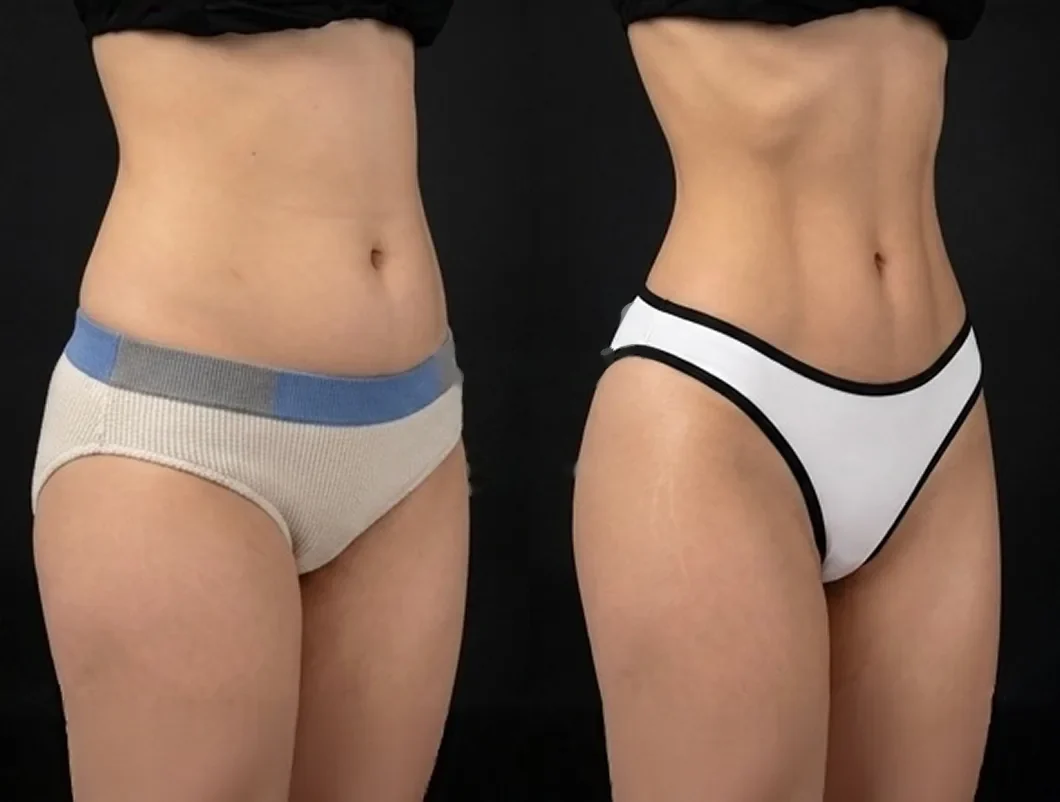
 beforeafter
Liposuction in Kampala: Cost and Areas
Free consultation
from $1,200
The price is fixed in the contract before surgery
Message us on WhatsApp
Free online consultation · Reply within 15 minutes
Message our coordinator
Free online consultation · Reply within 15 minutes
Message us on TelegramMessage us on WhatsAppBy messaging us, you agree to our Privacy Policy
Liposuction and fat removal in Kampala: price and key facts
Liposuction for patients from Kampala at City Medical Centre starts at UGX 4,750,000 (from $1,200). The first online consultation is free; the doctor names the final price and it is fixed in the contract.
- Price
- UGX 4,750,000 (from $1,200)
- Duration
- 1–4 hours
- Anesthesia
- local or general
- Stay
- home the same day (local anesthesia) or after 1 day (general anesthesia)
- Recovery
- back to work after 7–10 days
- Final result
- 3–6 months after surgery
- How it works
- Send photos on WhatsApp or Telegram, get a free doctor assessment and the price, then confirm the plan and dates before anything is booked.
How it works · Liposuction prices
Information current as of 5 November 2026
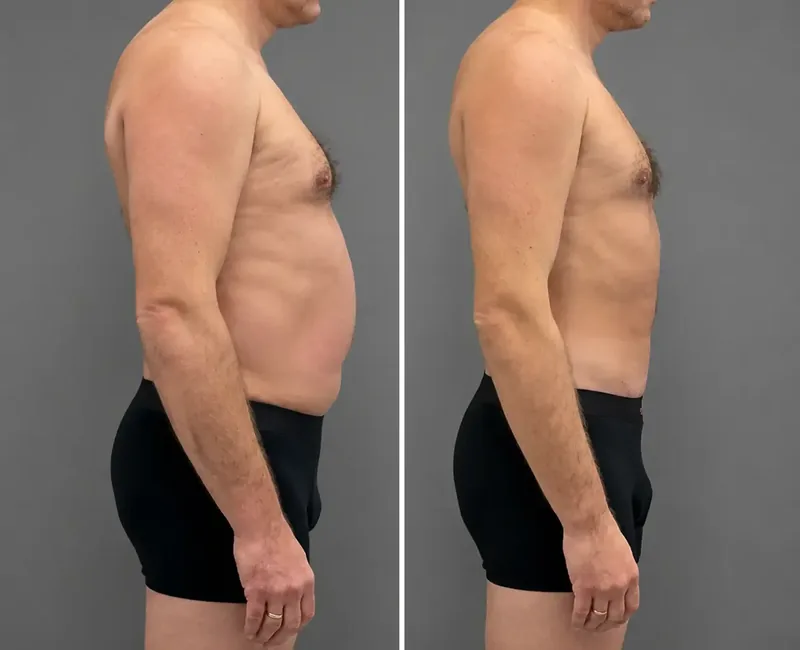
Results
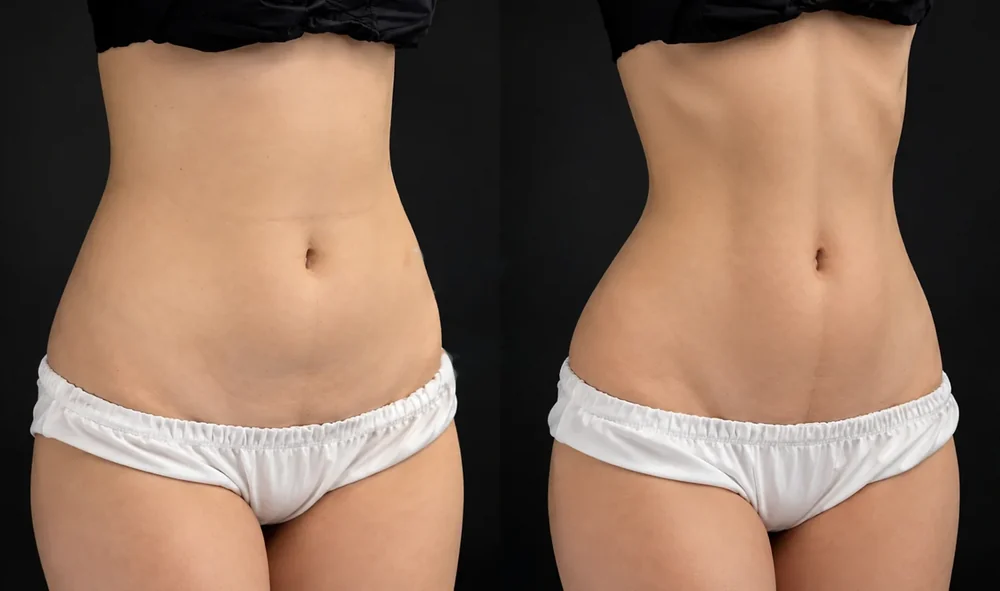
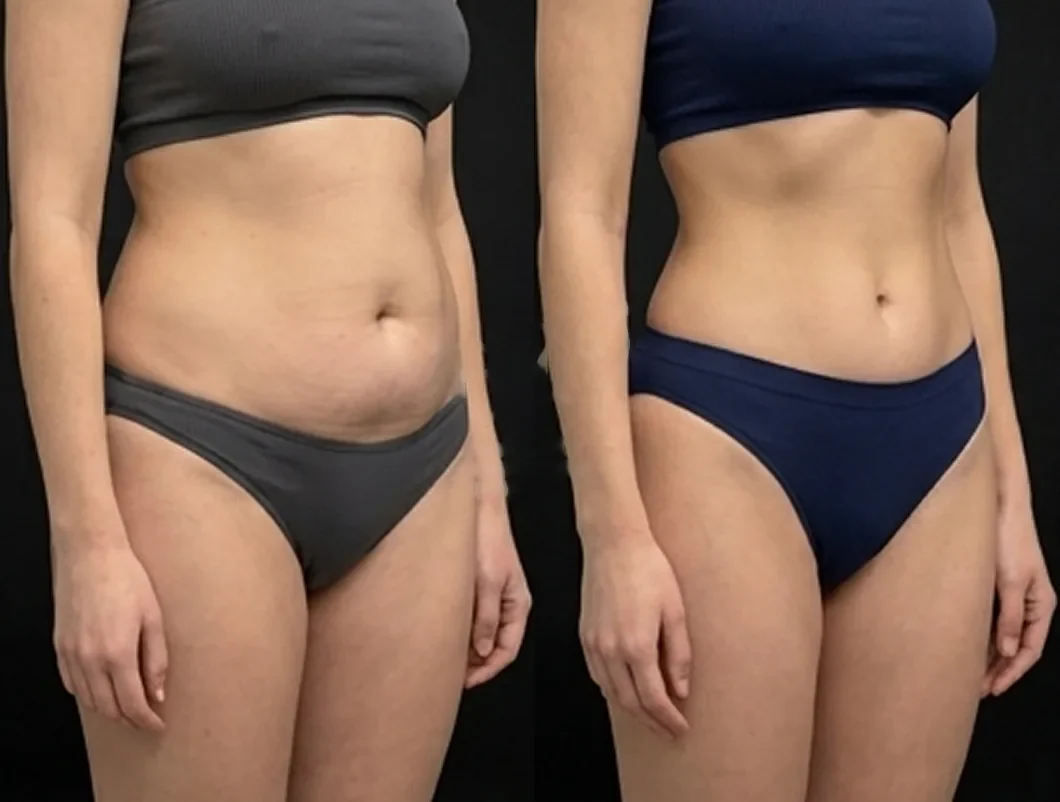
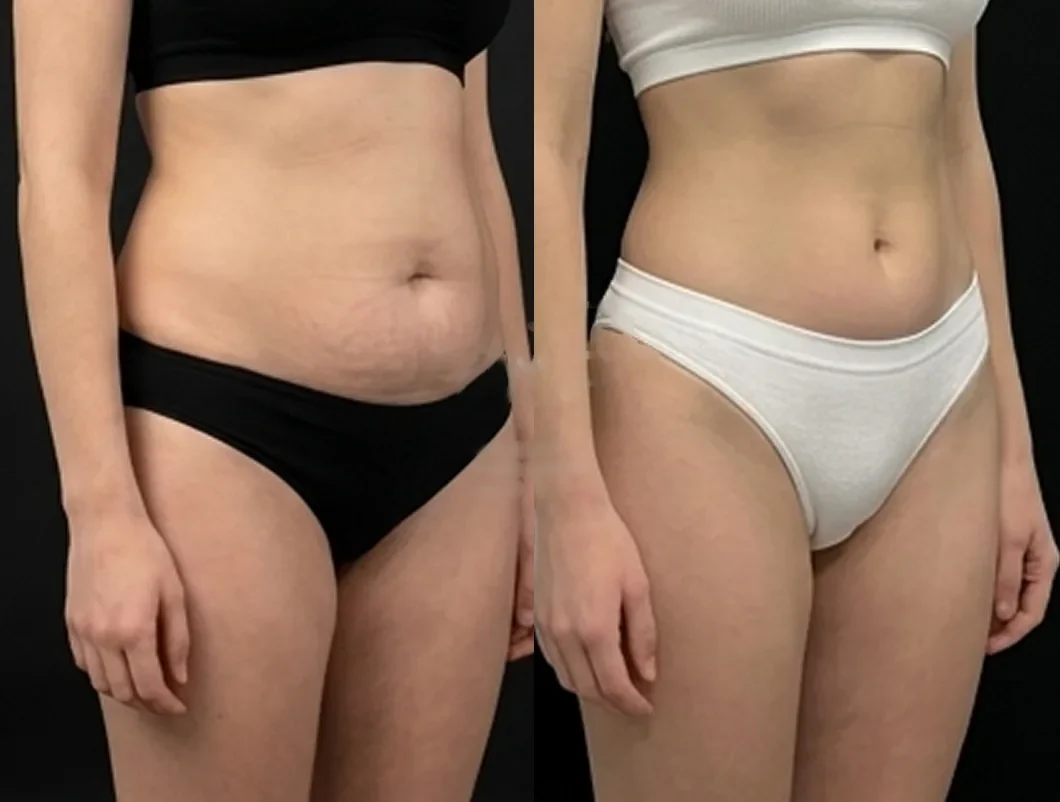
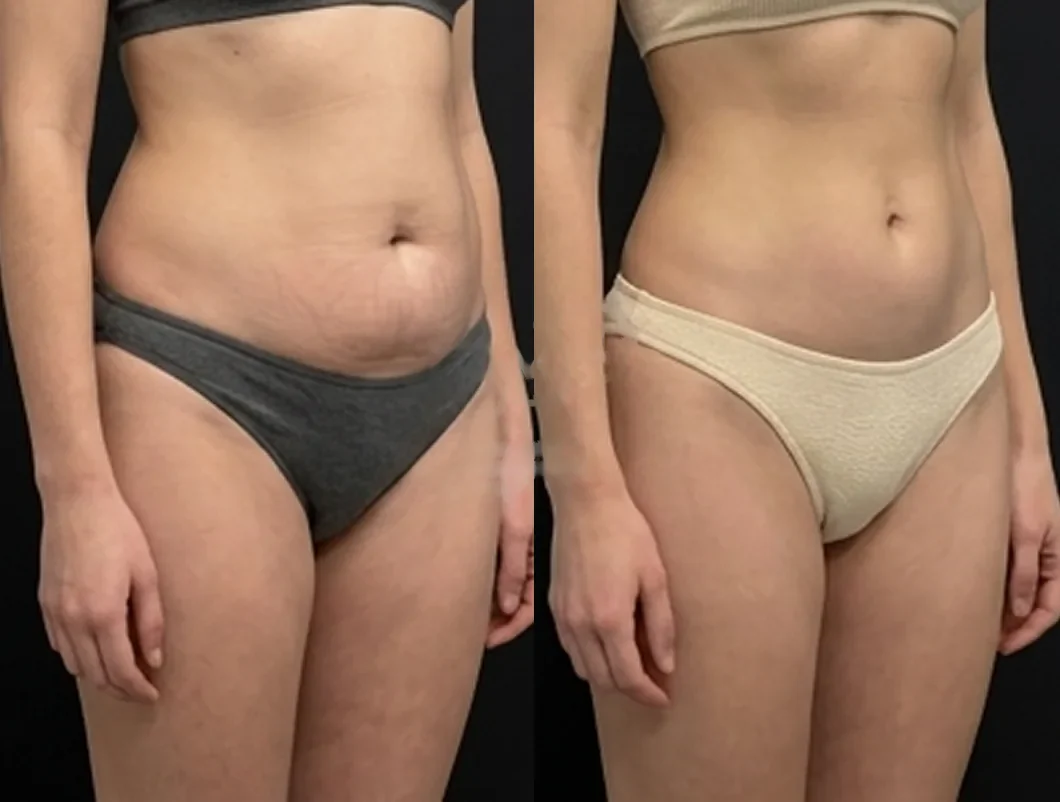
Liposuction results
of our patients
All cases are real patients. Faces and identifying details are hidden.
Abdomen and waist
beforeafter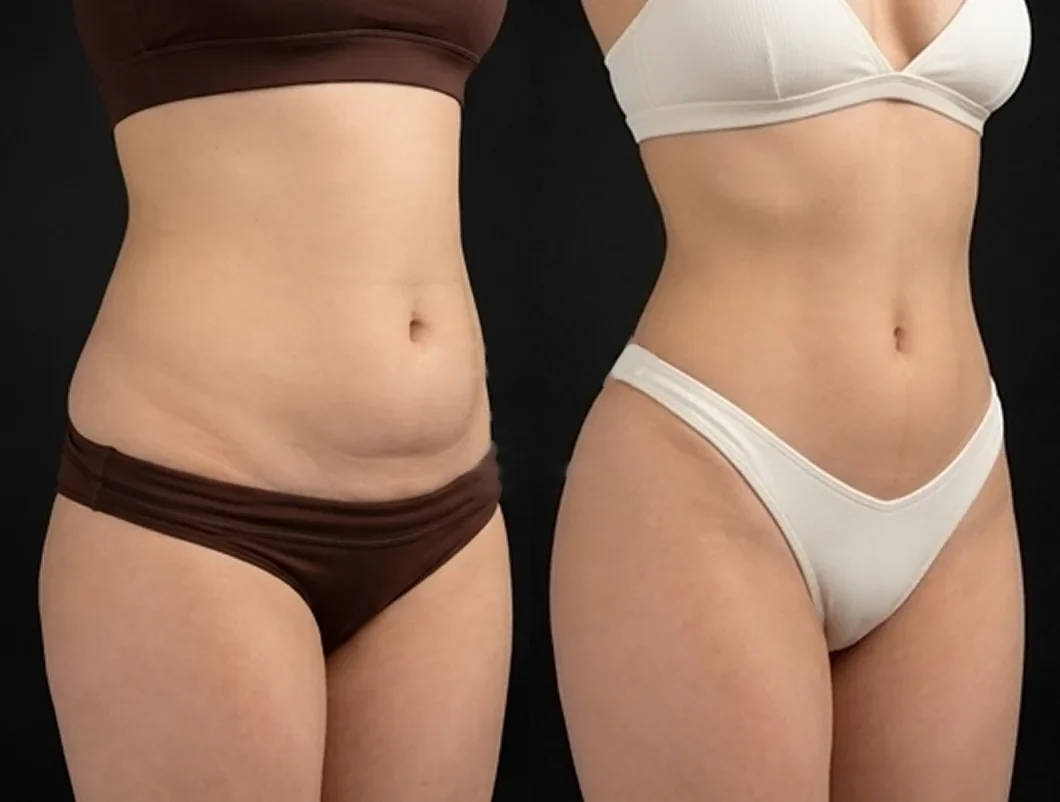 beforeafter
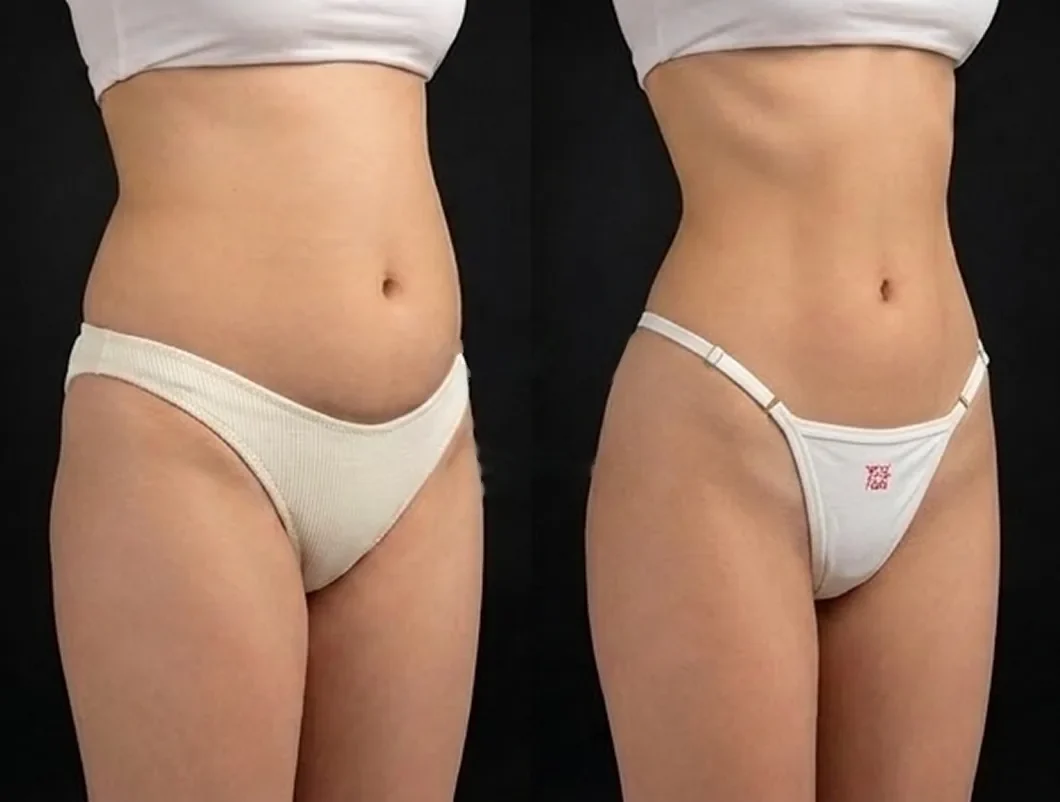 beforeafter
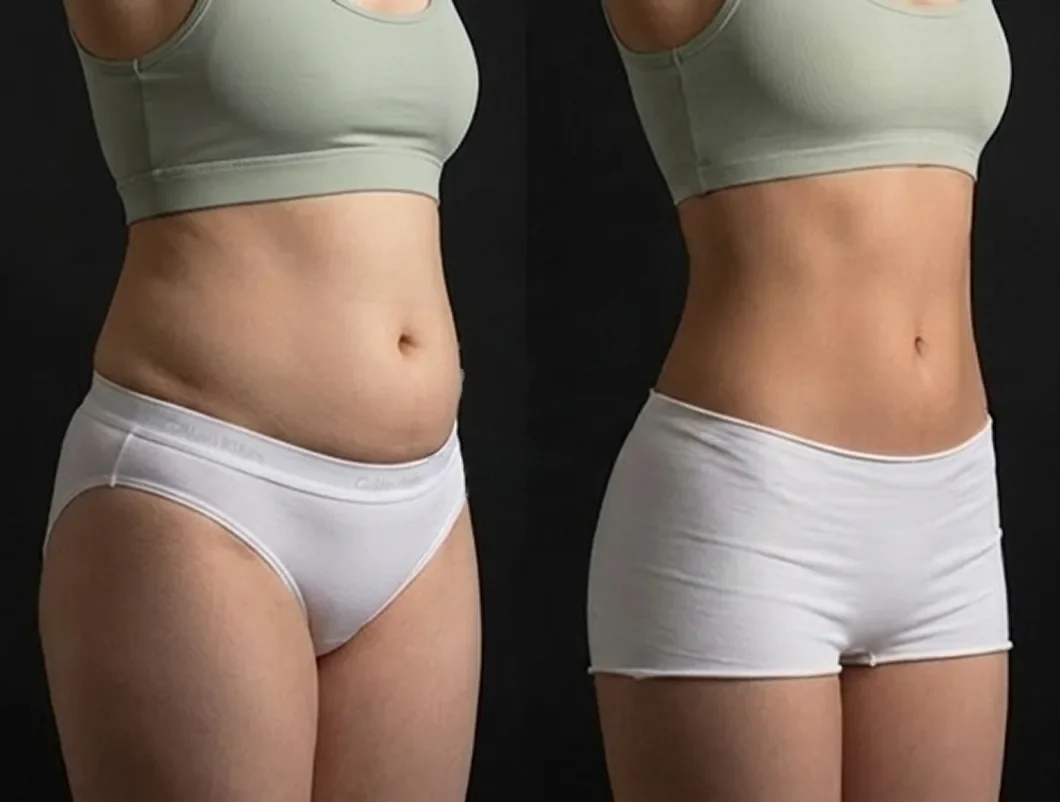 beforeafter
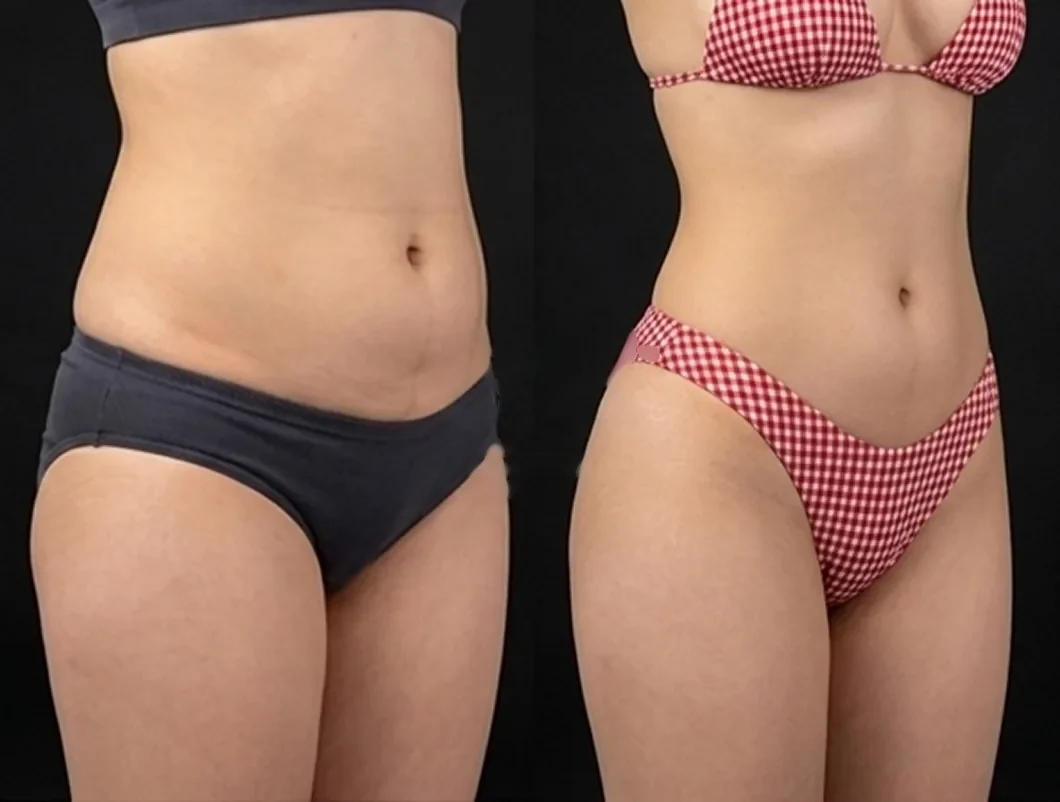 beforeafter
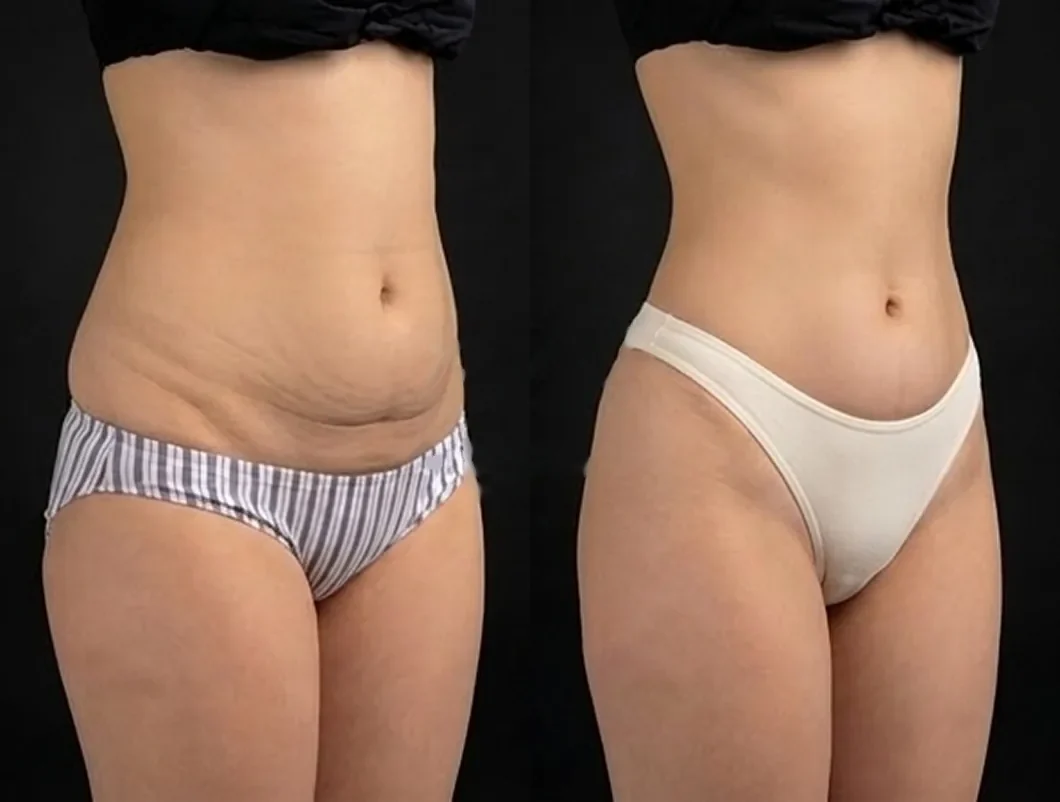 beforeafter
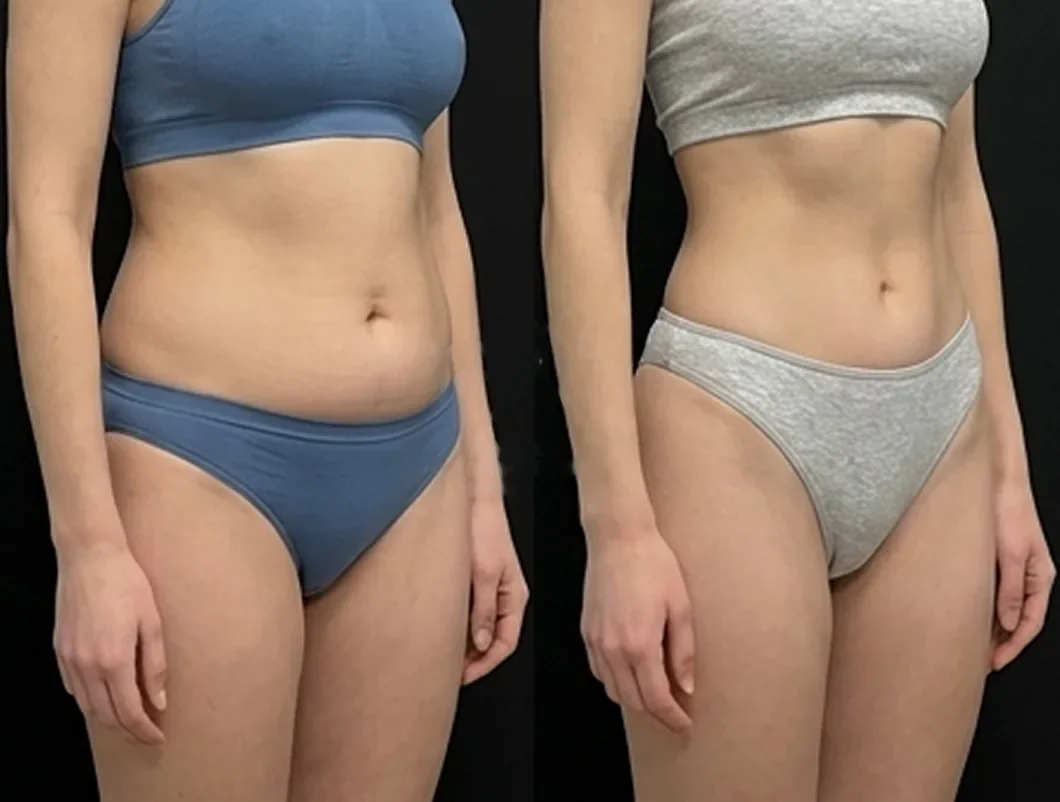 beforeafter
 beforeafter
 beforeafter
 beforeafter
1 of 10
Comparison
Liposuction techniques
We use two liposuction techniques: tumescent (classic) and VASER (ultrasound). Compare the goal, the indications and the anaesthesia to choose the right technique together with your surgeon.
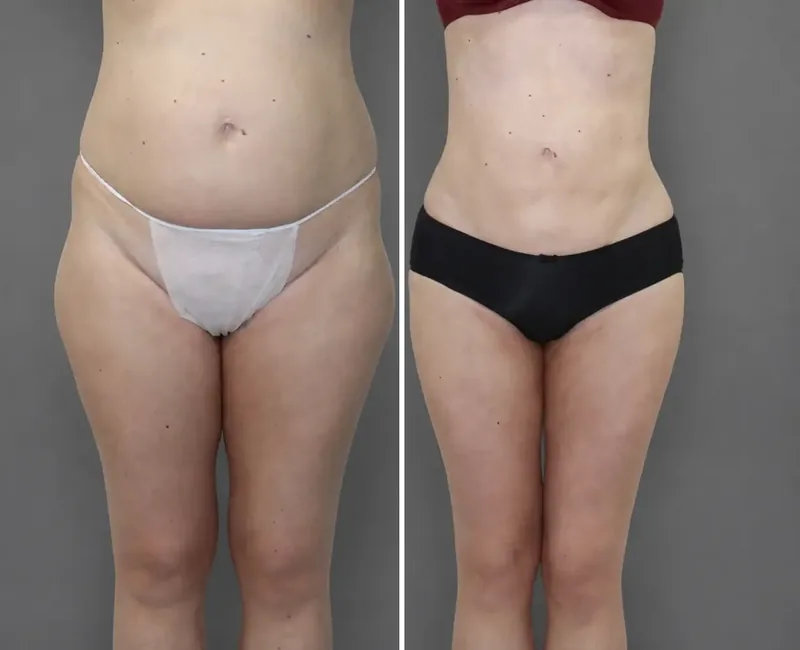
Tumescent liposuction
A special solution loosens fat for removal through a thin cannula
from $1,200
- Main goal
- Removal of local fat with minimal blood loss
- When it is done
- Abdomen, flanks, thighs, back, arms, chin
- Anaesthesia and stay
- Local or general anaesthesia, home the same day or after 1 day
VASER liposuction
Ultrasound breaks down fat cells before vacuum removal
Price at consultation
- Main goal
- Defined muscle relief and body contouring
- When it is done
- Athletic abs and delicate areas
- Anaesthesia and stay
- Local or general anaesthesia, 1–4 hours of surgery
The benefits and recovery times shown are averaged for each technique and given for guidance: the scope of correction and rehabilitation depend on your anatomy and individual features, and the surgeon confirms them at the consultation.
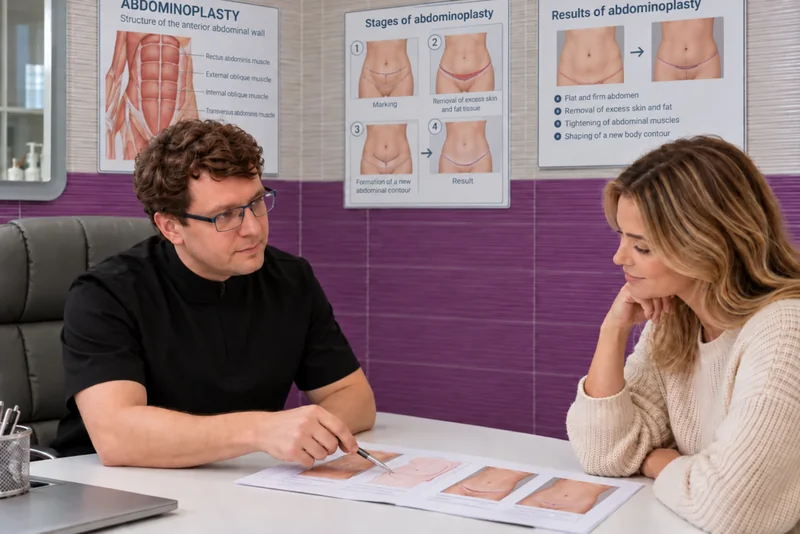
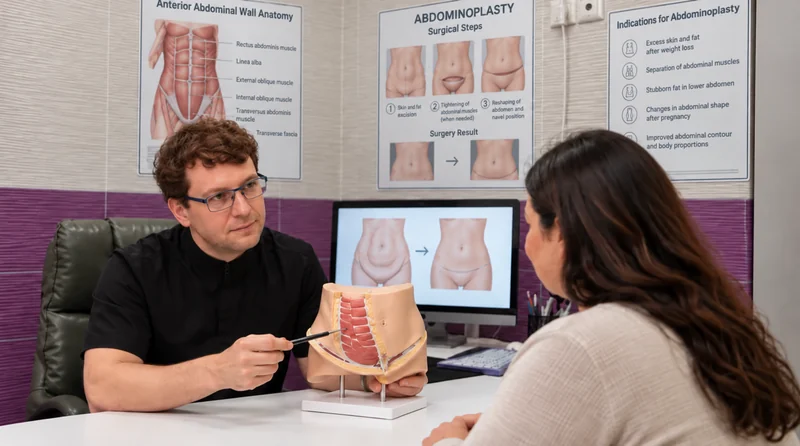
At the consultation the surgeon draws up a plan for your case and explains how your liposuction will go.
Free, before surgery and with no obligation.
Areas we work on
Several areas can be treated in a single operation, saving both recovery time and budget
- Stomach and flanks
The most requested area for women and men, often combined with abdominoplasty
- Thighs (outer and inner)
Fat “traps” that resist exercise
- Back and lower back area
Back rolls that spoil the silhouette
- Upper arms and shoulders
A cosmetic concern that shows in warm weather
- Chin and neck
A small volume with a fast result
- Knees
A delicate spot that requires precision
- Chest (for men)
Gynecomastia, pseudogynecomastia: the fat part
About the clinic
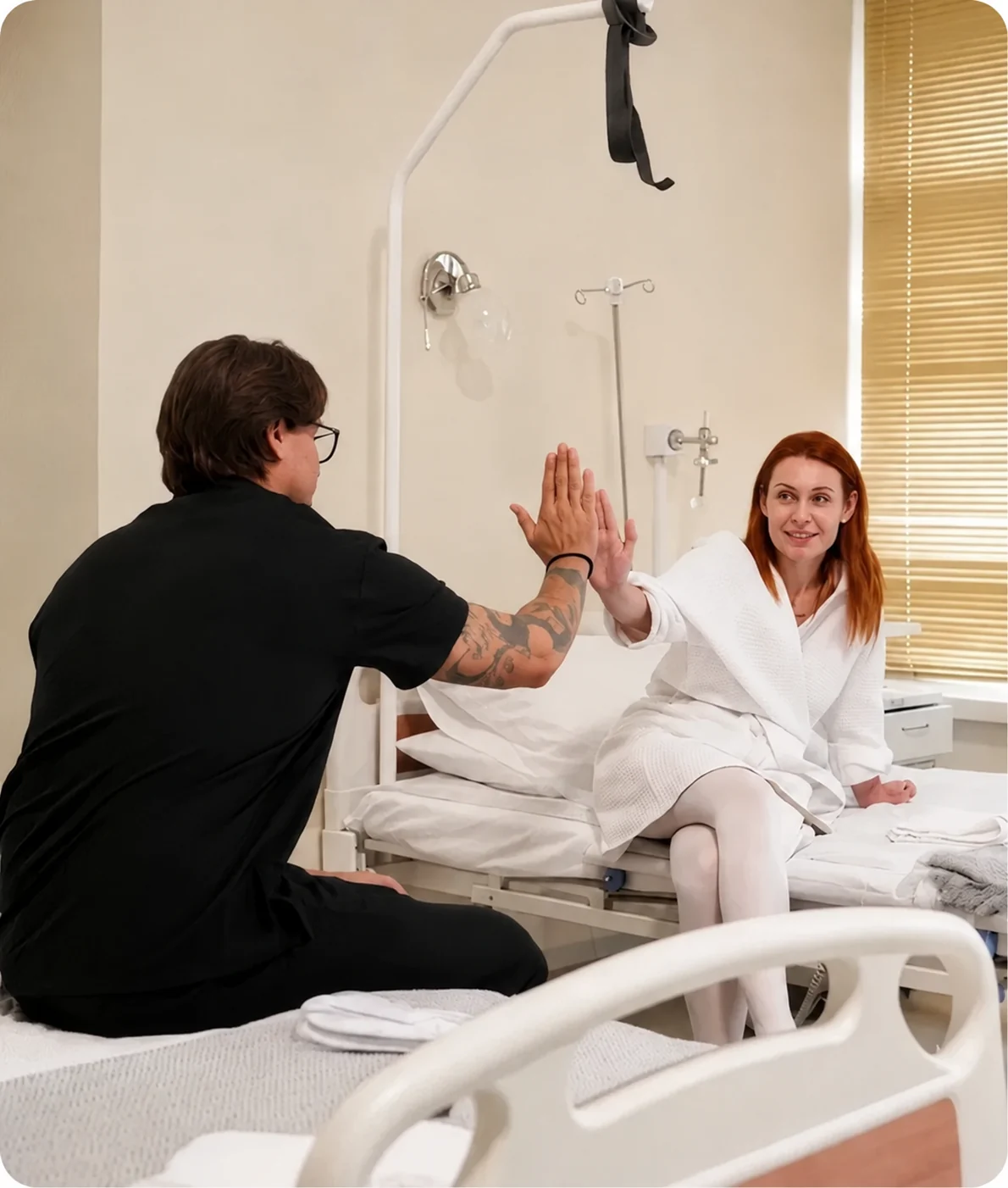
A clinic where you can feel at ease
Modern equipment, comfortable rooms and care for every patient
Contact us the way that suits you
We will answer your questions and find a convenient time for a consultation
By messaging us, you agree to our Privacy Policy
Request a free callLiposuction is not for everyone
If your case can be solved without surgery, the doctor will tell you so at the consultation — and you will not spend money for nothing.
Suitable
- Local fat that resists diet and exercise
- Uneven subcutaneous fat
- Disrupted body proportions
- Silhouette changes after childbirth or weight loss
- Fat component of gynecomastia in men
- Good skin tone and elasticity
Not suitable
- Patients under 18
- Being pregnant or breastfeeding
- Endocrine obesity
- Decompensated diabetes
- Blood coagulation disorders
- Serious heart, kidney or liver disease, cancer
Not sure the surgery is right for you?
Leave your number — the coordinator will call you back, and the surgeon will tell you whether liposuction suits you. No surgery booking needed.
Find out if it suits me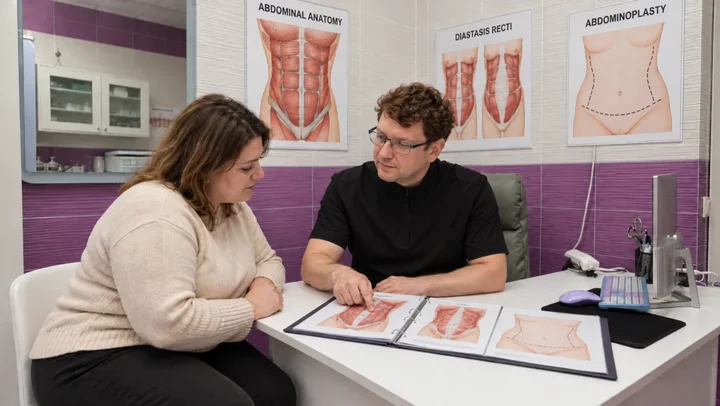
Prices
You know the price
before surgery
The final price is calculated individually after an examination and fixed in the contract.
Abdomen and flanks liposuction
The most requested area — treated in one operation
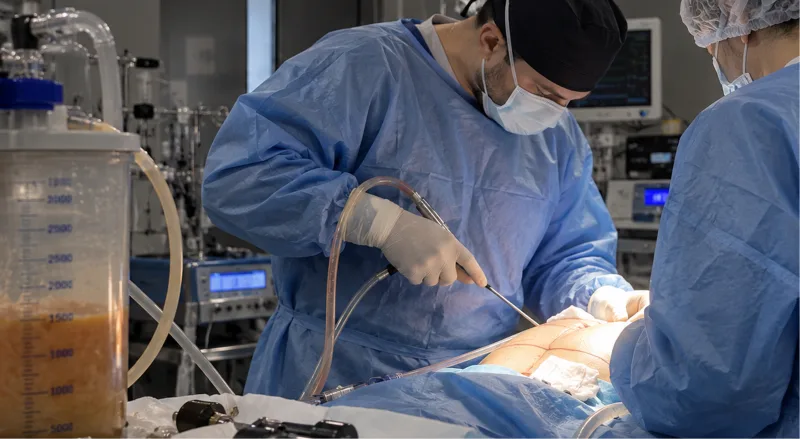
Abdominal liposuction
Contouring of the front abdominal wall
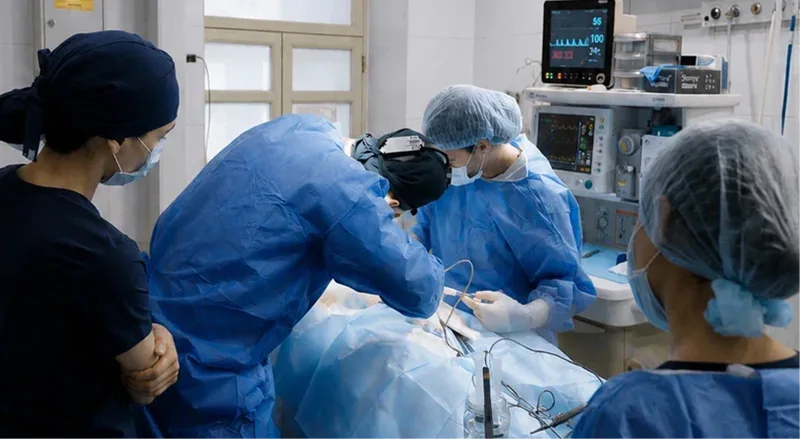
Thigh liposuction (outer)
Fat “traps” that resist exercise
Liposuction prices
- First consultationFree
- Flanks / waist liposuctionfrom $1,400
- Thigh liposuction (outer)from $1,200
- Thigh liposuction (inner)from $1,200
- Torso liposuction — the front abdominal wall, sides of the belly, lower backfrom $3,600
Find out your liposuction plan and price
The surgeon assesses the fat deposits and skin tone, listens to your wishes and chooses the right technique.
Message our coordinator
Free online consultation · Reply within 15 minutes
Message us on TelegramMessage us on WhatsAppBy messaging us, you agree to our Privacy Policy
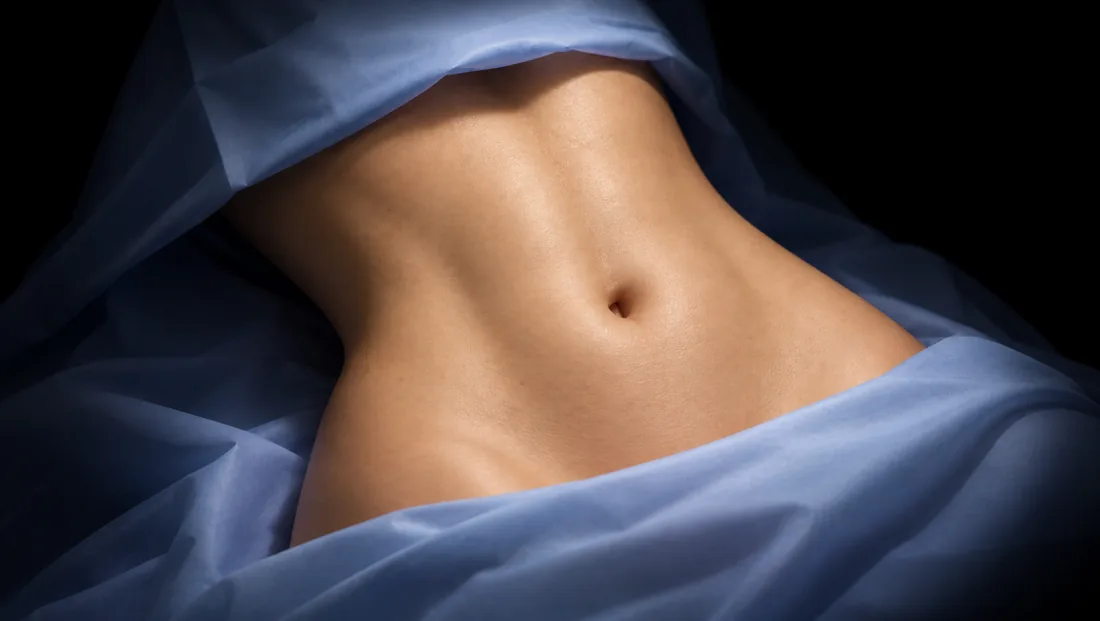
all inclusive
What the price includes
From preparation for surgery
to post-op check-ups.
- All scheduled dressings
- Scheduled post-op check-ups
- A personal coordinator on call
- Compression garments fitted on the day of surgery
- A stay in a comfortable
hospital ward with meals - Individual recommendations
for recovery - Remote progress monitoring
by photos
from $1,200
Book a consultationHow it works
From consultation —
to your new contour
An agreed treatment plan, careful monitoring after surgery and post-op check-ups.
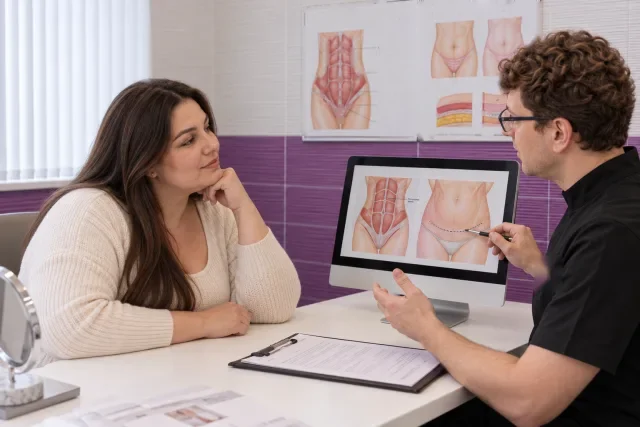 1
Consultation
and the surgical plan
The surgeon listens to your wishes, assesses the fat deposits and skin tone and rules out contraindications. A hormonal screening is also ordered — it helps predict the long-term result.
 2
Booking the date
of surgery
We reserve a surgery date for you: the deposit can be paid by card at the clinic or online by bank transfer. The terms are fixed in the contract for medical services
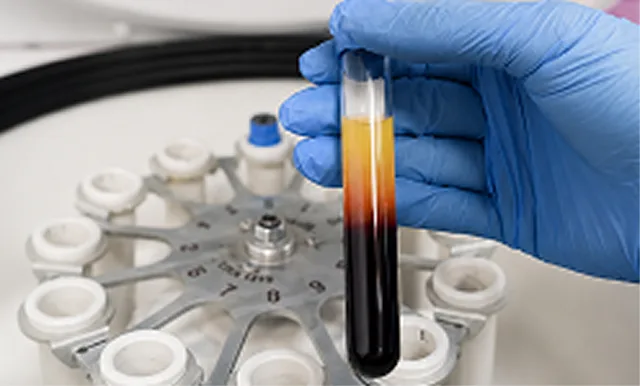 3
Check-up before
surgery
Blood tests (complete count, coagulation panel, biochemistry, infections), an ECG, a chest X-ray and, if needed, a GP consultation. All tests can be done at the clinic with no waiting.
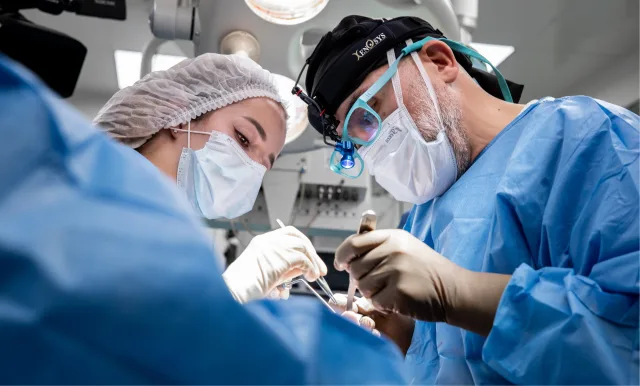 4
Surgery
Marking the areas and fitting compression garments. Under local or general anaesthesia the surgeon removes fat through 3–5 mm micro-punctures — from 1 hour for small areas to 3–4 hours for a combined procedure.
 5
Waking up
and monitoring
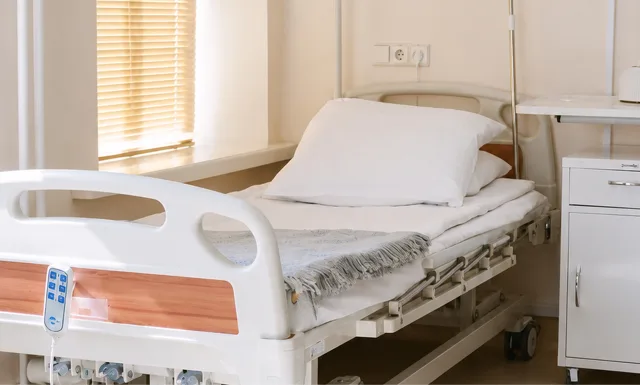
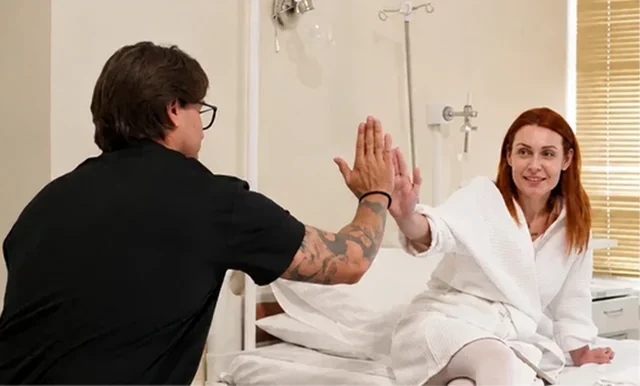
With local anaesthesia you go home 3–4 hours after surgery; with general anaesthesia you stay one day in a comfortable ward under medical supervision.
 6
Recovery
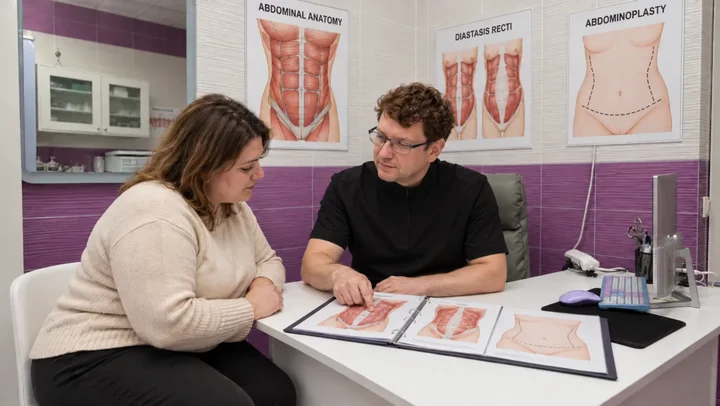
Compression garments for 30–45 days. First changes show at 2 weeks, once swelling subsides; the final result forms in 3–6 months. Check-ups at 7 days, 3 and 6 months.
Recovery following liposuction
After tumescent liposuction, recovery is much shorter than after a conventional procedure. Most patients return to work within 7–10 days. In the first week, mild swelling and a raised temperature are possible — a normal response to surgery. Compression garments are worn for 30–45 days: they fix the new contours and speed up tissue recovery. In the first month, bathhouse, sauna, pool and intense sport are off-limits. For the best result and faster recovery we recommend lymphatic drainage massage, pressotherapy and a gradual return to activity. First visible changes show 2 weeks after surgery, when the main swelling subsides; the final result forms in 3–6 months.
Post-op check-ups
After 7 days, at 3 months and at 6 months. Until the end of the year, get a post-surgery consultation with your surgeon to review results and get more information, at the clinic's expense.
Advantages
Why patients pick City Medical Centre
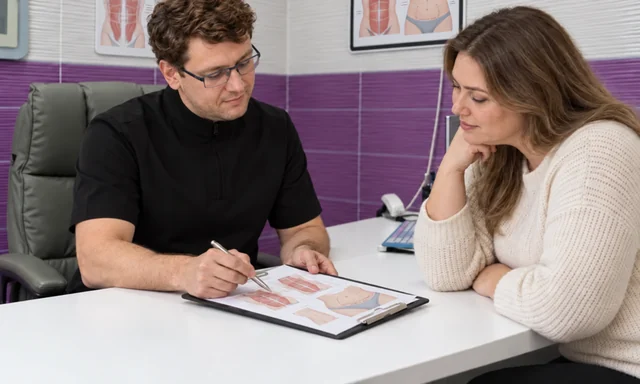
Just find out — you lose nothing
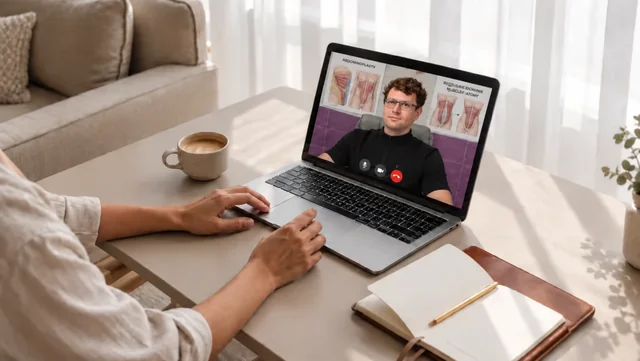
At the consultation we discuss your wishes and assess the fat deposits and skin tone. Before surgery an endocrinologist rules out hormonal causes of the fat deposits — this improves the long-term result.
We stay with you after surgery
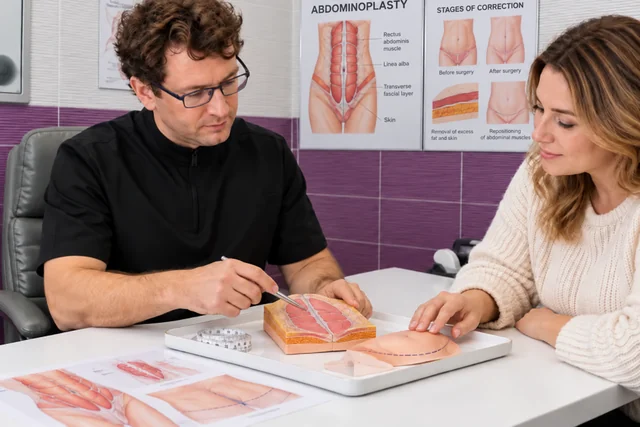
The surgeon follows your recovery and the new body contour at check-ups after 7 days, 3 and 6 months. Check-ups, dressings and aftercare advice are already included in the price of surgery.
A beautiful contour that fits your figure
Tumescent and VASER techniques, micro-incisions of 3–5 mm and precise volume control. Our aim is a smooth contour that keeps the natural proportions of your body.

Your schedule is our priority
We respect your time: we work 24/7, with easy booking and a personal approach — we adapt to your pace.

Fixed prices
After the consultation the surgeon defines the areas and the scope of surgery, and you get a clear price fixed in the contract — no hidden extras.

Round-the-clock care after surgery
With general anaesthesia recovery starts in a comfortable hospital ward under round-the-clock nursing care. The stay and meals are already included in the price.
FAQ
We answer what
people ask before booking
Yes. Lipo is the short name for liposuction: the surgeon removes local fat deposits from chosen areas, such as the abdomen, flanks or thighs. It is not a weight loss method.
Yes, the abdomen and flanks are among the most common areas. Liposuction removes stubborn local fat that does not go with diet and exercise; the surgeon plans the areas with you at the consultation.
Yes — combining is standard practice. Single-area treatment is rare; patients usually combine several problem zones, e.g. the abdomen and flanks or the inner and outer thighs. Our surgeons will work out the optimal scope of surgery with you at the consultation, based on your health and goals.
No, liposuction is not a way to lose weight. It removes local fat deposits resistant to diet and exercise and reshapes body contours. With an unstable weight, you should first see a nutritionist or endocrinologist.
The surgery is done through punctures only 3–5 mm across — they usually need no stitches. Once healed, the marks are barely visible. With proper care during recovery they fade completely.
The surgeon always assesses skin tone, elasticity and turgor before surgery. Skin in good condition tightens on its own and follows the new contours. If tone is reduced or there are stretch marks, our specialists will recommend preparatory treatments to improve the skin in advance.
No — anaesthesia is used (local or general, depending on the scope). Mild discomfort after surgery is possible; the doctor prescribes painkillers to relieve it.
No exertion or heavy lifting during the first 7 days. Compression garments for 4–6 weeks, with the bathhouse, sauna, pool and active sport off the table. For at least a month, alcohol and tanning beds are off-limits. Individual recommendations are given by your surgeon after surgery.
Tumescent liposuction uses a special solution to loosen fat for removal through a thin cannula; it suits the abdomen, flanks, thighs, back, arms and chin, starts from $1,200, and you go home the same day or after 1 day. VASER uses ultrasound to break down fat cells for defined muscle relief, and its price is set at the consultation. The surgeon helps you choose.
We carry out the surgery for patients 18+ with no contraindications. An upper age limit does not exist — each case is decided individually after an examination and health assessment.
Not directly. Liposuction takes away fat, not the skin structure responsible for cellulite. However, the improved body contours visibly reduce its appearance.
Most patients get back to their usual routine and work in 7–10 days. Swelling and bruising clear by weeks 4–5. The final result forms in 3–6 months, once the tissues have fully adapted.
A strict diet isn't required, but nutrition matters for keeping the result. Removed fat cells don't come back, but the remaining ones can grow if you gain weight. For a lasting result we recommend a balanced diet and regular physical activity.
Yes. Stop smoking, alcohol and medications affecting blood clotting (aspirin, etc.) 7–10 days before liposuction. Pre-operative tests are also needed: blood tests, ECG, ultrasound and consultations with a GP and anesthesiologist. All instructions are given after your first consultation.
Changes start to show 2 weeks after surgery, once the main swelling has gone. At 1.5–2 months the interim result is assessed, and in 3–6 months the final contours form.
Other services at our clinic
Liposuction in Kampala: price and what is included
Prices are in US dollars; the amount in brackets is an approximate conversion to UGX at the rate of 02.10.2026. The final price is fixed in your contract.
- Liposuctionfrom $1,200 (≈ UGX 4,750,000) per area
How much does liposuction in Kampala cost?
Prices start from $1,200 (≈ UGX 4,750,000) per area. The surgeon sets the final price at the free consultation, and it is fixed in the contract, with no hidden extras.
What is included in the price?
The operation under local or general anaesthesia and the surgeon's support throughout recovery. The price is per area and fixed in the contract.
How do I get my exact price?
Message us on WhatsApp or Telegram using the buttons below. A coordinator will answer your questions and book a free consultation where the doctor names the exact price.
By messaging us, you agree to our Privacy Policy