









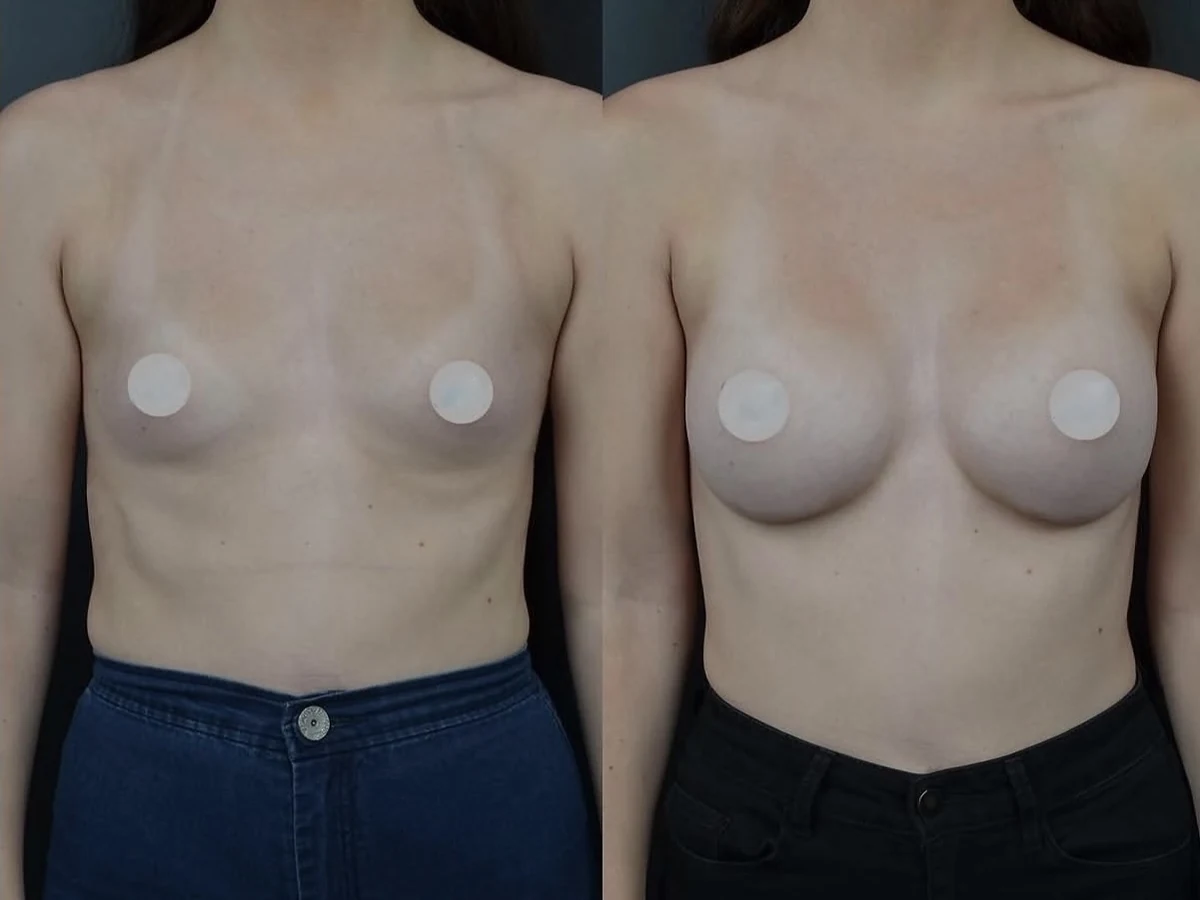
 beforeafter
Mammoplasty
Method: implants
Breast augmentation
$4,700
$5,900 · First consultation — Free
Free online consultation · Reply within 15 minutes
Message our coordinator
Free online consultation · Reply within 15 minutes
Message us on TelegramMessage us on WhatsAppBy messaging us, you agree to our Privacy Policy
Breast augmentation for patients from Kampala at City Medical Centre starts at UGX 18,500,000 (from $4,700). The first online consultation is free; the doctor names the final price and it is fixed in the contract.
How it works · Breast augmentation prices
Information current as of 5 November 2026
Results
All cases are real patients of the clinic. Faces and identifying details are hidden.
beforeafterMethod: implants
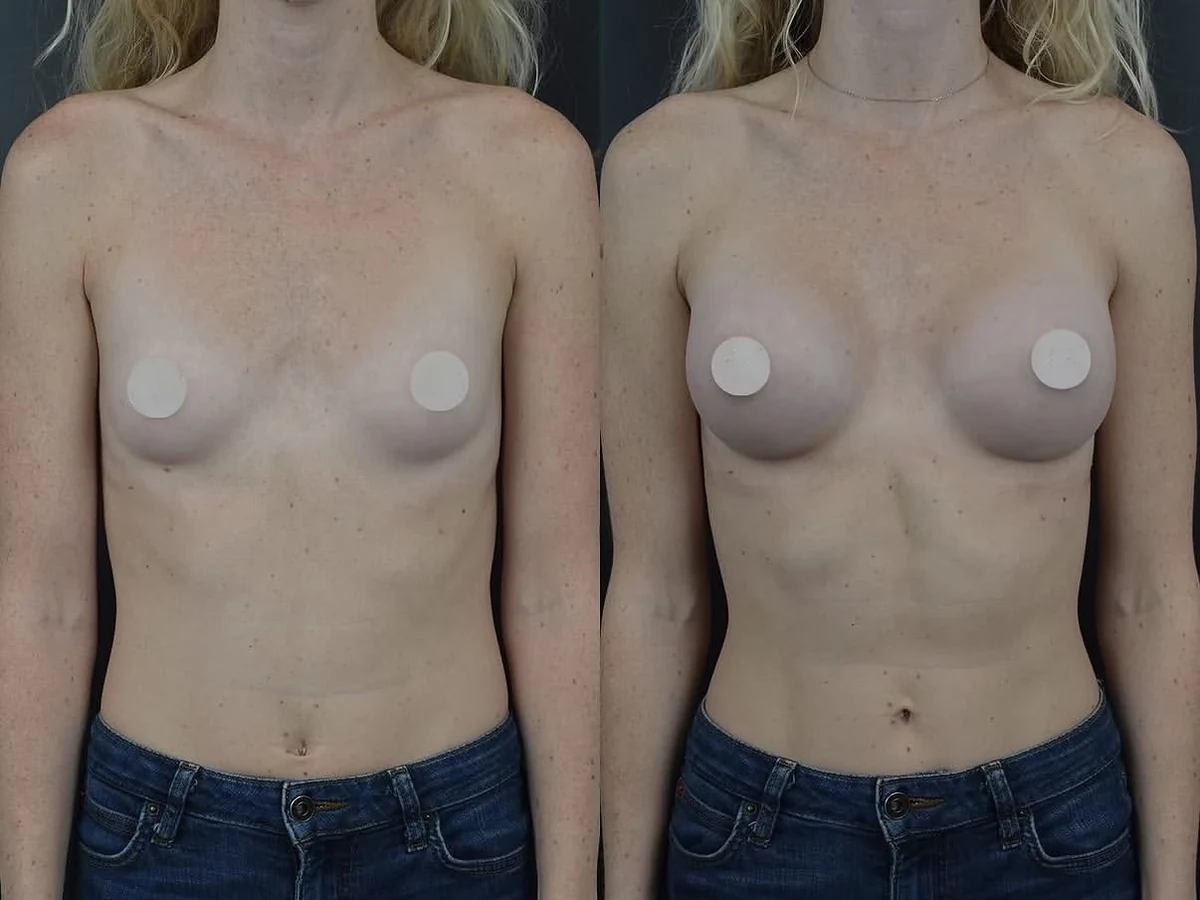 beforeafter
Method: implants
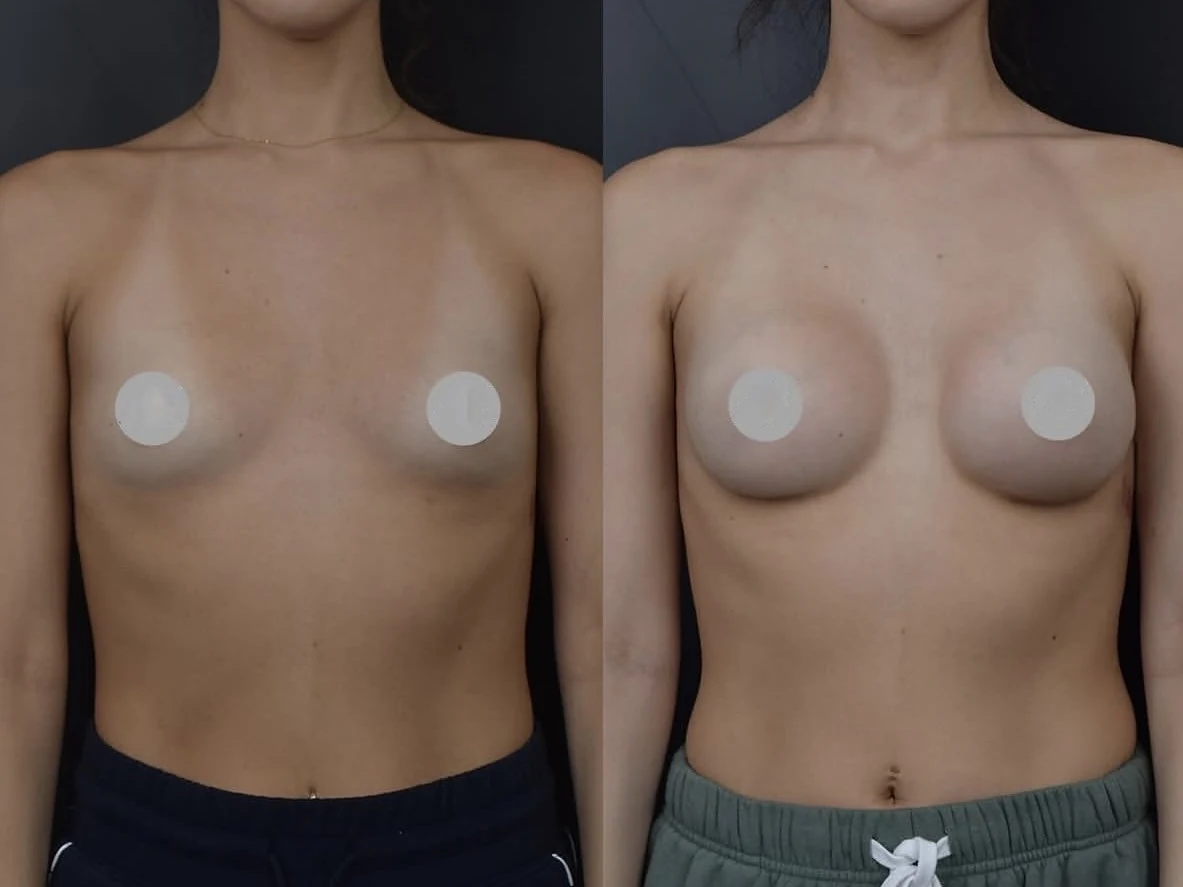 beforeafter
Method: implants
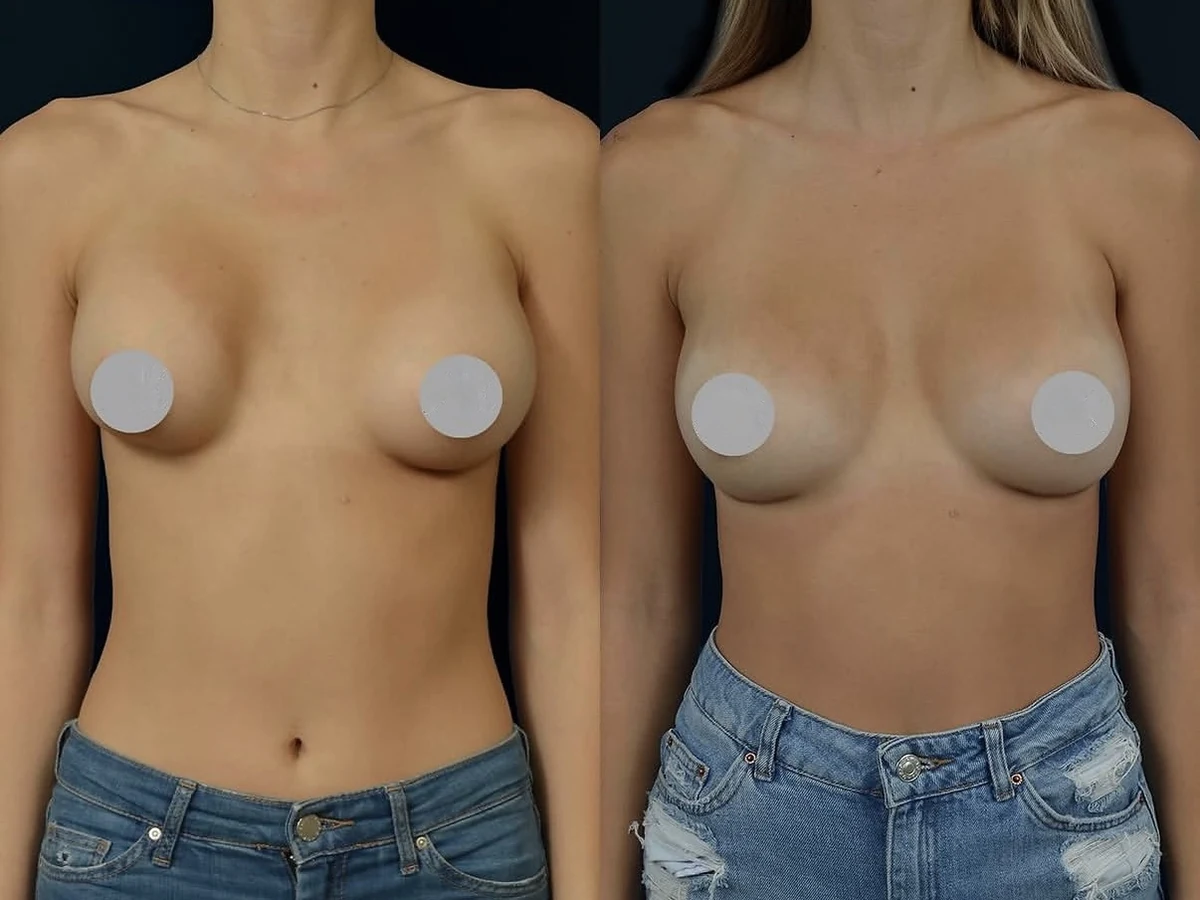 beforeafter
Method: implants
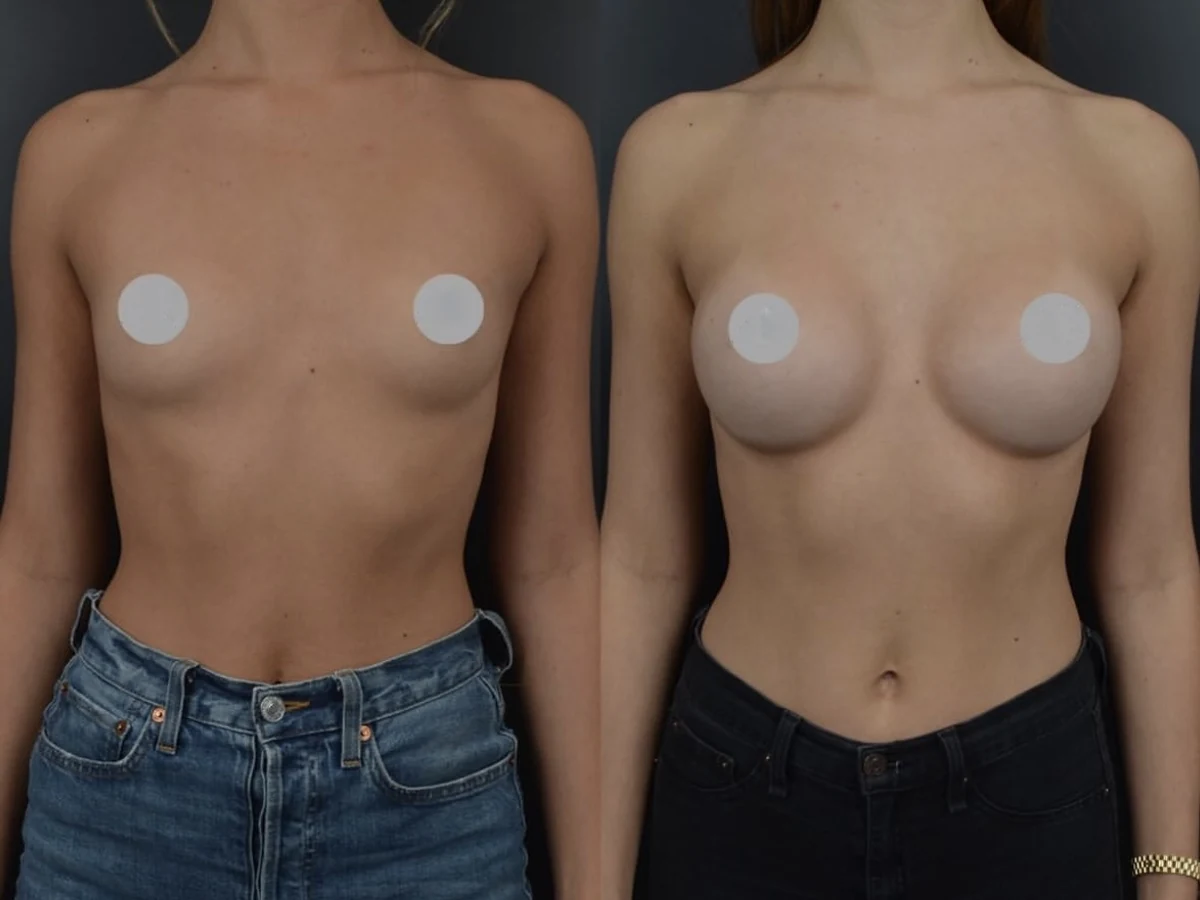 beforeafter
Method: implants
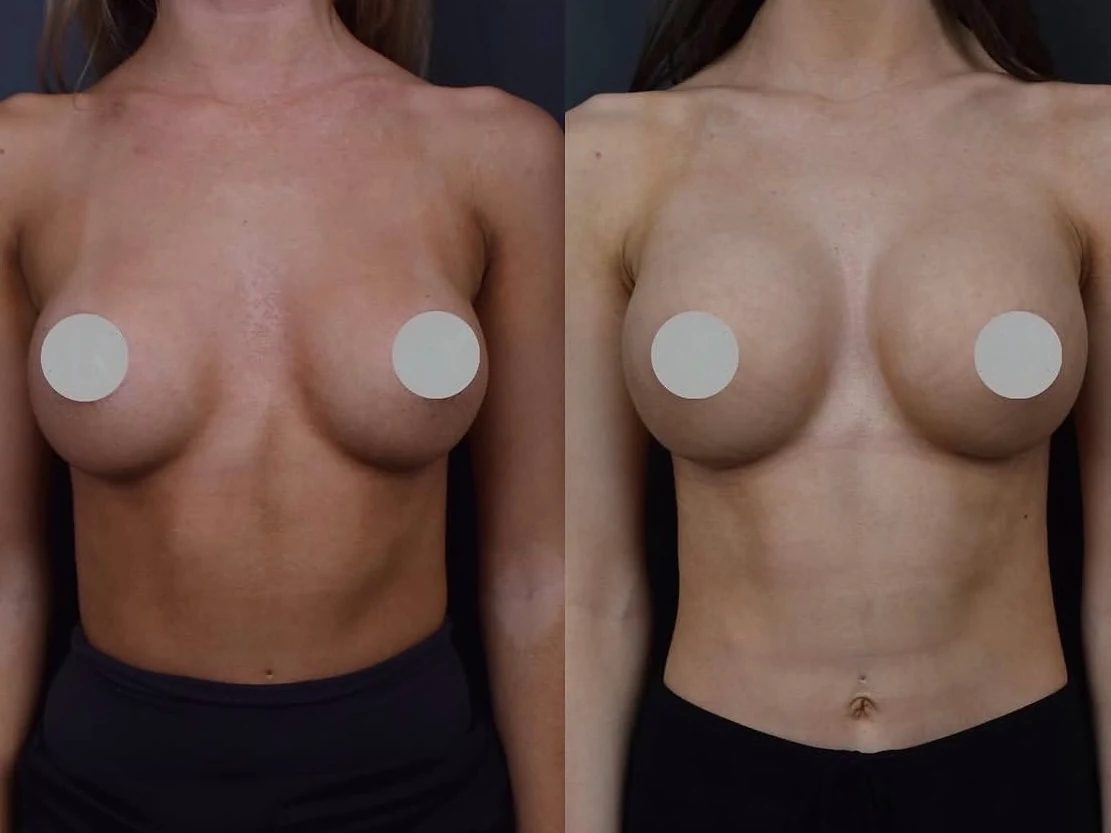 beforeafter
Method: implants
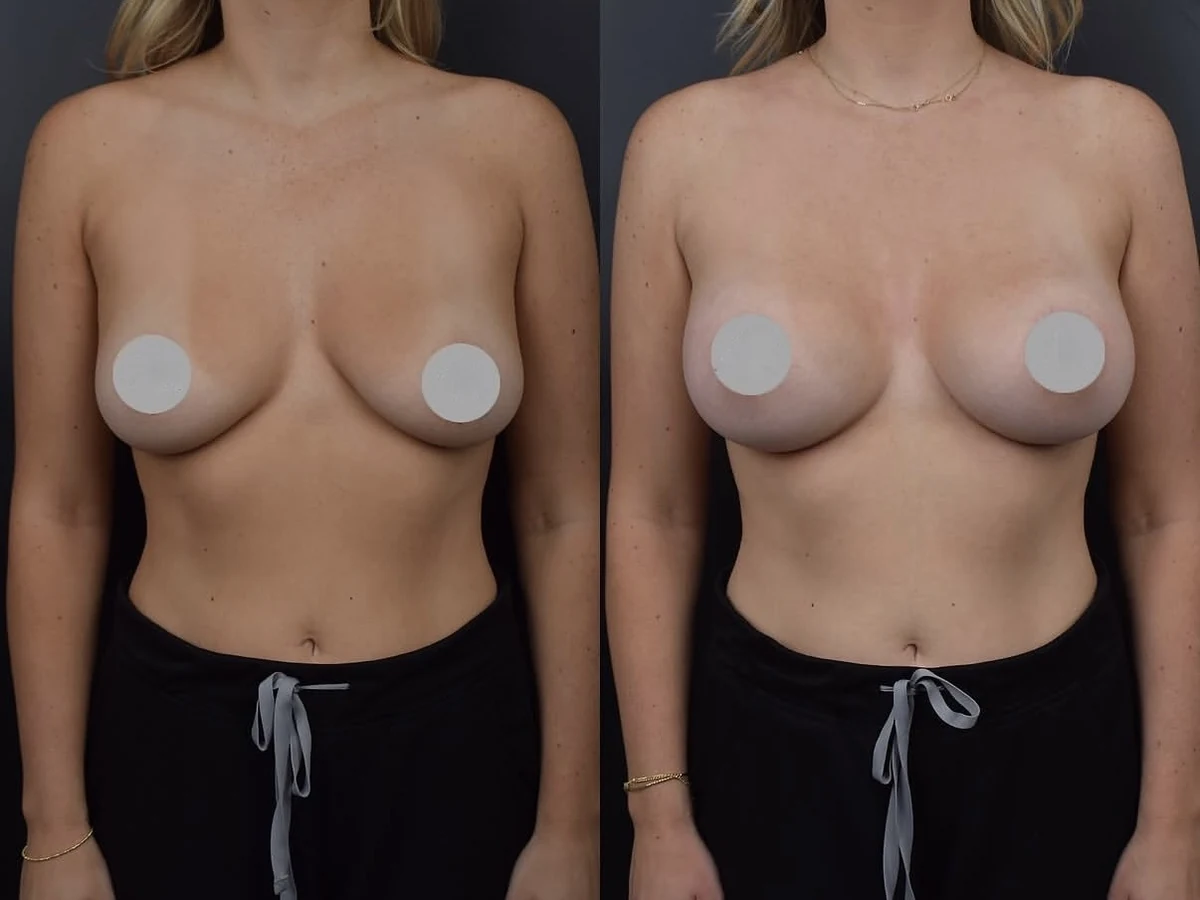 beforeafter
Method: implants
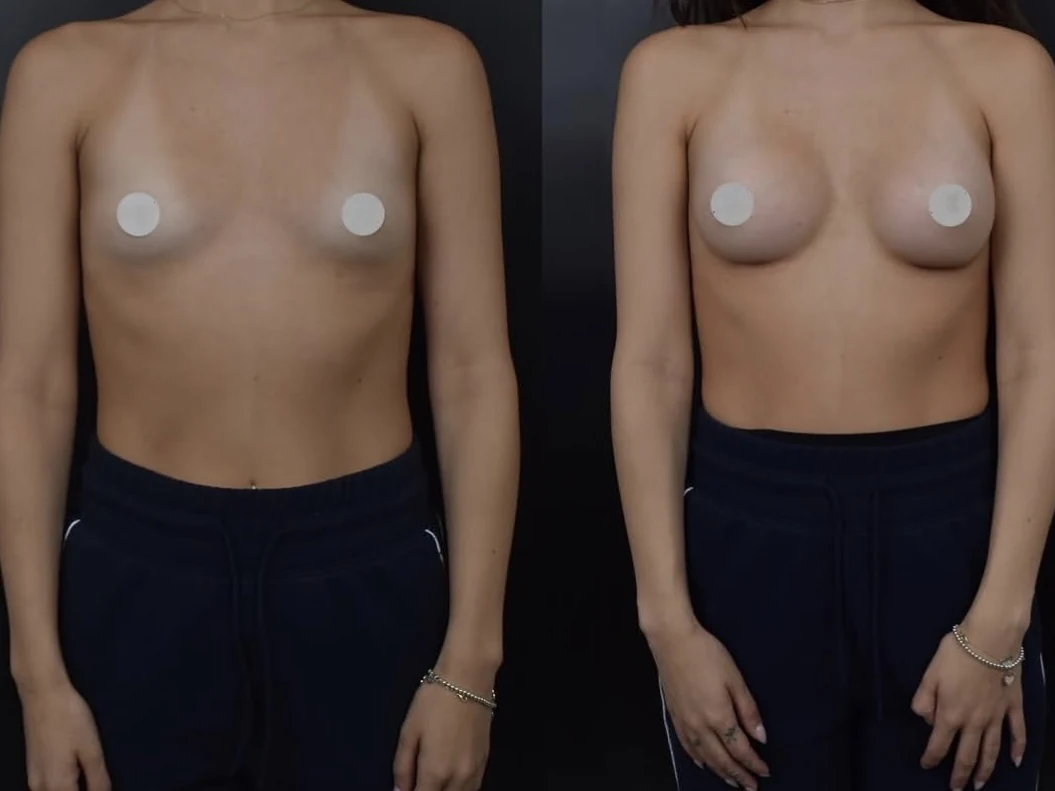 beforeafter
Method: implants
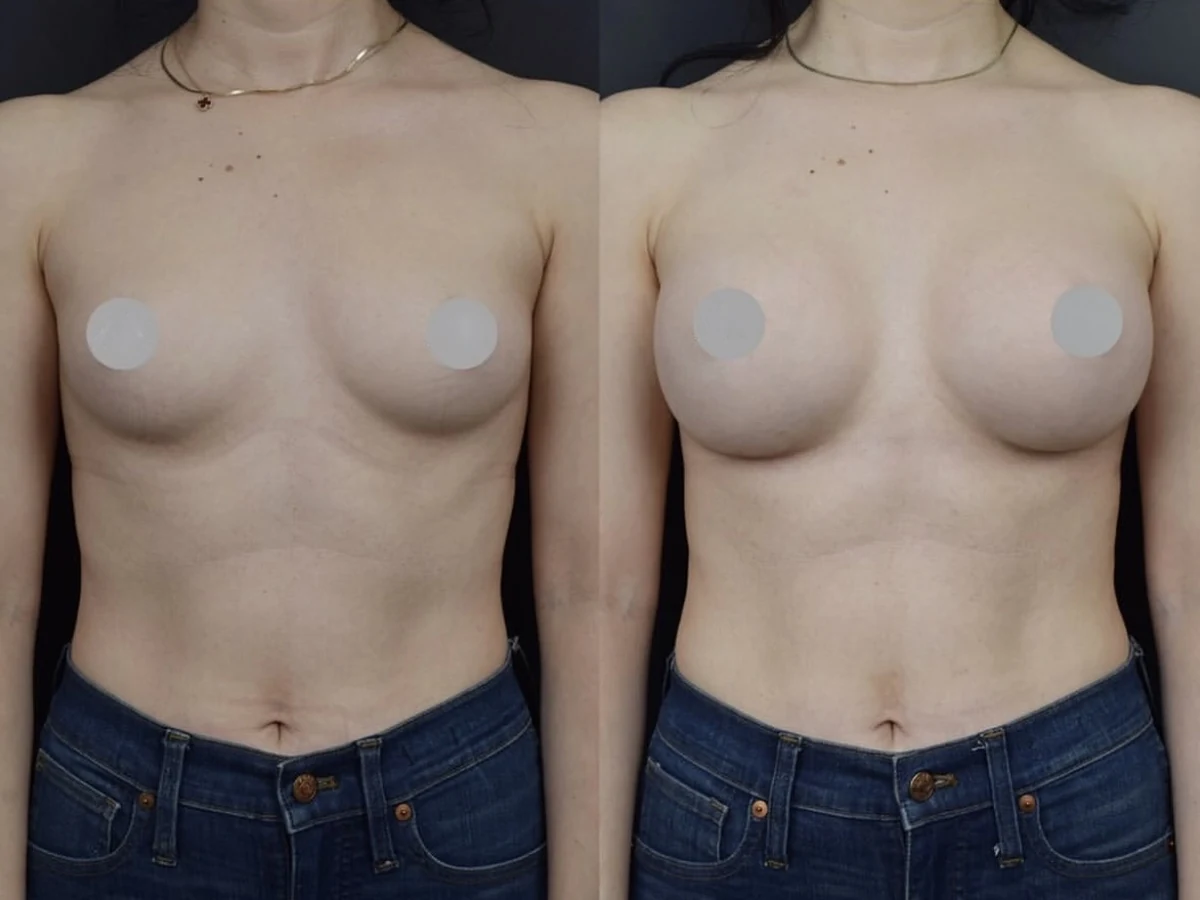 beforeafter
Method: implants
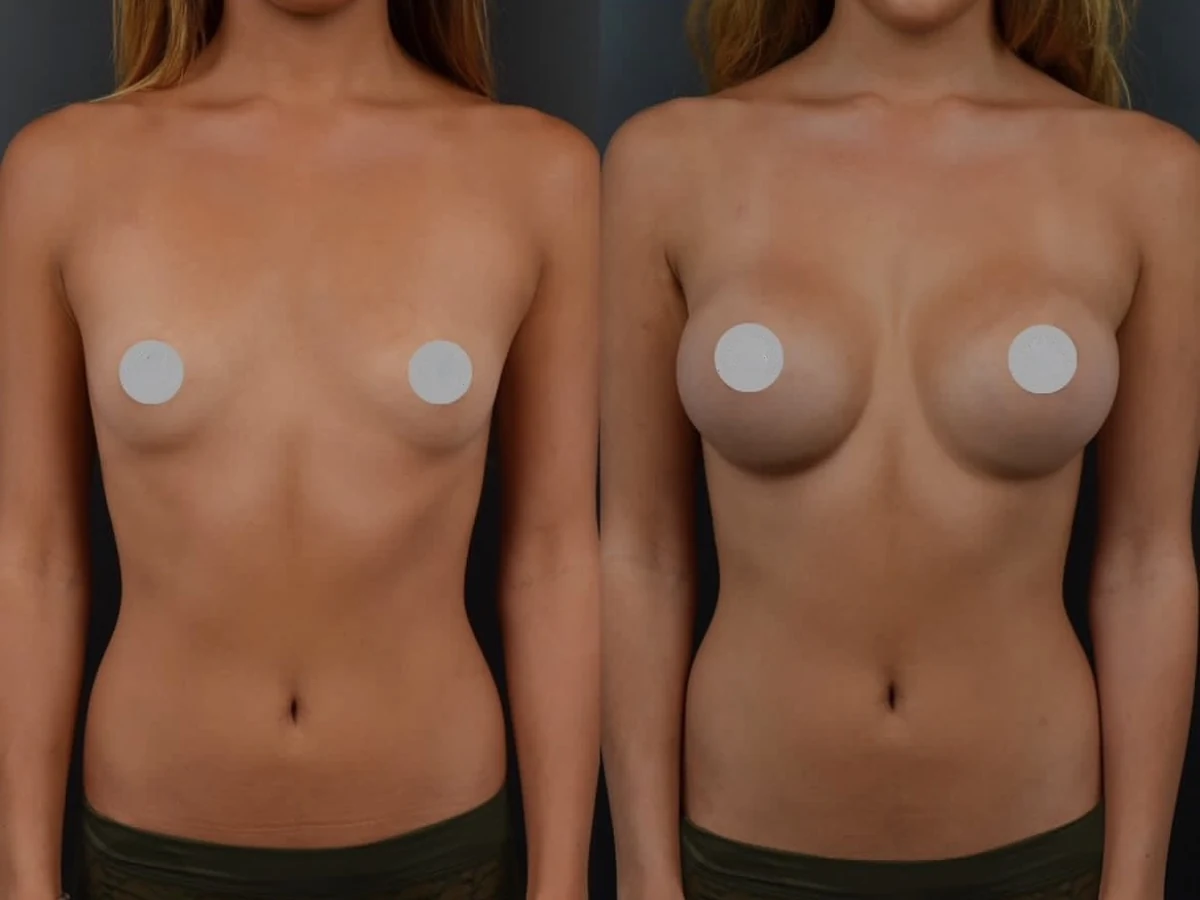 beforeafter
Method: implants
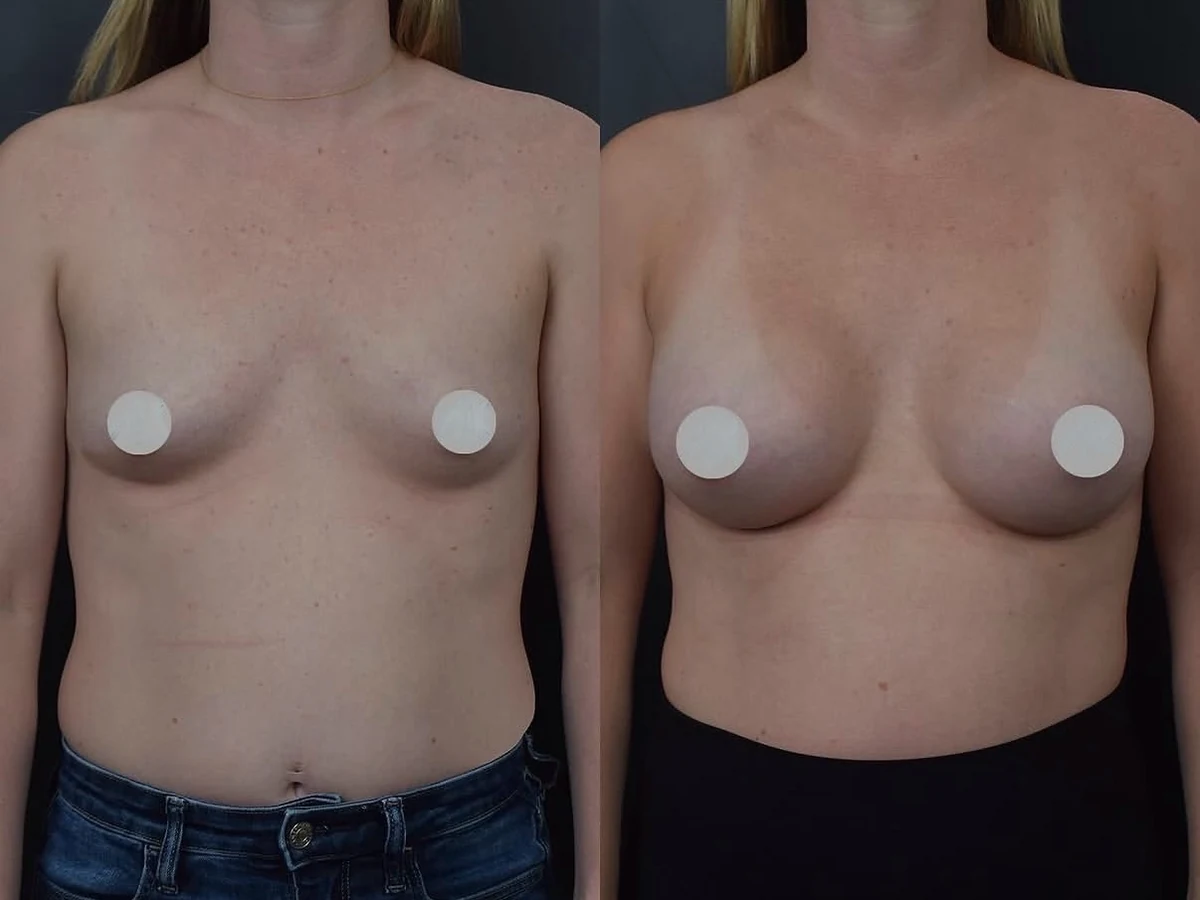 beforeafter
Method: implants
Comparison
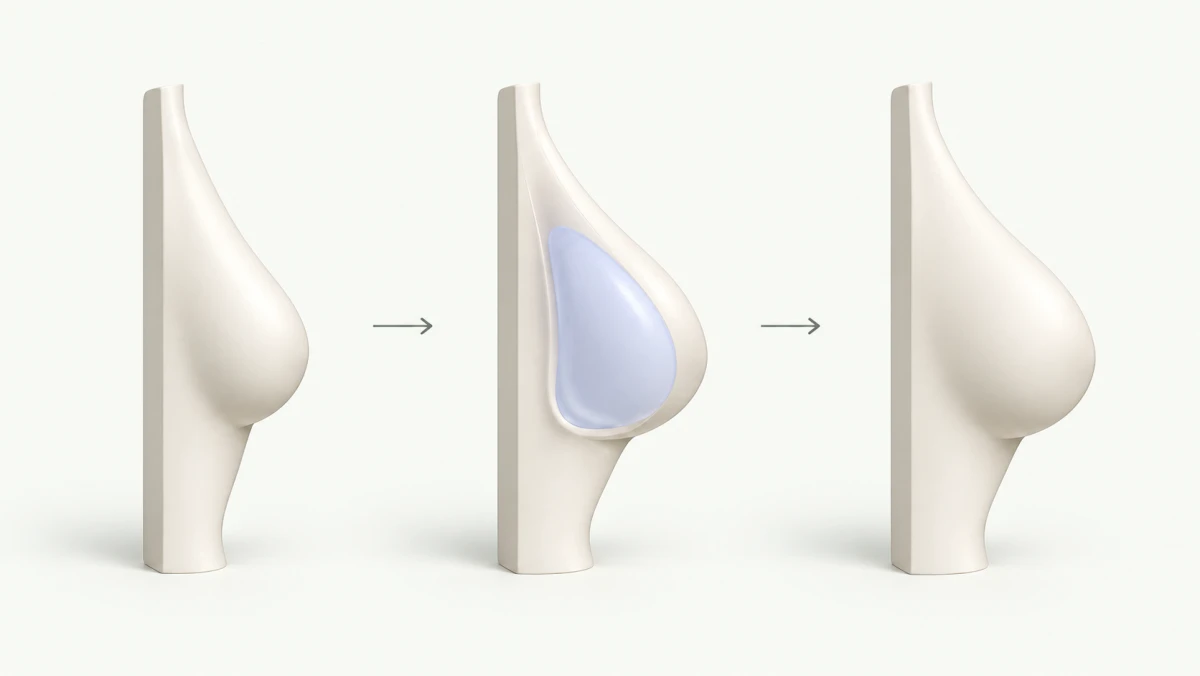
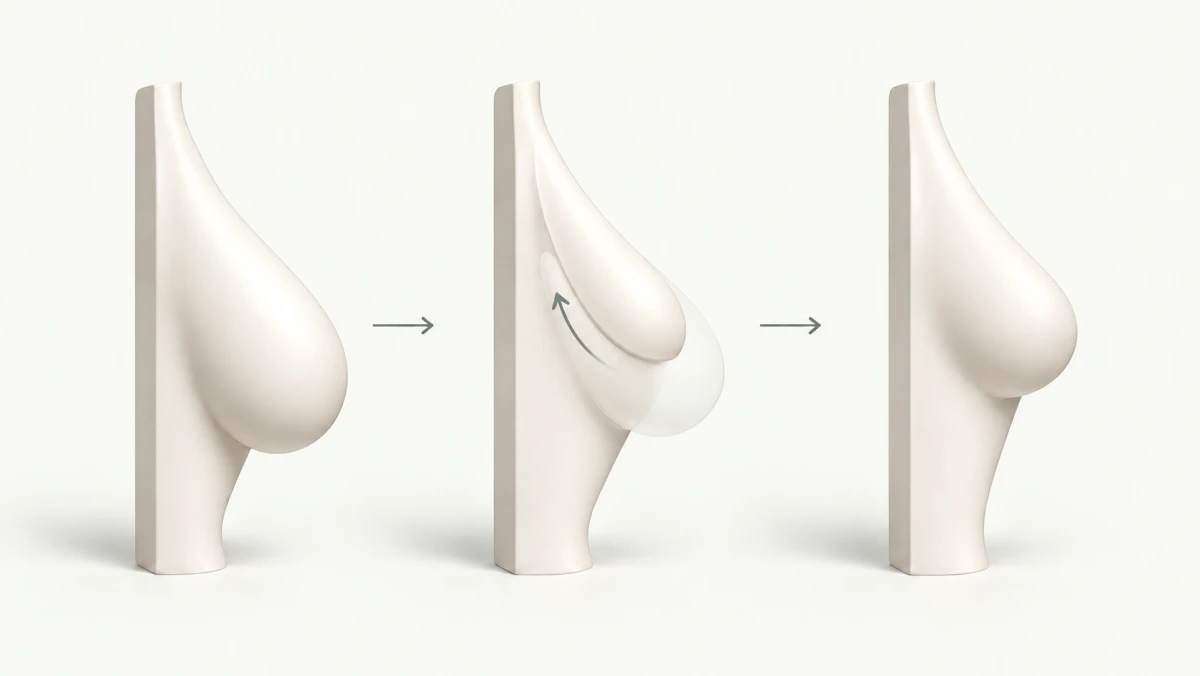
We work with two main breast correction methods: augmentation and reduction. Compare the main goal, the precision of correction and the indications to choose your method with confidence.
Size and shape correction with implants
Discounted price
$4,700 $5,900
Breast size correction through reduced volume and weight
Discounted price
$4,700 $5,900
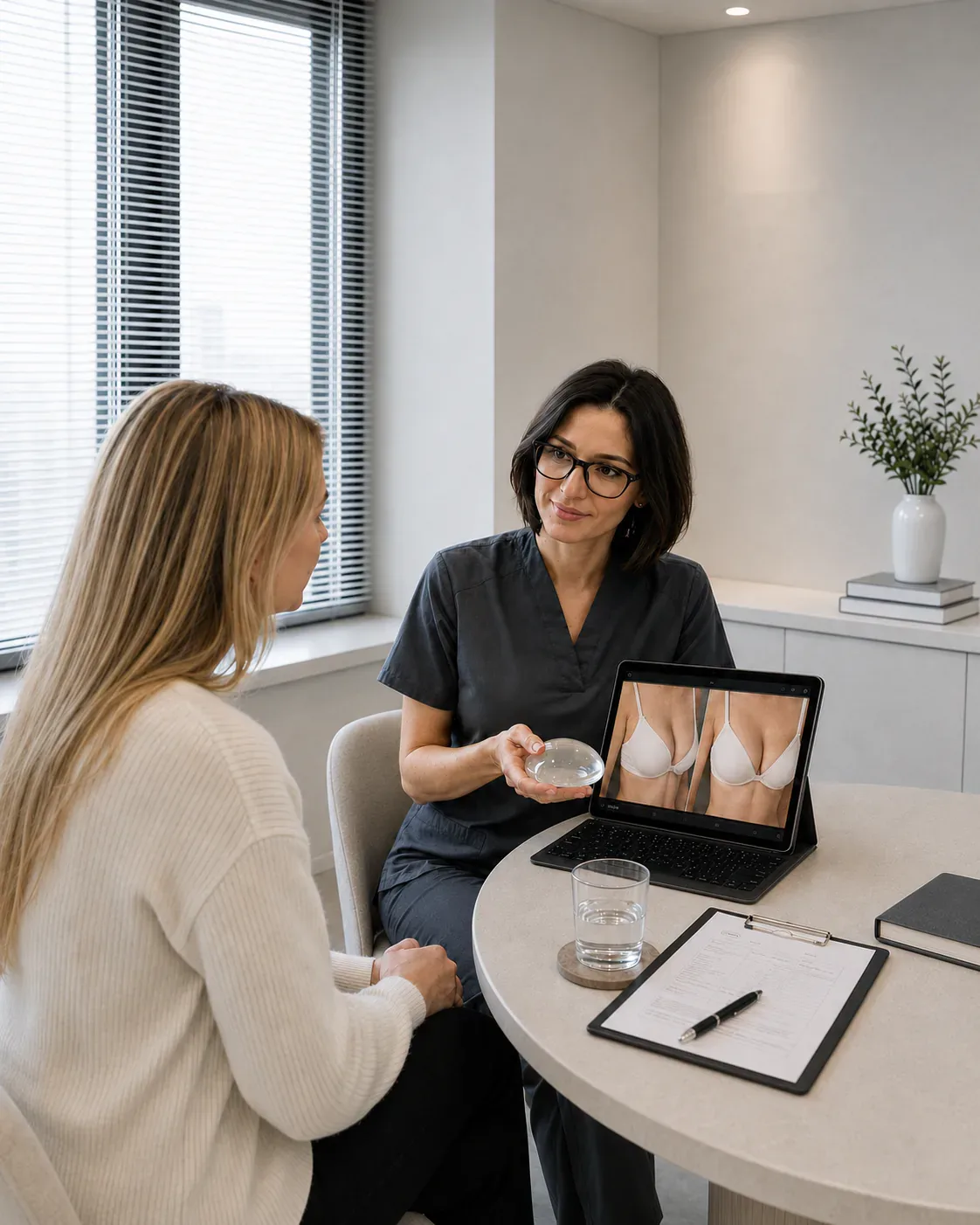
During the consultation the surgeon evaluates the shape and proportions of your breasts, listens to your wishes and selects the most suitable type of mammoplasty.
The consultation is free, before surgery and with no commitment.
Comparison
We work with two main types of implants: round and anatomical. Both add volume and correct the shape of the breasts, but they differ in shape and in the kind of result.
Even volume with more fullness at the top
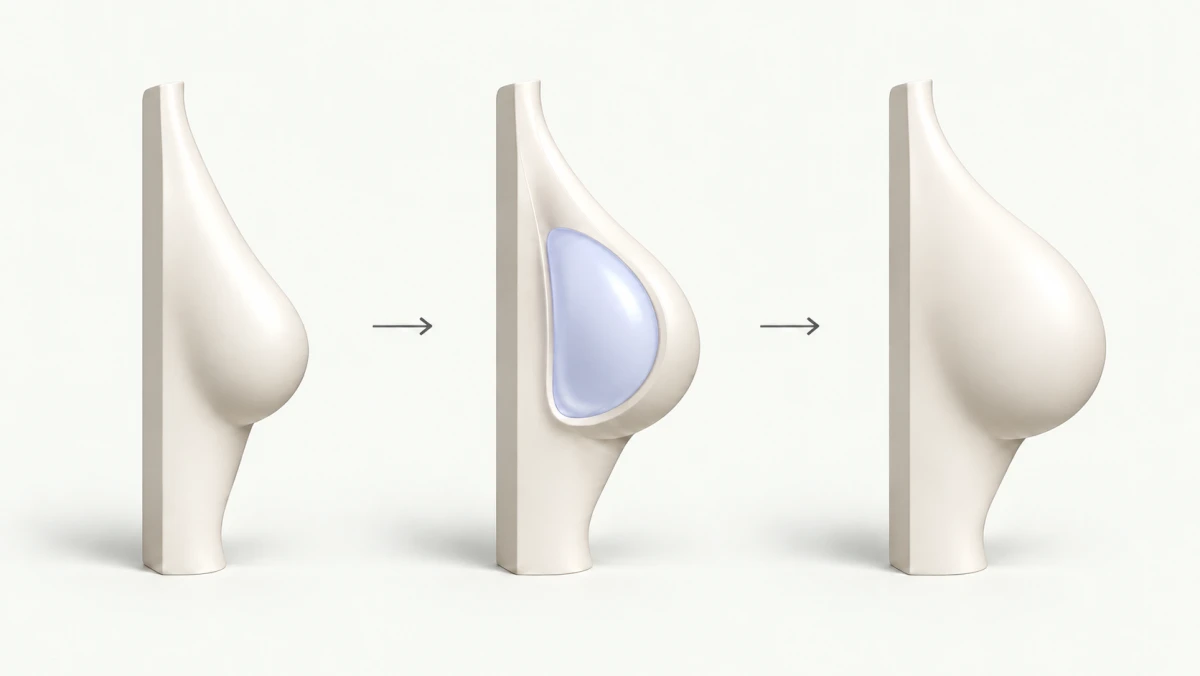
A natural slope and a soft teardrop shape
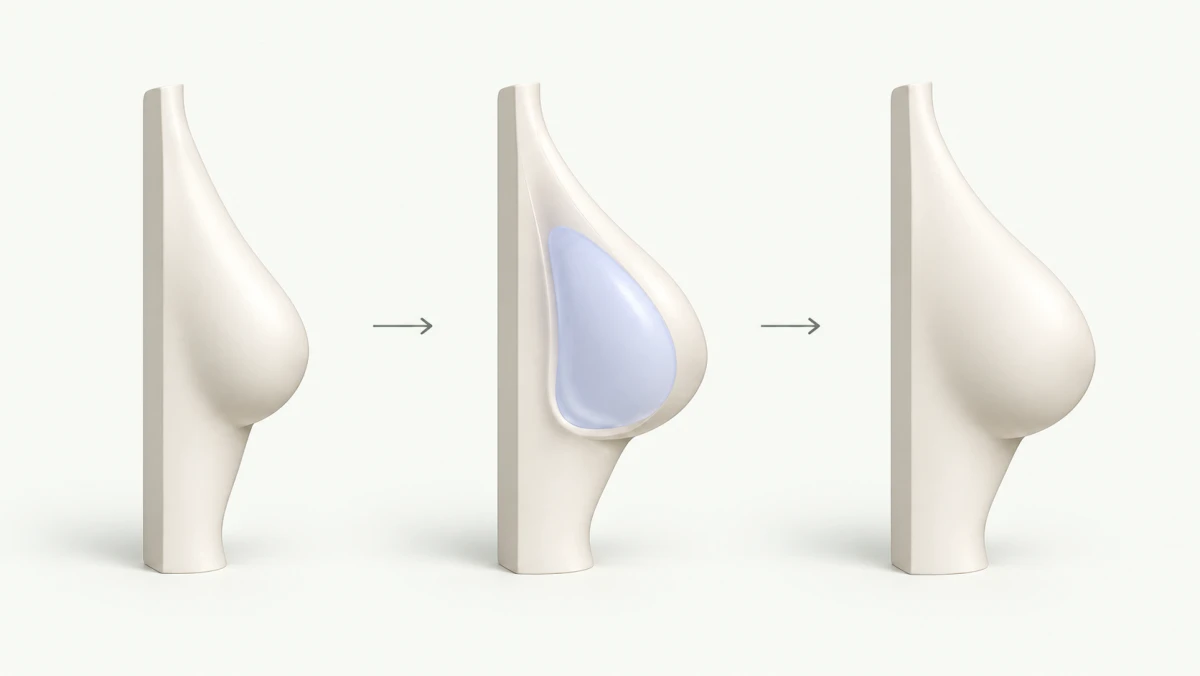
The surgeon will help you choose the implant shape and volume.
Inside the clinic
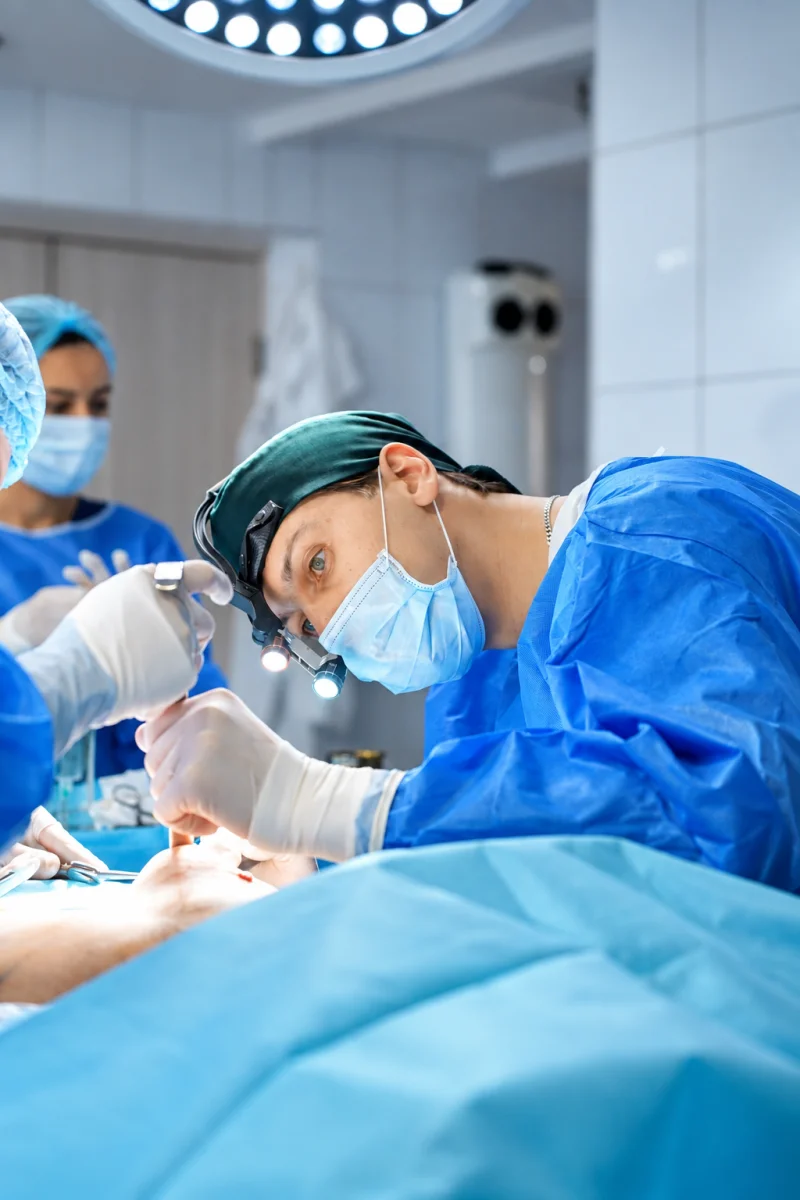
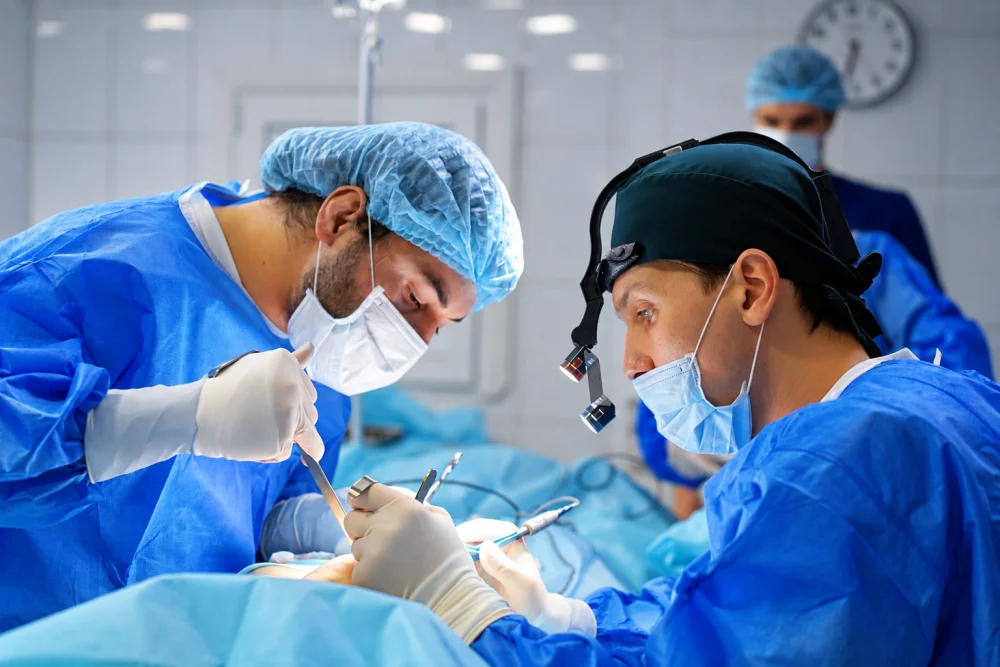
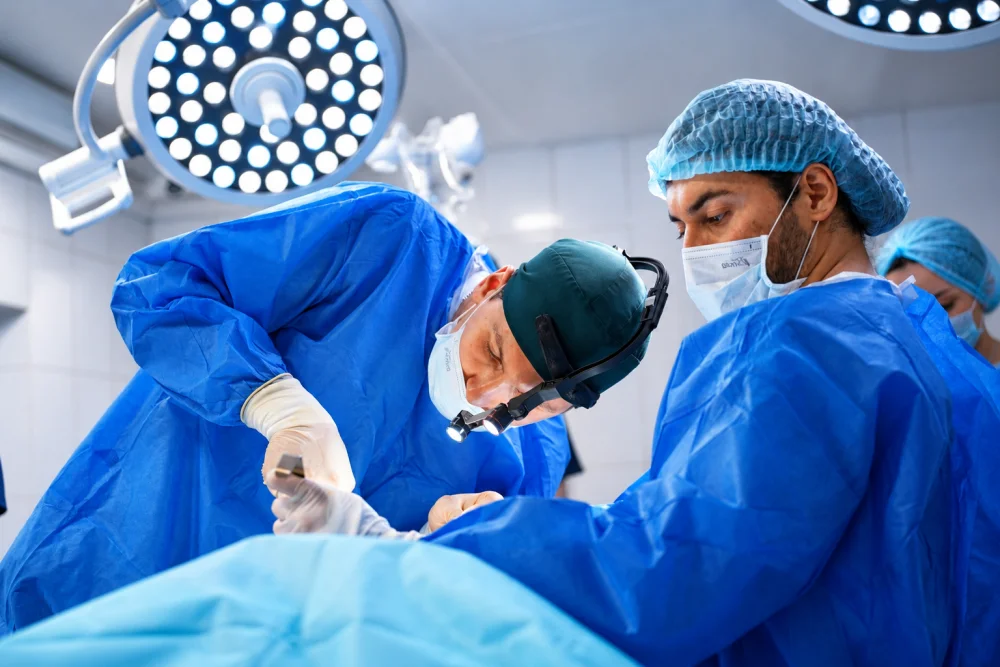
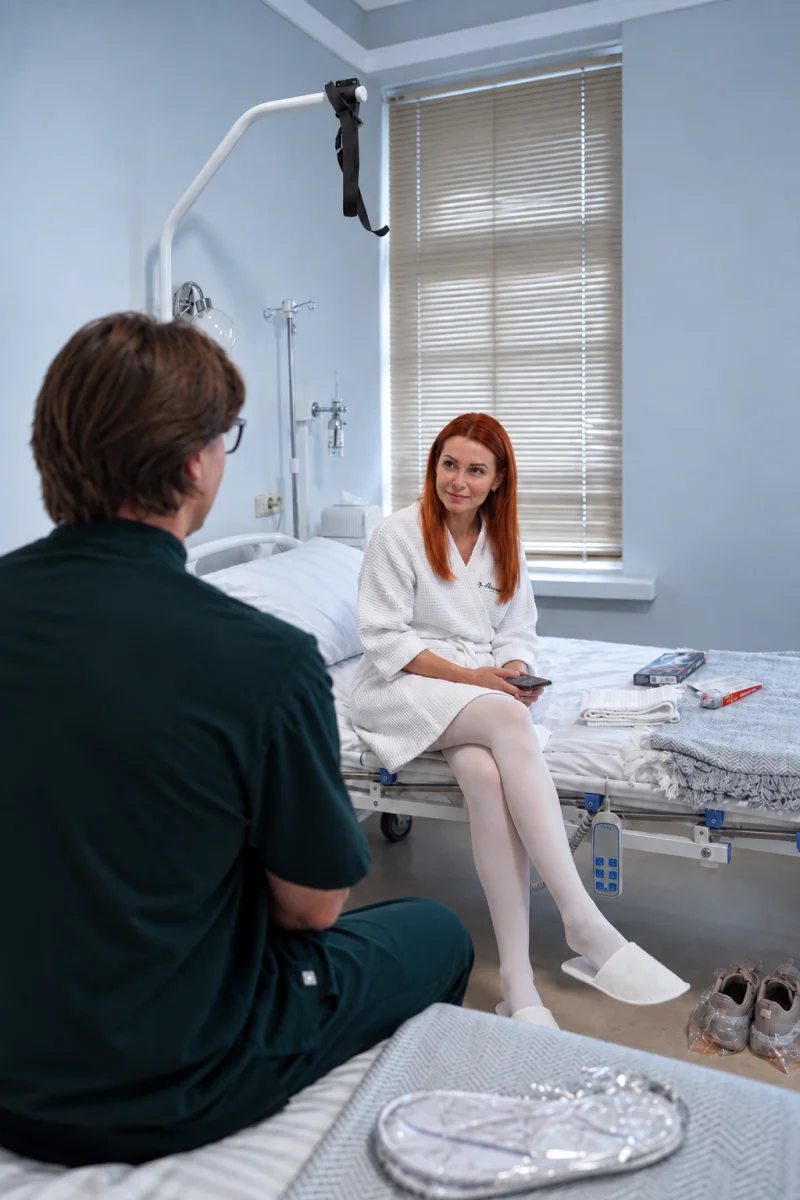
Modern equipment, comfortable rooms and care for every patient
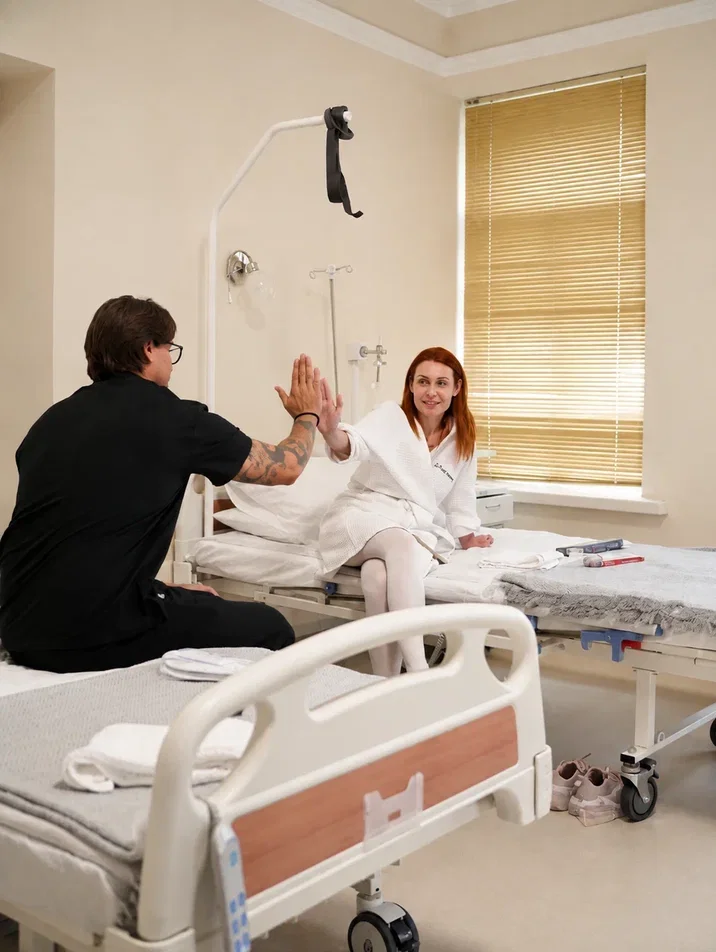
Ask us anything, and we will arrange a consultation at a time that suits you
By messaging us, you agree to our Privacy Policy
If your concern can be addressed without an operation, the doctor will say so at the consultation, so you do not pay for surgery you do not need.

Not sure if surgery is right for you?
Write to us: your coordinator will request photos in a messenger, and the surgeon will review them and tell you whether mammoplasty suits you.
Find out if it suits me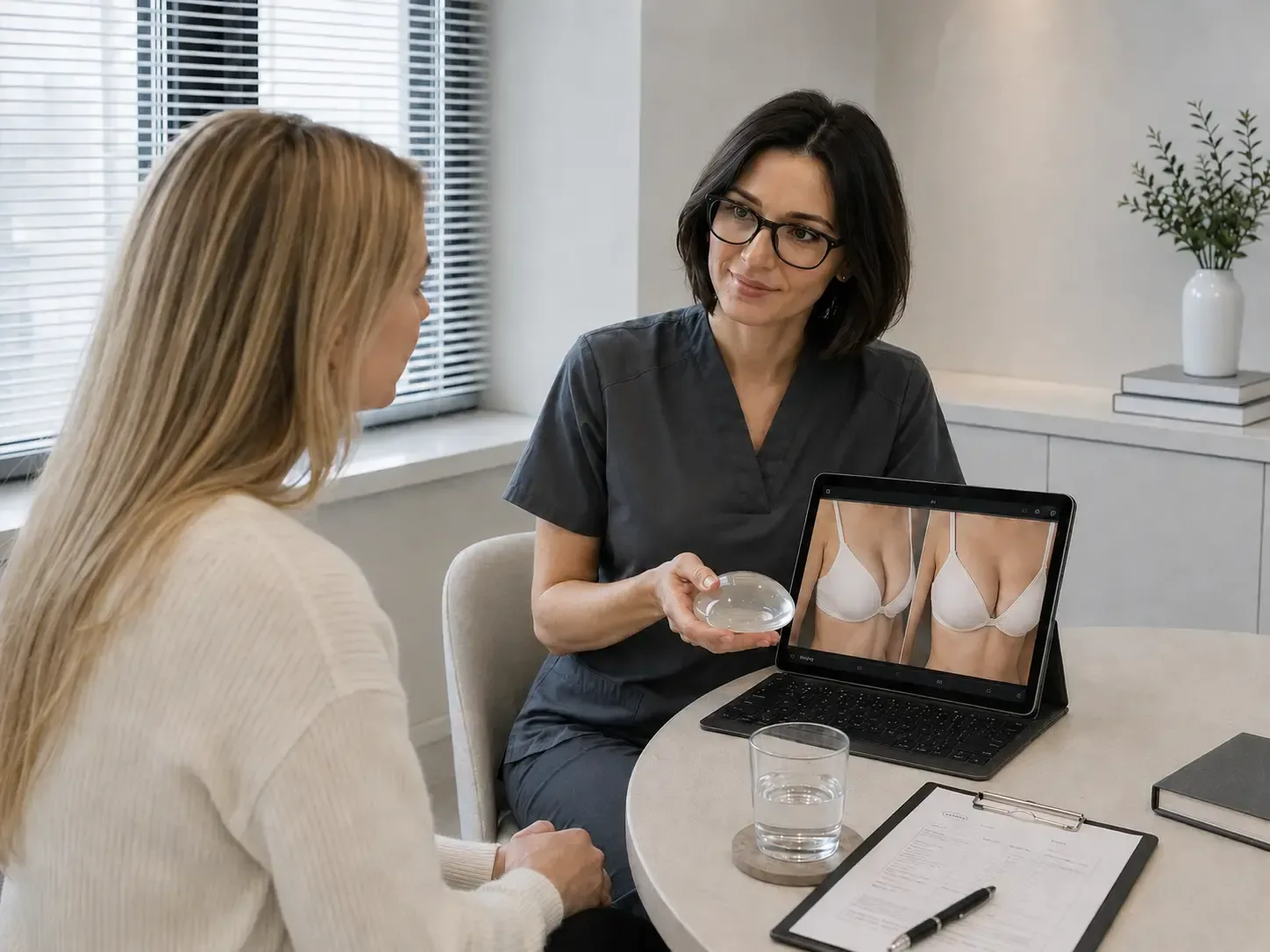
Prices
The price is set at the consultation and fixed in the contract.
Discounted price
Size and shape correction with implants
$4,700$5,900
Discounted price
Reducing the volume and weight of the breasts
$4,700$5,900
Breast restoration after mastectomy
After assessing your breast anatomy and proportions and listening to your wishes, the surgeon chooses the appropriate correction method.
The price is set at the consultation and fixed in the contract.
Message our coordinator
Free online consultation · Reply within 15 minutes
Message us on TelegramMessage us on WhatsAppBy messaging us, you agree to our Privacy Policy

all inclusive
From preparation for surgery
to support for 12 months.
Discounted price
$4,700$5,900
How it works
An agreed correction plan, inpatient observation and recovery monitoring for a year.
 1
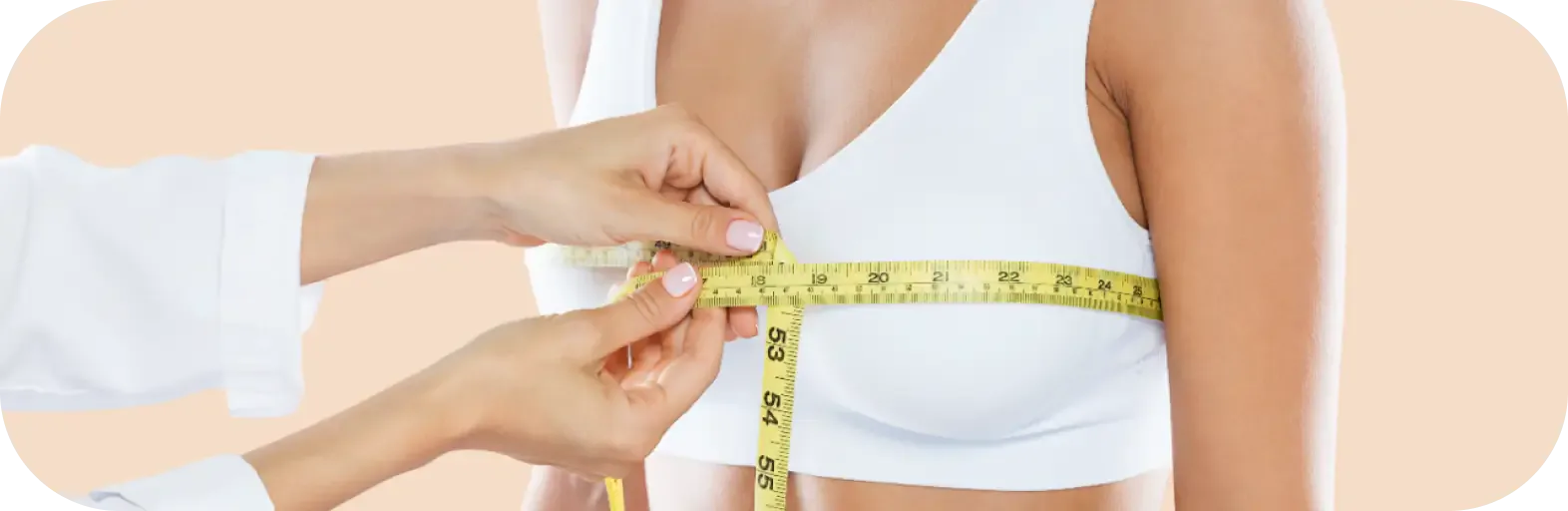
The surgeon assesses your figure, discusses your wishes and chooses the best volume, shape and correction method.
 2
We hold a surgery date for you. You can pay the deposit by card at the clinic or online by bank transfer; all terms are set out in the contract for medical services
 3
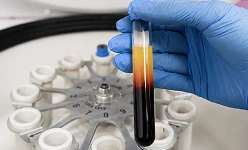
Before the operation you take a full set of tests: blood tests, an ECG and any other examinations the doctor prescribes.
 4
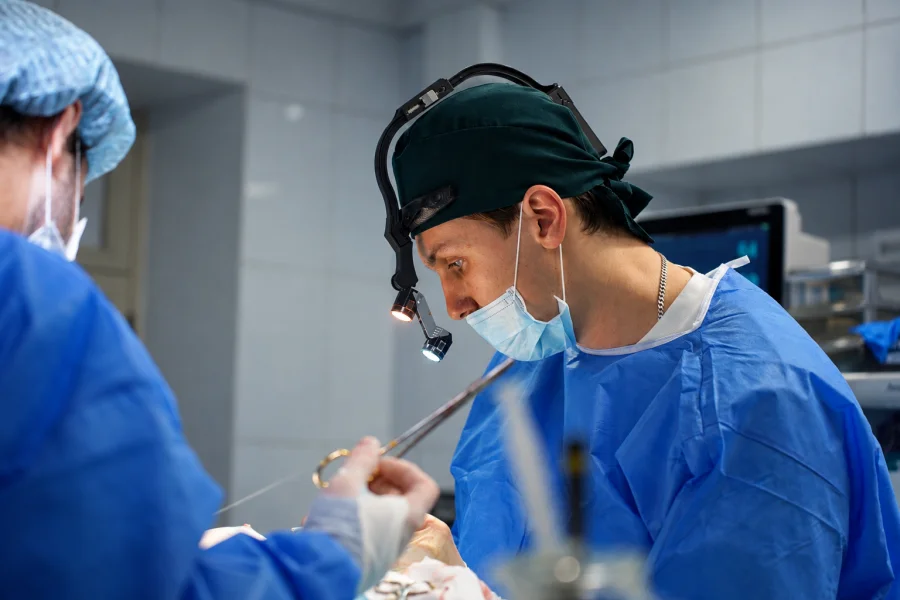
The operation follows your individual mammoplasty plan and is performed under general anaesthesia with continuous monitoring of the patient.
 5
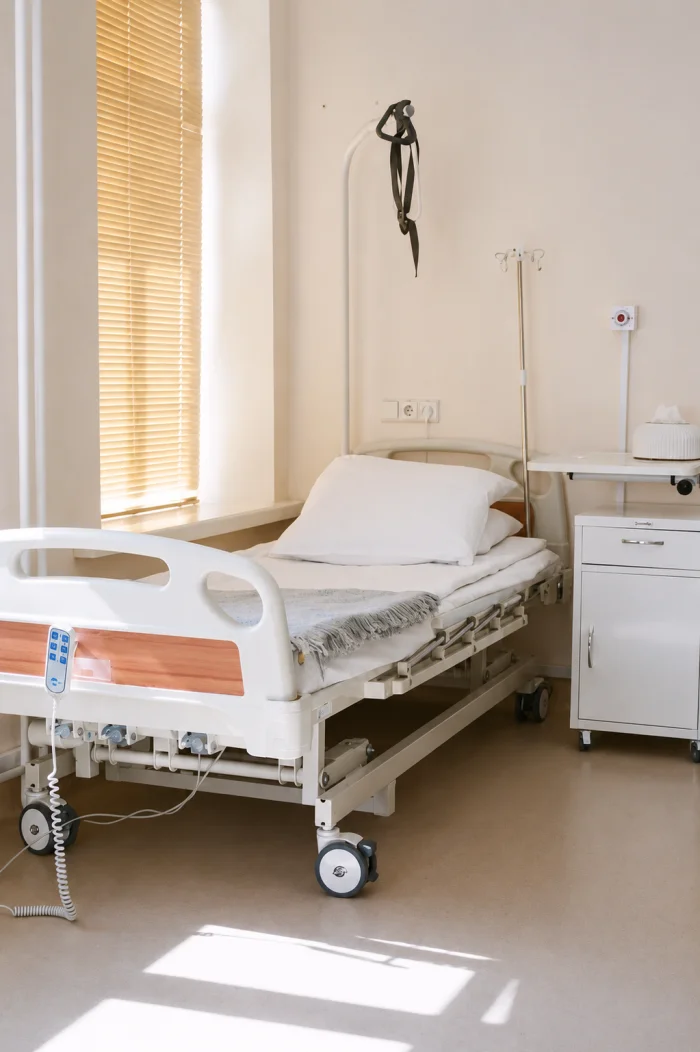
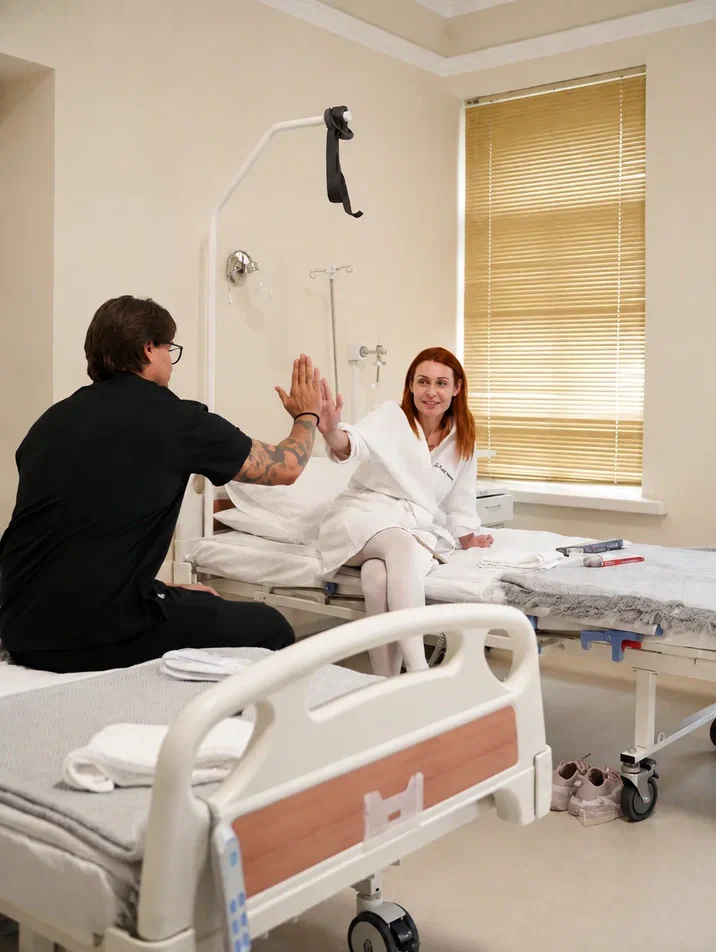
After the operation you remain in the clinic's comfortable inpatient ward, cared for by the medical team until you are discharged.
 6
After surgery you get a recovery programme. Check-ups at 7 days, 3 and 6 months help track your recovery. For a year after surgery, consultations with your surgeon are free.
Some simple steps help before surgery: a healthy work-life balance, more sleep, avoiding stress, anxiety and strong emotions, and less physical activity.
Oral contraceptives with hormones should be discontinued at least a month beforehand
Stop aspirin-containing medications, steroids and hormone drugs for chronic diseases before the operation
Have your tests done a week before surgery
Swelling from surgery fades after 3 weeks
Within 3 weeks, scars form
No strenuous activity (lifting over 3 kg)
Avoid raising arms above shoulder level — 3 weeks
During recovery after correction, compression garments are worn for 1–1.5 months
Skip intense gym training for up to 40 days and avoid overly active aerobics; light cardio may be possible after a month. Pay attention to your diet and meals.
Discomfort fades after 3 months
For up to three months, no baths, no saunas and no physiotherapy
By 3 months, inflammatory changes in the tissue have resolved and a “pocket” has formed around the implant
Doctors
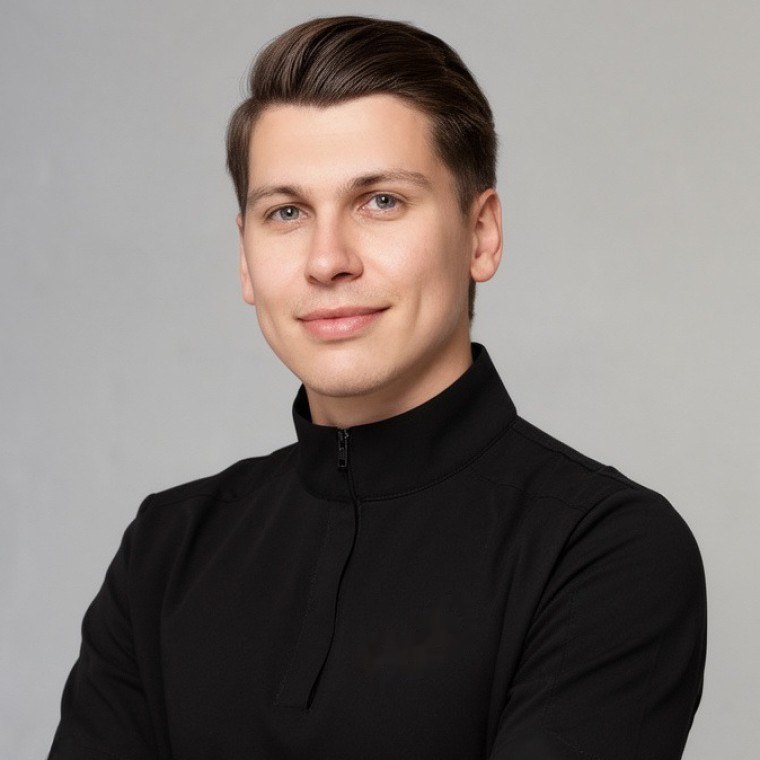
7 years of experience
Plastic surgeon
Trained in plastic surgery through residency at the Petrovsky National Research Centre of Surgery. Specialist in aesthetic and reconstructive breast and body surgery.
At the consultation you talk to the surgeon who will operate
An experienced plastic surgeon committed to patients' beauty and health
Book a consultationAdvantages
We review your wishes at the consultation and model the planned result. The surgeon explains what the operation can do, so you understand exactly what we are aiming for.
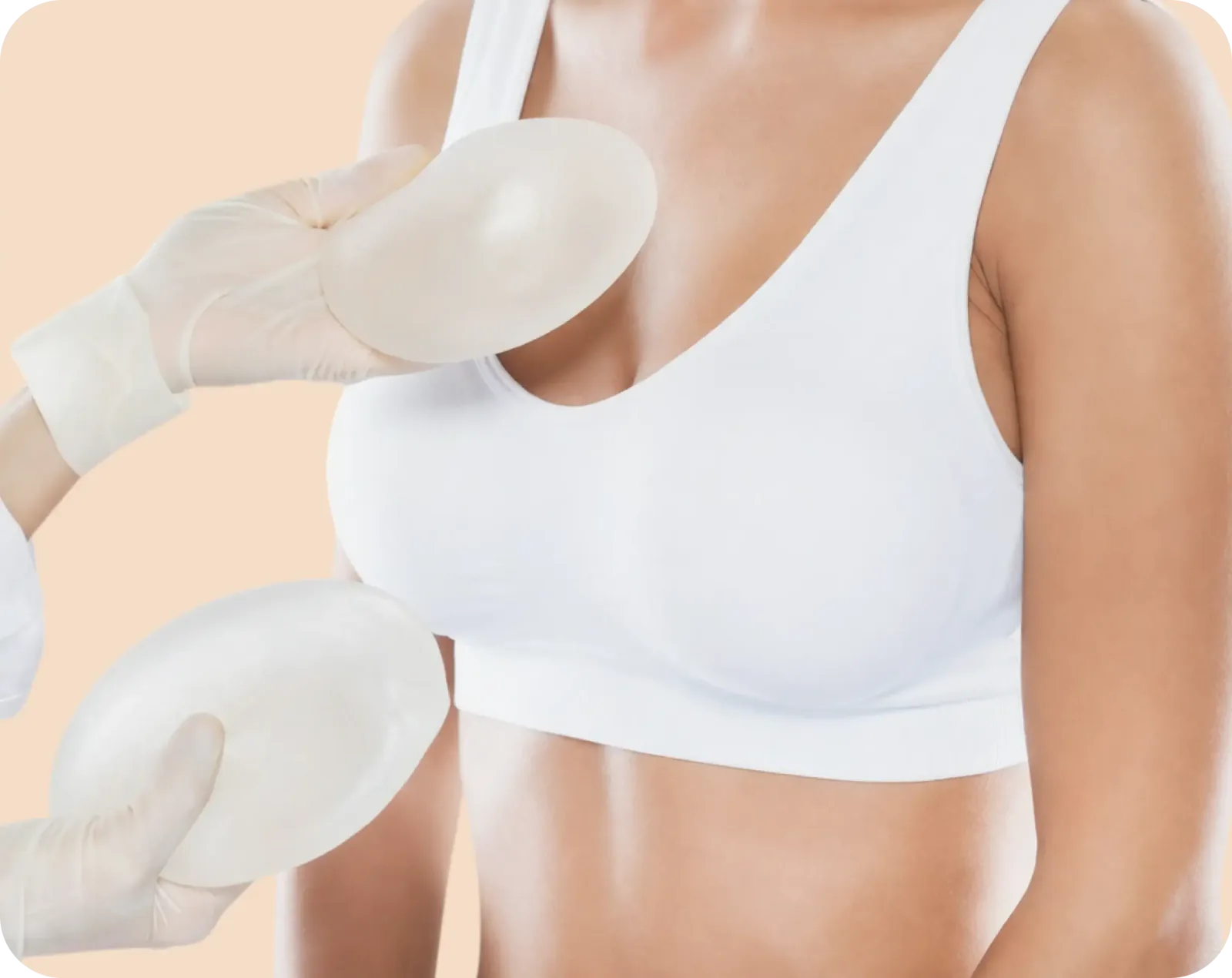
Your surgeon follows your recovery and the changes in your breast shape for a full year; check-ups and dressings are included in the price.
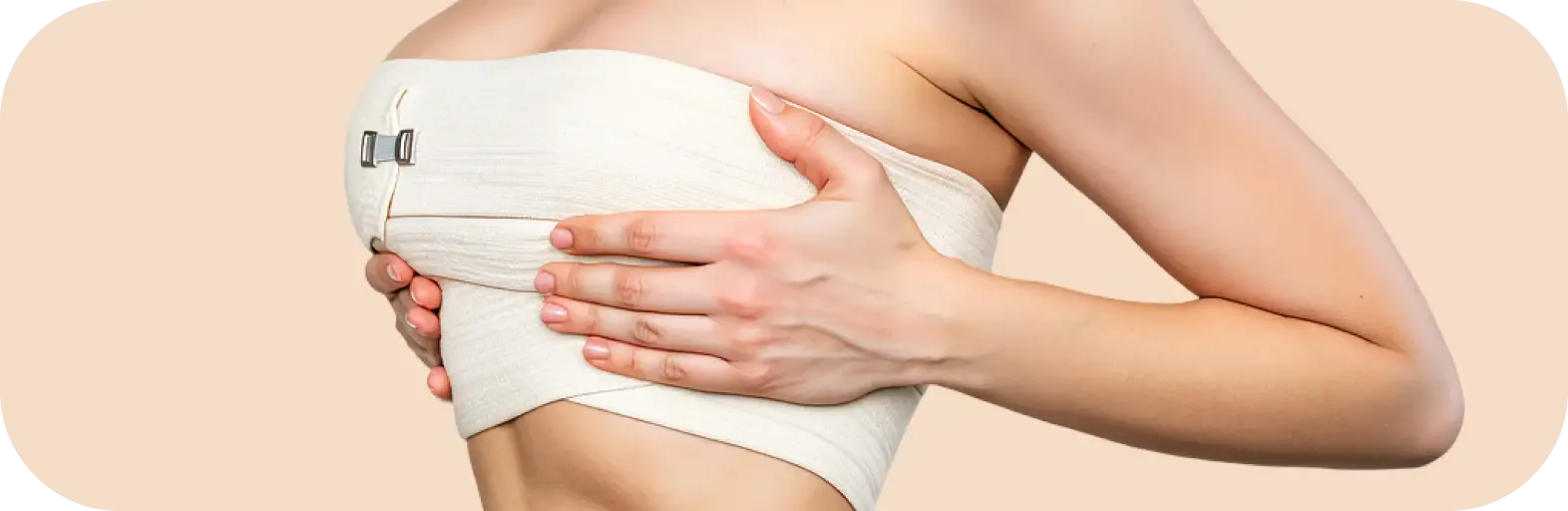
We choose the shape, volume and correction method based on your anatomy and wishes. For augmentation, implant size and profile are chosen individually.
We value your time: open 24/7, easy to book, with a personal approach that adapts to your pace.
Once the surgeon has defined the extent of correction at the consultation, you get a clear surgery price — no surprises on the way to your result.
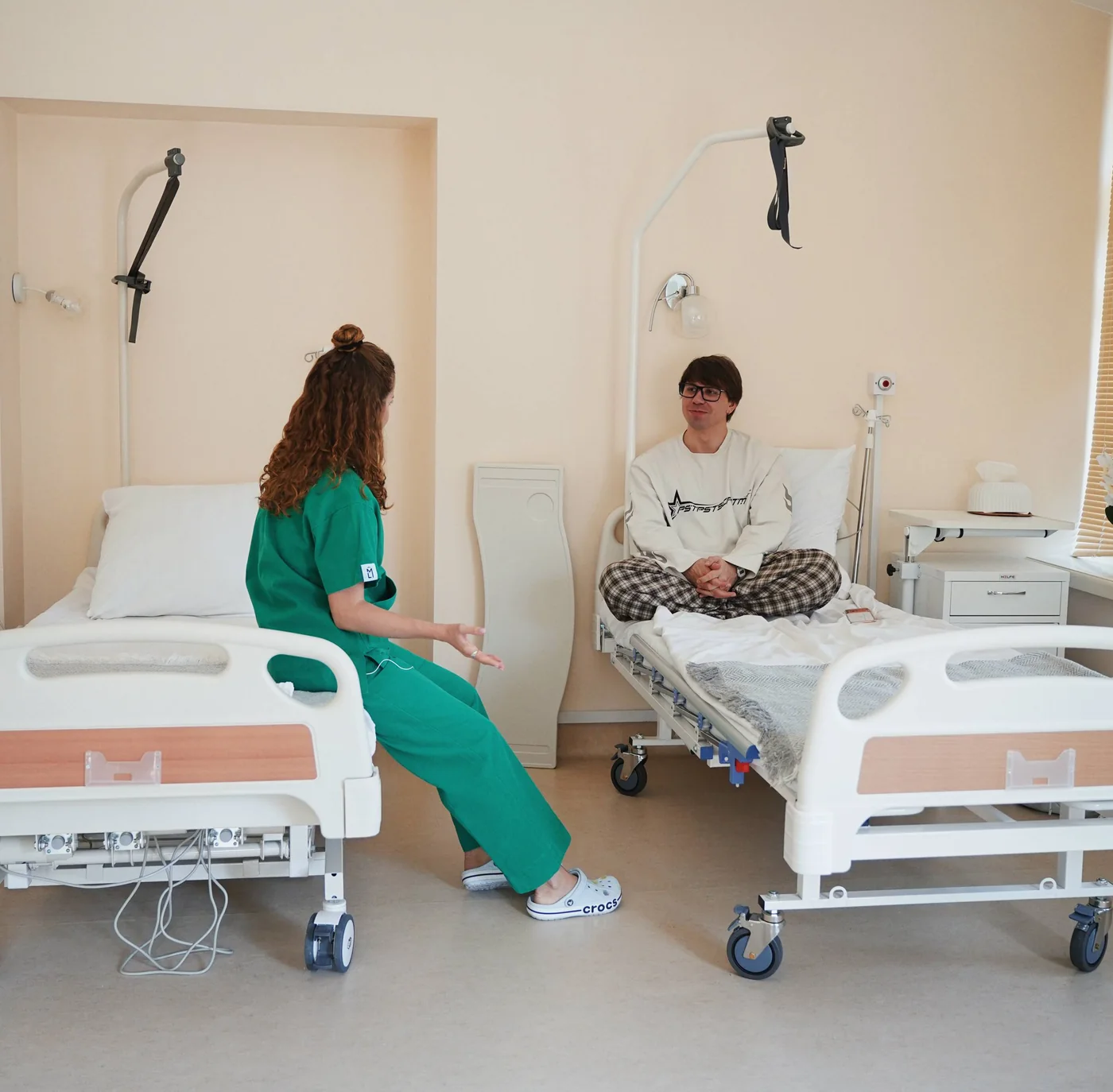
Recovery begins in a comfortable inpatient ward under round-the-clock nursing care. The stay and meals are already included in the price.
FAQ
Yes. Boob job is the everyday name for breast augmentation. At City Medical Centre it is done with round or anatomical implants that the surgeon chooses with you at the consultation.
Breast enlargement adds volume with implants. A breast lift (mastopexy) raises sagging breasts and removes excess skin. Which one suits you is decided at the free consultation.
Mammoplasty includes several procedures: augmentation (adding volume with implants), reduction (removing excess tissue and skin), mastopexy (lifting sagging breasts), reconstruction (after mastectomy) and asymmetry correction. The optimal method is selected individually, based on your wishes and the surgeon's recommendation.
Message us — our coordinator will get back to you shortly and book your consultation. The plastic surgeon consultation is free.
If all recommendations are followed, complications are rare, but they may include hematoma or seroma, wound infection, reduced or increased nipple sensitivity, capsular contracture, aesthetic asymmetry, wound separation and tissue necrosis.
A mammoplasty result lasts a long time, about 10–15 years after augmentation (until implants need replacing) and 5–10 years after a lift or reduction. Its longevity is affected by weight, pregnancy, skin aging and gravity. Supportive underwear and weight control help preserve it.
Breastfeeding after mammoplasty varies with the type of surgery. Lactation is usually preserved after augmentation through an under-breast or armpit incision with the implant under the muscle, because glandular tissue is not injured. After a lift or reduction there is more risk, since ducts may be cut. Discuss this in advance with your surgeon.
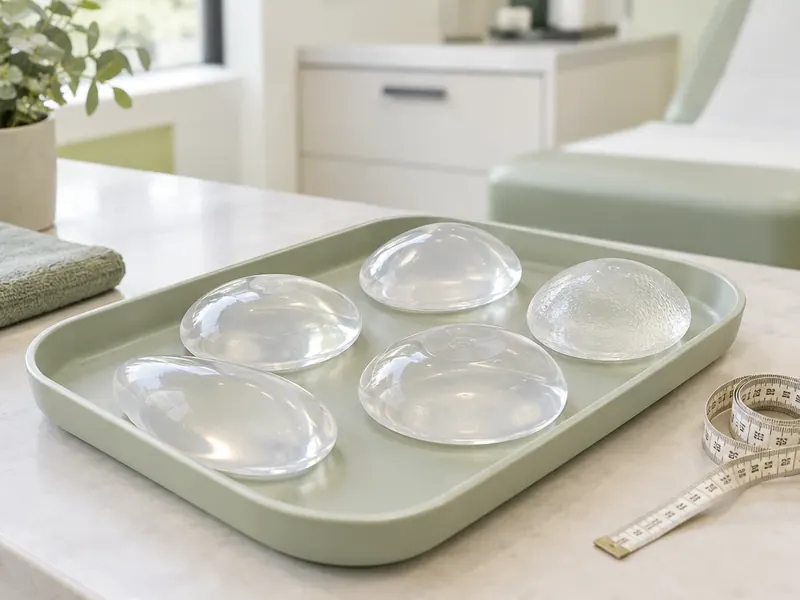
Selecting an implant means weighing material (silicone looks the most natural, saline is less often used), shape (round or anatomical teardrop), surface (smooth or textured), size and profile. The surgeon then chooses the optimal option for your anatomy and wishes.
The surgery is carried out under general anaesthesia, and the patient feels nothing. Moderate discomfort is possible during the first 1–3 days and is relieved by pain medication. Pain falls significantly by day 5–7, and by weeks 2–3 discomfort is over. If you have severe pain, tell your doctor at once.
You can return to work (without physical exertion) after 7–14 days. Light walks after 1–2 weeks. Fitness and swimming after 4–6 weeks, strength training after 3 months. Pool and sea after 4–6 weeks. Wear compression garments for 4–6 weeks. Exact timing depends on your recovery.
Mammoplasty has not been scientifically shown to increase the risk of breast cancer, and implants do not cause it. Keep up regular screening after surgery (self-exams, mammography and ultrasound) and always mention your implants to the doctor examining you.
Mammoplasty is possible after a C-section once your body has completely recovered. Leave at least 6–12 months after childbirth and after breastfeeding has ended. Surgery requires a prior consultation and check-up by the surgeon.
There are scars after mammoplasty, though a skilled surgeon keeps them minimal. The incisions go in discreet areas, such as under the breast, around the areola or in the armpit. Early on the scars are reddish, but over 6–12 months they fade and are almost unnoticeable.
It is normal to have slight asymmetry in the first weeks after surgery, because of swelling and uneven healing. If a difference in size or shape persists after 3–6 months, book an examination with your surgeon to find the cause.
Breast and nipple sensitivity may change for a time after mammoplasty, going down or up. The cause lies in irritation of nerve endings. In the majority of cases sensitivity is restored within 3–12 months. If nothing has improved after a year, consult your surgeon.
Implants are not directly affected by hormonal drugs (contraceptives, hormone replacement therapy), though these can cause swelling or changes in the volume of breast tissue and temporarily change appearance. Tell your surgeon about them before the operation.
Prices start from $4,700 (≈ UGX 18,500,000). The surgeon sets the final price at the free consultation, and it is fixed in the contract, with no hidden extras.
Prices are in US dollars; the amount in brackets is an approximate conversion to UGX at the rate of 02.10.2026. The final price is fixed in your contract.
Prices start from $4,700 (≈ UGX 18,500,000). The surgeon sets the final price at the free consultation, and it is fixed in the contract, with no hidden extras.
The surgical team's work, anaesthesia, the inpatient stay with meals, dressings and follow-up visits for twelve months.
Message us on WhatsApp or Telegram using the buttons below. A coordinator will answer your questions and book a free consultation where the doctor names the exact price.
By messaging us, you agree to our Privacy Policy
What exactly changes with augmentation? Volume grows and the bust gains a rounder or a more natural teardrop profile, depending on the implant selected. If you are researching breast augmentation in Kampala, keep in mind that implants come smooth or textured and are selected for each body. With an under-breast or armpit incision and the implant placed under the muscle, lactation is usually preserved.
Step one is a meeting with the plastic surgeon to choose size, shape and profile. Step two is a full medical check-up with lab tests, instrumental examinations and, if indicated, a GP, gynecologist or breast specialist. On the day itself, the surgeon marks incisions, places the implant and closes the wound in layers with self-absorbing cosmetic sutures. This is how augmentation goes for Kampala patients.
Pricing is transparent: from $4,700 (≈ UGX 18,500,000) for augmentation, the same for breast reduction or a lift without implants, and $5,400 (≈ UGX 21,500,000) for a combined lift with implants. Reconstruction is priced on request. For people from Kampala, the plastic surgeon consultation is free. Leave a request to get your personal correction plan.
Public accounts from well-known people about the operation: breast augmentation.
Written by Dmitry S. Kuznetsov, plastic surgeon
How we prepare and review medical content · Medical disclaimer
Page last updated:
Well-known people who spoke openly about this operation, in their own words.
 Did Amber Ray have breast augmentation? Here is what was reported, and what the operation involvesKenyan socialite Amber Ray documented a cosmetic surgery trip that included breast augmentation. What was reported, how the operation works and what recovery involves.
 Did Vera Sidika have a boob job? Yes — she announced it from New YorkThe Kenyan socialite documented her breast surgery in New York after breastfeeding. Her quotes on the 'fallen soldiers' and planning it for years.
Kampala recorded 1,797,722 residents in the 2024 census. Whatever brings you to consider breast augmentation, the decision is easier to stand behind, first of all in front of yourself, when its main points exist as documents. The clinic is ready to supply them, and the free online consultation obliges you to nothing.
Start with the licence of the clinic and the name of the legal entity that delivers your care. Move to the surgeon. At City Medical Centre the plastic surgeon who talks with you at the consultation is the one who operates, and the profile gives 7 years of experience, a plastic surgery residency at a national surgery research centre, and a focus on aesthetic and reconstructive surgery of the breast and body. Finish with the contract for medical services, asked for in draft.
Then ask for the contents of the programme as a list, since the price itself is set at the consultation and fixed in the contract. What you want from this message is the list: the work of the surgical team, anaesthesia, the stay in the ward with meals, dressings, and visits over the twelve months after the operation.
Send the same short request to every clinic you consider. When the replies come back, place them side by side and look at the gaps. A reply that omits the surgeon's name, the implant type or the follow-up schedule has not yet answered you.
A last habit worth having: reply to each message with a thank-you and a numbered restatement of what you understood. If the clinic corrects the restatement, you have caught a misunderstanding for free.
Keep a running list of your own questions as they occur to you, and send them together before the consultation. Questions that arrive in one batch get a considered written reply, and the answers sit in one thread where you can find them months later.
The Uganda Medical and Dental Practitioners Council was established under the Medical and Dental Practitioners Act, Cap 272 of 1998. It registers and licenses doctors and dentists, inspects private health facilities and handles complaints. Its website has a Doctor Search that leads to the national e-health licensing portal, and the registrar can be reached by email at [email protected].
Take the full name and the specialisation from the clinic, run the search, and set what the screen shows beside the diplomas and certificates that the clinic is willing to display before you pay.
Its homepage also offers a separate search of licensed health facilities, so you can examine a place as well as a person. Neither search stands in for your own questions about implants and recovery, but both turn trust into something you can verify.
When you meet the surgeon, you can mention that you have looked the registration up. A surgeon accustomed to informed patients will take it as a good start, and the conversation about the operation tends to become more specific from the first minute.
The Council also offers a complaint form and exercises disciplinary control over practitioners. It is good to know that route exists, even though most people will never need it.
Note the date and result of each search. If something does not match, send the discrepancy to the clinic in writing and wait for the explanation before moving ahead.
Write the registrar's email into your contacts now. If the clinic ever fails to answer a question you consider important, you will know where a licensing question can be put, and you will not need to search for it under pressure.
Shapes on offer are a round one, which fills the upper part more, and a teardrop one, which tapers gently and is described as the most natural contour. Beyond shape you will hear about silicone, which the clinic describes as the most natural-looking filling, about the rarer saline option, and about smooth versus textured surfaces.
Write down what you want in simple words before you talk to the surgeon: more volume, a fuller upper part, a softer slope, or a correction of unevenness. At the consultation the surgeon models the planned result, explains what the operation can and cannot do, and recommends volume, shape and method.
Your questions to the surgeon are whether your anatomy favours one profile over another, and what would tip the balance. Ask for the reply to be noted in your plan.
Ask how the proposed implant will lie in the chest and where the incision will be made. Put both answers in your plan, and ask the surgeon how each choice shapes the first weeks of recovery.
A good test of any recommendation is whether the surgeon can say what you gain and what you give up by choosing it. A recommendation that comes with its trade-off is one you can weigh; one that comes without is only a preference.
Preparation follows a timetable. Tests are completed a week before the date. In the one or two weeks before, you pause aspirin-containing products, steroids and hormonal treatments taken for chronic conditions, and you stop hormonal contraceptive pills earlier, on the surgeon's own schedule. Ask the clinic for this schedule in writing and compare it with the medicines you really take.
Physical effort is eased off in the last 40 days, with light cardio possible after a month, and the clinic suggests calmer weeks before the date. Ask your coordinator to turn all this into a countdown that begins on the day you sign.
Recovery then moves in steps: swelling is expected to go down within three weeks, discomfort to end within three months, compression garments are worn for 1 to 1.5 months, and lifting over 3 kg is avoided for up to three months. Check-ups at 7 days, 3 months and 6 months, with free consultations with the surgeon for a year, are the fixed points for your calendar.
Plan the first fortnight at home in advance, deciding who will cover errands and household work, what you will do about heavy items and which engagements can be shifted. Deciding this before the date is easier than improvising after it.
Health insurance reaches few people in Uganda. In 2022 the Insurance Regulatory Authority wrote in an update on the proposed National Health Insurance Scheme that uptake of health insurance in Uganda was under 1%, and an Afrobarometer dispatch of 30 March 2025 found that 4% of respondents had medical aid coverage; 32% of those without it said it was too costly, and 33% knew of no scheme.
Neither the regulator's note nor the survey says anything about elective cosmetic surgery. If you hold a policy, send the insurer a short written question about breast augmentation and keep the reply with your other documents. A spoken answer is not enough.
Some circumstances mean the operation should wait or not be done. Among them the clinic lists pregnancy and breastfeeding, acute infection, skin trouble where the incision would be, chronic illness that is not under control, clotting disorders, diabetes that is not under control, an untreated malignant breast tumour, and age under 18. Tell the coordinator about anything resembling these in your history.
A practical way to approach the insurer is a three-line letter: name the operation, name the clinic's legal entity from the draft contract, and ask whether your policy pays any part of it. Attach nothing you do not need to. Whatever the answer, it goes into your folder next to the licence and the contract.
The first step is free. Your coordinator asks for photographs in a messenger, the surgeon looks at them and says whether mammoplasty suits you. The coordinators answer on WhatsApp and Telegram at any hour, and replies during the free consultation come within 15 minutes.
The website of the Uganda Medical and Dental Practitioners Council has a Doctor Search that links to the national e-health licensing portal; the registrar can be written to at [email protected].
Yes. The Council's homepage offers a separate search of licensed health facilities, and the Council inspects private health facilities.
The Council site offers a complaint form, and the Council exercises disciplinary control over practitioners.
The Insurance Regulatory Authority wrote in 2022 that uptake of health insurance was under 1%, and Afrobarometer found in March 2025 that 4% of respondents had medical aid.
Public information on insurance does not mention elective cosmetic surgery. Put the question to your insurer in writing before assuming any cover.
Its licence, the name of the entity providing care, the surgeon's credentials, the draft contract and the list of what the programme includes.
The plastic surgeon who conducts the consultation is the one who operates, with 7 years of experience and a focus on aesthetic and reconstructive surgery of the breast and body.