



























Message our coordinator
Free online consultation · Reply within 15 minutes
Message us on TelegramMessage us on WhatsAppBy messaging us, you agree to our Privacy Policy




Facelift and neck lift in Leicester: price and key facts
Facelift for patients from Leicester at City Medical Centre starts at £1,850 (from $2,400). The first online consultation is free; the doctor names the final price and it is fixed in the contract.
- Price
- £1,850 (from $2,400)
- Anesthesia
- general (inhalation)
- Recovery
- about 2 months to full recovery
- Final result
- 3–6 months after surgery
- How it works
- Send photos on WhatsApp or Telegram, get a free doctor assessment and the price, then confirm the plan and dates before anything is booked.
How it works · Facelift prices
Information current as of 24 October 2026



50 years
9 months

SMAS facelift

58 years
8 months
SMAS facelift

34 years
5 months
SMAS facelift

32 years
7 months
SMAS facelift

40 years
6 months
SMAS facelift

45 years
8 months
SMAS facelift

38 years
5 months
SMAS facelift

33 years
6 months
SMAS facelift
50 years
9 months
SMAS facelift
58 years
8 months
SMAS facelift
34 years
5 months
SMAS facelift
32 years
7 months
SMAS facelift
40 years
6 months
SMAS facelift
45 years
8 months
SMAS facelift
38 years
5 months
SMAS facelift
33 years
6 months
SMAS facelift


The face and neck show marked sagging
A blurred jawline with jowls
A double chin and loose neck skin
Deep marionette lines and nasolabial folds
Drooping brows, a heavy look
Noticeable loss of skin firmness after 40
A long-term result is wanted (7–10 years)

Patients under the age of 30
An acute skin inflammation
Pregnancy or the breastfeeding period
A severe disease of the cardiovascular system
Disorders of blood clotting
Cancer
Decompensated diabetes
What Leicester residents ask about a facelift
A facelift can also be part of a broader plan. It is often combined with blepharoplasty (eyelid surgery), rhinoplasty or double-chin liposuction, and the scope of a combined procedure is set by the surgeon at the consultation. This lets patients from Leicester address several concerns in one combined procedure. The surgeon never suggests surgery where it is not needed and never prescribes anything extra.
On the day of surgery you are under combined inhalation anaesthesia, so there is no pain. The surgeon works through incisions hidden along the hairline and around the ears, lifts the skin, redistributes fat and secures the SMAS layer. Afterwards you stay in a comfortable inpatient room with meals and 24/7 monitoring by medical staff. The same care applies to everyone in Leicester.
A facelift costs from $2,400 (≈ £1,850). For patients from Leicester, the price includes a one-to-one consultation, a highly experienced medical team, combined inhalation anaesthesia, a stay in comfortable inpatient rooms, 24/7 monitoring by medical staff, meals during your stay, personal support before and after surgery and a year of follow-up by your plastic surgeon. Start with a free consultation.
Stories of well-known people
Well-known people who spoke openly about this operation, in their own words.
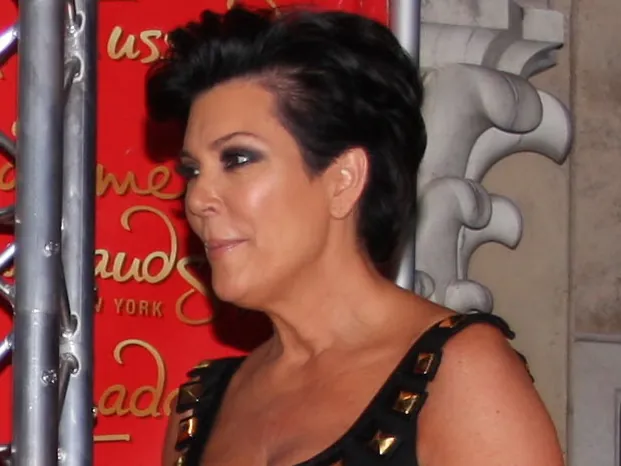 Kris Jenner’s facelift: “I love my facelift”Kris Jenner said she had a facelift about 15 years ago and a refresh before turning 70 — and that she loves it. How a SMAS facelift and recovery work.
 Did Vicki Gunvalson have a facelift? Yes, and she showed the result herselfVicki Gunvalson had a facelift in May 2018 after deciding fillers no longer looked like her. Her own words, how a facelift works and recovery.
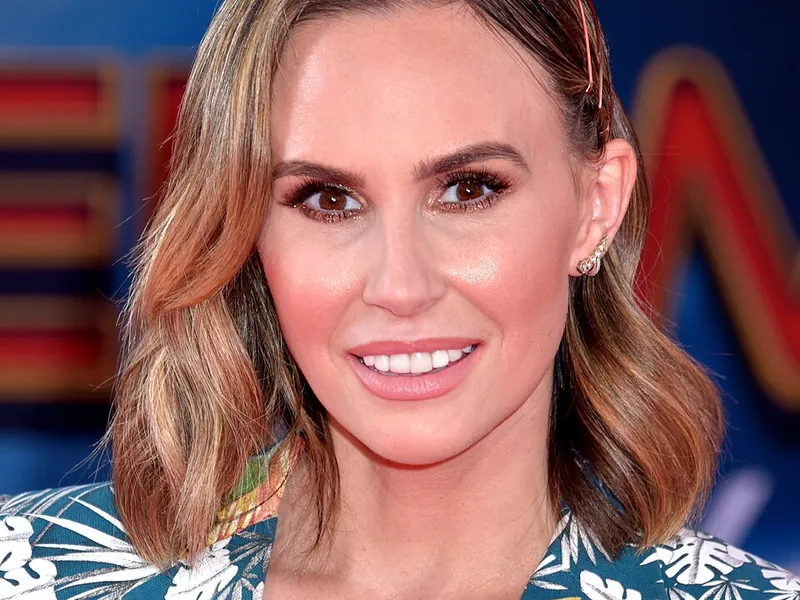 Keltie Knight’s facelift: why she decided to “just own it”Keltie Knight had a facelift in 2023 at 41 and chose to talk about it openly. What she said, how a SMAS facelift works and what recovery looks like.
 Did Linda de Mol have a neck lift? Yes, and she wrote about it herselfLinda de Mol wrote in LINDA. in 2025 that she had a neck lift. What she said, why she chose to be open, and how a face and neck lift works today.
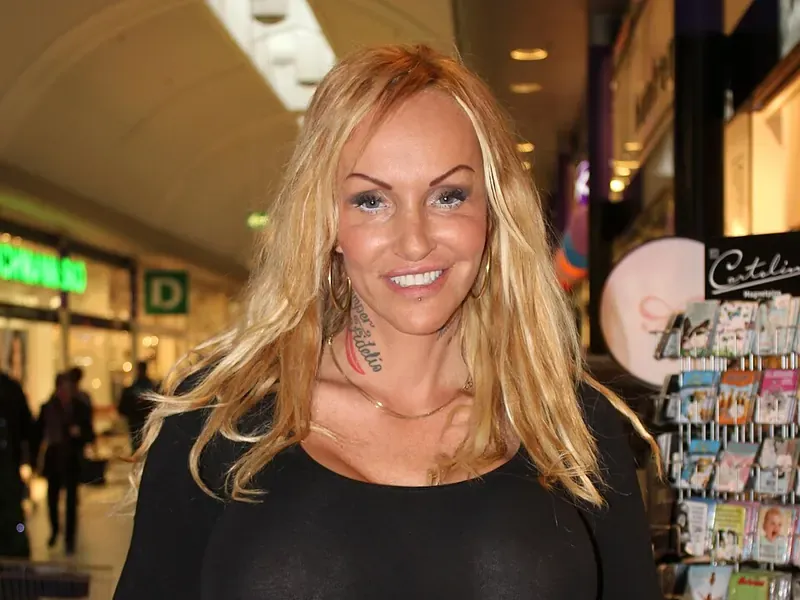 Linse Kessler and her facelifts: what she said herselfDanish reality star Linse Kessler has said openly that she has had several facelifts. Her words, how a modern facelift works and what recovery involves.
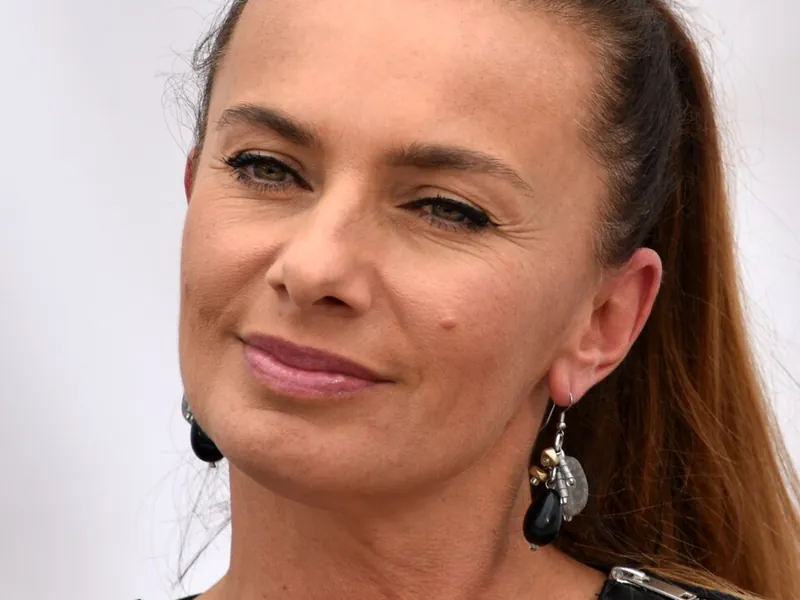 Did Alice Bendová have a facelift? Yes, and she explained why herselfAlice Bendová confirmed a deep plane facelift in September 2026. Her words, how a facelift works, who it suits and what recovery looks like.
Facelift in Leicester: price and what is included
Prices are in US dollars; the amount in brackets is an approximate conversion to GBP at the rate of 02.10.2026. The final price is fixed in your contract.
- Faceliftfrom $2,400 (≈ £1,850)
What is a SMAS facelift?
It is a face lift that tightens the deep SMAS layer under the skin, not only the skin itself, so the lower face, jawline and neck stay firmer for longer. The result lasts about 7–10 years.
How much does a facelift in Leicester cost?
Prices start from $2,400 (≈ £1,850). The surgeon sets the final price at the free consultation, and it is fixed in the contract, with no hidden extras.
What is included in the price?
A one-to-one consultation, the medical team, anaesthesia, inpatient care with meals, 24/7 monitoring and twelve months of follow-up by the surgeon.
How do I get my exact price?
Message us on WhatsApp or Telegram using the buttons below. A coordinator will answer your questions and book a free consultation where the doctor names the exact price.
By messaging us, you agree to our Privacy Policy
Questions from patients in Leicester
Is an online facelift consultation possible for patients in Leicester?
Yes, and it is free. You send your details and answer a few questions about your health; the doctor reviews them and explains the options and the cost.
I have an event coming up. When should I have a facelift?
Book it so that 3–4 weeks remain before the date: bruising and swelling take 2–4 weeks to fade, and changes become visible after 3–4 weeks. The final result takes 3–6 months.
When can I get back to normal life in Leicester after a facelift?
The first 7–10 days are for rest with a compression bandage and reduced activity. The doctor sets the check-ups.
How can I get a facelift estimate without visiting the clinic?
Send the coordinator front, side and three-quarter photos of your face and neck without filters, your age and earlier procedures. The surgeon reviews them and the price is fixed in the contract.
Can I choose the date of my facelift consultation from Leicester?
Yes. Write to us with the dates that suit you. You can start the free first consultation online, so you can do it from home: after the doctor reviews your details, the clinic offers its nearest free dates.
Leicester's grey light, wind and sun: what they mean for facial skin before a facelift
Leicester has a maritime climate with rain spread through the year and fairly low sunshine. The 1971-2000 normals from the Newtown Linford station, a few miles northwest of the centre, give a mean daily maximum of 21.6 °C in July and 6.7 °C in January. The January minimum averages 0.5 °C, and the annual mean is 9.4 °C. For facial skin this means long months of cold air, damp and wind, then short spells of strong light. Skin that has had many such cycles often looks tired and thin at the edges of the face. That is not the same thing as sagging.
It helps to separate the two during the online consultation. A facelift does not treat weather damage on the surface. The treatment plan is clear that the SMAS operation repositions the muscle and fascia layer, so it works deeper than cosmetology and tackles the cause of sagging, not the effects. Sagging shows up as jowls, a blurred jawline, drooping cheeks and a heavier lower face. Surface texture, fine lines and uneven tone belong to a different conversation. Send photos in daylight and in the same light each time. The doctor can then tell whether what bothers you is tissue that has descended or something a facelift is not meant to change.
Sun is the second point. Leicester's average annual maximum is 28.7 °C, and about 11.3 days a year reach 25.1 °C or more. The recorded highs are 34.5 °C at Newtown Linford in August 1990 and 35.1 °C at Leicester University in August 2003. Those days are few, but they are bright, and healing skin should not be treated casually on them. The doctor will explain how to protect the face while it recovers. Ask for that advice before the date is fixed, not afterwards.
Cold and wind affect comfort more than outcome. In the first 7-10 days the plan is rest, a compression bandage and reduced physical activity. A raw January wind on a swollen face is unpleasant, and a bandage does not make it easier. Winter dates are not a problem in themselves. They simply mean planning warm, soft clothing that can be put on without pulling anything over the head, and keeping the first days at home. The wettest months in the city are December, at 68.8 mm over 11.7 days, and January, at 61.7 mm. July is the driest, at 46.1 mm over 7.8 days. Rain has no medical bearing on a facelift. It does matter for how pleasant your first days of rest are, and whether you will be tempted to go out too soon.
The coordinators answer on WhatsApp and Telegram round the clock. You can ask there about season-related questions such as scarves, sun protection and the timing of the first outings, and the doctor will answer them in the context of your own plan.
Swelling, bruising and the weeks that follow: a realistic timeline
The recovery figures come from the medical description, and they are the only ones worth planning around. The first 7-10 days are for rest, a compression bandage and reduced physical activity. Swelling and bruising fade over 2-4 weeks. The first clear changes appear after 3-4 weeks, when the swelling has gone down. Full recovery takes about 2 months. The final look of the face settles 3-6 months after the operation. You are followed up by the operating doctor for the whole first year.
A calendar example makes this concrete. Suppose the operation took place on 9 November 2026. The first 7-10 days would run to about 16-19 November. Swelling and bruising would fade between roughly 23 November and 7 December. Full recovery at about 2 months would land in the second week of January 2027. The 3-6 month window for the final look would then run from February to May 2027. These dates are an illustration to show how the stages stack up, not a promise about how any one face will behave.
Two things from that example matter. First, "presentable" and "recovered" are different states. At 3-4 weeks the face looks clearly changed, but the tissues are still settling. Do not judge the result by the mirror in week two, when swelling is at its most misleading. Second, the long tail of 3-6 months means the doctor will not call the result final at the two-month mark. Photos sent to the coordinators at intervals let the doctor compare stages objectively, and that is more reliable than memory.
The service includes inpatient rooms, round-the-clock monitoring by medical staff, meals during the stay and dedicated support before and after the operation. Anaesthesia is general (inhalation), so there is no pain during the procedure. Afterwards some discomfort and tightness may be felt in the first few days, and the doctor prescribes medication for it. If something seems different from what you were told to expect, message the coordinators at once, whatever the time. That is what the 24/7 line is for.
A social calendar, bank holidays and the question of being seen
Leicester's year has fixed landmarks. The Caribbean Carnival and parade is described as the largest in the UK outside London. Diwali celebrations centred on the Belgrave Road Golden Mile are the largest outside India. The Leicester Comedy Festival, Leicester Pride and the Leicester International Short Film Festival, usually in early November, fill the rest. Add the matches of Leicester City FC, Leicester Tigers, Leicester Riders and Leicestershire County Cricket Club. The city was named UK's Greatest Sporting City in 2016 and European City of Sport in 2008. There is hardly a month without something at which people expect to see you.
How you fit an operation around this depends on what you need to be ready for. A short family gathering is a different case from an event where you will be photographed. With swelling and bruising fading over 2-4 weeks and the first clear changes at 3-4 weeks, a simple rule follows. Choose the date so that the event you care about falls well after the first month, and preferably after the two-month mark of full recovery. If a date is fixed and cannot move, tell the coordinator the date at the very start. The doctor can then say honestly whether the timing is realistic, and it may be better to move the operation than to attend with a face still settling.
Bank holidays matter for the practical side. England and Wales have 8 in 2026: New Year's Day on 1 January, Good Friday on 3 April, Easter Monday on 6 April, the Early May holiday on 4 May, the Spring holiday on 25 May, the Summer holiday on 31 August, Christmas Day on 25 December and the substitute Boxing Day on 28 December. Long weekends are tempting because they cover the first days of rest without using leave. But rest of 7-10 days is longer than most long weekends, so plan extra days with your employer or family. If you care for children, arrange help for the first week. Reduced physical activity includes lifting and carrying.
Students at the University of Leicester and De Montfort University are a visible part of the city, but a surgical facelift is generally advised from 40 with marked sagging, and in some cases from 35. Under 30 is listed as a contraindication. Most patients reading this will be adults with work and family timetables, not term timetables. Think about the date in terms of meetings, school events and holidays rather than the academic year.
Paying for a facelift when the NHS does not cover cosmetic procedures
The NHS states that cosmetic surgery is not routinely provided on the NHS. It might pay for some procedures for psychological or other health reasons, with rhinoplasty for breathing problems given as one example. Most people who want cosmetic surgery need to pay privately. A facelift for sagging tissue and a blurred jawline falls into the second group, so a patient in Leicester should not expect to be referred for it through the usual route.
The NHS position is also a useful background to the waiting lists the news often mentions. The NHS England statistical notice of 10 September 2026 reported 7.3 million pathways waiting to start treatment at the end of July 2026, around 6.2 million unique patients, and 111,379 waiting more than 52 weeks. Those figures describe treatment for medical conditions. They have no direct bearing on a facelift, which is a private decision. But they explain why many people who need an operation for health reasons are waiting, while an elective procedure you choose runs on a timetable you agree yourself.
At City Medical Centre the first online consultation carries no charge, the doctor names the final price after assessing your photos, and it is fixed in the contract. Payment in instalments without bank interest is available in-house. The coordinators will walk you through how that works. Nothing is booked until you have confirmed the plan and dates. That order of steps lets you compare the plan calmly with the rest of your household budget, with no pressure to decide on the first message.
Insurance is a separate matter. Cosmetic procedures are often excluded from private medical cover. Check your policy wording yourself, or ask your insurer directly, before assuming anything. If you have a chronic illness, tell the coordinator early. The contraindications include acute skin inflammation, pregnancy and the breastfeeding stage, a severe cardiovascular condition, problems with blood clotting, cancer and decompensated diabetes. With a chronic condition, a conversation with the doctor comes before any scheduling.
Health background in the East Midlands and how it shapes the conversation
Leicester is the county town of Leicestershire, a city of 383,116 people (2025) in an urban area of 559,017 (2021). It covers 73 km2 at a density of 5,224 per km2. It lies on the River Soar, about 140 km north-northwest of London and 53 km east-northeast of Birmingham, near the eastern end of the National Forest. The Grand Union Canal and the River Soar Navigation join here and link the city to the River Trent. The towpaths and National Cycle Network Route 6 are a gentle way to be active, and an e-bike share scheme ran in 2021-2023. This matters because activity is part of preparation, and you will be asked to reduce physical effort afterwards.
Weight is the other background fact. The Health Survey for England 2022 found 29% of adults living with obesity and 64% overweight or living with obesity. By region, obesity ranged from 39% in the North East to 21% in London. These are national and regional figures, not Leicester's, and they should not be read as a statement about anyone in the city. But they point to something useful. Facial sagging is often discussed together with weight change. If you have lost or gained a lot of weight, or plan to, tell the doctor, because it affects the plan and the timing. Where a patient is working on weight loss through a medical route, it is sensible to finish that stage first and then discuss the face.
Joint health is a further background issue. Osteoarthritis is the most common type of arthritis in the UK, and Arthritis UK reports over 10 million people living with arthritis. If arthritis limits how you move, say so in the consultation. In the first 7-10 days, reduced physical activity and rest in a comfortable position matter, and the doctor can discuss practical arrangements for your situation. The same applies to any long-term medicine you take, which the doctor must know about before anything is planned.
Questions a patient in Leicester asks before sending the first photos
Photos are the start. The coordinators on WhatsApp and Telegram ask for clear images of the face from the front and from the sides, and the doctor assesses the degree of sagging. Whether you need a standard SMAS facelift, a full (circular) lift, a lift of the lower face and neck or an endoscopic brow and temple lift is decided at the consultation. The treatment plan lists these four options. A standard SMAS lift is for the mid and lower face, with results lasting 7-10 years. The full lift covers forehead, temples, mid and lower face and neck, with results lasting up to 10 years. The endoscopic lift works through tiny punctures to reposition the brows.
The facelift can be combined with eyelid surgery, rhinoplasty or double-chin liposuction, and the doctor decides on the combined scope at the consultation. A complete result is achieved in one operation, and a repeat after 7-10 years is possible if you wish. Ask for the whole plan in writing in the chat, so that you can read it again when you are not under pressure.
Does Leicester's weather make some months better than others for a facelift?
There is no medical rule in the treatment plan that ties the operation to a month. The practical differences are comfort and sun. January averages a daily maximum of 6.7 °C and a minimum of 0.5 °C, so the first days of rest at home are cold and damp, while July is the warmest month at 21.6 °C on average. Summer brings brighter light, so ask the doctor how to protect healing skin. Choose the month by your calendar and by how easy it will be to rest for the first 7-10 days.
How do I time the operation around a big event in the city?
Count from the date of the event backwards. Swelling and bruising fade over 2-4 weeks, the first clear changes show at 3-4 weeks and full recovery takes about 2 months. If the event is Diwali, the Caribbean Carnival or Pride, leave comfortably more than a month, and preferably two. Give the coordinator the exact date at the start so the doctor can say whether the timing is realistic. If it is too tight, moving the event-free window is better than rushing.
Will bank holidays help with recovery time?
They help a little but do not cover it. In 2026 England and Wales have 8 bank holidays, including Christmas Day on 25 December and the substitute Boxing Day on 28 December. The first stage of rest, a compression bandage and reduced activity lasts 7-10 days, which is longer than a typical long weekend. Plan extra days off with your employer, and arrange help at home if you look after children or relatives.
Can the NHS in Leicester pay for a facelift?
The NHS says cosmetic surgery is not routinely provided and that most people who want it pay privately. It may fund some procedures for psychological or other health reasons, but sagging of the face and neck is not among the examples it gives. You can ask your GP about your own case. If you choose a private route, the doctor names the final price after the consultation and fixes it in the contract, and in-house instalments without bank interest are available.
I live with a long-term condition such as arthritis or diabetes. Should I still send photos?
Yes, but tell the coordinator about the condition first. Decompensated diabetes, severe cardiovascular conditions, clotting problems and cancer are listed as contraindications, and chronic illnesses always need a conversation with a doctor before any plan. For joint problems such as arthritis, the doctor can discuss how you will manage the first 7-10 days of reduced activity. Give a full list of the medicines you take.
Is a facelift suitable for someone in their thirties, for example a student or young professional in Leicester?
Generally the operation is advised from 40 with marked sagging, and in some cases from 35. Younger than 30 is a contraindication. For ages between, an individual recommendation follows an examination of your photos. If the concern is mild, the doctor will say so honestly, and the treatment plan states that surgery is not suggested where it is not needed.
How do I follow my recovery from home after the operation?
You stay in touch with the coordinators on WhatsApp and Telegram at any hour, and you can send photos in the chat. You are followed up by the operating doctor for the whole first year. Send pictures in the same light at the same stage, for instance at 3-4 weeks, at about 2 months and again within the 3-6 month window, so progress can be compared reliably.
What should I prepare at home before the first days of rest?
Arrange a calm, warm room, soft clothes that open at the front, and help for shopping and the household. Reduced physical activity means no lifting and no strenuous exercise, so the cycle routes along the canal and river will have to wait. Ask the coordinator for the doctor's list of medicines and instructions in writing.