



























Message our coordinator
Free online consultation · Reply within 15 minutes
Message us on TelegramMessage us on WhatsAppBy messaging us, you agree to our Privacy Policy




Facelift and neck lift in Belfast: price and key facts
Facelift for patients from Belfast at City Medical Centre starts at £1,850 (from $2,400). The first online consultation is free; the doctor names the final price and it is fixed in the contract.
- Price
- £1,850 (from $2,400)
- Anesthesia
- general (inhalation)
- Recovery
- about 2 months to full recovery
- Final result
- 3–6 months after surgery
- How it works
- Send photos on WhatsApp or Telegram, get a free doctor assessment and the price, then confirm the plan and dates before anything is booked.
How it works · Facelift prices
Information current as of 24 October 2026



50 years
9 months

SMAS facelift

58 years
8 months
SMAS facelift

34 years
5 months
SMAS facelift

32 years
7 months
SMAS facelift

40 years
6 months
SMAS facelift

45 years
8 months
SMAS facelift

38 years
5 months
SMAS facelift

33 years
6 months
SMAS facelift
50 years
9 months
SMAS facelift
58 years
8 months
SMAS facelift
34 years
5 months
SMAS facelift
32 years
7 months
SMAS facelift
40 years
6 months
SMAS facelift
45 years
8 months
SMAS facelift
38 years
5 months
SMAS facelift
33 years
6 months
SMAS facelift


Noticeable sagging of the face and neck
A blurred jawline, jowls
A double chin and loose neck skin
Deep nasolabial folds and marionette lines
Drooping brows, a heavy look
Noticeable loss of skin firmness after 40
Looking for a result that lasts (7–10 years)

Being under 30
Skin in an acute inflammatory state
Pregnancy or the breastfeeding period
Serious cardiovascular disease
Blood clotting disorders
Cancer
Decompensated diabetes
What Belfast residents ask about a facelift
What changes after a facelift? The lower-face contour becomes crisp, the cheeks are lifted, the chin line is clean without a double chin and nasolabial folds soften. Brows rise and the eyes look more open. The aim for patients from Belfast is a younger, fresher look without an overdone effect or a mask-like appearance. One surgery gives a complete result, and a full lift keeps it for up to 10 years.
Discomfort and tightness in the first few days are normal and are relieved with medication prescribed by the doctor. Your operating surgeon then follows you up for the whole first year, until the final result. For those in Belfast, this means the same surgeon who performed the operation monitors how the face settles, answers questions along the way and assesses the outcome at the end.
The price starts at $2,400 (≈ £1,850) and already covers the essentials: anaesthesia, the inpatient stay with meals, round-the-clock monitoring and a year of surgeon follow-up until the final result. Belfast residents can pay through in-house 0% instalments with no overpayment. The first consultation is free: send your name and phone number, and a coordinator will contact you.
Stories of well-known people
Well-known people who spoke openly about this operation, in their own words.
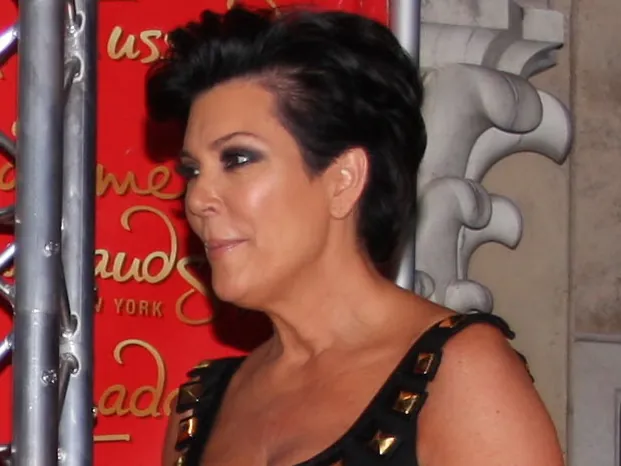 Kris Jenner’s facelift: “I love my facelift”Kris Jenner said she had a facelift about 15 years ago and a refresh before turning 70 — and that she loves it. How a SMAS facelift and recovery work.
 Did Vicki Gunvalson have a facelift? Yes, and she showed the result herselfVicki Gunvalson had a facelift in May 2018 after deciding fillers no longer looked like her. Her own words, how a facelift works and recovery.
 Keltie Knight’s facelift: why she decided to “just own it”Keltie Knight had a facelift in 2023 at 41 and chose to talk about it openly. What she said, how a SMAS facelift works and what recovery looks like.
 Did Linda de Mol have a neck lift? Yes, and she wrote about it herselfLinda de Mol wrote in LINDA. in 2025 that she had a neck lift. What she said, why she chose to be open, and how a face and neck lift works today.
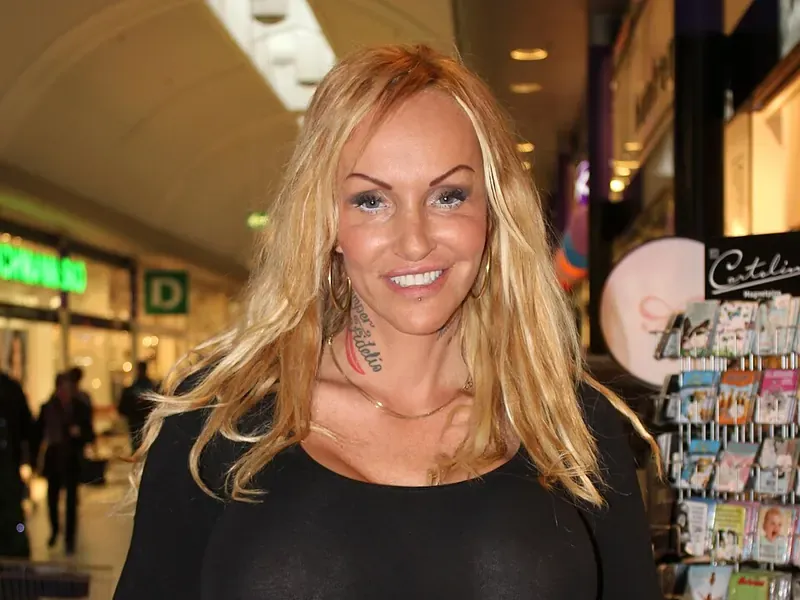 Linse Kessler and her facelifts: what she said herselfDanish reality star Linse Kessler has said openly that she has had several facelifts. Her words, how a modern facelift works and what recovery involves.
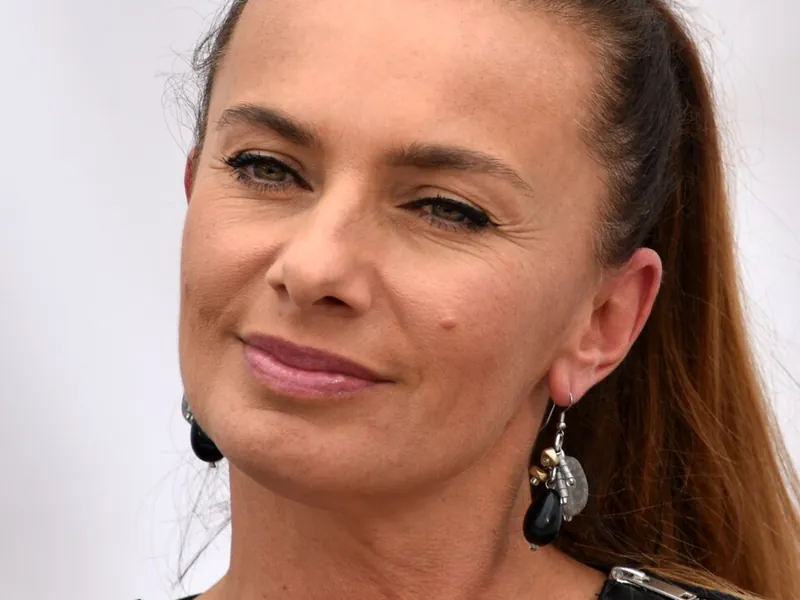 Did Alice Bendová have a facelift? Yes, and she explained why herselfAlice Bendová confirmed a deep plane facelift in September 2026. Her words, how a facelift works, who it suits and what recovery looks like.
Facelift in Belfast: price and what is included
Prices are in US dollars; the amount in brackets is an approximate conversion to GBP at the rate of 02.10.2026. The final price is fixed in your contract.
- Faceliftfrom $2,400 (≈ £1,850)
What is a SMAS facelift?
It is a face lift that tightens the deep SMAS layer under the skin, not only the skin itself, so the lower face, jawline and neck stay firmer for longer. The result lasts about 7–10 years.
How much does a facelift in Belfast cost?
Prices start from $2,400 (≈ £1,850). The surgeon sets the final price at the free consultation, and it is fixed in the contract, with no hidden extras.
What is included in the price?
A one-to-one consultation, the medical team, anaesthesia, inpatient care with meals, 24/7 monitoring and twelve months of follow-up by the surgeon.
How do I get my exact price?
Message us on WhatsApp or Telegram using the buttons below. A coordinator will answer your questions and book a free consultation where the doctor names the exact price.
By messaging us, you agree to our Privacy Policy
Facelift in Belfast: questions patients ask
Can I choose the date of my facelift consultation from Belfast?
Yes. Write to us with the dates that suit you. You can start the free first consultation online, so you can do it from home: after the doctor reviews your details, the clinic offers its nearest free dates.
I have an event coming up. When should I have a facelift?
Book it so that 3–4 weeks remain before the date: bruising and swelling take 2–4 weeks to fade, and changes become visible after 3–4 weeks. The final result takes 3–6 months.
How can I get a facelift estimate without visiting the clinic?
Send the coordinator front, side and three-quarter photos of your face and neck without filters, your age and earlier procedures. The surgeon reviews them and the price is fixed in the contract.
When can I get back to normal life in Belfast after a facelift?
The first 7–10 days are for rest with a compression bandage and reduced activity. The doctor sets the check-ups.
How do I start planning a facelift from Belfast?
Write to us on WhatsApp or Telegram or leave a request on this page. The coordinator asks for the photos and health details the doctor needs, and the doctor gives you a free assessment and a price.
Soft light, damp air and what they ask of healing skin
Belfast stands at the mouth of the River Lagan, at the head of Belfast Lough, and the lough opens through the North Channel to the Irish Sea. The air is shaped by the water, and the temperature range is gentle. The annual mean is 9.9 °C, with a mean daily maximum of 13.7 °C and a mean minimum of 6.3 °C. Even in July, the warmest month, the mean maximum is 19.7 °C, so summer days stay under 20 °C. For anyone planning a SMAS facelift this is useful background. The weeks after surgery rarely collide with real heat, and the question of how to dress and cover up is more about wind and rain than about scorching sun.
Sunshine is the second climate factor worth planning around. Belfast records 1,277.0 hours of sunshine a year, but they are spread very unevenly. May is the sunniest month with 185.1 hours, followed by April with 157.1 and June with 151.1. At the other end, December has only 35.3 hours and January 40.1. If your operation falls in spring, the healing skin will meet the brightest part of the year, and the doctor will explain at the consultation how to protect it from the sun during recovery. If it falls in winter, light is scarce, but the same discipline about protection still applies once the days lengthen.
The same light matters before anything is booked. The first step of the process is sending photographs on WhatsApp or Telegram, and photos taken in the grey, flat light of a Belfast winter can hide or exaggerate sagging along the jawline. A simple habit helps: stand facing a window in daylight, keep the camera at eye level, and send a straight view, both three-quarter views and both profiles, plus the neck with the chin slightly raised. Use no filters and no heavy make-up. The doctor assesses the degree of sagging, the jowls, the double chin and the loose skin on the neck from these images, and clear pictures make the free online assessment far more precise.
Swelling, bruising and the calendar: a realistic timeline
The most common question from people planning a facelift is simple: when will I look normal again? The recovery figures for this operation are specific, so they are worth laying out in order. The first 7–10 days are the quiet phase: rest, a compression bandage and reduced physical activity. Swelling and bruising then fade over 2–4 weeks. The first clear changes become visible after 3–4 weeks, once the swelling goes down. Full recovery takes about 2 months, and the final look of the face settles within 3–6 months after surgery.
Put against a calendar, this gives a practical way to plan. Imagine an operation in early January 2027. The first 7–10 days would pass in the dark, short days of the year, when staying indoors is no sacrifice, since January has only 40.1 hours of sunshine on average. By the end of the month swelling and bruising would be mostly gone, and by early March the 3–4 week milestone for the first clear changes would be long past. Full recovery at about 2 months would arrive around the time the days are visibly lengthening. This is only an illustration, and the exact dates are fixed with the coordinator and the doctor, but it shows how winter can work in your favour if you want to be out of view while you heal.
Anaesthesia and the first days are worth a word as well. The operation is done under general inhalation anaesthesia, so there is no pain during the procedure. Tightness and discomfort may be felt in the first few days and are relieved with medication prescribed by the doctor. Patients stay in comfortable inpatient rooms with round-the-clock monitoring by medical staff, and the plastic doctor who performs the operation follows the patient for the whole first year until the final result. Coordinators answer on WhatsApp and Telegram 24/7, so a worry that appears late in the evening does not have to wait for the morning.
Wind off the lough, rain and cold: practical points for the healing weeks
Belfast is a windy, damp city by reputation, and the facts back up the damp part. Annual precipitation is 938.7 mm spread over 156.2 days, so rain is a regular companion rather than an event. November is the wettest month with 102.3 mm over 15.5 days, followed by October with 95.8 mm and December with 93.3 mm. The driest months are May with 59.6 mm and April with 60.4 mm. During the early recovery, when the compression bandage is on and activity is reduced, a wet week matters less because you are meant to be resting anyway. It matters more later, in weeks two to four, when you start to go out again.
Cold is the next consideration. January is the coldest month, with a mean maximum of 8.2 °C, and February has the lowest mean minimum at 2.1 °C. These are not extreme figures, but a cold, wet wind off the water is not what you want against skin that is still swollen or bruised. Practical ideas to raise with the coordinator are a soft scarf and a hat that do not press on the treated areas, and a plan for short outings rather than long exposed walks. The doctor sets the rules for what is acceptable at each stage, and those rules always take priority over general tips.
The shape of the land helps with planning too. Belfast lies below a basalt escarpment to the north and north-west, with Divis Mountain at 478 m, Black Mountain at 389 m and Cavehill at 368 m, while the Castlereagh and Hollywood hills rise to the south-east. Gentle walking is a natural part of the later recovery, and the city offers flat options. The Connswater Community Greenway gives 16 km of continuous cycle and walkway through east Belfast. Whether a walk on the flat is appropriate at a given moment, and when to avoid anything strenuous such as hill climbs or cycling, is a question for the doctor, who will tell you when physical activity can increase after the first 7–10 days.
Fitting a facelift around Belfast's social calendar
Belfast is a city of big, public dates. St Patrick's Day has been celebrated in the city centre on 17 March since 1998, and the day is one of Northern Ireland's bank holidays; the region has 10 bank holidays in 2026, including St Patrick's Day and a substitute day for the Battle of the Boyne in July, in addition to the England and Wales set. The Belfast Marathon is run annually on May Day, with about 15,000 participants across its events in 2023. Belfast Pride culminates in a city-centre parade at the end of July, and the Féile an Phobail community festival draws over 100,000 visitors. For someone deciding when to have a facelift, such dates can serve as natural targets to work backwards from.
Here is how that works in practice. Suppose you want to feel confident at the city-centre events around 17 March 2027. Using the figures above, full recovery takes about 2 months and swelling and bruising fade in 2–4 weeks, so an operation in early to mid-January leaves a margin on either side. For the May Day marathon weekend or the end of July Pride parade, the margin is wider still, and the 3–6 month window for the final look of the face fits comfortably if the operation is done in the winter or early spring. The aim is not to hurry towards a date but to choose a start that lets you stay at home during the quiet phase and be comfortable in public during the later phase.
The city's rhythm is also set by its students. Queen's University Belfast has over 25,000 students, Ulster University has a city campus in the Cathedral Quarter, and Belfast Metropolitan College has over 53,000 students enrolled on full- and part-time courses. For patients who work in education, or who simply find the city busier in term time, the point is that a quiet early recovery is easier to arrange when your own timetable is flexible. The coordinator can help line up a start date with school holidays, annual leave or a quieter period at work, and the booking is confirmed only after you have agreed the plan and the dates; nothing is booked beforehand.
Online consultation, coverage and choosing the type of lift
Cosmetic procedures are a separate question from care provided through the public health system. The NHS states plainly that cosmetic surgery is not routinely provided on the NHS, that it might pay for some procedures for psychological or other health reasons, and that most people who want cosmetic surgery need to pay privately. A facelift is chosen for appearance, so it belongs with the private group. At City Medical Centre the first online consultation is free, the doctor names the final price after assessing your photographs, and that price is fixed in the contract. In-house 0% instalments are available, and the coordinator can explain how they work.
The consultation is where the type of operation is chosen. Four main options exist. The standard SMAS facelift treats the mid and lower face, with incisions hidden along the frontal edge of the hair and around the ears, and results last 7–10 years. The full, circular facelift covers the forehead, temples, mid and lower face and neck, suits marked sagging in several areas at once, and lasts up to 10 years. A lift targeting the neck and lower face removes a double chin, jowls and loose skin on the neck through small incisions. The endoscopic lift of the brow and temple works through tiny punctures, repositions the brows and smooths forehead and frown lines. The doctor recommends one of these according to your age and type of ageing.
Some conditions rule an operation out or call for caution. Contraindications include being younger than 30, acute skin inflammation, pregnancy and breastfeeding, a severe cardiovascular condition, problems with blood clotting, cancer and decompensated diabetes. Surgery is generally advised from 40 with marked sagging, and in some cases from 35, always after an individual examination. If you have a chronic illness, mention it in your first message to the coordinator so the doctor can take it into account from the start. Then the conversation moves on to the practical part: photographs, questions, a plan and dates.
Does Belfast's mild weather make any difference to when I should plan a facelift?
It can help with planning. Summer maxima in Belfast stay under 20 °C, with July at a mean maximum of 19.7 °C, so heat is rarely a concern in the healing weeks. The sunniest months are May, April and June, while December and January are the dullest. Because healing skin needs protection from the sun, many people find the darker months convenient for the first quiet weeks. The doctor will tell you what protection is needed whichever month you choose.
How long should I keep free of social events after the operation?
The first 7–10 days are for rest, a compression bandage and reduced activity. Swelling and bruising then fade over 2–4 weeks, and the first clear changes show after 3–4 weeks. Full recovery takes about 2 months. Many people therefore leave at least a month between the operation and an important public occasion, and the doctor will give an individual view after reviewing your photographs.
Could I aim to be ready for St Patrick's Day on 17 March?
Yes, it is a reasonable target to work backwards from. With swelling and bruising fading in 2–4 weeks and full recovery taking about 2 months, an operation in early or mid-January 2027 leaves a margin. The final look of the face continues to settle over 3–6 months, so you would be presentable well before the final result. Exact dates are agreed with the coordinator and confirmed before anything is booked.
Is a facelift available through the NHS in Northern Ireland?
The NHS says cosmetic surgery is not routinely provided and that most people who want it need to pay privately, with exceptions for some procedures where there are psychological or other health reasons. A facelift for appearance falls into the private category. The online consultation here is free, and the final price is named by the doctor and fixed in the contract.
What should I do about wind and rain while I am recovering?
Belfast gets 938.7 mm of rain over 156.2 days a year, with November the wettest month, and the coldest weather comes in January and February. In the first 7–10 days you are resting anyway. Later, ask the doctor what is acceptable for outings, and plan short, sheltered trips rather than long exposed walks. Anything pressing on treated areas, such as a tight hat, is worth checking with the doctor first.
When can I return to walking or cycling routes such as the Connswater Greenway?
Physical activity is reduced during the first 7–10 days, and the doctor decides when it can increase. Gentle, flat walking is usually the first step, and anything more strenuous waits until the doctor agrees. Ask about your own plans in the consultation and the doctor will answer for your particular case and the type of lift chosen.
Which photographs should I send from Belfast for the free assessment?
Send clear, unfiltered pictures in daylight, taken facing a window: straight on, both three-quarter views, both profiles, and the neck with the chin slightly raised. In dull months good window light matters even more. Add a note about any chronic conditions. Coordinators reply on WhatsApp and Telegram, and the doctor then assesses the degree of sagging and suggests the type of lift.
How long does the result last, and can the operation be repeated?
With a surgical SMAS facelift the effect lasts 7–10 years, and a full facelift gives results of up to 10 years. A complete result is achieved in one operation. A repeat procedure after 7–10 years is possible if the patient wishes, and the plastic doctor follows you for the first year until the final result.