City Medical Centre · multi-specialty surgery clinicOpen 24/7

Tummy tuck

Abdominoplasty (Tummy Tuck) in Belfast

Free consultation

from $2,400

The price is fixed in the contract before surgery

Message us on WhatsApp

Free online consultation · Reply within 15 minutes
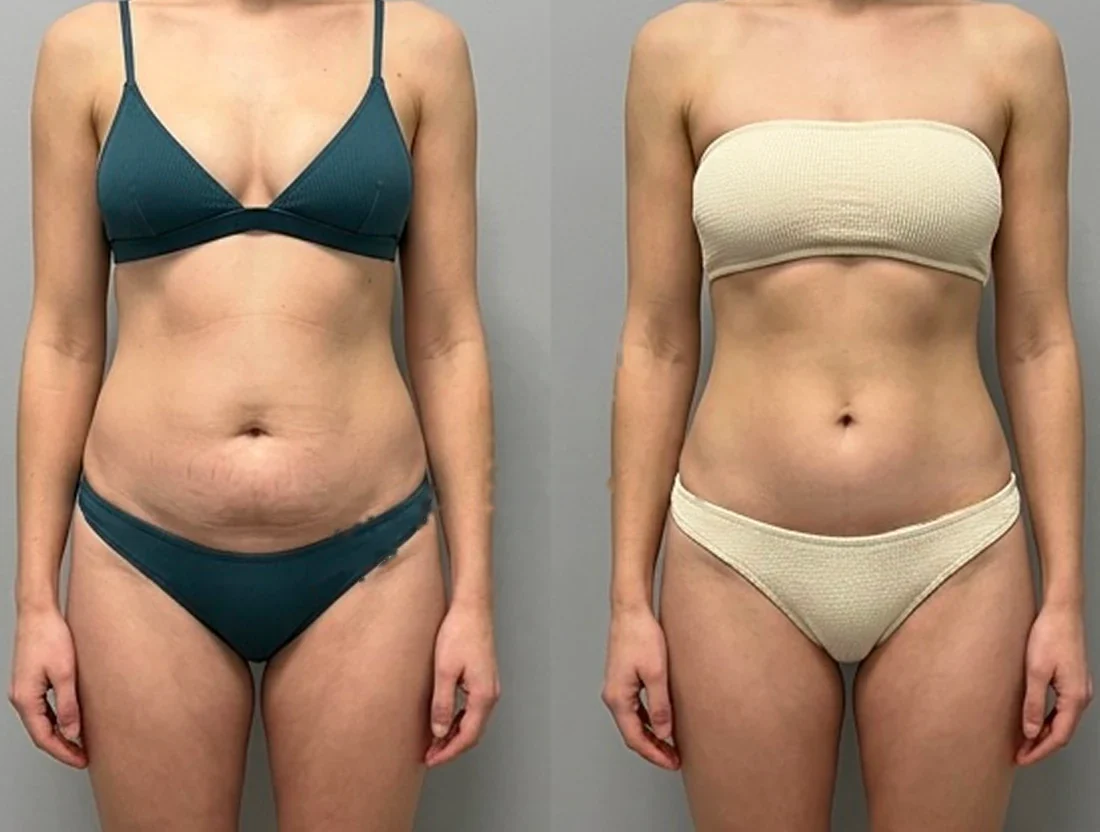
Real case
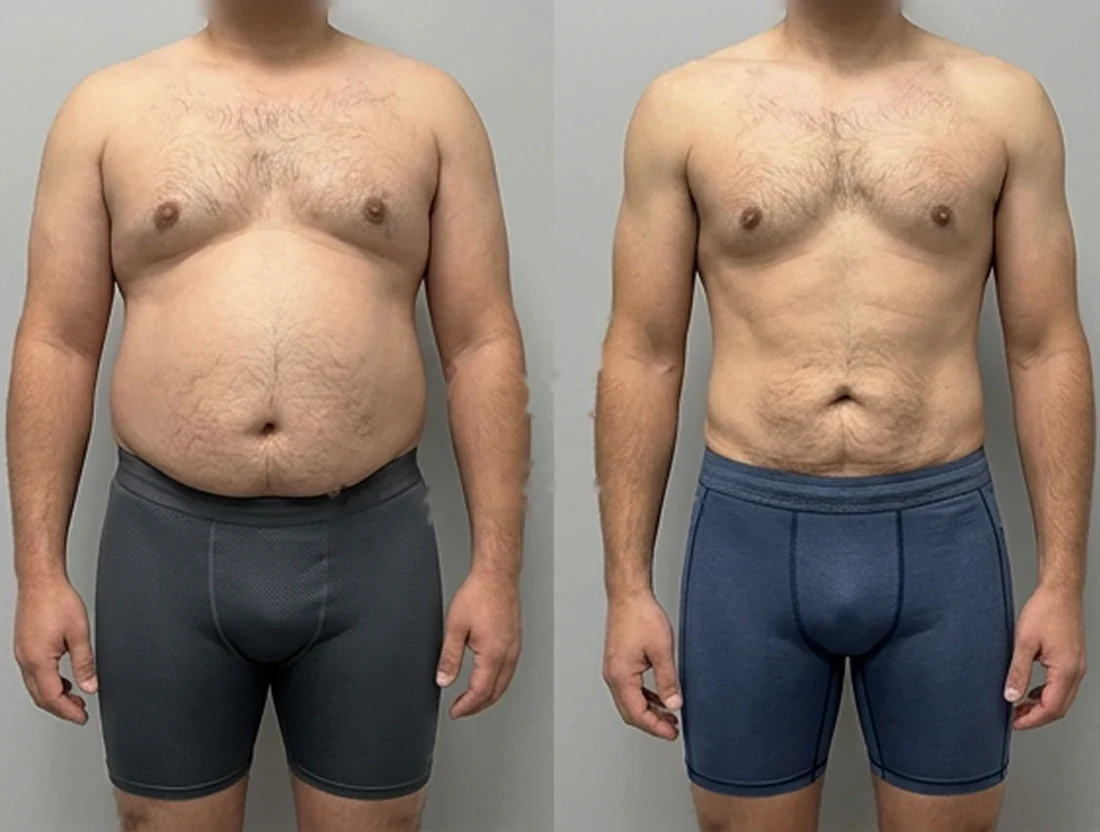
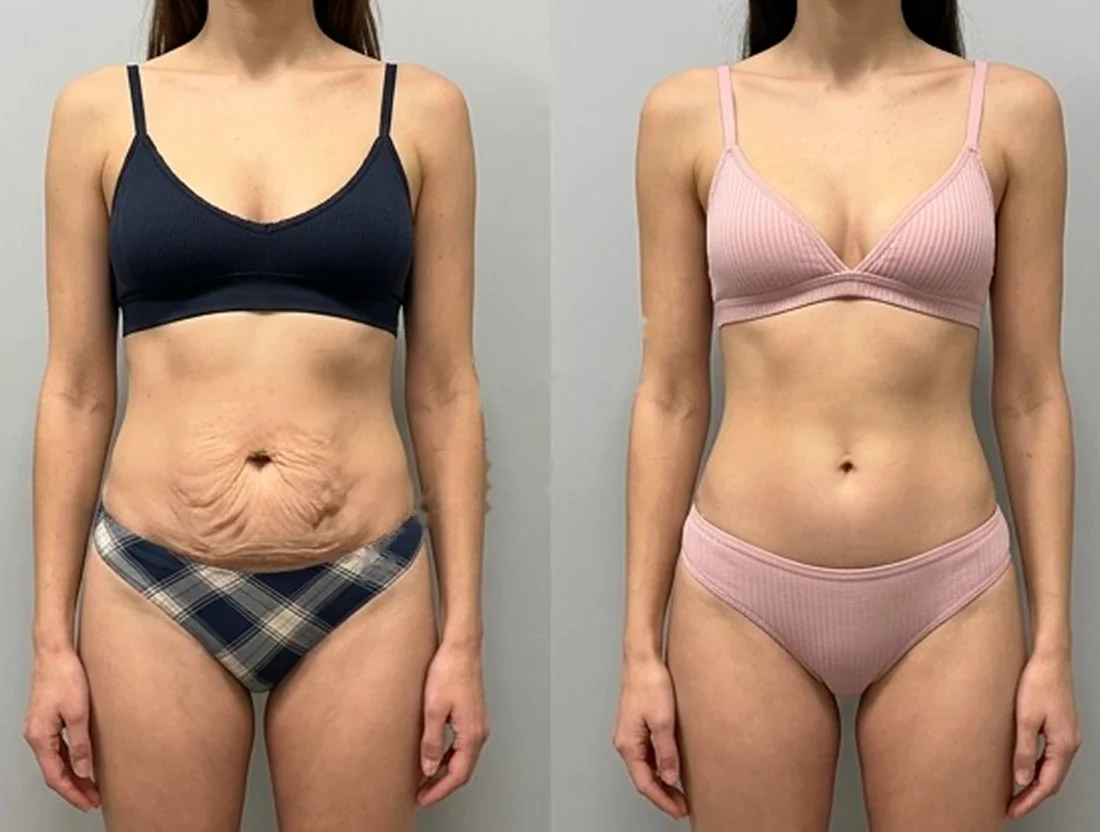
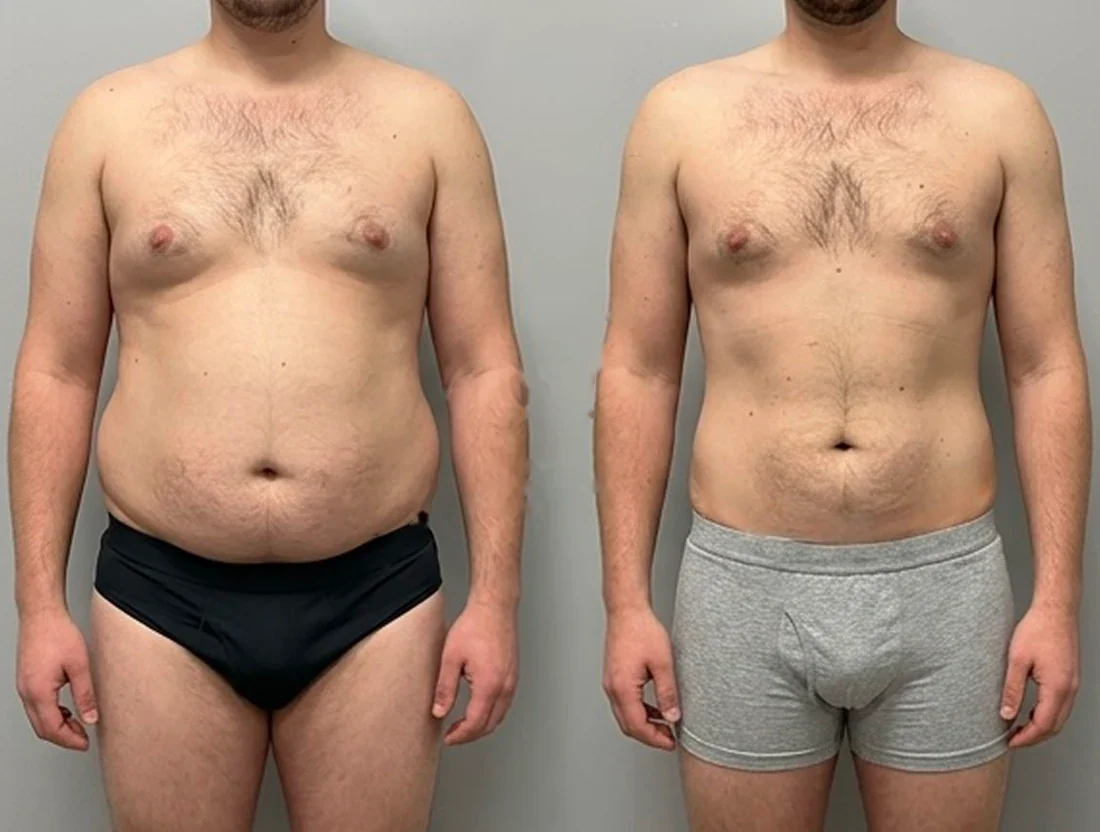
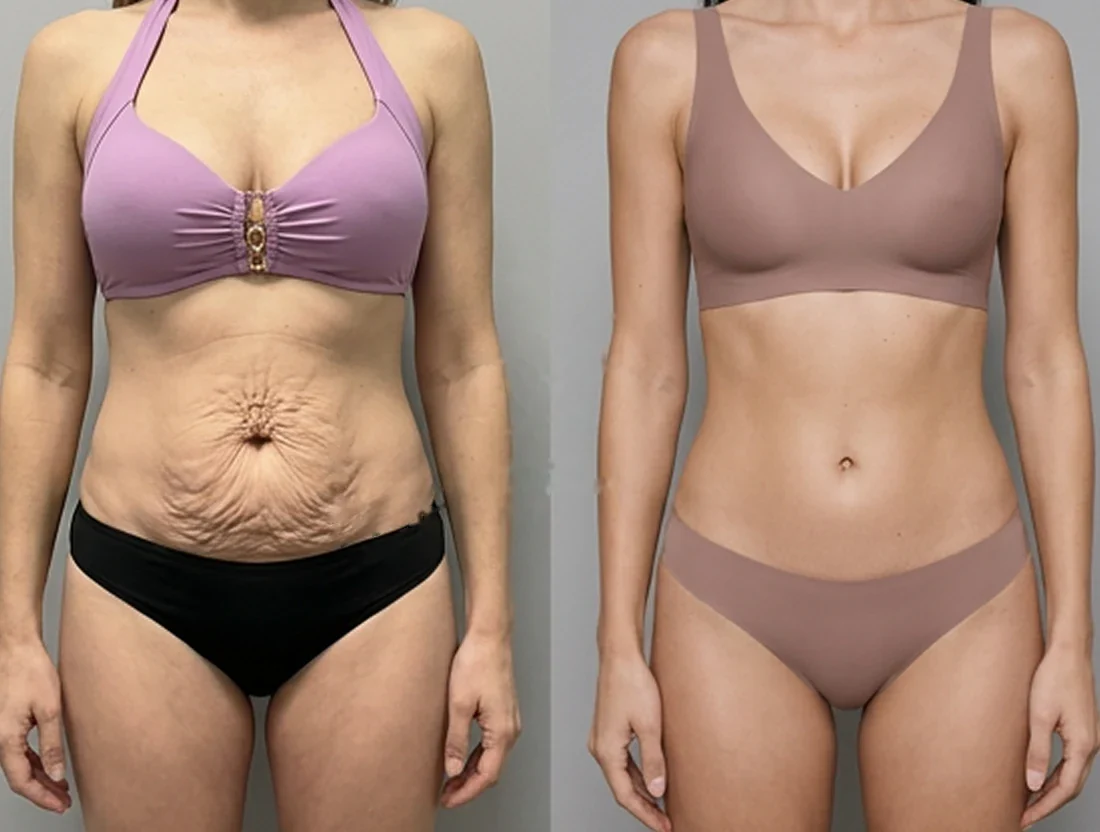
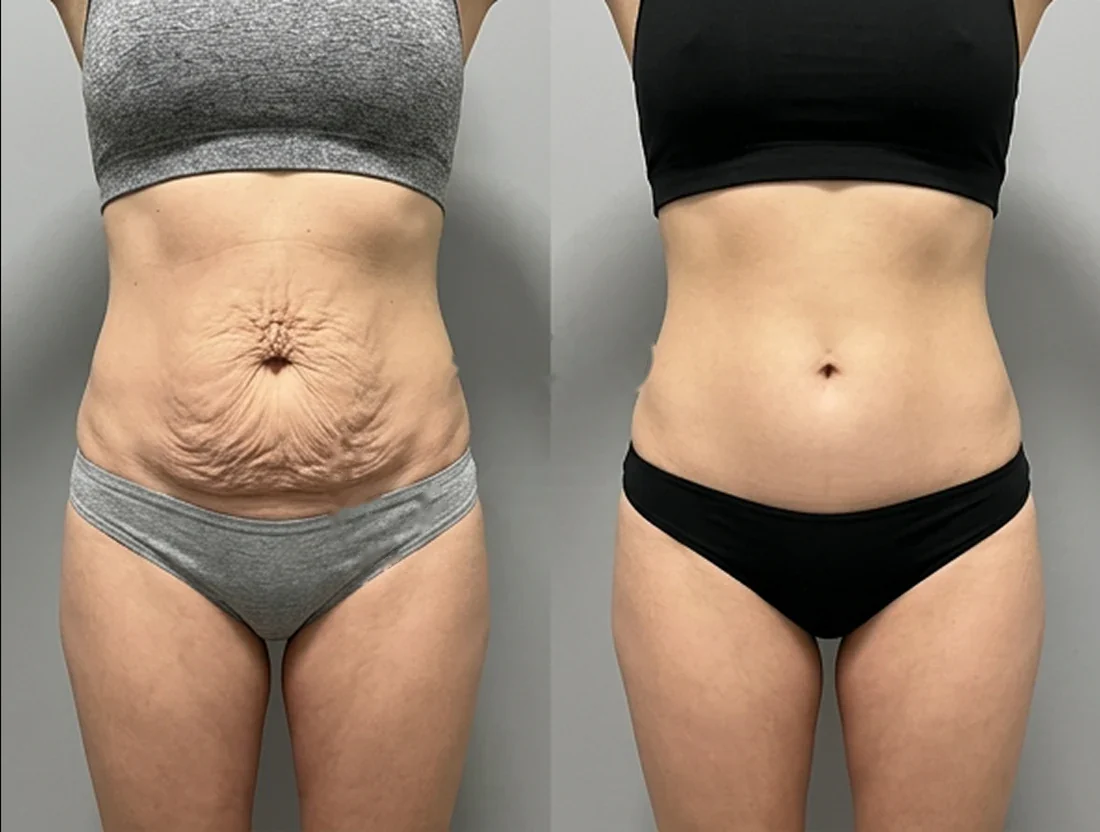
Tummy tuck: a patient's abdomen before and after surgery before after
A flat tummy and a toned silhouette in one operation. Your individual surgical plan and the expected result are discussed at the consultation

Message our coordinator

Free online consultation · Reply within 15 minutes

Message us on Telegram

By messaging us, you agree to our Privacy Policy

Tummy tuck (abdominoplasty) in Belfast: price and key facts

Tummy tuck for patients from Belfast at City Medical Centre: the price is named at the free online consultation and fixed in the contract with no hidden extra charges.

Duration
2–4 hours
Anesthesia
general
Stay
1–3 days
Recovery
back to work after 2–3 weeks
Final result
6–12 months after surgery
How it works
Send photos on WhatsApp or Telegram, get a free doctor assessment and the price, then confirm the plan and dates before anything is booked.

How it works · Tummy tuck prices

Information current as of 24 October 2026

Free online consultation on WhatsApp and Telegram

Results

Tummy tuck (abdominoplasty) results
of our patients

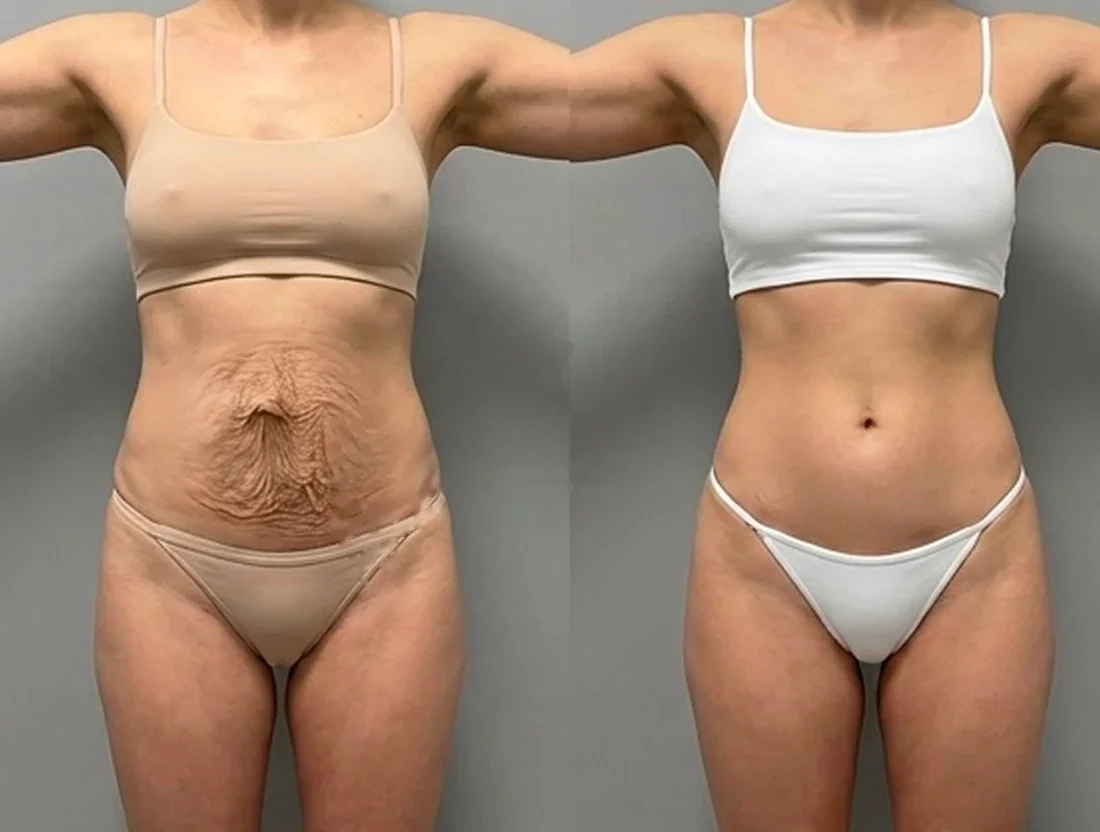
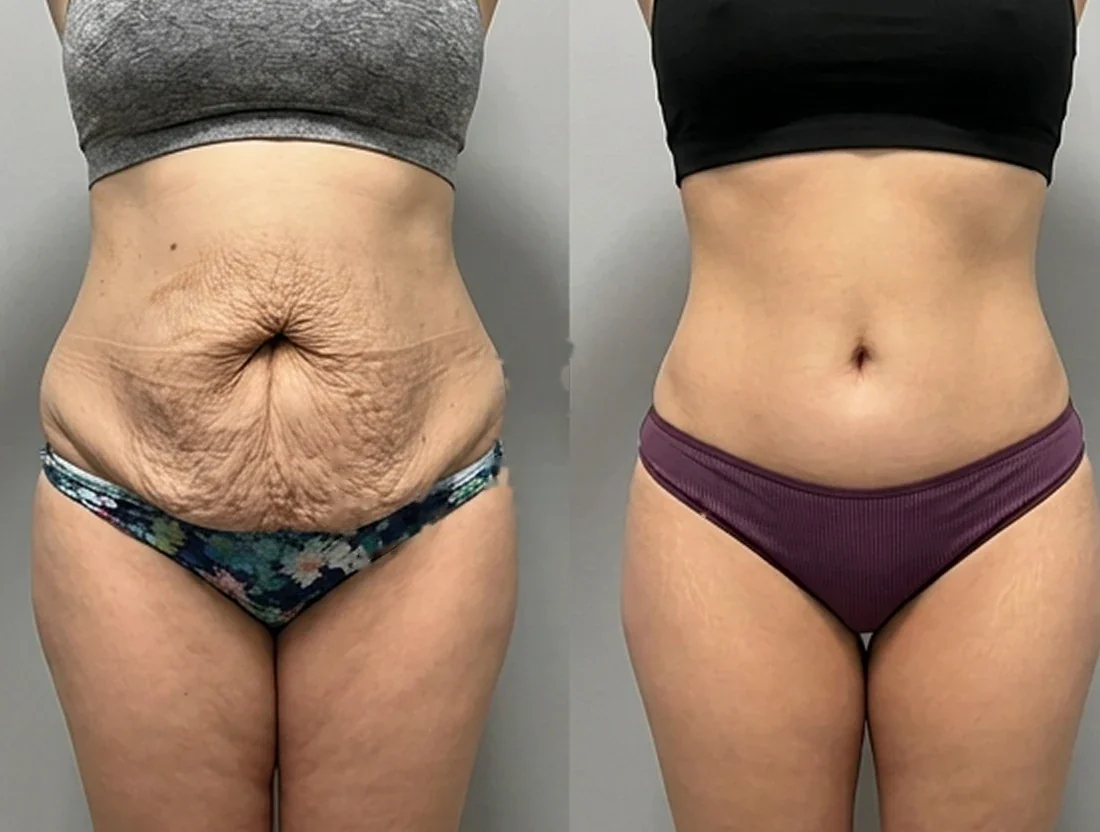
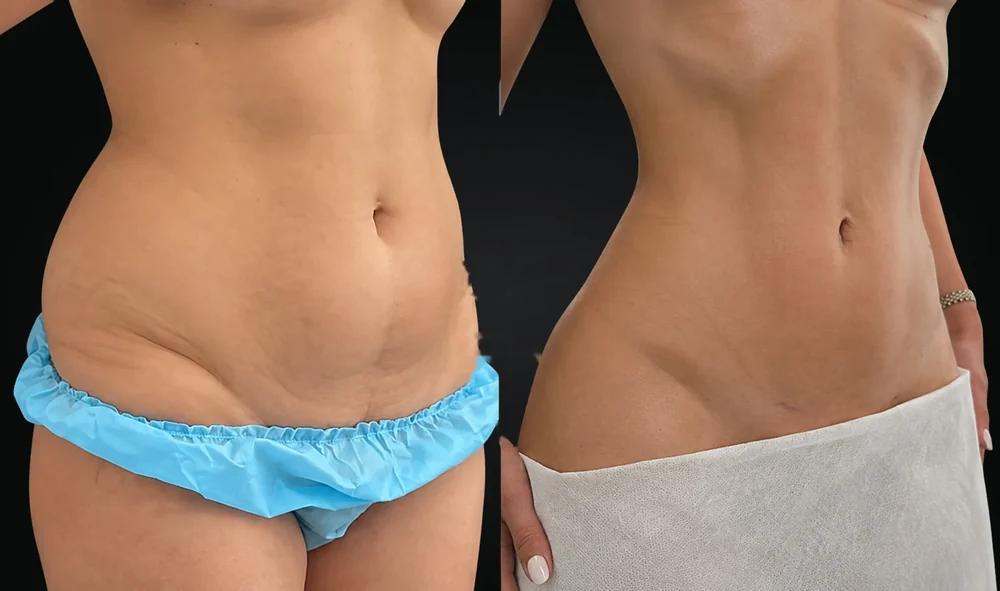
All cases are real patients. Faces and identifying details are hidden.

Tummy tuck: a female patient's abdomen before and after surgerybeforeafter
Tummy tuck: a male patient's abdomen before and after surgerybeforeafter
Tummy tuck: a female patient's abdomen before and after surgerybeforeafter
Tummy tuck: a male patient's abdomen before and after surgerybeforeafter
Tummy tuck: a female patient's abdomen before and after surgerybeforeafter
1 of 8

Comparison

Tummy tuck techniques

A tummy tuck is done as a full (classic) or mini operation, or combined with liposuction as lipoabdominoplasty. Compare the scope of surgery, the indications and the expected results to choose the right technique together with your surgeon.

Tummy tuck

Removal of excess skin, abdominal muscle tightening
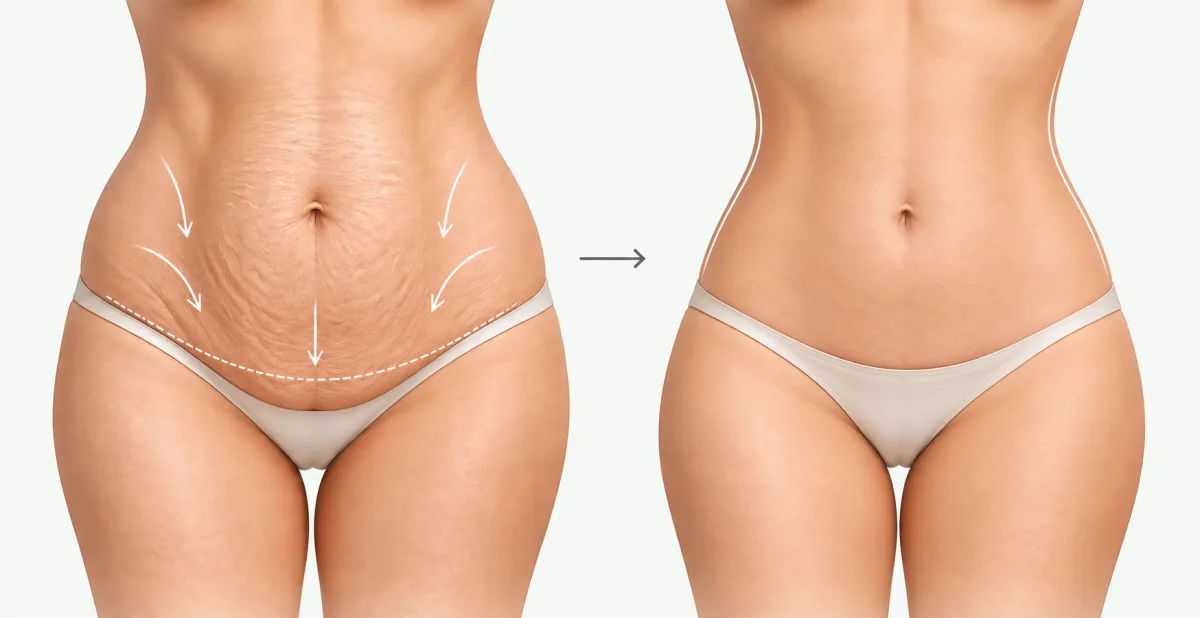
Tummy tuck diagram: the abdomen before surgery with the incision line, and the result
Main goal
Removal of excess skin, diastasis repair
When it is done
Excess skin after childbirth or weight loss
Anaesthesia and stay
General anaesthesia, up to 3 days in hospital

Lipoabdominoplasty

Tummy tuck with added liposuction
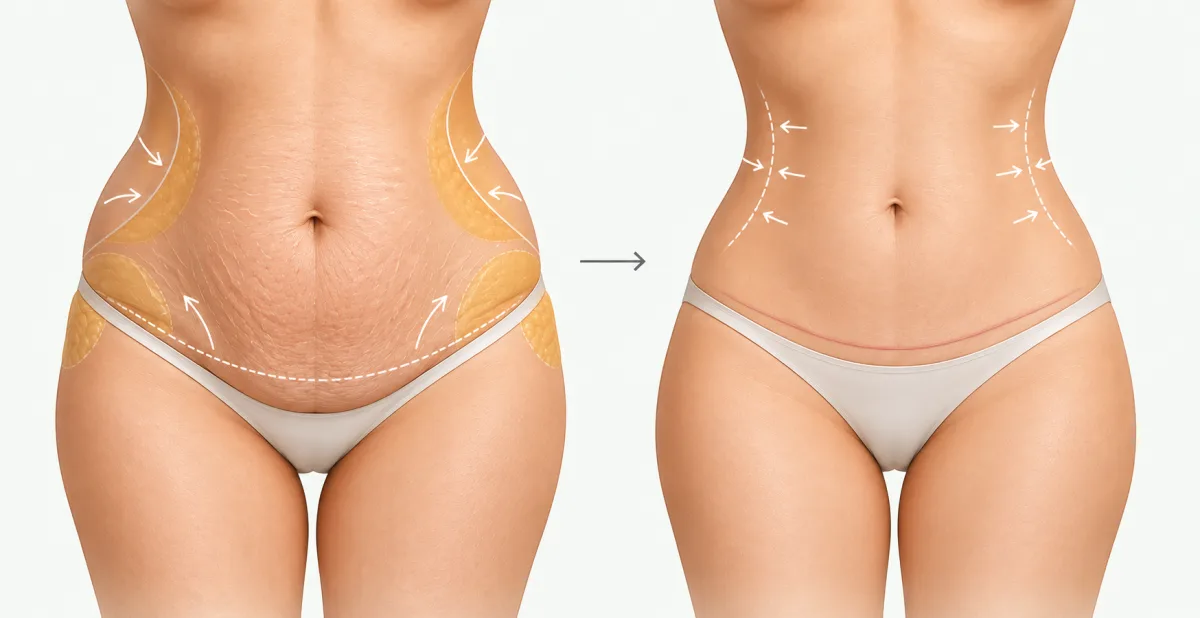
Lipoabdominoplasty diagram: the abdomen with fat on the flanks before surgery, and the result
Main goal
Tummy tightening and waist contouring
When it is done
For fat deposits on the flanks and waist
Anaesthesia and stay
General anaesthesia, up to 3 days in hospital

The benefits and recovery times shown are averaged for each technique and given for guidance: the scope of correction and rehabilitation depend on your anatomy and individual features, and the surgeon confirms them at the consultation.

At the consultation the surgeon draws up a plan for your case and explains how your tummy tuck will go.

Free, before surgery and with no obligation.

Book a consultation

Tummy tuck from the inside

About the clinic

A clinic where you can feel at ease

Modern equipment, comfortable rooms and care for every patient

A doctor and a patient in a clinic ward

Contact us the way that suits you

We will answer your questions and find a convenient time for a consultation

By messaging us, you agree to our Privacy Policy

A tummy tuck is not for everyone

If your case can be solved without surgery, the doctor will tell you so at the consultation — and you will not spend money for nothing.

Suitable

A surgeon shows a patient on a model and a monitor how the abdominal contour changes after a tummy tuck
  • Rectus abdominis diastasis
  • Skin folds after weight loss
  • Loose abdominal skin
  • Stretched skin after pregnancy
  • A distorted abdominal contour

Not suitable

A surgeon discusses the indications and contraindications for a tummy tuck with a patient
  • Acute infections
  • Severe heart, kidney or liver conditions
  • Blood clotting disorders
  • Under the age of 18
  • Decompensated diabetes
  • Cancer
  • Skin inflammation in the surgical area
  • Pregnancy or breastfeeding

Not sure the surgery is right for you?

Message us — the coordinator will ask for your photos in the messenger, and the surgeon will tell you whether a tummy tuck suits you. No surgery booking needed.

Find out if it suits me

A surgeon goes through a tummy tuck diagram with a patient at the consultation

Prices

You know the price
before surgery

The price is set at the consultation and fixed in the contract.

Other services

  • First consultationFree
  • Liposuction of the abdomen and flanksfrom $1,700
Book a consultation

Find out your tummy tuck plan and price

The surgeon assesses your abdominal skin and muscles, listens to your wishes and chooses the right correction technique.
The price is set at the consultation and fixed in the contract.
A nurse talks to a patient in a clinic ward

Message our coordinator

Free online consultation · Reply within 15 minutes

Message us on Telegram

By messaging us, you agree to our Privacy Policy
A patient's abdomen before a tummy tuck in the operating room

all inclusive

What the price includes

From preparation for surgery
to post-op check-ups.

  • All scheduled dressings
  • Scheduled post-op check-ups
  • A personal coordinator on call
  • Compression garments fitted on the day of surgery
  • A stay in a comfortable
    hospital ward with meals
  • Individual recommendations
    for recovery
  • Remote progress monitoring
    by photos

How it works

Three days at the clinic —
from preparation to discharge

An agreed correction plan, inpatient observation and post-op check-ups.

A doctor shows a patient a tummy tuck diagram on a monitor1

Consultation
and the surgical plan

The surgeon assesses your abdominal skin and muscles and checks for diastasis, listens to your wishes and chooses the right correction technique.

Paying the deposit by card at the clinic reception2

Booking the date
of surgery

We reserve a surgery date for you: the deposit can be paid by card at the clinic or online by bank transfer. The terms are fixed in the contract for medical services

A blood sample tube for tests before a tummy tuck3

Check-up before
surgery

Before surgery you complete a full lab check-up: blood tests, an ECG, a chest X-ray and reports from the required specialists.

The surgical team during the operation4

Surgery

The surgeon performs the tummy tuck with the chosen technique, repairs diastasis if needed and shapes a firmer abdominal contour.

A hospital ward at the clinic5

Inpatient stay

After surgery the patient stays for 1–3 days in a comfortable hospital ward with meals, under medical supervision.

A surgeon and a patient in the ward during recovery6

Recovery

After surgery you get a recovery programme. Check-ups at 7 days, 3 and 6 months help track your recovery.
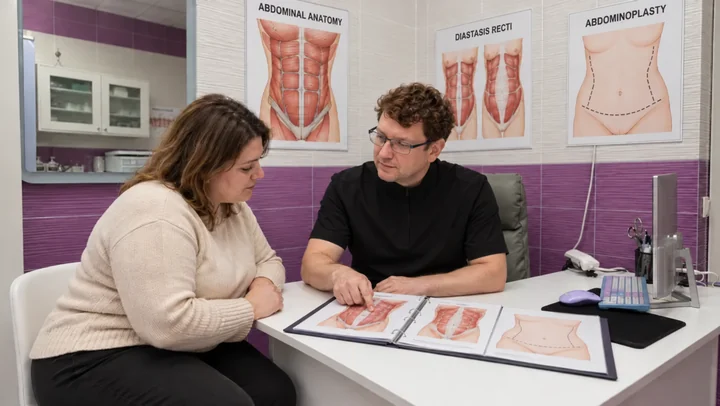
Book a free consultation — the surgeon will plan every step with you.

A doctor discusses the tummy tuck plan with a patient
Book a consultation
A doctor discusses the tummy tuck plan with a patient

How it really happens

Recovery after a tummy tuck

After surgery comes a 1–3 day hospital stay under medical supervision. Drains usually come out after two days, and stitches are removed after 7 days. The compression binder is worn for 1.5–2 months — it supports the abdominal wall and helps shape a smooth contour. Most swelling subsides within 30 days; office work resumes after 2–3 weeks. For 2–3 months there is no sport, sauna or heavy lifting; early on, sleep on your back with your knees bent. The scar is fully mature by 12 months, fading until it is barely noticeable.

Post-op check-ups

After 7 days, at 3 months and at 6 months. Until the end of the year, get a post-surgery consultation with your surgeon to review results and get more information, at the clinic's expense

Advantages

Why patients choose City Medical Centre

A surgeon discusses the tummy tuck plan with a patient at the consultation

Just find out — you lose nothing

At the consultation we discuss your wishes and assess your abdominal skin and muscles. The surgeon explains what changes are possible, chooses the correction technique and answers your questions.

A surgeon on a video call with a patient after surgery

We stay with you after surgery

The surgeon follows your recovery and the changing abdominal contour at check-ups after 7 days, 3 and 6 months. Check-ups, dressings and aftercare advice are already included in the price of surgery.

A surgeon shows a patient a model and tummy tuck diagrams

A beautiful contour that fits your figure

We choose the correction technique based on your skin, muscles and figure. Our aim is a harmonious abdominal contour that keeps the natural proportions of your body.

A patient writes down a convenient visit time in her planner

Your schedule is our priority

We respect your time: we work 24/7, with easy booking and a personal approach — we adapt to your pace.
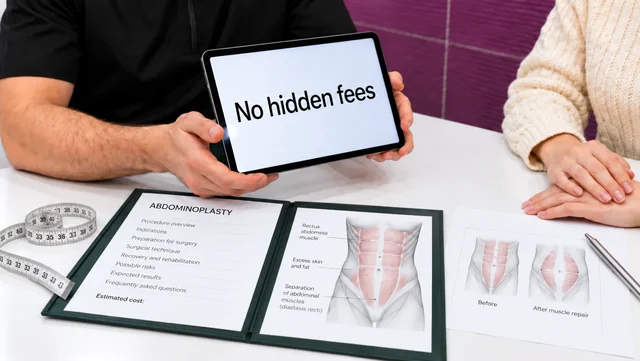
A surgeon shows a patient the fixed price of surgery with no extra charges

Fixed prices

After the consultation the surgeon defines the extent of correction, and you get a clear price for the surgery — no surprises on the way to the result you want.

A surgeon visits a patient in the hospital ward after surgery

Round-the-clock care after surgery

Recovery starts in a comfortable hospital ward under round-the-clock nursing care. The stay and meals are already included in the price.

FAQ

We answer what
people ask before booking

What Belfast residents ask about a tummy tuck

Diastasis is not always part of the picture. Repair is done only when the rectus abdominis muscles are actually separated: the surgeon sees it at the examination and, if in doubt, it is confirmed by ultrasound. When needed, the muscles are brought together during the tummy tuck itself, with no separate procedure. Patients from Belfast learn at the consultation whether their case requires it.

After surgery you stay in hospital under medical supervision for 1–3 days; after a mini tummy tuck one day is usually enough. Drains are typically removed after two days and stitches after seven. A compression binder is worn for 1.5–2 months to support the abdominal wall and shape a smooth contour. Recovery continues at home, and patients in Belfast are monitored at scheduled check-ups.

There is no single price for abdominoplasty, since a mini tummy tuck and a classic operation with diastasis repair differ in scope. What stays constant is the approach: the surgeon names the cost after an in-person examination, and it is fixed in the contract without surprises. Belfast residents can apply before the end of the year and get the consultation at the clinic's expense.

Stories of well-known people

Well-known people who spoke openly about this operation, in their own words.

All stories about this operation →

Choosing the season: Belfast's rain, light and the calendar

Belfast's climate is mild and changeable, which suits a tummy tuck better than a place with fierce summers. The Met Office normals put the annual mean maximum at 13.7 °C and the mean minimum at 6.3 °C. Even July, the warmest month, averages a maximum of only 19.7 °C, so summer maxima stay under 20 °C. That matters because you will wear a compression binder for 1.5–2 months. A garment that supports the abdominal wall is easier to tolerate when the air outside is cool or moderate than in sticky heat. In Belfast the heat problem is small in any month, and that leaves you free to choose the date on other grounds.

The other grounds are light and rainfall. Annual precipitation is 938.7 mm over 156.2 days, and the wettest stretch runs from October (95.8 mm) through November (102.3 mm over 15.5 days) to December (93.3 mm). The driest months are May (59.6 mm) and April (60.4 mm). In the first two weeks after the operation you will mostly be at home, walking short distances and resting, so a wet and dark month will not change the medicine. It does change how the days feel. Sunshine totals 1,277.0 hours a year, but December has only 35.3 hours and January 40.1, while May has 185.1, April 157.1 and June 151.1. Some patients want bright mornings for their first short walks. Others prefer a quiet, dull month in which nothing tempts them to do too much. Neither view is wrong, and the doctor will not decide it for you.

Here is a worked example. Say the date is set in the first days of November 2026. The stay in a hospital ward is 1–3 days, and the first changes appear at about 2 weeks. Office work is realistic after 2–3 weeks, so you could be back at a desk in the final weeks of November, in the wettest month of the year. Sports, sauna and heavy lifting stay off-limits for 2–3 months, so a real return to training would fall in the first months of 2027. Compare a date in February 2027. The restrictions would then end around April or May, when the sunniest and driest months arrive. The recovery is the same length either way. What changes is the weather in which each stage falls.

The calendar of the year matters too. GOV.UK lists 10 bank holidays for Northern Ireland in 2026, including St Patrick's Day on 17 March and the substitute day for the Battle of the Boyne on 13 July, in addition to the England and Wales set. Bank holidays can give you extra days at home without using leave, but they do not shorten the 2–3 weeks before office work. Count the real days from the operation, not the days marked on the calendar. If you want a holiday period to stand in for part of the recovery, tell the coordinator on WhatsApp or Telegram when you send your photos. The coordinator answers 24/7, and the doctor can then plan the date around your real working pattern at the free online consultation.

Finally, the free online consultation itself is not tied to any season. You send photos, receive an assessment and the price in writing, and only then confirm the plan and dates. Nothing is booked before that, so you can discuss two or three alternative months in the same conversation and compare them without any commitment.

The core after the operation: lifting, bending and the first months of work

A tummy tuck works on the abdominal wall, so the first months are largely about respecting it. Drains are usually removed after two days and stitches after 7 days. A compression binder supports the wall and shapes a smooth contour for 1.5–2 months. In the first 2–3 weeks, physical exertion, heavy lifting and sudden movements are not allowed. Sports, sauna and heavy lifting then stay off-limits for 2–3 months. At the start, sleeping on your back with the knees bent is advised. These numbers are the same for every patient, but how they feel depends on what your day contains.

Think first about work. Office work resumes after 2–3 weeks, which is the figure the whole plan is built on. If your job is a desk and a screen, that is realistic, though at first you will probably sit for shorter spells and stand up more often than usual. If your job involves carrying boxes, lifting people, pushing trolleys, repeated bending or long hours on your feet, ask the doctor about it explicitly at the consultation. The 2–3 weeks refers to office work, not to physical work. A job in a lecture hall, a laboratory or a clinic with only occasional lifting is different from one on a delivery round. Belfast has a large student and education population, with Queen's University Belfast above 25,000 students and a Belfast Metropolitan College enrolment above 53,000. Many of those learning and teaching there spend their days seated, at benches or between rooms. That sort of week is easier to rebuild after surgery than one built around loading and unloading. Describe your own week precisely in your first message, and the answer will be more useful.

Next, the home. Much of the strain on the core in the first weeks comes from small routine actions: picking a laundry basket off the floor, lifting a bag of shopping out of the boot, bending to load a dishwasher, leaning into a low cupboard. Before the date, move what you use daily to waist height. Prepare meals that need little lifting of heavy pots. Put the things you need at night within reach of your bed, because the advised position is on your back with the knees bent, and getting up and down is easier when you do not have to stretch. If the stairs in your home are steep, arrange to sleep where you will need them least in the first days. Ask someone to be there for the first period when you come home from the ward, and plan for the lifting to be done by someone else. This is ordinary preparation, not a sign that something is wrong.

Walking comes next. Gentle walking is a normal part of the first weeks, within what the doctor allows, and Belfast has a flat, continuous option in the Connswater Community Greenway, which offers 16 km of cycle and walkway through east Belfast. The Greenway is a convenient reference for choosing a short, level route near home. But a path is only helpful if you keep your distance modest. In the first weeks you are not training, you are moving. Cycling, including National Cycle Route 9, which starts in Belfast and runs to Newry, belongs to the later phase, after the 2–3 months of restriction and with the approval of the doctor. Every return to sport is gradual and happens only with the doctor's approval, so ask at the 3-month check-up instead of guessing from how well you feel.

Good progress in the first weeks can mislead you. Swelling mostly goes within 30 days, and by then you may feel nearly normal, yet the restriction on heavy lifting runs well beyond that. The tissues need time to adapt, and the final result is assessed at 6–12 months. If you are tempted to lift something heavy early, send a photo or a question to the coordinator instead. Remote progress monitoring by photos is part of the programme, and so are check-ups at 7 days, 3 months and 6 months.

Compression, the scar and the sun

The compression binder is the object you will live with longest, so plan your wardrobe around it. It is fitted on the day of the operation and worn for 1.5–2 months. Choose loose trousers with a soft waistband, tops that do not pull at the abdomen and layers you can remove easily. Belfast's temperature range, with a January mean maximum of 8.2 °C and a February mean minimum of 2.1 °C, makes layers natural. A binder worn under a loose jumper in a cool month is a simple arrangement. If the operation falls in the cooler part of the year, you will have a coat, scarf and loose knitwear in any case, which makes the first outings unremarkable. In the warmest months the same binder is worn under lighter clothing. July's average maximum is still below 20 °C, so it is rarely a matter of heat, but a sunny afternoon can feel warmer than the figure suggests. Ask the doctor about skin care under the garment if you notice irritation, and do not stop wearing the binder early because you feel fine.

Now the scar. A classic tummy tuck leaves an incision across the lower abdomen from hip to hip, below the underwear or swimsuit line. A mini tummy tuck leaves a much shorter one. Either way the scar is real, since removing excess skin always has that consequence. Over time it fades and thins, and by 12 months it is fully mature, barely noticeable. This long maturing period overlaps with Belfast's brightest months, so think about it in the context of your year. Spring brings the sunniest weather, with May at 185.1 hours and April at 157.1, and light clothing returns just when the scar is still young. Tanning beds are to be avoided for at least a month, along with sauna, steam bath and the pool. Beyond that, ask the doctor at the 3-month check-up how to protect the scar from direct sun, and send a photo of how it looks before a holiday in a sunny place so that the advice fits the actual scar rather than a general rule.

One practical point concerns swimwear. Because the incision lies below the swimsuit line, many patients feel comfortable in ordinary swimwear later on. The pool is off the list for at least the first month, and sports and sauna for 2–3 months, so a summer swim is only realistic if you leave enough time. If your plan includes a swimming holiday, count the weeks backwards from the date and discuss them with the coordinator. The doctor can then suggest whether a different month would suit you better.

A few words on how the result is judged. The first changes appear about 2 weeks after the operation, when the main swelling subsides. The interim result comes at 1.5–2 months, and the final contours at 6–12 months. Photographs taken at the same time of day, in the same light and from the same angles are far more useful than casual ones. Belfast's dull winter light can make an abdomen look flatter or more swollen than it is, and bright spring light can do the opposite. Tell the coordinator when a photo was taken, and keep the setting consistent from week to week.

The compression garment is included in the price and fitted on the day of the operation, and scheduled dressings and check-ups are part of the programme too. If something under the garment looks unusual, do not wait for the next scheduled check-up. Send a photo, because the coordinator is on call round the clock.

Home life, children and the order of events

A tummy tuck is often planned by people whose bodies changed through pregnancy, and the service guidance is clear about the order of events. Stretched skin after pregnancy and diastasis of the rectus abdominis muscles are both listed among the reasons for the operation. Skin that has been removed does not regrow, which makes that part of the result lasting, but a later pregnancy stretches the repaired muscles. For this reason surgery is planned once the family is complete. If you are not sure whether you want another child, say so in the first message. It is a reasonable subject for the free consultation, and it will not oblige you to book anything.

Weight matters in the same way. A tummy tuck is not a way to lose weight. Its aim is to remove stretched skin and the fat apron and to restore the abdominal wall, and the operation is done at a stable weight. If your weight is still changing, the advice is to see a dietitian or an endocrinologist first. Health Survey Northern Ireland 2023/24 found 28% of adults obese and 37% overweight, 64% combined, so weight is a common question and nobody should feel singled out by it. A stable weight before the operation helps keep the result, and the abdomen will stretch again only with significant weight gain.

At home, the first weeks reshape the household. Children and the people around you will need to know in advance that you cannot lift, carry or be pulled on. For the first 2–3 weeks, heavy lifting and sudden movements are not allowed, and that includes a small child who wants to be picked up. If you have toddlers, arrange help for the first period, and for the 2–3 months in which heavy lifting stays off-limits. Sit down to be hugged instead of bending. Let older children carry their own bags. Practical arrangements like these are more effective than good intentions.

Belfast's annual calendar can also help or hinder. The Belfast Marathon is run annually on May Day, with about 15,000 participants across events in its 2023 edition, and St Patrick's Day is celebrated in the city centre on 17 March. Belfast Pride ends with a city-centre parade at the end of July, and Féile an Phobail draws over 100,000 visitors. If you hope to take part in or attend any of these, work backwards. Sauna, sport and heavy lifting are off-limits for 2–3 months, and a run or a long day in a crowd is a physical load on a healing abdominal wall. A date that gives you a calm margin is better than one that leaves you three weeks before an event you care about. Many patients choose to watch a festival from the sidelines the first year and join in the next.

Finally, think about the help you will have at home on the day of discharge. After 1–3 days in a hospital ward with meals and round-the-clock nursing care, recovery continues at home, where the doctor monitors it at the scheduled check-ups. Arrange transport home in a comfortable seat and have someone with you for the first night. Keep the coordinator's number open on your phone. Preparation for the home period is quieter than preparation for the operation, but it decides how calm the first weeks are.

Paying privately, and where the NHS stands

Many people in Belfast first ask whether the NHS can do this operation. The NHS itself says that cosmetic surgery is not routinely provided on the NHS. It might pay for some procedures for psychological or other health reasons. Its examples are rhinoplasty for breathing problems and breast enlargement for very uneven or absent breasts that cause significant psychological distress. Most people who want cosmetic surgery need to pay privately. A tummy tuck should be considered in the same light. Your GP is the right person to ask whether your own circumstances change the picture, and you need not wait for the answer before you ask us for an assessment.

The weight-loss side is also worth understanding. The Department of Health in Northern Ireland stated in 2019 that weight loss surgery had not been provided within the health service in Northern Ireland, and that a small number of patients had been funded for treatment in Great Britain. A reply from the Belfast Health and Social Care Trust to a Freedom of Information request, dated 14 January 2026, says that its dietetic department does not have a specialist tier 3 and 4 obesity management service. Obesity is treated through core dietetic services via regionally agreed elective care pathways. For someone planning body contouring after major weight loss, this means that the sequence of care may be long, with dietitian support first and contouring afterwards. If you have lost a lot of weight, the useful questions are how long your weight has been stable and which skin folds remain. Those are exactly the questions the doctor will ask at the free online consultation.

What the consultation gives you is a price in writing. It is named at the consultation and fixed in the contract before the operation, with no hidden extra charges. The price includes all scheduled dressings, scheduled post-op check-ups, a personal coordinator on call, compression garments fitted on the day of the operation, a stay in a comfortable hospital ward with meals, individual recommendations for recovery and remote progress monitoring by photos. When you compare any offers, compare the list of what is included, not just the headline. Ask each provider whether check-ups, dressings and the garment are part of the arrangement.

The consultation also tells you honestly whether the operation suits you. Rectus abdominis diastasis, skin folds after weight loss, loose abdominal skin, stretched skin after pregnancy and a distorted abdominal contour are listed as indications. Acute infections, severe disease of the heart, kidneys or liver, problems with blood clotting, decompensated diabetes, cancer, skin inflammation in the surgical area, pregnancy and nursing, and an age under 18 are on the other list. If your case can be solved without an operation, the doctor will tell you so, and you will not have spent money for nothing.

Which month in Belfast is most comfortable for wearing a compression binder?

The binder is worn for 1.5–2 months, so what matters is how warm you will feel in it. Belfast's Met Office normals show a mild range: the annual mean maximum is 13.7 °C and even July averages a maximum of 19.7 °C. Heat is therefore rarely the deciding factor in any month. Cooler months allow layers over the binder, and warmer months need lighter clothing. The doctor will not set the month for you, so choose it by the rest of your life, such as work, family and events, and discuss it at the free online consultation.

Would a November date fit around the wet weather and work?

It can. November is Belfast's wettest month, at 102.3 mm over 15.5 days, but that mostly affects how the walks feel, not the medicine. If the operation is in early November 2026, the stay is 1–3 days and office work is possible after 2–3 weeks, so a desk return falls in the last weeks of the month. Heavy lifting, sport and sauna stay off-limits for 2–3 months. Arrange help at home for the first weeks, and remember that the sunniest months, April and May, arrive when the restrictions are ending.

How do I manage lifting at home when I live with small children?

For the first 2–3 weeks, physical exertion, heavy lifting and sudden movements are not allowed, and sport, sauna and heavy lifting stay off-limits for 2–3 months. In practice that means a small child cannot be picked up. Sit down so that the child can climb beside you, set up a changing or dressing spot at waist height, and ask another adult to do the lifting during the first period. Tell the coordinator about your household in the first message, and the doctor can discuss how to plan the weeks.

Can I plan around the Belfast Marathon or a summer event?

Yes, but count backwards. Sports, sauna and heavy lifting are off-limits for 2–3 months, and any return to sport is gradual and with the doctor's approval. The Belfast Marathon takes place annually on May Day, and Pride ends with a city-centre parade at the end of July. If you want to run or stand in a crowd for hours, choose a date that leaves a calm margin. Many patients decide to watch the first year and take part the next, and the check-up at 3 months is a natural moment to ask about activity.

Will the scar be visible in a sunny spring?

The scar lies across the lower abdomen from hip to hip after a classic operation, below the underwear or swimsuit line, and it is shorter after a mini tummy tuck. It fades and thins, and by 12 months it is fully mature and barely noticeable. April and May are Belfast's sunniest months, with 157.1 and 185.1 hours, and that falls within the maturing period. Tanning beds are to be avoided for at least a month. For direct sun on a young scar, ask the doctor at the check-ups and send a photo of how it looks.

Does the NHS cover a tummy tuck in Northern Ireland?

The NHS states that cosmetic surgery is not routinely provided on the NHS, although it might pay for some procedures for psychological or other health reasons. Most people who want cosmetic surgery need to pay privately. Your GP can tell you whether your situation could be considered. At the free online consultation you receive the price, and it is fixed in the contract before the operation. You do not have to decide anything at that point, and no booking is required.

How should I prepare my home and week before the date?

Move everyday items to waist height, prepare meals that need little lifting, and put what you need at night within reach, since sleeping on your back with the knees bent is advised at first. Stop smoking, alcohol and medicines that affect blood clotting 7–10 days before the operation, and complete the pre-surgery tests in advance, because they are usually valid for 10–14 days. Arrange for someone to be with you after discharge from the 1–3 day stay. The coordinator replies on WhatsApp and Telegram 24/7 if something is unclear.

Which weight-related questions should I ask before the consultation?

Ask yourself how long your weight has been stable, since the operation is done at a stable weight and it is not a way to lose weight. If your weight is still changing, the advice is to see a dietitian or an endocrinologist first. In Northern Ireland, the Trust's reply of 14 January 2026 says obesity is treated through core dietetic services via regionally agreed elective care pathways, so support may come first from there. Bring your weight history and photos to the consultation, and the doctor will assess your skin and muscles from there.