












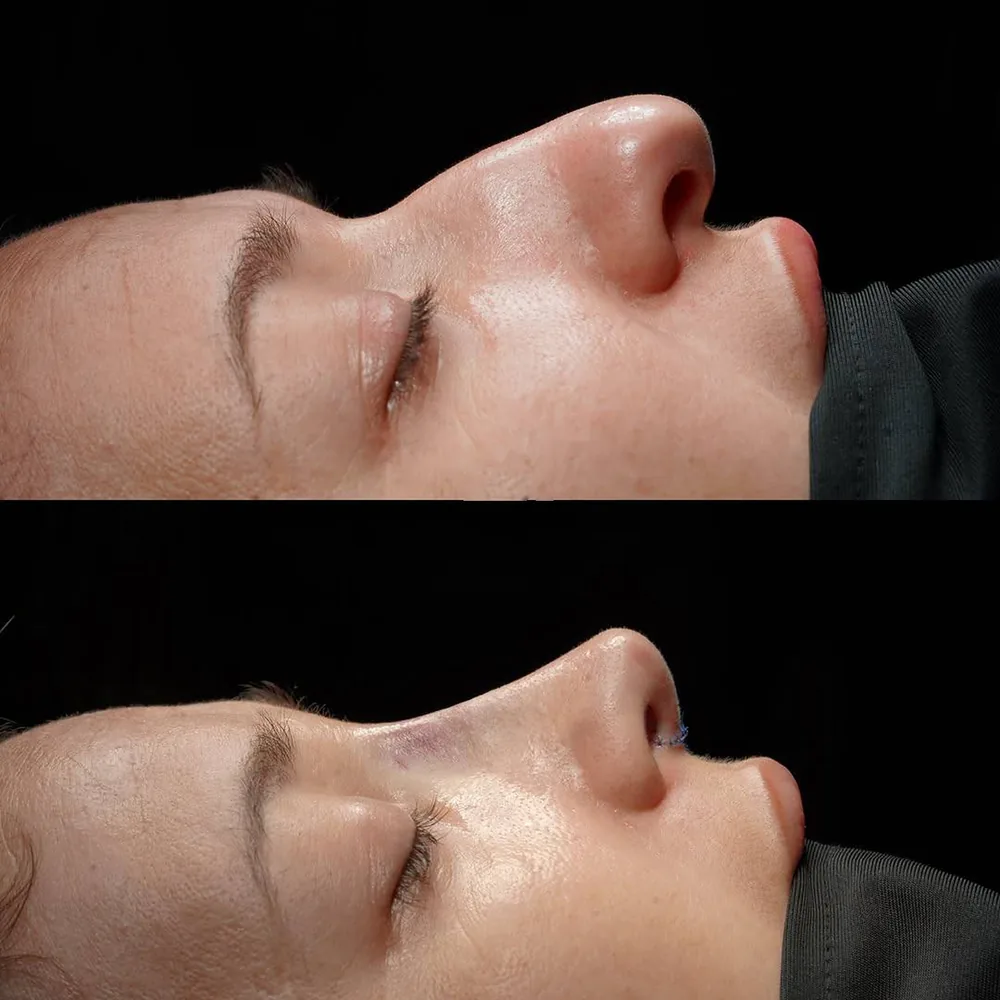
 beforeafter
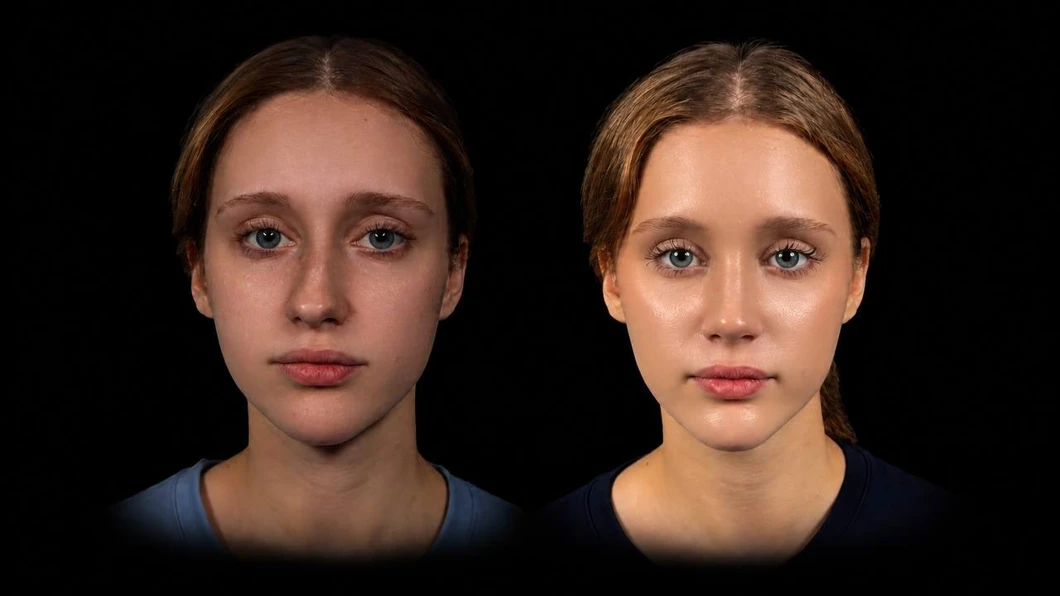
Irina, 24
Rhinoplasty
Rhinoplasty
$4,200
Instead of $6,000 (≈ S$7,700) · First consultation — Free
Free online consultation · Reply within 15 minutes
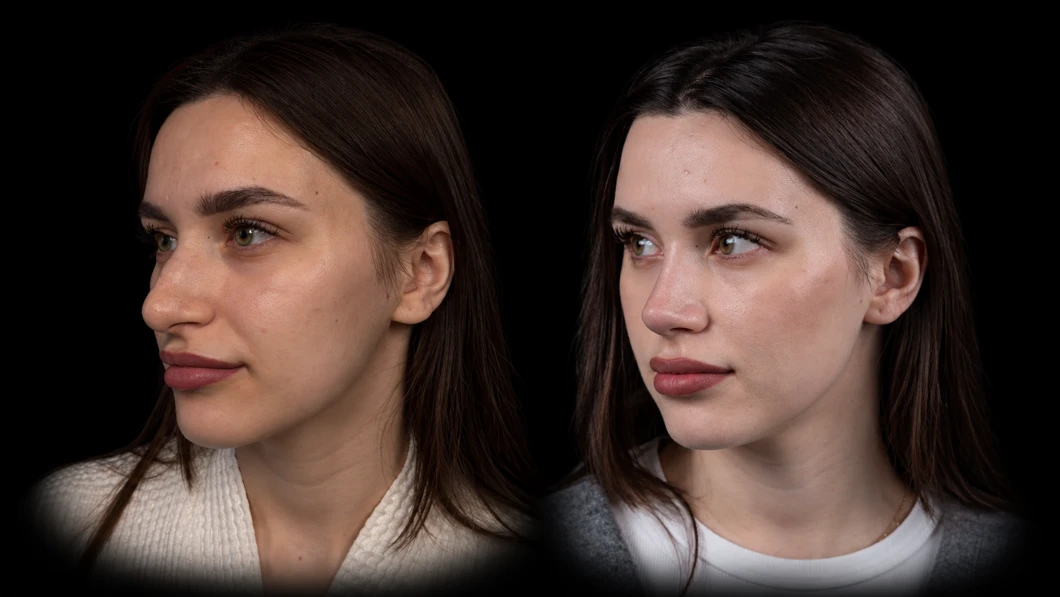
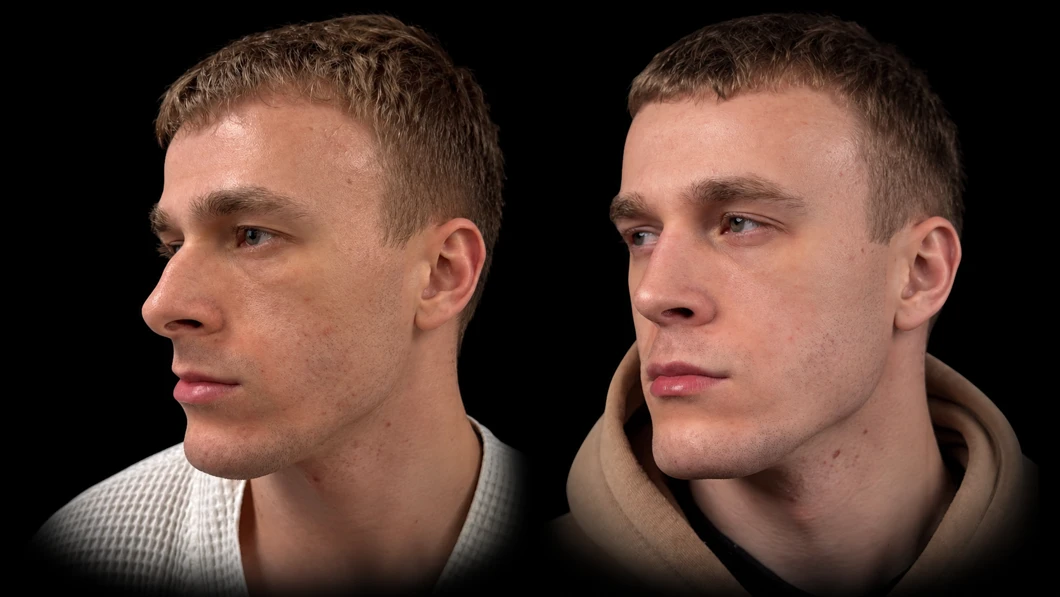
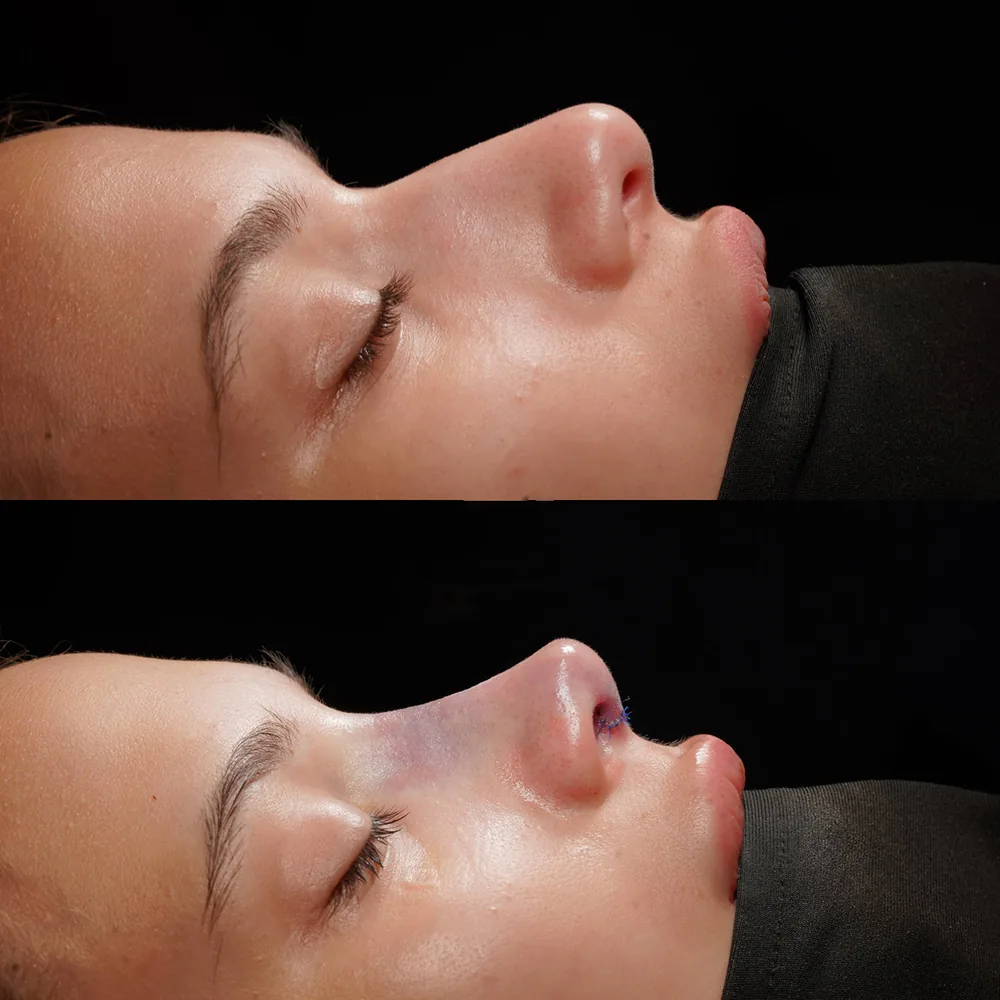 before
after
Message our coordinator
Free online consultation · Reply within 15 minutes
Message us on TelegramMessage us on WhatsAppBy messaging us, you agree to our Privacy Policy
Rhinoplasty for patients from Singapore at City Medical Centre starts at S$5,400 (from $4,200). The first online consultation is free; the doctor names the final price and it is fixed in the contract.
How it works · Rhinoplasty prices
Information current as of 5 November 2026
Results
These are genuine patients treated at the clinic.
Our Telegram community lets you speak directly with the clinic's patients.
beforeafterRhinoplasty
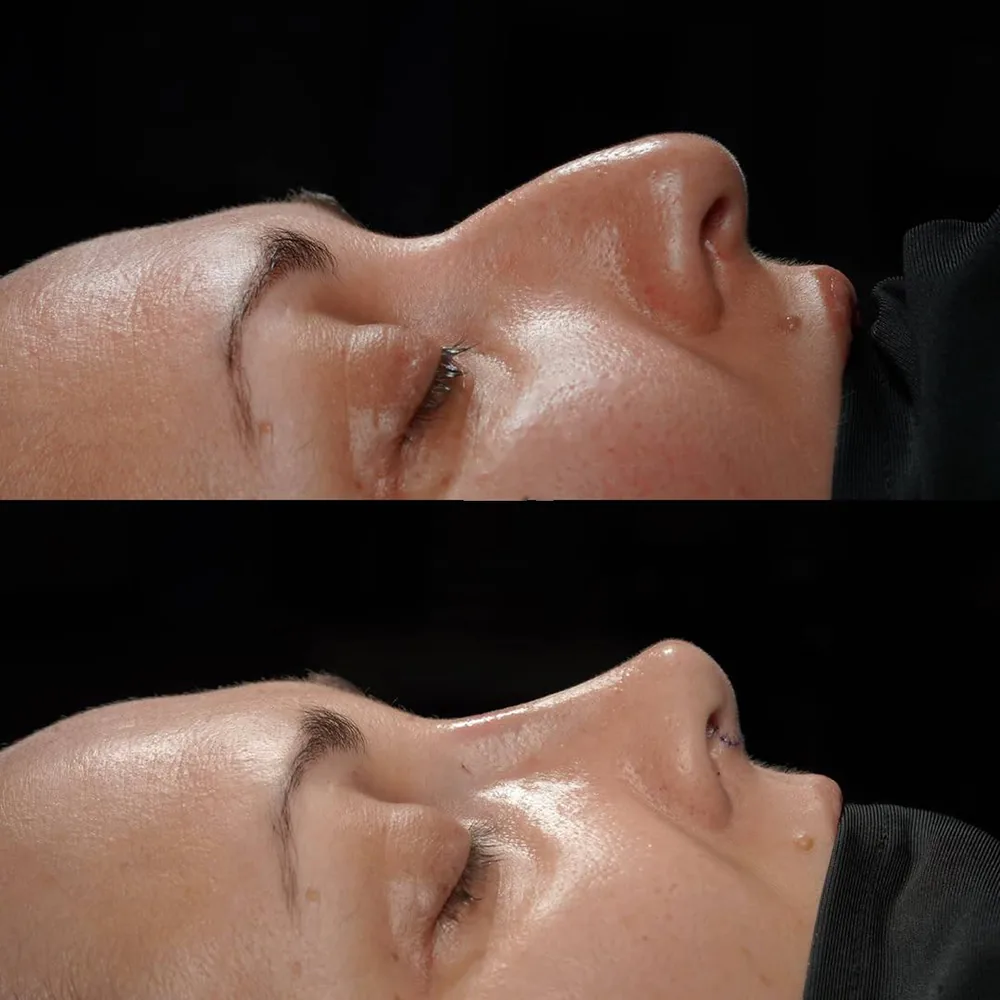 beforeafter
Rhinoplasty
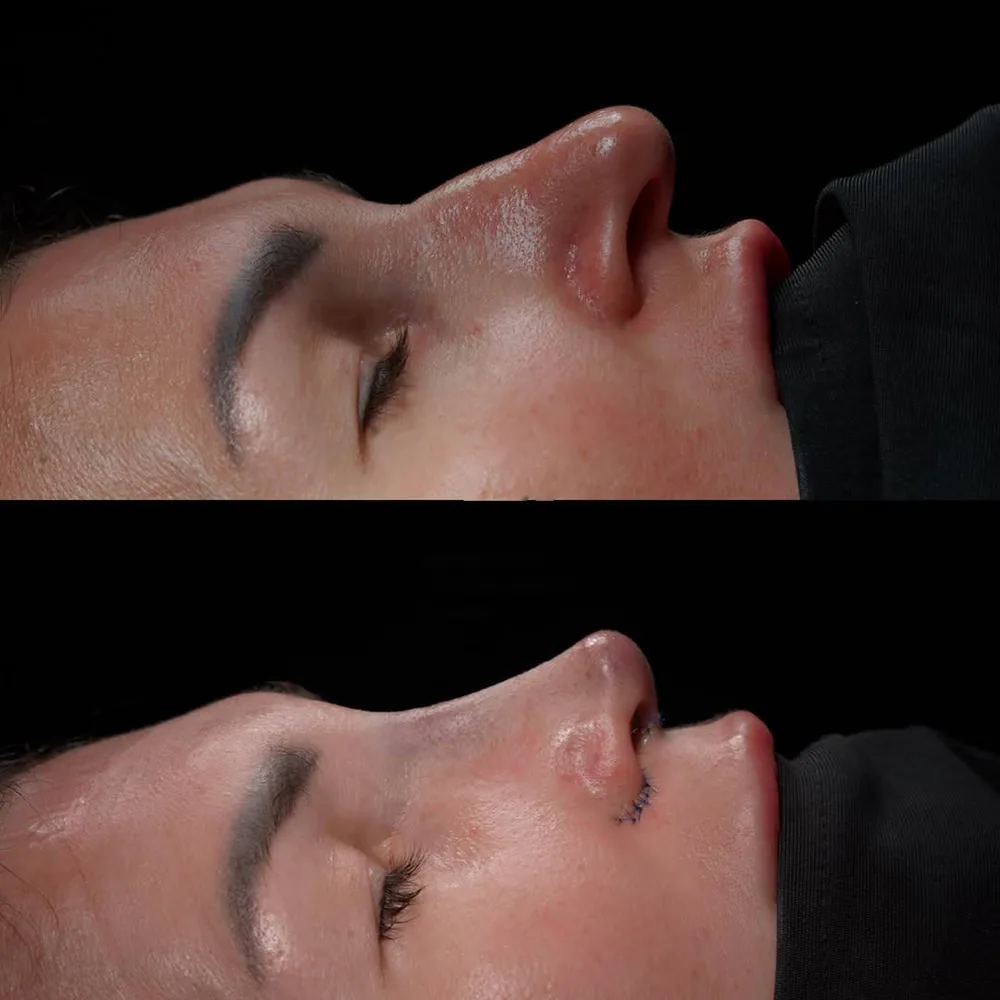 beforeafter
Rhinoplasty
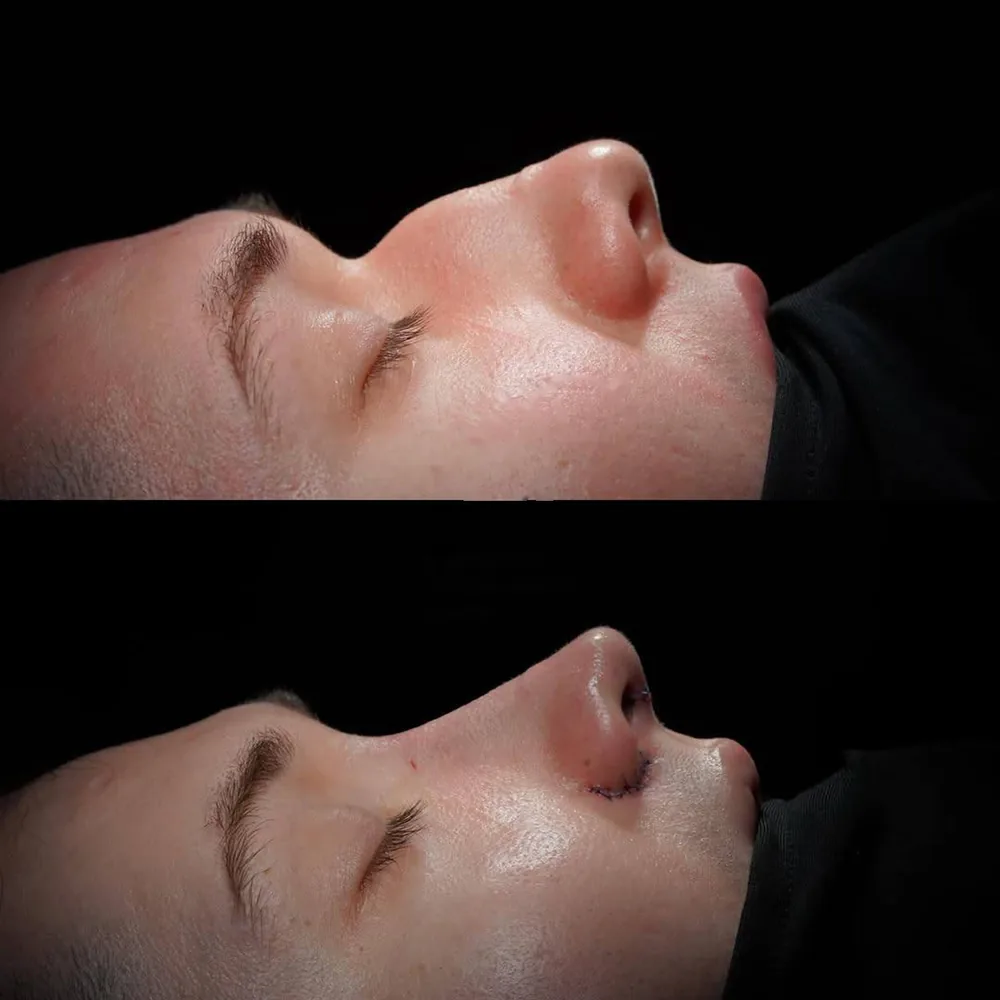 beforeafter
Rhinoplasty
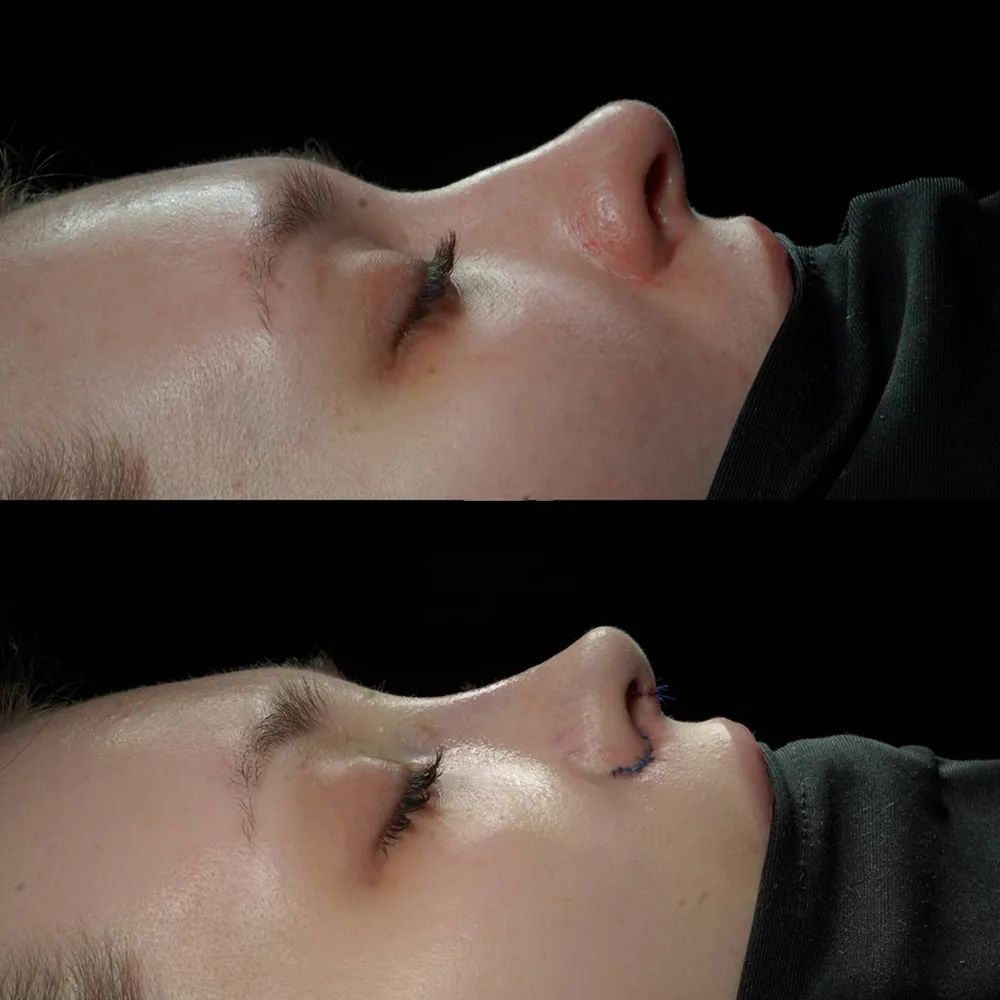 beforeafter
Rhinoplasty
beforeafterRhinoplasty
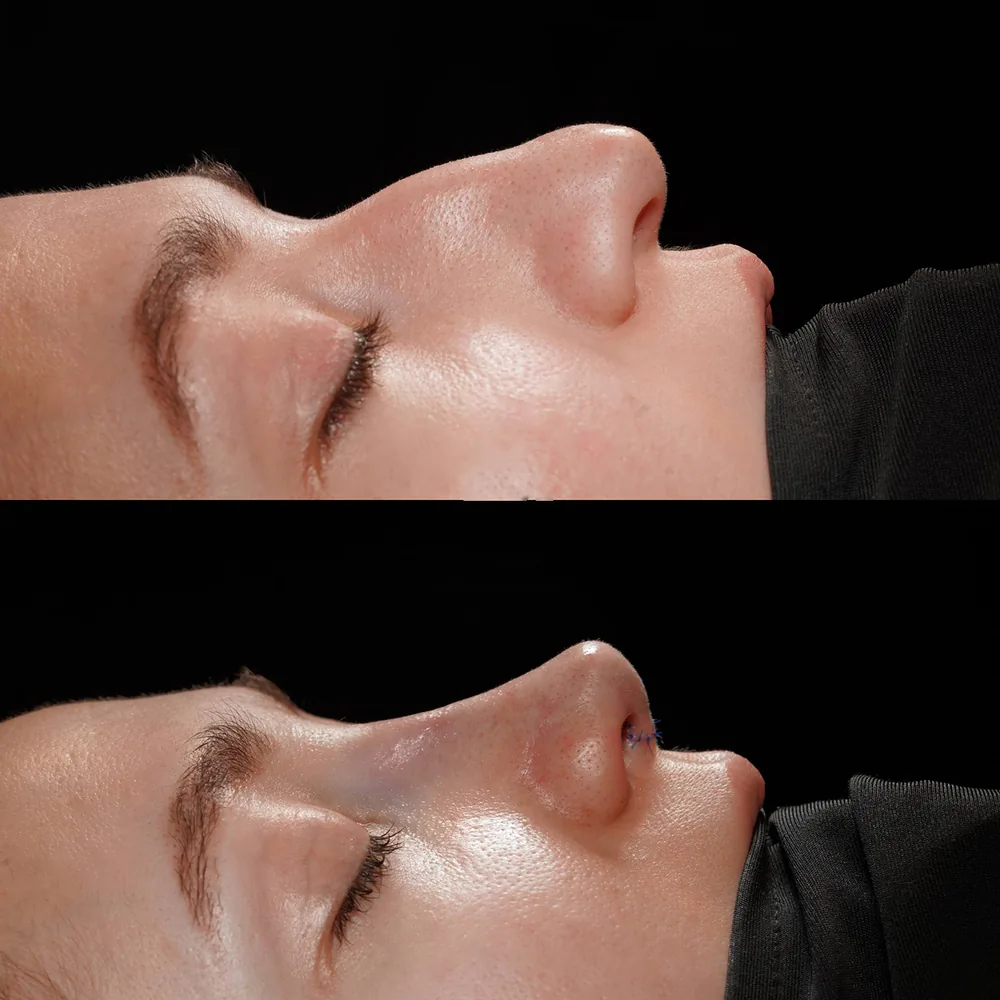 beforeafter
Rhinoplasty
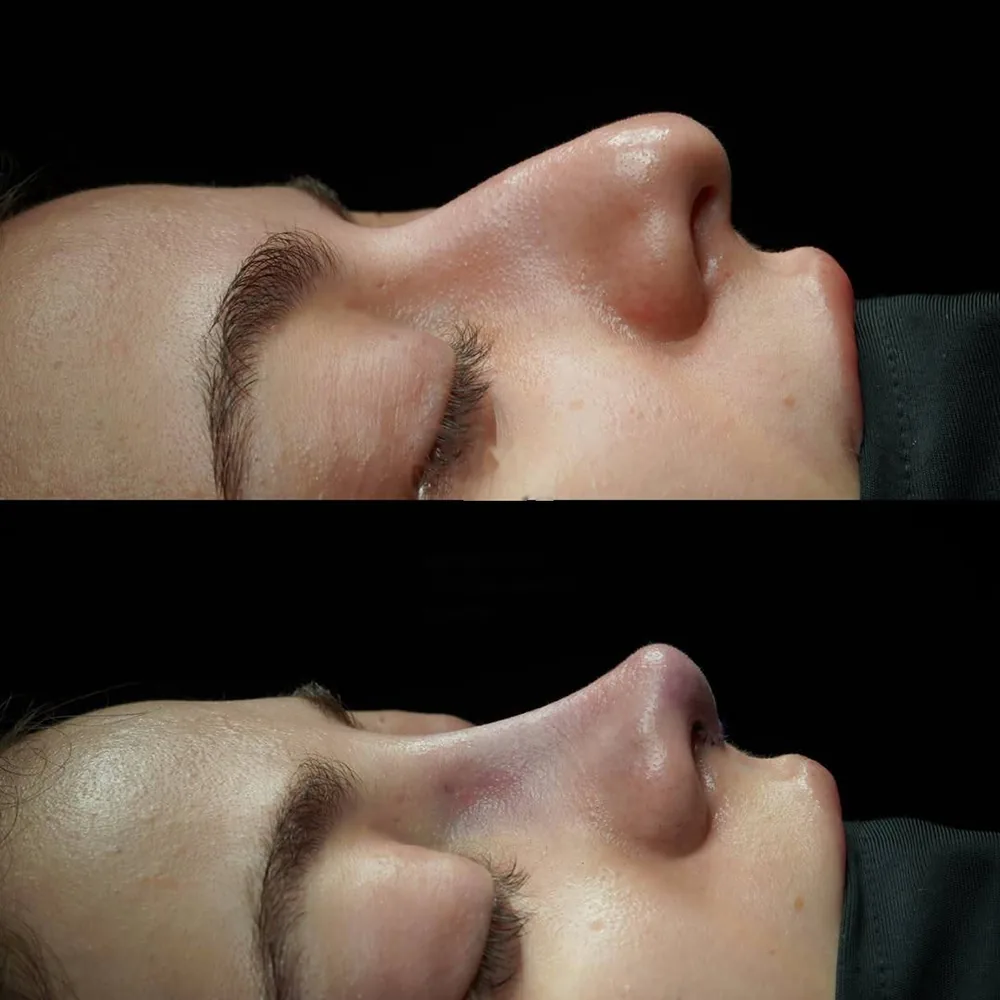 beforeafter
Rhinoplasty
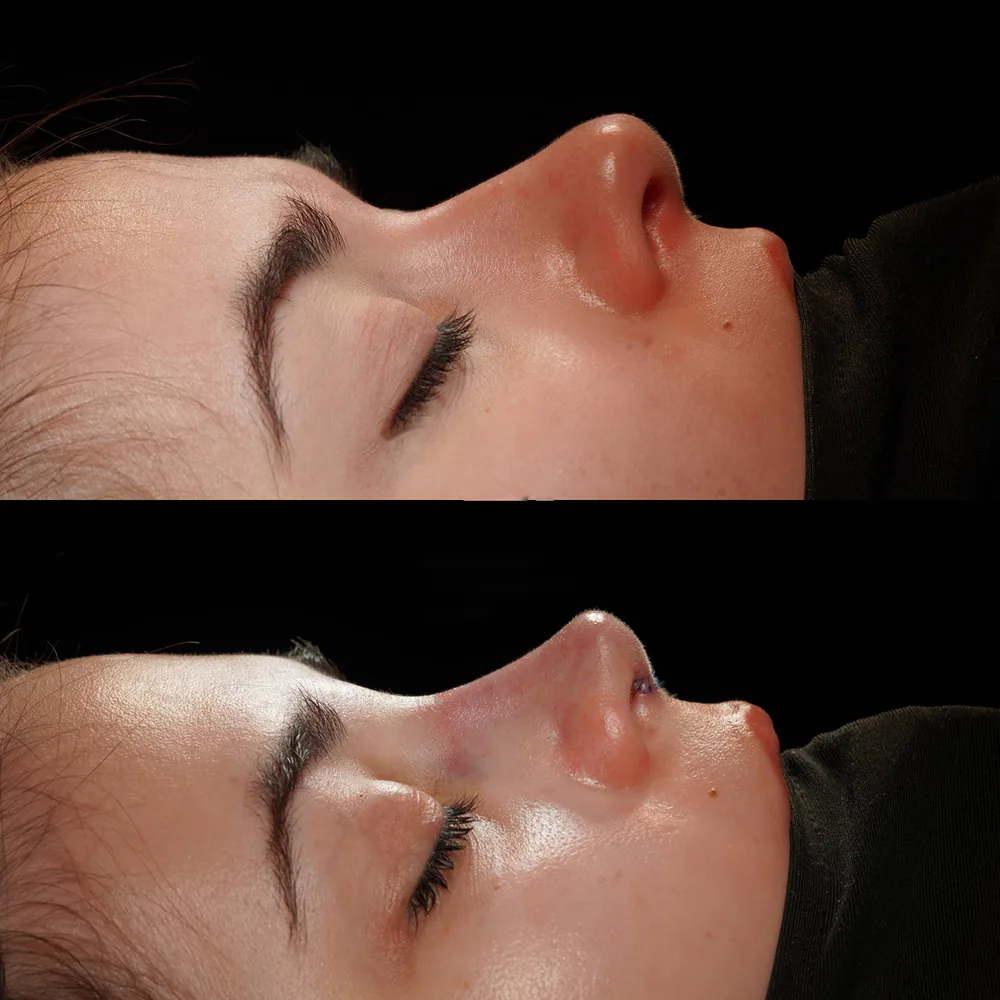 beforeafter
Rhinoplasty
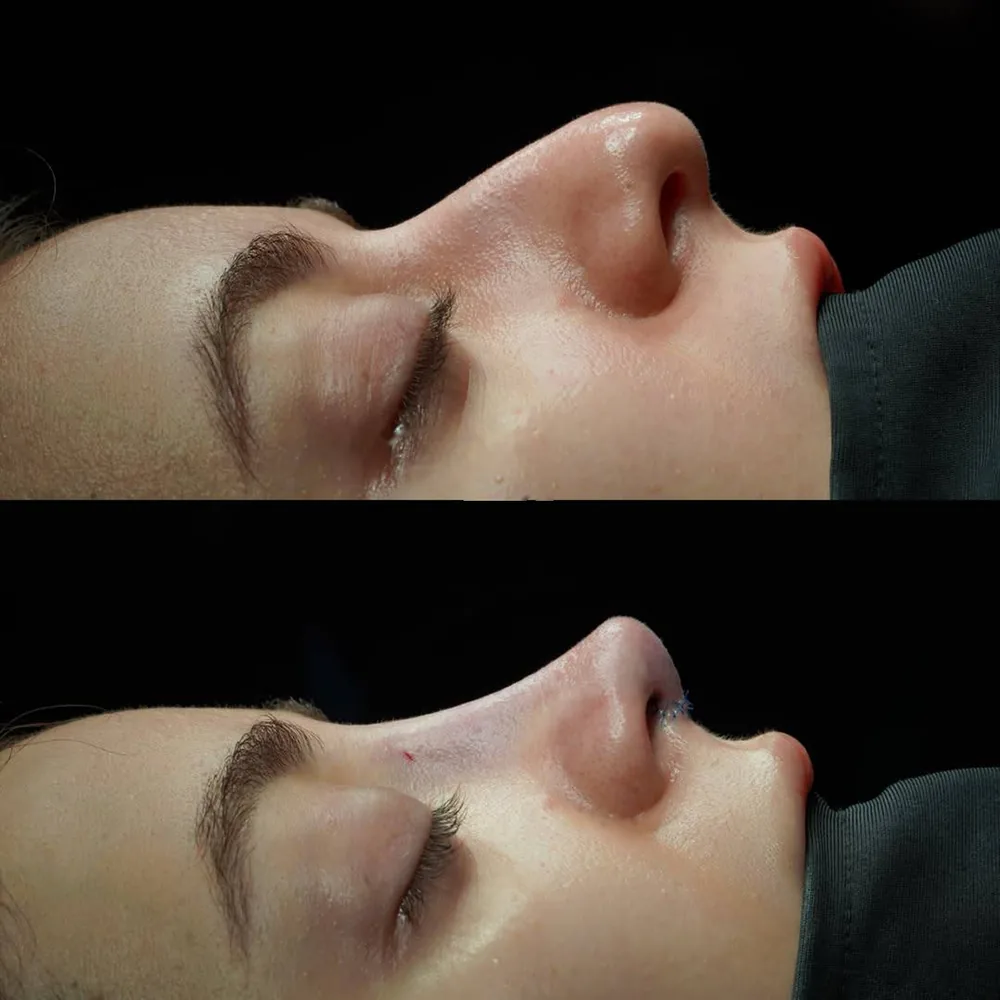 beforeafter
Rhinoplasty
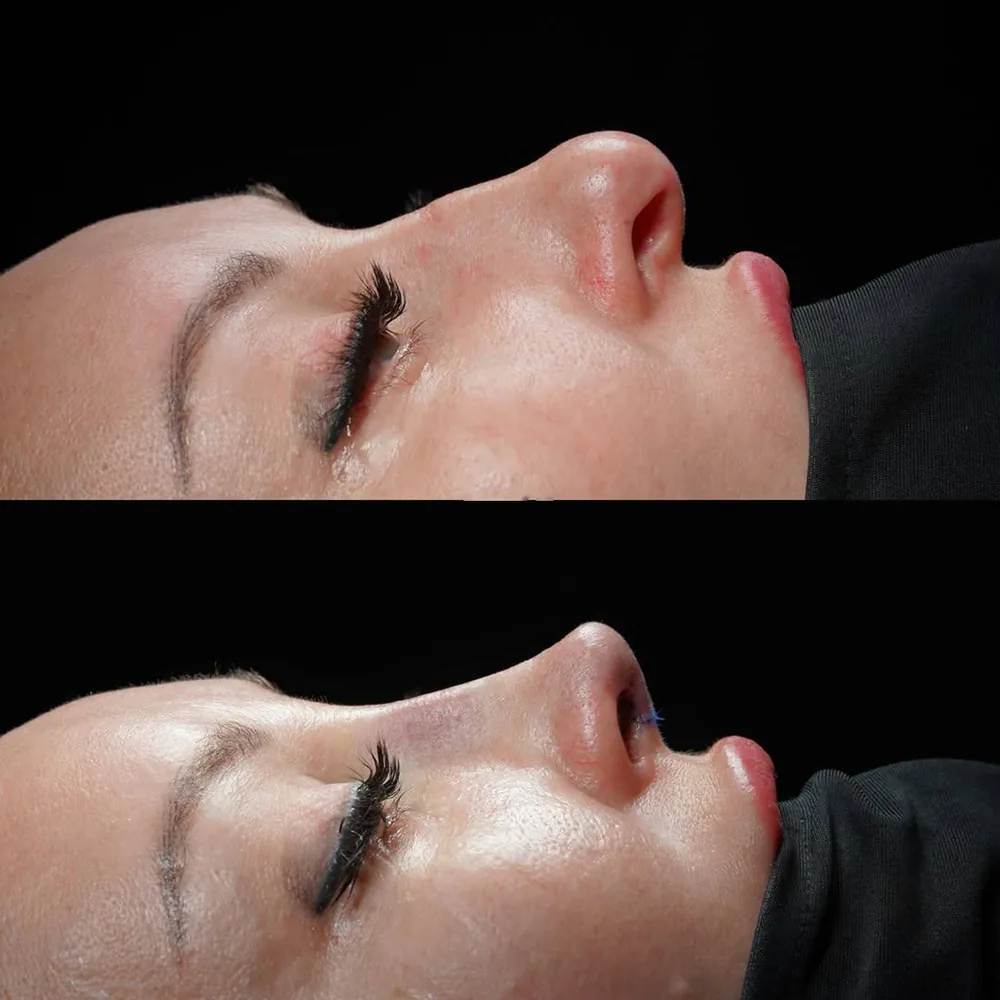 beforeafter
Rhinoplasty
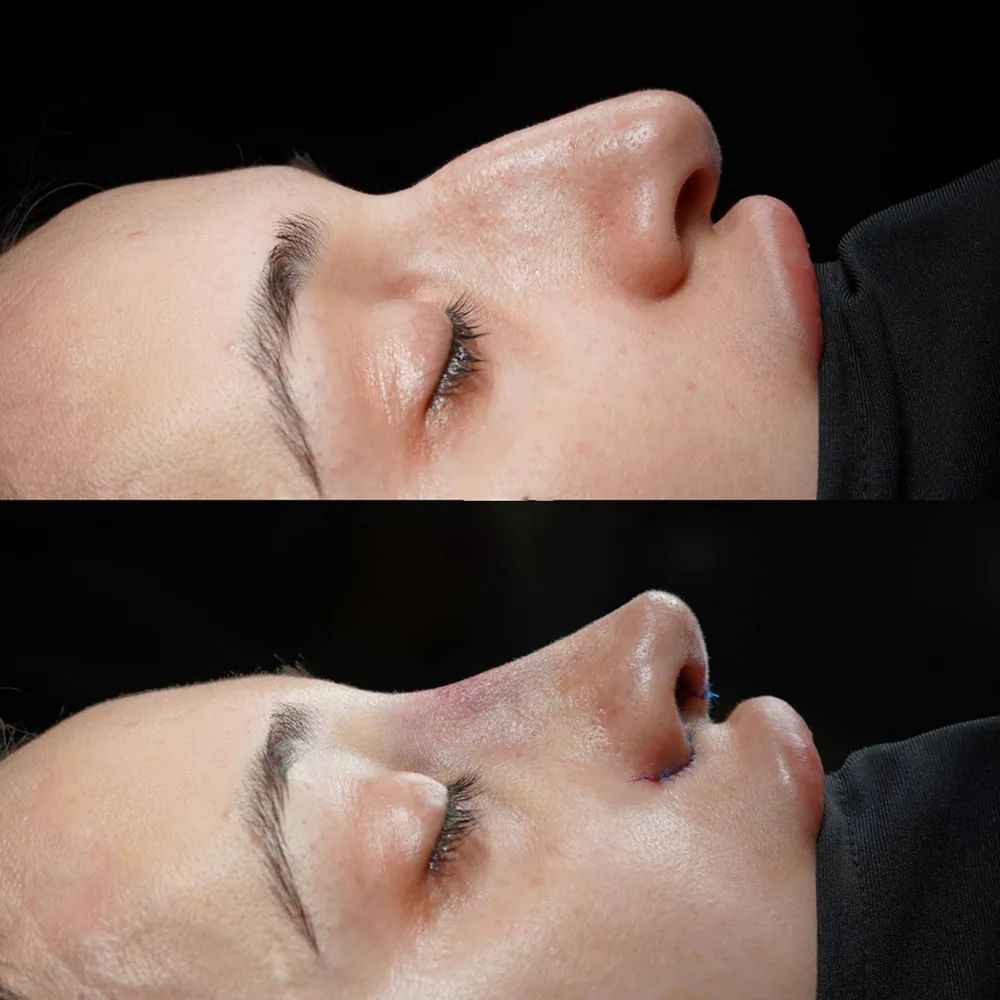 beforeafter
Rhinoplasty
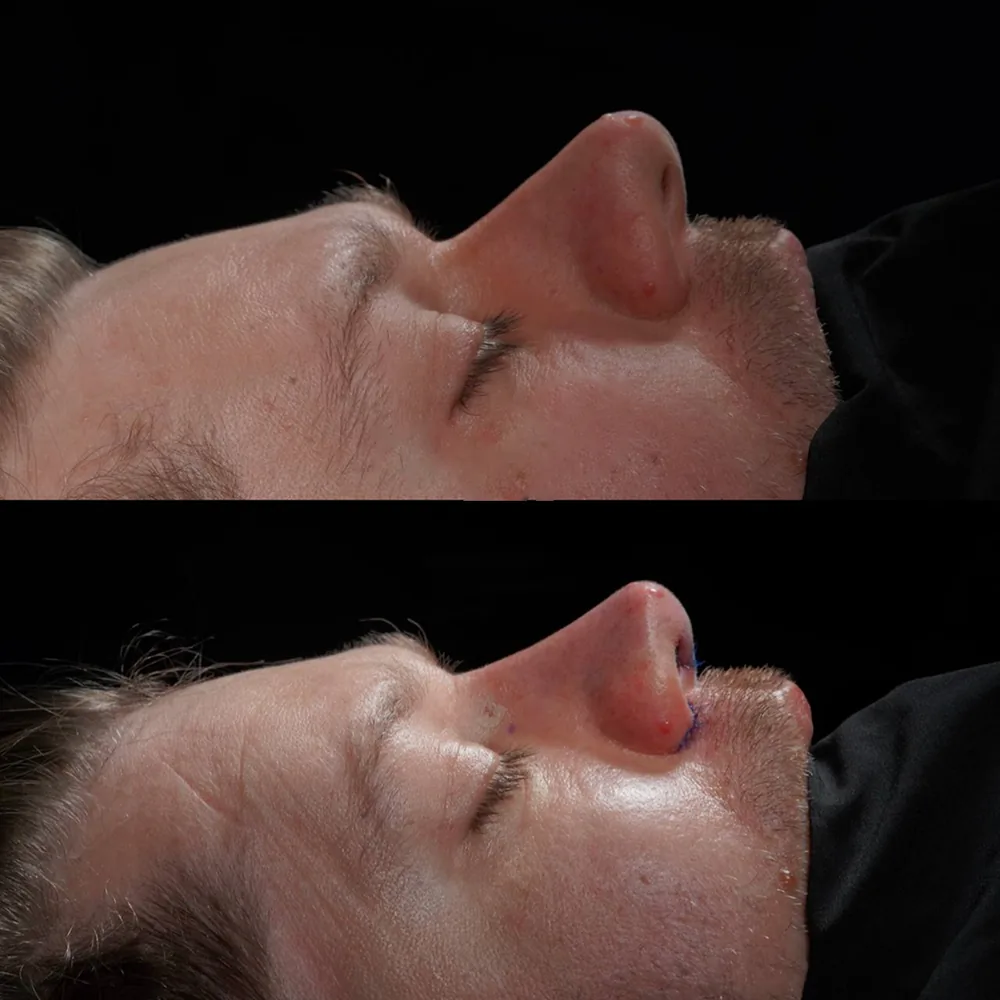 beforeafter
Rhinoplasty
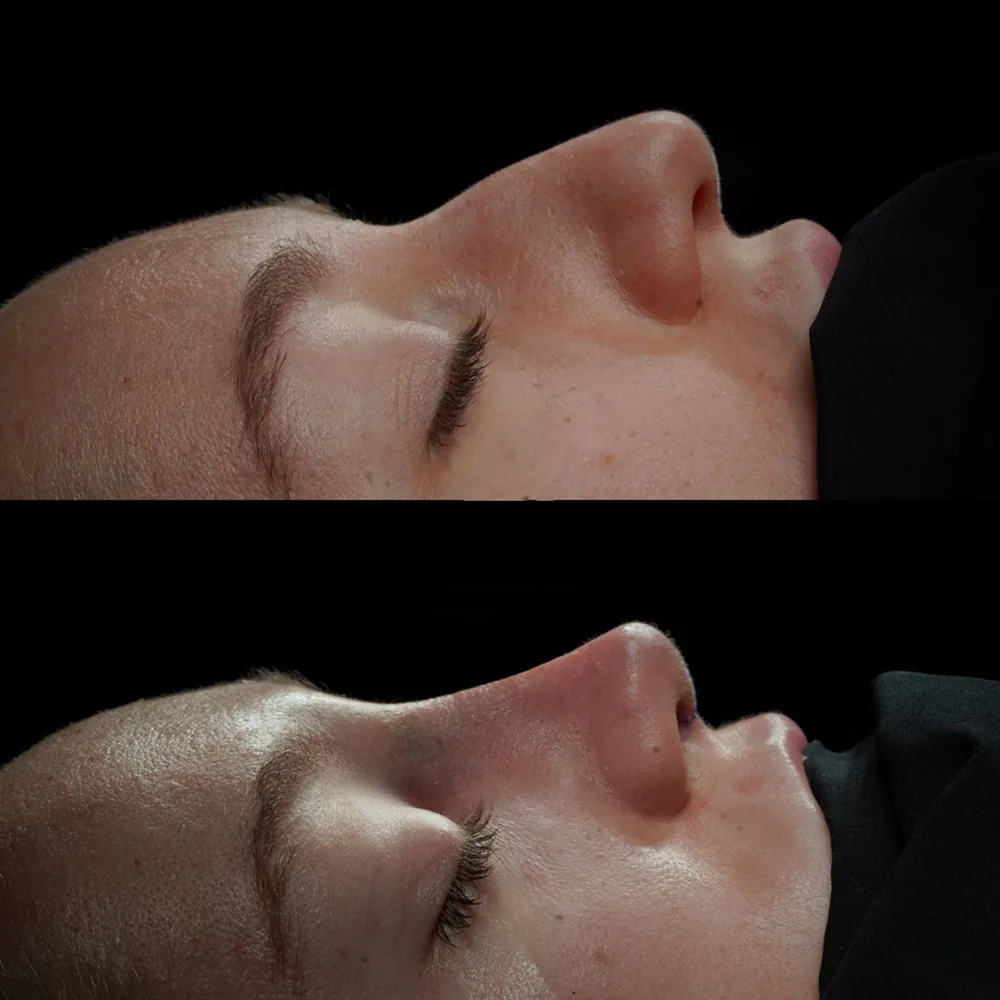 beforeafter
Rhinoplasty
Comparison
We'll find the most effective solution for you and achieve an excellent result.
A first-time nose surgery: it reshapes the nose and corrects breathing when airflow is affected.
Discounted price
$4,200 $6,000
Repeat rhinoplasty: used to correct the nose following an operation that did not fully succeed. Scheduled no earlier than one year after the original surgery.
Discounted price
$5,400 $7,200
An operation that combines septum correction with reshaping the nose.
Discounted price
$5,000 $6,600
Recovery times and benefits shown are typical averages per type of surgery and are for general guidance only; your anatomy and individual features determine the real extent of correction and recovery, which the surgeon confirms during the consultation.
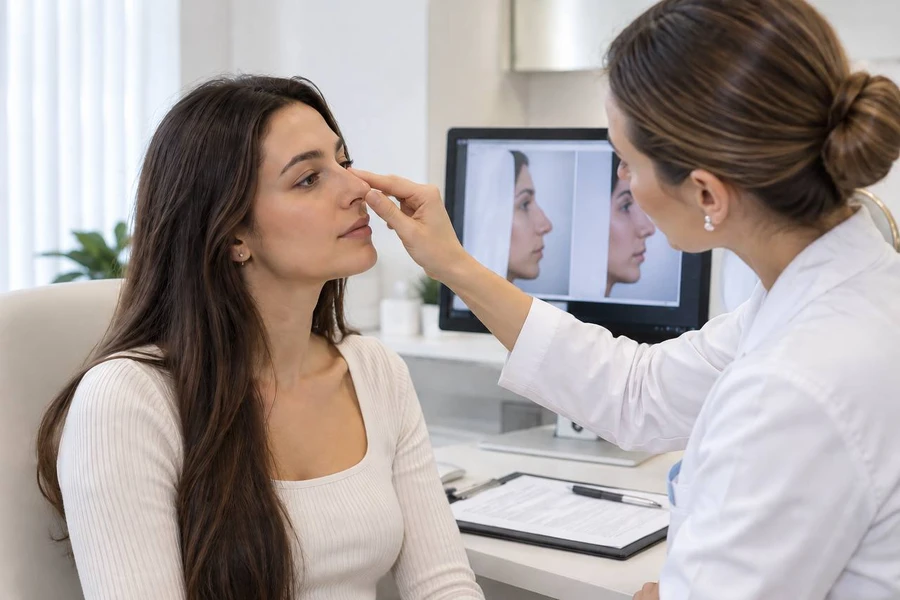
At the consultation the doctor will make a 3D model of the future result and explain
how your rhinoplasty will be carried out
The consultation is free, before surgery and with no commitment.
Book a consultationOur clinic
Up-to-date equipment, comfortable rooms and attentive care for every patient
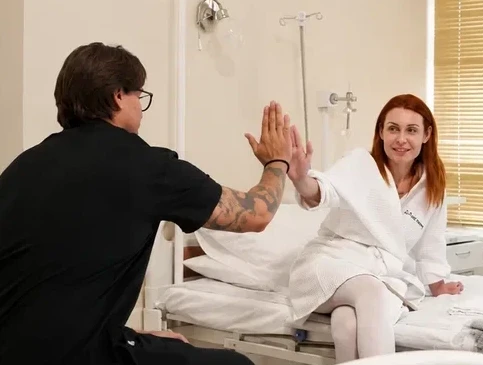
We'll answer your questions and arrange a consultation time that works for you
By messaging us, you agree to our Privacy Policy
Get a consultationIf an operation turns out not to be necessary, the doctor will say so during the consultation — you won't pay for nothing.

Unsure which column applies to you?
Write to us on Telegram and send a few photos of your nose — the doctor will let you know if rhinoplasty suits your case. Free, with no obligation to go ahead.
Find out if it suits me
Prices
Once the result is modelled at the free consultation, the cost is announced and locked in the contract.
Discounted price
nose reshaping
$4,200$6,000
Discounted price
secondary, revision
$5,400$7,200
Discounted price
nose shape and septum
$5,000$6,600
Free
surgeon's assessment and a 3D model
Free
the price of surgery is confirmed
and fixed in your contract
The doctor will examine the anatomy of your nose, hear out your wishes
and choose the right correction technique. The cost is named at the consultation and fixed in the contract.
Message our coordinator
Free online consultation · Reply within 15 minutes
Message us on TelegramMessage us on WhatsAppBy messaging us, you agree to our Privacy Policy
Price
From your pre-surgery preparation
to follow-up support for 12 months.
Discounted price
$4,200$6,000Discounted price
The process
Inpatient observation, a year of recovery monitoring, and a correction plan agreed together with you.
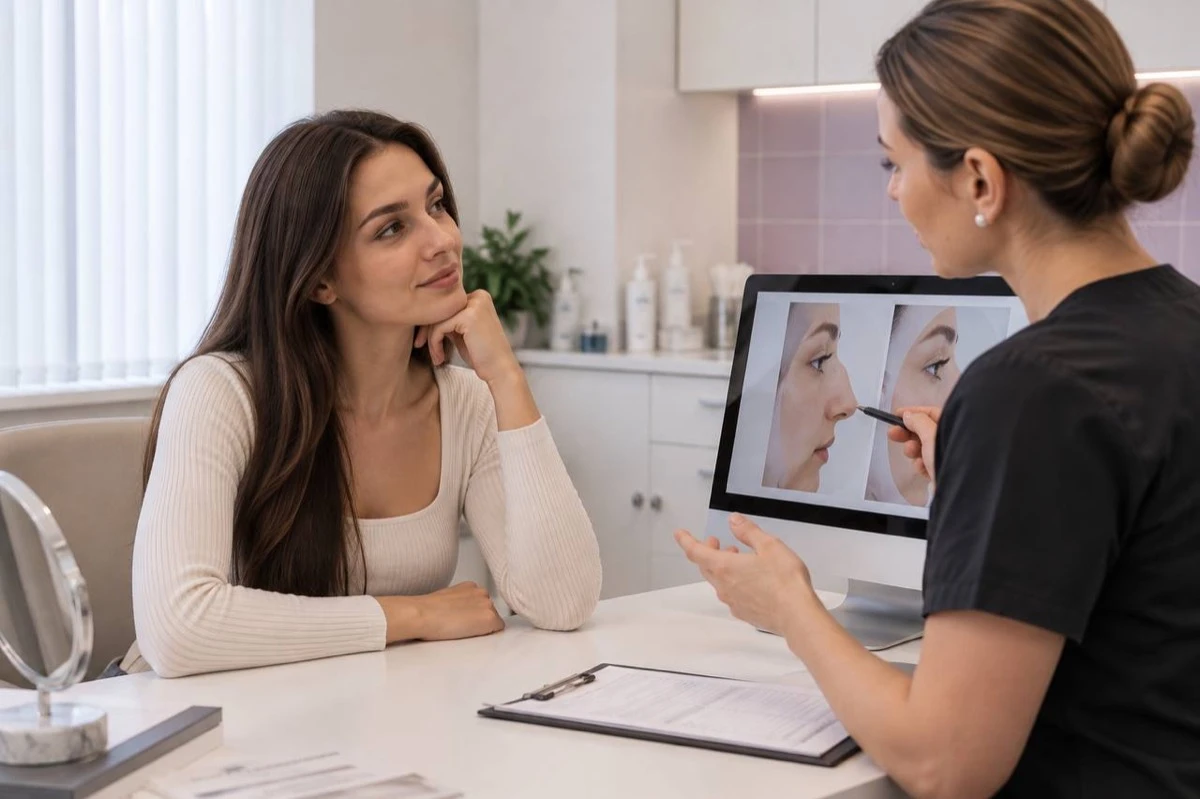
The doctor reviews your nose, talks about your wishes, and conducts the examinations required to pick the best correction technique

A surgery date is reserved for you: you can pay the deposit by card at the clinic or by bank transfer online. These terms are set out in the contract for medical services
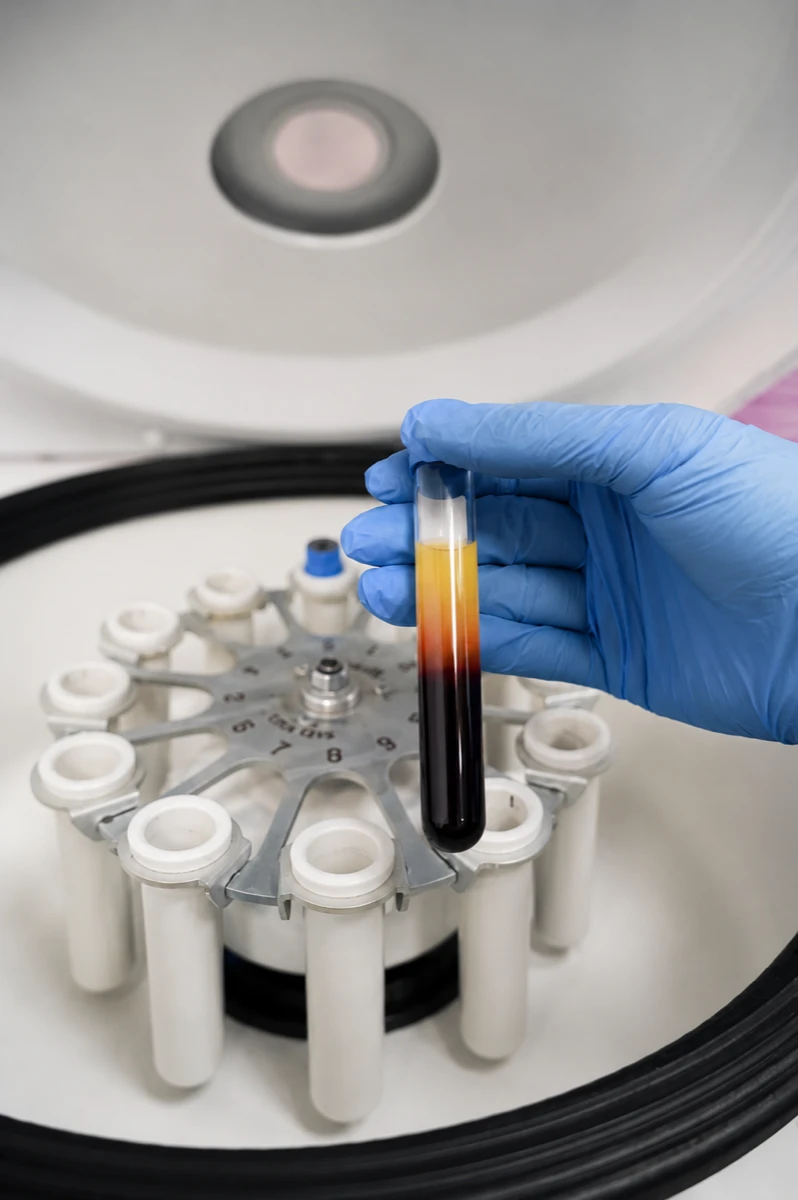
A full set of lab tests is needed before surgery: complete blood count, biochemistry, coagulation panel, chest X-ray and sinus X-ray
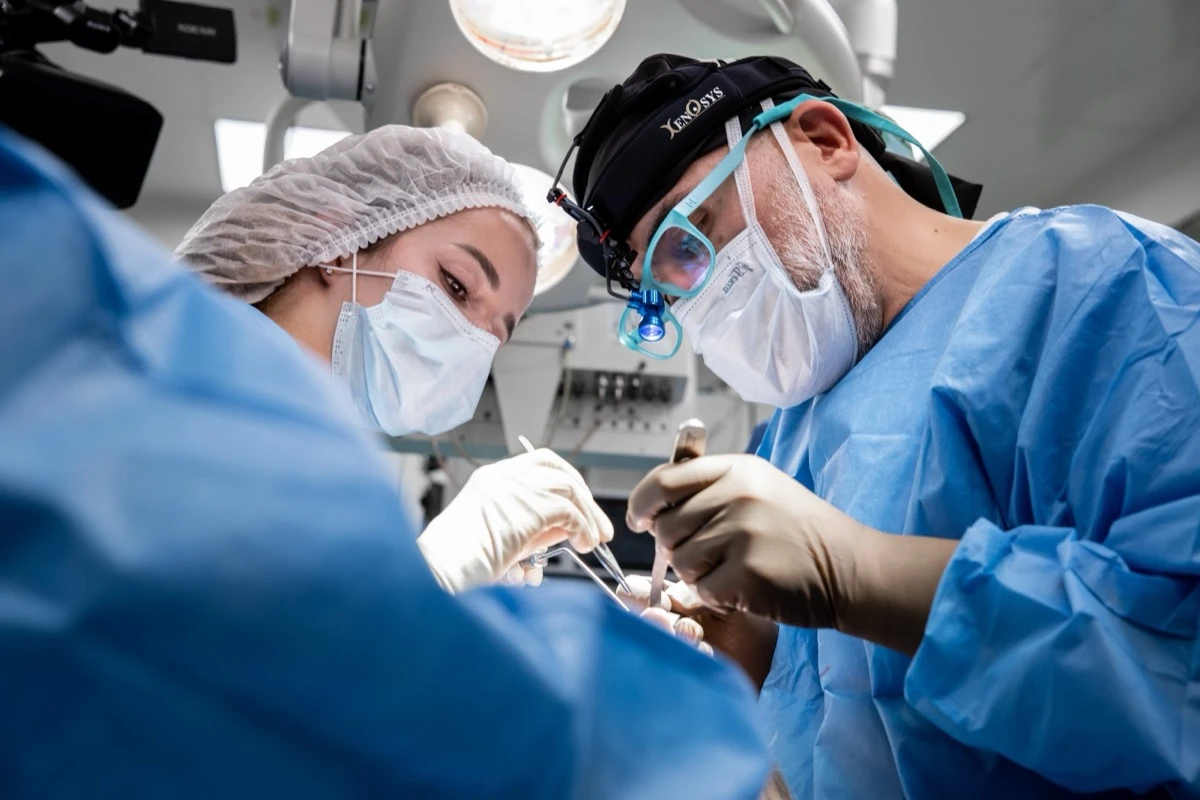
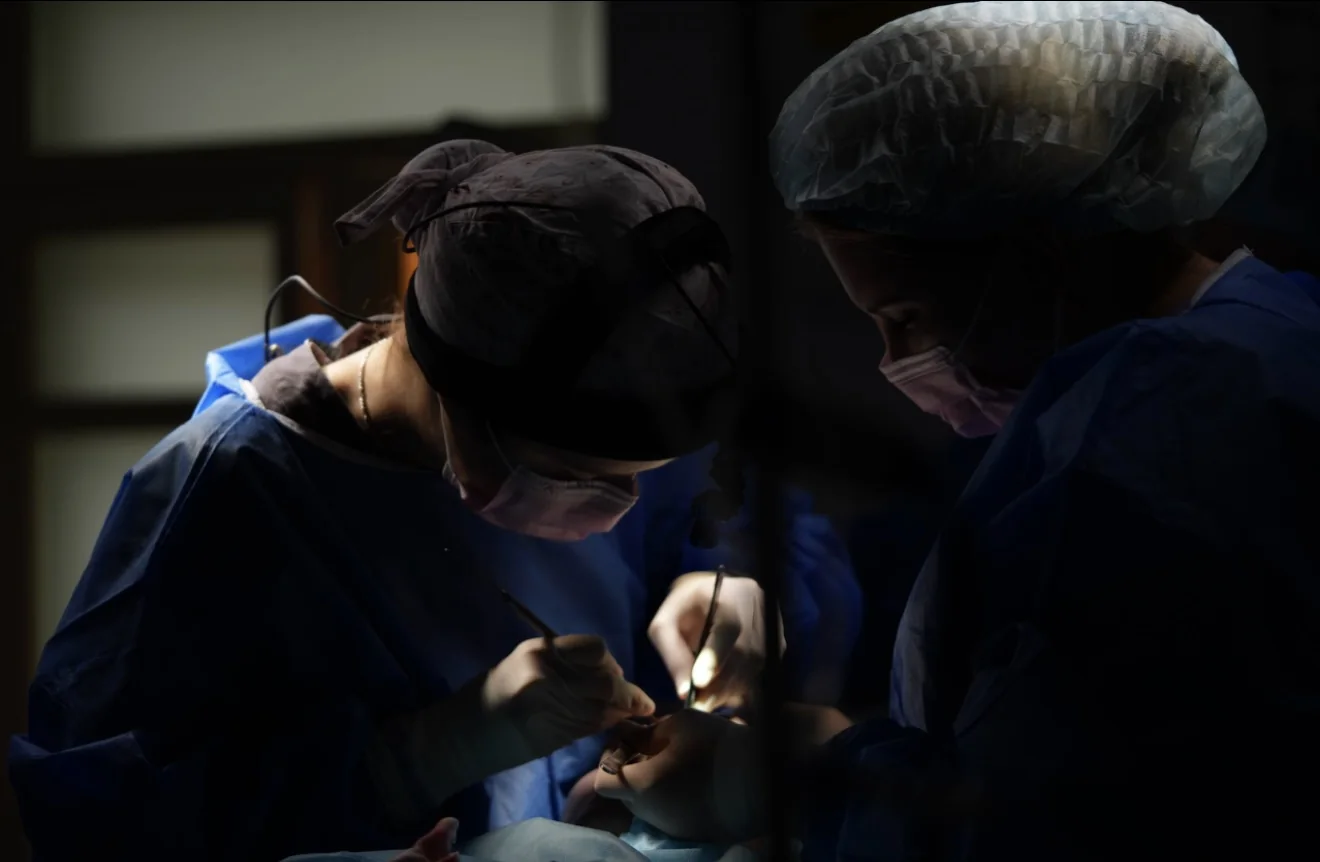
Rhinoplasty is carried out by the surgeon using the chosen technique under general or local anaesthesia, to correct the nose's shape and structure
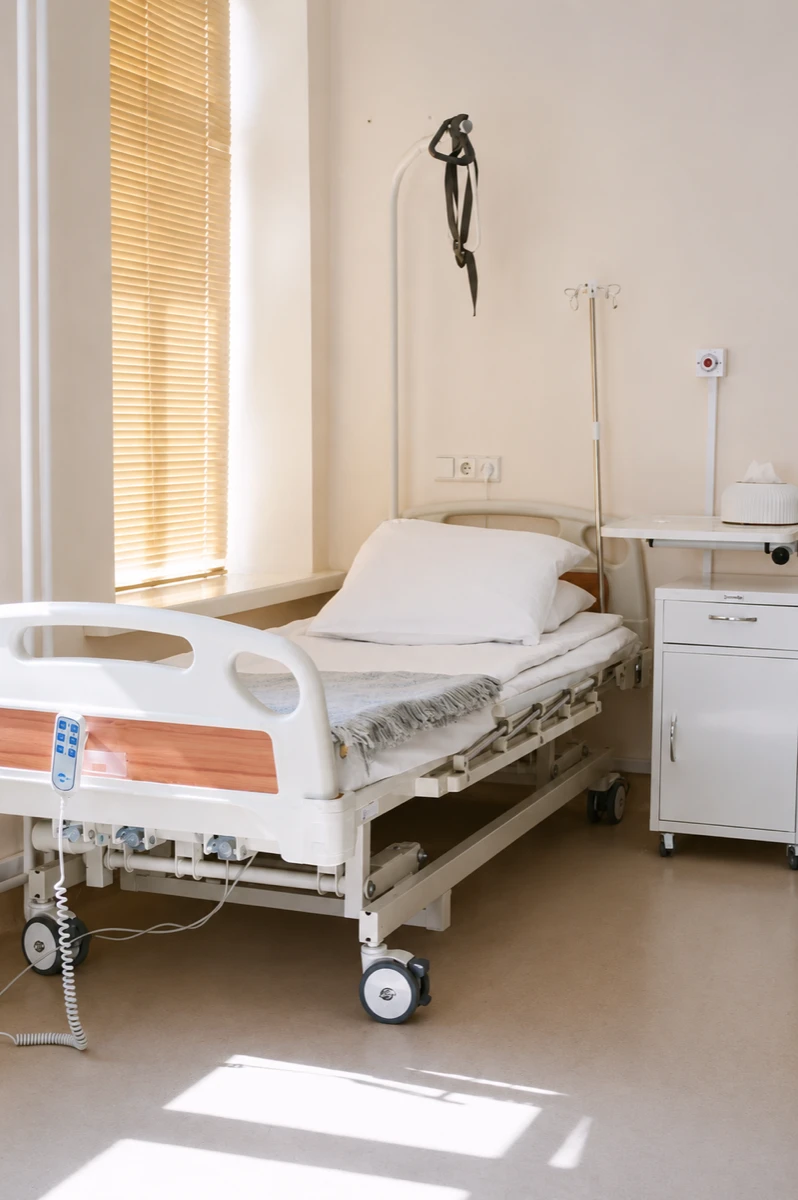
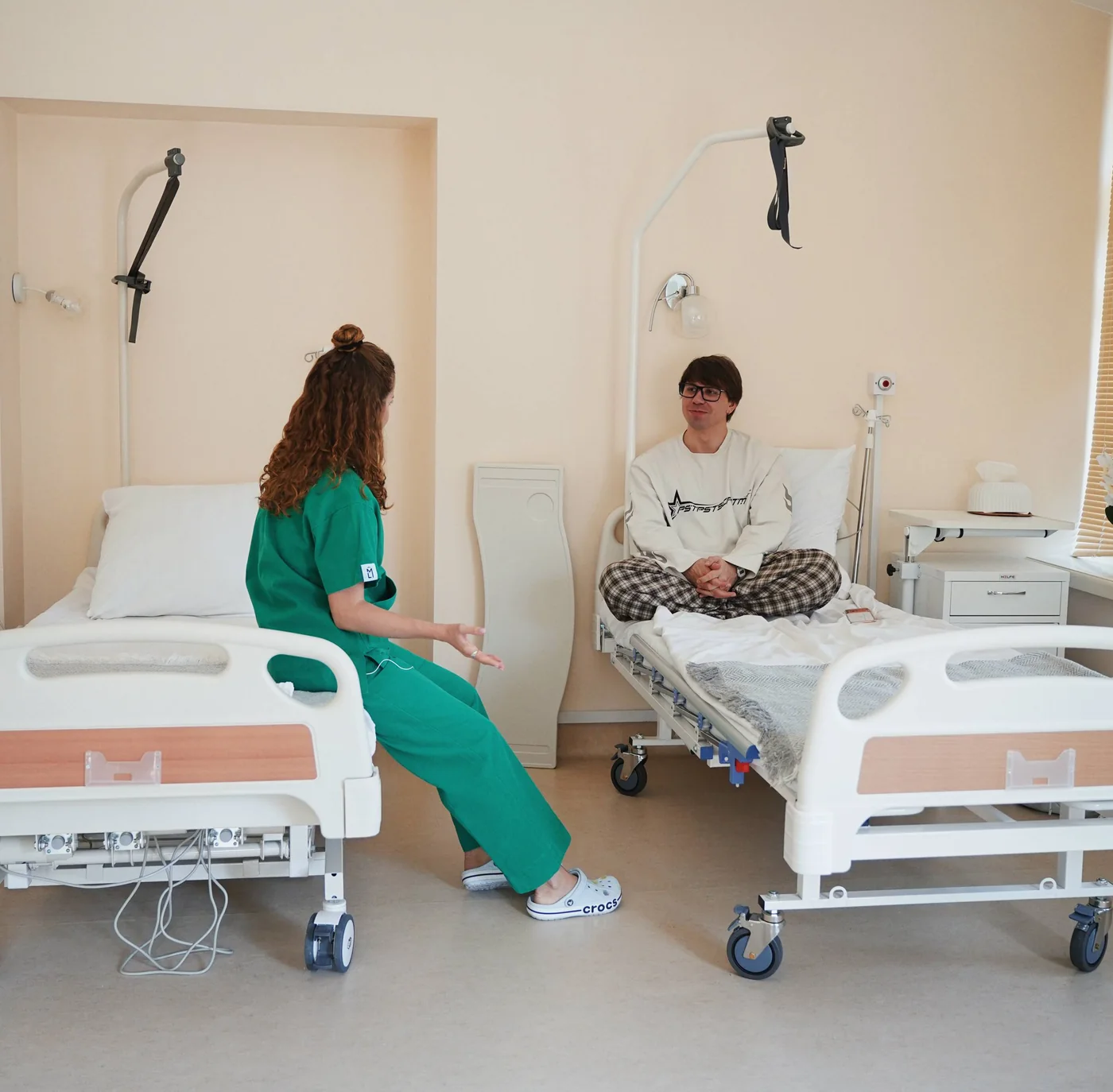
The clinic's inpatient unit is where all procedures are performed. You stay for one day post-surgery
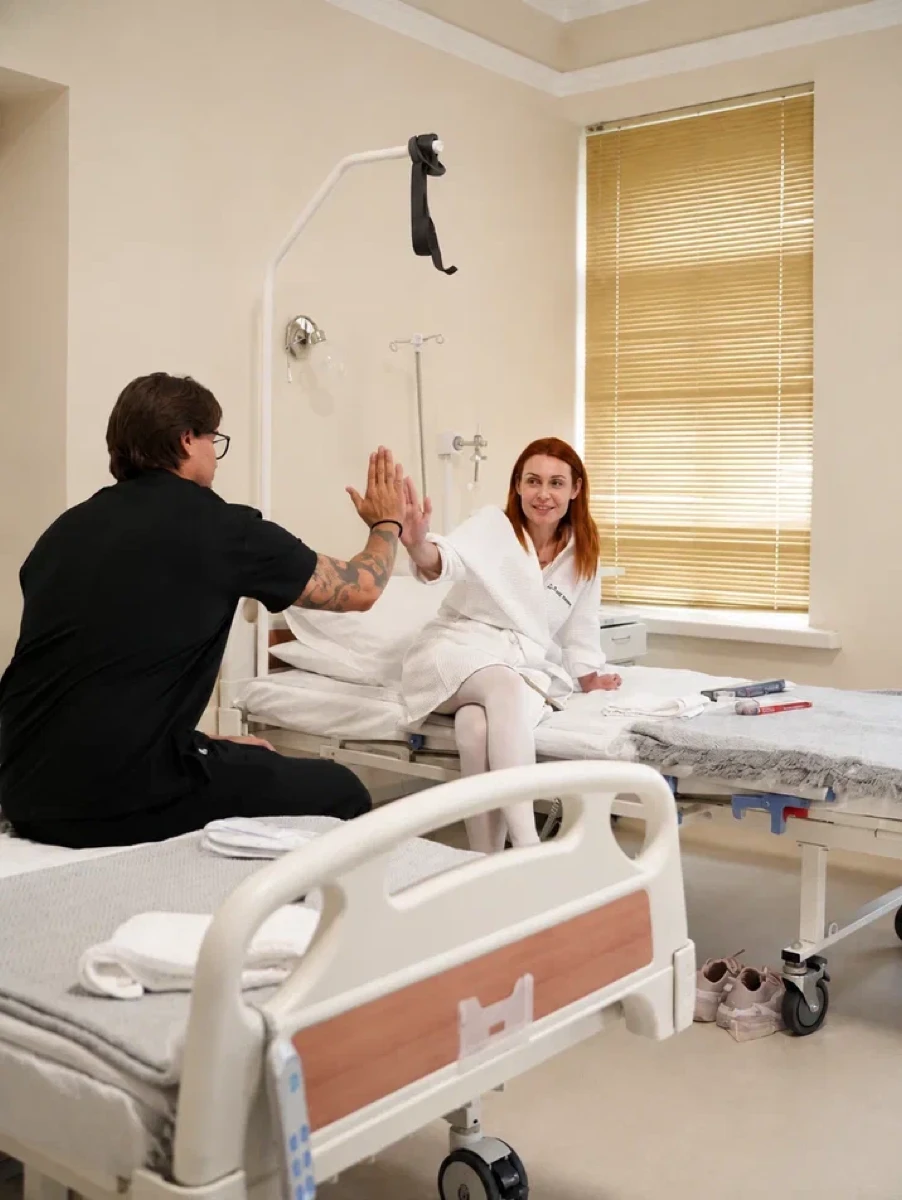
You get a recovery programme after surgery, with progress tracked through check-ups at 7 days, 3 and 6 months — and free consultations with your surgeon for a year.
During the consultation you get a realistic forecast of the expected result
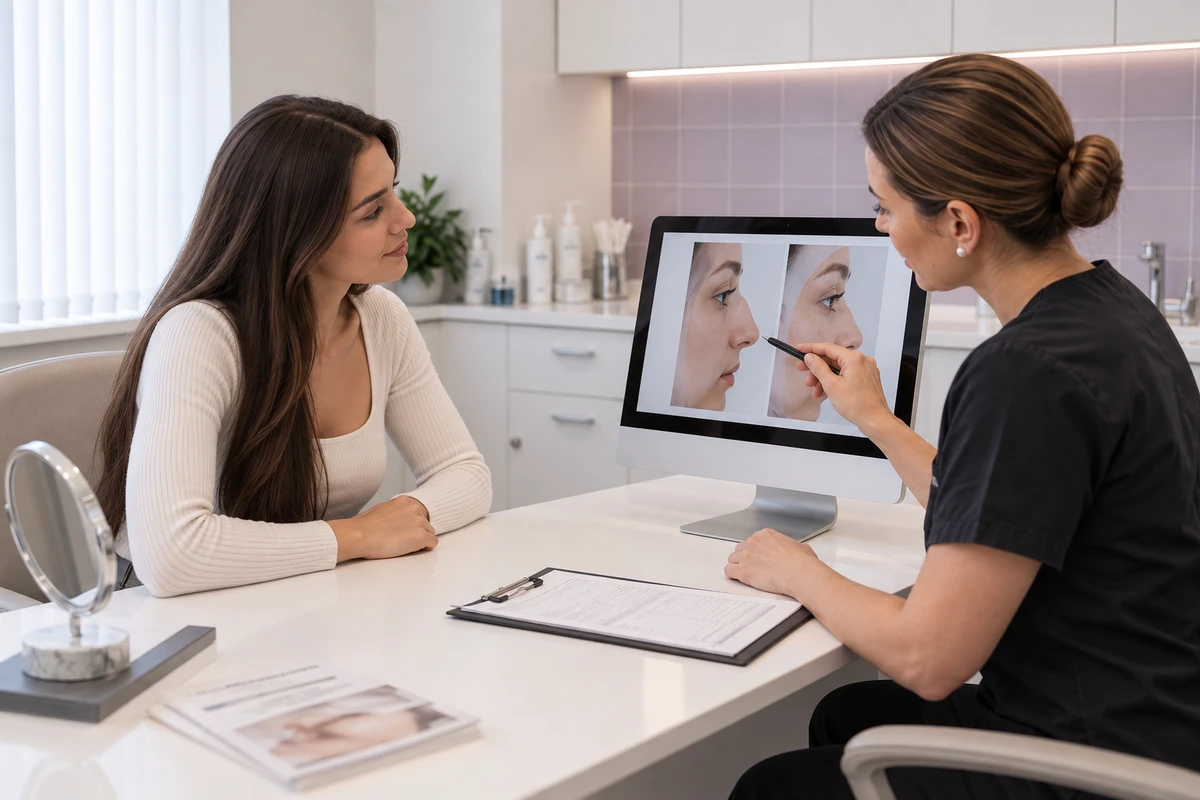
The consultation is free, before surgery and with no commitment.
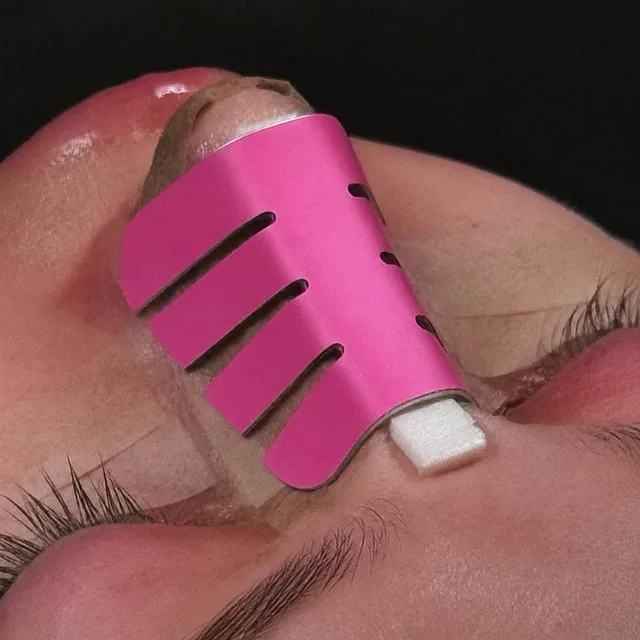
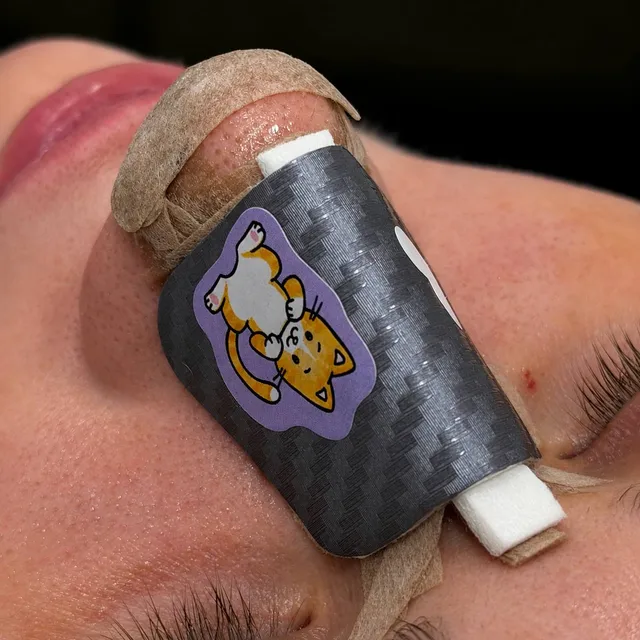
Book a consultationNasal splint
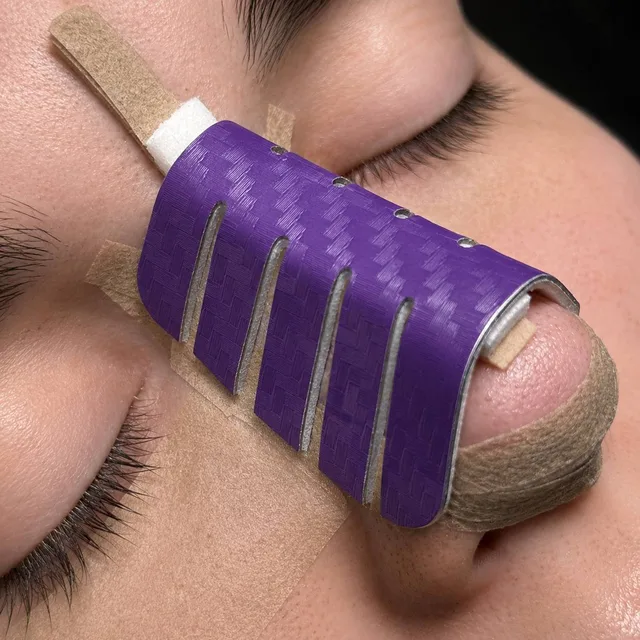
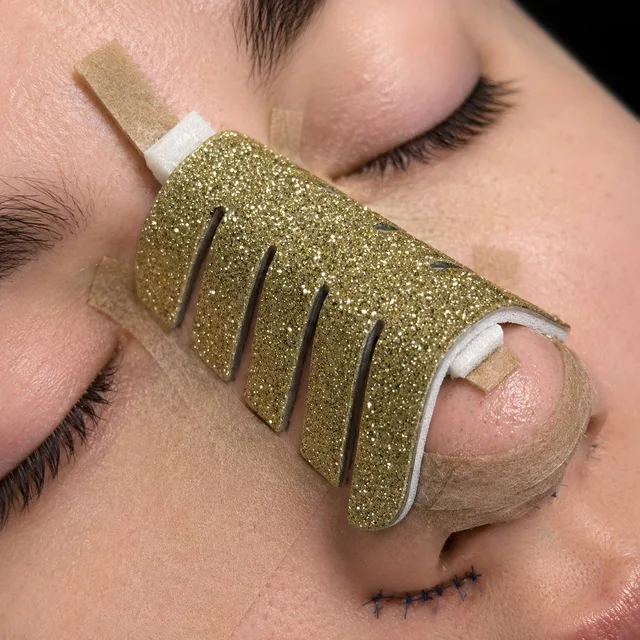
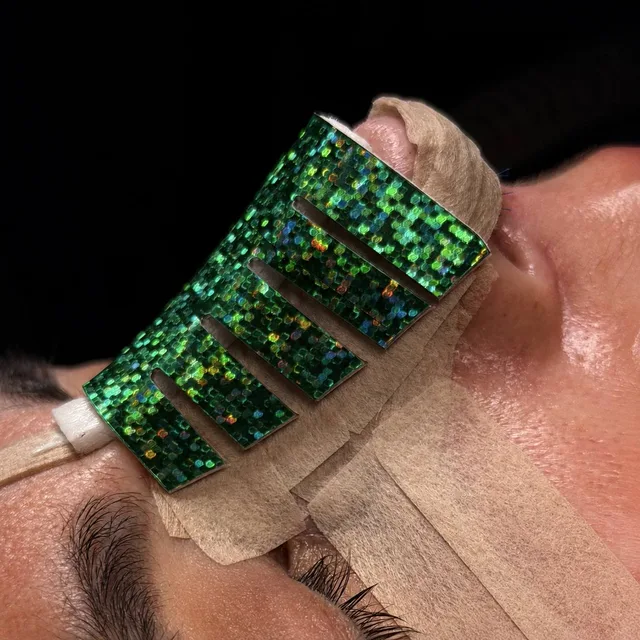
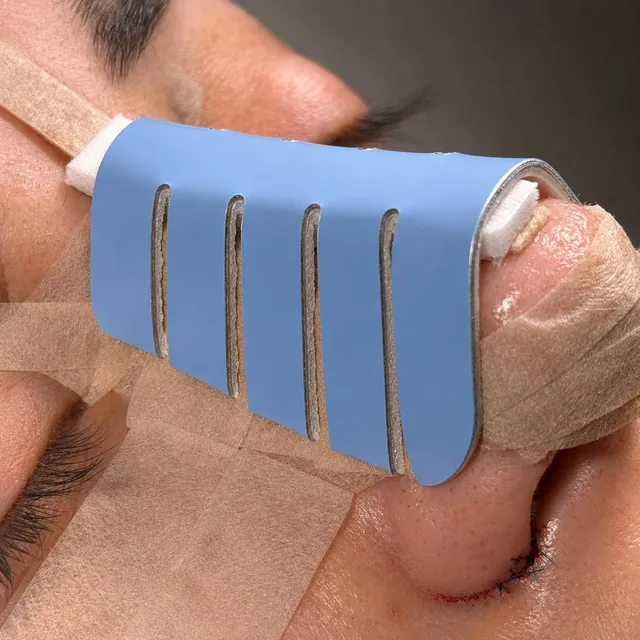
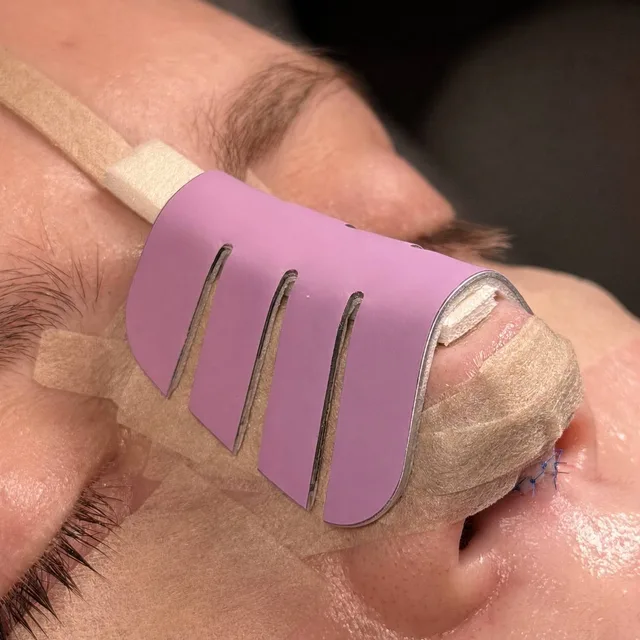
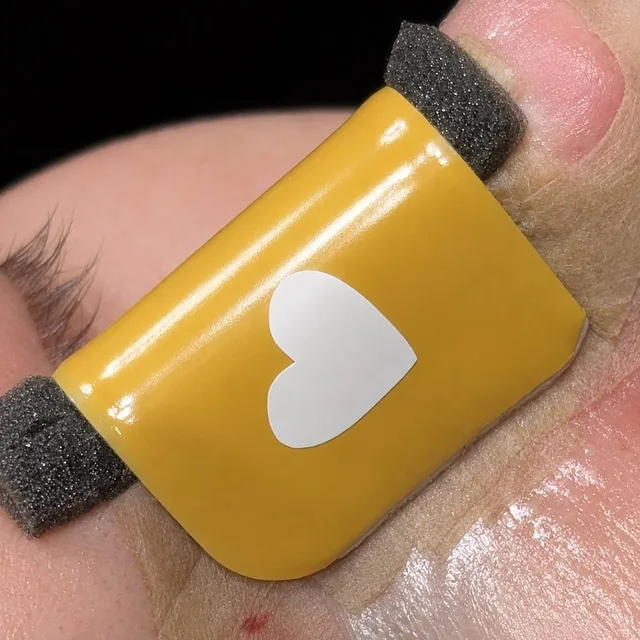
Every detail aims to highlight your natural beauty, and to make the recovery period more enjoyable, we let you pick the colour of your nasal splint.
The details that reflect your style:
Pick a splint colour that matches your mood
Small details build confidence, much as they shape your future profile
Doctors
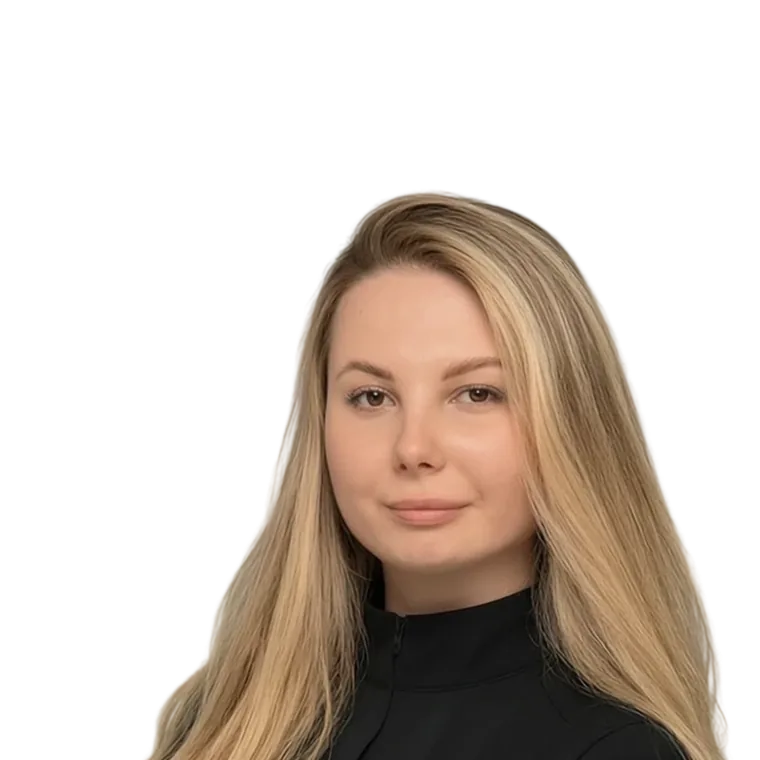
Rhinoplasty surgeon
At the consultation you talk to the surgeon who will operate
The doctor evaluates your facial proportions, listens carefully to your wishes and outlines which changes are possible.
Book a consultationCoordinators
We support you at every stage

A coordinator just for you
Your first contact at the clinic — from your first message to the consultation
Patient support
Responds to your questions ahead of the consultation and helps you settle on a convenient date

A coordinator just for you
With you from booking through your stay to discharge
Patient support
Guides your preparation for surgery and keeps in contact throughout your stay
A coordinator just for you
By your side during recovery — from the day you're discharged to your last check-up
Patient support
Keeps in touch during recovery and books your follow-up visits with the surgeon
A private channel for people who value honesty and expertise
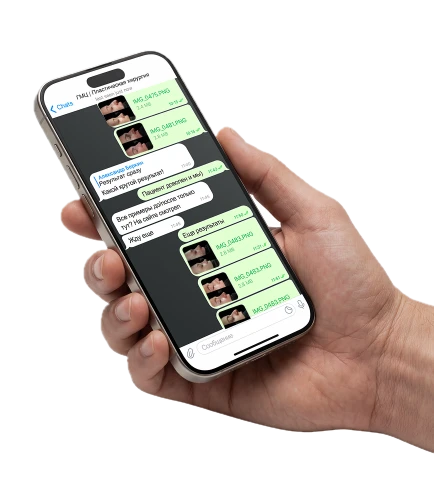
Message us — our coordinator will contact you shortly and book your consultation
By messaging us, you agree to our Privacy Policy
Get a consultationAdvantages
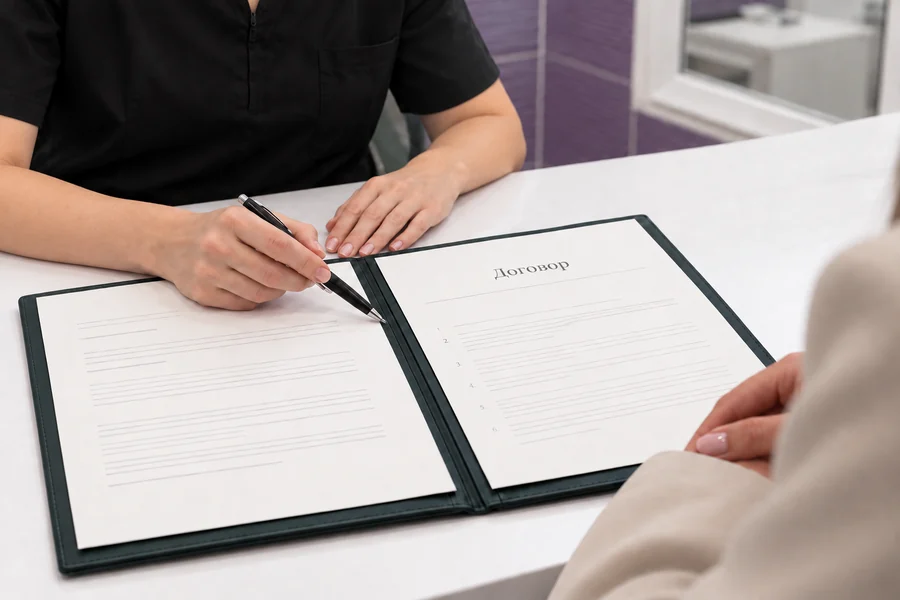
A lifetime guarantee applies under the contract, which sets out the terms of surgery, support and post-operative follow-up in advance.
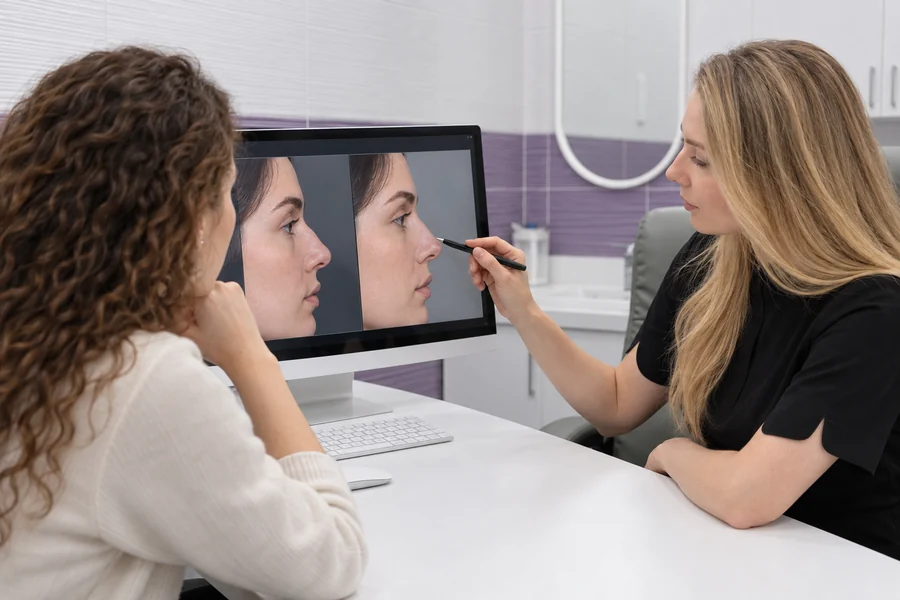
A free consultation lets us review your case and tell you whether rhinoplasty makes sense for you — facts only, no persuasion involved.
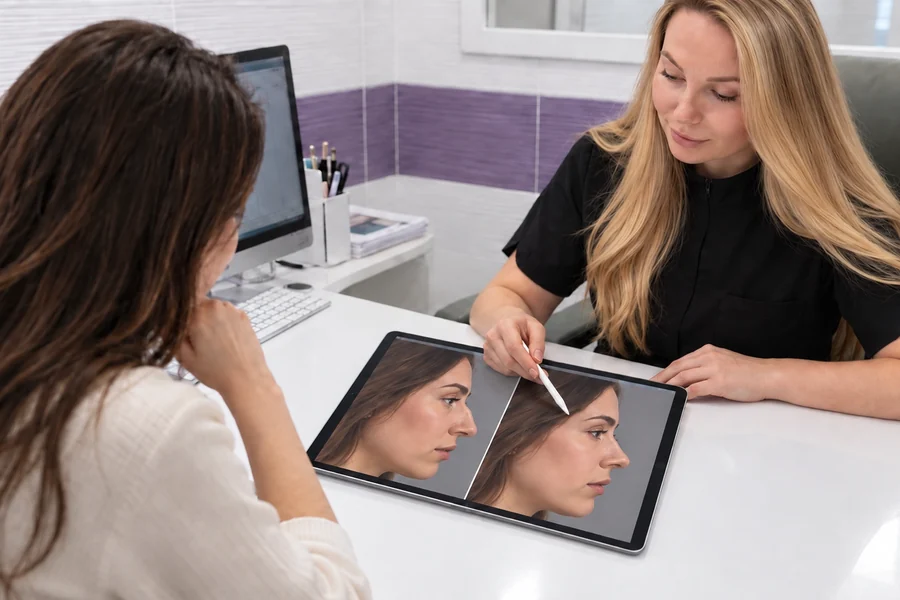
If your journey starts in another city or country, we fit the consultation and necessary preparation into a single trip, keeping the path to change comfortable with fewer trips.
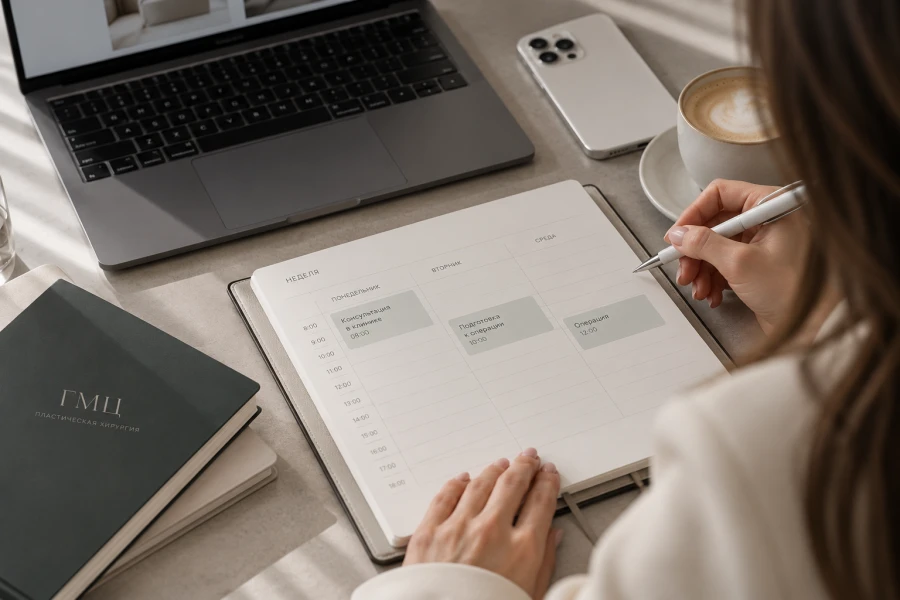
Available 24/7 with easy booking and a personal approach, we adapt to your pace because your time matters.
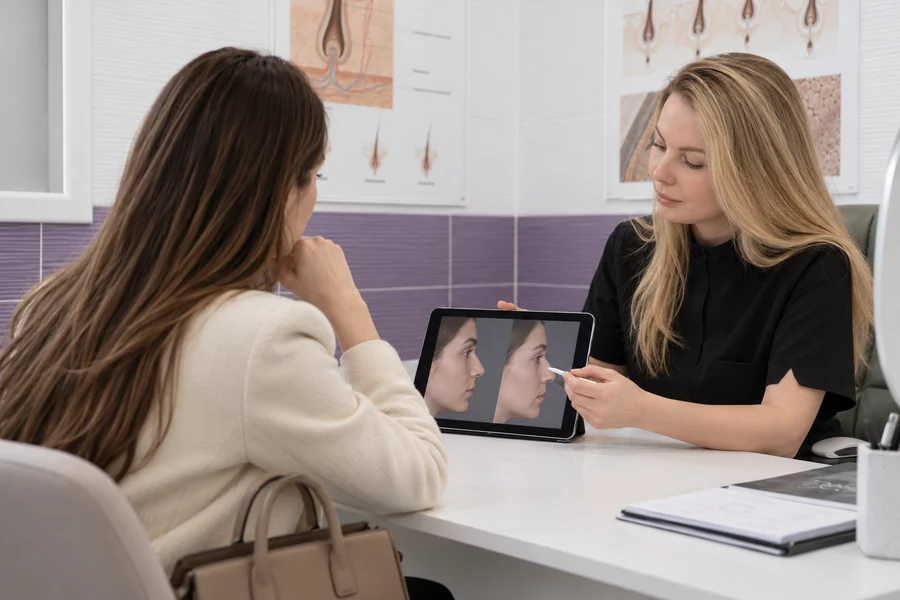
The surgeon defines the scope of correction after the consultation and gives you a clear, upfront price for the surgery — with no surprises before you reach the result you want.
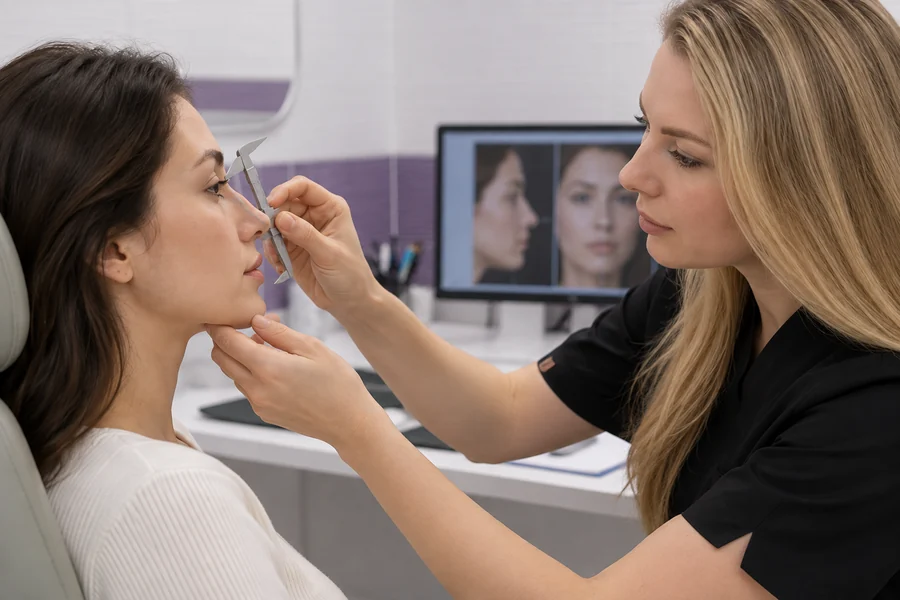
Modern equipment helps the surgeon work gently and precisely — especially where millimetres affect proportions, profile and facial harmony.
Prices
Send a request and get a free consultation on any service
Free
BookPrice without discount: $6,000$4,200
Price without discount: $7,200$5,400
Price without discount: $6,600$5,000
Price without discount: $6,500$4,700
Price without discount: $7,200$5,400
FAQ
Rhinoplasty (nose job) — one of the more delicate and frequently requested plastic surgeries, meant to adjust the nose's shape to the individual proportions of the nose and the whole face. Modern rhinoplasty is not merely a procedure to change how the nose appears, but complex surgical work aimed at an aesthetic ideal without risking health.
Yes. Nose job is the everyday name for rhinoplasty, plastic surgery of the nose. The surgeon can change its shape and, with rhinoseptoplasty, also correct a deviated septum to make breathing easier.
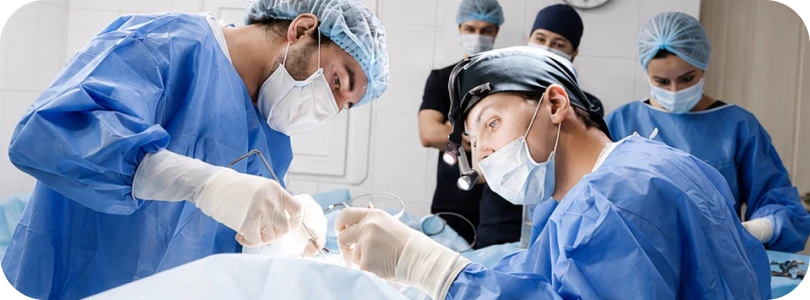
The best age range is 18 to 45: the nose has fully formed and tissues still heal well. For medical indications, surgery can take place at an older age if your overall health allows
At its core, rhinoplasty is a comprehensive solution. It corrects both congenital and acquired nasal deformities, for example after a nasal injury. Patients are often bothered by a dorsal hump or an overly wide nose. Nose correction can also target the tip (tip rhinoplasty) or the nostrils (alar rhinoplasty). The surgical plan is created individually for each patient, taking every feature of their nose into account.
Rhinoplasty is performed under general anaesthesia and, depending on complexity, takes 1.5 to 3 hours.
The surgeon determines the extent and course of the surgery at the consultation, based on your goals and the anatomy of your nose.
Rhinoplasty — surgery to change the appearance of the nose (an aesthetic goal) and improve its function if breathing is impaired.
Septoplasty — surgical correction of the septum for normal breathing, with the external contour of the nose left as it is.
Often both surgeries are combined, especially when a patient has a deviated septum and aesthetic concerns. This gives a harmonious look and restores full breathing. At City Medical Centre we perform rhinoseptoplasty — a combined surgery that solves both tasks at once
For a successful operation, preparation should begin 21 days before rhinoplasty. At the first appointment our plastic surgeon will give you a list of the required tests.
| Complete blood count (including ESR, white cell differential, platelets) | 2 weeks |
| Urinalysis | 2 weeks |
| Infection tests: HIV, HBsAg, anti-HCV, antibodies to Treponema pallidum | 2 weeks |
| Blood group and Rh factor | 2 weeks |
| Blood biochemistry (total protein; urea; uric acid; creatinine; glucose; total, unconjugated and conjugated bilirubin; ALT; AST; K; Na; Cl; cholesterol) | 2 weeks |
| Coagulation panel (Quick prothrombin, INR, APTT, D-dimer, antithrombin III) | 2 weeks |
| Electrocardiogram (ECG) tracing with a report | 2 weeks |
| Doppler ultrasound of the leg vessels / duplex scan of the leg veins | 2 weeks |
| Chest X-ray or fluorography with a report | 6 months |
| MSCT of the paranasal sinuses | 6 months |
| After the full laboratory work-up — a physician's report confirming there are no contraindications to surgery | 2 weeks |
Pre-op preparation includes plastic surgeon consultations, lab tests (CBC, biochemistry, coagulation, infection tests), ECG, chest X-ray, and a nasal X-ray or CT. Anticoagulants, alcohol and smoking are stopped a week before surgery. The day before, eat lightly; fast 6 hours before surgery
Although nose surgery is one of the most popular and well-established aesthetic operations, like any surgery it carries certain risks. To minimise the likelihood of complications after rhinoplasty, our clinic provides thorough pre-operative preparation and post-operative monitoring.
Important: if after rhinoplasty you have difficulty breathing, severe pain, a high temperature or a change in the shape of your nose, contact your doctor immediately.
Rhinoplasty at City Medical Centre is performed with modern technology, safe materials and constant medical supervision, which keeps the risk of complications to a minimum.
We also provide post-operative monitoring and prescribe recovery therapy.
Recovery after nose surgery is just as important as the operation itself. Proper recovery determines how aesthetic and harmonious the final result will be. At City Medical Centre recovery is closely monitored and divided into three phases: early, intermediate and late
First improvements show once swelling subsides (2–3 weeks), but the final rhinoplasty result can be judged in 1–1.5 years, when tissues fully stabilise
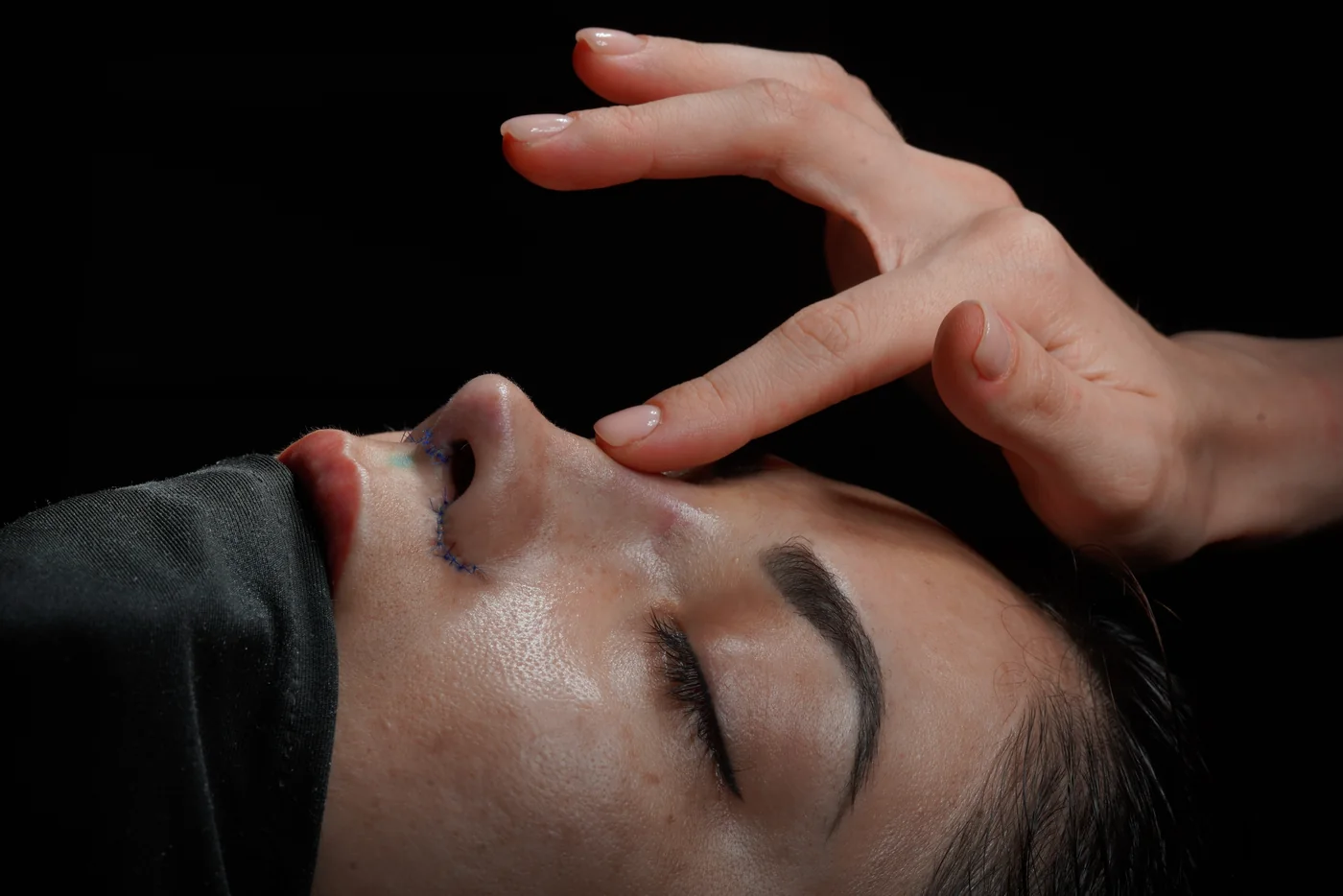
The nose needs to be protected after surgery. An aluminium cast is placed over the nose, with special silicone splints inside the nasal cavity. Nasal function is limited in the first days but recovers quickly. The final result of rhinoplasty can be assessed after 1–1.5 years, once the swelling has fully subsided.
Important: if nasal function is impaired after the first operation or you are not satisfied with the result, revision (secondary) rhinoplasty may be needed. It is a more complex procedure, performed no earlier than one year after the primary operation.
During the first days after surgery, splints or swelling may partly block the nasal passages. Breathing is usually fully restored within 1–2 weeks, depending on the extent of surgery and your body
Our doctors use microsurgical techniques and quality sutures to keep scars minimal
With rhinoplasty, facial features gain harmony and aesthetics improve, while individuality stays intact. 3D modelling allows you to view the predicted result ahead of time and settle the changes with your surgeon
Rhinoplasty is a serious step. A well-performed rhinoplasty means the new nose is in perfect harmony with your facial features and works flawlessly. At the consultation the nasal surgeon assesses every parameter in detail: the size of the nose, tip projection, and the condition of the septum and nasal mucosa. We use 3D modelling so you can see the future proportions of your nose before the surgery is performed.
Don't just browse rhinoplasty photos online. Book a consultation to discuss what modern rhinoplasty can and cannot do for you. Correcting external nasal deformities and reshaping the nose is our speciality.
Pricing depends on the extent of surgery and is set during the consultation: the doctor gives you the exact figure after examining your nose and facial proportions.
Blog
More about rhinoplasty
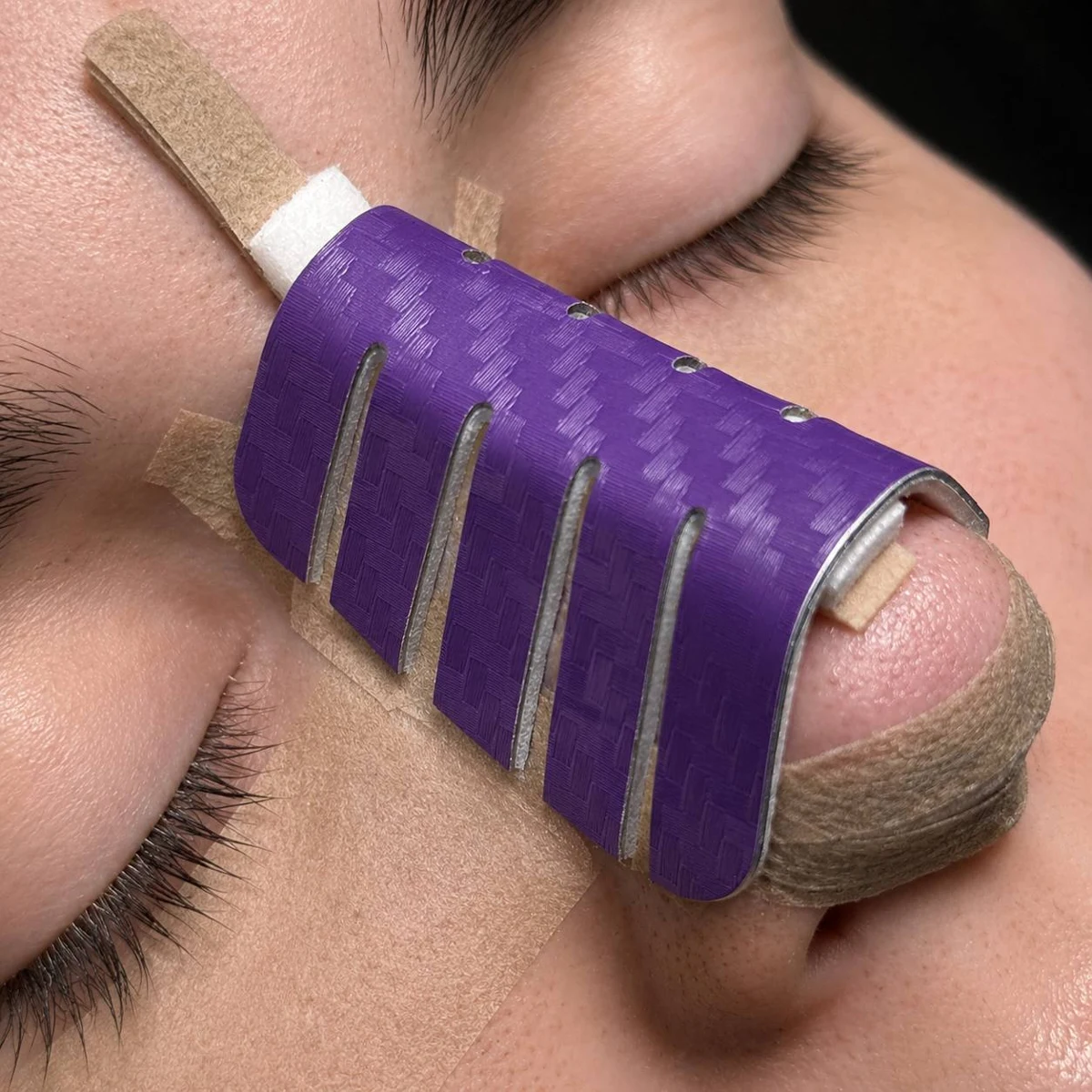
Find out how recovery after rhinoplasty goes in the first 7, 14 and 30 days
Read the article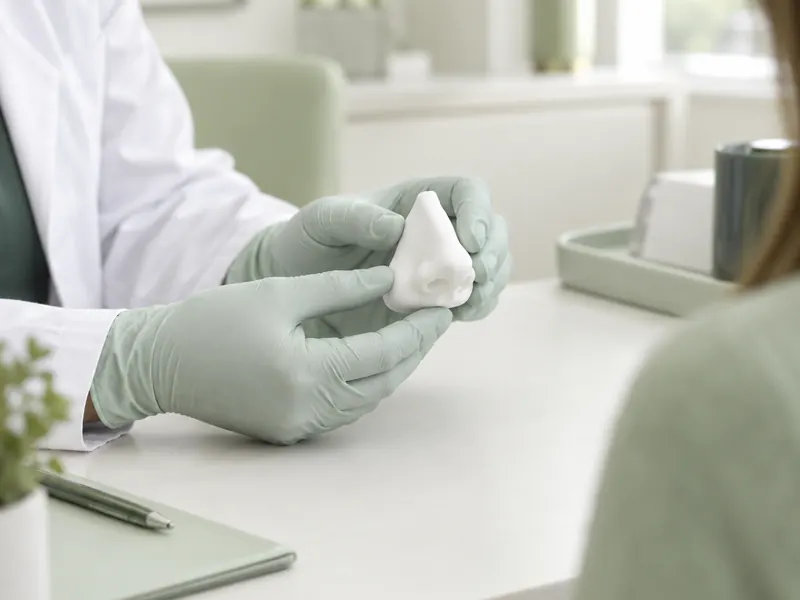
Preparation, recovery week by week, when the splint and stitches come out and how long to wait before flying home.
Read the articlePrices are in US dollars; the amount in brackets is an approximate conversion to SGD at the rate of 02.10.2026. The final price is fixed in your contract.
Prices start from $4,200 (≈ S$5,400). The surgeon sets the final price at the free consultation, and it is fixed in the contract, with no hidden extras.
The operation under general anaesthesia, a one-day inpatient stay, follow-up visits and dressings, plus a lifetime guarantee on the result.
Surgery takes 1.5–3 hours and you stay one day in the clinic. The nasal splints come out on day 7, and the cast is worn for up to 14 days.
Yes. The first consultation is free and does not oblige you to anything. You can start online by sending a message to the coordinator.
Message us on WhatsApp or Telegram using the buttons below. A coordinator will answer your questions and book a free consultation where the doctor names the exact price.
By messaging us, you agree to our Privacy Policy
The aim is a nose that blends with your features and works flawlessly. Before anything is decided in Singapore, the surgeon evaluates nose size, tip projection, the septum and nasal lining, then uses 3D modelling to show the future proportions. Rhinoplasty makes features more harmonious without losing individuality, and the predicted result is agreed with you in advance.
Read also: rhinoplasty in Kampala · rhinoplasty in Harare
Preparation begins about 21 days before surgery, when the plastic surgeon hands over the list of tests. Three to five days before, stop smoking and alcohol, cut salty, fatty and spicy foods and avoid peels or scrubs. On the day itself, the last food and drink should be at least six hours before the operation. This routine is the same for every Singapore patient.
Nothing about the price is hidden. For $4,200 (≈ S$5,400), residents of Singapore get the operation performed by the plastic surgeon, a day in the ward, follow-up appointments and dressings, and personal coordinator support throughout. The same amount covers open and closed techniques, tip correction and septorhinoplasty. Your first step is a free consultation where the doctor assesses the nose and gives a precise quote.
Singapore's relative humidity averages close to 82% year-round, with daytime highs typically around 31-33°C, according to the Meteorological Service Singapore — there's no cool season, only a wetter Northeast Monsoon from December to early March and a Southwest Monsoon from June to September. For the first week after rhinoplasty, while splints sit inside the nostrils and an aluminium cast protects the bridge, that humidity doesn't change the healing timeline itself, but it does mean the cast and surrounding skin stay slightly damp rather than dry, so patients are usually advised to pat the area rather than rub it and to keep the cast itself dry even on a humid day.
Once the cast comes off, direct sun on skin that has just come through swelling and bruising is worth managing carefully: sunglasses double as a light shield for the nose and the sensitive area around the eyes, and they're an easy habit to keep up outdoors in a city where strong sun is a year-round feature rather than a summer-only concern.
The short, heavy downpours typical of both monsoon seasons are also worth building into travel time to follow-up visits in the first weeks, since rushing while still tender to avoid a sudden shower is best avoided; a short covered walkway between an MRT exit and a clinic entrance is common across the city and worth checking in advance if a visit falls during a wetter stretch.
Every doctor practising in Singapore has to be registered with the Singapore Medical Council and hold a valid practising certificate, and the Council's public register lets anyone confirm that status before booking rather than after. Rhinoplasty itself doesn't have one single, protected specialist title the way some other fields do: a doctor can hold general registration and still legally perform the surgery, so what the register shows is only the starting point, not the full picture of someone's actual experience with noses specifically.
A fair next question at the first consultation is how many rhinoplasty or rhinoseptoplasty cases a surgeon has personally handled, not just how long they've practised medicine overall, since nasal anatomy work rewards focused, repeated experience more than general surgical seniority. Asking whether the planned approach addresses breathing as well as shape — relevant if a deviated septum is part of the picture — is worth raising early too, since the two issues are often corrected together rather than in separate operations.
It's also worth asking directly how the surgeon handles a result that falls short of what was discussed, and who carries out the one-year run of follow-up visits — a straightforward answer to both questions, given before any date is booked, is a more useful signal than a long list of credentials on a clinic website.
MediSave, Singapore's national medical savings scheme, is described by the Ministry of Health as covering hospitalisation costs and a defined list of outpatient and chronic-disease treatments at accredited institutions; a nose reshaped purely for appearance sits outside that list as an elective, cosmetic procedure. Where the picture can change is when breathing is genuinely impaired by a deviated septum: a septoplasty performed to correct that function, as opposed to the cosmetic reshaping done alongside it, can sometimes be assessed differently by a doctor or insurer, which is exactly the kind of borderline case worth raising directly with MOH's own enquiry channels or your insurer rather than assuming either way.
If a case genuinely combines a functional septal problem with a cosmetic goal, it's worth asking the surgeon to separate the two components in writing at the consultation stage, before any figures are fixed, so that the medically-indicated and purely cosmetic parts of the plan are clearly distinguished from each other.
Singapore became fully independent in 1965 and has since built a land area of roughly 734 square kilometres, much of it expanded through decades of reclamation, into one of the world's most densely developed urban economies, according to the Department of Statistics Singapore. The population is unusually mixed by ethnicity, with Chinese, Malay, Indian and a wide range of other communities living side by side, and a corresponding range of nasal anatomy and skin types that a clinic serving this population sees routinely rather than treating any one profile as the default.
Public housing, shopping malls and clinics sit close together across the island, and the MRT rail network connects almost all of them, so in practice the consultation, the 3D modelling session, the surgery day and each scheduled check-up tend to fall within a short journey of each other rather than requiring a long commute across the city.
The clinic's own staged recovery plan runs in three phases. In the early phase, days 1 to 7, breathing is through the mouth while splints sit in the nostrils and swelling and bruising are present; the splints come out on day 7, while the aluminium cast stays on for up to 14 days and stitches are removed together with it. In the intermediate phase, days 8 to 30, swelling gradually subsides though the tip and bridge can stay puffy, and for that first month physical exertion, saunas, pools, hot baths and sun exposure are all avoided, with sleep kept on the back in a semi-upright position.
In the late phase, spanning months 1 to 18, mild congestion can still come and go for four to six weeks, and the nose only takes its final shape after 1 to 1.5 years, which is also when the clinic's own guidance says the true result should be judged rather than any earlier impression. Breathing itself is usually fully restored within 1-2 weeks of the operation, well before the nose's outward shape has finished settling, so a patient who still feels some tightness or sees residual swelling at the one-month mark is still within the normal range described in that plan, not behind it.
Yes — the clinic's coordinators are reachable on Telegram and WhatsApp around the clock, so photos and questions can go to them for an initial read before any in-person visit is booked.
Search the surgeon's name on the Singapore Medical Council's public register, which shows current registration status, before the consultation rather than relying on a clinic's own description.
The healing timeline itself doesn't change, but the cast and surrounding skin tend to stay slightly damp given average humidity close to 82%, so patting rather than rubbing the area and keeping the cast dry are the usual practical adjustments.
Generally no for the cosmetic part of the procedure, since MediSave's published coverage centres on hospitalisation and a defined list of outpatient care, not elective aesthetic surgery; a genuinely function-related septal correction is a separate question worth raising directly with MOH or an insurer.
The clinic's own recovery plan puts the true final result at 1 to 1.5 years, well after the splints and cast come off at days 7 and 14 and after the swelling in the intermediate phase settles over the first month.
No — breathing is usually fully restored within 1-2 weeks, even though the nose's outward shape keeps changing for much longer as swelling continues to resolve.
Often yes: the clinic's combined rhinoseptoplasty addresses both the septum and the external shape in one procedure, though whether that fits a given case is decided at the consultation after an examination.
There's no medical reason to avoid either monsoon period, but short, heavy downpours are common from December to early March and again from June to September, so leaving a little extra time to get to a follow-up visit during those stretches is a practical precaution rather than a medical one.
Raise it directly at the first consultation: ask whether the surgeon is proposing a combined rhinoseptoplasty to correct a deviated septum alongside the cosmetic reshape, since the two are often addressed in the same operation rather than two separate ones.
The clinic's own guidance treats 18 to 45 as the typical range, since the nose has usually finished forming by then and tissue tends to heal well, though an older patient can still be considered individually if their general health allows it.
Written by Marina T. Pershikova, rhinoplasty surgeon
How we prepare and review medical content · Medical disclaimer
Page last updated:
Well-known people who spoke openly about this operation, in their own words.
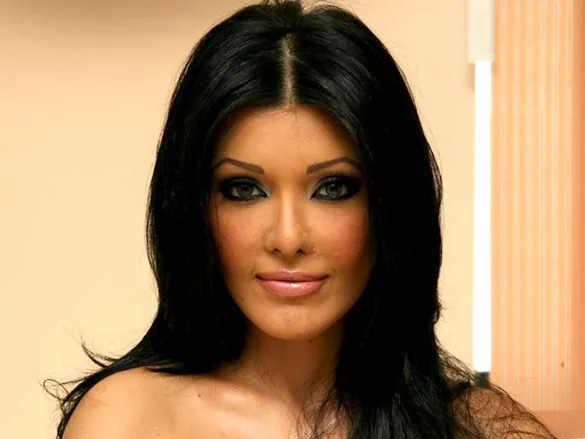 Did Koena Mitra have a nose job? Yes — and she told the whole storyThe Bollywood actress opened up about her nose procedure going wrong. Her honest quotes on the pain, the recovery and her warning to young girls.
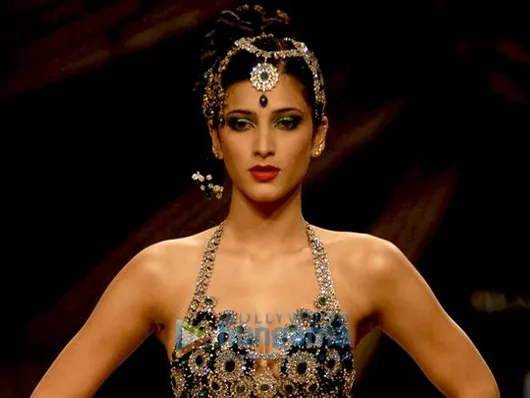 Shruti Haasan’s nose surgery: a broken nose, a deviated septum and her own wordsShruti Haasan said her nose was broken and she had a deviated septum that hurt. What she said, and how septorhinoplasty and recovery work today.