
Augmentation Mammoplasty in Sydney
The price of the surgery covers it all: anesthesia, your stay as an inpatient and a full year of follow-up. The clinic has never recorded a dissatisfied patient.
Fixed price $4,700

Comfortable
recovery
Anatomical
precision
We highlight your individuality
Fixed price $4,700
In-house instalments
We highlight your individuality
Comfortable
recovery
We stand by the result
Anatomical precision
Fixed price $4,700
Unhappy
patients: 0
Anatomical
precision
We highlight your individuality
Real results of our patients
Breast surgery before and after photos

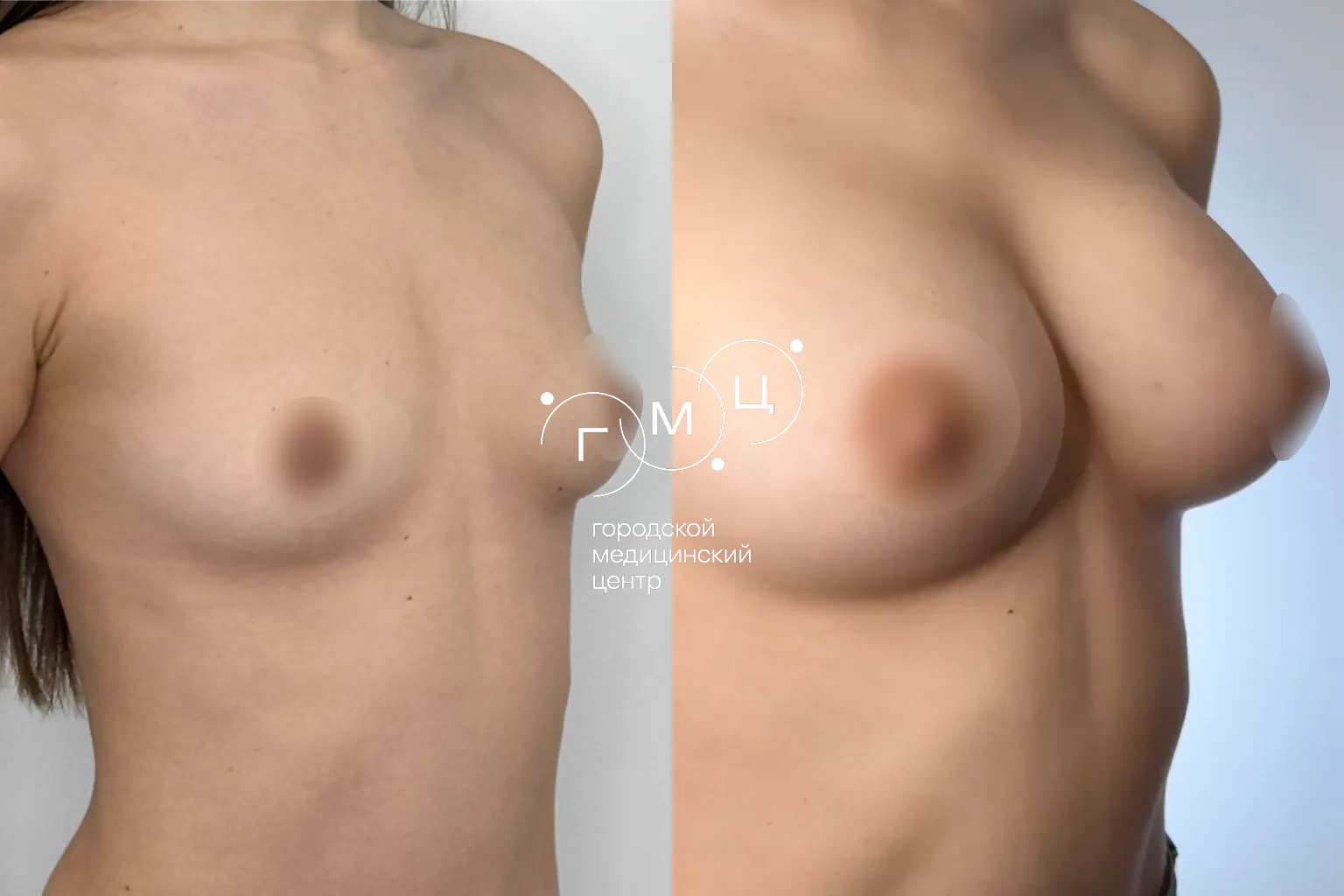
Mammoplasty
32 years
6 months
Method: implants
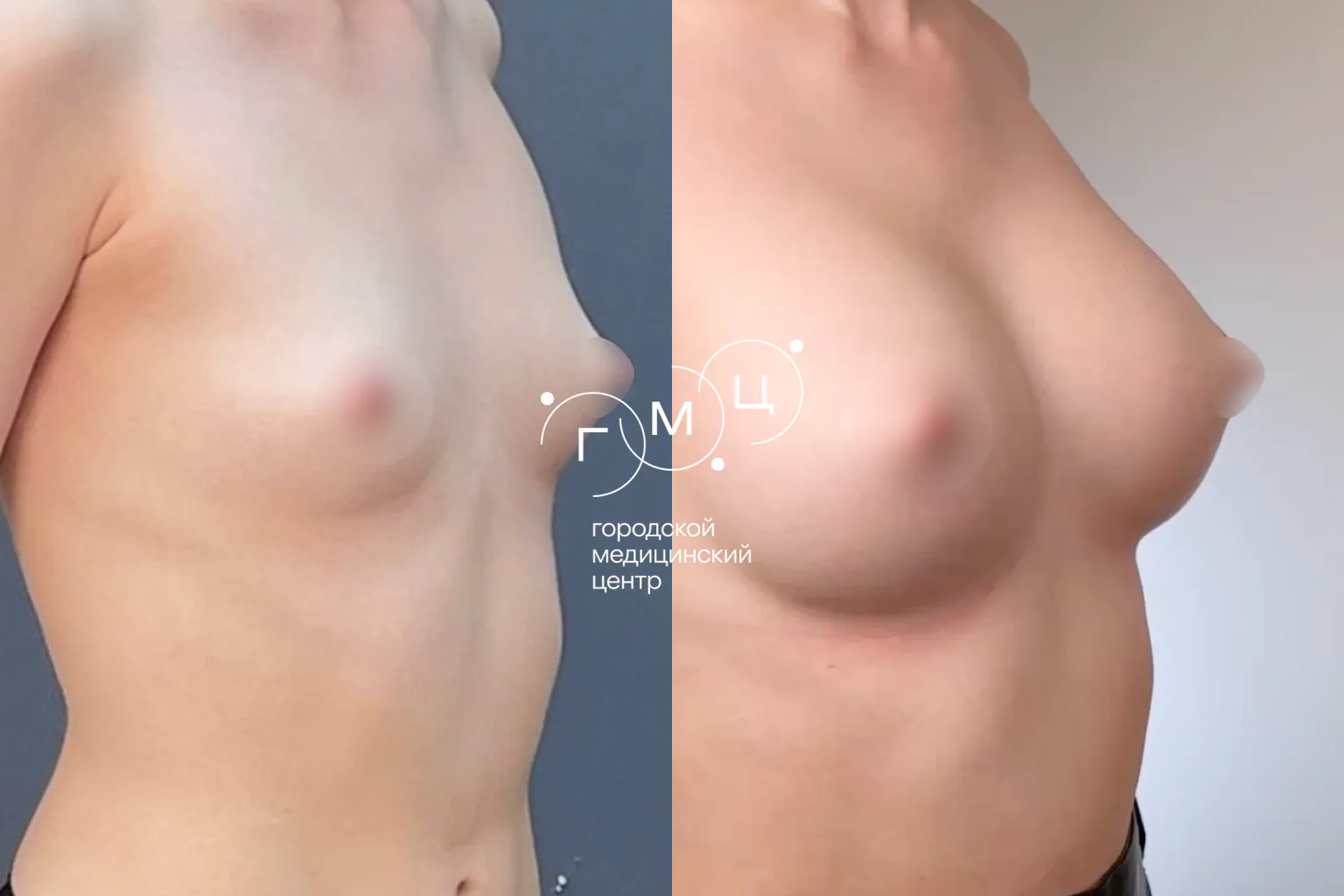
Mammoplasty
32 years
6 months
Method: implants
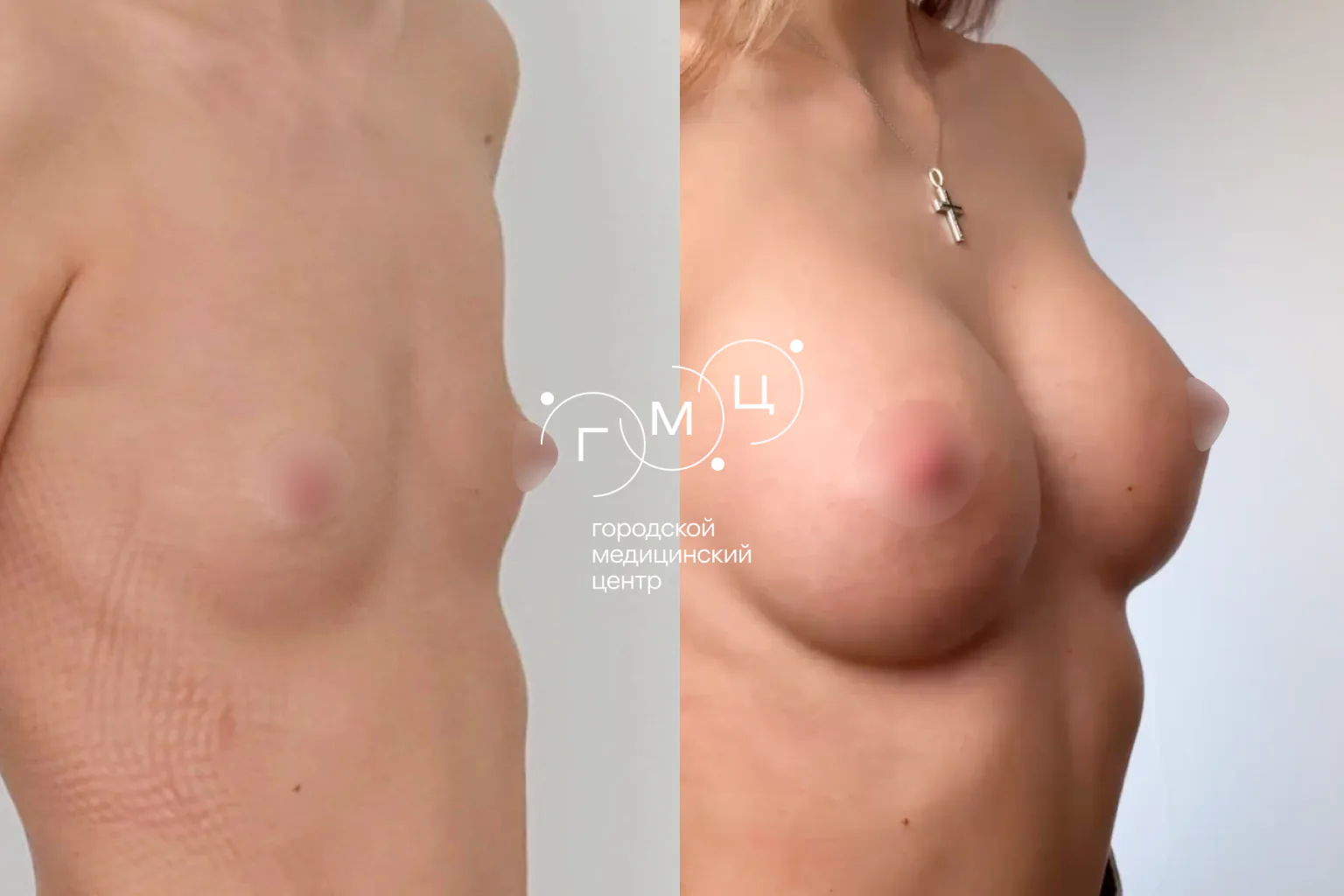
Mammoplasty
32 years
6 months
Method: implants
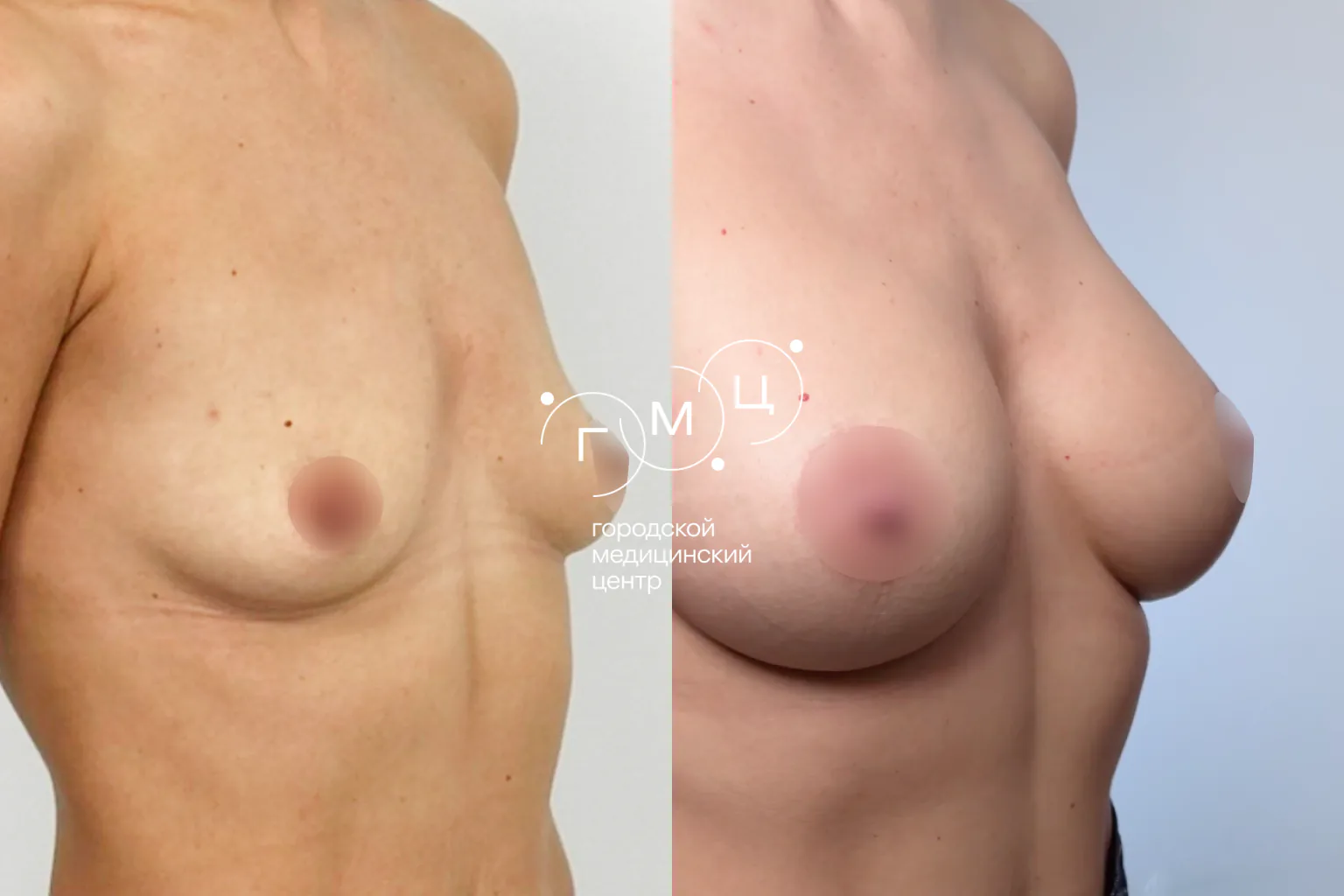
Mammoplasty
32 years
6 months
Method: implants
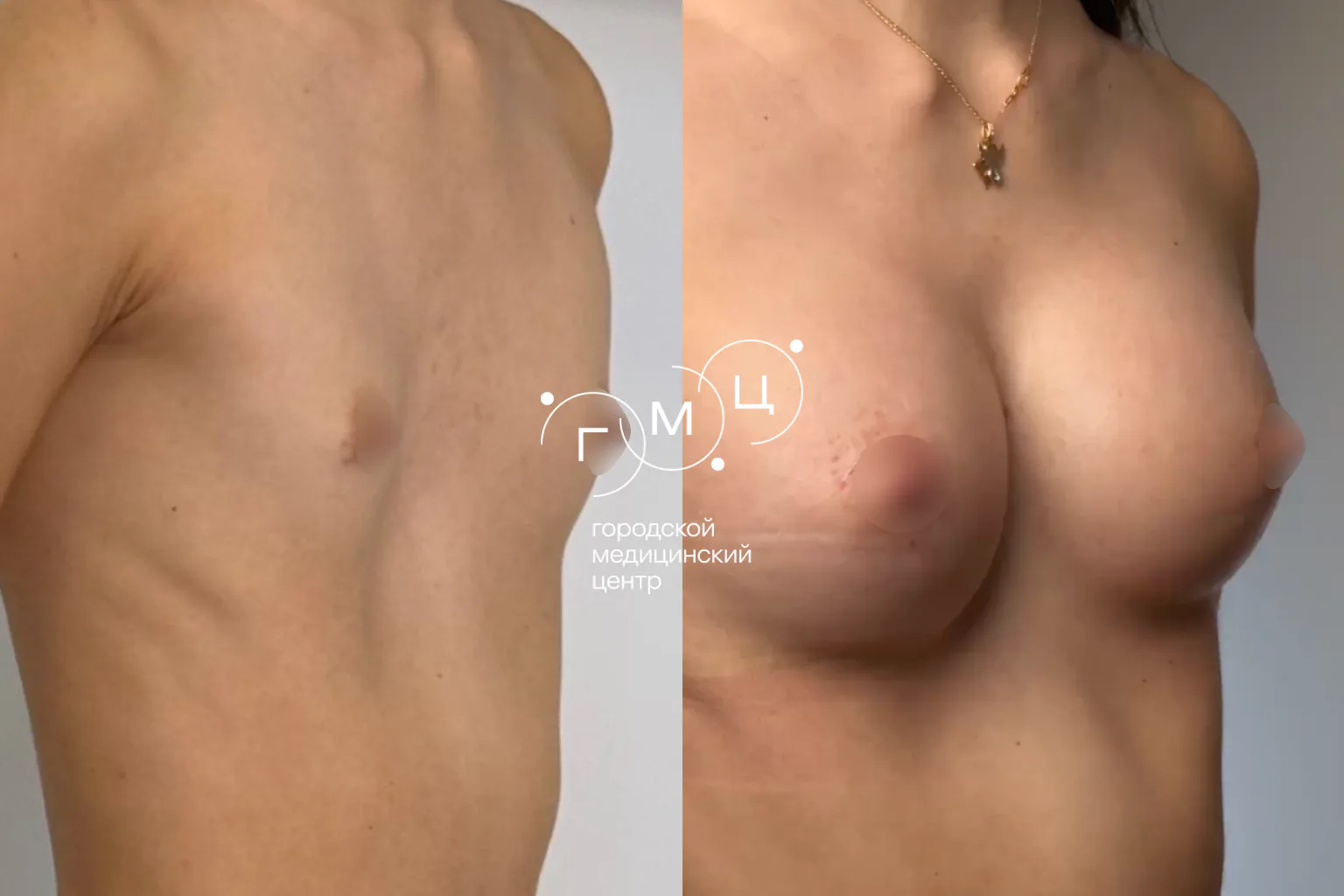
Mammoplasty
32 years
6 months
Method: implants
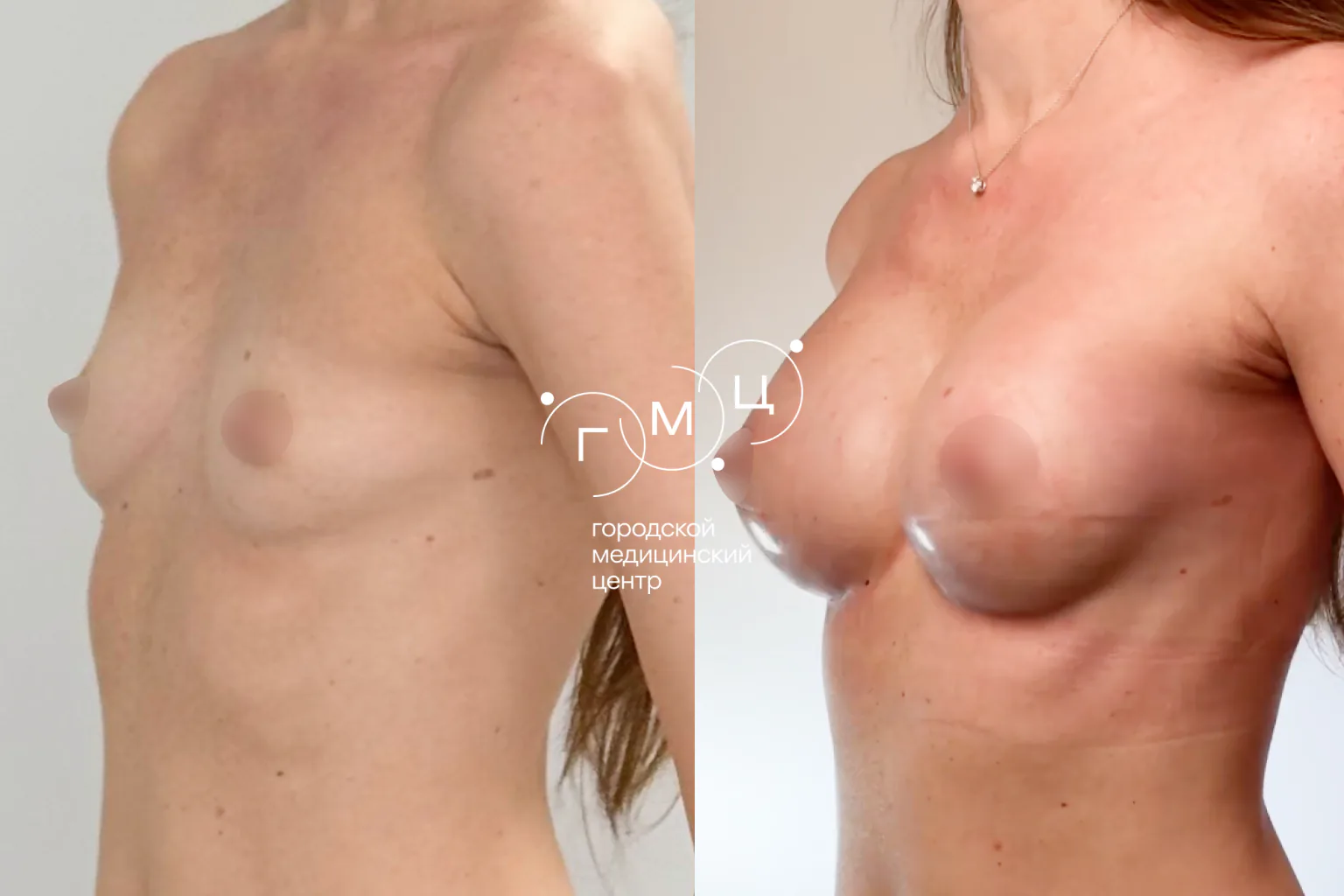
Mammoplasty
32 years
6 months
Method: implants
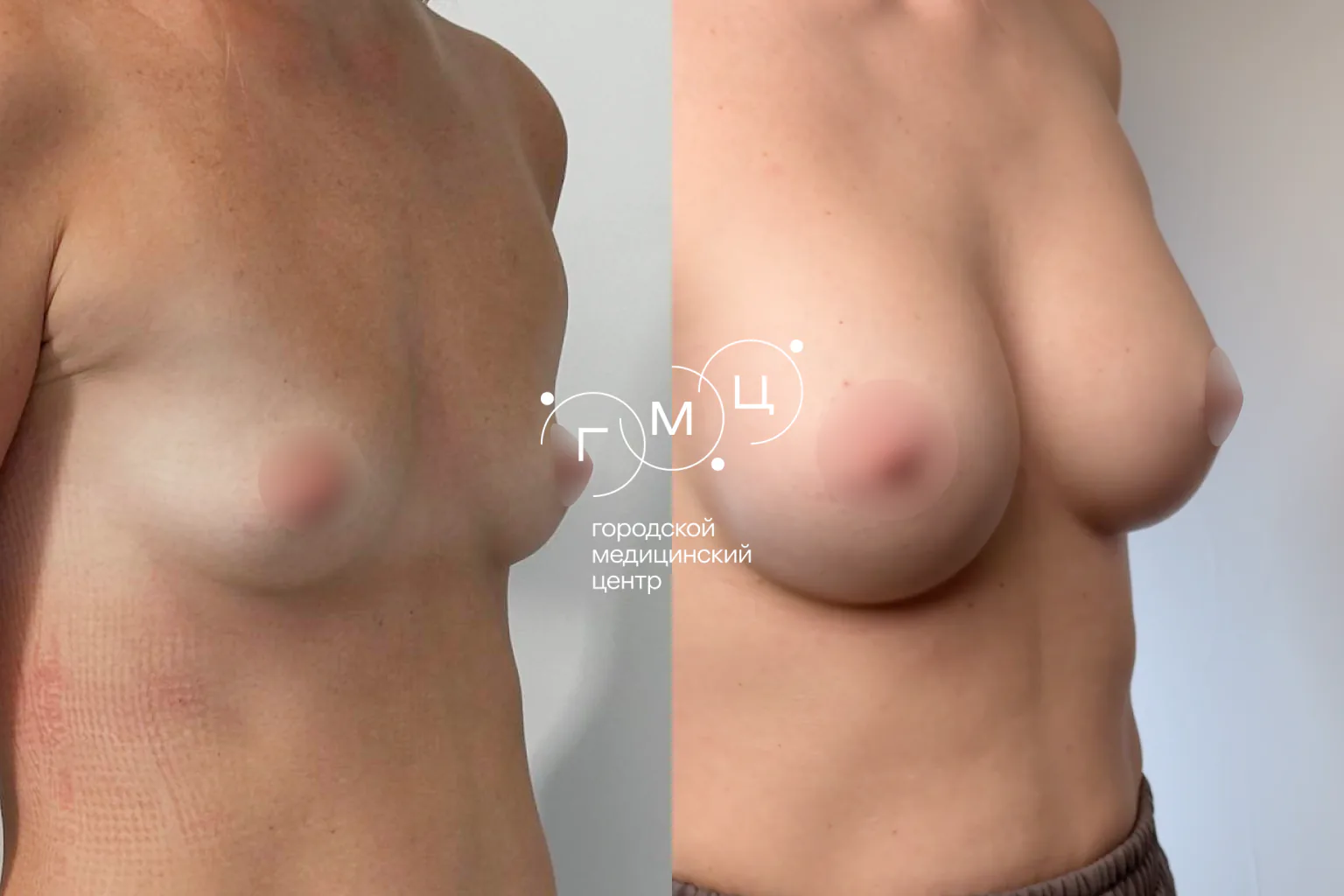
Mammoplasty
32 years
6 months
Method: implants
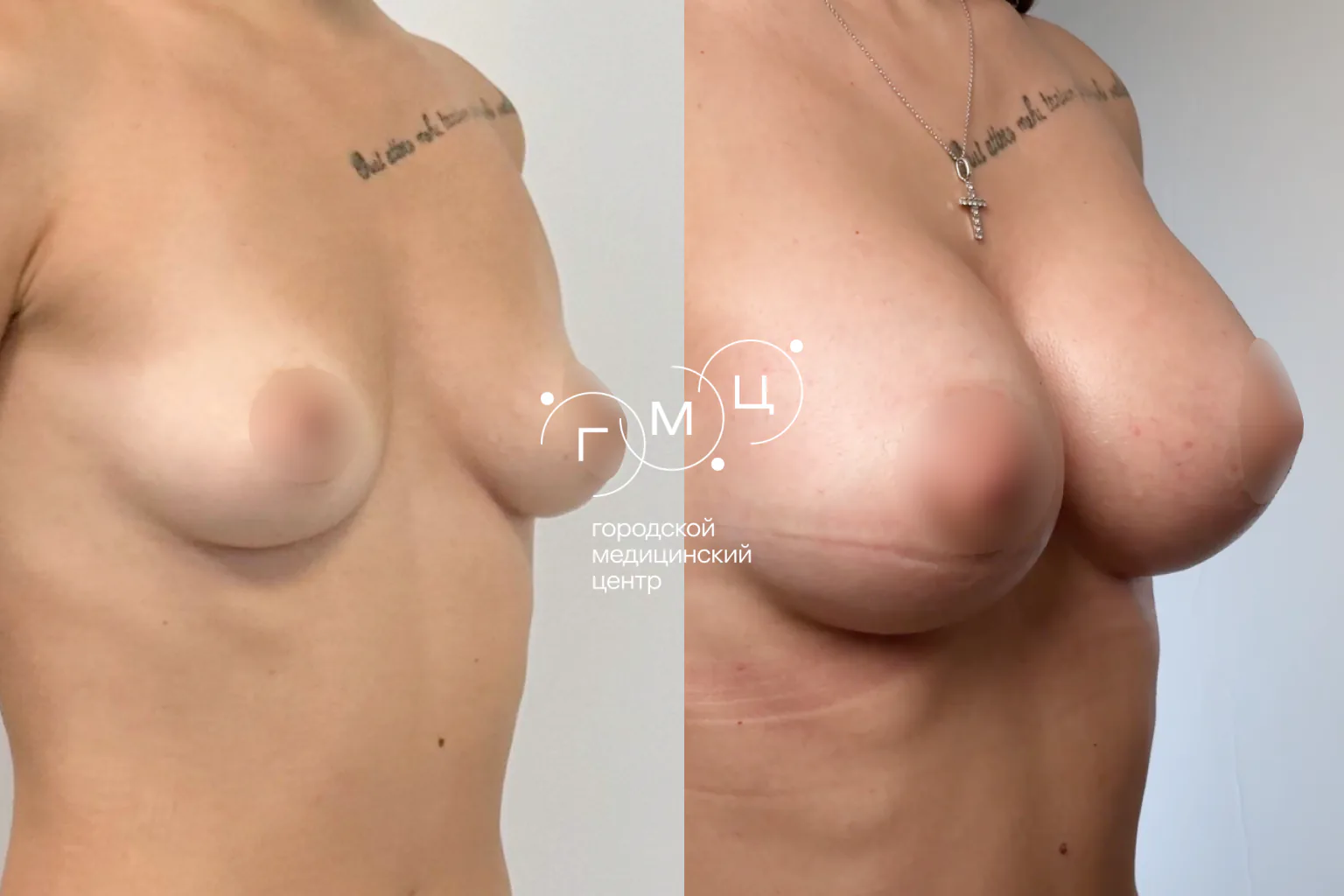
Mammoplasty
32 years
6 months
Method: implants
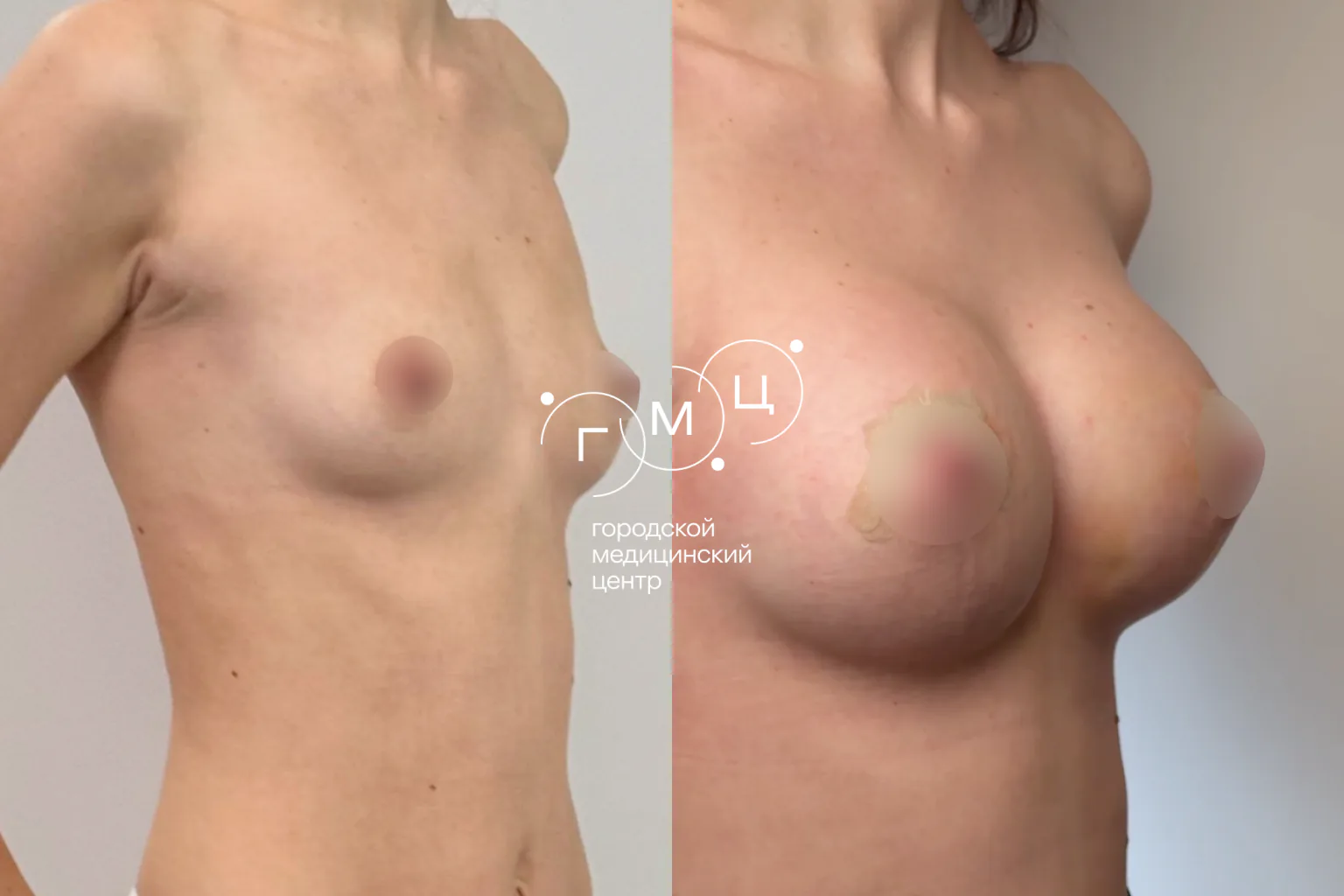
Mammoplasty
32 years
6 months
Method: implants
Mammoplasty
32 years
6 months
Method: implants
Mammoplasty
32 years
6 months
Method: implants
Mammoplasty
32 years
6 months
Method: implants
Mammoplasty
32 years
6 months
Method: implants
Mammoplasty
32 years
6 months
Method: implants
Mammoplasty
32 years
6 months
Method: implants
Mammoplasty
32 years
6 months
Method: implants
Mammoplasty
32 years
6 months
Method: implants
Mammoplasty
32 years
6 months
Method: implants
Breast surgery
What the price includes:
- Personal consultation and result modelling
- A highly experienced medical team
- Combined inhalation anesthesia
- Stay in comfortable inpatient rooms
- 24/7 monitoring by medical staff
- Meals during your stay at the clinic
- Personal support before and after surgery
- Dressings and check-ups for a full year
- Your plastic surgeon follows you for a year after surgery, up to the final result
Say goodbye to insecurities — no scars on the breast!
Minimal intervention in the body, the most natural-looking result
Breast augmentation
Size and shape correction with implants
$4,700
Breast reduction
Breast size correction: reducing breast volume and weight
$4,700
Breast reconstruction
Restoring breast shape and volume after surgery or injury
Breast lift
without implants
Corrects breast ptosis and returns a pleasing shape, keeping the volume
$4,700
Breast lift
with implants
A combined operation: breast lift together with implant augmentation
$5,400
Implant
removal
Surgery to remove previously placed breast implants
$3,300
Book a consultation
Leave a request or message us in a messenger -
our coordinator will contact you shortly
and book your consultation
Book a consultation
Leave a request or message us in a messenger -
our coordinator will contact you shortly
and book your consultation
Your path to perfect breasts: from dream to reality
A full guide from first consultation to recovery

Initial consultation
The doctor reviews your anatomy, health status and expectations, then examines and palpates the breasts to exclude any lumps. You and the surgeon decide on the ideal implant size, shape and profile or on a correction plan.
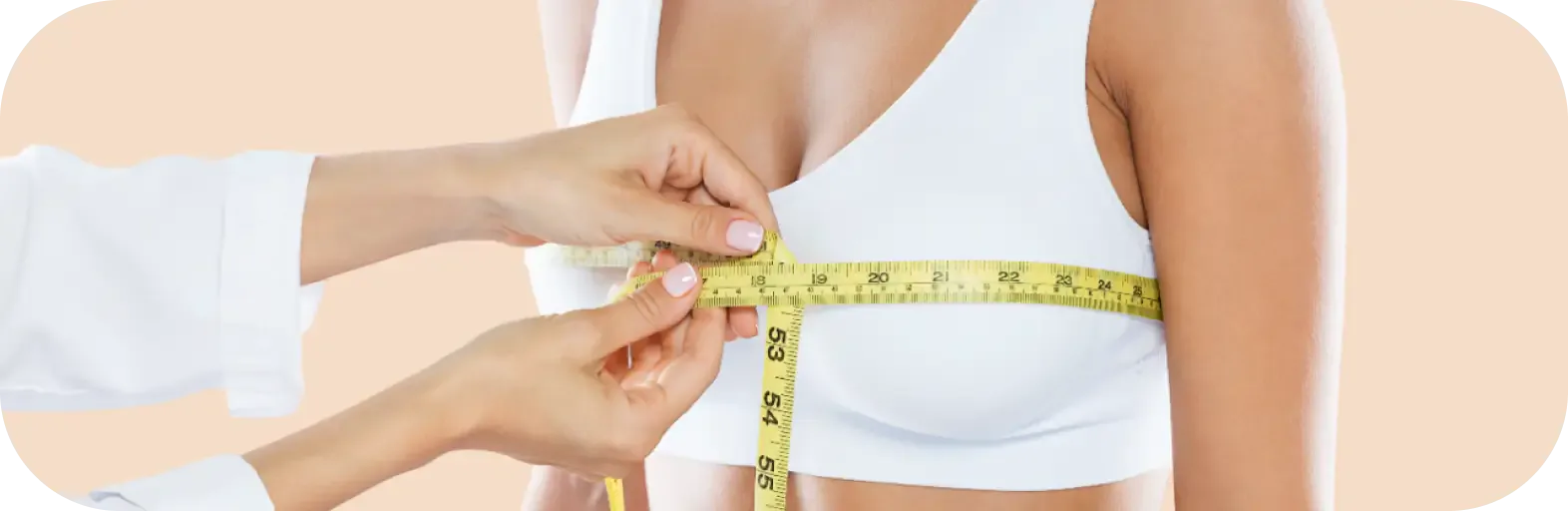

Pre-surgery check-up
Before surgery you complete a full medical work-up, including lab tests, instrumental examinations and specialist consultations.

The surgery
The mammoplasty is performed by the surgeon under anesthesia using the chosen technique. Its length varies with the type and complexity of the case, typically 1.5 to 3 hours.
STEP-BY-STEP SURGICAL PROCESS
Ahead of the operation, a plastic surgeon consults the patient on goals, technique, the implant choice and possible risks. A breast examination with palpation is done to exclude lumps. Tests and examinations follow (complete and biochemical blood count, coagulation panel, infection tests, ECG, chest X-ray, breast ultrasound, etc.). If there is a medical indication, a GP, gynecologist or breast specialist may be asked to consult.
- Preparing the field for surgery, with antiseptic skin treatment and sterile drapes on top
- Marking: the plastic surgeon maps out the incisions, the borders of the new areola and the chosen breast position
- Anesthesia — the anesthesiologist uses general anesthesia
- Incision. Taking the patient's individual anatomy and the technique into account, the surgeon picks the access
- Lifting glandular tissue and ligaments, as the surgeon redistributes and fixes the tissue in a new place to give a lifted, more youthful shape
- Removing excess skin: overstretched skin is cut away to correct sagging
- Shifting the nipple-areola complex: if needed, the nipple and areola are lifted to an attractive position that is anatomically correct
- Forming the implant pocket and inserting the implant (if needed): the nurse opens the sterile-packed implant and passes it to the surgeon, who inserts it into the pocket and adjusts its placement for symmetry and a natural contour
- Suturing: the wound is closed in layers by the doctor, inner tissue first, skin second. Cosmetic sutures that absorb on their own help avoid rough scars.
- Installing drains (if needed): they drain off excess fluid and stop swelling
- Sterile dressing: compression garments are put on with the nurse's help to hold the breasts in the right position
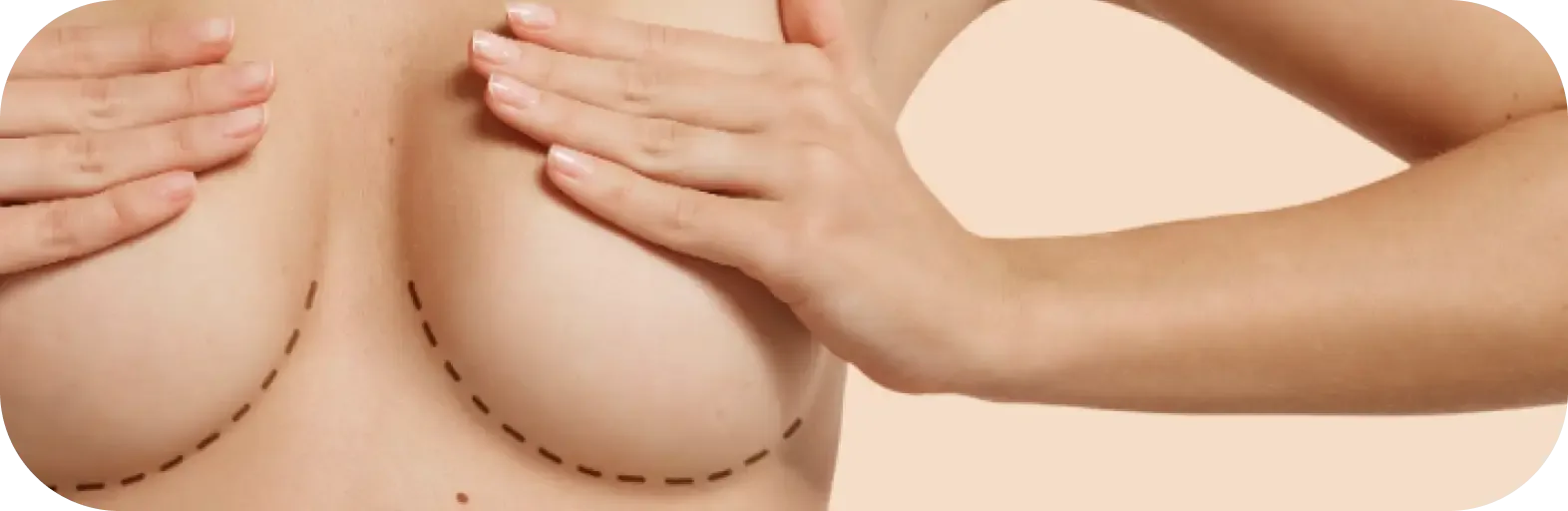

Inpatient stay
Every procedure is carried out strictly as an inpatient. After surgery you spend one day in the hospital.

Recovery period
After surgery, recovery is guided by a program of swelling reduction, monitoring and care advice. By the end of a month the swelling has gone down and the breasts have a natural shape and softness.
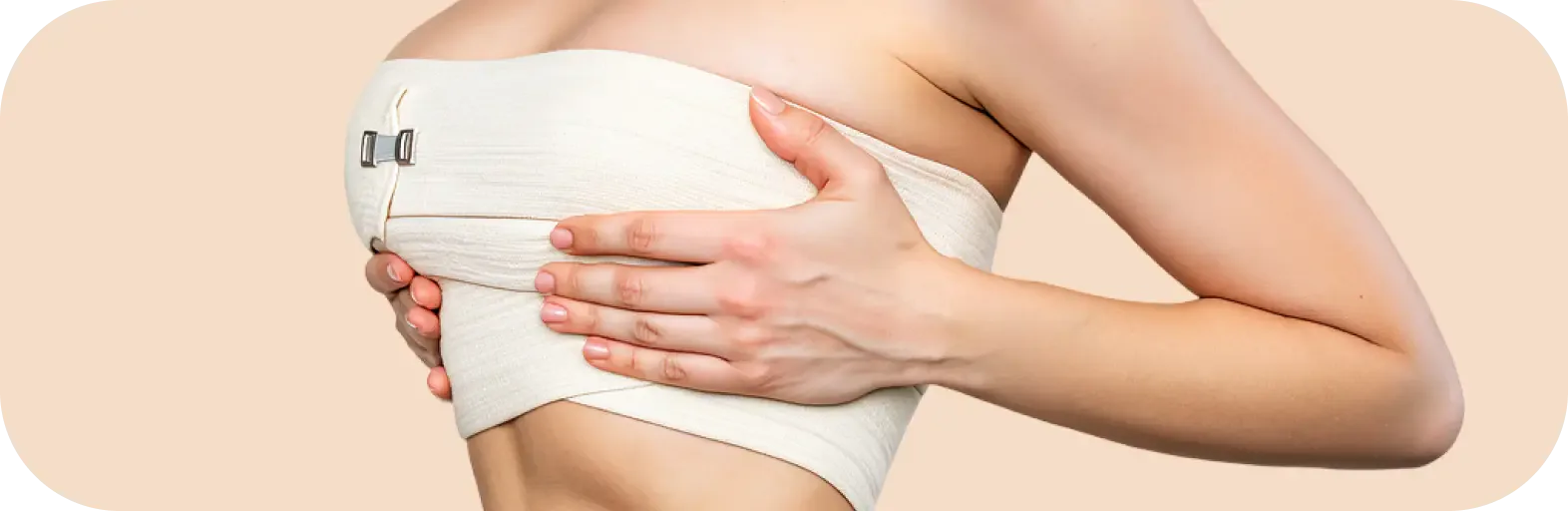
Post-op check-ups
A free post-op consultation with our plastic surgeon is available until the year is over. During the check-up the doctor looks at your mammoplasty result, keeps track of recovery and answers all your questions
Initial consultation
The doctor reviews your anatomy, health status and expectations, then examines and palpates the breasts to exclude any lumps. You and the surgeon decide on the ideal implant size, shape and profile or on a correction plan.
Pre-surgery check-up
Before surgery you complete a full medical work-up, including lab tests, instrumental examinations and specialist consultations.
The surgery
The mammoplasty is performed by the surgeon under anesthesia using the chosen technique. Its length varies with the type and complexity of the case, typically 1.5 to 3 hours.
STEP-BY-STEP SURGICAL PROCESS
Ahead of the operation, a plastic surgeon consults the patient on goals, technique, the implant choice and possible risks. A breast examination with palpation is done to exclude lumps. Tests and examinations follow (complete and biochemical blood count, coagulation panel, infection tests, ECG, chest X-ray, breast ultrasound, etc.). If there is a medical indication, a GP, gynecologist or breast specialist may be asked to consult.
- Preparing the field for surgery, with antiseptic skin treatment and sterile drapes on top
- Marking: the plastic surgeon maps out the incisions, the borders of the new areola and the chosen breast position
- Anesthesia — the anesthesiologist uses general anesthesia
- Incision. Taking the patient's individual anatomy and the technique into account, the surgeon picks the access
- Lifting glandular tissue and ligaments, as the surgeon redistributes and fixes the tissue in a new place to give a lifted, more youthful shape
- Removing excess skin: overstretched skin is cut away to correct sagging
- Shifting the nipple-areola complex: if needed, the nipple and areola are lifted to an attractive position that is anatomically correct
- Forming the implant pocket and inserting the implant (if needed): the nurse opens the sterile-packed implant and passes it to the surgeon, who inserts it into the pocket and adjusts its placement for symmetry and a natural contour
- Suturing: the wound is closed in layers by the doctor, inner tissue first, skin second. Cosmetic sutures that absorb on their own help avoid rough scars.
- Installing drains (if needed): they drain off excess fluid and stop swelling
- Sterile dressing: compression garments are put on with the nurse's help to hold the breasts in the right position
Inpatient stay
Every procedure is carried out strictly as an inpatient. After surgery you spend one day in the hospital.
Recovery period
After surgery, recovery is guided by a program of swelling reduction, monitoring and care advice. By the end of a month the swelling has gone down and the breasts have a natural shape and softness.
Post-op check-ups
A free post-op consultation with our plastic surgeon is available until the year is over. During the check-up the doctor looks at your mammoplasty result, keeps track of recovery and answers all your questions
How to prepare for breast surgery
1–2 weeks before
- Before surgery, come off aspirin-containing drugs, steroids and any hormonal medications for chronic conditions
- Stop hormonal oral contraceptives at least one month before the procedure
1–2 months before
Before surgery it helps to follow a few easy steps: rest as well as work, sleep more, keep away from stress, anxiety and strong emotions, and reduce physical activity.
Within 40 days
Avoid heavy gym workouts and overly energetic aerobics for up to 40 days; after a month, light cardio may be allowed. Mind your diet and your meals.
1–2 weeks before
- Before surgery, come off aspirin-containing drugs, steroids and any hormonal medications for chronic conditions
- Stop hormonal oral contraceptives at least one month before the procedure
1–2 months before
Before surgery it helps to follow a few easy steps: rest as well as work, sleep more, keep away from stress, anxiety and strong emotions, and reduce physical activity.
Within 40 days
Avoid heavy gym workouts and overly energetic aerobics for up to 40 days; after a month, light cardio may be allowed. Mind your diet and your meals.
Recovery after breast surgery
Post-op swelling disappears after 3 weeks
Discomfort disappears after 3 months
Scars form within 3 weeks

No physical exertion (lifting over 3 kg)
Within 3 months, inflammation in the tissue fully resolves and a “pocket” takes shape around the implant
Recovery after correction includes wearing compression garments for 1–1.5 months
No raising arms above shoulder level — 3 weeks
Baths and saunas are off-limits up to three months, as is physiotherapy
Post-op swelling disappears after 3 weeks
Discomfort disappears after 3 months
Scars form within 3 weeks
No physical exertion (lifting over 3 kg)
Within 3 months, inflammation in the tissue fully resolves and a “pocket” takes shape around the implant
Recovery after correction includes wearing compression garments for 1–1.5 months
No raising arms above shoulder level — 3 weeks
Baths and saunas are off-limits up to three months, as is physiotherapy
A surgeon you can trust
An experienced plastic surgeon who cares about patients' beauty and health
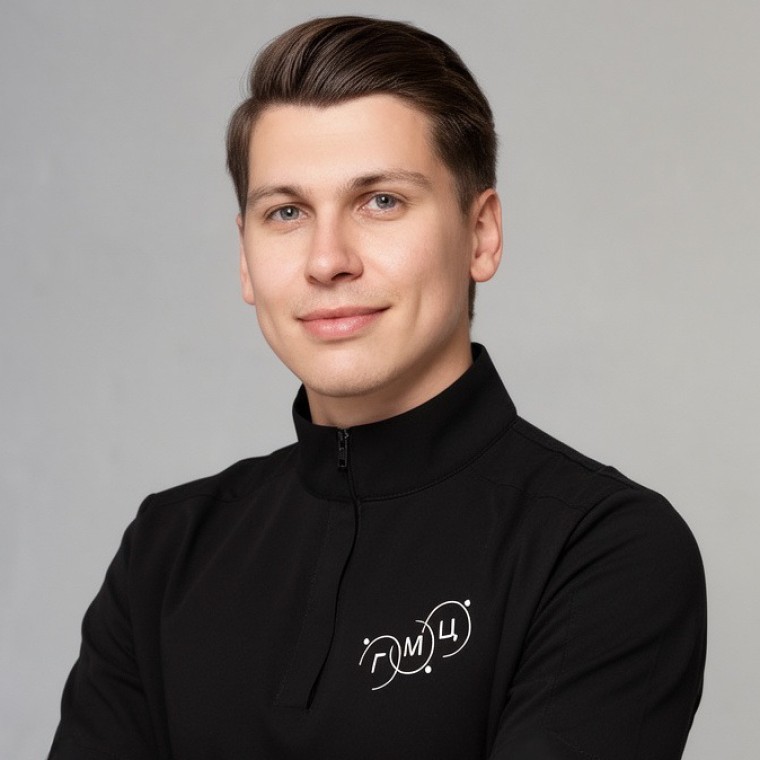
Dmitry S. Kuznetsov
Plastic surgeon
Plastic surgery residency at the Petrovsky National Research Centre of Surgery. Focuses on aesthetic and reconstructive surgery of the breast and body.
Prices
Request by the end of the month and get a consultation for any service at no cost
Service
Discounted price
Book a consultation
Leave a request or message us in a messenger -
our coordinator will contact you shortly
and book your consultation
Book a consultation
Leave a request or message us in a messenger -
our coordinator will contact you shortly
and book your consultation
Frequently asked questions
about mammoplasty at City Medical Centre
What types of breast surgery are there?
Mammoplasty is an umbrella for several procedures: augmentation (increasing volume with implants), reduction (taking away excess tissue and skin), mastopexy (lifting sagging breasts), reconstruction (after mastectomy) and asymmetry correction. Your wishes and the surgeon's advice determine the best individual method.
What complications can occur?
When all recommendations are followed, complications are rare. They can include hematoma or seroma, wound infection, reduced or heightened nipple sensitivity, capsular contracture, aesthetic asymmetry, wound separation and tissue necrosis.
How long does the result last?
The effect of mammoplasty lasts for years: about 10–15 years after augmentation (until the implants are replaced) and 5–10 years after a lift or reduction. Duration depends on weight, pregnancy, skin aging and gravity. Supportive underwear and a stable weight help the result last.
Can I breastfeed after mammoplasty?
Breastfeeding after mammoplasty is determined by the type of surgery. Augmentation through an under-breast or armpit incision, with the implant under the muscle, usually preserves lactation, since the glandular tissue is left undamaged. The risk is higher after a lift or reduction because ducts may be cut. Talk to your surgeon about it in advance.
How do I choose implants?
Implant choice considers material (silicone looks most natural, saline is used less often), shape (round or anatomical teardrop), surface (smooth or textured), size and profile. The surgeon will choose the best option for your anatomy and wishes.
Does it hurt during and after surgery?
Surgery takes place under general anesthesia, and the patient feels no pain. Moderate discomfort is possible in the first 1–3 days and is managed with painkillers. Pain eases considerably by day 5–7 and discomfort disappears by weeks 2–3. Tell your doctor immediately if pain is severe.
When can I return to work and normal life?
Returning to work without physical exertion is possible after 7–14 days, and light walks after 1–2 weeks. Fitness and swimming are allowed after 4–6 weeks, strength training after 3 months, and the pool and sea after 4–6 weeks. Compression garments: 4–6 weeks. Exact timing depends on recovery.
Does mammoplasty affect breast cancer risk?
Science has found no evidence that mammoplasty increases the risk of breast cancer. Implants are not a cause of cancer. After the procedure, go on with regular screening, including self-exams, mammography and ultrasound, and always tell the examining doctor about the implants.
Can I have mammoplasty after a C-section?
A C-section does not rule out mammoplasty, but full recovery of the body must come first. Wait 6–12 months or more after giving birth and after you stop breastfeeding. Before surgery, you must have a surgeon's consultation and check-up.
Will there be visible scars after surgery?
There are scars after mammoplasty, though a skilled surgeon keeps them minimal. The incisions go in discreet areas, such as under the breast, around the areola or in the armpit. Early on the scars are reddish, but over 6–12 months they fade and are almost unnoticeable.
What if my breasts look asymmetrical after surgery?
Mild asymmetry in the first weeks after surgery is normal and results from swelling and uneven healing. If a difference in shape or size remains after 3–6 months, see your surgeon for an examination to identify the cause.
How does breast sensitivity change after surgery?
After mammoplasty, the breasts and nipples can temporarily lose or gain sensitivity. Irritation of the nerve endings is responsible. Most often sensitivity returns within 3–12 months. If there is no improvement a year later, see your surgeon.
Do hormonal drugs affect mammoplasty results?
Hormonal medications (contraceptives, hormone replacement therapy) do not act on implants directly, yet they may lead to swelling or shifts in breast tissue volume that affect the look for a while. Make sure your surgeon knows about them before surgery.
Other services of our clinic
Breast augmentation in Sydney: from consultation to result
This operation suits adult women who wish to restore or increase breast volume, including after childbirth once the body has fully recovered. Surgeons advise waiting at least 6–12 months after giving birth and after breastfeeding ends. Patients from Sydney considering it after a C-section can go ahead too, but a consultation and check-up are mandatory first.
Here is the route in brief. Consultation and choice of implants. Lab tests and instrumental examinations. Surgery lasting on average 1.5 to 3 hours. One day under round-the-clock observation. Then a recovery program with swelling control and compression garments, plus check-ups at one week, three months and half a year. Women in Sydney follow this same sequence.
If you are comparing breast augmentation prices in Sydney, check what each offer includes. Here the all-inclusive rate from $4,700 already covers anesthesia, the clinic stay, meals, dressings and a year of check-ups with the plastic surgeon. Apply before the end of the year and your consultation is at the clinic's expense. Fill in the form or message the coordinator.
This website uses cookies. By continuing to use it, you agree to the Privacy Policy and data processing terms
Get a consultation
Apply before the end of the year and get a consultation at the clinic's expense!