



























Message our coordinator
Free online consultation · Reply within 15 minutes
Message us on TelegramMessage us on WhatsAppBy messaging us, you agree to our Privacy Policy




Facelift and neck lift in Reading: price and key facts
Facelift for patients from Reading at City Medical Centre starts at £1,850 (from $2,400). The first online consultation is free; the doctor names the final price and it is fixed in the contract.
- Price
- £1,850 (from $2,400)
- Anesthesia
- general (inhalation)
- Recovery
- about 2 months to full recovery
- Final result
- 3–6 months after surgery
- How it works
- Send photos on WhatsApp or Telegram, get a free doctor assessment and the price, then confirm the plan and dates before anything is booked.
How it works · Facelift prices
Information current as of 24 October 2026



50 years
9 months

SMAS facelift

58 years
8 months
SMAS facelift

34 years
5 months
SMAS facelift

32 years
7 months
SMAS facelift

40 years
6 months
SMAS facelift

45 years
8 months
SMAS facelift

38 years
5 months
SMAS facelift

33 years
6 months
SMAS facelift
50 years
9 months
SMAS facelift
58 years
8 months
SMAS facelift
34 years
5 months
SMAS facelift
32 years
7 months
SMAS facelift
40 years
6 months
SMAS facelift
45 years
8 months
SMAS facelift
38 years
5 months
SMAS facelift
33 years
6 months
SMAS facelift


Marked sagging of the face and neck
A blurred jawline with jowls
A double chin and loose neck skin
Deep nasolabial folds, marionette lines
A heavy look caused by drooping brows
A significant drop in skin firmness after 40
Wanting a long-term result (7–10 years)

Being under 30
Active, acute inflammation of the skin
Pregnancy or the breastfeeding period
Severe heart and vascular disease
A blood-clotting disorder
Cancer
Decompensated diabetes
Facelift in Reading: what you should know
Jowls, a heavy lower face, a blurred jawline, drooping brows: these are the changes that bring people in Reading to a plastic surgeon. Cosmetology can refresh the skin, but it does not reach the deep layer where sagging begins. A SMAS facelift does, which is why it suits patients who want a lasting correction. Where sagging affects only the lower face, a neck and lower face lift may be enough.
Is a SMAS facelift painful? No: the surgery is done under general inhalation anaesthesia, so you feel nothing. Afterwards, discomfort and tightness are possible for a few days and are eased with prescribed medication. A compression bandage and reduced activity help the tissues settle in the first 7–10 days. That is the typical course for people in Reading after surgery.
What do you pay for? From $2,400 (≈ £1,850) covers the operation and everything around it: a one-to-one consultation, the medical team, anaesthesia, inpatient care with meals, 24/7 monitoring and twelve months of surgeon follow-up. The first consultation is free and comes with no pressure to decide. Anyone in Reading can apply via the form or any messenger to arrange a convenient time.
Stories of well-known people
Well-known people who spoke openly about this operation, in their own words.
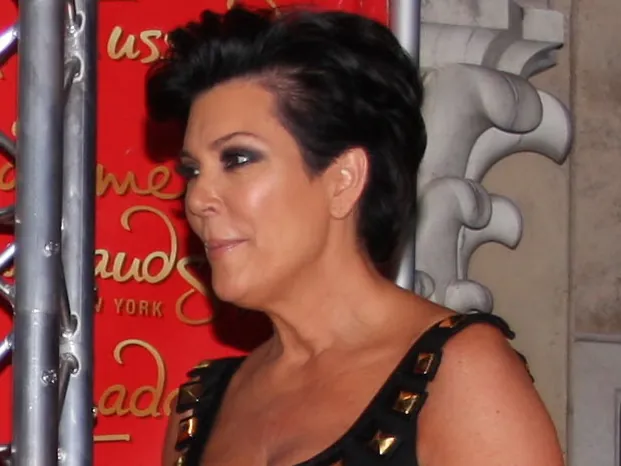 Kris Jenner’s facelift: “I love my facelift”Kris Jenner said she had a facelift about 15 years ago and a refresh before turning 70 — and that she loves it. How a SMAS facelift and recovery work.
 Did Vicki Gunvalson have a facelift? Yes, and she showed the result herselfVicki Gunvalson had a facelift in May 2018 after deciding fillers no longer looked like her. Her own words, how a facelift works and recovery.
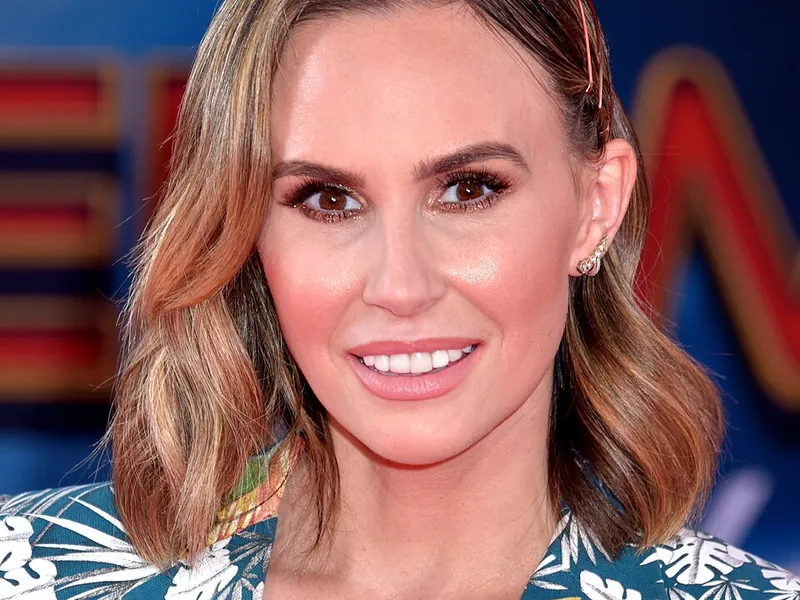 Keltie Knight’s facelift: why she decided to “just own it”Keltie Knight had a facelift in 2023 at 41 and chose to talk about it openly. What she said, how a SMAS facelift works and what recovery looks like.
 Did Linda de Mol have a neck lift? Yes, and she wrote about it herselfLinda de Mol wrote in LINDA. in 2025 that she had a neck lift. What she said, why she chose to be open, and how a face and neck lift works today.
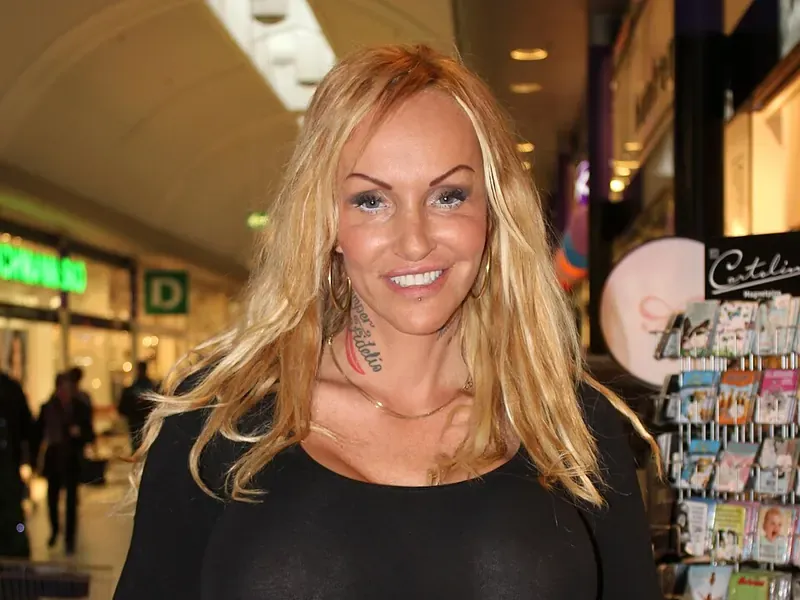 Linse Kessler and her facelifts: what she said herselfDanish reality star Linse Kessler has said openly that she has had several facelifts. Her words, how a modern facelift works and what recovery involves.
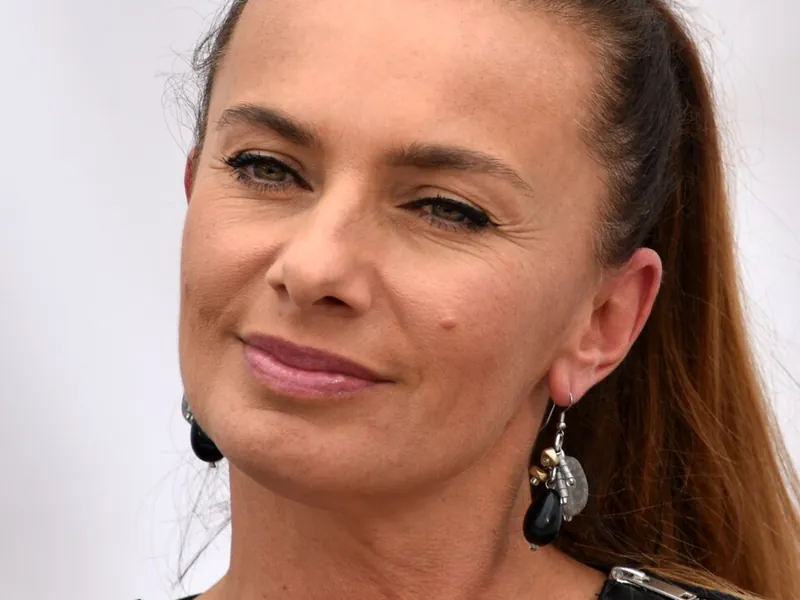 Did Alice Bendová have a facelift? Yes, and she explained why herselfAlice Bendová confirmed a deep plane facelift in September 2026. Her words, how a facelift works, who it suits and what recovery looks like.
Facelift in Reading: price and what is included
Prices are in US dollars; the amount in brackets is an approximate conversion to GBP at the rate of 02.10.2026. The final price is fixed in your contract.
- Faceliftfrom $2,400 (≈ £1,850)
What is a SMAS facelift?
It is a face lift that tightens the deep SMAS layer under the skin, not only the skin itself, so the lower face, jawline and neck stay firmer for longer. The result lasts about 7–10 years.
How much does a facelift in Reading cost?
Prices start from $2,400 (≈ £1,850). The surgeon sets the final price at the free consultation, and it is fixed in the contract, with no hidden extras.
What is included in the price?
A one-to-one consultation, the medical team, anaesthesia, inpatient care with meals, 24/7 monitoring and twelve months of follow-up by the surgeon.
How do I get my exact price?
Message us on WhatsApp or Telegram using the buttons below. A coordinator will answer your questions and book a free consultation where the doctor names the exact price.
By messaging us, you agree to our Privacy Policy
Facelift in Reading: questions patients ask
Can I choose the date of my facelift consultation from Reading?
Yes. Write to us with the dates that suit you. You can start the free first consultation online, so you can do it from home: after the doctor reviews your details, the clinic offers its nearest free dates.
How long before a wedding or holiday should a facelift be done?
Swelling and bruising fade in 2–4 weeks and the first changes show after 3–4 weeks, so leave at least that much time; the final look settles over 3–6 months.
How do I start planning a facelift from Reading?
Write to us on WhatsApp or Telegram or leave a request on this page. The coordinator asks for the photos and health details the doctor needs, and the doctor gives you a free assessment and a price.
What should a patient from Reading plan for after a facelift?
The operation is done under general anaesthesia, followed by 7–10 days of rest with a compression bandage. The doctor sets the follow-up visits.
What do I need to send to get a facelift quote?
Front, profile and three-quarter photos of your face and neck in daylight, without make-up or filters, plus your age and any earlier procedures such as fillers, threads or surgery. The surgeon assesses the degree of sagging from them before naming the price.
Choosing a season for a facelift when you live in Reading
Reading sits at 61 m above sea level on a low ridge between the Thames and the Kennet. Its climate is moderate, and that is useful for planning a facelift. The Met Office figures for 1991-2020 give an annual mean temperature of 10.9 °C, with a mean maximum of 14.9 °C and a mean minimum of 6.9 °C. January is the coldest month, with a mean maximum of 8.0 °C and a minimum of 2.1 °C. July is the warmest, with a mean maximum of 22.7 °C and a minimum of 12.9 °C. There are no extremes in either direction, so recovery at home does not depend on a particular month. The difference between seasons is in the details: how much daylight you have, how much sun your skin will meet, and what you have in your diary.
The recovery schedule comes from the medical description of the operation. The first 7-10 days are for rest, a compression bandage and reduced physical activity. Swelling and bruising fade over 2-4 weeks. The first clear changes in the face appear at about 3-4 weeks. Full recovery takes about 2 months, and the final look settles 3-6 months after the operation. Count backwards from the date you want to feel fully yourself. If an occasion falls in the spring, the operation should be planned for the previous autumn or winter, not for the weeks just before it.
A cold month has real advantages for the first fortnight at home. You will spend most of that time indoors anyway, and short winter days are no hardship when the plan is to stay quiet. Reading's December gets only 48.5 hours of sunshine in total, so there is little pressure to go out in bright light. The drawback is a longer wait for the first outing. If you choose winter, the clear improvement at 3-4 weeks falls in the middle of the dullest months, and the full result arrives as spring begins.
The coordinators do not decide the date for you. When you send photos on WhatsApp or Telegram, the doctor assesses the degree of sagging, names the scope and the price, and only then do you confirm the plan and the dates. Nothing is booked before that. A season is therefore a preference you can state at the very start, and the plan is built around it.
Skin, sunshine and what to protect afterwards
Sunshine in Reading totals 1,577.5 hours a year, but it is distributed unevenly. July is the sunniest month at 205.5 hours, May follows with 199.9 hours, and June with 199.0 hours. That makes late spring and summer the months when your healing skin will meet the most light. The medical text does not give a sun-protection protocol, so the detailed instructions come from the doctor after your examination. Ask about sun exposure at the consultation, since it matters most in exactly those months.
The operation works at three levels. The doctor lifts and redrapes the skin flap and removes the excess. Fat in the cheeks and lower face is redistributed to restore volume. Then comes the most important step, lifting and fixing the SMAS layer of muscle and fascia. That layer is the real cause of sagging, because weakened ligaments and muscles have descended. Working at that depth is what gives a natural look and a result that lasts 7-10 years, so the surface skin is not asked to carry the lift alone. This is why a lift done at the SMAS level differs from a skin-only procedure.
For the skin, two practical questions follow from this. First, what do you want the result to look like in the months when your face is most exposed? If you are planning for the sunny stretch from May to July, the operation may be best scheduled so that the 2 months of full recovery are finished, or well advanced, before then. Second, the lower face and neck are the areas that show sagging first after 40-50, and a lift aimed at the lower face, chin and neck uses small incisions, so scars are barely visible. A full circular lift covers the forehead, temples, mid and lower face and neck. An endoscopic lift of the brow and temple works through tiny punctures, with scars hidden in the frontal edge of the hair. Which one suits you is decided after the doctor sees your photos.
The winter figures matter too. In January the mean minimum is 2.1 °C. Cold air on a face that is still swollen or tight is uncomfortable, and a scarf or hat that sits against healing incisions is not a good idea. Tell the doctor how you usually get around and what you wear in cold weather, and ask which coverings are acceptable in the first weeks.
Swelling, bruising and a diary full of dates
Facelift recovery has a fixed rhythm. During the first 7-10 days you rest, wear the compression bandage and keep physical activity low. By 2-4 weeks swelling and bruising fade. At 3-4 weeks the first clear changes show, and at about 2 months recovery is complete. Between 3 and 6 months the final look arrives. The honest summary is that you will be socially comfortable well before the face has finished settling, and the two are not the same thing.
Reading has several fixed points in the year that people tend to plan around. The Reading Festival has run since 1971 over the August bank holiday weekend, from Friday to Sunday. The Reading Half Marathon takes place on the streets in March with 16,000 competitors. England and Wales have 8 bank holidays in 2026, among them Good Friday, Easter Monday, the Early May and Spring bank holidays, the Summer bank holiday on 31 August, and Christmas and Boxing Day. The University of Reading, established in 1892, adds its own term-time rhythm to the town. If one of these is your reference point, such as a family gathering over a long weekend, a race day where you will be cheering rather than running, or a Christmas photograph, put it in the first message to the coordinator.
A sensible way to use the dates is to work back in stages. Choose the occasion on which you want to feel fully presentable. Subtract about 2 months to find the point at which recovery is complete. Subtract another few weeks if you want a margin. Then check whether bank holiday weekends fall inside the quiet first 7-10 days, because a long weekend at the start of recovery can reduce the time you need to take off. The 2026 bank holiday dates are fixed, but check the dates for the year of your operation when you plan.
A note on the final result. The face keeps changing until 3-6 months after the operation. If your event is at 6 weeks, you will look rested and noticeably different, but you will not yet see the final form. If it is at 6 months, you will be looking at the settled result. The doctor can tell you from your photos what to expect at each stage.
Combined operations change the timetable. A facelift can be, and often is, combined with eyelid surgery, rhinoplasty or double-chin liposuction. The scope is decided at the consultation. More work in one session means the doctor will describe the recovery for the whole combination, not for the facelift alone, so ask for the combined timeline in writing before you fix any date.
Paying privately and the waiting lists in England
The NHS states plainly that cosmetic surgery is not routinely provided. It might pay for some procedures for psychological or other health reasons, for example rhinoplasty if you have breathing problems, but most people who want cosmetic surgery need to pay privately. A facelift for sagging tissue normally falls into the second group. It is useful to know that before you start asking whether you qualify for anything funded.
The wider context is the length of waiting lists. NHS England reported 7.3 million waiting pathways at the end of July 2026, covering around 6.2 million unique patients, and 111,379 of those had waited more than 52 weeks. These numbers are about treatment that the NHS does provide, and they say nothing about cosmetic work. They do show why many people with elective needs of all kinds look at private routes with a defined schedule, and why a plan with a stated date is attractive.
An online consultation is free and the reply comes within 15 minutes through WhatsApp or Telegram. The coordinators answer round the clock, so you can write in the evening after work. You send photos, the doctor assesses them, and you receive an assessment and a price. The final price is fixed in the contract after the consultation, and the contract also covers what is included. Payment in instalments is available in-house with 0% interest, so you can ask about how to spread the cost without a bank loan.
The population of Reading borough is 183,762 and the urban area has 355,596, so the town is large enough that private elective care is a normal topic of conversation. Even so, treat the first consultation as an information-gathering exercise. You are not committing to anything by sending photos, and there is no pressure to book.
From the first message to the follow-up year, without leaving home
The consultation takes place entirely online. You send clear photos on WhatsApp or Telegram, the doctor examines them, assesses the type and degree of ageing and the areas to correct, and explains the expected result. The doctor will also ask about chronic illnesses, because they affect whether the operation is suitable. The contraindications include age under 30, acute skin inflammation, pregnancy and breastfeeding, a severe cardiovascular condition, problems with blood clotting, cancer and decompensated diabetes. If you have any of these, say so in the first message.
On the day of the operation you are under combined inhalation anaesthesia. The price includes a one-to-one consultation, the anaesthesia, accommodation in comfortable inpatient rooms, monitoring by medical staff round the clock, meals for the duration of your stay, and dedicated support before and after the operation. The doctor who operated follows you for the whole first year until the final result. That follow-up matters in a place like Reading, where your own GP will not have seen the original assessment. Keep the photos and written instructions together so you can show them to anyone who asks.
Reading's geography is a small advantage during the first quiet weeks. The Thames runs through the town with open spaces along it: Thameside Promenade, Caversham Court, Christchurch Meadows, Hills Meadow, View Island and King's Meadow. When the doctor allows gentle activity, a short, calm walk along the water is an easy way to get out of the house without exertion. Do not do more than the doctor permits during the first 7-10 days, and keep in mind that the sunniest months are also the ones when your skin needs the most care.
When you are ready, write to the coordinator with your photos, your preferred season and any dates you want to be presentable for. The answer will tell you what is realistic, and you decide what to do next.
Is spring or autumn a better time for a facelift if I live in Reading?
Neither season is better in itself. What matters is the 2 months of recovery and the 3-6 months until the final look. In Reading, May and June bring close to 200 hours of sunshine each, so an autumn operation lets the early healing happen in dull, cool weather and finishes before the bright months. A spring operation means the first weeks fall in the lighter months, and you would need to ask the doctor about protecting your skin. Tell the coordinator which events you are working towards, and the plan can be worked back from them.
Does the cold weather in Reading affect healing?
The Met Office figures show a mean January minimum of 2.1 °C and a mean maximum of 8.0 °C, so cold is present but not extreme. In the first 7-10 days you rest and wear a compression bandage, so you will be indoors for most of it. The doctor will tell you what you may wear on your head and neck once you go out, and how to protect a face that is still swollen. Ask about this at the consultation rather than guessing.
Can I schedule the operation around a bank holiday or a local event?
Yes, you can mention it from the first message. England and Wales have 8 bank holidays in 2026, and the Reading Festival is held over the August bank holiday weekend. A long weekend at the start of recovery can reduce the time you need away from work, but the quiet first 7-10 days should not be rushed. For an event, count back about 2 months for full recovery, and remember that the final result takes 3-6 months to settle.
Will the NHS pay for a facelift?
The NHS says that cosmetic surgery is not routinely provided and that most people who want it need to pay privately. It may fund some procedures for psychological or other health reasons, but a facelift for sagging tissue usually does not fit those cases. The online consultation is free, and the final price is named by the doctor and fixed in the contract. In-house instalments at 0% interest are available if you want to spread the payment.
Is the consultation really possible without leaving Reading?
Yes. The first consultation is online. You send photos on WhatsApp or Telegram, and the reply comes within 15 minutes. Coordinators answer round the clock, so you can write in the evening. The doctor assesses your photos, names the scope of the operation and gives the price. You confirm the plan and dates before anything is booked.
How soon will I look presentable enough to see colleagues or friends in Reading?
Plan on 7-10 days of rest with a compression bandage and reduced activity. Swelling and bruising then fade over 2-4 weeks, and the first clear changes appear at about 3-4 weeks. Full recovery takes about 2 months. Many people choose to wait until the end of the 2-4 week stage before seeing a wide circle, but the doctor can judge this better from your own recovery.
Who looks after me after the operation once I am home?
The doctor who operated follows you for the whole first year, until the final result. Coordinators also remain available round the clock on WhatsApp and Telegram, and you can send photos of how you are healing. Keep your written instructions, and check any question about activity or sun exposure with the doctor.
Can I combine a facelift with other procedures?
Yes. A facelift is often combined with eyelid surgery, rhinoplasty or double-chin liposuction. The doctor decides the combined scope at the consultation. Ask for the recovery timeline for the whole combination, because it can differ from that of a facelift alone.