City Medical Centre · multi-specialty surgery clinicOpen 24/7

Liposuction in Reading: Cost and Results

Free consultation

from $1,200

The price is fixed in the contract before surgery

Message us on WhatsApp

Free online consultation · Reply within 15 minutes
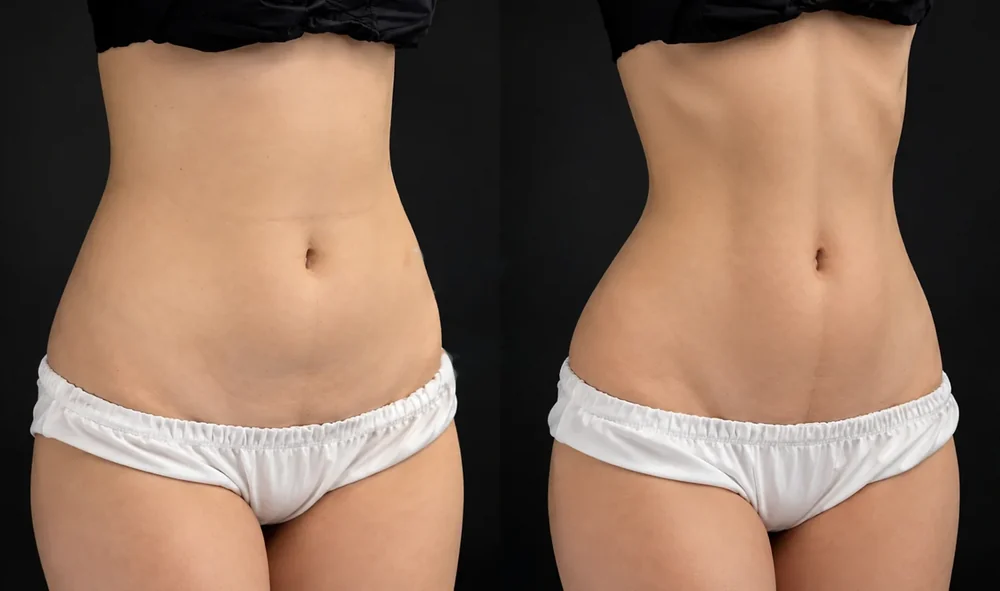
Real case
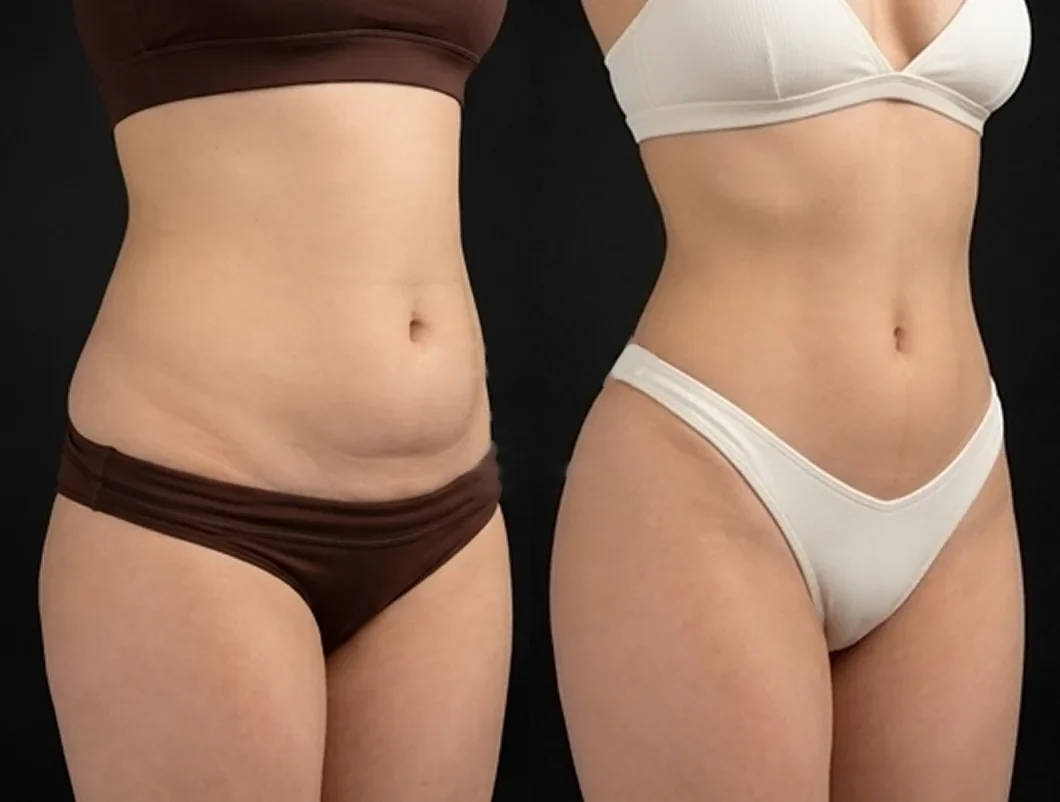
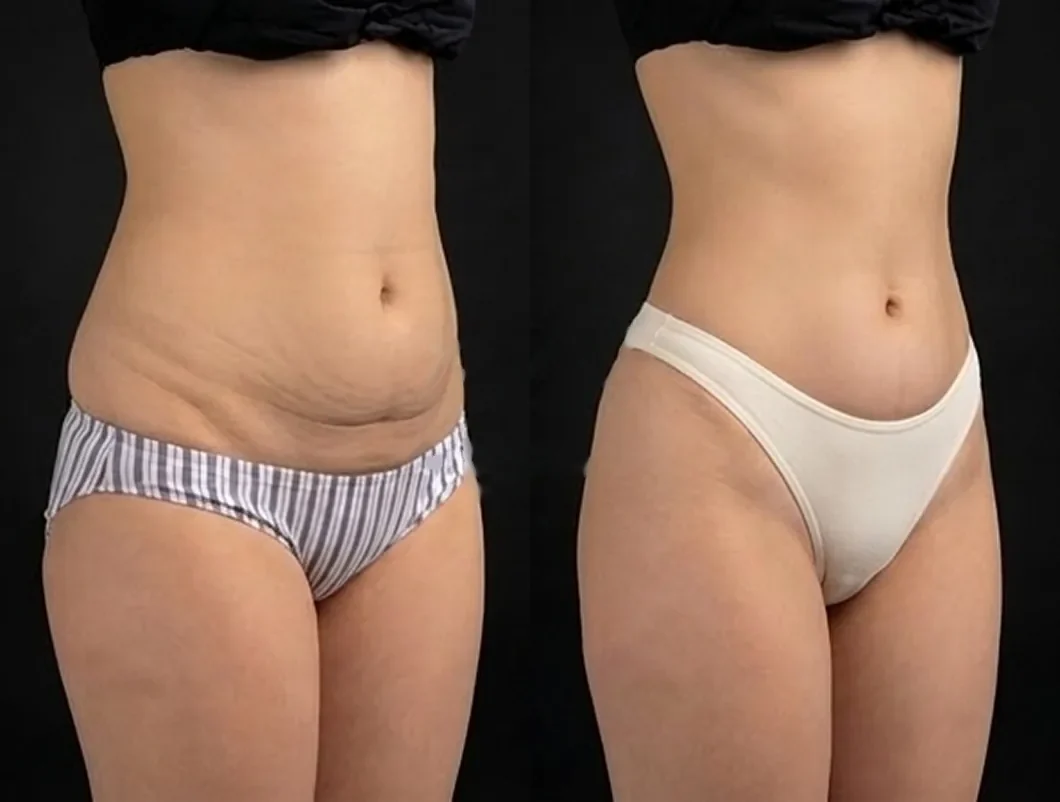
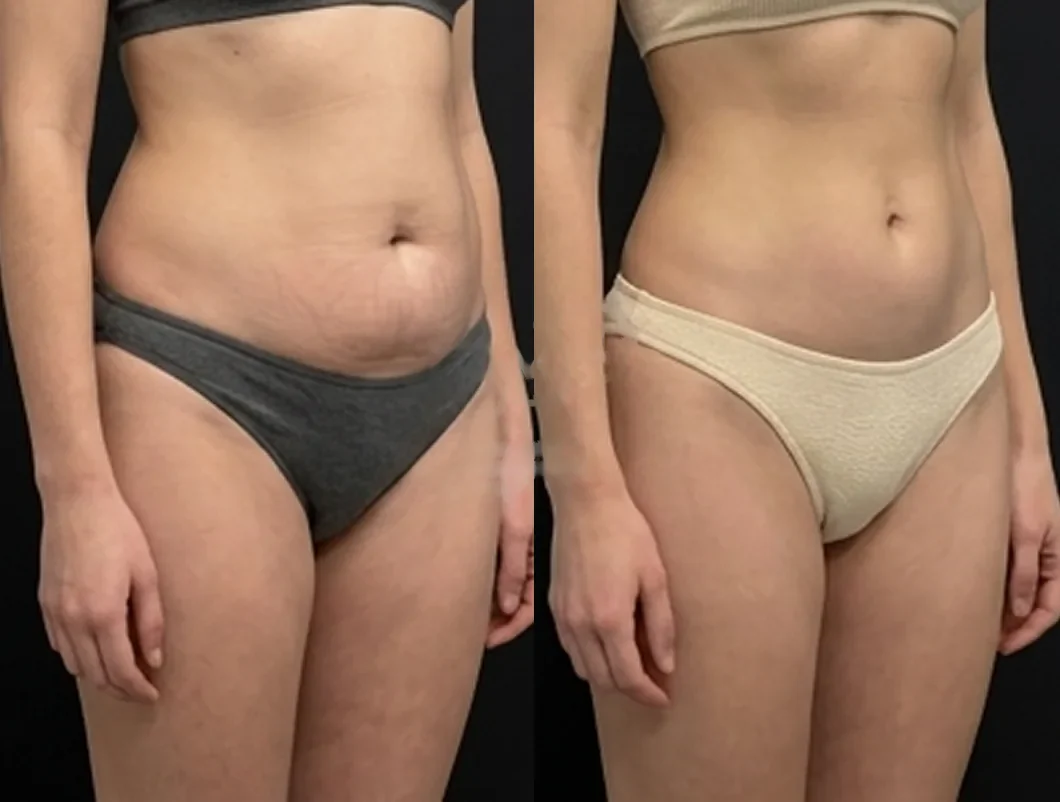
Liposuction: a patient's abdomen and flanks before and after surgery before after
Stubborn local fat that diet and exercise don't shift. Your plan is set at the consultation

Message our coordinator

Free online consultation · Reply within 15 minutes

Message us on Telegram

By messaging us, you agree to our Privacy Policy

Liposuction and fat removal in Reading: price and key facts

Liposuction for patients from Reading at City Medical Centre starts at £910 (from $1,200). The first online consultation is free; the doctor names the final price and it is fixed in the contract.

Price
£910 (from $1,200)
Duration
1–4 hours
Anesthesia
local or general
Stay
home the same day (local anesthesia) or after 1 day (general anesthesia)
Recovery
back to work after 7–10 days
Final result
3–6 months after surgery
How it works
Send photos on WhatsApp or Telegram, get a free doctor assessment and the price, then confirm the plan and dates before anything is booked.

How it works · Liposuction prices

Information current as of 24 October 2026

Free online consultation on WhatsApp and Telegram

Results

Liposuction and fat removal results
of our patients

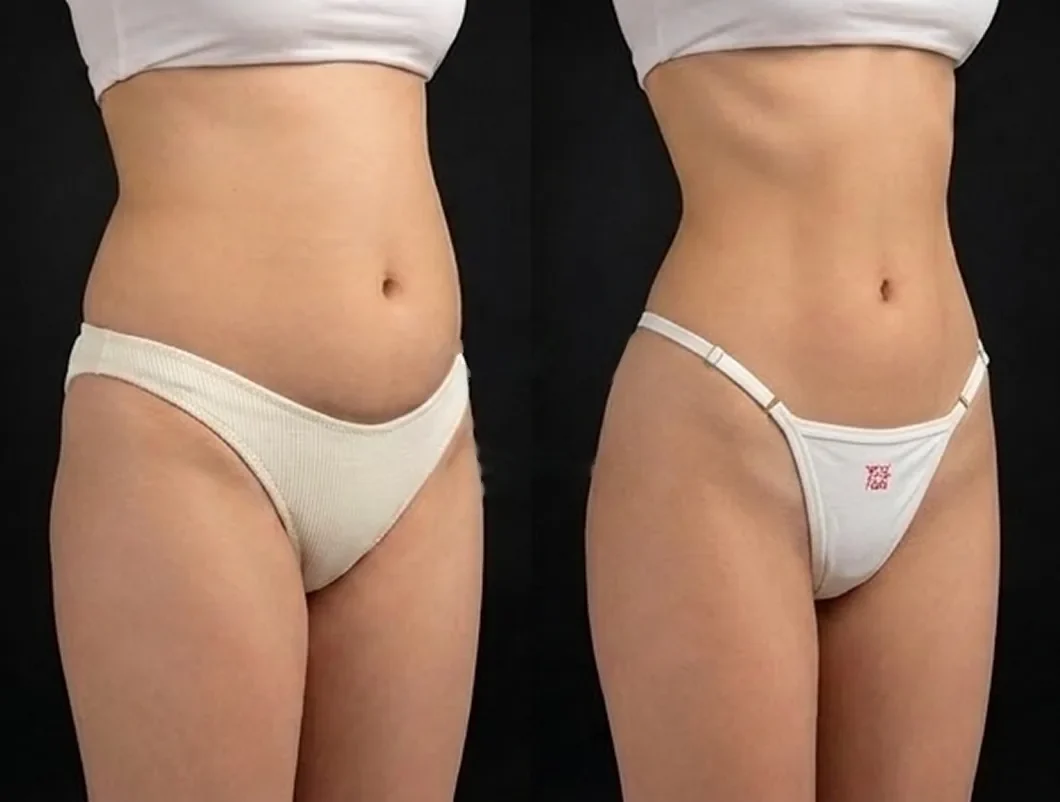
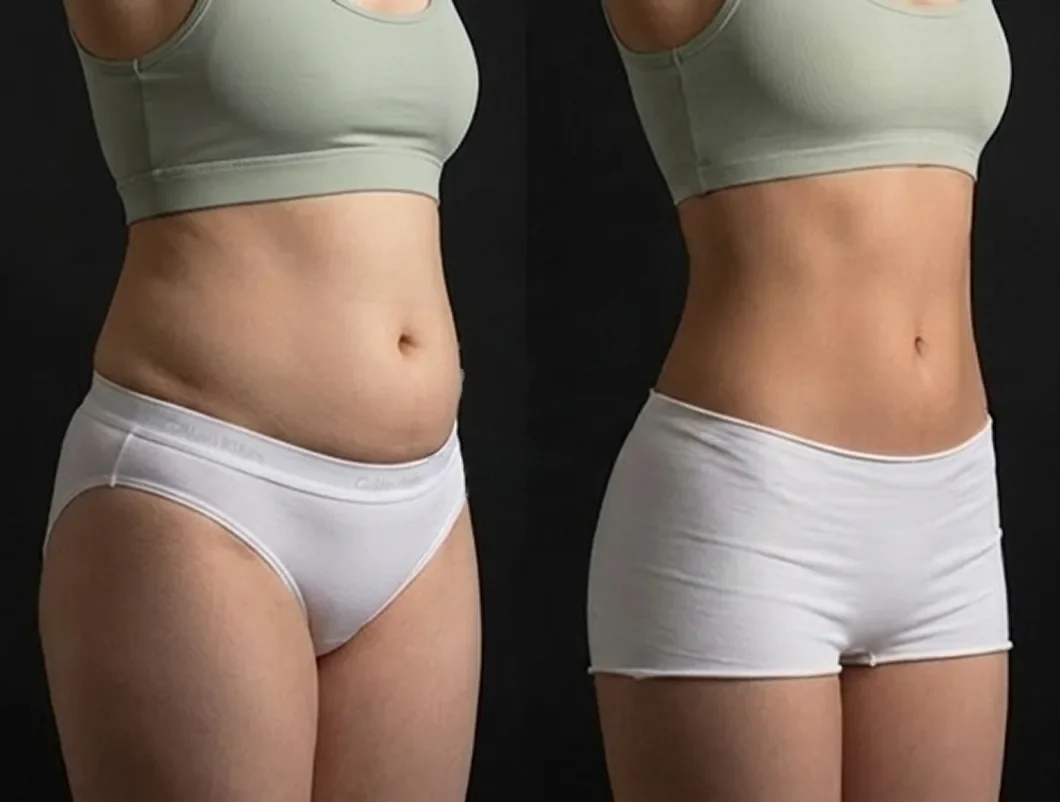
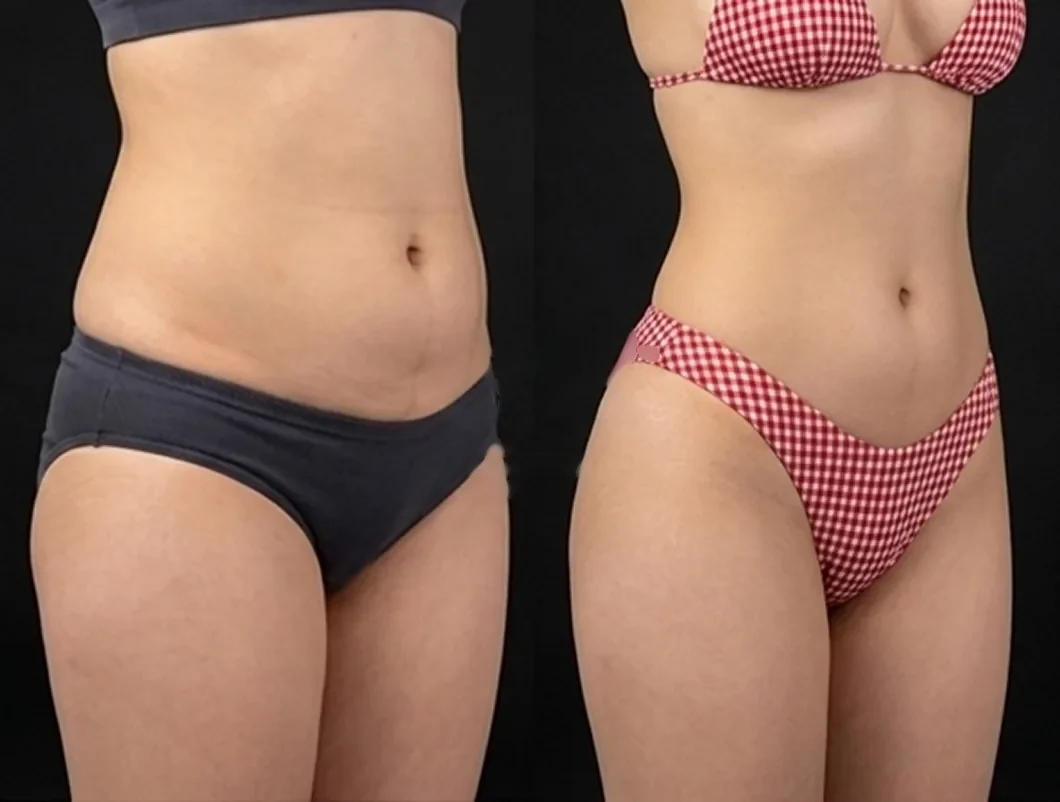
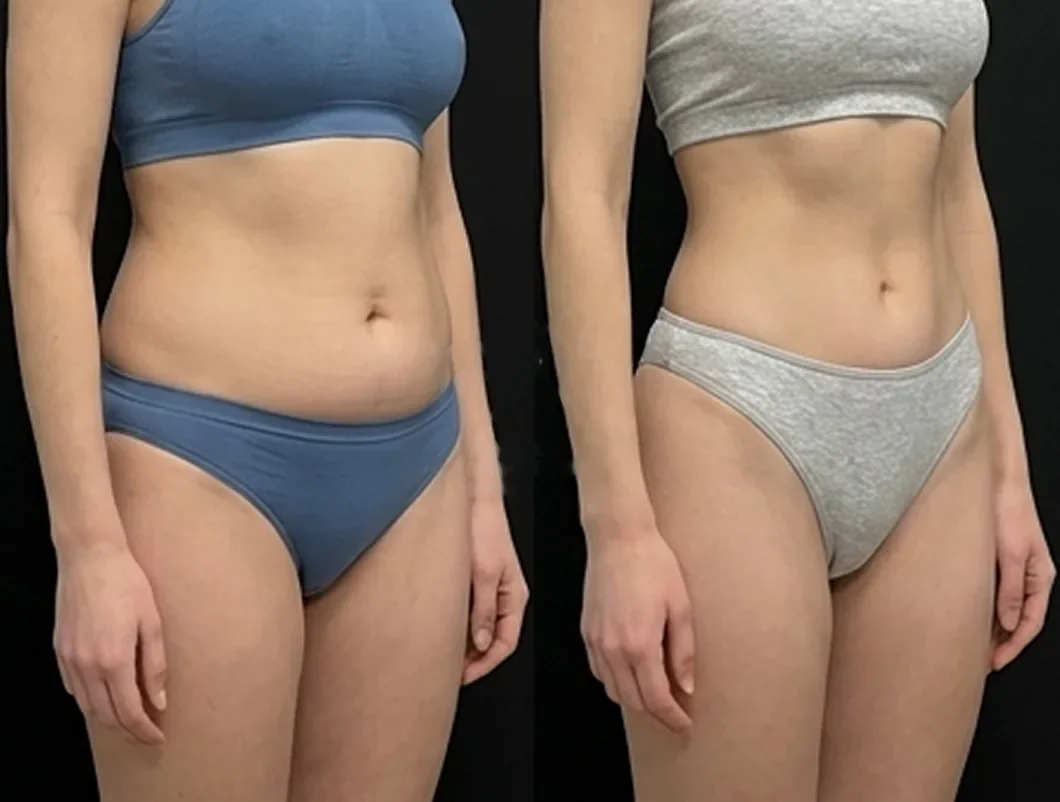
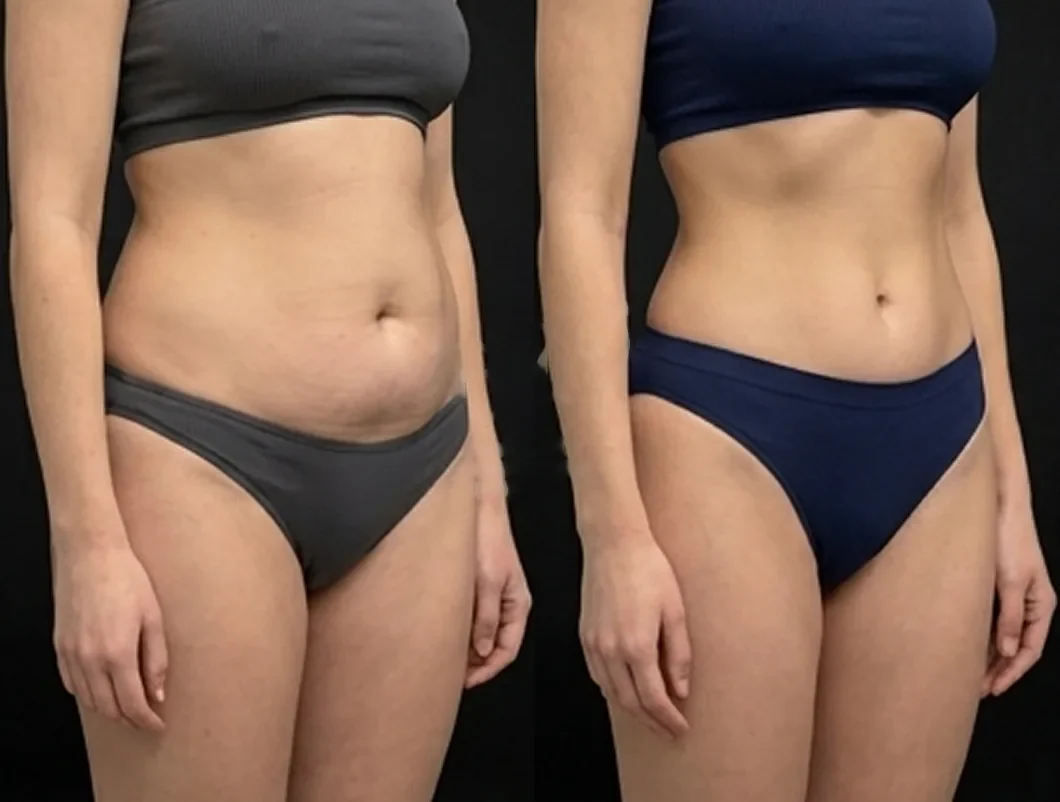
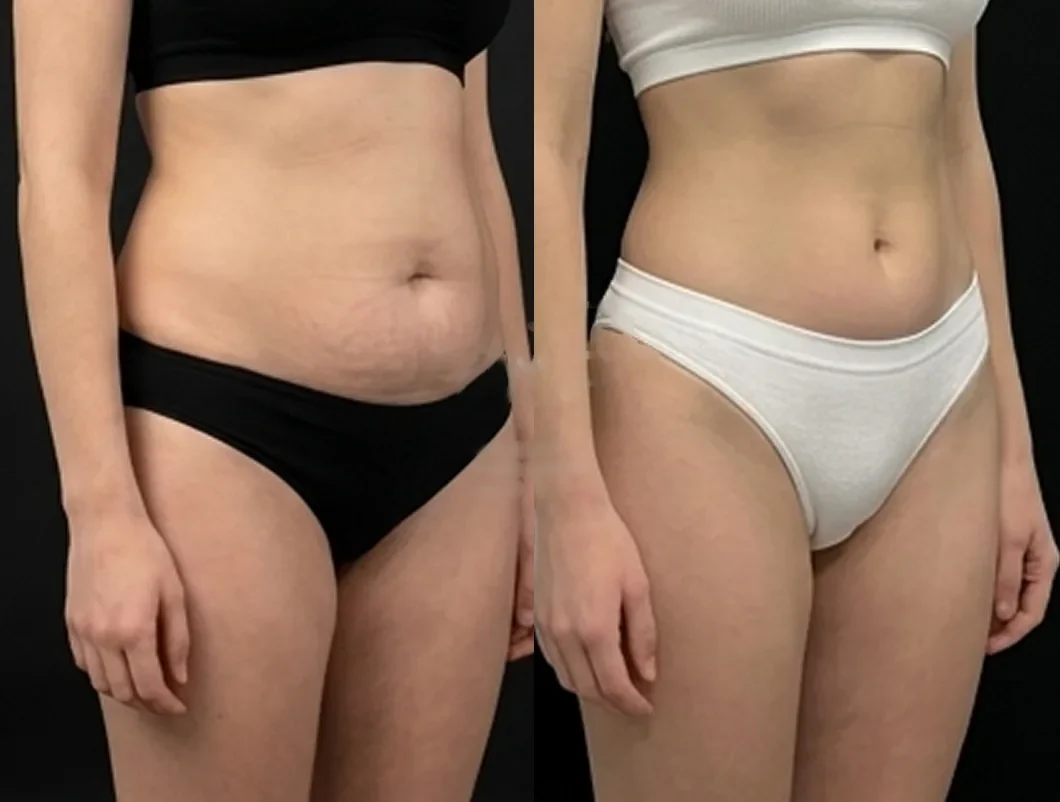
All cases are real patients. Faces and identifying details are hidden.

Abdomen and waist

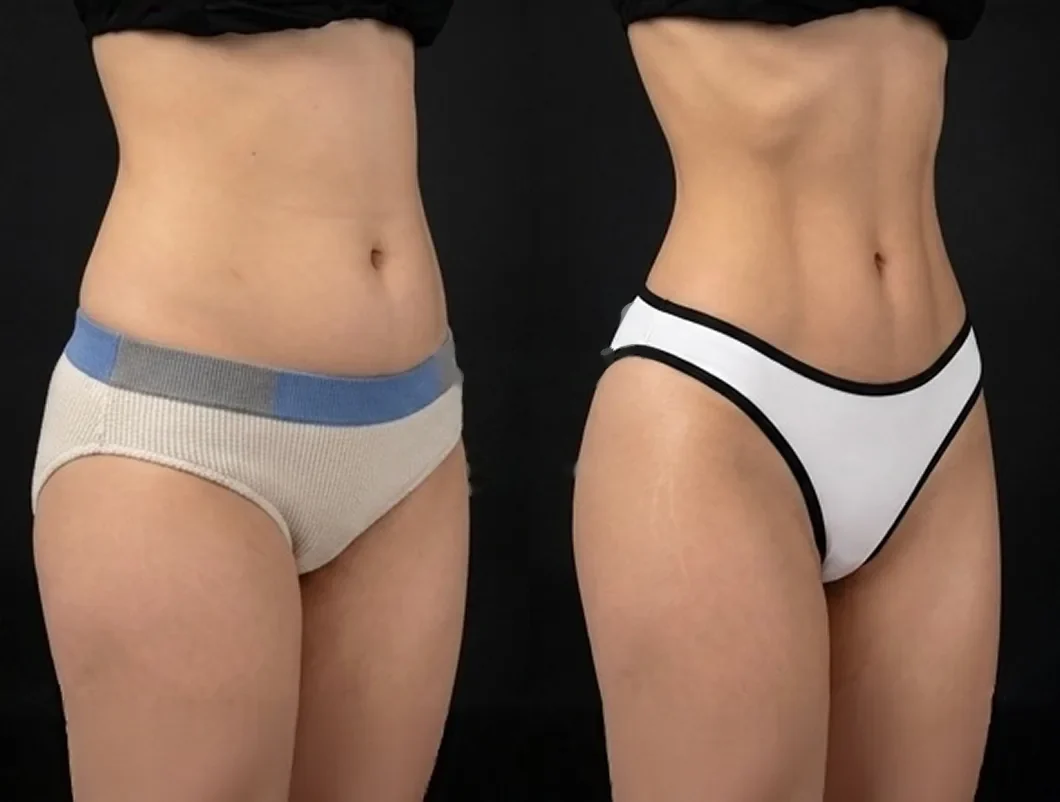
Liposuction of the abdomen and waist: before and after surgerybeforeafter
1 of 10

Comparison

Liposuction techniques

We use two liposuction techniques: tumescent (classic) and VASER (ultrasound). Compare the goal, the indications and the anaesthesia to choose the right technique together with your surgeon.

Tumescent liposuction

A special solution loosens fat for removal through a thin cannula
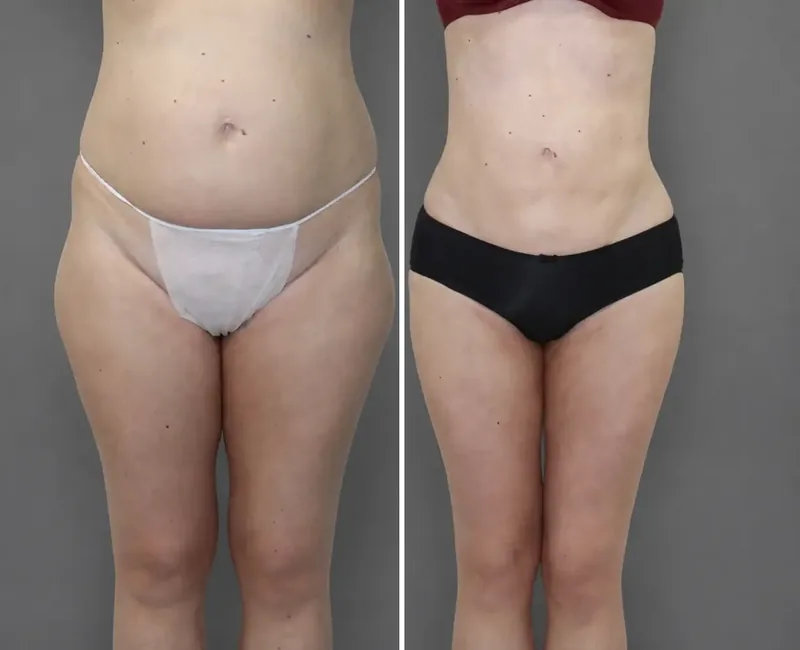
Tumescent liposuction: abdomen and thighs before and after surgery

from $1,200

Main goal
Removal of local fat with minimal blood loss
When it is done
Abdomen, flanks, thighs, back, arms, chin
Anaesthesia and stay
Local or general anaesthesia, home the same day or after 1 day

VASER liposuction

Ultrasound breaks down fat cells before vacuum removal
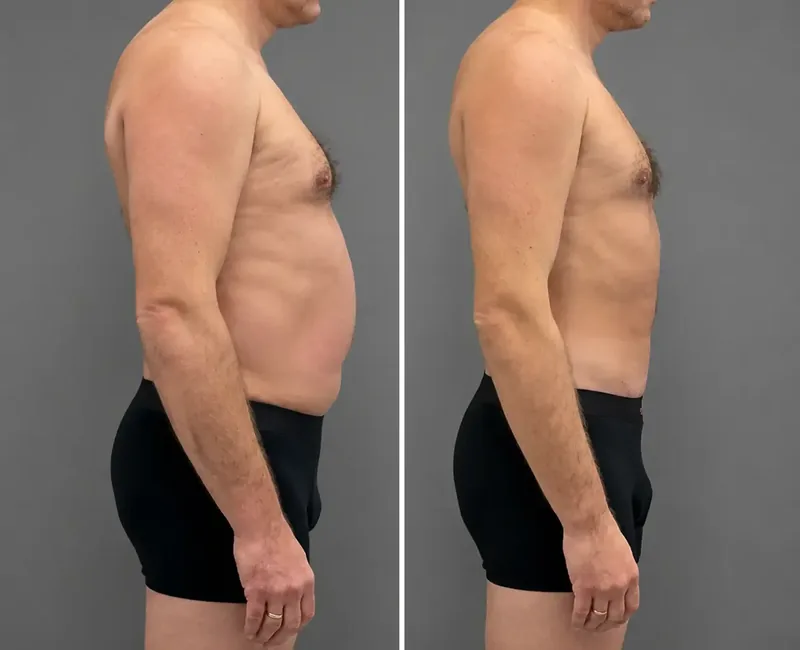
VASER liposuction: a male patient before and after surgery

Price at consultation

Main goal
Defined muscle relief and body contouring
When it is done
Athletic abs and delicate areas
Anaesthesia and stay
Local or general anaesthesia, 1–4 hours of surgery

The benefits and recovery times shown are averaged for each technique and given for guidance: the scope of correction and rehabilitation depend on your anatomy and individual features, and the surgeon confirms them at the consultation.

At the consultation the surgeon draws up a plan for your case and explains how your liposuction will go.

Free, before surgery and with no obligation.

Book a consultation

Areas we work on

One operation can cover several areas — you save on recovery time and on budget

  • Abdomen and waist

    The most requested area for women and men, often combined with abdominoplasty

  • Thighs (outer and inner)

    Fat “traps” that resist exercise

  • Back, including the lower back

    Back rolls that spoil the silhouette

  • Arms, including the shoulders

    A cosmetic concern that shows in warm weather

  • Chin and neck

    Small area, fast visible result

  • Knees

    A delicate area that needs precise work

  • Chest (for men)

    Gynecomastia, pseudogynecomastia: the fat part

About the clinic

A clinic where you can feel at ease

Modern equipment, comfortable rooms and care for every patient
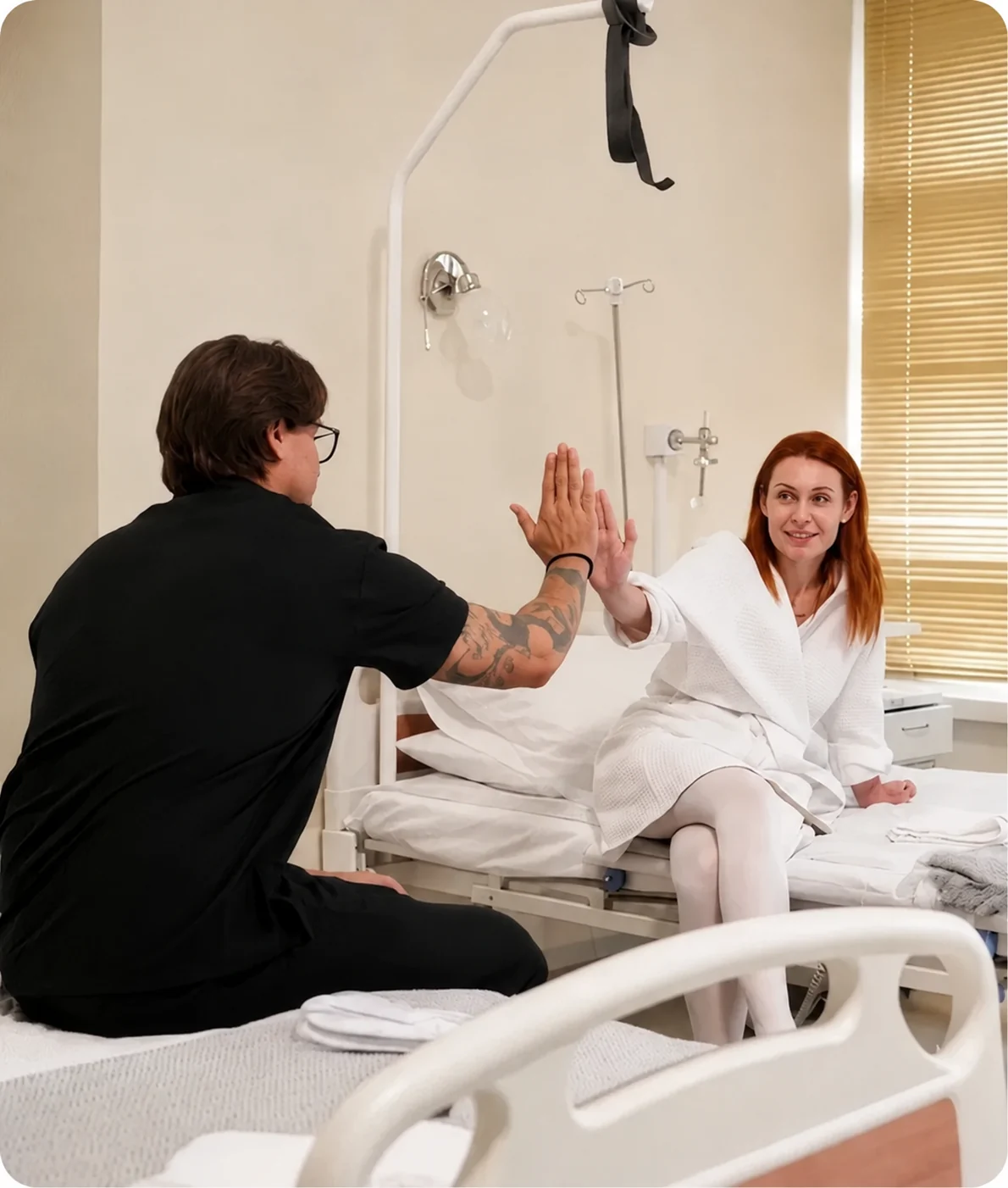
A doctor and a patient in a clinic ward

Contact us the way that suits you

We will answer your questions and find a convenient time for a consultation

By messaging us, you agree to our Privacy Policy

Request a free call

Liposuction is not for everyone

If your case can be solved without surgery, the doctor will tell you so at the consultation — and you will not spend money for nothing.

Suitable
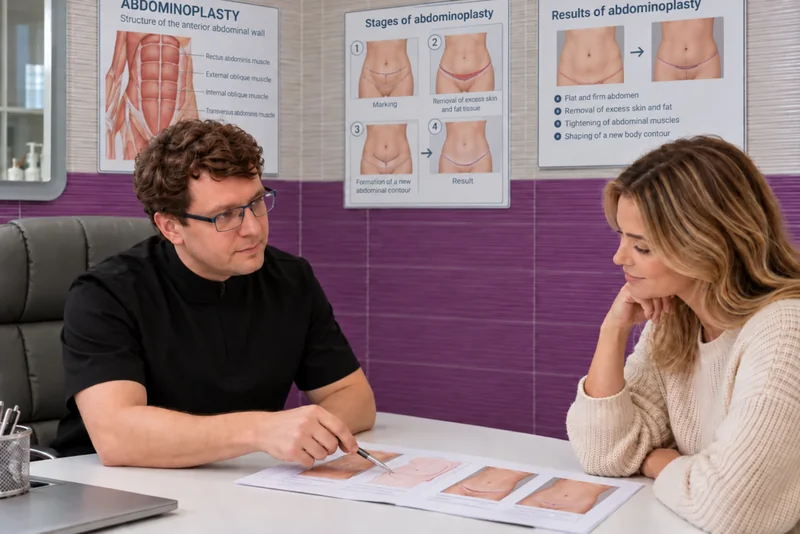
A surgeon shows a patient on a model and a monitor how the body contour changes after liposuction
  • Local fat that resists diet and exercise
  • Uneven subcutaneous fat
  • Disrupted body proportions
  • Silhouette changes after childbirth or weight loss
  • Fat component of gynecomastia in men
  • Good skin tone and elasticity

Not suitable
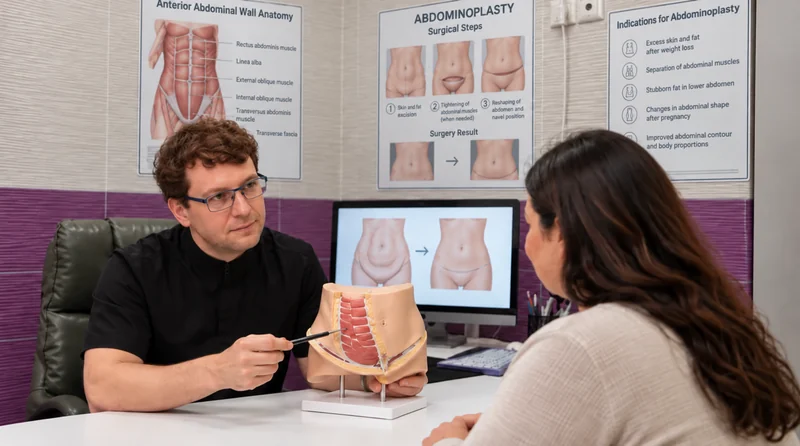
A surgeon discusses the indications and contraindications for liposuction with a patient
  • Being under 18
  • Pregnancy or breastfeeding
  • Endocrine obesity
  • Decompensated diabetes
  • Problems with blood clotting
  • Serious heart, kidney or liver disease, cancer

Not sure the surgery is right for you?

Leave your number — the coordinator will call you back, and the surgeon will tell you whether liposuction suits you. No surgery booking needed.

Find out if it suits me
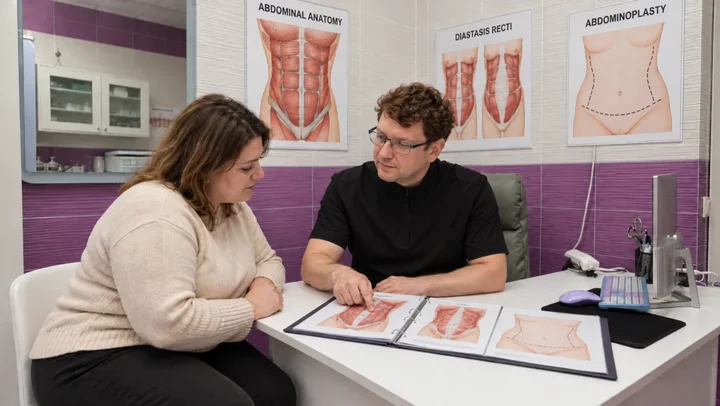
A surgeon goes through the treatment areas with a patient at the consultation

Prices

You know the price
before surgery

The final price is calculated individually after an examination and fixed in the contract.

Liposuction prices

  • First consultationFree
  • Flanks / waist liposuctionfrom $1,400
  • Thigh liposuction (outer)from $1,200
  • Thigh liposuction (inner)from $1,200
  • Torso liposuction — front abdominal wall, sides of abdomen and lower backfrom $3,600
Book a consultation

Find out your liposuction plan and price

The surgeon assesses the fat deposits and skin tone, listens to your wishes and chooses the right technique.
A nurse talks to a patient in a clinic ward

Message our coordinator

Free online consultation · Reply within 15 minutes

Message us on Telegram

By messaging us, you agree to our Privacy Policy
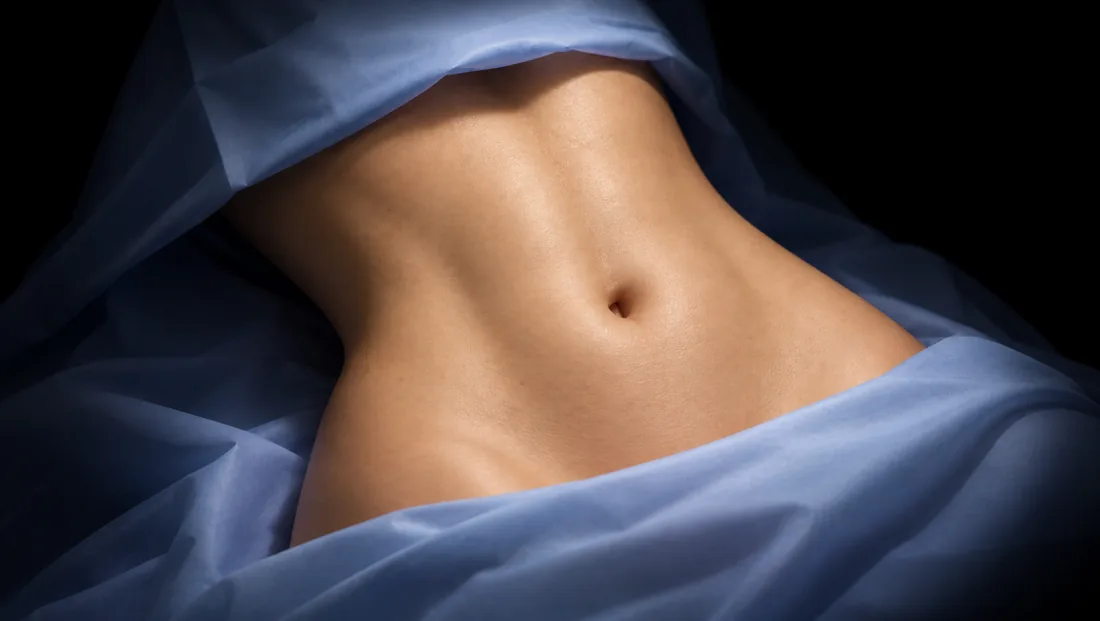
A patient before liposuction in the operating room

all inclusive

What the price includes

From preparation for surgery
to post-op check-ups.

  • All scheduled dressings
  • Scheduled post-op check-ups
  • A personal coordinator on call
  • Compression garments fitted on the day of surgery
  • A stay in a comfortable
    hospital ward with meals
  • Individual recommendations
    for recovery
  • Remote progress monitoring
    by photos

from $1,200

Book a consultation

How it works

From consultation —
to your new contour

An agreed treatment plan, careful monitoring after surgery and post-op check-ups.
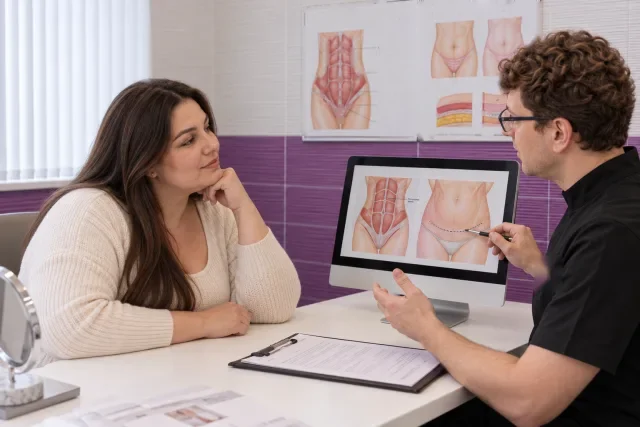
A surgeon goes through the liposuction plan with a patient on a monitor1

Consultation
and the surgical plan

The surgeon listens to your wishes, assesses the fat deposits and skin tone and rules out contraindications. A hormonal screening is also ordered — it helps predict the long-term result.
Paying the deposit by card at the clinic reception2

Booking the date
of surgery

We reserve a surgery date for you: the deposit can be paid by card at the clinic or online by bank transfer. The terms are fixed in the contract for medical services
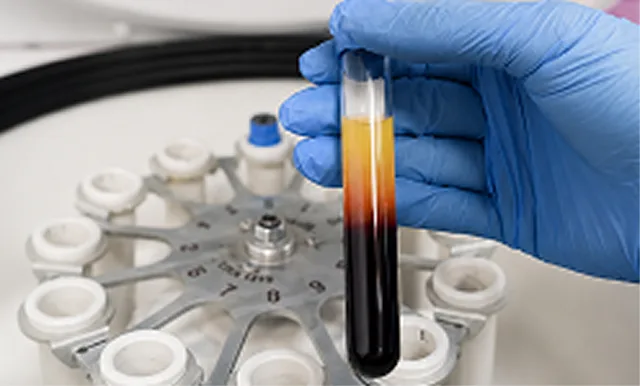
A blood sample tube for tests before liposuction3

Check-up before
surgery

Blood tests (complete count, coagulation panel, biochemistry, infections), an ECG, a chest X-ray and, if needed, a GP consultation. All tests can be done at the clinic with no waiting.
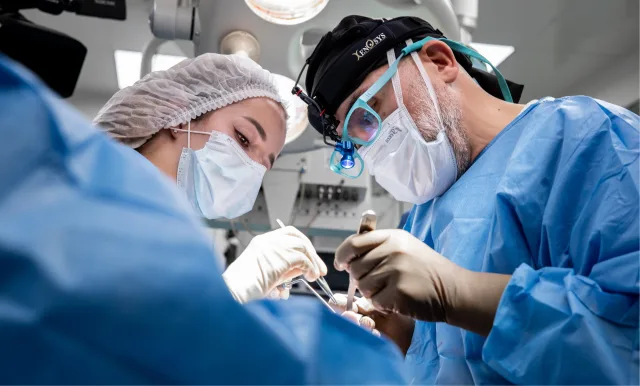
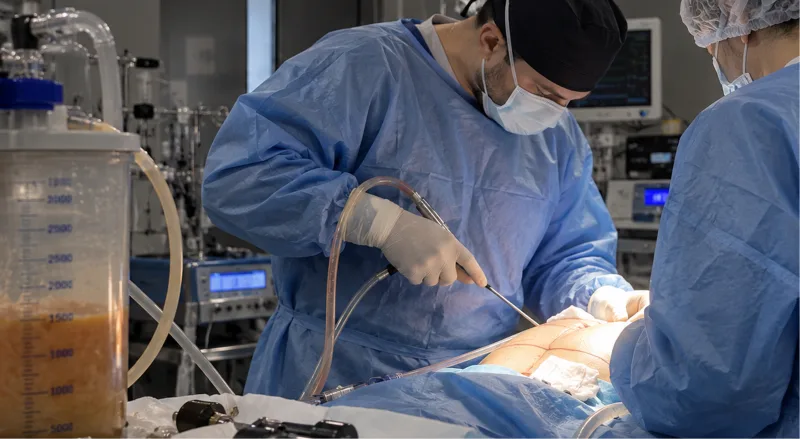
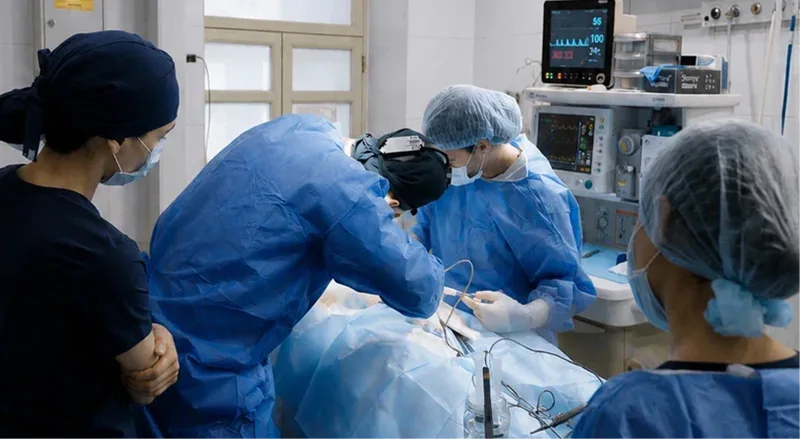
The surgical team during the operation4

Surgery

Marking the areas and fitting compression garments. Under local or general anaesthesia the surgeon removes fat through 3–5 mm micro-punctures — from 1 hour for small areas to 3–4 hours for a combined procedure.
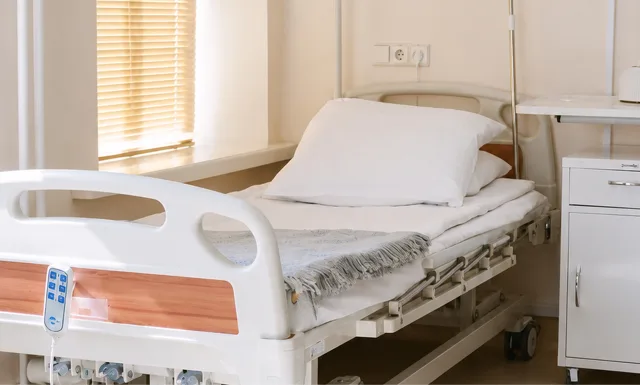
A hospital ward at the clinic5

Waking up
and monitoring

With local anaesthesia you go home 3–4 hours after surgery; with general anaesthesia you stay one day in a comfortable ward under medical supervision.
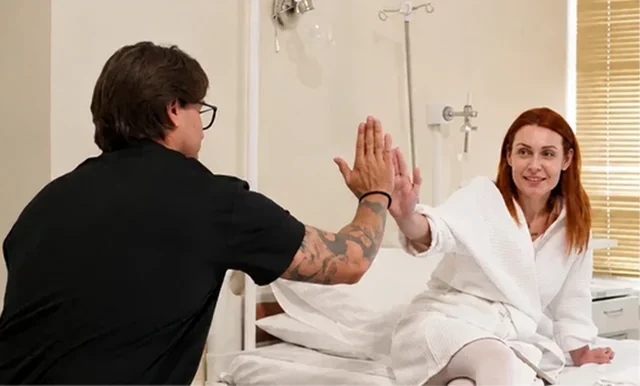
A surgeon and a patient in the ward during recovery6

Recovery

Compression garments for 30–45 days. First changes show at 2 weeks, once swelling subsides; the final result forms in 3–6 months. Check-ups at 7 days, 3 and 6 months.
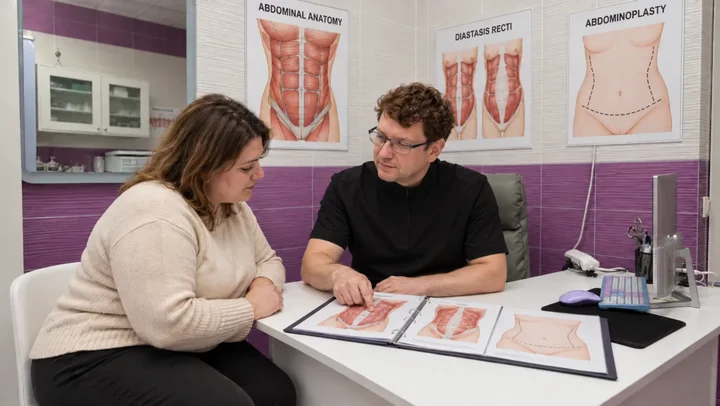
Book a free consultation — the surgeon will plan every step with you.

A doctor discusses the liposuction plan with a patient
Book a consultation
A doctor discusses the liposuction plan with a patient

After liposuction: recovery

After tumescent liposuction, recovery is much shorter than after a conventional procedure. Most patients return to work within 7–10 days. In the first week, mild swelling and a raised temperature are possible — a normal response to surgery. Compression garments are worn for 30–45 days: they fix the new contours and speed up tissue recovery. In the first month, bathhouse, sauna, pool and intense sport are off-limits. For the best result and faster recovery we recommend lymphatic drainage massage, pressotherapy and a gradual return to activity. First visible changes show 2 weeks after surgery, when the main swelling subsides; the final result forms in 3–6 months.

Post-op check-ups

After 7 days, at 3 months and at 6 months. Until the end of the year, get a post-surgery consultation with your surgeon to review results and get more information, at the clinic's expense.

Advantages

Why patients pick City Medical Centre
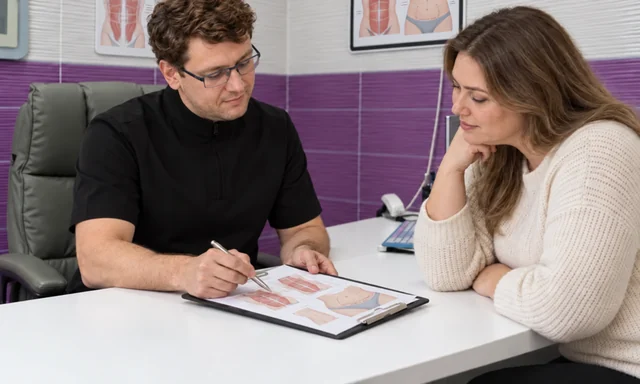
A surgeon discusses the liposuction plan with a patient at the consultation

Just find out — you lose nothing

At the consultation we discuss your wishes and assess the fat deposits and skin tone. Before surgery an endocrinologist rules out hormonal causes of the fat deposits — this improves the long-term result.
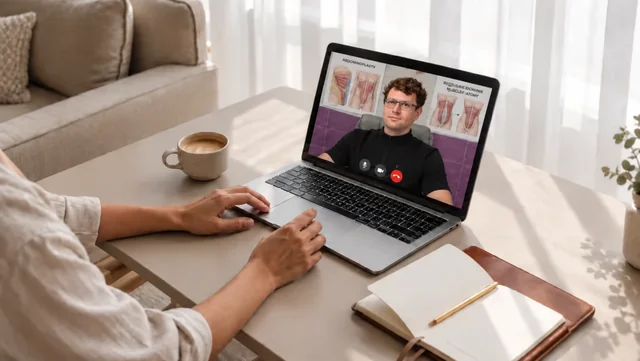
A surgeon on a video call with a patient after surgery

We stay with you after surgery

The surgeon follows your recovery and the new body contour at check-ups after 7 days, 3 and 6 months. Check-ups, dressings and aftercare advice are already included in the price of surgery.
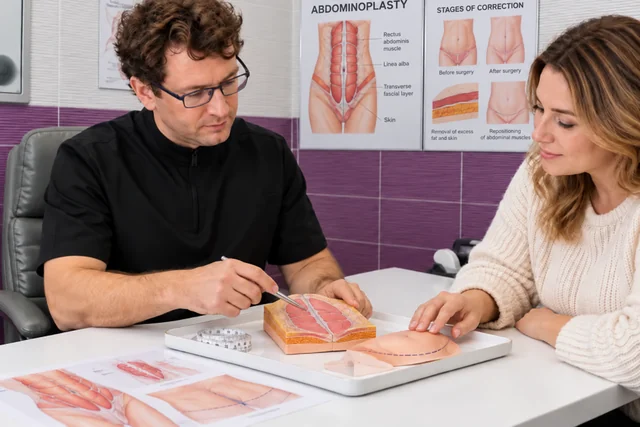
A surgeon shows a patient a model and body contouring diagrams

A beautiful contour that fits your figure

Tumescent and VASER techniques, micro-incisions of 3–5 mm and precise volume control. Our aim is a smooth contour that keeps the natural proportions of your body.

A patient writes down a convenient visit time in her planner

Your schedule is our priority

We respect your time: we work 24/7, with easy booking and a personal approach — we adapt to your pace.

A surgeon shows a patient a tablet: no hidden fees

Fixed prices

After the consultation the surgeon defines the areas and the scope of surgery, and you get a clear price fixed in the contract — no hidden extras.
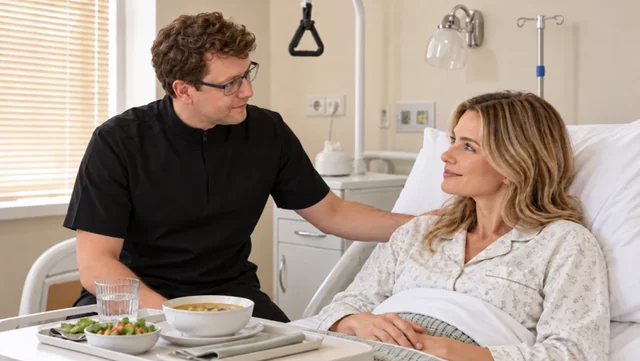
A surgeon visits a patient in the hospital ward after surgery

Round-the-clock care after surgery

With general anaesthesia recovery starts in a comfortable hospital ward under round-the-clock nursing care. The stay and meals are already included in the price.

FAQ

We answer what
people ask before booking

Liposuction in Reading: price and what is included

Prices are in US dollars; the amount in brackets is an approximate conversion to GBP at the rate of 02.10.2026. The final price is fixed in your contract.

How much does liposuction in Reading cost?

Prices start from $1,200 (≈ £910) per area. The surgeon sets the final price at the free consultation, and it is fixed in the contract, with no hidden extras.

What is included in the price?

The operation under local or general anaesthesia and the surgeon's support throughout recovery. The price is per area and fixed in the contract.

How do I get my exact price?

Message us on WhatsApp or Telegram using the buttons below. A coordinator will answer your questions and book a free consultation where the doctor names the exact price.

By messaging us, you agree to our Privacy Policy

Liposuction in Reading: questions patients ask

Can I book a liposuction consultation for a specific date?

Yes. Send us the date you have in mind on WhatsApp or Telegram. The first consultation is free, and you can start it online: the coordinator asks for photos of the areas, and the clinic confirms the nearest available dates for the consultation and the operation before you plan anything.

How far ahead should I plan liposuction before an event?

Allow at least 4–6 weeks. Most swelling and bruising are gone by weeks 4–5, compression garments are worn for 4–6 weeks, and the final contour forms over 3–6 months.

Can I combine several liposuction areas in one session, and what does it cost?

Yes, patients usually combine areas such as arms and thighs or abdomen and flanks. The number of areas per session is set by the surgeon after the photo review. Every area starts from $1,200 (≈ £910), so a two-area plan starts from $2,400 (≈ £1,820).

Can I get a liposuction consultation without leaving Reading?

Yes. The first consultation is free and starts online: send photos of the areas on WhatsApp or Telegram, and the doctor reviews them and tells you which technique and how many areas make sense. You get an answer before anything is booked.

When can I get back to work in Reading after liposuction?

With local anaesthesia you usually go home 3–4 hours after surgery; with general anaesthesia you stay one day. Heavy lifting and exertion are off for the first 7 days, and the doctor sets the check-up date.

What information does the doctor need before giving a liposuction price?

Photos of every area you would like treated, taken from the front and the side without filters, plus your age, height, weight and past operations. The cost depends on the volume of fat, so the doctor names the price only after reviewing the photos.


Liposuction in Reading: what you should know

Before any decision on liposuction in Reading, it helps to know how the clinic approaches it. An endocrinologist rules out hormonal causes of excess fat, which improves the long-term result. Surgery uses tumescent and VASER techniques and closed fat-harvesting systems with precise volume control. Liposuction can also be combined with other procedures, for example a tummy tuck for the abdomen.

Is it painful? No: the procedure is done under anaesthesia, local or general depending on scope. Afterwards mild discomfort is possible and is relieved with painkillers prescribed by the doctor. Most patients return to their usual routine in 7–10 days, while swelling and bruising resolve by weeks 4–5. That is the typical course for people in Reading after liposuction.

There are no surprises in the bill: the price is set after an examination, recorded in the contract and stays the same. Starting from $1,200 (≈ £910) per area, liposuction can be paid in interest-free instalments. Patients from Reading begin with a free consultation where the surgeon answers questions about technique, recovery and contraindications before anything is decided.

Stories of well-known people

Well-known people who spoke openly about this operation, in their own words.

All stories about this operation →

A town between two rivers: why the shape of the walk matters for body contouring

Reading's centre sits on a low ridge between the River Thames and the River Kennet, close to where they meet. The ground is at 61 m above sea level, and the suburbs run out towards the foothills of the Berkshire Downs. North of the Thames they climb towards the Chiltern Hills. For a patient thinking about liposuction, this geography is useful because it shapes the everyday walking and cycling that fill a week. Gentle gradients, river paths and open meadows suit the kind of movement that matters before and after a body-contouring operation: regular, moderate, repeatable.

The riverside is the obvious place to look. Open spaces follow the Thames through the borough: Thameside Promenade, Caversham Court, Christchurch Meadows, Hills Meadow, View Island and King's Meadow. None of them needs special kit or a gym membership. A patient who plans an operation in the abdomen, flanks or thighs can use these routes as a baseline. A few weeks before the consultation, walk the same loop at the same pace and notice how you feel. That gives you something concrete to describe to the coordinator on WhatsApp or Telegram, and it shows the doctor how active you already are.

Liposuction is aimed at stubborn local fat that does not respond to diet and exercise. The areas treated include the abdomen and waist, outer and inner thighs, the back including the lower back, the arms, the chin and neck, the knees, and in men the fat component of the chest. A person who walks along the Thames most days and still carries a firm pocket of fat on the flanks or outer thighs is the typical picture. Their general habits are fine, but one area does not follow. The doctor assesses that at the consultation, together with the thickness of the fat deposit and the tone of the skin above it.

Because Reading is an urban area of 355,596 people around a borough of 183,762, many patients lead busy, commuter-style weeks. The practical question is rarely "can I find a quiet hour?" It is usually "how do I fit 7–10 days of lighter activity into a calendar that has no slack?". An online first consultation helps here. You send photos, the doctor gives an assessment, and you decide the dates before anything is booked. Nobody asks you to rearrange your week just to find out whether liposuction is suitable.

It also helps to separate two goals that people often merge. The first is a smoother, more proportionate contour. The second is a lower number on the scales. Liposuction serves the first. It does not serve the second, and the doctor will say so plainly. If your weight is still moving up or down, the sensible first step is a conversation with a nutritionist or endocrinologist. The operation is for a figure that has been stable and has a local problem.

Finally, take photos in consistent conditions. Use the same room, the same light and the same distance. Include front, side and back views of the area, with clothing that does not hide the contour. Good photographs shorten the first conversation and make the plan more precise. They also give you a clear "before" record for the later check-ups at 7 days, 3 months and 6 months.

Weight statistics for England and what they do and do not say about you

National figures give context, but they are not a verdict on any individual. The Health Survey for England 2022, published by NHS Digital, found that 29% of adults were living with obesity and 64% were overweight or living with obesity. The regional spread was wide. Age-standardised obesity ranged from 39% in the North East to 21% in London, and overweight or obesity from 72% in Yorkshire and the Humber to 59% in London. Reading belongs to South East England, so those regional extremes are the frame of reference. The survey figure for the South East specifically is not part of what we quote here, and we will not guess at it.

Why mention this in a text about liposuction? Because the numbers clarify who the operation is for, and who it is not. A population in which most adults are above a healthy weight has a lot of people asking whether liposuction is a shortcut. It is not. Liposuction is not a weight-loss method. It removes local fat deposits and reshapes contours. The list of cases where it is not suitable includes endocrine obesity and decompensated diabetes, and the doctor looks at those during the consultation. A hormonal screening is also ordered before the operation, because it helps predict the long-term result.

The NHS describes a separate path for people whose weight is a medical problem. Weight loss surgery may be offered if BMI is 40 or more, or between 35 and 40 with a condition that might improve with weight loss, such as high blood pressure, diabetes or arthritis. The person must agree to lifestyle changes and check-ups. A lower BMI may be considered for some ethnic backgrounds, and availability varies across areas of the UK. If your situation looks like that, the right conversation is about bariatric options, and the medical centre lists bariatric surgery as a separate treatment. The doctor will say honestly if liposuction is the wrong tool and another route fits better.

Weight stability deserves its own paragraph. After liposuction the removed fat cells do not come back. The cells that remain can still grow if you gain weight, so the contour can change. A strict diet is not required, but a balanced diet and regular activity protect the result. For anyone in Reading who works at a desk, has a long commute or eats irregularly during the working week, the best preparation is dull and effective. Pick an eating pattern you can keep for months, and test it before the date is set. A stable weight over a stretch of time before the operation is a better sign than a crash diet last month.

A related point concerns joints. The NHS notes that osteoarthritis is the most common type of arthritis in the UK, that the risk rises with age, and that it is higher in women than in men and in people with obesity or a joint injury. Liposuction is not a treatment for joint disease, and nobody should have it for that reason. If you have knee or hip pain that limits ordinary life, see a GP first. The doctor on the consultation will also ask about it, because joint pain changes how comfortably you can move after the operation.

Last, be careful about reading national percentages into your own body. A figure of 64% overweight or obese tells you nothing about the fat on your flanks. What matters is your photographs, your skin tone, your medical history and your goals. The first consultation is free and has no obligation to book surgery, so it is a low-pressure way to find out where you stand.

Warm months, cold months: living in a compression garment

Compression garments are worn for 30–45 days after liposuction. They fix the new contours and speed up tissue recovery. In an English climate the question is less "will I be too hot?" than "which weeks of the year do I want those 30–45 days to fall in?". Reading's own figures help answer that.

The Met Office 1991–2020 averages for the University of Reading station (62 m) show that July is the warmest month, with a mean maximum of 22.7 °C and a mean minimum of 12.9 °C. August is close behind at 22.3 °C. January is the coldest, with a mean maximum of 8.0 °C and a mean minimum of 2.1 °C. The annual mean is 10.9 °C, with a mean maximum of 14.9 °C and a mean minimum of 6.9 °C. These are averages, and individual days will differ. Even so, they show that the town does not have the sustained heat that makes a close-fitting garment hard to bear. A typical July afternoon sits well below what many people would call hot.

For that reason, summer recovery is manageable here. The practical issues are small. Choose loose cotton clothing over the garment, avoid direct sun on the treated areas, and keep the skin clean and dry in the warmer hours. The doctor gives individual recommendations after the operation, and you should follow those over general advice. For the first month, bathhouse, sauna, pool and intense sport are off-limits. That matters in summer, when a swim or a hard session is tempting. Alcohol and tanning beds should also be avoided for at least a month.

Winter has its own trade-offs. A garment under a coat and scarf is easy to hide, which many people find reassuring. The weather is cooler and the garment feels less intrusive. On the other hand, winter brings less daylight, and that affects how much gentle walking people actually do. Sunshine in Reading totals 1,577.5 hours a year. July is the sunniest month with 205.5 hours, followed by May at 199.9 and June at 199.0. December is the dullest, at 48.5 hours. If you are planning a gradual return to activity, short winter days make it harder to stick to the routine. Walking at midday, or on a bright weekend morning, is a sensible adjustment.

Rain matters too. The annual precipitation is 658.2 mm spread over 113.9 days. October is the wettest month at 73.8 mm, closely followed by November at 73.1 mm. March is the driest at 40.3 mm, with May at 43.5 mm. In practical terms, an autumn recovery may include several wet days when you will want to stay in. That is not a problem in the first week, when rest is the aim. It becomes a consideration around weeks three to six, when you are meant to return gradually to activity and might otherwise skip walks. A short indoor routine agreed with the doctor can fill the gap.

A concrete example shows how this works. Suppose the operation happens in early November 2026. The 30–45 days of compression would then run to roughly the start or middle of December. The first changes show at 2 weeks, once the main swelling subsides, and swelling and bruising disappear by weeks 4–5. The interim result comes at 1.5–2 months, and the final contour forms 3–6 months after the operation, which here means between February and May 2027. Whether that is a convenient window depends on your own plans. The point is to count the calendar before you choose the date, rather than after.

Lymphatic drainage massage and pressotherapy are recommended for the best result and faster recovery. They are normally part of the recovery plan, and you can ask the coordinator about them at any time of year. The weather should not change the plan itself, but it can change how comfortable the weeks feel.

Planning around the Reading calendar: festivals, races and bank holidays

Some towns have a local event that shapes how people schedule anything physical. Reading has two, and a third factor is the national bank holiday calendar. They are worth reading before you choose a date, because the first week or two after liposuction is for rest, and the first month rules out intense sport.

Reading Half Marathon is held on the streets each March with 16,000 competitors. If you run it, or if you mark your year by it, remember that liposuction restricts intense sport in the first month and that the final result forms over 3–6 months. A March race is therefore a poor fit for an operation shortly beforehand. The reverse also holds. A patient who wants to be fully active by March should have the operation early enough that the first month is well behind them. Whether you run or only watch, discuss it with the doctor. The answer depends on the areas treated and on how your recovery goes, and it is confirmed individually.

Reading Festival has been held since 1971 over the August bank holiday weekend, from Friday to Sunday. It is a crowded, loud, outdoors event with a lot of standing, queueing and walking on uneven ground. If you plan to attend, count backwards. Heavy lifting should be avoided for the first 7 days, compression garments are worn for 30–45 days, and the final contour takes 3–6 months to develop. An operation a few months before the festival will have you well past the compression stage by the time the weekend arrives. An operation in the weeks just before it would not. The festival also tends to mean outdoor sun, and tanning beds are best avoided for a month. Direct sun on fresh scars is a separate matter to raise with the doctor.

University life in Reading adds another rhythm. The University of Reading was established in 1892, and a large student and staff population affects local traffic and housing, though not the operation. For a student or a lecturer the useful point is the academic calendar. A 7–10 day return to work is typical, so a quieter point in the term is easier than an exam week.

Bank holidays are a practical help. England and Wales have 8 in 2026. For late-year scheduling, two matter: Christmas Day on 25 December and the substitute Boxing Day on 28 December. A long break gives extra rest days without using annual leave. It does not replace the check-up schedule, which is 7 days, 3 months and 6 months. Some patients like to place the operation so that the 7-day check-up falls just before a long weekend, then have the break for rest. That is a personal choice, and the coordinator can help line the dates up. Because coordinators answer 24/7 on WhatsApp and Telegram, you can send photos or ask about dates at any hour, including the quieter hours during a holiday period.

A few cautions apply. Plan the weeks after the operation as lighter than usual, not as a normal week with a garment added. A family gathering with long hours of standing and heavy dishes can be tiring in the first week. Alcohol is best avoided for at least a month, and a festive season makes that harder. Mention this to the doctor if you are worried. A clear plan agreed in advance is easier to keep than a resolution made on the day.

NHS coverage, waiting lists and why the first consultation is online

Anyone considering liposuction in Reading will ask whether the NHS can provide it. The NHS says plainly that cosmetic surgery is not routinely provided. It might pay for some procedures for psychological or other health reasons. Its examples are rhinoplasty for breathing problems, or breast enlargement for very uneven or absent breasts that cause significant psychological distress. The same text says most people who want cosmetic surgery need to pay privately. Liposuction for body contouring generally falls into that second group. That is useful to know before you spend time pursuing a referral that is unlikely to come.

The pressure on NHS waiting lists is a second reason people look for another route. NHS England's statistical press notice of 10 September 2026 reported 7.3 million referral-to-treatment pathways waiting to start treatment at the end of July 2026, covering around 6.2 million unique patients. Of these, 111,379 had waited more than 52 weeks. These figures concern all specialties and say nothing specific about liposuction. They do show why many people prefer a route where the first step is a free online conversation and the dates are agreed in advance, instead of one where the timing is set by a queue.

The online format works well for a first assessment of liposuction because the key inputs are visual and conversational. You send photos by WhatsApp or Telegram. The doctor assesses the fat deposits and the skin tone, listens to what you want and chooses the technique. The two techniques are tumescent (classic) and VASER (ultrasound). Tumescent liposuction uses a special solution that loosens fat for removal through a thin cannula. VASER uses ultrasound to break down fat cells before vacuum removal, and it is aimed at defined muscle relief and delicate areas. The choice depends on your areas and goals, and the doctor confirms it during the consultation.

Payment and contract terms are explained individually. The final cost is calculated after an examination and fixed in the contract before the operation, with no hidden extras. We do not quote any amount here. The consultation is the place to get a number for your case. The scope of what is included is clear: scheduled dressings, scheduled post-operative check-ups, a personal coordinator on call, compression garments fitted on the day, a stay in a comfortable hospital ward with meals where general anaesthesia is used, individual recovery recommendations and remote progress monitoring by photos.

It is also worth being honest about private care. Choosing it means you are responsible for understanding the plan and the follow-up. Ask what happens if something is unexpected after the operation. Ask who answers a message in the middle of the night. Ask how check-ups are arranged. The answers here are specific: the coordinator is on call round the clock, the check-ups are at 7 days, 3 months and 6 months, and progress is followed remotely by photos between visits. Your own GP remains the right contact for anything concerning your general health, and a GP consultation can form part of the pre-operative checks if needed.

Finally, treat the online consultation as a screening step for both sides. The doctor may tell you that liposuction is not the right option. If your case can be solved without an operation, you will be told. That is a good outcome, because you will not spend money on something you did not need.

What the day-by-day plan looks like for someone in Reading

A clear sequence removes most of the worry. The process begins with the consultation and the surgical plan. The doctor listens to your wishes, assesses the fat deposits and skin tone, and rules out contraindications. A hormonal screening is also ordered, because it helps predict the long-term result. Next, you book the date. A deposit reserves it, and the terms are fixed in the contract for medical services.

Before the operation come the checks. These are blood tests (complete count, coagulation panel, biochemistry, infections), an ECG, a chest X-ray and, where needed, a GP consultation. Pre-operative tests also include ultrasound and an anaesthesiologist consultation. Give up smoking, alcohol and medications that affect clotting, such as aspirin, 7–10 days before the operation. Instructions are sent after the first consultation. If you take any regular medicine, say so at the start, so the doctor can tell you what to continue.

On the day, the areas are marked and compression garments are fitted. Under local or general anaesthesia the fat is removed through micro-punctures of 3–5 mm. The operation lasts from 1 hour for small areas up to 3–4 hours for a combined procedure. With local anaesthesia you go home 3–4 hours afterwards. With general anaesthesia you stay one day in a comfortable ward under medical supervision. The punctures usually need no stitches, and once healed the marks are barely visible. With proper care during recovery they fade.

The first week is the quietest. Mild swelling and a raised temperature are possible, and they are a normal response. Skip physical exertion and heavy lifting. Painkillers prescribed by the doctor relieve any discomfort. Most patients return to work within 7–10 days. A desk job in town is often manageable at the earlier end, while physical work might need the later end or a longer break. Say what your job involves, and the doctor will advise.

Weeks two to six bring the visible changes. The first changes show at 2 weeks. Swelling and bruising disappear by weeks 4–5. Garments continue for 30–45 days, and you should avoid bathhouse, sauna, pool and active sport for the first month. Lymphatic drainage massage and pressotherapy help, and a gradual return to activity completes the picture. A river walk is the natural way to rebuild: short at first, then longer as the doctor agrees.

The months after that are about patience. The interim result appears at 1.5–2 months, and the final contour forms in 3–6 months as tissues fully adapt. Check-ups at 7 days, 3 months and 6 months let the doctor compare the result to your photos. Because progress is also monitored remotely, you can send a picture between appointments if something worries you.

A few expectations are worth stating. Liposuction does not treat cellulite directly, since it does not change the skin structure behind it, though better contours can visibly reduce its appearance. It does not cure sagging skin, and if tone is reduced or stretch marks are present the specialists will recommend preparatory treatments. It is not for under-18s, pregnancy or breastfeeding, endocrine obesity, decompensated diabetes, blood coagulation disorders, or serious heart, kidney or liver disease or cancer. These are the conditions that are checked first. The decision should be yours, taken calmly, with the full plan and the final cost in front of you.

Is Reading's weather a problem for wearing compression garments?

Reading's climate is mild. The warmest month, July, has a mean maximum of 22.7 °C and a mean minimum of 12.9 °C, and January has a mean maximum of 8.0 °C. The garments are worn for 30–45 days whichever season you choose. In summer wear loose cotton over them and keep the treated areas out of direct sun. In winter the garment is easy to hide under normal clothes. The doctor gives individual recommendations after the operation.

Does the NHS cover liposuction for people living in Reading?

The NHS says cosmetic surgery is not routinely provided and that most people who want it need to pay privately. It might fund some procedures for psychological or other health reasons, but liposuction for contouring is not usually among them. A free online consultation lets you learn whether the operation suits you before you commit to anything.

Which time of year suits liposuction best if I live in Reading?

There is no single best month, and the choice is personal. Count the 30–45 days of compression and the 7–10 days before a typical return to work, then see which events fall inside. Autumn is the wettest part of the year here, with October at 73.8 mm and November at 73.1 mm, so indoor routines may matter. Summer has more daylight and sunshine, with July at 205.5 hours, which makes gentle walking easier. The doctor will help you match the date to your calendar.

Can I plan liposuction around the Reading Half Marathon in March?

It is possible, but allow for the recovery rules. Intense sport is off-limits for the first month, and the final contour takes 3–6 months to form. If you want to take part, have the operation early enough that the first month is well behind you, and confirm the timing with the doctor. If you only want to watch, the restriction is much lighter.

How does the August bank holiday weekend and Reading Festival affect recovery planning?

Reading Festival is held over the August bank holiday weekend, Friday to Sunday. It involves long periods of standing and walking, and sun on the treated areas needs care. Heavy lifting is avoided for 7 days, compression garments are worn for 30–45 days, and tanning beds are off-limits for at least a month. An operation a few months before the weekend leaves you well clear of the compression stage. One in the weeks before it does not.

Do national obesity figures mean I am not a candidate?

No. The Health Survey for England 2022 reported that 29% of adults live with obesity and 64% are overweight or living with obesity, but those are population figures and say nothing about your body. Liposuction is for stubborn local fat in a person whose weight is reasonably stable. It is not a weight-loss method, and endocrine obesity is among the contraindications. The doctor judges your own case.

What if my BMI is high and I want to lose weight first?

Then discuss it openly at the consultation. The NHS says weight loss surgery may be offered at a BMI of 40 or more, or 35–40 with a condition that might improve with weight loss, and availability varies by area. Liposuction does not replace that. A nutritionist or endocrinologist is the right first contact if your weight is unstable, and the doctor can tell you whether to wait.

Can I use the river paths for walking during recovery?

A gradual return to activity is recommended, and gentle walking along open spaces such as Thameside Promenade or Christchurch Meadows is a natural way to do it once the doctor agrees. In the first 7 days skip exertion and heavy lifting. In the first month avoid the pool, sauna, bathhouse and intense sport. Build distance slowly and stop if something feels wrong.

Should I worry about long NHS waiting times when choosing an online consultation?

Waiting lists are a separate matter. NHS England reported 7.3 million waiting pathways at the end of July 2026, covering around 6.2 million unique patients, and these cover all specialties. The online first consultation has no queue. You send photos on WhatsApp or Telegram, receive an assessment and agree dates before anything is booked. Your GP remains the contact for ongoing medical care.

Can arthritis or joint pain affect my plan for liposuction?

It can affect how comfortably you move during recovery, so tell the doctor. The NHS describes osteoarthritis as the most common type of arthritis in the UK, with a higher risk in people with obesity or joint injury. Liposuction does not treat joint disease. If joint pain limits daily life, a GP consultation comes first.