



























Message our coordinator
Free online consultation · Reply within 15 minutes
Message us on TelegramMessage us on WhatsAppBy messaging us, you agree to our Privacy Policy
Facelift and neck lift in Coventry: price and key facts
Facelift for patients from Coventry at City Medical Centre starts at £1,850 (from $2,400). The first online consultation is free; the doctor names the final price and it is fixed in the contract.
- Price
- £1,850 (from $2,400)
- Anesthesia
- general (inhalation)
- Recovery
- about 2 months to full recovery
- Final result
- 3–6 months after surgery
- How it works
- Send photos on WhatsApp or Telegram, get a free doctor assessment and the price, then confirm the plan and dates before anything is booked.
How it works · Facelift prices
Information current as of 24 October 2026

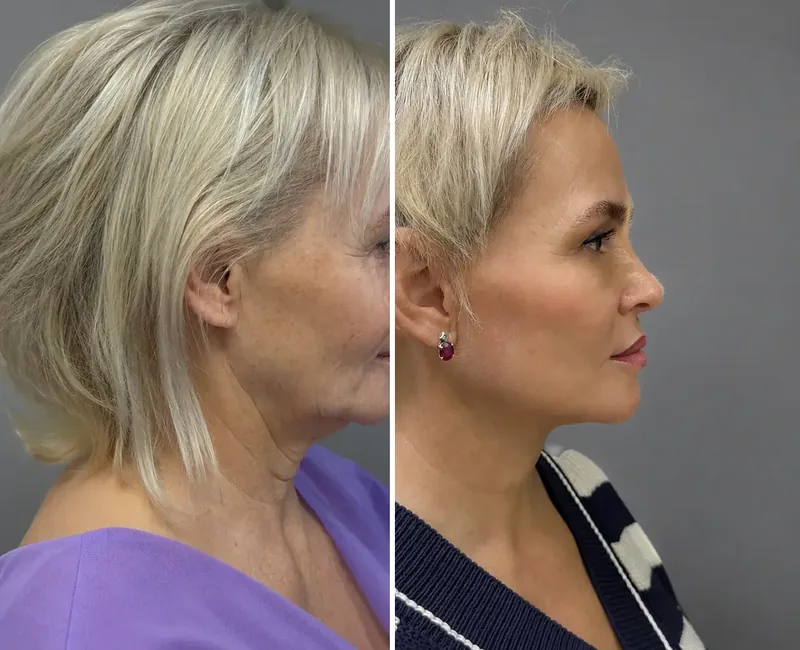
50 years
9 months
SMAS facelift
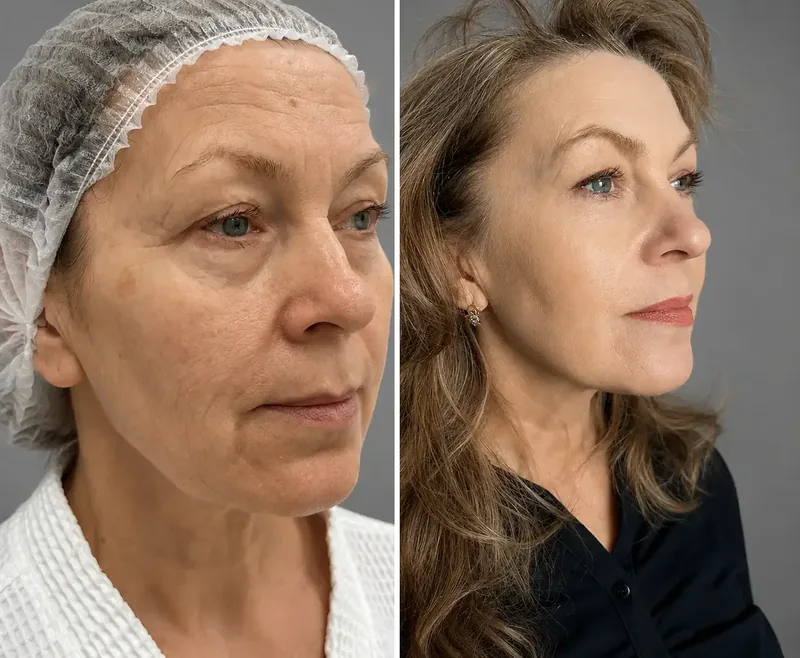
58 years
8 months
SMAS facelift
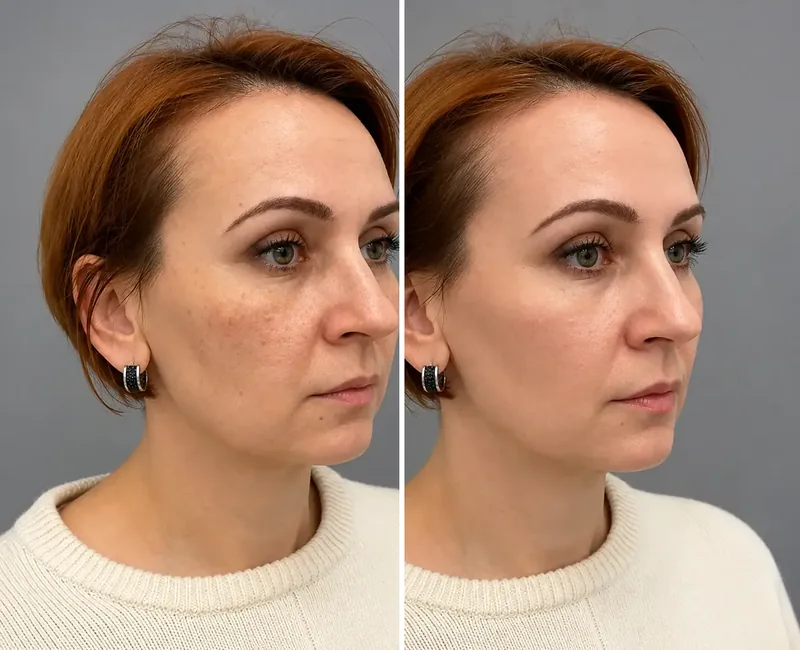
34 years
5 months
SMAS facelift
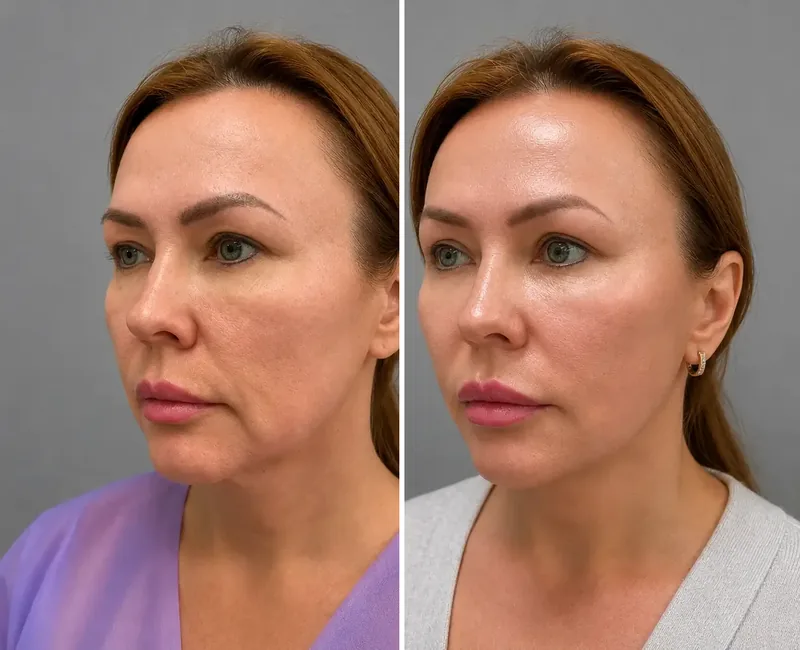
32 years
7 months
SMAS facelift
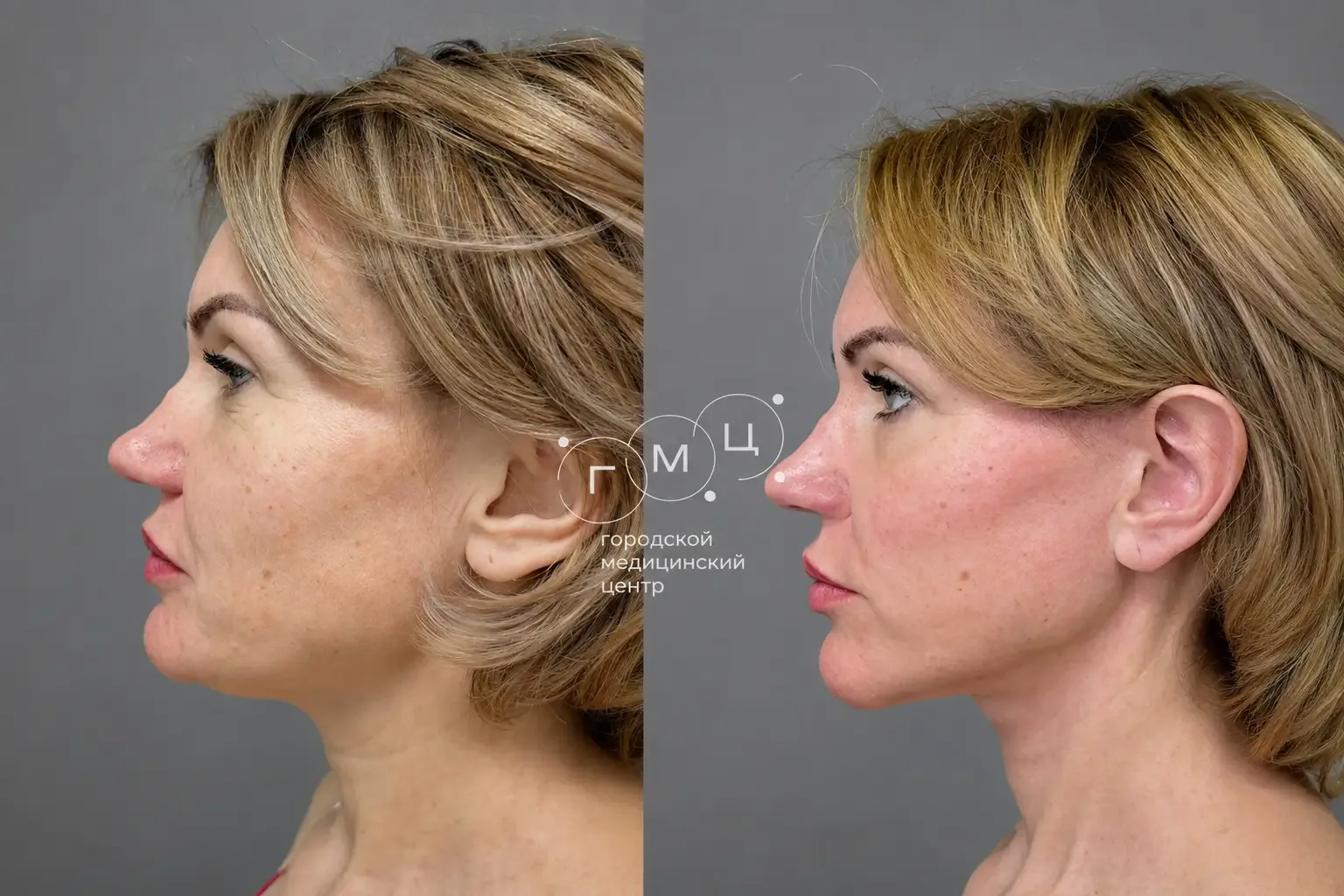
40 years
6 months
SMAS facelift
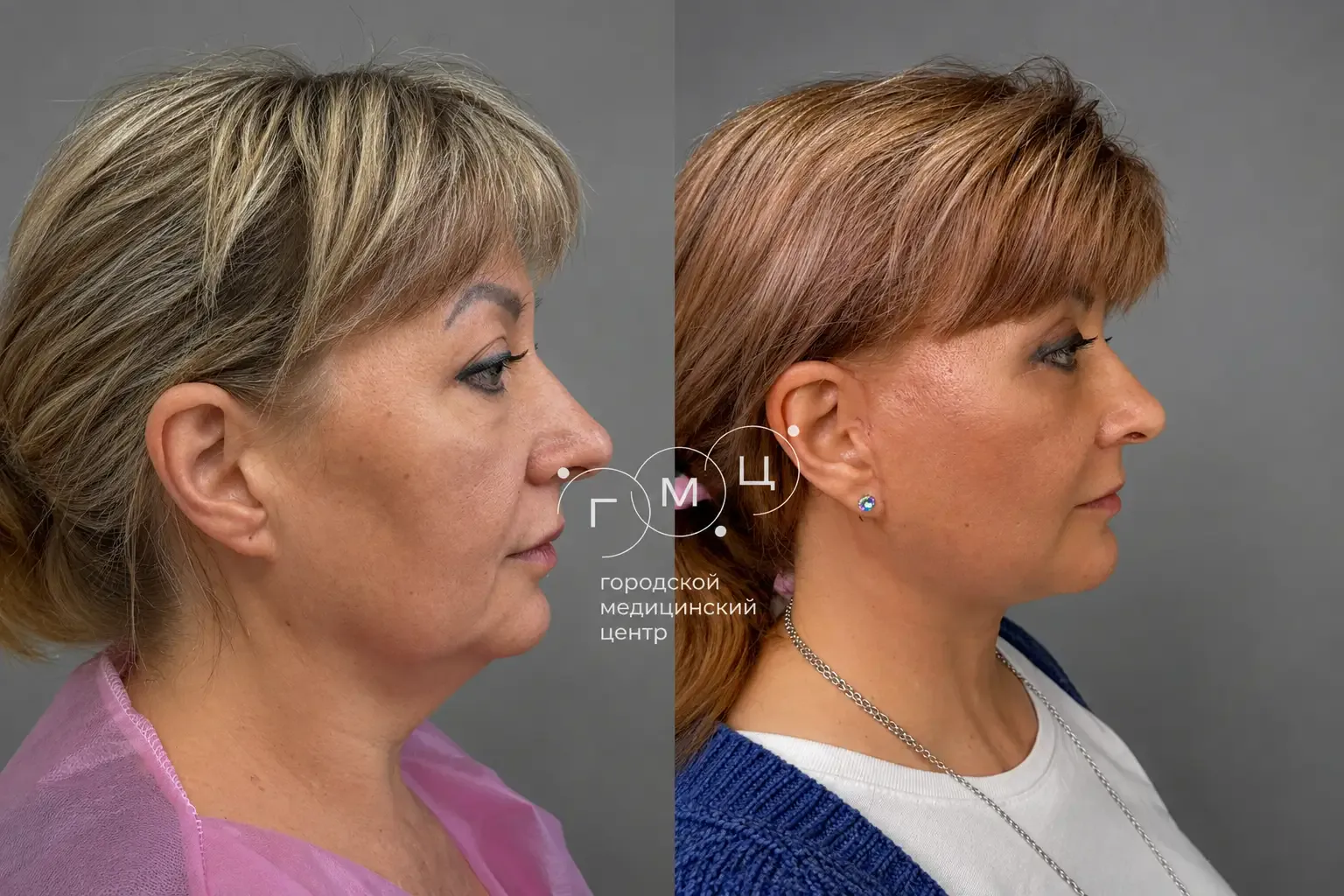
45 years
8 months
SMAS facelift
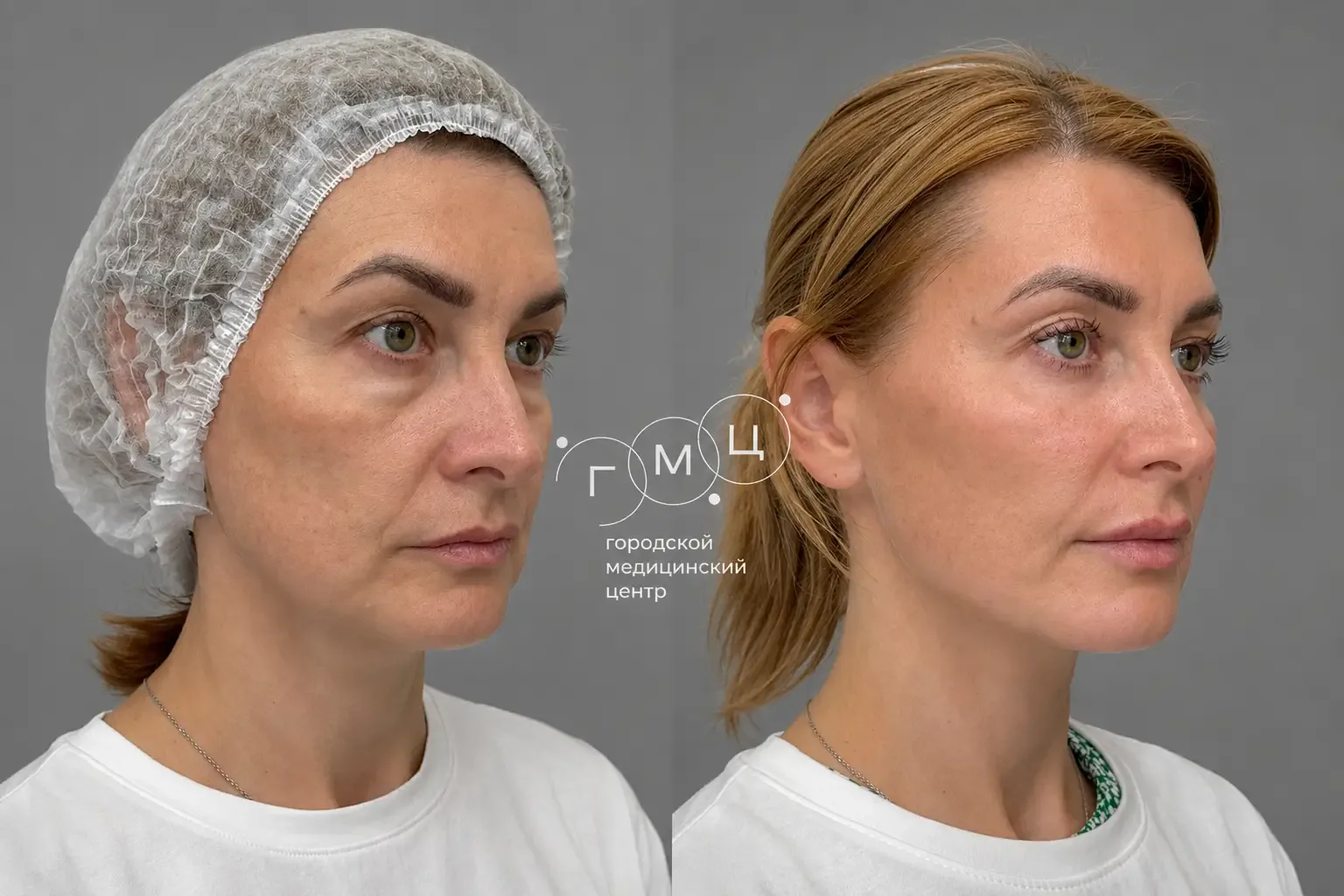
38 years
5 months
SMAS facelift
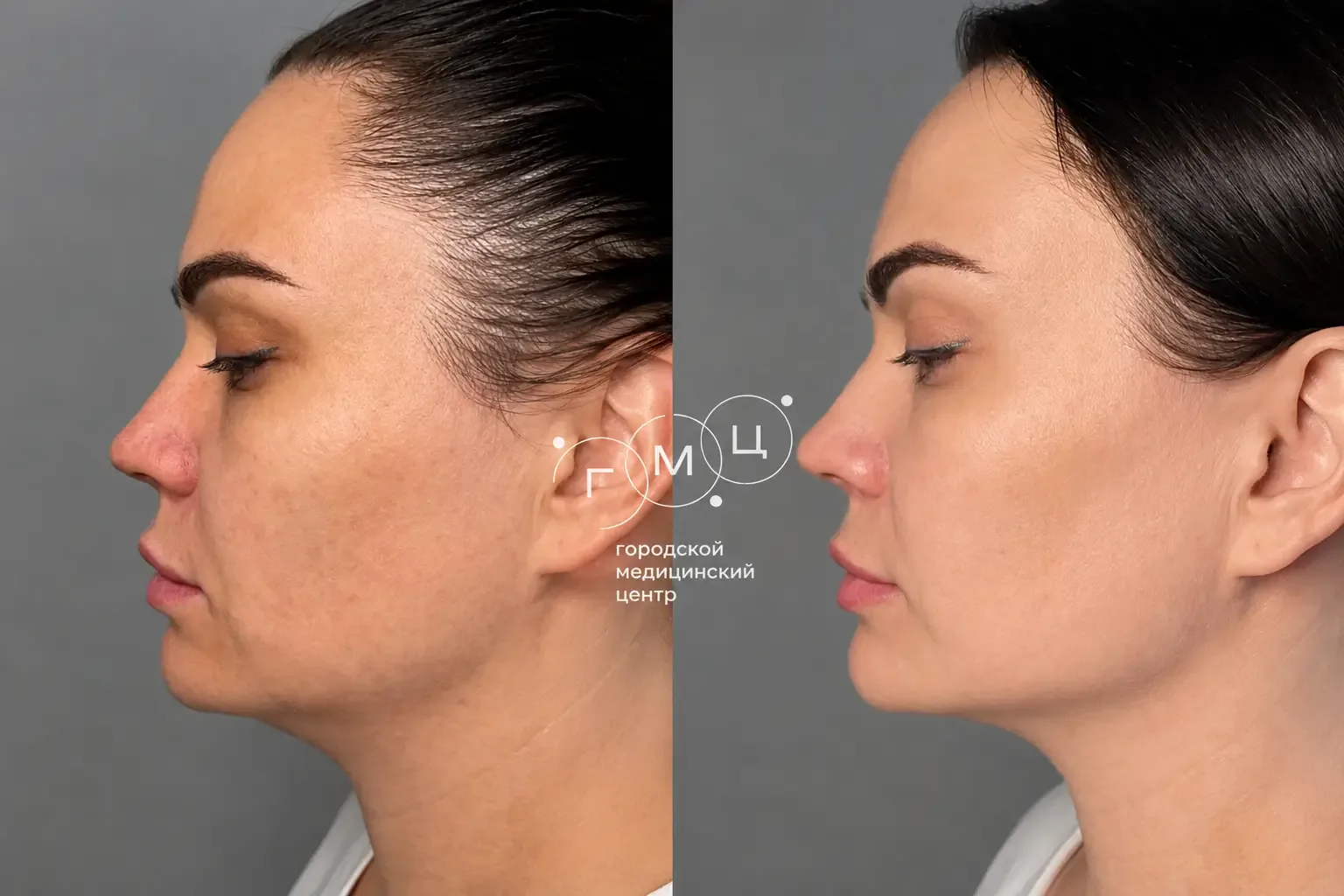
33 years
6 months
SMAS facelift
50 years
9 months
SMAS facelift
58 years
8 months
SMAS facelift
34 years
5 months
SMAS facelift
32 years
7 months
SMAS facelift
40 years
6 months
SMAS facelift
45 years
8 months
SMAS facelift
38 years
5 months
SMAS facelift
33 years
6 months
SMAS facelift
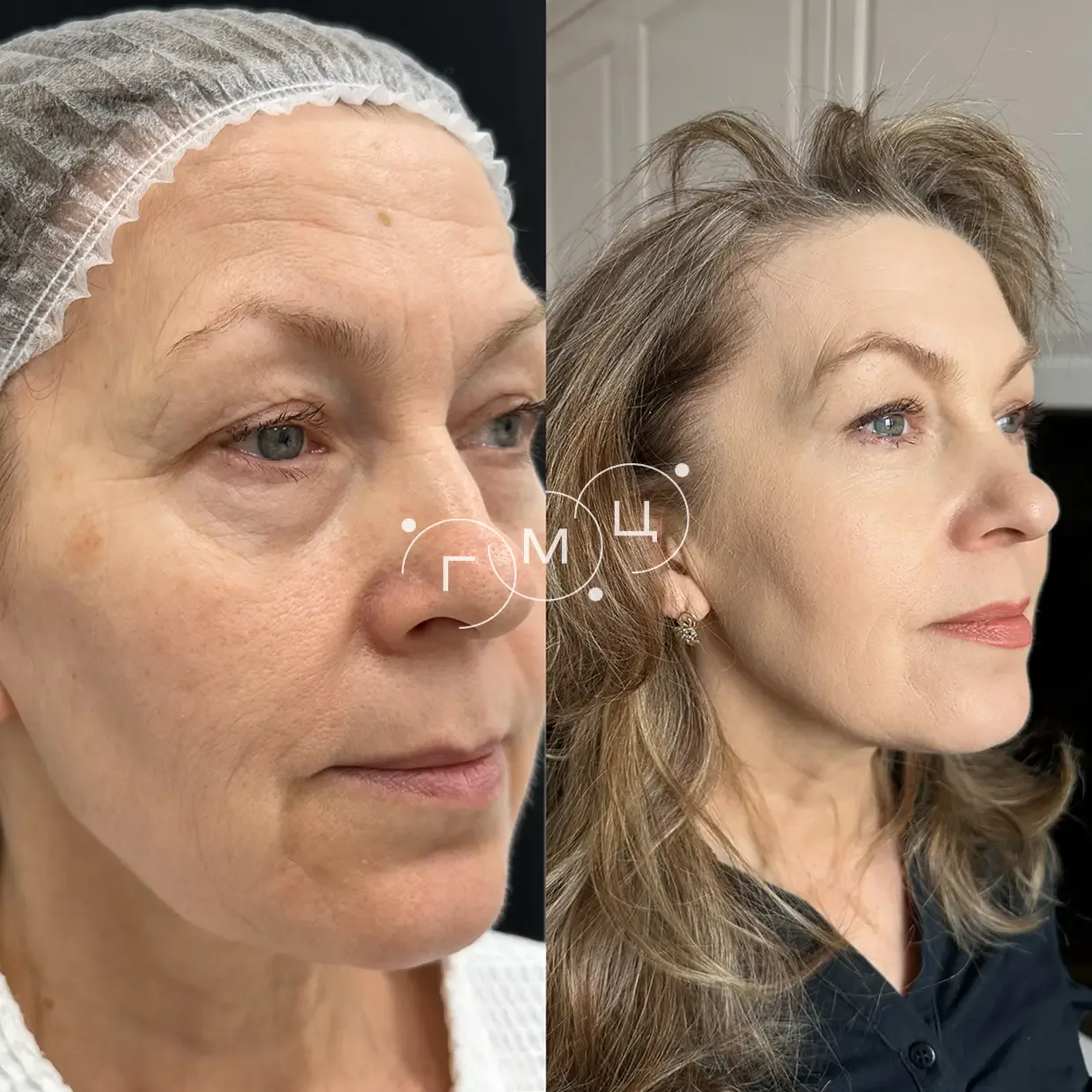

Marked sagging across the face and neck
Jowls and a blurred jawline
A double chin with loose skin on the neck
Deep nasolabial folds and marionette lines
A heavy, tired look from drooping brows
Significant loss of skin firmness after 40
Wish for a long-term result (7–10 years)

Patients under the age of 30
Acute inflammation of the skin
Pregnancy and breastfeeding
Severe cardiovascular disease
Problems with blood clotting
Cancer
Decompensated diabetes
Facelift in Coventry: types, stages and price
A facelift can also be part of a broader plan. It is often combined with blepharoplasty (eyelid surgery), rhinoplasty or double-chin liposuction, and the scope of a combined procedure is set by the surgeon at the consultation. This lets patients from Coventry address several concerns in one combined procedure. The surgeon never suggests surgery where it is not needed and never prescribes anything extra.
Recovery follows a clear timeline. For the first 7–10 days you need rest, a compression bandage and reduced physical activity. Swelling and bruising fade in 2–4 weeks, and full recovery takes about two months. The first clear changes appear after 3–4 weeks, and the face takes on its final look within 3–6 months. Patients from Coventry are guided by the surgeon throughout.
How much is a facelift in Coventry? Prices start from $2,400 (≈ £1,850), and the final cost is calculated individually after an examination. At the consultation the surgeon defines the scope of surgery and gives the final price straight away, with no hidden extras. In-house 0% instalments let you pay in parts without bank interest. Leave a request to book your free consultation.
Stories of well-known people
Well-known people who spoke openly about this operation, in their own words.
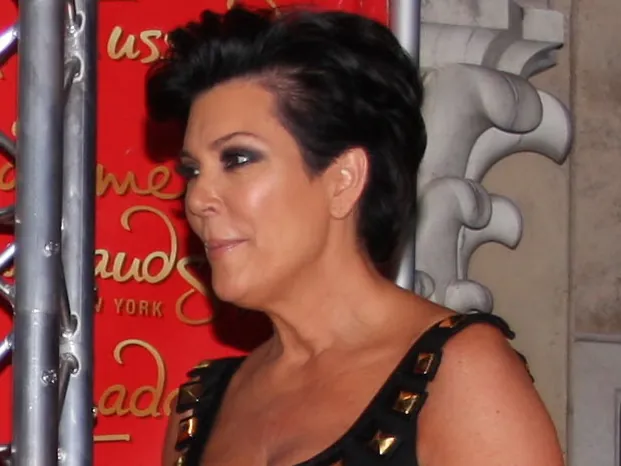 Kris Jenner’s facelift: “I love my facelift”Kris Jenner said she had a facelift about 15 years ago and a refresh before turning 70 — and that she loves it. How a SMAS facelift and recovery work.
 Did Vicki Gunvalson have a facelift? Yes, and she showed the result herselfVicki Gunvalson had a facelift in May 2018 after deciding fillers no longer looked like her. Her own words, how a facelift works and recovery.
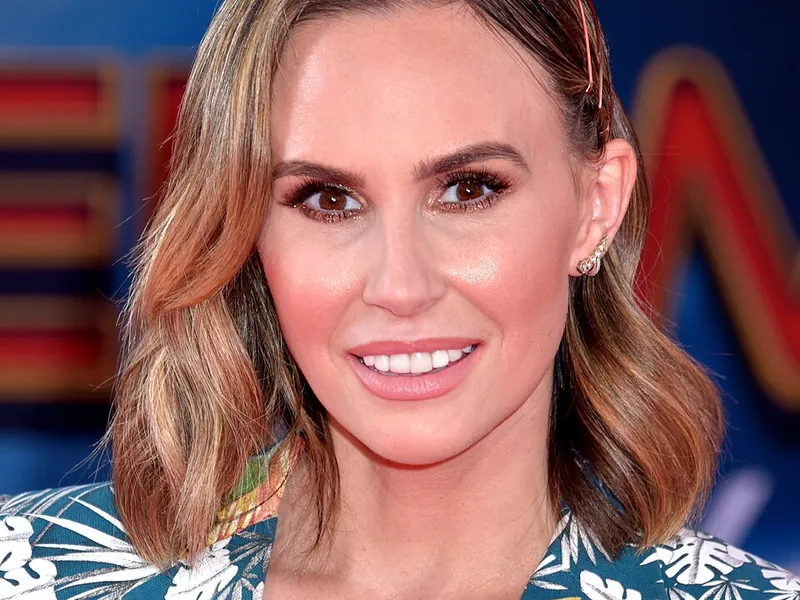 Keltie Knight’s facelift: why she decided to “just own it”Keltie Knight had a facelift in 2023 at 41 and chose to talk about it openly. What she said, how a SMAS facelift works and what recovery looks like.
 Did Linda de Mol have a neck lift? Yes, and she wrote about it herselfLinda de Mol wrote in LINDA. in 2025 that she had a neck lift. What she said, why she chose to be open, and how a face and neck lift works today.
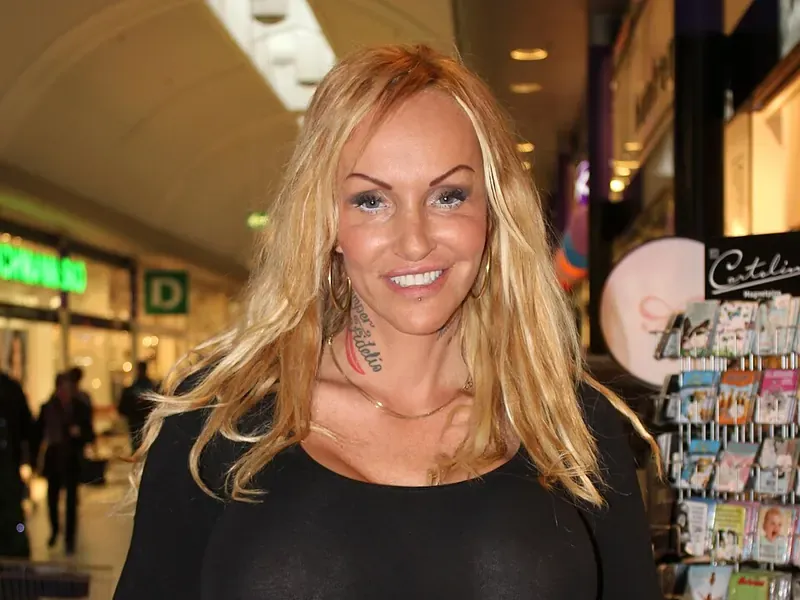 Linse Kessler and her facelifts: what she said herselfDanish reality star Linse Kessler has said openly that she has had several facelifts. Her words, how a modern facelift works and what recovery involves.
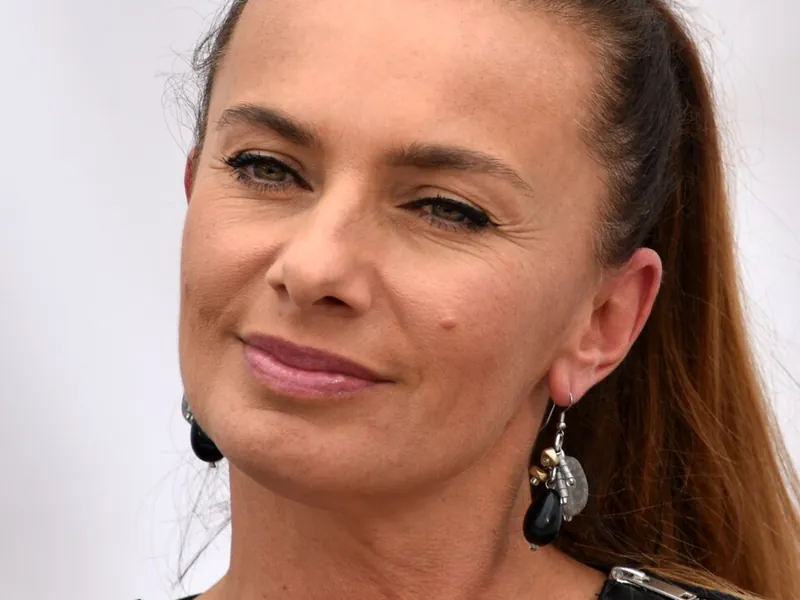 Did Alice Bendová have a facelift? Yes, and she explained why herselfAlice Bendová confirmed a deep plane facelift in September 2026. Her words, how a facelift works, who it suits and what recovery looks like.
Facelift in Coventry: price and what is included
Prices are in US dollars; the amount in brackets is an approximate conversion to GBP at the rate of 02.10.2026. The final price is fixed in your contract.
- Faceliftfrom $2,400 (≈ £1,850)
What is a SMAS facelift?
It is a face lift that tightens the deep SMAS layer under the skin, not only the skin itself, so the lower face, jawline and neck stay firmer for longer. The result lasts about 7–10 years.
How much does a facelift in Coventry cost?
Prices start from $2,400 (≈ £1,850). The surgeon sets the final price at the free consultation, and it is fixed in the contract, with no hidden extras.
What is included in the price?
A one-to-one consultation, the medical team, anaesthesia, inpatient care with meals, 24/7 monitoring and twelve months of follow-up by the surgeon.
How do I get my exact price?
Message us on WhatsApp or Telegram using the buttons below. A coordinator will answer your questions and book a free consultation where the doctor names the exact price.
By messaging us, you agree to our Privacy Policy
Questions from patients in Coventry
How can I get a facelift estimate without visiting the clinic?
Send the coordinator front, side and three-quarter photos of your face and neck without filters, your age and earlier procedures. The surgeon reviews them and the price is fixed in the contract.
How long before a wedding or holiday should a facelift be done?
Swelling and bruising fade in 2–4 weeks and the first changes show after 3–4 weeks, so leave at least that much time; the final look settles over 3–6 months.
How long is recovery after a facelift?
Plan the first 7–10 days for rest and the compression bandage, then the follow-up visits the doctor sets.
How do I book a facelift for a date that suits me?
Message the coordinator with your preferred dates. The first consultation is free, and you can start it online; the clinic then confirms which dates are open, and only after that is anything booked.
Is an online facelift consultation possible for patients in Coventry?
Yes, and it is free. You send your details and answer a few questions about your health; the doctor reviews them and explains the options and the cost.
Sun, wind and cold: what Coventry weather means for facelift skin
A facelift moves the muscle and fascia layer (the SMAS) and redrapes the skin over it. The skin therefore needs calm, protected conditions while it settles, and the weather around Coventry affects that more than most people expect. The Met Office 1991-2020 averages for Coundon, at 122 m, give an annual mean temperature of 10.4 °C. The mean daily maximum is 14.2 °C and the mean minimum is 6.6 °C. That is a cool, changeable climate, and for a face in recovery it is a mixed picture. It is rarely hot enough to be a problem, but cold air and damp wind are a regular part of the year.
The coldest months are January and February. January has a mean maximum of 7.2 °C, and both months have a mean minimum of 1.8 °C. If your recovery falls in this period, the first week at home is easy to plan around, because 7–10 days of rest, a compression bandage and reduced physical activity fit well with a quiet winter. The practical question is the first walk outside. Cold wind on a face that is still swollen is uncomfortable, and a soft scarf worn loosely, away from the bandage and the areas around the ears, is a sensible precaution. Ask the doctor during the online consultation what is acceptable for your type of lift. A neck and lower face lift and an endoscopic brow and temple lift leave different areas exposed.
Sunlight is the second factor. Coventry records 1,507.2 hours of sunshine a year, with July the sunniest month at 197.6 h, followed by May at 191.6 h and June at 184.7 h. December and January are the dullest, at 61.0 h and 61.4 h. Those figures are not a measure of UV strength, but they show when the sun is most present. Healing skin should be kept out of direct sun in the first weeks, so a procedure planned for the spring and early summer needs shade, a hat with a brim and a conversation with the doctor about sun protection. A procedure planned for late autumn or winter meets far fewer hours of bright light while the swelling and bruising are at their most visible.
Rain is a smaller matter than it sounds. Annual precipitation is 698.3 mm over 123.3 days. October is the wettest month at 68.7 mm, followed by August at 66.2 mm, and March is the driest at 45.6 mm. Rain does not harm a recovering face, but wet days make a long walk less attractive. Gentle walking is still the sort of activity that fits the reduced physical load of the early days.
Nobody can choose a "perfect" month from climate figures alone. The numbers help you decide what to bring up with the coordinator. Do you want a winter recovery behind closed doors, or a spring recovery with more daylight and more sun protection to manage? Both are workable. The right one depends on your calendar, which the next section covers.
The doctor will also ask about your skin during the consultation. Photographs sent on WhatsApp or Telegram in ordinary daylight, from the front and both sides, with no filters and no heavy make-up, tell the doctor much more than a studio-style picture. Skin quality, the degree of sagging and the ageing type all affect which of the four options makes sense. Those options are the standard SMAS facelift, the full circular lift, the lower face and neck lift, and the endoscopic brow and temple lift.
The swelling and bruising timeline set against a real diary
Recovery is easiest to plan when you put the stages on a calendar. The text we work from describes it this way. For the first 7–10 days you rest, wear a compression bandage and reduce physical activity. Swelling and bruising fade over 2–4 weeks. The first clear changes in the face appear after 3–4 weeks, when the swelling goes down. Full recovery takes about 2 months. The final look arrives 3–6 months after the operation. The operation itself is done under general (inhalation) anaesthesia, which is why there is no pain during it. Some discomfort and tightness can appear in the first few days, and the doctor prescribes medication for that.
Put those stages together and you get a rough sequence. The first week and a half is for staying in. The following two to three weeks are for fading bruising and slowly improving contours, when you may be comfortable at home or with close family but not yet comfortable at a large, bright, photographed event. By around the one-month mark most people can judge for themselves how presentable they feel. At two months you are in the stage the doctor calls full recovery. At three to six months the result is as settled as it will be. Everyone heals differently, so these are windows, not appointments.
A useful way to work with them is to write down every date in the next half year when you want to look your best, then count backwards. A wedding, a graduation or a family gathering is a fixed date. Ask yourself whether you want to be at the 3–4 week stage or the 2 month stage on that day, and tell the coordinator. The planning is much easier when it starts from the event rather than from a free slot.
Take a concrete example. Suppose a patient is thinking about the Christmas period of 2026. The 2026 bank holidays include Christmas Day on 25 December and a substitute Boxing Day on 28 December. Since the bank holiday dates are fixed, the patient can count back from them and decide how many weeks of recovery she wants before the first family gathering. If the date is too close for the 2–4 weeks of bruising to fade, the sensible answer may be to move the procedure and not to hope for fast healing. A coordinator can lay out this arithmetic in the chat on any day, because the coordinators reply round the clock.
A facelift is often combined with other procedures, such as eyelid surgery (blepharoplasty), rhinoplasty or double-chin liposuction. The doctor decides on the combined scope during the consultation. Combined work changes how you think about the calendar, since you are planning for one recovery with more than one area healing. If you are considering it, say so early in the conversation.
Follow-up is the final piece. You are followed up by your operating doctor for the whole first year, until the result has reached its final form. Aftercare therefore does not end when the swelling goes down. Questions about how the scars are healing, or about whether something looks as it should at month four, can be asked in the same chat where you began.
Festivals, match days and bank holidays: fitting recovery into Coventry's social calendar
A city of 345,324 people (2021 census) has a full social calendar, and Coventry is the tenth largest city in England. It also has a large student presence. The University of Warwick, whose campus opened in 1965, and Coventry University had a combined 60,000 students in the 2010s. The student presence does not change how a facelift works, but it is a reminder that the city has busy periods and quiet ones, and that your own diary probably does as well.
The larger public events are the ones people tend to circle on a calendar. The Godiva Festival is held in War Memorial Park, and its Saturday includes a carnival parade. The Coventry Jazz Festival and the Coventry Caribbean Festival are also held in the city. These are events where you may meet many acquaintances and where photographs are taken. If one of them matters to you, count back from the date and ask yourself whether you would be comfortable there at the 3–4 week stage, when swelling is going down and the first clear changes show, or whether you would rather wait for the 2 month stage. We are not suggesting you must avoid an event, only that you can decide in advance and without pressure.
Match days are another fixed point. The Ricoh Arena, home of Coventry City since 2005, holds 32,600 seats and stands about 3 miles north of the city centre. A crowd that size is a reasonable thing to think about in the first week and a half, when the guidance is rest, a compression bandage and reduced physical activity. After that, the question is simply how you feel and how visible any remaining bruising is. Some people prefer to rejoin social life gradually, with a smaller meeting first.
Bank holidays give a different benefit. England and Wales have 8 bank holidays in 2026, and the ones that fall in the winter, Christmas Day on 25 December and the substitute Boxing Day on 28 December, create a natural stretch of quiet days for anyone who works regular hours. A procedure planned shortly before such a stretch can use those days for the first part of the rest period. This does not remove the need to plan the full 7–10 days of rest, but it can reduce the amount of leave you need to arrange. Check your own employment arrangements, because the holidays vary between workplaces.
When you talk to the coordinator, it helps to bring a short list: the dates of events that matter most, how many days of work you can miss, whether you will have someone at home with you in the first days, and whether you want to combine the facelift with another procedure. The coordinator can then help you map those answers to the recovery stages above, and the doctor can confirm what is realistic for your type of lift.
Paying privately, waiting lists and why the consultation comes first
Many people in Coventry will first ask whether a facelift is something the NHS covers. The NHS says on nhs.uk that cosmetic surgery is not routinely provided on the NHS. It might pay for some procedures for psychological or other health reasons, and the examples given are rhinoplasty for people with breathing problems and breast enlargement for very uneven or absent breasts that cause significant psychological distress. The same guidance says most people who want cosmetic surgery need to pay privately. A facelift for ageing changes falls into that general category, so it is worth planning for it as a private decision.
Waiting times matter here as well, even though a facelift is not part of the NHS list. NHS England's statistical press notice of 10 September 2026 reports that 7.3 million pathways were waiting to start treatment at the end of July 2026, covering around 6.2 million unique patients, and that 111,379 had waited more than 52 weeks. These figures describe the NHS system as a whole. They are useful context for anyone who is deciding between a procedure that is planned privately on a date of their choice and other health needs that may compete for attention. The point for a facelift is simple: a private plan lets you set the date yourself, and the recovery calendar above can be built around your life.
Before any plan is made, the consultation is where things become concrete. It is free, online and held on WhatsApp or Telegram. You send photos, the doctor assesses them, and you receive a recommendation and a price. The plan and dates are confirmed before anything is booked. The price stays fixed in the contract once the doctor has named it, and the coordinators reply within 15 minutes.
The consultation is also where health questions are settled. The contraindications on the procedure are age under 30, acute skin inflammation, pregnancy and breastfeeding, a severe cardiovascular condition, problems with blood clotting, cancer and decompensated diabetes. If you have a chronic illness, tell the doctor at the start, because the safe course depends on the details of your health and not on the general rule. A facelift is generally recommended from 40 with marked sagging of the tissues, and in some cases from 35, but an individual recommendation follows an examination.
Preparing for an online consultation from home in Coventry
The online format means the first stage happens in your own home, and preparation is mostly about good information. A few steps make the conversation more useful.
Take photographs in daylight, in front of a plain wall if you can. Take a straight front view, then both profiles, and one with your chin slightly lifted to show the neck. Keep the face relaxed and your hair away from the jawline and the ears. These images show the jowls, the cheek position and the neck, which are the areas the doctor looks at when choosing between a standard SMAS facelift, a full circular lift and a lower face and neck lift. If your brows seem to weigh on your eyes, add a photo that shows that, because an endoscopic brow and temple lift treats it, and the eyelids may be addressed separately.
Write down your medical history. Include chronic illnesses, regular medication, past operations and any problem with bleeding or clotting. Clotting problems and severe cardiovascular conditions are on the list of contraindications, so these answers matter. A written list is easier to share than recalling details during a chat.
Think about weight and general health honestly. National data show that lifestyle-related conditions are common in England. The NHS Digital Health Survey for England 2022 found that 29% of adults were living with obesity and 64% were overweight or living with obesity, and that the regional figures varied, with Coventry in the West Midlands region. We mention this not as a judgement but because general health is part of every operation, and the doctor will ask you about it. Honest answers lead to a safer plan.
Plan the first week at home. The guidance is 7–10 days of rest, a compression bandage and reduced physical activity. Think about who can be with you, how you will get meals and errands handled, and what you can tell your workplace. Planning this before the consultation makes it easier to choose a date that you can really keep.
Finally, prepare your questions. Ask which type of lift suits you and why. Ask what the scars will look like and where they will be. Ask how long the result lasts, which for a surgical SMAS facelift is 7–10 years, with the most complete options lasting up to 10 years. Ask how the follow-up works over the first year. The consultation is free and there is no pressure, so you can come back with more questions after you have thought it over.
Is January a sensible month for a facelift in Coventry, given how cold it is?
It can be. January is the coldest month, with a mean maximum of 7.2 °C and a mean minimum of 1.8 °C, and it is also one of the dullest, at 61.4 hours of sunshine. That means less direct sun on healing skin, which many people find easier to manage. The first 7–10 days are meant for rest, a compression bandage and reduced activity, so staying indoors is not a problem. The only extra care is cold wind on a swollen face during the first walks outside, and the doctor can advise what is acceptable for your type of lift.
How should I think about the summer months if I want to have a facelift?
July is the sunniest month in Coventry at 197.6 hours, followed by May at 191.6 hours and June at 184.7 hours. Healing skin needs protection from strong sun during the first weeks, so a summer or late spring recovery means more attention to shade and sun protection. Swelling and bruising fade over 2–4 weeks, and full recovery takes about 2 months. Ask the doctor during the consultation what sun precautions suit your procedure and how long to keep them up.
When will I look presentable enough for a large event such as a festival or a match?
There is no single date for everyone, but the stages give a guide. After the first 7–10 days of rest, swelling and bruising fade over 2–4 weeks, and the first clear changes appear after 3–4 weeks. Full recovery takes about 2 months and the final look arrives after 3–6 months. If an event matters to you, such as the Godiva Festival with its carnival parade, count back from its date and decide which stage you want to be at. Then tell the coordinator, who can help you plan around it.
Could I plan a facelift around Christmas and the bank holidays?
Yes, some people use those quiet days for the first part of recovery. In 2026 the bank holidays include Christmas Day on 25 December and the substitute Boxing Day on 28 December. They can cover part of the 7–10 days of rest, but they do not replace it. Count the whole recovery period, including the 2–4 weeks for bruising and swelling to fade, before choosing a date, and check what your own workplace allows.
Will the NHS pay for a facelift, or do I need to plan it privately?
According to nhs.uk, cosmetic surgery is not routinely provided on the NHS. The NHS might pay for some procedures for psychological or other health reasons, with rhinoplasty for breathing problems given as one example, and most people who want cosmetic surgery need to pay privately. A facelift for age-related sagging is generally treated as a private decision. The coordinators can explain how the fixed price and the contract work during the free online consultation.
What should I tell the doctor about my health before the online consultation?
Tell the doctor about any chronic illness, regular medication, earlier operations and any problem with bleeding or clotting. The contraindications are age under 30, acute skin inflammation, pregnancy and breastfeeding, a severe cardiovascular condition, problems with blood clotting, cancer and decompensated diabetes. General health matters as well, and national survey data show that weight-related conditions are common in England, so honest answers about your health help the doctor shape a safe plan. Send clear daylight photos from the front and both sides along with your notes.
Is it a problem that I would have the consultation online and not face to face?
The first stage works well online. You send photos on WhatsApp or Telegram, the doctor assesses them, and you receive a free assessment and a price, with the plan and dates confirmed before anything is booked. The coordinators reply round the clock, and the first reply usually comes within 15 minutes. The scope of the operation is tailored by the doctor during the consultation, and after the operation you are followed up by your operating doctor for the whole first year.
How long will I wait to see the final result, and how long does it last?
The first clear changes show after 3–4 weeks, when swelling goes down, and the final look arrives 3–6 months after the operation. With a surgical SMAS facelift the effect lasts 7–10 years, and the most complete options last up to 10 years. Results vary from person to person, so the doctor will explain what to expect for your face and your chosen type of lift.