



























Message our coordinator
Free online consultation · Reply within 15 minutes
Message us on TelegramMessage us on WhatsAppBy messaging us, you agree to our Privacy Policy
Facelift and neck lift in Preston: price and key facts
Facelift for patients from Preston at City Medical Centre starts at £1,850 (from $2,400). The first online consultation is free; the doctor names the final price and it is fixed in the contract.
- Price
- £1,850 (from $2,400)
- Anesthesia
- general (inhalation)
- Recovery
- about 2 months to full recovery
- Final result
- 3–6 months after surgery
- How it works
- Send photos on WhatsApp or Telegram, get a free doctor assessment and the price, then confirm the plan and dates before anything is booked.
How it works · Facelift prices
Information current as of 24 October 2026

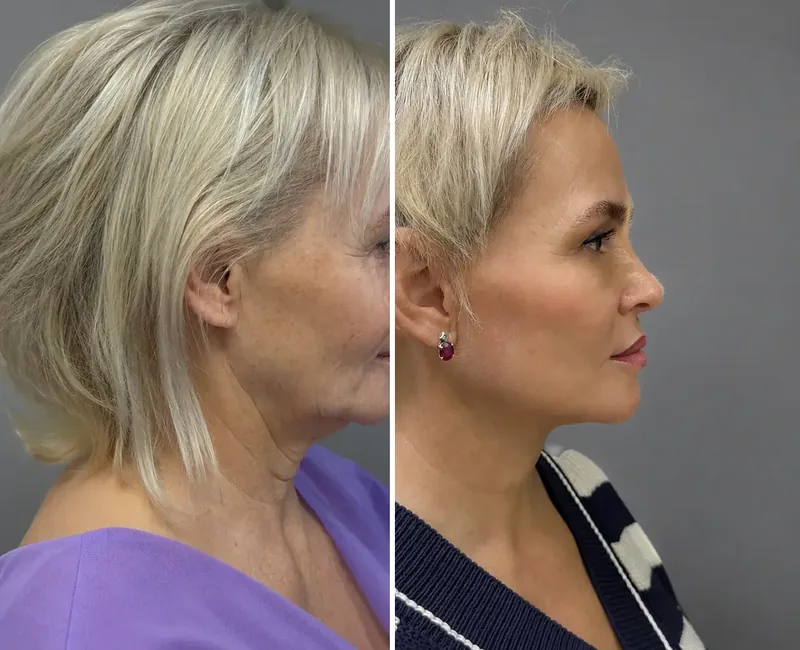
50 years
9 months
SMAS facelift
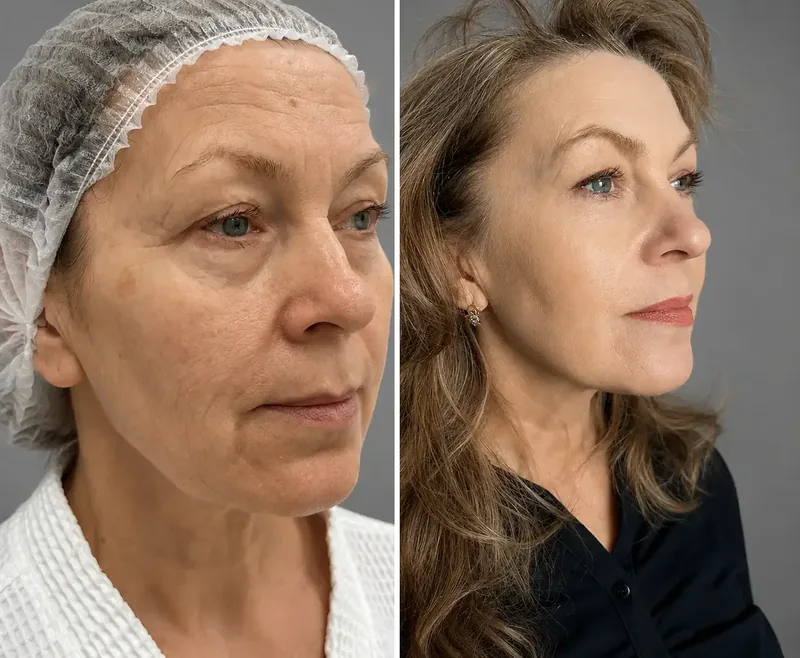
58 years
8 months
SMAS facelift
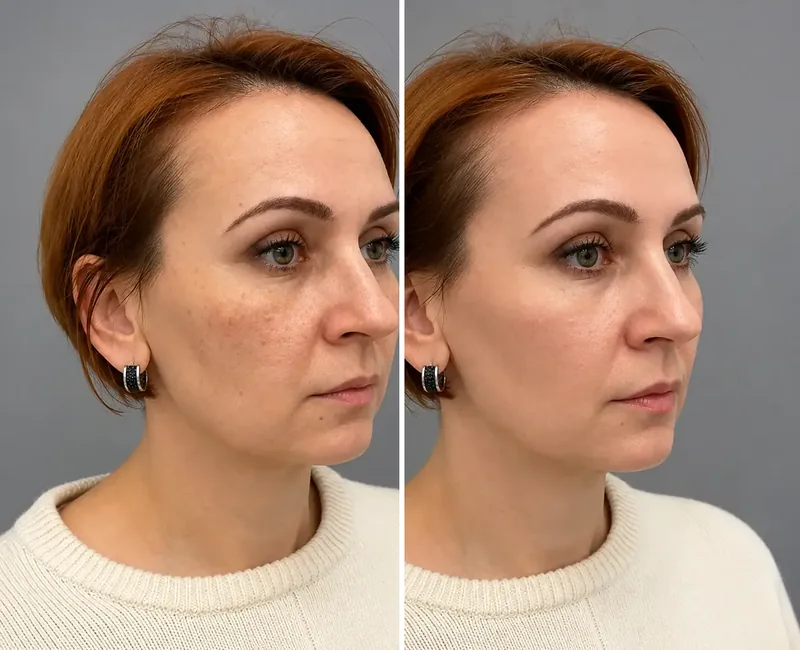
34 years
5 months
SMAS facelift
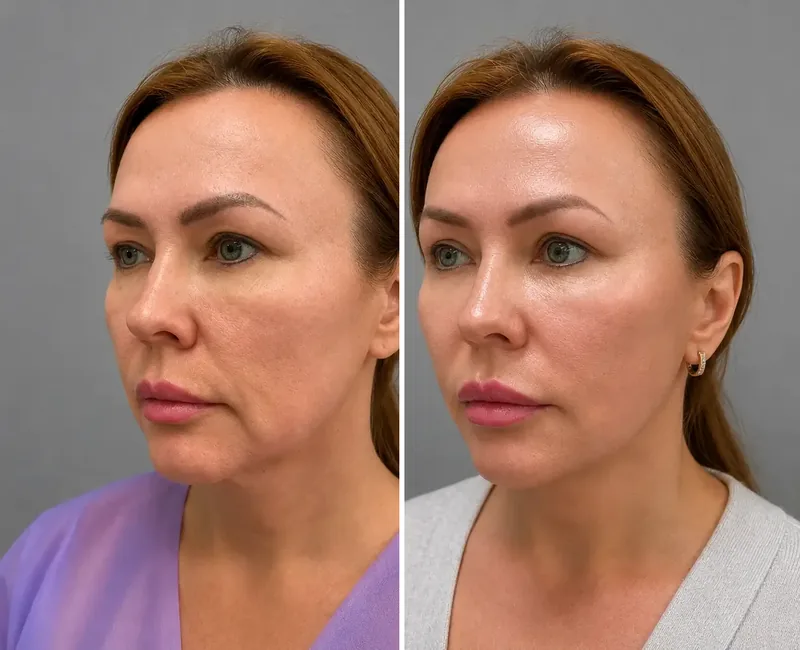
32 years
7 months
SMAS facelift
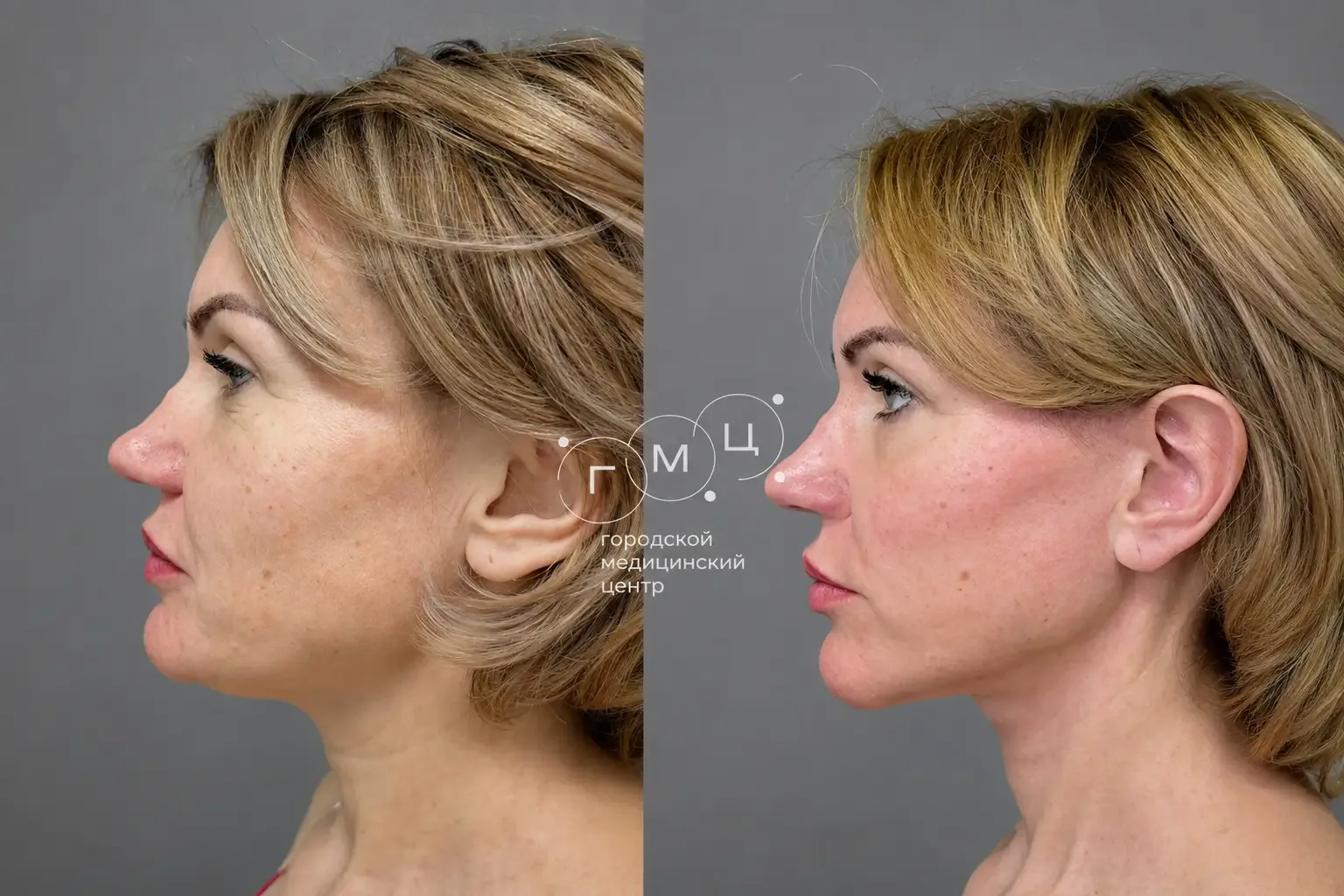
40 years
6 months
SMAS facelift
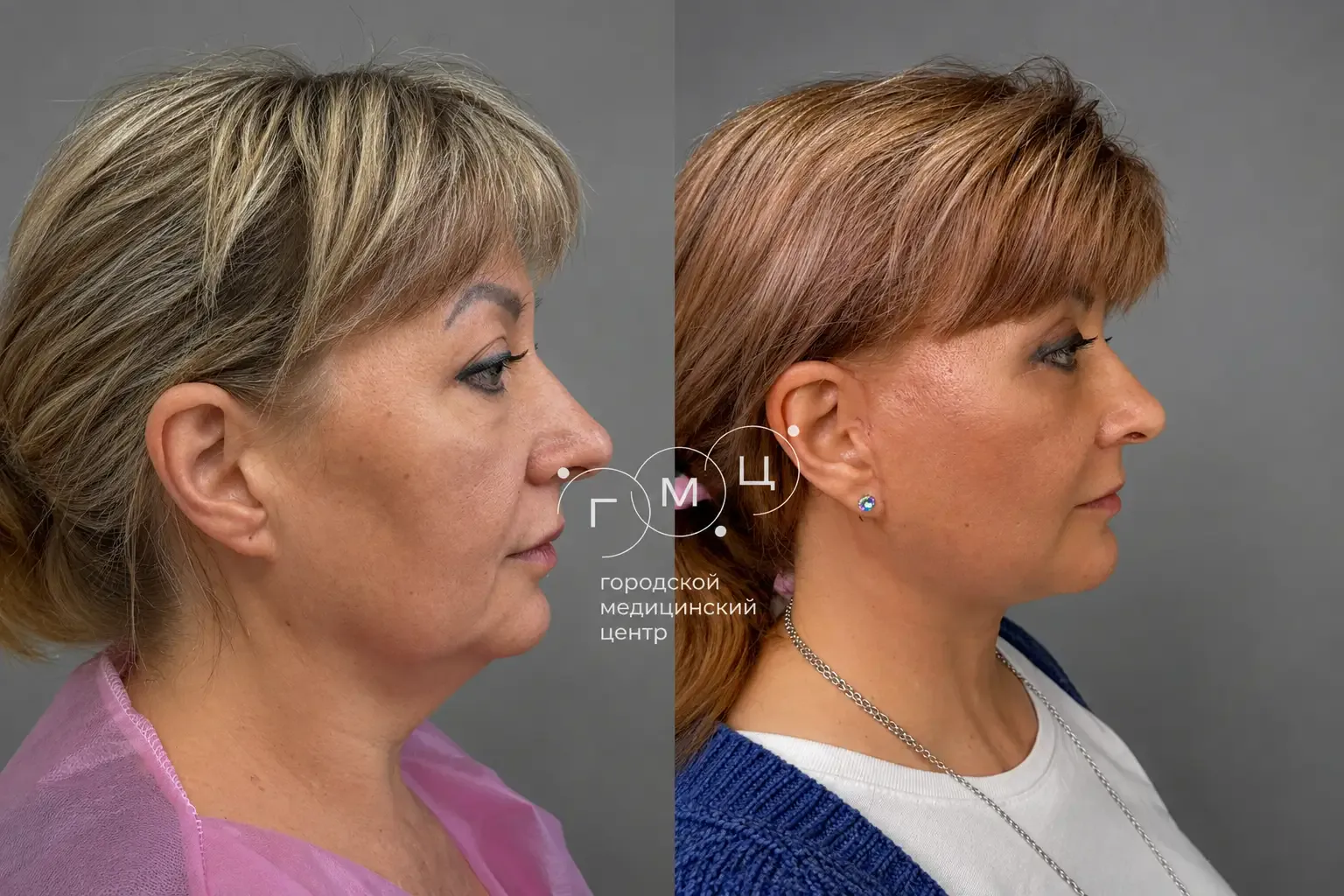
45 years
8 months
SMAS facelift
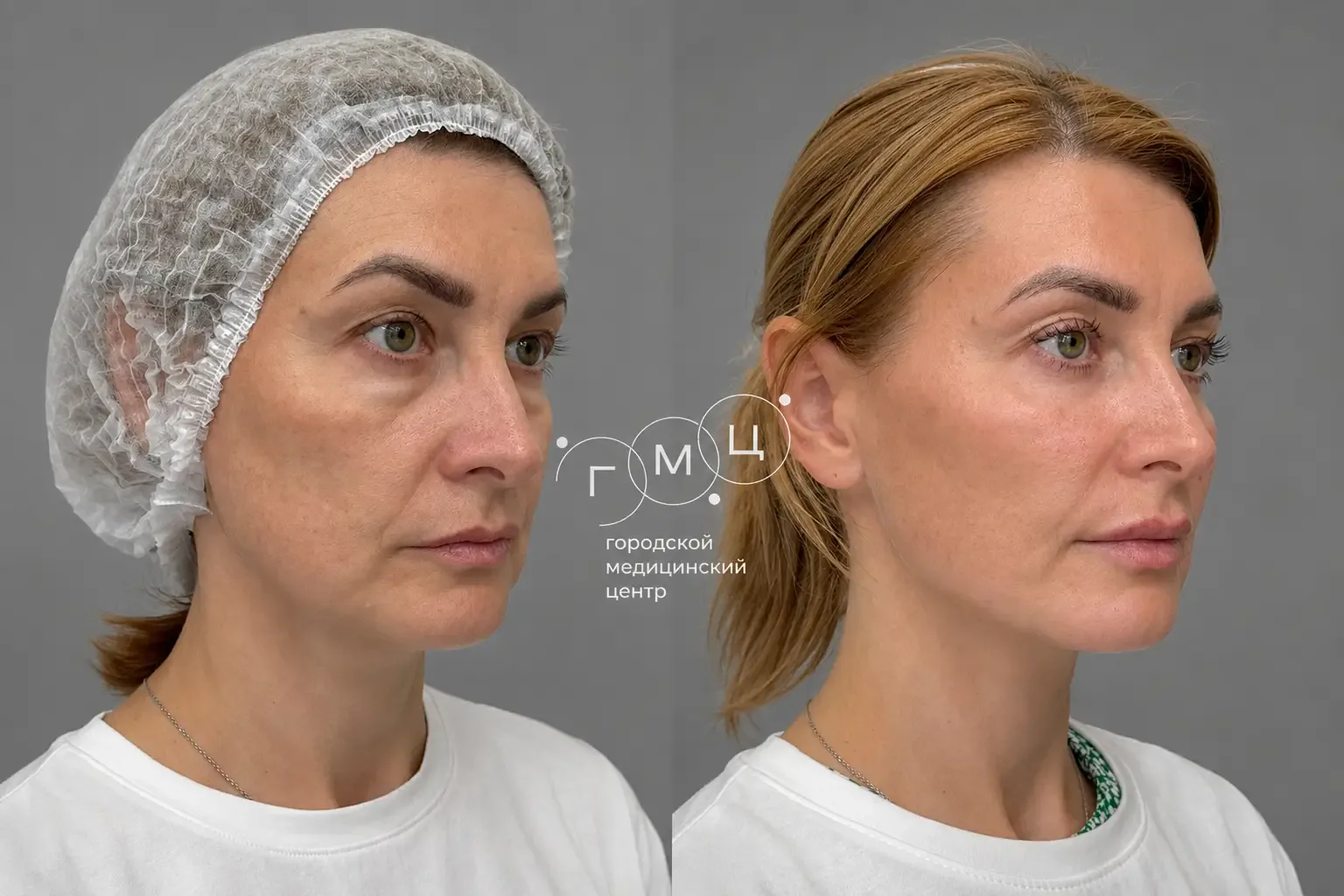
38 years
5 months
SMAS facelift
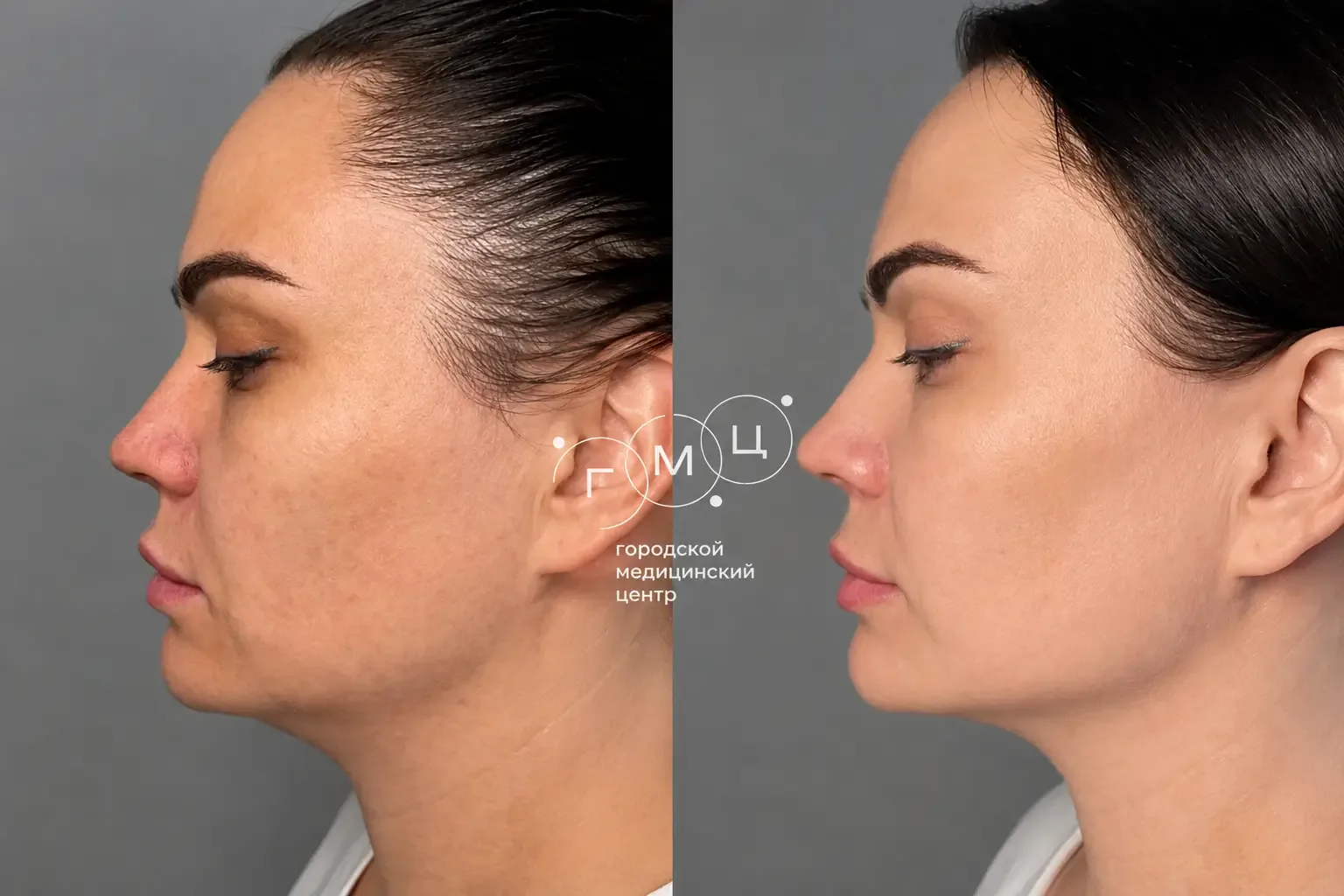
33 years
6 months
SMAS facelift
50 years
9 months
SMAS facelift
58 years
8 months
SMAS facelift
34 years
5 months
SMAS facelift
32 years
7 months
SMAS facelift
40 years
6 months
SMAS facelift
45 years
8 months
SMAS facelift
38 years
5 months
SMAS facelift
33 years
6 months
SMAS facelift
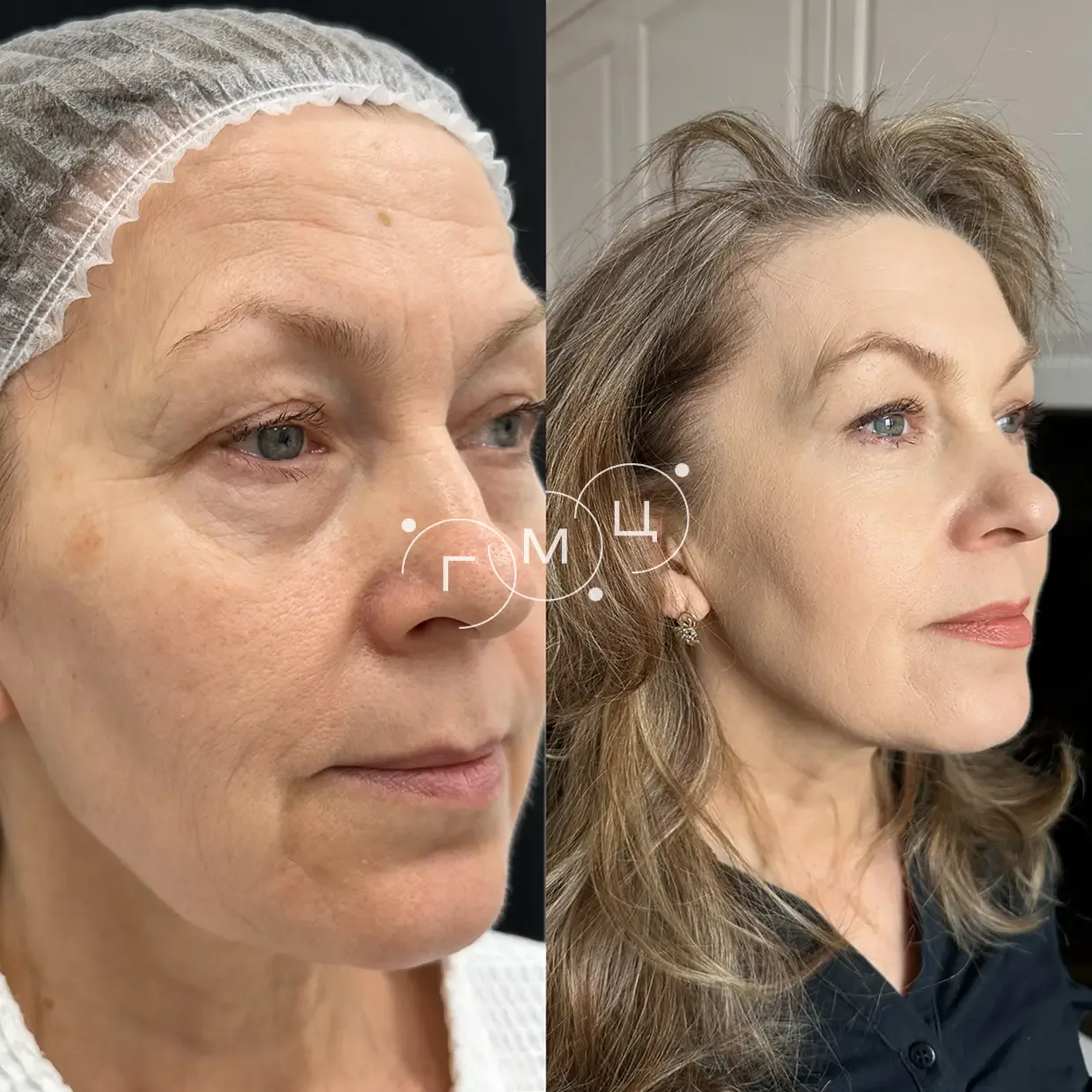

Marked sagging of the face and neck
A blurred jawline, jowls
Loose skin on the neck, a double chin
Deep nasolabial folds and marionette lines
A heavy look caused by drooping brows
Skin firmness lost significantly after 40
Looking for a result that lasts (7–10 years)

Patients under the age of 30
Skin in an acute inflammatory state
Pregnancy and the breastfeeding stage
A severe disease of the cardiovascular system
Blood clotting disorders
Cancer
Decompensated diabetes
Facelift in Preston: what you should know
Jowls, a heavy lower face, a blurred jawline, drooping brows: these are the changes that bring people in Preston to a plastic surgeon. Cosmetology can refresh the skin, but it does not reach the deep layer where sagging begins. A SMAS facelift does, which is why it suits patients who want a lasting correction. Where sagging affects only the lower face, a neck and lower face lift may be enough.
Inside the operating room the SMAS facelift runs through three levels of correction. First the skin flap is lifted and redraped, and excess skin removed. Next, fat in the cheeks and lower face is redistributed. Finally the muscle and fascia layer is lifted and secured, treating weakened ligaments and descended muscles. This is how the operation goes for patients from Preston.
The price starts at $2,400 (≈ £1,850) and already covers the essentials: anaesthesia, the inpatient stay with meals, round-the-clock monitoring and a year of surgeon follow-up until the final result. Preston residents can pay through in-house 0% instalments with no overpayment. The first consultation is free: send your name and phone number, and a coordinator will contact you.
Stories of well-known people
Well-known people who spoke openly about this operation, in their own words.
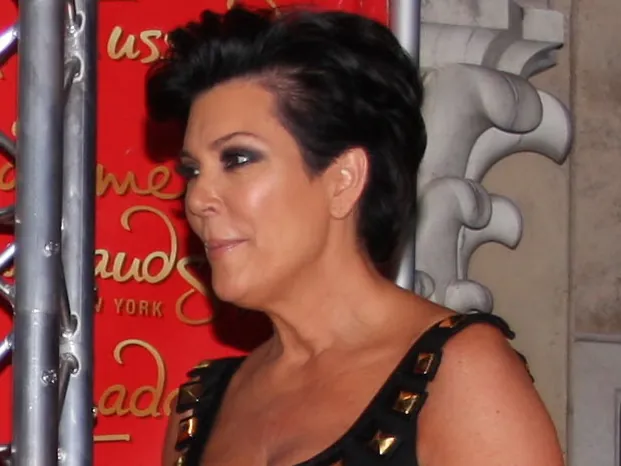 Kris Jenner’s facelift: “I love my facelift”Kris Jenner said she had a facelift about 15 years ago and a refresh before turning 70 — and that she loves it. How a SMAS facelift and recovery work.
 Did Vicki Gunvalson have a facelift? Yes, and she showed the result herselfVicki Gunvalson had a facelift in May 2018 after deciding fillers no longer looked like her. Her own words, how a facelift works and recovery.
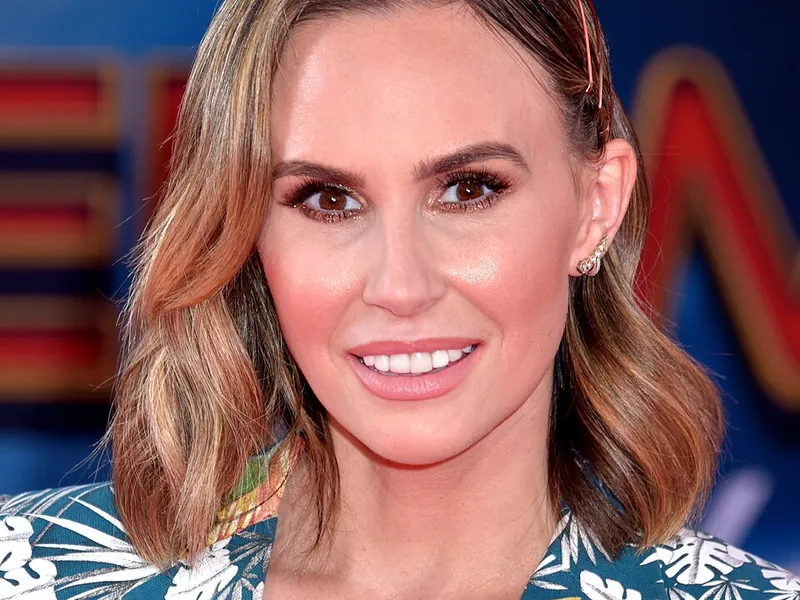 Keltie Knight’s facelift: why she decided to “just own it”Keltie Knight had a facelift in 2023 at 41 and chose to talk about it openly. What she said, how a SMAS facelift works and what recovery looks like.
 Did Linda de Mol have a neck lift? Yes, and she wrote about it herselfLinda de Mol wrote in LINDA. in 2025 that she had a neck lift. What she said, why she chose to be open, and how a face and neck lift works today.
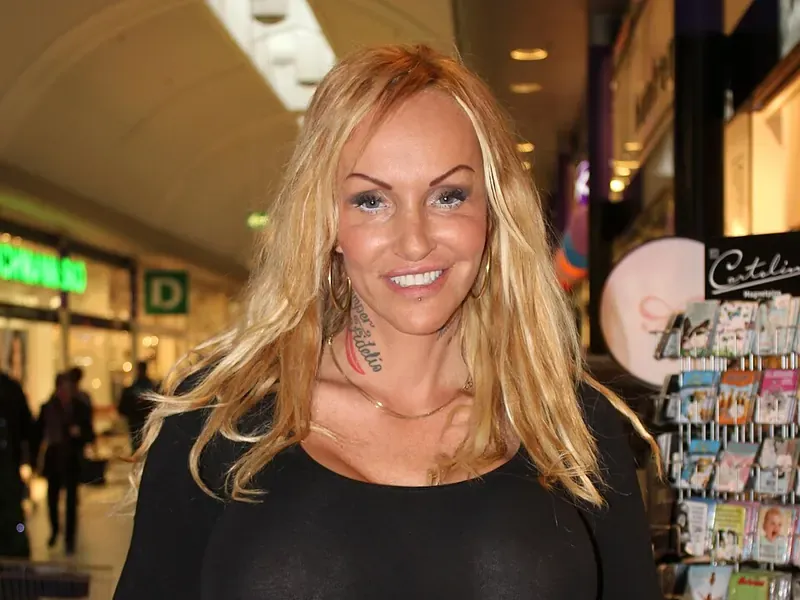 Linse Kessler and her facelifts: what she said herselfDanish reality star Linse Kessler has said openly that she has had several facelifts. Her words, how a modern facelift works and what recovery involves.
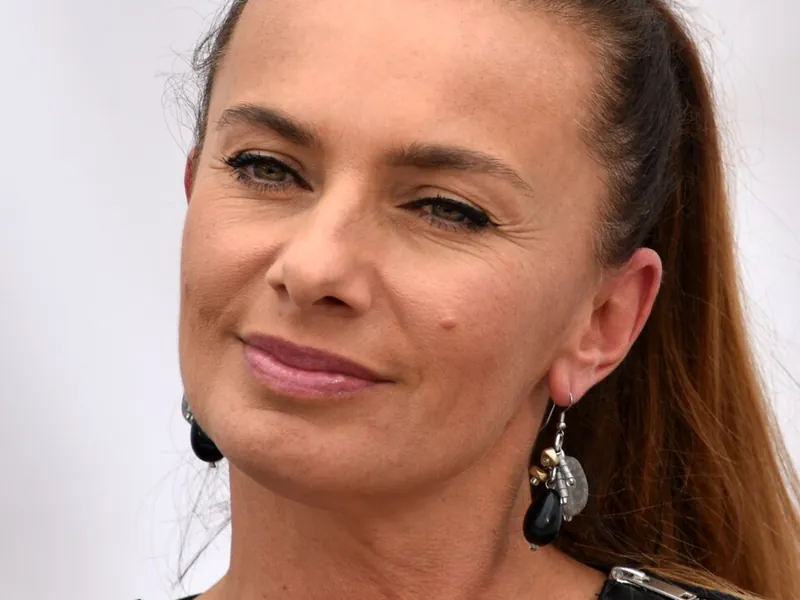 Did Alice Bendová have a facelift? Yes, and she explained why herselfAlice Bendová confirmed a deep plane facelift in September 2026. Her words, how a facelift works, who it suits and what recovery looks like.
Facelift in Preston: price and what is included
Prices are in US dollars; the amount in brackets is an approximate conversion to GBP at the rate of 02.10.2026. The final price is fixed in your contract.
- Faceliftfrom $2,400 (≈ £1,850)
What is a SMAS facelift?
It is a face lift that tightens the deep SMAS layer under the skin, not only the skin itself, so the lower face, jawline and neck stay firmer for longer. The result lasts about 7–10 years.
How much does a facelift in Preston cost?
Prices start from $2,400 (≈ £1,850). The surgeon sets the final price at the free consultation, and it is fixed in the contract, with no hidden extras.
What is included in the price?
A one-to-one consultation, the medical team, anaesthesia, inpatient care with meals, 24/7 monitoring and twelve months of follow-up by the surgeon.
How do I get my exact price?
Message us on WhatsApp or Telegram using the buttons below. A coordinator will answer your questions and book a free consultation where the doctor names the exact price.
By messaging us, you agree to our Privacy Policy
Facelift from Preston: what patients ask us
Can I choose the date of my facelift consultation from Preston?
Yes. Write to us with the dates that suit you. You can start the free first consultation online, so you can do it from home: after the doctor reviews your details, the clinic offers its nearest free dates.
How do I start planning a facelift from Preston?
Write to us on WhatsApp or Telegram or leave a request on this page. The coordinator asks for the photos and health details the doctor needs, and the doctor gives you a free assessment and a price.
I have an event coming up. When should I have a facelift?
Book it so that 3–4 weeks remain before the date: bruising and swelling take 2–4 weeks to fade, and changes become visible after 3–4 weeks. The final result takes 3–6 months.
How can I get a facelift estimate without visiting the clinic?
Send the coordinator front, side and three-quarter photos of your face and neck without filters, your age and earlier procedures. The surgeon reviews them and the price is fixed in the contract.
How long is recovery after a facelift?
Plan the first 7–10 days for rest and the compression bandage, then the follow-up visits the doctor sets.
Cool, damp air and the skin around a facelift
Preston sits on the north bank of the River Ribble, which forms the city's southern border. The long-term figures from the Preston Moor Park station (1971-2000) describe a mild, wet climate. The annual mean maximum is 13.0 °C and the mean minimum 6.4 °C. July is the warmest month, with a mean maximum of 19.8 °C and a minimum of 12.2 °C. January is the coldest, at 6.9 °C and 1.7 °C. For someone planning a facelift, this means skin spends most of the year in cool, humid air rather than in dry heat.
A facelift is a surgical SMAS lift. The operating doctor repositions the muscle and fascia layer, redrapes the skin flap and removes the excess. The first days after that are about calm tissue, not about fighting the weather. During the free online consultation, the doctor looks at your photos and assesses how far sagging has gone in the cheeks, jowls, jawline and neck. Send clear, evenly lit pictures from the front and both sides, with no make-up and the hair pulled back. Coordinators answer on WhatsApp and Telegram round the clock, so you can send them whenever suits you.
Cool air does not replace skin protection. Whatever the season, the doctor will explain at the consultation how to care for the face in the early weeks. The advice will cover washing, protecting the skin outdoors and what to keep away from the healing areas. This is individual advice that depends on the scope of your operation, so ask about it directly.
The weather figures also help with planning. Preston has about 150 days a year with more than 1 mm of rain, and about 9 snow days (2 each in December, January and February). In the first week or two you are meant to rest and wear a compression bandage, so a rainy day costs you little. The point is to plan a quiet stretch at home with the practical things sorted in advance.
Before the operation, arrange these things:
- someone to help with shopping and lifts home;
- a comfortable place to sleep with the head raised;
- soft food and drinks within easy reach;
- a clear phone line to the coordinator.
Wind, rain and cold in the first weeks
Preston's wettest months are October (113.78 mm), December (112.02 mm) and November (103.86 mm). April is the driest, at 52.08 mm. Annual rainfall is just under 1,000 mm. These are averages for 1971-2000, not a forecast for the month you pick. They do show the general pattern for planning recovery here: damp and cool conditions through late autumn and winter.
The treatment text sets out the recovery timeline. For the first 7–10 days you rest, wear a compression bandage and reduce physical activity. Swelling and bruising fade over 2–4 weeks. Full recovery takes about 2 months. The first clear changes show at 3–4 weeks, and the final look of the face settles within 3–6 months.
Picture a sample timeline, using dates after 1 November 2026. Say the operation is on Monday 16 November 2026. The rest period then runs to roughly 23–26 November. The 2–4 week window for swelling and bruising ends around 14 December. The first clear changes arrive in the 3–4 week window, around 7–14 December. Full recovery at about 2 months falls in mid-January. This is an illustration of the arithmetic, not a promise for your face. The doctor sets the real schedule after assessing you.
Cold and wet days matter in practical ways during those first weeks. Stepping outside in wind and rain is not forbidden by anything in the recovery plan, but short, gentle outings are easier than long ones while the face is swollen and a bandage is on. Ask the doctor about:
- when you can go out and for how long;
- how to cover the face from wind and rain without pressing on the treated areas;
- what to do if a cold develops during recovery, since coughing and sneezing can be uncomfortable with tight tissues.
January in Preston has a mean minimum of 1.7 °C, and December and February also bring snow days. If your recovery overlaps those months, keep the home warm and avoid slippery walks until you feel steady. These are common-sense points, not medical rules. The medical rules come from the operating doctor.
Fitting a face-changing operation into Preston's social calendar
Preston has a lively civic and student calendar. The Preston Guild, a civic celebration held every 20 years since 1328 under a 1179 charter, last took place in 2012. It is the only guild still celebrated in the UK. The University of Lancashire (formerly UCLan) had over 33,000 students in 2006, and its UCLan Sports Arena is a 64-acre outdoor sports site. Large events and a big student body shape how busy the city feels. They are a reason to think about timing, but they should not set the medical decisions.
Think of the recovery in stages rather than as one blocked-out period:
1. **Days 1–10.** Rest, compression bandage, reduced activity. Do not plan social events here.
2. **Weeks 2–4.** Swelling and bruising fade. Many people feel presentable at home sooner than in public, so be realistic about close-up meetings.
3. **About 2 months.** Recovery is considered complete, and normal activity is usually back.
4. **3–6 months.** The final look of the face settles.
The 3–4 week mark, when the first clear changes appear, is a useful marker for deciding when to return to social life. For formal events, photographs or anything where the face will be studied closely, the later stages are safer. A wedding, graduation or family occasion is best placed at least a couple of months after the operation. Do not schedule it inside the 2–4 week window, because swelling and bruising may still be visible.
Bank holidays also matter for planning. For 2026, GOV.UK lists 8 bank holidays in England and Wales. Two of them fall late in the year: Christmas Day on 25 December and the substitute Boxing Day on 28 December. If recovery runs through the festive period, that can be a calm time to stay in. It can also mean family gatherings arrive while you still have faint bruising. Decide in advance how you want to handle that, and tell the coordinator so the dates can be set with these days in mind.
Students and people who work with the public have particular scheduling needs. If you teach, run training or work face-to-face, plan for the first 7–10 days away and consider the 2–4 week period for any visible signs. Photographs for work profiles or documents are best taken after the final look has settled.
Who suits a facelift, and what the doctor checks first
A surgical SMAS facelift is generally recommended from 40 with marked sagging of the tissues, and in some cases from 35. The recommendation is individual and follows an examination. Firmness is gradually lost after 40–50. Tissues sag, jowls form, the jawline blurs and the cheeks droop. A SMAS facelift works deeper than cosmetology because it repositions the muscle and fascia layer and tackles the cause of sagging rather than the effect.
Signs that point towards a facelift include:
- marked sagging across the face and neck;
- loss of definition along the jawline and jowls;
- a double chin or loose skin on the neck;
- marionette lines and deep nasolabial folds;
- a heavy look caused by drooping brows;
- significantly lost skin firmness after 40.
Contraindications include being under 30, acute skin inflammation, pregnancy and breastfeeding, a severe cardiovascular condition, problems with blood clotting, cancer and decompensated diabetes. If you have a chronic illness, mention it at the first consultation and ask the doctor for advice before planning anything.
Health patterns in the North West also matter for this conversation. The 2022 Health Survey for England found that 29% of adults were living with obesity and 64% were overweight or living with obesity. By region, obesity ranged from 39% in the North East to 21% in London, and the figure for overweight or obese ranged from 72% in Yorkshire and the Humber to 59% in London. Preston is in North West England. These are population figures, not a statement about any individual. They do not say you cannot have a facelift. They are a reminder to be open with the doctor about general health, weight changes and any conditions, because a safe plan depends on an honest picture.
The facelift has several forms. The standard SMAS facelift is for the mid and lower face. The full (circular) facelift covers the forehead, temples, mid and lower face and neck. A lift for the neck and lower face targets the double chin, jowls and loose neck skin. Endoscopic lifting of the brow and temple is done through tiny punctures. The doctor helps you choose at the consultation according to your age and type of ageing, and the scope is tailored after a full assessment.
Tell the doctor if you want to combine the facelift with other procedures. It can be combined with eyelid surgery, rhinoplasty or double-chin liposuction, and the doctor decides on the combined scope at the consultation.
Private care, waiting lists and planning in the UK system
The NHS states that cosmetic surgery is not routinely provided on the NHS. It might pay for some procedures for psychological or other health reasons. Examples given on the NHS site are rhinoplasty for breathing problems, or breast enlargement for very uneven or absent breasts causing significant psychological distress. Most people who want cosmetic surgery need to pay privately. For a facelift, this means the decision and the planning rest with you and the chosen medical team, not with a referral pathway.
The wider NHS picture explains why many people look for scheduled private care. NHS England's statistical press notice of 10 September 2026 reported 7.3 million waiting pathways at the end of July 2026, covering around 6.2 million unique patients. It also reported 111,379 people waiting more than 52 weeks. A facelift is not part of that queue, but the figures show how stretched routine NHS services are. They also remind you to keep your GP informed about your general health and ongoing conditions.
Consultation here is online and free. You send photos through WhatsApp or Telegram and get the doctor's assessment and a price. The final price is named by the doctor and fixed in the contract. You then confirm the plan and dates before anything is booked. The coordinator replies in the chat within 15 minutes, and you can send photos straight there.
During the stay, the operation is done under general (inhalation) anaesthesia. The price covers the following:
- a one-to-one consultation;
- combined inhalation anaesthesia;
- accommodation in comfortable inpatient rooms;
- round-the-clock monitoring by medical staff;
- meals during the stay;
- dedicated support before and after surgery;
- follow-up by the operating doctor for a whole year until the final result.
For anything beyond that, use the consultation to ask what is included and what is not. In-house instalments without bank interest are available, and the coordinator can explain how they work.
Because the NHS does not routinely cover cosmetic work, keep your GP's records in step with your plan. Share your medical history with the doctor during the consultation. Include medicines, previous operations and chronic conditions. The result lasts 7–10 years, so a careful decision is worth the time.
Joints, arthritis and planning around your general health
The NHS information used here is about other conditions, but it shows how general health shapes care in the UK. Osteoarthritis is the most common type of arthritis in the UK. Risk rises with age, is higher in women than in men, and is higher in people with obesity or joint injury. A GP may suspect it in people aged 45 or older. Arthritis UK reports that over 10 million adults, young people and children in the UK live with arthritis, according to the 2026 edition of its State of Musculoskeletal Health report. Rheumatoid arthritis has no cure, and treatment is long-term medicine to relieve symptoms and slow progress.
Why mention this in a facelift text? Many people considering a facelift are in the age range where other health conditions appear. Joint pain, long-term medicines and mobility limits can all affect planning. A facelift is not a joint operation, but the doctor still needs the complete picture. If you live with arthritis, tell the coordinator and the doctor. Explain what medicines you take and how comfortable you are lying with the head raised, getting up from a bed or chair, and managing daily tasks during the first 7–10 days of rest.
The same goes for any condition on the contraindication list. Severe cardiovascular disease, clotting problems and decompensated diabetes need honest discussion and assessment before any plan is made. If your condition is stable and managed, the doctor may still need more information. Do not stop prescribed medication on your own, and do not hide a diagnosis because you worry about being turned down. A candid conversation protects you.
Do not rush the decision. The free consultation exists so you can ask every question. Prepare a short list: your medical history, medicines, previous operations, and what you want to change. A facelift is a single operation, and a repeat after 7–10 years is possible if you wish. A measured, well-informed choice serves you better than a quick one.
Does the cool, wet Preston climate affect how I heal after a facelift?
The recovery timeline comes from the operation, not from the weather: 7–10 days of rest with a compression bandage, swelling and bruising fading over 2–4 weeks, and full recovery in about 2 months. Preston's climate is cool and damp, with a mean annual maximum of 13.0 °C and about 150 days a year with more than 1 mm of rain. Rainy days mainly mean planning short, gentle outings. The doctor will explain how to protect the skin and when you may go out.
When should I book the operation if I want to be presentable for Christmas?
Count back from the date. In 2026 Christmas Day is 25 December, with the substitute Boxing Day on 28 December. Swelling and bruising fade in 2–4 weeks and the first clear changes show after 3–4 weeks. An operation on 16 November 2026 would put 25 December at about five and a half weeks. Some faint signs may still be there, and full recovery takes about 2 months. The doctor can set a realistic date after seeing your photos.
Will the NHS cover a facelift in Lancashire?
The NHS says cosmetic surgery is not routinely provided. It might pay for some procedures for psychological or other health reasons, but most people who want cosmetic surgery need to pay privately. Ask your GP if you believe a health reason applies. The online consultation with City Medical Centre is free and does not need a referral.
Can I plan a facelift around university term or work in Preston?
Yes, if you allow for the recovery stages. Expect to rest for 7–10 days, then wait for swelling and bruising to fade over 2–4 weeks. If your work is face-to-face, teaching or presenting, build in extra time. Full recovery takes about 2 months and the final look settles in 3–6 months. Discuss your calendar with the coordinator before dates are fixed.
How should I prepare photos for the online consultation from home in Preston?
Take them in even, natural light, without make-up, with hair tied back. Send a straight front view and both side views, and add a view of the neck. Send them to the coordinator on WhatsApp or Telegram. The doctor uses them to assess sagging in the cheeks, jowls, jawline and neck, and then names the price.
I live with arthritis. Can I still have a facelift?
It depends on your general health, and only the doctor can say after an assessment. The contraindications are age under 30, acute skin inflammation, pregnancy and breastfeeding, severe cardiovascular disease, clotting disorders, cancer and decompensated diabetes. Arthritis is not on that list, but tell the doctor about your medicines and mobility. Resting with the head raised and managing daily tasks in the first 7–10 days may need extra planning.
Do I need to worry about wind and cold when I first go outside after the operation?
Short outings are usually easier than long ones while the face is swollen and tight. Preston's January mean minimum is 1.7 °C and there are about 9 snow days a year, so dress warmly and avoid slippery paths. Ask the doctor how to cover and protect the skin without pressing on the treated areas. Follow the instructions given for your specific operation.
How long will the result last, and who follows me up?
With a surgical SMAS facelift the effect lasts 7–10 years. The final look arrives within 3–6 months. The operating doctor follows you for the whole first year. A repeat procedure after 7–10 years is possible if you wish.