City Medical Centre · multi-specialty surgery clinicOpen 24/7

Liposuction in Preston: Areas and Price

Free consultation

from $1,200

The price is fixed in the contract before surgery

Message us on WhatsApp

Free online consultation · Reply within 15 minutes
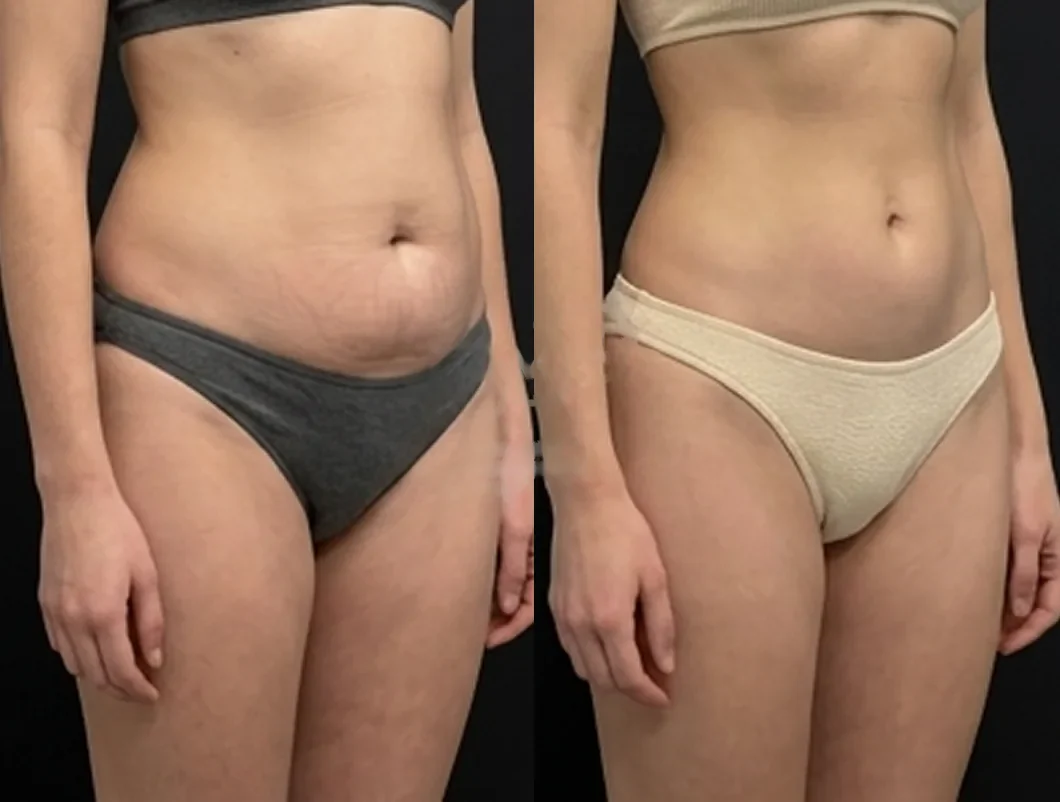
Real case
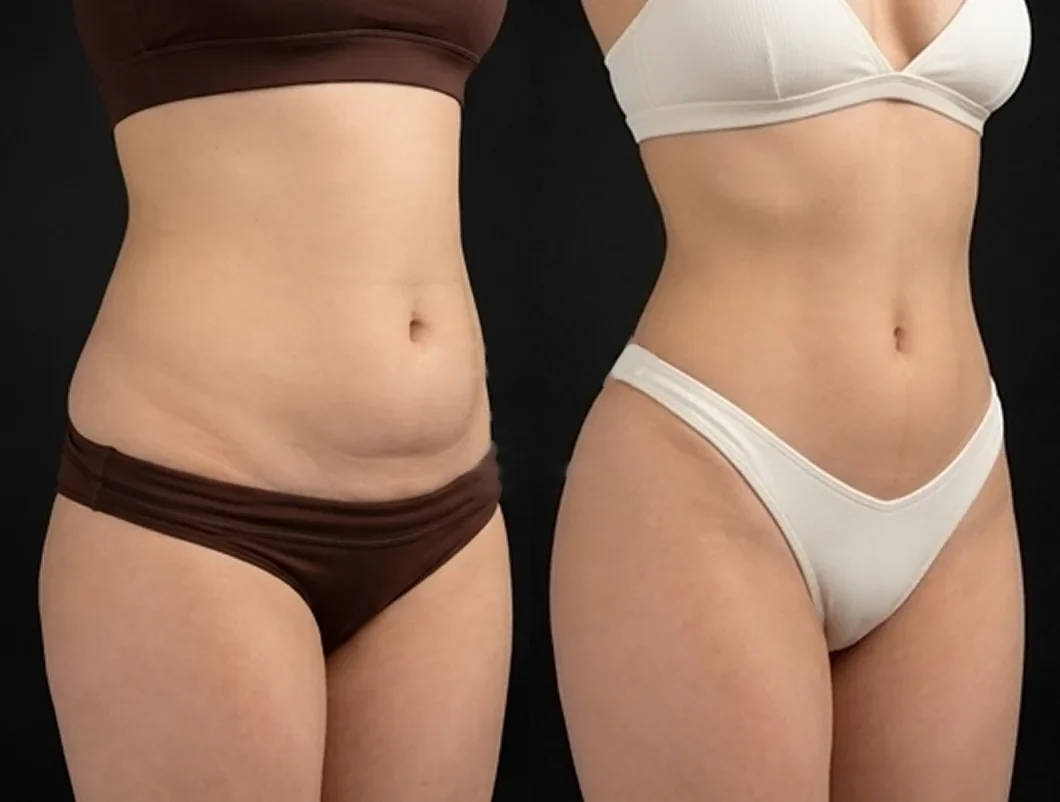
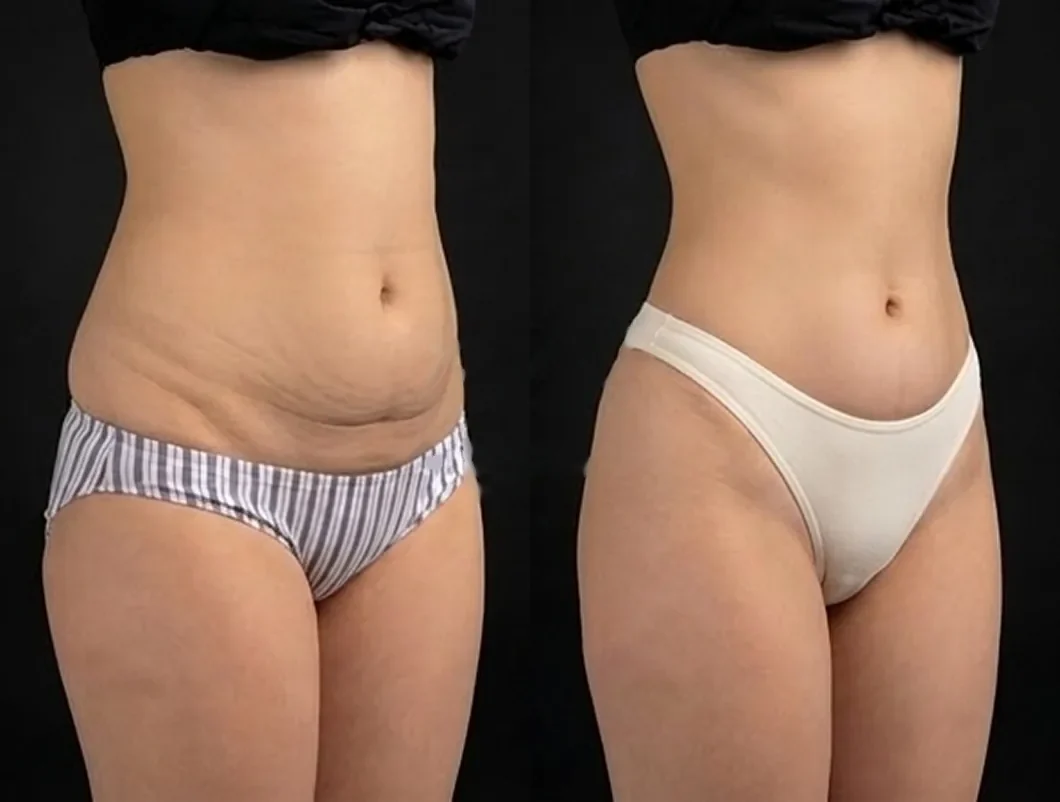
Liposuction: a patient's abdomen and flanks before and after surgery before after
Stubborn local fat that diet and exercise don't shift. Your plan is set at the consultation

Message our coordinator

Free online consultation · Reply within 15 minutes

Message us on Telegram

By messaging us, you agree to our Privacy Policy

Liposuction and fat removal in Preston: price and key facts

Liposuction for patients from Preston at City Medical Centre starts at £910 (from $1,200). The first online consultation is free; the doctor names the final price and it is fixed in the contract.

Price
£910 (from $1,200)
Duration
1–4 hours
Anesthesia
local or general
Stay
home the same day (local anesthesia) or after 1 day (general anesthesia)
Recovery
back to work after 7–10 days
Final result
3–6 months after surgery
How it works
Send photos on WhatsApp or Telegram, get a free doctor assessment and the price, then confirm the plan and dates before anything is booked.

How it works · Liposuction prices

Information current as of 24 October 2026

Free online consultation on WhatsApp and Telegram

Results

Liposuction and fat removal results
of our patients

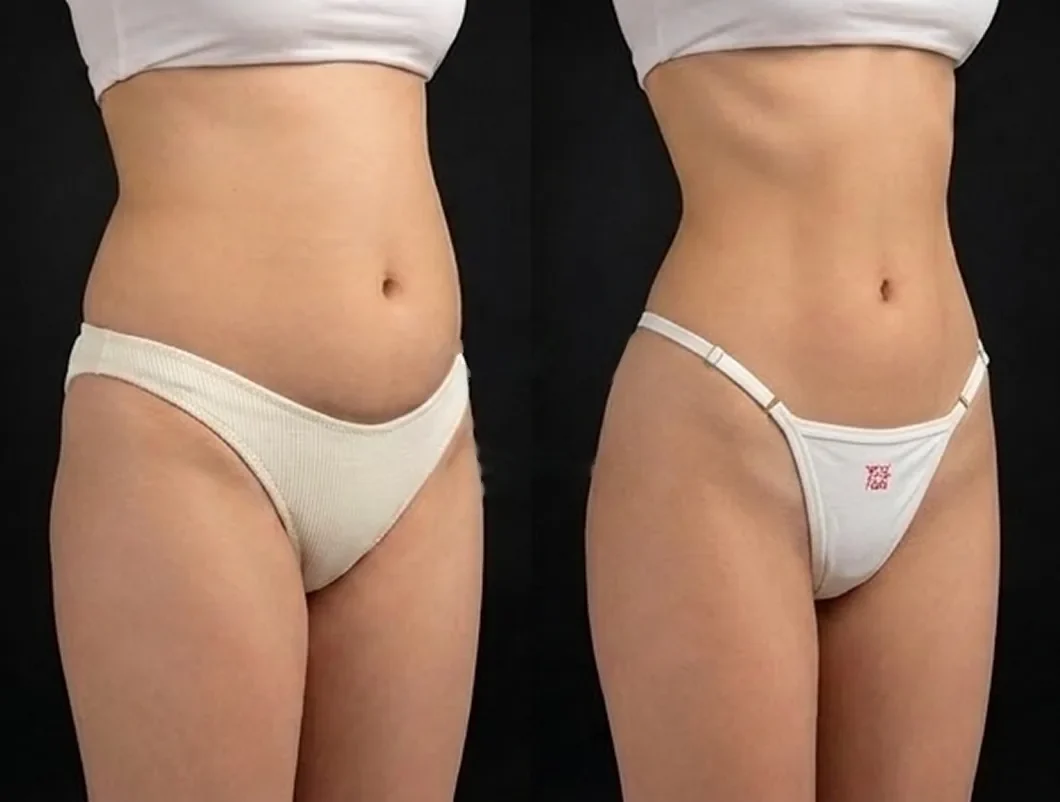
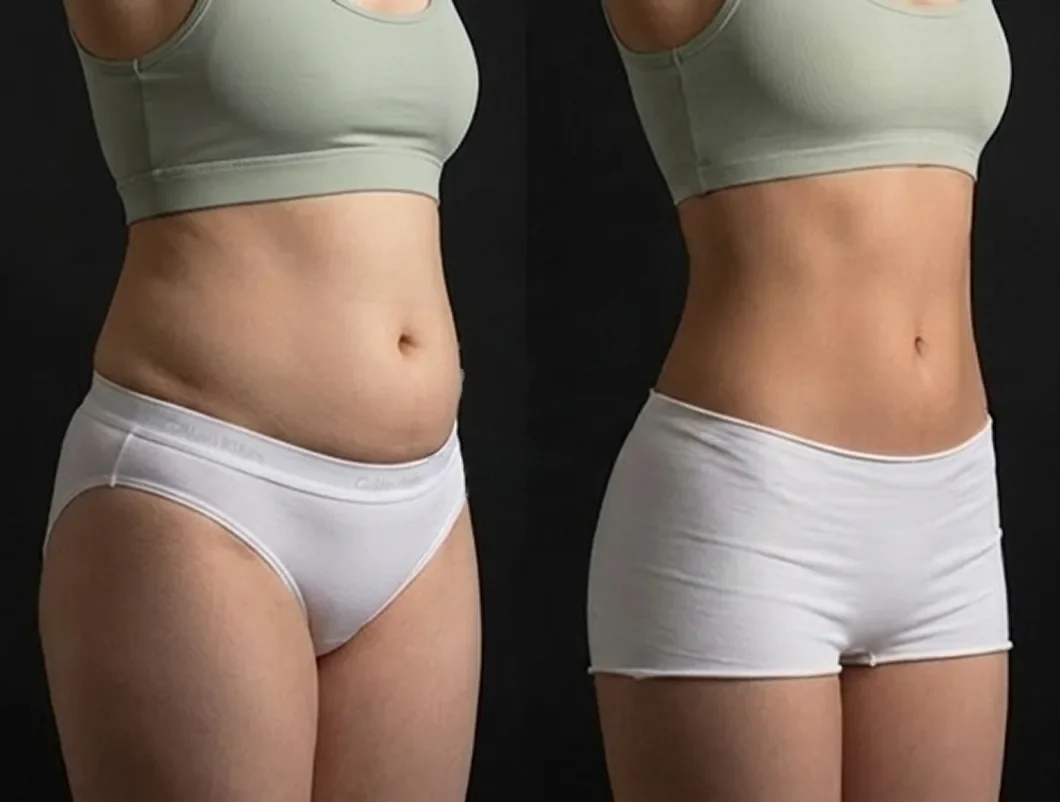
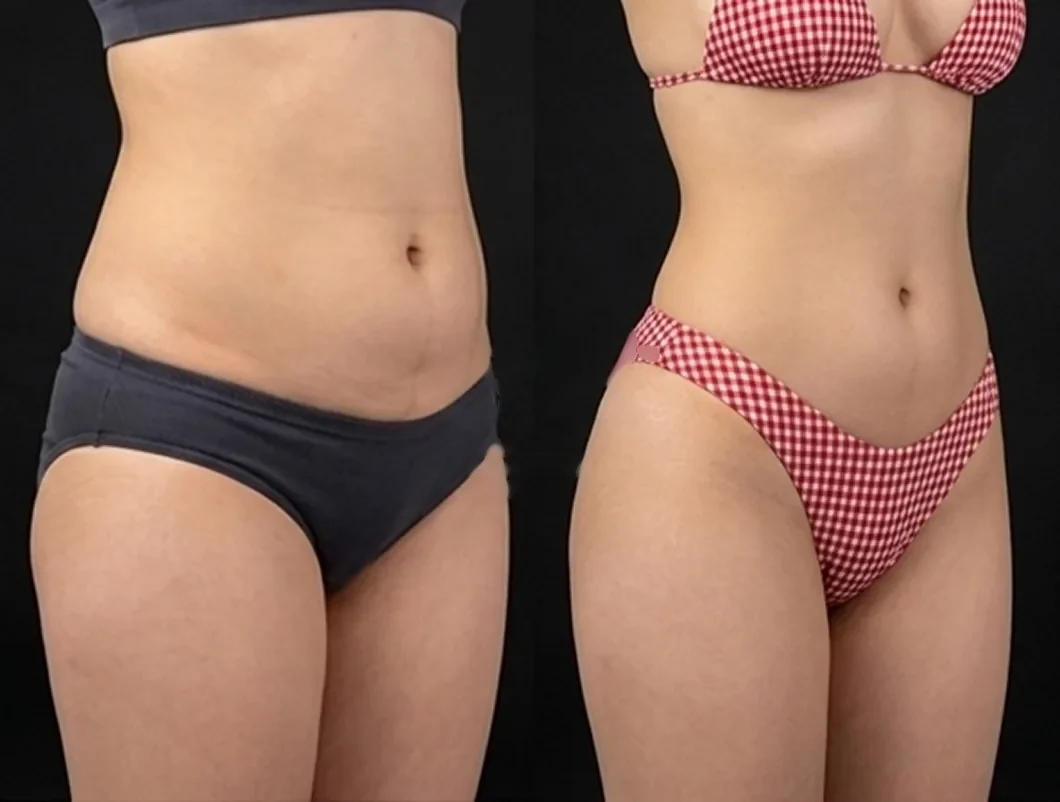
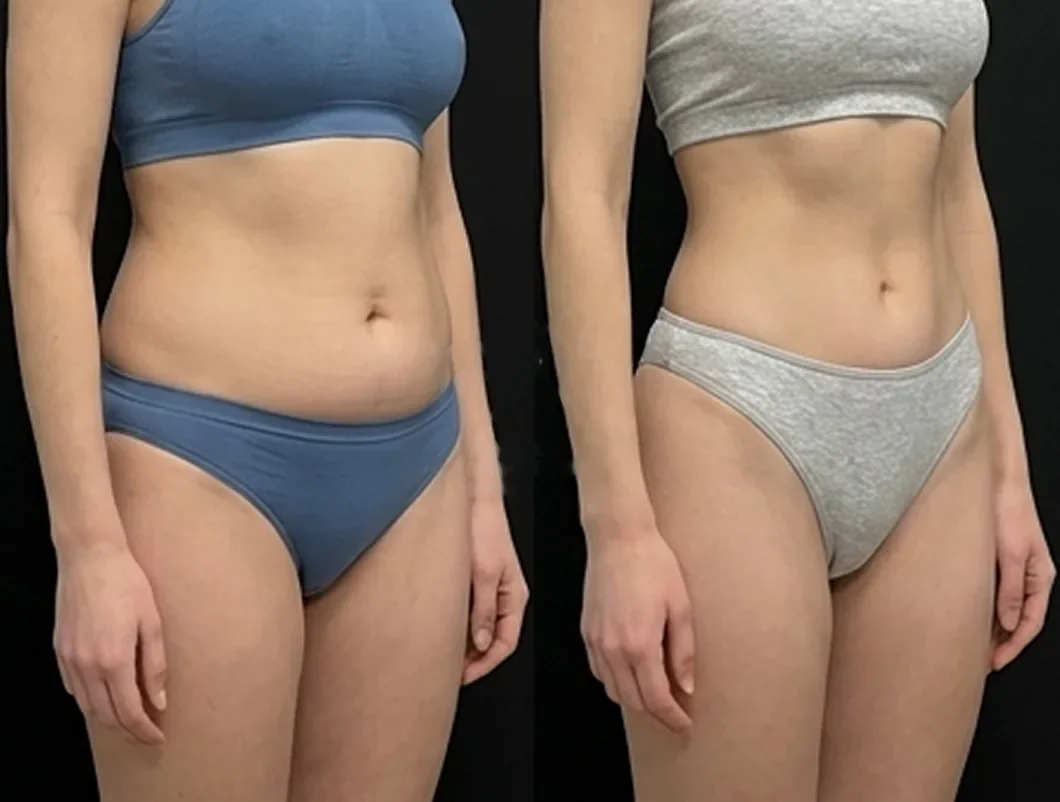
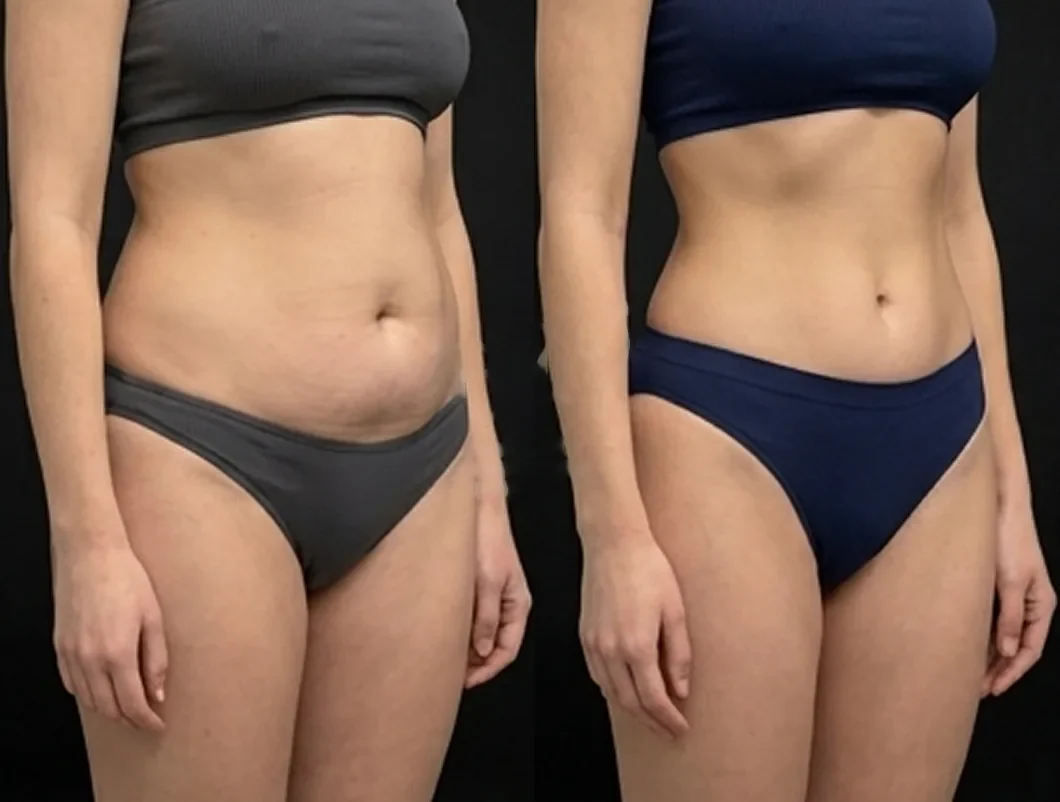
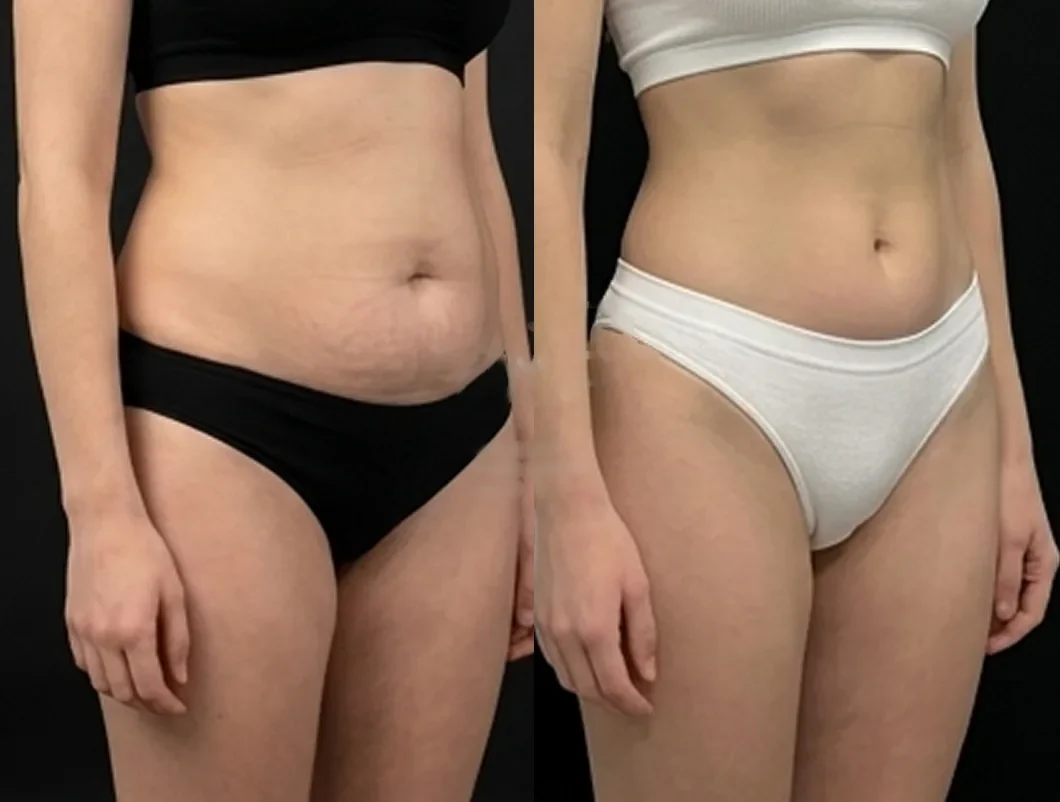
All cases are real patients. Faces and identifying details are hidden.

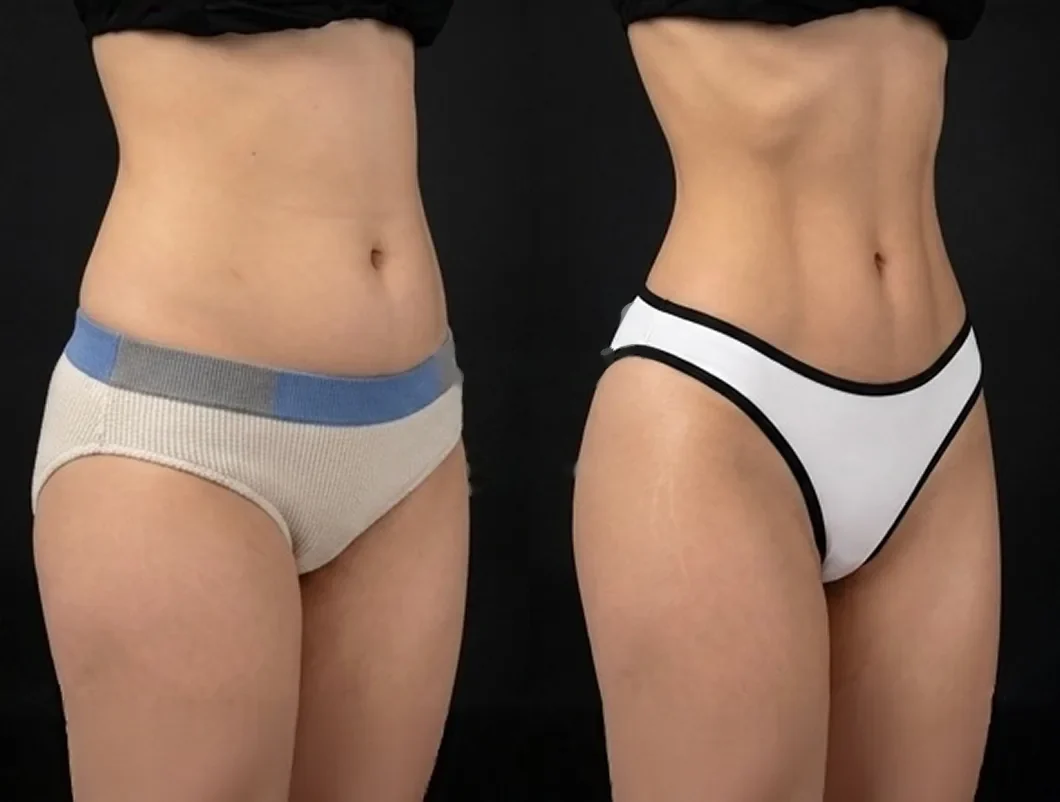
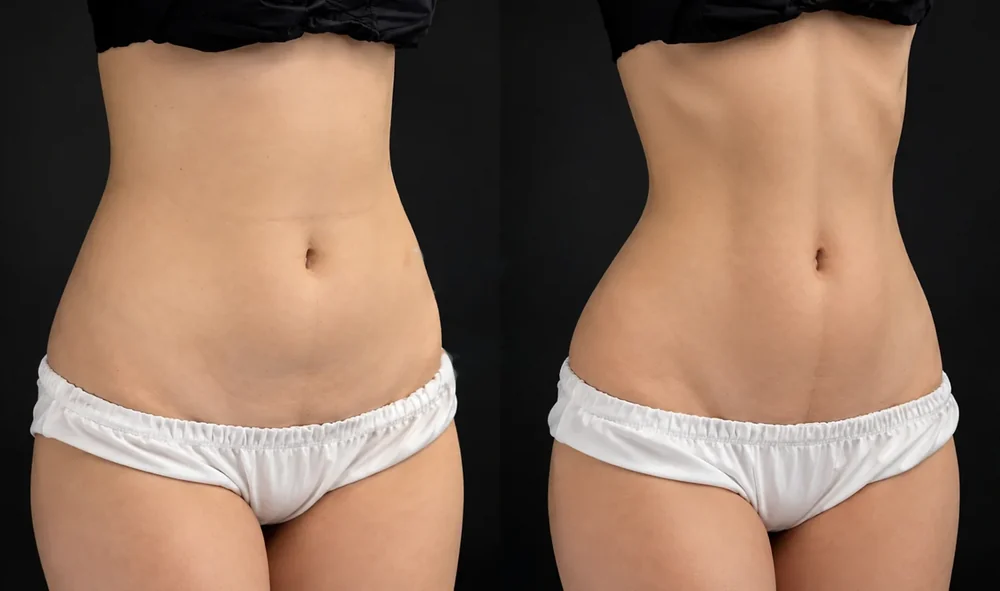
Abdomen and waist

Liposuction of the abdomen and waist: before and after surgerybeforeafter
1 of 10

Comparison

Liposuction techniques

We use two liposuction techniques: tumescent (classic) and VASER (ultrasound). Compare the goal, the indications and the anaesthesia to choose the right technique together with your surgeon.

Tumescent liposuction

A special solution loosens fat for removal through a thin cannula
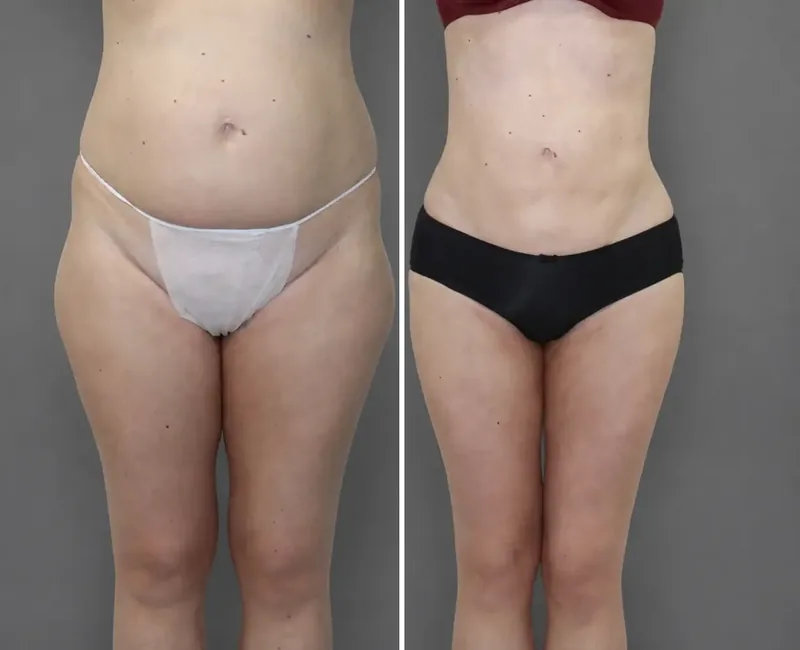
Tumescent liposuction: abdomen and thighs before and after surgery

from $1,200

Main goal
Removal of local fat with minimal blood loss
When it is done
Abdomen, flanks, thighs, back, arms, chin
Anaesthesia and stay
Local or general anaesthesia, home the same day or after 1 day

VASER liposuction

Ultrasound breaks down fat cells before vacuum removal
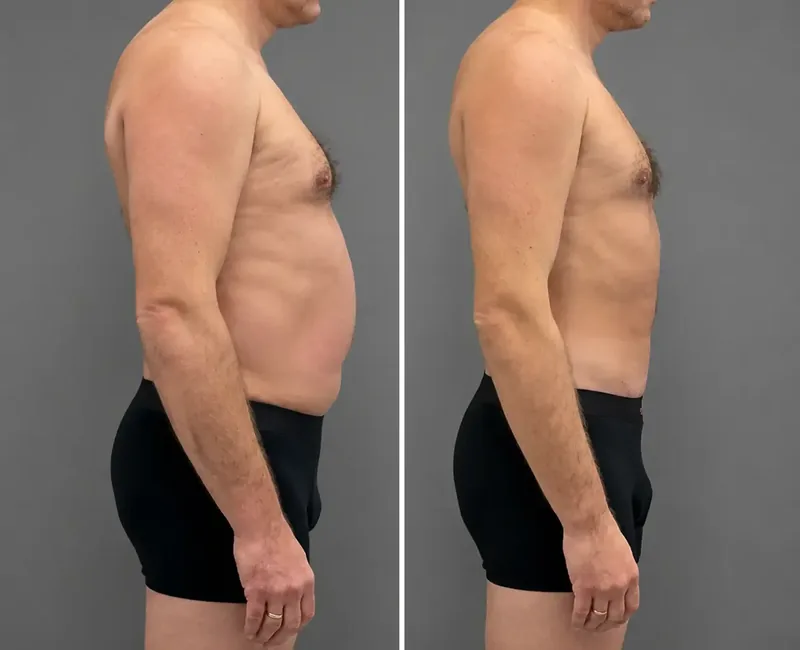
VASER liposuction: a male patient before and after surgery

Price at consultation

Main goal
Defined muscle relief and body contouring
When it is done
Athletic abs and delicate areas
Anaesthesia and stay
Local or general anaesthesia, 1–4 hours of surgery

The benefits and recovery times shown are averaged for each technique and given for guidance: the scope of correction and rehabilitation depend on your anatomy and individual features, and the surgeon confirms them at the consultation.

At the consultation the surgeon draws up a plan for your case and explains how your liposuction will go.

Free, before surgery and with no obligation.

Book a consultation

Areas we treat

Several areas in a single surgery mean less recovery time and a smaller budget

  • Abdomen and waist

    The most requested area for women and men, often combined with abdominoplasty

  • Thighs (outer and inner)

    Stubborn fat exercise can't shift

  • The back and lower back

    Rolls on the back that affect the silhouette

  • Upper arms and shoulders

    A cosmetic concern that shows in warm weather

  • Chin and neck

    Little volume, a quick visible result

  • Knees

    A delicate zone that calls for precision

  • Chest (for men)

    Fat-related gynecomastia and pseudogynecomastia

About the clinic

A clinic where you can feel at ease

Modern equipment, comfortable rooms and care for every patient

A doctor and a patient in a clinic ward

Contact us the way that suits you

We will answer your questions and find a convenient time for a consultation

By messaging us, you agree to our Privacy Policy

Request a free call

Liposuction is not for everyone

If your case can be solved without surgery, the doctor will tell you so at the consultation — and you will not spend money for nothing.

Suitable

A surgeon shows a patient on a model and a monitor how the body contour changes after liposuction
  • Local fat that resists diet and exercise
  • Uneven subcutaneous fat
  • Disrupted body proportions
  • Silhouette changes after childbirth or weight loss
  • Fat component of gynecomastia in men
  • Good skin tone and elasticity

Not suitable

A surgeon discusses the indications and contraindications for liposuction with a patient
  • Not yet 18
  • Pregnancy and the breastfeeding period
  • Endocrine obesity
  • Decompensated diabetes
  • Blood clotting disorders
  • Serious heart, kidney or liver disease, cancer

Not sure the surgery is right for you?

Leave your number — the coordinator will call you back, and the surgeon will tell you whether liposuction suits you. No surgery booking needed.

Find out if it suits me

A surgeon goes through the treatment areas with a patient at the consultation

Prices

You know the price
before surgery

The final price is calculated individually after an examination and fixed in the contract.

Liposuction prices

  • First consultationFree
  • Flanks / waist liposuctionfrom $1,400
  • Thigh liposuction (outer)from $1,200
  • Thigh liposuction (inner)from $1,200
  • Torso liposuction — front abdominal wall, sides of abdomen and lower backfrom $3,600
Book a consultation

Find out your liposuction plan and price

The surgeon assesses the fat deposits and skin tone, listens to your wishes and chooses the right technique.
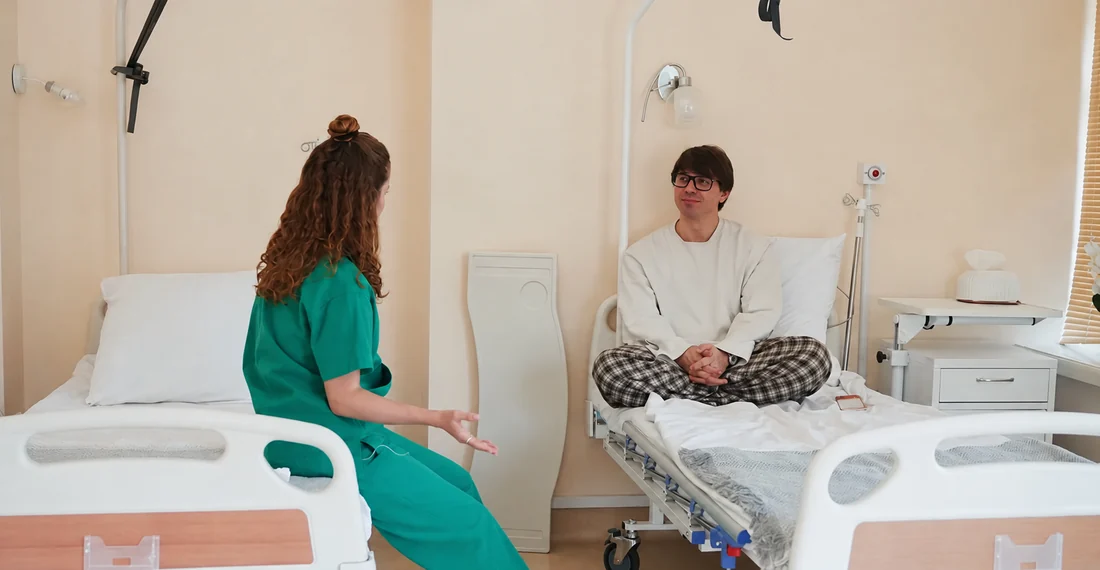
A nurse talks to a patient in a clinic ward

Message our coordinator

Free online consultation · Reply within 15 minutes

Message us on Telegram

By messaging us, you agree to our Privacy Policy
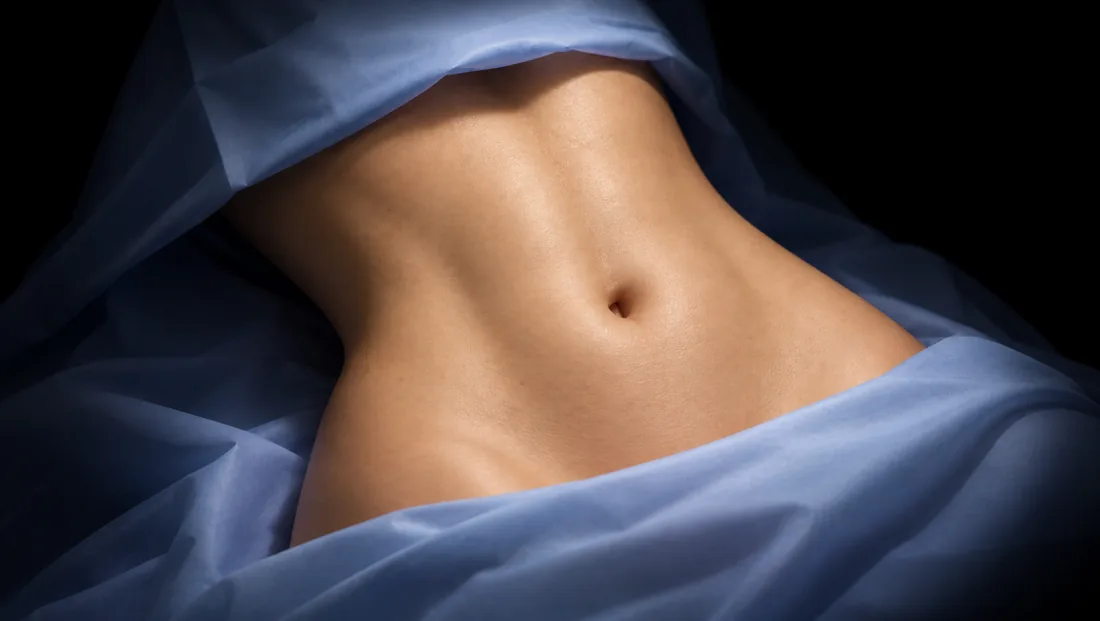
A patient before liposuction in the operating room

all inclusive

What the price includes

From preparation for surgery
to post-op check-ups.

  • All scheduled dressings
  • Scheduled post-op check-ups
  • A personal coordinator on call
  • Compression garments fitted on the day of surgery
  • A stay in a comfortable
    hospital ward with meals
  • Individual recommendations
    for recovery
  • Remote progress monitoring
    by photos

from $1,200

Book a consultation

How it works

From consultation —
to your new contour

An agreed treatment plan, careful monitoring after surgery and post-op check-ups.

A surgeon goes through the liposuction plan with a patient on a monitor1

Consultation
and the surgical plan

The surgeon listens to your wishes, assesses the fat deposits and skin tone and rules out contraindications. A hormonal screening is also ordered — it helps predict the long-term result.

Paying the deposit by card at the clinic reception2

Booking the date
of surgery

We reserve a surgery date for you: the deposit can be paid by card at the clinic or online by bank transfer. The terms are fixed in the contract for medical services

A blood sample tube for tests before liposuction3

Check-up before
surgery

Blood tests (complete count, coagulation panel, biochemistry, infections), an ECG, a chest X-ray and, if needed, a GP consultation. All tests can be done at the clinic with no waiting.

The surgical team during the operation4

Surgery

Marking the areas and fitting compression garments. Under local or general anaesthesia the surgeon removes fat through 3–5 mm micro-punctures — from 1 hour for small areas to 3–4 hours for a combined procedure.

A hospital ward at the clinic5

Waking up
and monitoring

With local anaesthesia you go home 3–4 hours after surgery; with general anaesthesia you stay one day in a comfortable ward under medical supervision.

A surgeon and a patient in the ward during recovery6

Recovery

Compression garments for 30–45 days. First changes show at 2 weeks, once swelling subsides; the final result forms in 3–6 months. Check-ups at 7 days, 3 and 6 months.
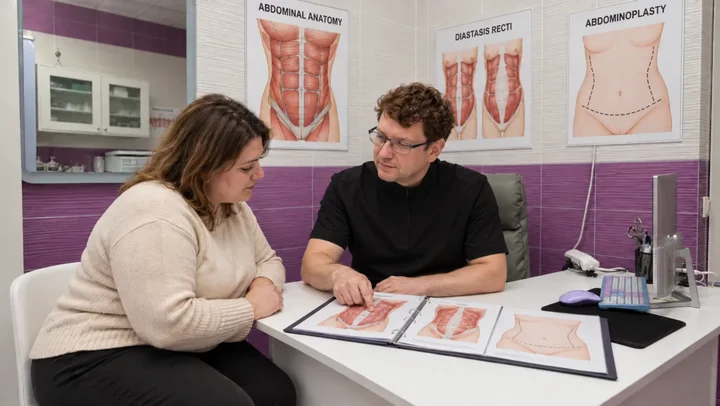
Book a free consultation — the surgeon will plan every step with you.

A doctor discusses the liposuction plan with a patient
Book a consultation
A doctor discusses the liposuction plan with a patient

The recovery period after liposuction

After tumescent liposuction, recovery is much shorter than after a conventional procedure. Most patients return to work within 7–10 days. In the first week, mild swelling and a raised temperature are possible — a normal response to surgery. Compression garments are worn for 30–45 days: they fix the new contours and speed up tissue recovery. In the first month, bathhouse, sauna, pool and intense sport are off-limits. For the best result and faster recovery we recommend lymphatic drainage massage, pressotherapy and a gradual return to activity. First visible changes show 2 weeks after surgery, when the main swelling subsides; the final result forms in 3–6 months.

Post-op check-ups

After 7 days, at 3 months and at 6 months. Until the end of the year, get a post-surgery consultation with your surgeon to review results and get more information, at the clinic's expense.

Advantages

Why patients choose City Medical Centre

A surgeon discusses the liposuction plan with a patient at the consultation

Just find out — you lose nothing

At the consultation we discuss your wishes and assess the fat deposits and skin tone. Before surgery an endocrinologist rules out hormonal causes of the fat deposits — this improves the long-term result.

A surgeon on a video call with a patient after surgery

We stay with you after surgery

The surgeon follows your recovery and the new body contour at check-ups after 7 days, 3 and 6 months. Check-ups, dressings and aftercare advice are already included in the price of surgery.

A surgeon shows a patient a model and body contouring diagrams

A beautiful contour that fits your figure

Tumescent and VASER techniques, micro-incisions of 3–5 mm and precise volume control. Our aim is a smooth contour that keeps the natural proportions of your body.

A patient writes down a convenient visit time in her planner

Your schedule is our priority

We respect your time: we work 24/7, with easy booking and a personal approach — we adapt to your pace.

A surgeon shows a patient a tablet: no hidden fees

Fixed prices

After the consultation the surgeon defines the areas and the scope of surgery, and you get a clear price fixed in the contract — no hidden extras.

A surgeon visits a patient in the hospital ward after surgery

Round-the-clock care after surgery

With general anaesthesia recovery starts in a comfortable hospital ward under round-the-clock nursing care. The stay and meals are already included in the price.

FAQ

We answer what
people ask before booking

Liposuction in Preston: price and what is included

Prices are in US dollars; the amount in brackets is an approximate conversion to GBP at the rate of 02.10.2026. The final price is fixed in your contract.

How much does liposuction in Preston cost?

Prices start from $1,200 (≈ £910) per area. The surgeon sets the final price at the free consultation, and it is fixed in the contract, with no hidden extras.

What is included in the price?

The operation under local or general anaesthesia and the surgeon's support throughout recovery. The price is per area and fixed in the contract.

How do I get my exact price?

Message us on WhatsApp or Telegram using the buttons below. A coordinator will answer your questions and book a free consultation where the doctor names the exact price.

By messaging us, you agree to our Privacy Policy

Liposuction from Preston: what patients ask us

Can I choose the date of my liposuction consultation from Preston?

Yes. Write to us with the dates that suit you. You can start the free first consultation online, so you can do it from home: after the doctor reviews your photos, the clinic offers its nearest free dates for the consultation and for surgery.

Can arms and inner thighs be done in one liposuction operation?

Often, yes: combining two or more areas in one session is common practice. How many areas are right for you is the surgeon's decision, based on your photos and health. The price is per area, from $1,200 (≈ £910); two areas start from $2,400 (≈ £1,820).

Is an online liposuction consultation possible for patients in Preston?

Yes, and it is free. You send photos and answer a few questions about your health; the doctor reviews them and explains the options, the number of areas and the cost.

I have an event coming up. When should I have liposuction?

Plan the operation 4–6 weeks before the date at the latest: compression is worn for 4–6 weeks and swelling and bruising usually fade by weeks 4–5. The final shape takes 3–6 months.

What do I need to send to get a liposuction quote?

Clear photos of each area you want treated (front and side, no filters), your age, height and weight, and any previous surgeries or important health details. Without photos any figure would only be a guess, so the price is confirmed after the doctor has seen them.

How much time off should I plan after liposuction?

Plan at least 7 days without physical strain. You go home 3–4 hours after surgery under local anaesthesia, or after one day in the clinic under general anaesthesia; the doctor sets the check-up date.


Liposuction in Preston: what you should know

Before any decision on liposuction in Preston, it helps to know how the clinic approaches it. An endocrinologist rules out hormonal causes of excess fat, which improves the long-term result. Surgery uses tumescent and VASER techniques and closed fat-harvesting systems with precise volume control. Liposuction can also be combined with other procedures, for example a tummy tuck for the abdomen.

Here is the route in brief. Consultation and hormonal screening. Blood tests, ECG and chest X-ray at the clinic. Two weeks of preparation. Marking and compression garments on the day, then surgery under local or general anaesthesia. Observation, discharge, 30–45 days in compression and check-ups at 7 days and 3 months. Patients in Preston follow this same sequence.

The cost is built around your zones: from $1,200 (≈ £910) for the most compact area, rising for larger combinations such as the torso or the abdomen with flanks. Nothing is added later, because the contract fixes the price. Preston residents can split payment into interest-free instalments and begin with a free surgeon consultation, booked through the form on the page.

Stories of well-known people

Well-known people who spoke openly about this operation, in their own words.

All stories about this operation →

Body contouring in a city where weight is a regional talking point

Preston sits on the north bank of the River Ribble, which forms its southern border, and it is the administrative centre of Lancashire in North West England. The city proper had 147,835 residents at the 2021 census. The wider City of Preston district was put at 156,411 in 2023, and the built-up area at 313,322. These figures are a reminder that the people asking about liposuction here are a varied group. Some live in the city centre, some in the surrounding districts, and some commute into the city from the wider catchment. That catchment is measured at 420,661 people for the commuting area in 2011. The consultation is online, so none of these differences affect how you reach the doctor.

Weight is a fair place to begin, because liposuction is often misunderstood in this respect. The Health Survey for England 2022, published through NHS Digital, found that 29% of adults in England were living with obesity and 64% were overweight or living with obesity. The regional spread was wide. Obesity ranged from 39% in the North East to 21% in London, and overweight or obesity from 72% in Yorkshire and the Humber to 59% in London. Preston is in the North West, so the national average is not a fully accurate picture of the region. What it does show is that many adults in the north of England are carrying extra weight. Anyone in that group who is considering liposuction should read the next sentence carefully.

Liposuction is not a weight-loss method. It targets local fat deposits that do not respond to diet and exercise and reshapes the body's contours. If your weight is still changing, the sensible first step is a conversation with a nutritionist or an endocrinologist, and the doctor will say so during the consultation. The procedure suits people with uneven subcutaneous fat, disrupted body proportions, or a changed silhouette after childbirth or weight loss. Men may also consider it for the fat component of gynecomastia. Good skin tone and elasticity make a smoother outcome more likely.

Some people are not suitable candidates. These include anyone under 18, anyone who is pregnant or breastfeeding, and people with endocrine obesity, decompensated diabetes, blood coagulation disorders, or serious heart, kidney or liver disease or cancer. A statistic such as "64% overweight or obese" can make a surgical solution sound attractive to a large share of the population. The honest reading is the opposite. For many people the right answer is a medical and lifestyle route, and the coordinator would rather tell you that at the start than book an operation that does not fit.

The practical way to begin is to send photographs through WhatsApp or Telegram. Coordinators reply around the clock, and the doctor assesses the fat deposits and skin tone and names a plan. Nothing is booked until you have agreed the plan and the dates.

What the NHS covers and what it does not

Patients in Lancashire often ask first whether the NHS might pay. The NHS states plainly that cosmetic surgery is not routinely provided. It may fund some procedures for psychological or other health reasons. Its examples are rhinoplasty for breathing problems, and breast enlargement for very uneven or absent breasts that cause significant psychological distress. Most people who want cosmetic surgery have to pay privately. Body contouring by liposuction belongs in that second group for the great majority of patients, so it helps to plan on that basis from the start.

Weight loss surgery is a separate matter, and the two should not be confused. The NHS may offer it when BMI is 40 or more, or between 35 and 40 with a condition that could improve with weight loss, such as high blood pressure, diabetes or arthritis. The person must also agree to lifestyle changes and check-ups. A lower BMI may be considered for some ethnic backgrounds, and availability varies across areas of the UK. If your circumstances fit those criteria, speak to your GP about that route. It treats a different problem from the one liposuction tackles, and it can be the more appropriate one.

The waiting-list position is also relevant to planning. NHS England's statistical press notice of 10 September 2026 reported 7.3 million waiting pathways to start treatment at the end of July 2026, covering around 6.2 million unique patients. It also recorded 111,379 people who had waited more than 52 weeks. Those numbers describe the pressure on routine hospital care, and they are one reason people look for a defined timetable for an elective procedure. In this case the timetable is set in the contract: you agree the date before anything is booked, and the check-ups afterwards are scheduled in advance.

Two practical points follow. First, the final price is fixed in the contract after an examination, so you know the full figure before you commit. The programme includes scheduled dressings, scheduled post-operative check-ups, a personal coordinator on call, compression garments fitted on the day of surgery, a stay in a comfortable hospital ward with meals, individual recovery recommendations and remote progress monitoring by photographs. Second, your GP can still help. The pre-operative work-up may include a GP consultation, and keeping your own GP informed about any operation under general anaesthesia is sensible.

Preston weather and compression garments through the seasons

Compression is a major part of recovery. The garment is worn for 30–45 days to fix the new contours and speed up tissue recovery, and it is fitted on the day of the operation. Whether that period is comfortable depends partly on the season, and Preston's climate is unusual in that the summer is gentle.

The climate data come from the Preston Moor Park station at 33 m, using 1971–2000 averages. July is the warmest month, with a mean maximum of 19.8 °C and a mean minimum of 12.2 °C. August is close behind at 19.5 °C. January is the coldest month, with a mean maximum of 6.9 °C and a mean minimum of 1.7 °C. Across the whole year the mean maximum is 13.0 °C and the mean minimum 6.4 °C. These are long-term averages and individual days will differ. Still, they suggest that the heat problem some patients worry about in warm climates is modest here. A compression garment worn through a Preston summer is more likely to be mildly warm than oppressive.

In summer, a garment worn for 30–45 days sits under light clothing without much strain. The sensible choices are breathable fabrics on top and a shower routine that suits you. Always ask the doctor and coordinator before changing how you wear or wash the garment. In winter, cold air sits against a body that is already tender, and layers matter. A looser outer layer over the garment avoids pressure points and keeps you warm without adding more compression.

A detail about the first month: bathhouse, sauna, pool and intense sport are off-limits, so the bathing options that people sometimes use to warm up on a cold day are not available. Warm clothing and warm rooms do that job instead.

Rain should also be planned for. The annual rainfall is just under 1,000 mm (997.99 mm), with more than 1 mm falling on about 150 days of the year. October, November and December are the wettest months, at 113.78 mm, 103.86 mm and 112.02 mm. April is the driest, at 52.08 mm. Snow is rare, about nine days a year, with two each in December, January and February. For recovery this means that in the wetter months, short walks may have to wait for a dry spell, and indoor movement matters more. The calendar also affects timing, which the next block covers.

Choosing the season for your operation

There is no rule that says one season is better than another. The calendar can still help you decide when to book the date, because recovery follows a fixed pattern. Most patients return to work within 7–10 days. Swelling and bruising fade by weeks 4–5. First changes can be seen at 2 weeks, an interim result appears at 1.5–2 months, and the final contour forms in 3–6 months. Planning backwards from the moment you want to feel settled in your body is more useful than planning from the date of surgery.

Autumn and early winter have some practical advantages for the Preston climate. October to December is the wettest stretch, so a patient who is staying in during the first week is giving up little. Heavy clothing in the colder months also hides a garment while it is being worn. The 30–45 day garment period then ends in the middle of winter or early in the new year, and the final result forms through spring.

Spring operations bring the opposite benefit. April is the driest month in the data, with 52.08 mm. If you plan an operation in late winter, the first weeks of gentle walking could fall in a drier period. The 3–6 months for the final result would then run through the mildest part of the summer, when July and August maxima are close to 19.8 °C and 19.5 °C. Keep the first-month restrictions in mind: no pool, sauna, bathhouse or intense sport. Those are the activities people most often want in summer.

Public holidays are worth checking when you pick a date. England and Wales have eight bank holidays in 2026, and two fall after the first of November: Christmas Day on 25 December and the substitute Boxing Day on 28 December. A procedure planned in mid-December would have the first days of recovery overlap with those holidays. That can be convenient for time away from work, because a return within 7–10 days then costs fewer working days. It can also mean that family arrangements, home help and holiday plans conflict with the first check-up at 7 days. The check-ups are fixed at 7 days, 3 months and 6 months, so the coordinator can work out when they will fall. Ask for those dates in writing before you confirm.

Remember that anaesthesia type affects the plan. With local anaesthesia you go home about 3–4 hours after surgery. With general anaesthesia you stay one day in a ward under medical supervision. Someone should be with you on the way home in either case, and you should arrange that before the date is confirmed.

Staying active: walking, cycling and sport after liposuction

Preston is not a seaside city, so beach plans are not part of the conversation. Water is still part of the local geography: the Ribble runs along the southern border, and Preston Dock, which closed in 1981, and the Ribble Link navigation connect with the Lancaster Canal. For the purposes of recovery, what matters is that a flat waterside walk is a natural way to rebuild activity. It is not a medical prescription from the doctor, only an example of the sort of gentle route that fits the schedule below.

The schedule is set by the post-operative guidance. During the first 7 days, avoid physical exertion and heavy lifting. For 4–6 weeks, wear the compression garment and avoid the bathhouse, sauna, pool and active sport. Keep away from alcohol and tanning beds for at least a month. The recommendation for the best result is lymphatic drainage massage, pressotherapy and a gradual return to activity. "Gradual" is the key word. A short walk on a flat route is a reasonable test of how you feel. Cycling and running are a different category, and the doctor should confirm when you can resume them. Treat anything resembling intense sport as off-limits during the first month.

The city has a strong sporting identity. The University of Lancashire, formerly UCLan, had more than 33,000 students in 2006, and its UCLan Sports Arena is a 64-acre outdoor sports site. A patient who exercises regularly, whether in a club, a gym or on their own, should talk through their training programme with the doctor before the operation. The aim is to agree a restart sequence for the weeks after surgery rather than guess. People who train hard are sometimes the most impatient during recovery, and they may be tempted to return early because they feel well. Swelling is still resolving at that point, and the garment is still needed.

The weather also plays a part in the day-to-day routine. With about 150 days a year of more than 1 mm of rain, a waterproof layer over the garment is more useful than a sudden decision to stay in. Wet roads and cold winter mornings are also a reason for caution on a bicycle in the first weeks, because a fall is the last thing a healing body needs. Your own balance and the state of the ground should decide it, not a calendar date.

Long-term, keep in mind how the result is held. Removed fat cells do not come back, but the remaining ones can grow if you gain weight. A balanced diet and regular physical activity support the result. A strict diet is not required, but steady habits matter more than a short, hard burst of exercise.

Joints, weight and the questions that come before the decision

Several of the facts about health in the UK have an indirect connection to body contouring. They are worth understanding because they shape what a sensible conversation about weight looks like. The NHS describes osteoarthritis as the most common type of arthritis in the UK. The risk rises with age, is higher in women than in men, and is higher in people with obesity or a joint injury. A GP may suspect it in people aged 45 or older. Arthritis UK, in the 2026 edition of its State of Musculoskeletal Health report, says that over 10 million adults, young people and children in the UK live with arthritis.

Why mention this in a liposuction context? Because some patients ask whether removing fat from the thighs, abdomen or back will ease joint pain. Liposuction is not a treatment for arthritis, and it is not a weight-loss method. If your main concern is pain or stiffness, the NHS says hip replacement may be considered when hip pain and stiffness have a big effect on life and other treatments have not worked. Osteoarthritis is the most common underlying cause. Rheumatoid arthritis and hip injury are others. For rheumatoid arthritis the NHS says there is no cure, and treatment is long-term medicine to relieve symptoms and slow progress, plus physiotherapy or occupational therapy. Surgery can fix joint problems that develop. Those are conditions for a GP or specialist, and the liposuction consultation does not replace that route.

What the doctor can do is take your history into account. A patient with a joint condition may need a different plan for the recovery period, for example in how soon they can walk longer distances or in how to manage the garment. The pre-operative work-up includes blood tests (complete count, coagulation panel, biochemistry, infections), an ECG, a chest X-ray and, if needed, a GP consultation. A hormonal screening is also ordered, and an endocrinologist rules out hormonal causes of the fat deposits before surgery. This improves the long-term result because it checks whether something other than local fat is behind the shape you see.

Medications matter as well. Give up smoking, alcohol and medicines that affect clotting, such as aspirin, 7–10 days before liposuction. If you take a medicine for a joint condition, tell the coordinator in the first message and do not stop it on your own. The doctor will tell you what to do. This is one of the best arguments for a thorough online conversation before you commit to a date.

Planning from Preston: contact, check-ups and the practical steps

The consultation is online and free, and the coordinators answer around the clock on WhatsApp and Telegram. For someone living in Preston, that means you can ask questions in the evening after work or early in the morning. Replies come quickly, within about 15 minutes, which makes a back-and-forth exchange of photographs and questions workable in a single sitting.

A practical sequence looks like this. First, send clear photographs of the areas you are concerned about and describe your weight history. Say whether it has been stable. Then the doctor assesses the fat deposits and skin tone and proposes a technique. The two options are tumescent (classic) liposuction, in which a special solution loosens the fat for removal through a thin cannula, and VASER (ultrasound), in which ultrasound breaks down fat cells before vacuum removal. Tumescent is aimed at removing local fat with minimal blood loss in areas such as the abdomen, flanks, thighs, back, arms and chin. VASER is aimed at defined muscle relief and body contouring, such as athletic abdominal definition and delicate areas.

The operation itself takes from 1 hour for small areas to 3–4 hours for a combined procedure. Fat is removed through micro-punctures of 3–5 mm, which usually need no stitches. Once healed the marks are barely visible, and with proper care they fade. The doctor checks the skin. If tone is reduced or stretch marks are present, specialists may recommend preparatory treatments that improve the skin in advance.

After surgery, remote progress monitoring by photographs helps between the scheduled check-ups. You send images, and the doctor follows how the swelling is settling and how the contour is forming. The check-ups at 7 days, 3 months and 6 months give fixed points to compare against. The first changes show at 2 weeks, the interim result at 1.5–2 months and the final contours at 3–6 months.

One more practical point concerns the calendar. Because bank holidays fall on 25 December and 28 December this year, ask the coordinator how a December date would line up with the 7-day check-up. The coordinators work around the clock, so the timetable can be set at any hour. Before you decide, write down your questions, keep your photographs ready, and be honest about your weight history, medicines and any joint problems. The doctor can then tell you plainly whether liposuction suits you, and if it does not, you will have lost nothing.

Does Preston's climate make wearing a compression garment harder?

Generally it is moderate. The long-term data from the Preston Moor Park station give July a mean maximum of 19.8 °C and August 19.5 °C, so even the warmest weeks are mild on average. The garment is worn for 30–45 days, and in summer breathable clothing on top is usually enough. In winter, when January averages a maximum of 6.9 °C, a looser warm layer over the garment is more practical. Individual days can differ from the averages, so ask the coordinator about any skin irritation or discomfort rather than adjusting the garment yourself.

Which months in Preston are drier for the first weeks of recovery?

In the 1971–2000 records, April is the driest month, with 52.08 mm of rain, while October, November and December are the wettest, at 113.78 mm, 103.86 mm and 112.02 mm. Annual rainfall is just under 1,000 mm, with more than 1 mm on about 150 days. A drier month can make gentle walks easier, but a wet month is not a problem for recovery. Short indoor movement and a waterproof layer for brief outings are enough. The restrictions in the first month, such as no pool or sauna, apply in any season.

Do I need to worry about snow or ice after the operation?

Snow is uncommon in Preston, with about 9 snow days a year in the 1971–2000 data, and 2 each in December, January and February. Cold, wet pavements are still worth respecting in the first week, when you should avoid physical exertion and heavy lifting. If you plan a winter date, arrange for someone to be with you on the way home, wear warm clothing over the compression garment, and keep outings short. The check-ups are scheduled in advance, and the coordinator is available around the clock if the weather changes your plans.

Will the NHS pay for liposuction if I live in Lancashire?

Usually not. The NHS says cosmetic surgery is not routinely provided and that most people who want it must pay privately. Some procedures may be funded for psychological or other health reasons, but the examples it gives are rhinoplasty for breathing problems and breast enlargement for very uneven or absent breasts causing significant distress. Liposuction for body contouring generally falls outside this. If you think a medical reason applies, speak to your GP, and the doctor can tell you during the online consultation whether liposuction is suitable at all.

How is liposuction different from the weight loss surgery the NHS offers?

They tackle different problems. The NHS may offer weight loss surgery when BMI is 40 or more, or 35–40 with a condition such as high blood pressure, diabetes or arthritis that could improve with weight loss, and when the person agrees to lifestyle changes and check-ups. Liposuction is not a weight-loss method. It removes local fat deposits that resist diet and exercise and reshapes contours. If your weight is unstable, see a nutritionist or endocrinologist first. The doctor will say honestly during the consultation which route fits your situation.

Obesity figures are high in the North West. Does that affect my eligibility?

Regional figures do not decide your eligibility. The Health Survey for England 2022 reports 29% of adults living with obesity nationally, ranging from 39% in the North East to 21% in London, and it shows that many adults in the north carry extra weight. Your own case is assessed individually: the doctor looks at the fat deposits, skin tone and overall health, and an endocrinologist rules out hormonal causes beforehand. Endocrine obesity and decompensated diabetes are listed among the reasons liposuction may not be suitable. A stable weight and good skin tone improve the outlook.

Can I plan the operation around the December bank holidays?

Yes, but check the timetable. This year England and Wales have bank holidays on 25 December and a substitute Boxing Day on 28 December. Most patients return to work within 7–10 days, so a date shortly before the holidays can reduce the working days you miss. The first check-up falls at 7 days, and it should not clash with family plans. Ask the coordinator to write out the dates of the operation, the 7-day check-up and the later ones at 3 and 6 months before you confirm anything.

Can I keep up my sport or gym routine around the operation?

Not immediately. Avoid physical exertion and heavy lifting for the first 7 days, and for 4–6 weeks wear the compression garment and avoid the pool, sauna, bathhouse and active sport. The recommendation is a gradual return to activity, with lymphatic drainage massage and pressotherapy to support recovery. If you train regularly, tell the doctor what you do, and ask for a restart sequence. Gentle walking is usually the first step, while cycling, running and gym work should wait until the doctor confirms.

I have arthritis or joint pain. Can I still have liposuction?

It depends on your overall health, so tell the coordinator in your first message. Liposuction is not a treatment for arthritis, and joint conditions such as osteoarthritis or rheumatoid arthritis are managed through your GP or a specialist. The pre-operative work-up includes blood tests, an ECG, a chest X-ray and, if needed, a GP consultation. Do not stop any medicine on your own, and give up aspirin and other clotting-related medicines only on the doctor's instructions, 7–10 days before the operation if advised. The doctor will adjust the recovery plan to your situation.

How do check-ups work when I live in Preston and the consultation is online?

The first consultation is online and free, and coordinators answer around the clock on WhatsApp and Telegram. After the operation, progress is followed remotely by photographs, and scheduled check-ups take place at 7 days, 3 months and 6 months. They are included in the price fixed in your contract, together with dressings and the compression garment fitted on the day. Agree the dates in writing beforehand, so that your time off work, your journey home after the operation and the follow-up points all fit together without surprises.