


























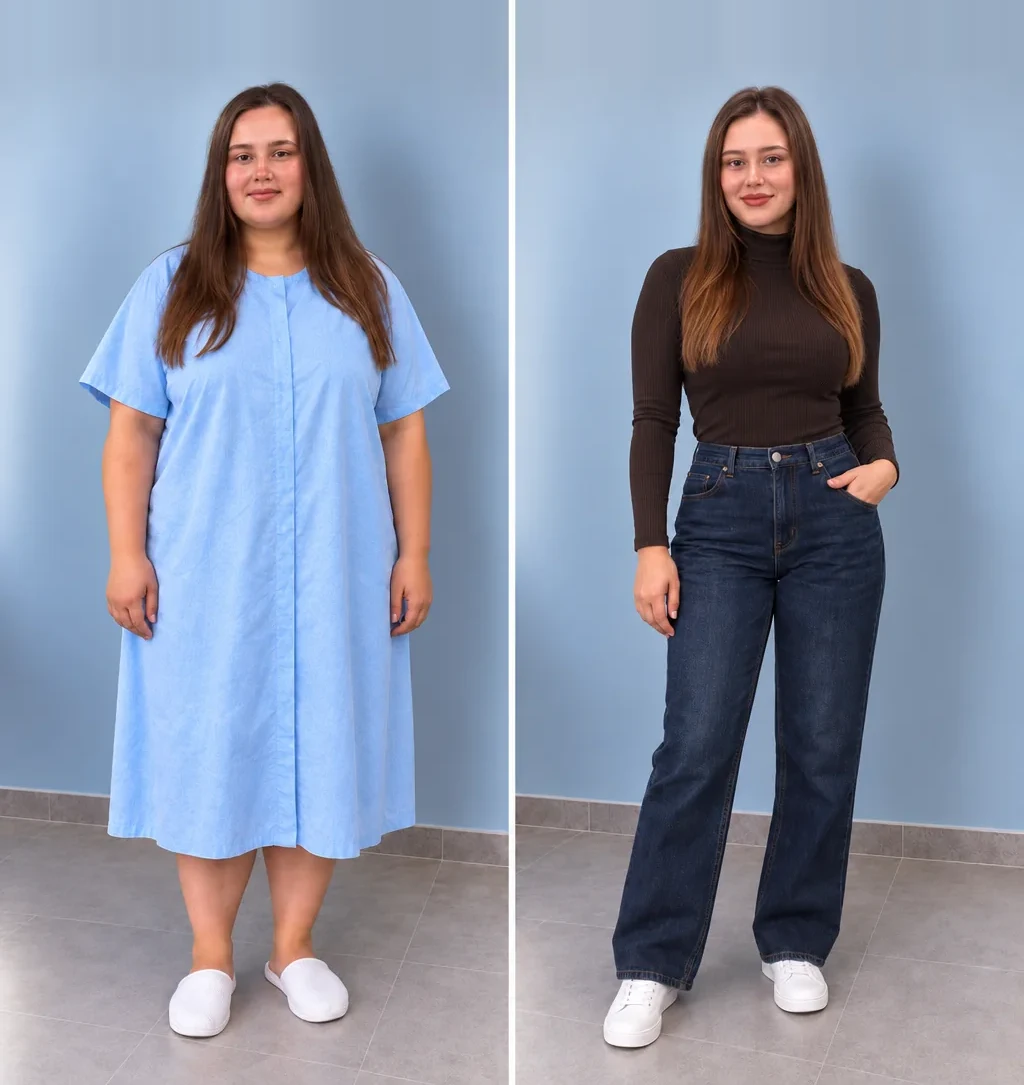
 beforeafter
Irina, 26
Bariatric surgery
Bariatric surgery
$3,600
$4,800 · First consultation — Free
Free online consultation · Reply within 15 minutes
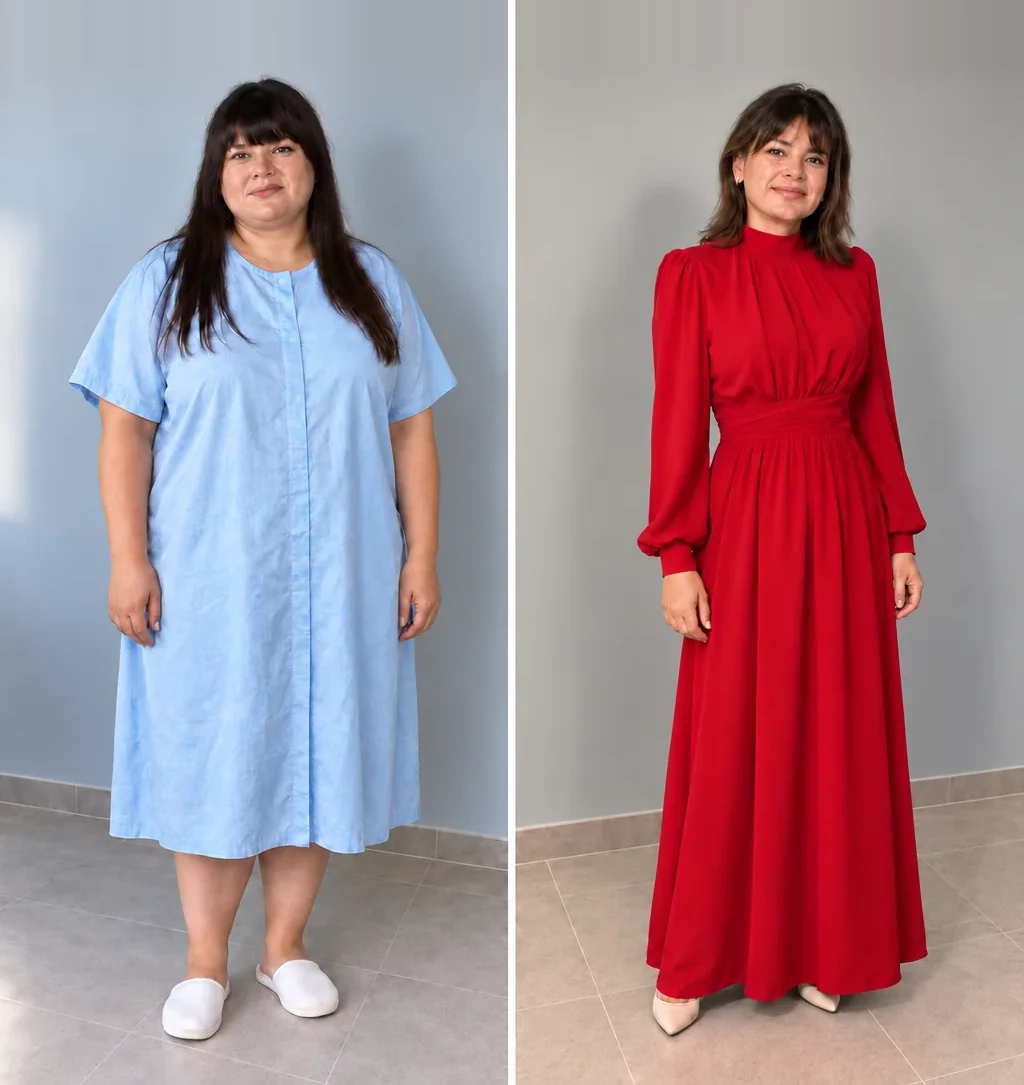 before
after
Message our coordinator
Free online consultation · Reply within 15 minutes
Message us on TelegramMessage us on WhatsAppBy messaging us, you agree to our Privacy Policy
Bariatric surgery for patients from Preston at City Medical Centre starts at £2,750 (from $3,600). The first online consultation is free; the doctor names the final price and it is fixed in the contract.
How it works · Bariatric surgery prices
Information current as of 24 October 2026
Results
Each result belongs to a real patient of the clinic.
beforeafterBariatric surgery
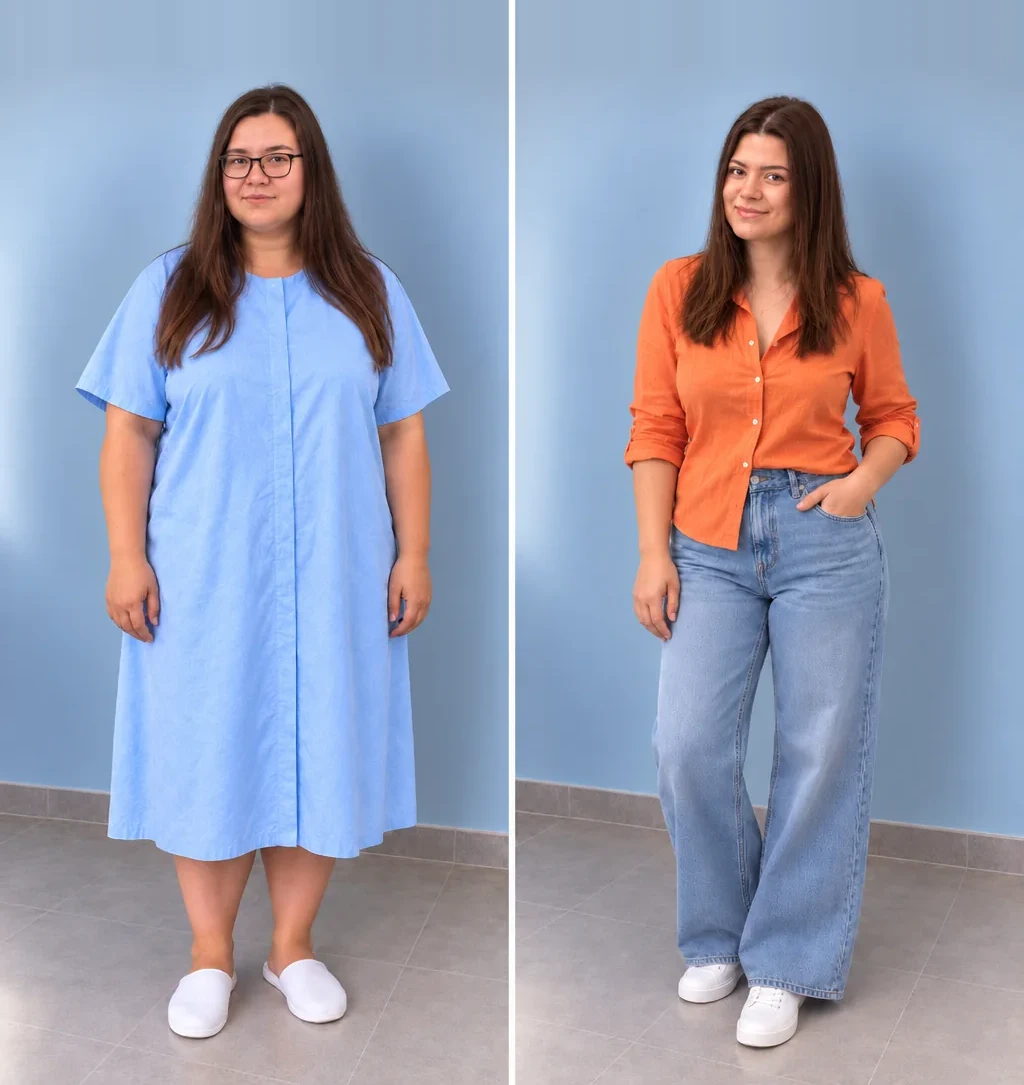 beforeafter
Bariatric surgery
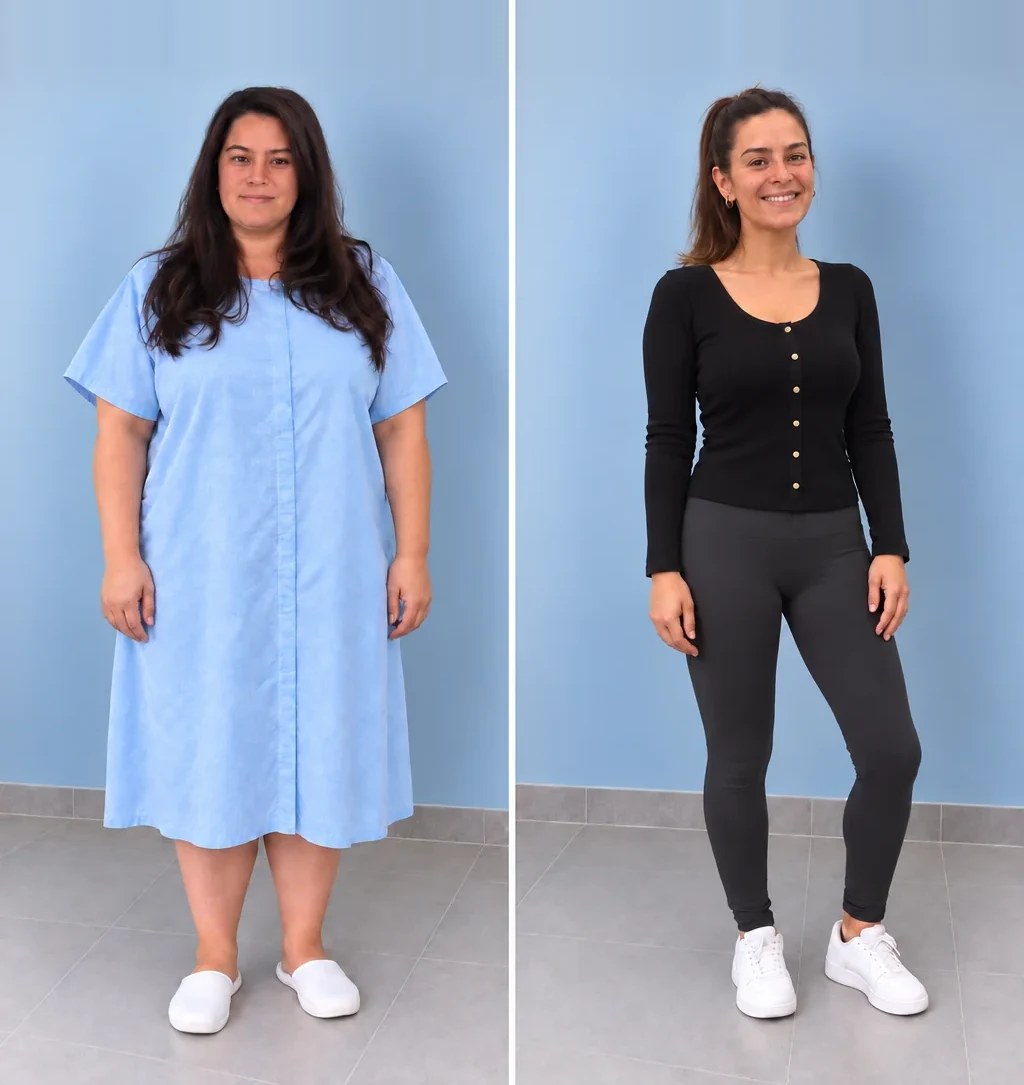 beforeafter
Bariatric surgery
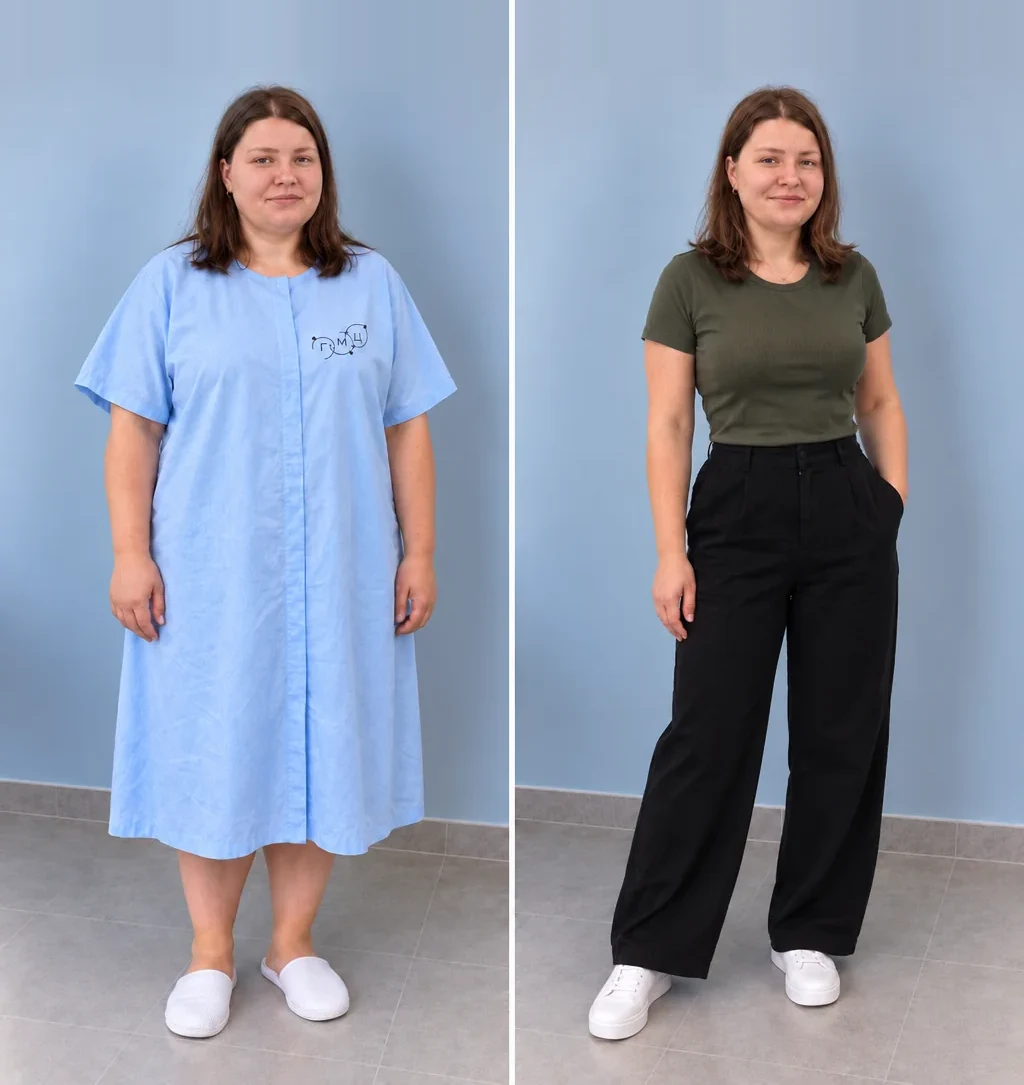 beforeafter
Bariatric surgery
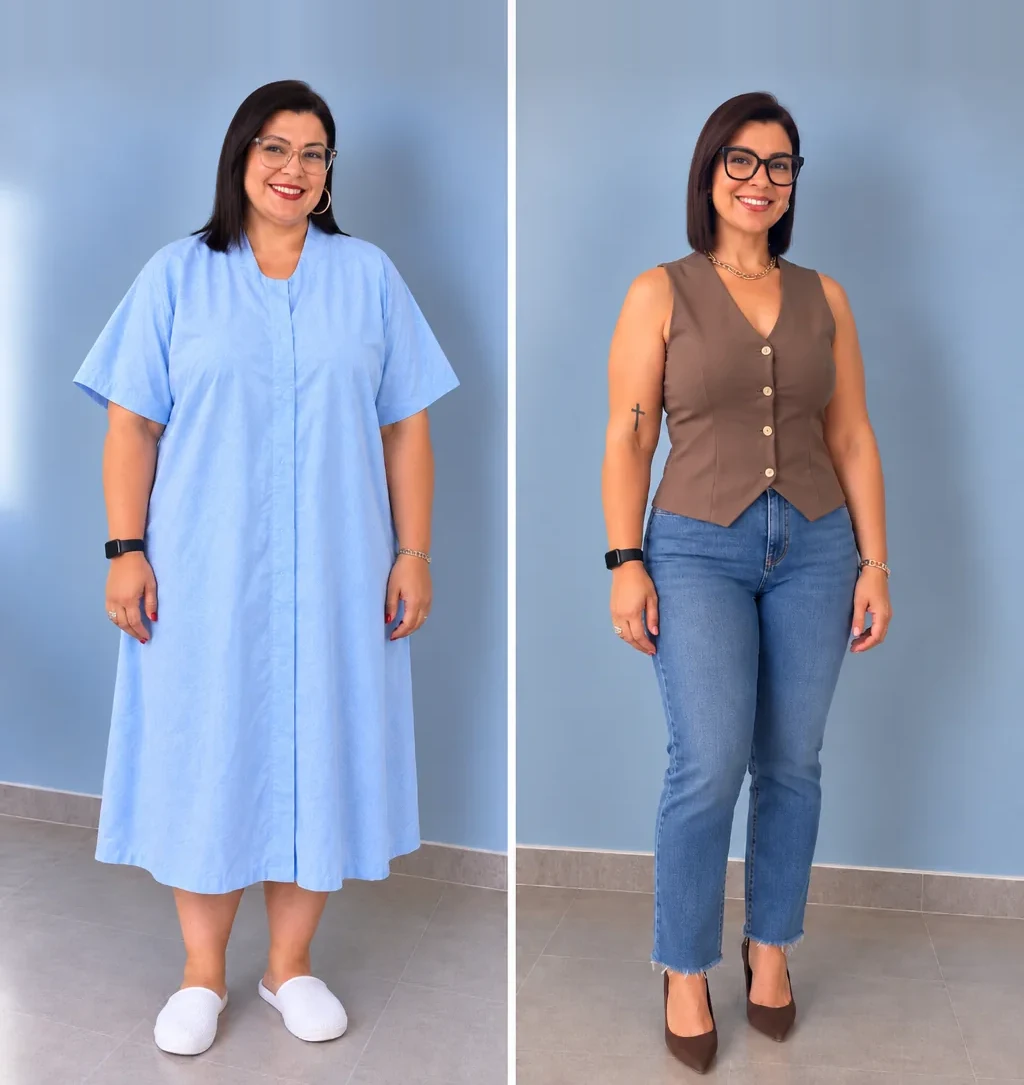 beforeafter
Bariatric surgery
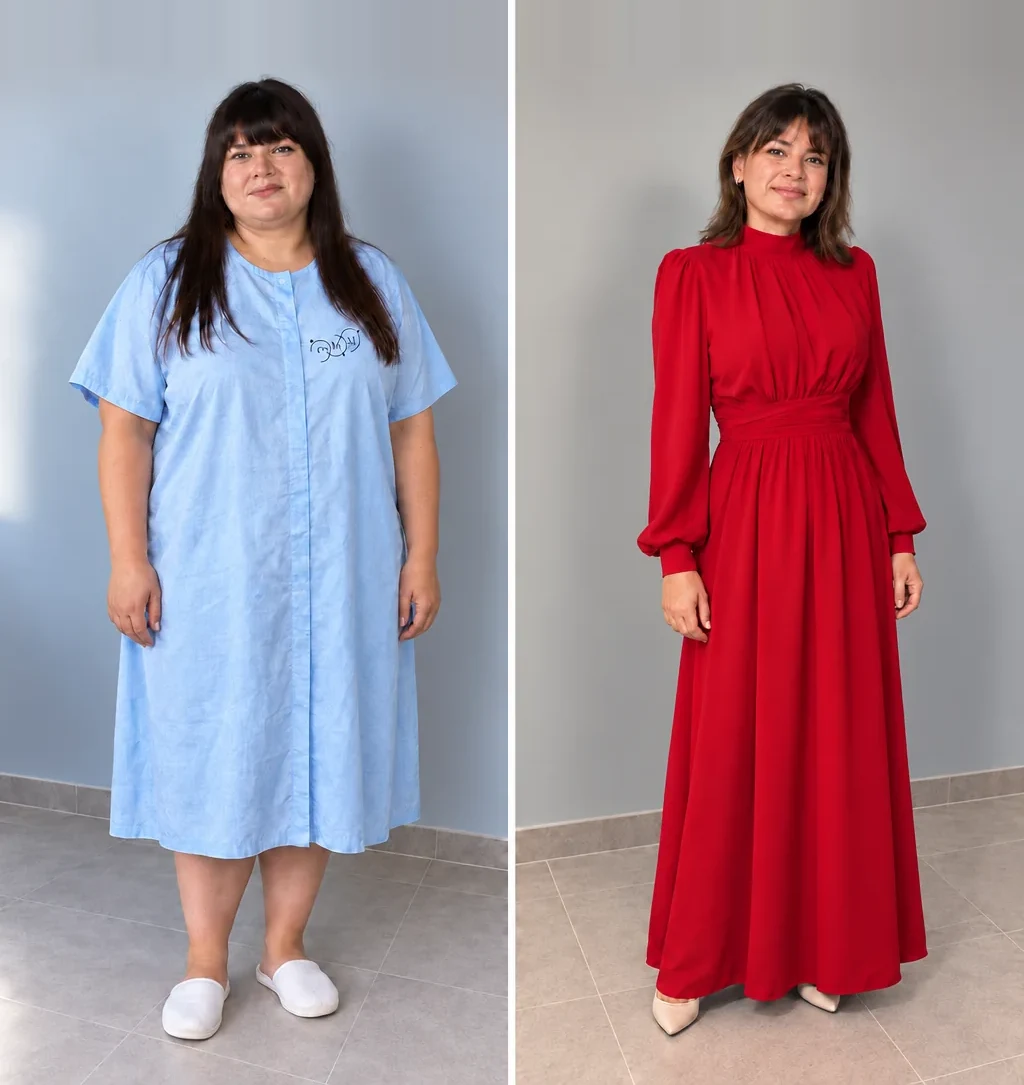 beforeafter
Bariatric surgery
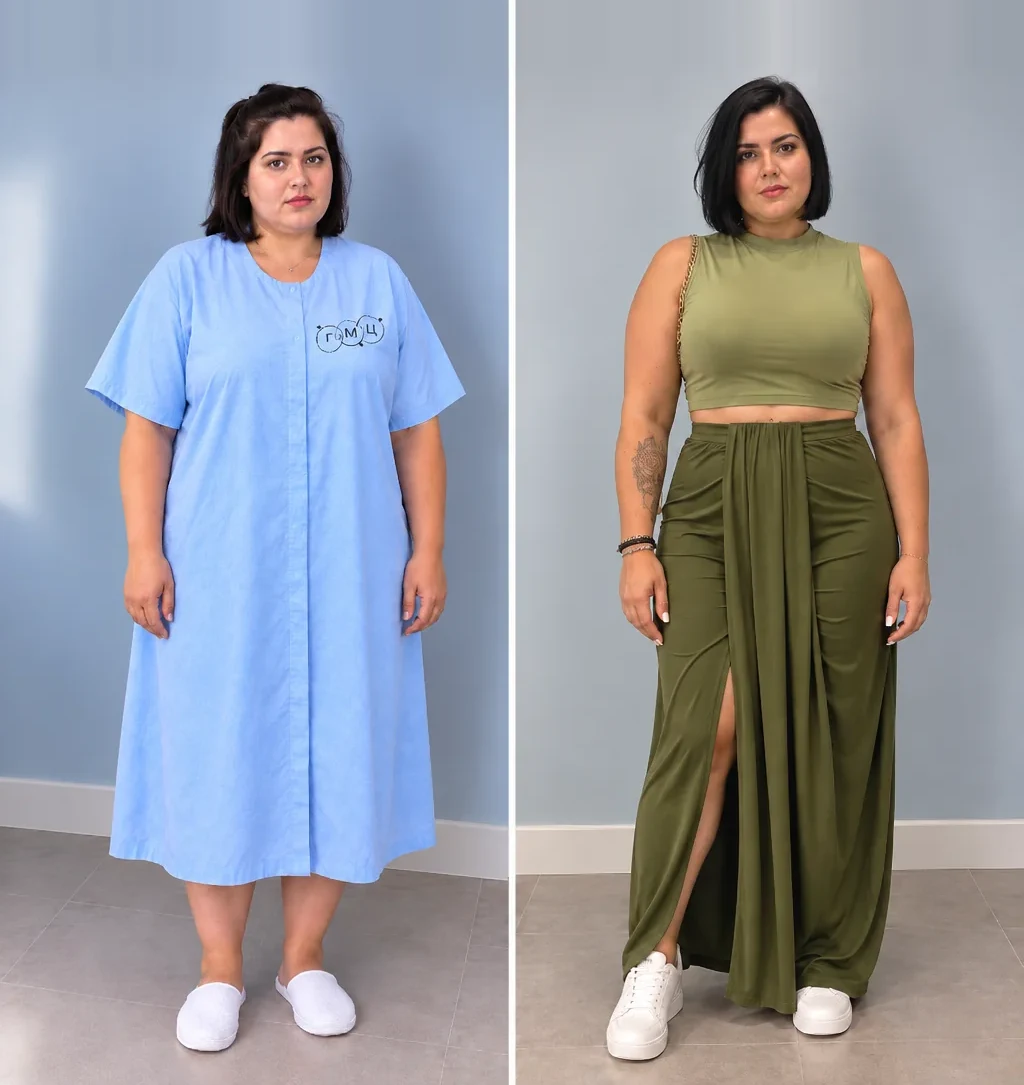 beforeafter
Bariatric surgery
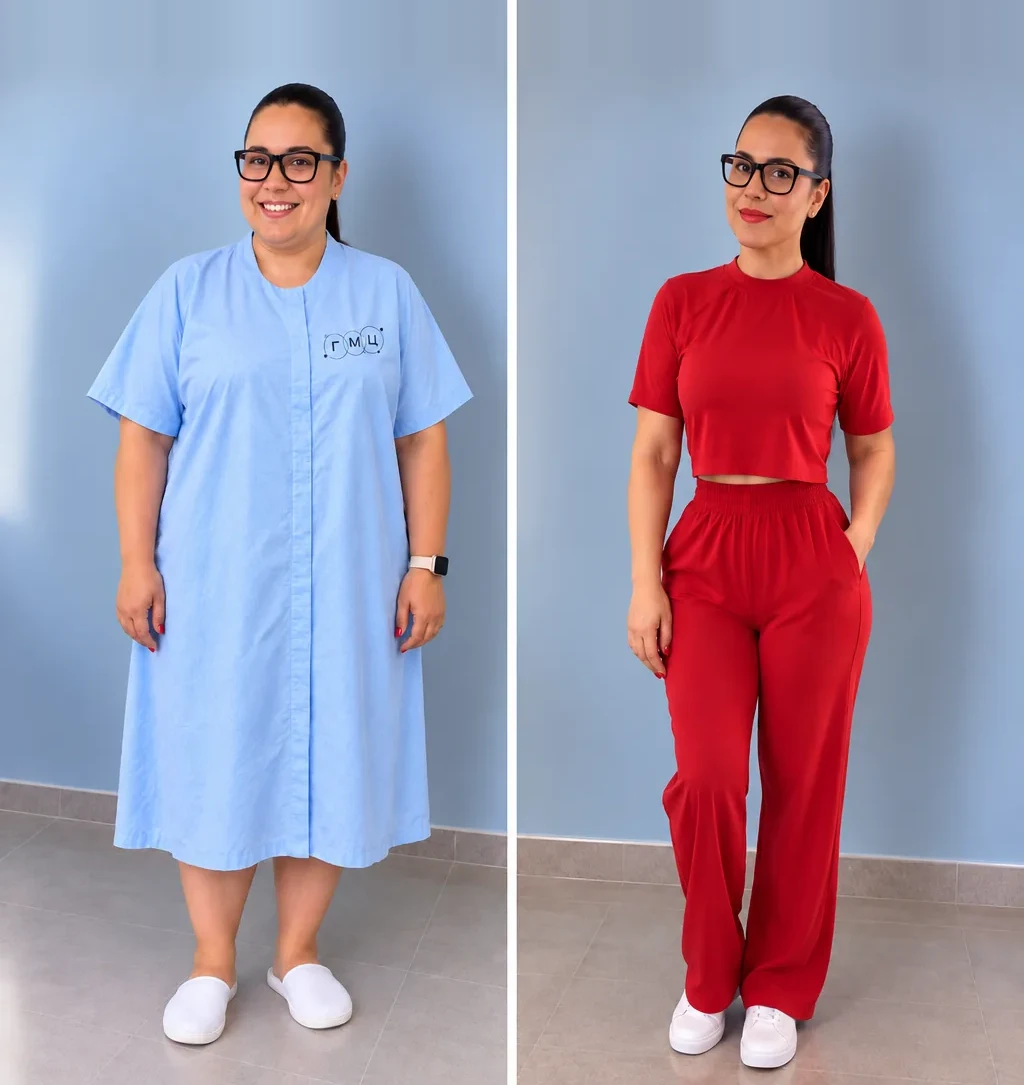 beforeafter
Bariatric surgery
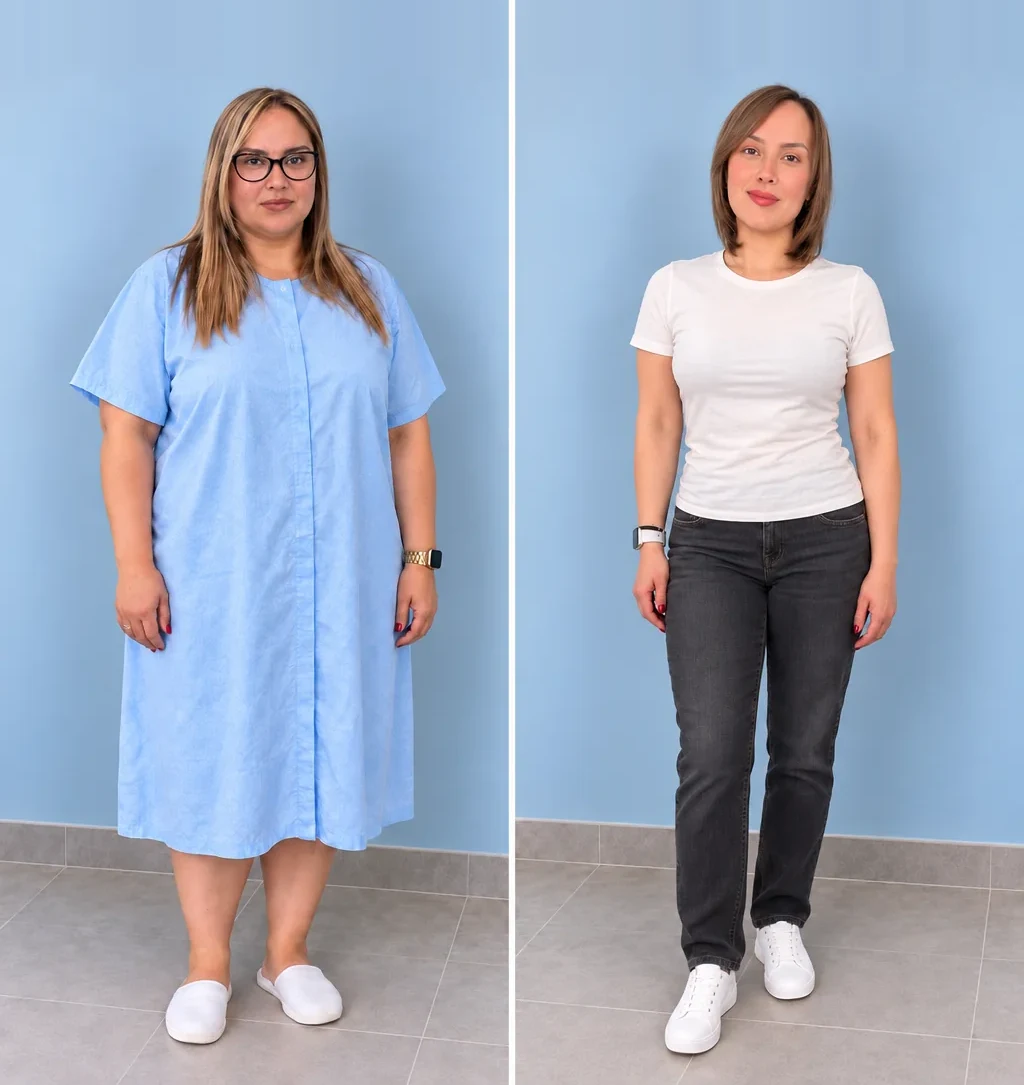 beforeafter
Bariatric surgery
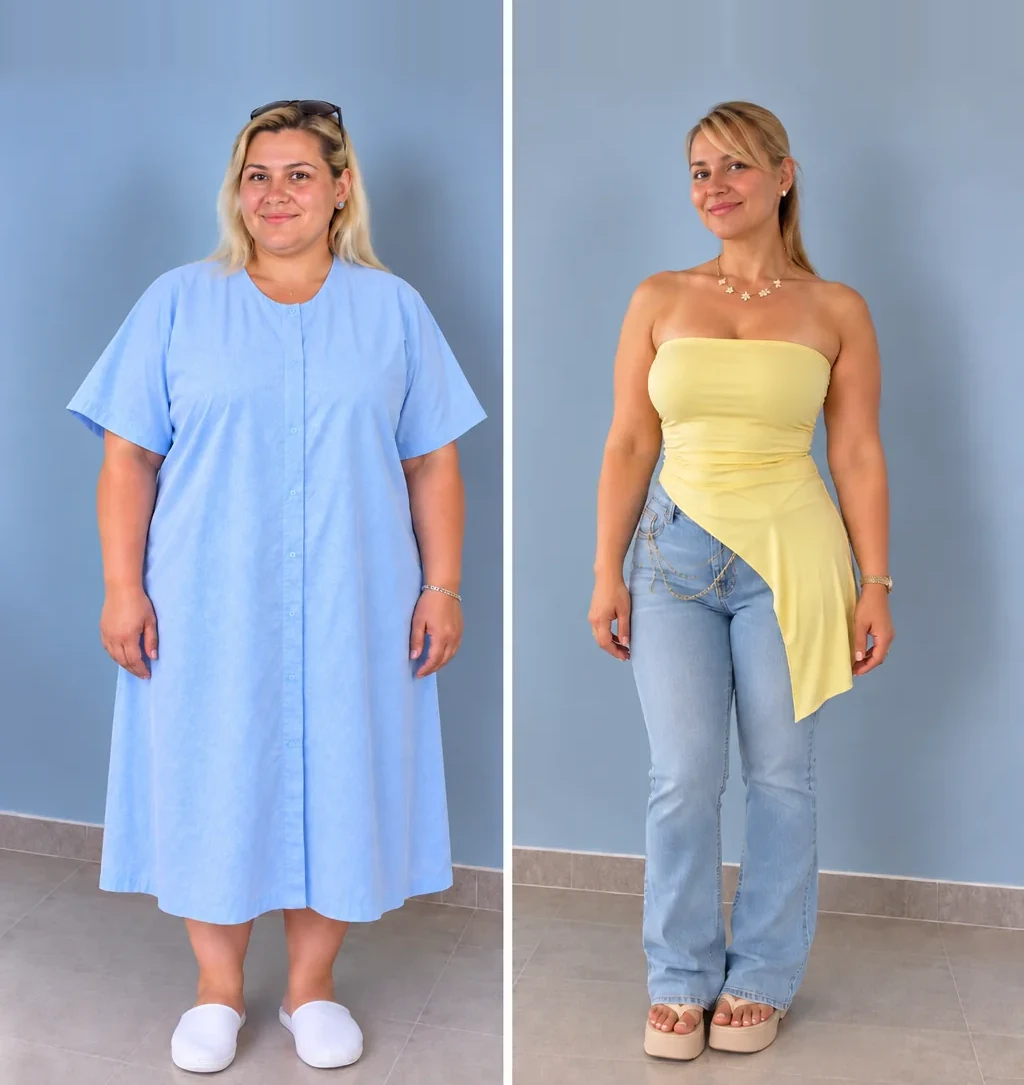 beforeafter
Bariatric surgery
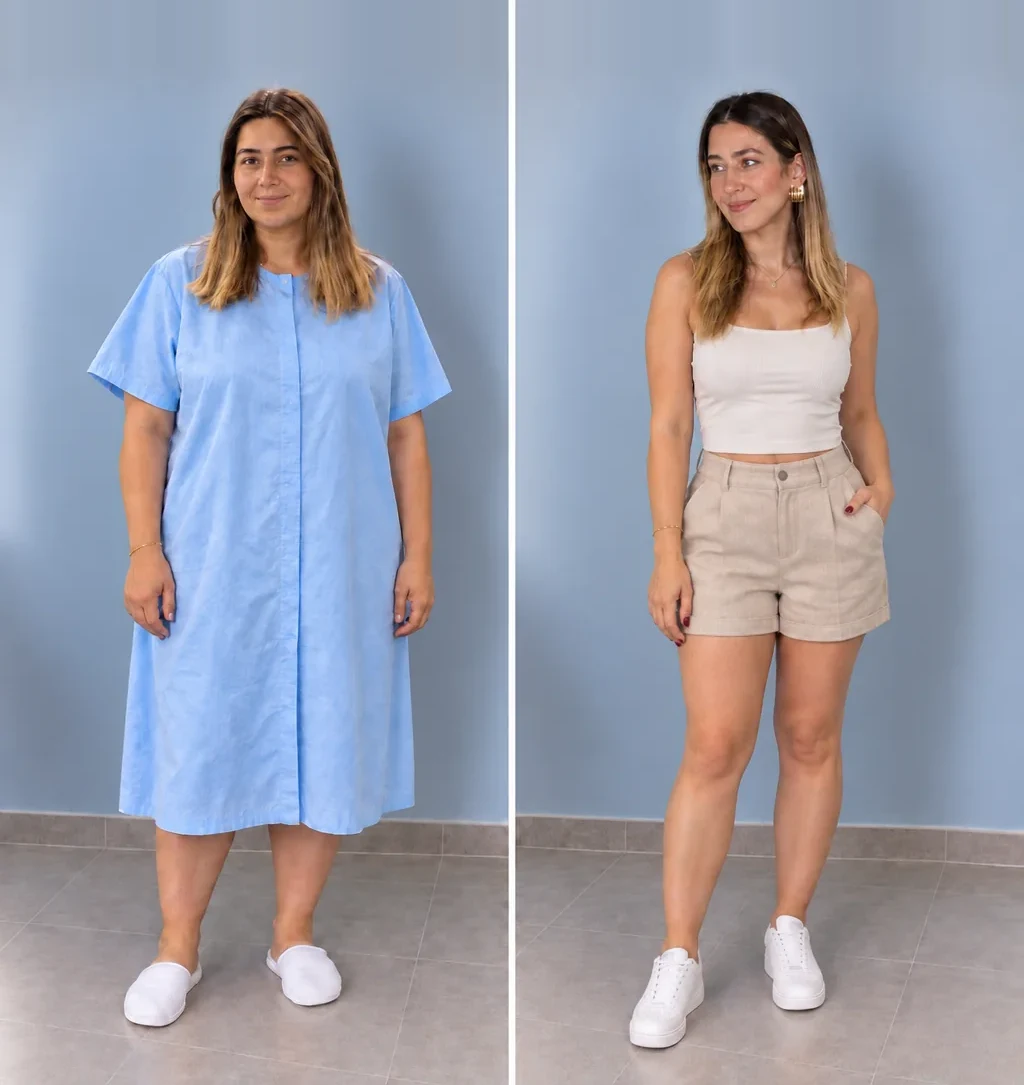 beforeafter
Bariatric surgery
Comparison
There are two main surgeries we offer: the sleeve and the bypass. Learn how they work, why they are done and who they suit, so you can choose your method with confidence.
Making the stomach smaller
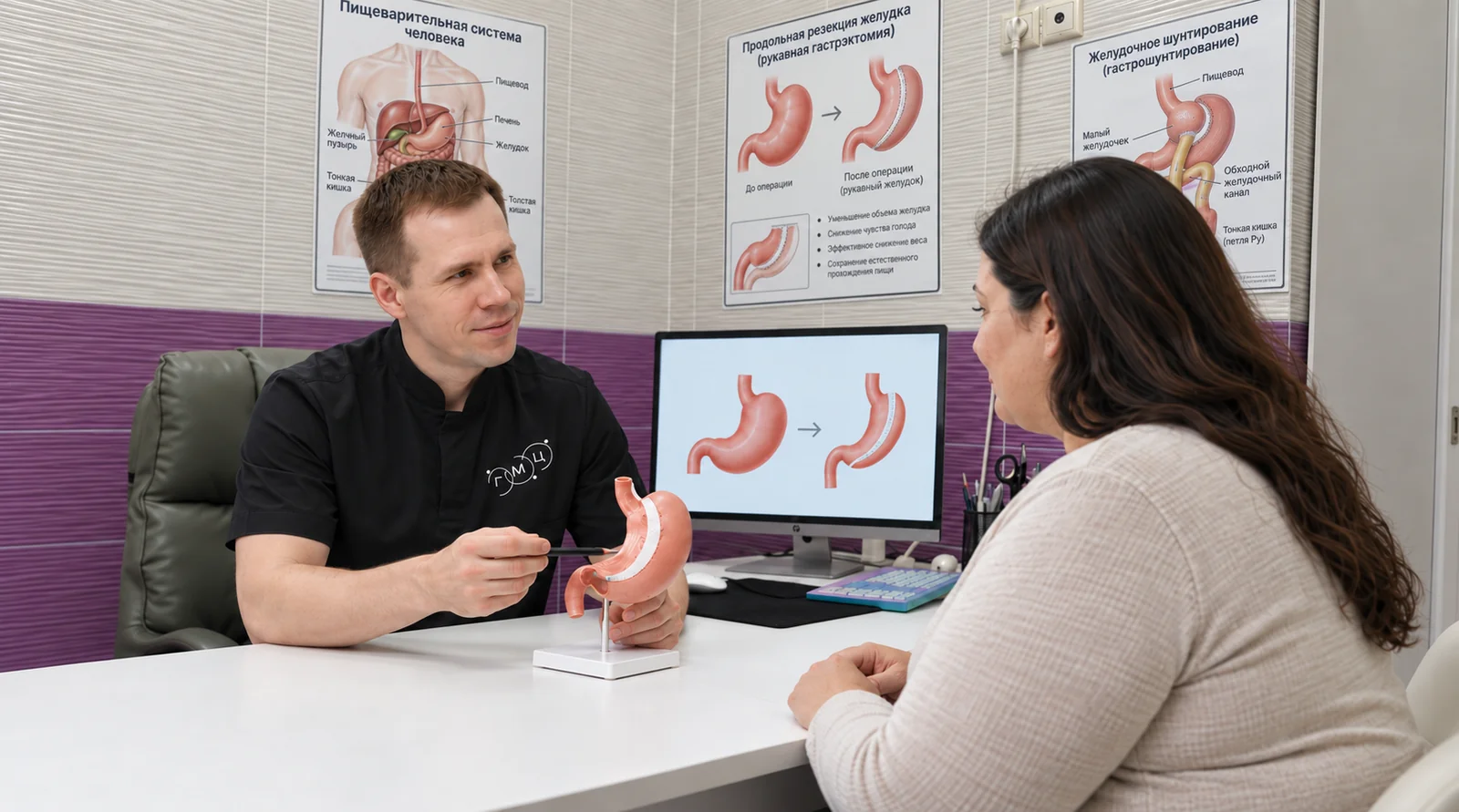
Discounted price
$3,600 $4,800
Stomach volume is reduced and the food path is changed
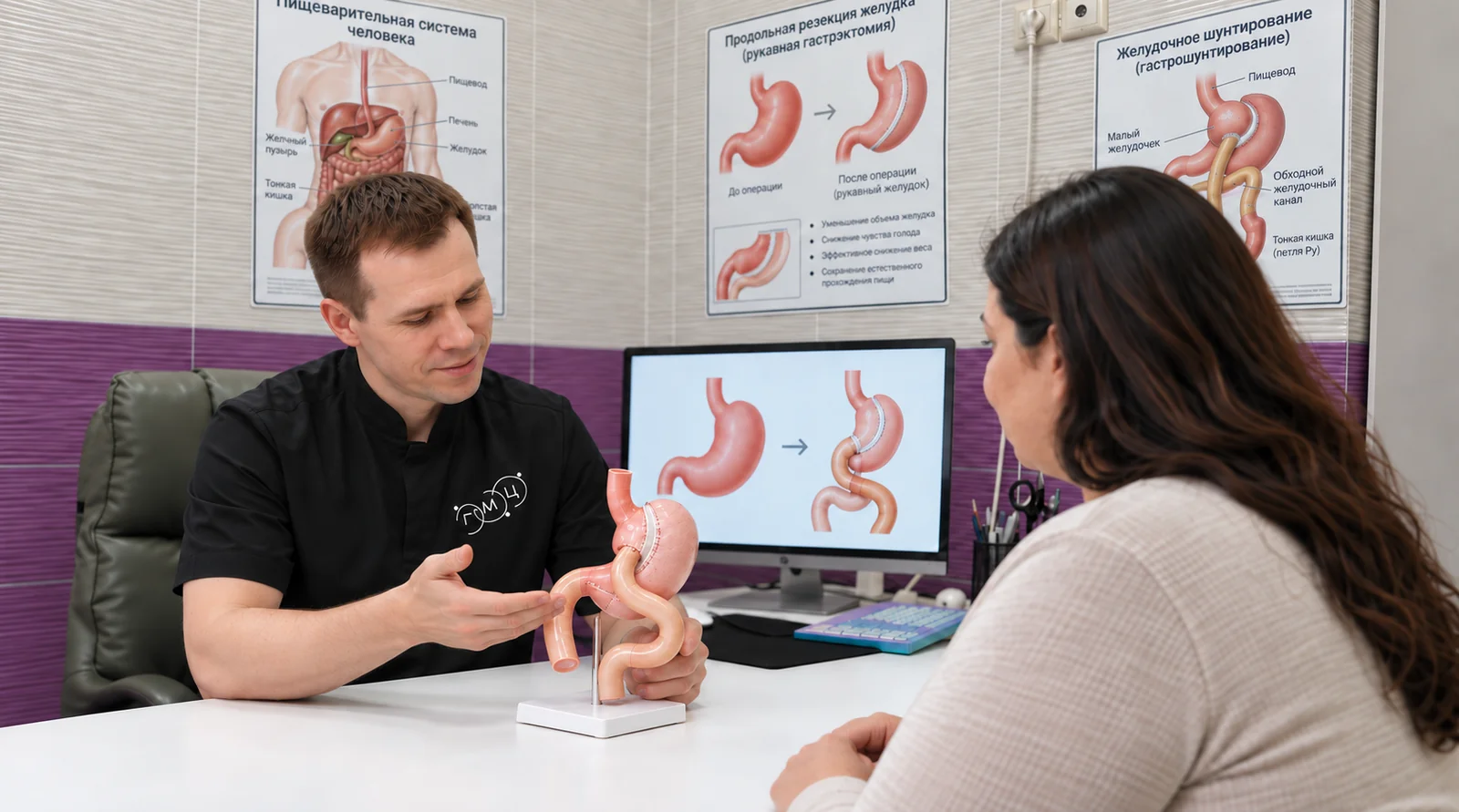
Discounted price
$4,000 $5,200
The benefits and recovery times are method averages meant as a guide; the actual scope of the operation and your recovery depend on your anatomy and individual features. The surgeon confirms them at the consultation.
Book a consultationAbout us
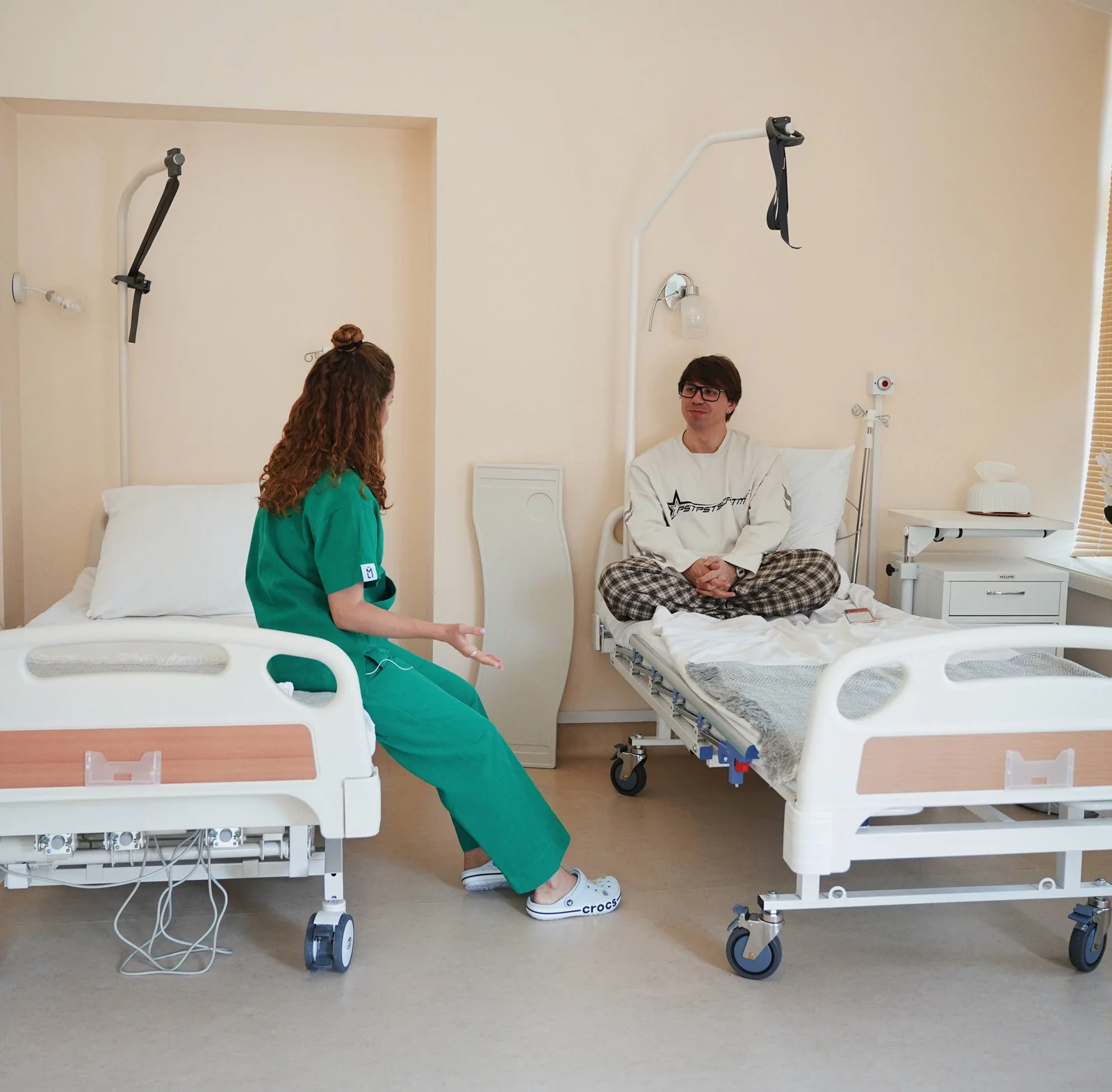
Modern equipment, comfortable rooms and care for every patient
Our team will reply to your questions and help you choose a consultation time
By messaging us, you agree to our Privacy Policy
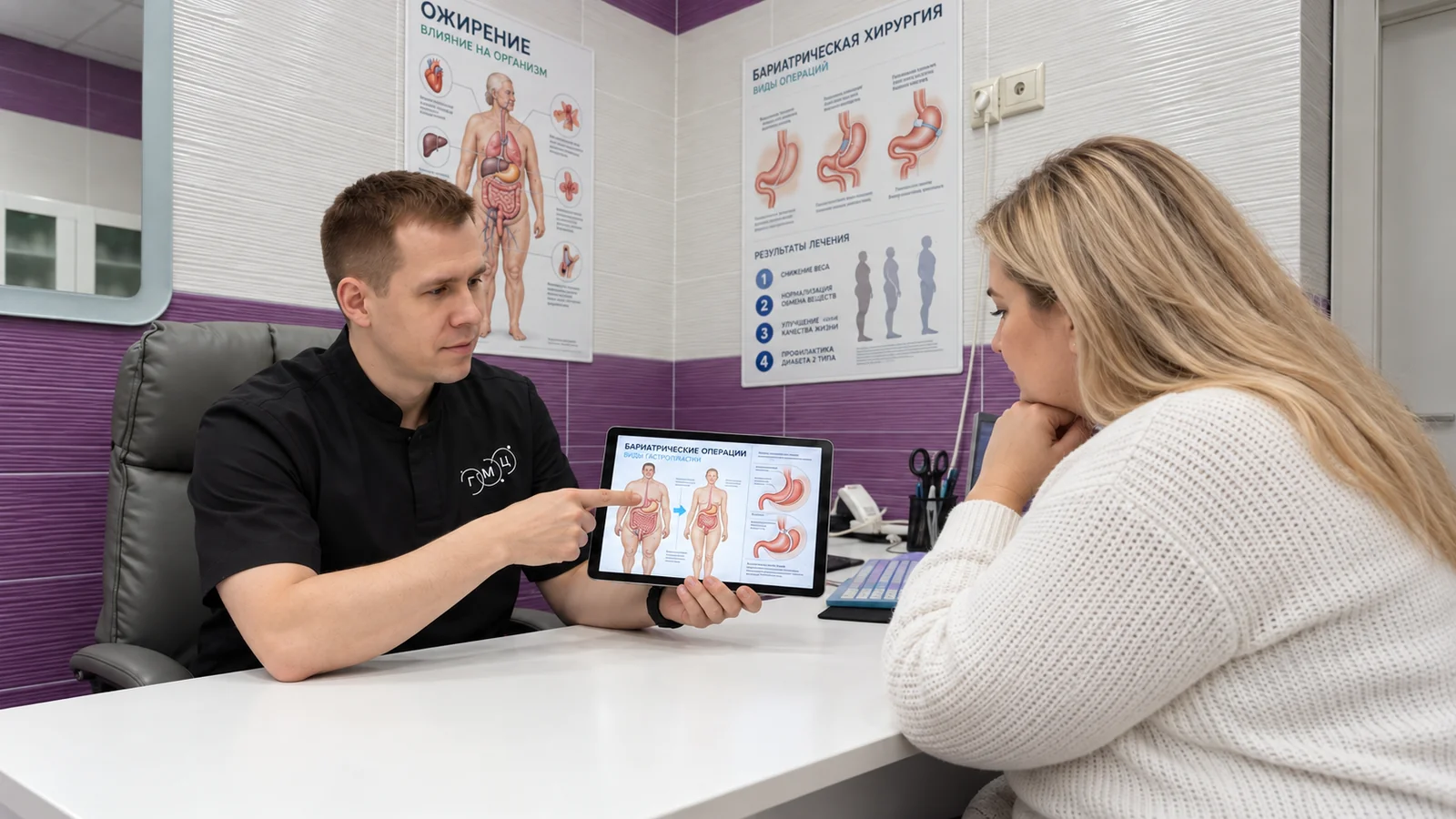
Get a consultationA consultation and check-up come first; then you and the surgeon decide on surgery together.
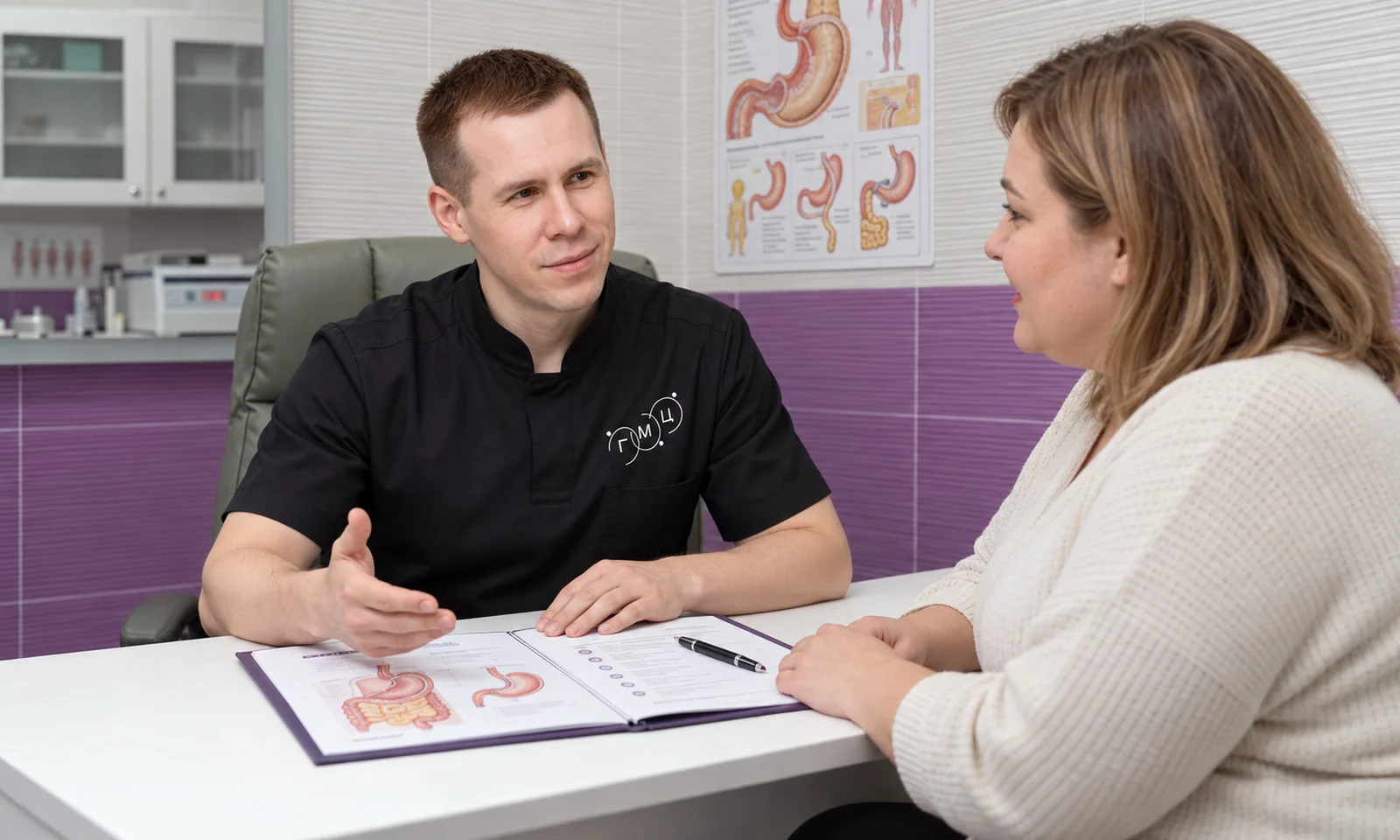
Can't tell which column fits your case?
Drop us a line on Telegram — our coordinator will tell you whether you are a candidate for bariatric surgery. The surgeon consultation is free, with no obligation to have surgery.
Find out if it suits me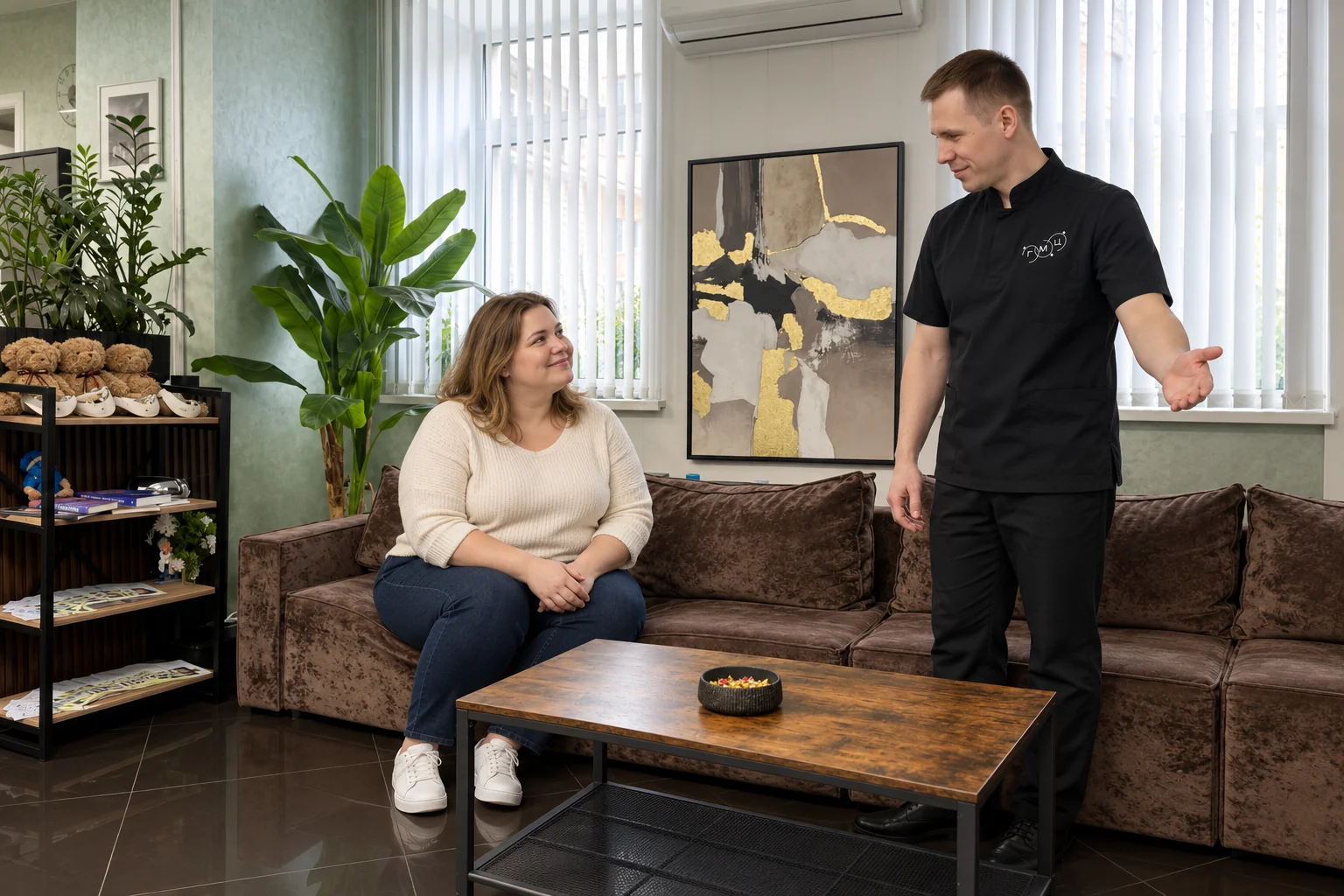
Prices
The cost is named at the consultation once your plan is ready, and it is fixed in the contract.
Discounted price
Making the stomach smaller
$3,600$4,800
Discounted price
Weight loss and rerouting food

$4,000$5,200
Free
A treatment plan after the surgeon's examination

Free
you are told the cost of surgery
and it is fixed in the contract
The doctor looks at your health, talks about your goals and chooses the right method of bariatric surgery. You get the cost at the consultation, fixed in the contract.
Message our coordinator
Free online consultation · Reply within 15 minutes
Message us on TelegramMessage us on WhatsAppBy messaging us, you agree to our Privacy Policy

price
One package spans preparation through 12 months of support, and there are no hidden extras.From getting ready for surgery
to 12 months of support.
Step by step
Hospital monitoring, a treatment plan agreed with you and a year of support.
1The doctor reviews your health and goals and orders the tests required to decide on the right bariatric surgery method.
2We secure a date for your surgery: you can pay the deposit by card at the clinic or by bank transfer online. The terms are fixed in the medical services contract
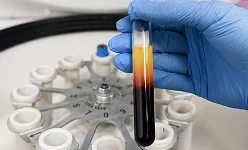 3
You see the specialists and have blood and urine tests, an ECG, an ultrasound and a gastroscopy before surgery. The doctor gives you the precise list at the consultation.
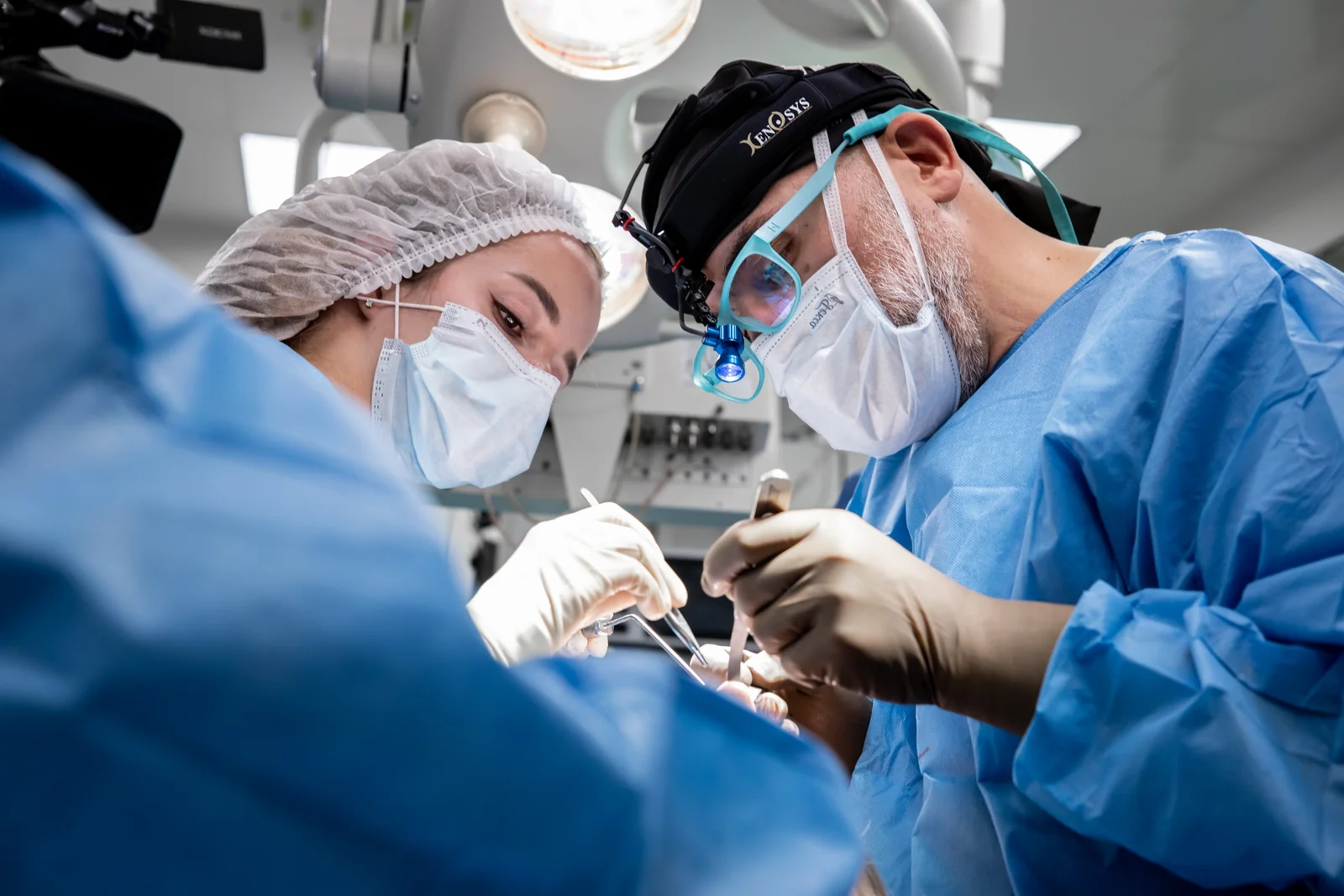 4
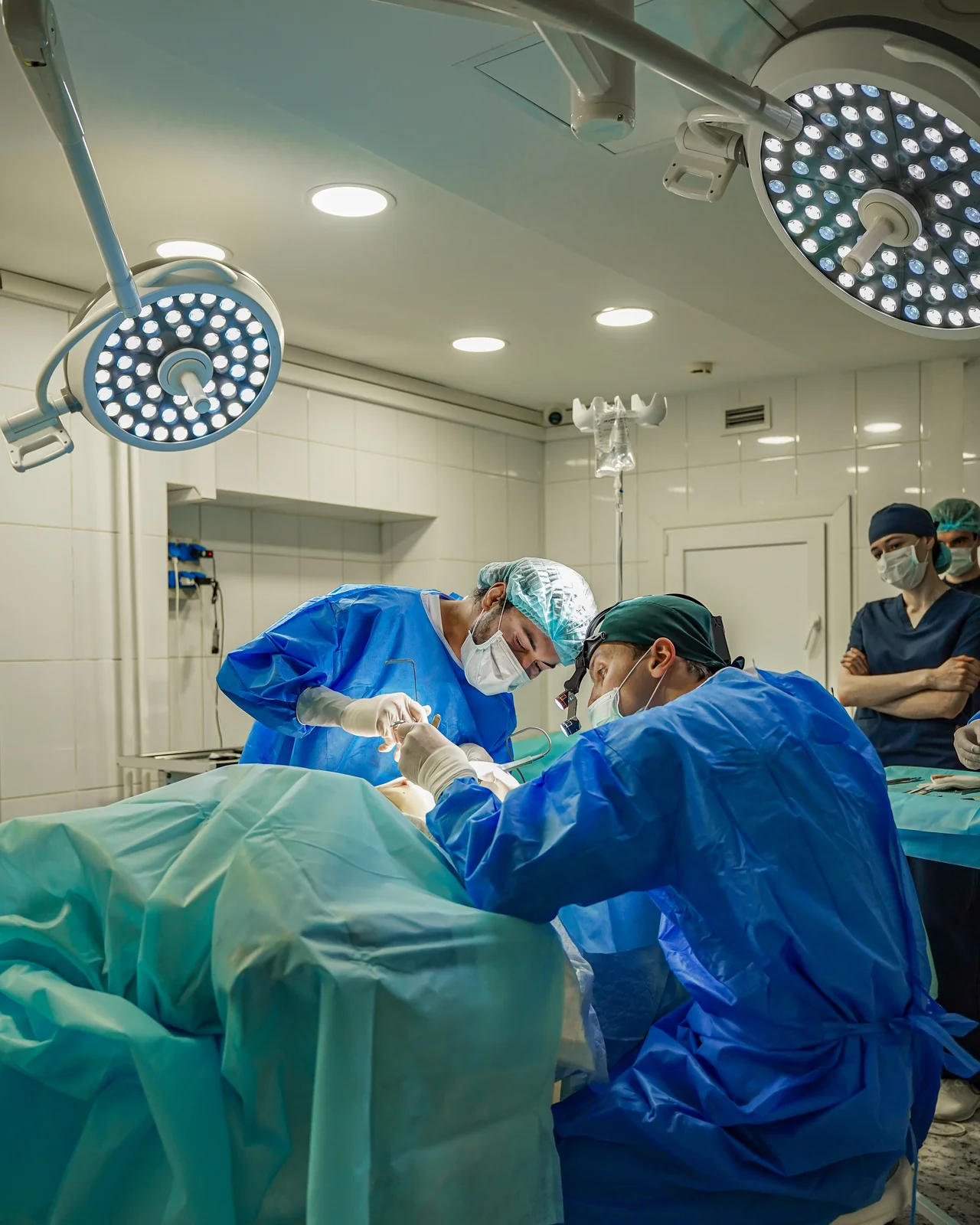
The medical team monitors the patient after the operation, which the surgeon performs under general anaesthesia using the chosen bariatric method.
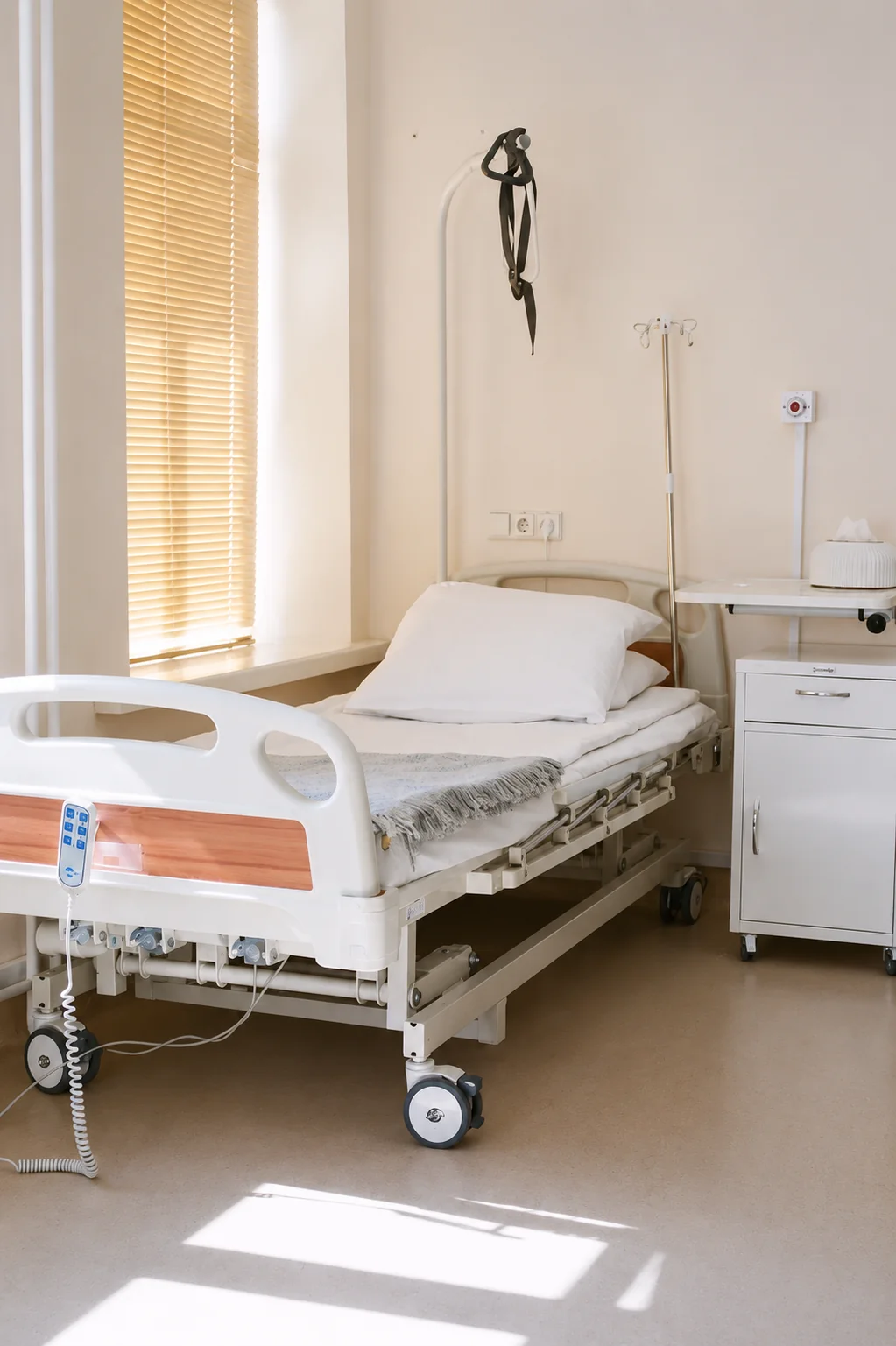 5
Your hospital stay after surgery lasts from 1–3 to 4–5 days under doctors' supervision; the length depends on how complex the operation was and how you feel.
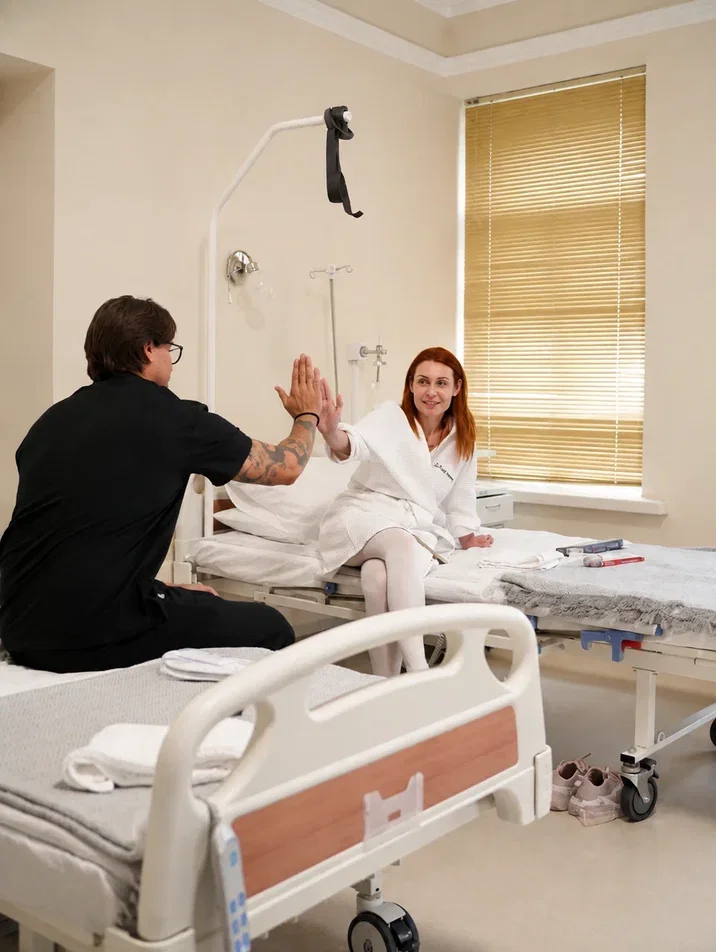 6
After discharge, expect advice on diet and recovery and scheduled check-ups of your well-being, weight and test results. The clinic team supports you for a year.
The doctor puts together a plan at the consultation and explains the course of surgery
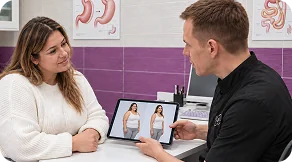
The consultation is free, before surgery and with no obligation.
Book a consultationDoctors
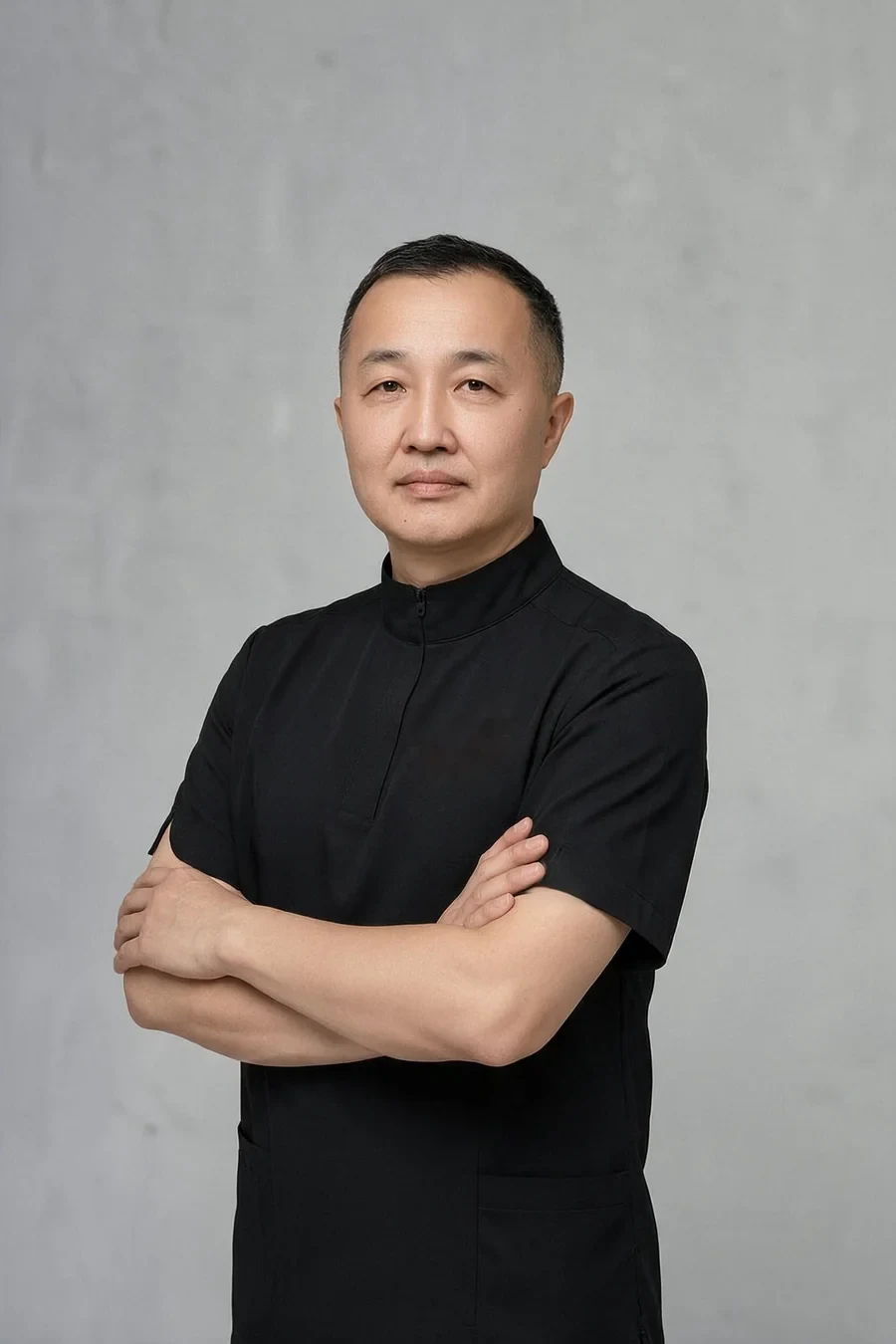
27 years of experience
Chief bariatric surgeon
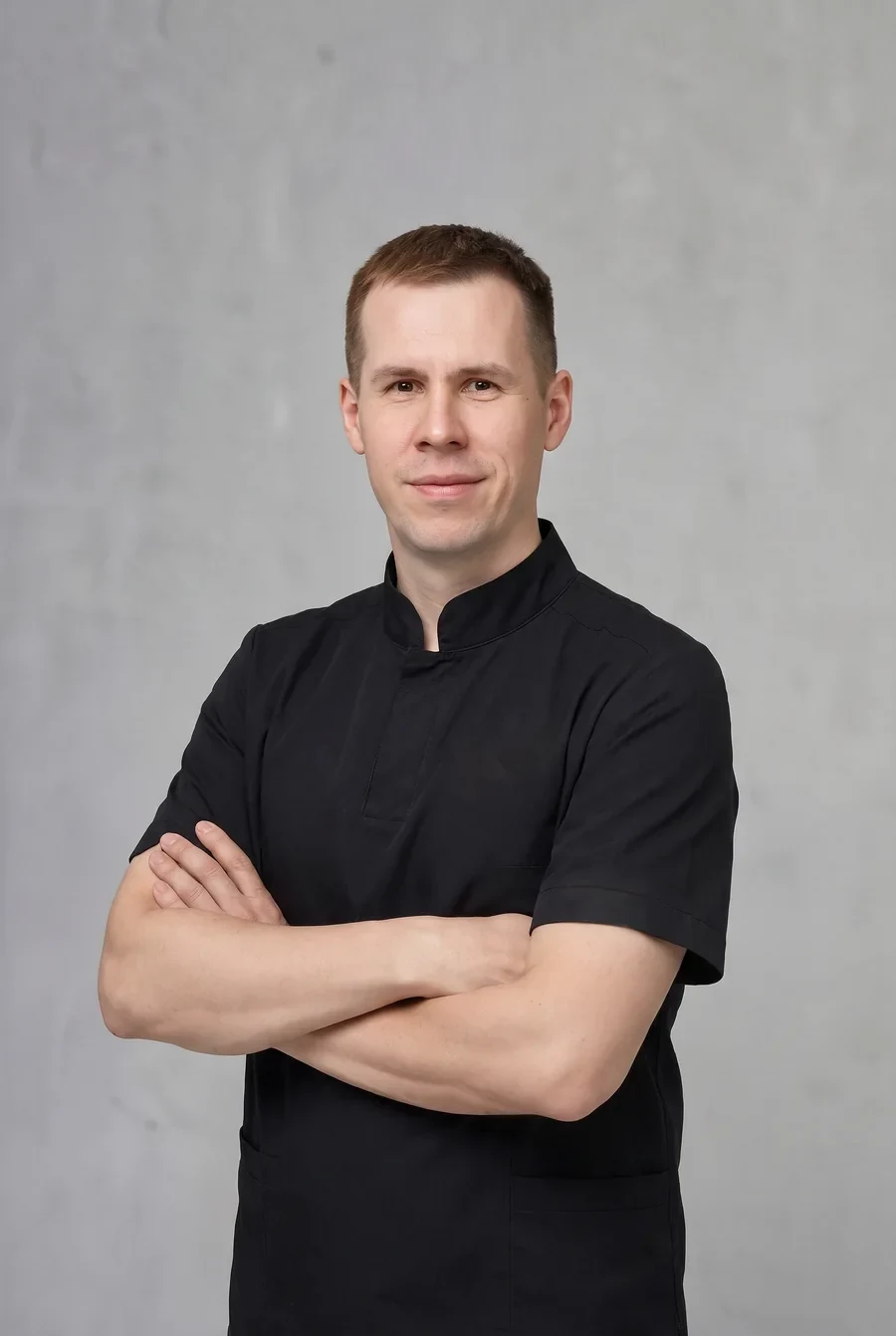
9 years of experience
Bariatric surgeon
Surgical oncologist
Your surgeon does the operation and follows your progress from the first consultation to the result.
You start with a free consultation with our patient care manager, who calculates your BMI, explains the methods and books you in with the surgeon.
Book a consultationCoordinators
Support at every step of the way

The clinic's first contact for you — from your first message until the consultation
Patient support specialist
Answers your questions before the first consultation and helps you choose a convenient date

With you before and during your stay — from booking to discharge
Patient support specialist
Stays in touch during your clinic stay and helps you prepare for surgery

With you throughout your recovery, from discharge to your final check-up
Patient support specialist
Stays in touch through recovery and books every follow-up visit with the surgeon
Advantages
We choose the optimal method for your health, lifestyle and goals, with our team beside you all the way.
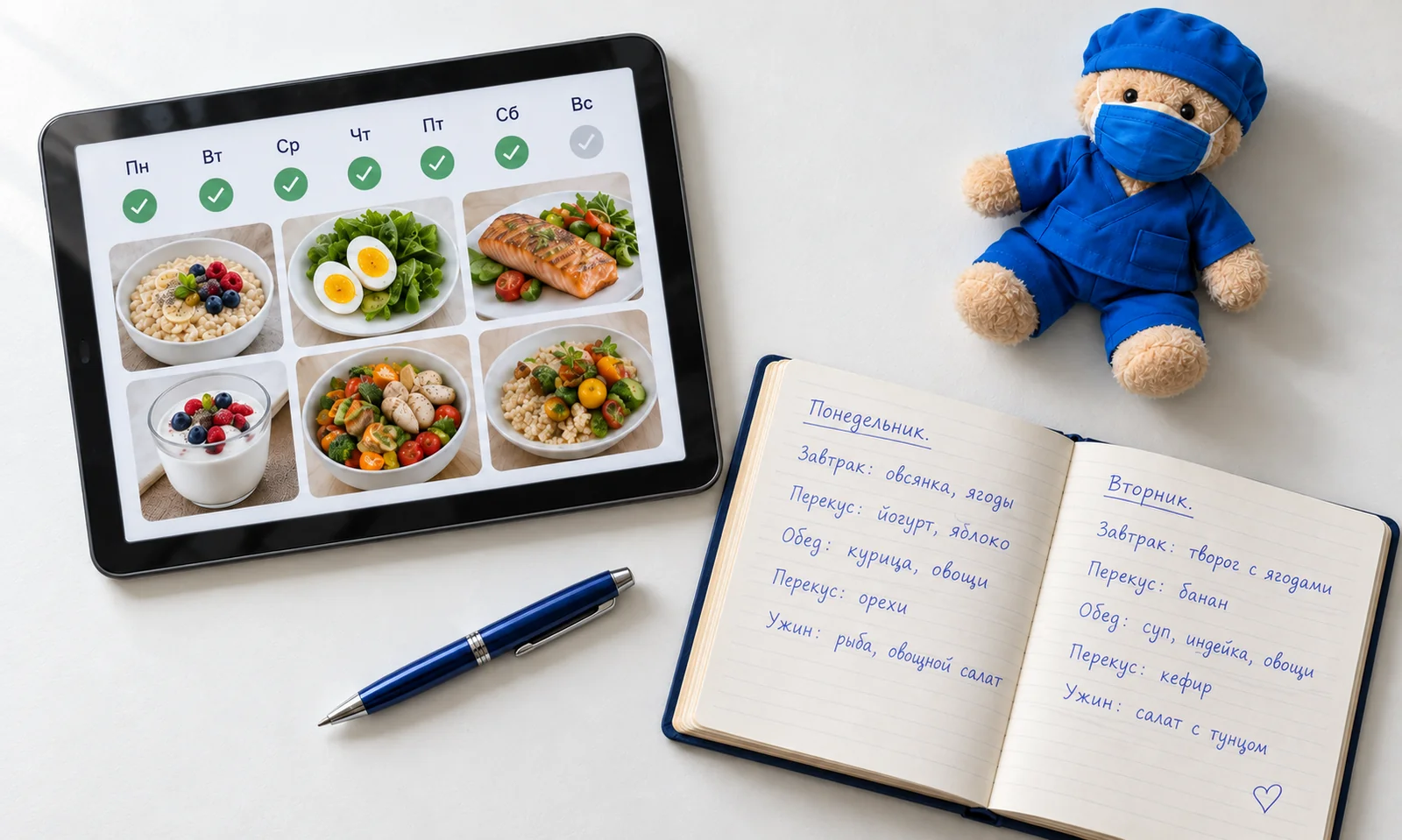
We help you adapt to new eating habits, track your results and keep them.

Steady weight loss, greater well-being and an improved quality of life.

We work 24/7 out of respect for your time, with easy booking and a personal approach — we adapt to your pace.
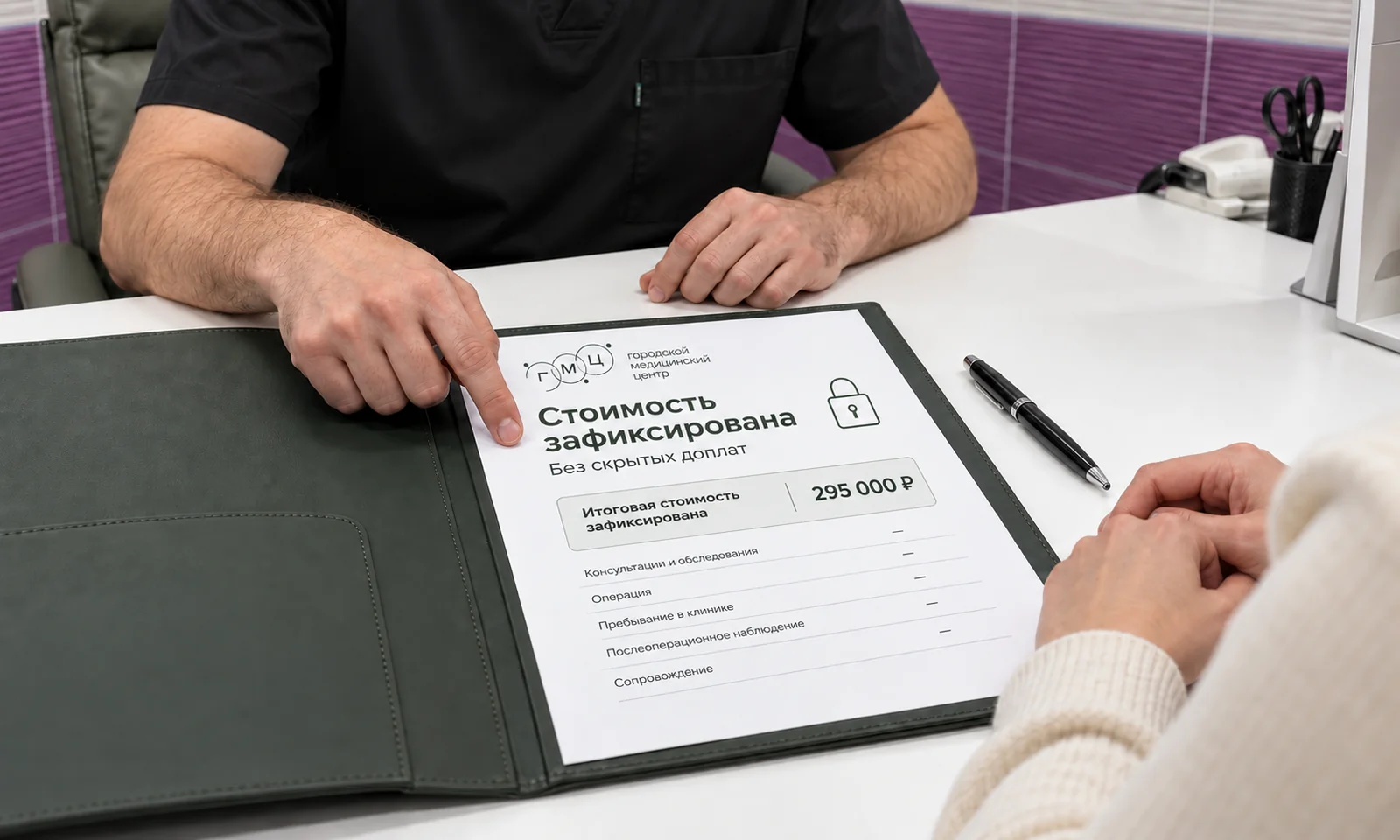
The surgeon decides on the method after the consultation and you get a clear price: no hidden fees, no unexpected costs on the way to your result.
FAQ
Yes, bariatric surgery is the medical term for it. At City Medical Centre the main methods are sleeve gastrectomy (gastric sleeve) and gastric bypass; the surgeon chooses the method by your BMI and health.
Usually a BMI over 40, or over 35 with related health conditions. The surgeon confirms whether surgery suits you at the consultation.
Experienced bariatric surgeons carry out bariatric operations at the clinic:
Get in touch by message: our coordinator will reply shortly and book your consultation. The bariatric surgeon consultation is free.
Surgery is prescribed only when clear criteria are met
BMI is the principal gauge of how advanced obesity is, found by dividing body weight (kg) by height squared (m²). Typically, a BMI above 40 — or above 35 with serious related conditions — justifies surgery. Some patients with lower values are considered for surgery too, if non-surgical options have failed.
Many people confuse the two, but their goals are fundamentally different. Bariatric surgery is a medical treatment for obesity and related diseases. It changes how the digestive tract works, addressing the causes of excess weight and metabolism. Plastic surgery reshapes the body's outer contours; it does not treat obesity or affect metabolism.
City Medical Centre performs four main types of bariatric surgery: sleeve gastrectomy, Roux-en-Y gastric bypass, mini gastric bypass (MGB) and SADI-S duodeno-ileal bypass. Each method is chosen individually based on BMI, related conditions and the patient's goals.
We work with modern laparoscopic technique. The operation needs only 4 small punctures, 5 to 15 mm each. Cosmetic sutures are applied, so healed marks are almost invisible.
Recovery time depends on the activity. Office work: after 2–4 weeks. Physical work: after 1.5 months. Sport and activity: swimming allowed after 30 days, other exercise gradually added as weight goes down. Travel and holidays: plan no sooner than one month after surgery.
Your meals progress in stages: liquid food, soft food, then solid. The stress is on protein and on reducing high-calorie, fatty food.
Pregnancy after bariatric surgery is possible, though doctors recommend waiting at least 12–18 months. In that time the body stabilizes, weight reaches its target and nutritional status returns to normal.
Yes, after bariatric surgery vitamins cannot be skipped. As the digestive anatomy changes, some nutrients are absorbed less well, making regular vitamin and mineral supplements a permanent feature of the patient's life.
Regain after bariatric surgery is possible, but very unlikely if you follow the doctor's advice. Proper nutrition, no high-calorie drinks and regular follow-up visits with City Medical Centre specialists make the difference.
Prices are in US dollars; the amount in brackets is an approximate conversion to GBP at the rate of 02.10.2026. The final price is fixed in your contract.
Prices start from $3,600 (≈ £2,750). The surgeon sets the final price at the free consultation, and it is fixed in the contract, with no hidden extras.
General anaesthesia, a personal coordinator from day one, monitoring in the hospital and support for one year.
The hospital stay is 1–5 days, depending on the method and how you feel. Office work is possible after 2–4 weeks.
Yes. The first consultation is free and does not oblige you to anything. You can start online by sending a message to the coordinator.
Message us on WhatsApp or Telegram using the buttons below. A coordinator will answer your questions and book a free consultation where the doctor names the exact price.
By messaging us, you agree to our Privacy Policy
Your height and weight (to calculate BMI), age, related conditions such as diabetes or high blood pressure, the medicines you take and previous operations. BMI is the main gauge; whether surgery is justified and which method suits you is decided by the surgeon.
Message the coordinator with your preferred dates. The first consultation is free, and you can start it online; the clinic then confirms which dates are open, and only after that is anything booked.
Write to us on WhatsApp or Telegram or leave a request on this page. The coordinator asks for the photos and health details the doctor needs, and the doctor gives you a free assessment and a price.
From 1–3 to 4–5 days in hospital, depending on the operation and how you feel, plus the check-ups the doctor sets.
All bariatric operations here are laparoscopic, performed through four small punctures of 5 to 15 mm with cosmetic sutures, so the marks become almost invisible after healing. This greatly shortens recovery. For those from Preston, the choice between sleeve, classic bypass, mini bypass and SADI-S depends on BMI, related diseases and the result you want to reach.
A personal coordinator is assigned from day one, so no one goes through the process alone. After the first examination, each patient gets an individual diagnostic programme to identify every disorder in the body. Then the surgeon selects the method and performs the laparoscopic operation, and a doctor stays nearby 24/7. That is the sequence for everyone from Preston.
One package covers the full journey, from consultation to final result. There are no separate charges added later: ward, meals, nursing care and coordinator support are included. To find out whether surgery suits you, patients in Preston can book a free surgeon consultation; the doctor reviews BMI, health and weight history and recommends a method.
Well-known people who spoke openly about this operation, in their own words.
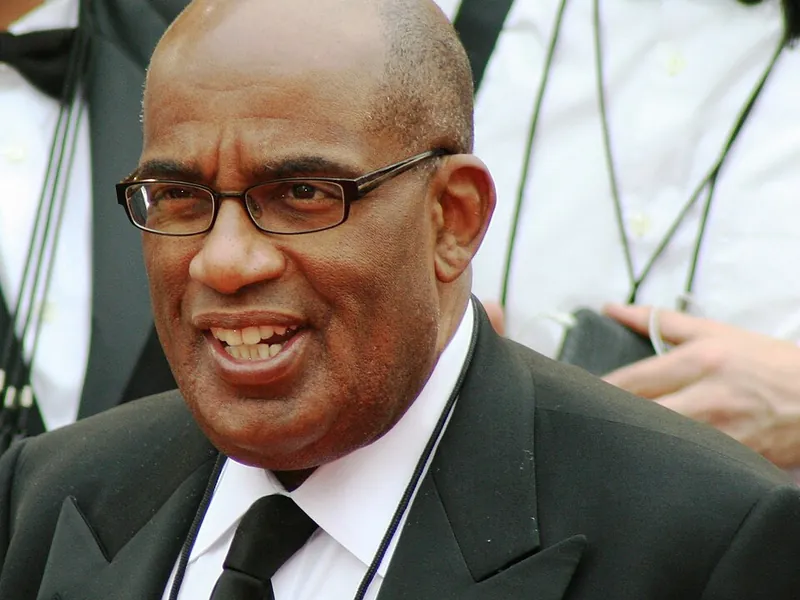 Al Roker and gastric bypass: twenty years of talking about it honestlyAl Roker had gastric bypass surgery in March 2002 and has talked about it for 20 years. His words, how the operation works and what recovery involves.
 Did Billy Gardell have bariatric surgery? Yes — and he says it saved his lifeThe Mike & Molly star had bariatric surgery in 2021 after a diabetes diagnosis. His quotes on the decision, the 100-pound loss and his children.
 Did Graham Elliot have weight-loss surgery? Yes, and he did it for his familyChef Graham Elliot had weight-loss surgery in 2013, saying it was what he needed to do for his family. His words, the operation and recovery.
 Did Mama June have a gastric sleeve? Yes — in her own wordsJune 'Mama June' Shannon had a gastric sleeve in May 2015. Her quotes on the 550-pound start, the regain and starting over.
 Did Randy Jackson have gastric bypass surgery? Yes, and he still talks about maintaining itRandy Jackson had gastric bypass surgery in 2003 and lost 114 pounds. His own words, how the operation works today and what recovery involves.
 Remi Bader and her weight-loss surgery: what she actually saidRemi Bader said in 2023 she had weight-loss surgery removing 80% of her stomach and lost 140 lbs. What she said, how the operation works, and recovery.
What patients write after this operation. Reviews are translated from the original language.
Irina, 26
For a long time I doubted whether to go ahead with surgery, but after the consultation I felt much calmer. Andrey Georgievich explained in detail how gastric bypass is done, what to expect after the operation and how recovery would go. I especially liked that they talked to me calmly and without pressure. I am now gradually getting used to my new way of life and I am very glad I took this step.
Bariatric surgery
Doctor: Andrey G. Ugay
Angelina, 22
For me the hardest part was deciding to have the operation. At the consultation Ruslan Sergeyevich answered all my questions in detail and explained the specifics of sleeve gastrectomy and recovery. After the operation I always understood what I was doing and why. Thank you to the doctor and the whole team for their attentiveness.
Bariatric surgery
Doctor: Ruslan S. Menzulin
Anna, 31
For a very long time I tried to deal with my excess weight on my own, but I did not get the result I wanted. After the consultation with Andrey Georgievich I finally understood what to do next. I came through the operation well, and my recovery was supervised by the doctors. It was important for me to feel that I was not left alone after surgery.
Bariatric surgery
Doctor: Andrey G. Ugay
Veronika, 25
Before the operation I had many fears, mostly of the unknown. Ruslan Sergeyevich explained every stage of treatment in detail and answered even the simplest questions. Thanks to that I felt much more confident. I keep following the recommendations and I am gradually seeing the changes I had the operation for.
Bariatric surgery
Doctor: Ruslan S. Menzulin
Valentina, 23
The decision to have bariatric surgery was not easy for me. I worried both about the operation itself and about how my life would change afterwards. At the consultation Andrey Georgievich explained everything in detail, so little by little my fear turned into confidence. What matters most to me now is the result and the chance to treat my health and lifestyle differently.
Bariatric surgery
Doctor: Andrey G. Ugay
Anna, 27
I am very grateful to Ruslan Sergeyevich for his attentiveness. Before the operation I had a huge number of questions, and I got a clear answer to every one of them. After the operation it was also clear which recommendations to follow and how to eat. It was important to me that the doctor stayed in touch and I felt supported at every stage.
Bariatric surgery
Doctor: Ruslan S. Menzulin
Page medically reviewed by Andrey G. Ugay, lead bariatric surgeon. Review date: .
Weight is measured every year in England, and the numbers are blunt. The Health Survey for England 2022, published by NHS Digital, found that 29% of adults were living with obesity. Taking overweight and obesity together, the figure rose to 64%. Those are national averages, and they hide a wide spread between regions. Age-standardised obesity ranged from 39% in the North East to 21% in London. For overweight and obesity combined, the range ran from 72% in Yorkshire and the Humber down to 59% in London. Preston belongs to North West England, so the surrounding region sits within this northern part of the spectrum rather than at the London end. The survey extract we rely on does not give a separate North West figure, so we do not quote one.
Preston is also a sizeable place in its own right. The city had 147,835 residents at the 2021 census. The wider City of Preston district was put at 156,411 in 2023, and the Preston Built-up Area at 313,322. As the administrative centre of Lancashire, it draws people from a much larger area. The labour-market zone around it was counted at 420,661 people in 2011. For a medical editor, the point is simple: a city of this size, in a region where excess weight is common, has many adults weighing up options for long-term weight management.
Bariatric surgery, or weight loss surgery, is the medical term for operations that change how the digestive tract works in order to treat obesity and the illnesses linked to it. It is a treatment, not a cosmetic procedure. Our coordinators speak with people from many parts of Lancashire, and the first question is usually not "which operation?" but "does this apply to me at all?" That question is answered in the free online consultation, which carries no obligation to proceed.
The consultation starts with your BMI. You get it by dividing body weight in kilograms by height in metres squared. Surgery is generally considered at a BMI above 40, or above 35 when serious related conditions are present. Sometimes it is considered at lower values when non-surgical methods have not worked. The operating team confirms all of this at the consultation. A figure on its own never decides anything.
The NHS publishes clear guidance on who may be offered weight loss surgery. It may be offered if your BMI is 40 or more. It may also be offered if your BMI is between 35 and 40 and you have a condition that might improve with weight loss, such as high blood pressure, diabetes or arthritis. In both cases you must agree to lifestyle changes and long-term check-ups. A lower BMI may be considered for some ethnic backgrounds. The NHS also states that availability varies across areas of the UK, so what is offered in one part of the country may not match another.
It helps to keep two ideas apart. The NHS says cosmetic surgery is not routinely provided and that most people who want it need to pay privately. It may fund some procedures for psychological or other health reasons, for example a nose operation for breathing problems. Bariatric surgery is a different category. It is a medical treatment of obesity and related illness, and it follows the criteria above, not the cosmetic rules. A procedure that reshapes the outer contours of the body, such as plastic surgery, neither treats obesity nor affects metabolism. A bariatric operation changes how the digestive tract functions.
Waiting is the other practical factor. NHS England's statistical notice of 10 September 2026 reported 7.3 million pathways waiting to start treatment at the end of July 2026. That is around 6.2 million individual patients, and 111,379 of those pathways had waited more than 52 weeks. These figures cover all specialties and say nothing specific about bariatric care in Lancashire. They do show why some adults who meet the criteria look at a parallel option with a defined plan and dates.
An online consultation does not replace your GP or any NHS follow-up. It gives you a second assessment, a named method and a fixed written plan, which you can compare with whatever route you are already on. Several things are worth gathering before you message us:
- your current height and weight, so the BMI can be calculated
- a list of related conditions, such as high blood pressure, type 2 diabetes, sleep apnea or joint disease
- the weight-loss approaches you have already tried
- any recent test results you hold
None of these is a precondition for the first conversation. They simply make the doctor's assessment faster and more specific.
Surgery is not right for everyone. The contraindications are age under 18, malignant tumors, pregnancy, blood clotting disorders, severe chronic and mental illness, acute illness or flare-ups of chronic disease, and less than six months since breastfeeding ended. If one of these applies to you, say so at the start. A short, honest conversation saves everyone time.
Climate does not change which operation suits you. It does influence how a recovery plan fits into ordinary weeks, and Preston's recorded weather is quite specific. At Preston Moor Park (33 m above sea level), the 1971–2000 averages show an annual mean maximum of 13.0 °C and a mean minimum of 6.4 °C. July is the warmest month, with a mean maximum of 19.8 °C and minimum of 12.2 °C. August follows closely at 19.5 °C. January is the coldest, with a maximum of 6.9 °C and a minimum of 1.7 °C.
Rain is the larger planning factor. Annual rainfall comes to just under 1,000 mm (997.99 mm), and more than 1 mm falls on about 150 days of the year. October (113.78 mm), November (103.86 mm) and December (112.02 mm) are the wettest months, and April (52.08 mm) is the driest. Snow is modest, around 9 days a year, with 2 each in December, January and February.
Here is how that weather data can be turned into a practical plan. Planning is not the same as prediction, so treat these as suggestions to discuss with your coordinator:
- **Early recovery.** The stay under observation lasts from 1 to 5 days, depending on the complexity of the case and how you feel. Office work is usually possible after 2–4 weeks, and physical work after about 1.5 months. If your operation date falls in the wet autumn months, short indoor walking routines at home are easier to keep up than outdoor ones.
- **Swimming.** Swimming is fine after 30 days. Other exercise is added gradually as weight drops. Pool sessions are weather-proof, which is useful in a region with about 150 rainy days a year.
- **Longer outdoor activity.** Preston has a large outdoor sports site, the 64-acre UCLan Sports Arena, run by the University of Lancashire. The university, formerly known as UCLan, had over 33,000 students in 2006. Larger open-air activity can be reintroduced as your doctor allows, and the drier spring and the mild summer months fit well with the later phase.
- **Cold spells.** With January maxima of 6.9 °C, short days and occasional snow, it makes sense to keep a low-impact indoor routine ready for the weeks when going out is unappealing.
The city's geography also offers gentle walking options. Preston lies on the north bank of the River Ribble, which forms its southern border. The Ribble Link navigation and the closed Preston Dock (closed 1981) connect to the Lancaster Canal. We do not claim these are anyone's favourite walks. They are simply water-side areas on the map where flat, low-impact movement may be possible once your doctor has cleared you for it.
Diet is where the long-term outcome is built. Our own medical guidance describes it in stages. Food moves from liquid to soft to solid. The main focus is protein, and high-calorie, fatty food is restricted. High-calorie drinks matter too, because they are an easy way to take in energy without feeling full. Weight regain after bariatric surgery is possible, but it is very unlikely if you follow the doctor's advice. Proper eating, avoiding high-calorie drinks and regular follow-up are the key factors.
We do not have sourced facts about Preston's traditional dishes or the local eating habits, so we will not invent any. What we can do is describe how the work is done in practice. At the consultation you describe an ordinary day: when you eat, what you cook at home, what you grab when you are busy, and what you drink. The coordinator and doctor then turn the general stages into a plan that fits your own routine. A shift worker and a retired person need different timetables, even though the stages are the same.
Vitamins deserve a separate mention. Because digestive anatomy changes, the body absorbs certain nutrients less well. Regular vitamin and mineral supplements therefore become a lasting part of the patient's life. This is routine and should not be seen as a sign that something has gone wrong. Your doctor will set out which supplements are needed and when your test results should be checked.
The choice of operation affects the eating plan. Two core procedures are offered in the standard package:
- **Sleeve gastrectomy** reduces stomach volume. It brings weight loss and a quick feeling of fullness, and it suits obesity without marked reflux.
- **Gastric bypass** reduces stomach volume and changes the food path. It brings weight loss and better metabolism, and it suits obesity with diabetes or reflux.
Two further methods, mini gastric bypass (MGB) and SADI-S duodeno-ileal bypass, are also carried out. The choice is individual, based on BMI, related conditions and your goals.
The operation is done laparoscopically, through 4 small punctures of 5 to 15 mm. Cosmetic sutures are placed, so once healed the marks become almost invisible. General anaesthesia is used, and the operating team monitors you after the procedure.
Excess weight rarely arrives alone, and for many adults the conversation about surgery begins with a joint, not the scales. The NHS notes that osteoarthritis is the most common type of arthritis in the UK. Risk increases with age, it is higher in women than in men, and it is higher in people with obesity or joint injury. A GP may suspect it in people aged 45 or older. Arthritis UK, in the 2026 edition of its State of Musculoskeletal Health report, says over 10 million adults, young people and children in the UK live with arthritis.
When hip pain and stiffness have a big effect on daily life and other treatments have not worked, the NHS says hip replacement may be considered. Osteoarthritis is named as the main cause, followed by rheumatoid arthritis and hip injury. Rheumatoid arthritis has no cure. Treatment is long-term medicine to relieve symptoms and slow progress, plus physiotherapy and occupational therapy, and an operation can fix joint problems that develop.
How does this connect to bariatric surgery? Joint disease appears on the list of conditions that weight loss surgery helps with. The full list is:
- excess weight
- hypertension
- type 2 diabetes
- sleep apnea
- varicose veins
- joint disease
- fatty liver disease
- reproductive health problems
We do not promise any specific change in a particular joint, and we do not suggest that weight loss replaces joint treatment. Your orthopaedic and rheumatology care continue as planned. What we can say is that the NHS BMI criteria explicitly include arthritis among the conditions that might improve with weight loss. If you already have a joint problem, bring it up at the consultation, along with any medicines you take. The doctor takes both into account when choosing a method.
Pregnancy also needs planning. Pregnancy after bariatric surgery can happen, but doctors advise holding off for at least 12–18 months. During that time the body becomes stable, weight reaches target values and nutritional status normalizes. If you are expecting to start a family, tell the coordinator early so the timeline can be built around it.
The package at City Medical Centre runs from preparation to 12 months of support. The coordinator stays the same from the first message. Progress checks can be done remotely by photos, and the clinic team supports you for a year. The final result usually appears 18–24 months after surgery. Between these points you have scheduled check-ups of your well-being, weight and test results, plus advice on diet and recovery.
The process before the operation follows a fixed order:
1. A free online consultation, in which the doctor assesses your health and goals and names the method.
2. The date is reserved. The terms are fixed in the contract for medical services.
3. Tests before surgery: blood and urine tests, an ECG, an ultrasound and a gastroscopy, plus a visit to the specialists. The doctor gives you the exact list.
4. The operation under general anaesthesia.
5. An inpatient stay of between 1 and 5 days.
6. Recovery with advice and scheduled check-ups.
Calendar planning is part of the job. England and Wales have eight bank holidays in 2026, according to GOV.UK. Late in the year, the Christmas Day holiday falls on 25 December, and the Boxing Day substitute is on 28 December. If you are considering a date close to the end of 2026, mention it in your first message. The coordinators answer 24/7 on WhatsApp and Telegram, including on public holidays, so questions about your preparation do not wait for the working week to resume.
Preston has a calendar rhythm of its own. The Preston Guild is a civic celebration held every 20 years since 1328 under a 1179 charter. It last took place in 2012, and it is the only guild still celebrated in the UK. Counting forward by 20 years, the next one falls in 2032. We mention it only as a reminder of how long a stretch of time that is. A bariatric plan is built on the same scale: the operation takes a day or two, and the habits that protect the result are kept over years. Many people find it helpful to note down their starting weight and a few simple goals, then review them at each check-up.
The NHS guidance applies across England: surgery may be offered at a BMI of 40 or more, or at 35–40 with a condition that might improve with weight loss, such as high blood pressure, diabetes or arthritis. The NHS also says availability varies across areas of the UK, so local arrangements can differ. In our online consultation the doctor calculates your BMI and reviews your conditions, then tells you whether surgery is justified in your case.
The Health Survey for England 2022 gives regional ranges. Age-standardised obesity went from 39% in the North East to 21% in London, and overweight or obesity from 72% in Yorkshire and the Humber to 59% in London. The extract we use does not state a separate figure for the North West, so we cannot quote one. What it does show is that northern regions sit at the higher end of the national range, and that the national average is 29% for obesity and 64% for overweight or obesity.
Yes. The consultation is free and has no obligation. NHS England reported 7.3 million waiting pathways at the end of July 2026, and 111,379 had waited more than 52 weeks. These figures cover all specialties, so they say nothing exact about your own pathway. Use our consultation as a second opinion, and keep your NHS appointments and your GP informed.
Not the operation itself, but it can shape your routine. Preston Moor Park recorded about 150 days a year with more than 1 mm of rain (1971–2000), and the wettest months were October, November and December. Plan indoor walking early on. Swimming is fine after 30 days, and other exercise is added gradually as weight drops. The coordinator will help you choose a plan that does not depend on the weather.
Office work is usually possible after 2–4 weeks and physical work after about 1.5 months. The stay under observation lasts between 1 and 5 days. Recovery varies with your activity and individual traits, and the doctor confirms the details at the consultation.
Joint disease is on the list of conditions that weight loss surgery helps with, and the NHS lists arthritis among the conditions that might improve with weight loss. It is not a replacement for orthopaedic or rheumatology care. Bring up your joint history in the first conversation, so the doctor can take it into account when choosing a method.
You can discuss it. England and Wales have eight bank holidays in 2026, among them Christmas Day on 25 December and the Boxing Day substitute on 28 December. The coordinators reply round the clock on WhatsApp and Telegram, so questions can be asked at any time. Tests and the date reservation still need to be agreed in advance, so raise the date early.
Have your height and weight ready, and a list of related conditions and the medicines you take. Note which weight-loss approaches you have tried and for how long. Test results are useful if you have them. You will then receive a free assessment and a plan. The method and the final price are named by the doctor, and then fixed in the contract before anything is booked.