



























Message our coordinator
Free online consultation · Reply within 15 minutes
Message us on TelegramMessage us on WhatsAppBy messaging us, you agree to our Privacy Policy




Facelift and neck lift in Liverpool: price and key facts
Facelift for patients from Liverpool at City Medical Centre starts at £1,850 (from $2,400). The first online consultation is free; the doctor names the final price and it is fixed in the contract.
- Price
- £1,850 (from $2,400)
- Anesthesia
- general (inhalation)
- Recovery
- about 2 months to full recovery
- Final result
- 3–6 months after surgery
- How it works
- Send photos on WhatsApp or Telegram, get a free doctor assessment and the price, then confirm the plan and dates before anything is booked.
How it works · Facelift prices
Information current as of 24 October 2026



50 years
9 months

SMAS facelift

58 years
8 months
SMAS facelift

34 years
5 months
SMAS facelift

32 years
7 months
SMAS facelift

40 years
6 months
SMAS facelift

45 years
8 months
SMAS facelift

38 years
5 months
SMAS facelift

33 years
6 months
SMAS facelift
50 years
9 months
SMAS facelift
58 years
8 months
SMAS facelift
34 years
5 months
SMAS facelift
32 years
7 months
SMAS facelift
40 years
6 months
SMAS facelift
45 years
8 months
SMAS facelift
38 years
5 months
SMAS facelift
33 years
6 months
SMAS facelift


Marked sagging across the face and neck
A blurred jawline, jowls
Double chin, loose skin on the neck
Marionette lines and deep nasolabial folds
A heavy look caused by drooping brows
Noticeable loss of skin firmness after 40
Wanting a long-term result (7–10 years)

Being under 30
Acute skin inflammation
Being pregnant or currently breastfeeding
A severe cardiovascular condition
Disorders of blood clotting
Cancer
Decompensated diabetes
Everything about facial rejuvenation in Liverpool
There are four main options. A standard SMAS facelift lifts the mid and lower face. A full circular lift covers the forehead, temples, mid and lower face and neck. A neck and lower face lift targets the chin, jowls and loose neck skin. An endoscopic brow and temple lift repositions the brows through tiny punctures. The surgeon helps each patient from Liverpool choose by age and ageing type.
It starts with a free consultation: the surgeon examines you, assesses the type and degree of ageing and the areas to correct, explains the expected result and answers your questions. Then the scope of surgery is defined and one of four facelift types is chosen. For patients from Liverpool, every stage is explained in advance, with no pushing and no pressure to decide on the spot.
Budget matters, so the price is fixed upfront: the surgeon gives you the final figure at the consultation, and nothing is added later. A facelift starts from $2,400 (≈ £1,850), and the all-inclusive option is priced on request. In-house 0% instalments are available. The clinic works under an official contract with a guarantee. To begin, people from Liverpool simply leave a phone number.
Stories of well-known people
Well-known people who spoke openly about this operation, in their own words.
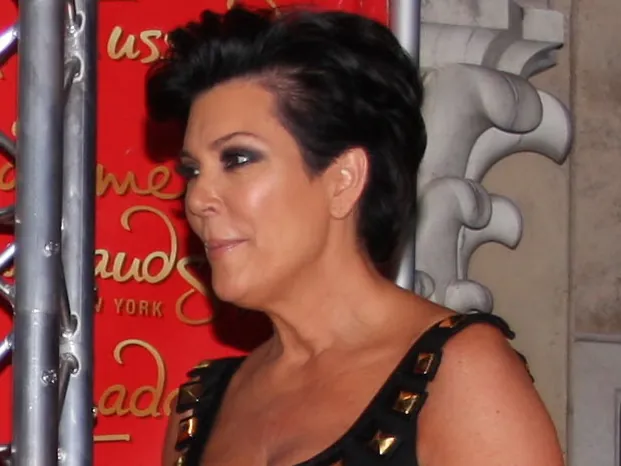 Kris Jenner’s facelift: “I love my facelift”Kris Jenner said she had a facelift about 15 years ago and a refresh before turning 70 — and that she loves it. How a SMAS facelift and recovery work.
 Did Vicki Gunvalson have a facelift? Yes, and she showed the result herselfVicki Gunvalson had a facelift in May 2018 after deciding fillers no longer looked like her. Her own words, how a facelift works and recovery.
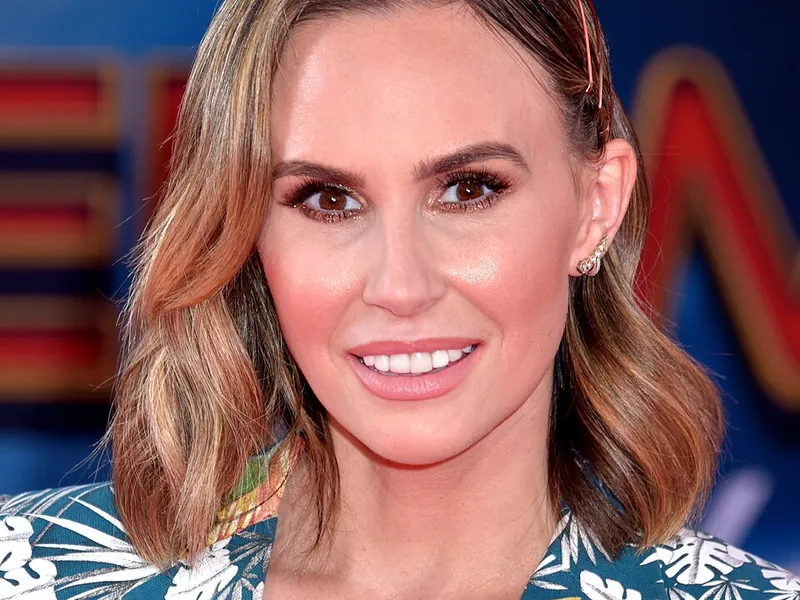 Keltie Knight’s facelift: why she decided to “just own it”Keltie Knight had a facelift in 2023 at 41 and chose to talk about it openly. What she said, how a SMAS facelift works and what recovery looks like.
 Did Linda de Mol have a neck lift? Yes, and she wrote about it herselfLinda de Mol wrote in LINDA. in 2025 that she had a neck lift. What she said, why she chose to be open, and how a face and neck lift works today.
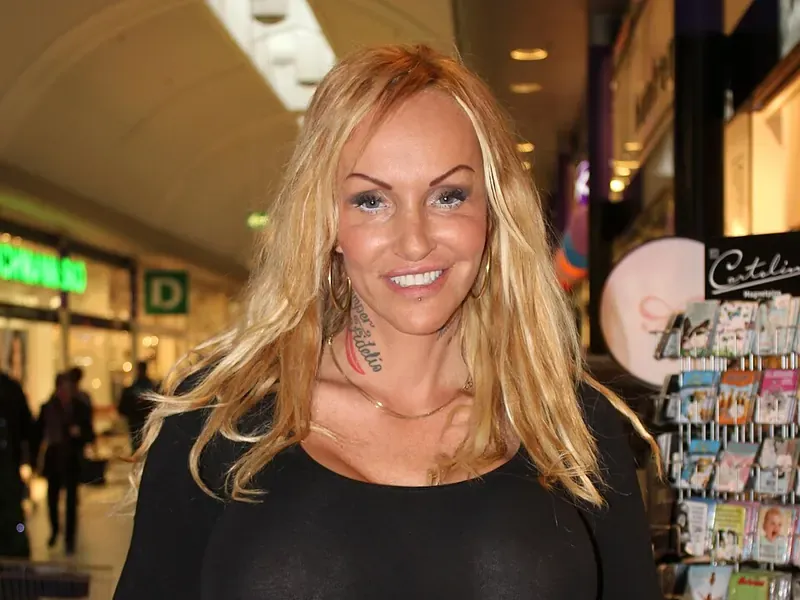 Linse Kessler and her facelifts: what she said herselfDanish reality star Linse Kessler has said openly that she has had several facelifts. Her words, how a modern facelift works and what recovery involves.
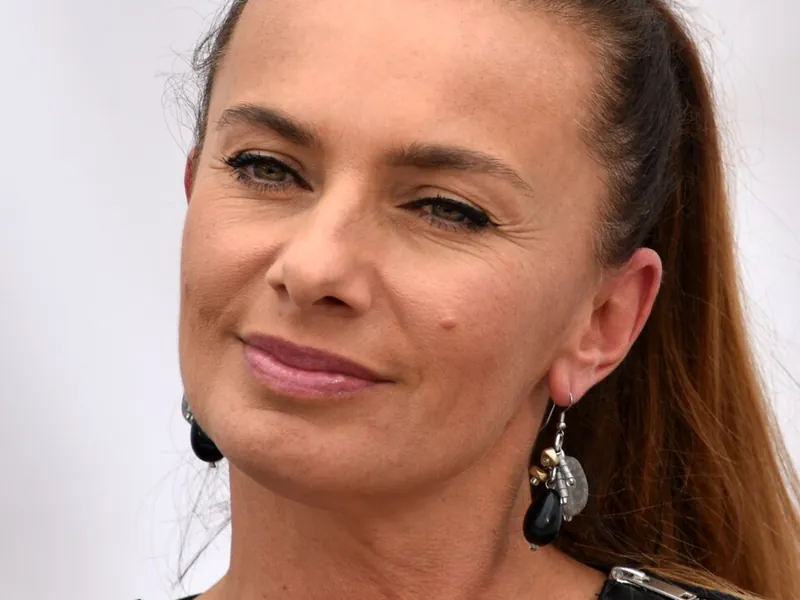 Did Alice Bendová have a facelift? Yes, and she explained why herselfAlice Bendová confirmed a deep plane facelift in September 2026. Her words, how a facelift works, who it suits and what recovery looks like.
Facelift in Liverpool: price and what is included
Prices are in US dollars; the amount in brackets is an approximate conversion to GBP at the rate of 02.10.2026. The final price is fixed in your contract.
- Faceliftfrom $2,400 (≈ £1,850)
What is a SMAS facelift?
It is a face lift that tightens the deep SMAS layer under the skin, not only the skin itself, so the lower face, jawline and neck stay firmer for longer. The result lasts about 7–10 years.
How much does a facelift in Liverpool cost?
Prices start from $2,400 (≈ £1,850). The surgeon sets the final price at the free consultation, and it is fixed in the contract, with no hidden extras.
What is included in the price?
A one-to-one consultation, the medical team, anaesthesia, inpatient care with meals, 24/7 monitoring and twelve months of follow-up by the surgeon.
How do I get my exact price?
Message us on WhatsApp or Telegram using the buttons below. A coordinator will answer your questions and book a free consultation where the doctor names the exact price.
By messaging us, you agree to our Privacy Policy
Facelift in Liverpool: questions patients ask
When can I get back to normal life in Liverpool after a facelift?
The first 7–10 days are for rest with a compression bandage and reduced activity. The doctor sets the check-ups.
How do I book a facelift for a date that suits me?
Message the coordinator with your preferred dates. The first consultation is free, and you can start it online; the clinic then confirms which dates are open, and only after that is anything booked.
Which photos does the surgeon need to assess me for a facelift?
Three photos of your face and neck: front, profile and three-quarter, no filters or make-up. Add your age and previous cosmetic procedures; the price is confirmed after the review.
How do I start planning a facelift from Liverpool?
Write to us on WhatsApp or Telegram or leave a request on this page. The coordinator asks for the photos and health details the doctor needs, and the doctor gives you a free assessment and a price.
I have an event coming up. When should I have a facelift?
Book it so that 3–4 weeks remain before the date: bruising and swelling take 2–4 weeks to fade, and changes become visible after 3–4 weeks. The final result takes 3–6 months.
Scarves, sea wind and a face that is healing
A facelift changes how you spend the first weeks outdoors more than almost any other operation, because the face is the part of you that meets the weather. Liverpool sits on the eastern side of the Mersey Estuary, close to the Irish Sea, and moisture-laden wind from the water is part of daily life. Met Office normals for 1991 to 2020 at Crosby, about 11 km from the city centre, show a mean daily minimum of 2.8 °C in January and 3.1 °C in December, with rain in every month of the year. A cold, damp gust on healing skin is not dangerous, but it is uncomfortable, and a plan helps.
For the first 7 to 10 days after a surgical SMAS facelift you rest, wear a compression bandage and keep physical activity low. Swelling and bruising fade over 2 to 4 weeks, and full recovery takes about two months. In that stretch a soft scarf, a loose hood and a wide-brimmed hat are the sensible items, but nothing should press on the bandage or the incisions, which run along the edge of the hair and around the ears. Ask your coordinator what may touch the area and when, and buy accessories only after you know.
Think about where you will spend those ten days. Most people choose their own home, with a quiet room, a chair with a high back for sitting upright and a place near a window. Rain is spread across the whole year in Liverpool, from 49.8 mm in April to 91.9 mm in December at the Crosby station, so there is no particular dry month to wait for. Choose the time that suits your diary and your helpers.
Evenings are darker for much of the year, and that affects the practical side of recovery. Sunshine at Crosby averages just 56.0 hours in January against 207.0 in May, so a patient who heals in winter will spend most of the time under artificial light. Keep a lamp with a soft, warm bulb by the chair and hold your phone at the same distance when you take progress photographs, so that the comparison from week to week is honest.
Choosing between four types of lift from a photograph and a conversation
There are four main types of facelift at the clinic, and the doctor helps you choose according to your age and the way your face is ageing. A classic SMAS lift works on the mid and lower face, with incisions hidden along the edge of the hair and around the ears, and deals with jowls, sagging cheeks, a double chin and deep folds beside the nose. A comprehensive lift covers the forehead, temples, mid and lower face and neck, and suits marked sagging in several areas. A lower face and neck lift targets the chin and neck, and removes a double chin and loose skin on the neck. An endoscopic brow lift uses tiny punctures, repositions the brows and smooths the forehead and frown lines.
What makes a SMAS lift different from a skin-only lift is depth. The SMAS layer is made up of muscles and ligaments, and the doctor lifts and fixes that layer, treating the cause of sagging, namely weakened ligaments and muscles that have descended. The skin is then redraped without tension, so the surface looks even and the folds are smoothed. The clinic describes a result of 7 to 10 years, and a repeat procedure after that is possible if you wish.
In an online consultation this is explained with your own photographs. Send three: front, profile and three-quarter, taken without filters or make-up, in even light and with your hair pulled back from the face. Add your age, any cosmetic procedures you have had before, and anything you are hoping to change. The doctor reviews them, tells you which type seems appropriate and answers your questions. There is no pressure, and you decide at your own pace.
Ask what would change if you were a few years older or younger. A surgical lift is generally recommended from 40, in some cases from 35, but a good plan starts from the face in front of the doctor and not from a number. Ask also how the result of a lift differs from what skin treatments and cosmetology offer. The clinic explains that a surgical SMAS lift works deeper and treats the cause of sagging rather than its effects.
A schedule for a wedding, a reunion or a milestone year
Many people book a facelift with an event in mind, and the timeline matters. The first clear changes appear after 3 to 4 weeks, when swelling has gone down. Swelling and bruising fade over 2 to 4 weeks, you recover fully in about two months, and the final look of the face settles within 3 to 6 months. If a family celebration falls inside the first two months, you will meet it with a face that is still settling, and it is far better to plan the operation several months ahead.
Look at the English calendar for ready-made breaks. The government list for 2027 gives 1 January, Good Friday on 26 March, Easter Monday on 29 March, 3 May, 31 May and 30 August. If you can take extra leave around one of these dates, the quiet days at the start of recovery are covered and you return to work looking better rested. Do not squeeze the operation into a long weekend, however, because the 7 to 10 days of rest, the compression bandage and the later swelling go well beyond a weekend.
Photographs for an event are easiest when you allow plenty of time. Because the final look arrives within 3 to 6 months, a wedding in summer suggests an operation in the previous autumn or winter. Ask the coordinator what dates are open for the consultation and the operation, and let the clinic confirm them before you plan anything else.
A short rehearsal helps. A week before the date, practise the household routine you will follow after the operation: sleeping propped up, eating soft food, washing without wetting the dressings. Then write down the five people who may ask how you are and decide what you will tell them. People who have thought this through are usually calmer, and calm helps the face as much as any cream.
Sun, make-up and caring for skin in a changeable climate
The NHS notes that in the UK the sun is at its strongest from March to October, and its advice is to use shade, protective clothing and sunscreen. That is directly relevant to a face in recovery. Crosby records an average of 154.2 hours of sunshine in April and 207.0 in May, so the brightest weeks of the year arrive earlier than many people expect. During healing, keep out of strong direct sun and ask your doctor when sunscreen, make-up and any skin treatments may be started.
Do not wash or colour the hair, or use a hairdryer near the incisions, until you have been told it is allowed. Your coordinator gives the instructions for washing and for the first visit to the hairdresser, and it is useful to book the hairdresser only after you hear them. If you wear glasses, ask how to avoid pressure around the ears.
Cold, damp and bright light each have a small effect on how swelling looks in a mirror. A face that looks puffy at breakfast can look better in the afternoon, so keep a record in the same light, once a week, rather than judging each day. Send your coordinator the photographs, and the team will tell you what is normal at that stage.
What the NHS covers and what you need to know before you ask
The NHS states that cosmetic surgery is not routinely provided and may occasionally be provided for psychological or other health reasons. A facelift for ageing of the face is therefore normally arranged outside the NHS. If you have a skin condition or a medical concern that affects the face, speak to your GP, who can advise on the NHS options.
A surgical facelift is generally recommended from 40, where there is marked sagging of the tissues, and in some cases from 35, and the recommendation is individual after the examination. The operation is not suitable under the age of 30, with acute skin inflammation, in pregnancy and during breastfeeding, with decompensated diabetes, with severe cardiovascular disease or with clotting problems. Be open about your health history in the first message.
The operation is done under combined inhalation anaesthesia, after which you stay in a comfortable inpatient room with meals and nursing care. Discomfort and tightness may be felt in the first few days, and your doctor prescribes medication to relieve it. The doctor follows your recovery for the whole first year, until the final result.
Ask for the plan in writing: the type of lift, the anaesthesia, the length of stay, the dates of the check-ups and the length of the follow-up, which is twelve months. Ask what to do if something worries you at night. The answer is to message the coordinator, who replies around the clock, and to contact the doctor at once if there is severe pain, fever or a sudden change in the look of the face.
Can I wear a hat or scarf while my face heals?
Soft, loose items are usually fine once the coordinator confirms them, but nothing should press on the bandage or the incisions along the edge of the hair and around the ears. Ask before you buy.
How far ahead of a wedding should I book?
Plan several months. The first clear changes appear after 3 to 4 weeks, you recover fully in about two months, and the final look settles over 3 to 6 months.
Will I be able to take my own photographs for the consultation?
Yes. Send three photographs of your face and neck taken in daylight or even light: front, profile and three-quarter, without filters or make-up. Add your age and any previous procedures.
Is it better to have a facelift in winter or summer?
Either can work. In winter you can recover quietly at home, in a month when Crosby sees as little as 46.8 hours of sunshine in December. In summer you need strict shade and sun protection.
Does the NHS offer a facelift?
The NHS says cosmetic surgery is not routinely provided. If you have a health problem affecting the face, begin with your GP.
Can I have a facelift together with another procedure?
The doctor decides at the consultation which combinations suit you. Send the coordinator a list of everything you would like to discuss.
What if I live alone?
Tell the coordinator in your first message. Arrange for a friend or relative to be with you for the first days, and keep the coordinator's number to hand; the team replies in WhatsApp and Telegram around the clock.
Is a repeat facelift possible later?
A repeat procedure after 7 to 10 years is possible if you wish, and the doctor assesses it individually.
How do I prepare my hair before the operation?
Follow your coordinator's instructions for washing and styling. Do not change your colour or cut just before, and bring any questions about the edge of the hair and the incisions to the consultation.
Will the same lift work if I am under 40?
A surgical lift is recommended from 40 when there is marked sagging, and in some cases from 35. Under 30 it is not suitable. The doctor assesses each case after the examination.