


























 1
Consultation and scan review
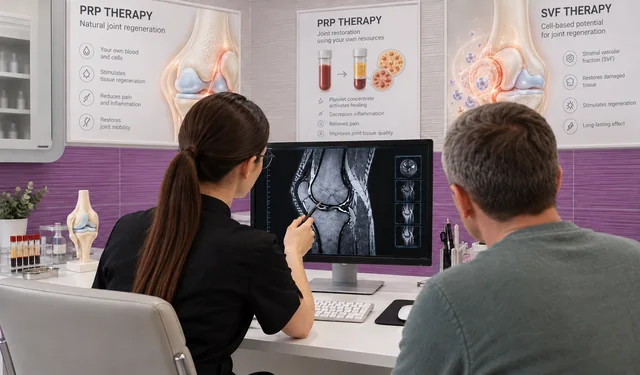
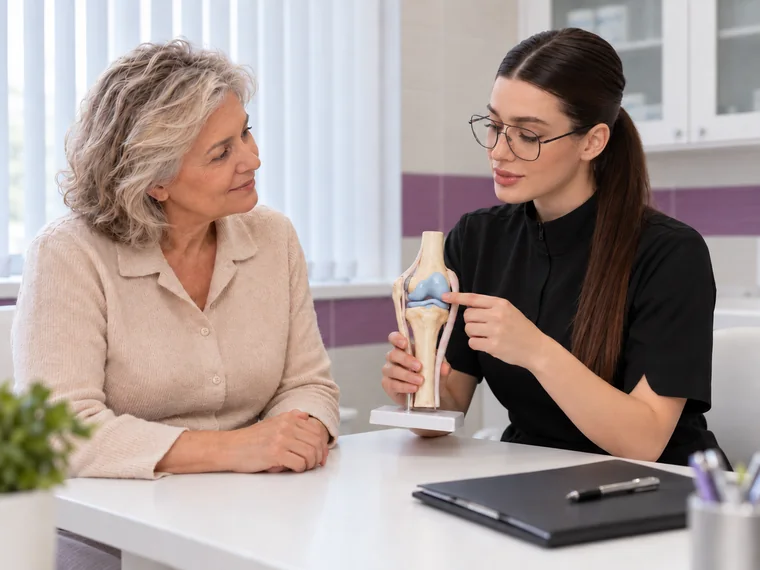
First comes an examination: the doctor checks the joint and your X-ray, MRI or ultrasound images and decides whether the procedure fits. If you have scans already, send them in advance.
Free scan review first, then SVF cell therapy or PRP for the knee, hip, shoulder or other joints if they suit you
Consultation and review of your scansFree
Message us on WhatsAppFree online consultation · Reply within 15 minutes
Message our coordinator
Free online consultation · Reply within 15 minutes
Message us on TelegramMessage us on WhatsAppBy messaging us, you agree to our Privacy Policy
What it is
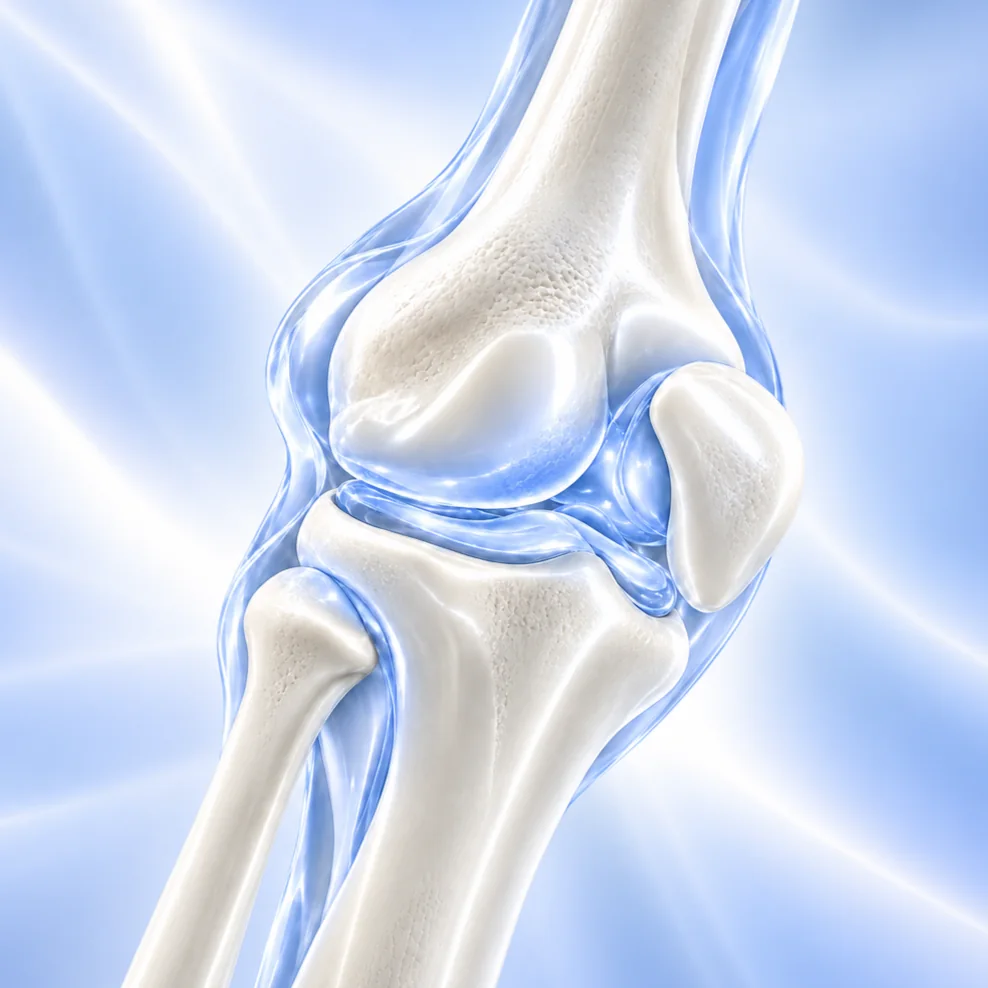
The treatment is regenerative and uses only what your body supplies: PRP (platelet-rich plasma from the blood) and SVF (the stromal vascular fraction from a small piece of adipose tissue). Injected into the joint that hurts, it aims to calm inflammation, ease pain and support the tissue within.
This treatment suits people with painful joints who would like to avoid or delay surgery, or who have been told that only a joint replacement will help. The earlier the stage, the better the prospect of a lasting result — the doctor judges this from your scans.
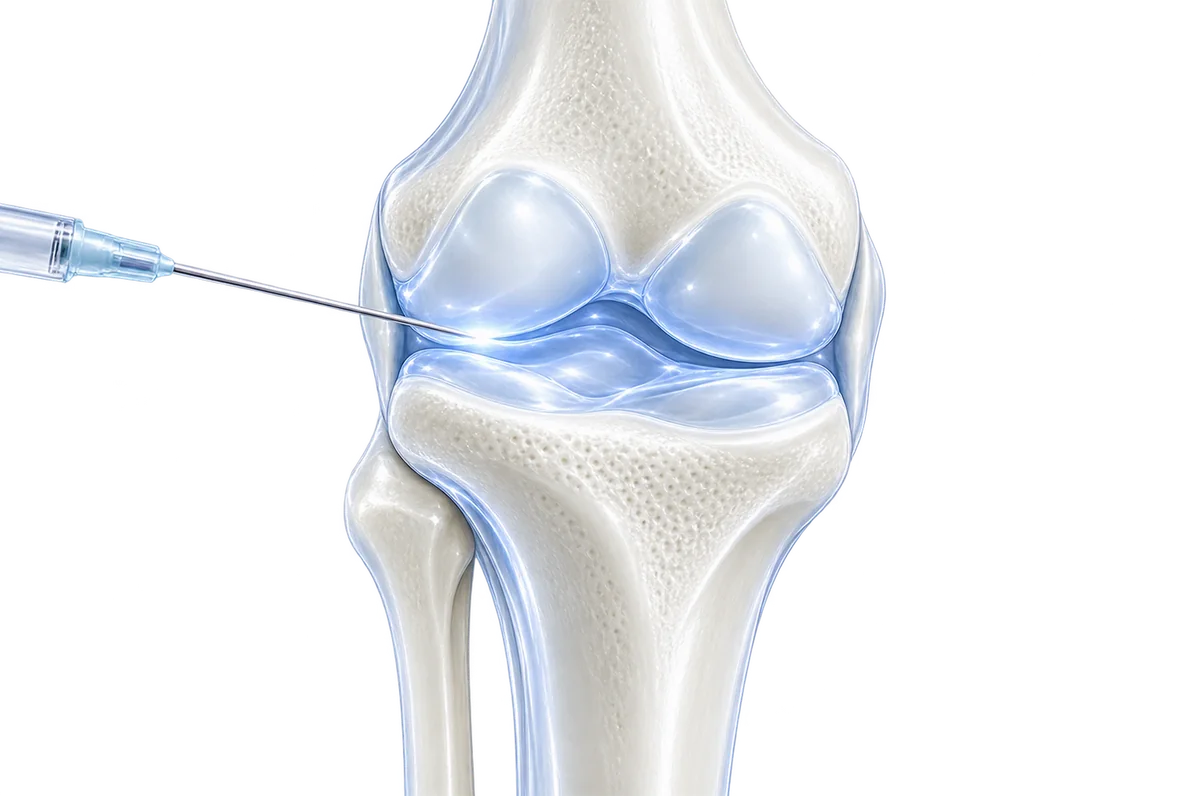
Suitability is decided by a doctor once you have been examined and your scans reviewed
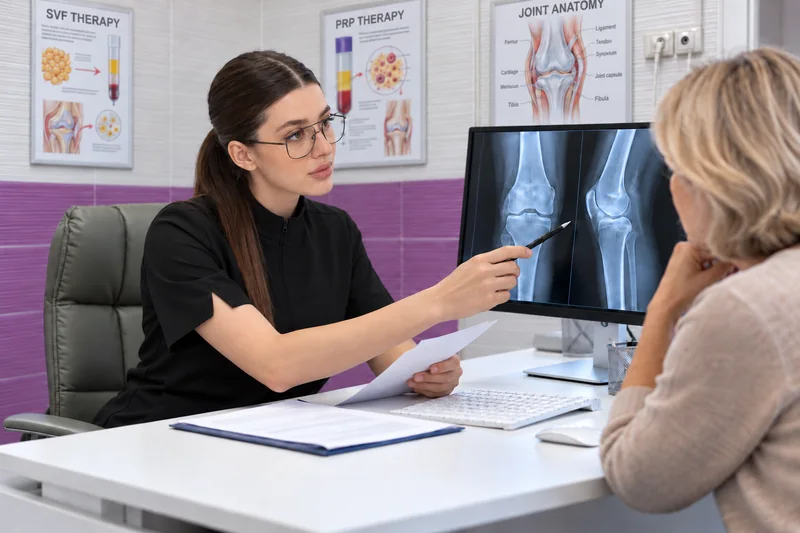
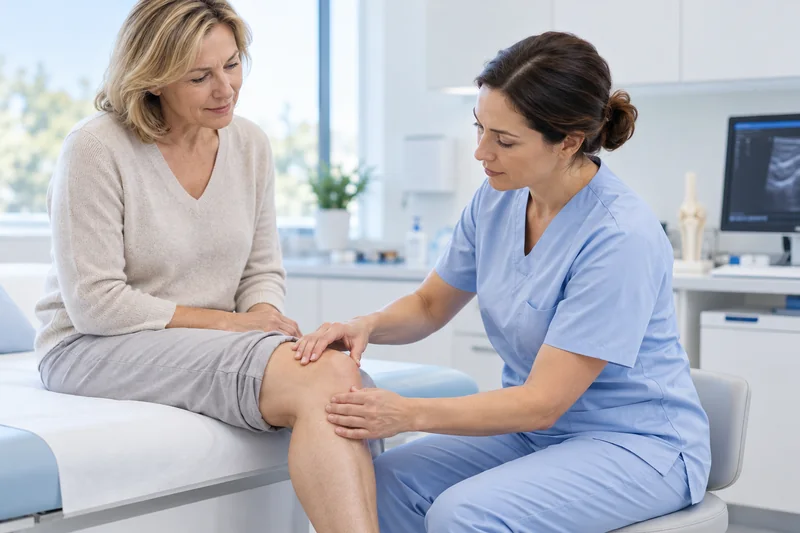
Not sure the treatment is right for you?
Leave your number — the coordinator will ask for your scans (X-ray, MRI or ultrasound), and the doctor will tell you whether treatment without surgery suits you.
Find out if it suits meWhat we treat
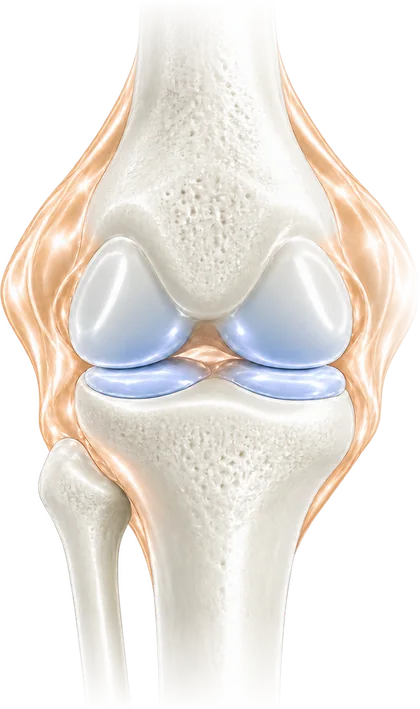 Arthritis
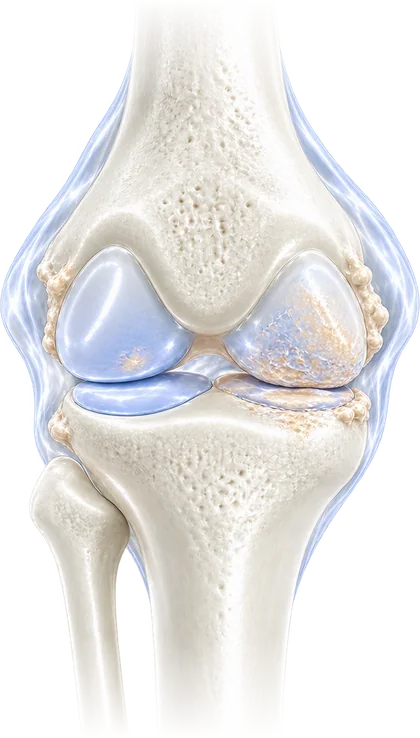 Arthrosis
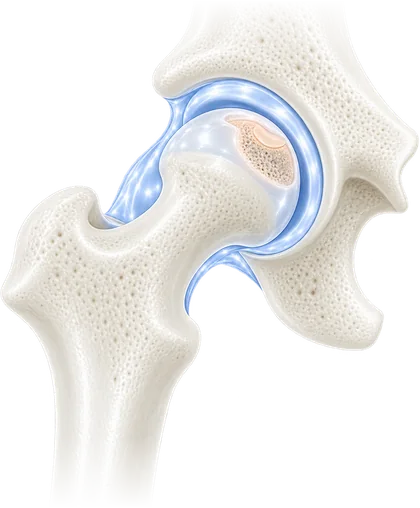 Avascular necrosis
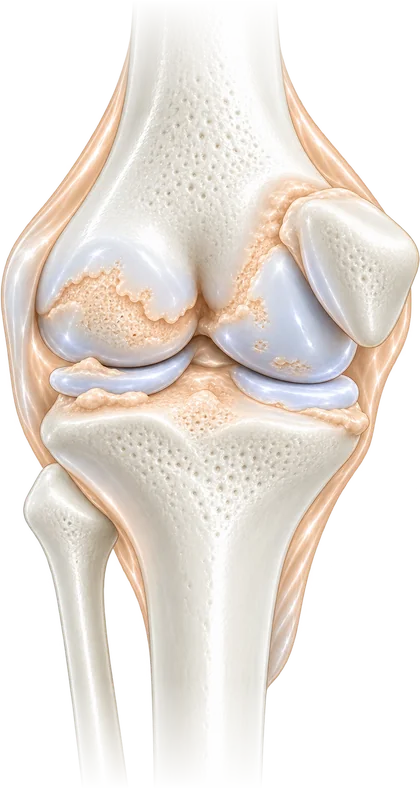 Osteoarthritis
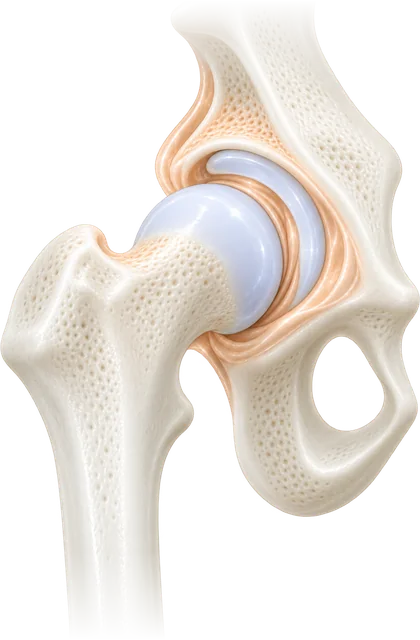 Coxarthrosis (hip osteoarthritis)
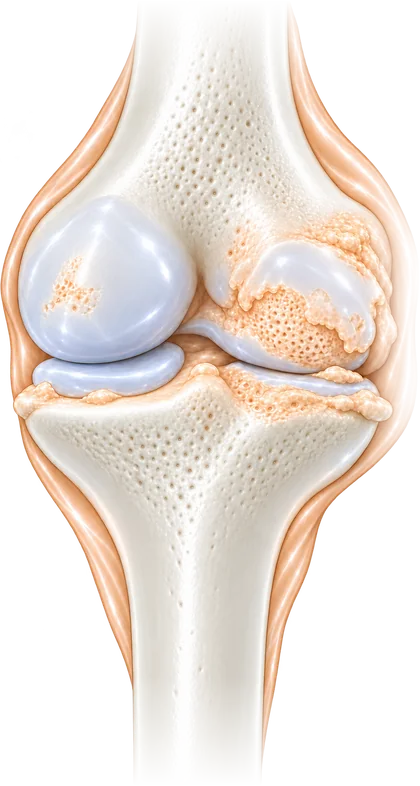 Gonarthrosis (knee osteoarthritis)
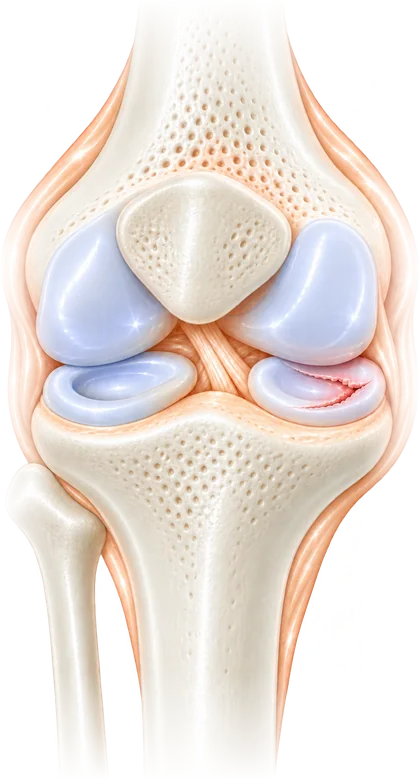 Meniscus pathology and injury
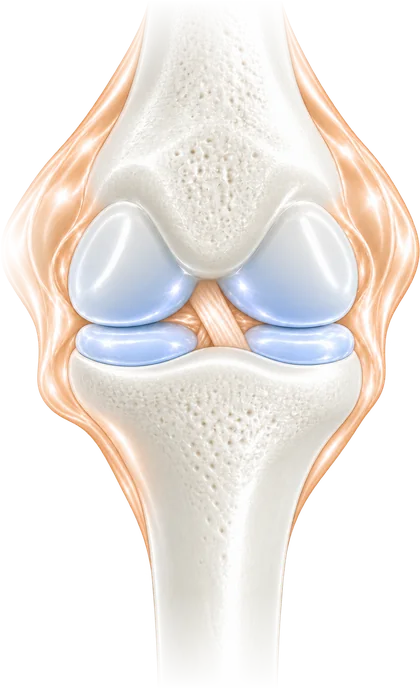 Rehabilitation after injuries and surgery
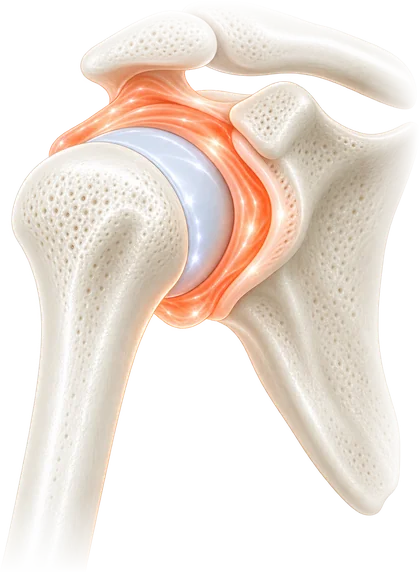 Inflammatory joint conditions
How it works
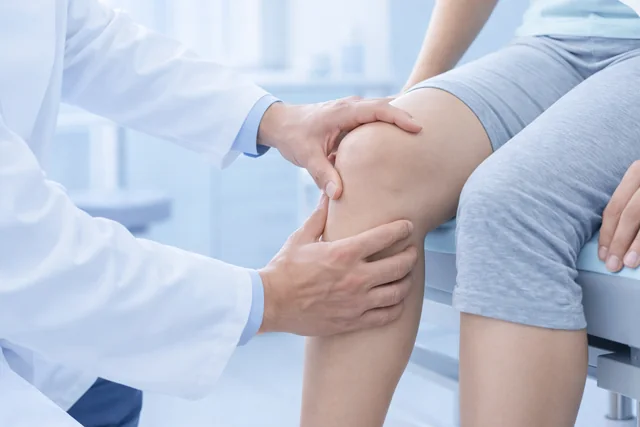
1First comes an examination: the doctor checks the joint and your X-ray, MRI or ultrasound images and decides whether the procedure fits. If you have scans already, send them in advance.
 2
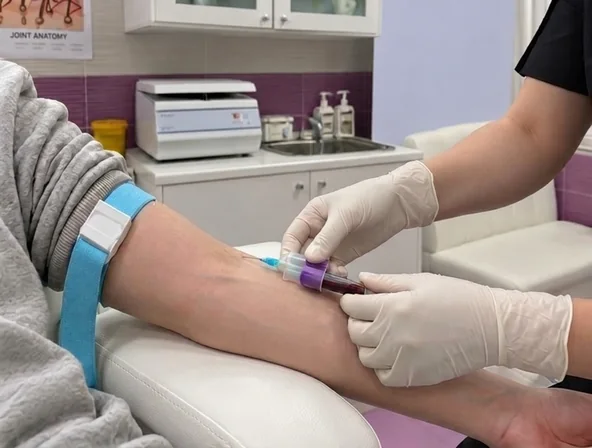
We take a small blood sample from a vein. From it, platelet-rich plasma containing growth factors is prepared later on.
 3
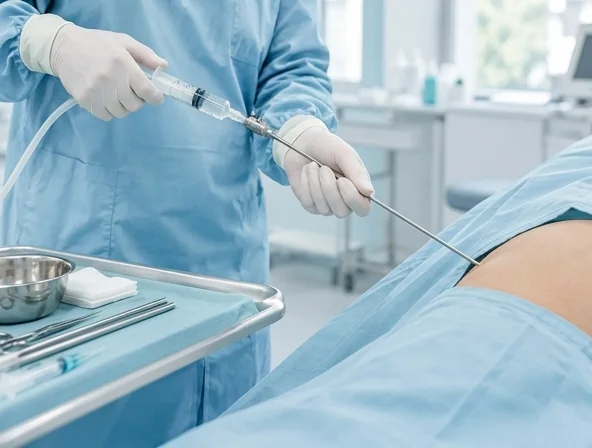
Through a puncture on the abdomen or inner thigh, about 30 ml of adipose tissue is taken under local anaesthetic, and no stitches are required.
 4
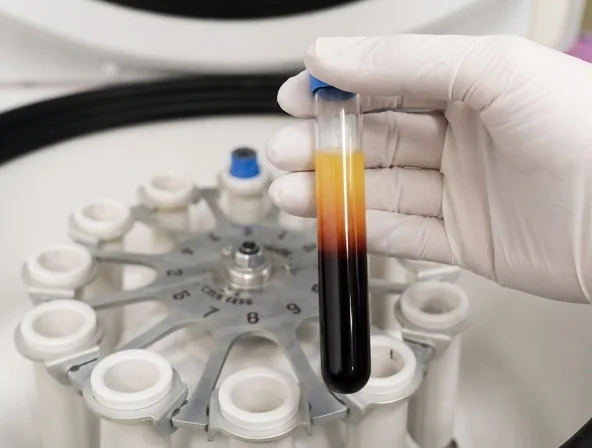
A centrifuge splits the sample into layers. From these, the stromal vascular fraction is isolated and blended with the platelet-rich plasma.
 5
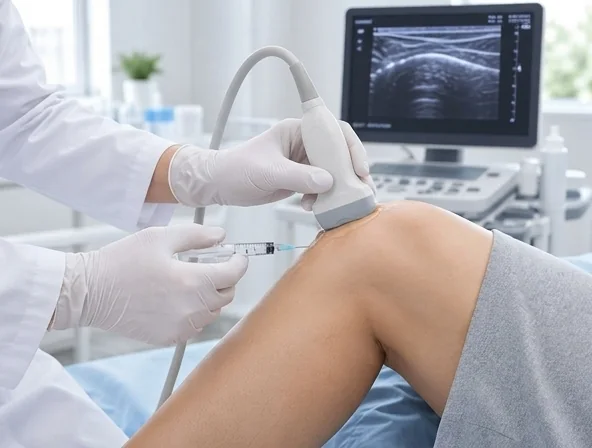
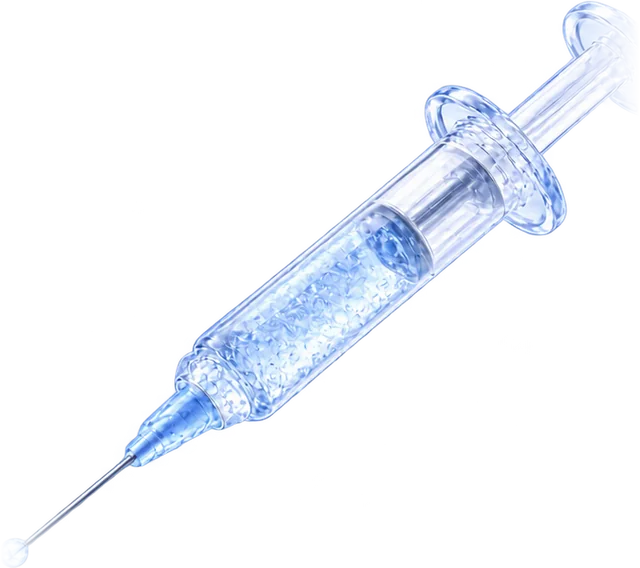
Ultrasound guidance allows the prepared material to be injected precisely, directly into the affected joint.
 6
No crutches, no hospital stay — and after the procedure the doctor keeps in touch to follow the joint's response.
Call or message us — our coordinator will contact you shortly and book your consultation

Results

The joint may ache a little more — this is an expected reaction.
The pain usually eases.
Mobility and activity improve.

The full effect develops.
How long it lasts differs from person to person and depends on the stage of the condition, body weight, activity and other factors — no one can promise a fixed result.
Comparison
Just your blood and your adipose tissue; donor and synthetic materials are not used
The method starts with a small adipose tissue sample, which is processed to separate the stromal vascular fraction (SVF), a mix of cells active in tissue repair. With your own plasma added, it is injected into the affected joint.
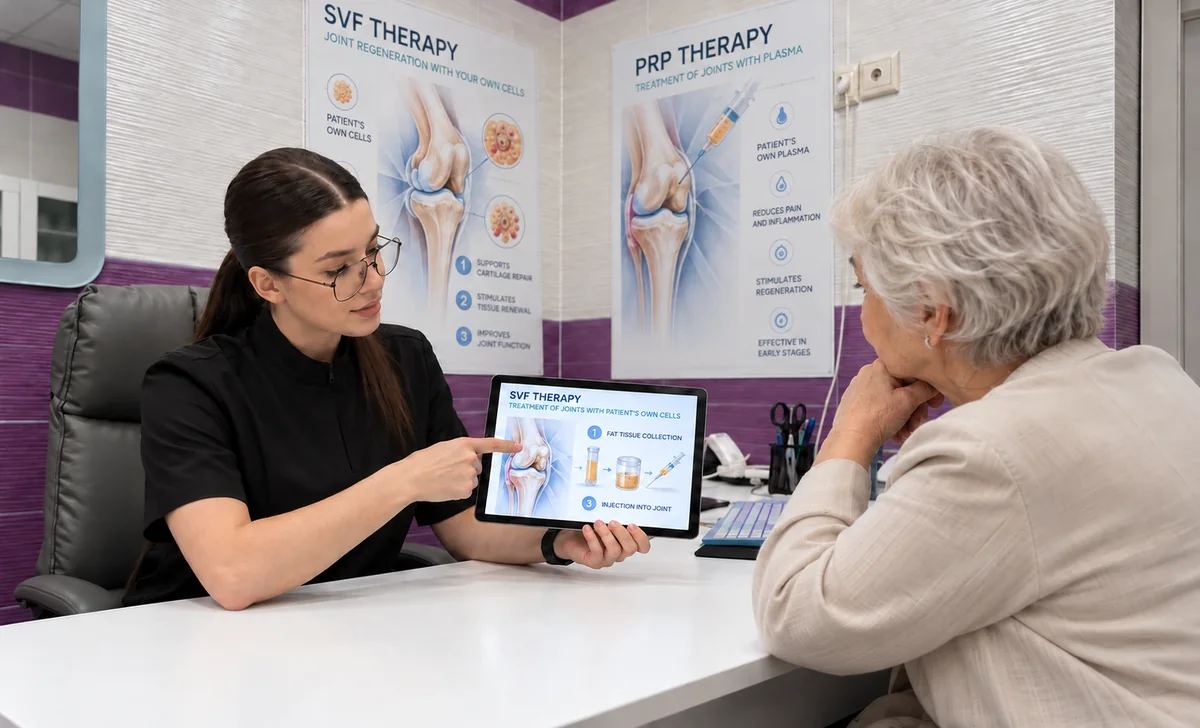
The usual reason to choose it: more pronounced changes in the joint and the goal of a longer-lasting effect.
Platelet- and growth-factor-rich plasma is obtained from a little of your blood and injected into the joint, where it helps calm inflammation and improves the conditions for tissue repair.
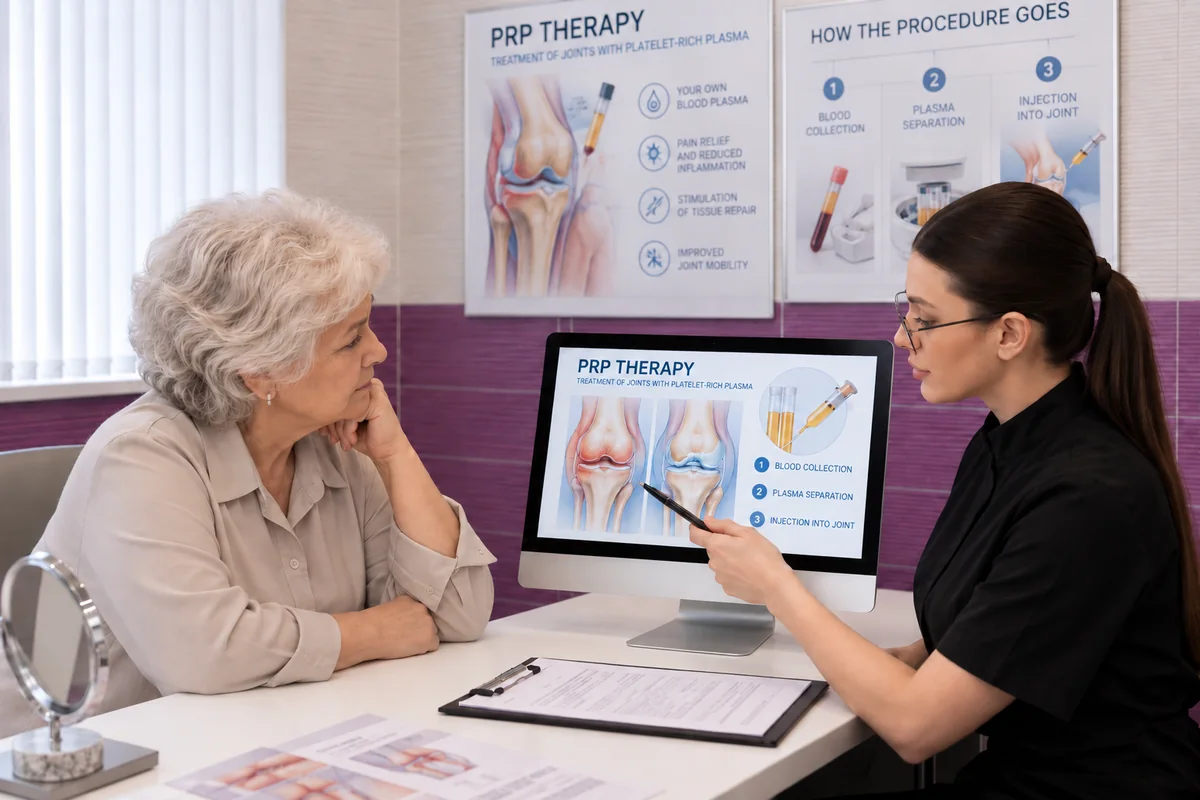
A course of injections can be done with it alone, or it can be paired with SVF.
The benefits and timings shown are averaged and given for guidance: the plan and recovery depend on your joint and individual features, and the doctor confirms them at the consultation.
At the consultation the doctor will review your scans and suggest a treatment plan
Free consultation
Joints
Large and small joints — the doctor chooses the joint, the method and the number of injections after reviewing your scans
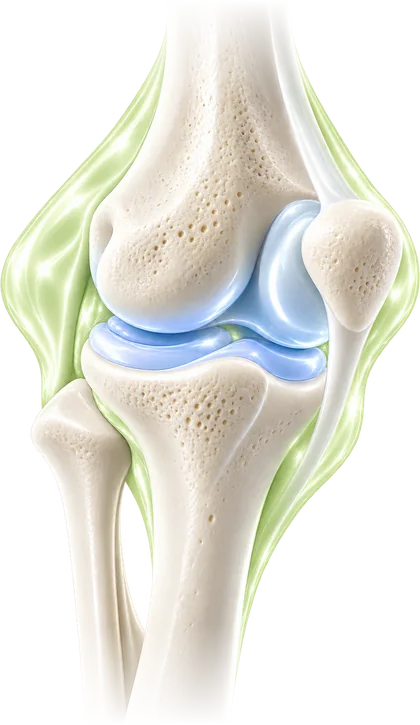 KneeCartilage wear, meniscus problems, pain on stairs and after walking
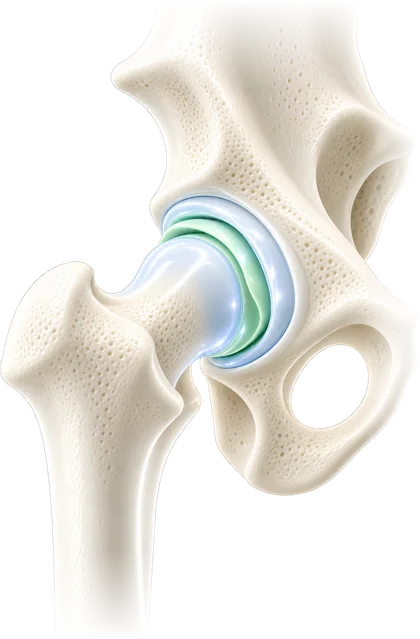 HipEarly hip osteoarthritis, groin pain, limited rotation
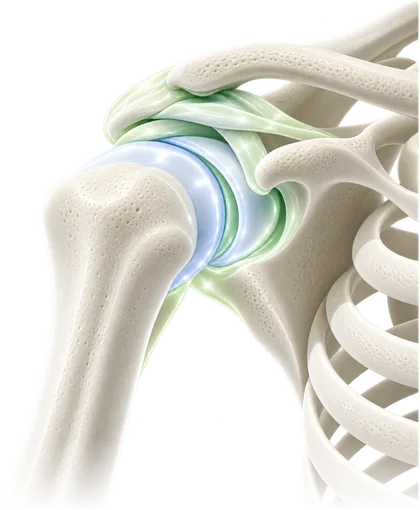 ShoulderWorn joint and surrounding tendons, pain when lifting the arm
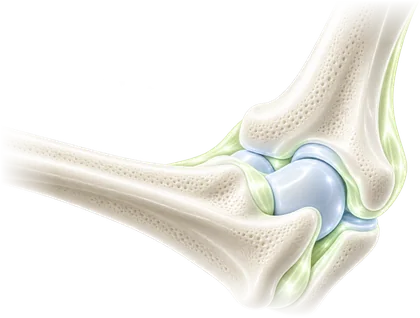 ElbowPain after overuse or sports strain, wear of the joint surfaces
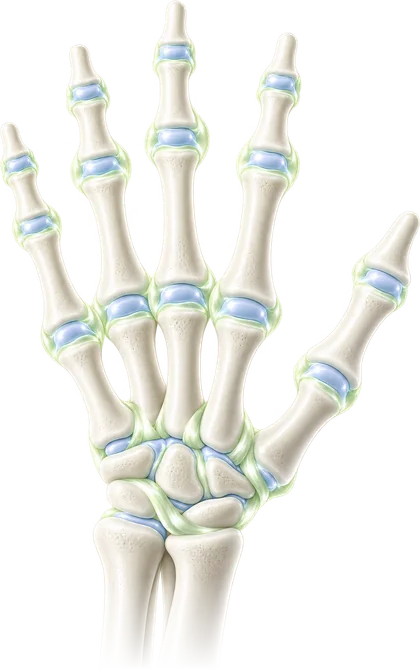 Hand and wrist jointsPain and stiffness in the small joints of the wrist and fingers
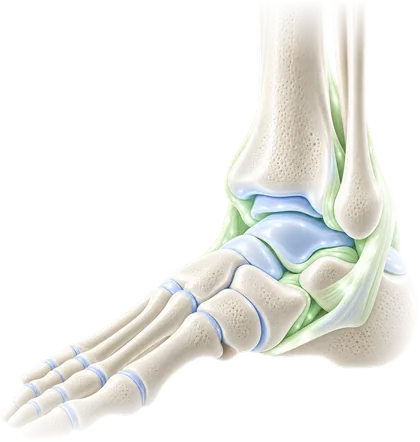 AnklePain and stiffness after sprains and old injuries
Advantages
Treatment without surgery, aimed at keeping your own joint instead of replacing it
Just your blood and your adipose tissue; donor and synthetic materials are not used
Punctures rather than incisions, local anaesthetic and no lengthy rehabilitation
Forward your X-rays, MRI or reports to get a free, independent assessment from a doctor
We follow the result after the procedure and stay in contact, not only on the day of the injection
About the clinic
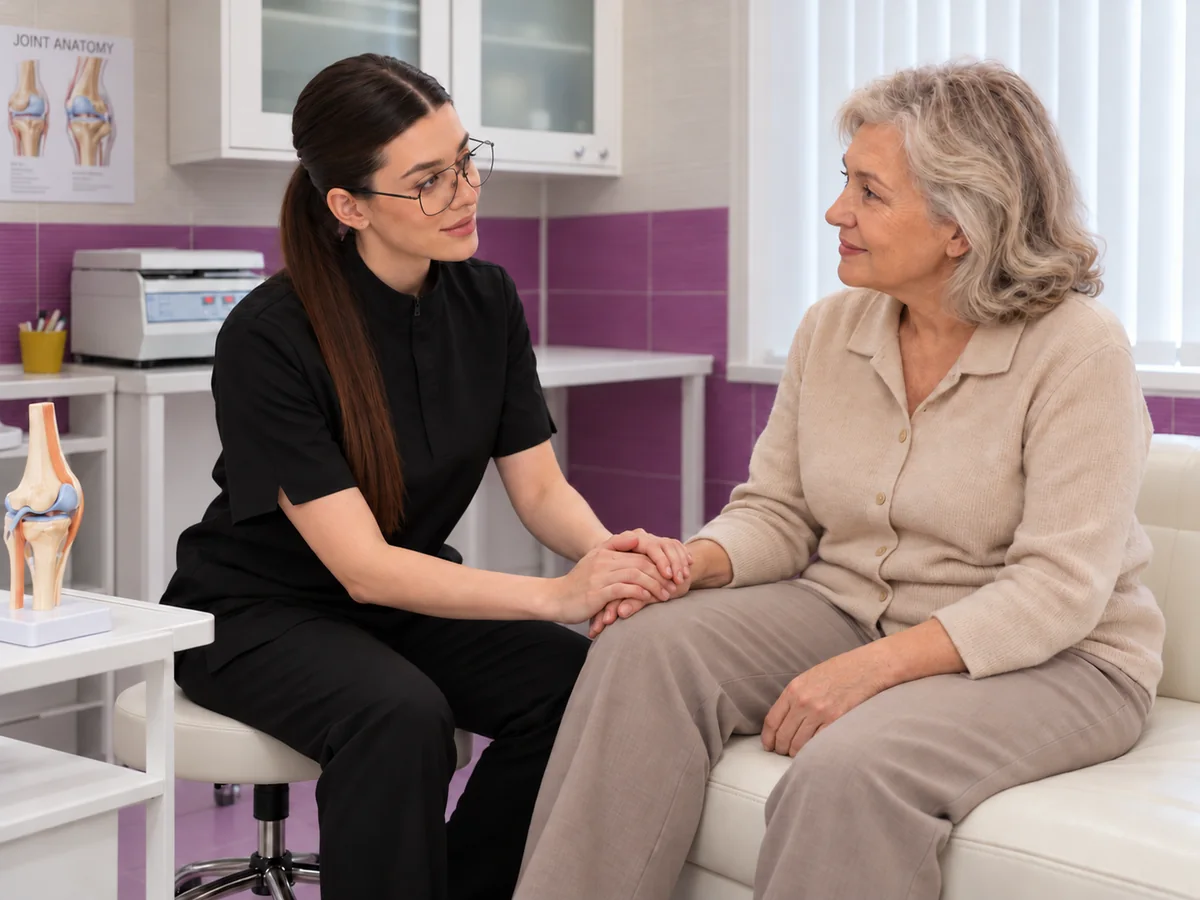
Modern equipment, comfortable rooms and care for every patient
We will answer your questions and find a convenient time for a consultation
By messaging us, you agree to our Privacy Policy
Request a free callPrice
The joint, the method and the stage of the condition determine the cost, so it is set after the consultation
Free
Book — Consultation and review of your scansPrice at consultation
Book — PRP therapy (platelet-rich plasma)Price at consultation
Book — Cell therapy (SVF + PRP), one jointFAQ
Often, yes. For meniscus damage and knee osteoarthritis, PRP and SVF injections are used to ease pain and support the joint. The doctor reviews your MRI first and says whether this suits you.
The difference: PRP is plasma rich in platelets, obtained from your blood, and SVF is a cell fraction isolated from a little of your adipose tissue. Their mechanisms differ, so they are often combined for a stronger regenerative effect.
Both methods use your own tissue, so the risk of rejection or an allergic reaction is very low. As with any injection, temporary pain, swelling or bruising are possible, and infection is rare. The doctor explains the risks for your case at the consultation.
Duration is individual. PRP often works for several months to about a year, while SVF may last longer. It depends on the stage of the condition and your body, which is why no one can promise a fixed result.
It is not done during pregnancy, in people with cancer, acute infections or blood clotting disorders, or while a serious chronic illness is flaring up. The consultation is where the doctor checks this.
PRP or SVF injections, combined with exercise therapy and physiotherapy, can reduce pain and improve movement at early stages. If damage to the joint is already severe, replacement may be more realistic — the doctor gives an honest answer after seeing your scans.
For early stages (1–2), SVF therapy may be considered: it supports blood supply to the femoral head and can delay the need for a joint replacement. Surgery is usually required later on.
Keep in mind that replacement is major surgery with long rehabilitation, risks such as infection and implants that may eventually be redone. When changes are early or moderate, trying to preserve your own joint first often makes sense.
Yes, you can. A doctor reviews the X-rays, MRI, CT or medical reports you send free of charge and tells you if the procedure could suit you and what else may be needed.
Usually a day or two is enough. There is no long rehabilitation and no crutches, and in the first weeks you follow the doctor's recommendations on load and exercise.
Shoulder joint and rotator cuff problems are treated with PRP; in more advanced shoulder arthritis, SVF may be an option. The doctor first finds the cause of the pain, and that decides whether it suits you.
About the conditions
Arthritis is an inflammatory disease of the joints. Typical signs are pain at rest and at night, morning stiffness lasting more than 30 minutes, swelling, redness and warmth over the joint. Causes include autoimmune conditions such as rheumatoid arthritis, infections, gout and psoriasis.
It is gradual wear of the cartilage that covers the ends of the bones in a joint. When the cartilage thins, the joint loses its cushioning, the bones rub against each other, and pain, stiffness and crunching appear. It is a degenerative condition, not an inflammatory one.
Osteoarthritis is wear of the cartilage: aching pain on movement, crunching, stiffness after rest. Arthritis is inflammation: pain at rest and at night, swelling, redness and warmth over the joint. The approach to treatment differs, so the diagnosis comes first.
We treat arthritis, arthrosis, osteoarthritis of the knee and hip, avascular necrosis, meniscus problems and inflammatory joint conditions, and help with rehabilitation after injuries and surgery. Patients from Liverpool can have the elbow, hand and wrist, knee, hip, ankle or shoulder treated.
It starts with a consultation: the doctor examines the joint and reviews your X-rays, MRI or ultrasound. Then a small blood sample and an adipose tissue sample are taken, processed in a centrifuge and injected into the joint under ultrasound guidance. For patients from Liverpool, everything is done in one day.
To get started, send your scans or book a visit. Patients from Liverpool receive a free review, a clear answer on whether treatment is suitable, and the price for their case.
When people in Liverpool ask about injections for the knee, hip, shoulder or hand, their first practical worry is time: how many days of work, how much hobbling, how many appointments. The answer here is short. The treatment is done in one day, with no hospital stay and no crutches. The material for the injection is prepared from your own tissue, and it is placed into the joint under ultrasound so that it reaches the right spot.
There are two methods, and they can be combined. PRP is platelet-rich plasma from a small sample of your blood, separated so that it is rich in platelets and growth factors, which helps calm inflammation and supports tissue repair. SVF is the stromal vascular fraction, a group of cells involved in tissue repair, isolated from roughly 30 ml of adipose tissue that the doctor collects under local anaesthetic through a small puncture on the abdomen or inner thigh, with no stitches. The fraction is processed in a centrifuge and mixed with plasma before the injection.
Because both materials come from you, the risk of rejection or an allergic reaction is very low. As with any injection, temporary pain, swelling or bruising can occur and infection is rare. The doctor explains the risks for your own case at the consultation. The aim of the whole approach is to keep your own joint rather than replace it, and to do it without incisions.
Think about the practical side of the day. You will give a blood sample, and for SVF a small amount of adipose tissue, then wait while the material is prepared, and then have the injection. It is sensible to wear loose clothing that gives easy access to the joint, to eat normally unless told otherwise, and to bring a list of your medicines. Plan the rest of the day to be quiet, and ask the coordinator what activity is advised for the evening.
The clinic does not decide anything before it has seen the joint. The first step is to message the coordinator in WhatsApp or Telegram. The coordinators reply around the clock, which suits people who finish work late or wake early because of pain. You are asked for the scans you already have: an X-ray, an MRI or an ultrasound report. A doctor reviews them, free of charge, even if you only want a second opinion.
The doctor decides whether the treatment suits you, which joint to treat, which method to use and how many injections to plan. The chances of a lasting effect are higher at earlier stages of the condition, and the doctor assesses the stage from the scans. If the joint is already badly damaged, the doctor will tell you honestly that replacement may be a more realistic option.
Prepare a short note with the joint, the side, the main symptom and when it began. Mention any injury or operation, and list your medicines. If you have a fever, a cold or flu, or inflamed skin over the joint, say so, because these are temporary reasons to wait, and acute infections, including an infection in or near the joint, rule the treatment out for the time being.
If you can, send a few lines on how the joint limits your life: the number of stairs you can climb, how far you walk before stopping, whether the night is disturbed. Doctors reading scans see structure, and your description adds function. Both together give a better plan than either on its own.
The clinic describes the course of recovery in four milestones. In the first week the joint may ache a little more, which is an expected reaction. After about a month the pain usually eases. At around three months, mobility and activity improve, and at around six months the full effect develops. How long the effect lasts differs from person to person and depends on the stage of the condition, body weight, activity and other factors, so no one can promise a fixed result.
Lay those milestones against a year in Liverpool. Met Office normals at Crosby, about 11 km from the city centre, show a mean daily maximum of 12.8 °C in April and 15.9 °C in May, with 154.2 and 207.0 hours of sunshine. An injection in early spring gives you the first month of settling in March or April, and the improvement of month three arrives just as the lighter evenings return. An injection in autumn passes the first month in October, a month with 89.7 mm of rain at Crosby, when it is sensible to keep walks short and sheltered.
None of this is an instruction to wait for a season. It is a way of choosing the date so that the checks on your progress coincide with the activities you care about: the first long walk, the first stairs without a rail, the first game with the grandchildren. Tell the coordinator which activities those are, and the team will help you plan with them in mind.
Keep a short diary of the joint during the six months. A line a week is enough: pain on a scale of one to ten, the longest walk, the hardest task. When the three-month and six-month points come, the diary shows the trend even if a single day was poor. Share it with your coordinator, who follows how the joint responds.
Large and small joints can be treated, and the doctor settles the joint, the method and the number of injections after reviewing the scans. The knee is the commonest request: pain on climbing stairs or after walking, wear of the cartilage and trouble with the meniscus. The hip comes next, with early osteoarthritis, groin pain and limited rotation. The shoulder is treated for pain on raising the arm and wear of the joint and nearby tendons. The elbow and the ankle respond to aching after strain, overuse or old sprains. The small joints of the hand and wrist are treated for stiffness and pain.
Conditions that may be considered include coxarthrosis, which is osteoarthritis of the hip, gonarthrosis, which is osteoarthritis of the knee, meniscus injuries, avascular necrosis, inflammatory joint conditions and rehabilitation after injuries and operations. For each, the doctor says what the injections can and cannot do. In a joint that has changed a lot, the aim is a longer-lasting effect and the method may differ from that for a joint at an earlier stage.
The NHS offers physiotherapy, medicines, exercise advice and, where symptoms are severe and other treatments have not helped, surgery. For osteoarthritis, the NHS says that mild symptoms may be managed with regular exercise, weight loss where needed, suitable footwear and devices that reduce strain on the joint, and that more severe symptoms may need painkillers and a structured exercise plan with a physiotherapist. Your GP is the first contact for all of this, and a sensible starting point whatever else you decide.
Our consultation sits alongside that path. It is free and carries no obligation. If you have already been told that replacement is the only choice, or if you want to delay surgery, a review of your scans by a doctor gives you another opinion. Some people use the review to decide, others to prepare questions for their GP or for an NHS specialist. Both are good reasons to ask.
Injections can be combined with exercise therapy and physiotherapy, and the clinic keeps in touch after the procedure and tracks your result, not just the day of the injection. Ask your coordinator how the follow-up works and how often you will be asked for a progress photograph or a short description of your symptoms.
Whatever route you choose, keep your GP informed. Records of what has been tried help every doctor involved, and nothing in the clinic plan prevents you from continuing exercise advice and physiotherapy at the same time.
No. Send photographs of your X-ray, or the MRI or ultrasound report, to the coordinator in WhatsApp or Telegram. The doctor reviews them and tells you whether the treatment suits you.
There is no hospital stay and no crutches. Ask your coordinator and doctor about getting home, and arrange for someone to go with you the first time.
A fever, a cold or flu, or inflamed skin over the joint are temporary reasons to postpone. Tell your coordinator, who will rearrange the date.
The doctor decides the number of injections after reviewing your scans, and a course can be done with PRP alone or paired with SVF. Ask at the consultation what repeat treatment would involve.
The NHS lists physiotherapy, medicines and, in severe cases, surgery for arthritis. Ask your GP what is available in your area, and use our free scan review as a second opinion.
We do not make claims about weather and pain. What matters for the plan is the joint, the stage shown on the scans and your activity, which the doctor judges at the consultation.
Follow the coordinator's instructions, bring a list of medicines and tell the doctor about any fever or skin problem. The doctor takes a blood sample and, for SVF, a small amount of adipose tissue.
The joint may ache a little more in the first week, which is expected. Your doctor gives the guidance for activity, so ask the coordinator what is advised for your joint.