


























 1
Consultation and scan review
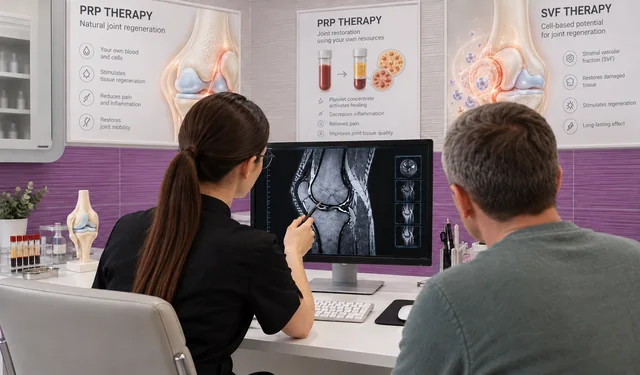
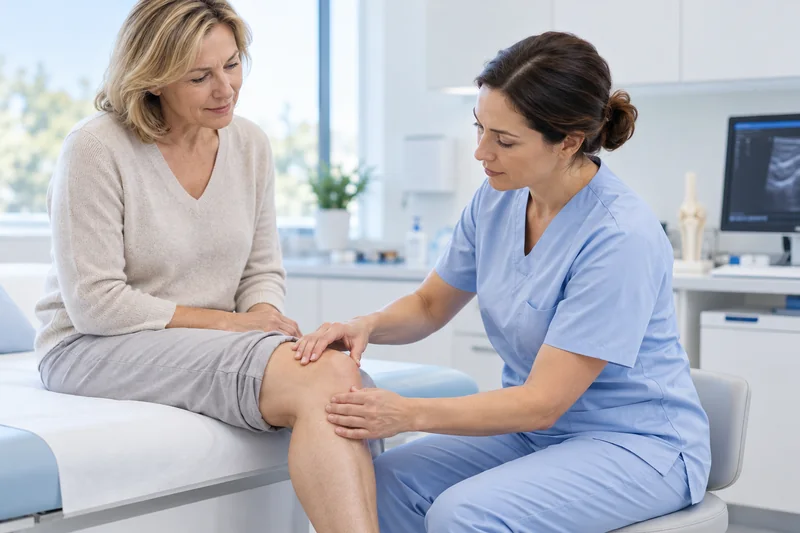
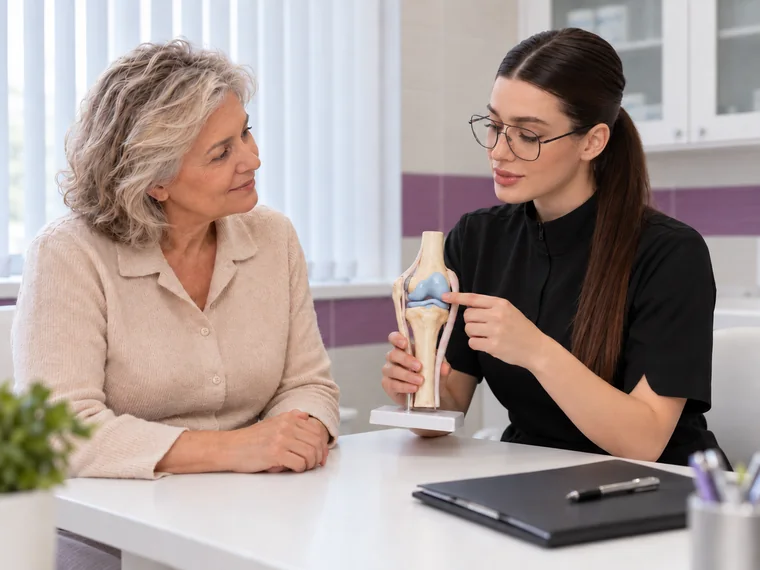
First comes an examination: the doctor checks the joint and your X-ray, MRI or ultrasound images and decides whether the procedure fits. If you have scans already, send them in advance.
For the knee, hip, shoulder and other joints: PRP and cell therapy (SVF). Your scans are reviewed free before you commit
Consultation and review of your scansFree
Message us on WhatsAppFree online consultation · Reply within 15 minutes
Message our coordinator
Free online consultation · Reply within 15 minutes
Message us on TelegramMessage us on WhatsAppBy messaging us, you agree to our Privacy Policy
What it is
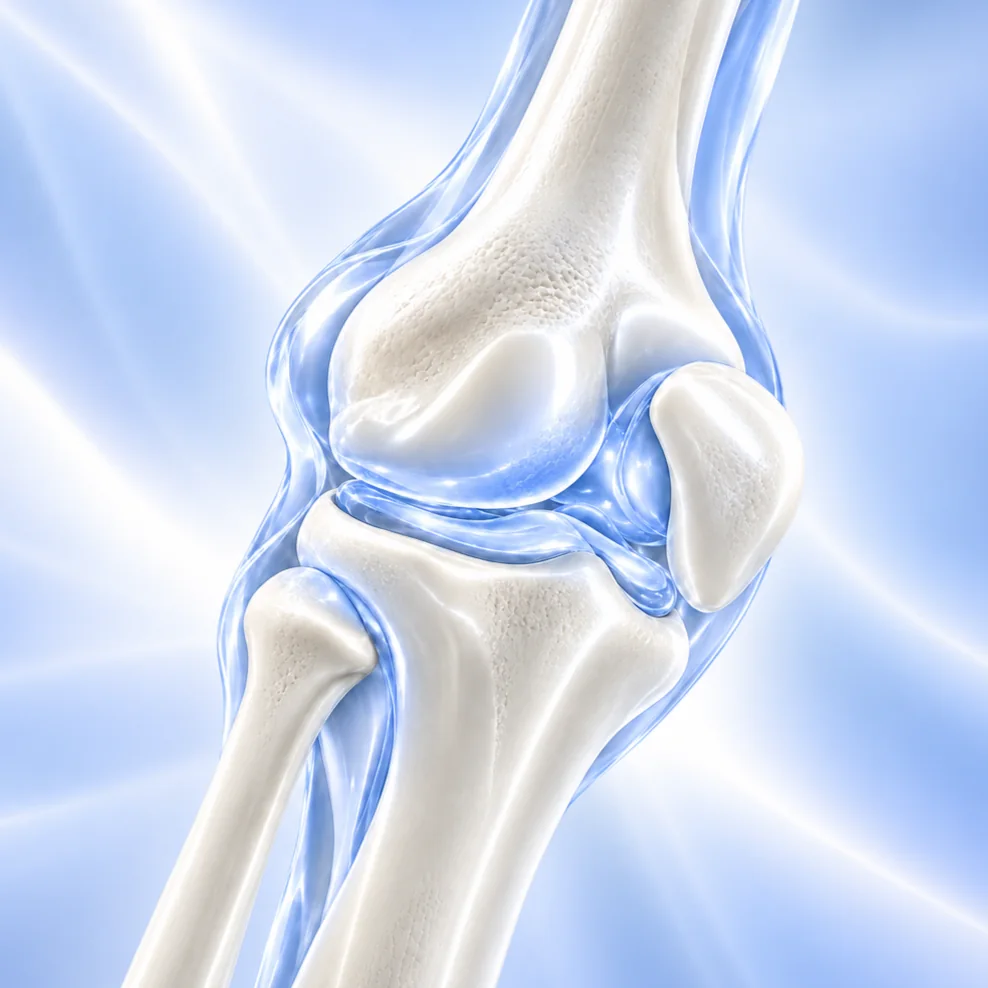
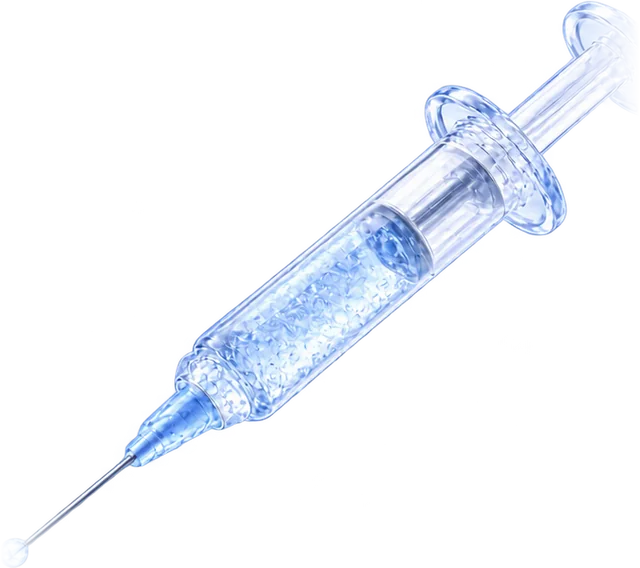
Regenerative joint treatment uses material from your own body — platelet-rich plasma (PRP) from blood and the stromal vascular fraction (SVF) from a small sample of adipose tissue. It is injected into the affected joint to reduce pain and inflammation and to support the tissues inside it.
Joint pain and a wish to avoid or put off surgery, or a verdict that replacement is the only route — these are the typical reasons people come. An earlier stage of the condition means a better chance of lasting relief, and the doctor assesses it from your scans.
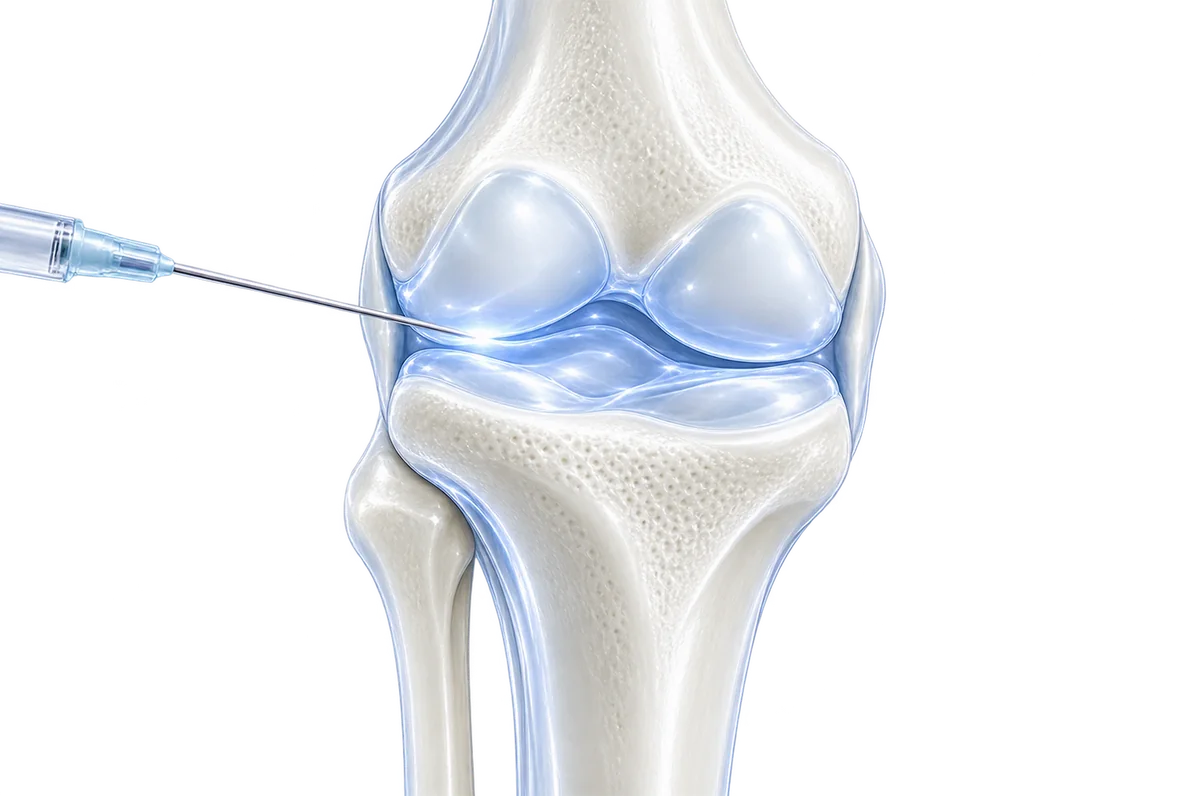
The decision on whether the treatment suits you is made by a doctor, after an examination and a look at your scans
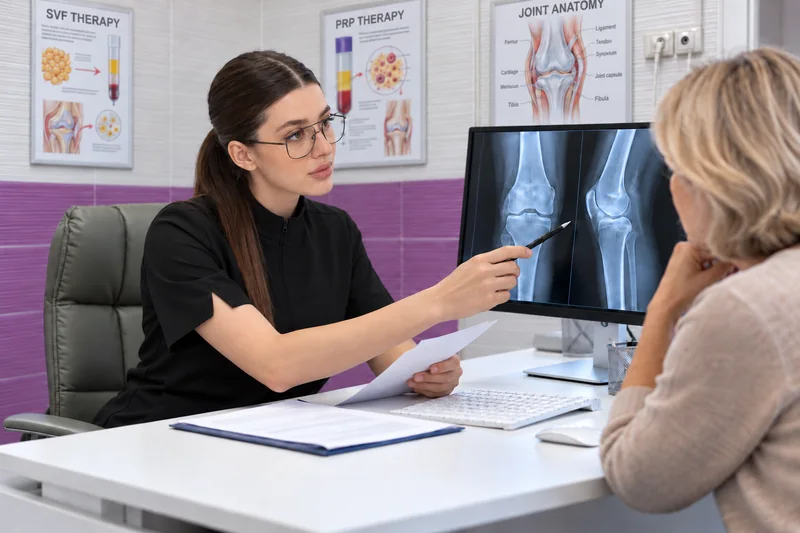
Not sure the treatment is right for you?
Leave your number — the coordinator will ask for your scans (X-ray, MRI or ultrasound), and the doctor will tell you whether treatment without surgery suits you.
Find out if it suits meWhat we treat
 Arthritis
 Arthrosis
 Avascular necrosis
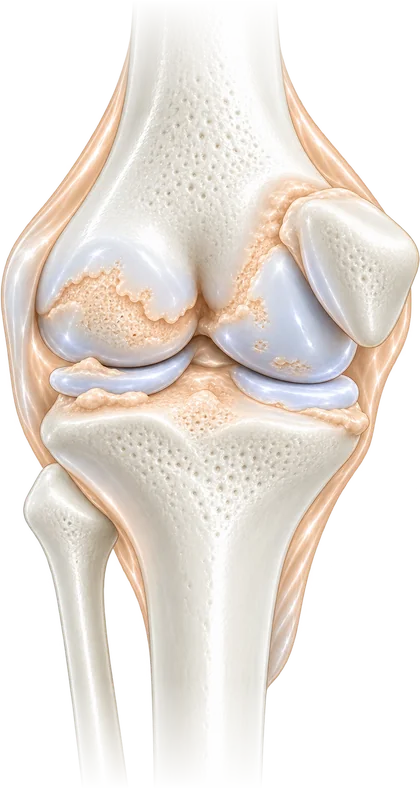 Osteoarthritis
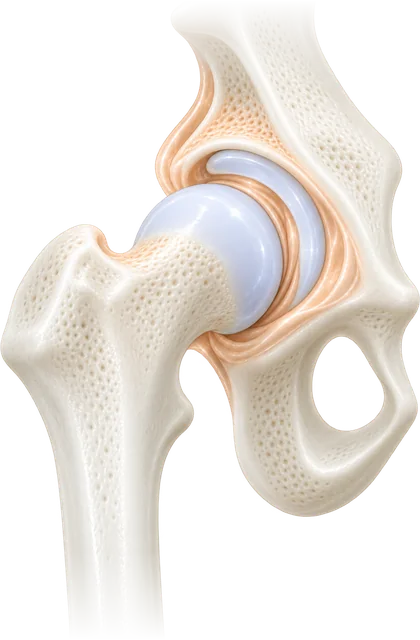 Coxarthrosis (hip osteoarthritis)
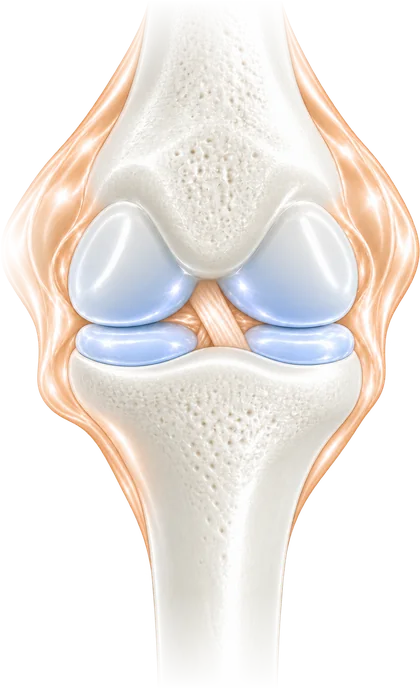
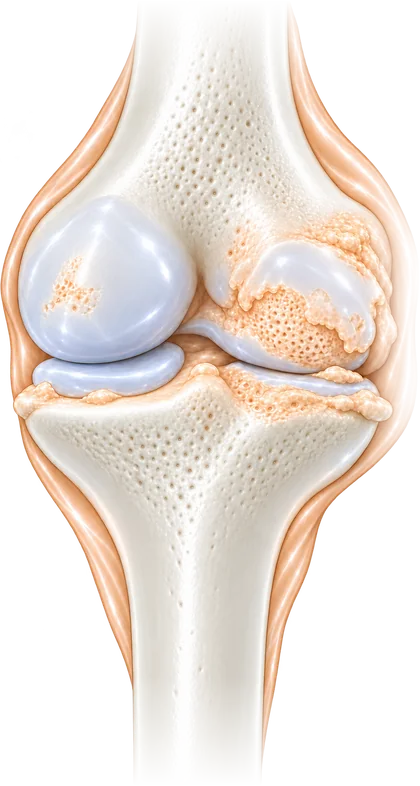 Gonarthrosis (knee osteoarthritis)
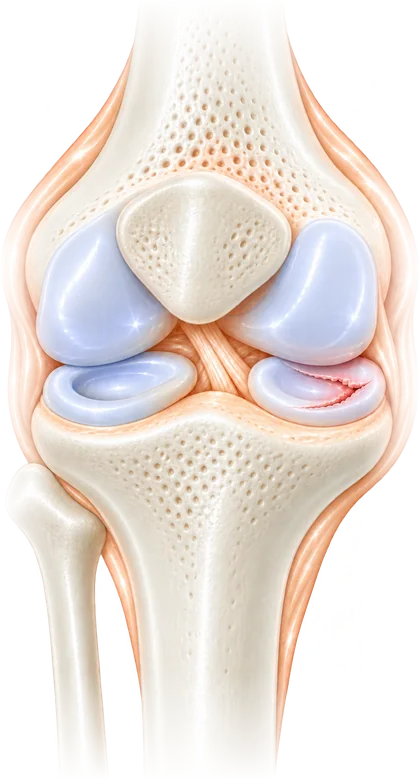 Meniscus pathology and injury
 Rehabilitation after injuries and surgery
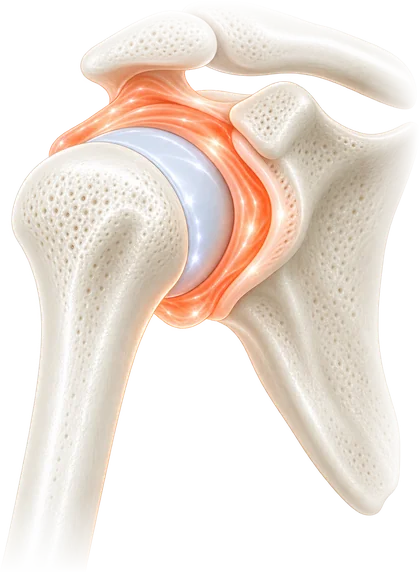 Inflammatory joint conditions
How it works
1First comes an examination: the doctor checks the joint and your X-ray, MRI or ultrasound images and decides whether the procedure fits. If you have scans already, send them in advance.
 2
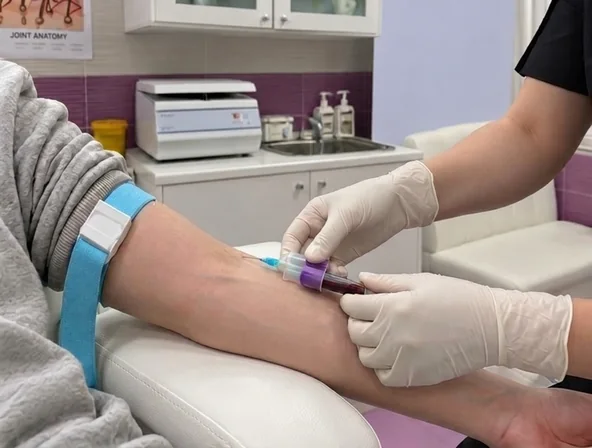
A small amount of blood is taken from a vein. Platelet-rich plasma with growth factors is later prepared from it.
 3
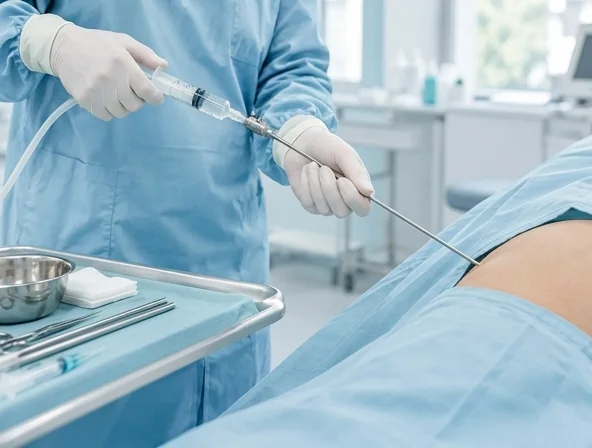
Under local anaesthetic, a small portion of adipose tissue (about 30 ml) is taken through a puncture on the abdomen or inner thigh. No stitches are needed.
 4
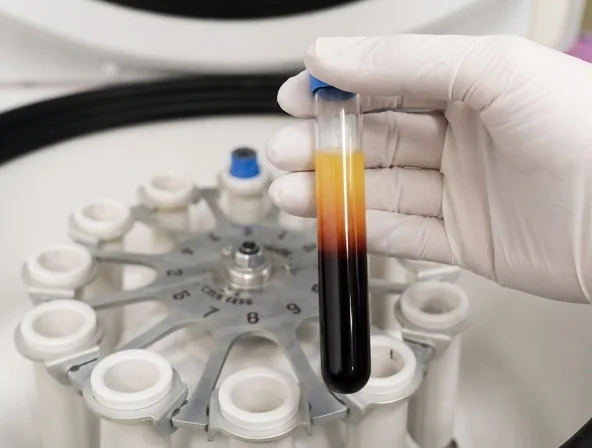
The centrifuge separates the sample into layers, the stromal vascular fraction is isolated, and it is then mixed with platelet-rich plasma.
 5
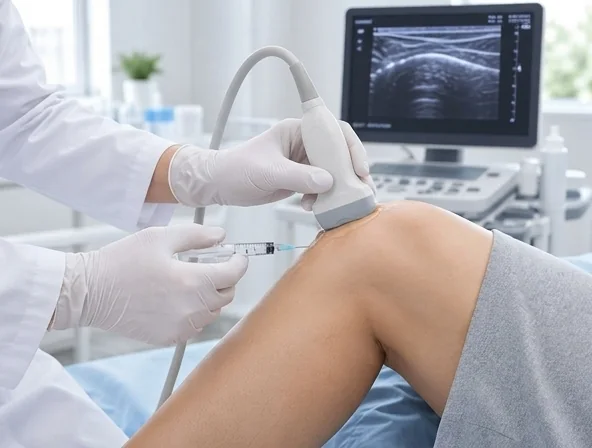
The doctor injects the prepared material directly into the affected joint, using ultrasound to place it precisely.
 6
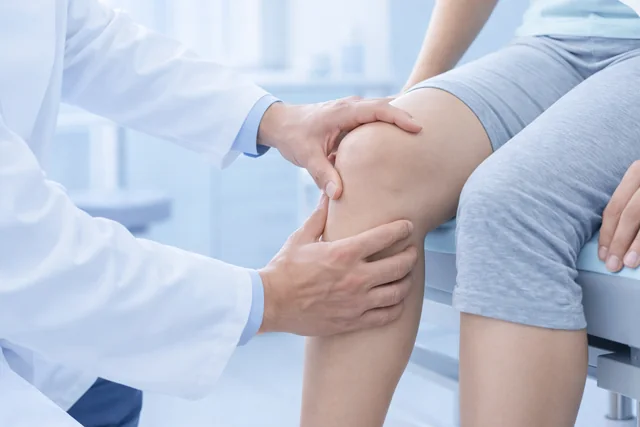
No hospital stay and no crutches. After the procedure the doctor keeps in touch and follows how your joint responds.
Call or message us — our coordinator will contact you shortly and book your consultation

Results

The joint may ache a little more — this is an expected reaction.
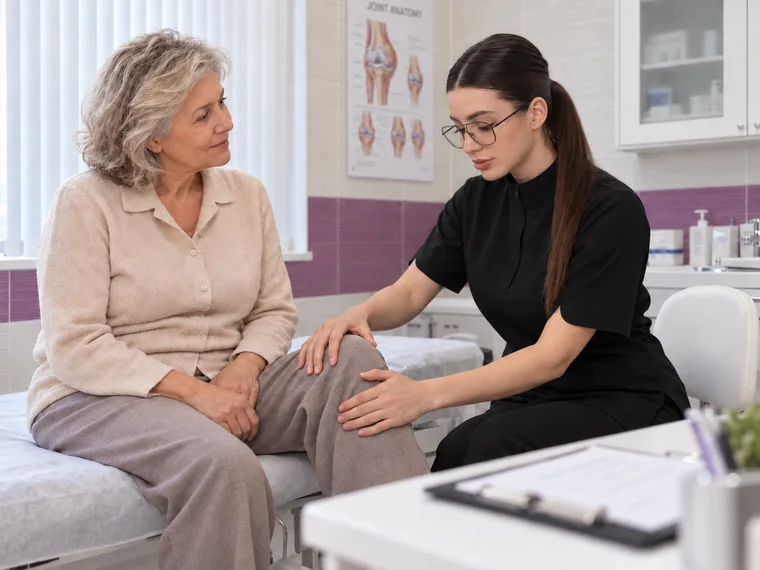
The pain usually eases.
Mobility and activity improve.

The full effect develops.
How long it lasts differs from person to person and depends on the stage of the condition, body weight, activity and other factors — no one can promise a fixed result.
Comparison
Only your own blood and adipose tissue are used — no donor or synthetic material
The stromal vascular fraction (SVF) — a combination of cells involved in tissue repair — is isolated by processing a small sample of your adipose tissue. It is combined with your plasma and injected into the joint that needs treatment.
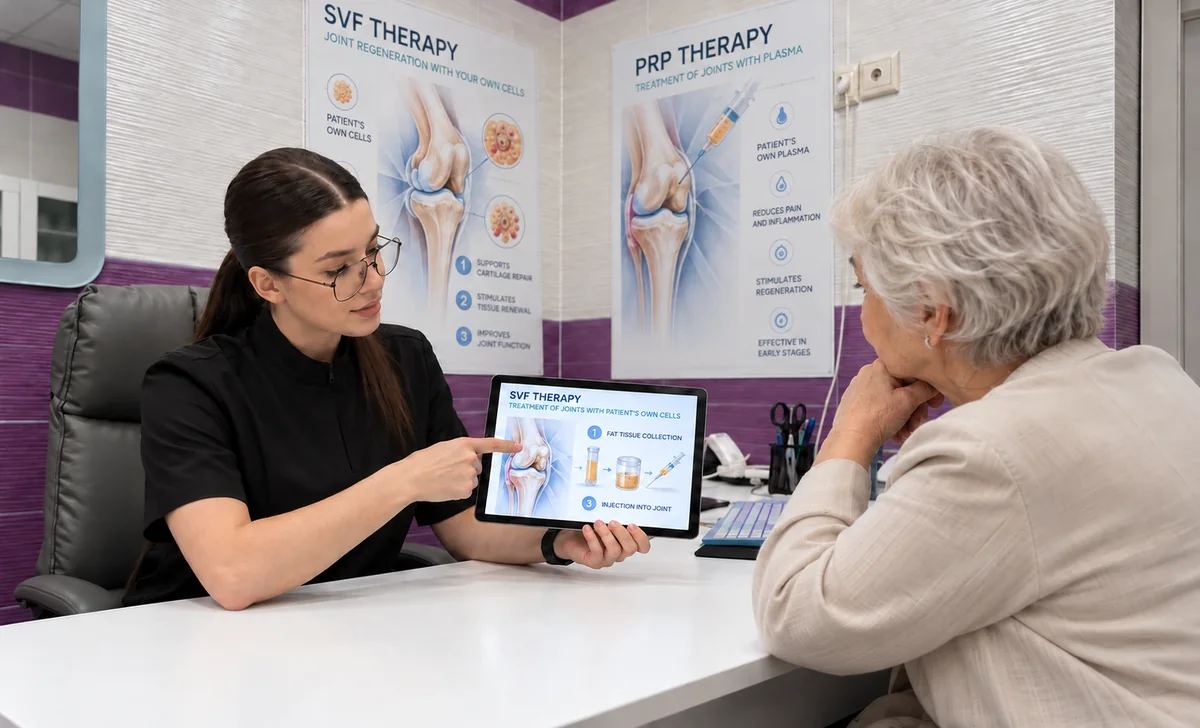
This option is usually picked for more advanced changes in the joint, when the goal is an effect that lasts longer.
Your blood, in a small amount, is used to separate plasma rich in platelets and growth factors. This plasma is injected into the joint to help calm inflammation and support tissue repair.
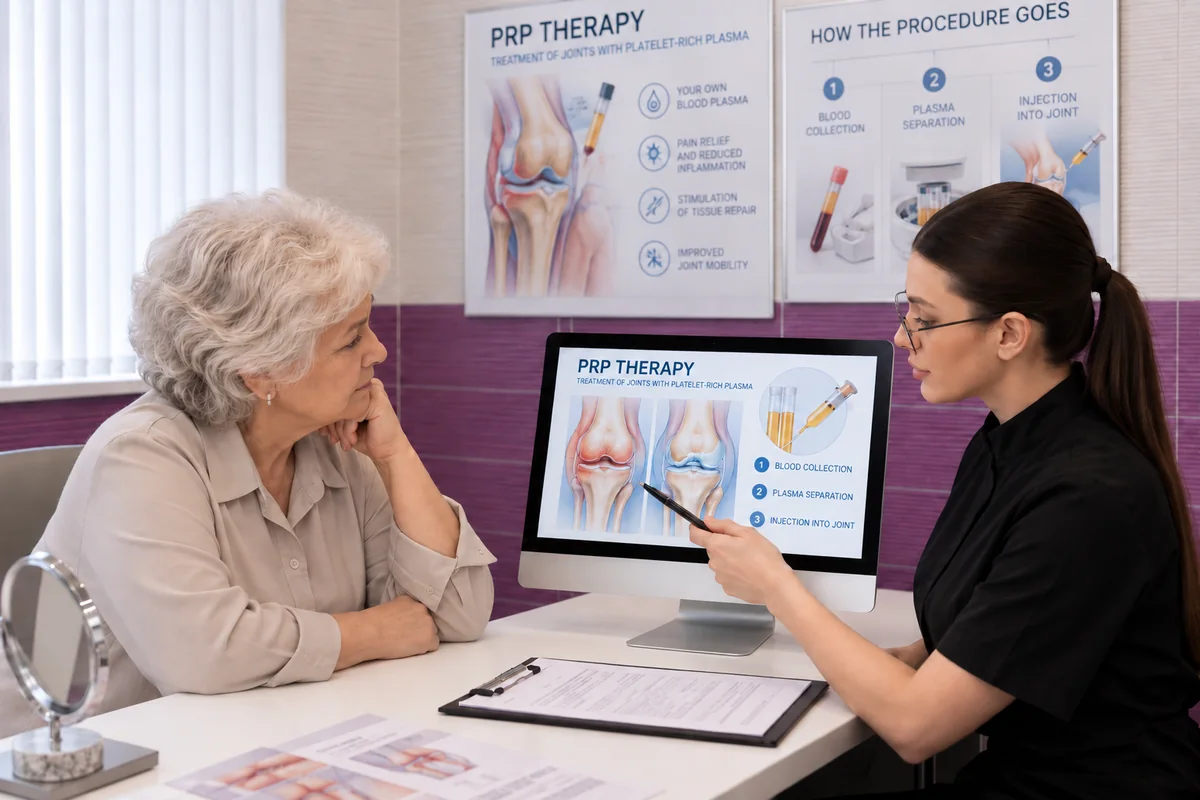
A course of injections can be done with it alone, or it can be paired with SVF.
The benefits and timings shown are averaged and given for guidance: the plan and recovery depend on your joint and individual features, and the doctor confirms them at the consultation.
At the consultation the doctor will review your scans and suggest a treatment plan
Free consultation
Joints
Small joints and large ones alike — your scans guide the doctor's choice of joint, method and number of injections
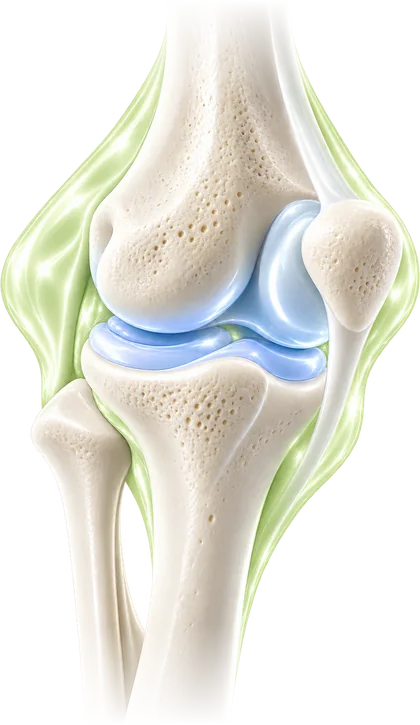 KneePain on stairs and after walking, meniscus problems, cartilage wear
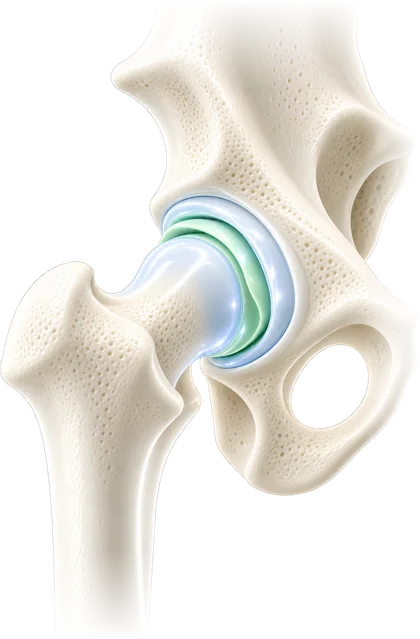 HipEarly hip osteoarthritis, groin pain, limited rotation
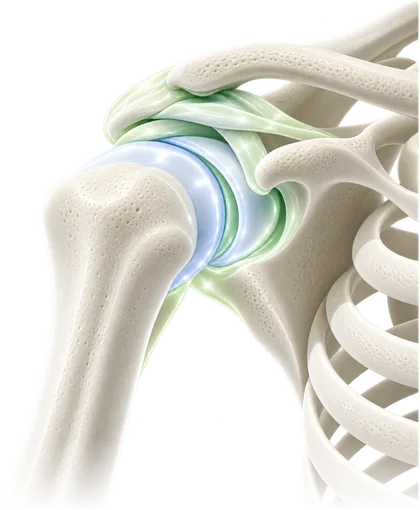 ShoulderPain as the arm goes up, wear of the joint and adjacent tendons
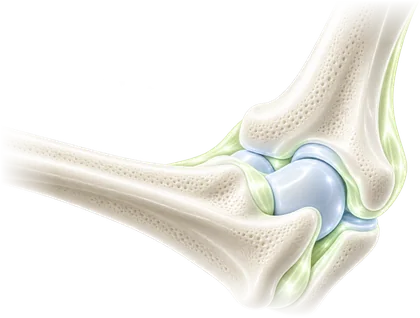 ElbowAching after strain from sport or overuse, joint surface wear
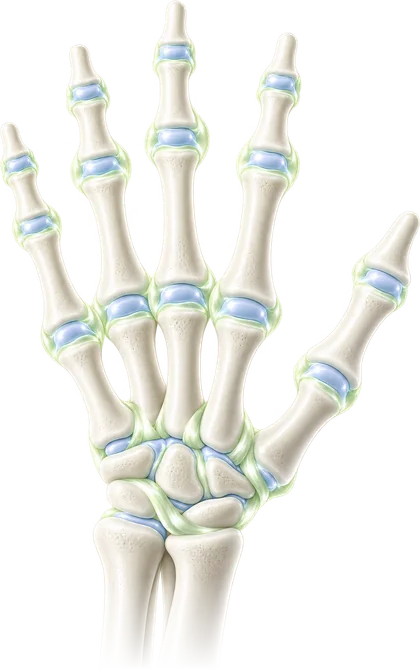 Hand and wrist jointsStiffness and pain in the small joints of the hand and wrist
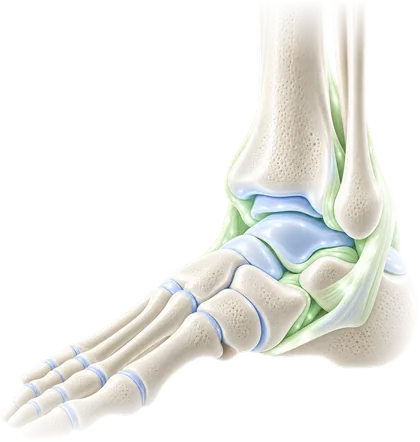 AnklePain and stiffness after sprains and old injuries
Advantages
No surgery: our work is about keeping your own joint, not swapping it for an implant
Only your own blood and adipose tissue are used — no donor or synthetic material
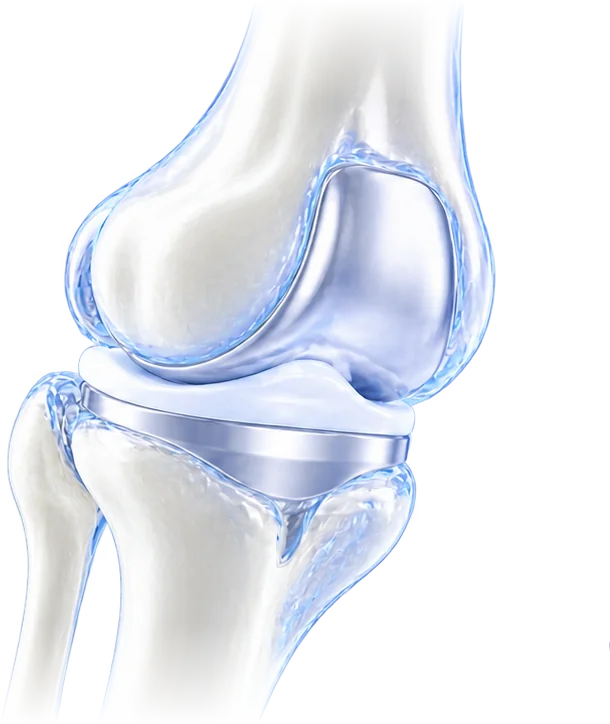
Small punctures in place of incisions, local anaesthetic, no long recovery programme
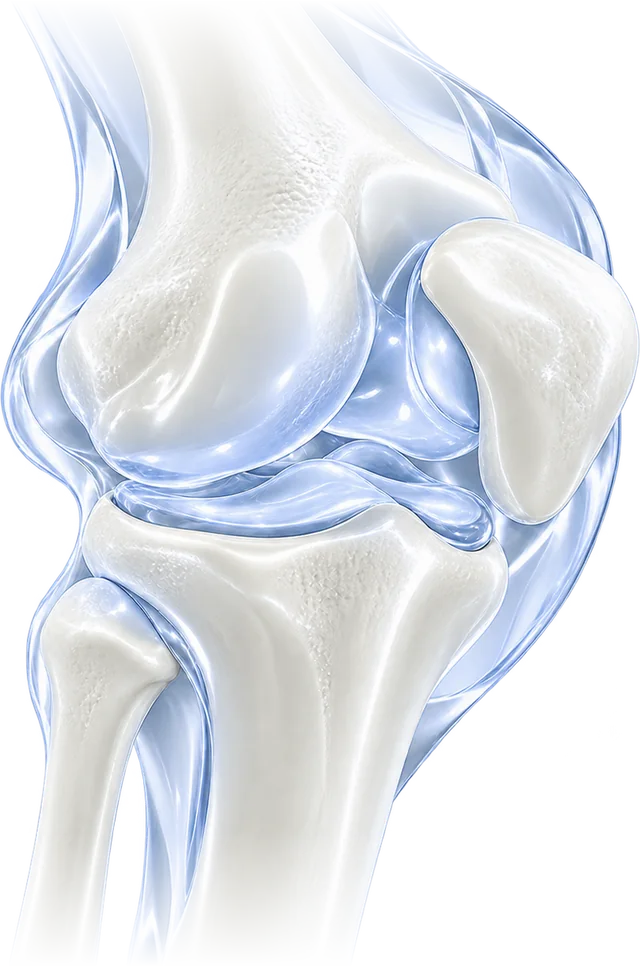
A doctor gives a free, independent assessment of the X-rays, MRI or reports you send us
Beyond the day of the injection, we keep in touch after the procedure and follow your result
About the clinic
Modern equipment, comfortable rooms and care for every patient
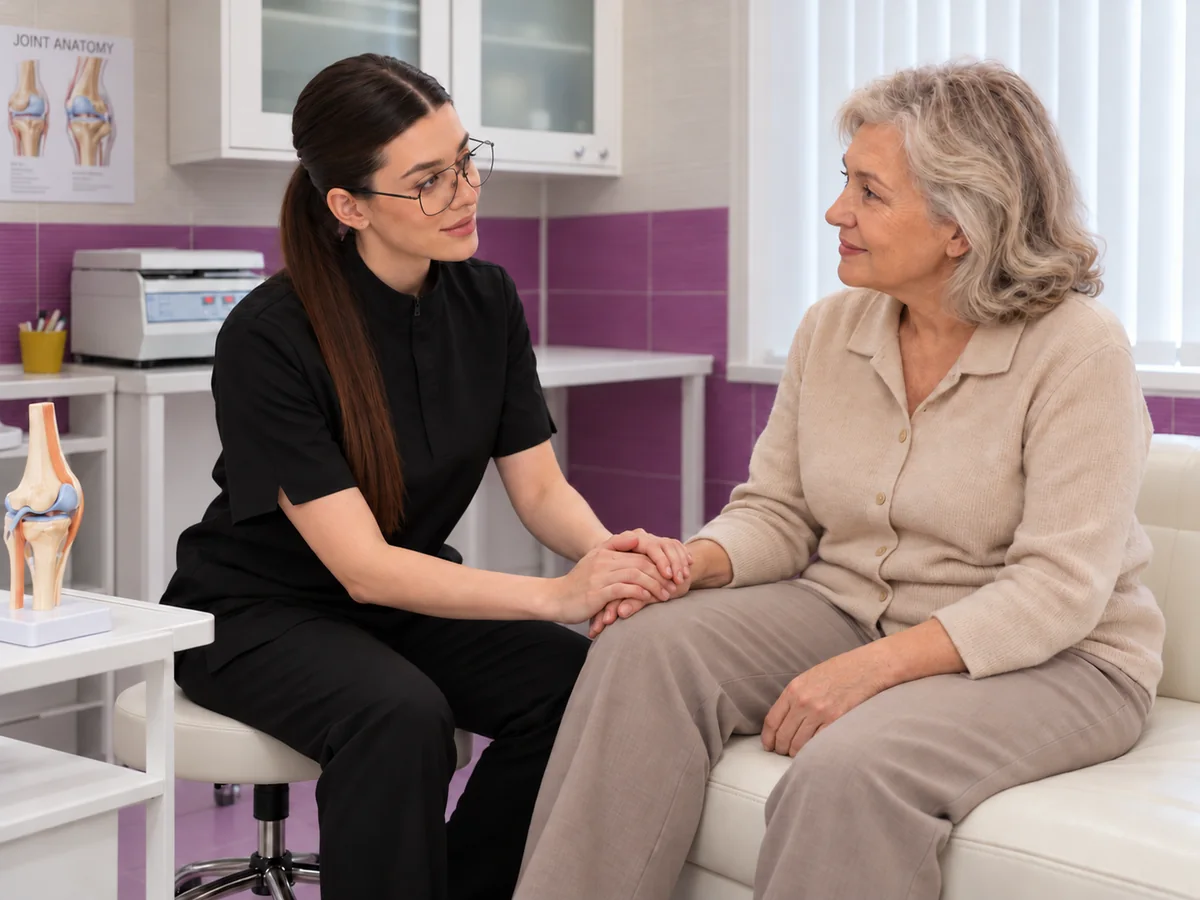
We will answer your questions and find a convenient time for a consultation
By messaging us, you agree to our Privacy Policy
Request a free callPrice
The cost depends on the joint, the stage of the condition and the method, so the doctor names it after the consultation
Free
Book — Consultation and review of your scansPrice at consultation
Book — PRP therapy (platelet-rich plasma)Price at consultation
Book — Cell therapy (SVF + PRP), one jointFAQ
Often, yes. For meniscus damage and knee osteoarthritis, PRP and SVF injections are used to ease pain and support the joint. The doctor reviews your MRI first and says whether this suits you.
Platelet-rich plasma (PRP) is prepared from your blood, while SVF is a cell fraction taken from a small adipose tissue sample. Because they work differently, they are often combined to strengthen the regenerative effect in the joint.
Because both methods use your own tissue, the risk of rejection or allergy is very low. As with any injection, there may be temporary pain, swelling or bruising, and infection is rare. At the consultation the doctor explains the risks in your case.
Duration is individual. PRP often works for several months to about a year, while SVF may last longer. It depends on the stage of the condition and your body, which is why no one can promise a fixed result.
People with cancer, acute infections or blood clotting disorders cannot have the procedure, nor can pregnant women or anyone in a flare-up of a serious chronic illness. The doctor checks this at the consultation.
Early-stage osteoarthritis often responds to PRP or SVF injections together with exercise therapy and physiotherapy, which can reduce pain and improve movement. If the joint is badly damaged already, replacement may be the more realistic option, as the doctor will honestly tell you after seeing your scans.
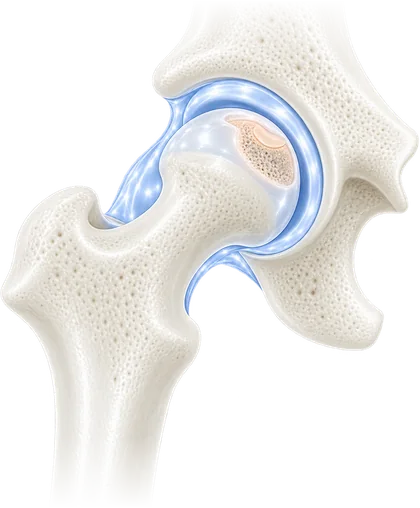
When the condition is at an early stage (1–2), SVF therapy may be considered to support blood supply to the femoral head and delay a joint replacement; at later stages surgery is usually required.
Keep in mind that replacement is major surgery with long rehabilitation, risks such as infection and implants that may eventually be redone. When changes are early or moderate, trying to preserve your own joint first often makes sense.
Yes. A doctor will review your X-rays, MRI, CT or medical reports free of charge once you send them, and explain whether the procedure could suit you and what else might be needed.
Within a day or two, as a rule. There are no crutches and no lengthy rehabilitation; the doctor provides recommendations on exercise and load for the first weeks.
PRP helps with shoulder joint and rotator cuff problems, and SVF may be considered when shoulder arthritis is more advanced. It depends on the cause of the pain — the doctor establishes it first.
About the conditions
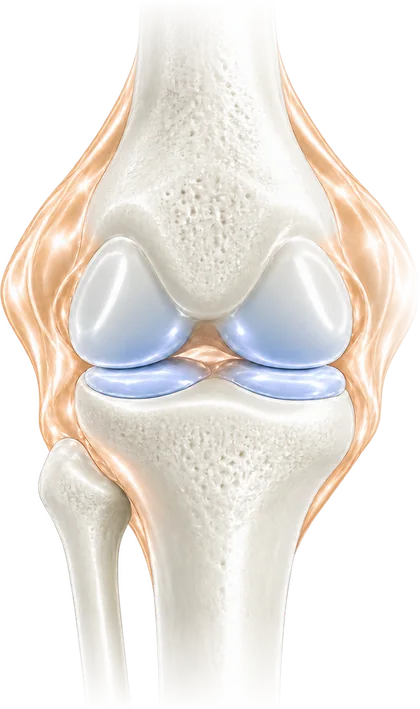
Arthritis is an inflammatory disease of the joints. Typical signs are pain at rest and at night, morning stiffness lasting more than 30 minutes, swelling, redness and warmth over the joint. Causes include autoimmune conditions such as rheumatoid arthritis, infections, gout and psoriasis.
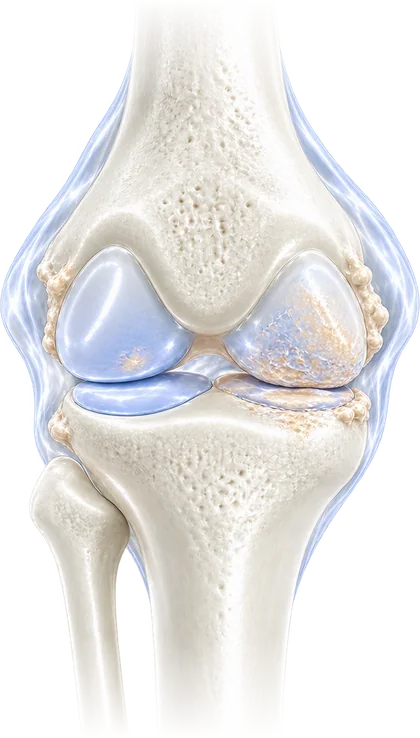
It is gradual wear of the cartilage that covers the ends of the bones in a joint. When the cartilage thins, the joint loses its cushioning, the bones rub against each other, and pain, stiffness and crunching appear. It is a degenerative condition, not an inflammatory one.
Osteoarthritis is wear of the cartilage: aching pain on movement, crunching, stiffness after rest. Arthritis is inflammation: pain at rest and at night, swelling, redness and warmth over the joint. The approach to treatment differs, so the diagnosis comes first.
Knee problems are the most familiar reason to seek help: cartilage wear, meniscus damage, pain on stairs and after walking. Patients from Leicester with hip, shoulder, ankle, elbow or wrist pain follow the same path — scan review, examination and a clear plan.
The procedure in Leicester takes one day. Blood is taken from a vein for PRP, a small portion of adipose tissue is taken under local anaesthetic without stitches, the material is spun in a centrifuge, and the prepared mix is injected precisely into the affected joint.
The cost of joint treatment depends on the joint, the stage of the condition and the method, so the price is set at the consultation. The initial consultation and review of your scans are free for patients from Leicester. Leave your name and phone number, and a coordinator will contact you.
Leicester is a compact city. About 383,116 people live within 73 km², which works out at 5,224 people per km², and the wider urban area holds 559,017. The city lies on the River Soar, roughly 140 km north-northwest of London. It is the county town of Leicestershire in the East Midlands. That density shapes how people move: shorter trips, a good deal of walking, steps at entrances and bus stops, and plenty of time spent standing at work.
The Grand Union Canal and the River Soar Navigation meet here and connect the city with the River Trent to the north. The eastern end of the National Forest is also close by. Towpaths and woodland routes are flat compared with many places, but they add up to long, repetitive distances, and a knee or hip that is slightly worn may begin to complain only after the second or third kilometre. The service description lists this pattern among its typical complaints: pain climbing stairs or after walking, cartilage wear, trouble with the meniscus. If that sounds familiar, the pain may be something more than ordinary tiredness.
Leicester also takes sport seriously. It is home to Leicester City FC, Leicester Tigers, Leicester Riders basketball and Leicestershire County Cricket Club. It was named European City of Sport in 2008 and UK's Greatest Sporting City in 2016. Leicestershire is crossed by National Cycle Network Route 6, the city has a bike park, and an e-bike share scheme ran from 2021 to 2023. For a joint, a lot of enthusiastic amateur sport means repeated twisting, jumping and pedalling. The treatment described here is meant for people with a high load on their joints, whether from sport or physical work. It is also meant for recovery after injuries and operations, and for early or moderate arthrosis or arthritis.
The treatment works like this. Platelet-rich plasma (PRP) is prepared from your own blood. The stromal vascular fraction (SVF) is isolated from a small sample of your adipose tissue. The material is injected into the affected joint under ultrasound guidance. It is used to reduce pain and inflammation and to support the tissues inside the joint. It is an injection instead of an operation, and only your own tissue is used.
The joints that can be treated are the knee, hip, shoulder, elbow, the small joints of the hand and wrist, and the ankle. After checking your scans, the doctor settles which joint, which method and how many injections.
Leicester has a maritime climate, with rain spread through the year and low sunshine. The figures here come from the Newtown Linford station, about 5 miles north-west of the centre, using 1971-2000 normals. January is the coldest month, with a mean maximum of 6.7 °C and a mean minimum of 0.5 °C. July is the warmest, at 21.6 °C by day and 10.8 °C at night. The annual mean is 9.4 °C.
Annual precipitation is 684.4 mm over 120.8 days. December is the wettest month, at 68.8 mm over 11.7 days, followed by January at 61.7 mm. July is the driest, at 46.1 mm over 7.8 days. In other words, roughly one day in three has some rain, and a stretch of wet, cool weather from December to January is normal.
The medical material for this treatment makes no claim that weather causes arthritis or arthrosis, and we do not make one either. Some people do say their joints feel different on cold or wet days. A practical approach is to keep a short diary for two or three weeks. Note the joint, the time of day, how long morning stiffness lasts and what you were doing. The text distinguishes two patterns. Arthritis is inflammation, with pain at rest and at night, morning stiffness lasting more than 30 minutes, and swelling, redness and warmth over the joint. Osteoarthritis is gradual wear of cartilage, with aching on movement, crunching and stiffness after rest. A diary of this kind helps the doctor see which pattern you have, and the diagnosis comes first because the approach to treatment differs.
Summer heat is rare but not absent. The average annual maximum is 28.7 °C, and about 11.3 days a year reach 25.1 °C or more. The highest recorded values were 34.5 °C at Newtown Linford in August 1990 and 35.1 °C at Leicester University in August 2003. Timing matters mainly for practical reasons. After the procedure the joint may ache a little more for about 1 week, which is an expected reaction. The doctor also gives load and exercise recommendations for the first weeks. Plan the procedure at a time when you do not have a heavy sporting fixture, a house move or a long shift pattern in that first week.
Some conditions are temporary reasons to wait. These are skin inflammation over the joint to be treated, a fever, a cold or flu. In a damp, cool winter, colds are common, so it makes sense to tell the coordinator about any symptoms before a date is fixed.
Arthritis UK reports, in the 2026 edition of its State of Musculoskeletal Health report, that over 10 million adults, young people and children in the UK live with arthritis. The NHS describes osteoarthritis as the most common type of arthritis in the UK. The risk rises with age and is higher in women than in men. It is also higher in people with obesity or a joint injury. A GP may suspect osteoarthritis in a person aged 45 or older.
Weight is relevant because it is one of the factors the doctor weighs when judging how long an effect may last. The service description says that how long the effect lasts depends on the stage of the condition, body weight, activity and other factors. The Health Survey for England 2022, published by NHS Digital, found 29% of adults living with obesity and 64% overweight or living with obesity. By region, obesity ranged from 39% in the North East to 21% in London. These are national and regional figures, not Leicester figures, so they should not be read as describing the city itself. But they show that joint load from body weight is a common issue across England, and it is a topic the doctor will discuss frankly and without judgement.
Many people with joint pain have already had an injury: a sprain, a meniscus tear, an old fracture. The ankle section of the treatment description mentions pain and stiffness after sprains and old injuries, and the elbow section mentions aching after strain from sport or overuse. Past injuries matter because they are one of the recognised risk factors named by the NHS.
Not every joint problem is osteoarthritis. The list of conditions covers arthritis, arthrosis, avascular necrosis, coxarthrosis (hip osteoarthritis), gonarthrosis (knee osteoarthritis), meniscus pathology and injury, inflammatory joint conditions, and rehabilitation after injuries and surgery. For avascular necrosis of the hip, SVF therapy may be considered at early stages (1–2) to support blood supply to the femoral head and delay the need for joint replacement. At later stages surgery is usually required. That candid distinction runs through the whole approach: injections are for earlier stages, and the chance of a lasting effect is higher the earlier the condition is caught.
The NHS says that hip replacement may be considered when hip pain and stiffness have a big effect on life and other treatments have not worked. It names osteoarthritis as the main cause, with rheumatoid arthritis and hip injury also mentioned. For rheumatoid arthritis, the NHS states plainly that there is no cure. Treatment is long-term medicine to relieve symptoms and slow progress, together with physiotherapy and occupational therapy, and surgery can fix joint problems that develop.
The NHS also publishes waiting-time figures. According to the NHS England statistical press notice of 10 September 2026, the number of referral-to-treatment pathways waiting to start treatment at the end of July 2026 was 7.3 million, relating to around 6.2 million unique patients. Of these, 111,379 had waited more than 52 weeks. These figures cover all specialities, not only orthopaedics. We quote them only to explain why some people look for a second view while they wait. We do not suggest that this treatment replaces NHS care, a GP or a rheumatology appointment.
Here is how the consultation can complement what you already have. You message a coordinator on WhatsApp or Telegram at any time of day, and the coordinator asks for your scans: X-ray, MRI, CT, ultrasound or medical reports. The doctor assesses them independently at no charge, and you hear whether the procedure could suit you and what else may be needed. If an NHS appointment gave you an X-ray or MRI report, you can send it as it is. The doctor will tell you honestly if the joint is already badly damaged. In hip osteoarthritis, for example, replacement may then be the more realistic option, and that is a useful answer to have too.
Funding is a separate question. We do not state any amounts here, and the cost depends on the joint, the stage of the condition and the method, so the doctor confirms it after the consultation. If you hold private health insurance, ask your insurer whether it reimburses regenerative injections, and ask the coordinator for any documents the insurer needs.
Start with the scans. Gather any X-ray, MRI or ultrasound images and written reports, even if they are a few years old, and send them before the consultation. At the consultation the joint is examined and the scans are reviewed to decide whether the procedure suits you. Prepare a short list of medicines you take and any past illnesses. The doctor needs this because some conditions rule the procedure out: cancer, pregnancy, blood clotting disorders, acute infections including infection in or near the joint, and a flare-up of a serious chronic illness.
Think about timing around the national calendar. England and Wales have eight bank holidays in 2026, and the last two are Christmas Day on 25 December and the substituted Boxing Day on 28 December. If you plan to ask your GP or a hospital department for copies of scans near those dates, ask early. Our coordinators answer round the clock, including on bank holidays, but external records may take longer to arrive.
Leicester's year is also busy with events: the Caribbean Carnival and parade, Diwali celebrations, the Leicester Comedy Festival, Leicester Pride, and the International Short Film Festival, usually in early November. If you are on your feet for hours at one of these, or work at one, think about the week after the procedure. For about 1 week the joint may ache a little more, and then in about 1 month the pain usually eases. Mobility and activity improve at about 3 months, and the full effect develops at about 6 months. These timings are averaged and given for guidance, and no one can promise a fixed result.
Here is what happens on the procedure day. If you have SVF, a small amount of blood is taken from a vein, and under local anaesthetic the doctor takes roughly 30 ml of adipose tissue through a small puncture in the abdomen or inner thigh. No stitches are needed. The samples are spun in a centrifuge, the stromal vascular fraction is isolated and mixed with platelet-rich plasma, and the material goes into the joint under ultrasound guidance. The whole procedure is done in one day, with no hospital stay and no crutches. PRP alone needs only the blood sample. After the procedure the coordinator and doctor stay in touch and follow how your joint responds.
Students and staff at the University of Leicester and De Montfort University, like anyone with a busy timetable, can note that normal life usually resumes within a day or two. Even so, follow the load recommendations for the first weeks.
Not necessarily. The coldest month is January, with a mean maximum of 6.7 °C and a mean minimum of 0.5 °C, and December and January are the wettest months. The treatment itself is an injection with no hospital stay, so the weather does not block it. What matters is that you are well on the day: a fever, a cold or flu, or skin inflammation over the joint are temporary reasons to wait. Tell the coordinator about any symptoms and a date will be arranged once you have recovered.
Yes. X-rays, MRI, CT, ultrasound images and medical reports can be sent to the coordinator on WhatsApp or Telegram. The doctor reviews them independently at no charge and tells you whether the procedure could suit you and what else may be needed. You can send existing scans before the consultation so that the time is used on your joint and your questions.
It is not a replacement for NHS care or for your GP. National figures show a large number of people waiting to start treatment, with 7.3 million pathways at the end of July 2026, but these figures cover all specialities. For early or moderate changes, injections may help to postpone or avoid replacement. For a joint that is already badly damaged, replacement may be the more realistic option, and the doctor will say so honestly after seeing your scans.
It can. The doctor says that how long the effect lasts depends on the stage of the condition, body weight, activity and other factors. The NHS also names obesity as one factor that raises the risk of osteoarthritis. The doctor will discuss this directly at the consultation, together with load and exercise recommendations, and it does not by itself rule you out.
Pain, crunching or stiffness in a joint, painkillers that help only for a short time, and pain climbing stairs or after walking are typical reasons. For arthritis, other signs are pain at rest and at night, morning stiffness lasting more than 30 minutes, and swelling, redness and warmth over the joint. None of these confirms a diagnosis. They are a reason to send your scans so that the doctor can judge the stage.
Expect the joint to ache a little more for about 1 week, which is a normal reaction. The pain usually eases in about 1 month, and mobility and activity improve at about 3 months. You can return to normal life within a day or two and you will not need crutches. The doctor gives load and exercise recommendations for the first weeks, so avoid scheduling a competition or a heavy physical task in that period.
The NHS pages we consulted on hip replacement and osteoarthritis do not describe regenerative injections, so we cannot say that the NHS covers them. For private insurance, policies differ, so ask your insurer directly whether it reimburses this type of procedure. The coordinator can provide the documents the insurer asks for. The doctor states the cost after the consultation, because it depends on the joint, the stage of the condition and the method.
Yes. Coordinators answer on WhatsApp and Telegram round the clock, including on bank holidays. The national calendar for England and Wales has Christmas Day on 25 December and the substituted Boxing Day on 28 December 2026. External records, such as scan copies requested from other services, may take longer around those dates, so ask for them earlier.