



























Message our coordinator
Free online consultation · Reply within 15 minutes
Message us on TelegramMessage us on WhatsAppBy messaging us, you agree to our Privacy Policy
Facelift and neck lift in Cardiff: price and key facts
Facelift for patients from Cardiff at City Medical Centre starts at £1,850 (from $2,400). The first online consultation is free; the doctor names the final price and it is fixed in the contract.
- Price
- £1,850 (from $2,400)
- Anesthesia
- general (inhalation)
- Recovery
- about 2 months to full recovery
- Final result
- 3–6 months after surgery
- How it works
- Send photos on WhatsApp or Telegram, get a free doctor assessment and the price, then confirm the plan and dates before anything is booked.
How it works · Facelift prices
Information current as of 24 October 2026

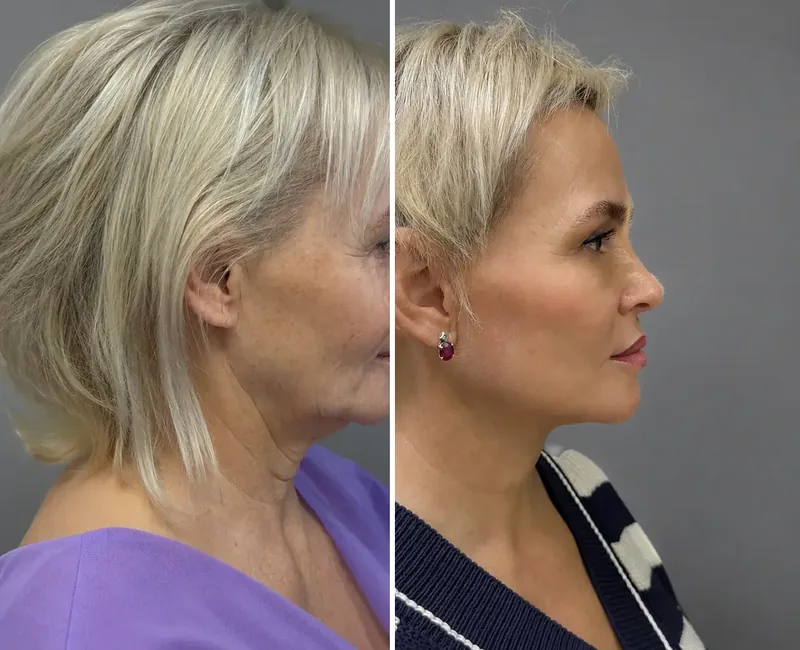
50 years
9 months
SMAS facelift
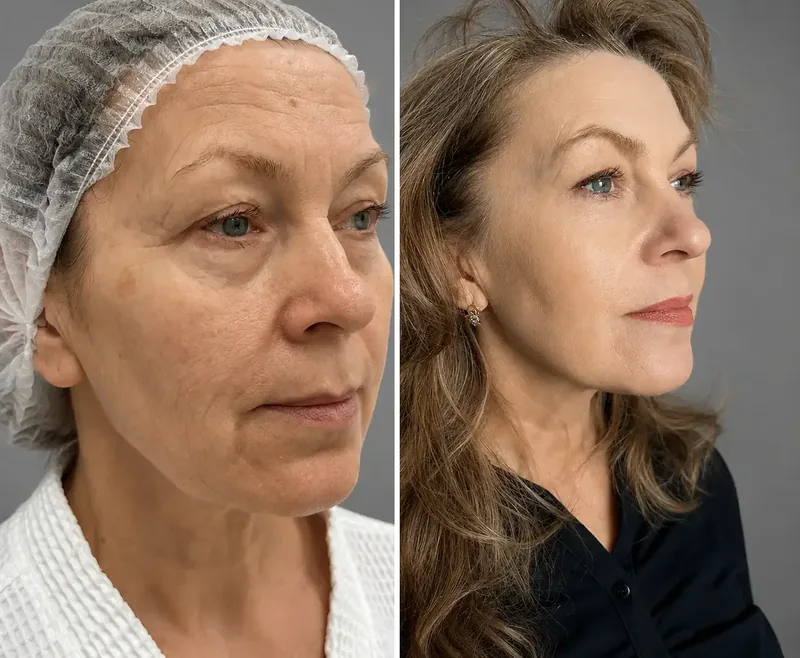
58 years
8 months
SMAS facelift
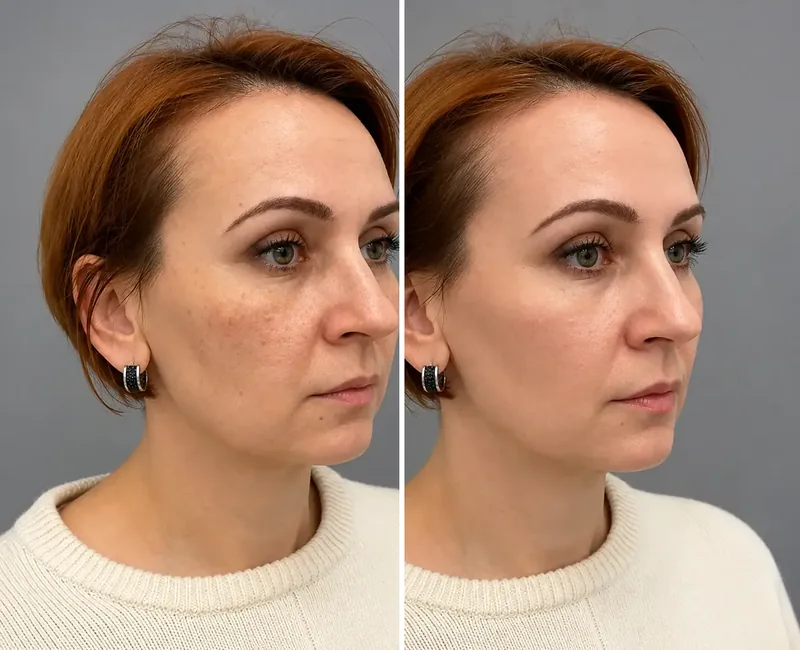
34 years
5 months
SMAS facelift
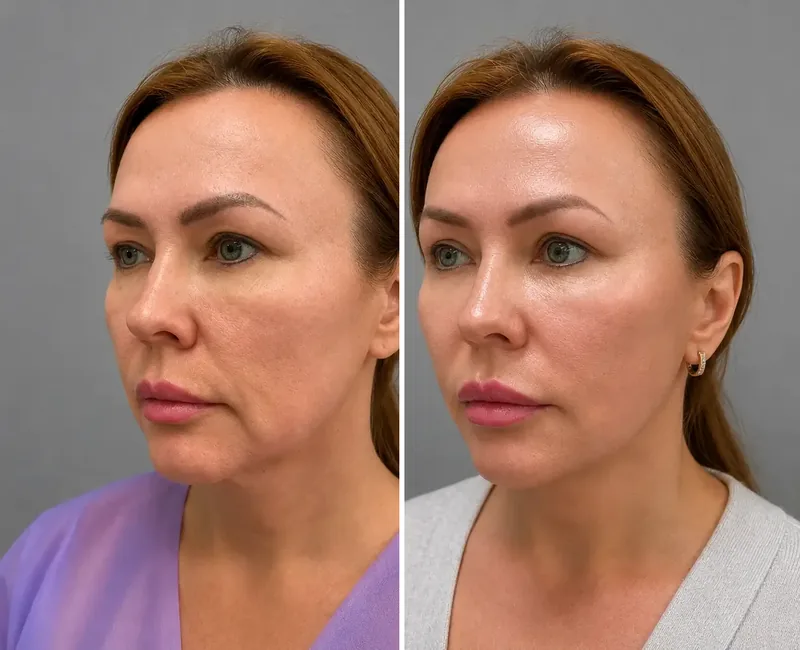
32 years
7 months
SMAS facelift
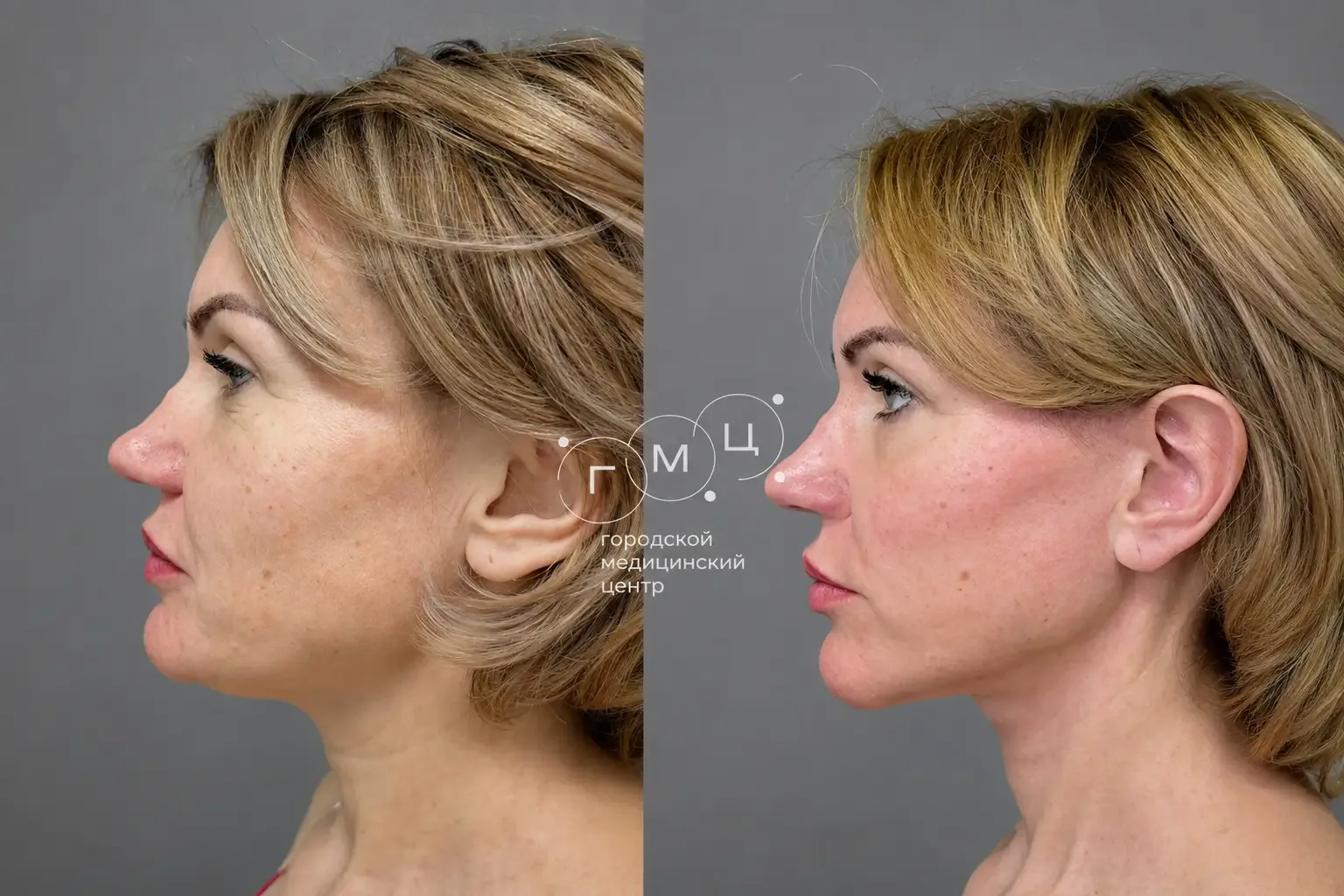
40 years
6 months
SMAS facelift
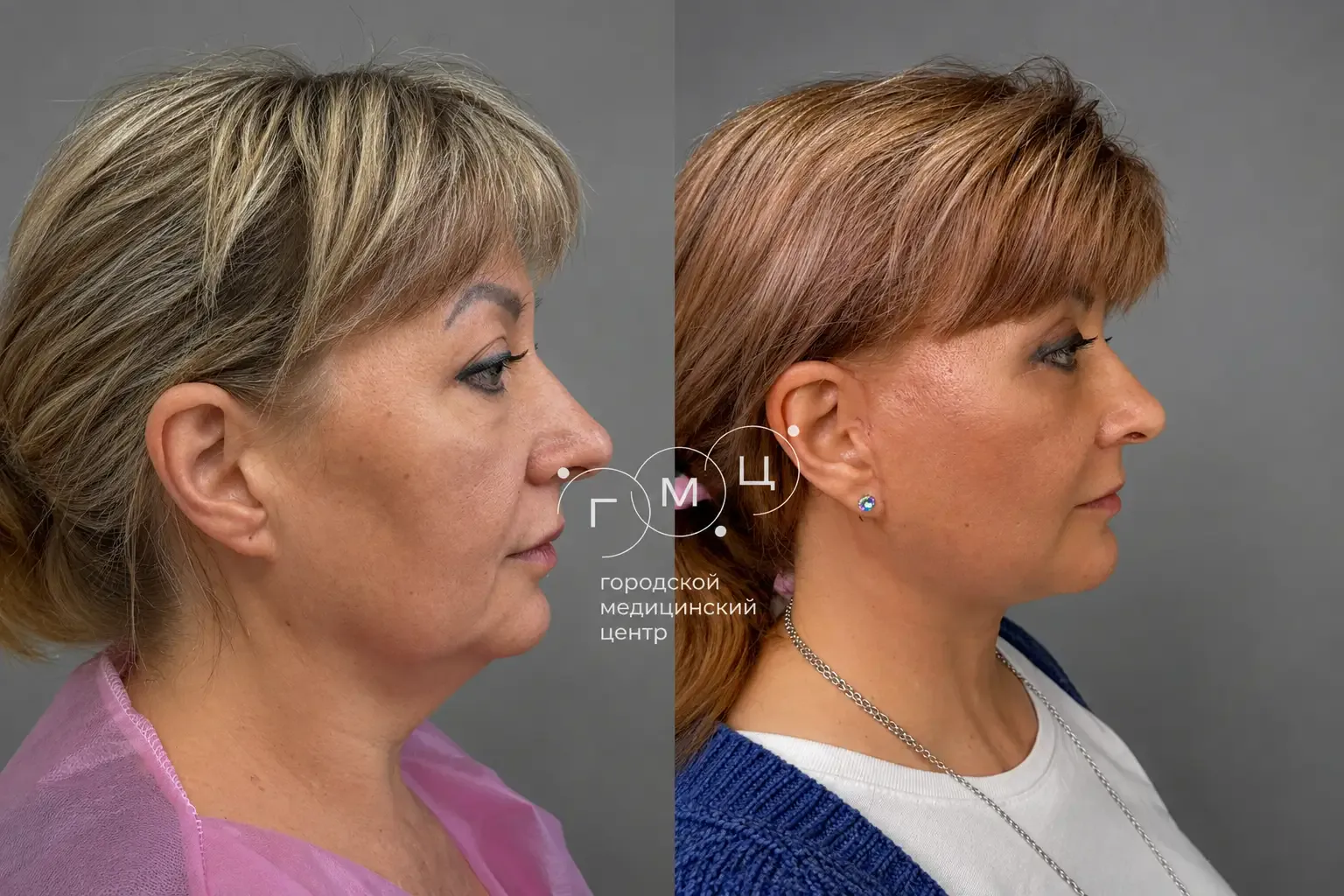
45 years
8 months
SMAS facelift
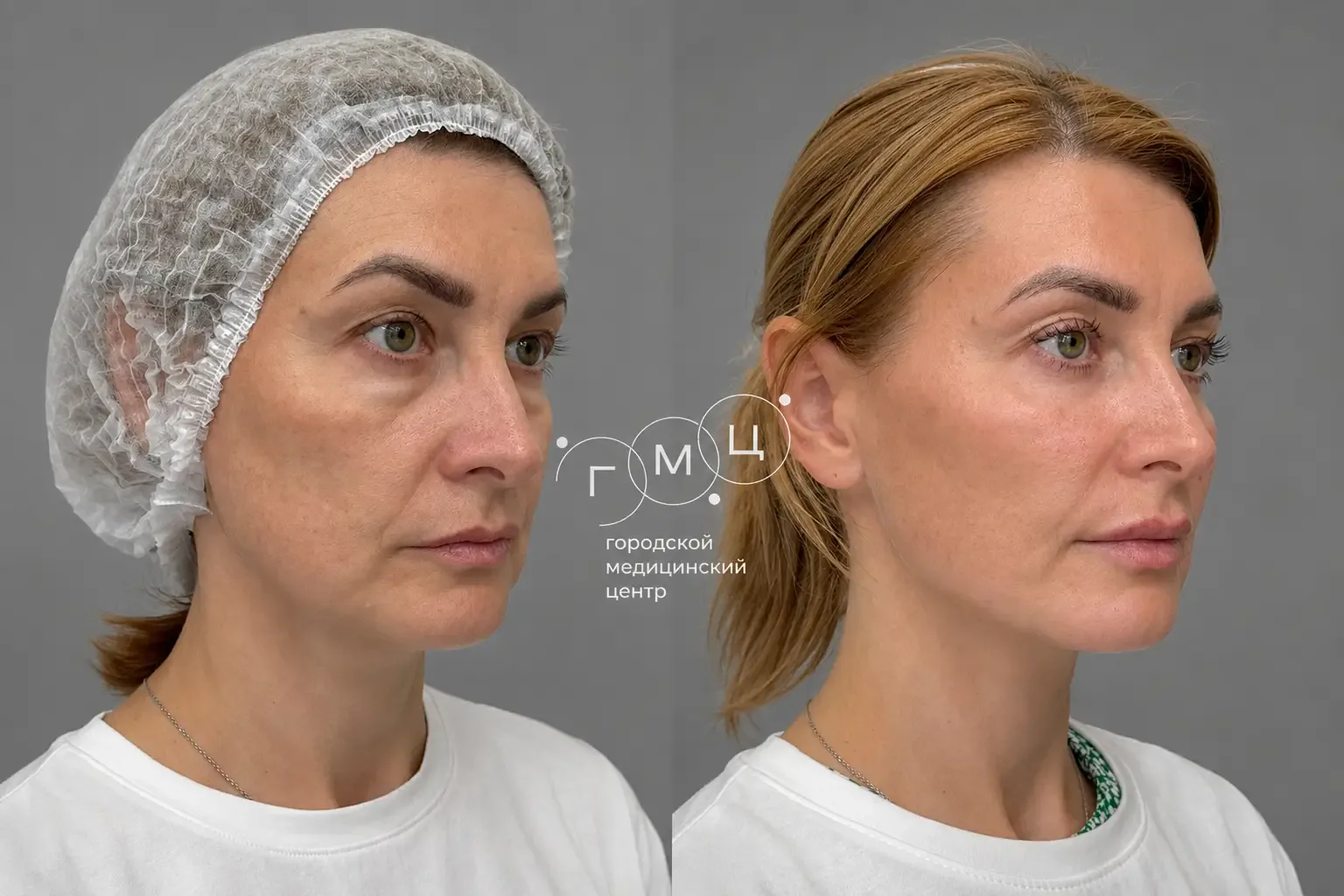
38 years
5 months
SMAS facelift
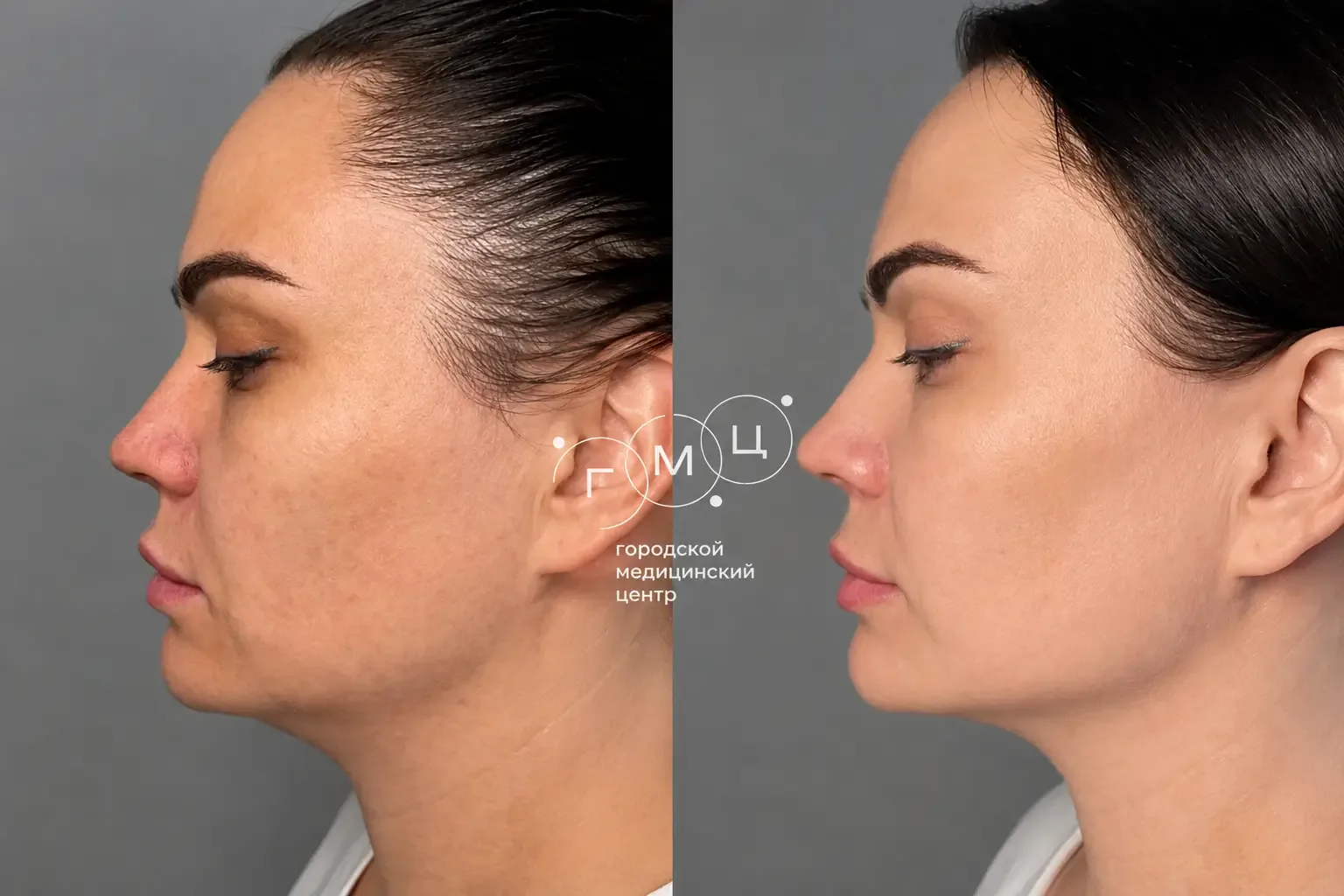
33 years
6 months
SMAS facelift
50 years
9 months
SMAS facelift
58 years
8 months
SMAS facelift
34 years
5 months
SMAS facelift
32 years
7 months
SMAS facelift
40 years
6 months
SMAS facelift
45 years
8 months
SMAS facelift
38 years
5 months
SMAS facelift
33 years
6 months
SMAS facelift
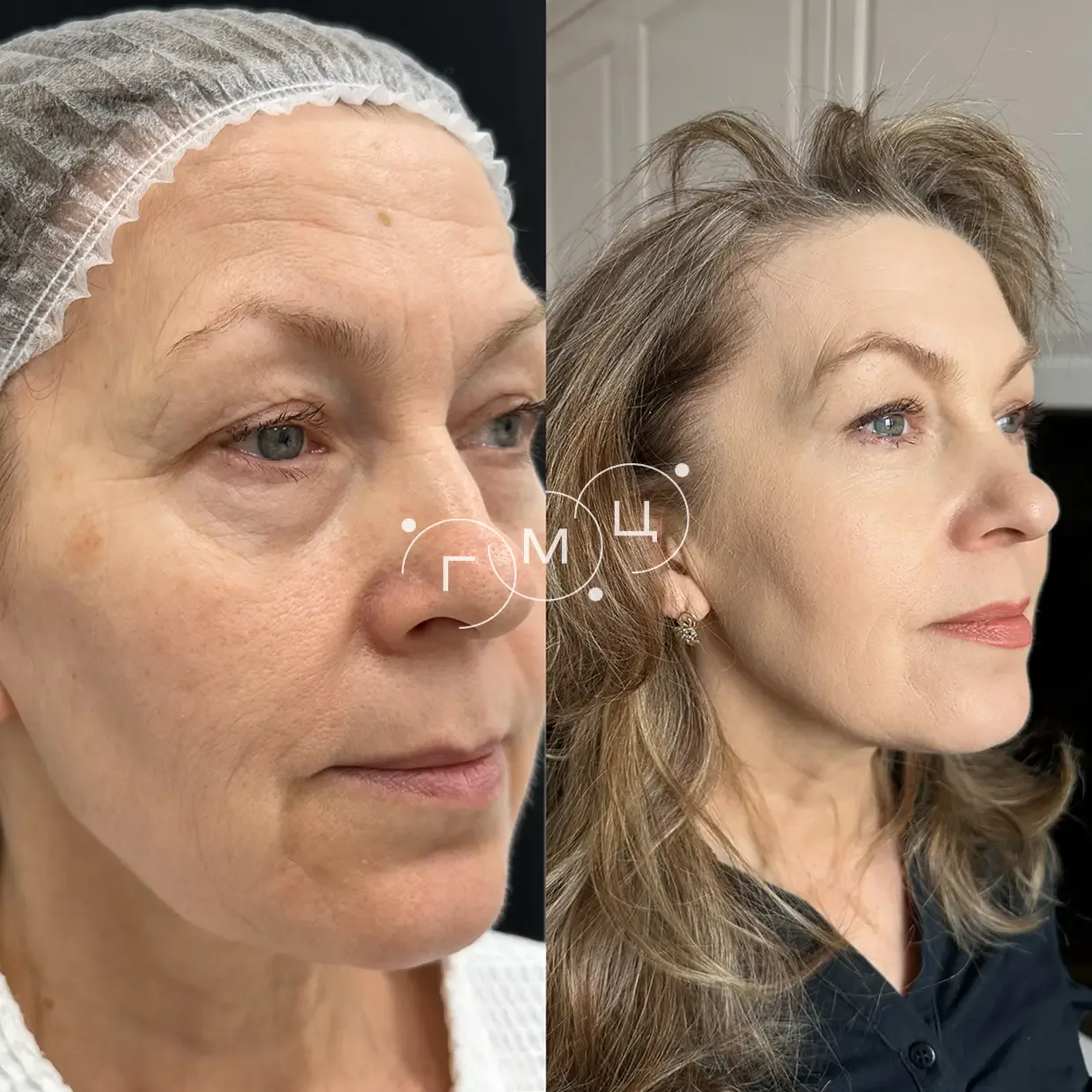

Pronounced sagging in the face and neck
Jowls and a blurred jawline
Double chin, loose skin on the neck
Deep nasolabial folds and marionette lines
Brows that droop, giving a heavy look
Significant loss of skin firmness after 40
Wanting a long-term result (7–10 years)

Age under 30
Acute skin inflammation
Pregnancy or the breastfeeding period
Severe heart and vascular disease
Problems with blood clotting
Cancer
Decompensated diabetes
Choosing a facelift in Cardiff
City Medical Centre performs surgical facelifts only, and the scope is tailored at the consultation. Indications include marked sagging of the face and neck, a blurred jawline and jowls, a double chin or loose neck skin, deep nasolabial folds and marionette lines, and drooping brows that make the look heavy. People in Cardiff who want a long-term result rather than a temporary fix are typical candidates.
Recovery follows a clear timeline. For the first 7–10 days you need rest, a compression bandage and reduced physical activity. Swelling and bruising fade in 2–4 weeks, and full recovery takes about two months. The first clear changes appear after 3–4 weeks, and the face takes on its final look within 3–6 months. Patients from Cardiff are guided by the surgeon throughout.
What do you pay for? From $2,400 (≈ £1,850) covers the operation and everything around it: a one-to-one consultation, the medical team, anaesthesia, inpatient care with meals, 24/7 monitoring and twelve months of surgeon follow-up. The first consultation is free and comes with no pressure to decide. Anyone in Cardiff can apply via the form or any messenger to arrange a convenient time.
Stories of well-known people
Well-known people who spoke openly about this operation, in their own words.
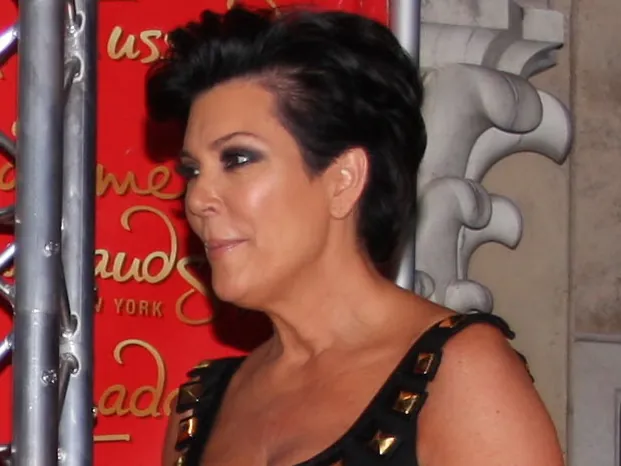 Kris Jenner’s facelift: “I love my facelift”Kris Jenner said she had a facelift about 15 years ago and a refresh before turning 70 — and that she loves it. How a SMAS facelift and recovery work.
 Did Vicki Gunvalson have a facelift? Yes, and she showed the result herselfVicki Gunvalson had a facelift in May 2018 after deciding fillers no longer looked like her. Her own words, how a facelift works and recovery.
 Keltie Knight’s facelift: why she decided to “just own it”Keltie Knight had a facelift in 2023 at 41 and chose to talk about it openly. What she said, how a SMAS facelift works and what recovery looks like.
 Did Linda de Mol have a neck lift? Yes, and she wrote about it herselfLinda de Mol wrote in LINDA. in 2025 that she had a neck lift. What she said, why she chose to be open, and how a face and neck lift works today.
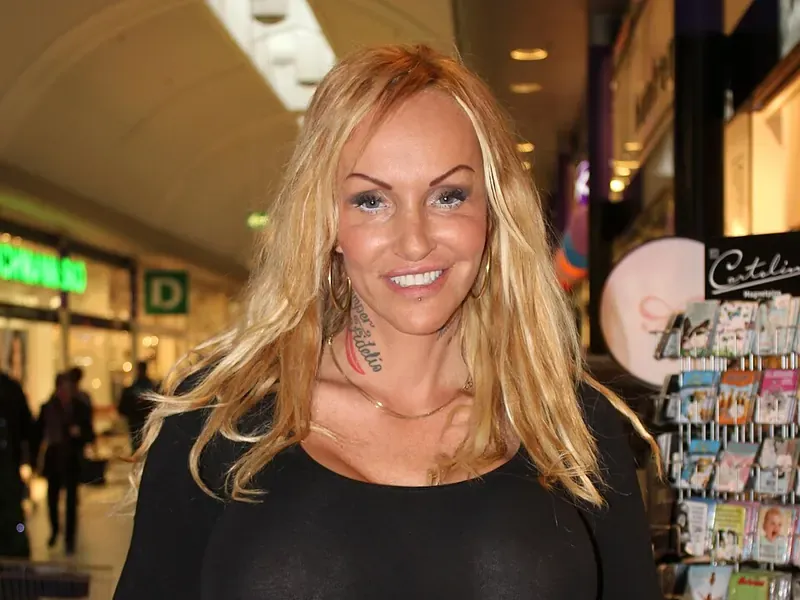 Linse Kessler and her facelifts: what she said herselfDanish reality star Linse Kessler has said openly that she has had several facelifts. Her words, how a modern facelift works and what recovery involves.
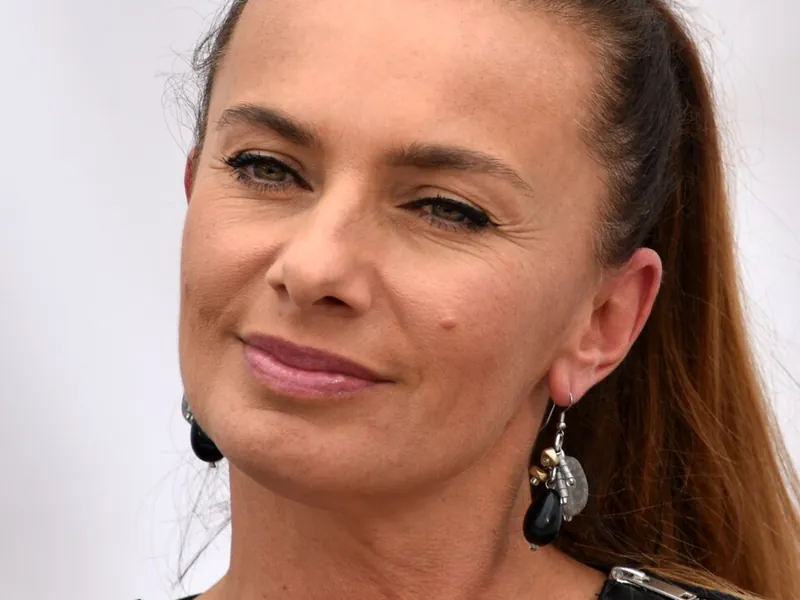 Did Alice Bendová have a facelift? Yes, and she explained why herselfAlice Bendová confirmed a deep plane facelift in September 2026. Her words, how a facelift works, who it suits and what recovery looks like.
Facelift in Cardiff: price and what is included
Prices are in US dollars; the amount in brackets is an approximate conversion to GBP at the rate of 02.10.2026. The final price is fixed in your contract.
- Faceliftfrom $2,400 (≈ £1,850)
What is a SMAS facelift?
It is a face lift that tightens the deep SMAS layer under the skin, not only the skin itself, so the lower face, jawline and neck stay firmer for longer. The result lasts about 7–10 years.
How much does a facelift in Cardiff cost?
Prices start from $2,400 (≈ £1,850). The surgeon sets the final price at the free consultation, and it is fixed in the contract, with no hidden extras.
What is included in the price?
A one-to-one consultation, the medical team, anaesthesia, inpatient care with meals, 24/7 monitoring and twelve months of follow-up by the surgeon.
How do I get my exact price?
Message us on WhatsApp or Telegram using the buttons below. A coordinator will answer your questions and book a free consultation where the doctor names the exact price.
By messaging us, you agree to our Privacy Policy
Questions from patients in Cardiff
How can I get a facelift estimate without visiting the clinic?
Send the coordinator front, side and three-quarter photos of your face and neck without filters, your age and earlier procedures. The surgeon reviews them and the price is fixed in the contract.
How do I start planning a facelift from Cardiff?
Write to us on WhatsApp or Telegram or leave a request on this page. The coordinator asks for the photos and health details the doctor needs, and the doctor gives you a free assessment and a price.
How far ahead should I plan a facelift before an event?
Leave at least 3–4 weeks before the date: swelling and bruising fade in 2–4 weeks and the first visible changes come after 3–4 weeks. The face reaches its final look in 3–6 months.
When can I get back to normal life in Cardiff after a facelift?
The first 7–10 days are for rest with a compression bandage and reduced activity. The doctor sets the check-ups.
Can I choose the date of my facelift consultation from Cardiff?
Yes. Write to us with the dates that suit you. You can start the free first consultation online, so you can do it from home: after the doctor reviews your details, the clinic offers its nearest free dates.
What a Cardiff patient is really weighing before a facelift
Cardiff is the capital and largest city of Wales, with a population of 381,516 in 2025 and about 1.5 million in the wider Cardiff Capital Region. A city of that size has plenty of people asking the same quiet question: is the sagging of the cheeks, jawline and neck something to accept, or something to treat? This block covers what is specific to living in Cardiff. The medical side is explained by the doctor during the free online consultation.
A surgical SMAS facelift repositions the muscle and fascia layer under the skin. That is why it differs from cosmetology, which works on the surface. It addresses sagging tissue, jowls, a blurred jawline, drooping cheeks, a double chin and deep nasolabial folds. The operation is usually recommended from 40 with marked sagging, and in some cases from 35. After the doctor examines your photos and asks about your health, the recommendation is individual.
The NHS states that cosmetic surgery is not routinely provided and that most people who want it pay privately. A facelift for ageing changes therefore sits outside the usual NHS route. You are deciding with your own timetable, not a waiting list. In practice, the planning in Cardiff comes down to choosing a calm window, arranging help at home for the first days and agreeing dates with the coordinator, who answers on WhatsApp and Telegram round the clock.
Light, rain and your skin through the Welsh year
Skin is the tissue a facelift redrapes, so it helps to understand what the Cardiff year does to it. The Met Office 1991–2020 normals for Bute Park show 1,572.9 hours of sunshine a year. July is the sunniest month at 199.6 hours, followed by May at 198.4 and June at 195.2. December is the dullest at 50.4 hours, with January at 53.5.
Those figures matter for planning. The bright months, May to July, are when healing skin is most exposed to ultraviolet light. Your doctor will give the exact sun-protection rules for your recovery, and you should follow them closely. A winter operation means far fewer daylight hours, so the practical challenge is less sun and more cold air, central heating and short days.
Rain is the other pattern. Cardiff gets 1,203.5 mm of precipitation a year, spread over 153.4 days with 1 mm or more. The wettest months are December at 139.6 mm, November at 130.7 and October at 129.1. April is the driest at 72.1 mm. Wet weather does not change the operation. It does change how you move around during the first days, when the doctor asks for rest and reduced physical activity. Staying indoors is easier to accept when the forecast is grey anyway.
Winter cold, summer warmth and what that means in the first weeks
The Bute Park normals give a clear temperature picture. January is the coldest month, with a mean maximum of 8.6 °C and a mean minimum of 2.5 °C. July is the warmest, with a mean maximum of 21.8 °C, and August follows at 21.4 °C. The annual mean maximum is 15.0 °C and the mean minimum is 7.3 °C. Cardiff does not usually have extreme heat, so the realistic comparison is cool and damp against mild and bright.
The service plan includes about 7–10 days at the start with rest, a compression bandage and reduced activity. Swelling and bruising fade in 2–4 weeks, and full recovery takes about 2 months. During that time, outdoor errands are best kept short and calm. In a cool month, a hat or scarf is a normal part of the outfit and can partly cover the bandage area when you step outside. Ask the doctor in the consultation what is acceptable for your case, and do not improvise with tight head wear. In July, warm sun on a healing face is the thing to avoid, so planning shade and time of day matters more than clothing.
Neither season is automatically better. The warmer months give you more daylight for gentle walks once the doctor permits them, while the colder months make it easier to stay in quietly. The decision should rest on your calendar and the doctor's recommendation, not on the weather alone.
Reading the Cardiff calendar: events, bank holidays and being presentable
The social calendar is often the deciding factor. In Cardiff, several fixed points are worth knowing. The Cardiff Half Marathon takes place each October and attracts more than 20,000 participants. The city fills with runners, spectators and visitors, so it may be a week you would rather not be seen with visible swelling. The Photomarathon has run yearly since 2004, with an exhibition in June or July. Cardiff Big Weekend is held in the city centre in summer, which is a time of cameras and crowds.
The service plan gives a useful framework. The first clear changes appear after about 3–4 weeks, when swelling goes down. The final look arrives within 3–6 months. If an important occasion falls in the middle of that period, plan around the later date rather than the earlier one. For a wedding, a graduation or a major work presentation, leave a comfortable margin.
Bank holidays matter for a practical reason: they create long stretches at home. England and Wales have 8 in 2026, including Christmas Day on 25 December and the substitute Boxing Day on 28 December. A person who wants to be quiet and unseen might use that time for the initial rest period, though it does not replace the doctor's schedule. For example, a consultation in November 2026 would leave time to agree dates well before the Christmas holidays. If you would rather be fully presentable for the festive period, discuss with the coordinator whether the timing really suits you, because the final result takes 3–6 months in any case.
A city of students, sport and outdoor routines
Cardiff has about 43,900 higher education students across Cardiff University, Cardiff Metropolitan University, the University of South Wales and the Royal Welsh College of Music & Drama. If you work in or around this environment, in teaching, administration or the creative sector, your daily routine may involve many faces and frequent meetings. That affects how you plan time away from them, and whether you tell colleagues anything.
The city is also strongly active. In 2008/09, 61% of Cardiff residents regularly took part in sport, the highest of the 22 Welsh local authorities, and the city was named European City of Sport for 2009 and 2014. The Taff Trail runs 55 miles (90 km) from Cardiff Bay to Brecon, and Cardiff Bay has water activities including the Aquabus, Flat Holm boat trips from March to October and Cardiff International Pool, opened on 12 January 2008.
If you are used to running, cycling or swimming, the key point is that the plan calls for reduced physical activity at the start. Your doctor will say when each activity can resume. Do not decide that yourself because a day looks good for a walk on the trail. A facelift is a major operation, and you are expected to follow the follow-up schedule. Your operating doctor monitors you for the whole first year.
Practical preparation and honest expectations
The consultation is online and free. You send photos on WhatsApp or Telegram, receive the doctor's assessment and price, and confirm the plan before anything is booked. The operation is under general (inhalation) anaesthesia. For a person who lives in Cardiff, preparation is mostly about the logistics of home: who will help during the first days, what you will wear, how you will manage rest and whether you have a quiet room.
Tell the doctor about chronic conditions at the start. The contraindications include being under 30, acute skin inflammation, pregnancy and breastfeeding, severe cardiovascular conditions, clotting problems, cancer and decompensated diabetes. This is not a formality. It determines whether the operation can go ahead at all.
Expectations should be realistic. A SMAS facelift can give a crisper lower-face contour, lifted cheeks, a cleaner chin line and softer nasolabial folds. The effect lasts 7–10 years, and a repeat procedure after that time is possible if you wish. It does not stop ageing, and it will not turn a face into someone else's. A natural look, without a "mask" effect, is the aim of the deep layer work.
Is there a better time of year in Cardiff to plan a facelift?
There is no single best month. The sunniest months in Cardiff are July, May and June, so a recovery in that period needs careful shade and sun protection according to the doctor's instructions. Winter has the fewest daylight hours, with December at 50.4 hours, and is cooler, with January's mean maximum at 8.6 °C. Choose the season where you can rest quietly for the first 7–10 days and avoid major events during the 3–4 weeks when swelling settles.
How should I think about the Cardiff Half Marathon in October when planning?
The race brings more than 20,000 participants to the city and a busy atmosphere. If you want your swelling to be fully gone before you appear in public, count the 2–4 weeks for swelling and bruising to fade, and the 3–6 months for the final look. Many people prefer to leave the event week well clear of the early recovery stage. Discuss your preferred dates with the coordinator.
Will the NHS pay for a facelift if I live in Wales?
According to the NHS, cosmetic surgery is not routinely provided, and most people who want it pay privately. The NHS might fund certain procedures for psychological or other health reasons, but the examples it gives are rhinoplasty for breathing problems and breast enlargement for very uneven or absent breasts. A facelift for ageing changes is not among them. Ask your GP if you have a health concern, and use our free consultation to understand what the operation involves.
Can I be out in Cardiff's rain and wind during recovery?
Cardiff has 153.4 days a year with 1 mm or more of rain, so wet weather is common. In the first 7–10 days the plan is rest, a compression bandage and reduced physical activity, so you will mostly be at home anyway. For any later outings, ask the doctor what is acceptable for your case. Do not put pressure on the healing area with tight head wear, and protect your skin from the sun in brighter months.
How do I explain time off to colleagues in a student or work-heavy city?
That is your choice. Plan the first 7–10 days as time at home, and expect swelling and bruising to fade over 2–4 weeks. Full recovery takes about 2 months. Many patients arrange leave, remote work or a quiet period in the calendar rather than going into detail. The coordinator can help you plan the timing so that important meetings fall after the visible stage has passed.
Can I use Cardiff's walking and cycling routes during the first weeks?
Not at the start. The plan asks for reduced physical activity for the first 7–10 days, and the doctor will advise when gentle walking can resume. The Taff Trail, 90 km from Cardiff Bay to Brecon, is a useful long-term goal rather than something for the first weeks. Cycling, running and swimming should only restart when your doctor says so.
Does the Christmas period make sense for a facelift?
It can, but only if the timing suits your health and the doctor's schedule. England and Wales have bank holidays on 25 December and 28 December in 2026, and extra time at home can make the early rest period easier. If you want to look fully settled for a festive event, remember the final result takes 3–6 months. Agree the dates with the coordinator before anything is booked.
What should I prepare at home before the operation?
Prepare a quiet room, simple clothes that do not pull over the head, and someone who can help during the first days. Have the doctor's instructions on medication to hand, since discomfort and tightness may be felt in the first few days and are relieved with prescribed medication. Keep the coordinator's WhatsApp or Telegram chat open, so you can send photos and ask questions at any hour.