City Medical Centre · multi-specialty surgery clinicOpen 24/7

Tummy tuck

Abdominoplasty (Tummy Tuck) in Cardiff

Free consultation

from $2,400

The price is fixed in the contract before surgery

Message us on WhatsApp

Free online consultation · Reply within 15 minutes
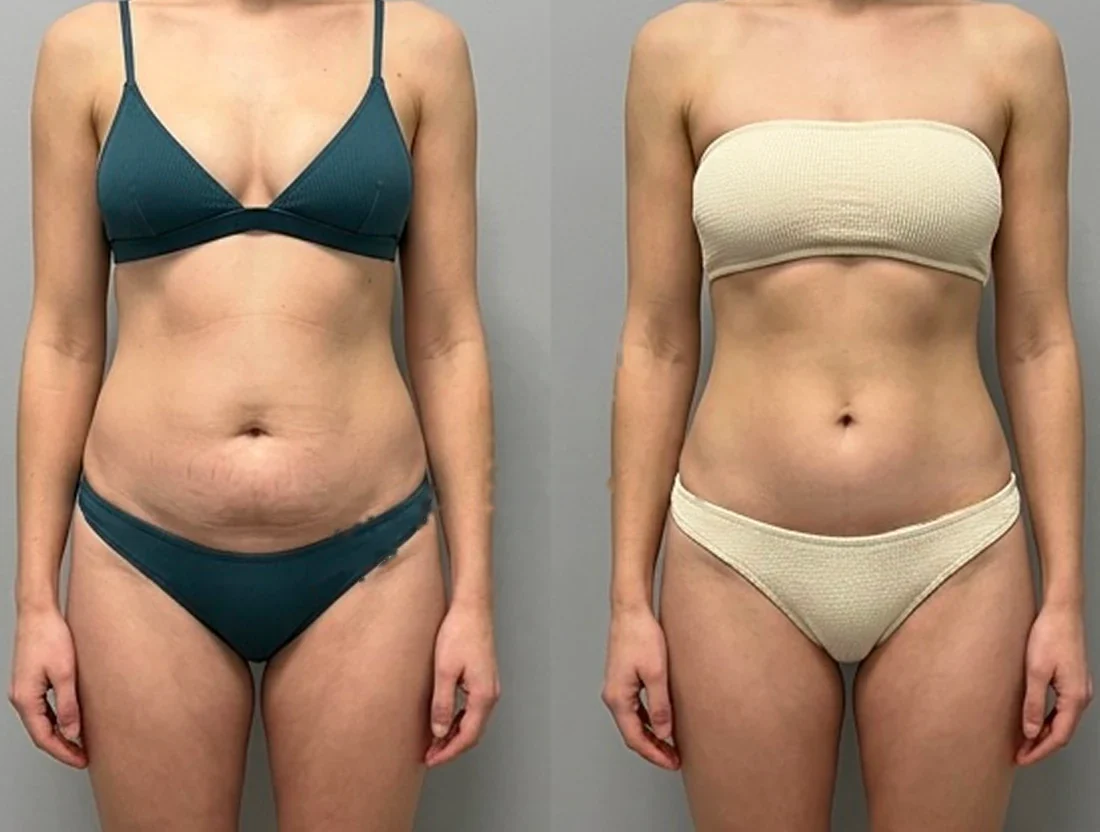
Real case
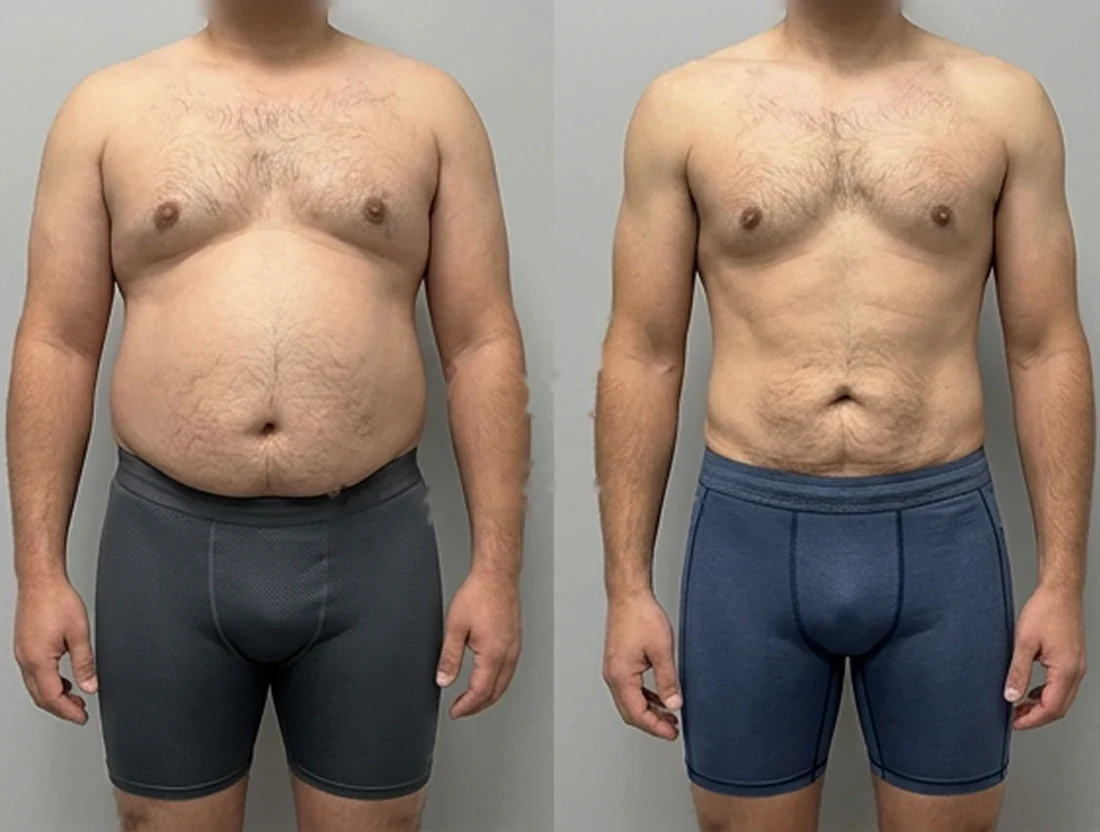
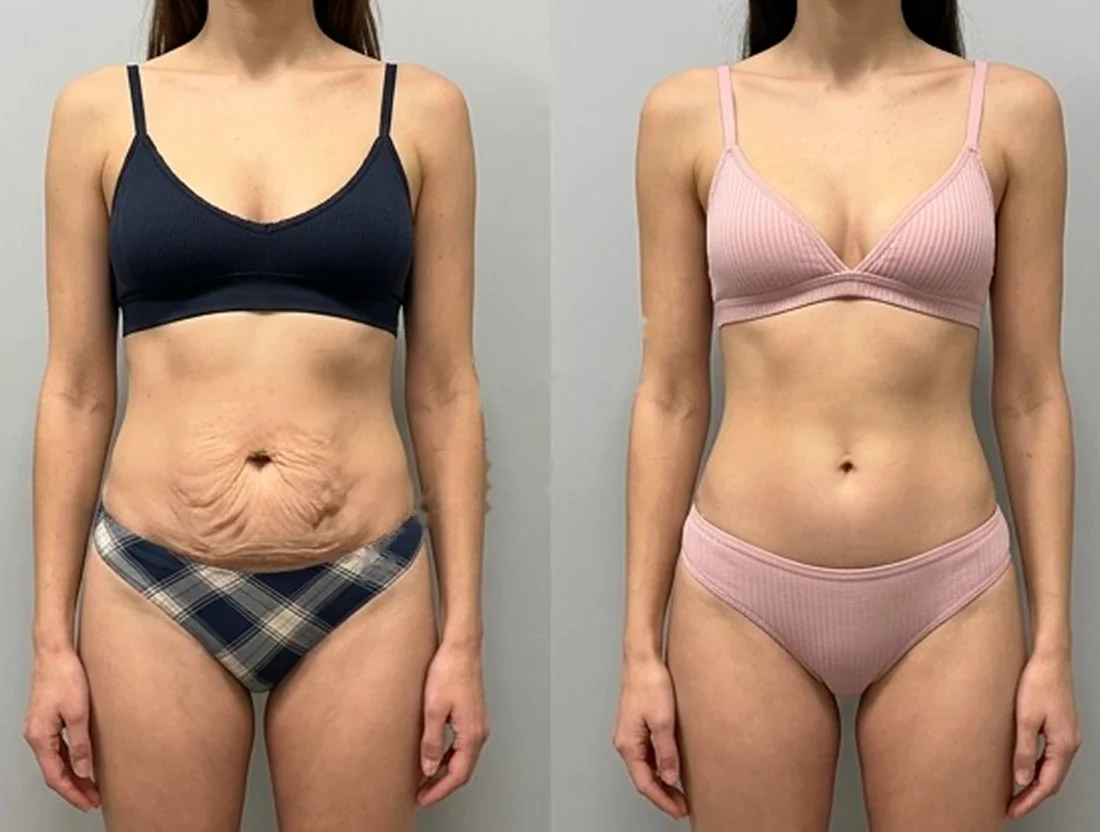
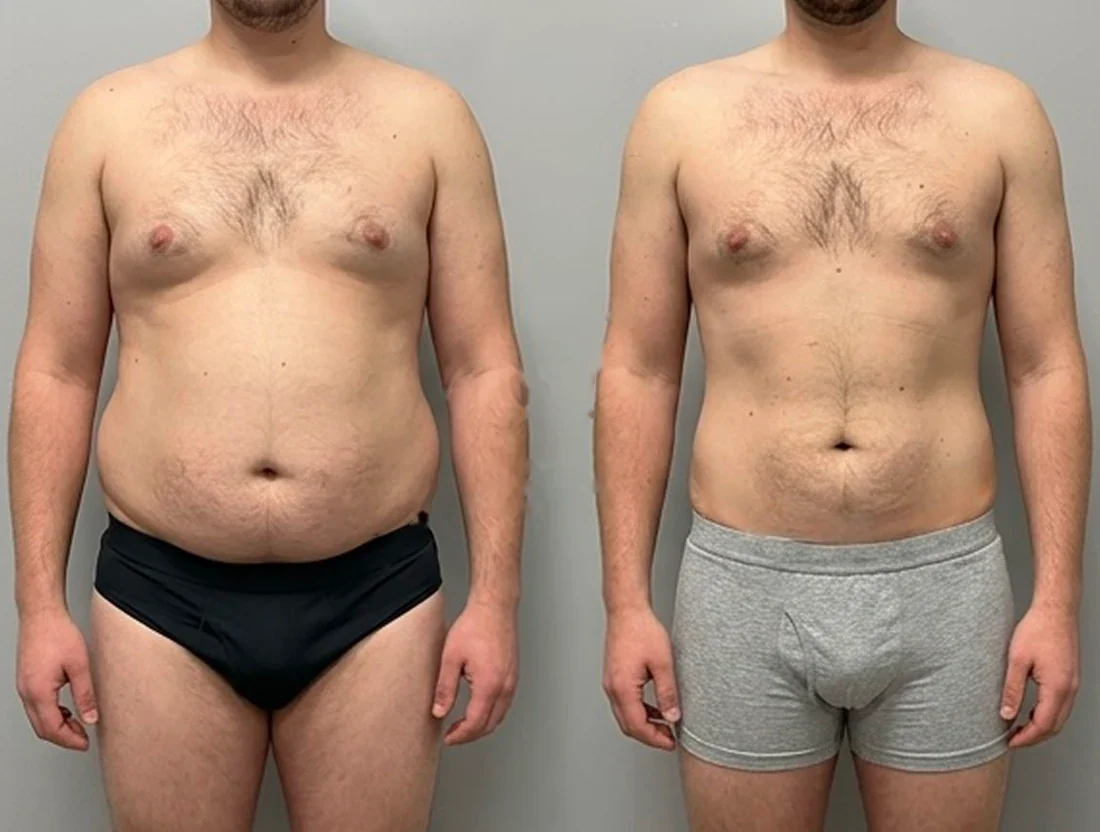
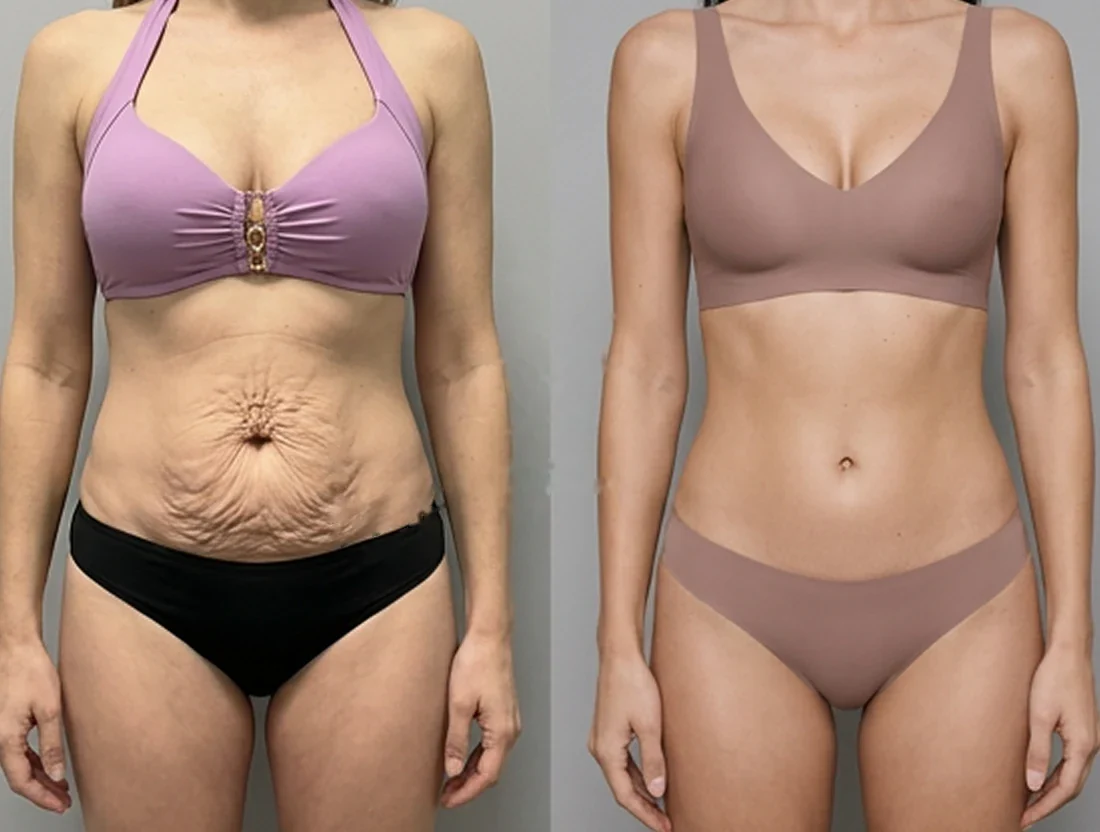
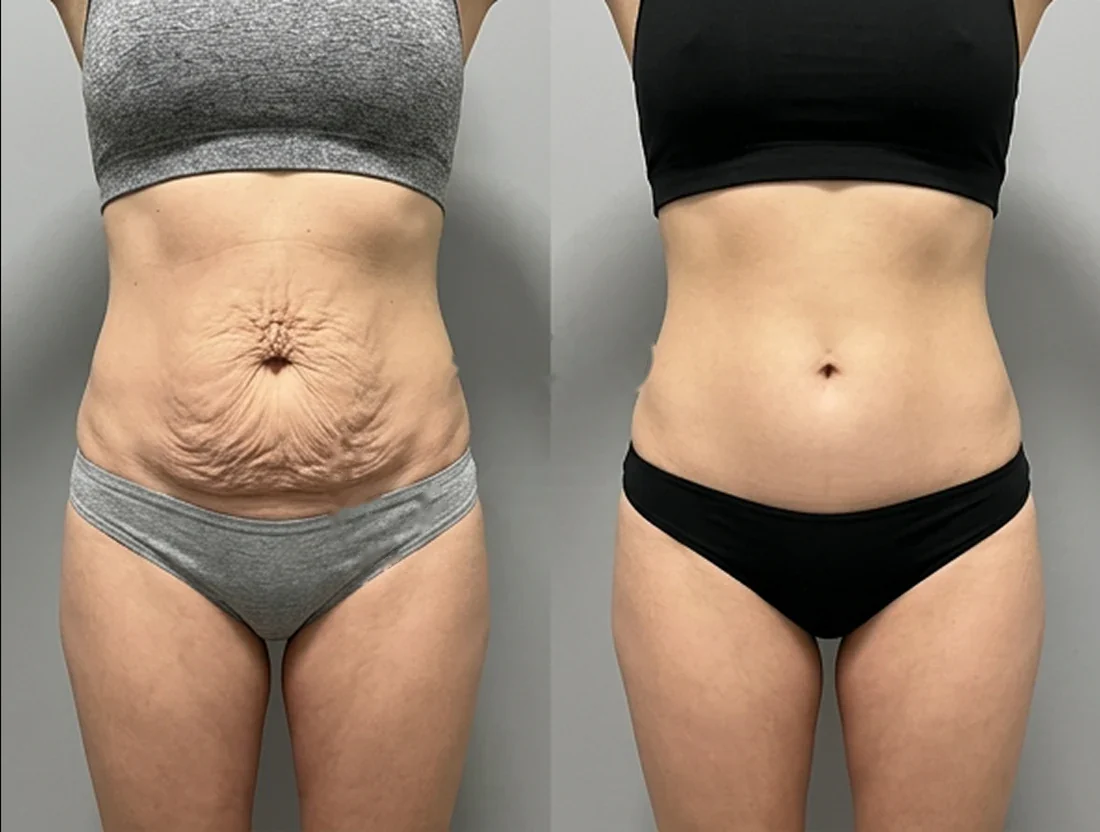
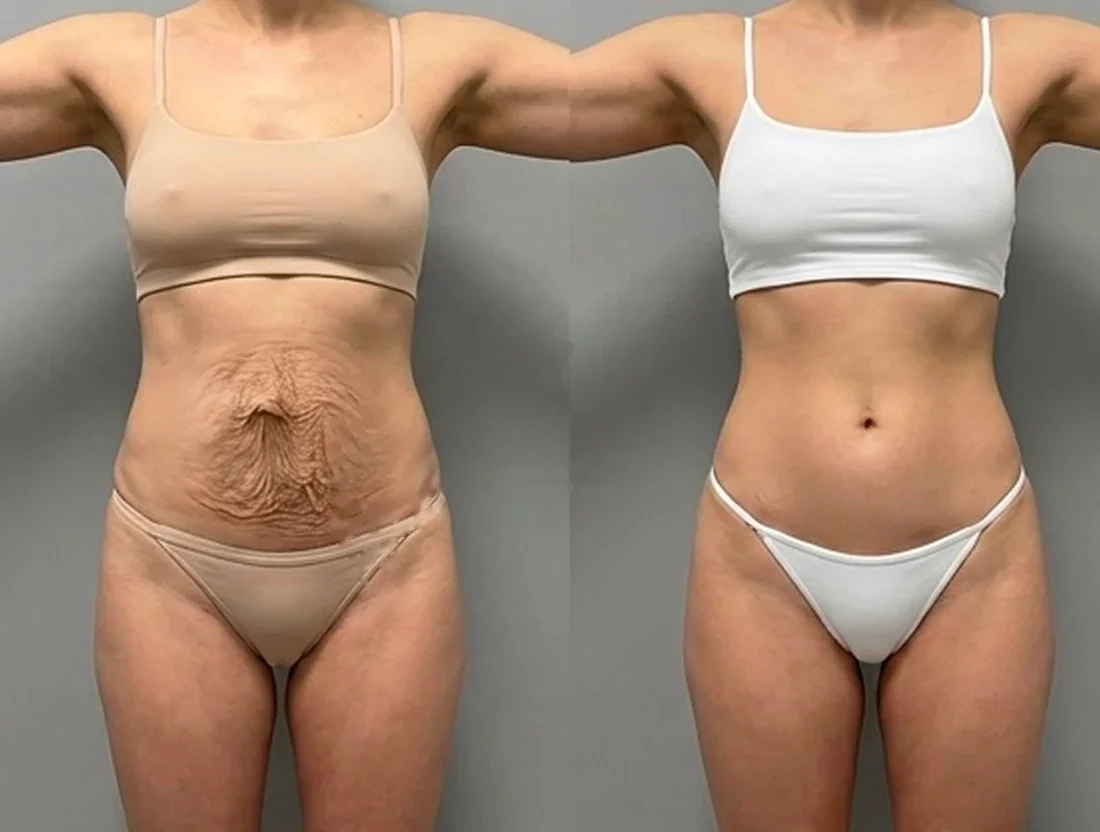
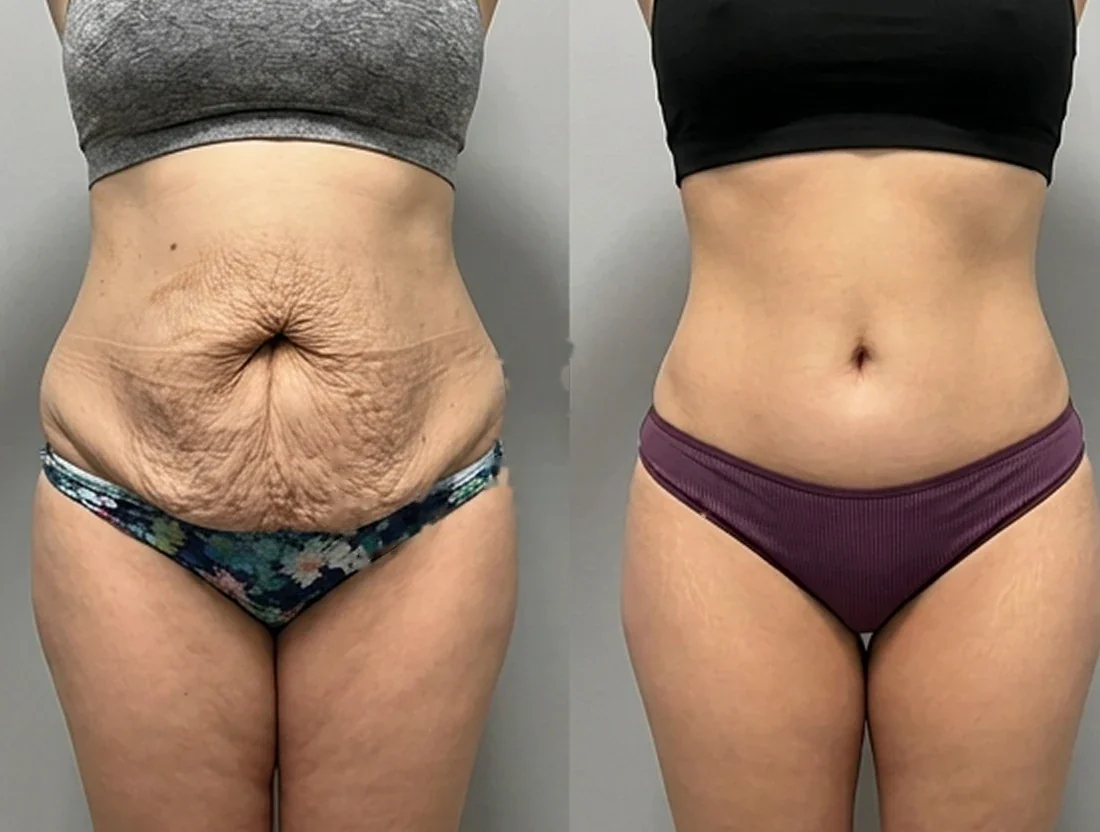
Tummy tuck: a patient's abdomen before and after surgery before after
A flat tummy and a toned silhouette in one operation. Your individual surgical plan and the expected result are discussed at the consultation

Message our coordinator

Free online consultation · Reply within 15 minutes

Message us on Telegram

By messaging us, you agree to our Privacy Policy

Tummy tuck (abdominoplasty) in Cardiff: price and key facts

Tummy tuck for patients from Cardiff at City Medical Centre: the price is named at the free online consultation and fixed in the contract with no hidden extra charges.

Duration
2–4 hours
Anesthesia
general
Stay
1–3 days
Recovery
back to work after 2–3 weeks
Final result
6–12 months after surgery
How it works
Send photos on WhatsApp or Telegram, get a free doctor assessment and the price, then confirm the plan and dates before anything is booked.

How it works · Tummy tuck prices

Information current as of 24 October 2026

Free online consultation on WhatsApp and Telegram

Results

Tummy tuck (abdominoplasty) results
of our patients

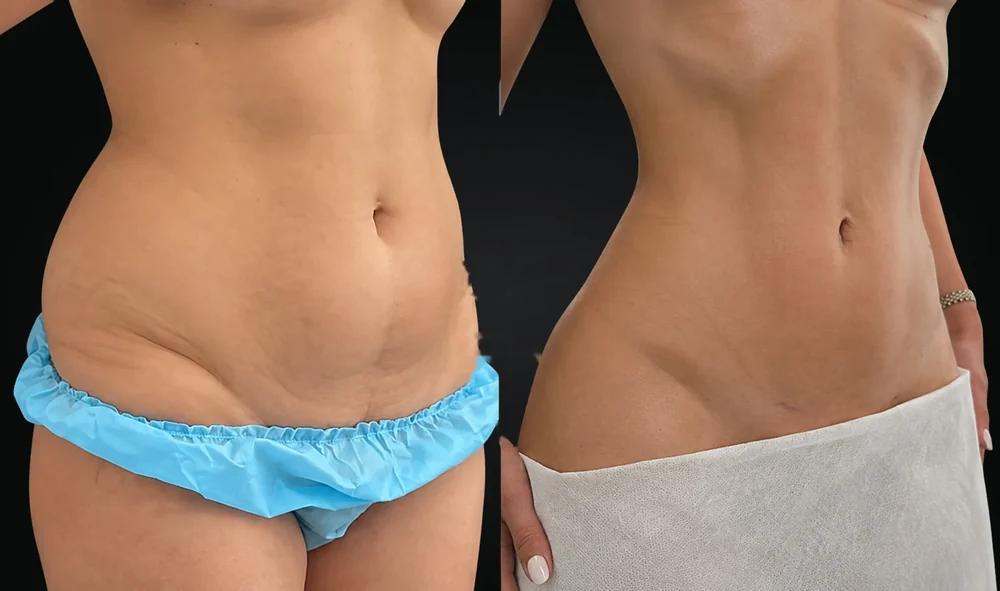
All cases are real patients. Faces and identifying details are hidden.

Tummy tuck: a female patient's abdomen before and after surgerybeforeafter
Tummy tuck: a male patient's abdomen before and after surgerybeforeafter
Tummy tuck: a female patient's abdomen before and after surgerybeforeafter
Tummy tuck: a male patient's abdomen before and after surgerybeforeafter
Tummy tuck: a female patient's abdomen before and after surgerybeforeafter
1 of 8

Comparison

Tummy tuck techniques

A tummy tuck is done as a full (classic) or mini operation, or combined with liposuction as lipoabdominoplasty. Compare the scope of surgery, the indications and the expected results to choose the right technique together with your surgeon.

Tummy tuck

Removal of excess skin, abdominal muscle tightening
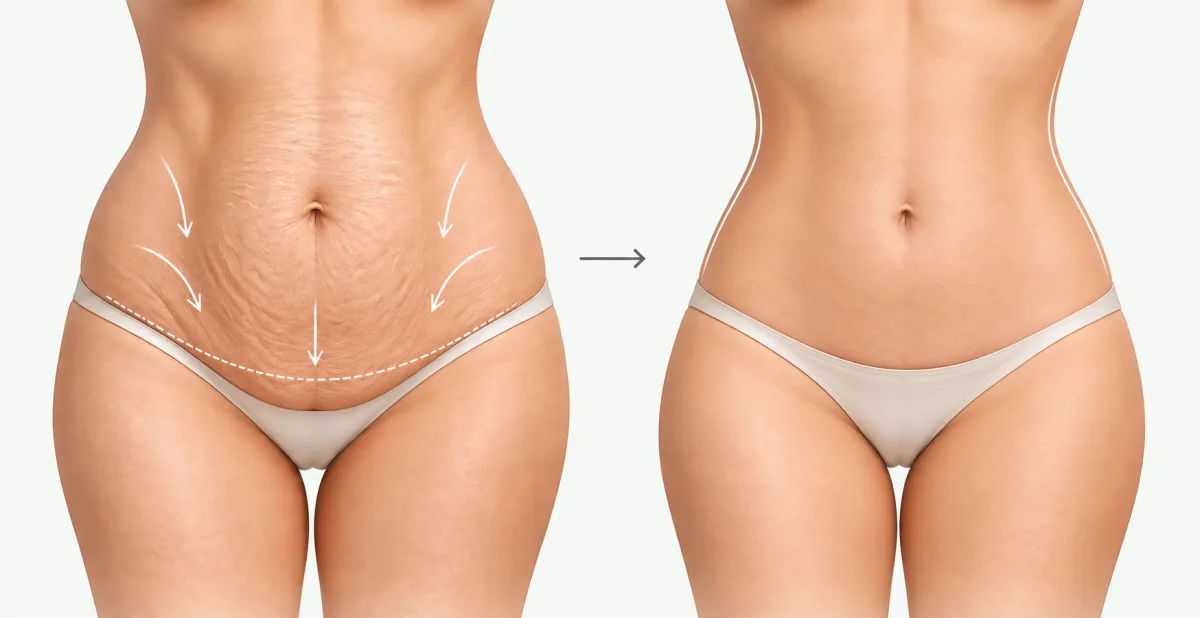
Tummy tuck diagram: the abdomen before surgery with the incision line, and the result
Main goal
Removal of excess skin, diastasis repair
When it is done
Excess skin after childbirth or weight loss
Anaesthesia and stay
General anaesthesia, up to 3 days in hospital

Lipoabdominoplasty

Tummy tuck with added liposuction
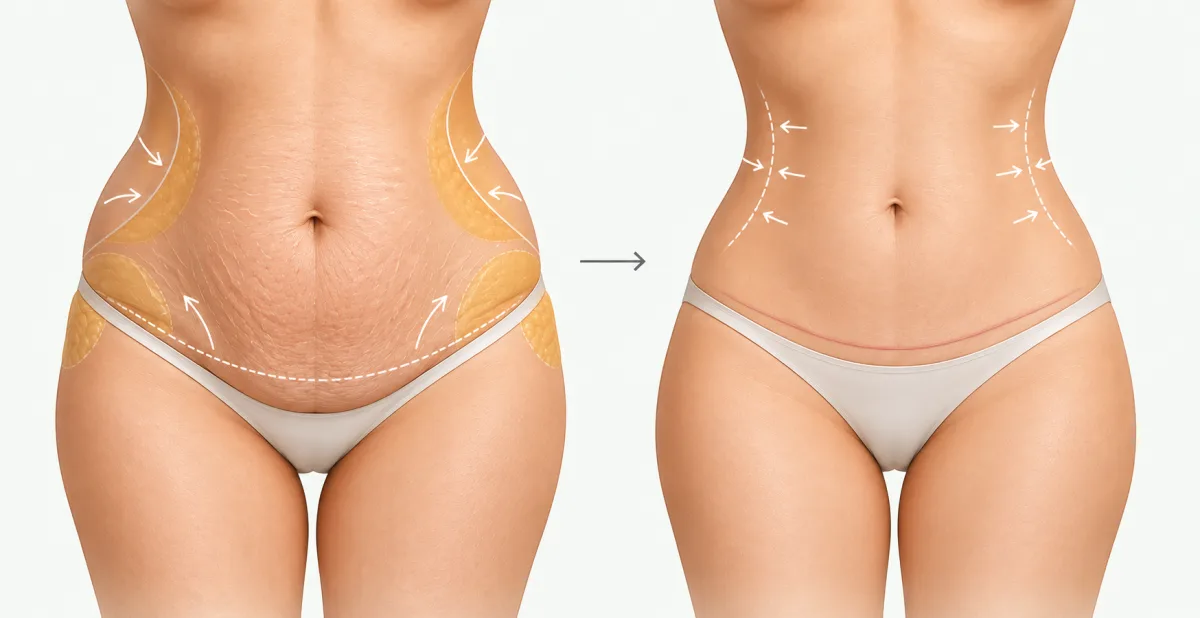
Lipoabdominoplasty diagram: the abdomen with fat on the flanks before surgery, and the result
Main goal
Tummy tightening and waist contouring
When it is done
For fat deposits on the flanks and waist
Anaesthesia and stay
General anaesthesia, up to 3 days in hospital

The benefits and recovery times shown are averaged for each technique and given for guidance: the scope of correction and rehabilitation depend on your anatomy and individual features, and the surgeon confirms them at the consultation.

At the consultation the surgeon draws up a plan for your case and explains how your tummy tuck will go.

Free, before surgery and with no obligation.

Book a consultation

Tummy tuck from the inside

About the clinic

A clinic where you can feel at ease

Modern equipment, comfortable rooms and care for every patient

A doctor and a patient in a clinic ward

Contact us the way that suits you

We will answer your questions and find a convenient time for a consultation

By messaging us, you agree to our Privacy Policy

A tummy tuck is not for everyone

If your case can be solved without surgery, the doctor will tell you so at the consultation — and you will not spend money for nothing.

Suitable

A surgeon shows a patient on a model and a monitor how the abdominal contour changes after a tummy tuck
  • Rectus abdominis diastasis
  • Skin folds after weight loss
  • Loose abdominal skin
  • Stretched skin after pregnancy
  • A distorted abdominal contour

Not suitable

A surgeon discusses the indications and contraindications for a tummy tuck with a patient
  • Acute infections
  • Severe heart, kidney or liver disease
  • Problems with blood clotting
  • Age below 18
  • Decompensated diabetes
  • Cancer
  • Skin inflammation in the surgical area
  • Pregnancy or breastfeeding

Not sure the surgery is right for you?

Message us — the coordinator will ask for your photos in the messenger, and the surgeon will tell you whether a tummy tuck suits you. No surgery booking needed.

Find out if it suits me

A surgeon goes through a tummy tuck diagram with a patient at the consultation

Prices

You know the price
before surgery

The price is set at the consultation and fixed in the contract.

Other services

  • First consultationFree
  • Liposuction of the abdomen and flanksfrom $1,700
Book a consultation

Find out your tummy tuck plan and price

The surgeon assesses your abdominal skin and muscles, listens to your wishes and chooses the right correction technique.
The price is set at the consultation and fixed in the contract.
A nurse talks to a patient in a clinic ward

Message our coordinator

Free online consultation · Reply within 15 minutes

Message us on Telegram

By messaging us, you agree to our Privacy Policy
A patient's abdomen before a tummy tuck in the operating room

all inclusive

What the price includes

From preparation for surgery
to post-op check-ups.

  • All scheduled dressings
  • Scheduled post-op check-ups
  • A personal coordinator on call
  • Compression garments fitted on the day of surgery
  • A stay in a comfortable
    hospital ward with meals
  • Individual recommendations
    for recovery
  • Remote progress monitoring
    by photos

How it works

Three days at the clinic —
from preparation to discharge

An agreed correction plan, inpatient observation and post-op check-ups.

A doctor shows a patient a tummy tuck diagram on a monitor1

Consultation
and the surgical plan

The surgeon assesses your abdominal skin and muscles and checks for diastasis, listens to your wishes and chooses the right correction technique.

Paying the deposit by card at the clinic reception2

Booking the date
of surgery

We reserve a surgery date for you: the deposit can be paid by card at the clinic or online by bank transfer. The terms are fixed in the contract for medical services

A blood sample tube for tests before a tummy tuck3

Check-up before
surgery

Before surgery you complete a full lab check-up: blood tests, an ECG, a chest X-ray and reports from the required specialists.

The surgical team during the operation4

Surgery

The surgeon performs the tummy tuck with the chosen technique, repairs diastasis if needed and shapes a firmer abdominal contour.

A hospital ward at the clinic5

Inpatient stay

After surgery the patient stays for 1–3 days in a comfortable hospital ward with meals, under medical supervision.

A surgeon and a patient in the ward during recovery6

Recovery

After surgery you get a recovery programme. Check-ups at 7 days, 3 and 6 months help track your recovery.
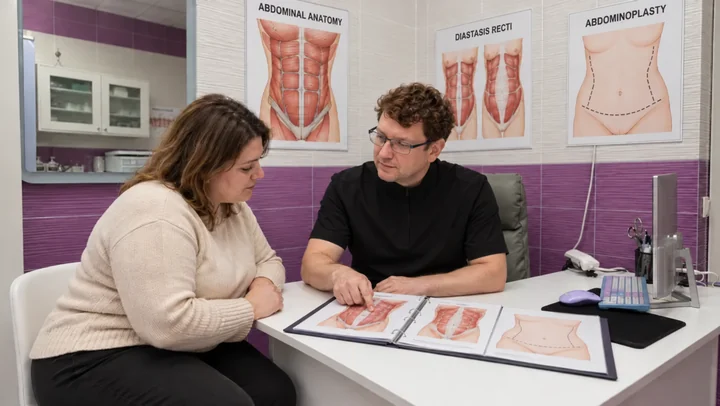
Book a free consultation — the surgeon will plan every step with you.

A doctor discusses the tummy tuck plan with a patient
Book a consultation
A doctor discusses the tummy tuck plan with a patient

How it really happens

Healing after a tummy tuck

Right after surgery the patient stays in hospital for 1–3 days under medical supervision. Drains are usually removed after two days and stitches after 7 days. A compression binder is worn for 1.5–2 months — it supports the abdominal wall and shapes a smooth contour. Most swelling goes within 30 days; office work resumes after 2–3 weeks. Sports, sauna and heavy lifting are off-limits for 2–3 months; at first, sleeping on your back with knees bent is advised. By 12 months the scar is fully mature: it fades and is barely noticeable.

Post-op check-ups

After 7 days, at 3 months and at 6 months. Until the end of the year, get a post-surgery consultation with your surgeon to review results and get more information, at the clinic's expense

Advantages

What makes patients choose City Medical Centre

A surgeon discusses the tummy tuck plan with a patient at the consultation

Just find out — you lose nothing

At the consultation we discuss your wishes and assess your abdominal skin and muscles. The surgeon explains what changes are possible, chooses the correction technique and answers your questions.

A surgeon on a video call with a patient after surgery

We stay with you after surgery

The surgeon follows your recovery and the changing abdominal contour at check-ups after 7 days, 3 and 6 months. Check-ups, dressings and aftercare advice are already included in the price of surgery.

A surgeon shows a patient a model and tummy tuck diagrams

A beautiful contour that fits your figure

We choose the correction technique based on your skin, muscles and figure. Our aim is a harmonious abdominal contour that keeps the natural proportions of your body.

A patient writes down a convenient visit time in her planner

Your schedule is our priority

We respect your time: we work 24/7, with easy booking and a personal approach — we adapt to your pace.
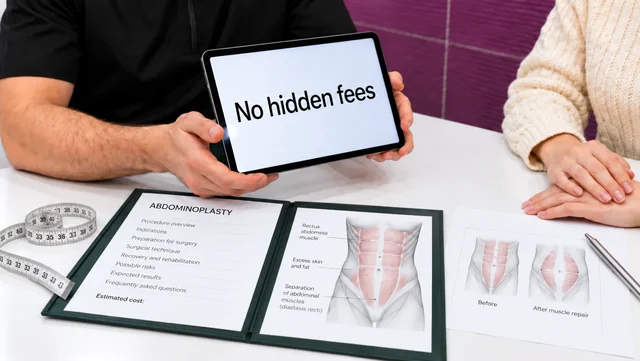
A surgeon shows a patient the fixed price of surgery with no extra charges

Fixed prices

After the consultation the surgeon defines the extent of correction, and you get a clear price for the surgery — no surprises on the way to the result you want.

A surgeon visits a patient in the hospital ward after surgery

Round-the-clock care after surgery

Recovery starts in a comfortable hospital ward under round-the-clock nursing care. The stay and meals are already included in the price.

FAQ

We answer what
people ask before booking

Choosing abdominoplasty in Cardiff

Pregnancy, a C-section or major weight loss can leave behind loose skin and diastasis, the separation of the rectus abdominis muscles. Diet and training cannot fix this: stretched skin does not shrink, and separated muscles do not come back together on their own. That is when women in Cardiff consider abdominoplasty, which restores both the skin and the muscle wall in one operation.

In the classic operation the surgeon makes a horizontal incision above the pubic area, its length set by the amount of excess tissue. The separated rectus muscles are repaired, excess skin and fat are removed, the navel is repositioned and drains are placed. The mini version works only on the lower abdomen through a shorter incision. Patients from Cardiff are under general anaesthesia throughout.

A tummy tuck price is personal. It reflects how much excess skin needs removing, whether the navel is repositioned and whether separated muscles are repaired. To find out yours, book a free consultation: the surgeon examines you, answers questions about the scar, recovery and pregnancy planning and confirms the cost. Cardiff residents can apply online or through a messenger.

Stories of well-known people

Well-known people who spoke openly about this operation, in their own words.

All stories about this operation →

Choosing a month for a tummy tuck when you live in Cardiff

The first question many patients ask is which season suits recovery better. The honest answer is that no month is perfect, but Cardiff's climate figures show what each one asks of you. The Met Office 1991-2020 normals for Bute Park put January as the coldest month, with a mean maximum of 8.6 °C and a mean minimum of 2.5 °C. July and August are the warmest, with mean maxima of 21.8 °C and 21.4 °C. The gap between the two is about 13 °C in daytime highs. That matters for someone who will wear a compression binder for 1.5 to 2 months and cannot take long, vigorous walks in the first weeks. In winter you can wear loose layers over the binder and keep a stable temperature indoors. In summer the binder is less comfortable on warm days, but light clothing is easier to put on without twisting or reaching.

Rain and daylight are the second factor. Annual precipitation in the city is 1,203.5 mm over 153.4 days with 1 mm or more. The wettest months are December at 139.6 mm, November at 130.7 mm and October at 129.1 mm. The driest is April at 72.1 mm. Sunshine follows a similar pattern: 1,572.9 hours a year, with July at 199.6 hours, May at 198.4 and June at 195.2, against only 50.4 hours in December and 53.5 in January. For recovery, the wet months mean fewer pleasant reasons to go out, and you will probably spend more of the first two weeks resting at home anyway. That suits the plan, because after the 1 to 3 days in hospital the first stretch of recovery is about lying, sleeping on your back with knees bent, and short slow walks around the home. The darker months can feel long, so it helps to plan what you will read, watch or work on from the sofa.

A third angle is the calendar of the year itself. Office work usually resumes after 2 to 3 weeks, so it is worth counting working days instead of calendar days. England and Wales have eight bank holidays in 2026, and the final ones fall on Christmas Day, 25 December, and the substitute Boxing Day, 28 December. If an operation is set for Monday 9 November 2026, the check-up at 7 days falls on Monday 16 November, and the 2 to 3 week window for returning to office work ends between 23 and 30 November. That leaves the working weeks before the Christmas break as a gentle return period. Planning backwards from a date you care about is more useful than picking a month by weather alone. The coordinator on WhatsApp or Telegram can lay out these dates for you in a few minutes, before anything is booked.

The last point is sunlight and your scar. The sunniest months in Cardiff are May, June and July, and the dullest are December and January. A scar is still maturing for the whole first year, and the text of the plan says that by 12 months it is fully mature, fades and is barely noticeable. If you have the operation in late autumn, the first bright months arrive when the incision is only a few months old. If you have it in spring, the long days arrive in the first weeks, while you are still in the binder and not exposing the area at all. Neither is wrong, but it helps to know which situation you are choosing. The doctor will discuss with you how to protect the scar from strong light as it matures.

Core, bending and lifting: what the first three months look like at home and at work

A tummy tuck is not only about skin. Where the rectus abdominis muscles have separated, the doctor brings them together in the same operation, and that repair is the reason for the restrictions on lifting and sudden movements. The practical rule from the plan is clear: in the first 2 to 3 weeks, physical exertion, heavy lifting and sudden movements are not allowed. Sports, sauna and heavy lifting stay off the list for 2 to 3 months. Those numbers are the frame, and the daily detail is what you work out around them. Think about what you lift in an ordinary week: a laundry basket, a bag of shopping, a toddler, a car boot full of bags, a box at work. Each of these needs a different plan.

Bending is the movement people forget. Picking something off the floor, reaching into the bottom drawer of a washing machine, putting on socks and tying shoes all pull on the abdominal wall. Before the date, it helps to rearrange the home so that everything you use daily sits between hip and shoulder height. Move the kettle, plates and a few days of food to the middle shelves. Put a small stool or a reaching tool where you need it. Sleep on your back with your knees bent, as the doctor recommends at first, and set up pillows so that getting out of bed does not require a hard sit-up. Getting up by rolling to the side and pushing with the arms is a habit worth practising before the operation instead of learning it afterwards.

Work is a separate case. The plan says office work resumes after 2 to 3 weeks, and that is a figure for desk jobs. If your job involves standing all day, carrying stock, lifting patients or equipment, or driving long hours, the conversation with the doctor should cover it explicitly at the consultation. Heavy lifting is off-limits for 2 to 3 months, so a physical job may need a period of adjusted duties. Many employers in Wales will discuss this if you ask early and explain the date range, without needing to share more detail than you want. A written note from the doctor on what you can and cannot lift is something the coordinator can help you request.

Cardiff's shape also plays a small part. The city centre is relatively flat, with hills to the north, east and west, and the highest point in the local authority area is Garth Hill at 307 m. Built on reclaimed marshland, the centre is easy on a recovering abdomen: short, level walks around the house and the nearest streets are realistic in the early days. Steep hills are a different matter. If your home is on a slope, think ahead about where you will walk, because the first days call for slow, upright walking, not climbing. Gentle daily movement is part of recovery, but the doctor sets the limits on pace and distance at the check-ups.

People with joint problems should mention them at the consultation. Osteoarthritis is the most common type of arthritis in the UK, and risk rises with age. Over 10 million people in the UK live with arthritis, according to Arthritis UK. If your hips, knees or back are stiff, getting out of bed and standing up after a few days of reduced movement will feel different, and the plan for the first weeks can allow for it. A tummy tuck is considered with the whole body in view, not just the abdomen, and the doctor can only plan around problems they know about.

Family life: children, spouse and the weeks when you cannot do everything

Family logistics are often the hardest part of recovery, and the plan is unusually strict about one point: a tummy tuck is best planned once your family is complete. The text is clear that a pregnancy after the operation is possible, but it stretches the repaired muscles. That is why the order matters: childbirth first, then surgery. For a patient in Cardiff who is thinking about a tummy tuck while still deciding about another child, this is the most important conversation to have at the free consultation, since it affects both the timing and the expectations.

If you already have children, the weeks after surgery require a rota. In the first 2 to 3 weeks, heavy lifting is not allowed, and a small child is a heavy load. Lifting a toddler into a cot, a car seat or a bath is exactly the kind of movement the restriction covers, and so is carrying a baby carrier. Your spouse, a relative or a friend can take over those tasks. If you are the only adult in the household, the practical question is who can be present during the first days and which tasks can be done at floor level, such as sitting on the sofa while a child climbs up by themselves. It helps to write the list before the operation and share it with the people who will help, so no one is guessing.

The hospital stay is 1 to 3 days. That means a short, planned absence from home, not an extended one, and it can be covered by one trusted adult for a few days. Over those days you are in a comfortable ward with meals and under round-the-clock nursing, and drains are usually removed after two days. After discharge, the personal coordinator remains on call on WhatsApp and Telegram around the clock, and remote progress monitoring by photos is part of the included care. Families often find it reassuring that questions at 2 a.m. can be answered by a coordinator without waiting for working hours.

Younger relatives are a different situation. Cardiff has about 43,900 higher education enrolments across its universities and the music college, so many households include young adults. If they are living at home, they may be able to help with lifting and errands. If you are a student or in a shared house yourself, the same rule applies: sort out who does the shopping and who carries it in. A tummy tuck is for patients aged 18 or over, and the doctor weighs each case individually after an examination and health assessment.

Emotional recovery belongs here too. Swelling is largest at first, and most of it goes within 30 days. The first changes appear at about 2 weeks as the main swelling subsides, and an interim result is visible at 1.5 to 2 months. The final contour takes 6 to 12 months. A family that expects a flat stomach in the first week may be surprised, so share the timeline with them. The shape you see in week one is not the result, and it is normal to feel tightness and soreness in the early days, relieved with the painkillers the doctor prescribes. By the end of the first week the discomfort noticeably eases.

Compression, scars and sunlight: the quiet work of the first year

The compression binder is worn for 1.5 to 2 months. It supports the abdominal wall and helps shape a smooth contour, and it is fitted on the day of surgery as part of the included care. In practice, it becomes a piece of daily routine. You will want two if possible, so that one can be washed while the other is worn. It should feel firm but not so tight that you cannot breathe or sit comfortably. If it rolls, rubs or causes numbness, message the coordinator with a photo instead of waiting for the next check-up. Remote progress monitoring by photos exists for exactly this kind of small question.

Cardiff's weather affects what goes over the binder. In winter, with a mean maximum of 8.6 °C in January, soft layers and loose trousers with an elastic waist are practical. In the warmer months, with a July mean maximum of 21.8 °C and a mean minimum of 13.1 °C, breathable cotton helps, and the binder should stay clean and dry. In either season, avoid waistbands that press on the incision, and choose clothes you can put on without bending or twisting.

The scar needs patience. A classic tummy tuck leaves an incision across the lower abdomen from hip to hip, below the underwear or swimsuit line, and a mini tummy tuck leaves a much shorter one. Stitches are removed after 7 days. Over the following months the scar fades and thins, and by 12 months it is fully mature and barely noticeable. During that first year it is still maturing, so how you treat it matters. The text says to avoid sauna, steam bath, pool and tanning beds, and to avoid alcohol and smoking. Tanning beds are a clear no, and strong sun on the new scar is something to discuss with the doctor at the check-ups after 7 days, 3 months and 6 months, so the advice matches what the scar looks like at each stage.

The pool deserves a mention for people in Cardiff who swim. Cardiff International Pool opened on 12 January 2008, and 61% of residents regularly took part in sport in 2008/09, the highest share among Wales's 22 local authorities. Cardiff was also named European City of Sport for 2009 and 2014. For an active person, the waiting is the hard part. Sports, sauna and heavy lifting are off the list for 2 to 3 months, and swimming resumes gradually and only with the doctor's approval. The doctor sets the date after looking at how the incision has healed, not by the calendar alone.

Sleep position and posture are the remaining small habits. At first, sleeping on your back with knees bent is advised, and standing very upright is difficult in the first days. Many patients walk slightly bent forward at the start, and the doctor will explain how to ease out of it gradually. The check-ups at 7 days, 3 months and 6 months exist to review these small things in person on screen, and a post-surgery consultation with the doctor is also offered until the end of the year at the clinic's expense, to review results and answer further questions.

Coverage, the NHS and getting active again around Cardiff

Many people ask whether the NHS covers a tummy tuck. According to the NHS, cosmetic surgery is not routinely provided on the NHS. It might pay for some procedures for psychological or other health reasons, and most people who want cosmetic surgery need to pay privately. That is the general position, and each case is assessed on its own facts. If you are a Cardiff resident, your GP is the right person to ask about your own situation. The consultation with City Medical Centre is free and carries no obligation, so you can compare what you learn from both sides before deciding anything. The price is named at the consultation and fixed in the contract before surgery, with no hidden extra charges.

Weight loss is a related topic. NHS 111 Wales sets all-Wales access criteria for NHS bariatric surgery: age 18 or over, a BMI of 40 or greater, severe obesity present for at least five years, and completion of an intensive weight management programme of at least 24 months at level 2/3 of the All Wales Obesity Pathway. These criteria apply to all seven Health Boards. That is a pathway for weight-loss surgery, and a tummy tuck is a different operation with a different purpose. The plan is clear that a tummy tuck is not a way to lose weight. Its goal is to remove excess stretched skin and the fat apron and to restore the abdominal muscle wall, and it is done at a stable weight. If your weight is still changing, the text recommends seeing a dietitian or endocrinologist first. If you have lost a lot of weight, the abdomen may have loose skin and folds that are exactly the reason people consider this operation, but only a stable weight makes the result easier to maintain.

What the included price covers is worth knowing, because it avoids surprises. It includes all scheduled dressings, scheduled post-op check-ups, a personal coordinator on call, compression garments fitted on the day of surgery, a stay in a comfortable hospital ward with meals, individual recovery recommendations, and remote progress monitoring by photos. The preparation before surgery includes a full lab check-up with blood tests, an ECG, a chest X-ray and reports from the required specialists. Those tests are usually valid for 10 to 14 days, so timing matters, and the doctor gives the exact list at the consultation.

Getting active again is the part that Cardiff makes pleasant. The Taff Trail walking and cycle path runs 90 km from Cardiff Bay to Brecon, the River Taff runs through the centre, and Cardiff Bay is freshwater behind the Cardiff Bay Barrage. The Aquabus water taxi runs hourly between the bay, the city centre and Penarth, and Flat Holm boat trips run from March to October. These are things to look forward to, not to rush toward. In the first weeks, short flat walks are plenty. Later, once the doctor allows exercise, a gentle stroll along the water is a good way to rebuild stamina. Heavy lifting, running and intense sport wait until the 2 to 3 month mark and the doctor's approval.

The Cardiff Half Marathon takes place each October and draws over 20,000 participants. For runners, it can serve as a distant goal, though a first-year recovery plan should be set with the doctor and not by the race date. If you are planning a tummy tuck in the autumn, you will probably watch the October event from the sidelines. If you operate in the spring, the autumn may be a realistic time to rebuild your training, always after check-ups at 3 and 6 months confirm that your recovery is on track. Whatever your plans, the coordinators answer around the clock, and the first conversation costs nothing.

Does Cardiff's damp winter make a tummy tuck recovery harder?

Not in itself. Cardiff's wettest months are December at 139.6 mm, November at 130.7 mm and October at 129.1 mm, and January is the coldest, with a mean maximum of 8.6 °C. The first weeks after a tummy tuck are mostly spent resting, with 1 to 3 days in hospital followed by short, slow walks, so wet weather mainly means fewer reasons to go out. Loose layers over the compression binder, a warm home and a plan for entertainment cover most of it. The doctor will tell you at the consultation if anything in your own case makes timing matter more.

Is spring or summer better for the scar and the compression binder?

Each has a trade-off. The sunniest months in Cardiff are July at 199.6 hours, May at 198.4 and June at 195.2, and the binder is worn for 1.5 to 2 months, so an operation in spring means the binder period overlaps with lengthening days. The scar is fully mature at 12 months, which means it passes through every season during its first year. Strong sun on a fresh scar is something to discuss with the doctor at the 7-day, 3-month and 6-month check-ups. Tanning beds are to be avoided, and the doctor gives advice on sunlight based on how your incision looks.

Which dates should I check if I want to be back at my desk before Christmas?

Office work usually resumes after 2 to 3 weeks. As an example, an operation on Monday 9 November 2026 would give a 7-day check-up on 16 November and a return to a desk job between about 23 and 30 November. England and Wales have bank holidays on Christmas Day, 25 December, and the substitute Boxing Day, 28 December 2026, which can shorten working weeks. Heavy lifting stays off-limits for 2 to 3 months, so a physical job needs a separate plan. The coordinator can map out your own dates on WhatsApp or Telegram before you book.

Will the NHS pay for a tummy tuck in Wales?

The NHS says cosmetic surgery is not routinely provided and that most people who want it pay privately. In some cases it may pay for procedures for psychological or other health reasons, but each case is judged individually. Your GP is the right person to ask about your own situation. The consultation with City Medical Centre is free and with no obligation, and the price is named at the consultation and fixed in the contract before surgery. The doctor will also tell you honestly if your case can be solved without an operation.

I have lost a lot of weight. Do the all-Wales bariatric criteria affect a tummy tuck?

They are a separate matter. The criteria on NHS 111 Wales concern access to NHS weight-loss surgery: age 18 or over, a BMI of 40 or greater, severe obesity for at least five years, and at least 24 months of an intensive weight management programme. A tummy tuck is not a weight-loss operation. It removes loose skin and the fat apron and, where needed, repairs diastasis, and it is done at a stable weight. If your weight is still changing, the text recommends seeing a dietitian or endocrinologist first, and the doctor will review your history at the consultation.

How should I prepare the house before the operation?

Think about everything you lift or reach for in a normal week. For the first 2 to 3 weeks, heavy lifting, physical exertion and sudden movements are not allowed, and sports, sauna and heavy lifting wait 2 to 3 months. Move daily items to waist or shoulder height, set up pillows to sleep on your back with knees bent, and arrange for someone to carry shopping and, if you have small children, to lift them. Smoking, alcohol and medicines affecting blood clotting are stopped 7 to 10 days before the operation, and pre-surgery tests are done in advance.

When can I go back to swimming or the Taff Trail?

Not in the first weeks. Pool and sauna are off the list for at least a month and sauna and sport for 2 to 3 months, and swimming resumes gradually and only with the doctor's approval. The Taff Trail runs 90 km from Cardiff Bay to Brecon, but in the early weeks only short, flat, upright walks are realistic. Cardiff International Pool and the Bay paths will still be there when the check-ups at 3 and 6 months show that your recovery is on track. The doctor sets the pace, so ask at each check-up.

Should I wait if I might have another child?

Yes, the plan recommends waiting. Pregnancy after a tummy tuck is possible, but it stretches the repaired muscles, so the operation is planned once your family is complete. The order matters: childbirth first, then surgery. If you are undecided, say so at the consultation, which is free and carries no obligation. The doctor can explain how the timing affects the expected result, and you can decide at your own pace.