City Medical Centre · multi-specialty surgery clinicOpen 24/7

Tummy tuck

Tummy Tuck After Pregnancy in Nottingham

Free consultation

from $2,400

The price is fixed in the contract before surgery

Message us on WhatsApp

Free online consultation · Reply within 15 minutes
Real case
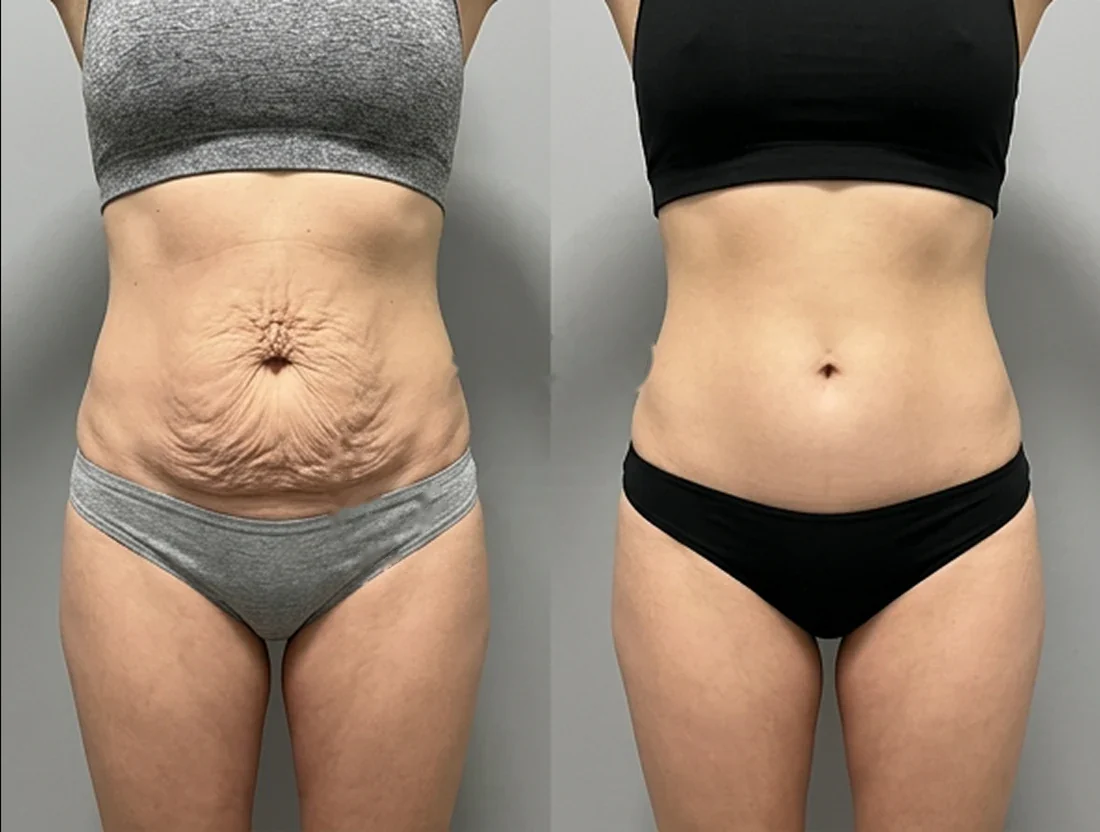
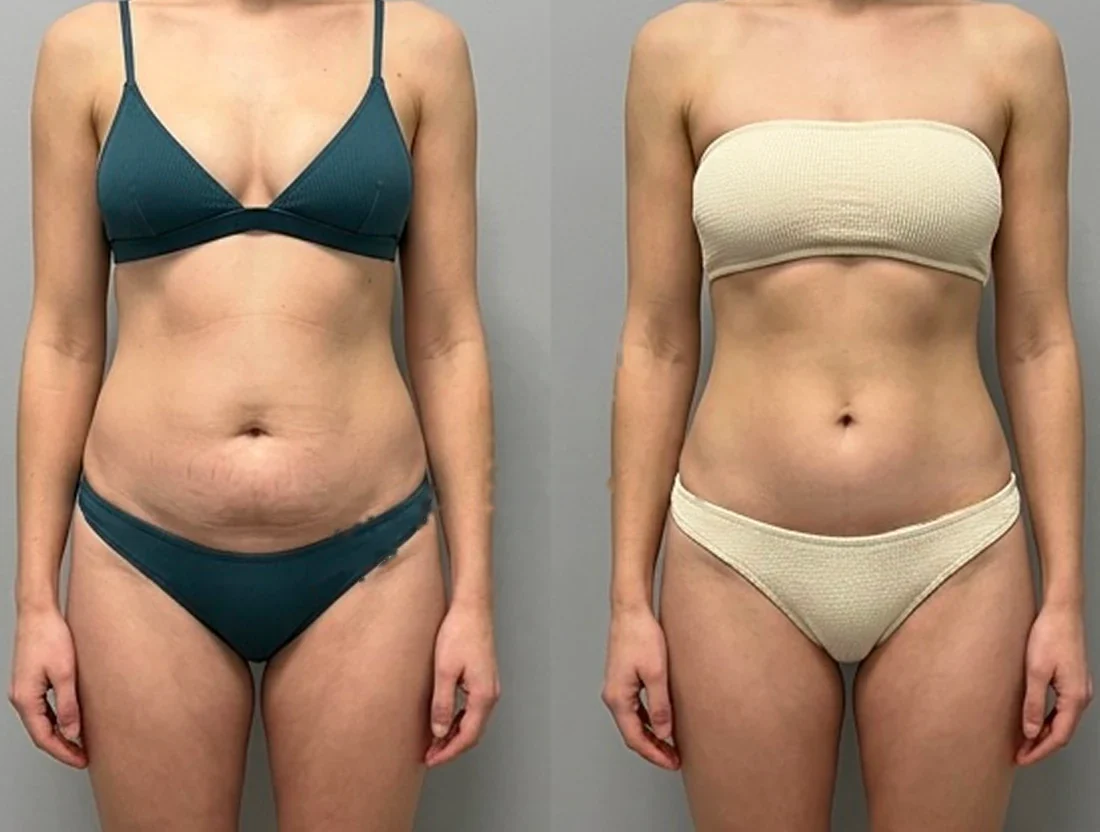
Tummy tuck: a patient's abdomen before and after surgery before after
A flat tummy and a toned silhouette in one operation. Your individual surgical plan and the expected result are discussed at the consultation

Message our coordinator

Free online consultation · Reply within 15 minutes

Message us on Telegram

By messaging us, you agree to our Privacy Policy

Tummy tuck (abdominoplasty) in Nottingham: price and key facts

Tummy tuck for patients from Nottingham at City Medical Centre: the price is named at the free online consultation and fixed in the contract with no hidden extra charges.

Duration
2–4 hours
Anesthesia
general
Stay
1–3 days
Recovery
back to work after 2–3 weeks
Final result
6–12 months after surgery
How it works
Send photos on WhatsApp or Telegram, get a free doctor assessment and the price, then confirm the plan and dates before anything is booked.

How it works · Tummy tuck prices

Information current as of 24 October 2026

Free online consultation on WhatsApp and Telegram

Results

Tummy tuck (abdominoplasty) results
of our patients

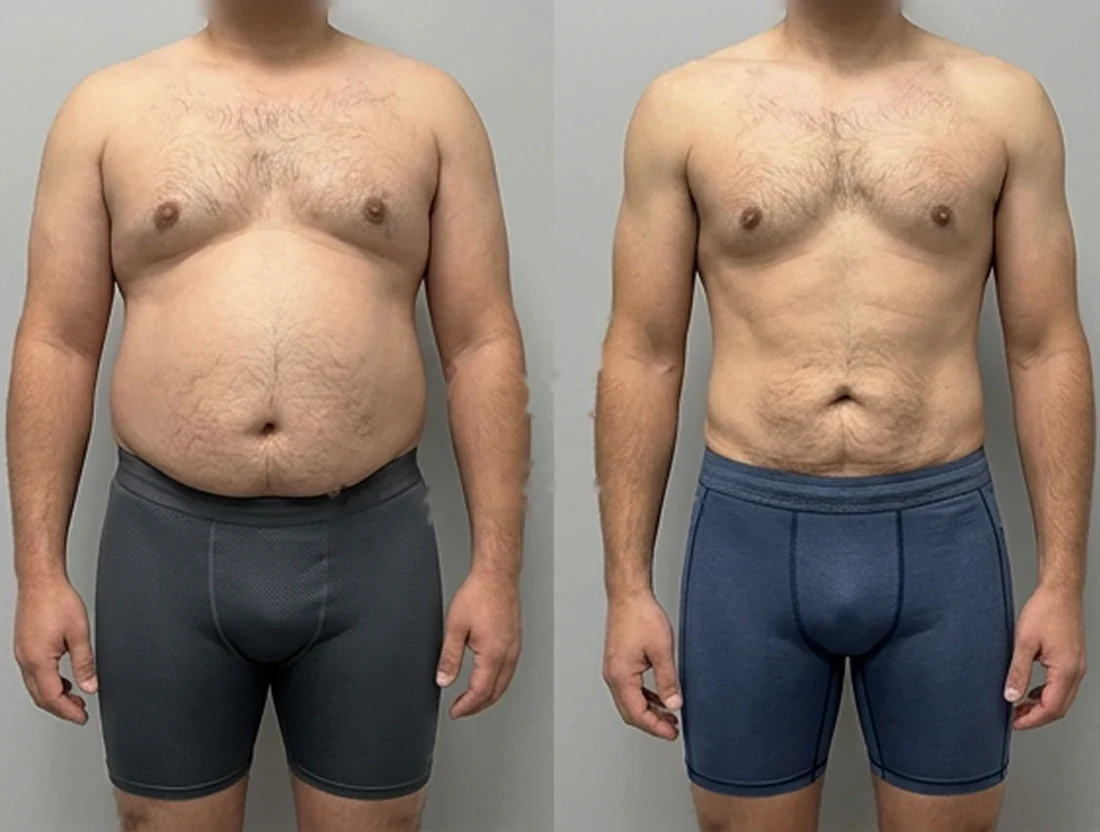
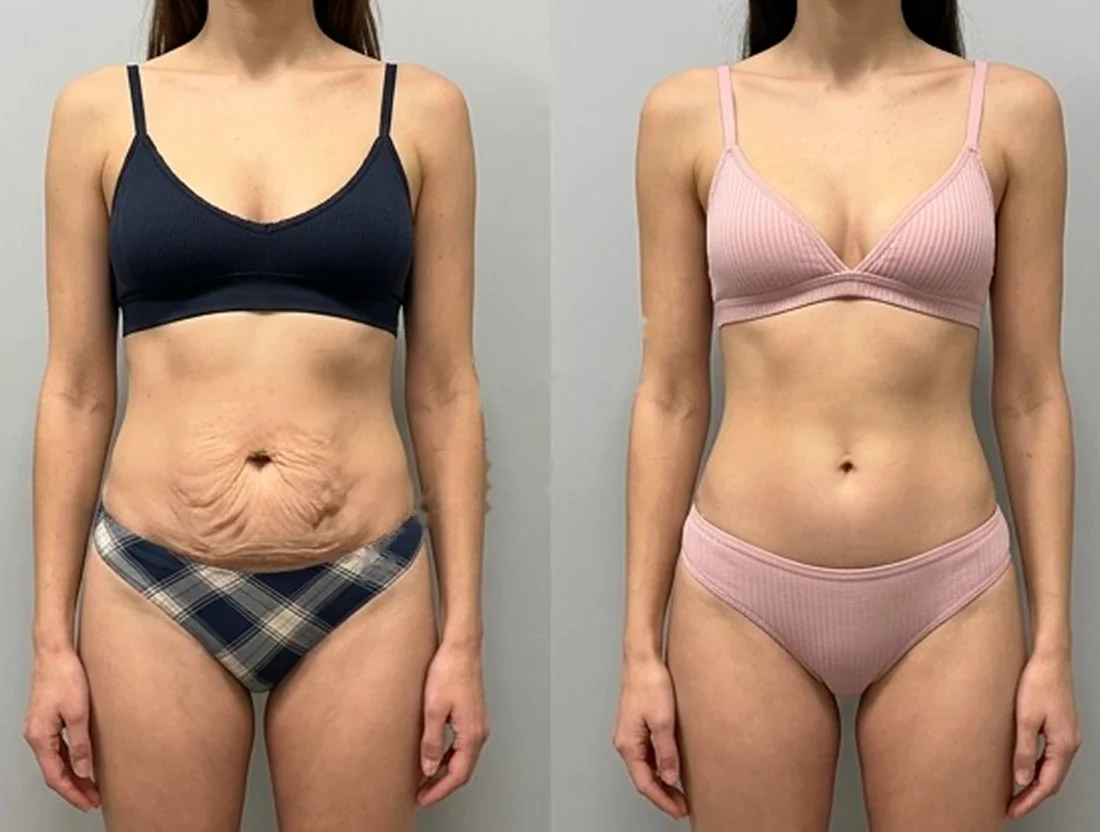
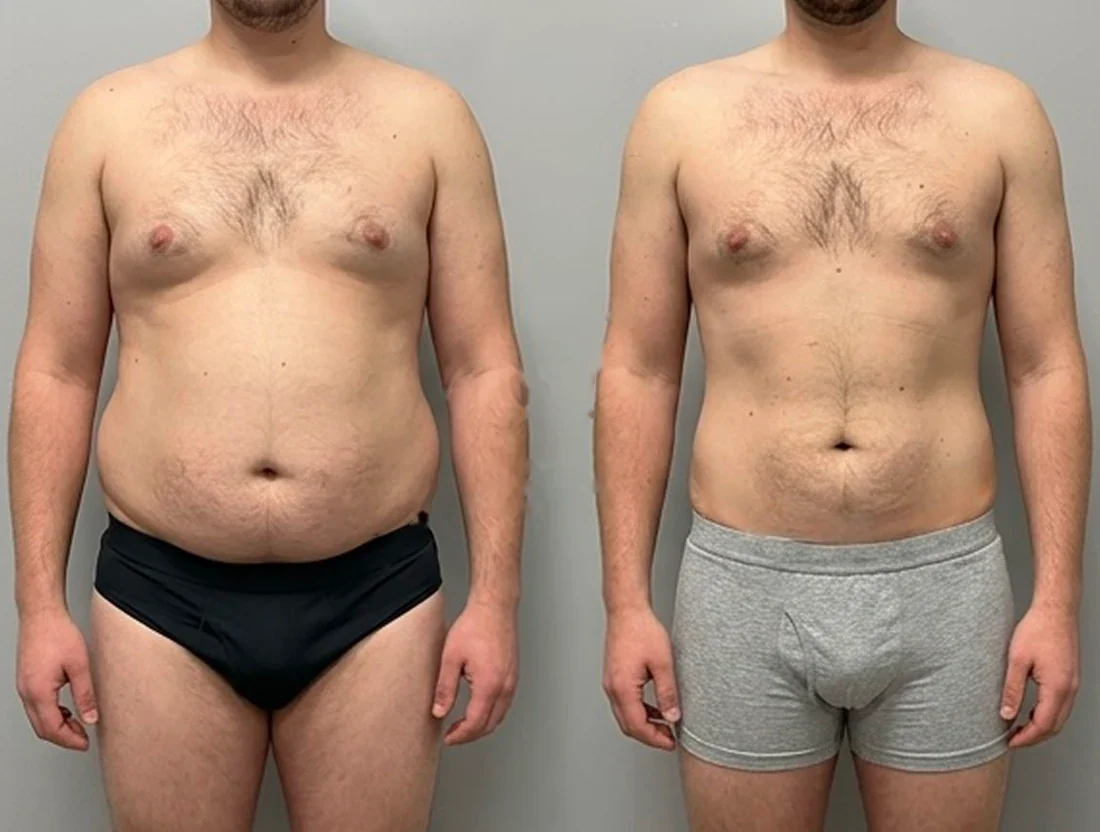
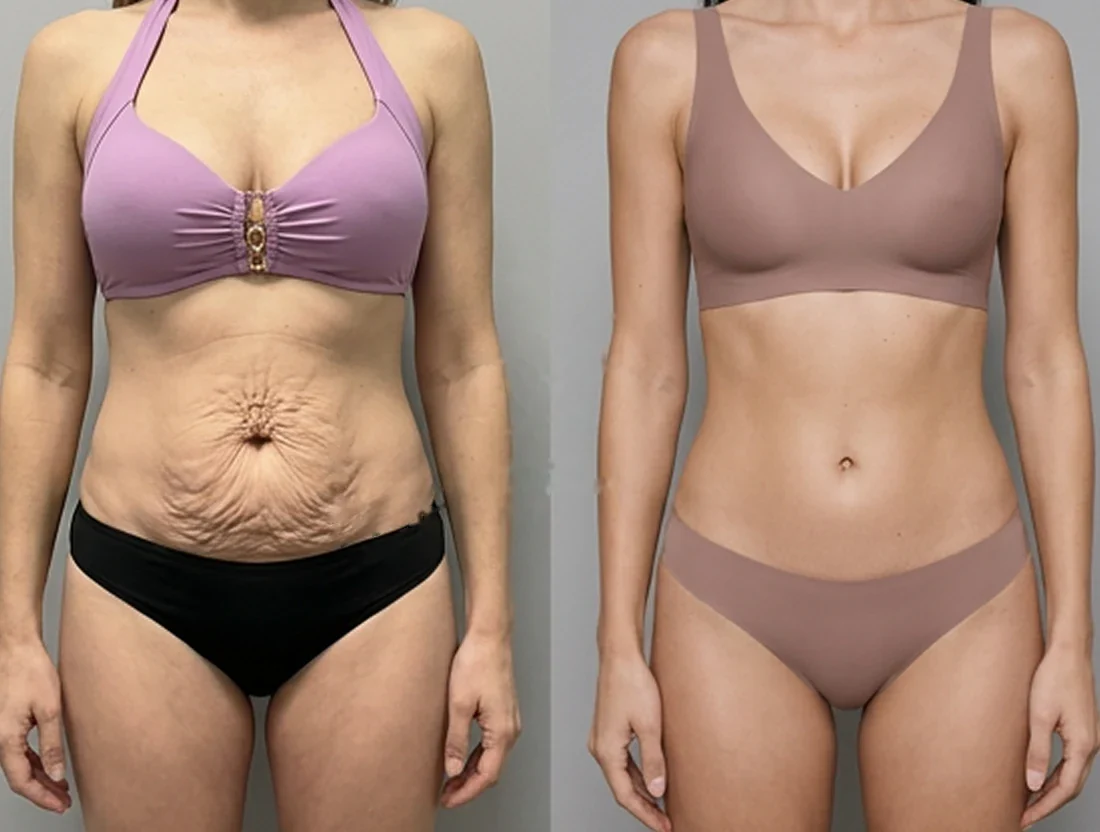
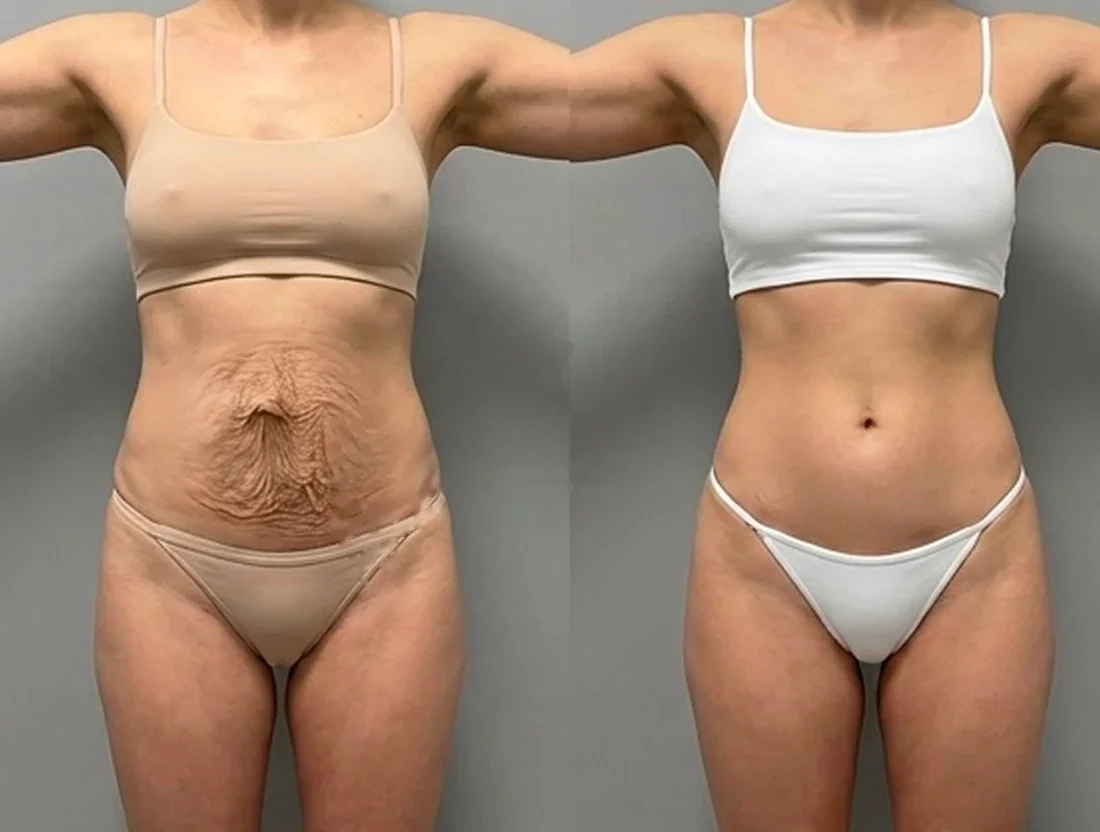
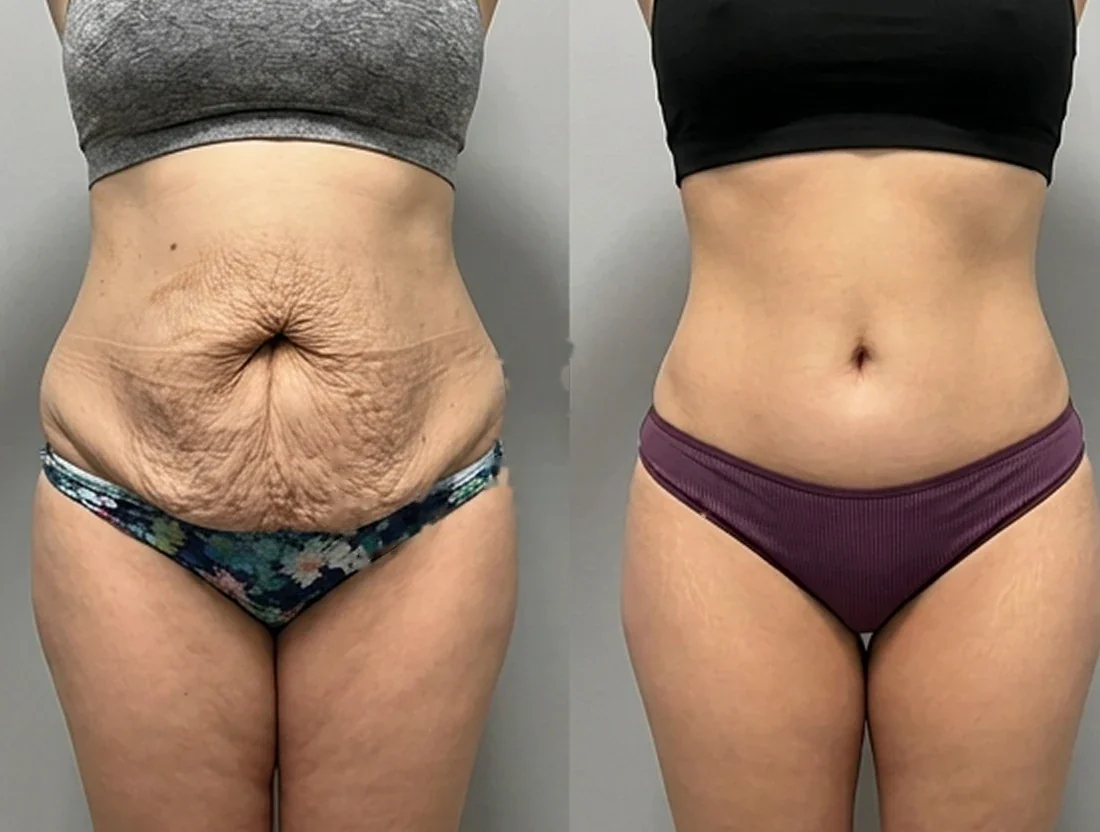
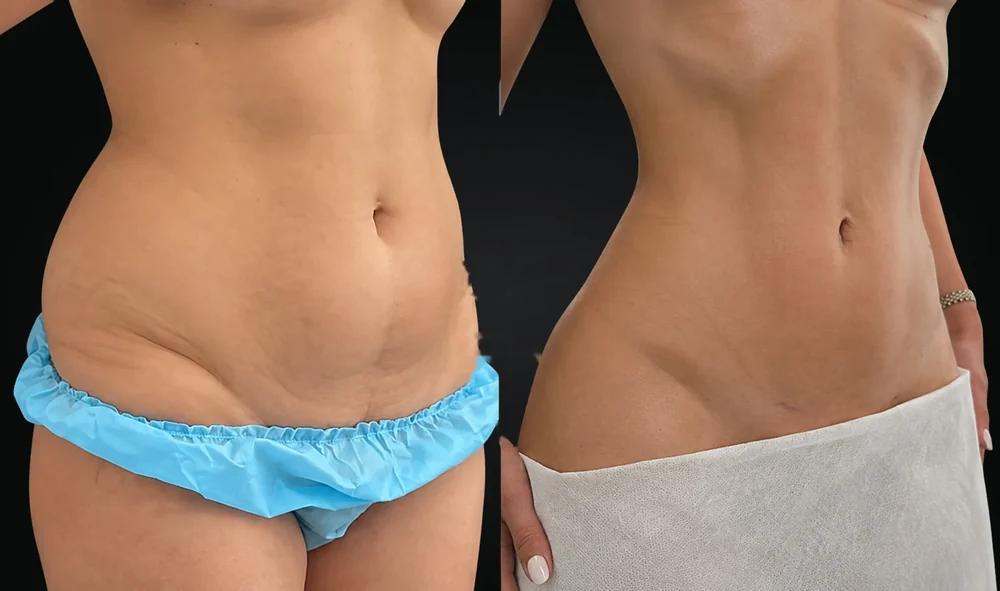
All cases are real patients. Faces and identifying details are hidden.

Tummy tuck: a female patient's abdomen before and after surgerybeforeafter
Tummy tuck: a male patient's abdomen before and after surgerybeforeafter
Tummy tuck: a female patient's abdomen before and after surgerybeforeafter
Tummy tuck: a male patient's abdomen before and after surgerybeforeafter
Tummy tuck: a female patient's abdomen before and after surgerybeforeafter
1 of 8

Comparison

Tummy tuck techniques

A tummy tuck is done as a full (classic) or mini operation, or combined with liposuction as lipoabdominoplasty. Compare the scope of surgery, the indications and the expected results to choose the right technique together with your surgeon.

Tummy tuck

Removal of excess skin, abdominal muscle tightening
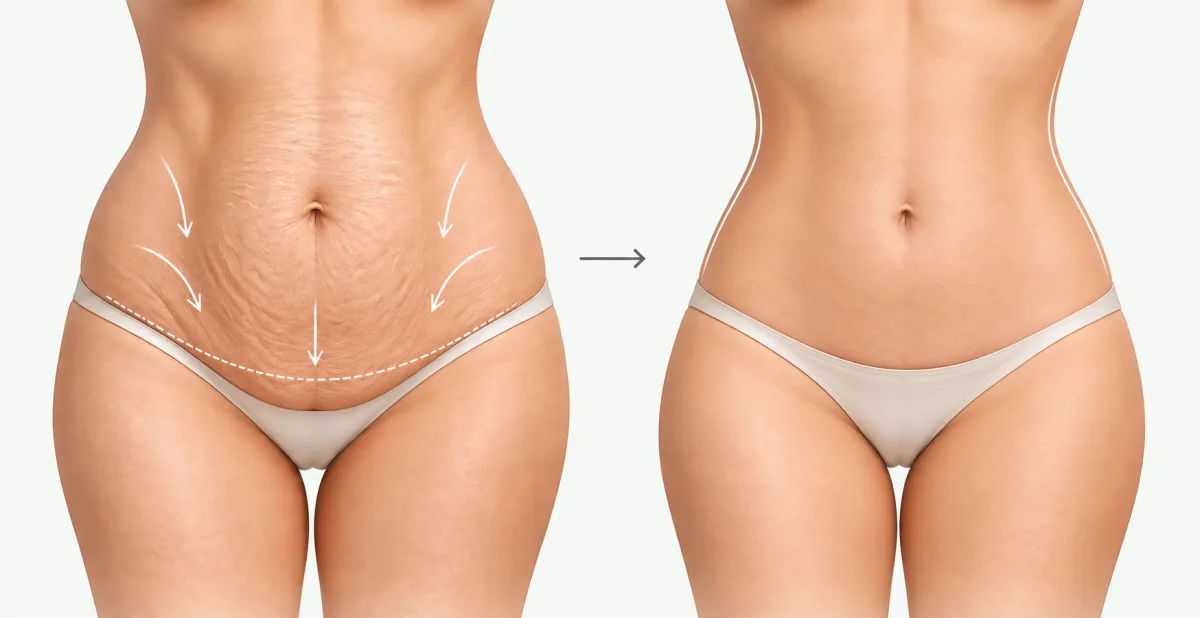
Tummy tuck diagram: the abdomen before surgery with the incision line, and the result
Main goal
Removal of excess skin, diastasis repair
When it is done
Excess skin after childbirth or weight loss
Anaesthesia and stay
General anaesthesia, up to 3 days in hospital

Lipoabdominoplasty

Tummy tuck with added liposuction
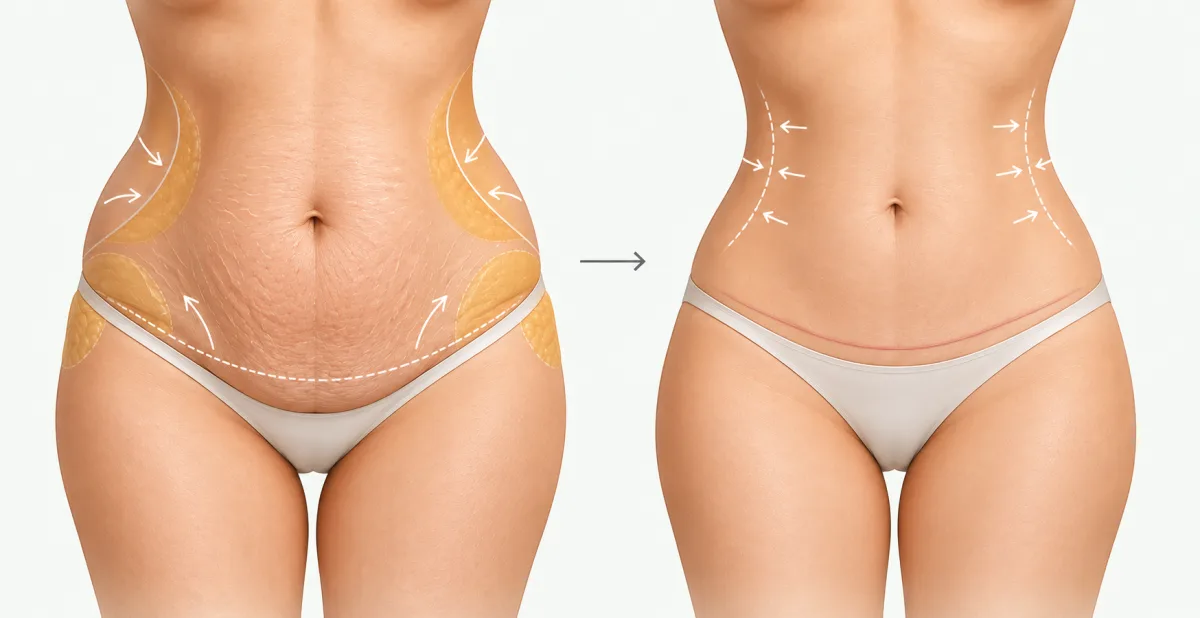
Lipoabdominoplasty diagram: the abdomen with fat on the flanks before surgery, and the result
Main goal
Tummy tightening and waist contouring
When it is done
For fat deposits on the flanks and waist
Anaesthesia and stay
General anaesthesia, up to 3 days in hospital

The benefits and recovery times shown are averaged for each technique and given for guidance: the scope of correction and rehabilitation depend on your anatomy and individual features, and the surgeon confirms them at the consultation.

At the consultation the surgeon draws up a plan for your case and explains how your tummy tuck will go.

Free, before surgery and with no obligation.

Book a consultation

Tummy tuck from the inside

About the clinic

A clinic where you can feel at ease

Modern equipment, comfortable rooms and care for every patient

A doctor and a patient in a clinic ward

Contact us the way that suits you

We will answer your questions and find a convenient time for a consultation

By messaging us, you agree to our Privacy Policy

A tummy tuck is not for everyone

If your case can be solved without surgery, the doctor will tell you so at the consultation — and you will not spend money for nothing.

Suitable

A surgeon shows a patient on a model and a monitor how the abdominal contour changes after a tummy tuck
  • Rectus abdominis diastasis
  • Skin folds after weight loss
  • Loose abdominal skin
  • Stretched skin after pregnancy
  • A distorted abdominal contour

Not suitable

A surgeon discusses the indications and contraindications for a tummy tuck with a patient
  • Acute infections
  • Significant disease of the heart, kidneys or liver
  • Problems with blood clotting
  • Age below 18
  • Decompensated diabetes
  • Cancer
  • Skin inflammation in the surgical area
  • Currently pregnant or breastfeeding

Not sure the surgery is right for you?

Message us — the coordinator will ask for your photos in the messenger, and the surgeon will tell you whether a tummy tuck suits you. No surgery booking needed.

Find out if it suits me

A surgeon goes through a tummy tuck diagram with a patient at the consultation

Prices

You know the price
before surgery

The price is set at the consultation and fixed in the contract.

Other services

  • First consultationFree
  • Liposuction of the abdomen and flanksfrom $1,700
Book a consultation

Find out your tummy tuck plan and price

The surgeon assesses your abdominal skin and muscles, listens to your wishes and chooses the right correction technique.
The price is set at the consultation and fixed in the contract.
A nurse talks to a patient in a clinic ward

Message our coordinator

Free online consultation · Reply within 15 minutes

Message us on Telegram

By messaging us, you agree to our Privacy Policy
A patient's abdomen before a tummy tuck in the operating room

all inclusive

What the price includes

From preparation for surgery
to post-op check-ups.

  • All scheduled dressings
  • Scheduled post-op check-ups
  • A personal coordinator on call
  • Compression garments fitted on the day of surgery
  • A stay in a comfortable
    hospital ward with meals
  • Individual recommendations
    for recovery
  • Remote progress monitoring
    by photos

How it works

Three days at the clinic —
from preparation to discharge

An agreed correction plan, inpatient observation and post-op check-ups.

A doctor shows a patient a tummy tuck diagram on a monitor1

Consultation
and the surgical plan

The surgeon assesses your abdominal skin and muscles and checks for diastasis, listens to your wishes and chooses the right correction technique.

Paying the deposit by card at the clinic reception2

Booking the date
of surgery

We reserve a surgery date for you: the deposit can be paid by card at the clinic or online by bank transfer. The terms are fixed in the contract for medical services

A blood sample tube for tests before a tummy tuck3

Check-up before
surgery

Before surgery you complete a full lab check-up: blood tests, an ECG, a chest X-ray and reports from the required specialists.

The surgical team during the operation4

Surgery

The surgeon performs the tummy tuck with the chosen technique, repairs diastasis if needed and shapes a firmer abdominal contour.

A hospital ward at the clinic5

Inpatient stay

After surgery the patient stays for 1–3 days in a comfortable hospital ward with meals, under medical supervision.

A surgeon and a patient in the ward during recovery6

Recovery

After surgery you get a recovery programme. Check-ups at 7 days, 3 and 6 months help track your recovery.
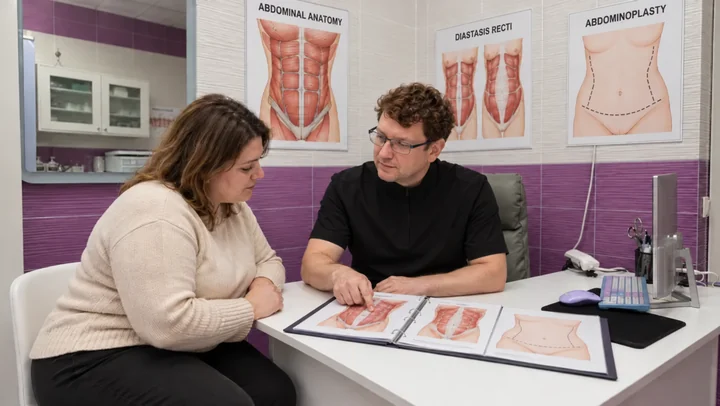
Book a free consultation — the surgeon will plan every step with you.

A doctor discusses the tummy tuck plan with a patient
Book a consultation
A doctor discusses the tummy tuck plan with a patient

How it really happens

Healing after a tummy tuck

After surgery comes a 1–3 day hospital stay under medical supervision. Drains usually come out after two days, and stitches are removed after 7 days. The compression binder is worn for 1.5–2 months — it supports the abdominal wall and helps shape a smooth contour. Most swelling subsides within 30 days; office work resumes after 2–3 weeks. For 2–3 months there is no sport, sauna or heavy lifting; early on, sleep on your back with your knees bent. The scar is fully mature by 12 months, fading until it is barely noticeable.

Post-op check-ups

After 7 days, at 3 months and at 6 months. Until the end of the year, get a post-surgery consultation with your surgeon to review results and get more information, at the clinic's expense

Advantages

Why patients choose City Medical Centre

A surgeon discusses the tummy tuck plan with a patient at the consultation

Just find out — you lose nothing

At the consultation we discuss your wishes and assess your abdominal skin and muscles. The surgeon explains what changes are possible, chooses the correction technique and answers your questions.

A surgeon on a video call with a patient after surgery

We stay with you after surgery

The surgeon follows your recovery and the changing abdominal contour at check-ups after 7 days, 3 and 6 months. Check-ups, dressings and aftercare advice are already included in the price of surgery.

A surgeon shows a patient a model and tummy tuck diagrams

A beautiful contour that fits your figure

We choose the correction technique based on your skin, muscles and figure. Our aim is a harmonious abdominal contour that keeps the natural proportions of your body.

A patient writes down a convenient visit time in her planner

Your schedule is our priority

We respect your time: we work 24/7, with easy booking and a personal approach — we adapt to your pace.
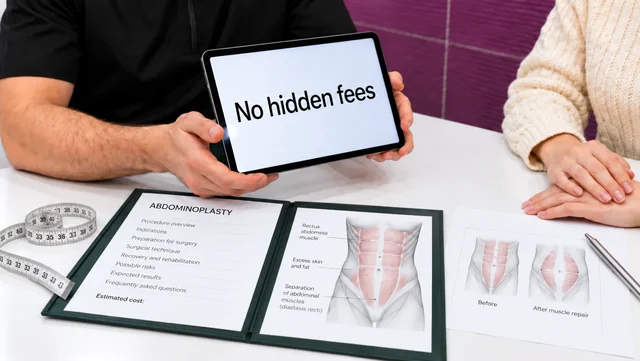
A surgeon shows a patient the fixed price of surgery with no extra charges

Fixed prices

After the consultation the surgeon defines the extent of correction, and you get a clear price for the surgery — no surprises on the way to the result you want.

A surgeon visits a patient in the hospital ward after surgery

Round-the-clock care after surgery

Recovery starts in a comfortable hospital ward under round-the-clock nursing care. The stay and meals are already included in the price.

FAQ

We answer what
people ask before booking

Tummy tuck in Nottingham: what you should know

Who is a candidate? Adults aged 18 and over with no contraindications; there is no upper age limit, and each case is considered after an examination. Surgery is done at a stable weight and is not performed during pregnancy or breastfeeding. Contraindications also include decompensated diabetes, blood clotting disorders, cancer and serious heart, kidney or liver disease. Nottingham patients get a personal assessment.

Pre-surgery tests should be completed in advance, not the day before. The surgeon gives the exact list at the consultation, and results are usually valid for 10–14 days. Seven to ten days before the operation, stop smoking, alcohol and medicines that affect blood clotting. Anyone in Nottingham preparing for a tummy tuck also sees a GP and an anaesthetist before the surgery date.

Combining procedures can make the plan more efficient: a tummy tuck with flank and waist liposuction or diastasis repair is done under one anaesthesia with one recovery period. The price for such a combination, as for a standalone operation, is set after a free consultation and fixed in the contract. People in Nottingham can book that consultation through the form or any messenger.

Stories of well-known people

Well-known people who spoke openly about this operation, in their own words.

All stories about this operation →

Choosing the month: how Nottingham's weather shapes the plan

Nottingham has a mild, changeable climate, and that is useful to know before a tummy tuck is booked. The Met Office figures for 1991-2020, taken at Watnall northwest of the centre, give an annual mean temperature of 10.1 °C, with a mean maximum of 13.8 °C and a mean minimum of 6.5 °C. The coldest months are January and February: January averages 6.9 °C by day and 1.7 °C at night, and February's nights are the same. The warmest are July, at 21.5 °C by day and 12.4 °C at night, and August, at 21.1 °C. The operation takes 2–4 hours under general anaesthesia and is followed by 1–3 days in hospital, so what matters for you is mostly the first weeks at home afterwards, not the day of surgery.

A winter date has real advantages for the compression binder. The binder is worn for 1.5–2 months, and in a cool month a firm garment under ordinary clothes is easy to live with. Nottingham averages 36.9 days of air frost a year, which means a few early-morning ice patches on pavements and car windscreens. In the first 2–3 weeks heavy lifting and sudden movements are not allowed, so slipping on ice, scraping a frozen windscreen or hauling a bag out of the boot are things to hand to someone else. The dullest month is December, with only 55.3 hours of sunshine, and the three wettest months are October (71.7 mm), December (69.6 mm) and November (69.5 mm). Wet pavements and short, dark days make the first outings less inviting, but for many people that suits a period of rest.

A late-spring or summer date has its own logic. May and July are the sunniest months, at 191.5 hours each, and June has 170.5. About 11 days a year reach 25 °C or above. Long, light evenings make the first walks around the house and garden more pleasant, and the swelling, which mostly goes within 30 days, falls during a season when lighter clothing is comfortable. The drawback comes later, and it is about the scar. A scar is still maturing through the first year, and a bright summer arrives while it is young. The next block of this text returns to this, because season choice and scar care are really one question.

The calendar adds a practical layer. England has 8 bank holidays in 2026, and the last two are Christmas Day on 25 December and the substitute Boxing Day on 28 December. A date placed just before them can give you extra days at home without using leave. But the check-ups at 7 days, 3 months and 6 months are scheduled according to the day of surgery, so it is worth asking the coordinator to lay out all three dates before you decide. If an operation on, say, 3 December 2026 would put the 7-day review inside the holiday week, you can learn that in advance and agree how the photo exchange with the doctor will work. The coordinators answer round the clock on WhatsApp and Telegram, so questions that come up late in the evening do not have to wait.

One more point about timing is that it should follow your body, not the weather alone. The service is built around a stable weight, and the doctor decides at the consultation whether a date is sensible. A month that looks perfect on the calendar is the wrong month if your weight is still changing or an infection is present. Both are listed among reasons to wait or to choose another path.

The core after surgery: bending, lifting and the working day

A tummy tuck is mainly an operation on the abdominal wall. Excess skin and fat are removed, and where the rectus abdominis muscles have separated, they are brought together in the same operation. This is diastasis repair, and it is done only when the separation is actually there. At the examination the doctor sees it, and in doubtful cases an ultrasound confirms it. The muscle repair is the reason the first weeks come with rules about lifting and bending, because the tissues need time to settle into their new position. The rules are not about the skin alone.

The restrictions are the same for all patients. In the first 2–3 weeks, physical exertion, heavy lifting and sudden movements are not allowed. Sport, sauna and heavy lifting stay off-limits for 2–3 months. At first, sleeping on your back with knees bent is advised, and a bed that lets you rise gently, with help from your arms and legs rather than a sudden sit-up, is something to plan before you go in. Drains are usually removed after two days and stitches after 7 days, and the first check-up falls on that same day. Plan the home before the operation. Put the things you use every day between waist and shoulder height, so nothing needs a deep bend or a stretch overhead. Move laundry baskets, pet bowls and the kettle if they are on the floor or on high shelves.

Work is where the two milestones in the plan matter. Office work resumes after 2–3 weeks, and that figure refers to desk and screen-based jobs. If your job involves lifting, carrying stock, bending to patients or children, or long standing, the wording "heavy lifting off-limits for 2–3 months" decides, not the office-work number. Nottingham's three universities have almost 62,000 students between them, and the city has many people whose days run on a teaching timetable. If that is you, the coordinator can help you match the operation to a term break or a quieter stretch of the year, so the 2–3 weeks do not fall on your busiest block of marking or lectures. Raise it at the consultation: you can send photos, get the assessment and the price, and only then confirm the plan and dates. Nothing is booked before that.

It is also worth being honest with your employer in general terms. You do not need to explain the procedure, only that you will be away for a few weeks and then on lighter duties for a time. A short note from the doctor or the coordinator on the phased return can be arranged through the personal coordinator on call. If your role changes during the summer of 2027, for instance, you will want those dates early.

People with joint problems should mention them at the consultation. The NHS notes that osteoarthritis is the most common type of arthritis in the UK, that the risk rises with age and is higher in women than men and in people with obesity or joint injury. Arthritis UK reports that over 10 million adults, young people and children in the UK live with arthritis. If your hips, knees or back already make getting up from a low seat difficult, the doctor needs to know, because it affects how you will manage the early weeks of sleeping on your back with knees bent and rising carefully. This is information for planning, and the doctor will tell you what it means in your case.

Family life while the abdomen heals

A tummy tuck is often chosen by people who are in the middle of family life, and the practical side of the first weeks is mostly about who does what at home. The service describes the typical reasons for the operation as excess skin after childbirth or weight loss, together with rectus diastasis. Those are the same people who often have small children, who want to be lifted, carried and put in car seats. In the first 2–3 weeks heavy lifting and sudden movements are not allowed, and it is hard to say how much a toddler counts as heavy. A sensible approach is to treat it as a request for help, not a test of strength. Your spouse, a relative or a friend can take over lifting and carrying through the early weeks, while you can still sit with the child, read and talk.

Some arrangements are easy to put in place in advance. Cook and freeze meals before the date. Put the nappy-changing station, the changing bag or the school bag where you do not need to bend. Ask for a lift for school runs until you are cleared to drive, and check with the doctor when that will be. For older children, it helps to explain in plain words that you will be tired and a bit sore, that you cannot pick them up for a while, and that hugs are fine if they are gentle. Many parents find that a short, calm explanation works better than hiding it.

Pregnancy plans deserve a direct conversation. You can get pregnant after a tummy tuck, but the order matters: childbirth should come first and surgery after. A pregnancy after the operation stretches the repaired muscles and skin again. This is why the doctor will ask about your plans at the consultation and may advise waiting until your family is complete. That is a medical judgement for you and the doctor to make together. If you are still undecided, it is entirely sensible to postpone the operation.

Remember that the stay itself is short. After the operation you spend 1–3 days in a comfortable hospital ward with meals, under round-the-clock nursing care, and the stay and meals are included in the price. For a mini tummy tuck one day is usually enough. Those days away are the part families worry about most, and the coordinator can go through the exact length with you so that childcare is booked for the right number of nights. After discharge, recovery continues at home with the compression garment fitted on the day of surgery, individual recommendations and remote progress monitoring by photos. In practice this means you do not carry the whole load alone: you send photos, and the doctor replies.

Your family also needs a reasonable picture of the timeline. Swelling mostly goes within 30 days, but the shape continues to change. The first changes appear around 2 weeks after surgery, an interim result shows at 1.5–2 months, and the final contour is assessed at 6–12 months. If a family occasion falls in that window, such as a wedding or a holiday in the spring of 2027, you can ask the coordinator what to expect on that date rather than guessing. The honest answer is that early photographs will show a body still in progress.

Scars, sunlight and compression through the seasons

Every tummy tuck leaves a scar, because removing excess skin always does. A classic operation leaves an incision across the lower abdomen from hip to hip, placed below the underwear or swimsuit line, and a mini tummy tuck leaves a much shorter one. Over time the scar fades and thins, and by 12 months it is described as fully mature and barely noticeable. That 12-month figure covers an entire cycle of Nottingham's seasons, including at least one bright summer. The first summer after the operation is when the scar is still young, so it is worth deciding in advance how you will treat it.

Nottingham is not a place of extreme sun, but it is not shy of it either. The city has 1,487.0 hours of sunshine a year, with 191.5 hours in each of May and July. On an ordinary July day the mean maximum is 21.5 °C, yet heat spikes do occur: about 11 days a year reach 25 °C or above, and Watnall recorded 39.8 °C on 19 July 2022. That is a warning that a "mild" climate can still produce a day when you want to be in the garden in a swimsuit. The tummy tuck page rules in sauna, steam bath, pool, tanning beds, alcohol and smoking for at least a month, and tanning beds are among them. For sunlight on a fresh scar, ask the doctor at the consultation, and at the 3-month and 6-month check-ups, what protection suits your skin. This text does not set out a protocol for that, because the doctor's advice depends on how your scar is healing.

A practical way to think about it is by month. If the operation is in November 2026, the scar will be 5–6 months old by the sunny months of May and June 2027, and you will meet the 6-month check-up around then. You can show the doctor photos and ask directly whether the beach plans for summer are sensible. If the operation is in spring or early summer, the first weeks of the compression binder overlap with the warmest weather, and a loose, breathable layer on top helps. The binder is worn for 1.5–2 months because it supports the abdominal wall and shapes a smooth contour, so lighter clothes over it are a matter of comfort, not a reason to leave it off.

Cold months bring a smaller, different concern. Layers that press on the abdomen, such as tight waistbands, belts and heavy coats, rub against the healing area. In the weeks of the binder it is easier to choose high-waisted soft trousers or dresses and avoid anything that digs in. Stitches are removed after 7 days, so for the earliest outings you mainly need clothes that do not rub on the incision.

Exercise has its own timetable, and Nottingham has plenty of reasons to hold to it. The annual calendar includes the Nottingham Trophy tennis tournament, the Robin Hood Marathon and the Outlaw Triathlon. If you take part, or simply want to be fit by an event, remember that sport resumes gradually and only with the doctor's approval, and heavy exertion stays off-limits for 2–3 months. Treat a race entry in the first half of 2027 as something to discuss, not something to assume. A calm walk beside the Trent, or a stroll toward Sherwood Forest's quieter paths, is a perfectly reasonable ambition for later weeks, but how soon is for the doctor to confirm.

Paying privately, waiting lists and planning from home

The NHS states plainly that cosmetic surgery is not routinely provided. It might pay for some procedures for psychological or other health reasons, for example rhinoplasty for breathing problems, but most people who want cosmetic surgery need to pay privately. A tummy tuck for loose skin after pregnancy or weight loss usually falls in that category, so for most people in Nottingham the first practical step is to compare private options. At City Medical Centre the first consultation is free, and the price is named at the consultation and fixed in the contract before the operation. The price includes preparation, dressings, scheduled check-ups, the compression garment fitted on the day of surgery, the hospital stay with meals, and a personal coordinator on call. This text does not give figures, since the price depends on the plan.

Waiting times are another reason people look at options. NHS England reported that at the end of July 2026 about 7.3 million treatment pathways were waiting to start, covering around 6.2 million unique patients, and 111,379 had waited more than 52 weeks. Those numbers describe the system as a whole, and they say nothing about cosmetic procedures, which sit outside routine provision anyway. They are relevant because people who need hospital care for other conditions know how long a queue can be, and may prefer a plan with dates agreed in advance. Here the dates are set with you after the consultation: you send photos, get the doctor's assessment and price, and confirm the plan and dates before anything is booked.

Weight is the part of the story where the NHS information and the tummy tuck page meet. A tummy tuck is not a way to lose weight, and the operation is done at a stable weight. If your weight is still changing, the advice is to see a dietitian or endocrinologist first. NHS Digital's Health Survey for England 2022 found that 29% of adults were living with obesity and 64% were overweight or living with obesity. By region, obesity ranged from 39% in the North East to 21% in London, and overweight or obesity from 72% in Yorkshire and the Humber to 59% in London. Nottingham is in the East Midlands, so these are national and regional pictures, not a statement about any one person. They are useful as a reminder that weight is a common topic and that there is no need to feel awkward raising it. The doctor will discuss it frankly.

Many people who now have loose skin have lost weight through lifestyle change, and some through medical care. The NHS says weight loss surgery may be offered if BMI is 40 or more, or between 35 and 40 with a condition that might improve with weight loss, such as high blood pressure, diabetes or arthritis, and the person agrees to lifestyle changes and check-ups. Availability varies across areas of the UK. If you have had that kind of treatment, tell the coordinator, because the doctor will want to know when your weight stabilised before planning the abdominal operation.

Preparation can be done at home in Nottingham. Smoking, alcohol and medicines affecting blood clotting are stopped 7–10 days before a tummy tuck. The pre-surgery check-up covers blood and urine tests, a coagulation panel, biochemistry, infection tests, an ECG, a chest X-ray, leg vein ultrasound, a GP's report and consultations with an anaesthetist. Tests are usually valid for 10–14 days, so they should be done in advance but not too early, and the doctor gives the exact list at the consultation. Ask the coordinator to confirm the timing, so a report from your GP does not expire before the date.

Does the Nottingham climate make any month better for a tummy tuck?

There is no month that suits everyone, but the weather does change what the first weeks feel like. In January and February the mean maximum is 6.9 °C and there are 36.9 days of air frost a year, so icy paths are a reason to ask someone else to do the lifting and the errands. In July the mean maximum is 21.5 °C and about 11 days a year reach 25 °C or above, which is more comfortable for the compression binder but brings the sun closer to a young scar. The doctor decides the date with you, based on your health and weight, and the coordinator can check that the 7-day, 3-month and 6-month check-ups fall on workable days.

Is it sensible to plan the operation around the Christmas bank holidays?

It can be, as long as you look at the whole schedule. In 2026 Christmas Day falls on 25 December and the substitute Boxing Day bank holiday on 28 December, so a date in early December could give you extra days at home. Office work resumes after 2–3 weeks, but heavy lifting stays off-limits for 2–3 months, and the first check-up is 7 days after the operation. Ask the coordinator to list every check-up date before you decide, so none lands at an awkward time, and remember the coordinators answer round the clock on WhatsApp and Telegram.

How long should I wait before training for a Nottingham running or triathlon event?

Sport resumes gradually and only with the doctor's approval, and sports, sauna and heavy lifting are off-limits for 2–3 months. Annual events such as the Robin Hood Marathon and the Outlaw Triathlon are therefore something to talk through at the consultation, not to enter on impulse. Send the coordinator the event date if you have one. The doctor can say whether the timeline is realistic and how the 3-month and 6-month check-ups fit around your training.

Will the NHS cover a tummy tuck?

The NHS says cosmetic surgery is not routinely provided and that most people who want it need to pay privately. It might pay for some procedures for psychological or other health reasons, with the NHS giving examples such as rhinoplasty for breathing problems. Whether any individual case qualifies is for the NHS to decide, not for us. If you pay privately, the first online consultation is free, and the price is named at the consultation and fixed in the contract before surgery.

I have lost weight with medical help. When is the right moment to ask about a tummy tuck?

The operation is done at a stable weight, so the right moment is once your weight has stopped changing. If it is still changing, the advice is to see a dietitian or endocrinologist first. The NHS notes that weight loss surgery comes with lifestyle changes and check-ups, and the doctor will want to hear about that history. Send photos to the coordinator and describe how long your weight has been steady. The doctor will assess your skin and muscles and tell you whether the operation suits you.

What should I arrange at home in Nottingham before I go in?

Set up the house so that nothing needs deep bending or heavy lifting. For the first 2–3 weeks physical exertion, heavy lifting and sudden movements are not allowed, and at first sleeping on your back with knees bent is advised. Move everyday items to waist or shoulder height, prepare meals in advance and ask your spouse, a relative or a friend to take over lifting and school or nursery runs. Confirm with the doctor when you can drive again. Check that your GP's report and the other tests are timed to be valid on the day, since tests are usually valid for 10–14 days.

How should I look after the scar in the sunny months?

A tummy tuck leaves a scar, and by 12 months it is fully mature, with a faded, barely noticeable line. The sun is a topic for the doctor, not for general advice. Tanning beds are excluded for at least a month, and the doctor can tell you at the 3-month and 6-month check-ups what protection suits your skin. Nottingham's sunniest months are May and July, at 191.5 hours each, and about 11 days a year reach 25 °C or above. If the operation is in November 2026, the scar will be only a few months old when the brightest weather arrives in 2027, so it is worth asking before the first beach day.

Does a local GP need to be involved?

A GP's report is part of the pre-surgery check-up, alongside blood and urine tests, a coagulation panel, biochemistry, infection tests, an ECG, a chest X-ray, leg vein ultrasound and the anaesthetist's consultation. The doctor gives the exact list at the consultation. Tests are usually valid for 10–14 days, so ask the coordinator to confirm the dates, and book your GP appointment early enough to get the report in time. If you have a joint condition such as arthritis, mention it too, because it can affect how comfortably you get in and out of bed in the first weeks.