


























 1
Consultation and scan review
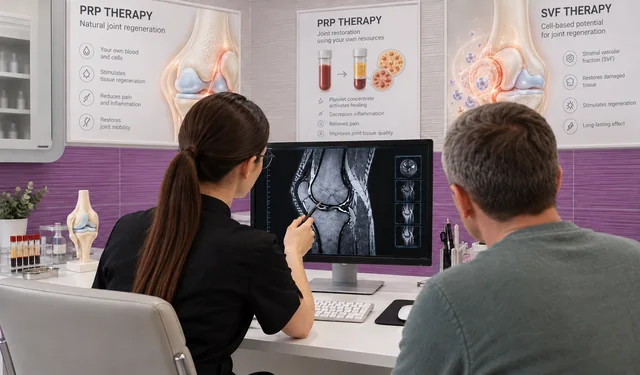
The joint is examined and your X-rays, MRI or ultrasound are reviewed by the doctor, who then decides if the procedure is suitable. Scans you already hold can be sent before the visit.
Arthritis care for the knee, hand, shoulder and other joints can include PRP and SVF cell therapy, always after a doctor checks your case and tests
Consultation and review of your scansFree
Message us on WhatsAppFree online consultation · Reply within 15 minutes
Message our coordinator
Free online consultation · Reply within 15 minutes
Message us on TelegramMessage us on WhatsAppBy messaging us, you agree to our Privacy Policy
What it is
When a joint becomes inflamed, doctors call it arthritis. Common signs include night and resting pain, morning stiffness longer than half an hour, swelling, and redness with warmth over the joint. It can stem from autoimmune disease (rheumatoid or psoriatic arthritis), gout, infection or an earlier injury.
Helping to reduce inflammation and pain and to support tissue inside the joint — that is the role of PRP and SVF, alongside, not instead of, a rheumatologist's care for a systemic disease. The doctor first confirms the type of arthritis and waits for the right moment, never acting during a severe flare or an active joint infection.
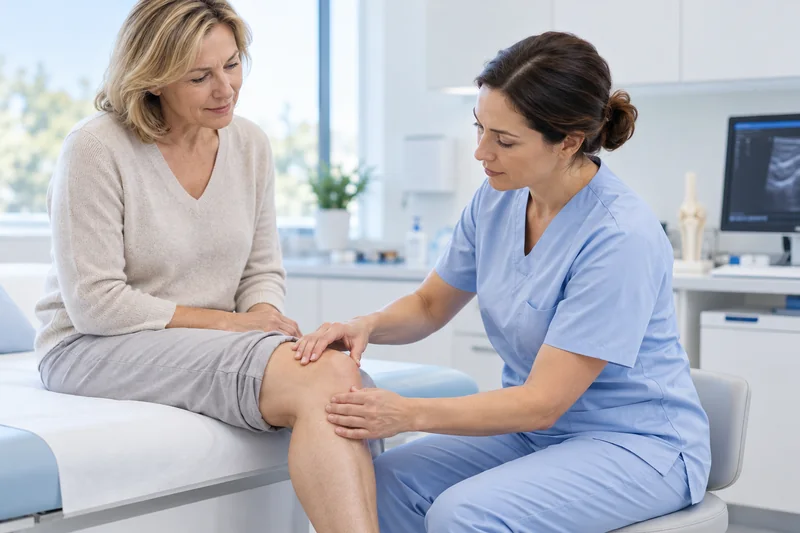
Your scans are reviewed and you are examined before a doctor decides whether the treatment suits you

Not sure the treatment is right for you?
Leave your number — the coordinator will ask for your scans (X-ray, MRI or ultrasound), and the doctor will tell you whether treatment without surgery suits you.
Find out if it suits meWhat we treat
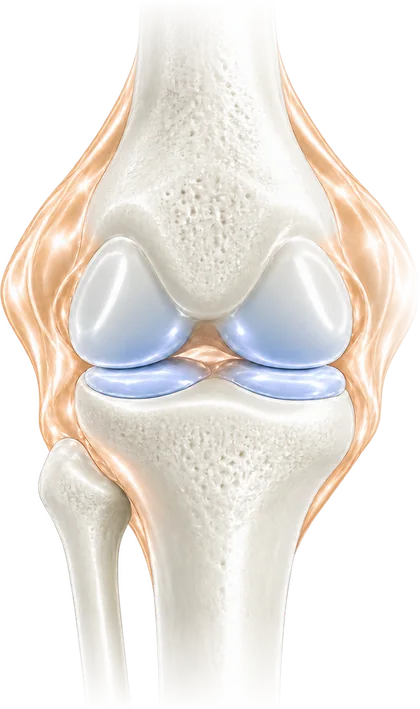 Arthritis
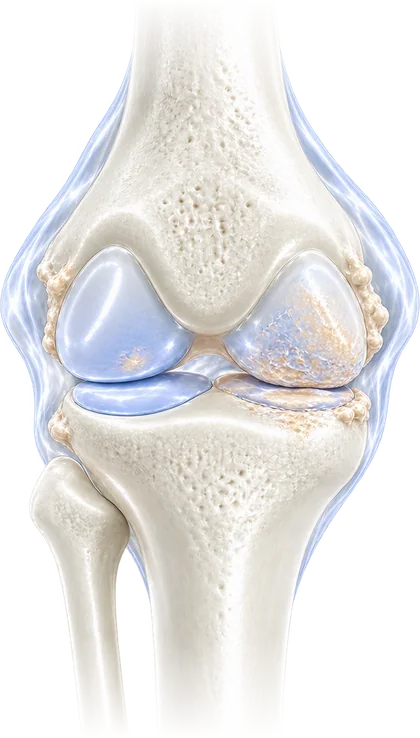 Arthrosis
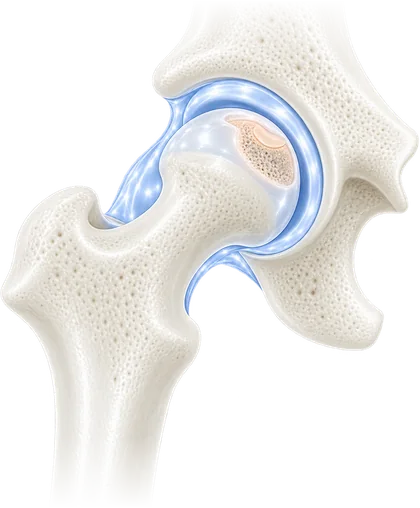 Avascular necrosis
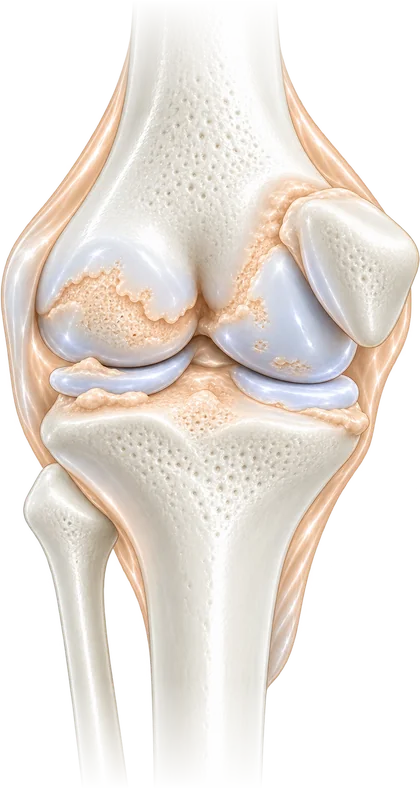 Osteoarthritis
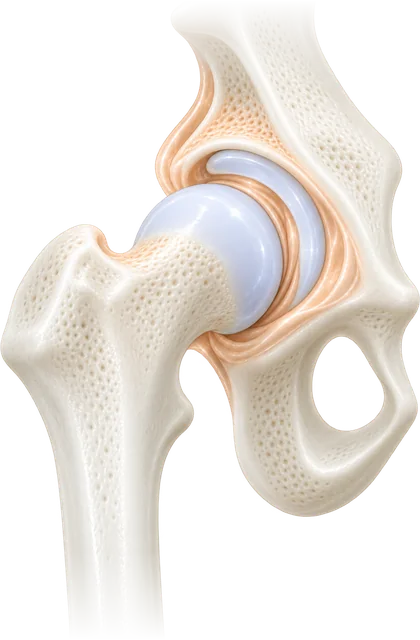 Coxarthrosis (hip osteoarthritis)
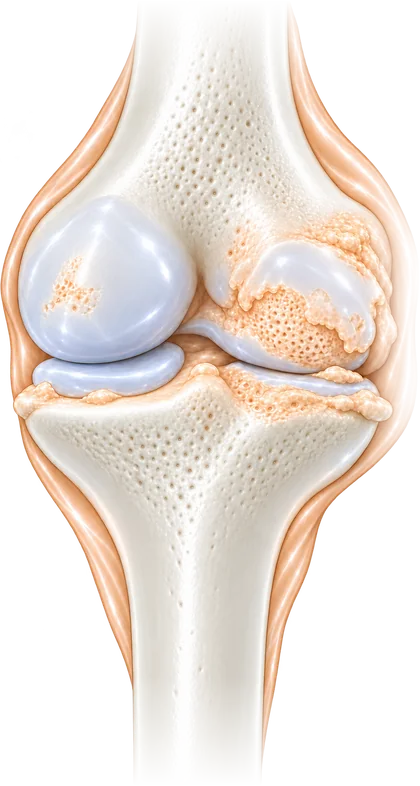 Gonarthrosis (knee osteoarthritis)
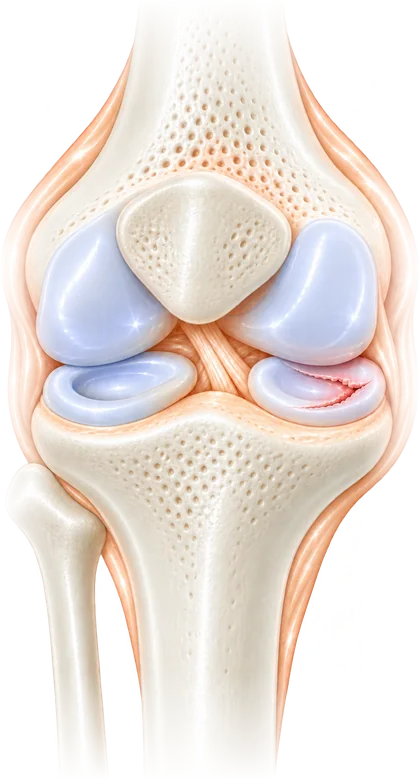 Meniscus pathology and injury
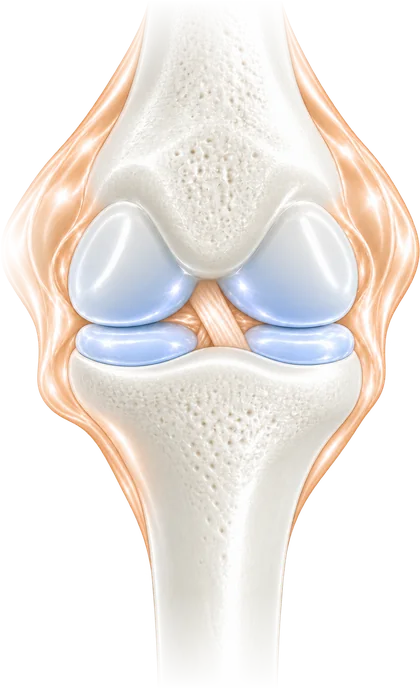 Rehabilitation after injuries and surgery
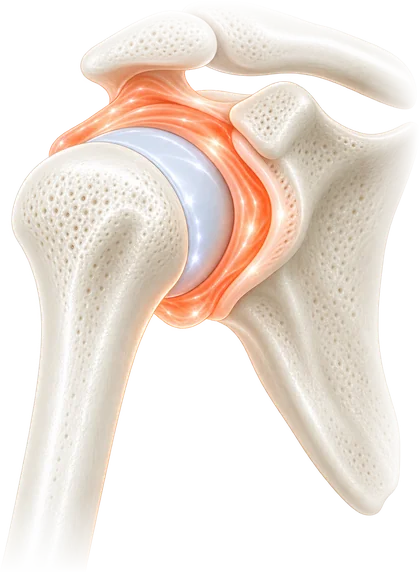 Inflammatory joint conditions
How it works
1The joint is examined and your X-rays, MRI or ultrasound are reviewed by the doctor, who then decides if the procedure is suitable. Scans you already hold can be sent before the visit.
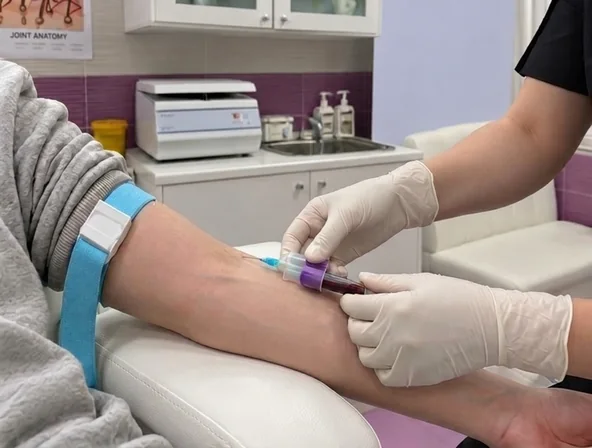 2
Blood is taken from a vein in a small amount, later to be turned into platelet-rich plasma with growth factors.
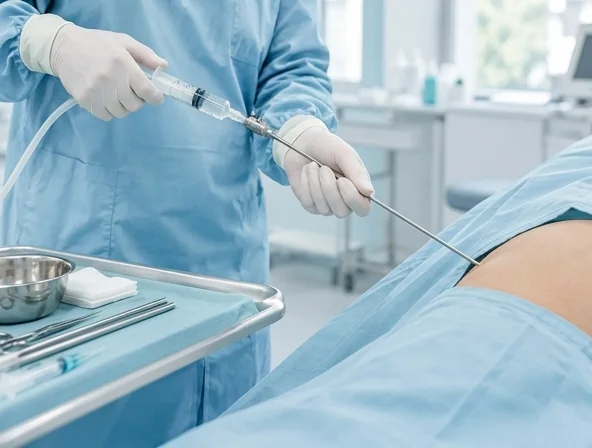 3
No stitches are needed: a small portion of adipose tissue (about 30 ml) is taken under local anaesthetic through a puncture on the abdomen or inner thigh.
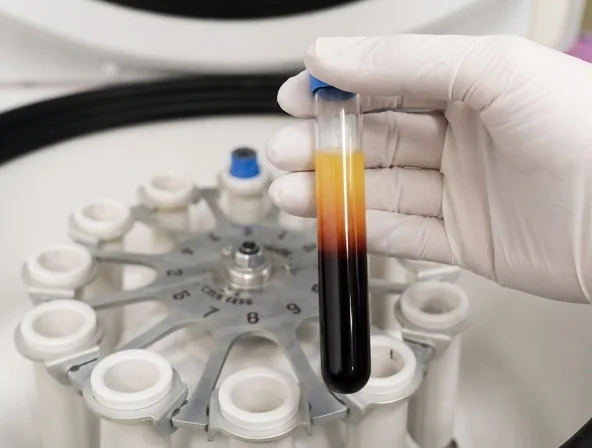 4
The stromal vascular fraction is isolated after the sample is spun in a centrifuge and separates into layers, then mixed with the platelet-rich plasma.
 5
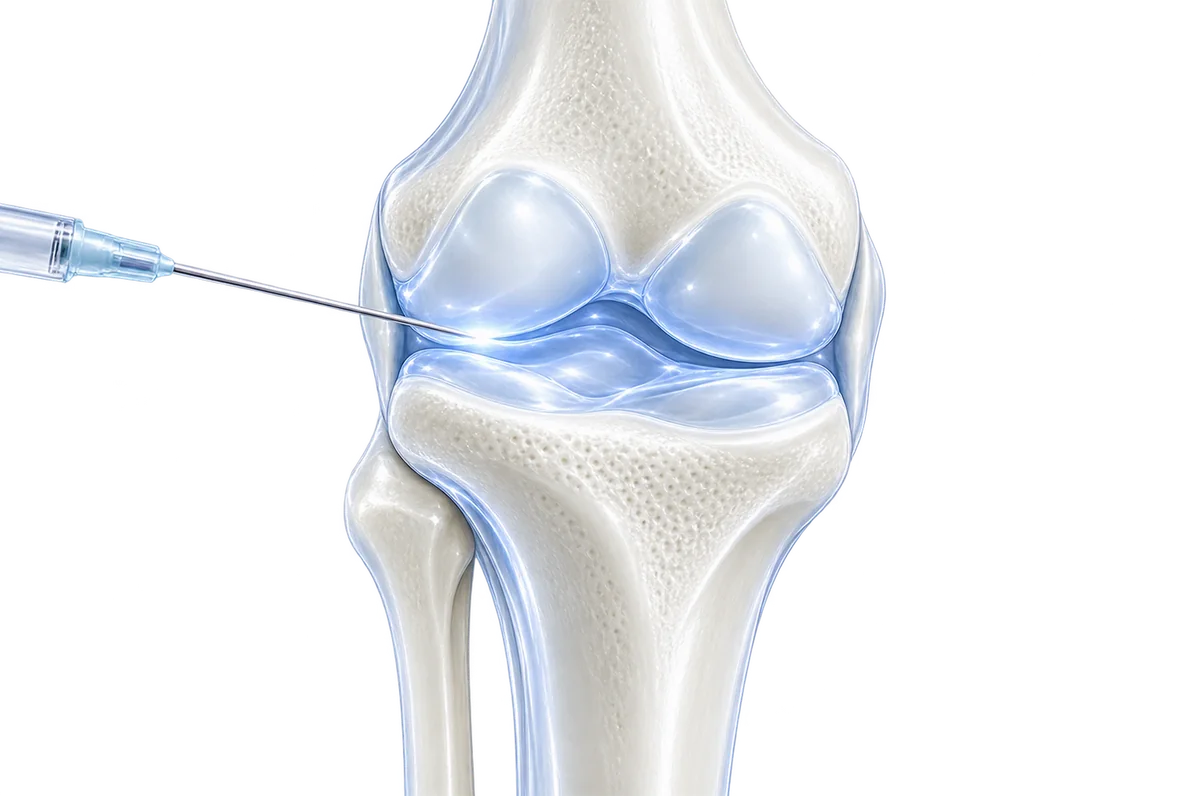
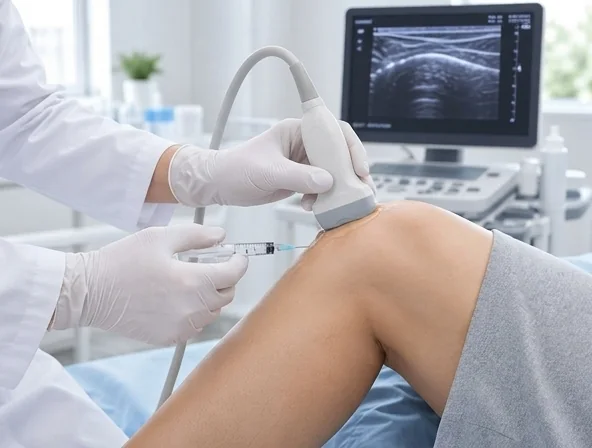
We inject the prepared material right into the affected joint, guided by ultrasound so that it is placed precisely.
 6
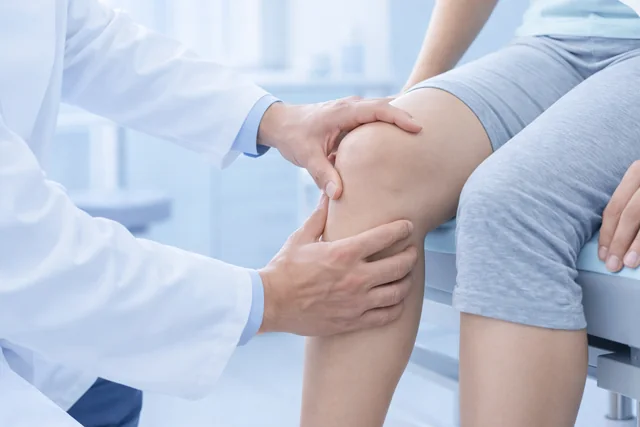
The doctor follows how the joint responds and stays in touch after the procedure — and you need no crutches or hospital stay.
Call or message us — our coordinator will contact you shortly and book your consultation

Results

The joint may ache a little more — this is an expected reaction.
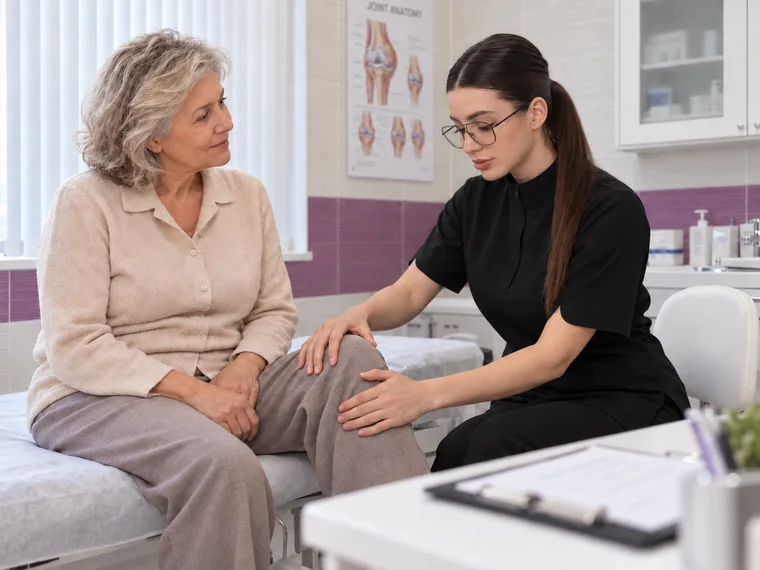
The pain usually eases.
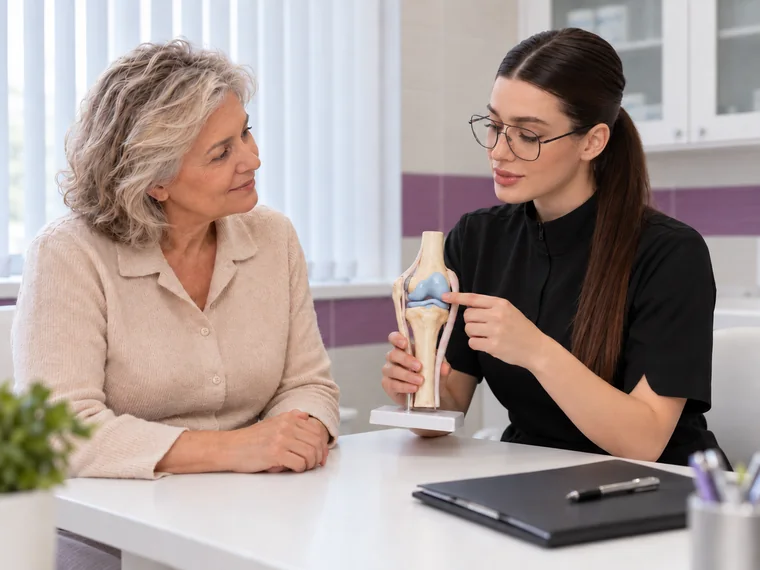
Mobility and activity improve.

The full effect develops.
How long it lasts differs from person to person and depends on the stage of the condition, body weight, activity and other factors — no one can promise a fixed result.
Comparison
Your own adipose tissue and blood are the only materials used, never donor or synthetic ones
SVF, or stromal vascular fraction, is a mix of cells involved in tissue repair, isolated by processing a small amount of your adipose tissue. It is combined with plasma from your own blood and injected into the affected joint.
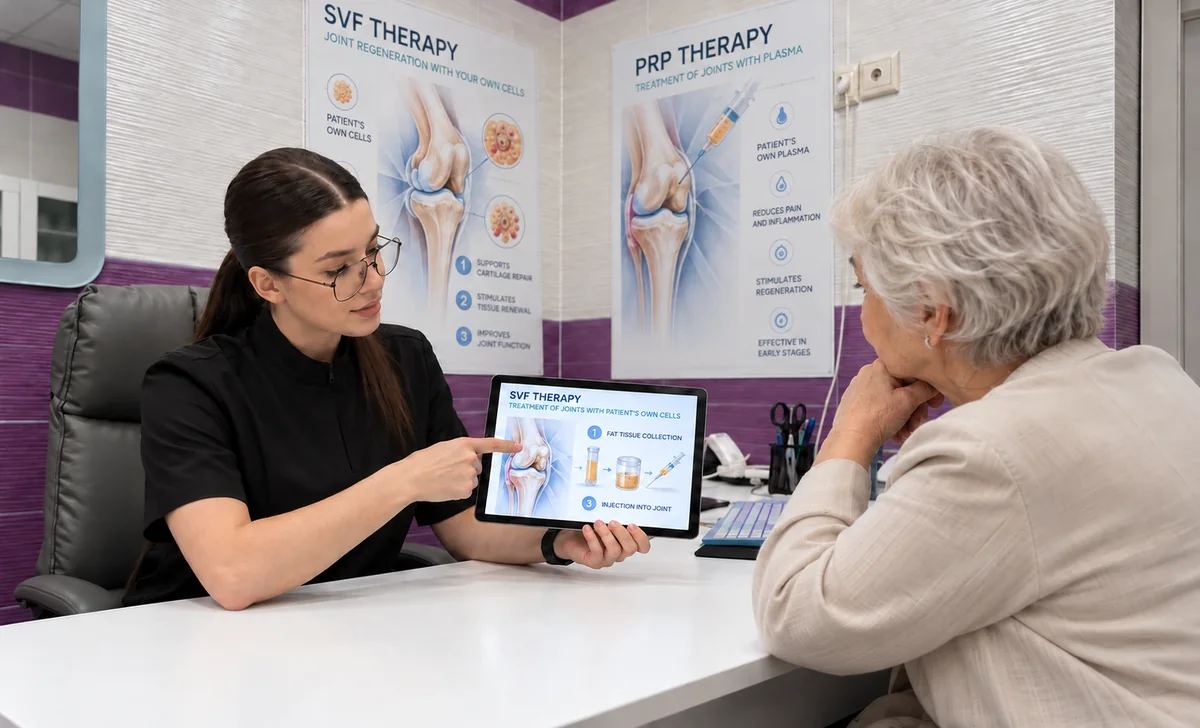
In inflammatory arthritis it is used for its effect on local inflammation and tissue repair, once the acute flare has settled.
We separate plasma rich in platelets and growth factors from a small quantity of your blood and inject it into the joint. There it helps quieten inflammation and sets up better conditions for tissue repair.
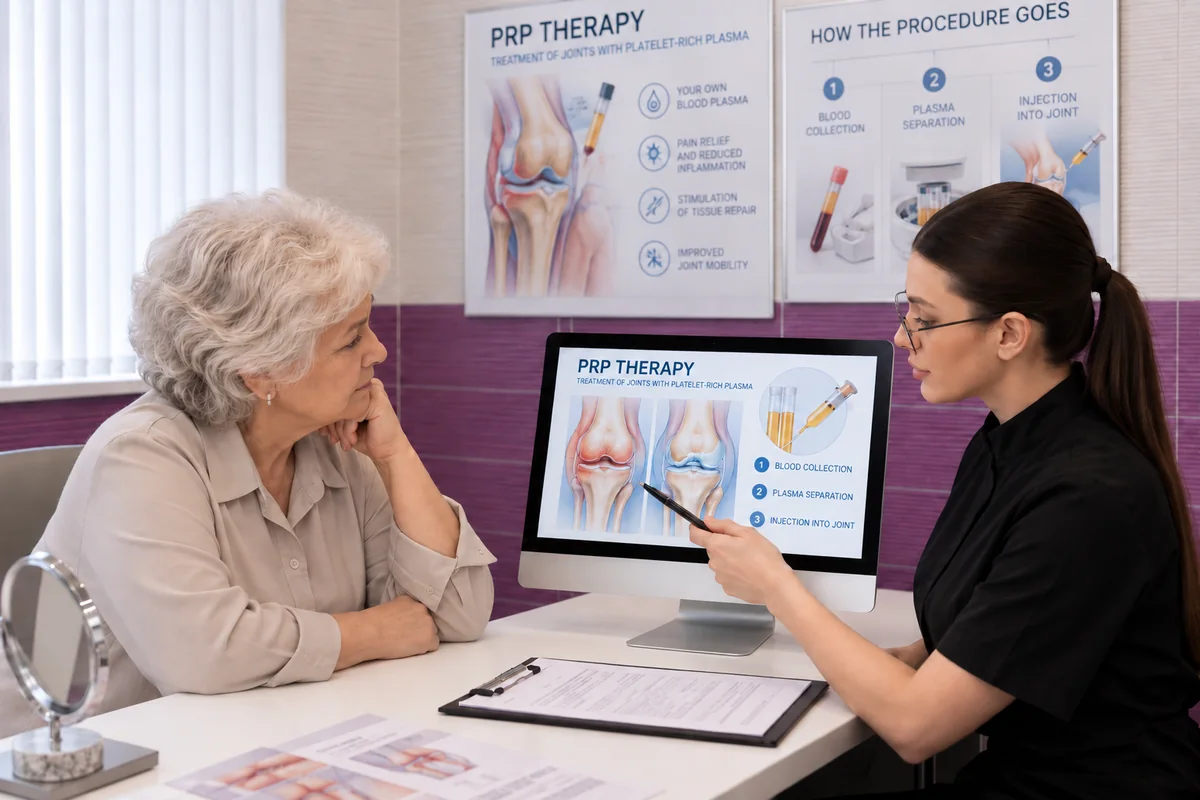
Rheumatoid and other inflammatory arthritis may call for it as one part of the overall treatment plan.
The benefits and timings shown are averaged and given for guidance: the plan and recovery depend on your joint and individual features, and the doctor confirms them at the consultation.
At the consultation the doctor will review your scans and suggest a treatment plan
Free consultation
Joints
We treat large and small joints; the joint, the method and the injection count are set by the doctor after a review of your scans
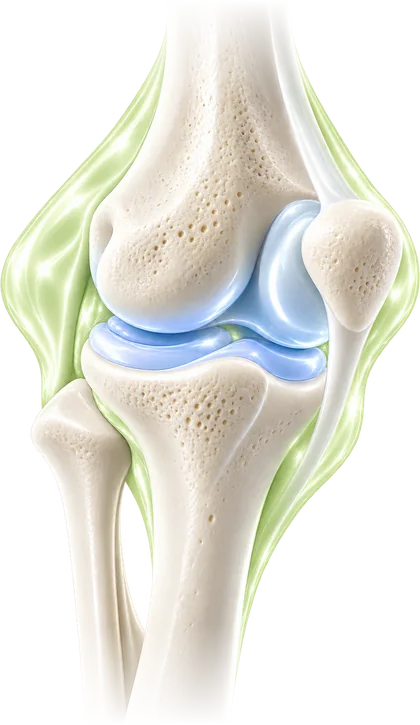 KneePain climbing stairs and after walking, plus cartilage wear and meniscus problems
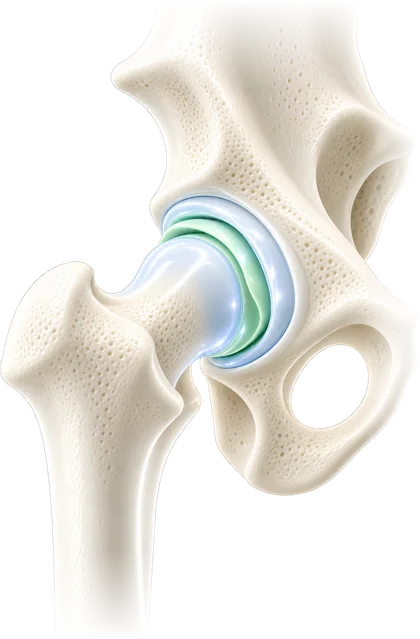 HipEarly hip osteoarthritis, groin pain, limited rotation
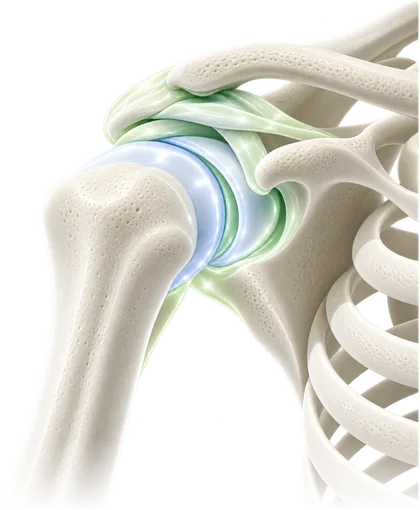 ShoulderPain lifting the arm, with wear of the joint and its surrounding tendons
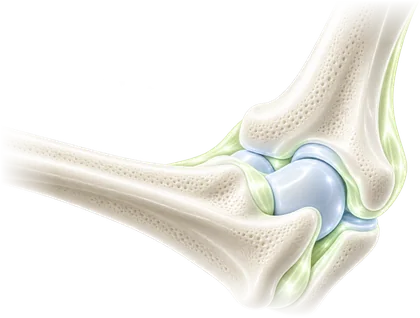 ElbowJoint surfaces that have worn, plus pain after sports strain or overuse
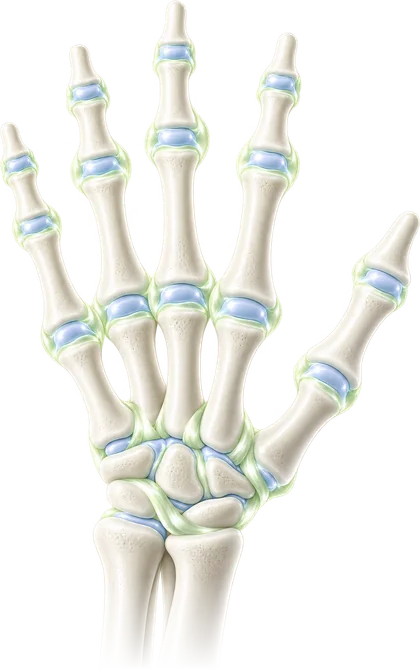 Hand and wrist jointsPain and stiffness in the small joints of the wrist and fingers
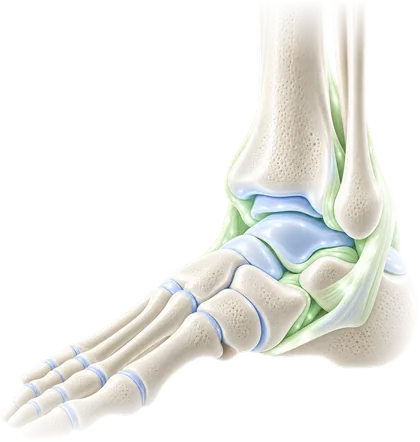 AnklePain and stiffness after sprains and old injuries
Advantages
Keeping your natural joint rather than having it replaced: treatment without surgery
Your own adipose tissue and blood are the only materials used, never donor or synthetic ones
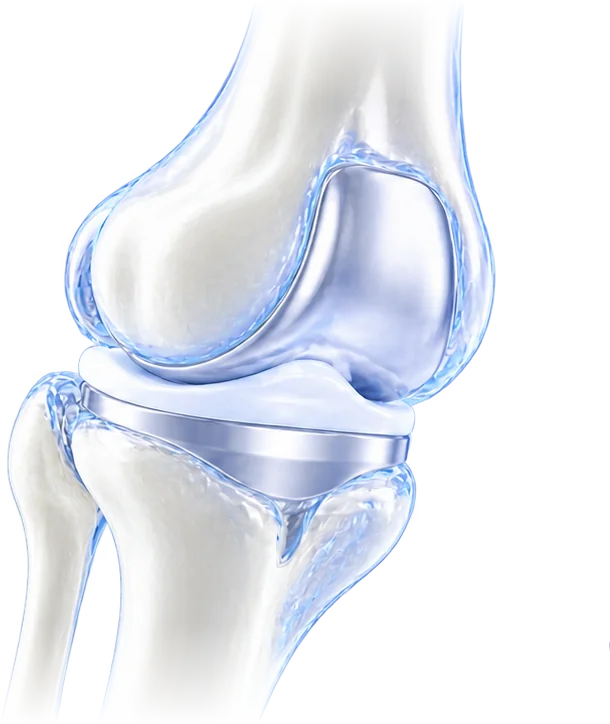
No long rehabilitation — just punctures instead of incisions and local anaesthetic
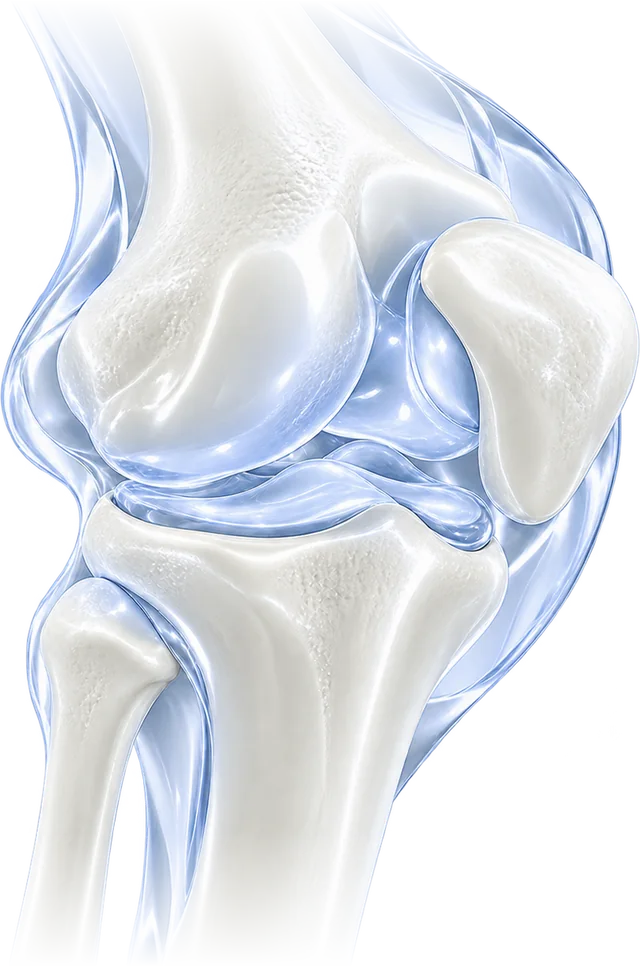
A doctor will give you an independent assessment free of charge — just send your X-rays, MRI or reports
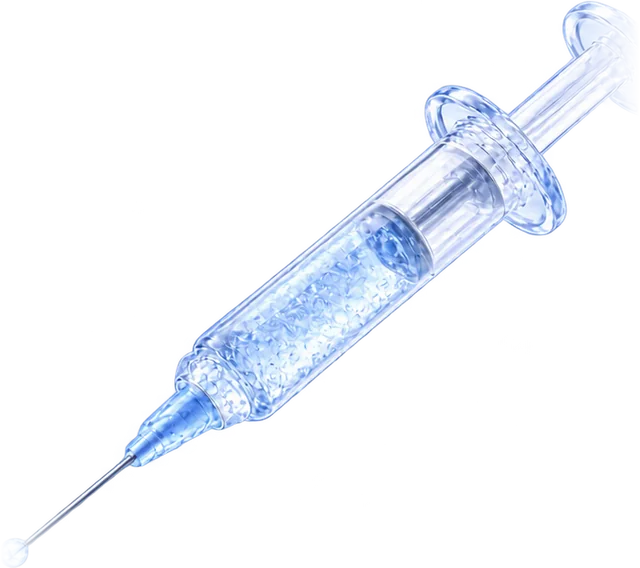
We stay in touch after the procedure and follow the result, not just the day of the injection
About the clinic
Modern equipment, comfortable rooms and care for every patient

We will answer your questions and find a convenient time for a consultation
By messaging us, you agree to our Privacy Policy
Request a free callPrice
The doctor names the cost after the consultation, because it depends on the joint, the type of arthritis and the method
Free
Book — Consultation and review of your scansPrice at consultation
Book — PRP therapy (platelet-rich plasma)Price at consultation
Book — Cell therapy (SVF + PRP), one jointFAQ
Rheumatoid arthritis is a systemic disease that is treated by a rheumatologist. PRP and SVF injections do not cure it; once an acute flare has settled, the doctor can assess whether joint injections may ease local symptoms.
Arthritis is an inflammatory disease of the joints. Typical signs are pain at rest and at night, morning stiffness lasting more than 30 minutes, swelling, redness and warmth over the joint. Causes include autoimmune conditions such as rheumatoid arthritis, infections, gout and psoriasis.
PRP may be used in rheumatoid and other inflammatory arthritis to help reduce local inflammation, pain and swelling. Growth factors released by platelets influence the immune response and tissue repair. It complements, but does not replace, the treatment prescribed by your rheumatologist.
Psoriatic arthritis is a chronic disease that cannot currently be cured completely. The aim is long remission: controlling inflammation and preventing joint deformity. Regenerative injections can be one part of that plan.
SVF contains cells that can adjust the local immune response and help repair damaged tissue in the joint. Research here is still ongoing, so the doctor will talk through realistic expectations for your type of arthritis.
The procedure is not performed during an active joint infection, a severe flare, pregnancy, cancer or blood clotting disorders; in such cases the doctor postpones it or suggests another option.
Arthritis of the knee means inflammation — from an autoimmune reaction, infection or gout — with redness, warmth, marked swelling and tenderness when touched. Osteoarthritis is the wearing of cartilage and typically brings a dry crunch and aching pain on movement.
Inflammation stimulates the pain receptors in the joint constantly — on movement, at rest and at night. Treatment that aims to reduce inflammation, PRP and SVF included, can ease this pain.
No. PRP, SVF and other joint injections are contraindicated during pregnancy; how to treat arthritis while pregnant is decided only together with a rheumatologist and an obstetrician.
Yes. A doctor looks at your X-rays, MRI, ultrasound or blood tests free of charge and says whether regenerative treatment could suit your type of arthritis — simply send them.
It needs timely treatment: otherwise it can lead to permanent deformity and loss of function of the joint, osteoporosis and damage to internal organs, including the heart, lungs and kidneys.
About the conditions
It is gradual wear of the cartilage that covers the ends of the bones in a joint. When the cartilage thins, the joint loses its cushioning, the bones rub against each other, and pain, stiffness and crunching appear. It is a degenerative condition, not an inflammatory one.
At early stages, PRP or SVF injections combined with exercise therapy and physiotherapy can reduce pain and improve movement. If the joint is already badly damaged, replacement may be the more realistic option — the doctor will tell you honestly after seeing your scans.
At early stages (1–2), SVF therapy may be considered to support blood supply to the femoral head and delay the need for joint replacement. At later stages surgery is usually required.
Regenerative injections are not done during an active joint infection or a severe flare. In Nottingham, the doctor chooses the right moment, usually once the acute inflammation has settled.
No crutches and no hospital stay are needed. The puncture sites are small and covered with dressings, and the doctor stays in touch with patients in Nottingham after the procedure.
The price depends on how many joints are treated and on the method. For patients from Nottingham, the doctor explains the plan and the cost at a free consultation.
Inflammatory arthritis rarely behaves in a straight line. Some weeks the joints are quiet, then a wrist swells overnight or a knee becomes warm and stiff for days. A doctor needs to know which phase you are in, because the timing of any joint injection depends on it. In the programme described here, PRP and SVF are applied after an acute flare has calmed, never during a severe flare or an active joint infection.
Nottingham's climate gives you a simple background to compare with your own notes. The Met Office 1991-2020 figures for the Watnall station, north-west of the centre, show an annual mean temperature of 10.1 °C. January is the coldest month, with a mean maximum of 6.9 °C and a mean minimum of 1.7 °C, and the same minimum in February. July is the warmest, with a mean maximum of 21.5 °C and a minimum of 12.4 °C. The station averages 36.9 days of air frost a year, and about 11 days a year reach 25 °C or above.
These numbers do not prove that weather triggers anyone's arthritis, and we do not claim it. What they give you is a frame for testing the question on yourself. If your worst weeks keep landing in the damp, dark months, the diary will show it. If they land in a hot spell, it will show that too. The doctor can then read the pattern together with your scans and blood results instead of relying on memory.
Rain and daylight are worth a line in the diary as well. Annual precipitation is 715.6 mm over 125.9 days, and the wettest months are October (71.7 mm), December (69.6 mm) and November (69.5 mm). Sunshine totals 1,487.0 hours a year, with May and July the sunniest at 191.5 hours each and December the dullest at 55.3 hours. A joint that stiffens in a dull, wet December may be reacting to inactivity, mood, sleep or an infection rather than the air itself. Only a record kept day by day can start to separate these.
A good diary is short enough to keep up when you feel unwell. Write the same few items every day, ideally at the same time, so the entries can be compared.
The first item is the morning. Note how long the stiffness lasts. Morning stiffness for longer than 30 minutes is one of the signs that points towards an inflamed joint rather than simple wear, so a clear figure here is genuinely informative. The second item is night and rest pain. Pain that wakes you or is present when you are sitting still is a typical inflammatory feature.
Next, look at the joint itself. Record whether it is swollen, red or warm, and which joint it is. A knee that is red, warm, visibly swollen and tender to touch suggests inflammation, whereas a dry crunch and an aching pain on movement are more typical of cartilage wear. Photographs taken in the same light each day can help the doctor see what words cannot.
Then add the context: what you did the day before, whether you were unwell, whether you had a fever or cold, and any skin irritation over a joint. This matters because a fever, a cold or flu, or skin inflammation over the planned joint are temporary reasons to postpone treatment. Also note what you took for pain and how long it helped. Painkillers that only help for a short time are one of the reasons people ask for a second opinion.
Finally, mark the dates of the flare itself: when it began, how it peaked, and when it settled. The plan for any injection is built around the quiet period after that, so your record of the calm days is as valuable as your record of the bad ones.
The NHS describes osteoarthritis as the most common type of arthritis in the UK. Risk rises with age and is higher in women than in men, and also in people with obesity or a joint injury. A GP may suspect it in someone aged 45 or older. Arthritis UK reports that over 10 million adults, young people and children in the UK live with arthritis, in the 2026 edition of its State of Musculoskeletal Health report.
For rheumatoid arthritis, the NHS states plainly that there is no cure. Treatment is long-term medicine to relieve symptoms and slow progress, together with physiotherapy and occupational therapy. Surgery can fix joint problems that develop. This fits the way our programme is framed: PRP and SVF do not cure rheumatoid arthritis, and they supplement the treatment your rheumatologist prescribes without replacing it. If your NHS rheumatology team has set a medicine plan, that plan stays in place.
Waiting is the practical issue many people raise. NHS England's statistical notice of 10 September 2026 reports 7.3 million pathways waiting to start treatment at the end of July 2026, around 6.2 million individual patients, and 111,379 of them had waited more than 52 weeks. These are national figures, not a statement about any one hospital in Nottingham, but they explain why a person with a painful joint may look for an additional opinion while still in the NHS queue.
An online consultation is not a substitute for that queue or for your rheumatologist. It is a free, independent review of your X-rays, MRI, ultrasound or blood test results. The doctor tells you whether regenerative treatment could suit your type of arthritis, and the coordinator is available on WhatsApp and Telegram round the clock. The NHS describes hip replacement as an option when hip pain and stiffness have a big effect on life and other treatments have not worked, naming osteoarthritis as the main cause and also rheumatoid arthritis and hip injury. In the same spirit, the doctor tells you honestly after seeing your scans if a joint is already too badly damaged for injections to be the realistic route, and in early hip osteoarthritis may consider PRP or SVF combined with exercise therapy and physiotherapy.
A short, orderly file makes the consultation more useful. Gather the imaging first: X-ray, MRI or ultrasound images, plus the written reports where you have them. If you have only the report, send that, and the coordinator will tell you if anything further is needed.
Add recent blood test results and any letters from your rheumatologist or GP that name the diagnosis. Whether you have rheumatoid arthritis, psoriatic arthritis, gout or an old injury changes the plan, so a confirmed type is far more helpful than a guess. Write down your current medicines as they appear on the boxes, and list any previous joint injections or operations.
Have the symptom diary open on screen, along with a note of your last flare: when it began and whether it has settled. Mention anything that would affect timing, such as a recent fever, cold or flu, a skin problem over the joint, pregnancy, a history of cancer or a blood clotting disorder. These are on the list of reasons that the procedure may be postponed or not done, and the doctor would rather hear about them at the start.
Prepare two or three questions. Useful ones are which joint should come first, whether PRP alone or the SVF and PRP combination makes sense, how many injections are likely, and what the doctor expects at each stage of recovery. The doctor chooses the joint, the method and the number of injections after reading your scans, so these answers come from your file, not from a standard script.
A practical tip for the call itself is to sit somewhere you can show the joint on camera. Wear clothing that allows the knee, hand or shoulder to be seen without a struggle, and have good light.
The procedure itself is done in one day. Blood is taken from a vein for the PRP. Then, under local anaesthetic, roughly 30 ml of adipose tissue is taken through a single puncture on the abdomen or the inner thigh, with no stitches. A centrifuge separates the sample, the stromal vascular fraction is isolated and added to the platelet-rich plasma, and the material is injected into the joint under ultrasound guidance. There are no crutches and no hospital stay, and afterwards the doctor stays in touch to follow how the joint responds.
The recovery outline on the programme is modest and averaged. In the first week the joint may ache a little more, which is an expected reaction. By about a month the pain usually eases, around three months mobility and activity improve, and by about six months the full effect develops. How long it lasts differs from person to person. It depends on the stage of the condition, body weight, activity and other factors, and no one can promise a fixed result.
Body weight comes up for a reason. The Health Survey for England 2022 found 29% of adults living with obesity and 64% overweight or living with obesity nationally, and the East Midlands, where Nottingham sits, is one of the regions in that picture. For a weight-bearing joint such as the knee or hip, the doctor will mention weight as one of the factors in the outcome, in a practical manner and without judgement.
Plan the calendar around the quiet period after a flare, and remember that public holidays do not close the coordinator's chat. GOV.UK lists 8 bank holidays in England and Wales for 2026, among them Christmas Day on 25 December and the substitute Boxing Day on 28 December. Messages sent on those days are answered like any others, so a question about a swollen joint does not have to wait for the first working day.
The documentation we work from does not claim that weather causes flares, so the answer has to come from your own records. Nottingham's Met Office figures show a coldest January (mean maximum 6.9 °C), about 36.9 days of air frost a year and a wetter autumn, with October the wettest month at 71.7 mm. Note the date, the joint, morning stiffness longer or shorter than 30 minutes, swelling and night pain each day, and after a few months compare the worst weeks with the weather. The doctor can then read that pattern together with your scans.
No, you can send them at any time. The review of X-rays, MRI, ultrasound and blood results is free, and the doctor can assess the type of arthritis and the state of the joint from the files. What does depend on the flare is the injection itself, because PRP and SVF are not done during a severe flare or an active joint infection. Tell the coordinator when your last flare began and whether it has settled.
Yes. The NHS describes rheumatoid arthritis as a long-term condition treated with medicine to relieve symptoms and slow progress, plus physiotherapy and occupational therapy, and none of that is replaced. PRP and SVF are considered as an addition for local symptoms once an acute flare has settled. Bring your diagnosis letters and your current medicines list so the doctor sees the whole plan.
No, it does not change your NHS position, and we do not suggest it does. NHS England reported 7.3 million waiting pathways at the end of July 2026, with 111,379 waiting more than 52 weeks, which is why some patients want an independent opinion in the meantime. The online review simply tells you, free of charge, whether regenerative treatment could suit your type of arthritis, and you can keep every NHS appointment you have.
Imaging comes first: X-ray, MRI or ultrasound images and their reports. After that, send recent blood results, letters naming your diagnosis, a list of current medicines and notes on earlier injections or operations. Add your symptom diary and the dates of your last flare. If you have only a report and no images, send the report and the coordinator will say whether anything else is needed.
Body weight is named as one of the factors that affect how long the benefit lasts, alongside the stage of the condition and activity level. The Health Survey for England 2022 reports 29% of adults living with obesity, and the NHS notes that obesity raises the risk of osteoarthritis. The doctor will talk about it in practical terms during the consultation, because a knee or hip carries load every day.
Yes. Coordinators answer on WhatsApp and Telegram round the clock, including on bank holidays. GOV.UK lists Christmas Day on 25 December 2026 and the substitute Boxing Day on 28 December 2026 for England and Wales, and messages sent then receive the same attention. A question about a new swelling, a fever or a skin problem over the joint is worth sending at once, since those can change the timing.
It is still worth sending the scans. The NHS states that hip replacement may be considered when pain and stiffness have a big effect on life and other treatments have not worked. In early hip osteoarthritis, PRP or SVF with exercise therapy and physiotherapy can reduce pain and improve movement. If the joint is already badly damaged, replacement may be the more realistic option, and the doctor will say so honestly after seeing your scans.