City Medical Centre · multi-specialty surgery clinicOpen 24/7

Tummy tuck

Abdominoplasty (Tummy Tuck) in The Hague

Free consultation

from $2,400

The price is fixed in the contract before surgery

Message us on WhatsApp

Free online consultation · Reply within 15 minutes
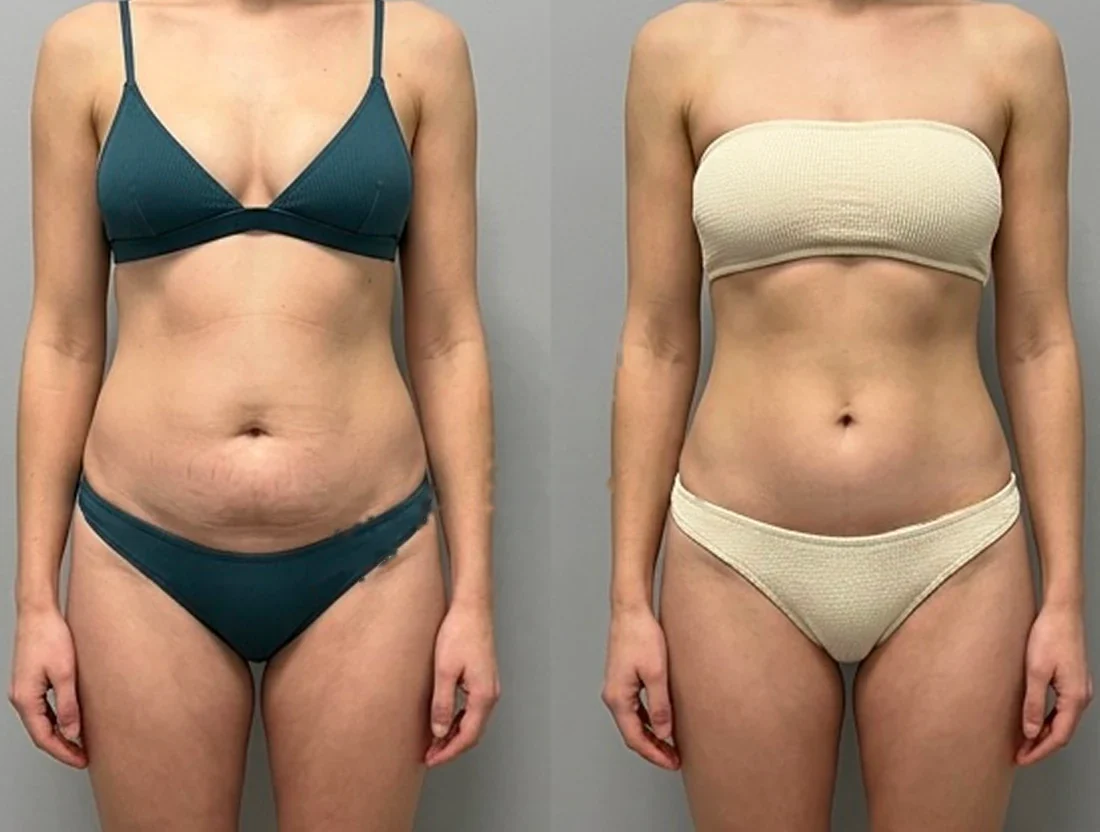
Real case
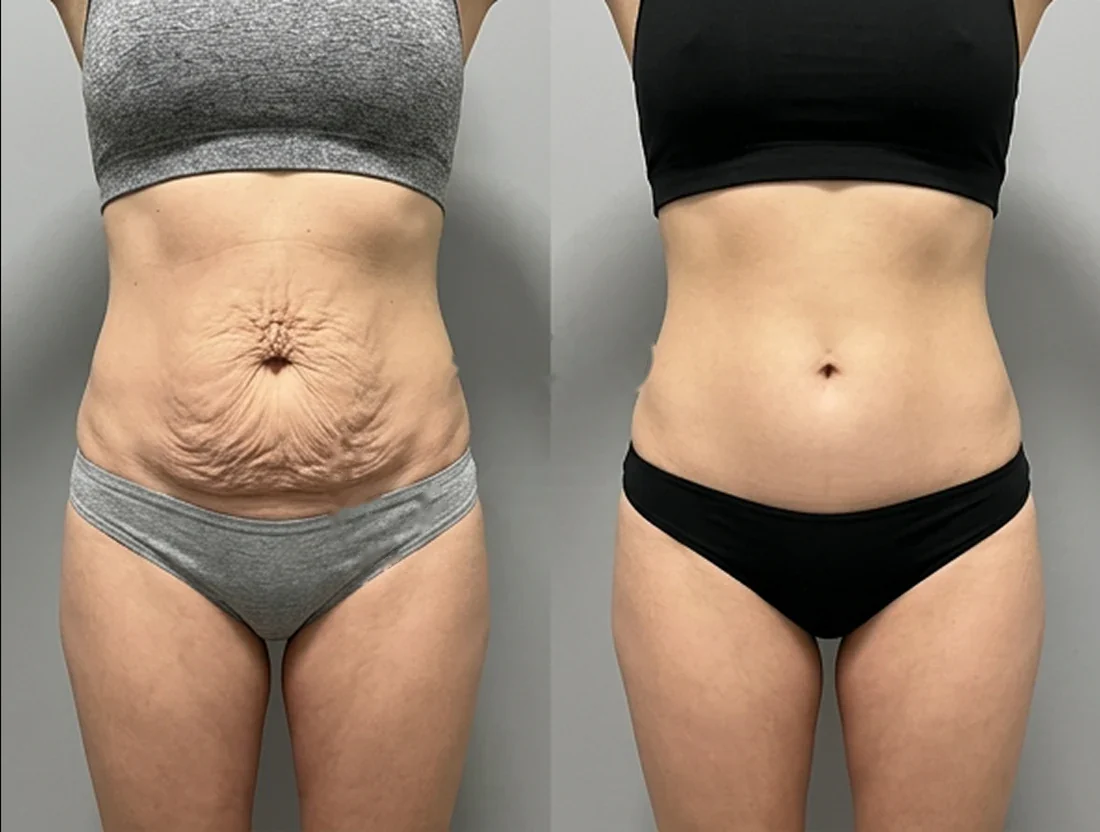
Tummy tuck: a patient's abdomen before and after surgery before after
A flat tummy and a toned silhouette in one operation. Your individual surgical plan and the expected result are discussed at the consultation

Message our coordinator

Free online consultation · Reply within 15 minutes

Message us on Telegram

By messaging us, you agree to our Privacy Policy

Tummy tuck (abdominoplasty) in The Hague: price and key facts

Tummy tuck for patients from The Hague at City Medical Centre: the price is named at the free online consultation and fixed in the contract with no hidden extra charges.

Duration
2–4 hours
Anesthesia
general
Stay
1–3 days
Recovery
back to work after 2–3 weeks
Final result
6–12 months after surgery
How it works
Send photos on WhatsApp or Telegram, get a free doctor assessment and the price, then confirm the plan and dates before anything is booked.

How it works · Tummy tuck prices

Information current as of 24 October 2026

Free online consultation on WhatsApp and Telegram

Results

Tummy tuck (abdominoplasty) results
of our patients

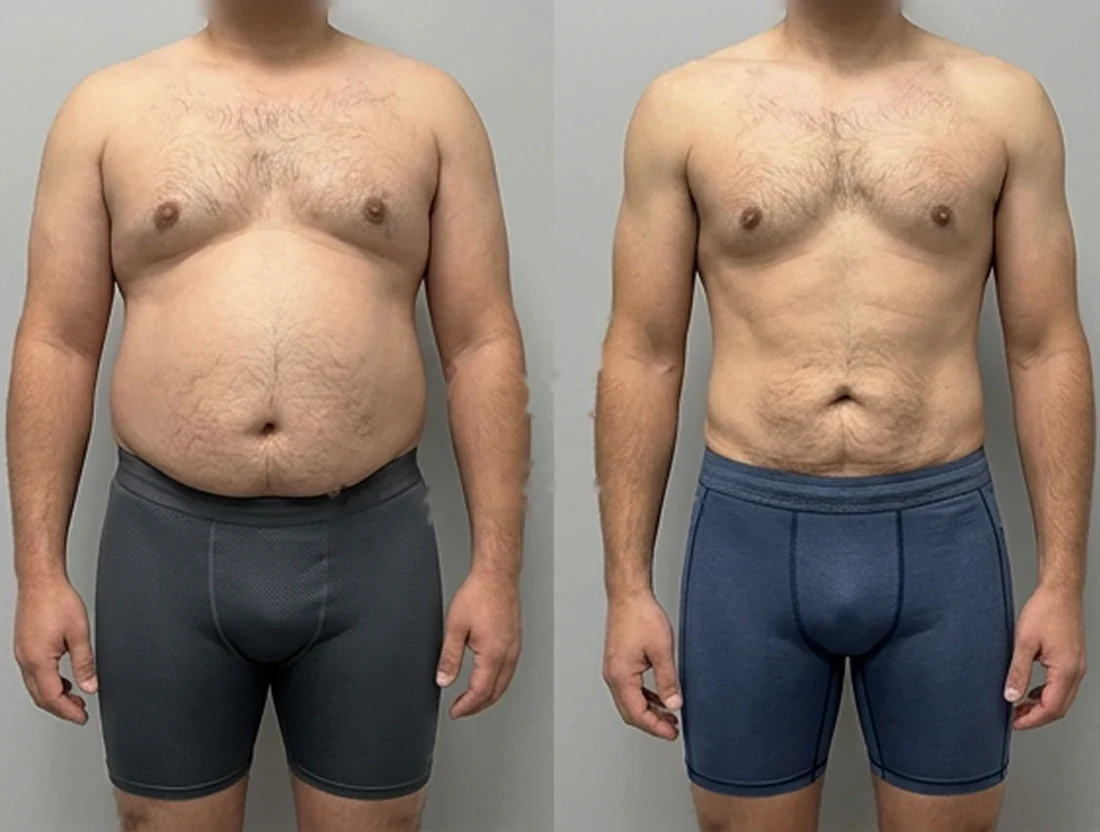
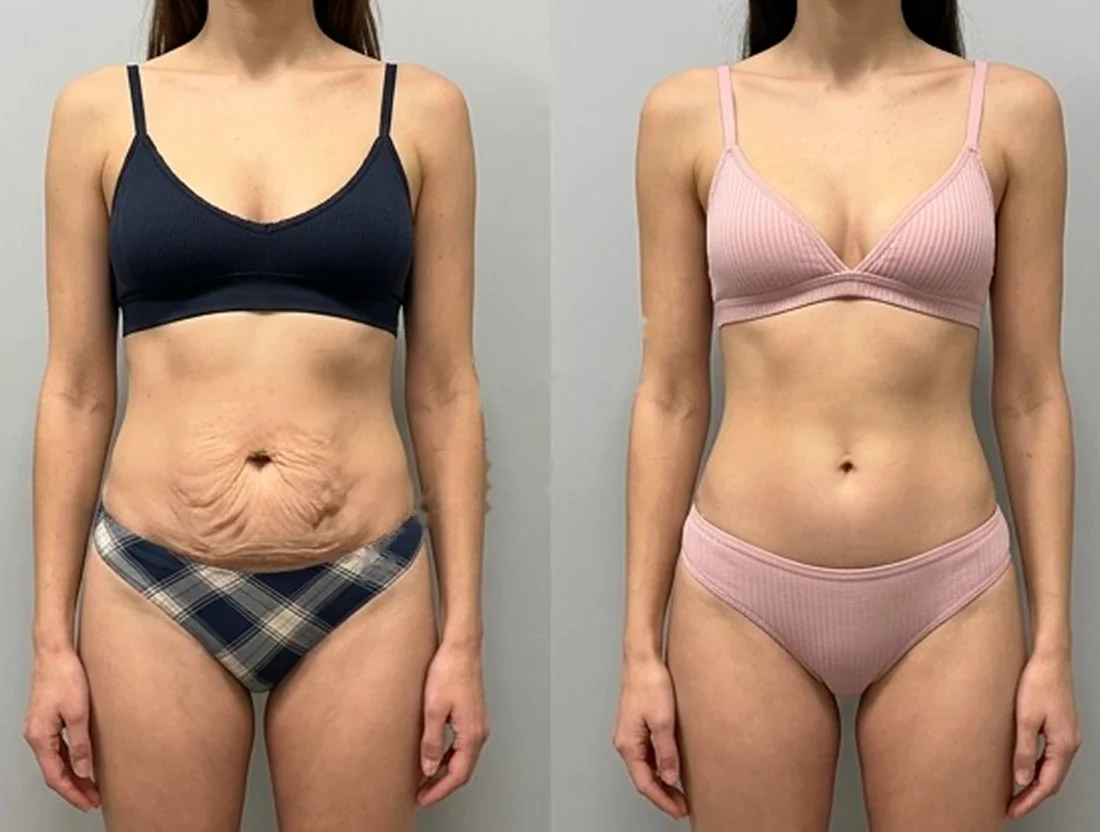
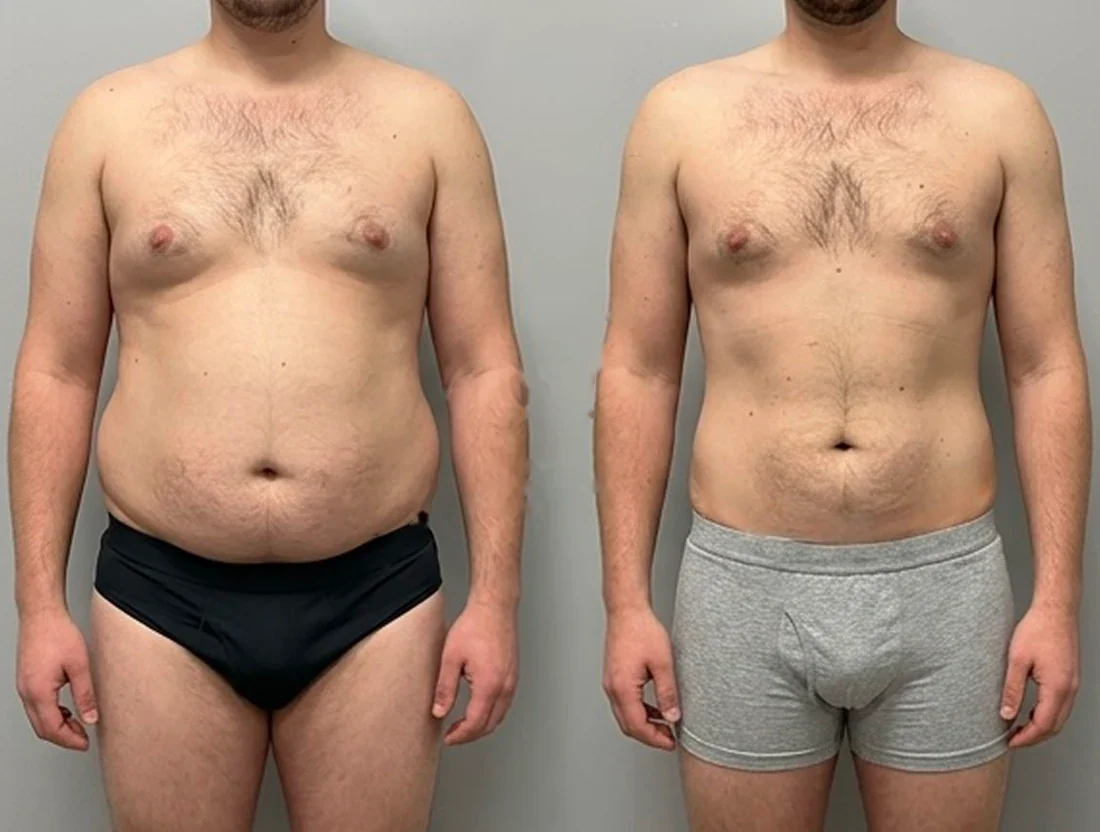
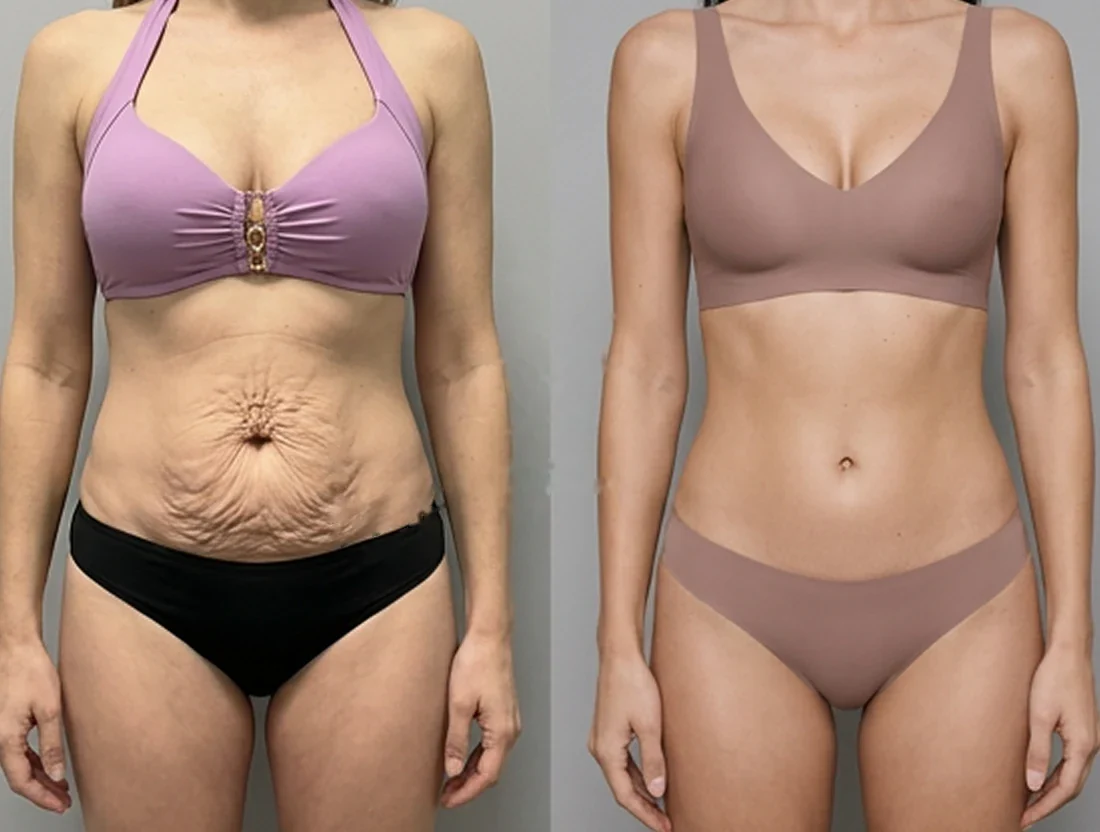
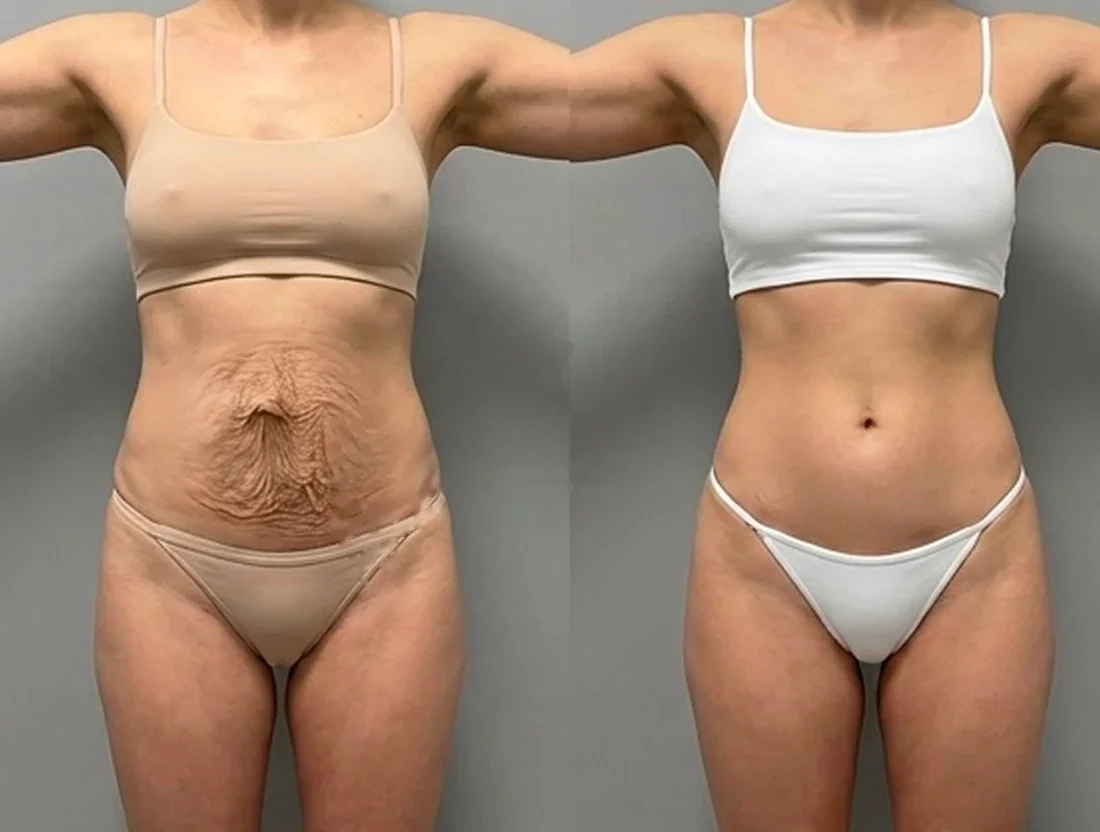
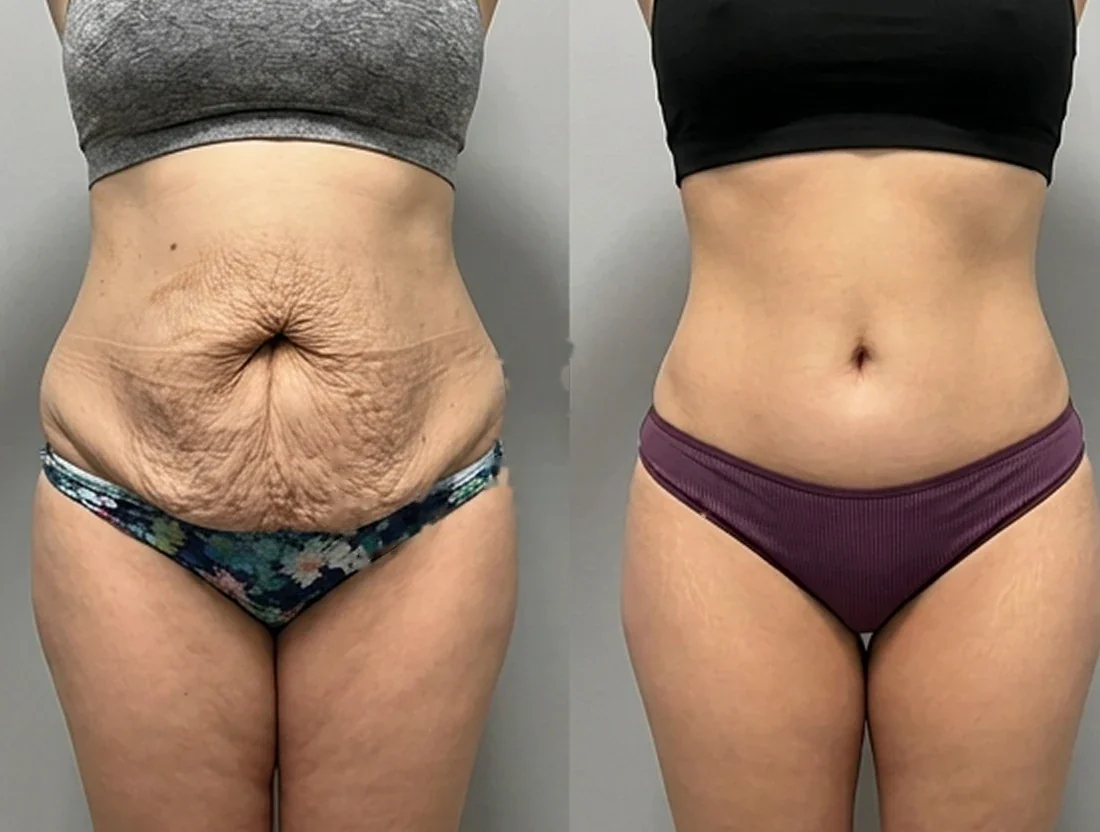
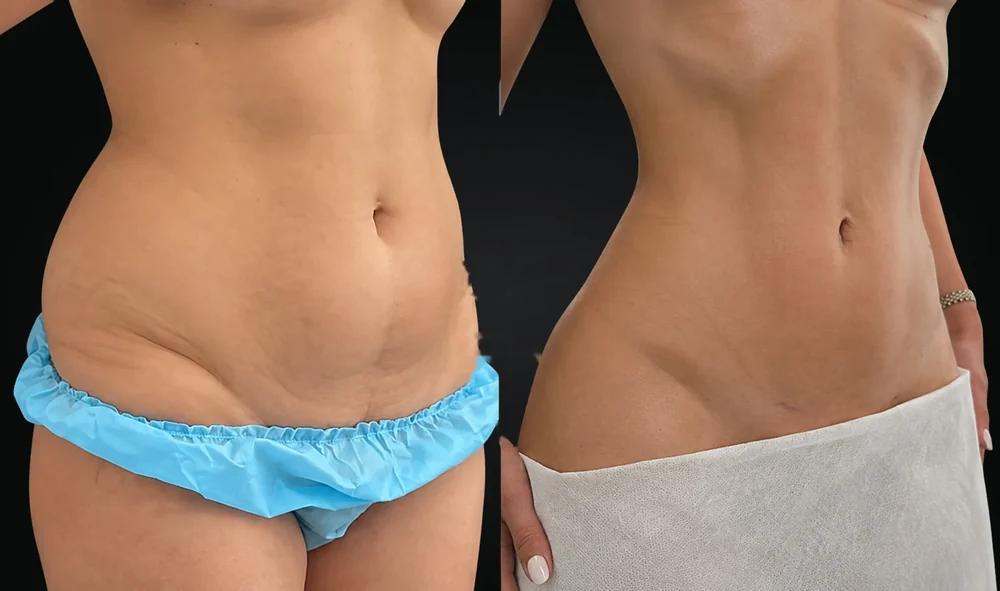
All cases are real patients. Faces and identifying details are hidden.

Tummy tuck: a female patient's abdomen before and after surgerybeforeafter
Tummy tuck: a male patient's abdomen before and after surgerybeforeafter
Tummy tuck: a female patient's abdomen before and after surgerybeforeafter
Tummy tuck: a male patient's abdomen before and after surgerybeforeafter
Tummy tuck: a female patient's abdomen before and after surgerybeforeafter
1 of 8

Comparison

Tummy tuck techniques

A tummy tuck is done as a full (classic) or mini operation, or combined with liposuction as lipoabdominoplasty. Compare the scope of surgery, the indications and the expected results to choose the right technique together with your surgeon.

Tummy tuck

Removal of excess skin, abdominal muscle tightening
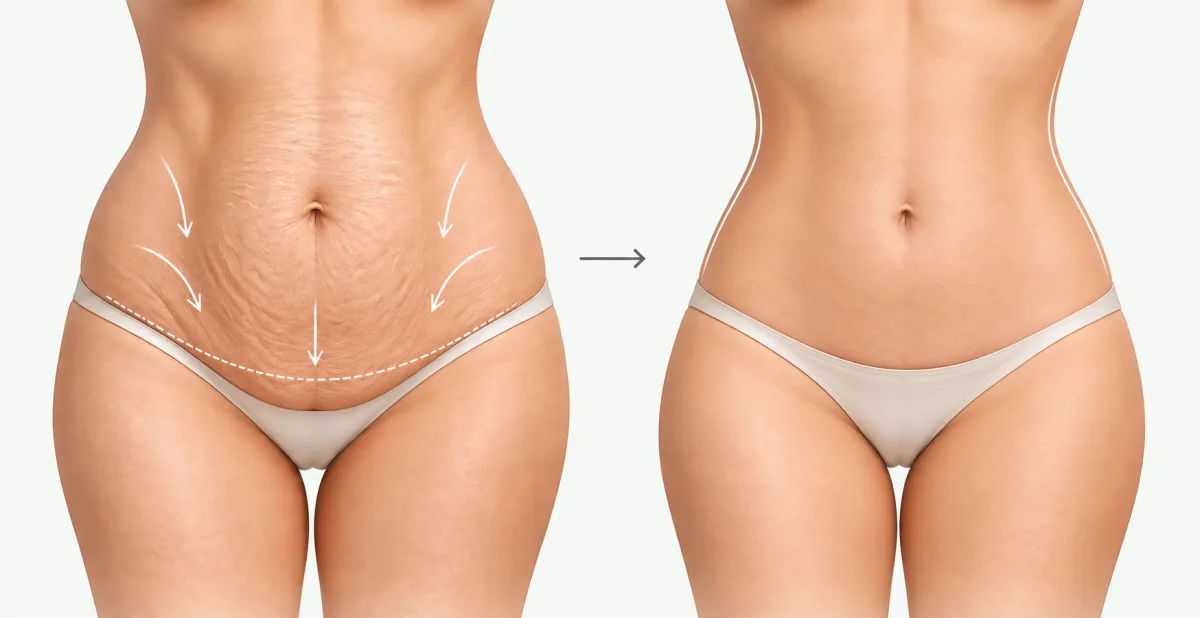
Tummy tuck diagram: the abdomen before surgery with the incision line, and the result
Main goal
Removal of excess skin, diastasis repair
When it is done
Excess skin after childbirth or weight loss
Anaesthesia and stay
General anaesthesia, up to 3 days in hospital

Lipoabdominoplasty

Tummy tuck with added liposuction
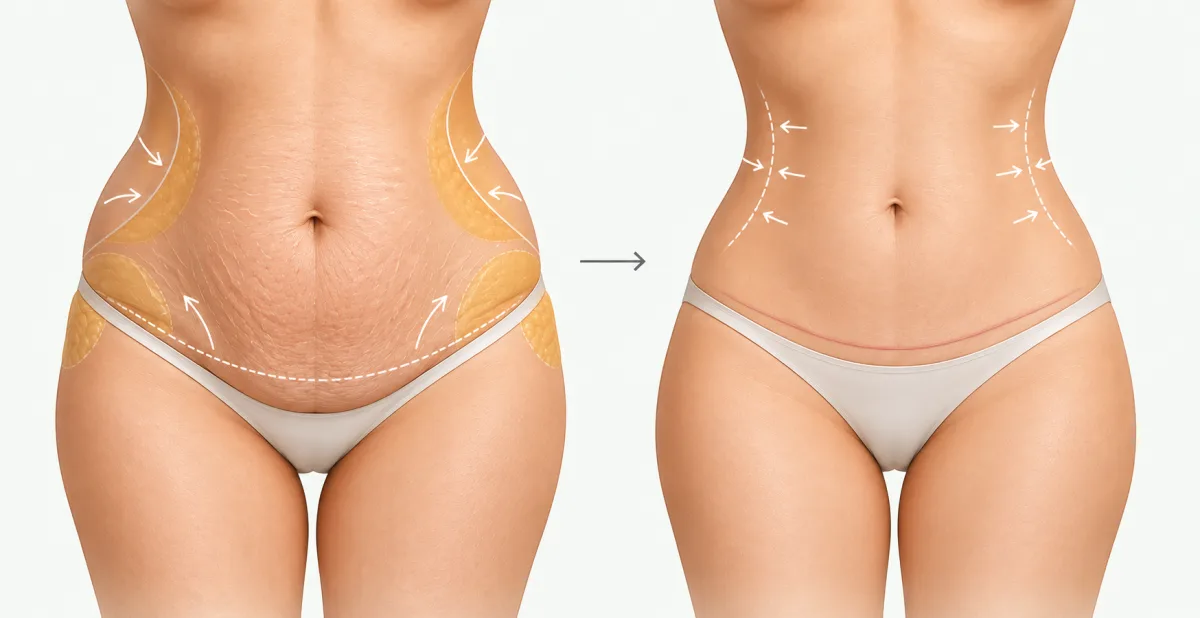
Lipoabdominoplasty diagram: the abdomen with fat on the flanks before surgery, and the result
Main goal
Tummy tightening and waist contouring
When it is done
For fat deposits on the flanks and waist
Anaesthesia and stay
General anaesthesia, up to 3 days in hospital

The benefits and recovery times shown are averaged for each technique and given for guidance: the scope of correction and rehabilitation depend on your anatomy and individual features, and the surgeon confirms them at the consultation.

At the consultation the surgeon draws up a plan for your case and explains how your tummy tuck will go.

Free, before surgery and with no obligation.

Book a consultation

Tummy tuck from the inside

About the clinic

A clinic where you can feel at ease

Modern equipment, comfortable rooms and care for every patient

A doctor and a patient in a clinic ward

Contact us the way that suits you

We will answer your questions and find a convenient time for a consultation

By messaging us, you agree to our Privacy Policy

A tummy tuck is not for everyone

If your case can be solved without surgery, the doctor will tell you so at the consultation — and you will not spend money for nothing.

Suitable

A surgeon shows a patient on a model and a monitor how the abdominal contour changes after a tummy tuck
  • Rectus abdominis diastasis
  • Skin folds after weight loss
  • Loose abdominal skin
  • Stretched skin after pregnancy
  • A distorted abdominal contour

Not suitable

A surgeon discusses the indications and contraindications for a tummy tuck with a patient
  • Acute infections
  • Severe heart, kidney or liver disease
  • Blood coagulation disorders
  • Being under 18
  • Decompensated diabetes
  • Cancer
  • Skin inflammation in the surgical area
  • Currently pregnant or breastfeeding

Not sure the surgery is right for you?

Message us — the coordinator will ask for your photos in the messenger, and the surgeon will tell you whether a tummy tuck suits you. No surgery booking needed.

Find out if it suits me

A surgeon goes through a tummy tuck diagram with a patient at the consultation

Prices

You know the price
before surgery

The price is set at the consultation and fixed in the contract.

Other services

  • First consultationFree
  • Liposuction of the abdomen and flanksfrom $1,700
Book a consultation

Find out your tummy tuck plan and price

The surgeon assesses your abdominal skin and muscles, listens to your wishes and chooses the right correction technique.
The price is set at the consultation and fixed in the contract.
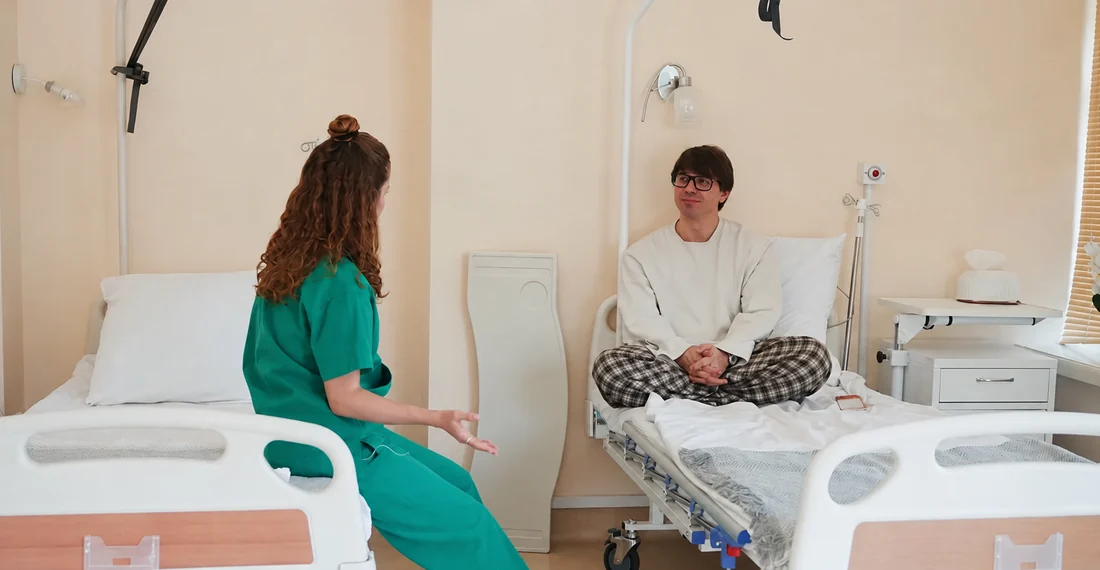
A nurse talks to a patient in a clinic ward

Message our coordinator

Free online consultation · Reply within 15 minutes

Message us on Telegram

By messaging us, you agree to our Privacy Policy
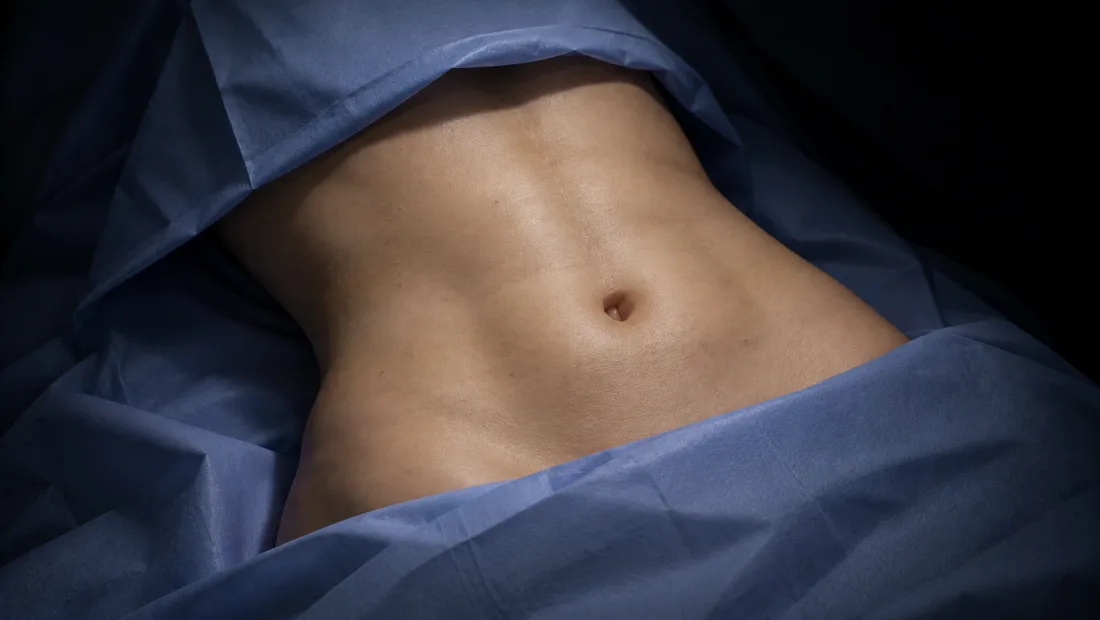
A patient's abdomen before a tummy tuck in the operating room

all inclusive

What the price includes

From preparation for surgery
to post-op check-ups.

  • All scheduled dressings
  • Scheduled post-op check-ups
  • A personal coordinator on call
  • Compression garments fitted on the day of surgery
  • A stay in a comfortable
    hospital ward with meals
  • Individual recommendations
    for recovery
  • Remote progress monitoring
    by photos

How it works

Three days at the clinic —
from preparation to discharge

An agreed correction plan, inpatient observation and post-op check-ups.

A doctor shows a patient a tummy tuck diagram on a monitor1

Consultation
and the surgical plan

The surgeon assesses your abdominal skin and muscles and checks for diastasis, listens to your wishes and chooses the right correction technique.

Paying the deposit by card at the clinic reception2

Booking the date
of surgery

We reserve a surgery date for you: the deposit can be paid by card at the clinic or online by bank transfer. The terms are fixed in the contract for medical services

A blood sample tube for tests before a tummy tuck3

Check-up before
surgery

Before surgery you complete a full lab check-up: blood tests, an ECG, a chest X-ray and reports from the required specialists.

The surgical team during the operation4

Surgery

The surgeon performs the tummy tuck with the chosen technique, repairs diastasis if needed and shapes a firmer abdominal contour.

A hospital ward at the clinic5

Inpatient stay

After surgery the patient stays for 1–3 days in a comfortable hospital ward with meals, under medical supervision.

A surgeon and a patient in the ward during recovery6

Recovery

After surgery you get a recovery programme. Check-ups at 7 days, 3 and 6 months help track your recovery.
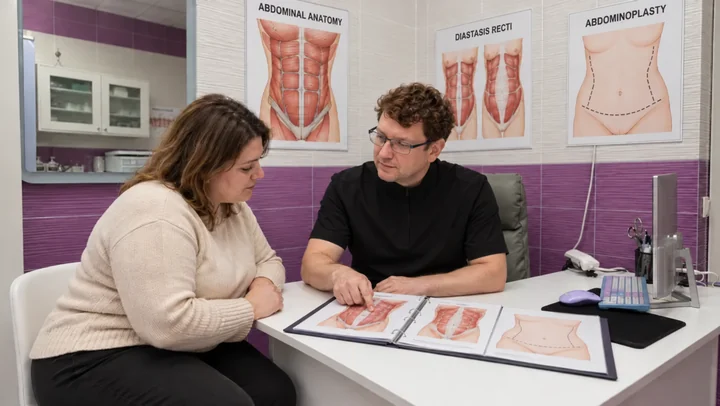
Book a free consultation — the surgeon will plan every step with you.

A doctor discusses the tummy tuck plan with a patient
Book a consultation
A doctor discusses the tummy tuck plan with a patient

How it really happens

Recovery after a tummy tuck

After surgery comes a 1–3 day hospital stay under medical supervision. Drains usually come out after two days, and stitches are removed after 7 days. The compression binder is worn for 1.5–2 months — it supports the abdominal wall and helps shape a smooth contour. Most swelling subsides within 30 days; office work resumes after 2–3 weeks. For 2–3 months there is no sport, sauna or heavy lifting; early on, sleep on your back with your knees bent. The scar is fully mature by 12 months, fading until it is barely noticeable.

Post-op check-ups

After 7 days, at 3 months and at 6 months. Until the end of the year, get a post-surgery consultation with your surgeon to review results and get more information, at the clinic's expense

Advantages

Why patients choose City Medical Centre

A surgeon discusses the tummy tuck plan with a patient at the consultation

Just find out — you lose nothing

At the consultation we discuss your wishes and assess your abdominal skin and muscles. The surgeon explains what changes are possible, chooses the correction technique and answers your questions.

A surgeon on a video call with a patient after surgery

We stay with you after surgery

The surgeon follows your recovery and the changing abdominal contour at check-ups after 7 days, 3 and 6 months. Check-ups, dressings and aftercare advice are already included in the price of surgery.

A surgeon shows a patient a model and tummy tuck diagrams

A beautiful contour that fits your figure

We choose the correction technique based on your skin, muscles and figure. Our aim is a harmonious abdominal contour that keeps the natural proportions of your body.

A patient writes down a convenient visit time in her planner

Your schedule is our priority

We respect your time: we work 24/7, with easy booking and a personal approach — we adapt to your pace.
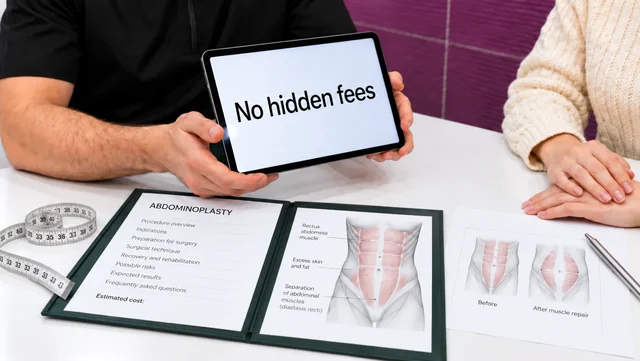
A surgeon shows a patient the fixed price of surgery with no extra charges

Fixed prices

After the consultation the surgeon defines the extent of correction, and you get a clear price for the surgery — no surprises on the way to the result you want.

A surgeon visits a patient in the hospital ward after surgery

Round-the-clock care after surgery

Recovery starts in a comfortable hospital ward under round-the-clock nursing care. The stay and meals are already included in the price.

FAQ

We answer what
people ask before booking

Tummy tuck in The Hague: what you should know

Timing matters with abdominoplasty. Because pregnancy stretches the repaired muscles again, surgeons advise having it once your family is complete and planning a pregnancy no earlier than a year afterwards. It is also done only at a stable weight: if yours is still changing, a dietitian or endocrinologist comes first. Women in The Hague thinking about the procedure after childbirth should keep this order in mind.

Recovery has three milestones. Office work is possible after 2–3 weeks, swelling and tightness pass by 1.5–2 months, and the final result and scar are assessed at 6–12 months once tissues have adapted. Most swelling goes within 30 days. Sport, sauna and heavy lifting wait 2–3 months, and sleeping on your back with knees bent is advised at first. The same timeline applies to The Hague patients.

Start with a free consultation for a tummy tuck in The Hague. The surgeon assesses your abdomen, explains the difference between the classic and mini techniques for your case and gives the final price, which is then recorded in the contract. Apply before the end of the year and the consultation is at the clinic's expense. Write to us in any messenger or use the form on the page.

Stories of well-known people

Well-known people who spoke openly about this operation, in their own words.

All stories about this operation →

Walking tall again: stairs, steps and a bent-over first week

The first thing a tummy tuck changes is posture. After the operation the abdominal wall is tight, and for the first days you walk slightly bent, which is normal. Before you come in, look at your home as someone who cannot stretch fully: how many steps lead to your door, is there a lift, where is the bathroom, can you reach the kettle without stretching up? The Hague is a city of 549,163 people with 98.13 km² of municipal area, and many of its residents live in flats and terraced houses where stairs are part of daily life. Count yours.

After the operation you stay in a hospital ward for 1 to 3 days with a mini tuck usually needing one. Drains are normally removed after two days, and stitches after 7 days. A compression binder supports the abdominal wall for 1.5 to 2 months. Office work is possible after 2 to 3 weeks, and physical exertion, heavy lifting and sudden movements are off the table for the same period. This is a longer pause than most body procedures, so honesty with yourself about the home situation pays off.

Lay out a plan for the people who depend on you. If you are a parent of young children, the lifting restriction is the hardest part. Arrange help for the first two to three weeks, and tell your children, in words they understand, that for a while you cannot carry them. If you care for a relative, find cover. These are not minor details; they decide whether recovery is calm or stressful.

Sleep is the next practical matter. In the first days you will want to rest with the torso slightly raised and the knees supported, which takes pressure off the abdominal wall. A wedge cushion or a few firm pillows arranged in advance does the job. Test the arrangement at home before you leave, because finding the right angle at three in the morning with a tight abdomen is not the moment to experiment. Place a glass of water, medicines, your phone and a lamp where you can reach them without twisting.

Think about what you will wear. A high-waisted, soft, loose garment that sits over the binder is easier than anything with a tight waistband, and tops that open at the front save you from lifting your arms. Keep shoes you can slip on. Nothing here is complicated, but a list prepared a week ahead is easier than improvisation on the day you come home, when the binder, the drains and the swelling take most of your attention.

Meals should be simple and light. Fibre, fluids and small portions help, since a tight abdomen does not welcome heavy meals and constipation is a common nuisance after abdominal surgery. Stock the kitchen with things that need no lifting and little cooking. If a relative or friend will cook for the first days, so much the better; arrange it early rather than asking at the last moment.

Movement is part of recovery, in small doses. Walking around the flat in the first days, with short, upright steps as far as the tightness allows, helps circulation, and it is one of the reasons the leg-vein ultrasound is requested before the operation. Do not push for distance; add a few minutes each day, rest when tired, and never force yourself into a fully straight posture on day one. If you notice swelling or pain in a calf, redness or breathlessness, call the coordinator at once.

Do not underestimate fatigue. Even when the pain is moderate, the body spends energy on healing, and afternoons can feel like evenings. Plan quiet slots, avoid scheduling visitors for the afternoon and accept that the first fortnight is a time for the sofa. A film list, an audiobook, a handful of calls with friends: these are not a luxury, they keep the days from feeling endless.

Scars, swimwear and a mild coastal summer

Removing loose skin always leaves a scar. In a classic operation it runs across the lower abdomen from hip to hip, placed below the line of underwear or a swimsuit; a mini operation leaves a much shorter one. Over time the scar fades, but its colour and thickness depend on your skin, and the first months bring redness. Sun on a fresh scar is not what you want, which matters in a city where the beach at Scheveningen is the main summer destination.

The climate table for The Hague (Valkenburg station, 1981 to 2010 normals) shows average daily highs of 17.0 °C in May, 19.6 °C in June and 21.6 °C in July, with 240.5 hours of sunshine in May and 229.3 in June. From April, when the table gives 207.2 hours, the light becomes strong enough to make shade a sensible choice. The doctor will say when the scar may be exposed and how to protect it. Until then, high-waisted swimwear and covering clothes are your friends.

The recovery schedule says to avoid sauna, steam bath, pool, tanning beds, alcohol and smoking for at least a month after the operation. Sport resumes later, in stages. So think of a tummy tuck in autumn or winter as an investment in the next summer: by the warm months the binder is gone, the scar is settling and you can wear what you like. An operation in spring is possible but leaves less margin if you hope to swim in July.

Colder months carry their own point. Daily maxima of 6.4 °C in January and 7.1 °C in December mean thick layers, which hide the binder and the swelling entirely. For someone who prefers not to explain a recovery at work, winter is a quiet time. We do not claim it is better, only that you can choose according to what you value.

Scar care is a matter of patience. In the first weeks the line is red and slightly raised, and many people worry when they see it in the mirror. It softens and fades over months, and the final assessment of result and scar is made at 6 to 12 months, when the tissues have fully adapted. Keep dressings and creams to what the doctor advises, avoid pulling at the skin and keep photographs in the same light at regular intervals. A photograph every two weeks tells you more than looking in the mirror every day.

Clothing and the climate interact too. In July, with a daily high of 21.6 °C, the binder under light clothes is more noticeable, and you may sweat under it; in January, with 6.4 °C, it vanishes under a jumper. Ask the coordinator what kind of fabric the doctor recommends for the binder and the garments you wear over it, and how to wash them, since damp autumn weather, with 89.9 mm of rain in October, makes drying slow.

Sea air and the open beach are the city's main outdoor attraction, since Scheveningen is described as having a long sandy beach, an esplanade and a pier. A walk along the esplanade is a good aim for the weeks after the first month, if the doctor agrees; it is flat, easy to cut short, and gives you something pleasant to work towards. Until then, keep outdoor walks near home, on level ground, with somewhere to sit.

If the wind is strong, remember that cold air on a tender abdomen is unpleasant, and that a long, loose coat is more comfortable than a short one. These are comforts rather than medical rules, but comfort counts for a lot when the recovery runs through autumn or winter.

Pack a small bag for the hospital stay with soft, loose clothes, slip-on shoes, toiletries, a long phone charger, your documents, the test results and a list of your medicines. Meals are provided during the stay and are included in the price. Leave valuables at home, and ask the coordinator which items the ward supplies, so you do not carry more than you need.

Pregnancy, weight and the right order of things

The most common question after childbirth concerns timing. The advice here is to let childbirth come first and the operation second. A pregnancy after a tummy tuck is possible, but it stretches the repaired muscles and skin again and may cost part of the result. If you plan a child, the usual advice is to wait at least a year after the operation before conceiving, and many patients prefer to complete their family first. Discuss it openly in the consultation; the doctor will not judge, and the answer will be specific to you.

Weight matters in the same way. The operation is not a way to lose weight; its goal is to remove stretched skin and the fat apron and to restore the abdominal wall. It is done at a stable weight, because skin that has been removed does not regrow, while the abdomen can stretch again with significant weight gain. If your weight is still changing, the first step is a dietitian or an endocrinologist.

Diastasis, the separation of the rectus muscles, is repaired in the same operation when it is actually present. At the examination the doctor sees it, and in doubtful cases an ultrasound confirms it. Not everyone needs the repair. You can combine the operation with liposuction of the flanks and waist, which means one anaesthetic and one recovery. Ask whether it applies to you and what it adds to the recovery.

There is a psychological side as well. After weight loss or childbirth, some people have lived with their abdomen for years and expect the operation to change much more than the abdomen. It will give you a flatter, firmer contour with a scar; it will not change your life. Talk about your expectations in the consultation, and ask to see what is realistic in your own case. The doctor will tell you if something else, such as exercise or a different procedure, would serve you better.

If you are a man, the same logic applies. Excess skin after major weight loss is the most common reason, and the plan is the same: a stable weight, tests, a hospital stay, a binder and a measured return to activity. Say so at the start, because the amount of skin and the position of the incision are discussed on your own anatomy.

Nutrition before the operation deserves attention too. A varied diet with enough protein supports healing, and a stable weight in the weeks before is more useful than a last-minute crash diet, which can leave you weaker on the day. If you have been trying to lose the last kilograms, ask the doctor whether to continue or to hold steady. Also tell the coordinator about supplements and herbal products, since some affect clotting and may need to be stopped.

A remote start: photographs, tests and who decides what

The first consultation is free and online. You send photographs of the abdomen from the front, the side and, if you can, a three-quarter view, standing relaxed, in daylight and without filters, plus your age, height, weight, the dates of any births and notes on previous abdominal operations such as a caesarean section. From that the doctor assesses skin, fat and muscles and proposes a technique: classic, mini or combined with liposuction. The price follows and is fixed in the contract.

The tests required before surgery include blood and urine tests, a coagulation panel, biochemistry, infection tests, an ECG, a chest X-ray, a leg-vein ultrasound and a report from your general practitioner. Results are normally valid for 10 to 14 days, so time them with the operation date. Smoking, alcohol and medicines that affect clotting are stopped 7 to 10 days before. The doctor gives the exact list, and the coordinator keeps track of it with you.

Coordinators answer on WhatsApp and Telegram around the clock. That helps when your day is full: you can send a result at 11 in the evening and have it logged. Nothing is booked until you have had the consultation and agreed the plan and dates; the deposit, paid by card or online transfer, reserves the date under a medical services contract.

Prepare your questions in writing. Which technique do you advise for me, classic, mini or combined with liposuction? Will the navel stay where it is? How long is the stay in hospital in my case? When can I drive? When can I walk for longer than ten minutes? When do I begin exercise, and which kind? What will I wear on the way home? Questions like these turn a general conversation into a plan, and the answers go straight into your calendar.

Share your medical history openly: previous operations on the abdomen, hernias, thyroid or heart problems, medication, allergies, smoking. Contraindications include severe disease of the heart, kidneys or liver, and inflammation of the skin in the operating area, and the doctor can only judge them if you tell the whole story.

On the day you come back from hospital, the coordinator is still in contact, and it helps to have asked beforehand what you will be told on discharge: the schedule for the binder, the signs that need a call, the date of the first check-up, the date of stitch removal. Write them on one sheet and put it where you can see it. The check-up at 7 days is when stitches come out, and the next ones at 3 and 6 months can be reviewed with the help of photographs.

Tell the coordinator which days of the week and which hours suit your consultation. People who work shifts, who care for children or who have a long commute often find a late evening slot best, and the coordinators are reachable at all hours, so there is no need to fit around an office. If you prefer to talk with a spouse or relative present, say so, and they can follow the conversation in the same chat.

Insurance and the question of medical grounds

Everyone living or working in the Netherlands must hold standard health insurance, which covers hospital treatment, among other things, and the government decides what the package contains. We cannot say how an insurer treats a tummy tuck, and we do not promise reimbursement. Where excess skin causes real medical problems, such as persistent skin irritation or functional limits, the question of cover arises, and it is for you and your insurer to settle, not for us to predict.

Practical steps: ask the insurer in writing what documentation they need, whether prior approval is required, and which treatments they regard as cosmetic. Keep the reply with your papers. If you hold supplementary insurance, read the wording. Do this before the date is reserved, because the answer can change your plans.

Whatever the outcome, the price you accept is the one in the contract, and it includes the hospital stay, meals, nursing care, the compression binder and follow-up. The same contract covers check-ups at 7 days, 3 months and 6 months, and further consultation with the doctor until the end of the year at the clinic's expense.

Finally, a note on timing against the school and holiday calendar. Recovery takes 2 to 3 weeks before office work and about 1.5 to 2 months for the swelling and tightness to pass, so a start at the beginning of a quiet period is more comfortable than a start in a crowded one. Talk to your employer early, give a date, and describe the period as a planned medical absence without needing to go into detail. A clear plan makes everything else easier.

There is one more consideration that applies to everyone, whatever the insurance answer: do not make the decision under time pressure. A tummy tuck is a significant operation with a scar, a binder and weeks of limits. A free online consultation costs nothing and creates no obligation. Use it to ask what you want to know, take a few days, talk to the people at home, and come back with a decision rather than a doubt.

How many days in hospital should I plan after a tummy tuck?

A classic operation means 1 to 3 days under medical supervision; a mini operation usually needs one. Drains are removed after about two days and stitches after seven.

When can I go back to an office job?

After 2 to 3 weeks. Physical exertion, heavy lifting and sudden movements are not allowed for the same period, so a job with lifting needs more time.

How long is the compression binder worn?

For 1.5 to 2 months according to the recovery description, and around the clock for the first 3 to 4 weeks in the answers section. The doctor names the exact schedule for you.

Is it better to have a tummy tuck in winter in The Hague?

It is easier to hide a binder under winter clothes, and daily highs in January average 6.4 °C. It is not a rule: a spring operation is possible, but leaves less margin for beach plans in July.

Should I wait until I have finished having children?

The advice is that childbirth comes first and surgery second, because a later pregnancy stretches the repaired muscles and skin. Talk it through in the consultation.

Does Dutch basic health insurance cover a tummy tuck?

The government decides the content of the standard package, and we cannot confirm cover. Ask your insurer in writing, especially if there is a medical reason, and keep the answer.

Which photographs do I send?

Front, side and three-quarter views of the abdomen, standing relaxed, in daylight, without filters, with age, height, weight and any births or abdominal operations.

Will the scar be visible in swimwear?

A classic scar runs from hip to hip below the underwear or swimsuit line; a mini one is shorter. Protect it from the sun until the doctor says otherwise.