


























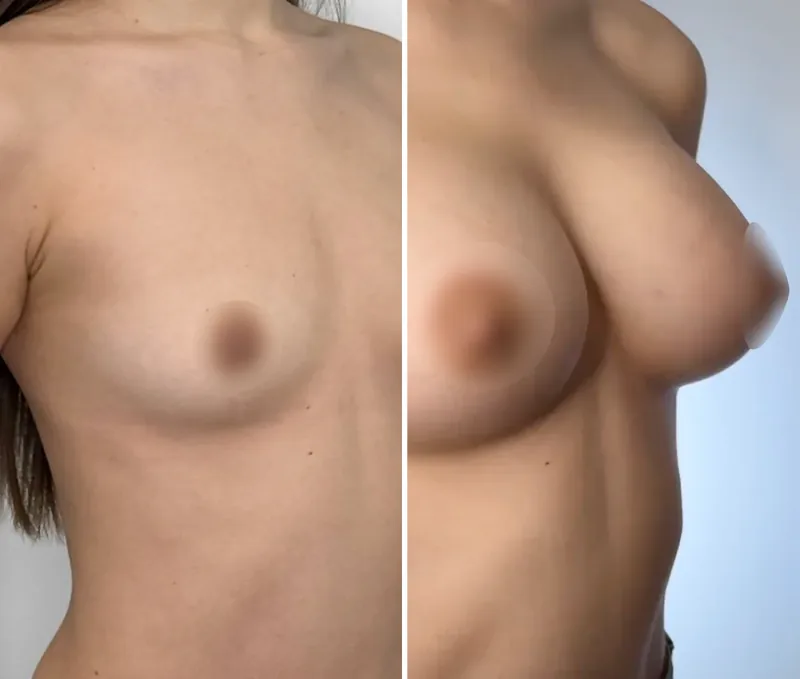
 beforeafter
Mammoplasty
Method: implants
Breast augmentation
$4,700
$5,900 · First consultation — Free
Free online consultation · Reply within 15 minutes
Message our coordinator
Free online consultation · Reply within 15 minutes
Message us on TelegramMessage us on WhatsAppBy messaging us, you agree to our Privacy Policy
Breast augmentation for patients from The Hague at City Medical Centre starts at $4,700. The first online consultation is free; the doctor names the final price and it is fixed in the contract.
How it works · Breast augmentation prices
Information current as of 24 October 2026
Results
All cases are real patients of the clinic. Faces and identifying details are hidden.
beforeafterMethod: implants
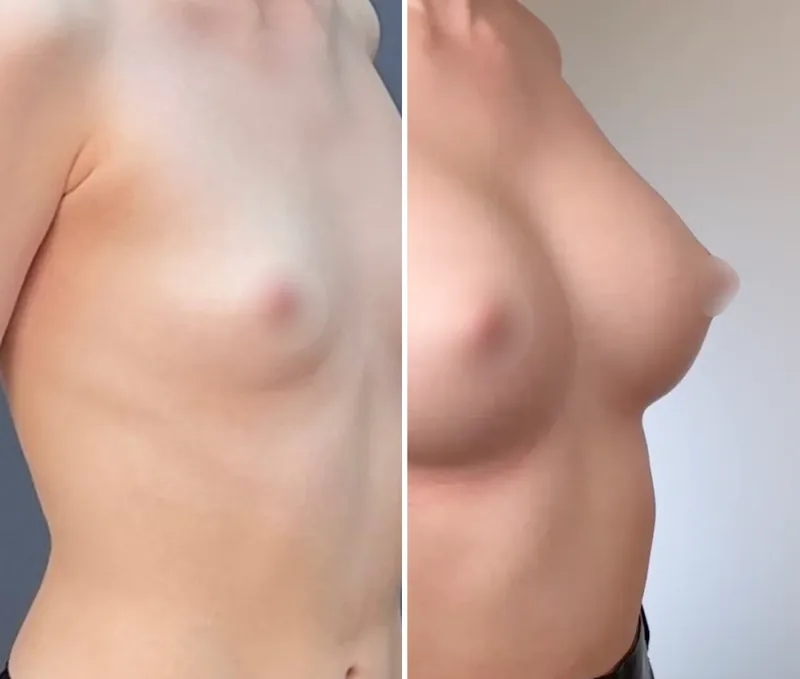 beforeafter
Method: implants
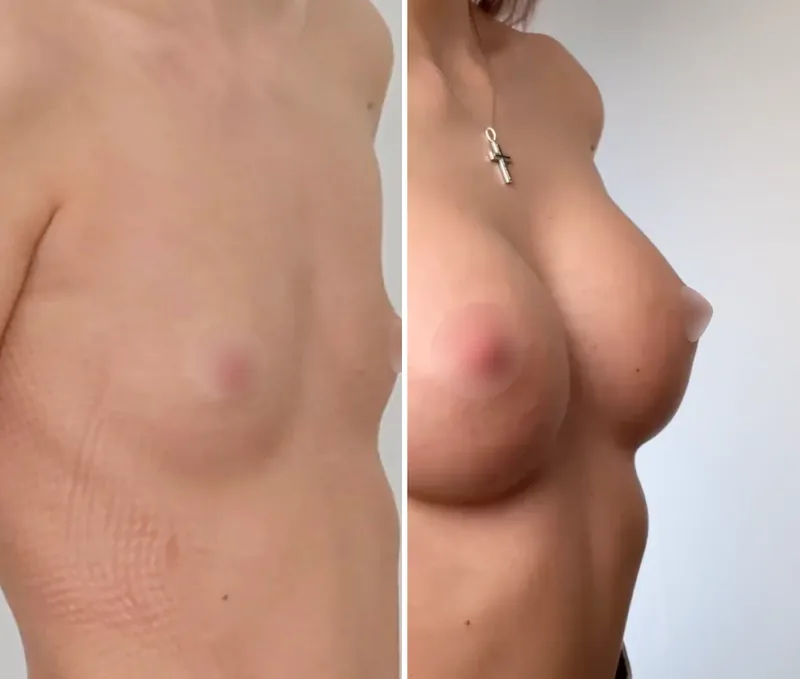 beforeafter
Method: implants
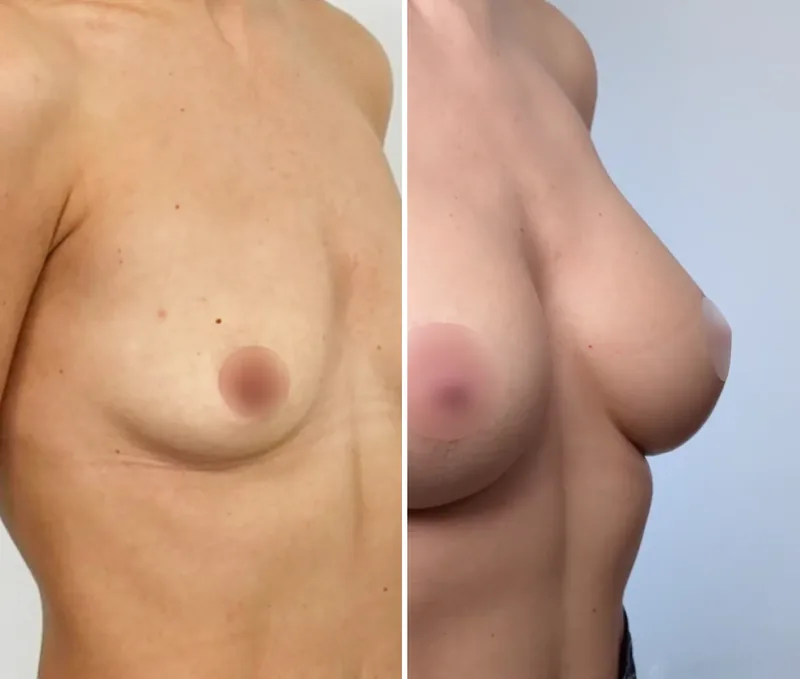 beforeafter
Method: implants
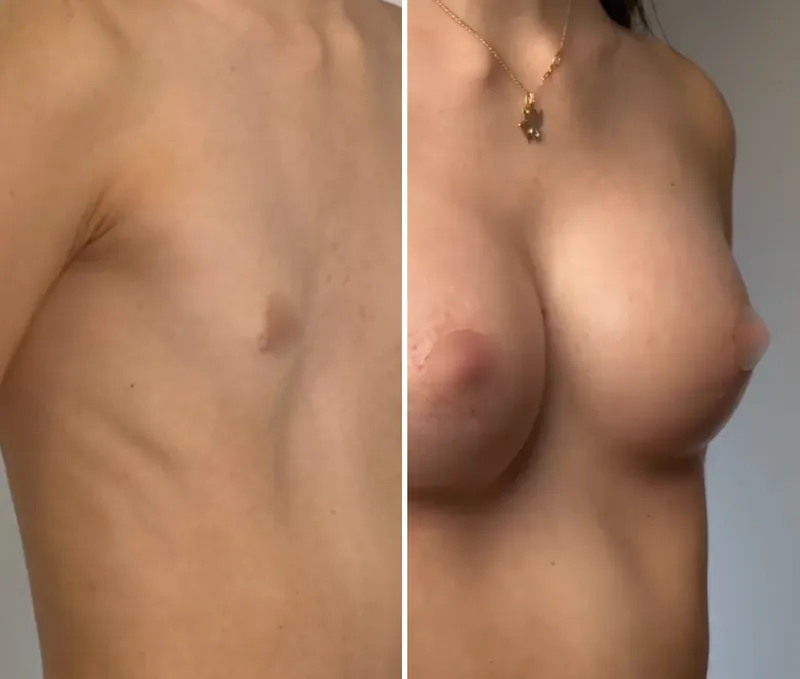 beforeafter
Method: implants
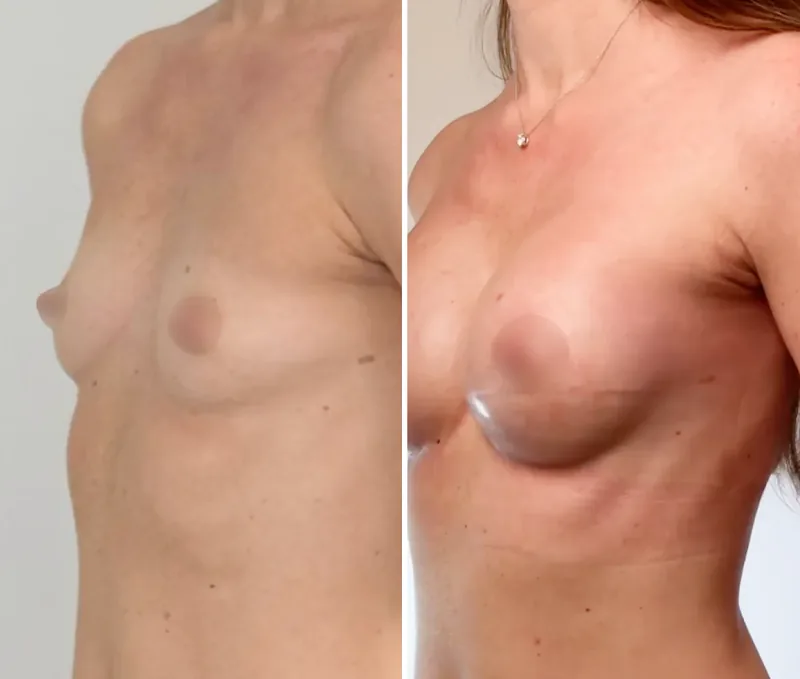 beforeafter
Method: implants
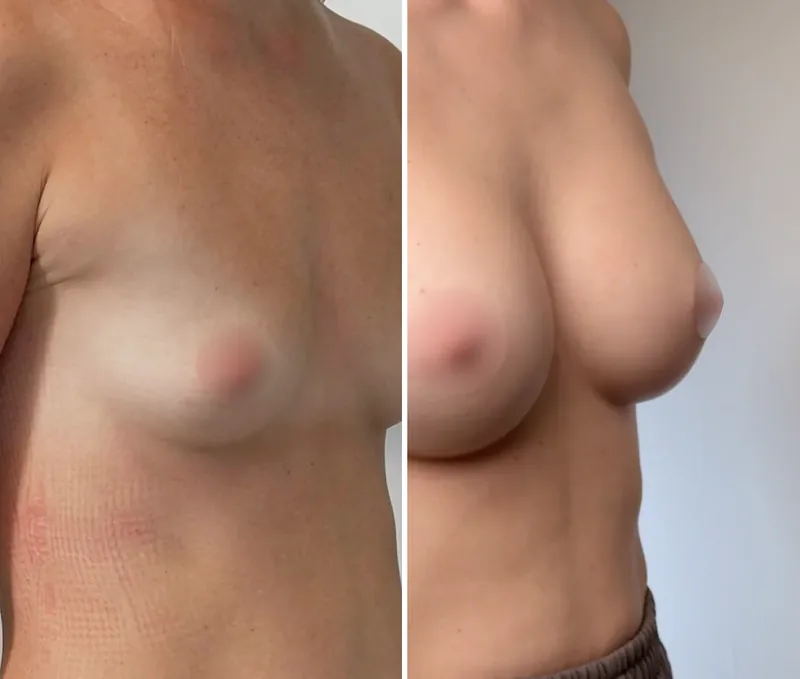 beforeafter
Method: implants
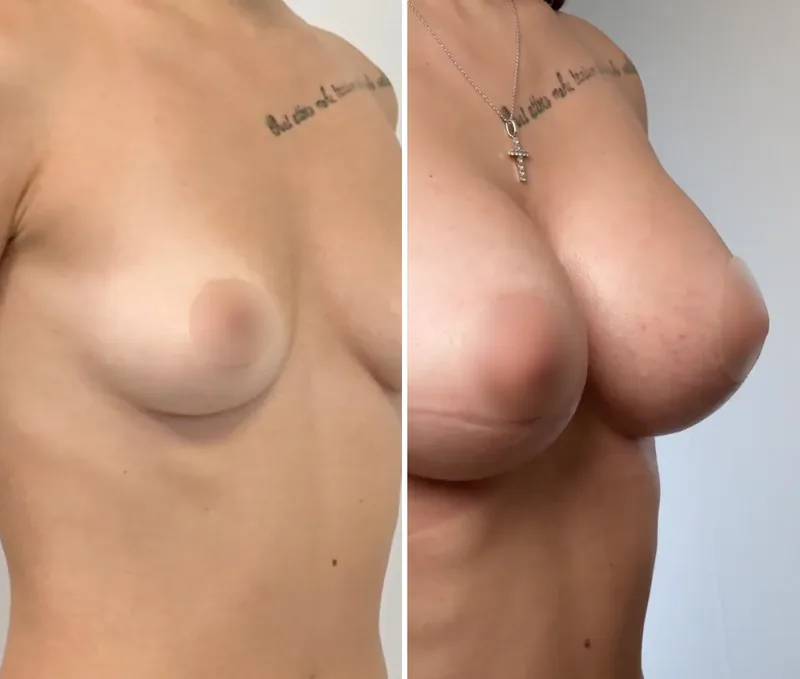 beforeafter
Method: implants
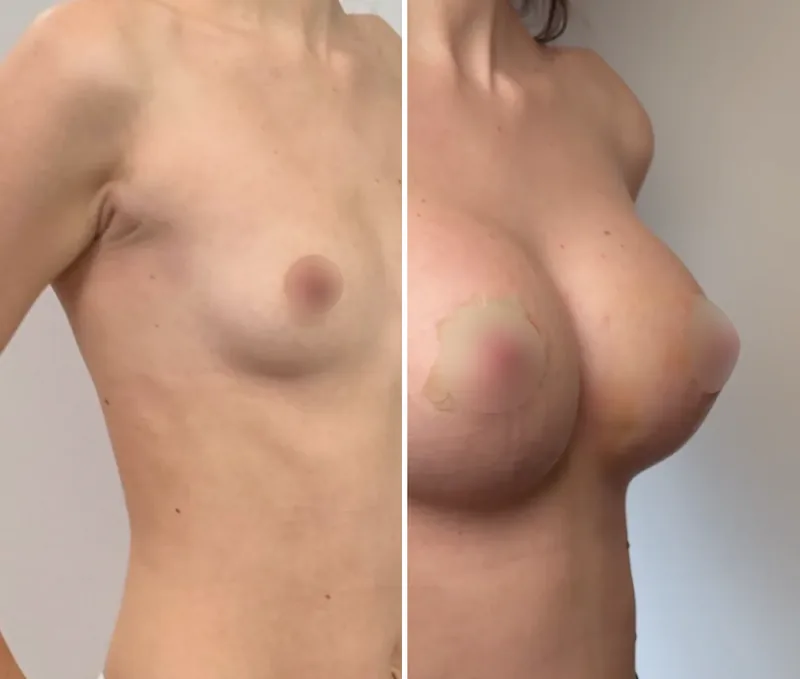 beforeafter
Method: implants
Comparison
There are two main ways we correct the breasts: augmentation and reduction. Compare their goal, how precise the correction is and who they suit, and choose your method with confidence.
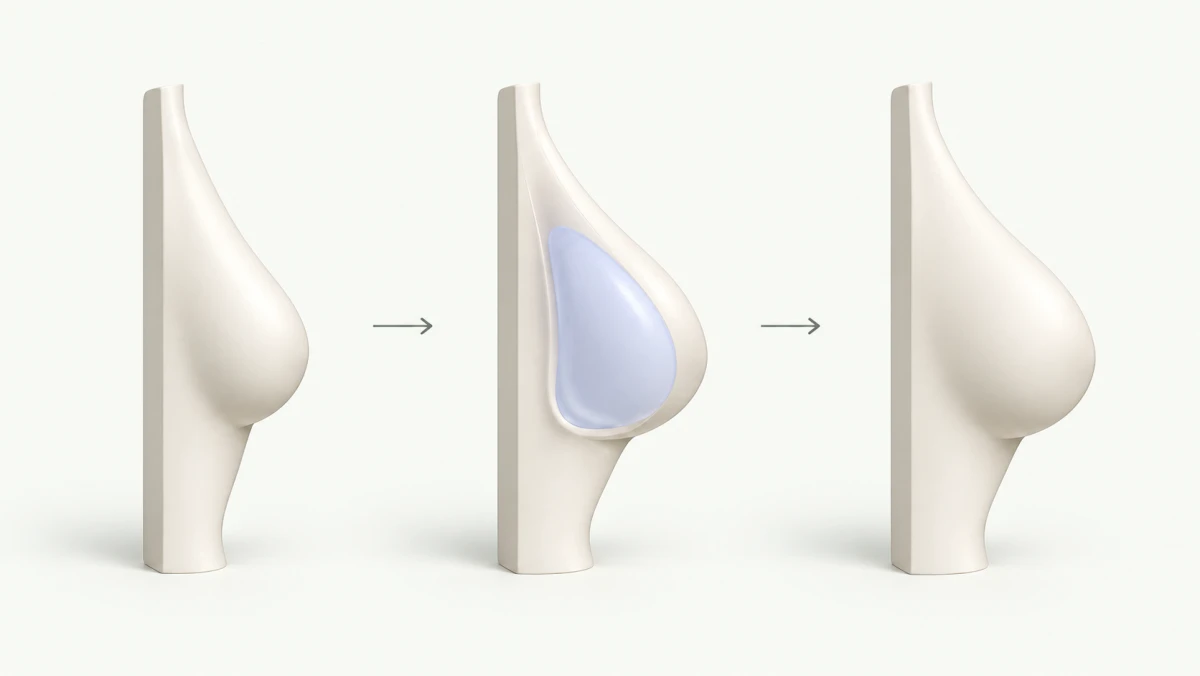
Size and shape correction with implants
Discounted price
$4,700 $5,900
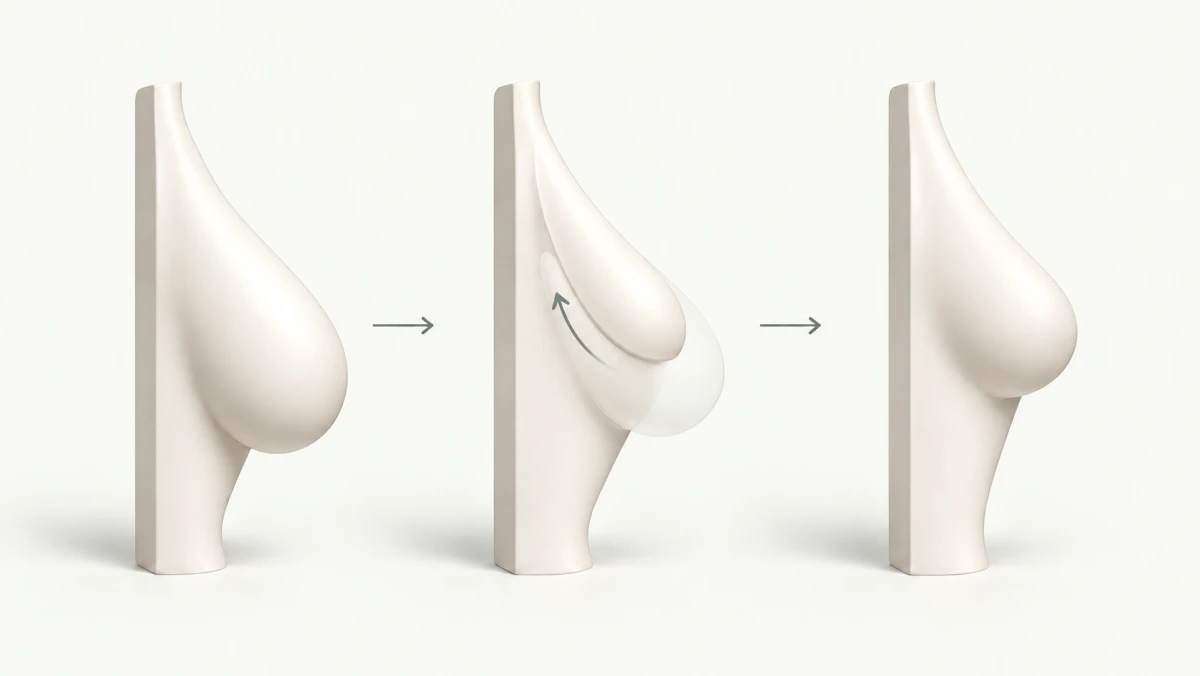
Correcting breast size by reducing volume and weight
Discounted price
$4,700 $5,900
The surgeon examines the shape and proportions of your breasts at the consultation, discusses your goals and picks the mammoplasty option that fits you best.
The consultation is free, before surgery and with no commitment.
Comparison
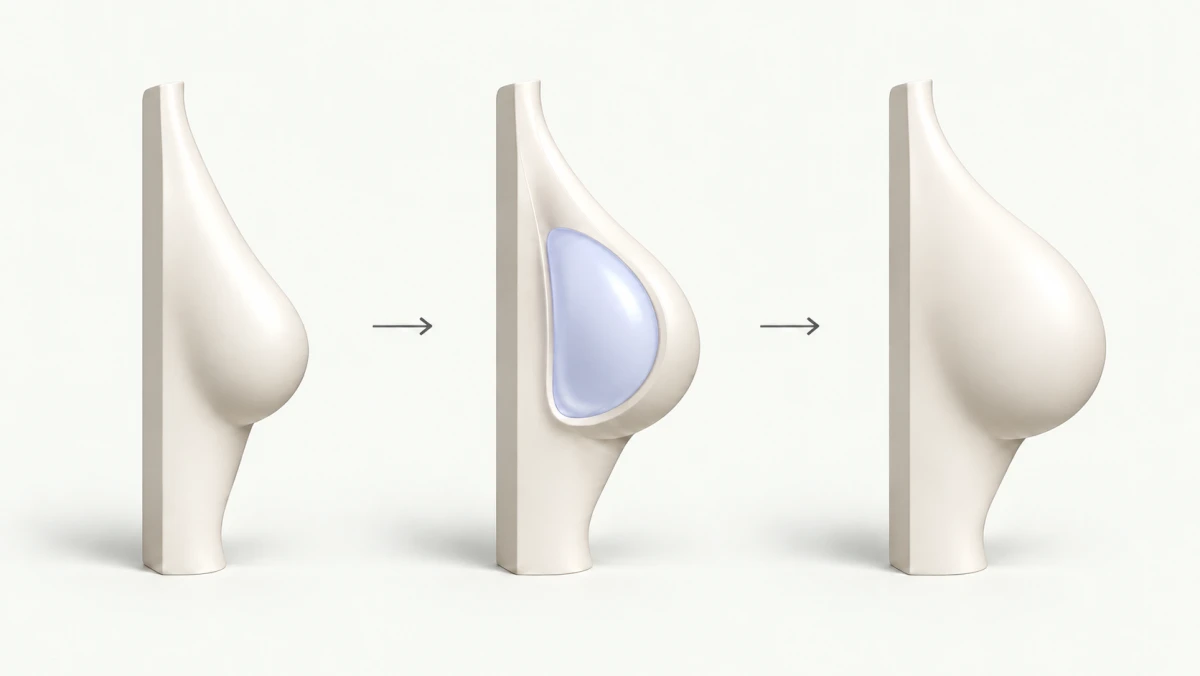
Round and anatomical implants are the two main types we work with. Each adds volume and corrects the shape, but the form and the final look differ.
Balanced volume and a fuller upper pole
A natural slope and a soft teardrop shape
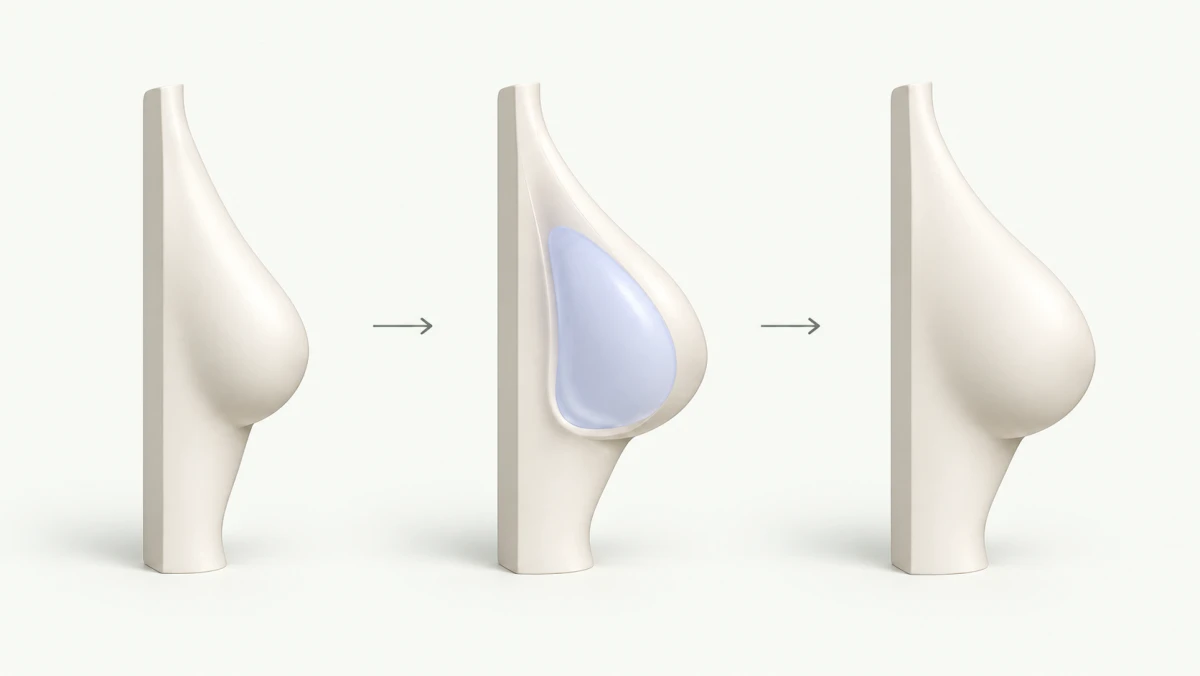
The surgeon will help you choose the implant shape and volume.
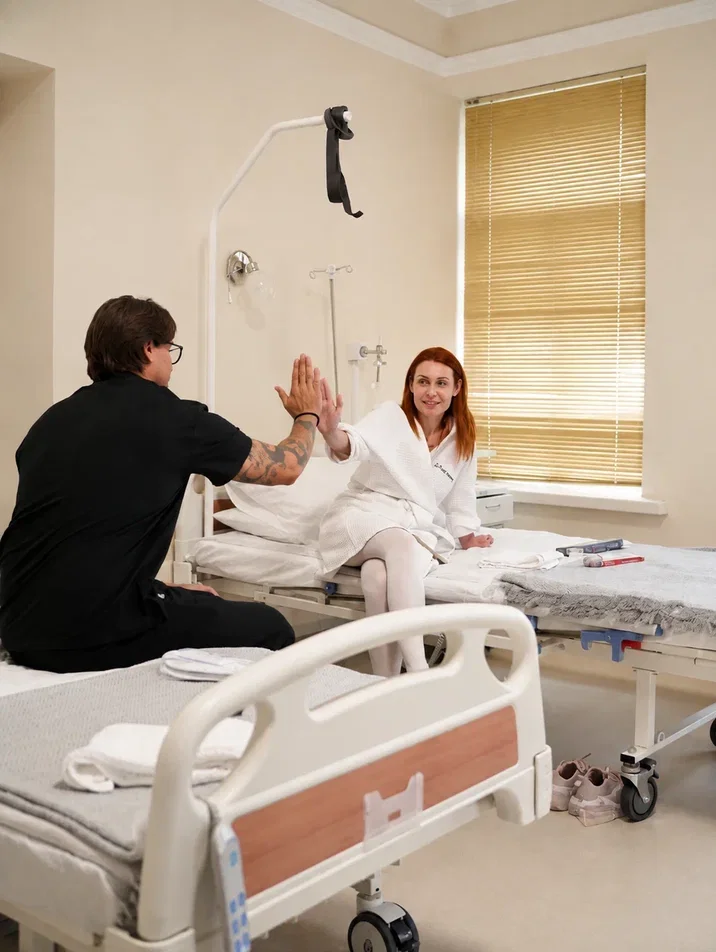
Inside the clinic
Up-to-date equipment, comfortable rooms and attention to each patient
We will answer your questions and find a convenient time for a consultation
By messaging us, you agree to our Privacy Policy
If your case can be solved without surgery, the doctor will tell you so at the consultation — and you will not spend money for nothing.

Not sure if surgery is right for you?
Message us — your coordinator will ask for photos in a messenger, and the surgeon will look at them and tell you whether mammoplasty is right for you.
Find out if it suits me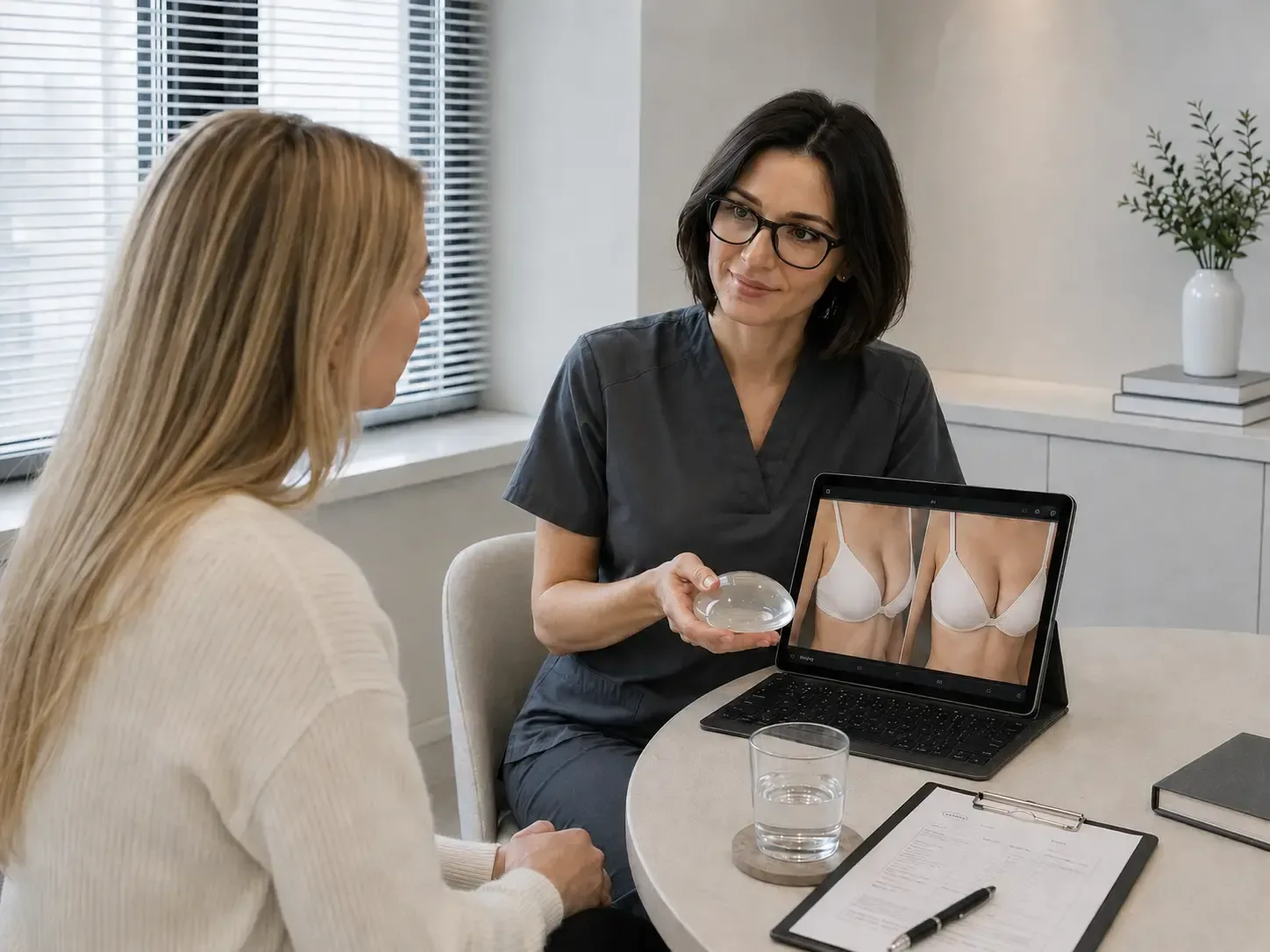
Prices
The price is set at the consultation and fixed in the contract.
Discounted price
Size and shape correction with implants
$4,700$5,900
Discounted price
Reducing the volume and weight of the breasts
$4,700$5,900
Breast restoration after mastectomy
The price is set at the consultation and fixed in the contract.
Get a consultationThe surgeon assesses the anatomy and proportions of your breasts, listens to your wishes and chooses the right correction method.
The price is set at the consultation and fixed in the contract.
Message our coordinator
Free online consultation · Reply within 15 minutes
Message us on TelegramMessage us on WhatsAppBy messaging us, you agree to our Privacy Policy
all inclusive
Everything from surgery preparation
to support over 12 months.
Discounted price
$4,700$5,900
How it goes
An agreed plan for the correction, observation in hospital and recovery monitoring for a year.
 1
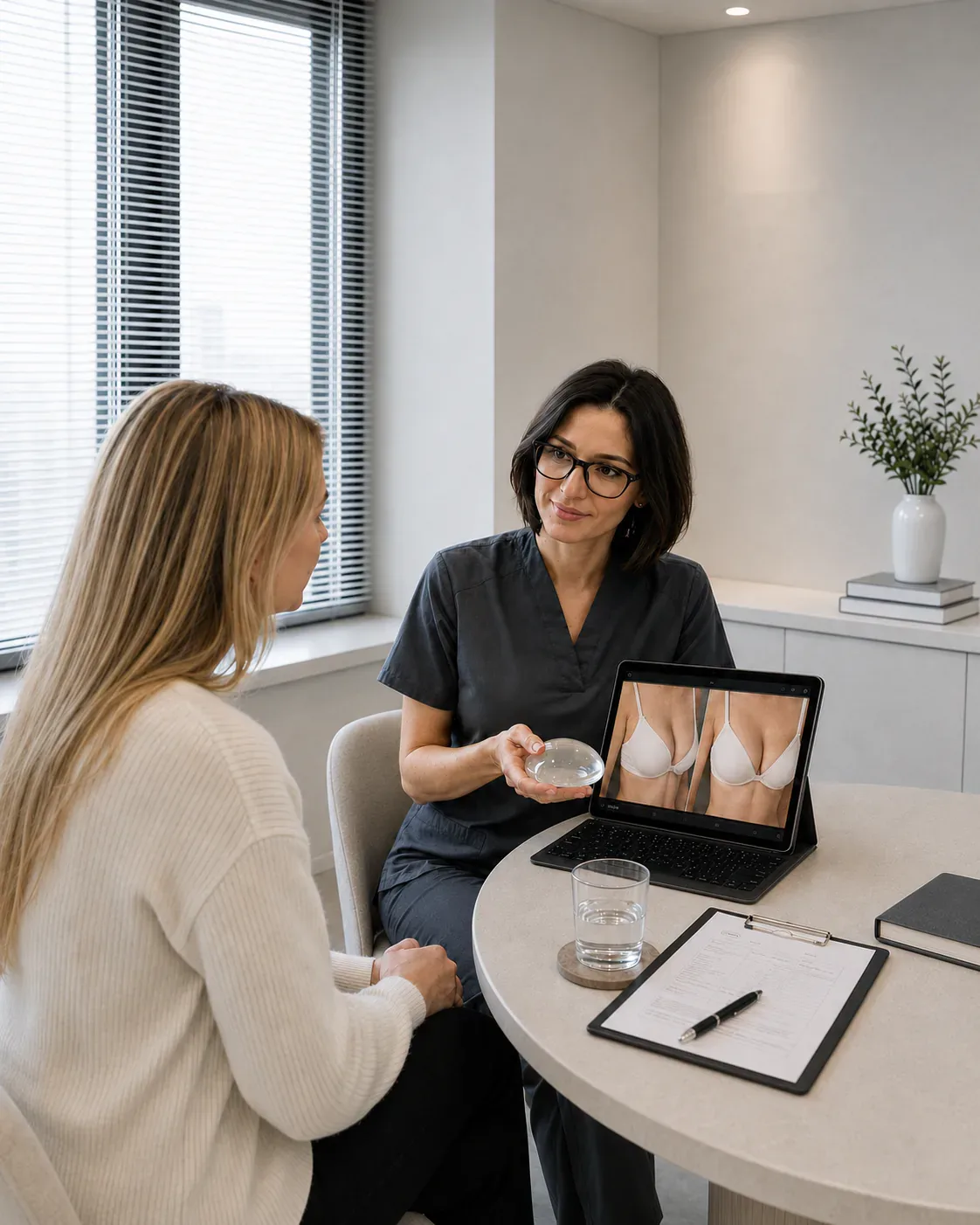
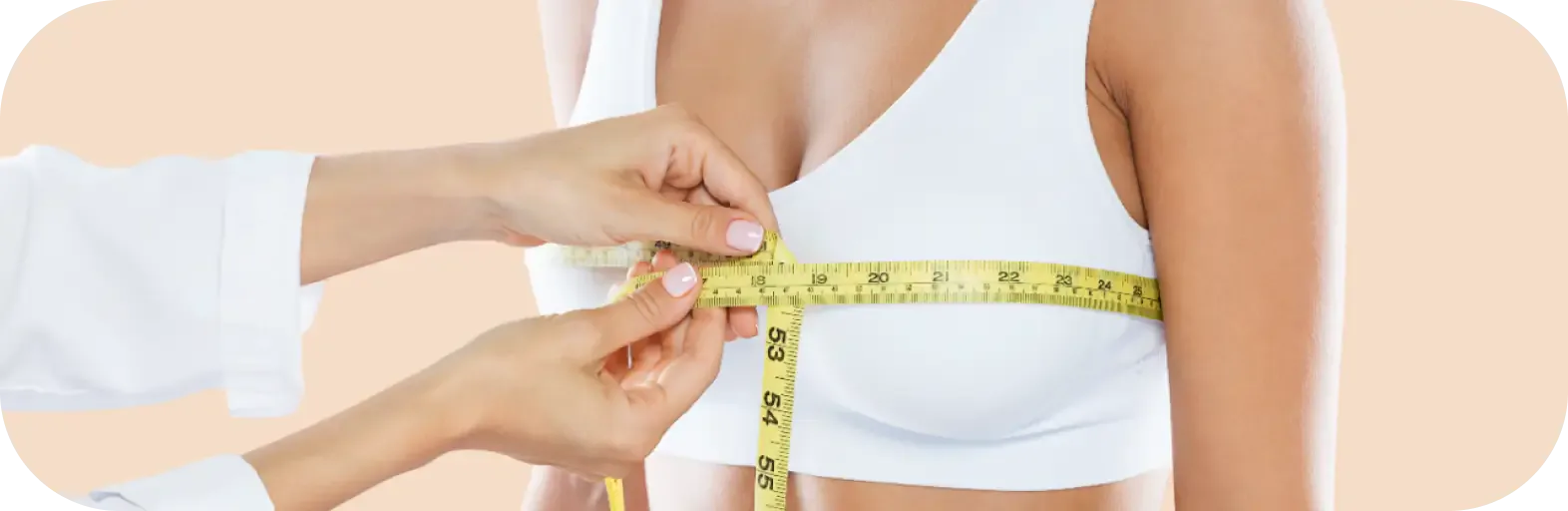
After assessing your figure and discussing your wishes, the surgeon chooses the best volume, shape and correction method.
 2
We hold a surgery date for you. You can pay the deposit by card at the clinic or online by bank transfer; all terms are set out in the contract for medical services
 3
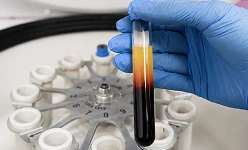
Before the operation you take a full set of tests: blood tests, an ECG and any other examinations the doctor prescribes.
 4
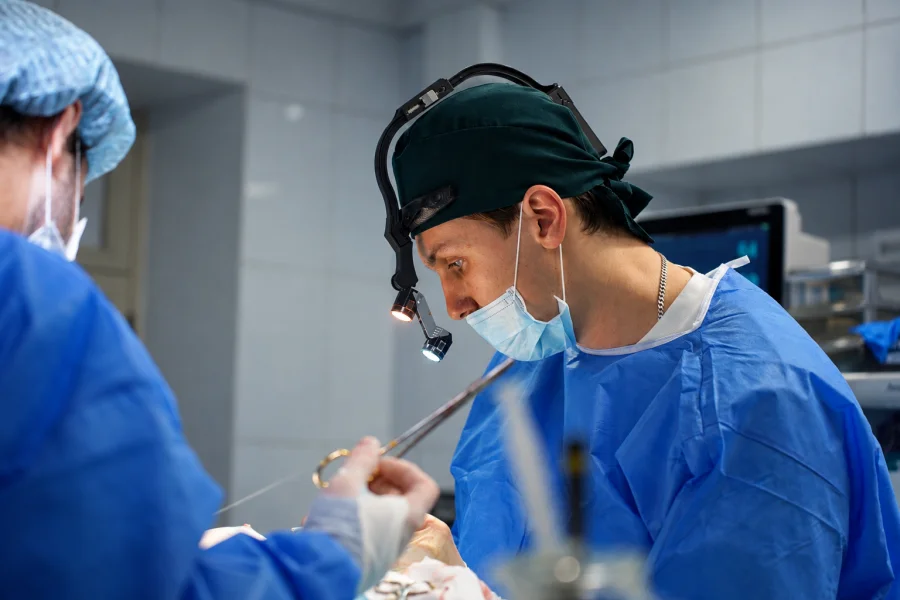
Your surgeon carries out the mammoplasty following your personal plan, under general anaesthesia and with constant monitoring of your condition.
 5
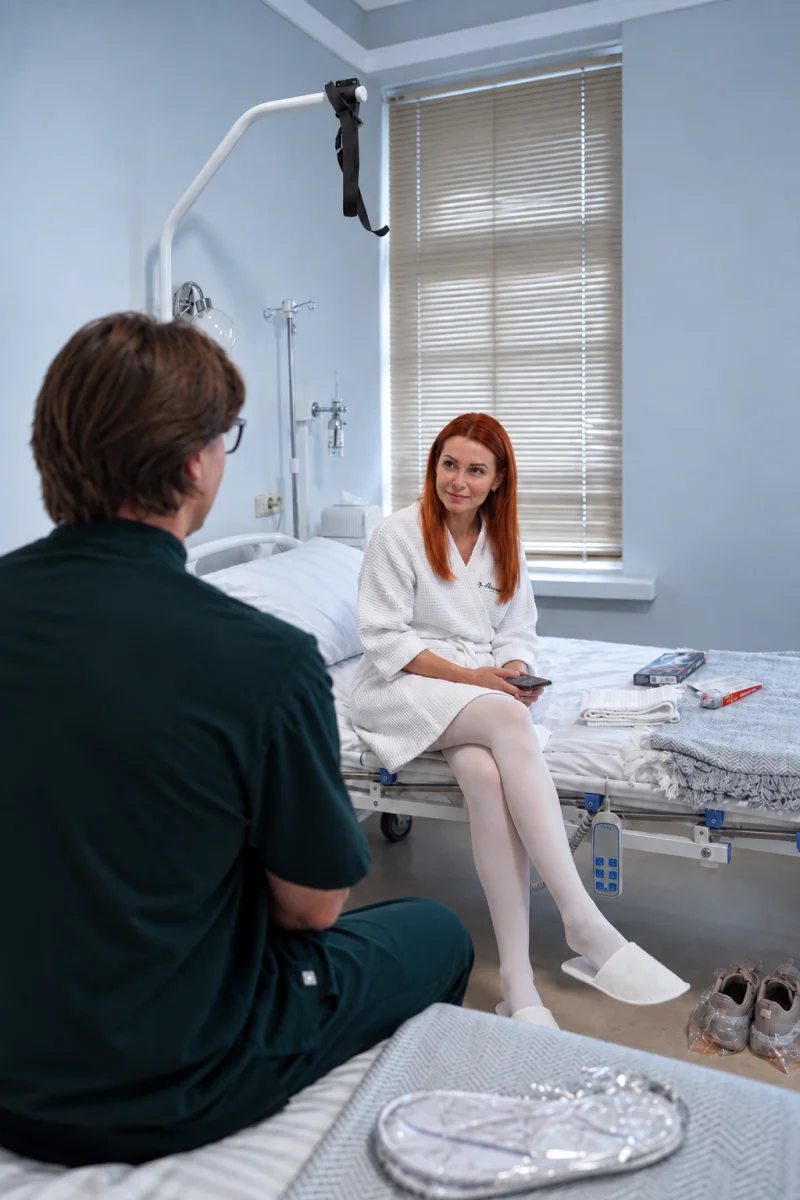
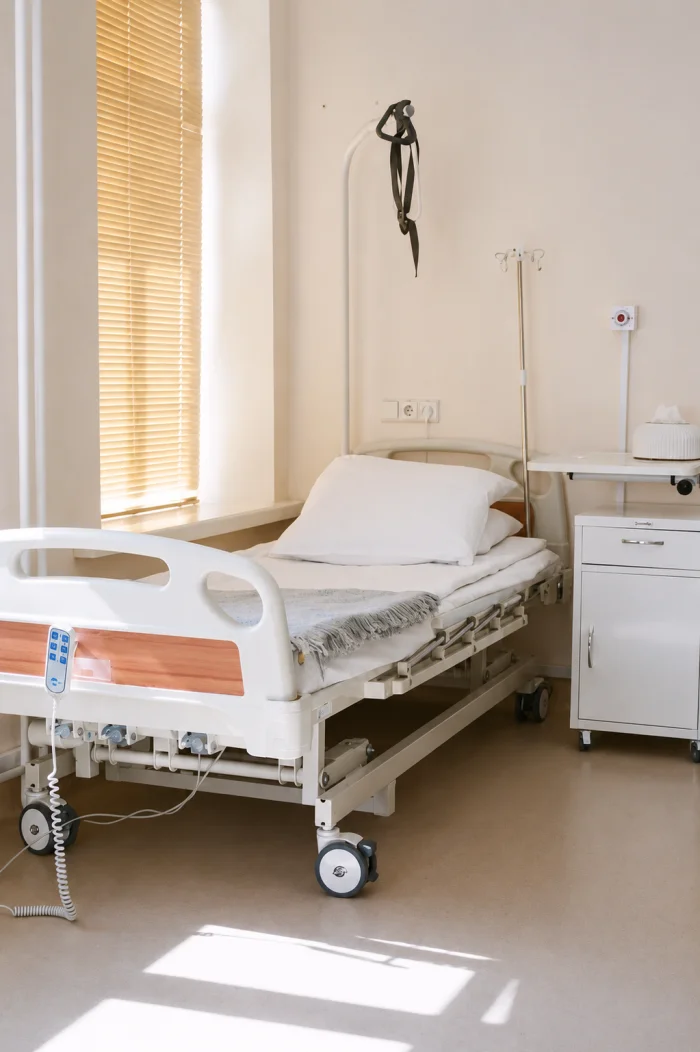
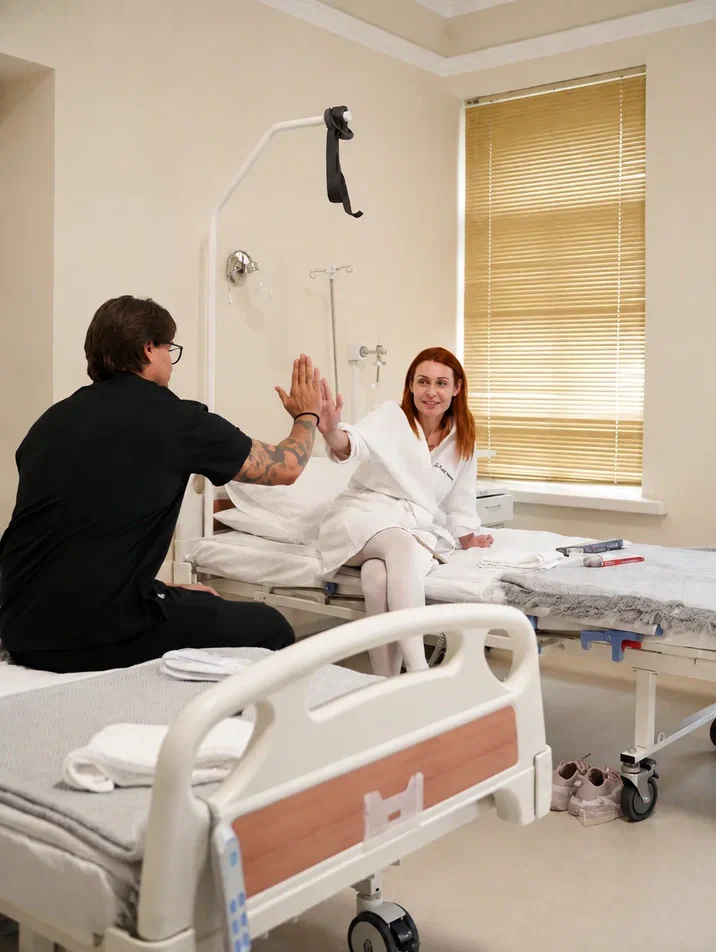
After the operation you remain in the clinic's comfortable inpatient ward, cared for by the medical team until you are discharged.
 6
After surgery you receive a recovery programme. Check-ups at 7 days, 3 and 6 months track your progress, and consultations with your surgeon are free for a year.
Some simple steps help before surgery: a healthy work-life balance, more sleep, avoiding stress, anxiety and strong emotions, and less physical activity.
Come off hormonal oral contraceptives no later than a month before the procedure
Stop using drugs with aspirin, steroids and hormonal medications prescribed for chronic conditions before surgery
Take your tests a week before surgery
Post-op swelling disappears after 3 weeks
Scars form within 3 weeks
No strenuous activity (lifting over 3 kg)
Keep arms below shoulder level — 3 weeks
Recovering after correction includes 1–1.5 months of wearing compression wear
Intense gym workouts should be avoided for up to 40 days, along with overly active aerobics; after a month light cardio may be possible. Watch your diet.
Discomfort fades after 3 months
Baths and saunas are off-limits up to three months, as is physiotherapy
Inflammatory changes in the tissue resolve within 3 months, while a “pocket” forms around the implant
Doctors
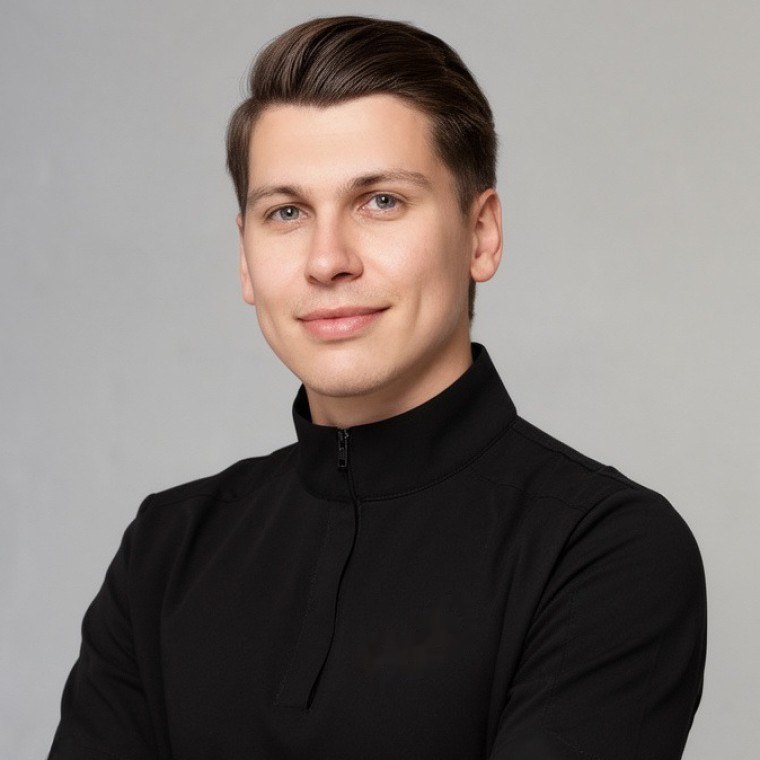
7 years of experience
Plastic surgeon
Residency training in plastic surgery, Petrovsky National Research Centre of Surgery. Specializes in aesthetic and reconstructive procedures on the breast and body.
At the consultation, you talk directly to your operating surgeon
An experienced plastic surgeon who looks after both beauty and patient health
Book a consultationAdvantages
At the consultation we talk through what you want and model the changes. The surgeon explains the possibilities of surgery so that the goal is clear to you.
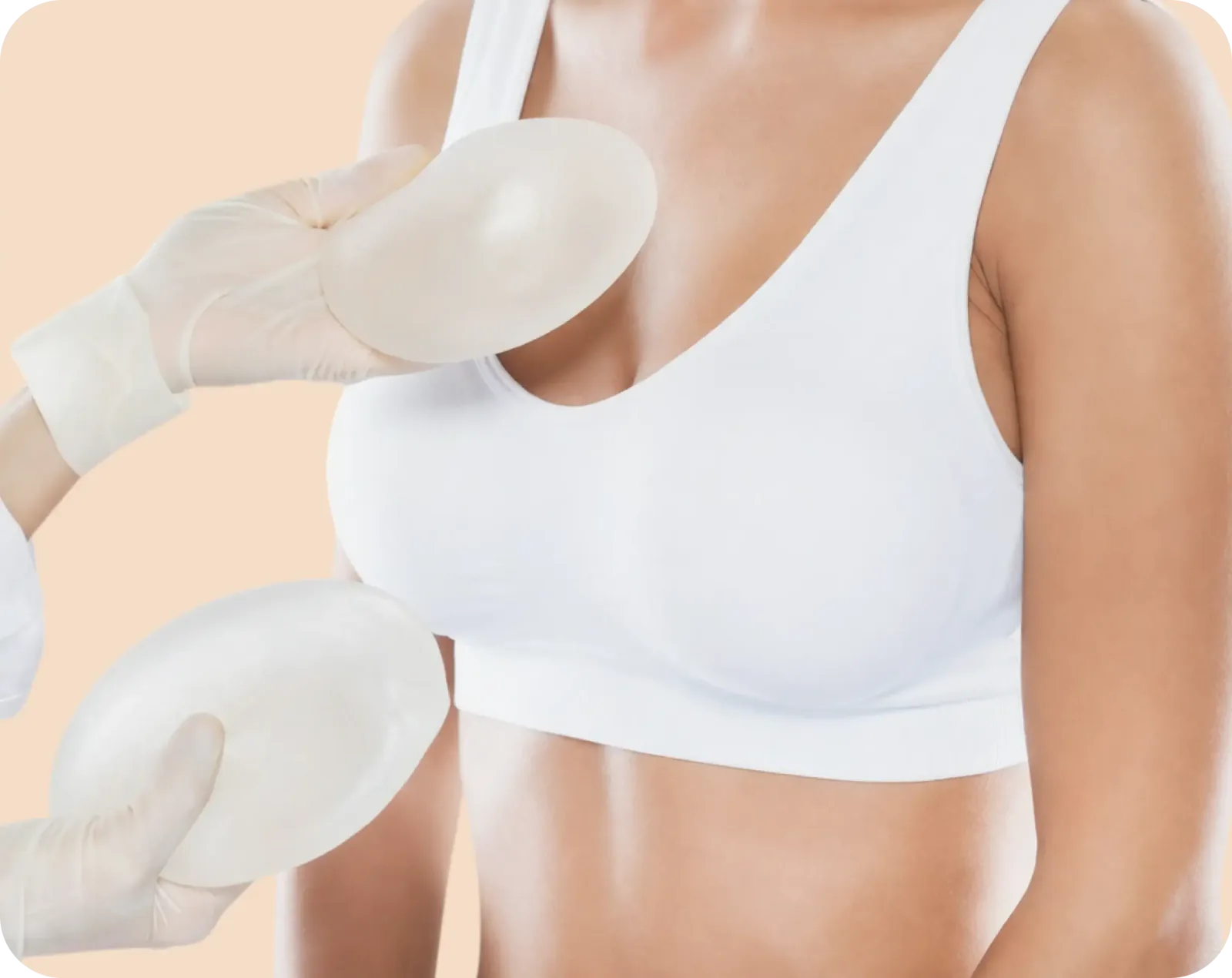
The surgeon follows your recovery and the changes in breast shape for a year. Check-ups and dressings are already included in the price.
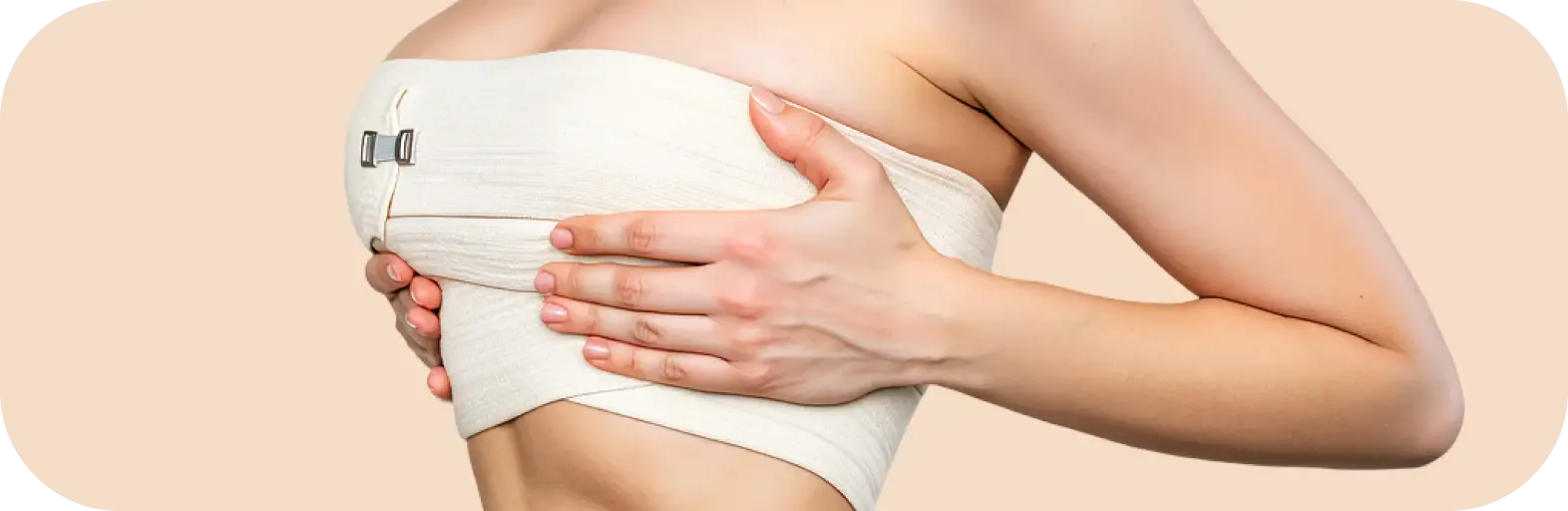
Shape, volume and correction method are chosen to match your anatomy and wishes. For augmentation, the implant size and profile are selected individually.

We respect your time: available 24/7, with easy booking and a personal approach — we adapt to your pace.
The surgeon sets the extent of correction after the consultation, and you get a transparent price for the operation, without unexpected costs.

You begin your recovery in a comfortable ward under constant nursing supervision; the stay and meals are included in the price.
FAQ
Yes. Boob job is the everyday name for breast augmentation. At City Medical Centre it is done with round or anatomical implants that the surgeon chooses with you at the consultation.
Breast enlargement adds volume with implants. A breast lift (mastopexy) raises sagging breasts and removes excess skin. Which one suits you is decided at the free consultation.
Mammoplasty refers to several procedures: augmentation (adding volume through implants), reduction (cutting away excess tissue and skin), mastopexy (lifting sagging breasts), reconstruction (after mastectomy) and asymmetry correction. The best technique is picked individually, based on what you want and what the surgeon advises.
Message us — our coordinator will get back to you shortly and book your consultation. The plastic surgeon consultation is free.
When all recommendations are followed, complications are rare. They can include hematoma or seroma, wound infection, reduced or heightened nipple sensitivity, capsular contracture, aesthetic asymmetry, wound separation and tissue necrosis.
Mammoplasty results last a long time: about 10–15 years after augmentation (until implant replacement) and 5–10 years after a lift or reduction. Weight, pregnancy, skin aging and gravity affect how long it lasts. To maintain the result, wear supportive underwear and control your weight.
Whether breastfeeding remains possible after mammoplasty depends on the type of operation. With augmentation via an under-breast or armpit incision and the implant beneath the muscle, lactation is usually preserved, as the glandular tissue is spared. After a lift or reduction the risk is higher because ducts may be cut. Talk it through with your surgeon beforehand.
The choice of implant looks at material (silicone looks most natural, while saline is used less often), shape (round or anatomical teardrop), surface (smooth or textured), size and profile. The surgeon will choose what works best for your anatomy and wishes.
Because the operation is done under general anaesthesia, the patient feels no pain. The first 1–3 days may bring moderate discomfort, eased with painkillers. By day 5–7 the pain is much milder, and by weeks 2–3 the discomfort disappears. Let your doctor know immediately if pain is severe.
Returning to work without physical exertion is possible after 7–14 days, and light walks after 1–2 weeks. Fitness and swimming are allowed after 4–6 weeks, strength training after 3 months, and the pool and sea after 4–6 weeks. Compression garments: 4–6 weeks. Exact timing depends on recovery.
Mammoplasty is not linked by scientific evidence to an increased breast cancer risk, and implants do not cause cancer. After surgery, keep doing regular screening: self-exams, mammography and ultrasound. Tell any examining doctor about your implants every time.
It is possible to have mammoplasty after a C-section, provided the body has recovered fully. Wait no less than 6–12 months after birth and after finishing breastfeeding. A surgeon's consultation and examination are needed before the operation.
Mammoplasty does result in scars, but a skilled surgeon keeps them minimal. Incisions are made in areas that are out of sight: under the breast, around the areola or in the armpit. At first scars are reddish, and within 6–12 months they fade and become nearly invisible.
A little asymmetry in the early weeks after the operation is normal, due to swelling and uneven healing. If the shape or size still differs after 3–6 months, have your surgeon examine you to determine the cause.
Breast and nipple sensitivity may change for a time after mammoplasty, going down or up. The cause lies in irritation of nerve endings. In the majority of cases sensitivity is restored within 3–12 months. If nothing has improved after a year, consult your surgeon.
Although hormonal drugs (contraceptives, hormone replacement therapy) have no direct impact on implants, they can produce swelling or changes in breast tissue volume, temporarily affecting appearance. Be sure your surgeon knows about such medications before surgery.
Prices are in US dollars; the amount in brackets is an approximate conversion to EUR at the rate of 02.10.2026. The final price is fixed in your contract.
Prices start from $4,700 (≈ €4,200). The surgeon sets the final price at the free consultation, and it is fixed in the contract, with no hidden extras.
The surgical team's work, anaesthesia, the inpatient stay with meals, dressings and follow-up visits for twelve months.
Message us on WhatsApp or Telegram using the buttons below. A coordinator will answer your questions and book a free consultation where the doctor names the exact price.
By messaging us, you agree to our Privacy Policy
The goal of the surgery is a natural-looking bust in harmony with the figure. For those from The Hague, the process starts with choosing implants: silicone is the usual material, while saline is used less often. The surgeon then weighs shape, surface, size and profile. When sagging is also present, augmentation can be combined with a lift in a single combined operation.
After the operation, check-ups are scheduled at 7 days, 3 months and 6 months. At each one the surgeon evaluates the result, monitors healing and answers questions. You can usually return to office work in 7–14 days, walk after 1–2 weeks and resume fitness in 4–6 weeks, with strength training after three months. The same schedule applies to The Hague patients.
What do you pay for? From $4,700 (≈ €4,200) covers the operation itself and everything around it: preparation with the surgeon, anaesthesia, one day in an inpatient room with meals and 24/7 supervision, then twelve months of dressings, check-ups and surgeon follow-up. Consultations with the plastic surgeon are free. Anyone from The Hague can apply via the form or any messenger to arrange one.
Well-known people who spoke openly about this operation, in their own words.
 Did Brandi Glanville have a breast augmentation? Yes — a 20-year implant exchangeThe RHOBH star had 20-year-old implants replaced in 2026 — then a dive dislodged one. Her quotes on silicone poisoning and the repair ahead.
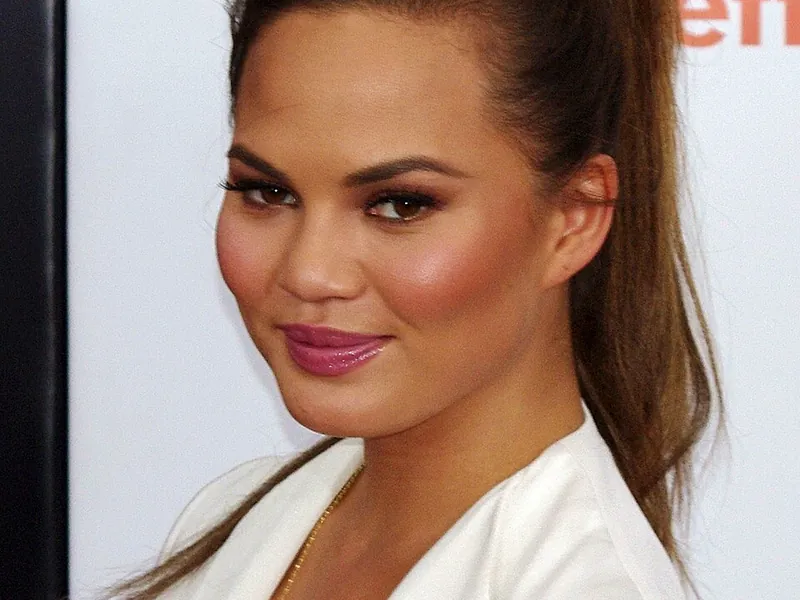 Chrissy Teigen and breast augmentation: what she said about her implantsChrissy Teigen got breast implants at 20 and said they were great to her for many years. Her words, how augmentation works and how to plan long term.
 Did Courtney Stodden have a breast augmentation? Yes at 18 — and a reduction at 31The reality star got huge implants at barely 18 and removed them at 31. Their honest quotes on reclaiming the decision and what surgery involves.
 Did Dolly Parton have a breast augmentation? Yes — and she jokes about it openlyThe country queen has never denied her breast implants — from age 22 to today. Her funniest and wisest quotes, and what augmentation involves.
 Did Farrah Abraham have a breast augmentation? Yes — and she explained whyThe Teen Mom star's chest changed after her baby and hurt her self-esteem — so she had augmentation. Her quotes and what the operation involves.
 Did Garcelle Beauvais have breast implants? Yes — and she had them removedThe RHOBH star opened up about getting her breast implants removed — and said plastic surgery shouldn't be taboo. Her story and what removal involves.
What patients write after this operation. Reviews are translated from the original language.
Anna Smirnova
I went to Dmitry Sergeyevich for breast augmentation with implants. At the consultation everything was explained in detail, and together we chose the best size. The operation under combined anaesthesia took 2 hours, and I was discharged home the next day. The swelling went down in about a month, and my breasts look very natural. The year of follow-up care is a real lifesaver: you can always ask a question and get an answer. Thank you to the clinic!
Breast augmentation
Doctor: Dmitry S. Kuznetsov
Ekaterina Morozova
After two births I decided on a breast lift without implants. I chose Dmitry Sergeyevich and have no regrets. The result exceeded all my expectations: my breasts are lifted and the shape is youthful and firm. The incisions are minimal and almost invisible. I spent one day in the hospital, and the room was very comfortable. I recommend him!
Breast lift
Doctor: Dmitry S. Kuznetsov
Olga Kuznetsova
I had a combined operation, a breast lift with augmentation, with Dmitry Sergeyevich. At the consultation it was immediately clear that I was in the right place. Everything is included in the price, with no hidden charges. After a month my breasts already feel soft and natural. Personal follow-up after the operation is very valuable.
Breast lift with implants
Doctor: Dmitry S. Kuznetsov
Maria Lebedeva
Breast augmentation from a size 3 to a size 4 with Dmitry Sergeyevich. He chose perfect anatomical implants. The operation took 2 hours, and I woke up with almost no pain. In the ward I was fed and monitored around the clock. Four months have passed and the result looks like a magazine cover.
Breast augmentation
Doctor: Dmitry S. Kuznetsov
Natalia Vorobyova
I went to Dmitry Sergeyevich to correct breast asymmetry with a small lift. A true professional: at the consultation he immediately showed before-and-after photos of similar cases. Recovery was easy and the swelling went down quickly. I had my check-up after just 7 days. An excellent clinic!
Breast reconstruction
Doctor: Dmitry S. Kuznetsov
Yulia Romanova
I had a lift with implants after losing a lot of weight. I chose Dmitry Sergeyevich. At the consultation everything was explained in simple words, and my fears were gone. One day in the hospital, then care at home. Now my breasts look natural and keep their shape. I am very happy!
Breast lift with implants
Doctor: Dmitry S. Kuznetsov
Page medically reviewed by Dmitry S. Kuznetsov, plastic surgeon. Review date: .
The Hague is the largest Dutch city on the North Sea. It has about eleven kilometres of coastline, and the beach at Scheveningen runs for almost twelve. The municipality had 569,076 inhabitants on 1 January 2026. For a patient planning breast augmentation, the coast matters because the sea and the pool are part of how people spend free time, and the plan for recovery should take that into account from the first conversation.
Climate figures from the Valkenburg station (1981–2010) give an average maximum of 6.4 °C in January and 21.6 °C in July. These are averages, and a single week can differ. They still show the contrast that matters for the recovery plan. In midwinter you will mostly be in layers, and a compression garment disappears under a jumper. In midsummer the same garment sits under thin fabric, in daytime highs around 21–22 °C on average. That is not extreme heat, but it is enough for a close-fitting garment to feel warm after a long day. The monthly series for coastal stations is published by KNMI, so you can compare the particular weeks you are considering rather than rely on the long-term average alone.
Compression is not optional or short. The recovery plan calls for compression garments for 1–1.5 months while you recover from the correction. If your operation is in early June 2027, the garment will be with you until roughly the middle or end of July, which overlaps with the start of the summer school holidays. If your operation is in early December 2026, the garment runs through the cold part of the winter and gives no thermal problems at all. Neither month is wrong. Winter is simply easier on the skin under the garment, while summer asks for more practical preparation: two garments to rotate, soft cotton layers underneath, and loose tops on top.
Our coordinators answer round the clock on WhatsApp and Telegram. You can send a photo of your usual wardrobe or describe your working day, and they will help you think through which weeks are easiest for you. The first online consultation is free, and the date is confirmed only after you have approved the plan.
Numbers on a page are easier to use when they sit on a calendar. Take an operation on Monday 30 November 2026. The stay at the clinic is one day, under general anaesthesia, with medical staff monitoring round the clock. These are the milestones that follow from the recovery programme:
The first check-up is at 7 days, so on 7 December. A return to work without physical exertion is possible after 7–14 days, meaning between 7 and 14 December. That suits desk work, calls, and teaching that does not involve lifting or reaching overhead. Swelling is expected to settle after three weeks, around 21 December, and the same three weeks apply to the rule of no lifting over 3 kg and no raising the arms above shoulder level.
The school calendar enters here. The Dutch Christmas holiday for 2026–2027 runs from 19 December 2026 to 3 January 2027. In this example the three-week restrictions end just as school closes. For a parent that is useful: the first full holiday week comes after the strictest period, not during it. Children are at home when you are still avoiding heavy lifting and overhead reaching, but only for the last days of that stage. Note that carrying a small child, a full shopping bag or a suitcase of gifts is where the 3 kg limit is easiest to break, so plan for someone else to do the heavy carrying until 21 December.
Fitness and swimming come back from 4–6 weeks, which is 28 December to 11 January in this example. Intense gym training should wait up to 40 days, to 9 January 2027, and light cardio may be possible after a month. Strength training waits for 3 months, which means the end of February 2027. The 3-month check-up falls in the same period, and baths, saunas and physiotherapy stay off the list until then. The 6-month check-up lands around the end of May 2027.
None of these dates is a promise. The text on the recovery programme says that precise timing depends on your individual recovery, and the doctor decides at each check-up. The calendar is a planning frame so that you can arrange work and family around it.
Now take a different case: an operation on 15 March 2027. The three-week restrictions end on 5 April. The 40-day limit for intense training ends on 24 April 2027, which is the first day of the Dutch May holiday (24 April to 2 May 2027). Swimming and sea are allowed from 4–6 weeks, which here means 12–26 April, so the first part of the May holiday is when you could return to the pool if your check-up goes well. The compression period of 1–1.5 months ends in mid or late April, so you will be out of the garment around the same time. Three months arrives on 15 June, and with it the end of the ban on saunas, baths and physiotherapy.
The summer holiday for 2027 is split by region. The northern region has 10 July to 22 August, and the southern region has 24 July to 5 September. The Hague belongs to the western part of the country, so check which region your own school or your children's school uses. The facts we hold give only the north and south dates, so do not assume. If you are not sure, check your school's calendar before you commit to a date.
Suppose you choose early June 2027, say 7 June. The 4–6 week window for pool and sea opens on 5 July and closes on 19 July. Compression garments stay on until about 7–22 July. The 40-day limit for intense gym work ends on 17 July. So your first sea swim, if the check-up supports it, could fall in the first fortnight of the northern summer holiday. A second approach is an operation a few weeks earlier, so that the compression garment is off before the warmest part of July. The trade-off is not about danger. It is about comfort and about which activities you want available in which weeks.
Keep in mind that the summer is when families are away from usual routines. If you want to be at home and available for the free check-ups, the 7-day and 3-month visits and consultations should be possible in your schedule. Follow-up is part of the plan for the full 12 months, and consultations with the doctor are free for a year. Since the first consultation is online and the coordinator works 24/7, scheduling a follow-up conversation is rarely the bottleneck. The bottleneck is your own calendar.
For people who train, the list of restrictions is the part that needs the most careful reading. The plan sets out steps rather than a single date. For three weeks there is no strenuous activity and no lifting over 3 kg, and no raising the arms above shoulder level. After that, easy walks are fine from 1–2 weeks. Fitness and swimming come back from 4–6 weeks. Intense gym training should be skipped for up to 40 days, and overly active aerobics should be avoided. Light cardio may be possible after a month. Strength training is from 3 months. For anyone who does regular push-ups, pull-ups, rowing or overhead pressing, that last number is the one to plan around.
A practical way to use these numbers is to sort your usual week into three groups. The first group is what you can do almost immediately: walking and ordinary daily tasks without lifting. The second group is what returns around a month: light cardio, easy pool sessions and sea swimming, if the doctor agrees at the check-up. The third group is what waits for three months: strength work for the chest, shoulders and back, and any sport that involves heavy overhead movement. Writing your own list before the consultation lets the doctor respond to specifics rather than generalities.
Work with a physical component needs separate thought. Return to work is possible after 7–14 days only for work without physical exertion. If your job involves lifting, reaching overhead, or handling people, the 3 kg and shoulder-level rules apply for three weeks, so tell the coordinator what you actually do during the day. An honest description helps more than a general one.
Physiotherapy deserves a clear note. In the Netherlands, basic insurance covers physiotherapy and exercise therapy for adults only for certain conditions. For chronic conditions on the official list, cover starts from the 21st treatment, and no referral letter is needed. Supervised exercise therapy for osteoarthritis of the hip or knee is limited to a maximum of 12 sessions. Severe rheumatoid arthritis or axial spondyloarthritis are covered fully in cases of serious functional limitations. These rules concern particular medical conditions and do not describe recovery after a cosmetic operation. Our own plan also says that baths, saunas and physiotherapy are not allowed for up to three months, so a physiotherapy booking in the first weeks would not fit anyway. If you already have a long-standing therapy arrangement for another condition, tell the doctor so that it can be coordinated.
Everyone living or working in the Netherlands must take out standard health insurance, and the standard package includes hospital treatment. That sentence can mislead, so here is the important distinction. According to the Consumentenbond, plastic procedures are reimbursed only when there is a medical necessity. Cosmetic procedures are not paid from the basic insurance, and a supplementary policy also covers them only for medical necessity. Breast augmentation for volume, shape or symmetry is a cosmetic decision in most cases, so you should not assume that your insurer will pay for it.
Our service text lists several indications that are medical in character, for example back and neck pain from heavy breasts, a congenital feature of breast shape, correction needed after a previous operation, and reconstruction after mastectomy. These belong to different procedures (reduction, reconstruction and correction) and not all are augmentation. Whether any of them counts as a medical necessity for your insurer is the insurer's decision, not ours, and we cannot promise an outcome. If you think your situation could qualify, ask your insurer in writing before you plan anything, and keep the reply.
Fees, the deposit and what the contract includes are set out in the contract for medical services. The doctor names the final amount after the consultation, and it is fixed in the contract. We do not mention any figures in this text, because the amount you see on the page and the amount in your contract are what matter. What you can usefully do beforehand is read the list of what is included: consultation and result modelling, anaesthesia, a stay in the ward with meals, dressings, and check-ups for a full year.
A note on other reimbursement topics that appear in news and insurer pages: coverage for stomach reduction after obesity, for example, follows its own detailed criteria (BMI thresholds, documented lifestyle programmes, a referral from a GP). Those criteria belong to a different kind of treatment and do not apply to breast augmentation. We mention them only so that you do not apply one set of rules to another procedure.
The preparation steps are the same wherever you live, but the Dutch calendar and routines shape when you can do them. One to two months before, the advice is to keep a healthy work-rest balance, sleep more, avoid stress and strong emotions, and reduce physical activity. Hormonal oral contraceptives should be stopped at least one month before the procedure. This is something to discuss with the doctor, not decide alone, because you may need another form of contraception in the meantime.
One to two weeks before, aspirin-containing drugs, steroids and hormonal medications for chronic conditions must be stopped. Your tests, which include blood tests, an ECG and other examinations prescribed by the doctor, are done a week before the operation. Tell the coordinator which medicines you take regularly, including anything bought without a prescription, so the list can be checked early rather than in the last days.
The conditions that make surgery unsuitable are also worth reading beforehand: pregnancy and breastfeeding, acute infectious diseases, inflammation or damaged skin in the operating area, decompensated chronic diseases, age under 18, uncorrected blood clotting disorders, uncontrolled diabetes, and malignant breast tumours before treatment is complete. If your concern can be addressed without an operation, the doctor will say so at the consultation.
For the first consultation you only need a few photos sent through WhatsApp or Telegram. The coordinator will ask for them, and the doctor will tell you whether mammoplasty suits you. Replies normally arrive within 15 minutes.
Both work. The average daily maximum is 6.4 °C in January and 21.6 °C in July, based on the Valkenburg station for 1981–2010. In winter the garment hides easily under warm clothing. In summer you will want soft cotton layers and a second garment to rotate, because the plan asks for compression for 1–1.5 months. The doctor will tell you at the consultation which timing fits your plans.
Pool and sea are possible from 4–6 weeks, depending on your individual recovery and the doctor's agreement at the check-up. For an operation on 7 June 2027, that window would open around 5 July and run to 19 July. Baths and saunas are a separate matter and stay off the list for up to three months.
For 2026–2027, the Christmas holiday runs from 19 December 2026 to 3 January 2027, the May holiday from 24 April to 2 May 2027, and the summer holiday from 10 July to 5 September 2027 depending on the region (north 10 July to 22 August, south 24 July to 5 September). An operation on 30 November 2026 would put the end of the three-week restrictions on 21 December, inside the Christmas holiday. The coordinator can work out the dates for you in a chat.
Usually not. The Consumentenbond states that cosmetic procedures are not reimbursed from the basic insurance, and that supplementary policies also pay only for medical necessity. If you think your situation has a medical reason, ask your insurer in writing before you plan, and keep the reply. We cannot say in advance what an insurer will decide.
In stages. For three weeks there is no lifting over 3 kg and no raising the arms above shoulder level. Intense gym training waits up to 40 days, light cardio may be possible after a month, and strength training starts from 3 months. For an operation on 30 November 2026, three months means about the end of February 2027. The doctor adjusts this at the check-ups.
Not as a rule. For adults the basic package covers physiotherapy and exercise therapy only for certain conditions, and no referral letter is needed. The rules concern specific medical conditions, and our recovery plan also excludes physiotherapy for up to three months. If you already have therapy for another condition, tell the doctor.
Yes, as an example. An operation on 15 March 2027 puts the end of the 40 days on 24 April 2027, the first day of the May holiday. The three-week limits end on 5 April, and the pool and sea window of 4–6 weeks runs from 12 to 26 April. These are planning dates only, and your own recovery decides what is possible.
Tests are done a week before the operation: blood tests, an ECG and any other examinations the doctor prescribes. Hormonal oral contraceptives should be stopped at least one month before, and aspirin-containing drugs, steroids and hormonal medications for chronic conditions 1–2 weeks before. Send the coordinator your regular medicine list early so the doctor can check it.