City Medical Centre · multi-specialty surgery clinicOpen 24/7

Liposuction in The Hague: Price and Techniques

Free consultation

from $1,200

The price is fixed in the contract before surgery

Message us on WhatsApp

Free online consultation · Reply within 15 minutes
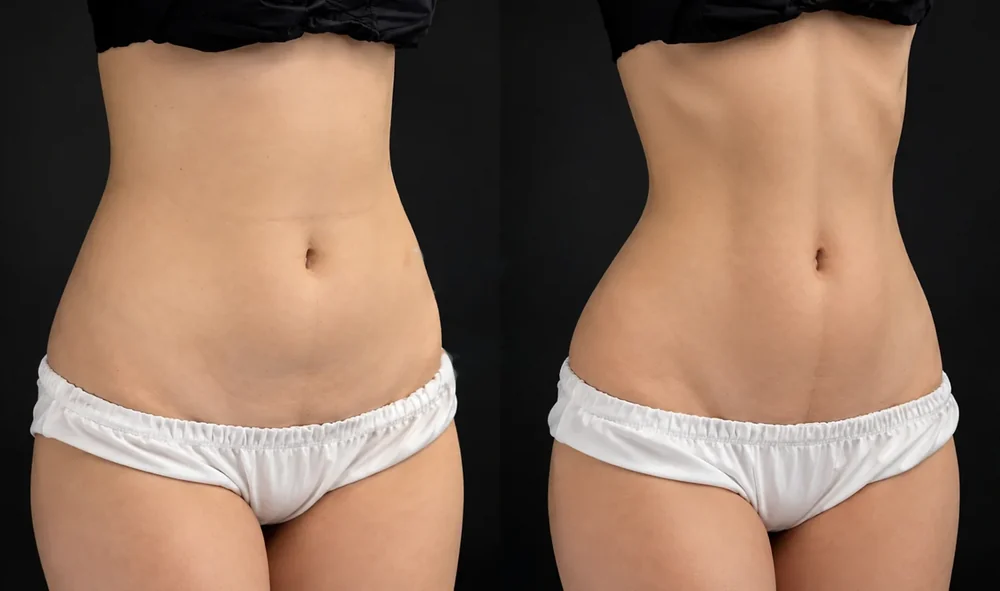
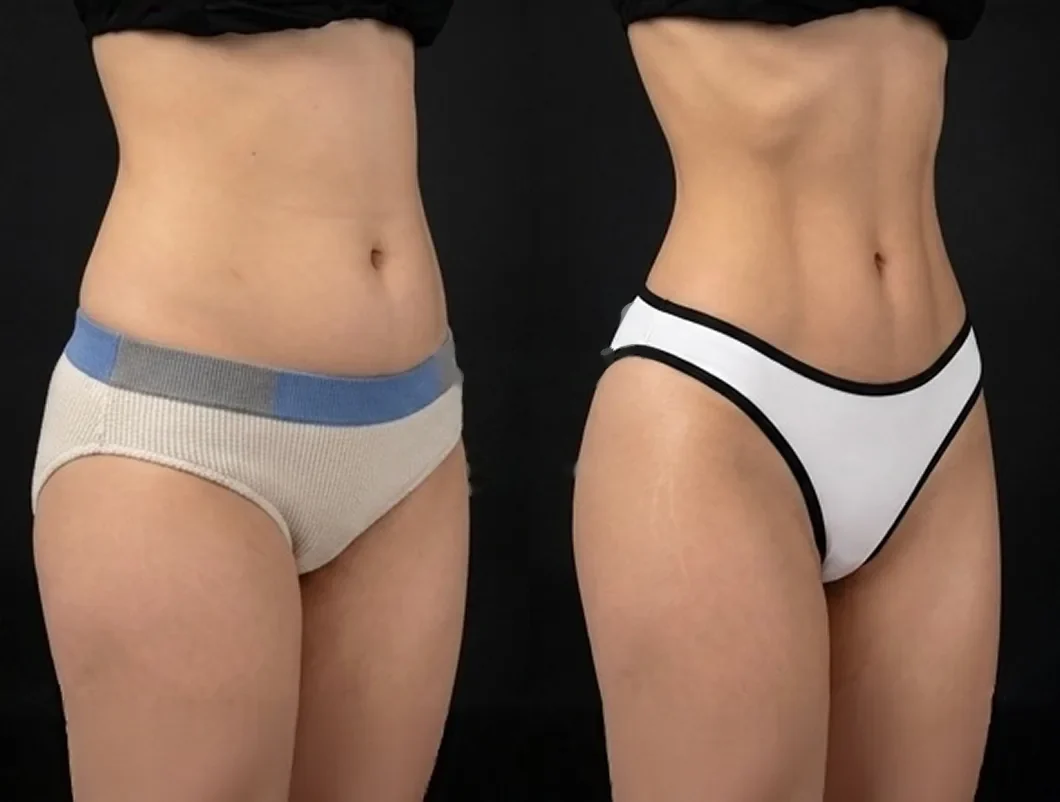
Real case
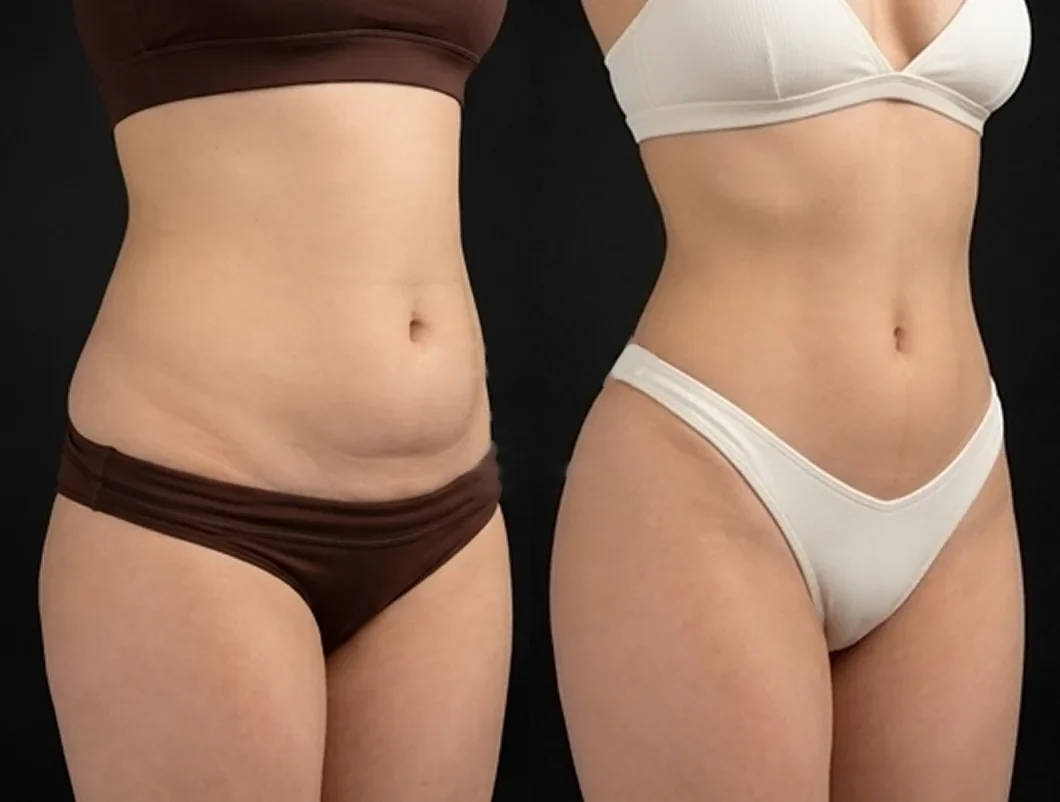
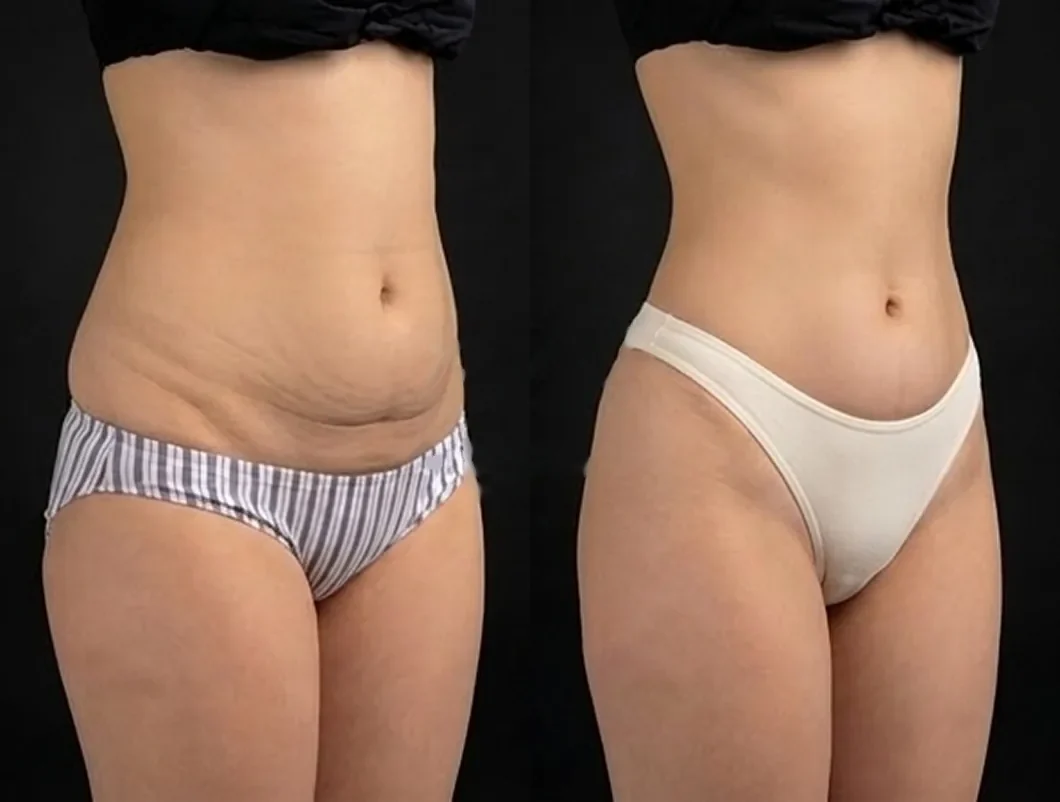
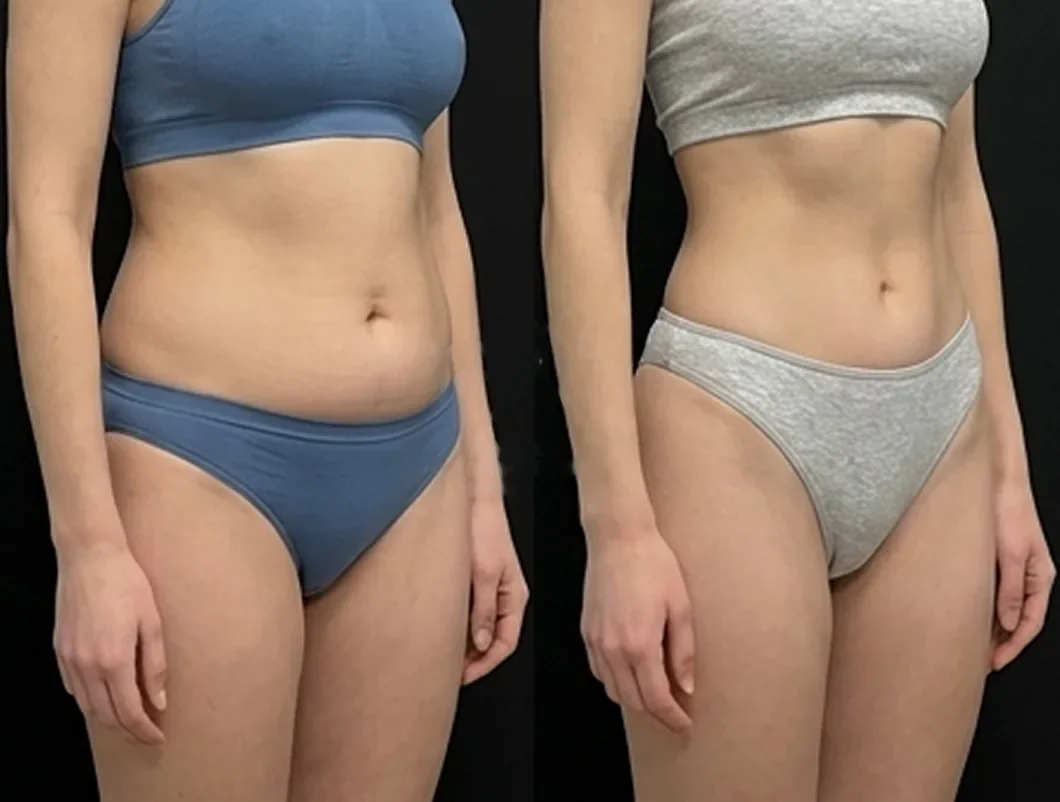
Liposuction: a patient's abdomen and flanks before and after surgery before after
Stubborn local fat that diet and exercise don't shift. Your plan is set at the consultation

Message our coordinator

Free online consultation · Reply within 15 minutes

Message us on Telegram

By messaging us, you agree to our Privacy Policy

Liposuction and fat removal in The Hague: price and key facts

Liposuction for patients from The Hague at City Medical Centre starts at €1,100 (from $1,200). The first online consultation is free; the doctor names the final price and it is fixed in the contract.

Price
€1,100 (from $1,200)
Duration
1–4 hours
Anesthesia
local or general
Stay
home the same day (local anesthesia) or after 1 day (general anesthesia)
Recovery
back to work after 7–10 days
Final result
3–6 months after surgery
How it works
Send photos on WhatsApp or Telegram, get a free doctor assessment and the price, then confirm the plan and dates before anything is booked.

How it works · Liposuction prices

Information current as of 24 October 2026

Free online consultation on WhatsApp and Telegram

Results

Liposuction and fat removal results
of our patients

All cases are real patients. Faces and identifying details are hidden.

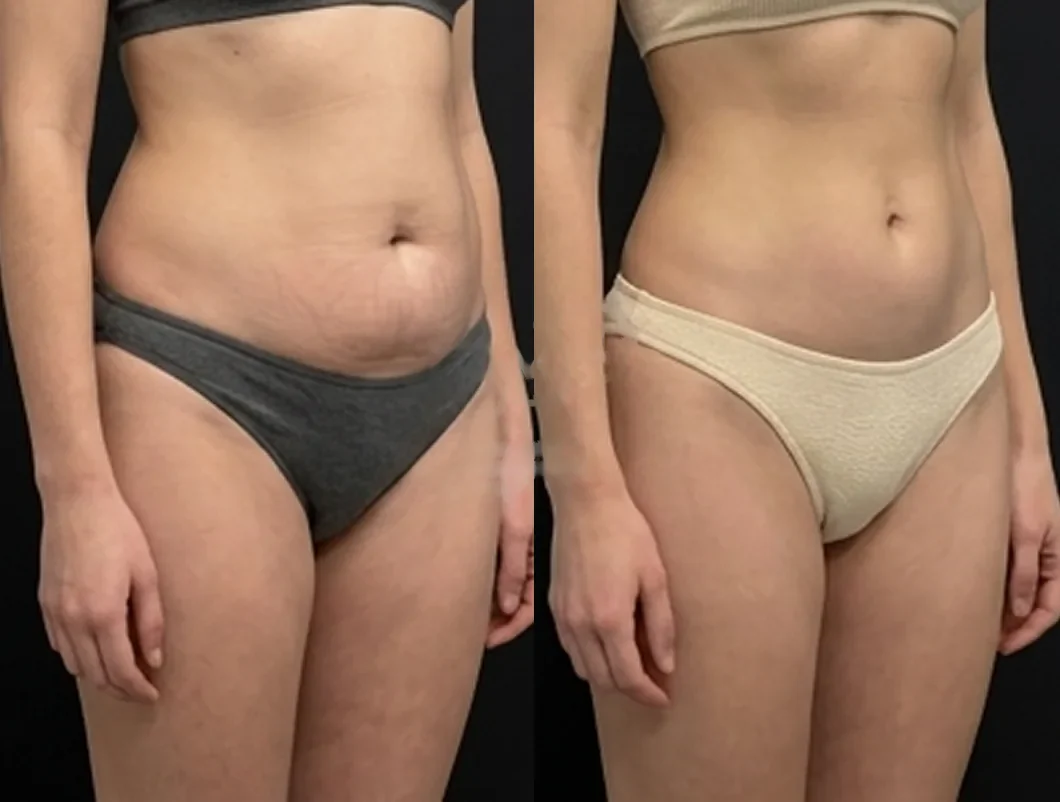
Abdomen and flanks

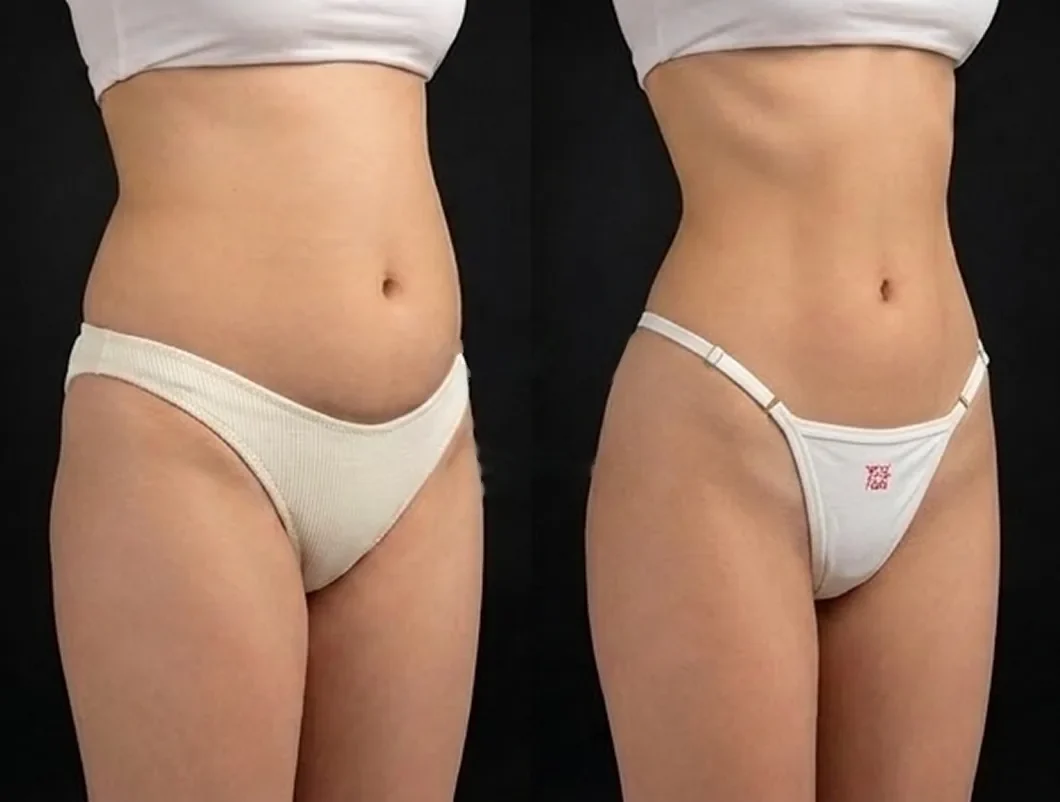
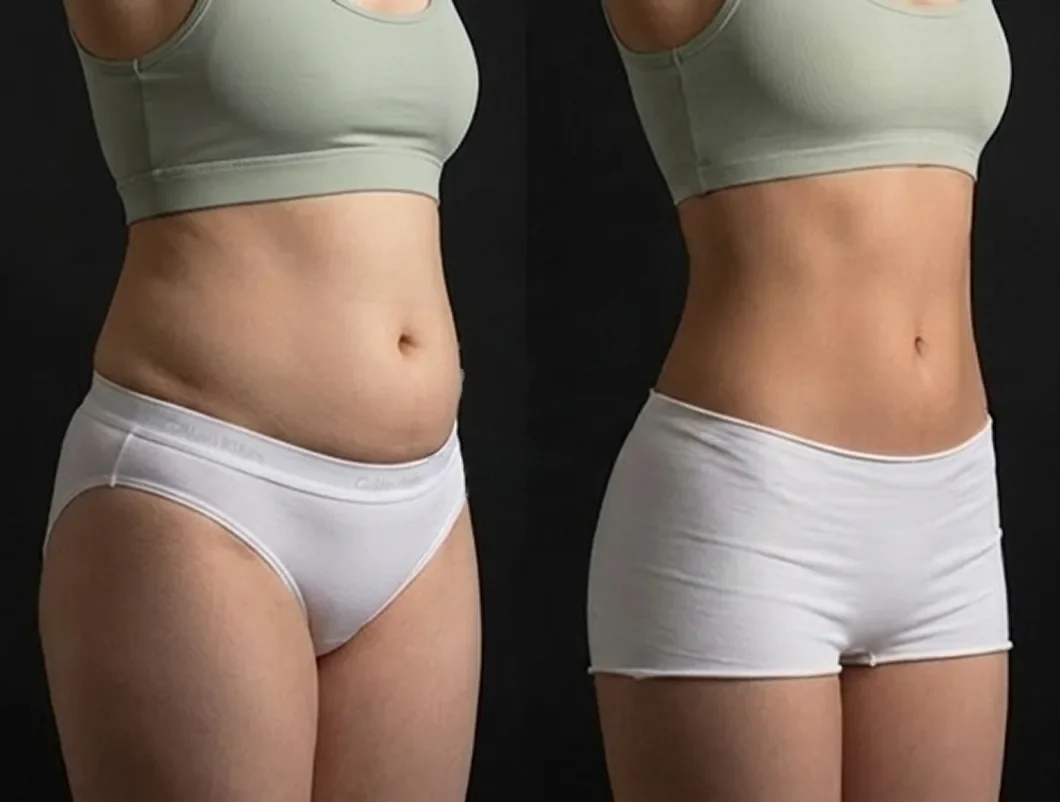
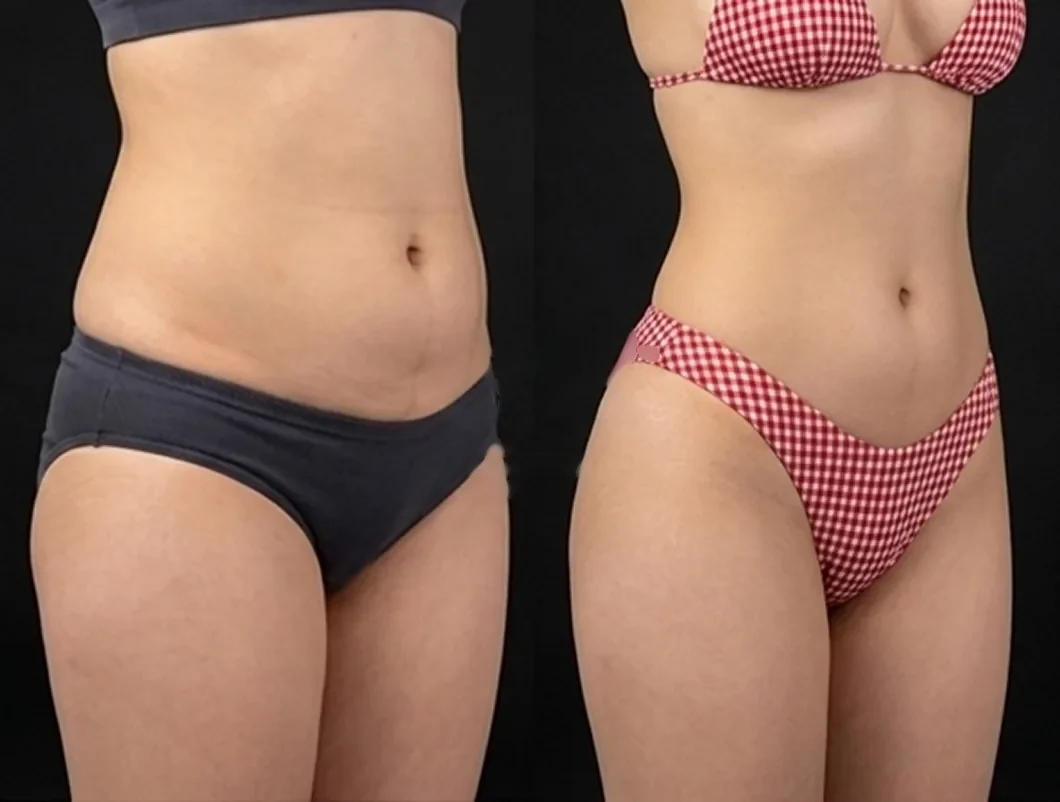
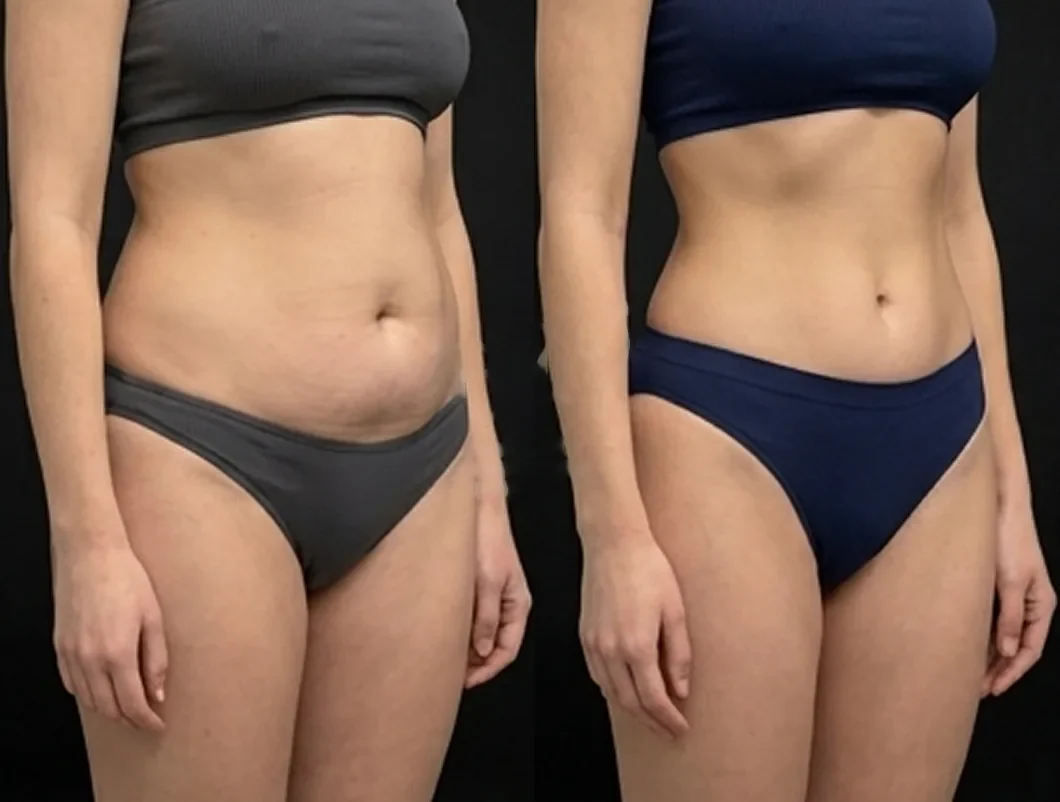
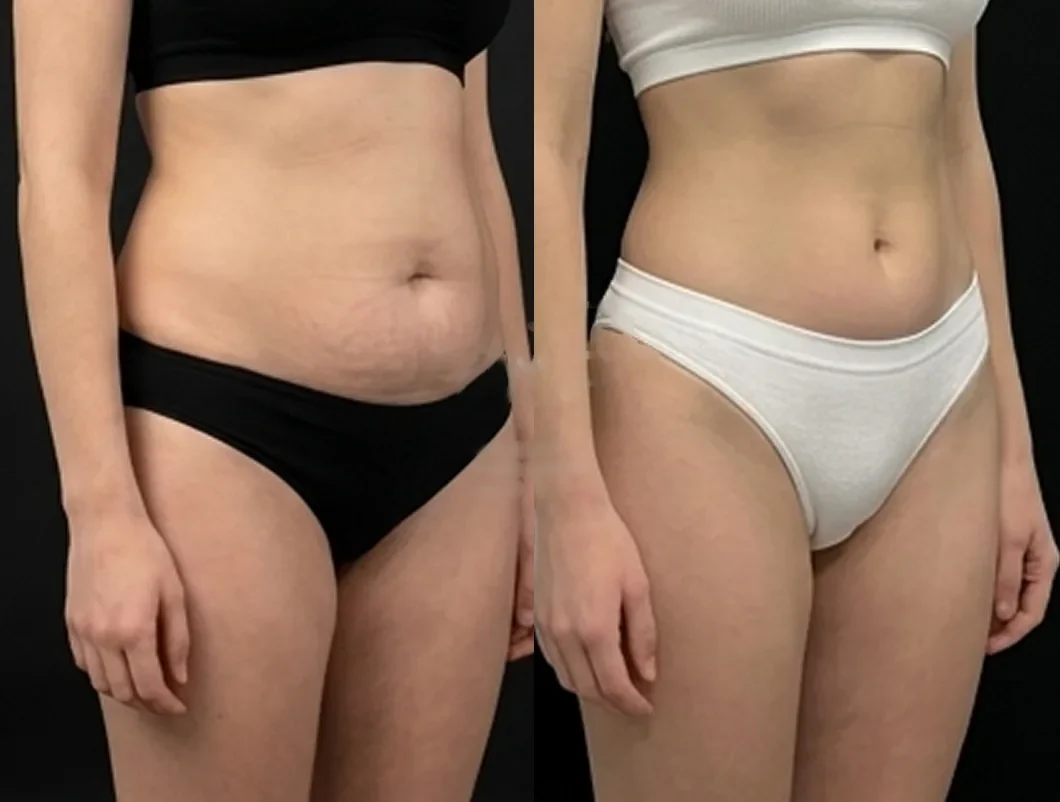
Liposuction of the abdomen and waist: before and after surgerybeforeafter
1 of 10

Comparison

Liposuction techniques

We use two liposuction techniques: tumescent (classic) and VASER (ultrasound). Compare the goal, the indications and the anaesthesia to choose the right technique together with your surgeon.

Tumescent liposuction

A special solution loosens fat for removal through a thin cannula
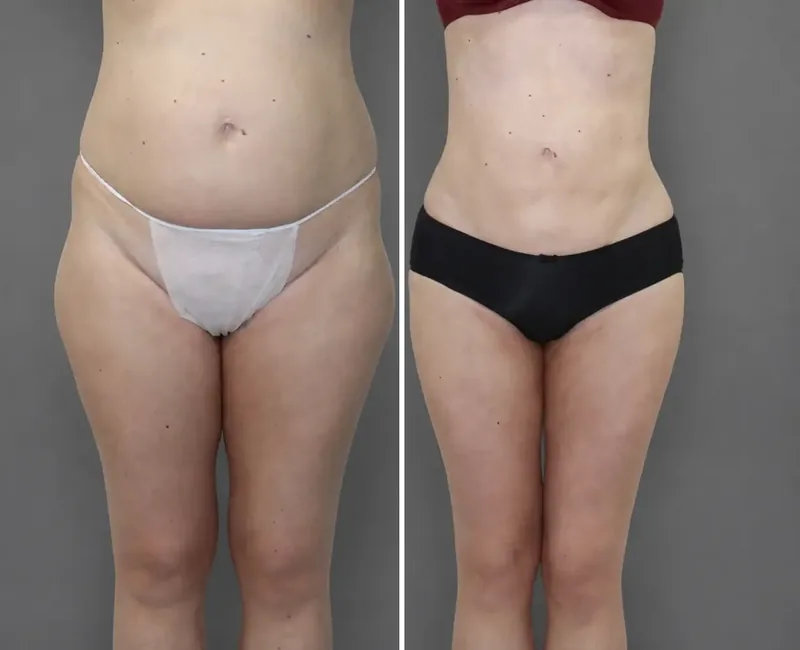
Tumescent liposuction: abdomen and thighs before and after surgery

from $1,200

Main goal
Removal of local fat with minimal blood loss
When it is done
Abdomen, flanks, thighs, back, arms, chin
Anaesthesia and stay
Local or general anaesthesia, home the same day or after 1 day

VASER liposuction

Ultrasound breaks down fat cells before vacuum removal
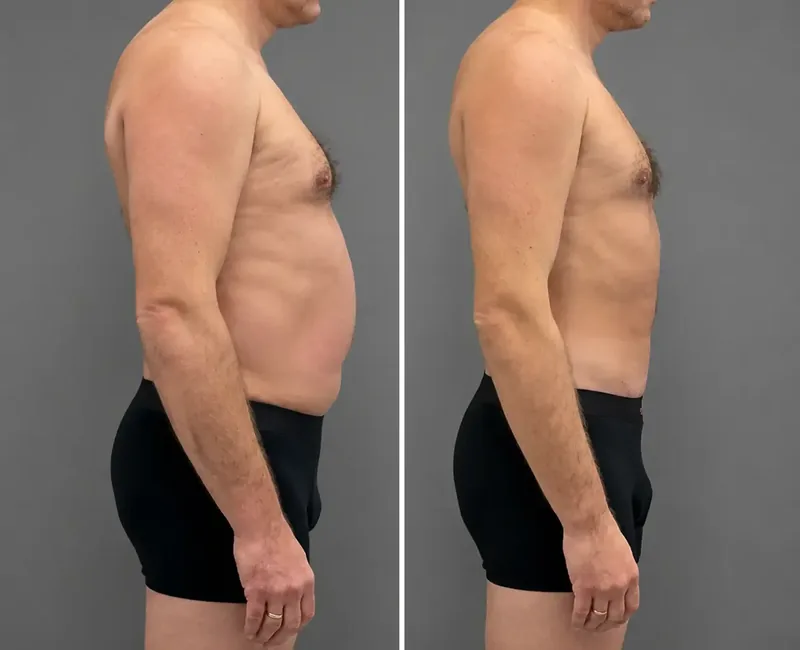
VASER liposuction: a male patient before and after surgery

Price at consultation

Main goal
Defined muscle relief and body contouring
When it is done
Athletic abs and delicate areas
Anaesthesia and stay
Local or general anaesthesia, 1–4 hours of surgery

The benefits and recovery times shown are averaged for each technique and given for guidance: the scope of correction and rehabilitation depend on your anatomy and individual features, and the surgeon confirms them at the consultation.

At the consultation the surgeon draws up a plan for your case and explains how your liposuction will go.

Free, before surgery and with no obligation.

Book a consultation

Areas we treat

Several areas in a single surgery mean less recovery time and a smaller budget

  • Abdomen and flanks

    The most requested area for women and men, often combined with abdominoplasty

  • Thighs (outer and inner)

    Fat pockets that resist training

  • Back and lower back area

    Back rolls that spoil the silhouette

  • Arms and shoulder area

    Something that shows up when it's warm

  • Chin and neck

    Small volume and a fast-appearing result

  • Knees

    A delicate zone that calls for precision

  • Chest (for men)

    The fat component of gynecomastia and pseudogynecomastia

About the clinic

A clinic where you can feel at ease

Modern equipment, comfortable rooms and care for every patient

A doctor and a patient in a clinic ward

Contact us the way that suits you

We will answer your questions and find a convenient time for a consultation

By messaging us, you agree to our Privacy Policy

Request a free call

Liposuction is not for everyone

If your case can be solved without surgery, the doctor will tell you so at the consultation — and you will not spend money for nothing.

Suitable

A surgeon shows a patient on a model and a monitor how the body contour changes after liposuction
  • Local fat that resists diet and exercise
  • Uneven subcutaneous fat
  • Disrupted body proportions
  • Silhouette changes after childbirth or weight loss
  • Fat component of gynecomastia in men
  • Good skin tone and elasticity

Not suitable

A surgeon discusses the indications and contraindications for liposuction with a patient
  • Being under 18
  • Expecting a baby or breastfeeding
  • Endocrine obesity
  • Decompensated diabetes
  • Problems with blood clotting
  • Serious heart, kidney or liver disease, cancer

Not sure the surgery is right for you?

Leave your number — the coordinator will call you back, and the surgeon will tell you whether liposuction suits you. No surgery booking needed.

Find out if it suits me

A surgeon goes through the treatment areas with a patient at the consultation

Prices

You know the price
before surgery

The final price is calculated individually after an examination and fixed in the contract.

Liposuction prices

  • First consultationFree
  • Flanks / waist liposuctionfrom $1,400
  • Thigh liposuction (outer)from $1,200
  • Thigh liposuction (inner)from $1,200
  • Liposuction of the torso (lower back, front abdominal wall, sides of the abdomen)from $3,600
Book a consultation

Find out your liposuction plan and price

The surgeon assesses the fat deposits and skin tone, listens to your wishes and chooses the right technique.
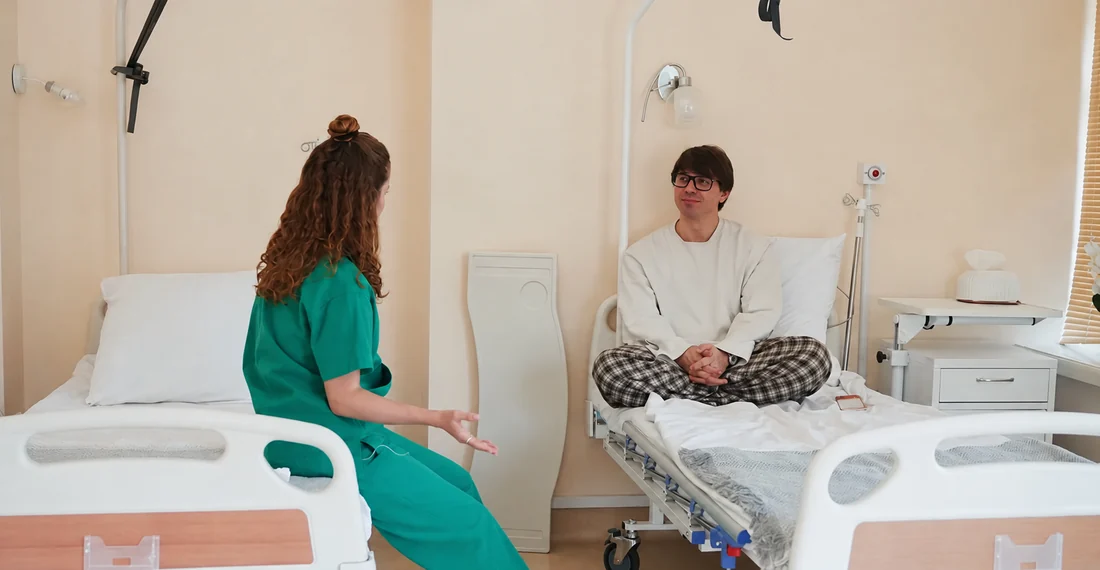
A nurse talks to a patient in a clinic ward

Message our coordinator

Free online consultation · Reply within 15 minutes

Message us on Telegram

By messaging us, you agree to our Privacy Policy
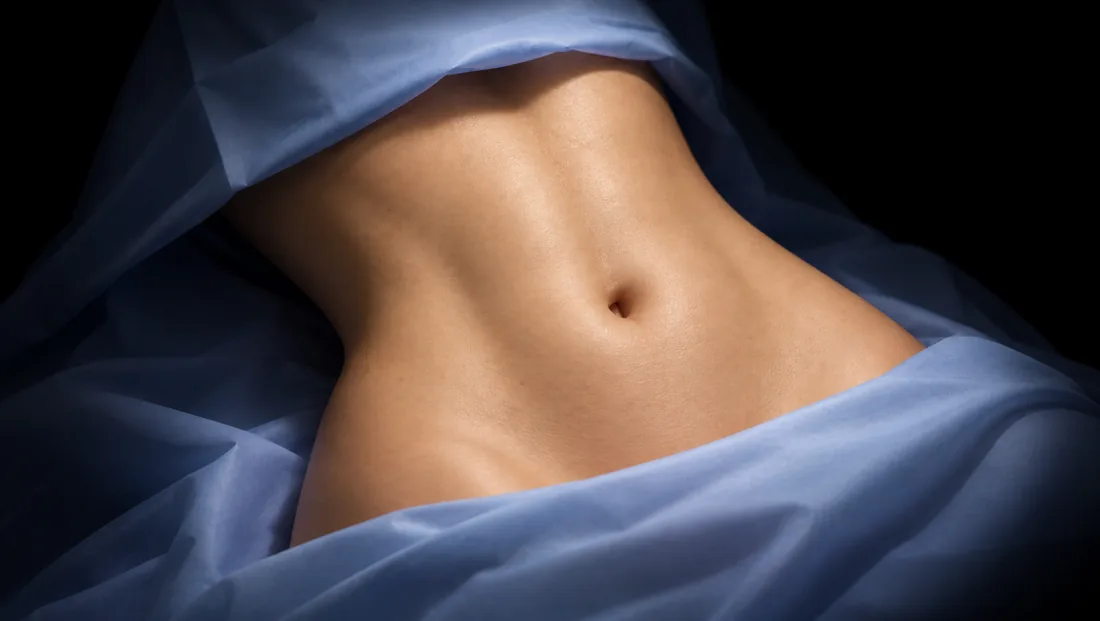
A patient before liposuction in the operating room

all inclusive

What the price includes

From preparation for surgery
to post-op check-ups.

  • All scheduled dressings
  • Scheduled post-op check-ups
  • A personal coordinator on call
  • Compression garments fitted on the day of surgery
  • A stay in a comfortable
    hospital ward with meals
  • Individual recommendations
    for recovery
  • Remote progress monitoring
    by photos

from $1,200

Book a consultation

How it works

From consultation —
to your new contour

An agreed treatment plan, careful monitoring after surgery and post-op check-ups.

A surgeon goes through the liposuction plan with a patient on a monitor1

Consultation
and the surgical plan

The surgeon listens to your wishes, assesses the fat deposits and skin tone and rules out contraindications. A hormonal screening is also ordered — it helps predict the long-term result.

Paying the deposit by card at the clinic reception2

Booking the date
of surgery

We reserve a surgery date for you: the deposit can be paid by card at the clinic or online by bank transfer. The terms are fixed in the contract for medical services

A blood sample tube for tests before liposuction3

Check-up before
surgery

Blood tests (complete count, coagulation panel, biochemistry, infections), an ECG, a chest X-ray and, if needed, a GP consultation. All tests can be done at the clinic with no waiting.

The surgical team during the operation4

Surgery

Marking the areas and fitting compression garments. Under local or general anaesthesia the surgeon removes fat through 3–5 mm micro-punctures — from 1 hour for small areas to 3–4 hours for a combined procedure.

A hospital ward at the clinic5

Waking up
and monitoring

With local anaesthesia you go home 3–4 hours after surgery; with general anaesthesia you stay one day in a comfortable ward under medical supervision.

A surgeon and a patient in the ward during recovery6

Recovery

Compression garments for 30–45 days. First changes show at 2 weeks, once swelling subsides; the final result forms in 3–6 months. Check-ups at 7 days, 3 and 6 months.
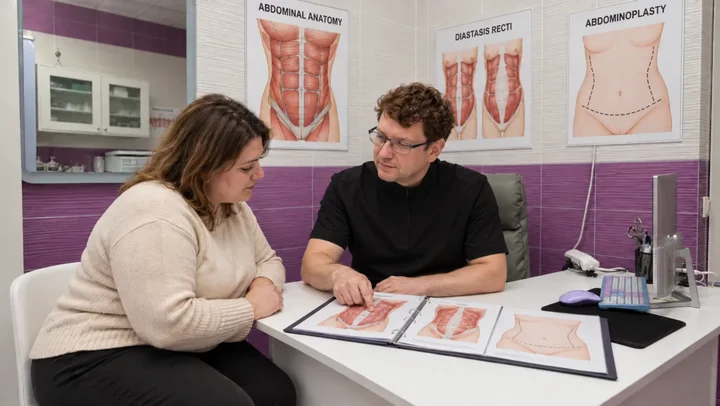
Book a free consultation — the surgeon will plan every step with you.

A doctor discusses the liposuction plan with a patient
Book a consultation
A doctor discusses the liposuction plan with a patient

After liposuction: recovery

After tumescent liposuction, recovery is much shorter than after a conventional procedure. Most patients return to work within 7–10 days. In the first week, mild swelling and a raised temperature are possible — a normal response to surgery. Compression garments are worn for 30–45 days: they fix the new contours and speed up tissue recovery. In the first month, bathhouse, sauna, pool and intense sport are off-limits. For the best result and faster recovery we recommend lymphatic drainage massage, pressotherapy and a gradual return to activity. First visible changes show 2 weeks after surgery, when the main swelling subsides; the final result forms in 3–6 months.

Post-op check-ups

After 7 days, at 3 months and at 6 months. Until the end of the year, get a post-surgery consultation with your surgeon to review results and get more information, at the clinic's expense.

Advantages

Why patients choose City Medical Centre

A surgeon discusses the liposuction plan with a patient at the consultation

Just find out — you lose nothing

At the consultation we discuss your wishes and assess the fat deposits and skin tone. Before surgery an endocrinologist rules out hormonal causes of the fat deposits — this improves the long-term result.

A surgeon on a video call with a patient after surgery

We stay with you after surgery

The surgeon follows your recovery and the new body contour at check-ups after 7 days, 3 and 6 months. Check-ups, dressings and aftercare advice are already included in the price of surgery.

A surgeon shows a patient a model and body contouring diagrams

A beautiful contour that fits your figure

Tumescent and VASER techniques, micro-incisions of 3–5 mm and precise volume control. Our aim is a smooth contour that keeps the natural proportions of your body.

A patient writes down a convenient visit time in her planner

Your schedule is our priority

We respect your time: we work 24/7, with easy booking and a personal approach — we adapt to your pace.

A surgeon shows a patient a tablet: no hidden fees

Fixed prices

After the consultation the surgeon defines the areas and the scope of surgery, and you get a clear price fixed in the contract — no hidden extras.

A surgeon visits a patient in the hospital ward after surgery

Round-the-clock care after surgery

With general anaesthesia recovery starts in a comfortable hospital ward under round-the-clock nursing care. The stay and meals are already included in the price.

FAQ

We answer what
people ask before booking

Liposuction in The Hague: price and what is included

Prices are in US dollars; the amount in brackets is an approximate conversion to EUR at the rate of 02.10.2026. The final price is fixed in your contract.

How much does liposuction in The Hague cost?

Prices start from $1,200 (≈ €1,100) per area. The surgeon sets the final price at the free consultation, and it is fixed in the contract, with no hidden extras.

What is included in the price?

The operation under local or general anaesthesia and the surgeon's support throughout recovery. The price is per area and fixed in the contract.

How do I get my exact price?

Message us on WhatsApp or Telegram using the buttons below. A coordinator will answer your questions and book a free consultation where the doctor names the exact price.

By messaging us, you agree to our Privacy Policy

Liposuction in The Hague: what you should know

The operation is performed for adults aged 18 and over with no contraindications, and there is no upper age limit: the decision is made individually after an examination. Contraindications include endocrine obesity, decompensated diabetes, blood clotting disorders, cancer, pregnancy and breastfeeding. Anyone from The Hague with a chronic condition should discuss it with a clinic doctor first.

Results appear in stages. The first changes show about two weeks after surgery as the main swelling subsides, visible contouring comes at 3–4 weeks, and the interim result is assessed at 1.5–2 months. The final contours form within 3–6 months, once the skin has fully tightened and the tissues have adapted. Patients from The Hague see the surgeon at check-ups after 7 days and 3 months.

One operation can cover several problem zones, and the price reflects that: from $1,200 (≈ €1,100) for a single area, calculated individually for combinations. The contract fixes the sum with no hidden extras, and instalments carry no interest. For patients from The Hague, a free surgeon consultation is the place to plan scope and cost together. Leave a request to book yours.

Stories of well-known people

Well-known people who spoke openly about this operation, in their own words.

All stories about this operation →

Compression garments and a mild North Sea summer

Liposuction recovery is built around one object: the compression garment. It is fitted on the day of the operation and worn for 30 to 45 days, according to the recovery schedule, and in the questions section for 4 to 6 weeks. The garment fixes the new contour and limits swelling, and it is worn day and night at the start. In a coastal city such as The Hague, where the sea sets the climate, the season you choose decides what it is like to wear it.

The climate table for the city (Valkenburg station, 1981 to 2010 normals) gives an average daily maximum of 6.4 °C in January and 7.1 °C in December, rising to 21.6 °C in July and 21.8 °C in August, with a yearly mean maximum of 14.0 °C. In winter a snug garment sits comfortably under jumpers and trousers, and nobody sees it. In July and August, with highs above 21 °C, you notice it more, and linen or thin fabrics show its outline. That is a point in favour of autumn or winter, though not a rule.

Warm weather is not the enemy. Compression garments are made for daily wear, and the doctor can advise on how many sets you need so that one is always clean and dry. Ask the coordinator about washing, because a garment that is washed and dried slowly in damp air will not be ready the next morning. The Hague receives 841.9 mm of rain across the year, with 89.2 mm in September, 89.9 mm in October and 90.4 mm in November, so autumn laundry takes patience.

The same schedule says: avoid bathhouse, sauna, pool and active sport for 4 to 6 weeks, and keep away from alcohol and tanning beds for at least a month. That timing matters for anyone planning to be at the Scheveningen seafront in summer, where the long sandy beach is the city's main attraction. Count backwards: if you want to swim in July, the operation should be in May or earlier, with a margin.

Here is a way to compare two candidate months with the numbers at hand. A November date sits in the wettest part of the year, with 90.4 mm of rain and only 68.2 hours of sunshine, so the first weeks are spent mostly indoors, in garments and soft clothes, and the walking you do is short and in mild cold. A May date has 52.7 mm of rain and 240.5 hours of sunshine, so you will want to be out, and the restriction on pools, saunas and active sport will feel stricter than it does in autumn. Your temperament decides which of the two is easier: some people recover well when there is little to miss, others when light and fresh air lift the mood.

Wind needs a mention as well. A seaside city is rarely still, and a damp wind on a cool day makes a freshly treated body feel the chill more, so a long coat or a warm layer over the garment is a practical help for short walks in the cold months. In summer the opposite holds: choose light layers that can be removed, and keep a water bottle at hand, since a snug garment on a warm afternoon is easier to bear when you are well hydrated.

Finally, think about transport and errands on the days when you are least comfortable. A trip to the pharmacy, a delivery that must be signed for, a parcel to collect: these are small tasks, but they make the first days feel long when they are left to chance. Order what you need a week before, keep a short list of the foods and drinks you will want, and arrange for deliveries to arrive when someone is at home. By the time the garment is on, the only job you have is to recover.

Local fat, not weight loss: which areas and what to expect

The procedure is meant for pockets of fat that stay put whatever you eat or however much you train. It is a way to reshape, not a way to lose kilograms, and cellulite is a skin question that it does not solve, although a smoother outline makes it less visible. Typical areas are the abdomen, the flanks, the thighs, the back, the arms and the chin, and, for men, the fatty part of enlarged breast tissue. Several areas can be done in a single sitting, for example belly with flanks, or the inner and outer thigh together; the doctor and you agree the scope.

Two techniques exist. In the tumescent one, a special solution softens the fat and a thin cannula takes it out with little blood loss. In VASER, ultrasound first breaks the fat cells down, and vacuum removal follows; this is chosen for sharper muscle definition and delicate zones. Both work through tiny punctures, 3 to 5 mm across, which usually do not need stitching. The anaesthetic is local or general depending on the amount of work, and the time on the table runs from about an hour for a small zone to 3 or 4 hours for a combined one.

Before any of this, the doctor looks at how much fat there is and at the quality of your skin. Skin in good condition follows the new shape by itself; where it is slack or marked with stretch marks, the clinic may suggest treatments beforehand. You will also be asked to take a hormonal screening, and an endocrinologist checks whether hormones lie behind the deposits, which helps the result last. If your weight keeps changing, the sensible first stop is a nutritionist or endocrinologist, not the operating room.

For the online estimate, the doctor needs front and side pictures of every area, taken in daylight without filters, together with your age, height and weight, plus any earlier operations and conditions. Without them a price would be a guess, and the coordinator will say if a different angle is needed.

Be realistic about what you are asking for. A smooth contour that keeps the natural proportions of the body is the aim, not a different body. Look at your photographs critically before sending them: they should show the real shape, not a flattering angle, because the doctor plans from what the images show. If the areas you point to are better dealt with by exercise, by a diet or by an operation of a different kind, such as a tummy tuck for loose skin, the answer you get will say so.

Women and men come with different expectations, and both are served by the same logic. After pregnancy or a large weight change the silhouette sometimes alters in ways that diet and training do not reach, and the doctor will ask about these events, about how stable your weight has been in recent months and about previous operations in the area. If you have loose skin as well as fat, liposuction alone may not give what you hope for. In that case a conversation about combining it with a tummy tuck, which the clinic does often for the abdomen, is the honest next step, and it can be held in the same consultation.

The first week, the first month and the long contour

After local anaesthesia you leave 3 to 4 hours later. After general anaesthesia you spend a night in a comfortable ward with medical staff nearby. Count on a week without effort and without heavy carrying. Most people are back at work and in their normal routine in 7 to 10 days, and during that first week a little swelling and a slightly raised temperature belong to the normal picture.

Changes appear step by step. Around two weeks the main swelling has gone and the first difference shows. At 1.5 to 2 months there is an interim result. Bruising and puffiness fade by the fourth or fifth week, and the final contour settles within 3 to 6 months as the tissues adapt. Do not judge the outcome at the end of the first month. Photograph yourself in the same light, at the same hour and from the same distance, so the comparisons are fair.

Appointments are set at 7 days, 3 months and 6 months, and further consultations with the doctor are open until the end of the year at the clinic's cost. Dressings, check-ups and aftercare advice are part of the price. Between visits you can write to the coordinator at any hour with photographs or questions.

Keeping the result is partly about habits. Fat cells that have been removed do not return, yet those that remain can grow with weight gain. No strict diet is required, but think ahead about eating during weeks when you move less, so your weight does not creep up unnoticed.

Daily life with the garment deserves rehearsal. Decide where you will keep a second set, how you will dry the first, which trousers and tops fit over it, and how you will sleep. Lay out your clothes for the first week in advance, so that you are not searching for something loose enough at the moment you are tired. A small bag of essentials near the bed saves a lot of bending in the early days.

Mood after body-contouring surgery is rarely discussed. In the second and third week, when swelling still hides the shape and the garment still limits clothes, impatience is common. This is normal, and it passes as the contour reveals itself. Write down in advance what you will do to keep busy: books, calls with friends, short walks that the doctor allows, small tasks that need no bending or lifting. A plan for the quiet days is as useful as a plan for the operation day.

Think of the first six weeks as a ladder. In the first week you rest and walk indoors. In weeks two and three the swelling is visibly smaller, and short walks outside become comfortable; the restrictions on exertion and heavy lifting still apply. By weeks four and five bruising and puffiness have mostly gone, but the garment is still worn and the sauna, pool and active sport remain off the list until the 4 to 6 week mark has passed and the doctor agrees. Only then do you return to the gym or to swimming, gradually and not on the first day.

One more piece of advice concerns visitors. Friends and relatives will want to see you, and a short visit can lift your spirits, but a long one tires you and tempts you to stand and host. Agree on a schedule: a couple of short visits in the second week and more once the restrictions ease. Say plainly that you cannot lift, bend or carry, and let others do those tasks.

Planning time: school runs, shifts and events

The practical questions are mostly about time. How many days can you spend without lifting? Who does the shopping and the school run? Do you work on your feet? A day shift in an office is quite different from a job in care or retail. Write down your constraints before choosing a date and send them with your photographs. The coordinator can then suggest a start date that keeps the quietest recovery days away from your busiest ones.

For an event, allow at least 4 to 6 weeks. Most swelling and bruising are gone by weeks 4 to 5, compression garments are worn for 4 to 6 weeks, and the final contour forms over 3 to 6 months. If the event is a beach holiday or a wedding in summer, that counts as a firm deadline: work backwards from the date, and choose your operation date with a margin of several weeks.

Calendar items in the city can help you think. The Scheveningen seafront has weekly fireworks in July or August, Parkpop is held on the last Sunday in June, and Vlaggetjesdag marks the arrival of the first herring. If you would like to attend any of these in a garment-free, fully recovered state, count back from the date, and remember that the contour continues to refine for months.

If you share the home with others, brief them. Someone should know the garment schedule, the restriction on lifting and the number of the coordinator. If you look after a child, ask a relative for help with lifting for the first week, and let the child know in advance that you cannot pick them up. These small arrangements are made in a quarter of an hour and save an unnecessary mistake.

Another practical item is the working day itself. A first week at home is realistic for most people, and a gentle return to a desk after that is common. A job on your feet, with lifting or with long hours of standing, needs a longer buffer, and it is better to arrange this with an employer before the date than to improvise afterwards. If you are self-employed, think about which tasks can be delegated or postponed, and which client meetings can be held by phone or video during the first days.

Health insurance, and what to ask your insurer

Everyone living or working in the Netherlands must have standard health insurance, which covers things like consulting a general practitioner, hospital treatment and prescription medication, and the government decides what the package contains. We cannot tell you how your policy treats liposuction, and we do not suggest it is covered. Body-contouring for aesthetic reasons is, as a rule, not what basic insurance exists for. If you think there is a medical reason, write to your insurer, describe the situation and ask for a written answer before you plan.

Our procedure information is explicit that liposuction is not a treatment for obesity. If your weight is a medical issue, the right conversation is with a doctor about bariatric options, where cover depends on indication. We discuss that separately for those who need it; a liposuction consultation will not pretend to be something else.

What you pay is stated in your contract after the consultation: the price is per area and fixed, and includes the operation, the garments fitted on the day, check-ups and dressings. You will not be asked to pay extra on the day.

When you speak to the insurer, keep the message short and factual: the name of the procedure, that it is planned electively, and a request to tell you in writing whether it would be reimbursed under your policy. Keep the reply. If the answer is no, you know where you stand before deciding, and the clinic's own price, fixed in the contract, is the only figure you need to compare with your budget.

Honesty about value is part of the process. Price is only one side of it; the other is what is included. Read the contract for the number of areas, the type of anaesthesia, the garments, the check-up schedule at 7 days, 3 months and 6 months, and the free consultations until the end of the year. Ask what happens if you need an extra appointment, and ask who answers your messages in the evening and at weekends. The answer to the last question is the coordinators, who are on WhatsApp and Telegram around the clock.

An online consultation from The Hague: how it goes and what to ask

The first consultation is free and starts in WhatsApp or Telegram. You send photographs and answer questions about your health, and the doctor reviews them and explains the options, the number of areas and the cost. Coordinators are available 24/7, so you can write in the evening or at the weekend. Only after the consultation, if you decide to go on, do you confirm the plan and dates; nothing is booked before that.

Preparation before the operation includes blood tests (complete count, coagulation panel, biochemistry, infections), an ECG, a chest X-ray and, if needed, a consultation with a general practitioner. Give up smoking, alcohol and medications that affect clotting, such as aspirin, 7 to 10 days before liposuction. The doctor gives instructions after the first consultation, and you can ask for them in writing.

Questions worth bringing: which technique do you recommend for my areas, local or general anaesthesia, how long will the operation take, how many garments do I need, what can I do and not do in the first week, and what does the check-up schedule look like? Also ask what you should do if you notice something unusual after you go home. The answer is on the instructions you receive, and the coordinator stays reachable.

Dress for the day of the operation in loose, soft clothes that open at the front or are easy to pull on, with flat shoes you can slip on without bending. Leave jewellery at home. Bring your documents, the test results and a list of your medicines, a phone charger, and a bag for the garment that you will take home. The coordinator sends the full list when the date is confirmed.

A word on how the conversation with the coordinator is best organised. Send everything in one thread so that the doctor, who reads the whole history, does not have to ask twice. Start with the areas that bother you in order of importance, then the photographs, then your health notes, then your dates. If something changes, such as a new medicine, a cold or a different schedule at work, say so in the same thread. The more precise the first message, the more precise the first answer, and the sooner you know whether the procedure suits you.

Keep a simple recovery diary from the first day. Note the date, how you slept, what you ate, how the swelling looks, your temperature if you are unwell, and a photograph in the same light. When you write to the coordinator at the one-month mark with a question about the contour, the diary lets the doctor see the progression rather than a single frame. It also protects you from the common mistake of comparing day 12 with day 90 in memory and being disappointed by something that is simply a normal stage.

Is autumn or winter better for liposuction in The Hague?

Neither is required. A compression garment is less noticeable under winter clothes, and January averages a daily maximum of 6.4 °C. Summer brings 21.8 °C in August and needs a plan for thin clothing. Choose the season you can protect.

How long should I wear the garment in warm weather?

The recovery schedule gives 30 to 45 days, and the questions section 4 to 6 weeks. The doctor names the exact period for your case, and the garment is worn the whole time, not only in cool weather.

When can I swim in the sea or visit a sauna?

Avoid bathhouse, sauna, pool and active sport for 4 to 6 weeks. Ask the doctor at the check-up before you go back.

Can liposuction replace a diet?

No. It is not a weight-loss method; it targets local fat deposits that resist diet and exercise. See a nutritionist or endocrinologist if your weight is unstable.

How soon can I return to work?

Most patients return within 7 to 10 days. Plan at least 7 days without physical strain, and more if your work is physical.

Will standard Dutch health insurance pay for liposuction?

The government decides the content of the standard package, and we cannot confirm cover for a cosmetic operation. Ask your insurer in writing.

Can arms and inner thighs be treated in one operation?

Often yes. Several areas are routinely combined, and the doctor defines the scope after reviewing your photographs and health.

Which photographs do I need to send from home?

Front and side views of each area, without filters, with age, height, weight, previous operations and health conditions.

How far ahead of an event should I plan?

At least 4 to 6 weeks, with a margin. The final contour forms over 3 to 6 months.