



























Message our coordinator
Free online consultation · Reply within 15 minutes
Message us on TelegramMessage us on WhatsAppBy messaging us, you agree to our Privacy Policy




Facelift and neck lift in The Hague: price and key facts
Facelift for patients from The Hague at City Medical Centre starts at €2,150 (from $2,400). The first online consultation is free; the doctor names the final price and it is fixed in the contract.
- Price
- €2,150 (from $2,400)
- Anesthesia
- general (inhalation)
- Recovery
- about 2 months to full recovery
- Final result
- 3–6 months after surgery
- How it works
- Send photos on WhatsApp or Telegram, get a free doctor assessment and the price, then confirm the plan and dates before anything is booked.
How it works · Facelift prices
Information current as of 24 October 2026



50 years
9 months

SMAS facelift

58 years
8 months
SMAS facelift

34 years
5 months
SMAS facelift

32 years
7 months
SMAS facelift

40 years
6 months
SMAS facelift

45 years
8 months
SMAS facelift

38 years
5 months
SMAS facelift

33 years
6 months
SMAS facelift
50 years
9 months
SMAS facelift
58 years
8 months
SMAS facelift
34 years
5 months
SMAS facelift
32 years
7 months
SMAS facelift
40 years
6 months
SMAS facelift
45 years
8 months
SMAS facelift
38 years
5 months
SMAS facelift
33 years
6 months
SMAS facelift


Marked sagging across the face and neck
A blurred jawline, jowls
Double chin, loose skin on the neck
Marionette lines and deep nasolabial folds
A heavy look caused by drooping brows
A marked loss of skin firmness after 40
Wish for a long-term result (7–10 years)

Age under 30
Skin in an acute inflammatory state
Being pregnant or currently breastfeeding
Severe cardiovascular disease
A blood-clotting disorder
Cancer
Decompensated diabetes
Facelift in The Hague: what you should know
As a rule, a surgical facelift is recommended from 40 with marked tissue sagging, and in some cases from 35; the recommendation is made individually after an examination. Contraindications include age under 30, acute skin inflammation, pregnancy and breastfeeding, severe cardiovascular disease, clotting disorders, cancer and decompensated diabetes. The Hague patients with chronic conditions should consult a clinic doctor first.
Here is the route in brief. A free consultation with an assessment of sagging. A choice between a SMAS, full, neck and lower face or endoscopic lift. Surgery under general anaesthesia. A stay in an inpatient room with meals and round-the-clock monitoring. Then 7–10 days of rest in a compression bandage and a year of follow-up. Patients from The Hague follow this same sequence.
Start with a free, no-pressure consultation: you get an assessment of your ageing type, an explanation of the expected result and answers on recovery. If you decide to proceed, a facelift costs from $2,400 (≈ €2,150), with anaesthesia, the inpatient stay, meals and a year of follow-up included, and 0% instalments available. People in The Hague can send a request online or message a coordinator.
Stories of well-known people
Well-known people who spoke openly about this operation, in their own words.
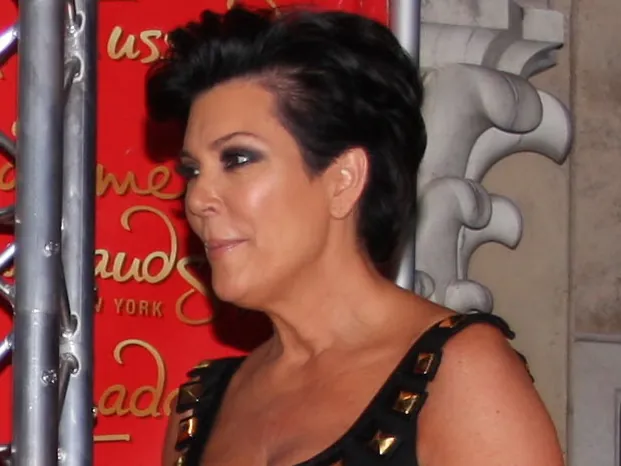 Kris Jenner’s facelift: “I love my facelift”Kris Jenner said she had a facelift about 15 years ago and a refresh before turning 70 — and that she loves it. How a SMAS facelift and recovery work.
 Did Vicki Gunvalson have a facelift? Yes, and she showed the result herselfVicki Gunvalson had a facelift in May 2018 after deciding fillers no longer looked like her. Her own words, how a facelift works and recovery.
 Keltie Knight’s facelift: why she decided to “just own it”Keltie Knight had a facelift in 2023 at 41 and chose to talk about it openly. What she said, how a SMAS facelift works and what recovery looks like.
 Did Linda de Mol have a neck lift? Yes, and she wrote about it herselfLinda de Mol wrote in LINDA. in 2025 that she had a neck lift. What she said, why she chose to be open, and how a face and neck lift works today.
 Linse Kessler and her facelifts: what she said herselfDanish reality star Linse Kessler has said openly that she has had several facelifts. Her words, how a modern facelift works and what recovery involves.
 Did Alice Bendová have a facelift? Yes, and she explained why herselfAlice Bendová confirmed a deep plane facelift in September 2026. Her words, how a facelift works, who it suits and what recovery looks like.
Facelift in The Hague: price and what is included
Prices are in US dollars; the amount in brackets is an approximate conversion to EUR at the rate of 02.10.2026. The final price is fixed in your contract.
- Faceliftfrom $2,400 (≈ €2,150)
What is a SMAS facelift?
It is a face lift that tightens the deep SMAS layer under the skin, not only the skin itself, so the lower face, jawline and neck stay firmer for longer. The result lasts about 7–10 years.
How much does a facelift in The Hague cost?
Prices start from $2,400 (≈ €2,150). The surgeon sets the final price at the free consultation, and it is fixed in the contract, with no hidden extras.
What is included in the price?
A one-to-one consultation, the medical team, anaesthesia, inpatient care with meals, 24/7 monitoring and twelve months of follow-up by the surgeon.
How do I get my exact price?
Message us on WhatsApp or Telegram using the buttons below. A coordinator will answer your questions and book a free consultation where the doctor names the exact price.
By messaging us, you agree to our Privacy Policy
Scars behind the ears and a sea-facing city: why sun and wind matter
A surgical SMAS facelift works through incisions hidden along the hair margin and around the ears. That placement is the reason the scars are discreet, and it is also the reason that sun, wind and washing of the hair matter in the first weeks. In The Hague, a city on the west coast facing the North Sea, wind is a fact of everyday life, and a strong gust on a freshly operated face is something to plan for rather than to learn about on the esplanade.
The climate table for the city (Valkenburg station, 1981 to 2010 normals) gives 56.5 hours of sunshine in December and 71.7 in January, against 240.5 hours in May and 237.5 in July. For the facelift, that matters twice. First, strong light on healing skin is undesirable. Second, the swelling and bruising that fade in 2 to 4 weeks are more visible in bright light and more conspicuous on a sunny terrace than in a dim winter afternoon. If your priority is discretion, the darker months give cover; if your priority is to be ready for a summer event, count back from it.
A scarf and a wide-brimmed hat are the practical items. In the weeks after the operation, the doctor will say what you may wear around the face and ears, how tight a collar can be, and when a hat is acceptable. Do not choose your headwear before asking, because pressure on the ears and the incision line is exactly what should be avoided in the early days.
Sunscreen on scars is a topic for the doctor, too. We do not suggest products or dates; each case is different. What we say is that sun on fresh scars is a risk to the final look, and that a calm, shaded recovery is a better investment than a quick return to the beach.
A fortnight at home and two months to settle
The first 7 to 10 days are for rest, a compression bandage and reduced physical activity. Swelling and bruising fade over 2 to 4 weeks, and full recovery takes about two months. The first clear changes show after 3 to 4 weeks, when the swelling goes down, and the final look of the face arrives within 3 to 6 months. In practice, this means that you should not schedule video calls with clients, family photographs or a public appearance for the first fortnight, and should be cautious for a month.
Think about what your home needs. You will want to sleep with the head raised, avoid bending forward and lifting, and keep screens at a comfortable height so that you do not hold your head down. Stock soft food and straws if the doctor suggests them, and keep ice packs ready only if the instructions say so; do not improvise cold compresses on your own. The coordinator provides the written instructions, and it helps to read them twice before the date.
Work, again, is a matter of honesty. Remote work is easier than face-to-face; a job with meetings, customers or children is harder. If you must be seen, ask the doctor about concealing make-up and when it is allowed, rather than trying a product that might irritate the skin. A short list of upcoming appointments, sent with your first message, lets the coordinator suggest a start date that avoids the most visible days.
Mood is a real factor. In the first days a swollen, bruised face can be upsetting even when everything is going as expected. Agree with a friend or relative to be your contact: someone who can remind you that this is a stage. Photographs taken weekly show change you cannot see in the mirror day by day.
Rain deserves a line too. The city records 841.9 mm a year, with 89.9 mm in October and 90.4 mm in November, so an umbrella or a hood is a daily companion in autumn. In the early weeks, keep your face dry and out of the wind; a hood that rubs the ears is unsuitable, while a broad umbrella is kinder. Plan short outings with a clear route and a seat at the end, since fatigue arrives sooner than you expect.
Which lift? Four options and how to approach the choice online
Only surgical lifts are offered, and the scope is tailored at the consultation. The choices described are a classic SMAS lift for the mid and lower face, with results of 7 to 10 years; a comprehensive lift that adds forehead, temples and neck, with results of up to 10 years; a lift targeting the lower face and neck; and an endoscopic lift of the brow and temple, done through tiny punctures with scars hidden in the hair. A surgical SMAS lift repositions the muscle and fascia layer, which is why it differs from skin-only procedures.
From The Hague, you start with photographs: face on, both profiles and a three-quarter view from each side, with a neutral expression and with a gentle smile, in daylight, with hair pulled back from the face and ears. Add your age and your main concerns, such as jowls, a double chin, deep folds near the nose and mouth, drooping brows or loose skin at the neck. The doctor looks at the type and degree of ageing, then explains the expected result.
As a rule a facelift is recommended from 40 with marked tissue sagging, and in some cases from 35; contraindications include age under 30, acute skin inflammation, pregnancy and breastfeeding, and severe cardiovascular conditions. If you have a chronic illness, tell the coordinator in the first message. A facelift can be combined with eyelid surgery, rhinoplasty or double-chin liposuction, and the doctor decides on the combined scope.
Be wary of a single look in a photograph from another person. Bring your own aims: do you want a firmer jawline, a lifted brow, a smoother neck, or all of it? Your aims shape the conversation. The doctor also tells you what a facelift cannot do, and if a different, smaller step would suit you, you hear that before any decision.
Preparation and the first online consultation
The consultation is free, takes place online and creates no obligation. After it, if you wish to continue, there is an examination, the plan is set and the price is stated and fixed in the contract. The deposit reserves the date; nothing is booked before you have agreed the plan. Coordinators answer on WhatsApp and Telegram 24/7, so questions at midnight are normal.
Prepare a short medical history. Include chronic illnesses, regular medication, allergies, previous operations on the face or neck, smoking and alcohol, and any history of scarring. Stopping smoking before the operation helps healing; ask the doctor for the exact schedule and for the list of tests, which generally includes blood tests, an ECG and other examinations prescribed for the case.
Think about the hair. Incisions run near the ears and along the hair margin, so the doctor may give instructions about cutting, colouring and washing hair. Ask when you may colour your hair again and how soon you can visit a hairdresser. If you wear your hair very short, or if you wear a wig or hair pieces, say so.
Plan help for the day of discharge and for the first night at home. After the stay in the inpatient unit, you will have a compression bandage and instructions; having a trusted adult at home, even for one evening, is reassuring.
Write down the three things you want from the operation and the three things you fear. Send them with your photographs. A list like this makes the consultation concrete: the doctor can answer your fears directly, and you can see whether your aims match what a lift can do. It also gives you something to return to when you decide.
Insurance, instalments and what is in the price
In the Netherlands the government decides the content of the standard health insurance package, which includes hospital treatment. We cannot say how your insurer treats a facelift, and we do not promise reimbursement; a facelift is an aesthetic operation and, as a rule, is not what basic cover is meant for. If you think there is a functional or medical reason, ask your insurer in writing what documents they need and keep the reply.
The price is calculated individually after the examination and is fixed in the contract. It covers a consultation with the doctor, the medical team, anaesthesia, inpatient care with meals, 24/7 monitoring and twelve months of follow-up. In-house 0% instalments are available, which means you can pay in parts without bank interest; ask the coordinator how they work for your plan.
Remember that a surgical facelift gives a full result in one operation and the effect lasts about 7 to 10 years. A repeat is possible after that if you wish. This is why many patients regard the decision as one to take in calm, with time, and why a free consultation without pressure is worth using before anything else.
How long should I stay indoors after a facelift in The Hague?
The first 7 to 10 days are for rest and a compression bandage. Swelling and bruising fade over 2 to 4 weeks. The doctor says when outdoor walks and sunlight are acceptable.
Is winter a better season for a facelift?
December has 56.5 hours of sunshine, against 240.5 in May, so the darker months give more cover and less sun on scars. It is a preference, not a rule.
Can I wear a hat or scarf during recovery?
Ask the coordinator first. Pressure on the ears and the incision line should be avoided in the early days, and the doctor sets the rules for your case.
Which photographs do I send for an online assessment?
Face on, both profiles and three-quarter views, neutral and smiling, in daylight, hair pulled back, plus your age and concerns.
From what age is a surgical facelift considered?
Usually from 40 with marked sagging, and in some cases from 35. The doctor decides after examination.
Can a facelift be combined with eyelid surgery?
Yes. It can be combined with blepharoplasty, rhinoplasty or double-chin liposuction, and the doctor decides on the scope.
Does Dutch basic health insurance pay for a facelift?
The government decides the standard package, and we cannot confirm cover for an aesthetic operation. Ask your insurer in writing.
How long does the result last?
About 7 to 10 years for a surgical SMAS lift. The final look of the face arrives within 3 to 6 months.