City Medical Centre · multi-specialty surgery clinicOpen 24/7

Body Contouring with Liposuction in Lublin

Free consultation

from $1,200

The price is fixed in the contract before surgery

Message us on WhatsApp

Free online consultation · Reply within 15 minutes
Real case
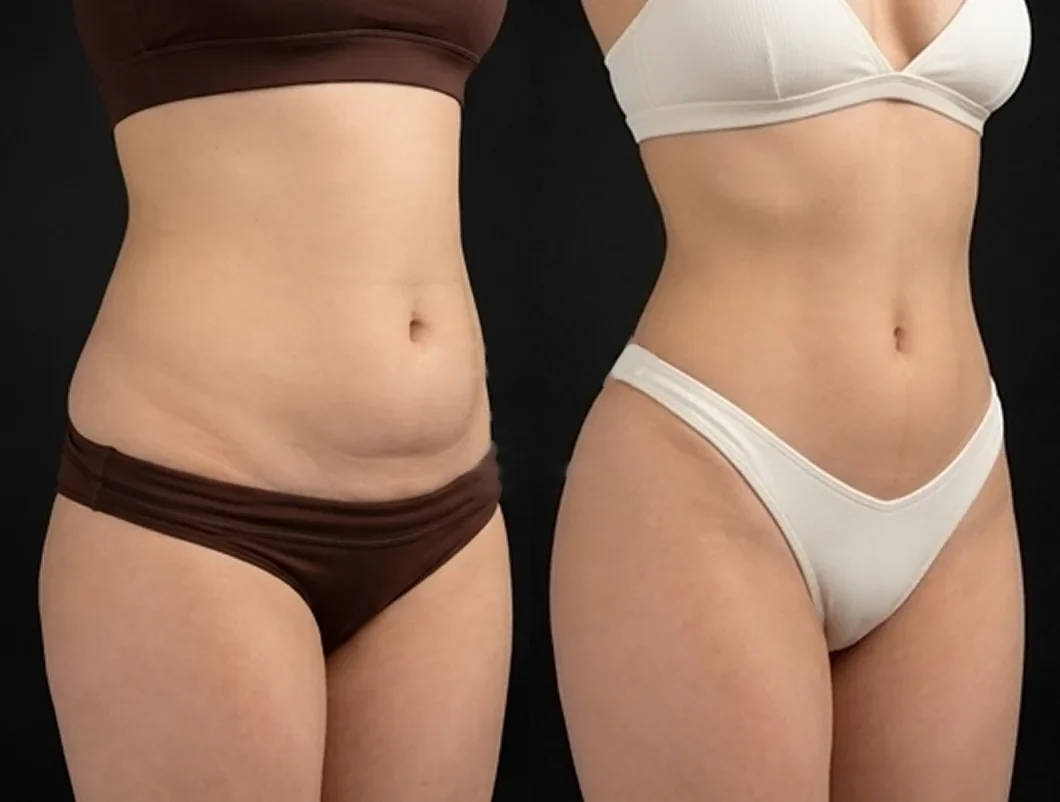
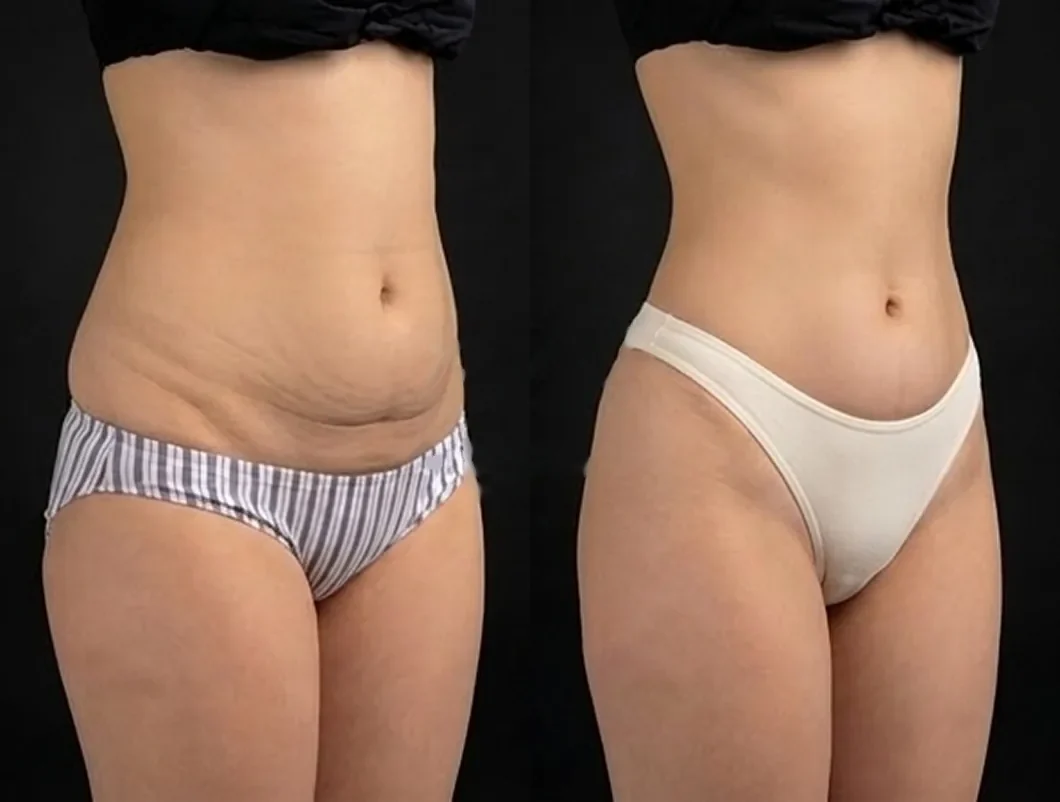
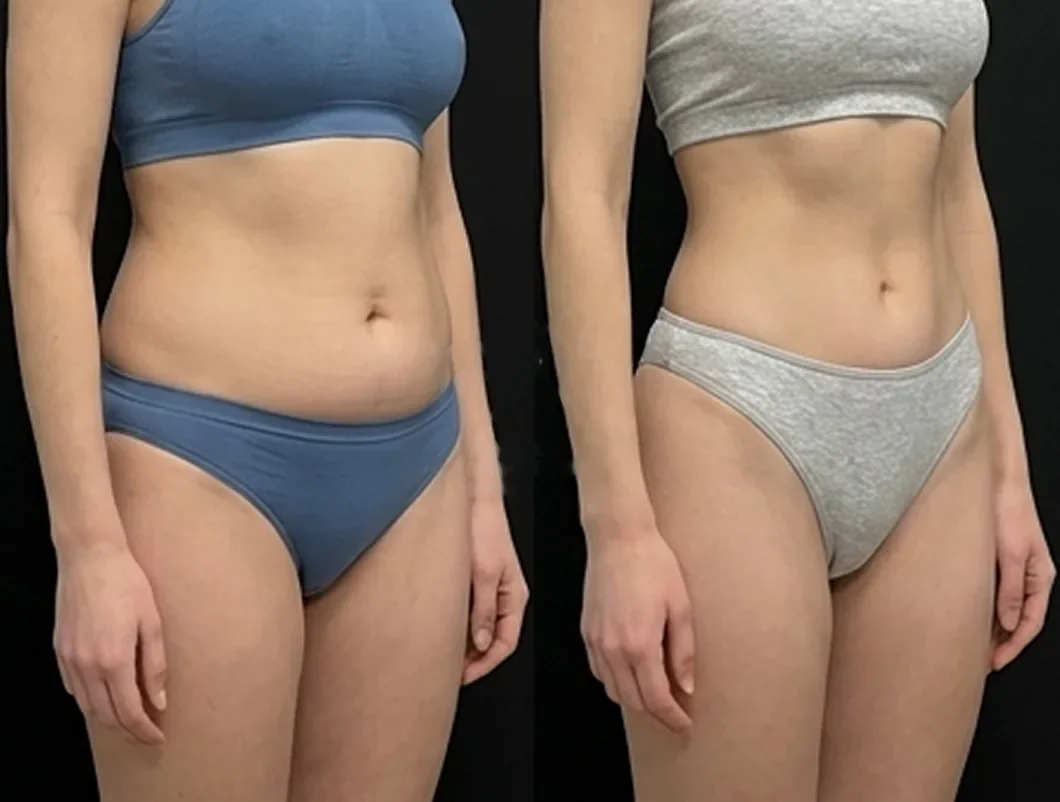
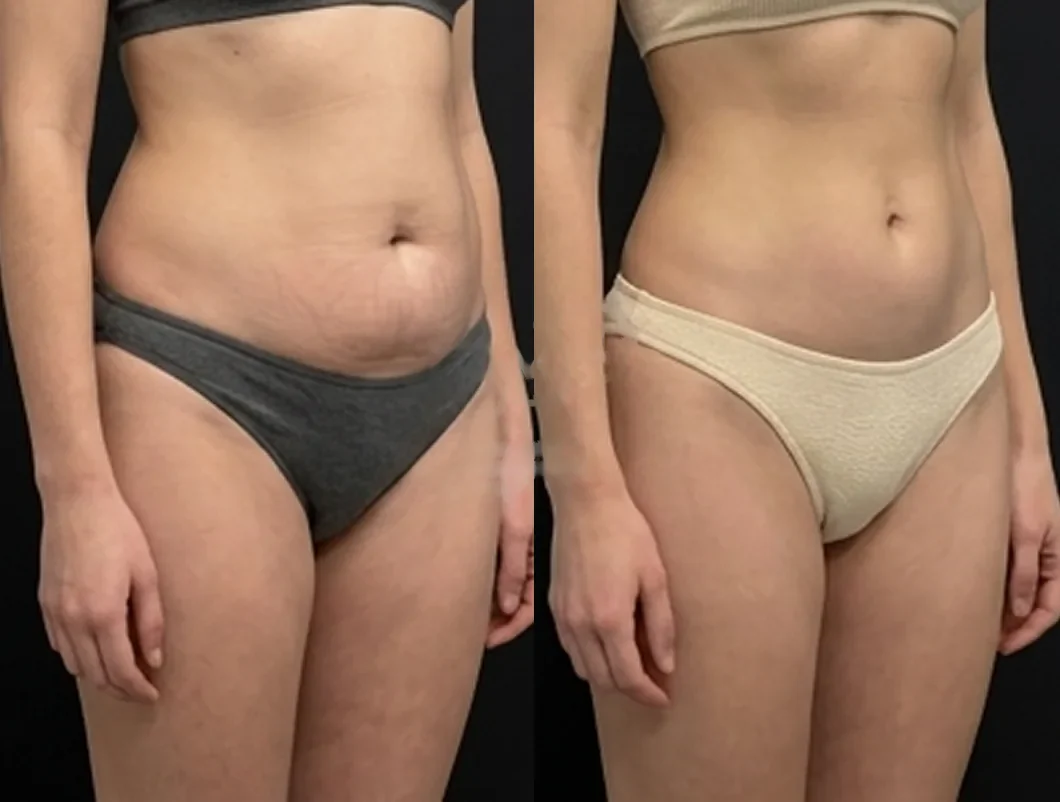
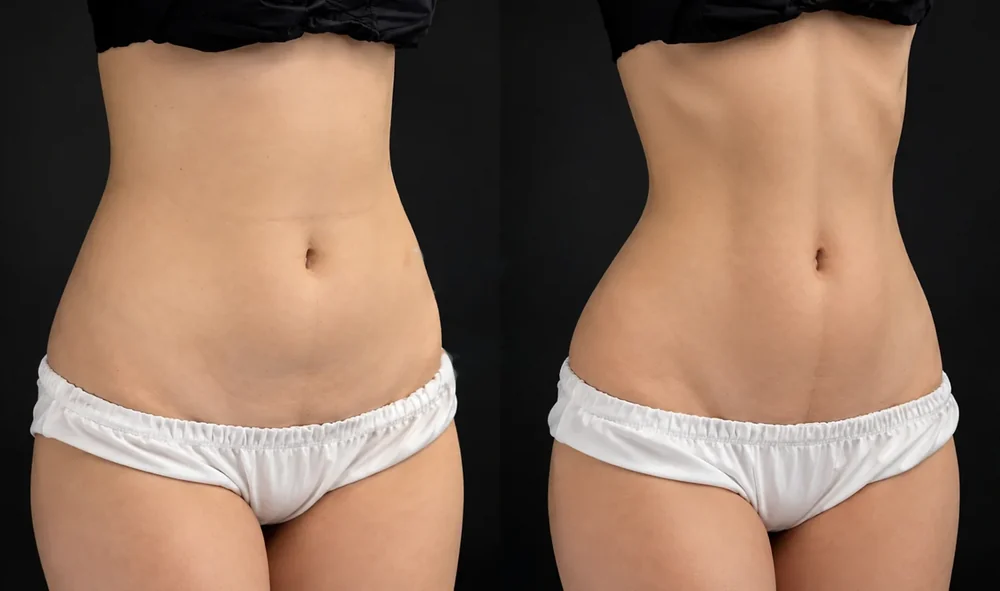
Liposuction: a patient's abdomen and flanks before and after surgery before after
Stubborn local fat that diet and exercise don't shift. Your plan is set at the consultation

Message our coordinator

Free online consultation · Reply within 15 minutes

Message us on Telegram

By messaging us, you agree to our Privacy Policy

Liposuction and fat removal in Lublin: price and key facts

Liposuction for patients from Lublin at City Medical Centre starts at PLN 4,700 (from $1,200). The first online consultation is free; the doctor names the final price and it is fixed in the contract.

Price
PLN 4,700 (from $1,200)
Duration
1–4 hours
Anesthesia
local or general
Stay
home the same day (local anesthesia) or after 1 day (general anesthesia)
Recovery
back to work after 7–10 days
Final result
3–6 months after surgery
How it works
Send photos on WhatsApp or Telegram, get a free doctor assessment and the price, then confirm the plan and dates before anything is booked.

How it works · Liposuction prices

Information current as of 24 October 2026

Free online consultation on WhatsApp and Telegram

Results

Liposuction and fat removal results
of our patients

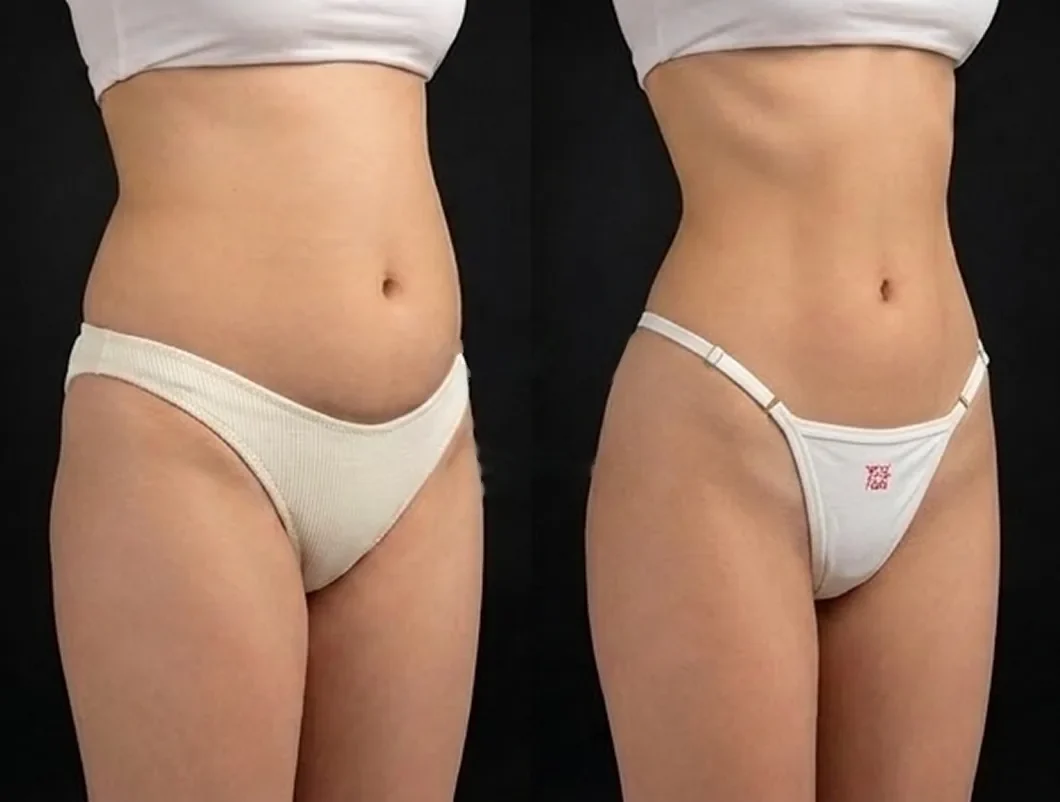
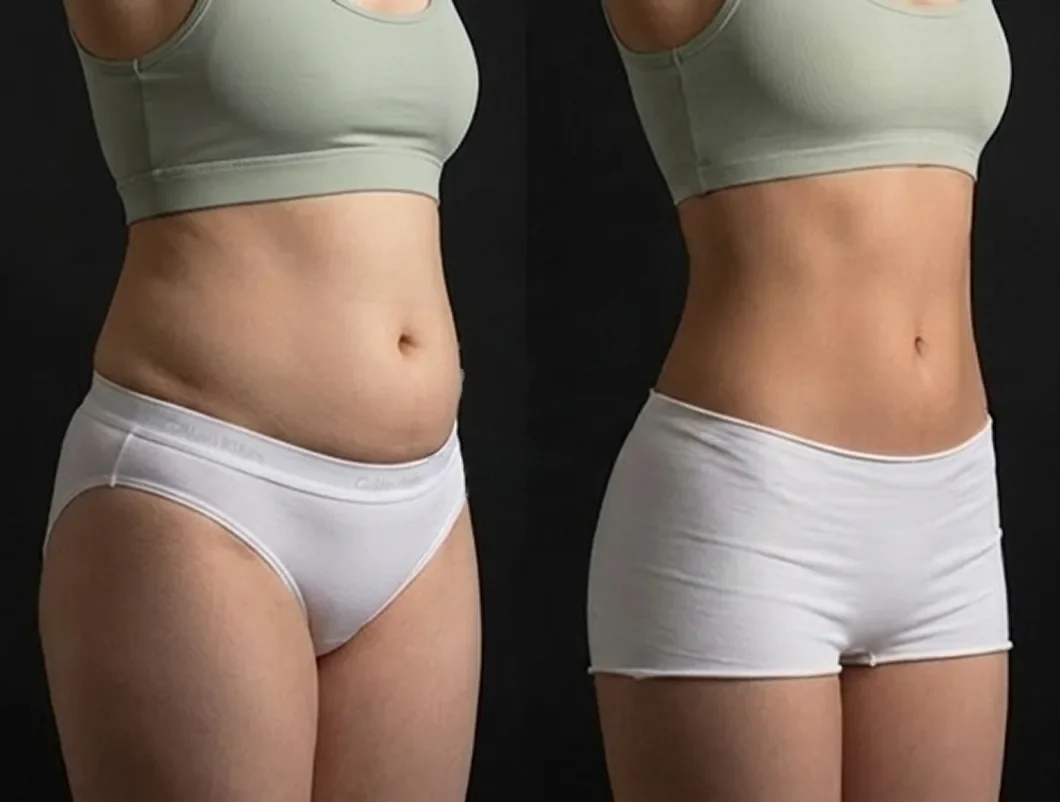
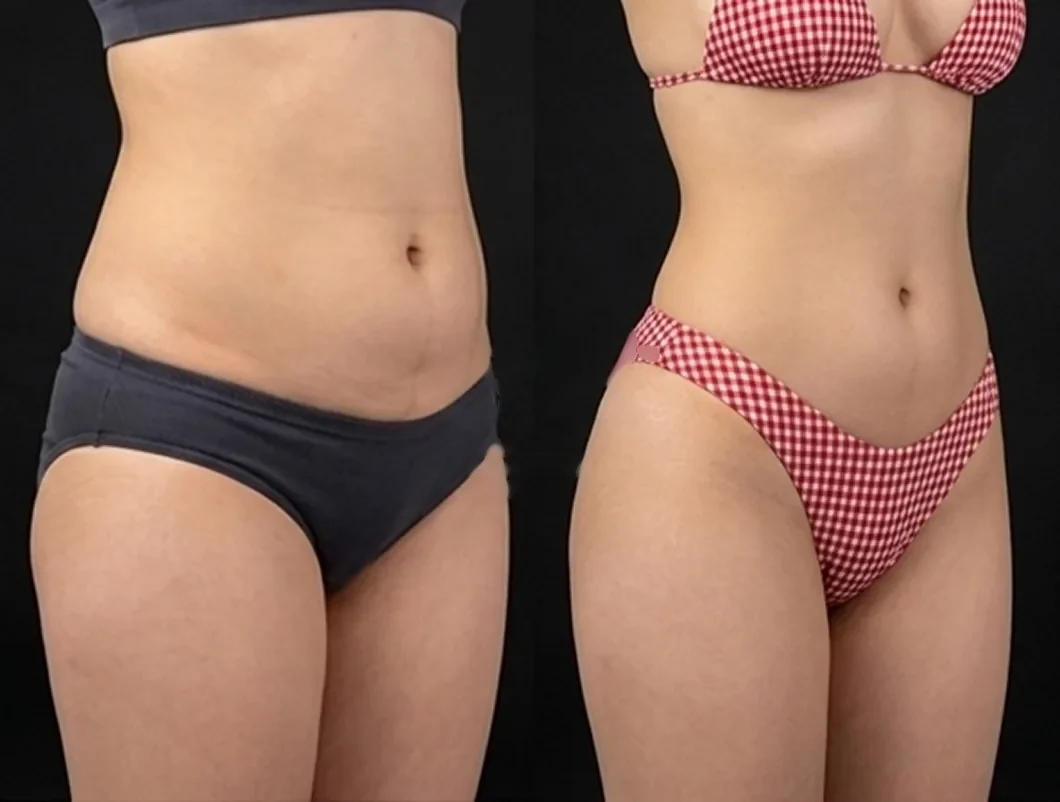
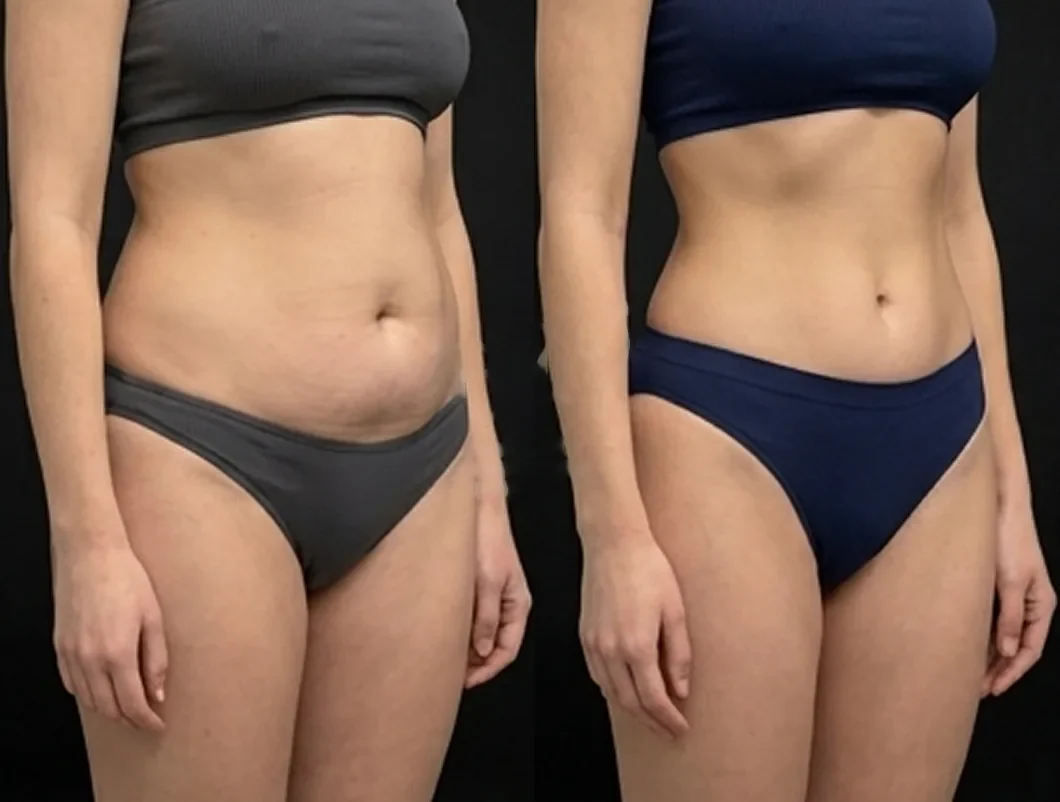
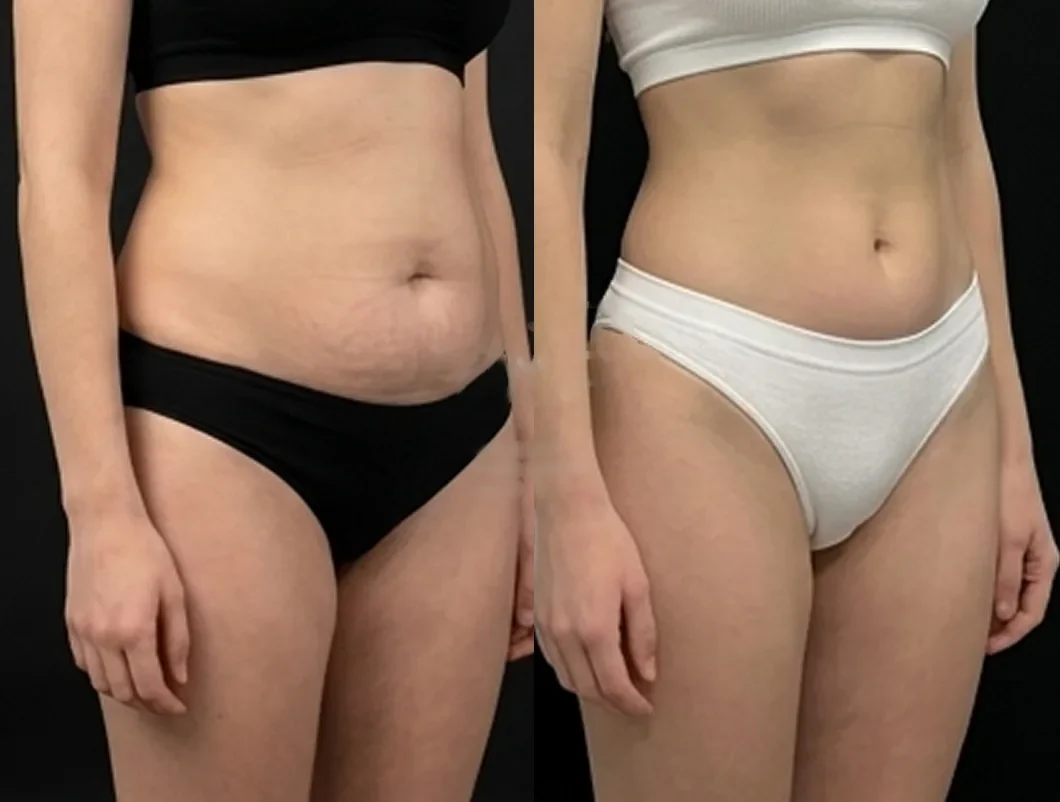
All cases are real patients. Faces and identifying details are hidden.

Abdomen and flanks

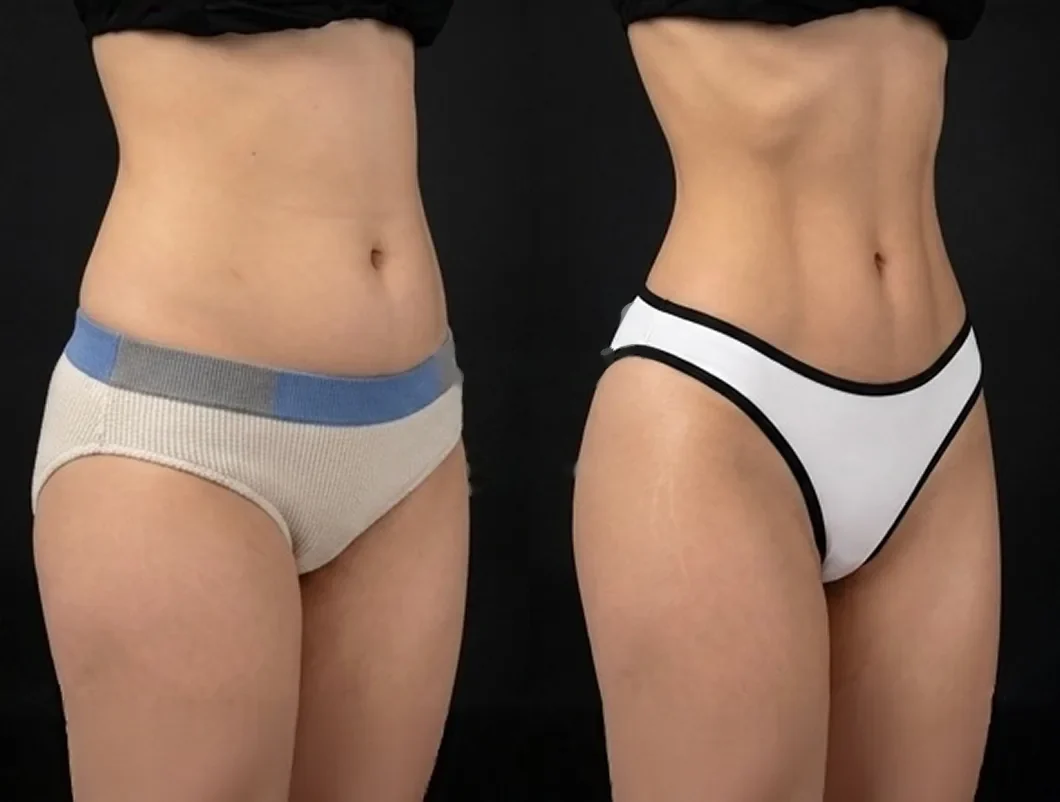
Liposuction of the abdomen and waist: before and after surgerybeforeafter
1 of 10

Comparison

Liposuction techniques

We use two liposuction techniques: tumescent (classic) and VASER (ultrasound). Compare the goal, the indications and the anaesthesia to choose the right technique together with your surgeon.

Tumescent liposuction

A special solution loosens fat for removal through a thin cannula
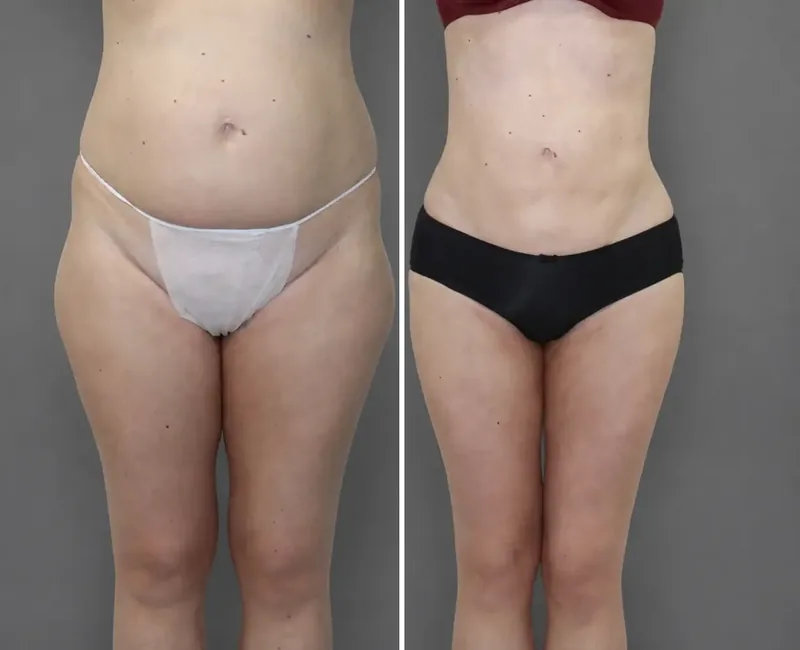
Tumescent liposuction: abdomen and thighs before and after surgery

from $1,200

Main goal
Removal of local fat with minimal blood loss
When it is done
Abdomen, flanks, thighs, back, arms, chin
Anaesthesia and stay
Local or general anaesthesia, home the same day or after 1 day

VASER liposuction

Ultrasound breaks down fat cells before vacuum removal
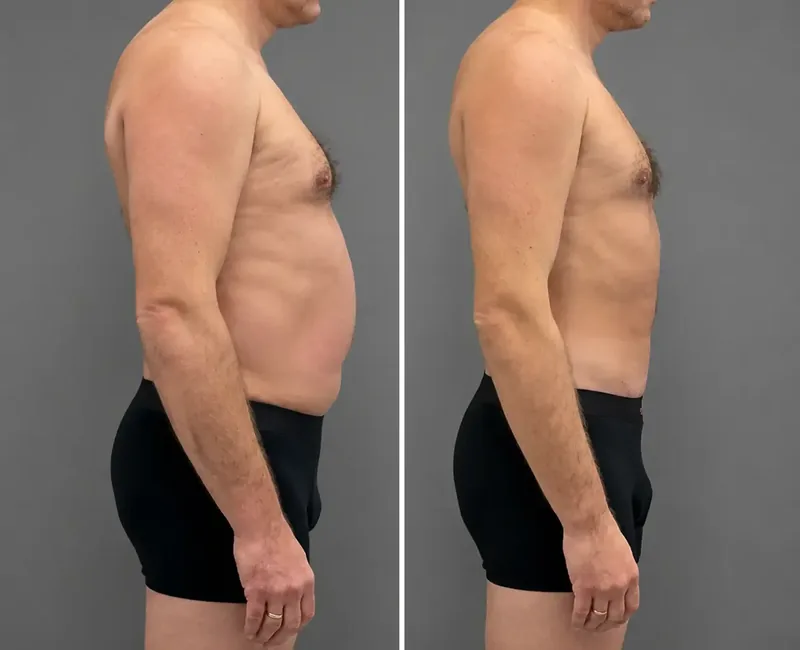
VASER liposuction: a male patient before and after surgery

Price at consultation

Main goal
Defined muscle relief and body contouring
When it is done
Athletic abs and delicate areas
Anaesthesia and stay
Local or general anaesthesia, 1–4 hours of surgery

The benefits and recovery times shown are averaged for each technique and given for guidance: the scope of correction and rehabilitation depend on your anatomy and individual features, and the surgeon confirms them at the consultation.

At the consultation the surgeon draws up a plan for your case and explains how your liposuction will go.

Free, before surgery and with no obligation.

Book a consultation

Zones we treat

You can treat several areas in one operation and save on both recovery time and cost

  • Abdomen and flanks

    The most requested area for women and men, often combined with abdominoplasty

  • Thighs (outer and inner)

    Fat deposits exercise doesn't reach

  • Upper and lower back

    Back rolls that spoil the silhouette

  • Upper arms and shoulders

    A concern that becomes visible in warm weather

  • Chin and neck

    A small volume with a fast result

  • Knees

    A delicate spot that requires precision

  • Chest (for men)

    Gynecomastia, pseudogynecomastia — the fat component

About the clinic

A clinic where you can feel at ease

Modern equipment, comfortable rooms and care for every patient

A doctor and a patient in a clinic ward

Contact us the way that suits you

We will answer your questions and find a convenient time for a consultation

By messaging us, you agree to our Privacy Policy

Request a free call

Liposuction is not for everyone

If your case can be solved without surgery, the doctor will tell you so at the consultation — and you will not spend money for nothing.

Suitable

A surgeon shows a patient on a model and a monitor how the body contour changes after liposuction
  • Local fat that resists diet and exercise
  • Uneven subcutaneous fat
  • Disrupted body proportions
  • Silhouette changes after childbirth or weight loss
  • Fat component of gynecomastia in men
  • Good skin tone and elasticity

Not suitable

A surgeon discusses the indications and contraindications for liposuction with a patient
  • Being under 18
  • Expecting a baby or breastfeeding
  • Endocrine obesity
  • Decompensated diabetes
  • Blood coagulation disorders
  • Serious heart, kidney or liver disease, cancer

Not sure the surgery is right for you?

Leave your number — the coordinator will call you back, and the surgeon will tell you whether liposuction suits you. No surgery booking needed.

Find out if it suits me

A surgeon goes through the treatment areas with a patient at the consultation

Prices

You know the price
before surgery

The final price is calculated individually after an examination and fixed in the contract.

Liposuction prices

  • First consultationFree
  • Flanks / waist liposuctionfrom $1,400
  • Thigh liposuction (outer)from $1,200
  • Thigh liposuction (inner)from $1,200
  • Torso liposuction — the front abdominal wall, sides of the belly, lower backfrom $3,600
Book a consultation

Find out your liposuction plan and price

The surgeon assesses the fat deposits and skin tone, listens to your wishes and chooses the right technique.
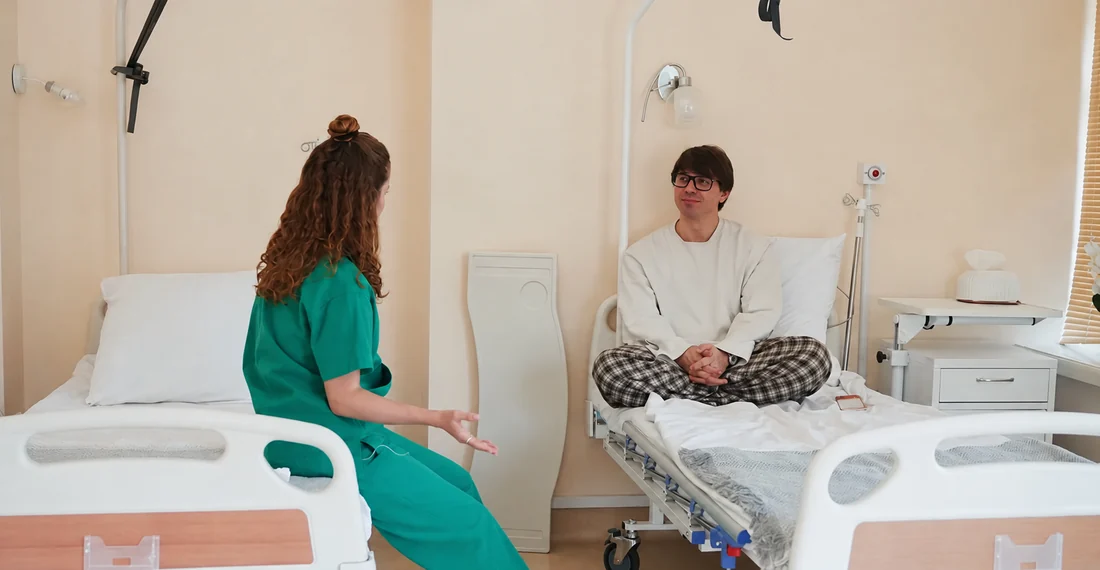
A nurse talks to a patient in a clinic ward

Message our coordinator

Free online consultation · Reply within 15 minutes

Message us on Telegram

By messaging us, you agree to our Privacy Policy
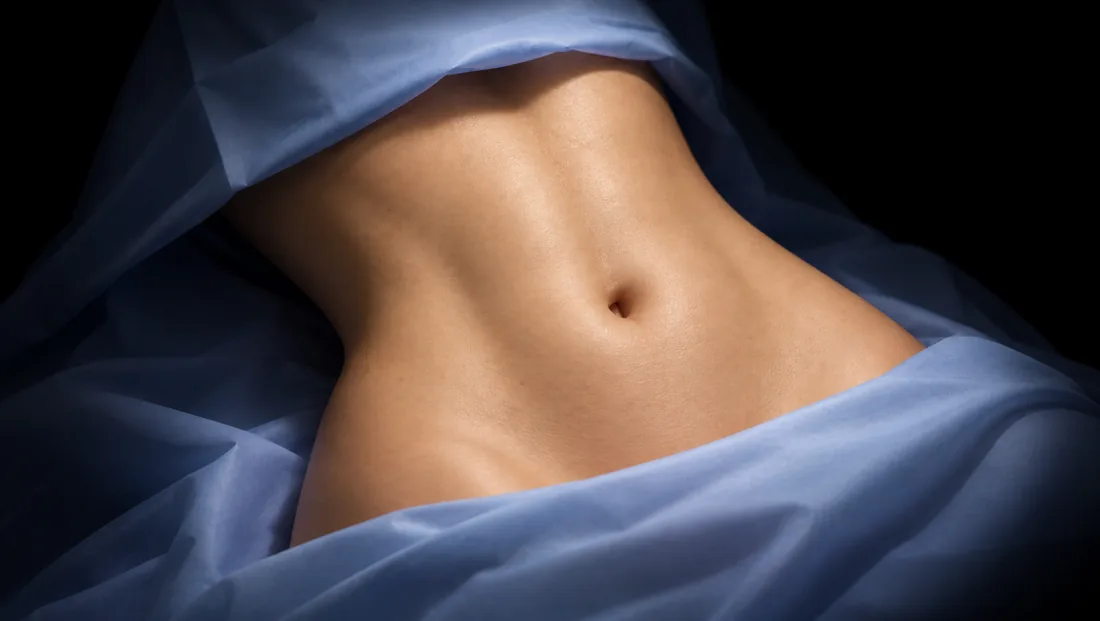
A patient before liposuction in the operating room

all inclusive

What the price includes

From preparation for surgery
to post-op check-ups.

  • All scheduled dressings
  • Scheduled post-op check-ups
  • A personal coordinator on call
  • Compression garments fitted on the day of surgery
  • A stay in a comfortable
    hospital ward with meals
  • Individual recommendations
    for recovery
  • Remote progress monitoring
    by photos

from $1,200

Book a consultation

How it works

From consultation —
to your new contour

An agreed treatment plan, careful monitoring after surgery and post-op check-ups.

A surgeon goes through the liposuction plan with a patient on a monitor1

Consultation
and the surgical plan

The surgeon listens to your wishes, assesses the fat deposits and skin tone and rules out contraindications. A hormonal screening is also ordered — it helps predict the long-term result.

Paying the deposit by card at the clinic reception2

Booking the date
of surgery

We reserve a surgery date for you: the deposit can be paid by card at the clinic or online by bank transfer. The terms are fixed in the contract for medical services

A blood sample tube for tests before liposuction3

Check-up before
surgery

Blood tests (complete count, coagulation panel, biochemistry, infections), an ECG, a chest X-ray and, if needed, a GP consultation. All tests can be done at the clinic with no waiting.

The surgical team during the operation4

Surgery

Marking the areas and fitting compression garments. Under local or general anaesthesia the surgeon removes fat through 3–5 mm micro-punctures — from 1 hour for small areas to 3–4 hours for a combined procedure.

A hospital ward at the clinic5

Waking up
and monitoring

With local anaesthesia you go home 3–4 hours after surgery; with general anaesthesia you stay one day in a comfortable ward under medical supervision.

A surgeon and a patient in the ward during recovery6

Recovery

Compression garments for 30–45 days. First changes show at 2 weeks, once swelling subsides; the final result forms in 3–6 months. Check-ups at 7 days, 3 and 6 months.
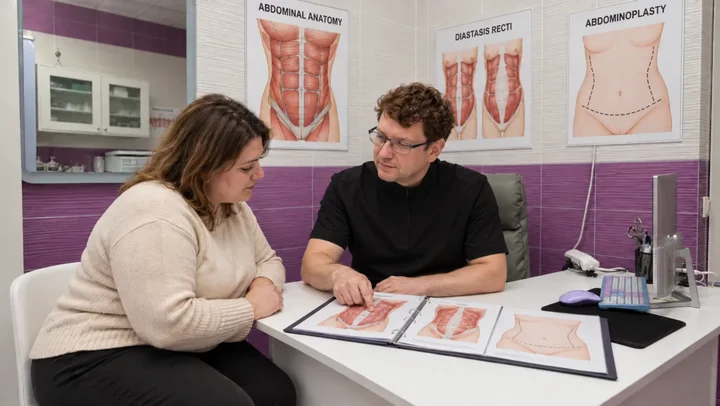
Book a free consultation — the surgeon will plan every step with you.

A doctor discusses the liposuction plan with a patient
Book a consultation
A doctor discusses the liposuction plan with a patient

Recovering after liposuction

After tumescent liposuction, recovery is much shorter than after a conventional procedure. Most patients return to work within 7–10 days. In the first week, mild swelling and a raised temperature are possible — a normal response to surgery. Compression garments are worn for 30–45 days: they fix the new contours and speed up tissue recovery. In the first month, bathhouse, sauna, pool and intense sport are off-limits. For the best result and faster recovery we recommend lymphatic drainage massage, pressotherapy and a gradual return to activity. First visible changes show 2 weeks after surgery, when the main swelling subsides; the final result forms in 3–6 months.

Post-op check-ups

After 7 days, at 3 months and at 6 months. Until the end of the year, get a post-surgery consultation with your surgeon to review results and get more information, at the clinic's expense.

Advantages

Reasons patients choose City Medical Centre

A surgeon discusses the liposuction plan with a patient at the consultation

Just find out — you lose nothing

At the consultation we discuss your wishes and assess the fat deposits and skin tone. Before surgery an endocrinologist rules out hormonal causes of the fat deposits — this improves the long-term result.

A surgeon on a video call with a patient after surgery

We stay with you after surgery

The surgeon follows your recovery and the new body contour at check-ups after 7 days, 3 and 6 months. Check-ups, dressings and aftercare advice are already included in the price of surgery.

A surgeon shows a patient a model and body contouring diagrams

A beautiful contour that fits your figure

Tumescent and VASER techniques, micro-incisions of 3–5 mm and precise volume control. Our aim is a smooth contour that keeps the natural proportions of your body.

A patient writes down a convenient visit time in her planner

Your schedule is our priority

We respect your time: we work 24/7, with easy booking and a personal approach — we adapt to your pace.

A surgeon shows a patient a tablet: no hidden fees

Fixed prices

After the consultation the surgeon defines the areas and the scope of surgery, and you get a clear price fixed in the contract — no hidden extras.

A surgeon visits a patient in the hospital ward after surgery

Round-the-clock care after surgery

With general anaesthesia recovery starts in a comfortable hospital ward under round-the-clock nursing care. The stay and meals are already included in the price.

FAQ

We answer what
people ask before booking

Liposuction in Lublin: price and what is included

Prices are in US dollars; the amount in brackets is an approximate conversion to PLN at the rate of 02.10.2026. The final price is fixed in your contract.

How much does liposuction in Lublin cost?

Prices start from $1,200 (≈ PLN 4,700) per area. The surgeon sets the final price at the free consultation, and it is fixed in the contract, with no hidden extras.

What is included in the price?

The operation under local or general anaesthesia and the surgeon's support throughout recovery. The price is per area and fixed in the contract.

How do I get my exact price?

Message us on WhatsApp or Telegram using the buttons below. A coordinator will answer your questions and book a free consultation where the doctor names the exact price.

By messaging us, you agree to our Privacy Policy

Choosing liposuction in Lublin

Which zones can be treated? The abdomen and flanks are the most requested, for women and men alike. Thighs (outer and inner), back and lower back, arms and shoulders, chin and neck, knees and the male chest are also corrected. Several areas can be done in one operation, saving recovery time and budget, which is why patients from Lublin rarely limit themselves to a single zone.

Some rules matter after surgery. For the first seven days, no physical exertion or heavy lifting. For 4–6 weeks wear compression garments and avoid the bathhouse, sauna, pool and active sport. Alcohol and tanning beds are off-limits for at least a month. Your surgeon gives individual advice, and people from Lublin can stay in touch with the surgeon throughout recovery.

How much is liposuction in Lublin? Prices start at $1,200 (≈ PLN 4,700), depending on the zone and the scope of surgery. Treating several areas in one operation often saves both recovery time and budget. The exact cost is confirmed once the surgeon has examined you, and it is then fixed in the contract. Start with a free consultation by sending a request or messaging us.

Stories of well-known people

Well-known people who spoke openly about this operation, in their own words.

All stories about this operation →

Between loess gorges and the flat eastern bank: what Lublin's terrain says about contouring goals

Lublin sits on the Lublin Upland, and the Bystrzyca river, a tributary of the Wieprz, divides the city into two different landscapes. The western part has varied relief and loess gorges. The eastern part is flat. The altitude range runs from about 163.6 m at the lowest point to 235.0 m at the highest. This matters for liposuction planning because the shape of the body that people want to change is usually shaped by daily movement. In a city with this much up-and-down, abdomen, flanks and outer thighs are used constantly, and the same areas are often the ones that stay stubborn despite regular effort.

Liposuction does not replace that effort. The consultation text we work from says plainly that the procedure targets stubborn local fat that does not respond to diet and exercise, and that it is not a weight-loss method. A person who walks the slopes of the western districts every day and still sees a roll above the waistband, or a heavy outer-thigh line, is exactly the kind of patient the doctor looks at first. Activity and diet decide the general condition of the body. Liposuction deals with the areas that remain out of proportion.

The areas most often discussed in a first conversation are the abdomen and waist, the outer and inner thighs, the back including the lower back, the arms, the chin and neck, the knees, and, for men, the fat component of the chest. Several areas can be treated in a single operation. This is routine rather than unusual, and it saves recovery time compared with separate procedures. For someone who lives in Lublin and plans the whole process online, combining zones also means fewer separate decisions, a single preparation phase and a single recovery period.

Two techniques are used. Tumescent (classic) liposuction loosens fat with a special solution so that it can be removed through a thin cannula, with minimal blood loss. VASER uses ultrasound to break down fat cells before vacuum removal and is chosen when the aim is defined muscle relief, for example athletic abdominal contours or delicate areas. The choice depends on the goal, the area and your anatomy, and the doctor confirms it after studying your photos and medical history. The figures given for each technique are averages. Your own scope of correction and recovery depend on your individual features.

A practical point about photographs: when you send images by WhatsApp or Telegram, use the same neutral light, the same distance and the same standing posture, front, side and back. Because Lublin has relatively little sun in winter, with only about 30 hours of sunshine in December against around 263 hours in June and July, daylight photographs taken near a window in the winter months can look flat and hide the real shadows of fat deposits. Evening indoor light from the side often shows contours more honestly. A coordinator can tell you if a set of images is not informative enough, and asking for a second set costs you nothing.

What the obesity statistics around Lublin do and do not tell you

Numbers about weight in Poland are sometimes used to make people feel ordinary or alarmed, and neither response helps a person deciding about liposuction. It is more useful to read them carefully. The Supreme Audit Office (NIK), using 2022 data, reports about 9,185 thousand adults with obesity nationally, which is 29.8% of the population. For Lubelskie voivodeship, whose capital is Lublin, its table gives about 481 thousand adults and 29.0%. The chart behind that figure is titled as a share of patients with overweight and obesity, so it is not an identical measure to straightforward prevalence, and the same text says overweight and obesity concern roughly 60-70% of residents depending on the voivodeship.

A separate national picture comes from the 2019 data cited in a 2026 report on specialist bariatric care. In that year 58.2% of Polish adults had overweight or obesity, compared with an EU average of about 53%, and obesity by BMI alone stood at 18%. A BMI above 40 occurs in about 300 thousand people and above 35 in more than 1.5 million.

What does this mean for liposuction? First, it means that many adults in the region are dealing with weight as a health matter, not as a cosmetic one, and that is a different medical route. The contraindications on our consultation list include endocrine obesity and decompensated diabetes. Liposuction is not a treatment for obesity, and the doctor will say so directly. If your weight is unstable, the recommendation is to see a nutritionist or endocrinologist first. Before any operation, a hormonal screening is ordered, because hormonal causes of fat deposits can change the long-term outcome.

Second, the statistics help explain why honest triage is part of a responsible consultation. If the photographs and the information you provide suggest that the situation is closer to the bariatric pathway than to local contouring, the doctor will tell you. In Poland, bariatric surgery is a publicly funded service in the insurance system, with a BMI of 40 kg/m² or above from age 18, or a BMI of 35-40 where weight loss may improve conditions linked to obesity. Those thresholds belong to a separate programme with a multidisciplinary pre-operative phase that usually lasts 3-6 months. They are not a measure of whether liposuction suits you. Our own list of unsuitable cases protects you from spending money on an operation that cannot solve your actual problem.

Third, the figures show why weight stability is the first question we ask. Removed fat cells do not come back, but those that remain can grow if weight rises. A person whose weight swings every few months will see the new contour change with it. A sensible approach is to hold a stable weight for a period before the operation, then keep a balanced diet and regular activity afterwards. A strict diet is not required, but nutrition matters for keeping the result.

If you are unsure which side of the line you are on, send your height, weight and recent weight history with your photographs. The doctor reads these together, not as separate numbers, and the conversation is free and carries no obligation to book surgery.

Compression garments from January frost to July warmth

Compression garments are worn for 30-45 days after liposuction. They fix the new contours and speed up tissue recovery. In Lublin the season you land in changes how that period feels, so it is worth planning around the calendar instead of treating it as a detail.

The climate is humid continental. In the 1991-2020 normals the warmest months, July and August, have mean daily highs of about 24.5 °C and 24.3 °C, with lows of about 13.6 °C and 13.1 °C. Summer is warm but not extreme for most of the period, though the record high of 38.0 °C, set in June, shows that hot spells do occur. A snug garment worn under summer clothes on a day approaching that kind of heat is uncomfortable, so a person recovering in June or July should think about breathable clothing, loose outer layers, shade and enough fluids, and should ask the coordinator about a second garment so that one can be washed while the other is worn.

Winter is the opposite. January has a mean maximum of about -0.1 °C and a minimum of about -4.9 °C, February is 1.6 °C and -4.2 °C, and December 1.2 °C and -3.3 °C. The record low is -33.7 °C in January. In those months the garment is easy to hide under layers and the extra warmth is often welcome, but heavy coats, boots on icy surfaces and the habit of hurrying along a slippery pavement all carry their own considerations. During the first week, physical exertion and heavy lifting should be avoided, and carrying shopping bags through snow is a form of lifting. Relative humidity is highest in November and December, around 89%, and the city averages 67.5 snowy days a year, so skin under a garment can feel damp more easily on a thaw day. Dry, clean cotton layers next to the skin are a simple answer.

Precipitation also matters in a small way. The year brings about 601 mm over roughly 167 days, with July the wettest month at about 82 mm, followed by May and June. February and January are the driest. Rain does not affect healing, but wet clothes over a garment, repeated changing and slipping in the rain are reasons to plan the first fortnight with fewer errands.

The restrictions on bathhouse, sauna, pool and intense sport for the first month are worth stating plainly, because Lublin summers include lakeside time. Zemborzyce Lake in the south of the city is an artificial reservoir created by damming the Bystrzyca, and it serves recreational functions. If you plan an operation in spring, you should not expect to swim there during the first month. Alcohol and tanning beds are also to be avoided for at least a month. Sun exposure on healing areas is something to discuss with the doctor, since the sunniest weeks of the year fall in June and July.

Neither season is better than the other. Winter allows layers and keeps scars out of the sun. Summer allows more walking but demands more care with heat and clothing. What matters is choosing consciously, and the coordinator can help you compare timing against work and family obligations.

Planning around Lublin's festival calendar and the academic year

Surgery is easier to plan if you know which weeks of your own year are busy. In Lublin, the calendar has recognisable peaks. The Night of Culture falls on the first Saturday night of June. The East of Culture follows in late June. Carnaval Sztukmistrzow and the Urban Highline Festival are held in the last days of July. The Jagiellonian Fair takes place in late August, and the St Nicholas Day Folk Music Festival is in the first decade of December. Student Culture Days last about three weeks between May and June. If you like to attend one of these, schedule the procedure early enough that the first two weeks, when swelling is at its maximum and compression is strictest, have passed. Most patients return to work and their normal routine within 7-10 days, but standing in a crowd, walking for hours or dancing in a snug garment is a different matter from sitting at a desk.

Students make up roughly 35% of the city's population, and the Catholic University of Lublin, founded in 1918, and Maria Curie-Sklodowska University are the main universities. Another estimate puts the number of students at about 70 thousand, with the latter university alone having over 20 thousand. For a student or someone working at a university, the academic rhythm has an effect on timing. Exam sessions and the end of semester are demanding periods. A recovery window of 7-10 days before returning to routine is realistic for most, but a thesis deadline during the first week would be an unwise combination. Lecturers and administrative staff may find the calendar gaps between semesters convenient, though what is open and what is closed depends on your own institution, not on anything we can promise.

Public holidays also shape the schedule. Poland has 14 public non-working days: 1 January, 6 January, Easter Sunday and Monday, 1 May, 3 May, Pentecost Sunday, Corpus Christi, 15 August, 1 November, 11 November, 24 December since 2025, and 25 and 26 December. Combined with ordinary weekends, some of these create long breaks. A planner might use a long break to avoid taking much leave, but there is a trade-off. Check-ups are at 7 days, 3 months and 6 months, so a procedure just before a long break should be arranged with the coordinator so that the first check-up does not fall in a slow week. The online format means that progress monitoring by photographs can continue regardless, and the coordinator answers round the clock on WhatsApp and Telegram.

Examples help. Suppose someone has an online consultation in late November 2026 and wants the result visible by the time of summer clothing. The final result forms 3-6 months after the procedure, with the first changes visible at two weeks and an interim result at 1.5-2 months. Counting back from the warm months, a spring procedure would still be in the interim stage in early summer. A late winter procedure would be nearer to the final shape. This is only arithmetic with the stated timeframes. Your own pace of healing is individual, and the doctor will not promise a date.

The point is to leave breathing room. Three or four weeks in which little else is demanded of you will make recovery calmer, and when the plan is written into the contract with the date, you can put it into your calendar alongside everything else.

Public insurance in Poland and what a contouring procedure is in that system

People in Lublin who are insured through the national system often ask whether liposuction can be reimbursed. The general principle published by the National Health Fund (NFZ) is clear. Services that are not listed in the catalogues of funded services are not financed by it, while within the funded range treatment is in most cases free for the insured patient. Contouring of local fat for aesthetic reasons is not part of the situation that public funding addresses. This is a private medical service, and its price is fixed in a contract before the operation.

Understanding the insurance system helps to avoid confusion. Health insurance in Poland is funded through a contribution calculated from personal income, a portion of which is deducted from tax and the remainder paid directly to NFZ. Uninsured patients pay the full cost of services. None of this changes how a private contouring procedure is priced, but it explains why a referral to a public specialist for the same purpose would not lead to a funded operation.

There is a second, practical connection: waiting lists. The NFZ rule says that for a given service a patient may be entered on a waiting list with only one provider, and that the original referral must be delivered within 14 working days of entering the list. If you are currently on a public list for something else, such as orthopaedic care, then arranging a private liposuction does not alter your place there. Waiting times in public care have been a topic in Poland. A ministry reply of August 2025 on orthopaedics reported that the average wait for hip replacement fell from 195 days in 2022 to 172 days in 2024, and for knee replacement from 242 to 214 days, although the source concentrates on one voivodeship and does not state clearly whether the figures are national. We mention it only to explain why patients value a process in which the dates are confirmed before anything is booked and where a preoperative check-up is completed without waiting.

If an underlying condition requires public treatment first, for example in the case of severe obesity, the national bariatric pathway has its own requirements. The Ministry of Health pilot programme from 2021 designated 15 centres, planned about 2,907 patients and described a pre-operative phase of usually 3-6 months with a multidisciplinary team. Since 1 January 2017 the NFZ tariff has had a separate group for surgical treatment of obesity covering all three types of bariatric operation. These details are for orientation. If you fall into that category, the doctor at the consultation will tell you that liposuction is not the right route and will not take your money for it.

For private contouring, what you can reasonably expect is simple: a price fixed in writing after the consultation, an explanation of what is included, and an itemised plan. The package covers preparation, all scheduled dressings, scheduled post-operative check-ups, a personal coordinator on call, compression garments fitted on the day of the procedure, a stay in a comfortable hospital ward with meals when general anaesthesia is used, individual recovery recommendations and remote monitoring of progress by photographs. If you have private health insurance, ask your insurer in advance whether a cosmetic procedure is covered. In our experience it usually is not, but the policy wording decides, and we cannot read it for you.

From the first photograph to the new contour: how the process runs for someone in Lublin

The consultation is online, and that shapes everything about the first stage. You send photographs on WhatsApp or Telegram, receive a free assessment and a price, and confirm the plan and dates before anything is booked. The coordinator replies within 15 minutes during the working conversation and is available 24/7, which suits shift workers, students with irregular timetables and anyone who prefers to write late in the evening.

At the consultation stage the doctor listens to what you want, assesses fat deposits and skin tone, and rules out contraindications. The list of unsuitable cases is specific: age under 18, pregnancy and breastfeeding, endocrine obesity, decompensated diabetes, blood coagulation disorders, and serious heart, kidney or liver disease or cancer. Suitable cases include local fat resistant to diet and exercise, uneven subcutaneous fat, disrupted proportions, silhouette changes after childbirth or weight loss, the fat component of gynecomastia in men, and good skin tone and elasticity. If the case can be solved without surgery, the doctor will say so.

Next comes the date. The deposit can be paid by card at the clinic or online by bank transfer, and the terms are fixed in the contract for medical services. Before the operation you have blood tests (complete count, coagulation panel, biochemistry, infections), an ECG, a chest X-ray and, when needed, a GP consultation. These can be done at the clinic with no waiting. Preparation also includes giving up smoking, alcohol and medications that affect clotting, such as aspirin, 7-10 days before the procedure.

On the day, areas are marked and compression garments are fitted. Under local or general anaesthesia the fat is removed through micro-punctures of 3-5 mm, which usually need no stitches. The operation lasts from 1 hour for small areas up to 3-4 hours for a combined procedure. With local anaesthesia you go home 3-4 hours afterwards. With general anaesthesia you stay one day in a ward under medical supervision.

Recovery follows the timeline already described: mild swelling and a raised temperature in the first week are a normal response, most people go back to work in 7-10 days, compression continues for 30-45 days, and bathhouse, sauna, pool and intense sport are out for the first month. Lymphatic drainage massage, pressotherapy and a gradual return to activity are recommended. Swelling and bruising disappear by weeks 4-5. The check-ups at 7 days, 3 months and 6 months are included, along with the remote photograph monitoring between them.

A final word on expectations. The aim is a smooth contour that keeps your natural proportions, not a different body. Liposuction does not directly treat cellulite, because it does not change the skin structure that causes it, although improved body contours can visibly reduce its appearance. Marks from micro-punctures are barely visible once healed, and they fade with proper care. If you have decided that you want to understand your own case before deciding anything else, write to the coordinator. It is free, the answer comes quickly, and nothing is booked until you confirm.

Does Lublin's cold winter make it a bad time to have liposuction?

Not necessarily. January has a mean maximum of about -0.1 °C and a mean minimum of about -4.9 °C, so layers easily hide a compression garment, which is worn for 30-45 days. The practical care points are slippery pavements, carrying heavy bags in the first week and keeping skin under the garment dry in damp months. The doctor will discuss timing with you at the online consultation.

Is summer in Lublin too warm for wearing compression garments?

Summer highs average around 24 °C in July and August, which most people tolerate well, though hot spells occur and the record high is 38.0 °C. Breathable clothes, shade, fluids and a spare garment help. Remember also that sauna, pool and intense sport are off-limits for the first month, so plan lakeside days accordingly.

Will I be able to swim at Zemborzyce Lake after the procedure?

Not in the first month. Pools, saunas and bathhouses are excluded during that period, and open-water swimming belongs in the same category of caution because of the healing punctures and the garment. Ask the doctor at the consultation when your own recovery allows it, since the answer depends on the area treated and how you heal.

Can Polish public health insurance pay for liposuction?

Services that are not listed in the catalogues of funded services are not financed by NFZ, and contouring of local fat for aesthetic reasons is not a funded treatment. The price for private liposuction is fixed in your contract after the consultation. Check any private insurance policy wording yourself before assuming cover.

Does a place on a public waiting list affect my plans?

No. The NFZ rule limits a patient to one provider for a given service on a waiting list, and the referral must be delivered within 14 working days, but this applies to the public service in question. A private contouring procedure does not change your position for unrelated treatment. If you are waiting for an operation that could interfere with anaesthesia or healing, tell the doctor so the order of events can be planned.

I am a student at a Lublin university. When should I schedule the procedure?

Choose a period with few deadlines and no exams. Most patients return to work and normal routine in 7-10 days, but swelling and bruising last until weeks 4-5, and intense sport is excluded for the first month. A quiet stretch between semesters or after a session is usually easier than a week before an assessment. The coordinator can match dates to your schedule.

Do the national obesity figures mean liposuction is suitable for me?

No. They describe the population, not you. Liposuction is for local fat that resists diet and exercise, not a way to lose weight, and endocrine obesity and decompensated diabetes are on the list of unsuitable cases. If your weight is unstable, the recommendation is to see a nutritionist or endocrinologist first. The doctor reads your height, weight history and photographs together.

How should I time the procedure around Polish public holidays?

Avoid having the first check-up, at 7 days, fall in a long break with nothing else arranged. Poland has 14 public non-working days, including the long December period and the May holidays. Because progress monitoring by photographs is remote and coordinators answer round the clock, contact is not interrupted, but you should still confirm dates with the coordinator in advance.

Can I go to a summer festival in Lublin after liposuction?

It depends on how far into recovery you are. In the first two weeks swelling is greatest, and standing for long hours in crowds in a snug garment is tiring. The Night of Culture in early June or the late-July events are better attended if the procedure took place well before. Ask the doctor at the consultation, and plan to be comfortable, not merely present.

What if my photographs taken in a dark Lublin winter are not clear enough?

The coordinator will tell you if the images are not informative and ask for another set. December has only about 30 hours of sunshine, so use side lighting indoors, the same distance and the same standing posture for front, side and back views. The assessment is free, and sending more photographs carries no obligation to book surgery.