



























Message our coordinator
Free online consultation · Reply within 15 minutes
Message us on TelegramMessage us on WhatsAppBy messaging us, you agree to our Privacy Policy
Facelift and neck lift in Lublin: price and key facts
Facelift for patients from Lublin at City Medical Centre starts at PLN 9,400 (from $2,400). The first online consultation is free; the doctor names the final price and it is fixed in the contract.
- Price
- PLN 9,400 (from $2,400)
- Anesthesia
- general (inhalation)
- Recovery
- about 2 months to full recovery
- Final result
- 3–6 months after surgery
- How it works
- Send photos on WhatsApp or Telegram, get a free doctor assessment and the price, then confirm the plan and dates before anything is booked.
How it works · Facelift prices
Information current as of 24 October 2026

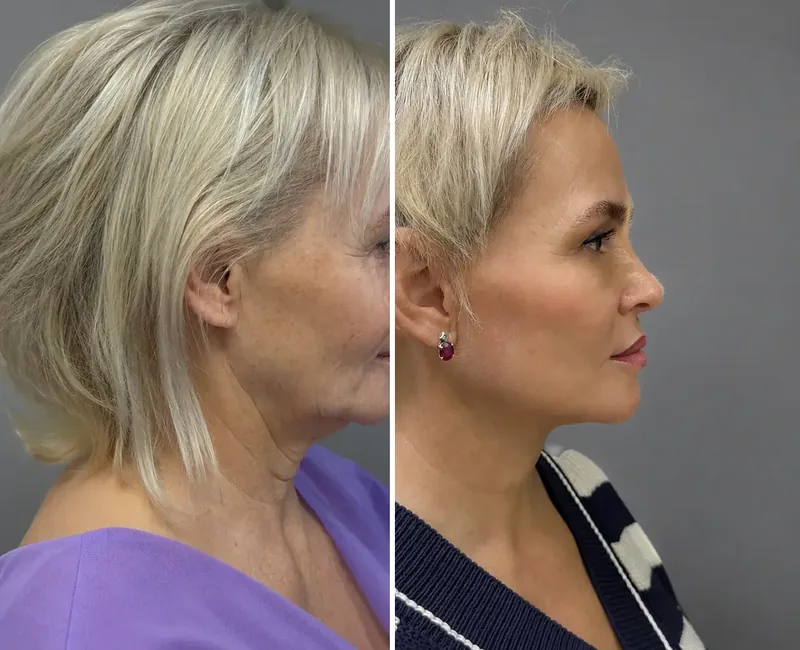
50 years
9 months
SMAS facelift
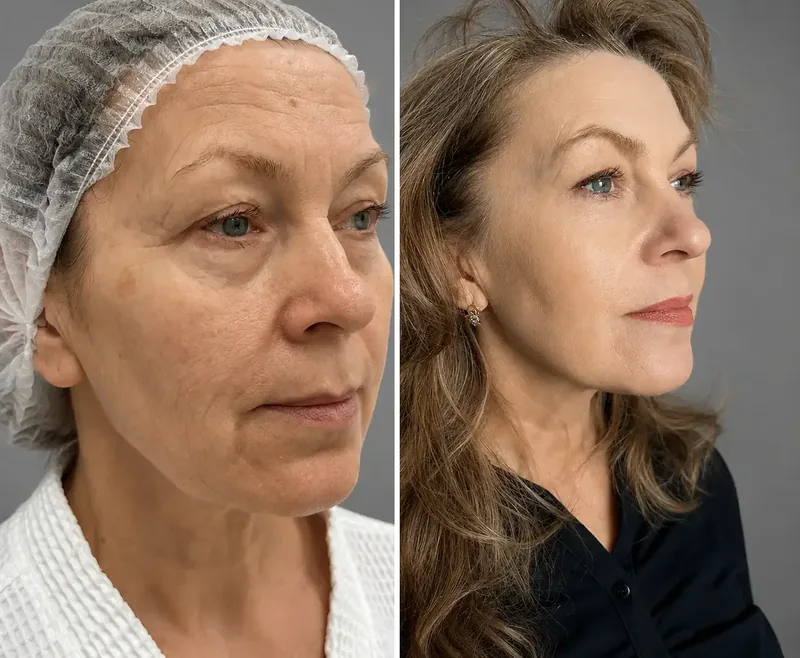
58 years
8 months
SMAS facelift
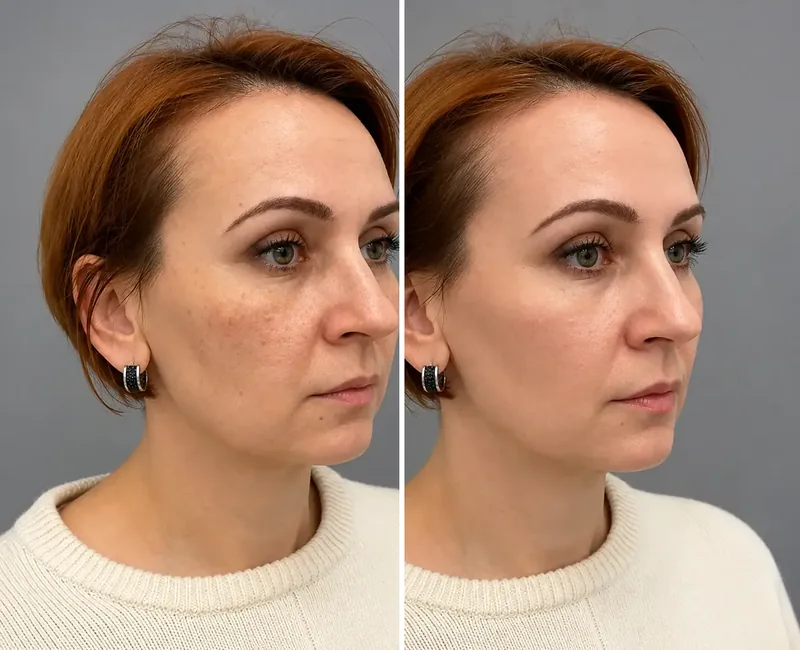
34 years
5 months
SMAS facelift
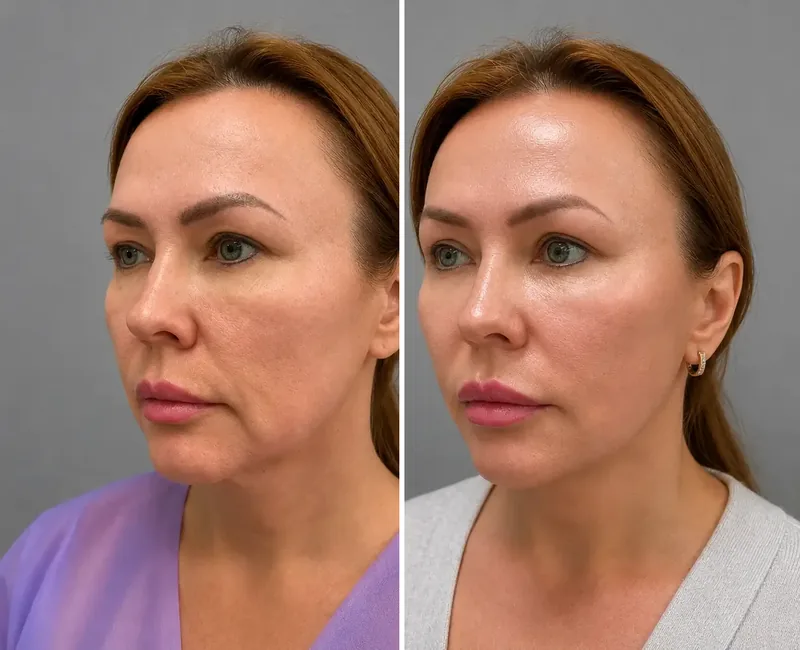
32 years
7 months
SMAS facelift
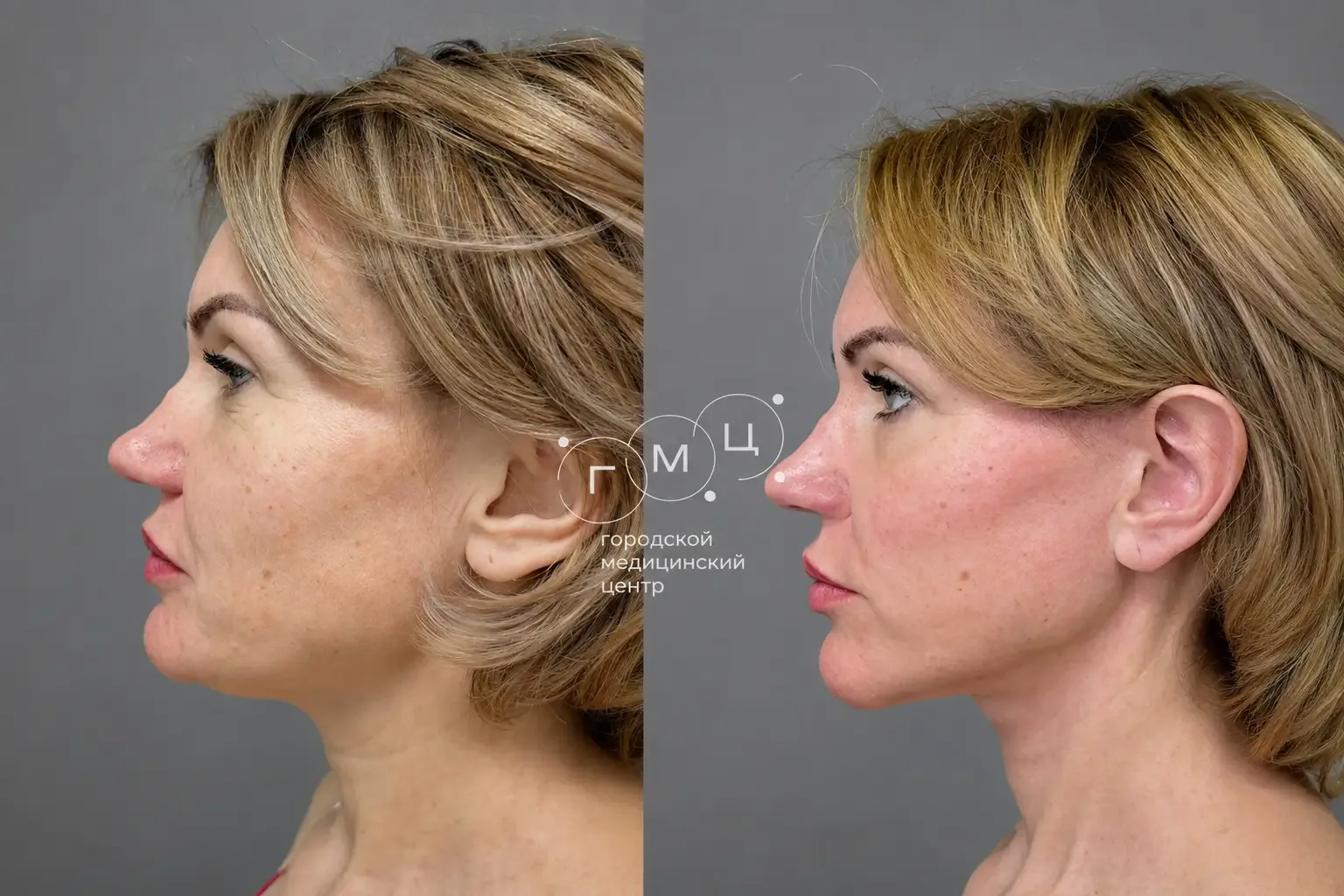
40 years
6 months
SMAS facelift
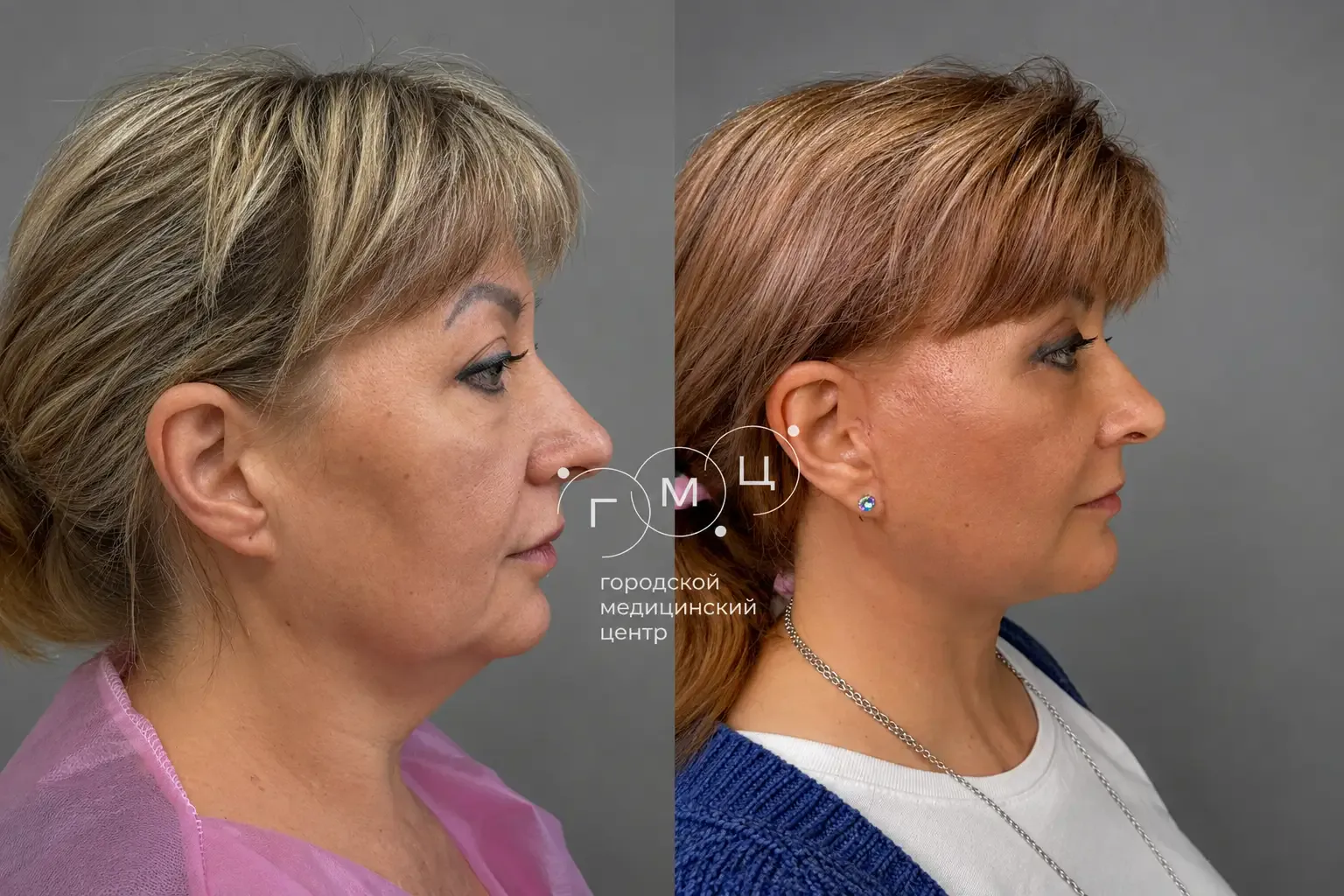
45 years
8 months
SMAS facelift
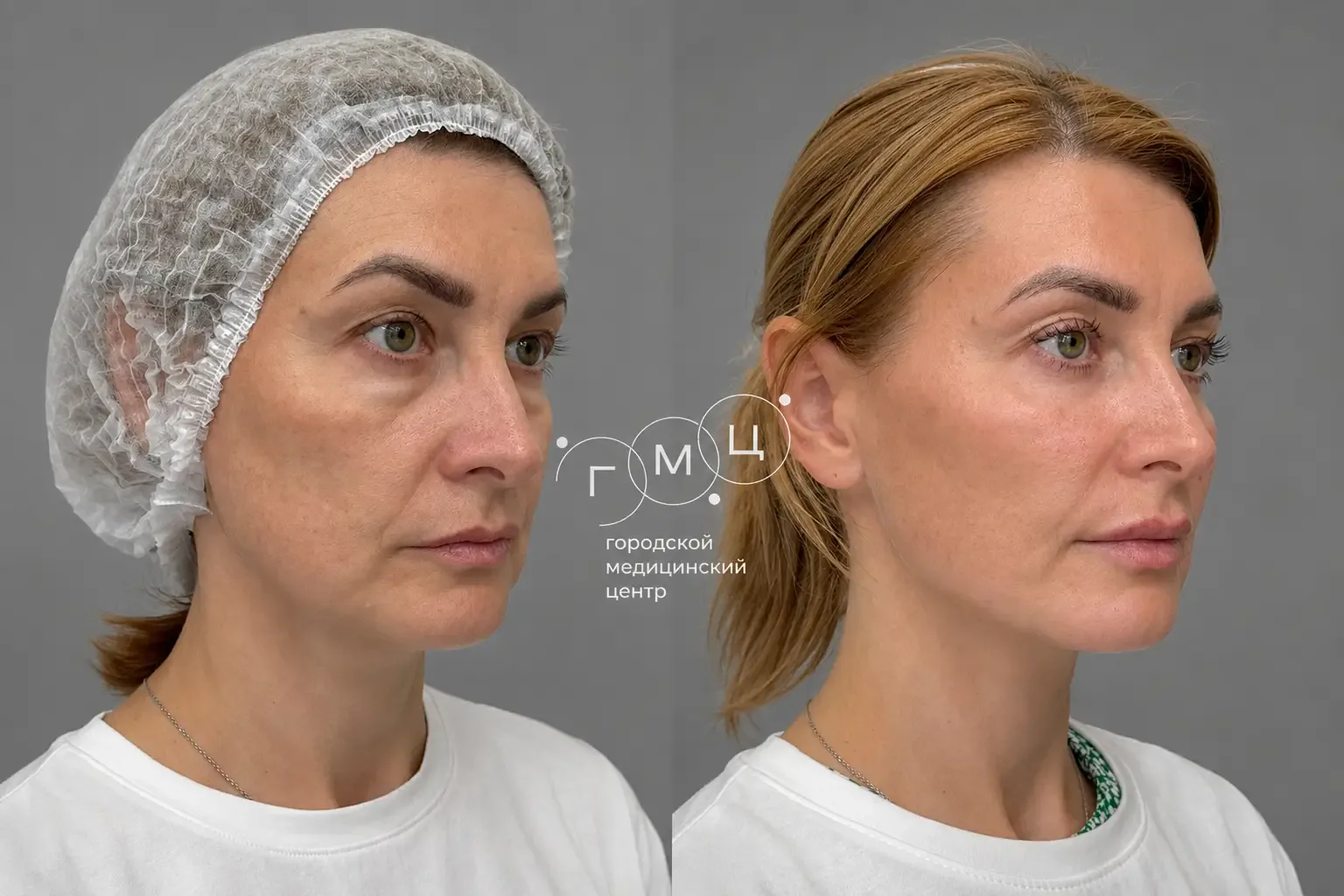
38 years
5 months
SMAS facelift
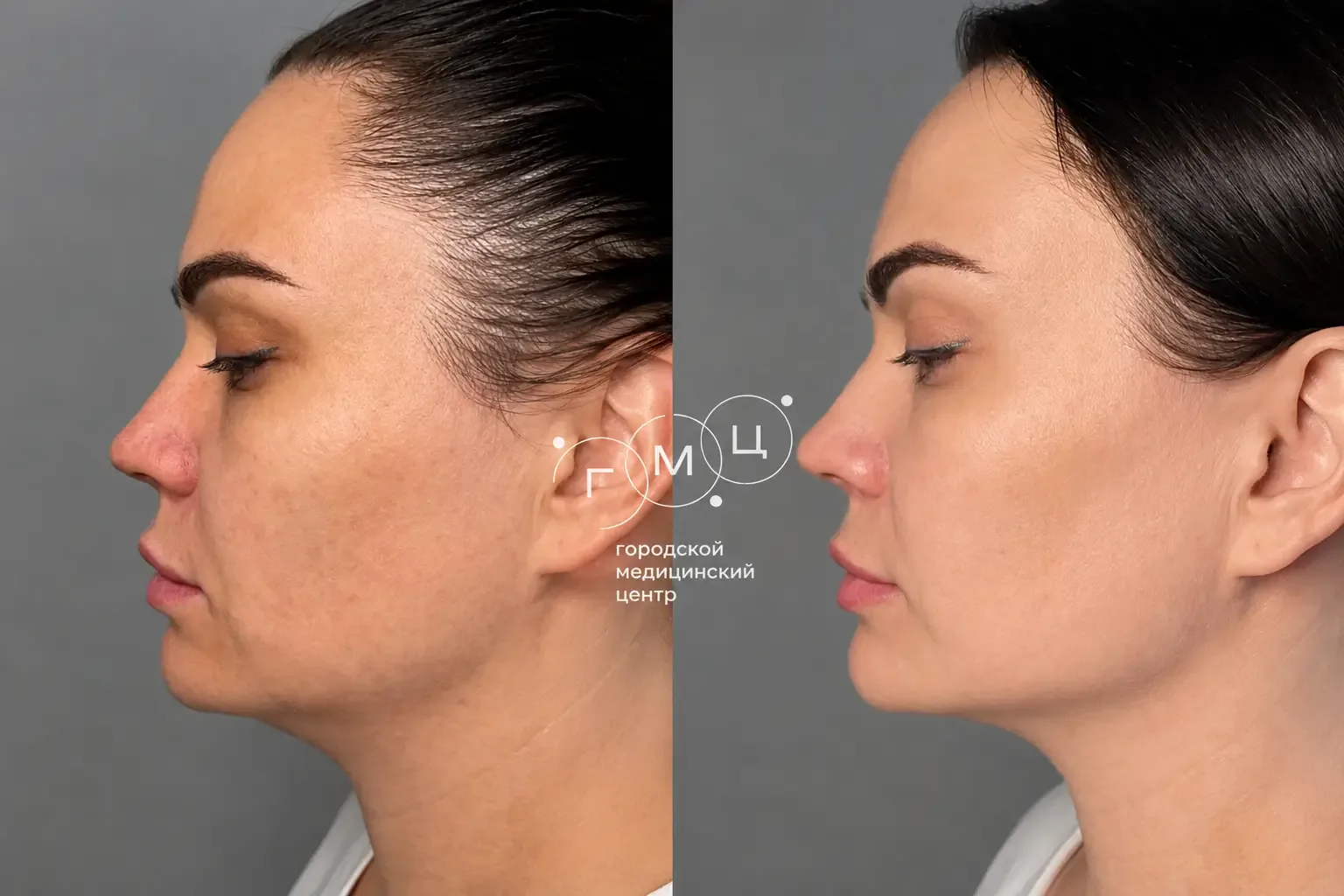
33 years
6 months
SMAS facelift
50 years
9 months
SMAS facelift
58 years
8 months
SMAS facelift
34 years
5 months
SMAS facelift
32 years
7 months
SMAS facelift
40 years
6 months
SMAS facelift
45 years
8 months
SMAS facelift
38 years
5 months
SMAS facelift
33 years
6 months
SMAS facelift
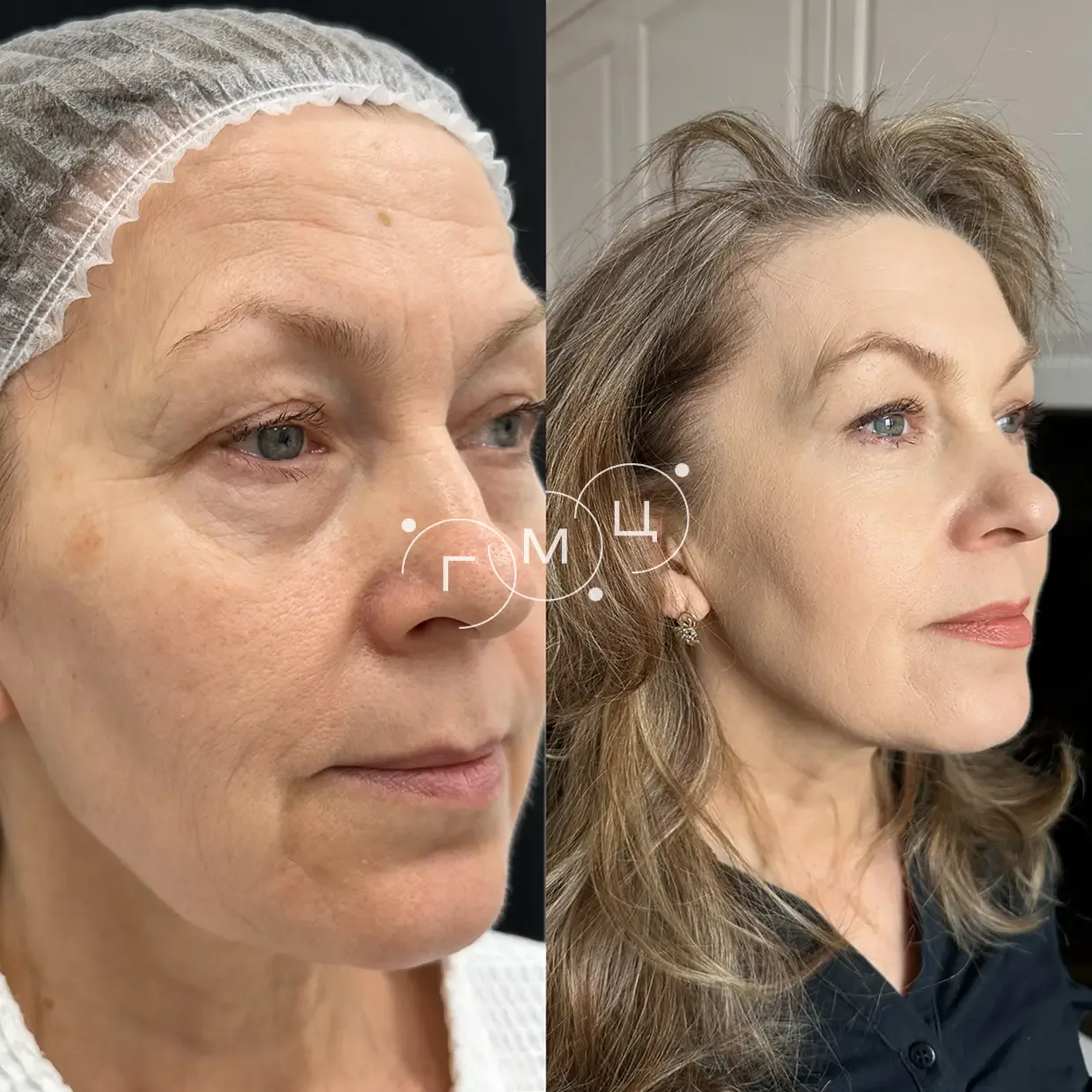

Pronounced sagging in the face and neck
The jawline is blurred, with jowls
A double chin and loose neck skin
Marionette lines and deep nasolabial folds
A heavy look caused by drooping brows
A marked loss of skin firmness after 40
A long-term result is wanted (7–10 years)

Under 30 years old
An acute skin inflammation
Being pregnant or currently breastfeeding
Severe cardiovascular disease
Problems with blood clotting
Cancer
Decompensated diabetes
Choosing a facelift in Lublin
What is the difference between a standard and a SMAS facelift? A skin-only lift affects just the top layer and gives a short-lived effect. A SMAS facelift is deeper surgery: the surgeon lifts and secures the facial muscle and fascia layer, addressing weakened ligaments and descended muscles. For anyone researching a facelift in Lublin, that depth is what makes the outcome natural and long-lasting.
The endoscopic brow and temple lift is the gentlest option: the surgeon uses an endoscope through tiny punctures, repositions the brows and smooths forehead and frown lines, with scars hidden in the hairline. A neck and lower face lift also uses small incisions, keeping scars barely visible. For people in Lublin, the choice of access depends on which zones need correction and how marked the sagging is.
How much is a facelift in Lublin? Prices start from $2,400 (≈ PLN 9,400), and the final cost is calculated individually after an examination. At the consultation the surgeon defines the scope of surgery and gives the final price straight away, with no hidden extras. In-house 0% instalments let you pay in parts without bank interest. Leave a request to book your free consultation.
Stories of well-known people
Well-known people who spoke openly about this operation, in their own words.
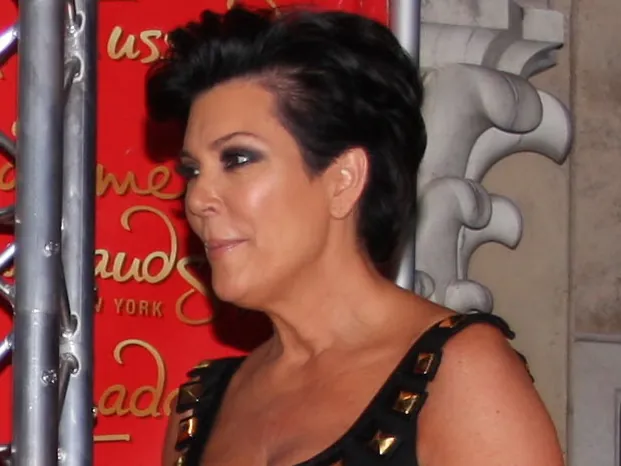 Kris Jenner’s facelift: “I love my facelift”Kris Jenner said she had a facelift about 15 years ago and a refresh before turning 70 — and that she loves it. How a SMAS facelift and recovery work.
 Did Vicki Gunvalson have a facelift? Yes, and she showed the result herselfVicki Gunvalson had a facelift in May 2018 after deciding fillers no longer looked like her. Her own words, how a facelift works and recovery.
 Keltie Knight’s facelift: why she decided to “just own it”Keltie Knight had a facelift in 2023 at 41 and chose to talk about it openly. What she said, how a SMAS facelift works and what recovery looks like.
 Did Linda de Mol have a neck lift? Yes, and she wrote about it herselfLinda de Mol wrote in LINDA. in 2025 that she had a neck lift. What she said, why she chose to be open, and how a face and neck lift works today.
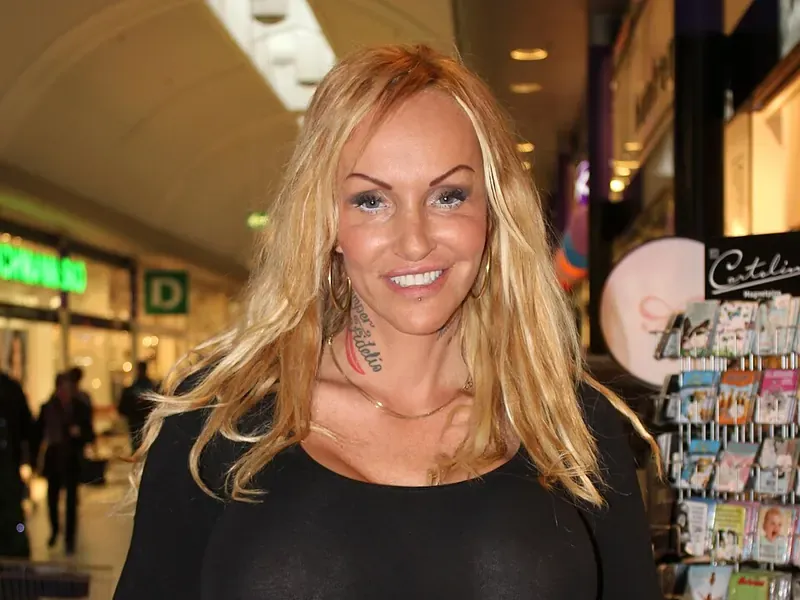 Linse Kessler and her facelifts: what she said herselfDanish reality star Linse Kessler has said openly that she has had several facelifts. Her words, how a modern facelift works and what recovery involves.
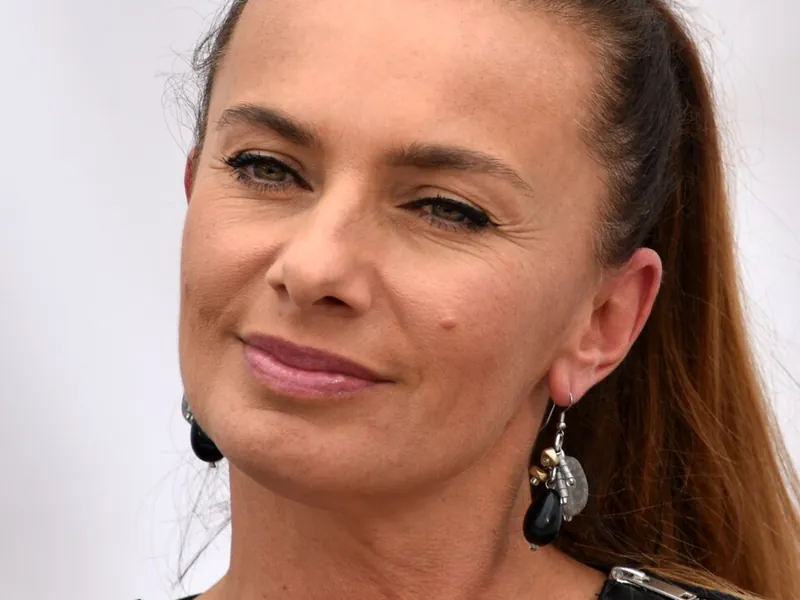 Did Alice Bendová have a facelift? Yes, and she explained why herselfAlice Bendová confirmed a deep plane facelift in September 2026. Her words, how a facelift works, who it suits and what recovery looks like.
Facelift in Lublin: price and what is included
Prices are in US dollars; the amount in brackets is an approximate conversion to PLN at the rate of 02.10.2026. The final price is fixed in your contract.
- Faceliftfrom $2,400 (≈ PLN 9,400)
What is a SMAS facelift?
It is a face lift that tightens the deep SMAS layer under the skin, not only the skin itself, so the lower face, jawline and neck stay firmer for longer. The result lasts about 7–10 years.
How much does a facelift in Lublin cost?
Prices start from $2,400 (≈ PLN 9,400). The surgeon sets the final price at the free consultation, and it is fixed in the contract, with no hidden extras.
What is included in the price?
A one-to-one consultation, the medical team, anaesthesia, inpatient care with meals, 24/7 monitoring and twelve months of follow-up by the surgeon.
How do I get my exact price?
Message us on WhatsApp or Telegram using the buttons below. A coordinator will answer your questions and book a free consultation where the doctor names the exact price.
By messaging us, you agree to our Privacy Policy
Why Lublin's calendar matters more than the date on the invitation
A facelift is planned around the swelling and bruising that follow it, not around the operation itself. The medical timeline is clear. The first 7-10 days are for rest, a compression bandage and reduced physical activity. Swelling and bruising fade over 2-4 weeks. The first clear changes show at 3-4 weeks, full recovery takes about 2 months, and the final look of the face settles 3-6 months after the operation. Readers in Lublin can lay this timeline over the local year and pick a start date that suits their own commitments.
Lublin is the capital of Lublin Voivodeship in eastern Poland. It has a university rhythm of its own: students make up about 35% of the population, and the Catholic University of Lublin (founded 1918) and Maria Curie-Sklodowska University set the pace of the academic year. If you work in education, administration or any job tied to that calendar, the quieter weeks between teaching blocks are the natural place for the first, most visible stage of recovery. Look at your own diary and mark the 7-10 days of rest and the following 2-4 weeks, when a bruise can still be noticeable.
The public holidays are useful here. Poland has 14 public non-working days: 1 January, 6 January, Easter Sunday and Monday, 1 May, 3 May, Pentecost Sunday, Corpus Christi, 15 August, 1 November, 11 November, 24 December and 25 and 26 December. A cluster of days off, such as 1 and 3 May or the Christmas run, lets you cover part of the early rest period without explaining an absence. These days do not replace the doctor's advice. The compression bandage and the limit on physical activity apply on a holiday just as on a working day. The days off simply give you more privacy while the face is at its most swollen.
Take an example. A patient who has the operation in the second week of January 2027 will have the first 7-10 days of rest behind them by the end of that month. Swelling and bruising will have mostly gone by about mid-February. The first clear changes appear at 3-4 weeks, and full recovery falls around mid-March. A patient who prefers to be presentable earlier can choose a date after the first confirmed plan with the coordinator, who can compare several options in the chat. The final decision on timing is made with the doctor during the online consultation, after the photos are assessed.
Wind, frost and the first weeks after the operation
The climate normals for Lublin (1991-2020, humid continental, Dfb) give a clear picture of what the skin meets outdoors. January has a mean maximum of -0.1 °C and a mean minimum of -4.9 °C. February reaches 1.6 °C by day and -4.2 °C at night, and December 1.2 °C and -3.3 °C. The record low is -33.7 °C in January. Poland's cold season therefore lasts for months, and Lublin averages 67.5 snowy days a year.
For a patient in recovery this has practical effects. Skin in the first weeks is not a surface you want exposed to a hard frost or a cutting wind on the way to a car. Cold air tightens the face and makes any residual tightness more noticeable. A scarf over the lower face, a hat that doesn't press on the areas the doctor has told you to protect, and short outdoor stretches are sensible. The doctor will tell you during the consultation what is allowed in the first days and what clothing will not rub the incision areas, such as a collar or a tight hood.
Humidity matters too. Relative humidity averages 80.1% a year and is highest in December (89.5%) and November (89.0%). Lowest is April, at 70.5%. Damp, heavy air in late autumn and winter feels cold well beyond what the thermometer shows, and a wet, grey day is the kind on which people instinctively pull a collar up. In recovery it is better to plan indoor time and ask the coordinator in the chat if something you want to do outdoors is unclear. The doctor who follows you through the first year can answer questions about a specific weather-related worry.
The city's geography adds a small point. The Bystrzyca river divides a western part with varied relief and loess gorges from a flat eastern part, and the city lies on the Lublin Upland. Altitude runs from 163.6 m to 235.0 m, so the ground is uneven in places. When planning errands during the first days, remember that slopes and steps mean more exertion than a flat route. The doctor advises reduced physical activity at the start, so choose the flat route if you have one.
Sun, skin and the long summer light
Lublin gets 1,821.3 hours of sunshine a year. June and July bring about 263 hours each, while December has only 30.3 hours. The seasonal difference is large, and it shapes how a face needs protecting at different times of year.
Winter sun is weak, and the weather outdoors is the more pressing question for fresh scars and tender skin. Summer is the opposite: the long, bright days carry a lot of exposure, and the warmest months are July (mean maximum 24.5 °C, minimum 13.6 °C) and August (24.3 °C and 13.1 °C). The record high is 38.0 °C, recorded in June. For a person in the first weeks of recovery, a hot, bright June is not a time for beach sunshine or long afternoons by the water. Zemborzyce Lake in the south of the city is an artificial reservoir on the Bystrzyca used for recreation, and it is a pleasant place in summer, but sitting exposed on its shore is a poor use of the first weeks after a facelift.
The doctor will explain what protection the skin needs and for how long, because this is decided individually after the operation, and the instructions you receive overrule general habits. What the climate data shows is only the setting: a patient who has the operation in autumn or winter is mostly protecting against cold and wind, while a patient who picks late spring has to plan the first weeks against rising sunshine. Neither is better in itself. It is a matter of which risk you prefer to manage.
Skin that has lost firmness after 40 often reflects years of sun and weather, which is why the consultation includes a close look at the tissues in the photographs. The SMAS facelift works at the level of the muscle and fascia layer rather than the surface, and it treats the cause of sagging rather than the effect. Good photographs in natural light are therefore the most useful thing you can send.
Feeling presentable again: events, work and social life
The social calendar of Lublin is full of events, and many people ask when they can appear at one. The honest answer rests on the numbers already given. The first 7-10 days are for rest, a compression bandage and reduced activity. Swelling and bruising fade in 2-4 weeks, and the first clear changes are visible at 3-4 weeks. Full recovery takes about 2 months. Between those points you will gradually become comfortable in front of other people, but the exact moment differs from patient to patient, and only the doctor who follows you can say when you are ready for a particular occasion.
Here are the events that structure the local year. The Night of Culture takes place on the first Saturday night of June, followed by East of Culture in late June. Student Culture Days last about three weeks between May and June. Carnaval Sztukmistrzow and the Urban Highline Festival fall in the last days of July, the Jagiellonian Fair in late August, and the St Nicholas Day Folk Music Festival (Mikolajki Folkowe) in the first decade of December. Counting back from any of these helps. For the Night of Culture in early June, for example, an operation that leaves 3-4 weeks clear is a reasonable minimum if you want the first visible changes, and the full 2 months if you want to feel completely settled. For a December event, the same arithmetic points to an operation in October or earlier.
If you are not sure, tell the coordinator which date matters. A short message on WhatsApp or Telegram with the occasion and a few photographs is enough for the doctor to suggest a sensible window. Be honest about how important the date is. A wedding or a public role calls for a longer margin than a family dinner does.
Think also about work. A person who can work from home during the first 7-10 days and then return with makeup-free bruising that is nearly gone has a very different experience from someone who must be on camera in the first week. Bring up your professional obligations at the consultation so that the doctor can build the plan around them.
Who the operation is for, and what the doctor needs from you
A surgical SMAS facelift repositions the muscle and fascia layer. It is generally advised for patients aged 40 and over with marked sagging of the tissues, and in some cases from 35. Under 30 is a contraindication. The others are acute skin inflammation, pregnancy and breastfeeding, a severe cardiovascular condition, problems with blood clotting, cancer and decompensated diabetes. If you have a chronic illness, say so at the start, because the doctor will take it into account in the assessment.
Typical reasons for choosing the operation include marked sagging across the face and neck, a blurred jawline with jowls, a double chin, loose skin on the neck, marionette lines and deep nasolabial folds, and a heavy look caused by drooping brows. There are four main options: the standard SMAS facelift for the mid and lower face, the full (circular) facelift, a lift targeting the neck and lower face, and endoscopic lifting of the brow and temple. Results of the SMAS operation last 7-10 years, and the full facelift up to 10 years. The doctor selects the option after seeing you, since age, ageing type and the areas affected all count.
Because the consultation is online, preparation is practical. Take photographs in even daylight, front-on and from both sides, with the hair pulled back so that the ears and the frontal edge of the hair are visible. Remove makeup. Send them in the chat, write down any chronic conditions and medications, and note the date you hope to be presentable. The doctor then names the final price and the plan, and the plan is fixed in the contract before anything is booked.
Coverage, insurance and planning your own costs in Poland
Poland's health insurance contribution is 9% of personal income, of which 7.75% is deducted from tax and 1.25% is paid directly to NFZ. Uninsured patients pay the full cost of services. These are the general rules of the public system, and they leave a question for anyone considering a facelift: how does it fit in?
The NFZ patient information states that services not listed in its catalogues of covered services are not financed by it, while within the covered range treatment is in most cases free for the insured patient. A facelift is an elective aesthetic operation, so the sensible assumption is that you plan it as a private matter. Ask the coordinator to explain what is included in the plan and how payment in parts works, then make your own check of your insurance terms if you have private cover. Do not assume that an NFZ referral or a waiting list applies. The NFZ waiting-list rules (one provider per service, and the original referral delivered within 14 working days) concern services within its scope, and they have no bearing on a cosmetic operation planned privately.
What the included package covers is stated on the service page: a one-to-one consultation, combined inhalation anaesthesia, inpatient rooms, round-the-clock monitoring by medical staff, meals during the stay, support before and after the operation, and follow-up care from the operating doctor for a whole year until the final result. The first consultation is free. The coordinators answer 24/7 on WhatsApp and Telegram, so questions about what is and isn't included can be asked at any hour, including after work or at a weekend.
Questions about Lublin, seasons and getting ready
Which season in Lublin is easiest for the first weeks of recovery?
There is no single answer, because each season has its own demands. Winter brings cold and damp: January has a mean maximum of -0.1 °C and December and November have the highest humidity, 89.5% and 89.0%. That means wrapping up and keeping outdoor time short. Summer brings long sunlit days, with about 263 hours of sunshine in June and in July. Late spring and early autumn lie between the extremes. Choose according to which condition you would rather manage, and tell the doctor so that the instructions for protecting the skin match your date.
Can I plan the operation around Polish public holidays?
Yes, and many patients do. Poland has 14 public non-working days, including 1 and 3 May, Easter Monday, Corpus Christi, 15 August, 1 and 11 November and the Christmas days. They add rest time at home. They do not change the medical timeline: the first 7-10 days of rest with a compression bandage still apply, and swelling and bruising still take 2-4 weeks to fade. Agree the exact plan with the coordinator and the doctor.
I work at a university in Lublin. Is there a good time in the academic year?
The city has a strong student presence, about 35% of the population, so the academic rhythm affects many local jobs. The natural choice is a gap between teaching blocks, long enough to cover the 7-10 days of rest and part of the 2-4 weeks of fading swelling. Student Culture Days run for about three weeks between May and June, which suits some people and not others. Tell the coordinator what your timetable looks like and the doctor will suggest a window.
How should I protect my face from wind and frost after the operation?
Lublin has 67.5 snowy days a year, and winter nights fall to around -4.9 °C in January on average. Keep outdoor time short in the first weeks, cover the lower face with a soft scarf if the doctor allows it, and avoid anything that presses on the treated areas. Specific instructions on clothing and on what to avoid come from the doctor after the operation, and they take priority over general advice.
Does the bright summer sun in Lublin matter for fresh scars?
It can. Sunshine reaches about 263 hours in June and in July, and the record high is 38.0 °C. Direct exposure is not what you want in the first weeks, so a recreational day by Zemborzyce Lake is better postponed. The doctor tells you how long and how to protect the skin, and you can ask the coordinator in the chat whenever a question comes up.
Will the national health fund cover a facelift?
NFZ states that services not listed in its catalogues are not financed by it. A cosmetic facelift is normally planned as a private service, so the sensible approach is to ask the coordinator what the plan includes and to check any private insurance terms yourself. The 9% health contribution is not a payment for this operation, and the NFZ waiting-list rules do not apply to it.
What should I prepare before the free online consultation?
Take clear photographs in even daylight, front and both sides, with makeup off and the hair pulled back. Write down chronic conditions and regular medications, because conditions such as decompensated diabetes, clotting problems or a severe cardiovascular condition affect whether the operation is possible. Add the date by which you want to feel presentable, such as an event from the Lublin calendar. Send all of it on WhatsApp or Telegram, and the doctor will assess it and name the final price.
When will I look settled enough for a big occasion?
The first clear changes show at 3-4 weeks, when the swelling goes down, and the final look arrives 3-6 months after the operation. Full recovery takes about 2 months. For an important occasion such as the Night of Culture in June or the Jagiellonian Fair in late August, work back from the date with at least 4 weeks as a minimum and about 2 months for comfort, and confirm the window with the doctor during the consultation.