



























Message our coordinator
Free online consultation · Reply within 15 minutes
Message us on TelegramMessage us on WhatsAppBy messaging us, you agree to our Privacy Policy


Facelift and neck lift in Alicante: price and key facts
Facelift for patients from Alicante at City Medical Centre starts at €2,150 (from $2,400). The first online consultation is free; the doctor names the final price and it is fixed in the contract.
- Price
- €2,150 (from $2,400)
- Anesthesia
- general (inhalation)
- Recovery
- about 2 months to full recovery
- Final result
- 3–6 months after surgery
- How it works
- Send photos on WhatsApp or Telegram, get a free doctor assessment and the price, then confirm the plan and dates before anything is booked.
How it works · Facelift prices
Information current as of 24 October 2026

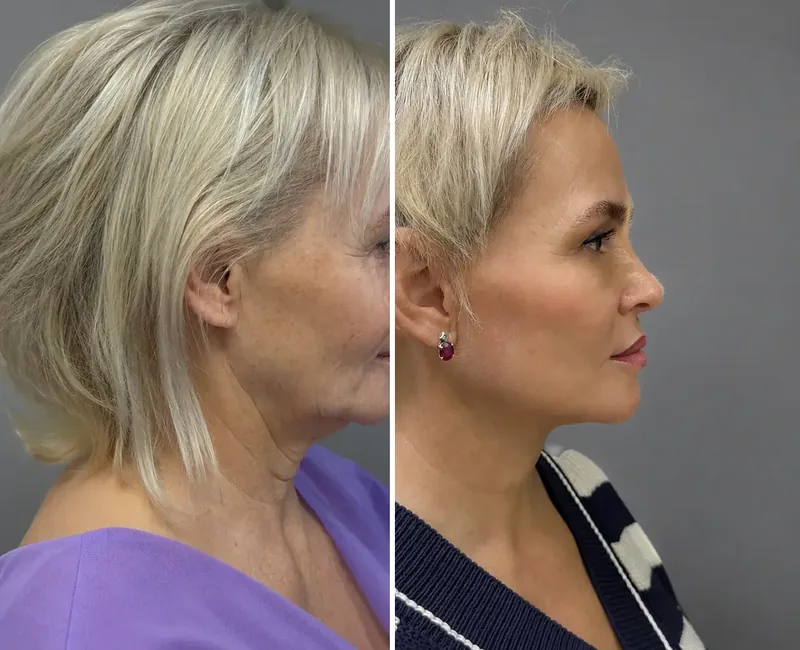
50 years
9 months
SMAS facelift
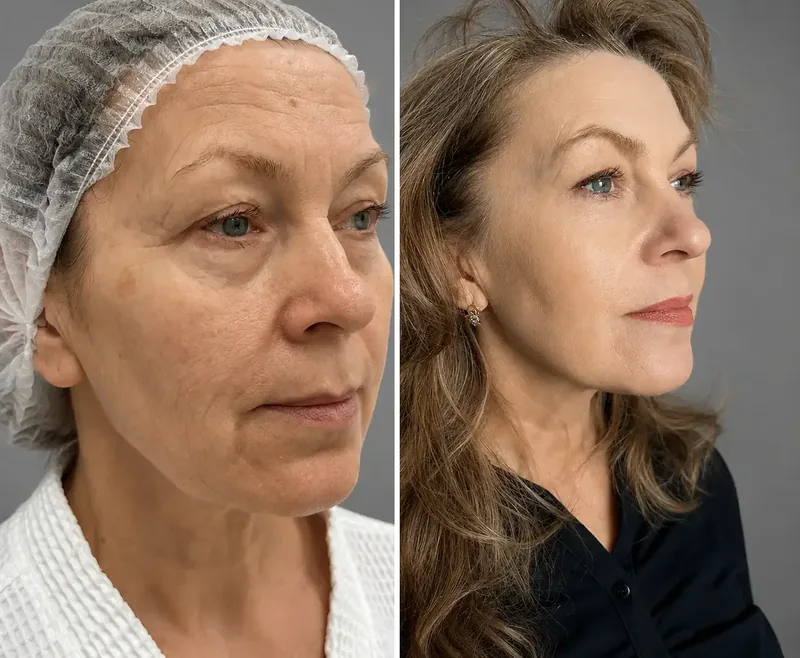
58 years
8 months
SMAS facelift
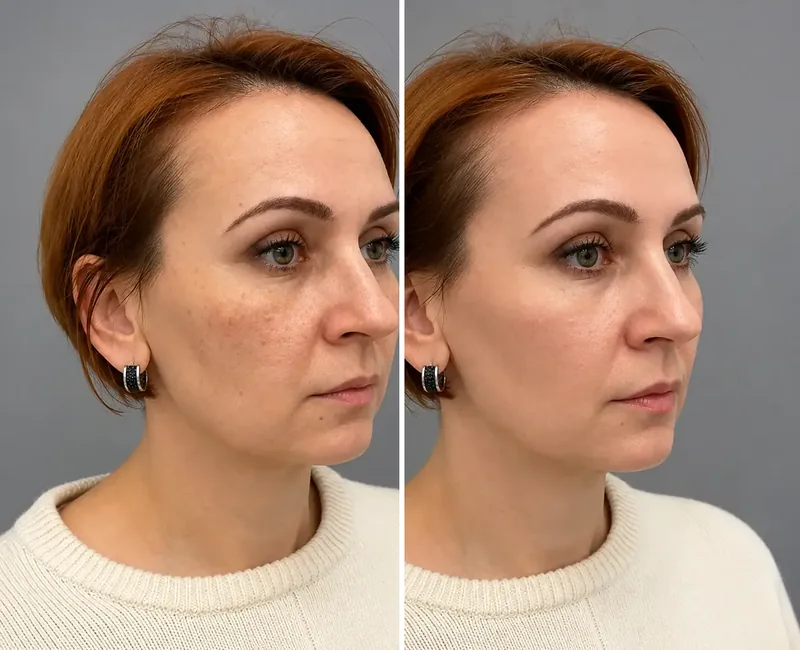
34 years
5 months
SMAS facelift
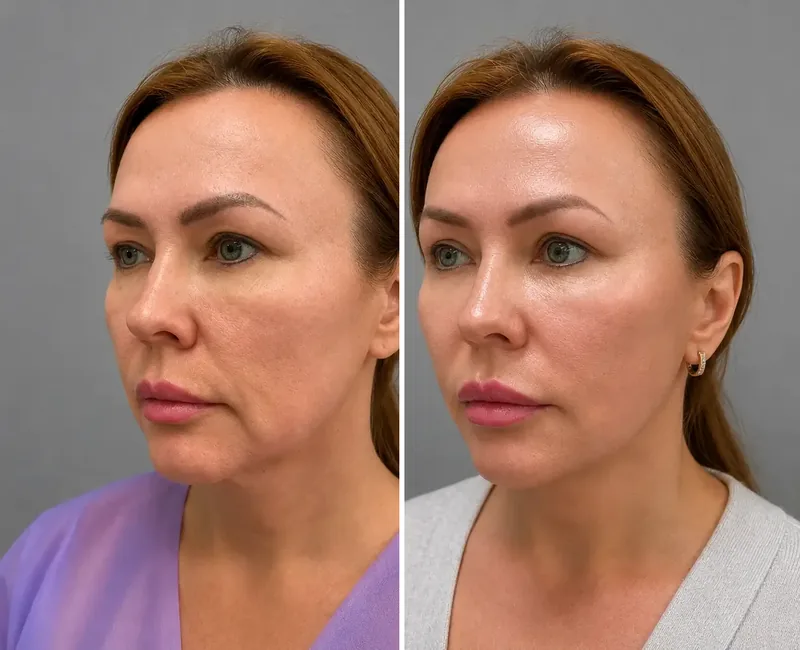
32 years
7 months
SMAS facelift
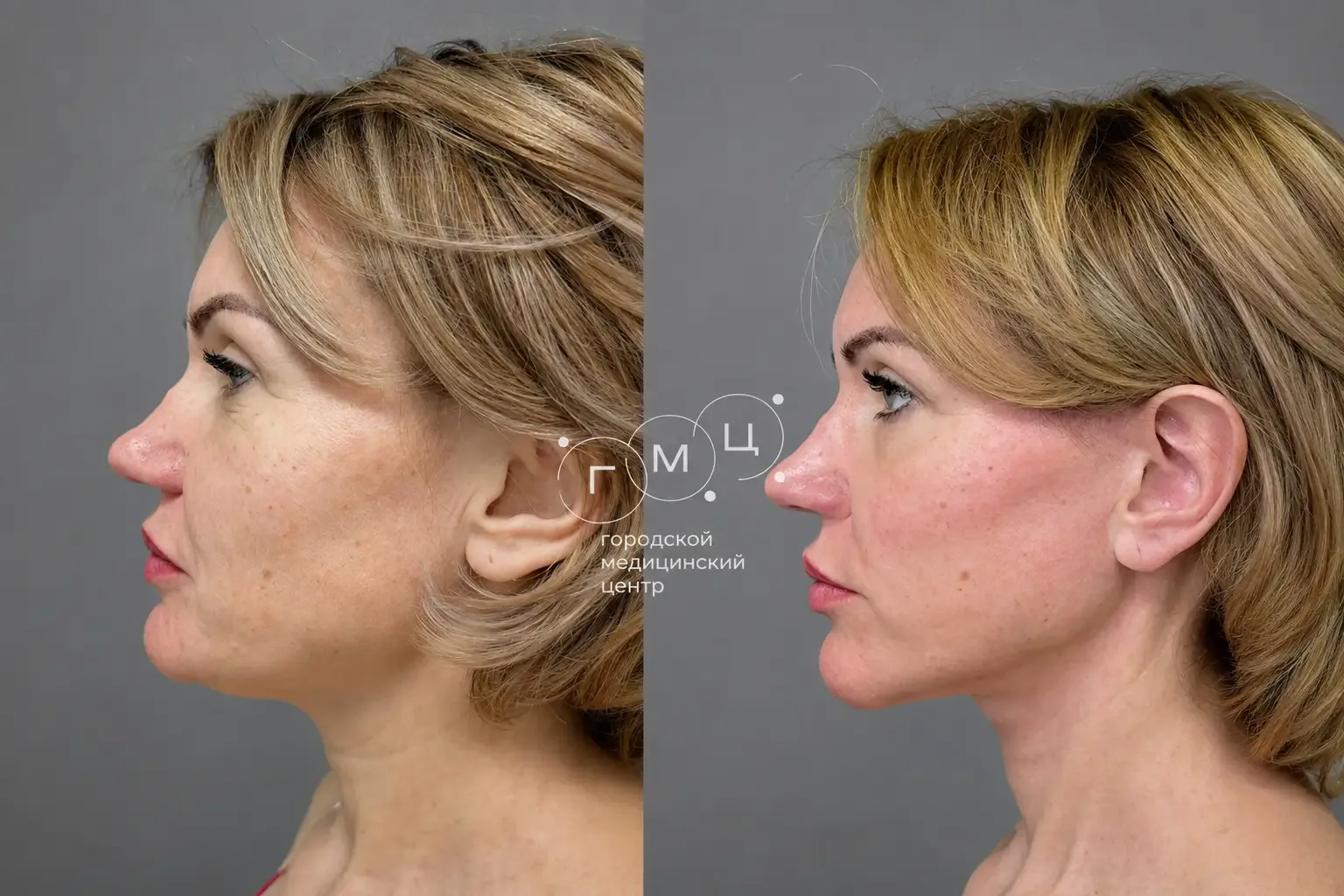
40 years
6 months
SMAS facelift
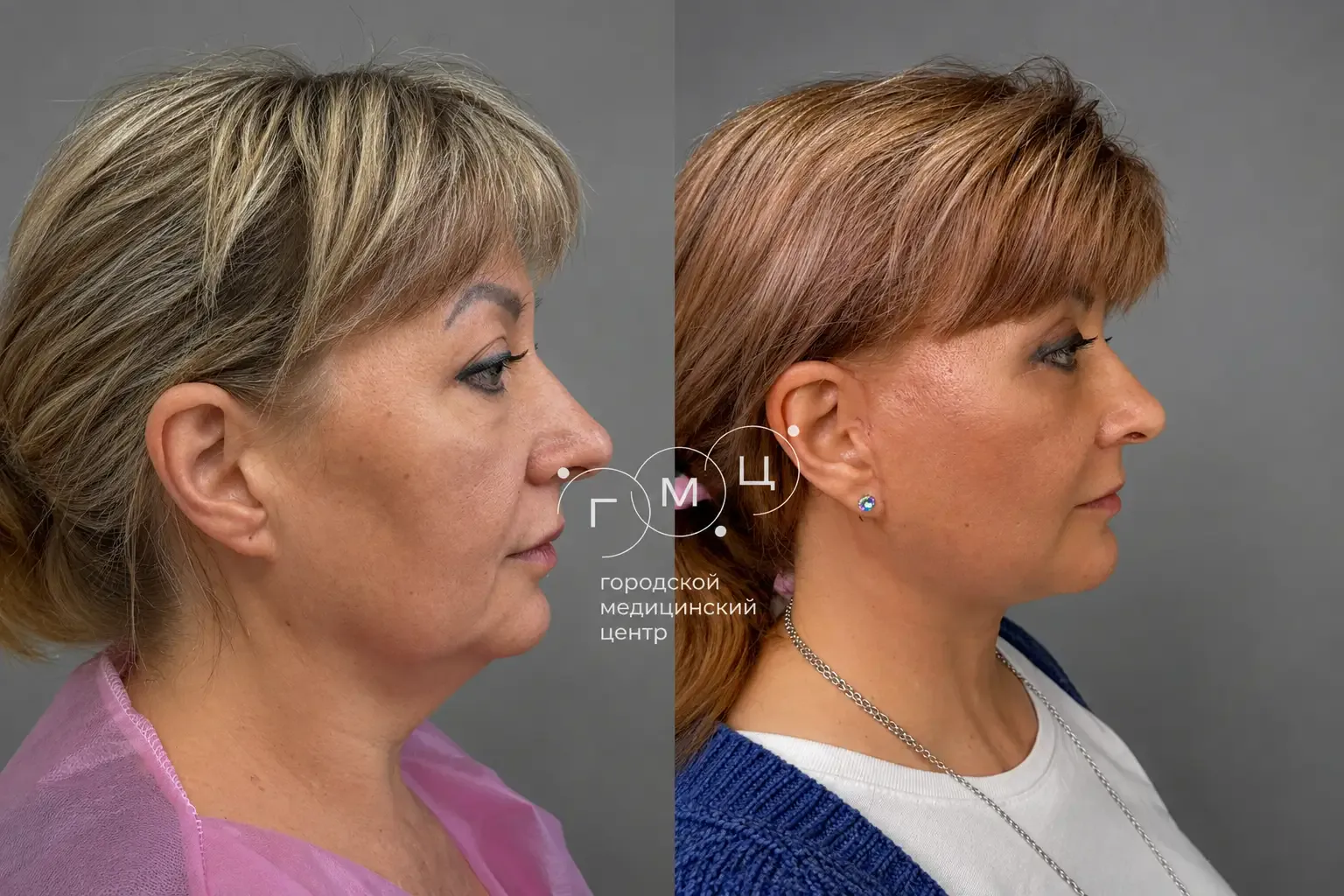
45 years
8 months
SMAS facelift
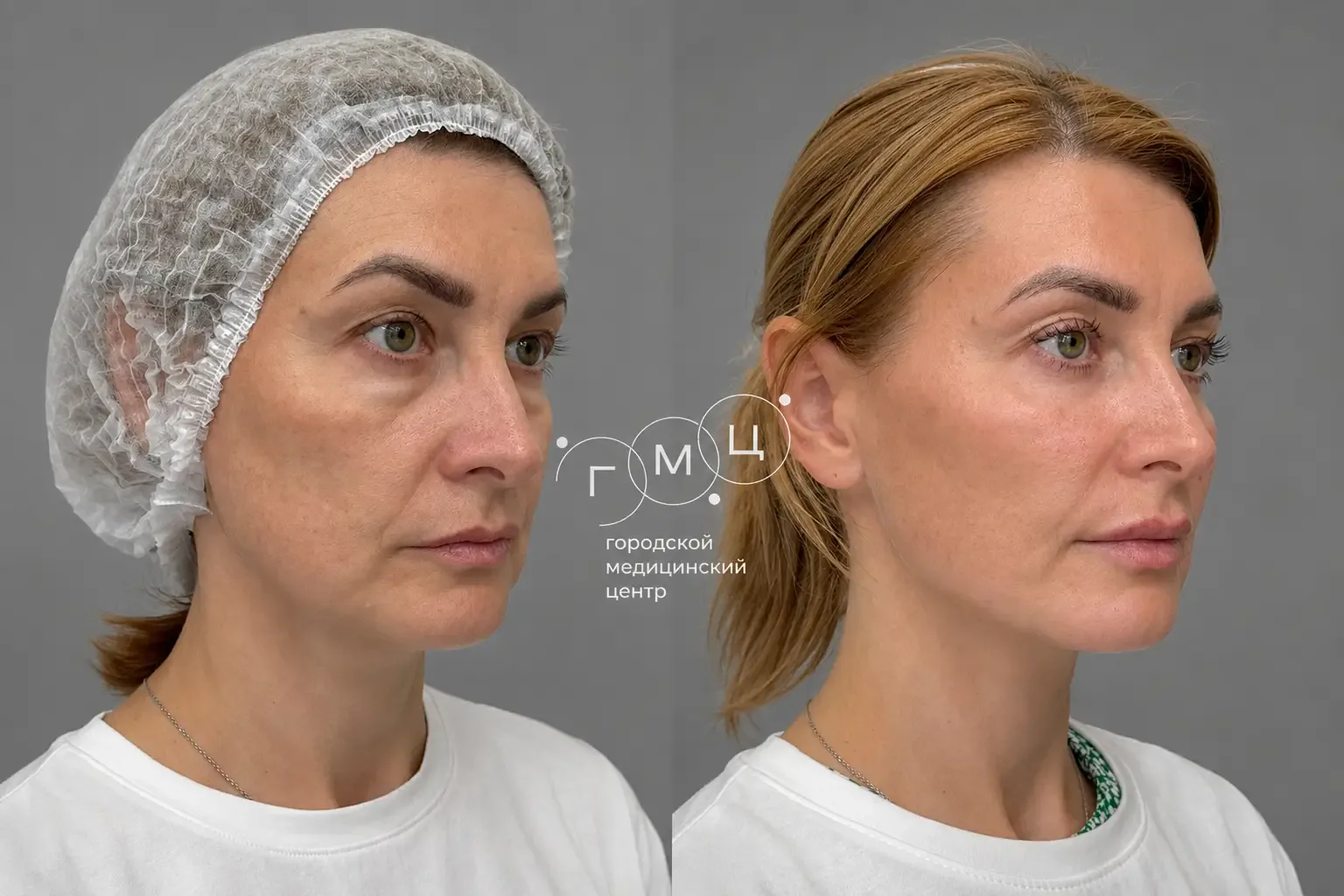
38 years
5 months
SMAS facelift
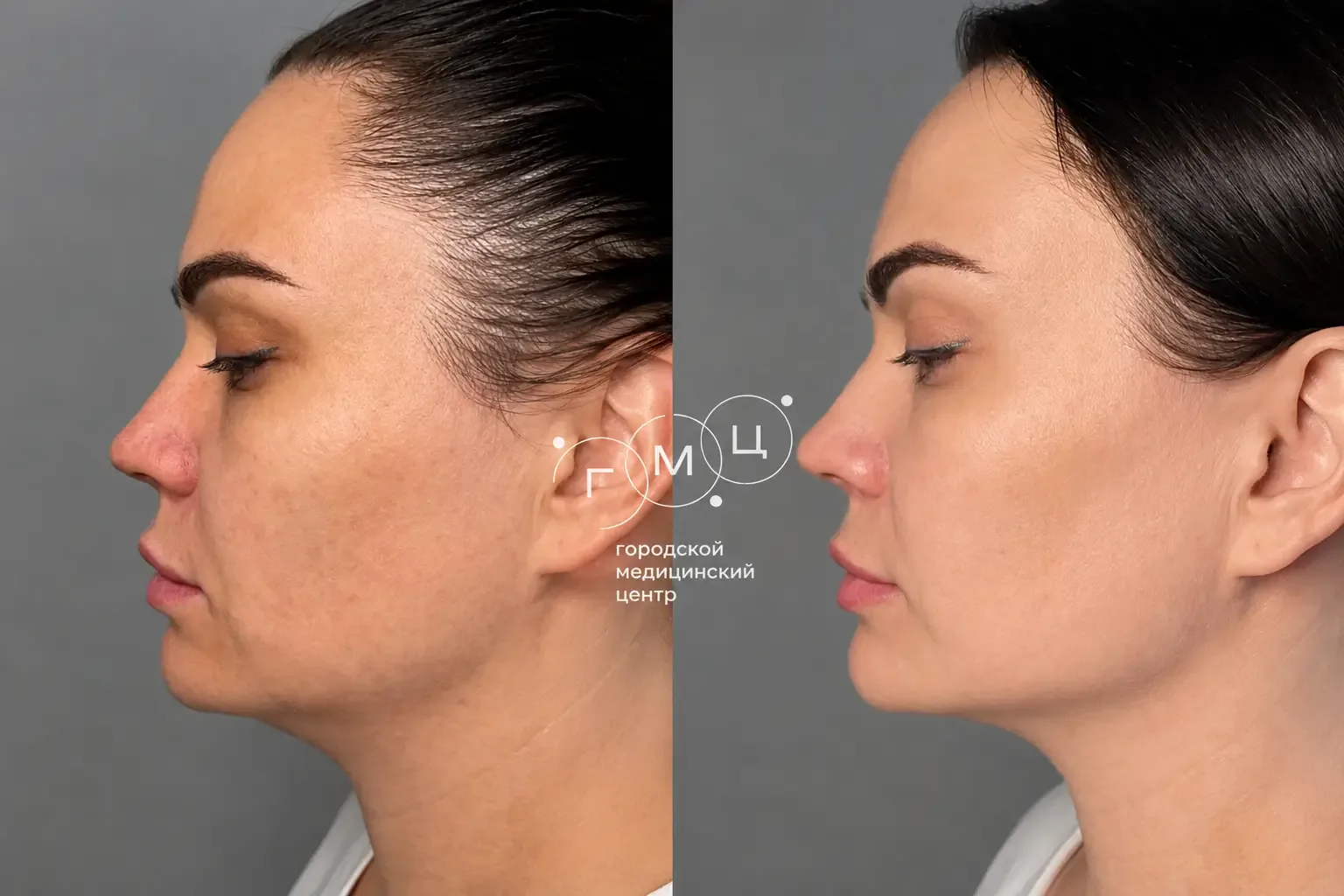
33 years
6 months
SMAS facelift
50 years
9 months
SMAS facelift
58 years
8 months
SMAS facelift
34 years
5 months
SMAS facelift
32 years
7 months
SMAS facelift
40 years
6 months
SMAS facelift
45 years
8 months
SMAS facelift
38 years
5 months
SMAS facelift
33 years
6 months
SMAS facelift
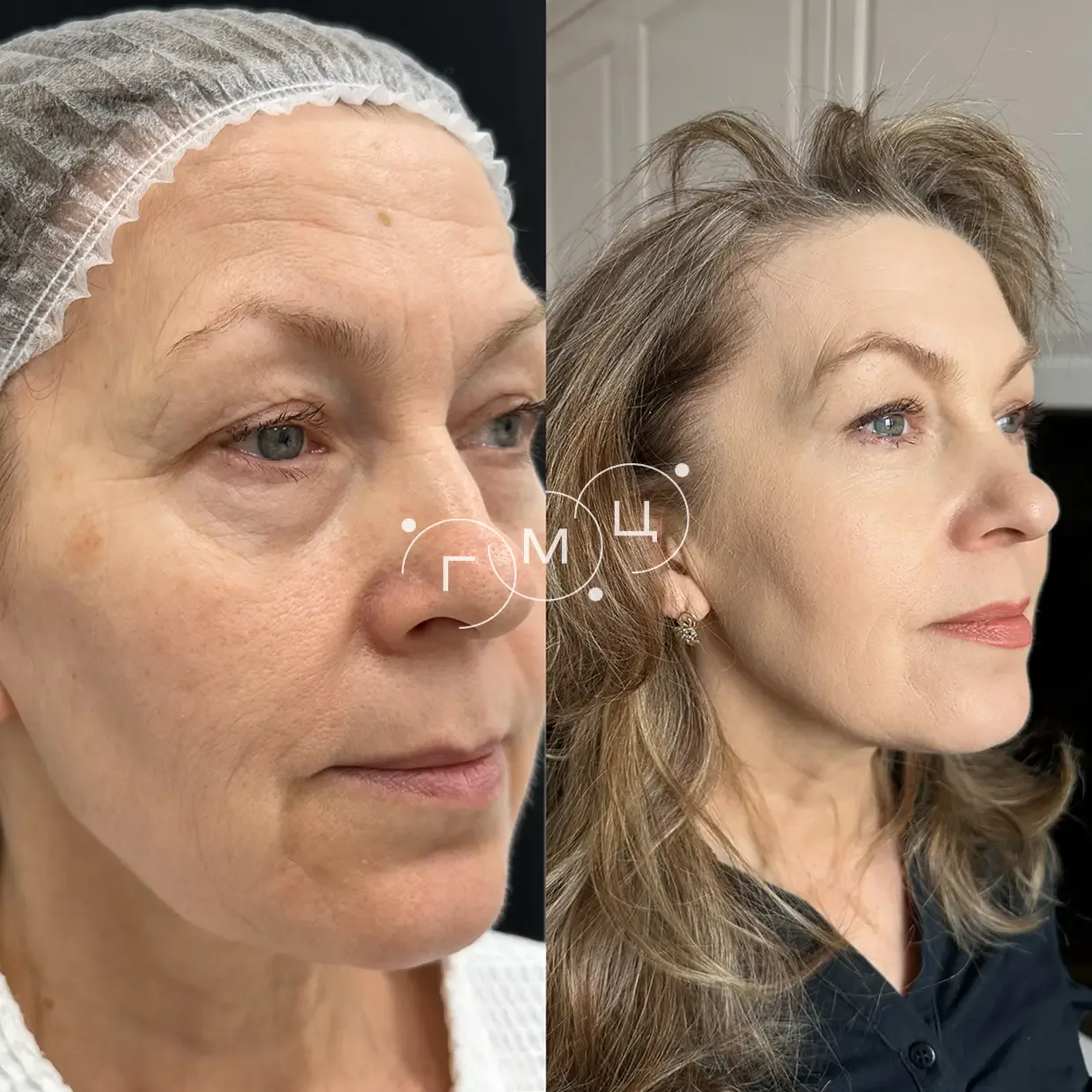

Marked sagging across the face and neck
A blurred jawline, jowls
Loose neck skin and a double chin
Deep nasolabial folds, marionette lines
Drooping brows, a heavy look
A significant drop in skin firmness after 40
Preference for a long-term result (7–10 years)

Patients under the age of 30
Skin in an acute inflammatory state
Pregnancy or the breastfeeding period
Severe cardiovascular disease
Problems with blood clotting
Cancer
Decompensated diabetes
Facelift in Alicante: types, stages and price
After 40–50 the skin gradually loses firmness: tissues sag, jowls form, the jawline blurs and the cheeks droop. A surgical SMAS facelift works deeper than cosmetology, repositioning the muscle and fascia layer so it treats the cause of sagging rather than its effects. For patients from Alicante, this gives a lasting result even when changes are significant, with the effect holding for 7–10 years.
Is a SMAS facelift painful? No: the surgery is done under general inhalation anaesthesia, so you feel nothing. Afterwards, discomfort and tightness are possible for a few days and are eased with prescribed medication. A compression bandage and reduced activity help the tissues settle in the first 7–10 days. That is the typical course for people in Alicante after surgery.
If you are comparing facelift prices in Alicante, check what each offer includes and how long the result lasts. Here the price starts from $2,400 (≈ €2,150) and covers anaesthesia, the stay, meals, 24/7 monitoring and a year of follow-up, while a surgical SMAS lift holds for 7–10 years. The final amount is fixed at the consultation. Book yours for free via the form.
Stories of well-known people
Well-known people who spoke openly about this operation, in their own words.
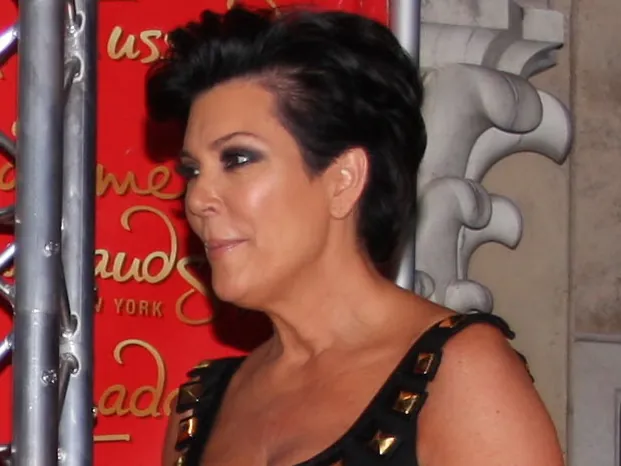 Kris Jenner’s facelift: “I love my facelift”Kris Jenner said she had a facelift about 15 years ago and a refresh before turning 70 — and that she loves it. How a SMAS facelift and recovery work.
 Did Vicki Gunvalson have a facelift? Yes, and she showed the result herselfVicki Gunvalson had a facelift in May 2018 after deciding fillers no longer looked like her. Her own words, how a facelift works and recovery.
 Keltie Knight’s facelift: why she decided to “just own it”Keltie Knight had a facelift in 2023 at 41 and chose to talk about it openly. What she said, how a SMAS facelift works and what recovery looks like.
 Did Linda de Mol have a neck lift? Yes, and she wrote about it herselfLinda de Mol wrote in LINDA. in 2025 that she had a neck lift. What she said, why she chose to be open, and how a face and neck lift works today.
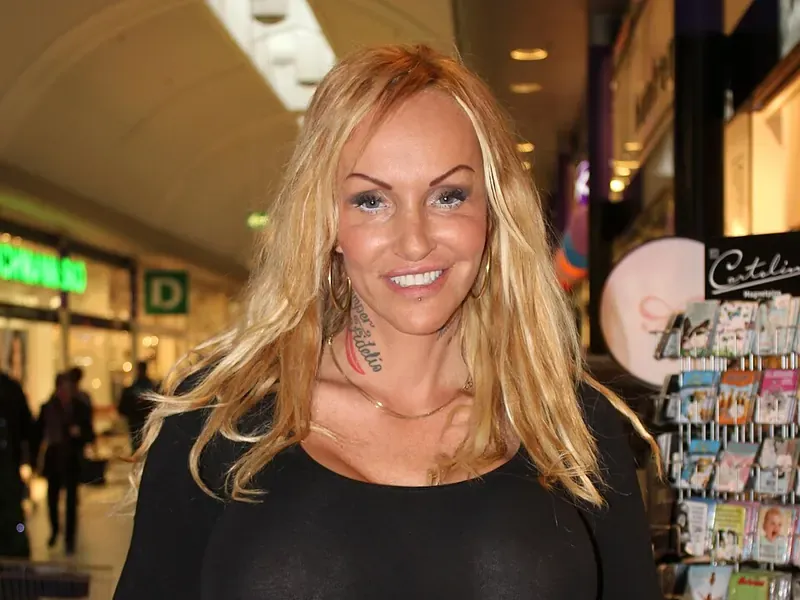 Linse Kessler and her facelifts: what she said herselfDanish reality star Linse Kessler has said openly that she has had several facelifts. Her words, how a modern facelift works and what recovery involves.
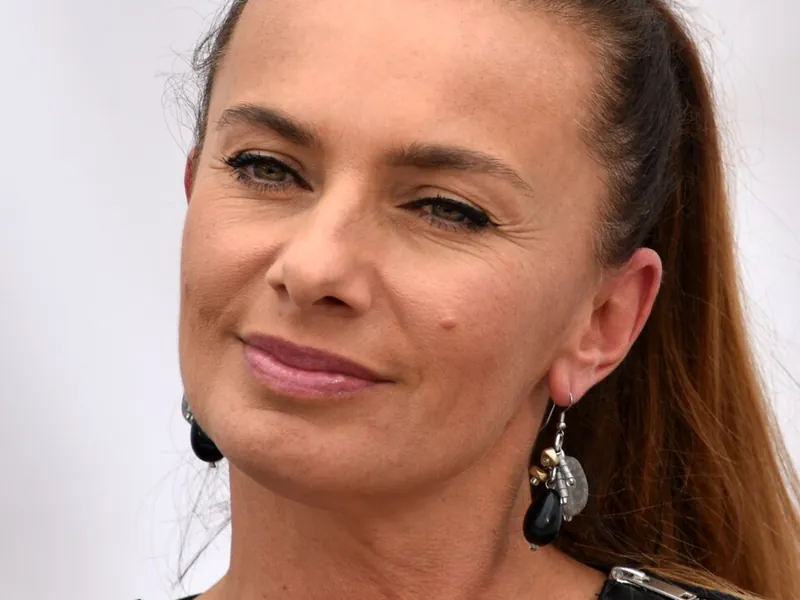 Did Alice Bendová have a facelift? Yes, and she explained why herselfAlice Bendová confirmed a deep plane facelift in September 2026. Her words, how a facelift works, who it suits and what recovery looks like.
Facelift in Alicante: price and what is included
Prices are in US dollars; the amount in brackets is an approximate conversion to EUR at the rate of 02.10.2026. The final price is fixed in your contract.
- Faceliftfrom $2,400 (≈ €2,150)
What is a SMAS facelift?
It is a face lift that tightens the deep SMAS layer under the skin, not only the skin itself, so the lower face, jawline and neck stay firmer for longer. The result lasts about 7–10 years.
How much does a facelift in Alicante cost?
Prices start from $2,400 (≈ €2,150). The surgeon sets the final price at the free consultation, and it is fixed in the contract, with no hidden extras.
What is included in the price?
A one-to-one consultation, the medical team, anaesthesia, inpatient care with meals, 24/7 monitoring and twelve months of follow-up by the surgeon.
How do I get my exact price?
Message us on WhatsApp or Telegram using the buttons below. A coordinator will answer your questions and book a free consultation where the doctor names the exact price.
By messaging us, you agree to our Privacy Policy
Sun, salt and a facelift: how Alicante's skin conditions shape the plan
Alicante has a semi-arid warm climate, and the city's own figures show how much light the skin gets. The year brings 3,014 hours of sun, with 345 in July and 175 in December. The average humidity is 65 %. For a facelift, the sun matters in two ways: before the operation, because it shows in the quality of the skin, and afterwards, because healing skin needs protection. During the free online consultation, send photos taken in daylight, without make-up and without filters. The doctor will assess the sagging of the cheeks, the jowls, the jawline and the neck. Sun-exposed skin often looks different from skin that has been shaded for years, and the photos let the doctor see that.
A SMAS facelift does not work only on the surface. The doctor lifts and fixes the muscle and fascia layer, then redrapes the skin and removes the excess without excessive tension. Skin that has had a lot of sun can look thin or uneven, but the structural lift is done on the deeper layer. The plan is always made individually, after the doctor has assessed the changes and explained each stage. If you have chronic illnesses, mention them at the very start of the conversation. Severe cardiovascular conditions, clotting problems, cancer and decompensated diabetes are listed as contraindications, and so are acute skin inflammation, pregnancy and breastfeeding. The usual recommendation is for people from 40 with marked sagging, and in some cases from 35.
In Alicante the season of the operation deserves thought, because healed skin should not be exposed to strong sun without care. July is the driest month, with only 3.2 mm of rain, and the record temperature of 42.0 °C was set on 13 August 2022. The warmest months bring maximums above 30 °C. So if you plan a facelift in winter or early spring, you avoid the most intense sun during the first weeks of recovery. The coordinators answer on WhatsApp and Telegram round the clock, and they can help you choose a time that fits both your calendar and the weather.
Cold mornings, sea air and the first days at home
January is the coldest month in Alicante, with an average maximum of 17.2 °C and a minimum of 6.7 °C. That is mild by many standards, but it matters for the first days after a facelift. The first 7–10 days are a time of rest, a compression bandage and reduced physical activity. Early mornings and evenings can feel cool, so plan a soft scarf or a loose collar that does not press on the face and neck. Avoid anything tight around the ears and jaw while the swelling is at its peak. Ask the coordinator what clothing is practical, and in particular tops that open at the front, so you never have to pull anything over your head.
The sea is close, since the municipality has several beaches, including Postiguet in the city itself, San Juan, La Almadraba, Albufereta, Agua Amarga and El Saladar. The sea temperature averages 19.6 °C over the year, with a minimum of 14 °C in February and March and a maximum of 26 °C in August. A walk along the shore is a gentle way to spend the recovery days, but swimming is not part of the first stage. Swelling and bruising usually fade in 2–4 weeks. Your doctor will tell you when the bandage can come off and when you may return to normal water activities. Do not decide this yourself on the basis of how good the weather looks.
Think also about the terrain. The city stands at an altitude of 3 m on mostly flat ground, so you will not face steep climbs on a short walk. This makes the first outings after the operation simple. Walks on level paths are consistent with reduced physical activity, and you can build up gradually, always following the doctor's instructions. After the operation you will be monitored round the clock during the stay, and then supported by the coordinator at home. If something worries you, send a photo in the chat, and you will get an answer without having to wait for a scheduled appointment.
Planning around the Alicante calendar: fiestas, term time and everyday events
The most famous dates in the city are the Hogueras de San Juan, which run from 19 to 24 June and hold the status of a Festival of International Tourist Interest. A few days later come five nights of firework competitions on Postiguet beach. If you want to be at your best for these dates in 2027, work backwards. Swelling and bruising fade in 2–4 weeks, and full recovery takes about 2 months. The first clear changes appear after 3–4 weeks. The final look of the face arrives within 3–6 months. An operation planned for January 2027 would therefore leave you well past the full-recovery stage by the middle of June, with the final result still maturing.
The calendar of a student city is another reference point. The University of Alicante, founded in 1979, has its campus at Sant Vicent del Raspeig, next to the city, and counts more than 25,000 students. Lecturers, administrators and parents of students often plan their year around the academic term. If your work follows the term, the quieter weeks between exam periods and holidays can suit a stay at home for the first 7–10 days. The coordinator will not tell you which weeks to choose, because only you know your commitments. What the coordinator can do is lay out the recovery stages beside your calendar so you can see where meetings, family events and public appearances fall.
Be realistic about the early stage. For the first 7–10 days the main tasks are rest and the compression bandage, which is not a look you will want to show at a family lunch. After that, bruising can still be visible, and many people prefer to wait until the 2–4 week mark before large gatherings. Presentable does not mean finished. Full recovery takes about 2 months, and the surgical result continues to settle for 3–6 months. If an important celebration is fixed in your diary, tell the coordinator in the first message, so the dates can be confirmed before anything is booked.
Public waiting lists and private planning in Spain
In Spain the national health system does not pay for cosmetic procedures. The common portfolio of services excludes techniques whose aim is merely aesthetic or cosmetic, and procedures with an aesthetic purpose unrelated to an accident, an illness or a congenital malformation fall outside specialised public care. So a facelift is a decision you plan and organise privately. Even where plastic surgery is covered for reconstructive reasons, waiting times can be long. At the end of 2025, Plastic Surgery had the longest average wait in the whole national system, 269 days. The Comunitat Valenciana had 51,600 patients on its structural surgical waiting list, 9.91 per 1,000 inhabitants, with an average wait of 88 days.
This is useful for planning only in one way: a private plan can be arranged to your timetable. The online format also helps. You send photos on WhatsApp or Telegram, receive a free assessment from the doctor and a price, and then confirm the plan and the dates before anything is booked. You are not joining a queue, and the final price is fixed in the contract after the doctor has named it. Because the first consultation is free, you can ask all your questions at no cost, and there is no pressure to decide quickly. If you decide against surgery, you have lost nothing but a little time.
Spain also has data on lifestyle that touches on the topic. According to the European Health Survey of 2020, 16.0 % of adults have obesity and 37.6 % are overweight. Significant weight changes affect facial contours and skin, so it is sensible to tell the doctor about any recent or planned weight loss. The same applies to chronic conditions. The survey notes that high blood pressure is the most commonly diagnosed chronic problem, at 19.0 % of people aged 15 and over. Blood pressure and the heart are important in any operation under general anaesthesia, so mention your medication and your diagnoses from the first message. The doctor decides after assessment whether a facelift is suitable at all.
What a realistic recovery looks like, week by week
The operation is done under general inhalation anaesthesia, so there is no pain during it. In the first few days you may feel discomfort and tightness, which the doctor relieves with prescribed medication. Rest, a compression bandage and reduced physical activity are the rule for the first 7–10 days. After the operation, the doctor who performed it follows you for the whole first year, until the final result. That follow-up is useful when something looks unexpected, because you can send photos and receive a reply rather than guess.
The second to fourth weeks are when swelling and bruising fade. The first clear changes in the face appear at 3–4 weeks, once the swelling goes down. It is normal that the face looks different from day to day. One side may swell differently from the other, and the skin can feel tight. Do not judge the outcome in the first month. The full recovery takes about 2 months, and the final look arrives within 3–6 months. For a SMAS facelift, the effect lasts 7–10 years, and some types of lift can last up to 10 years. A repeat procedure after 7–10 years is possible if the patient wishes.
Think about the type of lift, because it influences how you will look. The standard SMAS lift works on the mid and lower face, with incisions hidden along the frontal edge of the hair and around the ears. The full circular lift covers the forehead, temples, mid and lower face and neck. A lift of the lower face and neck targets the chin, jowls and neck skin through small incisions. Endoscopic lifting of the brow and temple works through tiny punctures and moves the brows, which opens the gaze. The doctor chooses with you after the consultation. A facelift can be combined with eyelid surgery, rhinoplasty or liposuction of the double chin, but the combined scope is decided at the consultation, and a bigger scope may mean a longer recovery.
Preparing from Alicante: photos, questions and a calm start
A good consultation begins with good photos. Because the sun in Alicante is strong for much of the year, take them in soft indirect light, near a window, not in direct sun that creates harsh shadows. Send a straight view of the face, both sides in profile and the neck from below the chin, with the hair pulled back. Write what bothers you: the jowls, the double chin, the cheeks, the nasolabial folds, the heavy brows. Add your age, your chronic conditions, medicines, and any previous procedures. The more you tell the doctor, the more precise the answer.
Think also about the practical side of the recovery. Prepare your home before the operation: soft pillows to sleep with the head slightly raised if the doctor recommends it, easy food, and a plan for who will help you in the first days. The stay includes accommodation in comfortable inpatient rooms with monitoring from the medical staff round the clock and meals, so the early period is supervised. After that, the coordinator stays in touch on WhatsApp and Telegram. If you work in a job in which you meet clients, consider arranging a quieter fortnight. If your life revolves around a school or university schedule, mention it to the coordinator.
Finally, remember that age and ageing type matter more than the calendar. After 40–50, firmness is gradually lost, tissues sag, jowls form and the jawline blurs. A facelift is generally advised from 40 with marked sagging and in some cases from 35. Under 30 is a contraindication. If your concerns are mild, the doctor will say so honestly and will not suggest an operation that is not needed. Send your first message, and the coordinator will arrange the free consultation. The reply usually arrives within 15 minutes.
When is the best season in Alicante to plan a facelift?
There is no single answer, but the climate figures help. The sun is strongest in summer, with 345 hours in July, and the warmest months have maximums above 30 °C. The record is 42.0 °C. In winter the sun is milder, with 175 hours in December, and January has a maximum of 17.2 °C. Since healing skin needs protection and the first 7–10 days are for rest, many people choose a cooler period. The final decision depends on your calendar and on the doctor's assessment.
Can I be ready for the Hogueras de San Juan in June?
It depends on when the operation takes place. The Hogueras run from 19 to 24 June. Swelling and bruising fade in 2–4 weeks, and full recovery takes about 2 months. The final result arrives within 3–6 months. If the operation is in January 2027, you would be well past the two-month mark in June. The coordinator can lay the stages beside your dates before you confirm anything.
Does the Spanish public health system cover a facelift?
Generally no. The common portfolio of the national health system excludes techniques with the aim of merely improving aesthetics, and aesthetic procedures not related to an accident, illness or congenital malformation are outside specialised public care. A facelift for aesthetic reasons is therefore planned privately. The online consultation is free, and the doctor names the final price, which is then fixed in the contract.
Is the waiting time for plastic surgery in Spain a reason to choose an online consultation?
Public waiting times are a fact of the system. At the end of 2025, Plastic Surgery had the longest average wait in the national system, 269 days, and the Comunitat Valenciana averaged 88 days for structural surgical waiting. Those figures concern the public system, not cosmetic operations. With a private plan, you get an assessment through WhatsApp or Telegram, then confirm the plan and the dates before anything is booked.
What should I wear and how should I protect my face in the first weeks?
Choose clothes that open at the front, so nothing is pulled over the head, and avoid anything tight around the ears and jaw. In the cooler months, with a January minimum of 6.7 °C, use a soft scarf that does not press on the neck. Protect the healing skin from strong sun, and follow the doctor's instructions on the bandage and activity. For the first 7–10 days, rest and reduced physical activity are the rule.
Can I go to the beach during recovery?
Not in the first stage. The first 7–10 days are for rest, with a compression bandage and limited activity. Swelling and bruising fade in 2–4 weeks. The sea averages 19.6 °C over the year, and the walk along a beach such as Postiguet may be pleasant, but swimming and sun exposure must wait until the doctor allows them. Ask during the follow-up, and send a photo if you are unsure.
What should I tell the doctor about my health before the consultation?
Mention chronic illnesses, regular medicines, clotting problems, heart conditions, diabetes, any history of cancer, and whether you are pregnant or breastfeeding. These are among the contraindications. Mention changes in your weight too, because Spain's health survey shows that more than half of adults are above normal weight, and weight changes alter the contours of the face and neck. The doctor decides after the examination whether a facelift is suitable.
How quickly will the coordinator reply from Alicante?
The coordinators answer round the clock on WhatsApp and Telegram, and the usual reply arrives within 15 minutes. You can send photos right in the chat. The first consultation is free, and the doctor names the final price, which is fixed in the contract. Nothing is booked until you confirm the plan and the dates.