


























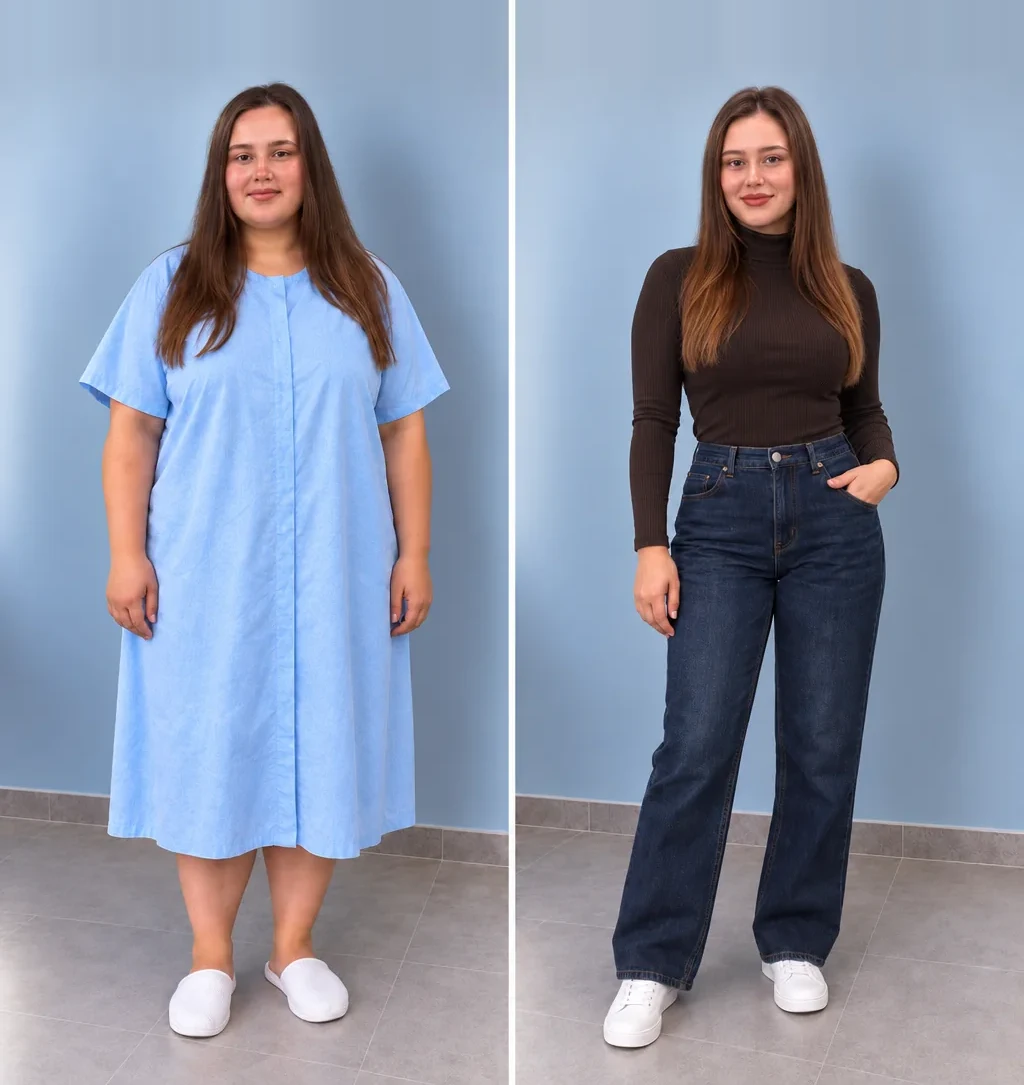
 beforeafter
Irina, 26
Bariatric surgery
Bariatric surgery
$3,600
$4,800 · First consultation — Free
Free online consultation · Reply within 15 minutes
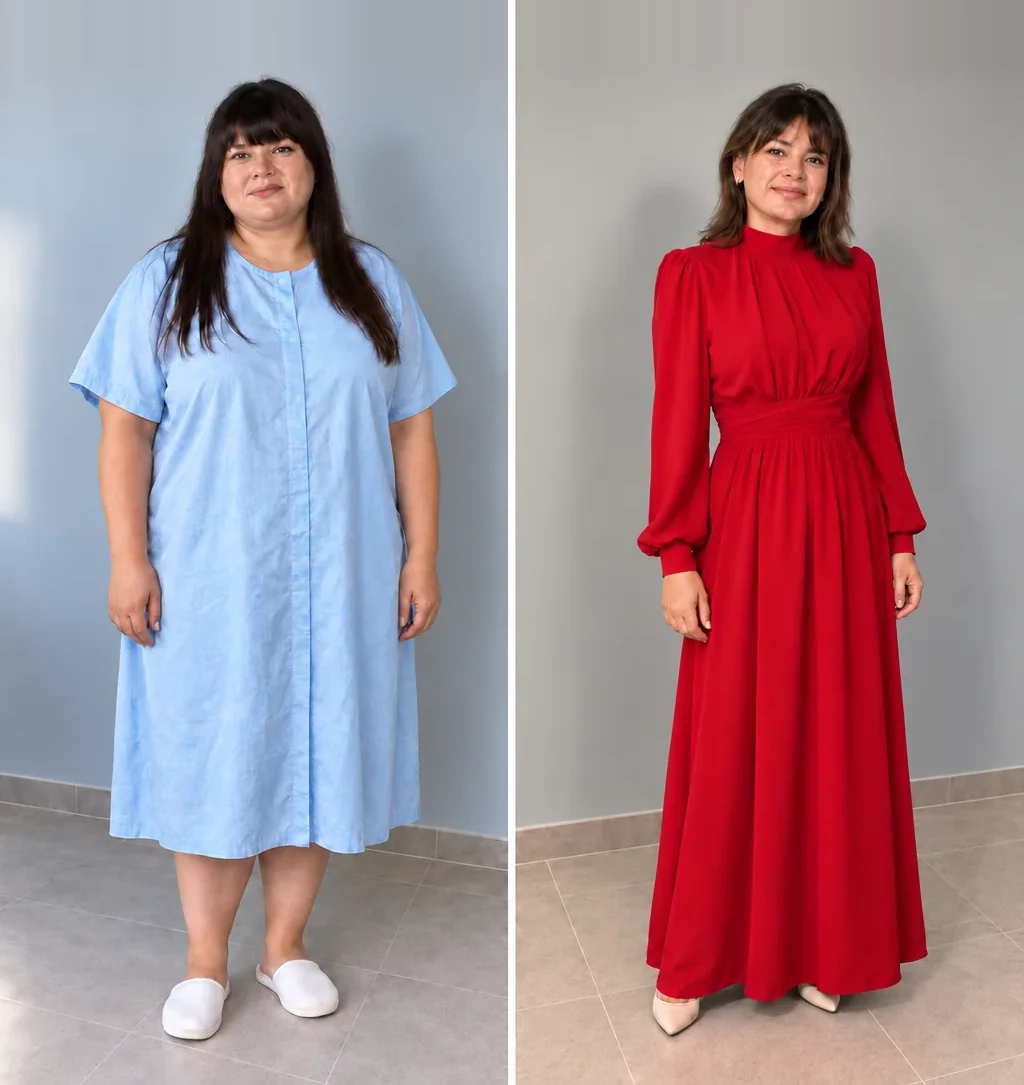 before
after
Message our coordinator
Free online consultation · Reply within 15 minutes
Message us on TelegramMessage us on WhatsAppBy messaging us, you agree to our Privacy Policy
Bariatric surgery for patients from Alicante at City Medical Centre starts at $3,600. The first online consultation is free; the doctor names the final price and it is fixed in the contract.
How it works · Bariatric surgery prices
Information current as of 24 October 2026
Results
These are real patients treated at the clinic.
beforeafterBariatric surgery
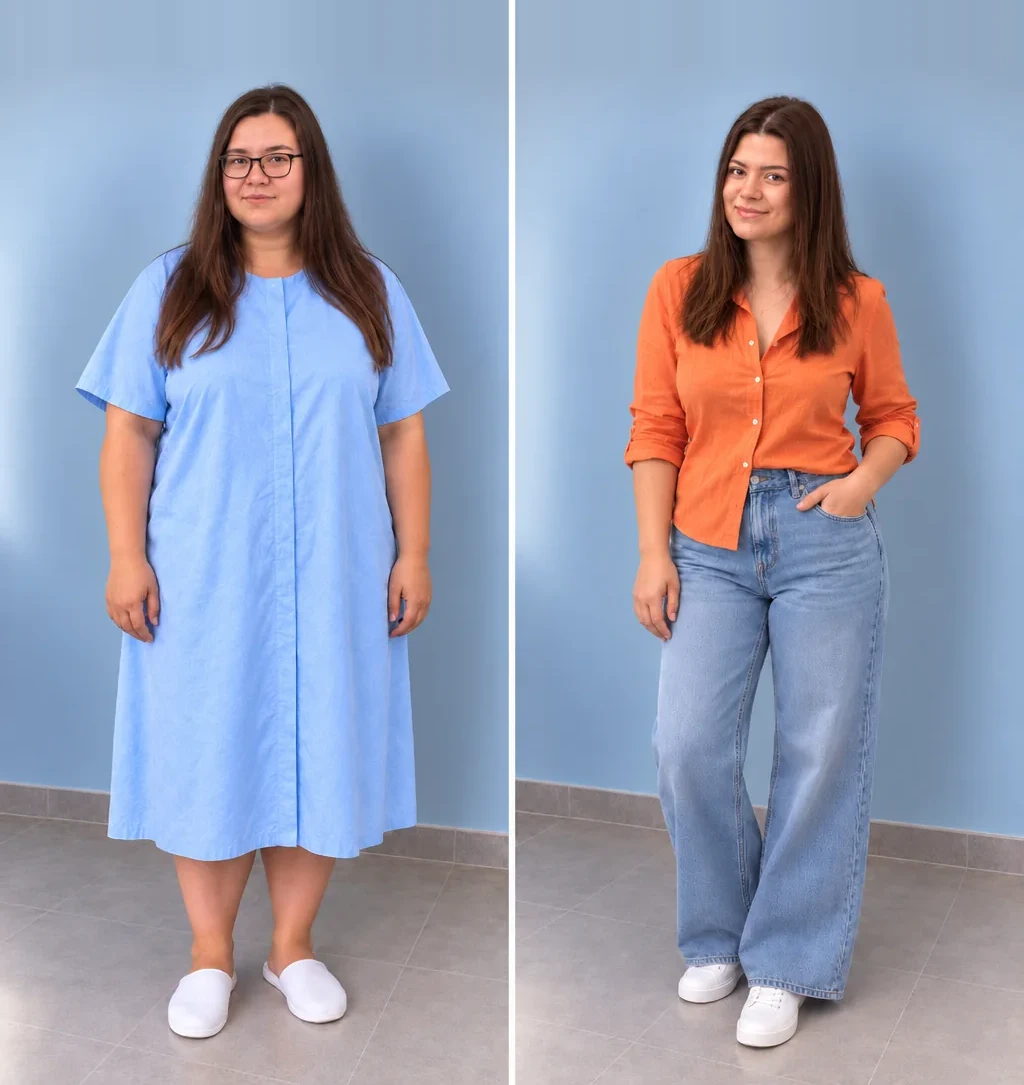 beforeafter
Bariatric surgery
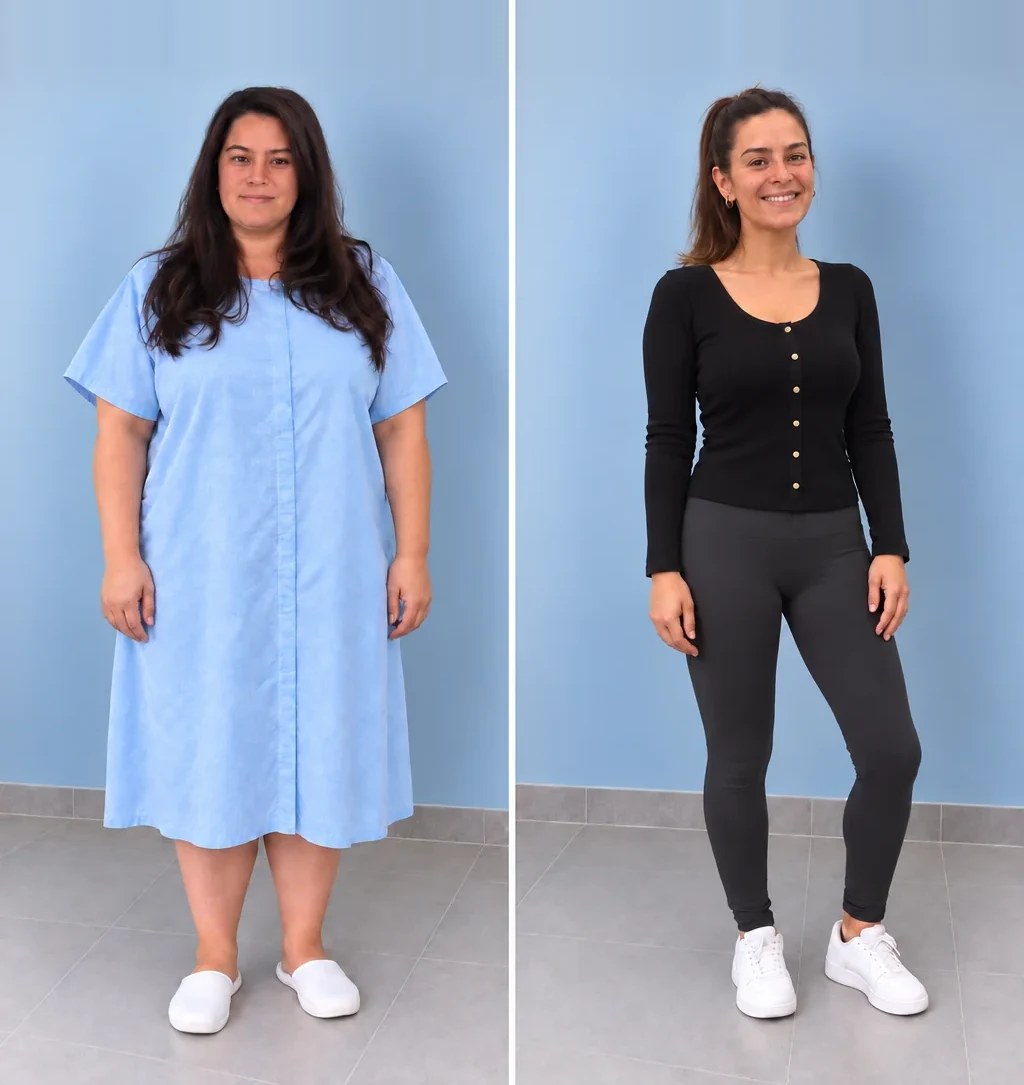 beforeafter
Bariatric surgery
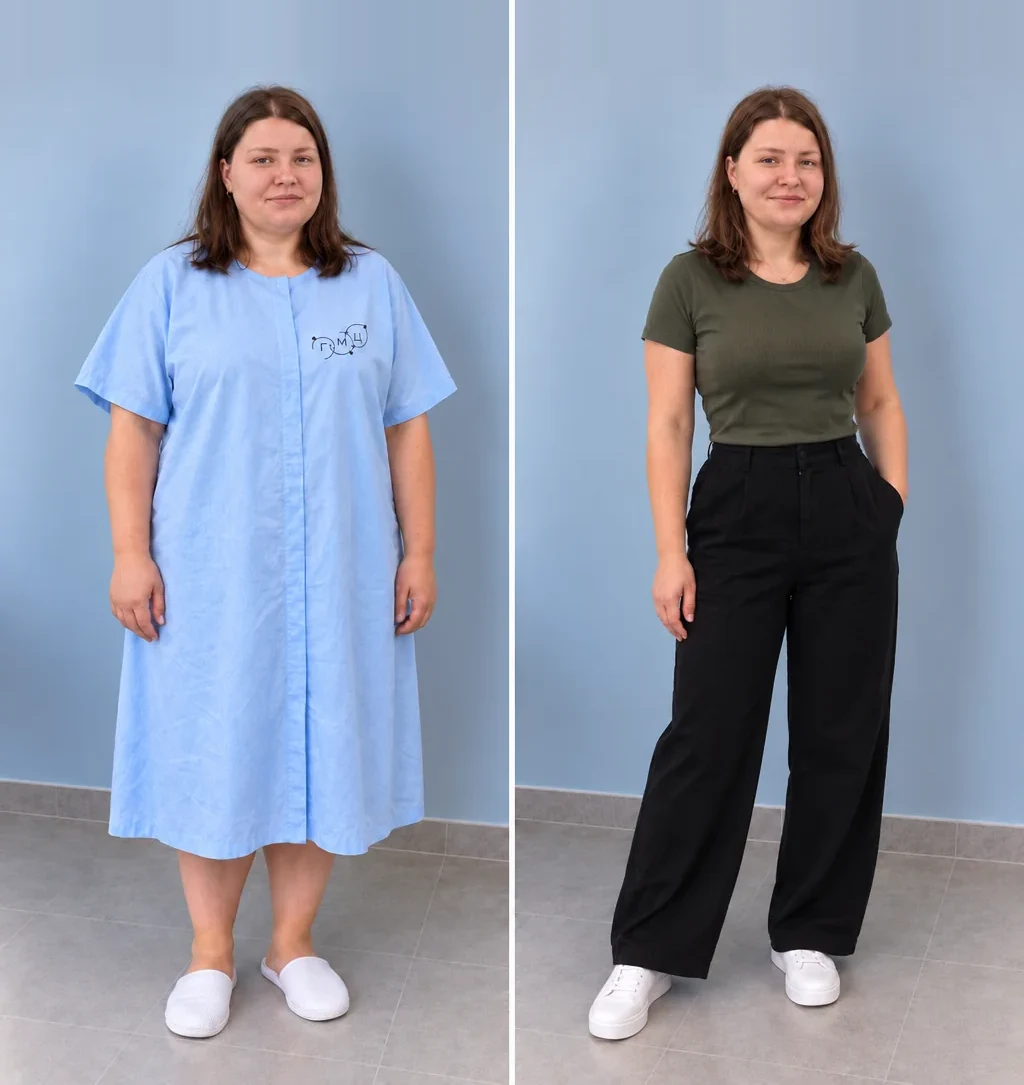 beforeafter
Bariatric surgery
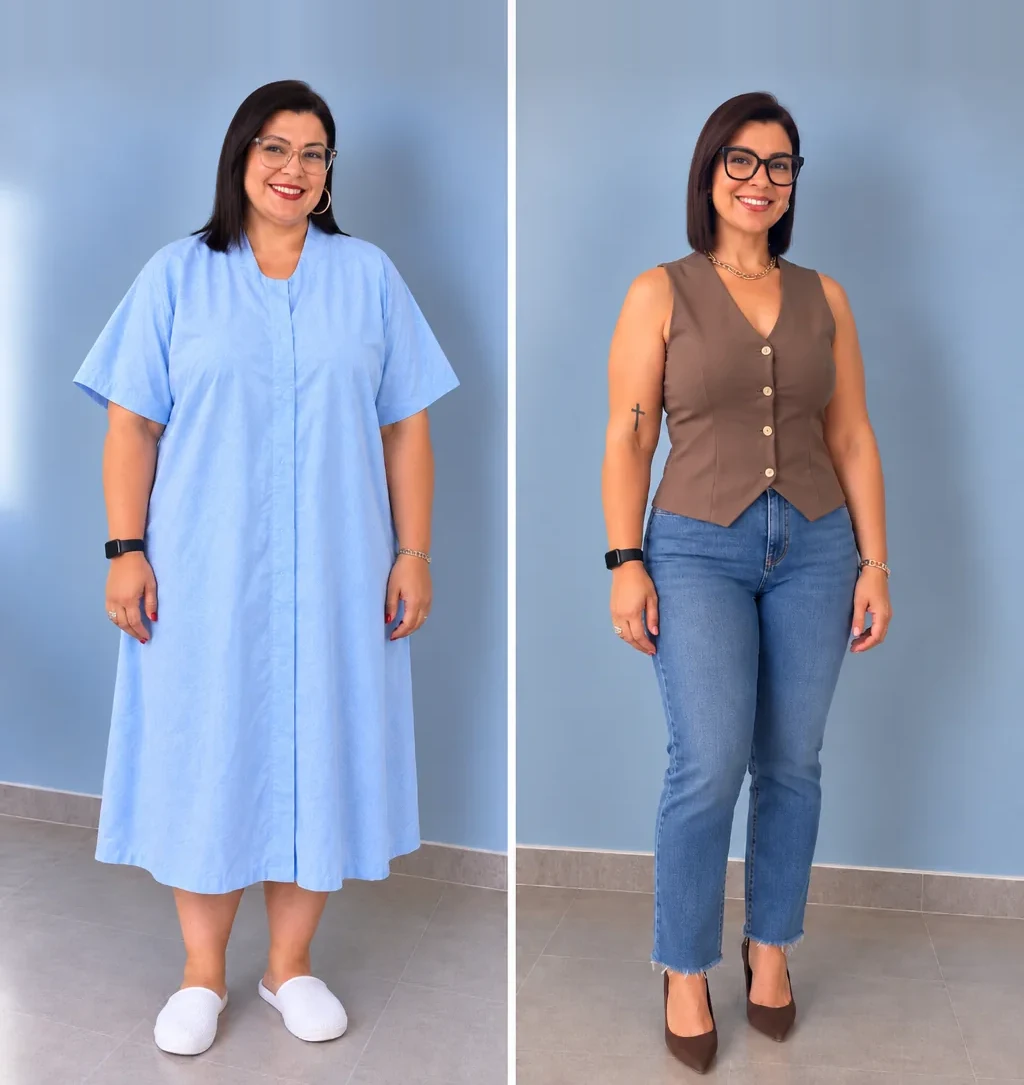 beforeafter
Bariatric surgery
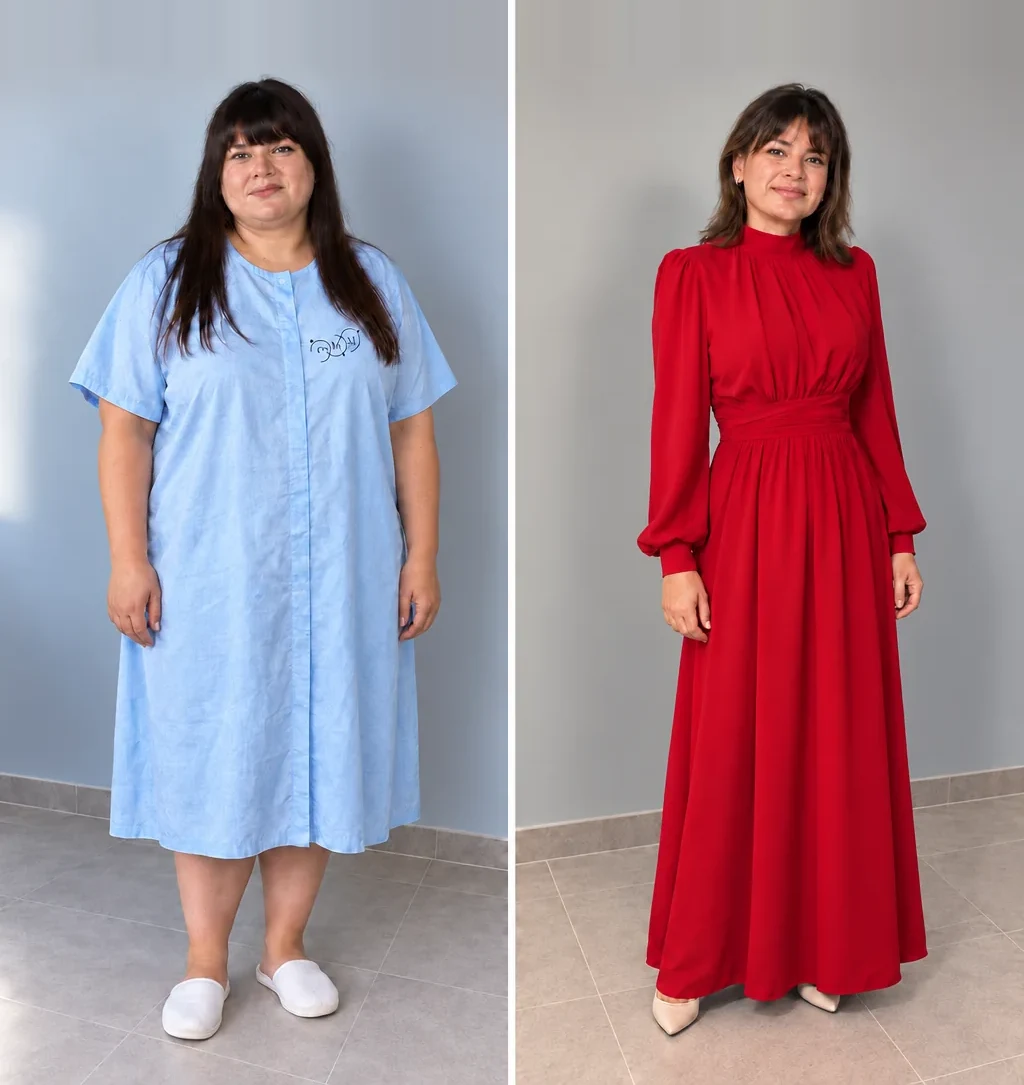 beforeafter
Bariatric surgery
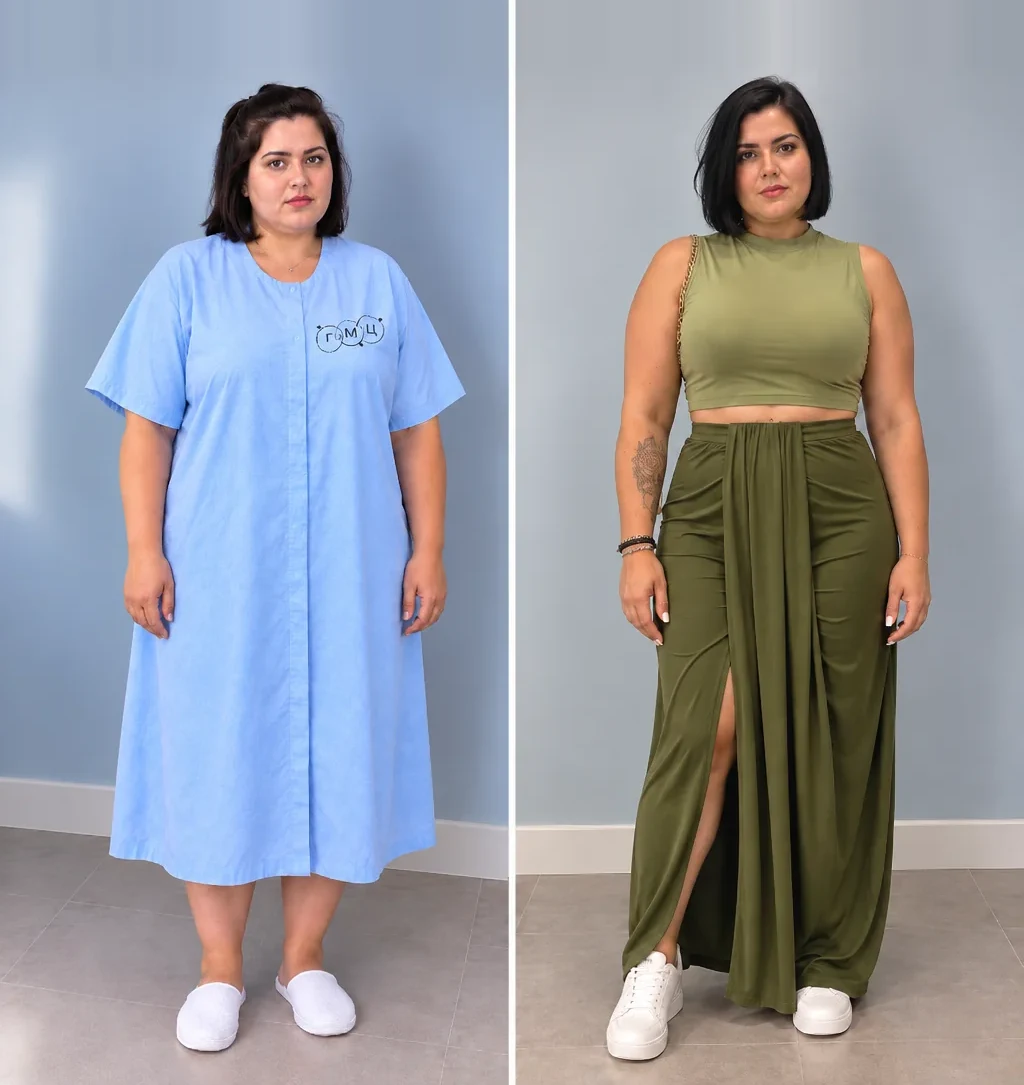 beforeafter
Bariatric surgery
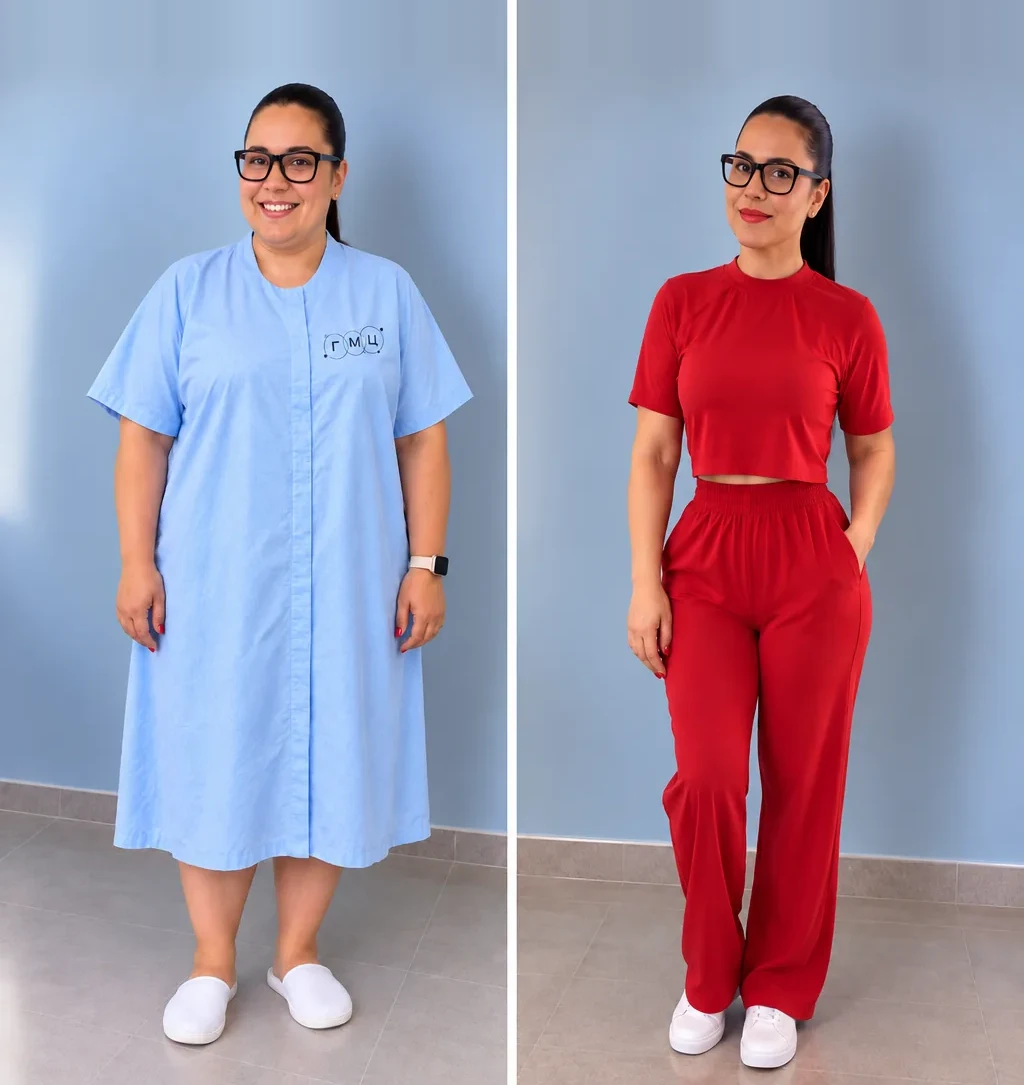 beforeafter
Bariatric surgery
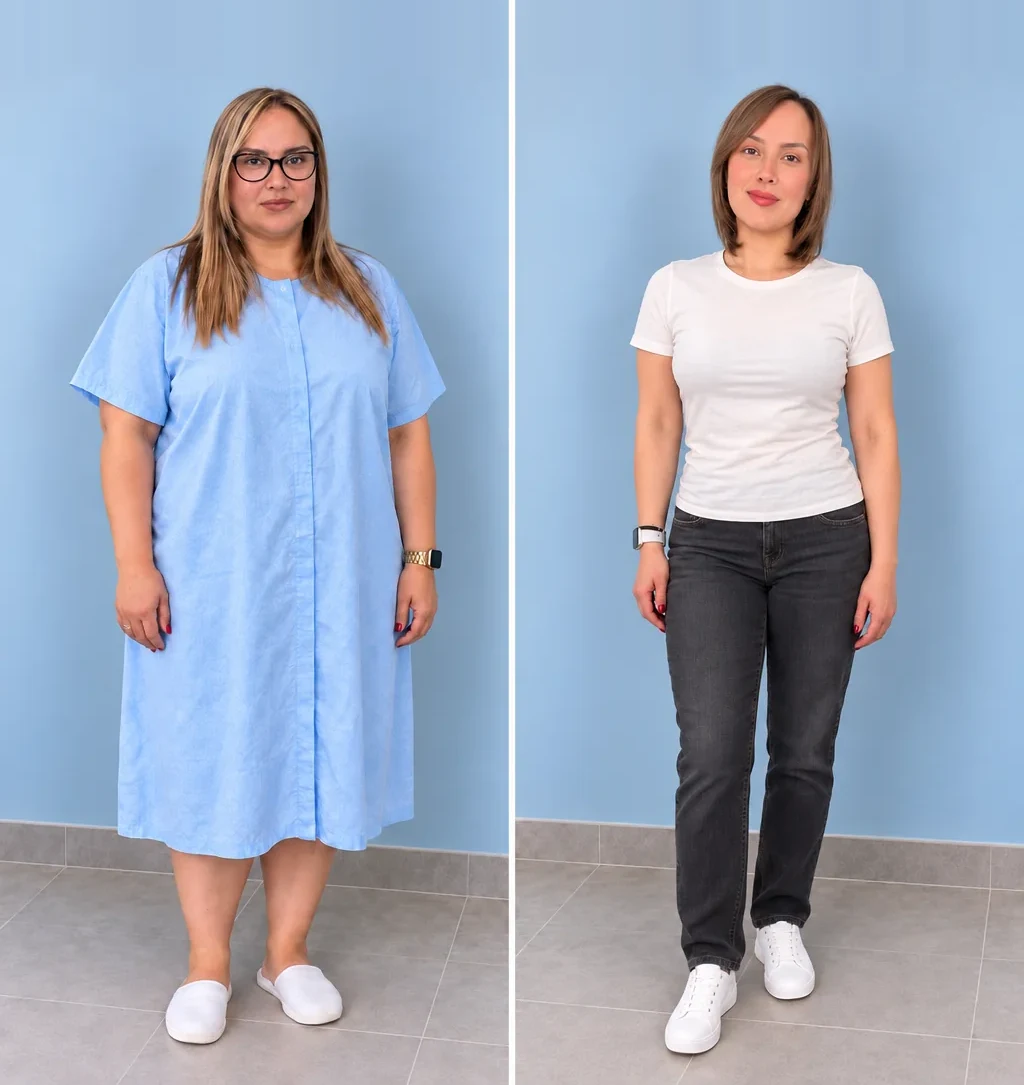 beforeafter
Bariatric surgery
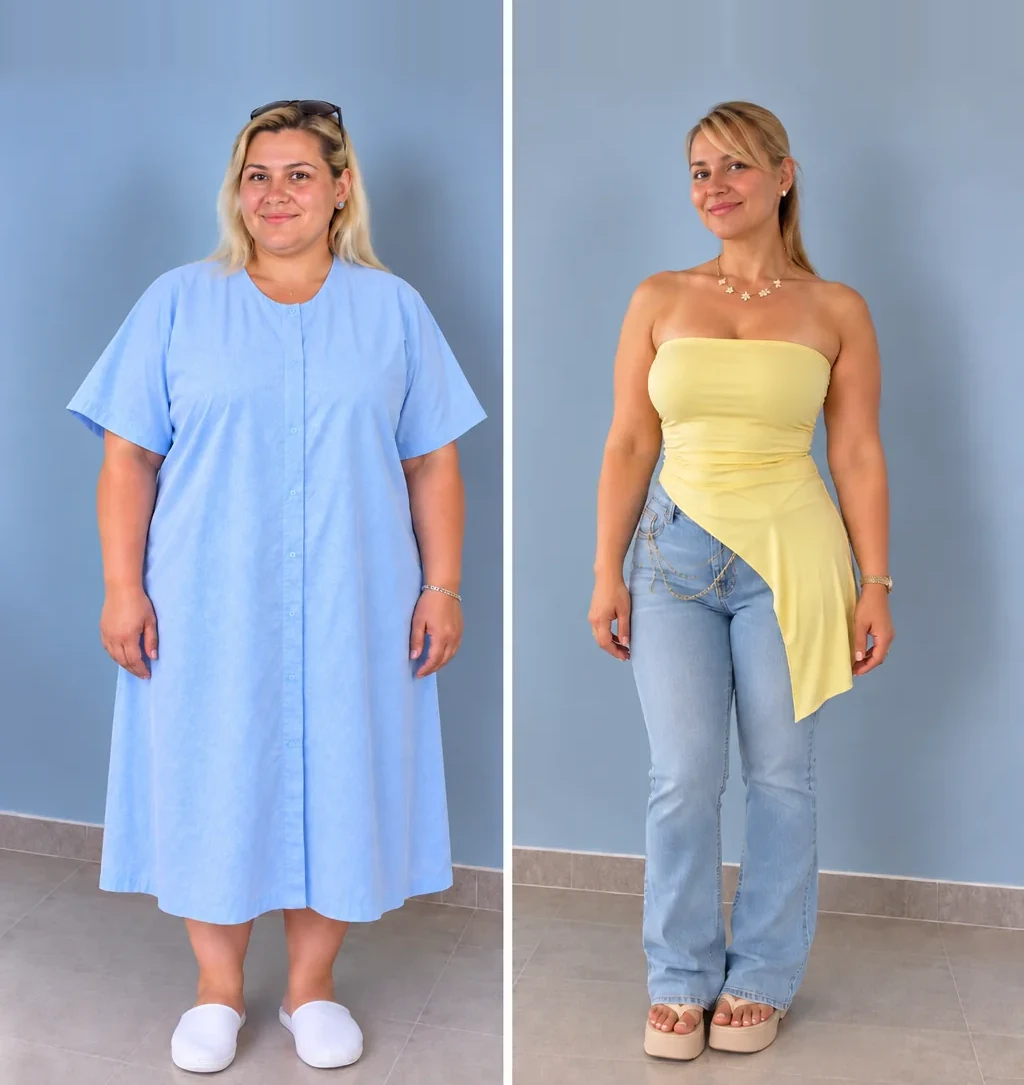 beforeafter
Bariatric surgery
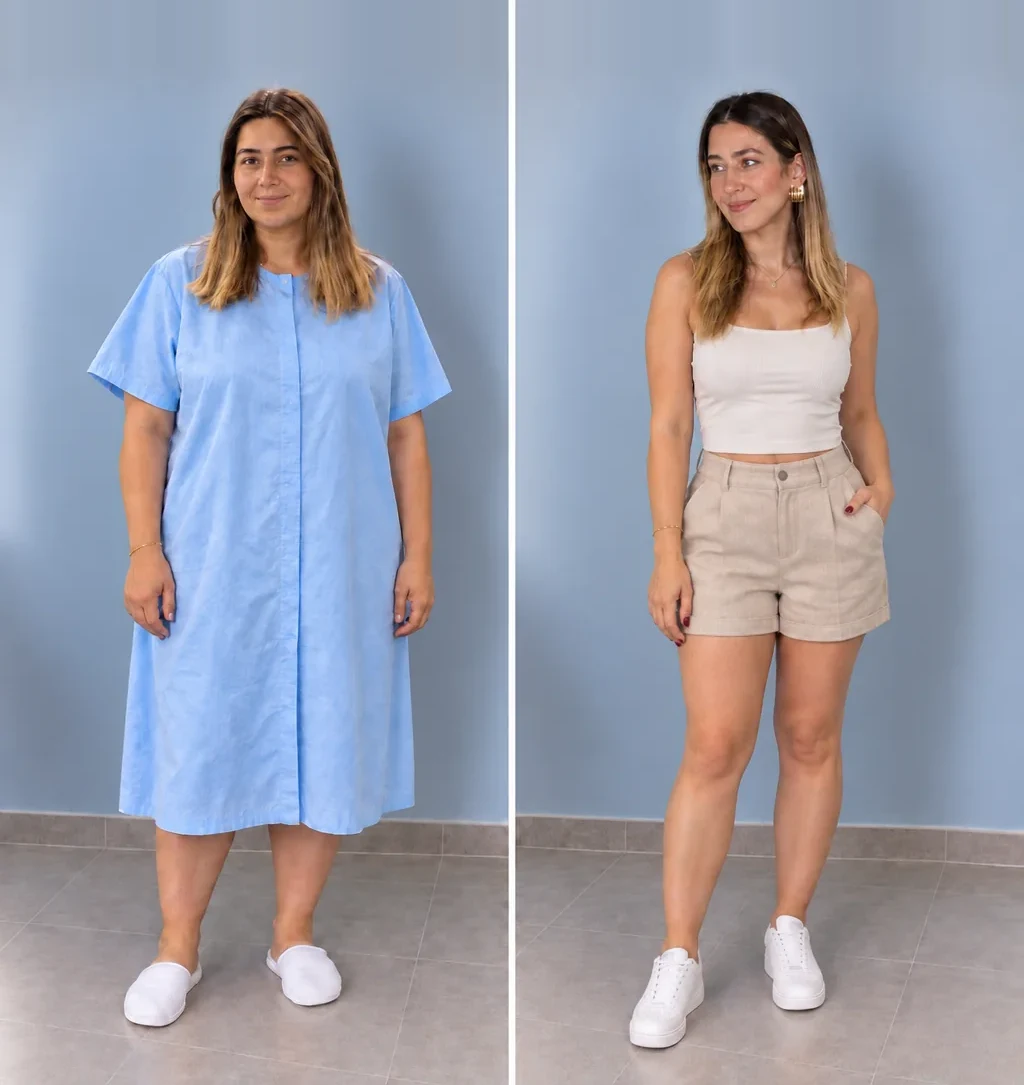 beforeafter
Bariatric surgery
Comparison
We perform two main operations: sleeve gastrectomy and gastric bypass. Compare how they work, what they are for and when they are indicated to choose your method with confidence.
Reducing the stomach volume
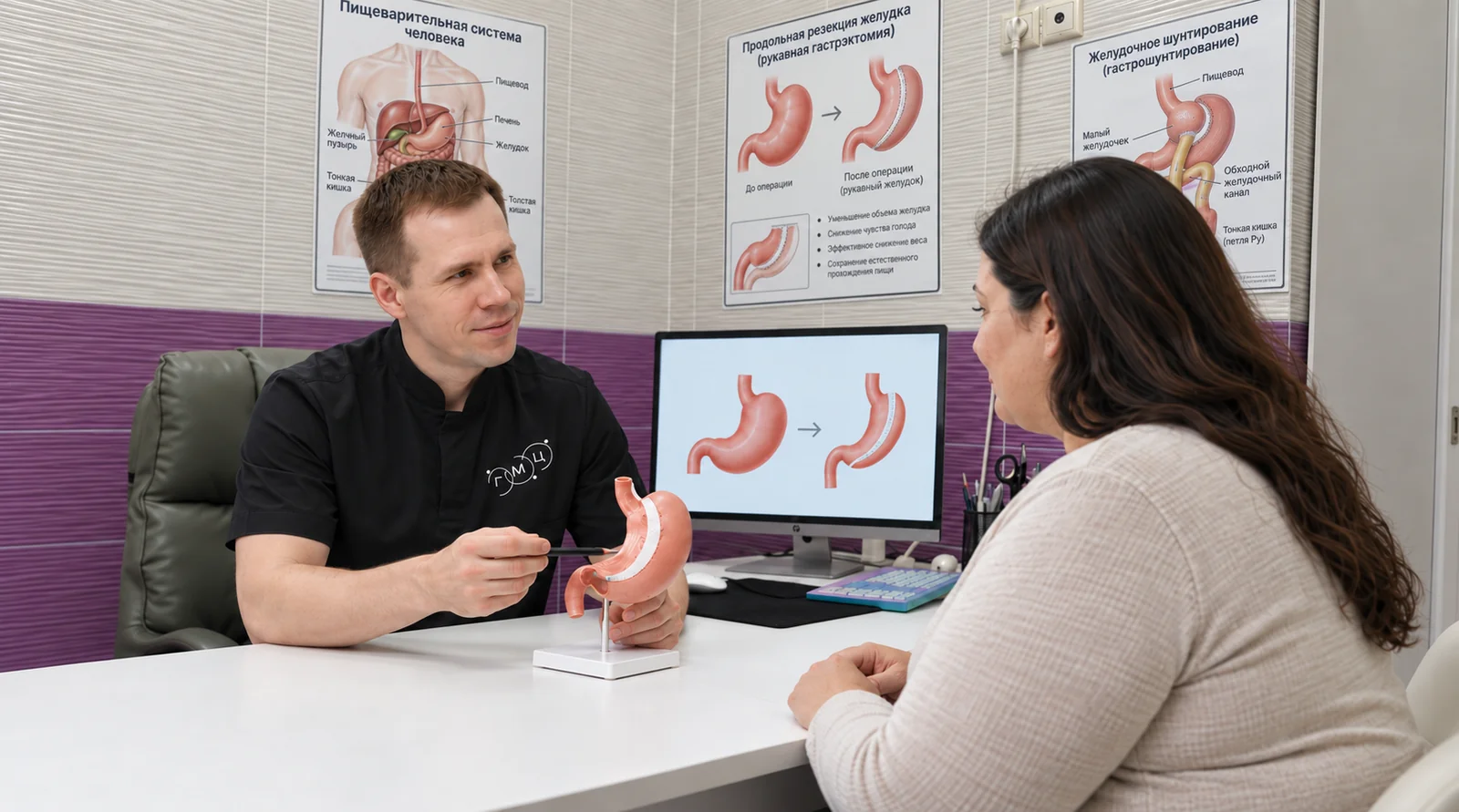
Discounted price
$3,600 $4,800
Stomach volume is reduced and the food path is changed
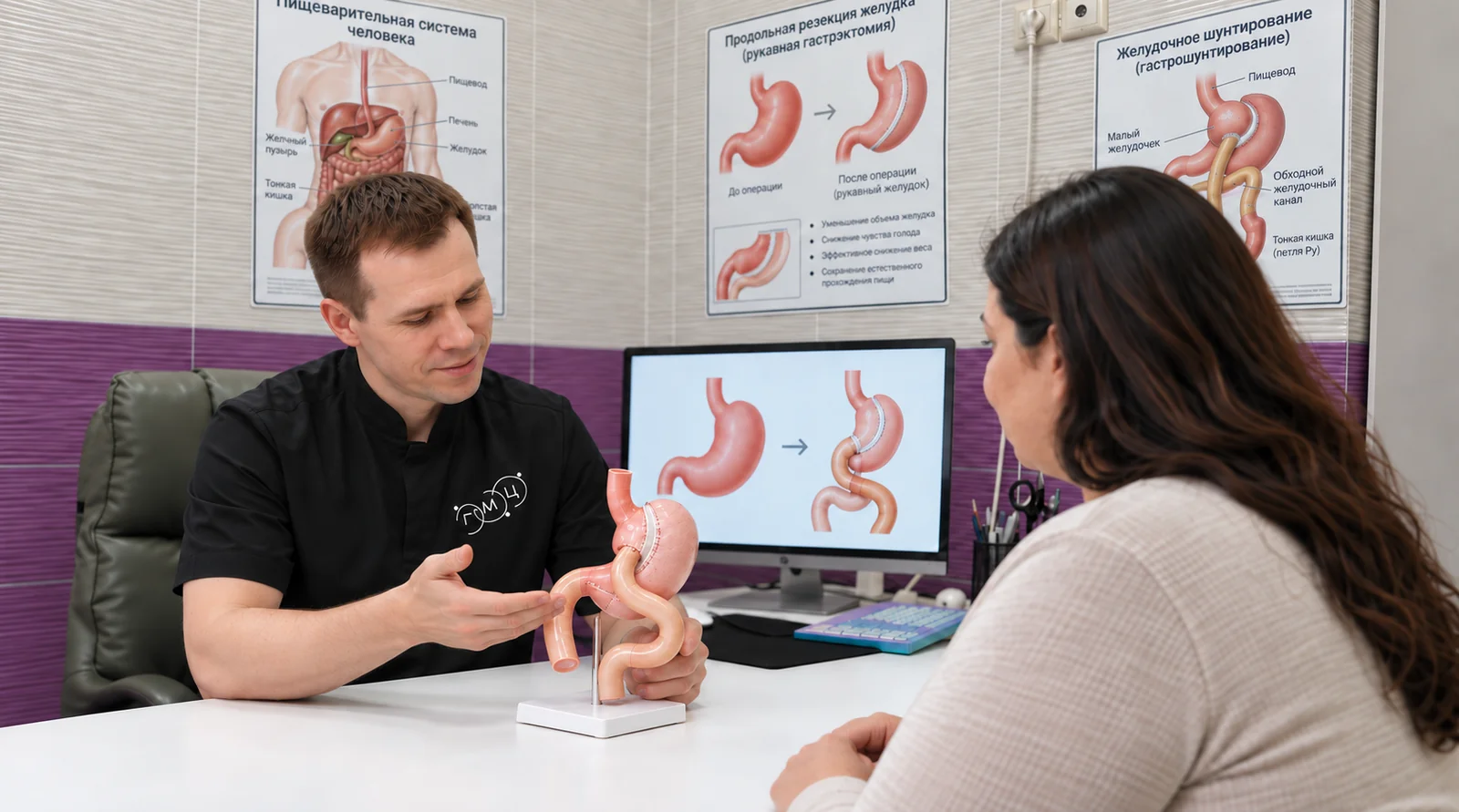
Discounted price
$4,000 $5,200
We show average benefits and recovery times for each method as a guide only: the extent of the operation and recovery are individual, set by your anatomy and features, and confirmed by the surgeon at the consultation.
Book a consultationAbout us
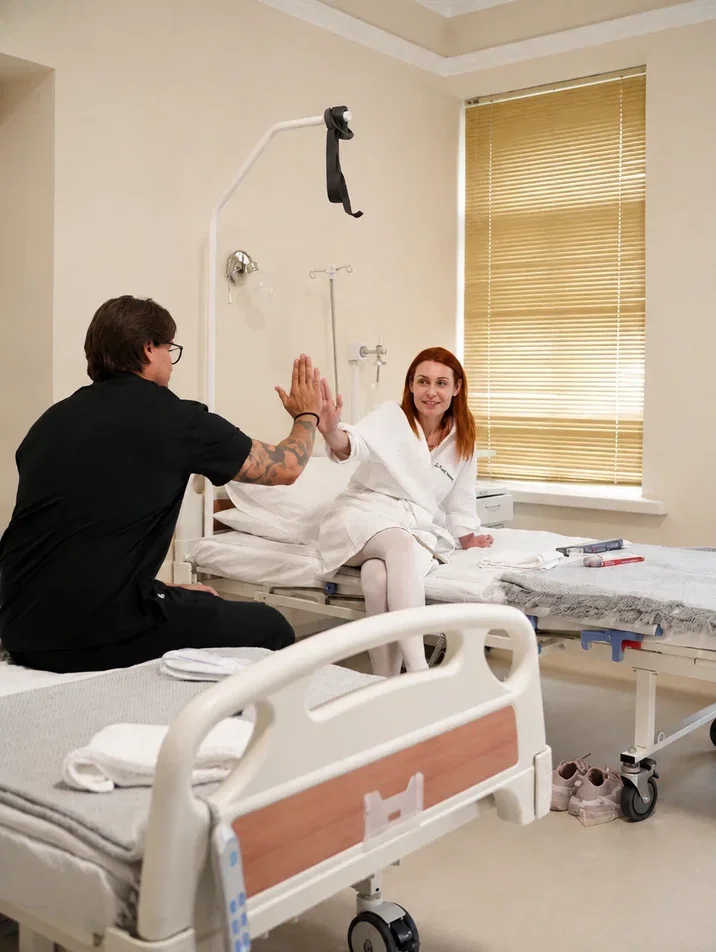
Modern equipment, comfortable rooms and care for every patient
Ask us anything, and we will arrange a consultation at a time that suits you
By messaging us, you agree to our Privacy Policy
Get a consultationYou and the surgeon decide on surgery together, after a consultation and check-up.
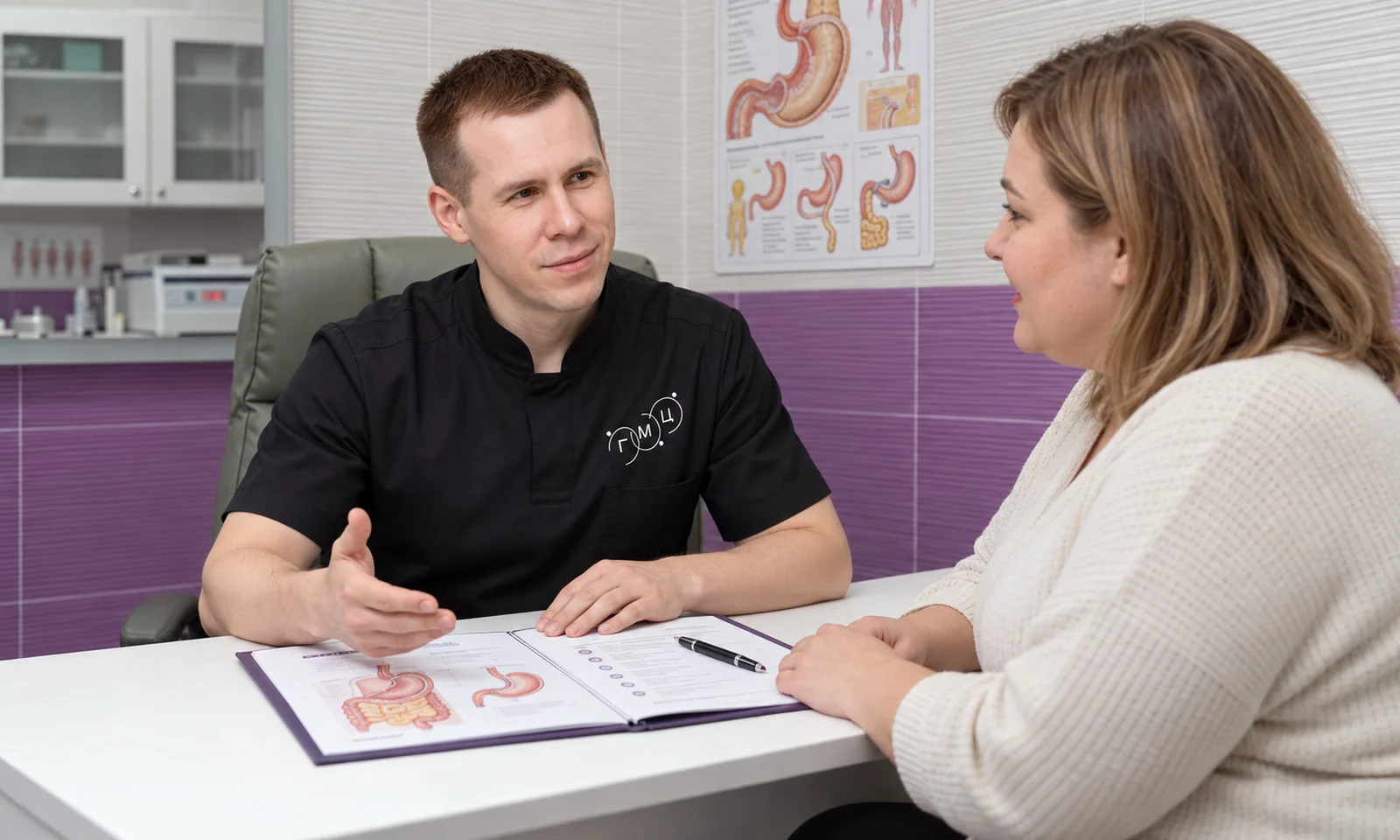
Not sure which group you fall into?
Write to us on Telegram — a coordinator will let you know whether bariatric surgery is an option for you. The surgeon consultation costs nothing and carries no obligation to operate.
Find out if it suits me
Prices
We tell you the cost at the consultation once your plan is ready; the contract then fixes it.
Discounted price
Reducing the stomach volume
$3,600$4,800
Discounted price
Weight loss and rerouting food
$4,000$5,200
Free
Your treatment plan follows the surgeon's examination

Free
the cost of the operation is named
and recorded in the contract
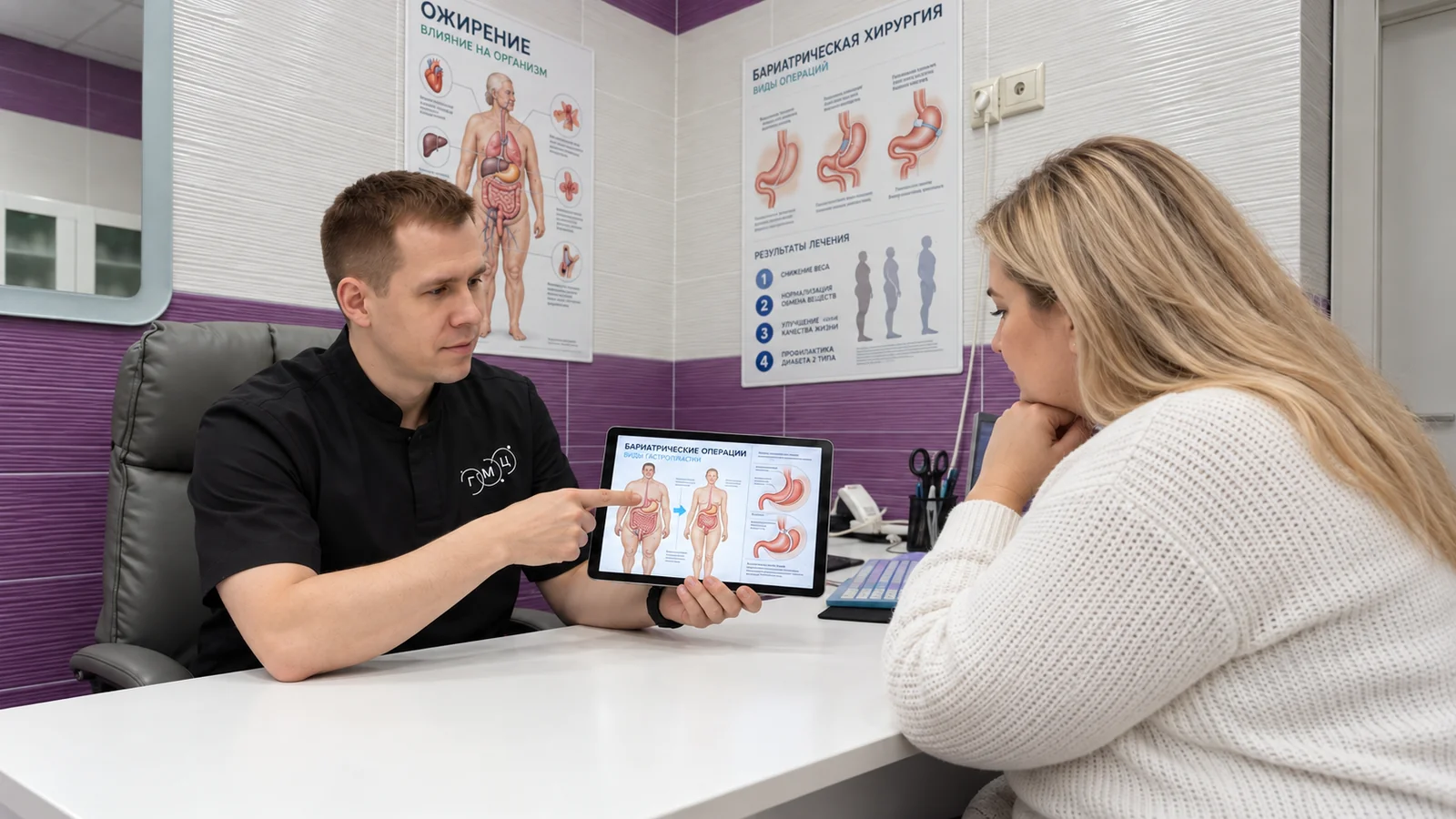
The doctor evaluates your health, talks through your goals and selects the right bariatric surgery method. The cost is named at the consultation and set in the contract.
Message our coordinator
Free online consultation · Reply within 15 minutes
Message us on TelegramMessage us on WhatsAppBy messaging us, you agree to our Privacy Policy

price
One package — from preparation to 12 months of support. No extra charges.From your pre-surgery preparation
to follow-up support for 12 months.
The process
Your agreed treatment plan, monitoring during your hospital stay and support for a year.
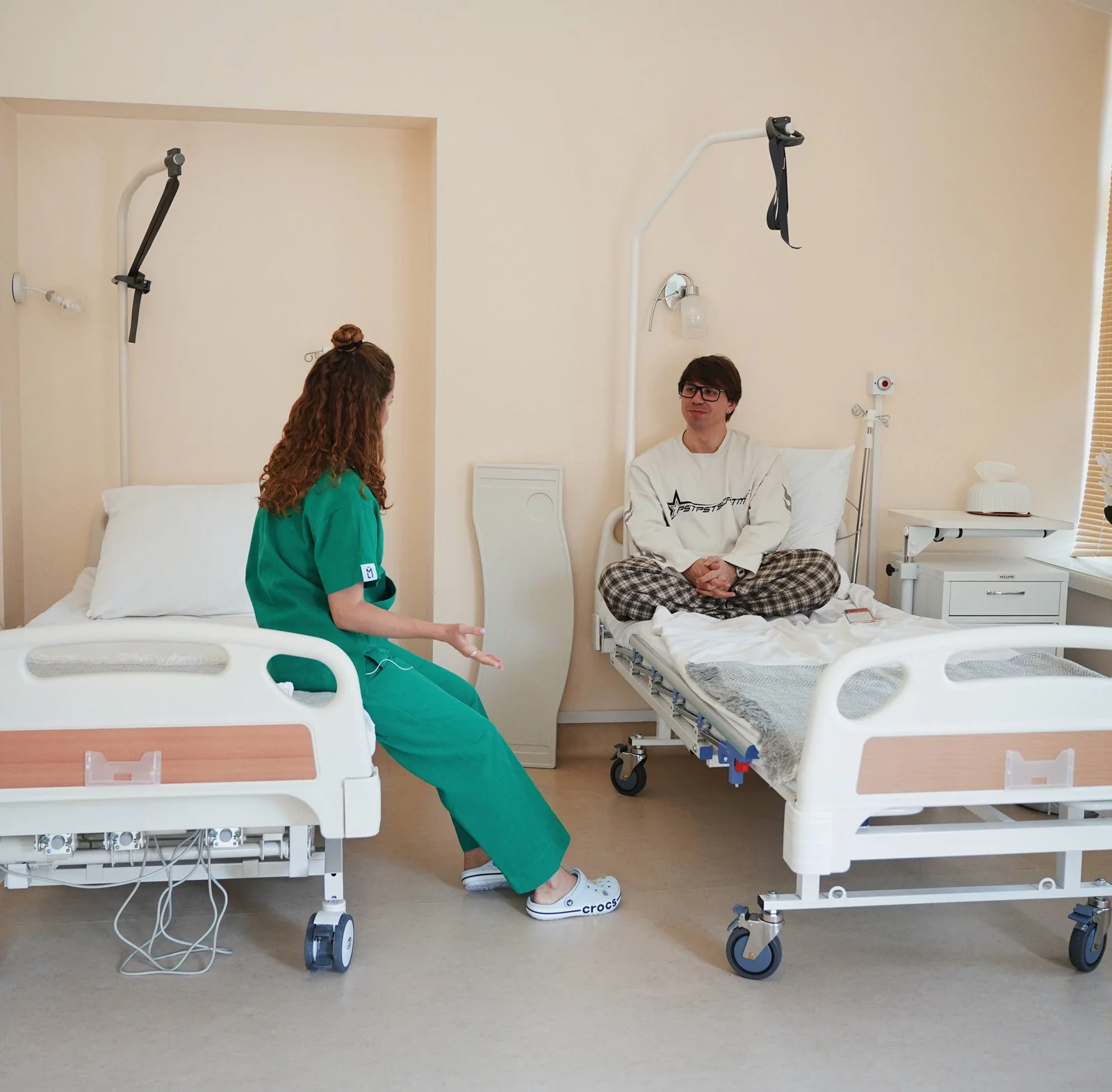
1The doctor reviews your health and goals and orders the tests required to decide on the right bariatric surgery method.
2We set aside a surgery date for you — the deposit is paid by card at the clinic or online by bank transfer, and the terms are fixed in the contract for medical services
 3
Before surgery you have blood and urine tests, an ECG, an ultrasound and a gastroscopy, and see the specialists. The doctor gives you the exact list at the consultation.
 4
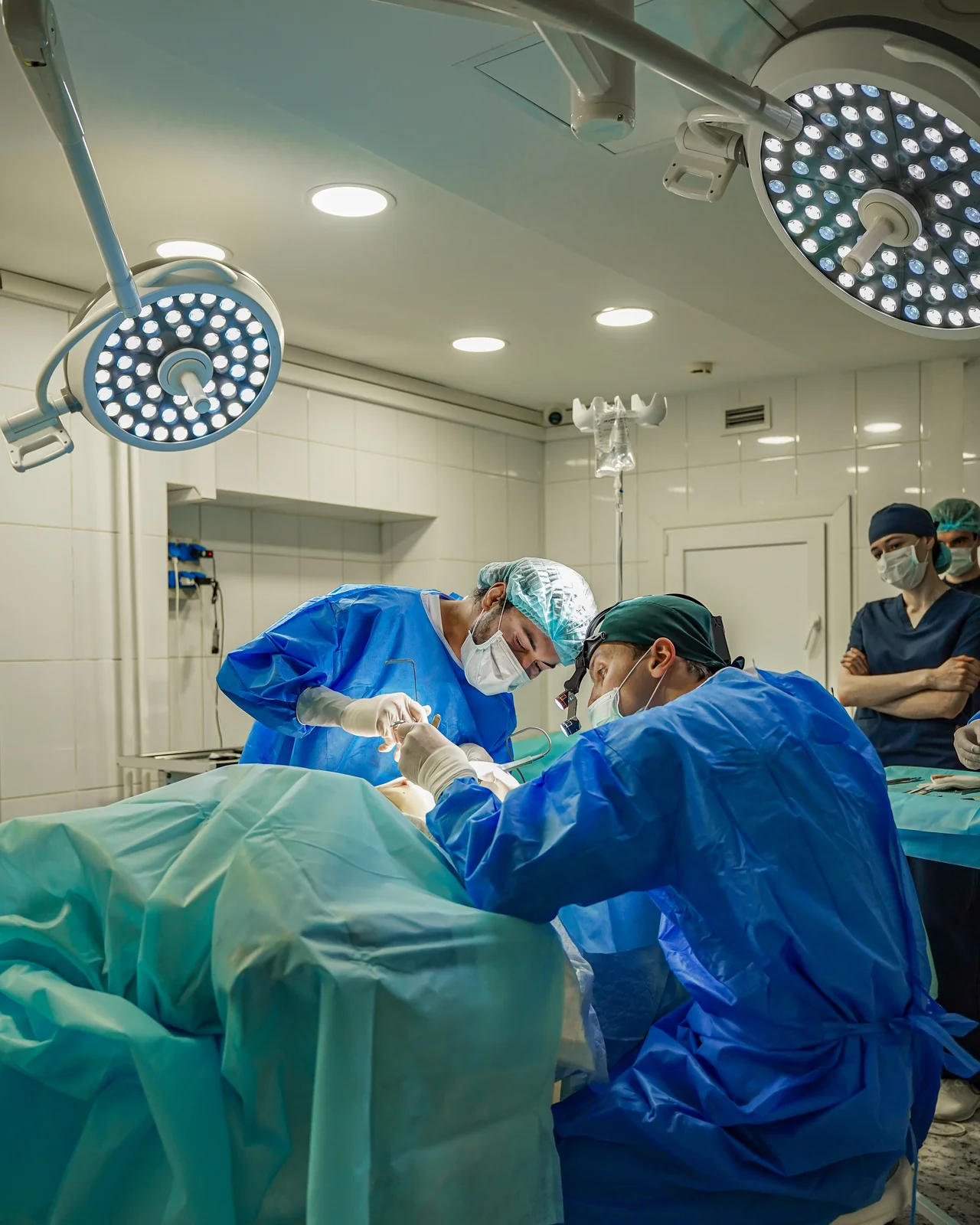
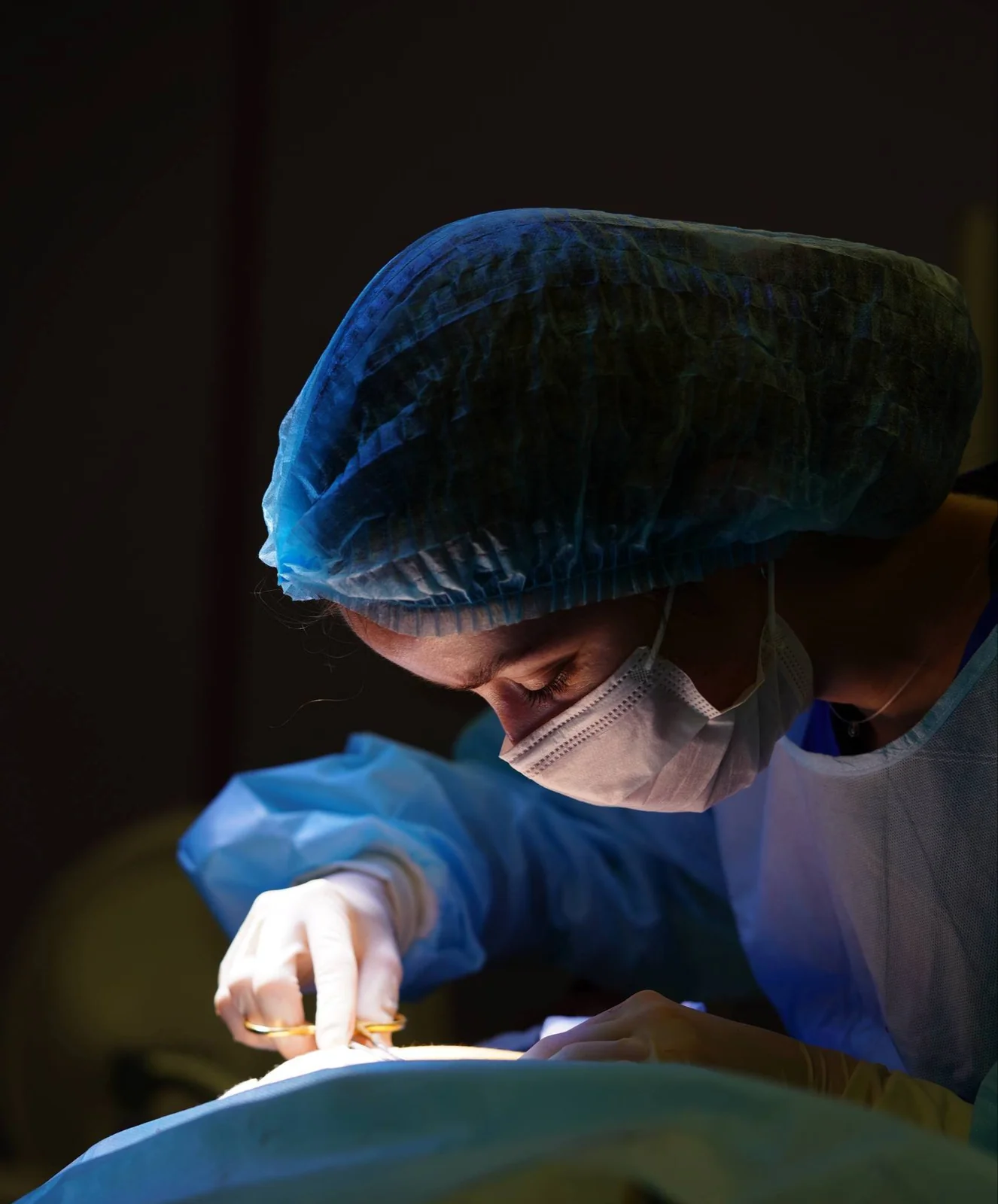
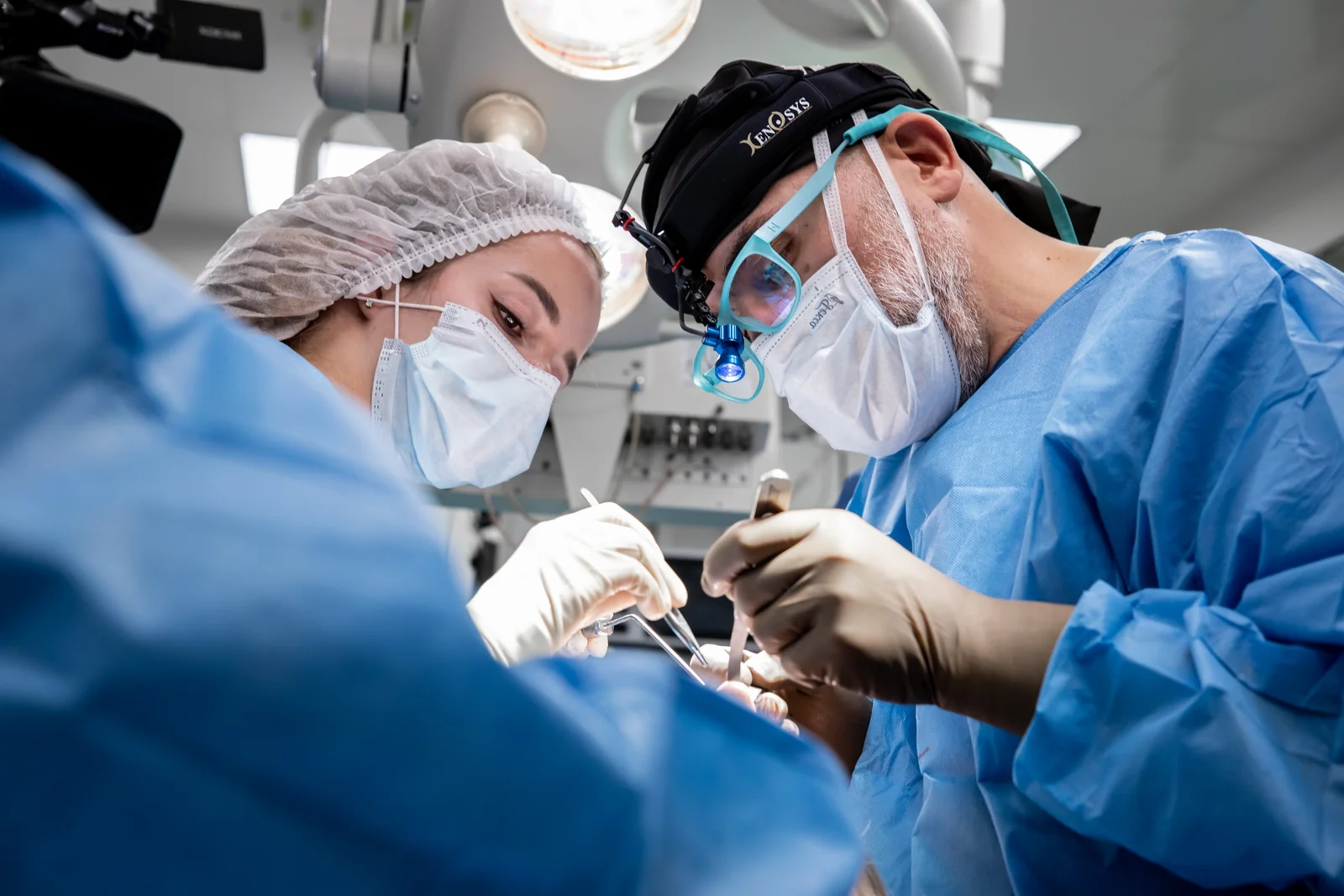
The surgeon carries out the chosen bariatric method under general anaesthesia. After the operation the patient is monitored by the medical team.
 5
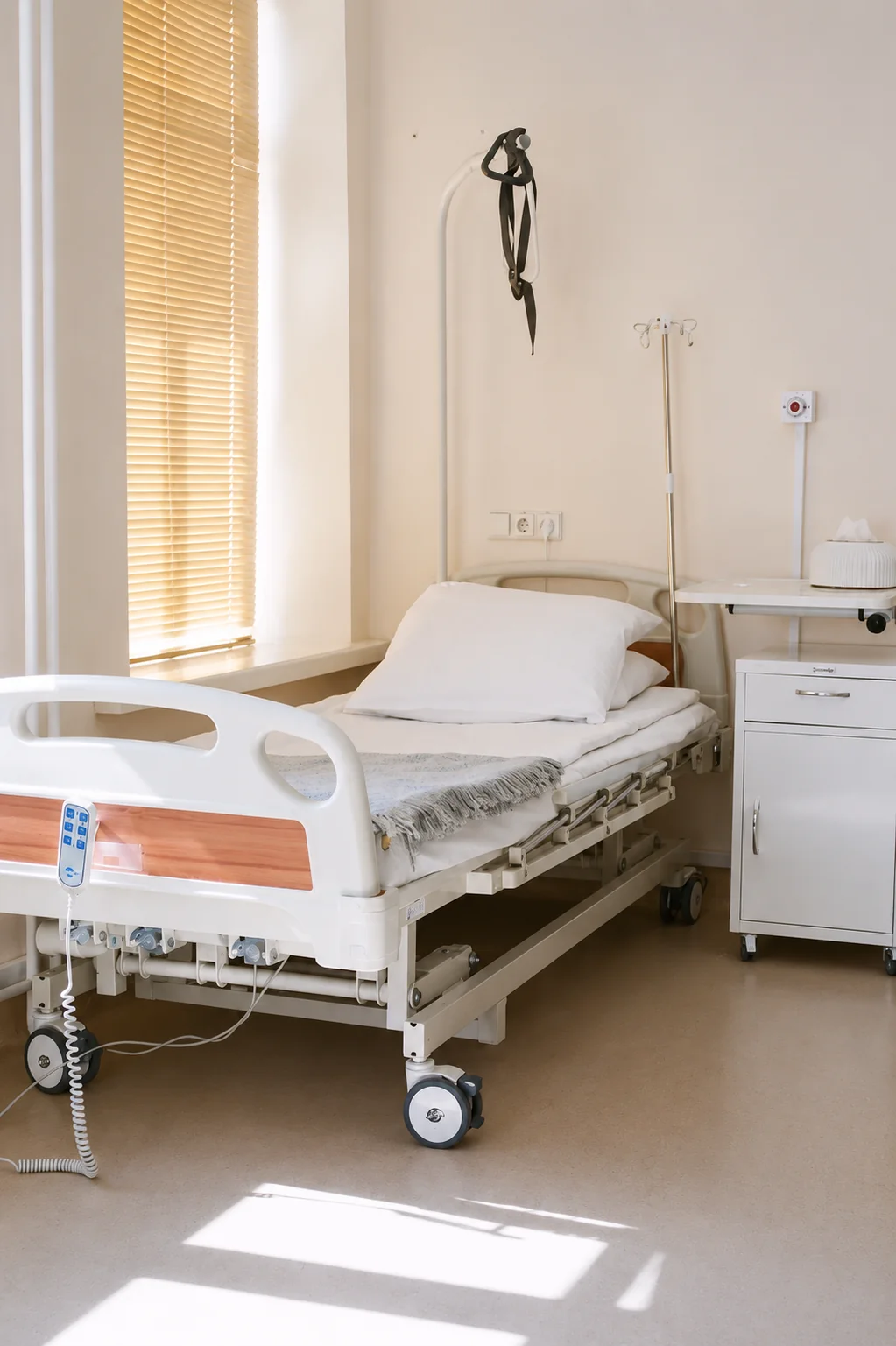
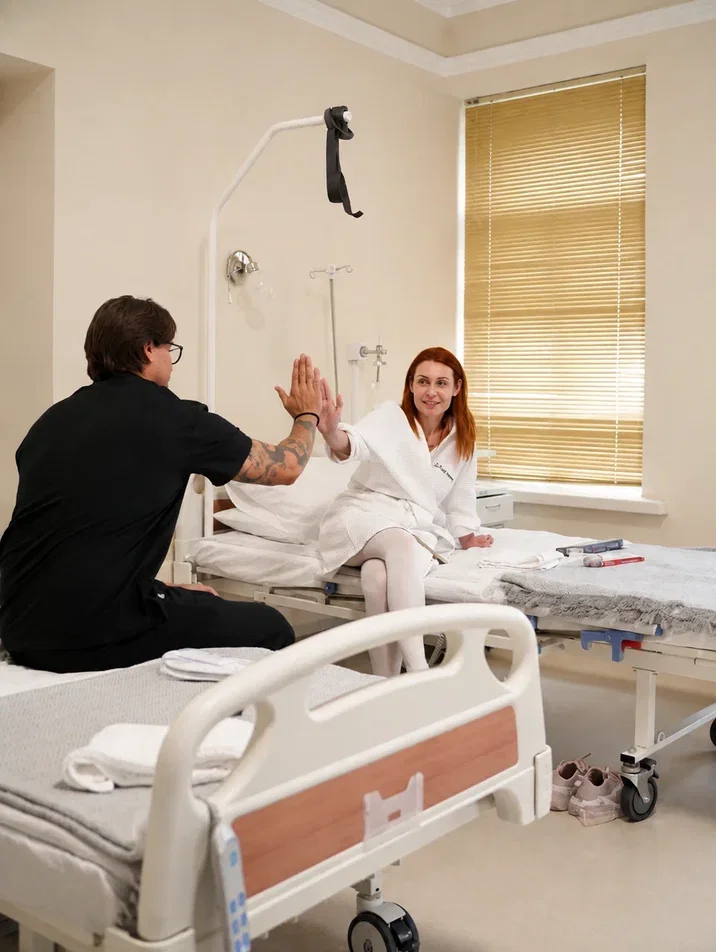
After surgery you remain in hospital under doctors' supervision. Expect a stay of 1–3 to 4–5 days, depending on the complexity of the operation and how you feel.
 6
The clinic team supports you for a year after discharge: you get advice on diet and recovery, and scheduled check-ups track your well-being, weight and test results.
During the consultation the doctor prepares a plan and walks you through the surgery
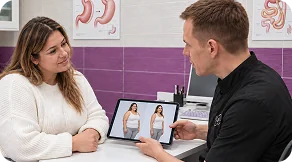
The consultation costs nothing, takes place before surgery and has no obligation.
Book a consultationDoctors
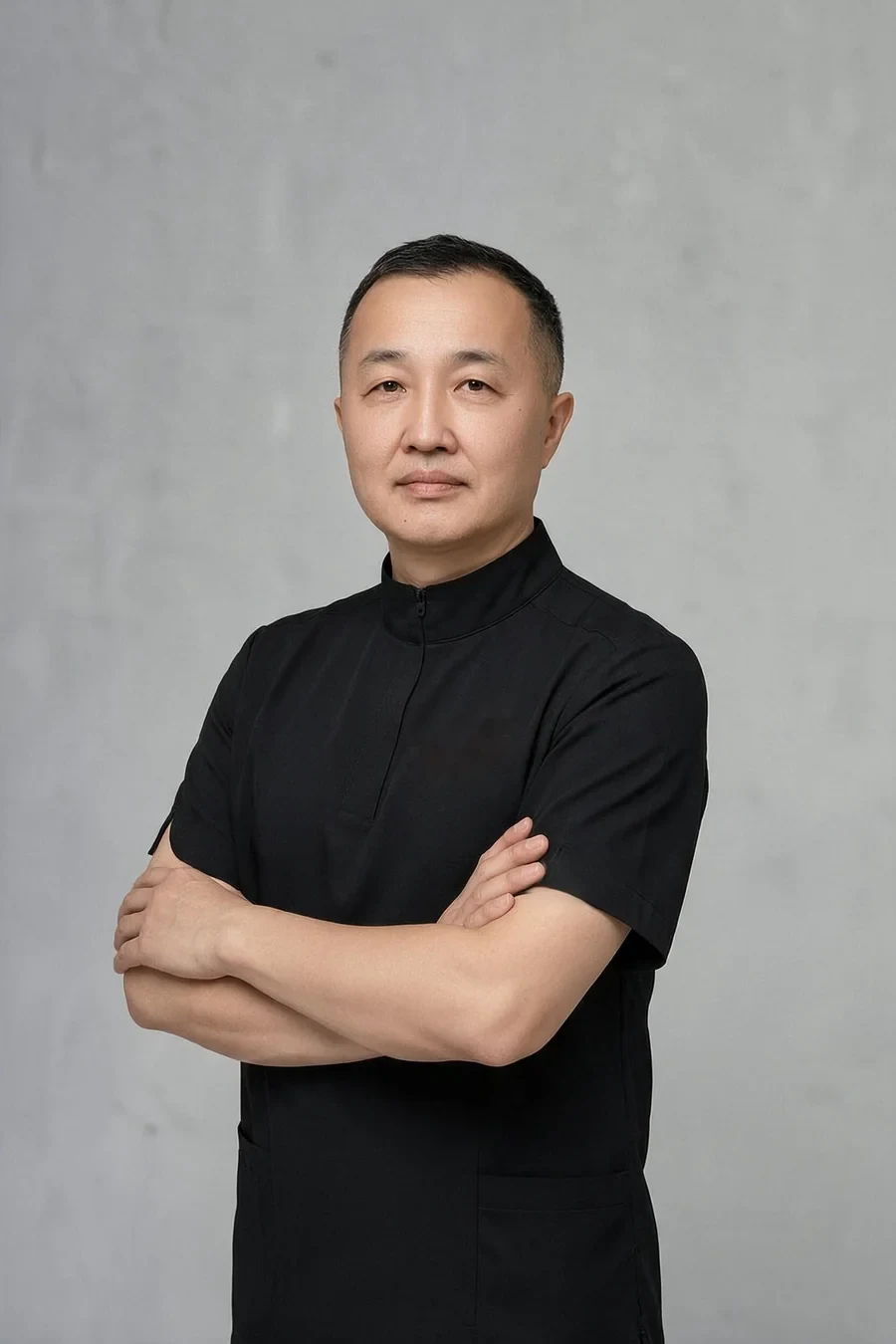
27 years of experience
Head bariatric surgeon
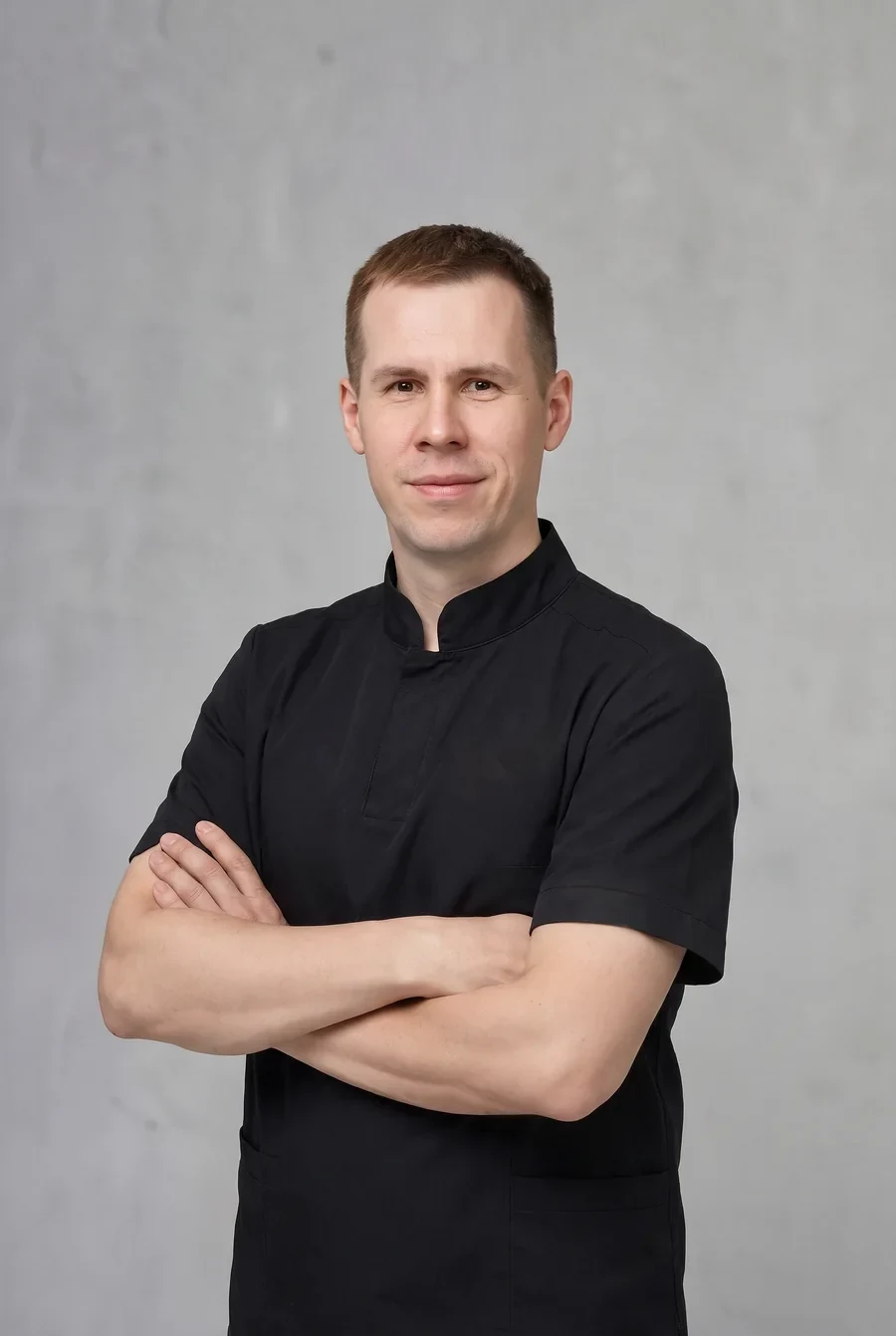
9 years of experience
Bariatric surgeon
Surgical oncologist
From the first consultation right to the result, your surgeon operates and follows you.
Free of charge, the first consultation with our patient care manager covers calculating your BMI, explaining the methods and booking you in with the surgeon.
Book a consultationCoordinators
Our team supports you at each stage

First contact at the clinic for you — from your first message through to the consultation
Care specialist for patients
Before the first consultation, answers your questions and helps find a date that suits you

By your side before and during your stay, from booking to discharge
Care specialist for patients
Helps you prepare for surgery and stays in touch during your stay at the clinic

From discharge to your final check-up — with you throughout recovery
Care specialist for patients
Keeps in touch during recovery and books your follow-up visits with the surgeon
Advantages
We find the best method for your health, lifestyle and goals. All the way through, our team is with you.
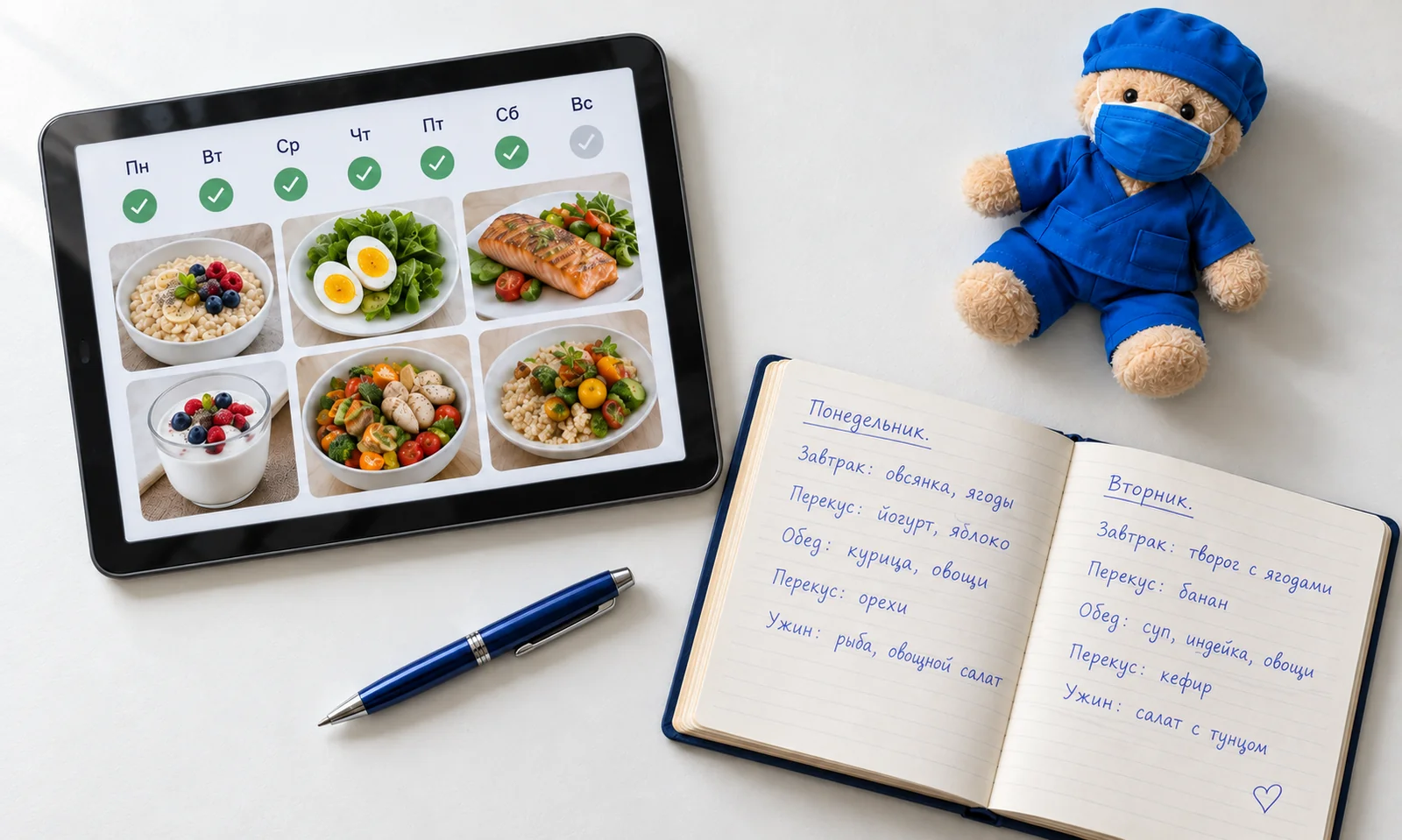
Our help covers adapting to new eating habits, tracking your results and maintaining them.

Steady weight loss, improved well-being and a better quality of life.

We adapt to your pace and respect your time — easy booking, a personal approach and open 24/7.
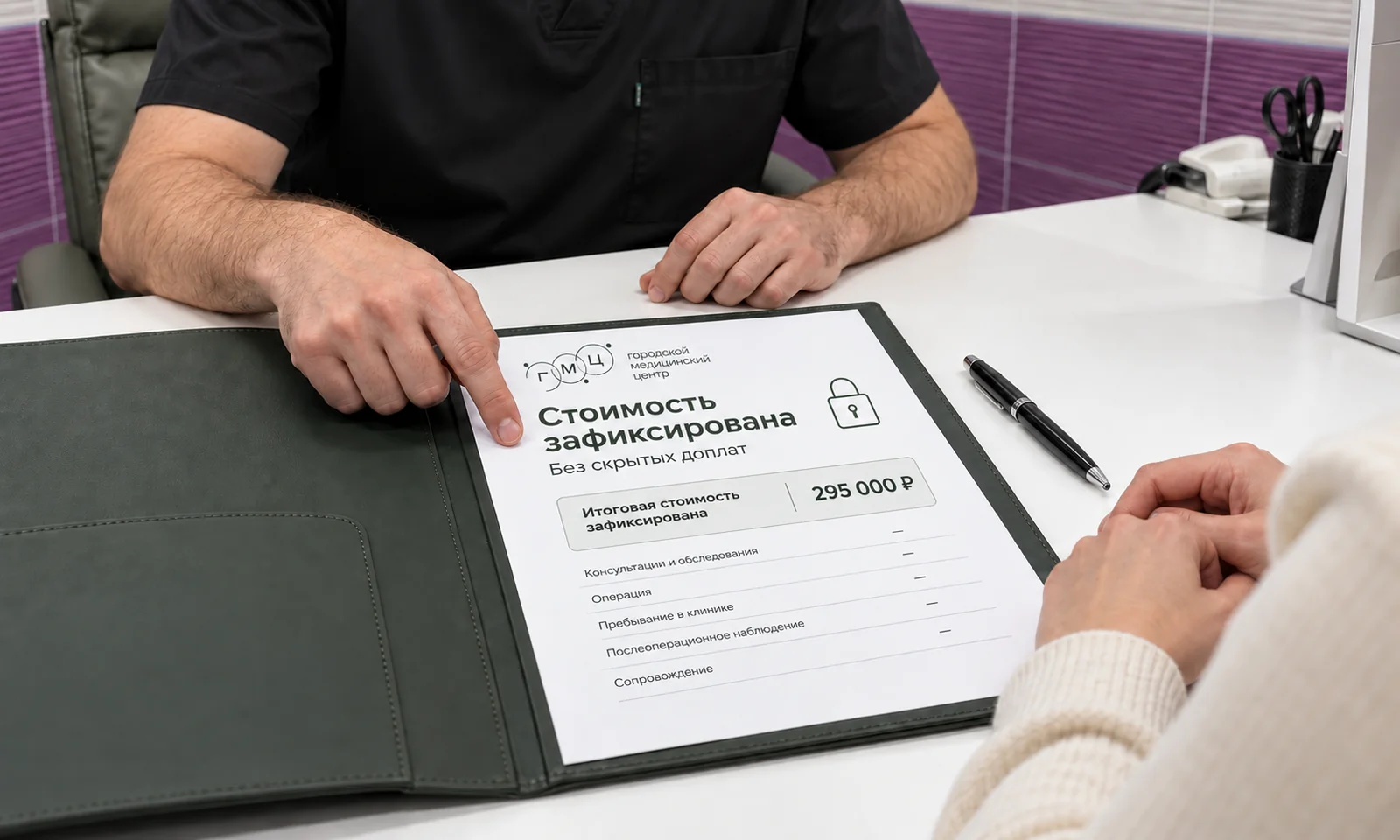
After the consultation the surgeon selects the method, and you get a transparent price — no hidden fees, no surprises on the road to your result.
FAQ
Yes, bariatric surgery is the medical term for it. At City Medical Centre the main methods are sleeve gastrectomy (gastric sleeve) and gastric bypass; the surgeon chooses the method by your BMI and health.
Usually a BMI over 40, or over 35 with related health conditions. The surgeon confirms whether surgery suits you at the consultation.
Bariatric operations at the clinic are performed by experienced bariatric surgeons:
Message us and our coordinator will reply shortly and book your consultation. The consultation with a bariatric surgeon is free.
Surgery is prescribed only when clear criteria are met
Obesity is graded mainly by BMI, calculated as body weight (kg) over height squared (m²). A BMI above 40 usually justifies surgery, as does a BMI above 35 with serious related conditions. In certain cases surgery is considered at lower values too, if approaches without surgery have not succeeded.
Many mix them up, but they pursue fundamentally different goals. Bariatric surgery medically treats obesity and related diseases by changing how the digestive tract functions, addressing the causes of excess weight and metabolism. Plastic surgery reshapes the external contours of the body; it does not treat obesity or influence metabolism.
City Medical Centre performs four main types of bariatric surgery: sleeve gastrectomy, Roux-en-Y gastric bypass, mini gastric bypass (MGB) and SADI-S duodeno-ileal bypass. Each method is chosen individually based on BMI, related conditions and the patient's goals.
Our approach is modern laparoscopic technique: 4 small punctures of 5 to 15 mm. We use cosmetic sutures, so the marks turn almost invisible after healing.
Recovery is tied to what you do. Office work: after 2–4 weeks. Physical work: after 1.5 months. Sport and activity: you may swim after 30 days, and other exercise is added bit by bit as weight drops. Travel and holidays: best left until at least a month after surgery.
Your diet changes step by step: from liquid food to soft and then to solid. The emphasis is on protein and on cutting high-calorie, fatty food.
Pregnancy after bariatric surgery can happen, though doctors advise holding off at least 12–18 months. In this period the body becomes stable, weight reaches target values and nutritional status normalizes.
Yes, bariatric surgery makes vitamins a must. Since digestive anatomy is changed, absorption of some nutrients drops, and regular vitamin and mineral supplements become permanent in the patient's life.
Regain after bariatric surgery is possible, but very unlikely if you follow the doctor's advice. Proper nutrition, no high-calorie drinks and regular follow-up visits with City Medical Centre specialists make the difference.
Prices are in US dollars; the amount in brackets is an approximate conversion to EUR at the rate of 02.10.2026. The final price is fixed in your contract.
Prices start from $3,600 (≈ €3,250). The surgeon sets the final price at the free consultation, and it is fixed in the contract, with no hidden extras.
General anaesthesia, a personal coordinator from day one, monitoring in the hospital and support for one year.
The hospital stay is 1–5 days, depending on the method and how you feel. Office work is possible after 2–4 weeks.
Yes. The first consultation is free and does not oblige you to anything. You can start online by sending a message to the coordinator.
Message us on WhatsApp or Telegram using the buttons below. A coordinator will answer your questions and book a free consultation where the doctor names the exact price.
By messaging us, you agree to our Privacy Policy
Bariatric surgery is a medical treatment for obesity and related diseases. Unlike plastic surgery, it changes how the digestive tract works and addresses the causes of excess weight. For patients from Alicante, four main methods are available: sleeve gastrectomy, Roux-en-Y gastric bypass, mini gastric bypass and SADI-S. Each is chosen individually based on BMI, related conditions and personal goals.
Several things are worth planning ahead. Pregnancy is advised no earlier than 12–18 months after surgery, once weight and nutritional status stabilise. Vitamins become a permanent part of life because the body absorbs some nutrients less well. Swimming waits 30 days, strength work longer. Patients from Alicante discuss these points with the surgeon well before the operation date.
If you are comparing bariatric surgery options in Alicante, look beyond the operation itself. Here the package bundles the work-up in the centre's own lab, laparoscopic surgery, the stay with meals and nursing, a doctor on hand 24/7 and a year of follow-up. Apply for a free surgeon consultation to see how this applies to your case.
Well-known people who spoke openly about this operation, in their own words.
 Al Roker and gastric bypass: twenty years of talking about it honestlyAl Roker had gastric bypass surgery in March 2002 and has talked about it for 20 years. His words, how the operation works and what recovery involves.
 Did Billy Gardell have bariatric surgery? Yes — and he says it saved his lifeThe Mike & Molly star had bariatric surgery in 2021 after a diabetes diagnosis. His quotes on the decision, the 100-pound loss and his children.
 Did Graham Elliot have weight-loss surgery? Yes, and he did it for his familyChef Graham Elliot had weight-loss surgery in 2013, saying it was what he needed to do for his family. His words, the operation and recovery.
 Did Mama June have a gastric sleeve? Yes — in her own wordsJune 'Mama June' Shannon had a gastric sleeve in May 2015. Her quotes on the 550-pound start, the regain and starting over.
 Did Randy Jackson have gastric bypass surgery? Yes, and he still talks about maintaining itRandy Jackson had gastric bypass surgery in 2003 and lost 114 pounds. His own words, how the operation works today and what recovery involves.
 Remi Bader and her weight-loss surgery: what she actually saidRemi Bader said in 2023 she had weight-loss surgery removing 80% of her stomach and lost 140 lbs. What she said, how the operation works, and recovery.
What patients write after this operation. Reviews are translated from the original language.
Irina, 26
For a long time I doubted whether to go ahead with surgery, but after the consultation I felt much calmer. Andrey Georgievich explained in detail how gastric bypass is done, what to expect after the operation and how recovery would go. I especially liked that they talked to me calmly and without pressure. I am now gradually getting used to my new way of life and I am very glad I took this step.
Bariatric surgery
Doctor: Andrey G. Ugay
Angelina, 22
For me the hardest part was deciding to have the operation. At the consultation Ruslan Sergeyevich answered all my questions in detail and explained the specifics of sleeve gastrectomy and recovery. After the operation I always understood what I was doing and why. Thank you to the doctor and the whole team for their attentiveness.
Bariatric surgery
Doctor: Ruslan S. Menzulin
Anna, 31
For a very long time I tried to deal with my excess weight on my own, but I did not get the result I wanted. After the consultation with Andrey Georgievich I finally understood what to do next. I came through the operation well, and my recovery was supervised by the doctors. It was important for me to feel that I was not left alone after surgery.
Bariatric surgery
Doctor: Andrey G. Ugay
Veronika, 25
Before the operation I had many fears, mostly of the unknown. Ruslan Sergeyevich explained every stage of treatment in detail and answered even the simplest questions. Thanks to that I felt much more confident. I keep following the recommendations and I am gradually seeing the changes I had the operation for.
Bariatric surgery
Doctor: Ruslan S. Menzulin
Valentina, 23
The decision to have bariatric surgery was not easy for me. I worried both about the operation itself and about how my life would change afterwards. At the consultation Andrey Georgievich explained everything in detail, so little by little my fear turned into confidence. What matters most to me now is the result and the chance to treat my health and lifestyle differently.
Bariatric surgery
Doctor: Andrey G. Ugay
Anna, 27
I am very grateful to Ruslan Sergeyevich for his attentiveness. Before the operation I had a huge number of questions, and I got a clear answer to every one of them. After the operation it was also clear which recommendations to follow and how to eat. It was important to me that the doctor stayed in touch and I felt supported at every stage.
Bariatric surgery
Doctor: Ruslan S. Menzulin
Page medically reviewed by Andrey G. Ugay, lead bariatric surgeon. Review date: .
Spain's European Health Survey 2020, run by the national statistics institute, found obesity in 16.0 % of adults aged 18 and over: 16.5 % of men and 15.5 % of women. Another 37.6 % were overweight, so 53.6 % of the adult population was above the weight considered normal. For a resident of Alicante, these figures show that excess weight is a common medical situation. It is not a personal failing. The survey is national, so it says nothing exact about the city's own residents. It still gives a realistic frame for a conversation that many families in a municipality of about 358,608 people (2024 figure; the Spanish-language reference quotes 366,221 for 2025, with the metropolitan area of Alicante-Elche at 768,194 in 2016) will sooner or later have.
The same survey lists the chronic problems that most often accompany excess weight in daily life. Osteoarthritis is the third most frequently diagnosed chronic condition in people aged 15 and over, at 14.4 %, behind high blood pressure (19.0 %) and high cholesterol (15.3 %). Low back pain is reported by 13.7 %. These conditions are not all caused by weight, and the survey does not say so. They do overlap with the list of problems that bariatric surgery can help with: hypertension, type 2 diabetes, sleep apnea, joint disease and fatty liver disease. If you already live with two or three of them, the question "is my weight part of this?" is reasonable to put to a doctor.
The medical threshold is simple to state. Surgery is generally justified at a BMI above 40, or above 35 when serious related conditions are present. Sometimes it is considered at lower values, when non-surgical methods have not worked. BMI is body weight in kilograms divided by height in metres squared. A person who weighs 118 kg and is 1.70 m tall has a BMI of about 40.8, so you can run your own numbers before writing to a coordinator. The doctor will confirm the figure and your overall health during the consultation. Contraindications are checked at the same stage: age under 18, malignant tumours, pregnancy, blood clotting disorders, severe chronic or mental illness, acute illness or flare-ups of chronic disease, and less than six months since breastfeeding ended.
Messages from Alicante usually begin with a BMI calculation and a short list of health conditions. A coordinator reads them, explains which method fits the picture (sleeve gastrectomy or gastric bypass are the two core options, and the clinic also performs mini gastric bypass and SADI-S), and books the free online consultation with the bariatric doctor. Nothing is decided at that point. The consultation does not commit you to an operation.
The common portfolio of services of the Spanish national health system (SNS) is set out in Royal Decree 1030/2006. For obesity surgery it names the adjustable gastric band for adults with a BMI above 40 kg/m², or above 35 with a significant associated condition, once conservative alternatives such as diet, exercise and behaviour change have failed. That wording matters for two reasons. First, it shows that the public system treats severe obesity as a medical indication with defined criteria. Second, it is a reminder that the list of covered techniques is written in legal text, not chosen by the patient. The two methods offered through City Medical Centre are sleeve gastrectomy and gastric bypass. If you are weighing public care against a private online route, ask your public-system team in Alicante which techniques they would actually offer you, and in what order.
The same decree draws a clear line around cosmetic procedures. Techniques whose only purpose is a "mere aesthetic improvement" are not financed, and aesthetic procedures unrelated to an accident, an illness or a congenital malformation are excluded from specialised public care. Breast implants and skin expanders are included as reparative devices, but not when they are used in aesthetic surgery with no such link. This is useful for understanding the difference described in the clinic's own materials. Bariatric surgery is medical treatment of obesity and the illnesses that go with it. It changes the function of the digestive tract, which addresses the causes of excess weight and metabolism. Plastic surgery reshapes the outer contours of the body and neither treats obesity nor affects metabolism. If, after major weight loss, you later consider contouring, that belongs to a separate conversation and is not part of the bariatric plan.
Waiting time is the other practical factor. On 31 December 2025 the national surgical waiting list held 853,509 patients (initial publication; a later note corrects data from Castilla-La Mancha), with an average wait of 121 days and 21.6 % waiting longer than six months. The Comunitat Valenciana, where Alicante is the second-largest municipality, had 51,600 patients on the structural surgical waiting list, 9.91 per 1,000 inhabitants, one of the lowest rates in the system, with an average wait of 88 days. Those are averages across all specialties. Traumatology alone accounted for 12,746 patients in the region, with an average of 99 days. The figures do not give a separate waiting time for obesity surgery, and we will not pretend they do. What they show is that surgical queues in the region are comparatively short for the SNS, and still measured in months.
Outpatient access is also a stage to consider. Nationally, 84.42 of every 1,000 people were waiting for a first specialist consultation on that date, for an average of 102 days. Anyone whose route into the system starts with a referral, then a specialist visit, then tests, then a decision, should add those steps together. A private online consultation can run in parallel with the public route. It does not replace your family doctor, and it does not prevent you from continuing in the public system while you compare plans.
The recovery figures in the clinic's materials give a clear calendar. The stay under observation lasts 1–5 days, depending on complexity and how you feel. Office work is possible after 2–4 weeks, physical work after about 1.5 months, and swimming is fine after 30 days. Other exercise is added gradually as weight drops. The operation is laparoscopic, through 4 small punctures of 5 to 15 mm, and cosmetic sutures are placed, so once healed the marks become almost invisible. All these periods are averages, and the doctor confirms them against your anatomy and individual traits.
Alicante's weather can be matched to that calendar. The city has a warm semi-arid climate. July and August are the hottest months, with average highs of 30.7 and 31.1 °C and lows of 21.3 and 21.8 °C. The recorded maximum is 42.0 °C, on 13 August 2022. January is the coolest month, with a high of 17.2 °C and a low of 6.7 °C. Average humidity is 65 %. For someone in the first two weeks after the operation, when fluid intake and gentle walking matter, a hot August and a mild January make for different days. In the heat, short walks early in the morning or after sunset are easier on the body than midday outings, and a shaded route is worth planning in advance. In winter, the main task is dressing in layers for cooler evenings. The doctor will tell you what applies to your case. These notes just match the calendar to the place.
The ground itself helps. The city sits at about 3 m above sea level on mostly flat terrain along the Mediterranean coast. The reliefs are Benacantil, Serra Grossa, Tossal and Cape Huerta. That means a recovering patient can build a walking routine on level streets and the seafront and leave the slopes of Benacantil for later weeks. The municipality's beaches (San Juan, the urban Postiguet, La Almadraba, Albufereta, Agua Amarga and El Saladar) offer promenade distances you can lengthen week by week. This is not a prescription. It is simply a way to turn the doctor's advice to "add activity gradually" into something concrete.
Rain is a minor factor here. Annual precipitation is 284.5 mm over 34.7 days, with September (51.1 mm) and October (33.1 mm) the wettest months and July the driest (3.2 mm). The area also has no permanent watercourse, only dry ravines (ramblas) that fill briefly after heavy rain. If your recovery weeks fall in autumn, keep a spare indoor option for walking, such as a shopping centre corridor or a stationary bike, so a wet day does not interrupt your routine.
The service materials say swimming is fine after 30 days. In Alicante, that date will land in a particular season, and the sea temperature differs a great deal across the year. The annual average is 19.6 °C. The coldest water is 14 °C in February and March, and the warmest is 26 °C in August. A patient who reaches the 30-day mark in late winter will find the sea at roughly 14 °C, a shock that many people would not choose even when fully healthy. One who reaches it in August will meet 26 °C water. The advice to swim after 30 days sets the earliest point. Whether you actually go in is a decision about comfort, and you can ask the doctor about it during the consultation or at a follow-up.
Sun exposure is the second seasonal point. The city receives 3,014 hours of sun a year, with 345 in July and 175 in December. The Ciudad Jardín observatory (AEMET) gives similar figures: an annual mean of 18.5 °C, 3,032 hours of sun and about 285 mm of rain. Healing incisions are small, but the doctor's instructions on covering and protecting them from direct sun apply, and a city with this many sunny hours makes those instructions practical. Ask the doctor what applies to you at the first follow-up, and do not rely on general advice.
The urban beaches are also a rhythm marker. The Postiguet is the city beach, close to the centre, while San Juan lies further along the coast. A gentle seafront route, repeated each week with a few more minutes, gives you a simple measure of progress that does not depend on a scale. Many patients find that useful in months two to six, when weight changes slow from week to week and mood can dip with the numbers. Writing down how far you walked and how you felt afterwards gives the coordinator and the doctor information to work with during remote checks.
Finally, the island of Tabarca is part of the municipality, about 8 nautical miles to the south, and has been protected since 1986. We mention it only as a long-term goal some patients set for themselves: a milestone for fitness, to be agreed with the doctor, not a date in the recovery plan.
The diet after bariatric surgery moves in stages from liquid to soft to solid food. The main emphasis is on protein and on limiting high-calorie, fatty food. High-calorie drinks are also named as something to avoid. Vitamin and mineral supplements are a lasting part of life after the operation, because the digestive anatomy changes and the body absorbs certain nutrients less well. We do not have sourced facts about the local cuisine, so we will not describe what people in Alicante eat. The practical point is this: whatever your usual meals are, the coordinator and the doctor will adapt the staged plan to them, and it helps to send photos or descriptions of typical dishes so the advice is specific.
Social calendar matters as much as the menu. The Hogueras de San Juan run from 19 to 24 June and are a Festival of International Tourist Interest. A few days later come five nights of fireworks competitions on the Postiguet beach. For a patient in the first year, a festival week is a test of planning, not a reason to stay away. Eat before you go out so that you are not hungry among food stalls, bring water, choose protein first, and be ready to say no to high-calorie drinks. If the festival falls within the first weeks after surgery, ask the doctor about crowds, heat and long standing hours before you decide to attend. The same logic applies to any family celebration in any month.
Student life gives another rhythm. The University of Alicante, founded in 1979, has its campus in Sant Vicent del Raspeig next to the city, with more than 25,000 students according to the city profile. Young adults in that environment often eat irregularly, between lectures, exams and shared flats. The clinic's materials include patients in their early twenties among the real results, and the support plan adapts to that: a coordinator is available from the first message, remote progress is checked by photos, and appointments are scheduled around your timetable. If you are a student or work shifts, say so at the start, so check-ups can be fitted around lectures or rotas.
Pregnancy planning also comes into the first year and a half. Pregnancy after bariatric surgery can happen, though doctors advise holding off for at least 12–18 months, while the body stabilises, weight reaches target values and nutritional status normalises. The final result is usually reached 18–24 months after the operation. Discuss your family plans at the first consultation, not after the operation.
A package that includes support for 12 months, with one coordinator from day one and remote progress checks by photos, suits a city where you will not return to the same hospital corridor every month. You send photos and updates on WhatsApp or Telegram, and the coordinator answers round the clock, 24/7. Coordinators remind you about tests and check-ups, answer questions during recovery, help with documents and bookings, and arrange follow-ups with the doctor. After discharge you receive advice on diet and recovery, and your well-being, weight and test results are checked on a schedule.
Weight regain is possible after bariatric surgery, though it is very unlikely if you follow the doctor's advice: proper eating, avoiding high-calorie drinks and regular follow-up with the specialists. No result can be promised in advance, and the final outcome depends on you and your body. The point of the year of support is to catch drift early, such as a week of skipped supplements or a return to sugary drinks, while a message is still enough to correct it.
Keep your public-system contacts as well. Your family doctor in the Comunitat Valenciana remains the person who knows your history, your regular medication and any chronic conditions. Share the plan from the online consultation with them, so that blood pressure, diabetes treatment and joint problems are reviewed with the new weight in mind. The doctor will explain during the consultation which tests are needed before the operation: blood and urine tests, an ECG, an ultrasound, a gastroscopy and visits to the relevant specialists. If some of these can be arranged through your usual channels, tell the coordinator, who will say which results are needed and in what form.
A final practical remark: write your questions down as they arise. The first weeks bring small uncertainties, such as how much to drink, when to resume a medication, or what a new sensation means. A written list sent in one message gets a clearer answer than a series of quick questions, and it builds a record you can read back when you reach the 18–24 month point.
It can help you compare options. On 31 December 2025 the region had 51,600 patients on the structural surgical waiting list (9.91 per 1,000 inhabitants) with an average wait of 88 days, while the national average was 121 days. Those figures cover all specialties and do not give a separate time for obesity surgery. The online consultation is free and non-binding, so you can hear a plan and a timeline while you continue with your family doctor.
The common portfolio of services in Royal Decree 1030/2006 names the adjustable gastric band for adults with a BMI above 40, or above 35 with a significant associated condition, after conservative measures have failed. The clinic offers sleeve gastrectomy and gastric bypass (plus mini gastric bypass and SADI-S). Because the legal wording and local practice can differ, ask your public-system team which techniques they would provide in your case.
The 2020 European Health Survey found obesity in 16.0 % of adults and overweight in 37.6 %, so 53.6 % were above normal weight. These are national averages and cannot decide your case. Your own BMI and health conditions matter. Surgery is generally justified at a BMI above 40, or above 35 with serious related conditions, and the doctor confirms this during the consultation.
The clinic's guidance says swimming is fine after 30 days. In Alicante the sea averages 19.6 °C over the year, falls to about 14 °C in February and March, and reaches about 26 °C in August. So the earliest permitted date may arrive when the water is still cold. Ask the doctor at a check-up whether you can go in, and how to protect healing incisions from the sun.
The festival runs from 19 to 24 June, followed a few days later by five nights of fireworks competitions on the Postiguet beach. If the dates fall within your first weeks of recovery, discuss crowds, heat and long periods on your feet with the doctor. In later months, plan the food side: eat beforehand, choose protein first, bring water and avoid high-calorie drinks, as your staged diet advises.
July and August bring average highs of 30.7 and 31.1 °C and lows above 21 °C, with 65 % average humidity and a recorded peak of 42.0 °C. The first days after the 1–5 day stay under observation call for gentle walking and regular fluids. Early morning or evening walks are easier in these months. The doctor gives you the exact instructions for your case.
Yes. Support is online and the coordinator answers 24/7 on WhatsApp and Telegram, so progress checks by photo and questions do not need a fixed daytime slot. Mention your timetable at the start, so check-ups and test dates can be arranged around it. Office-type work or study can generally resume after 2–4 weeks, and physical work after about 1.5 months, subject to the doctor's confirmation.
Yes, and it is a good idea. Your family doctor knows your chronic conditions and medication, and the plan from the consultation can be shared with them. Tests required before the operation (blood and urine tests, ECG, ultrasound, gastroscopy and specialist visits) are listed by the doctor at the consultation, and the coordinator explains which results are needed.