guarantee
Bariatric Surgery in Seville: Methods and Results
for good —
14,000 CMC patients now live in a new body. The result is secured by an official contract — a legal commitment, not a spoken one.
patients
experience
from excess weight
rating
Bariatric Surgery in Seville: Methods and Results
for good —
Everything for the result — included
Bariatric surgery —
is it right for me?
Tick the situations that sound familiar.
From 2 matches — a reason to talk to a surgeon.
Everything needed for the result —
already included
No hidden costs. No surprises. A single package for the whole journey.
Bariatric surgery —
is it right for me?
Tick the situations that sound familiar.
From 2 matches — a reason to talk to a surgeon.
Reasons to see a surgeon
A high BMI is not the only reason to see a surgeon — related conditions count too
Medical history
Excess weight since childhood or a genetic predisposition
Metabolic disorders
Type 2 diabetes and hypertension associated with obesity
Resistance to conservative treatment
Years of diets and medication without any lasting result.
Medical history
Excess weight since childhood or a genetic predisposition
Metabolic disorders
Type 2 diabetes and hypertension associated with obesity
Resistance to conservative treatment
Years of diets and medication without any lasting result.

When is bariatric surgery justified?
Surgery is prescribed only when clear criteria are met
The role of body mass index (BMI)
BMI is the principal gauge of how advanced obesity is, found by dividing body weight (kg) by height squared (m²). Typically, a BMI above 40 — or above 35 with serious related conditions — justifies surgery. Some patients with lower values are considered for surgery too, if non-surgical options have failed.
Key factors
- The patient's body mass index (BMI)
- Overall health and any related chronic conditions
- Unsuccessful past attempts at weight loss by traditional means
Why don't diets and exercise work for everyone?
Many people try various diets and exercise for years, but the body fights back: metabolism slows, appetite grows and the lost weight returns. When it becomes clear that diet changes and medication alone cannot fundamentally improve the situation, bariatric surgery becomes the only effective way out.

Key factors
- The patient's body mass index (BMI)
- Overall health and any related chronic conditions
- Unsuccessful past attempts at weight loss by traditional means
The role of body mass index (BMI)
BMI is the principal gauge of how advanced obesity is, found by dividing body weight (kg) by height squared (m²). Typically, a BMI above 40 — or above 35 with serious related conditions — justifies surgery. Some patients with lower values are considered for surgery too, if non-surgical options have failed.
Why don't diets and exercise work for everyone?
Many people try various diets and exercise for years, but the body fights back: metabolism slows, appetite grows and the lost weight returns. When it becomes clear that diet changes and medication alone cannot fundamentally improve the situation, bariatric surgery becomes the only effective way out.
Medical indications
for bariatric surgery
Chronic illness? Please talk to a doctor at the clinic first!
Indications

Excess weight
Type 2 diabetes
Hypertension
Sleep apnea
Joint disease
Varicose veins
Fatty liver disease
Reproductive health problems
Contraindications

Age under 18
Malignant tumors
Less than six months since breastfeeding ended
Acute illness or flare-ups of chronic disease
Severe chronic and mental illness
Blood clotting disorders
Pregnancy
Bariatric surgery methods at City Medical Centre
Sleeve gastrectomy
During surgery the surgeon removes most of the stomach, turning it into a narrow tube. This greatly reduces portion size and lowers ghrelin, the hunger hormone, so the patient feels full much faster and eats less.
Effectiveness: the method is used for a BMI of 35 to 45; average loss is 60–70% of excess weight.
Specifics: the effect is less durable than with bypass procedures. Ignoring the diet, especially high-calorie drinks and liquid meals, may bring the weight back.
Roux-en-Y gastric bypass
A 50–70 ml pouch is formed at the upper end of the stomach and linked directly to the small intestine. It limits food intake and lowers calorie absorption because food moves along a shorter stretch of the gut.
Effectiveness: the “gold standard” for patients with a BMI over 45–50 and type 2 diabetes. Up to 75–85% of excess weight is lost.
Specifics: compared with other bariatric methods, the result is more stable. Conditions like diabetes and hypertension commonly go into remission. The altered digestive anatomy requires lifelong vitamin and mineral supplements.
Mini gastric bypass (MGB)
This procedure improves on the classic bypass. Instead of the standard approach, the surgeon creates a single connection (anastomosis) between the small stomach and the small intestine. A simpler technique means an easier experience for the patient and a shorter recovery.
Effectiveness: matches the classic Roux-en-Y bypass — patients' excess weight loss is up to 75–80%.
Specifics: the operation is shorter and recovery faster. Reversal is technically possible, but a single anastomosis means a risk of bile reflux.
Single anastomosis duodeno-ileal bypass (SADI-S)
SADI-S, a modern combined technique, pairs the benefits of sleeve gastrectomy and intestinal bypass. It is carried out in two stages: the stomach is reshaped into a narrow tube, after which the small intestine is rerouted so most of it is bypassed in active digestion.
Effectiveness: counted among the most powerful bariatric operations — 80–90% excess weight loss with a durable result.
Specifics: appetite falls as the smaller stomach loses the zone that produces ghrelin, while food rerouted around part of the intestine yields fewer absorbed calories. Right for super obesity (BMI over 50), severe type 2 diabetes, or as a second stage after an ineffective sleeve.
Book a consultation
Call or message us -
our coordinator will contact you shortly
and book your consultation
Book a consultation
Call or message us -
our coordinator will contact you shortly
and book your consultation
Preparing for bariatric surgery at City Medical Centre
You begin with a surgeon's consultation, where history, method and recovery plan are covered
Lab tests
Complete blood count, urinalysis, blood biochemistry, HbA1c and a coagulation panel (clotting test).
Instrumental diagnostics
Chest X-ray, ECG, kidney and abdomen ultrasound, Doppler for leg veins.
Endoscopy
Gastroscopy (required) and colonoscopy (if indicated).
Specialists
A GP, endocrinologist, psychiatrist and cardiologist, plus gynecologist (women).
Diet
Starting 2–4 weeks pre-surgery, drop fast carbs and fats; on the eve, move to light meals.
Lifestyle
In the month before, quit smoking, scale down physical activity and avoid stress.
The day before
A light dinner is the last meal; no fluids in the 3–4 hours before surgery.
Lab tests
Complete blood count, urinalysis, blood biochemistry, HbA1c and a coagulation panel (clotting test).
Instrumental diagnostics
Chest X-ray, ECG, kidney and abdomen ultrasound, Doppler for leg veins.
Endoscopy
Gastroscopy (required) and colonoscopy (if indicated).
Specialists
A GP, endocrinologist, psychiatrist and cardiologist, plus gynecologist (women).
Diet
Starting 2–4 weeks pre-surgery, drop fast carbs and fats; on the eve, move to light meals.
Lifestyle
In the month before, quit smoking, scale down physical activity and avoid stress.
The day before
A light dinner is the last meal; no fluids in the 3–4 hours before surgery.
Our specialists
Experienced surgeons in bariatrics who care about patient health
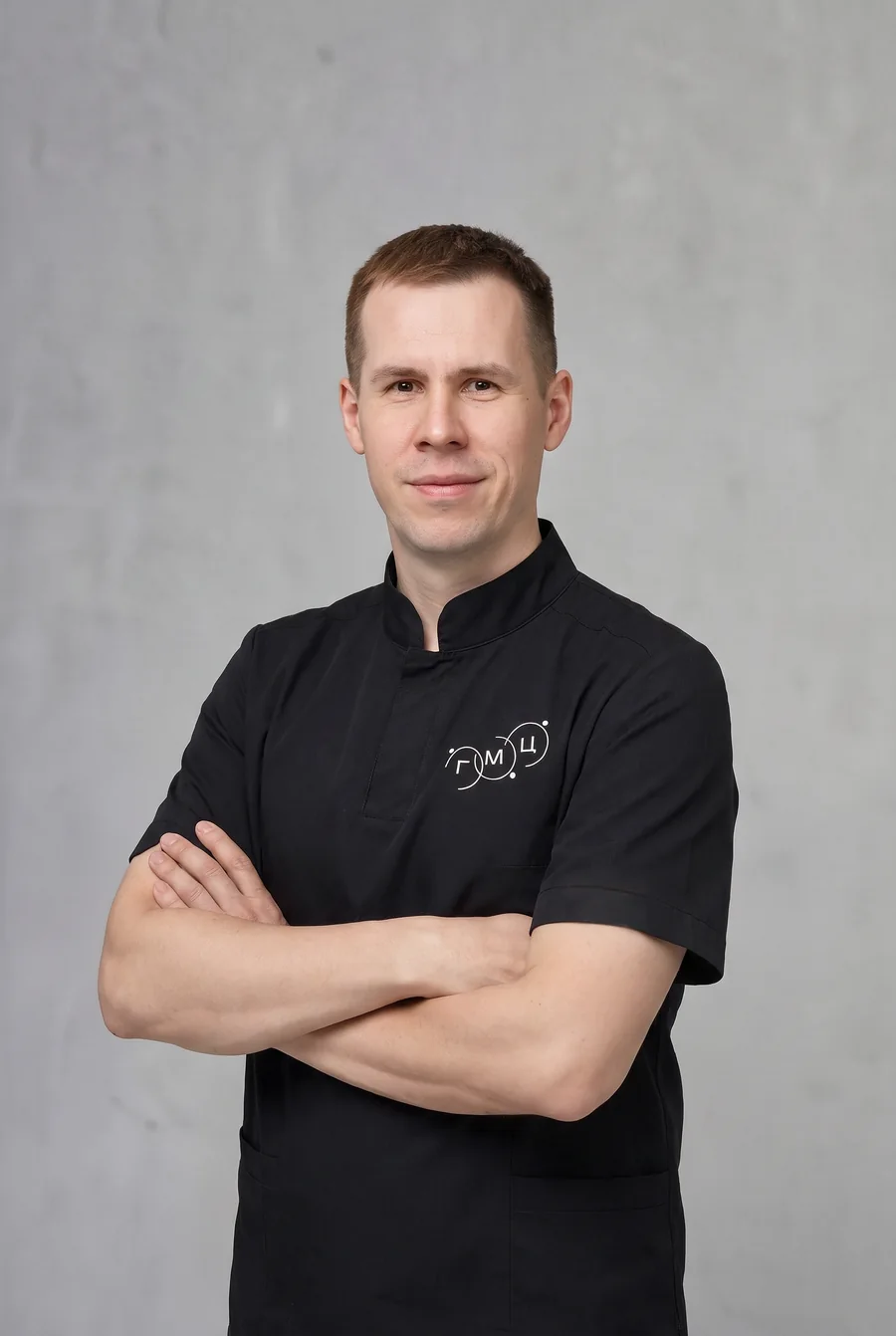
Ruslan S. Menzulin
Bariatric surgeon · surgical oncologist
Trained at Mercy clinic (USA) under Vadim Gushchin, spoke at the World Congress of bariatric surgery in Santiago (2025). Co-author of an international study published in The Lancet.

Andrey G. Ugay
Lead bariatric surgeon · surgeon
Top in the country by number of SASJ operations performed. Expert council member of the national Society of Bariatric Surgeons, with regular talks at national and international congresses.
City Medical Centre bariatric surgery centre
— your path
to confidence and harmony
City Medical Centre treats obesity comprehensively. Following the first examination, every patient receives a personal diagnostic program (lab and instrumental) to detect every disorder in the body.
A method matched to your goal
Our doctors pick the surgical method for every patient individually. They examine your health, weight history and related conditions before deciding, so they can propose the most suitable surgical treatment.
Support that stays in touch
City Medical Centre's team stays with you once surgery is over. During the first year, specialists monitor your weight loss and test results and answer any questions on diet and recovery.
Fast recovery
The laparoscopic approach to bariatric operations at City Medical Centre greatly reduces recovery. Most patients are mobile on day one and return to everyday life within a week.
Full diagnostics on site
Running around different clinics is not necessary. Our centre has all you need for your work-up, from our lab to ultrasound and gastroscopy. Preparation is fast and queue-free, in one building.
Recovery after bariatric surgery
How recovery goes is largely individual, yet minimally invasive laparoscopic techniques keep the rehabilitation period to a minimum.
Duration
The patient is monitored at the clinic for 1 to 5 days, according to the extent of surgery and any related conditions.
Activity
In the first hours after the operation you can sit up, stand and drink fluids.
Wound care
Absorbable sutures are used; they dissolve on their own.
Work
Work can be resumed 7–14 days after surgery, depending on how physically demanding it is.
Restrictions
In the first weeks, avoid the bathhouse, sauna and intense physical exercise.
Diet
A step-by-step diet lasts 1–2 months, from liquids to solids, giving the stomach time to adapt.
Pace
By following the specialists' advice, patients lose 10% of excess weight per month on average.
Stabilization
Reaching the final result takes 1.5–2 years. The patient has by then built steady eating habits that prevent weight from returning.
Important! City Medical Centre specialists keep recovery under supervision and give psychological and medical support at every stage of losing weight.
Duration
The patient is monitored at the clinic for 1 to 5 days, according to the extent of surgery and any related conditions.
Activity
In the first hours after the operation you can sit up, stand and drink fluids.
Wound care
Absorbable sutures are used; they dissolve on their own.
Work
Work can be resumed 7–14 days after surgery, depending on how physically demanding it is.
Restrictions
In the first weeks, avoid the bathhouse, sauna and intense physical exercise.
Diet
A step-by-step diet lasts 1–2 months, from liquids to solids, giving the stomach time to adapt.
Pace
By following the specialists' advice, patients lose 10% of excess weight per month on average.
Stabilization
Reaching the final result takes 1.5–2 years. The patient has by then built steady eating habits that prevent weight from returning.
Important! City Medical Centre specialists keep recovery under supervision and give psychological and medical support at every stage of losing weight.
Book a consultation
Call or message us -
our coordinator will contact you shortly
and book your consultation
Book a consultation
Call or message us -
our coordinator will contact you shortly
and book your consultation
Frequently asked questions
about bariatric surgery at CMC
Bariatric vs plastic surgery: what's the difference?
Many confuse the two, yet their purposes are fundamentally different. Bariatric surgery is medicine's treatment for obesity and related diseases: it changes how the digestive tract operates and addresses the causes of excess weight and metabolism. Plastic surgery reshapes outer contours of the body without treating obesity or affecting metabolism.
How soon can I return to work and normal life?
Will there be visible scars?
Modern laparoscopic technique allows the operation through 4 small punctures of 5 to 15 mm. Cosmetic sutures make the marks almost invisible when fully healed.
What diet do I need to follow?
Diet changes happen in stages, from liquids to soft food and then solids. It centers on protein and limits high-calorie, fatty food.
What types of bariatric surgery are there?
City Medical Centre provides four main types of bariatric surgery: sleeve gastrectomy, Roux-en-Y gastric bypass, mini gastric bypass (MGB) and SADI-S duodeno-ileal bypass. We choose each method individually by BMI, related conditions and the patient's goals.
Can I plan a pregnancy after surgery?
Pregnancy after bariatric surgery is possible, but doctors advise waiting at least 12–18 months. During this time the body stabilizes, weight reaches target values and nutritional status normalizes.
Do I need to take vitamins after surgery?
Yes, after bariatric surgery vitamins cannot be skipped. As the digestive anatomy changes, some nutrients are absorbed less well, making regular vitamin and mineral supplements a permanent feature of the patient's life.
Can the weight come back?
After bariatric surgery weight regain can happen, but it is very unlikely if the doctor's advice is followed. What matters is proper nutrition, avoiding high-calorie drinks and regular follow-up with City Medical Centre specialists.
Prices
Send a request before month-end for a free consultation on any service
Service
Discounted price
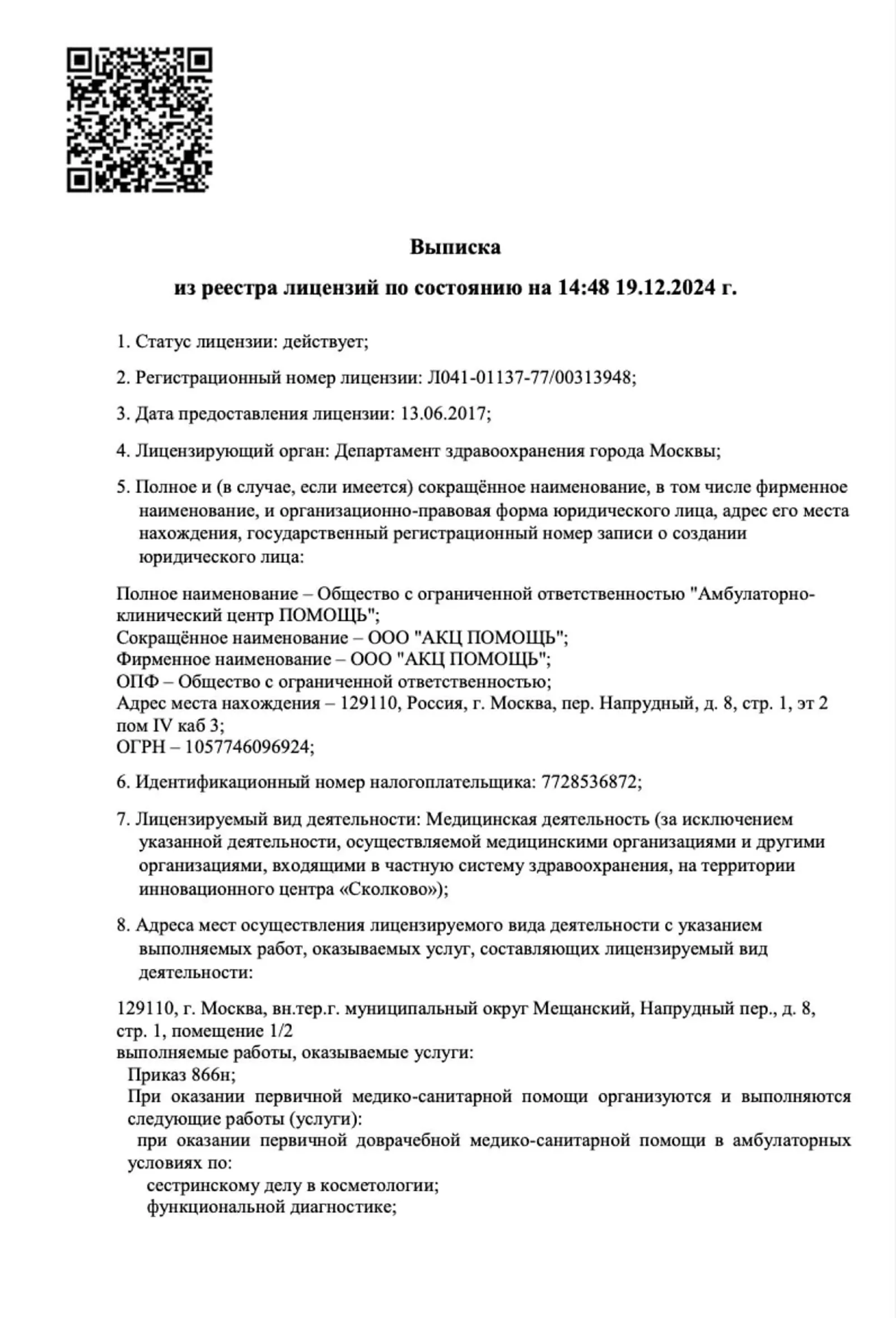
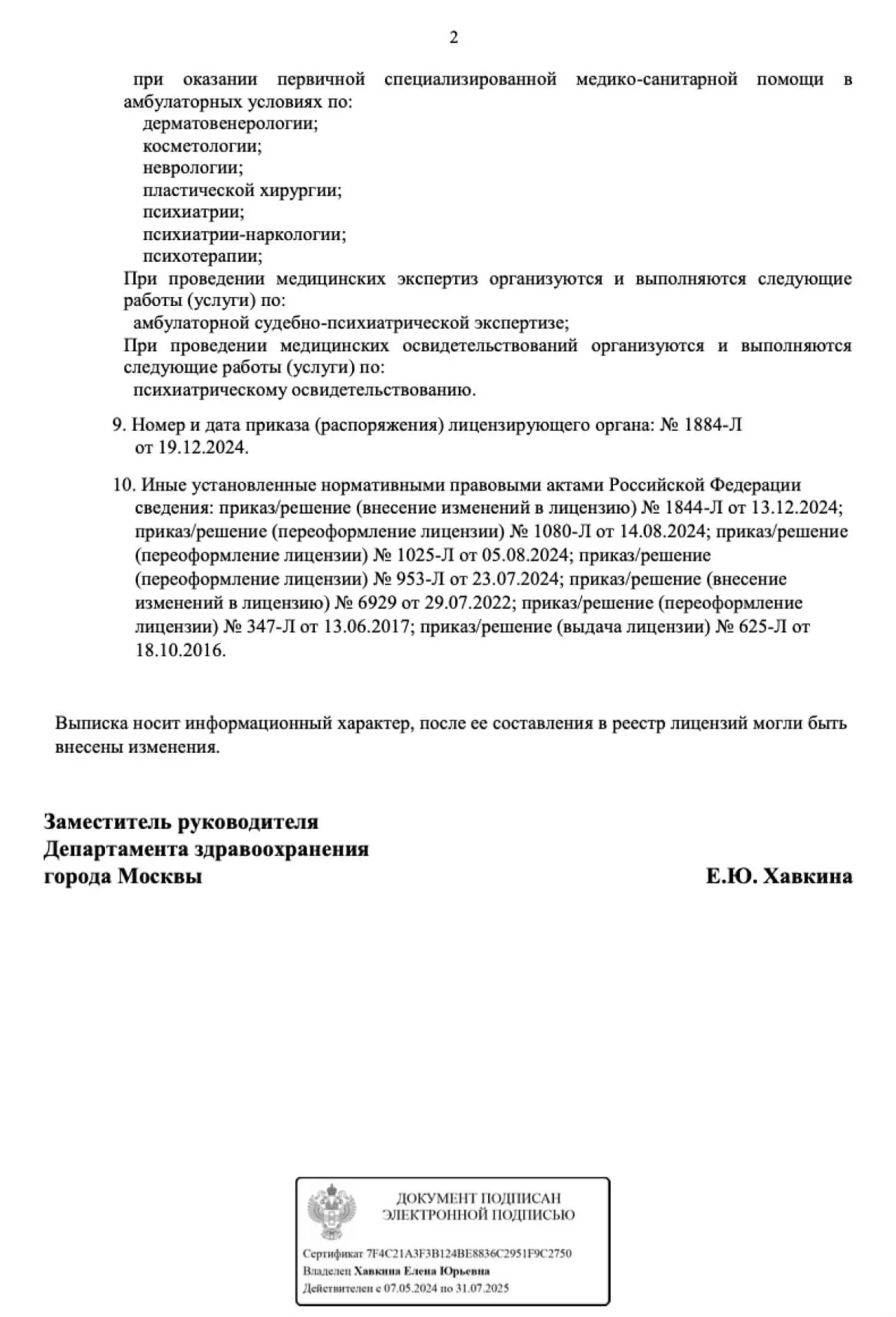
City Medical Centre licences
Other services at our clinic
Weight loss surgery in Seville step by step
Why do diets fail? The body fights back: metabolism slows, appetite grows, and lost kilos return. When diet changes and medication cannot fundamentally improve the situation, surgery becomes the effective way out. Seville residents who have tried diets, fasting and pills for years without a lasting result are exactly the patients for whom bariatric operations are intended.
Eating changes in stages. A staged diet lasts 1–2 months, moving from liquid to soft to solid food so the stomach can adapt, with the focus on protein and limited high-calorie, fatty dishes. Following specialist advice, patients lose on average 10% of excess weight per month. Those from Seville build stable eating habits that keep the weight from returning.
Starting is simple. Leave your name and phone number or write in any messenger, and a coordinator will arrange a free consultation. In about 15 minutes the surgeon will say whether bariatric surgery is right for you and which method fits. For people from Seville, this conversation is the fastest way to replace temporary fixes with a lasting solution.
This website uses cookies. By continuing to use it, you agree to the Privacy Policy and data processing terms
Get a consultation
Apply before the end of the year and get a consultation at the clinic's expense!