



























Message our coordinator
Free online consultation · Reply within 15 minutes
Message us on TelegramMessage us on WhatsAppBy messaging us, you agree to our Privacy Policy




Facelift and neck lift in Palma: price and key facts
Facelift for patients from Palma at City Medical Centre starts at €2,150 (from $2,400). The first online consultation is free; the doctor names the final price and it is fixed in the contract.
- Price
- €2,150 (from $2,400)
- Anesthesia
- general (inhalation)
- Recovery
- about 2 months to full recovery
- Final result
- 3–6 months after surgery
- How it works
- Send photos on WhatsApp or Telegram, get a free doctor assessment and the price, then confirm the plan and dates before anything is booked.
How it works · Facelift prices
Information current as of 24 October 2026

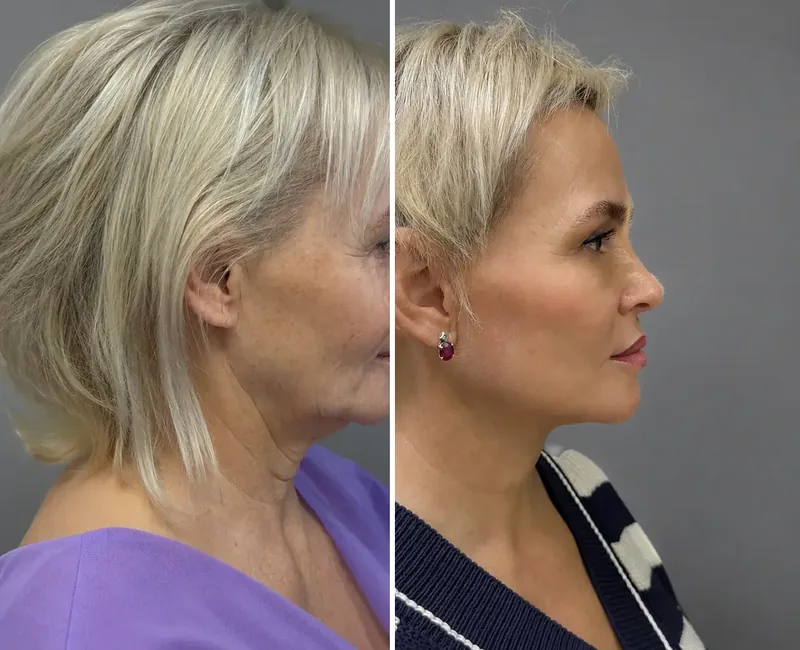

50 years
9 months

SMAS facelift
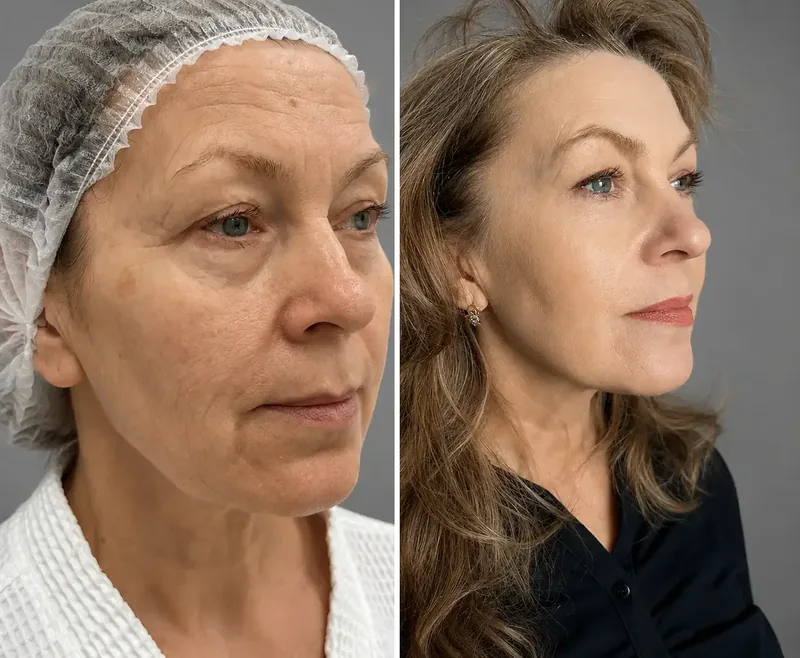
58 years
8 months
SMAS facelift
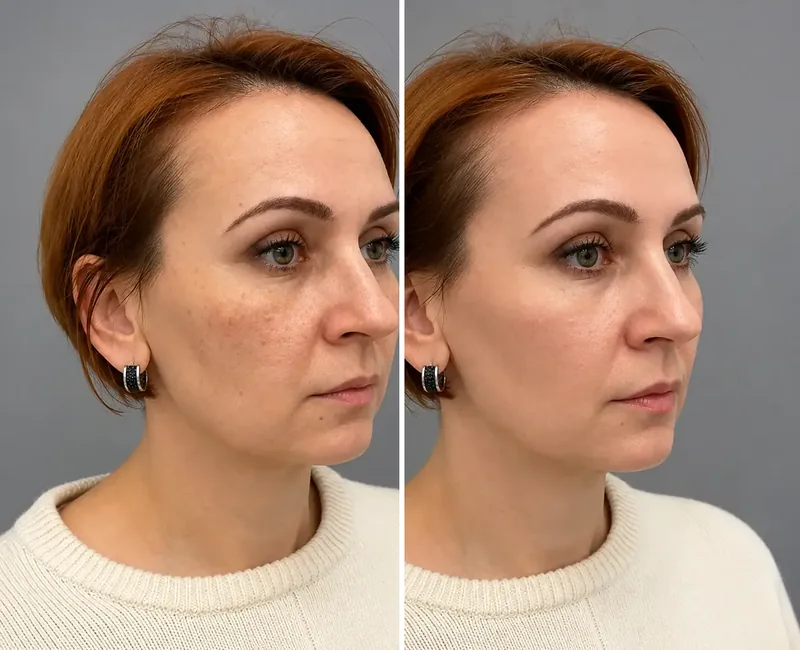
34 years
5 months
SMAS facelift
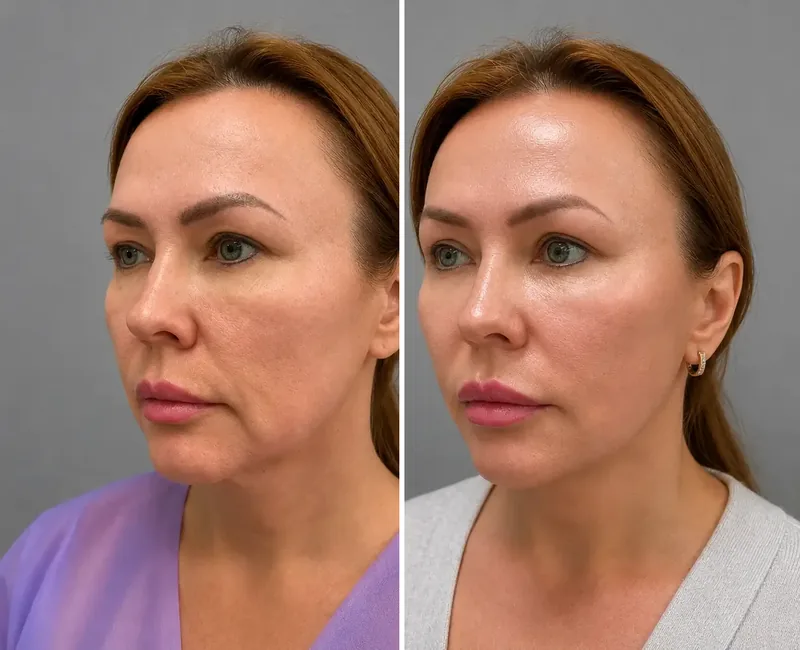
32 years
7 months
SMAS facelift
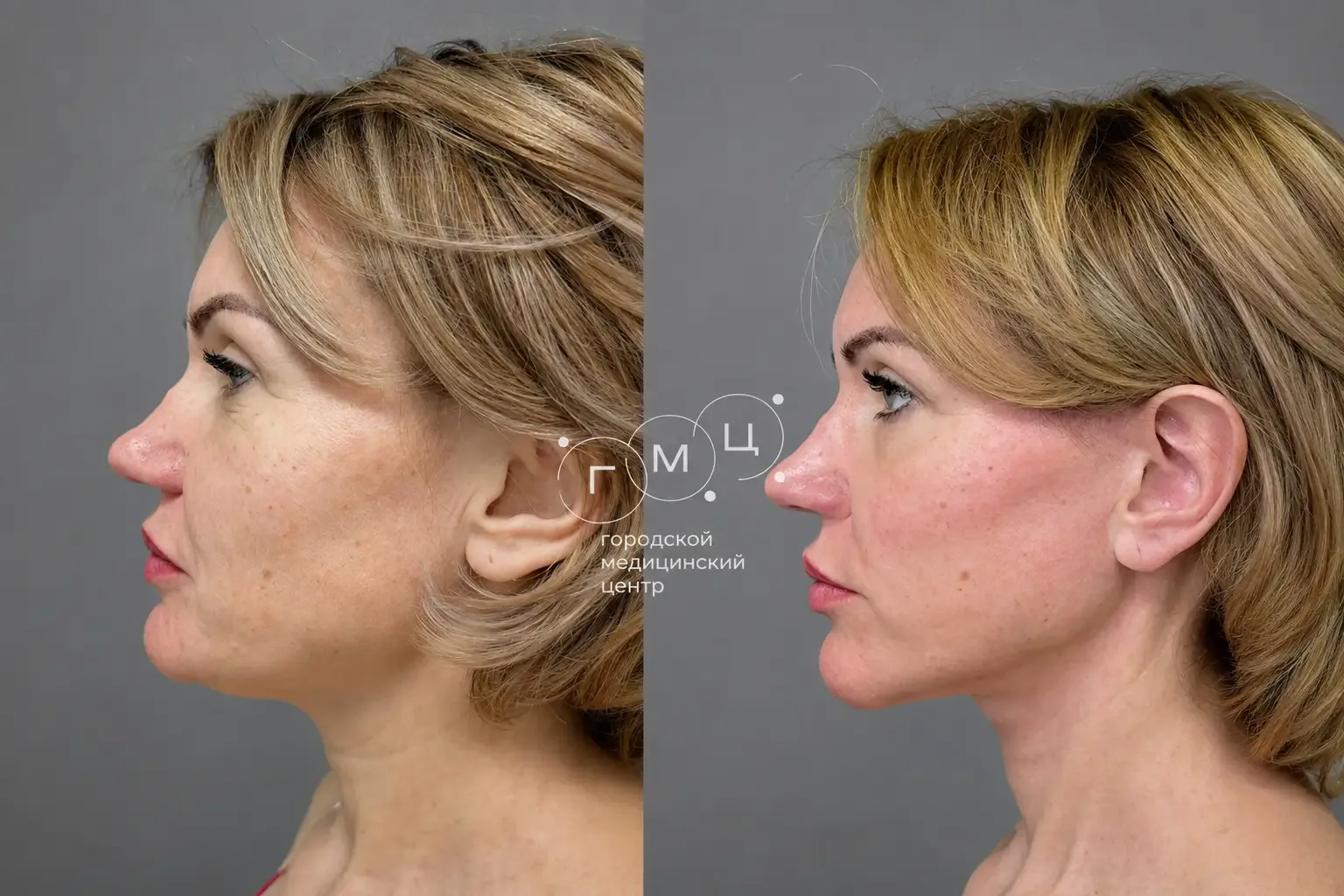
40 years
6 months
SMAS facelift
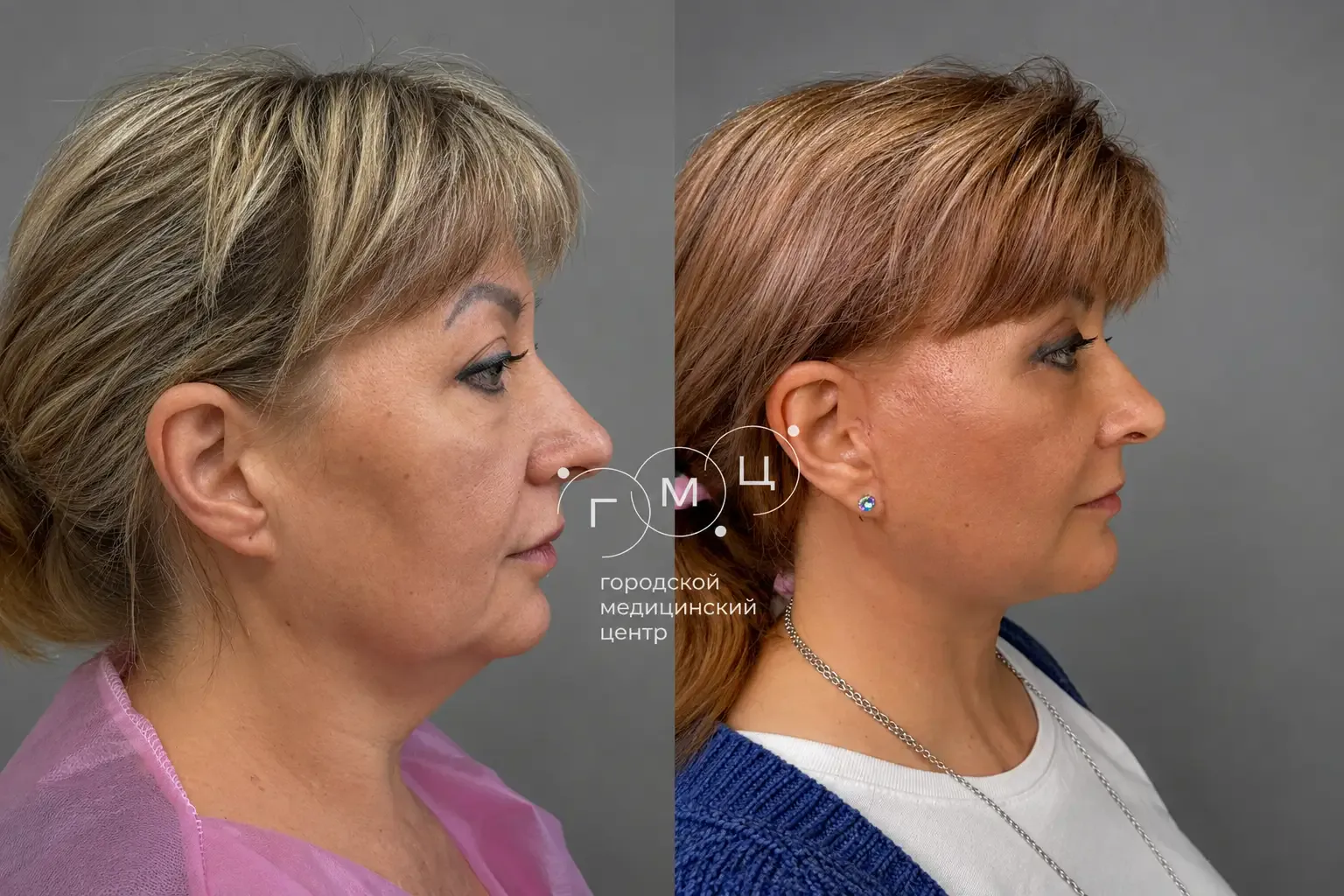
45 years
8 months
SMAS facelift
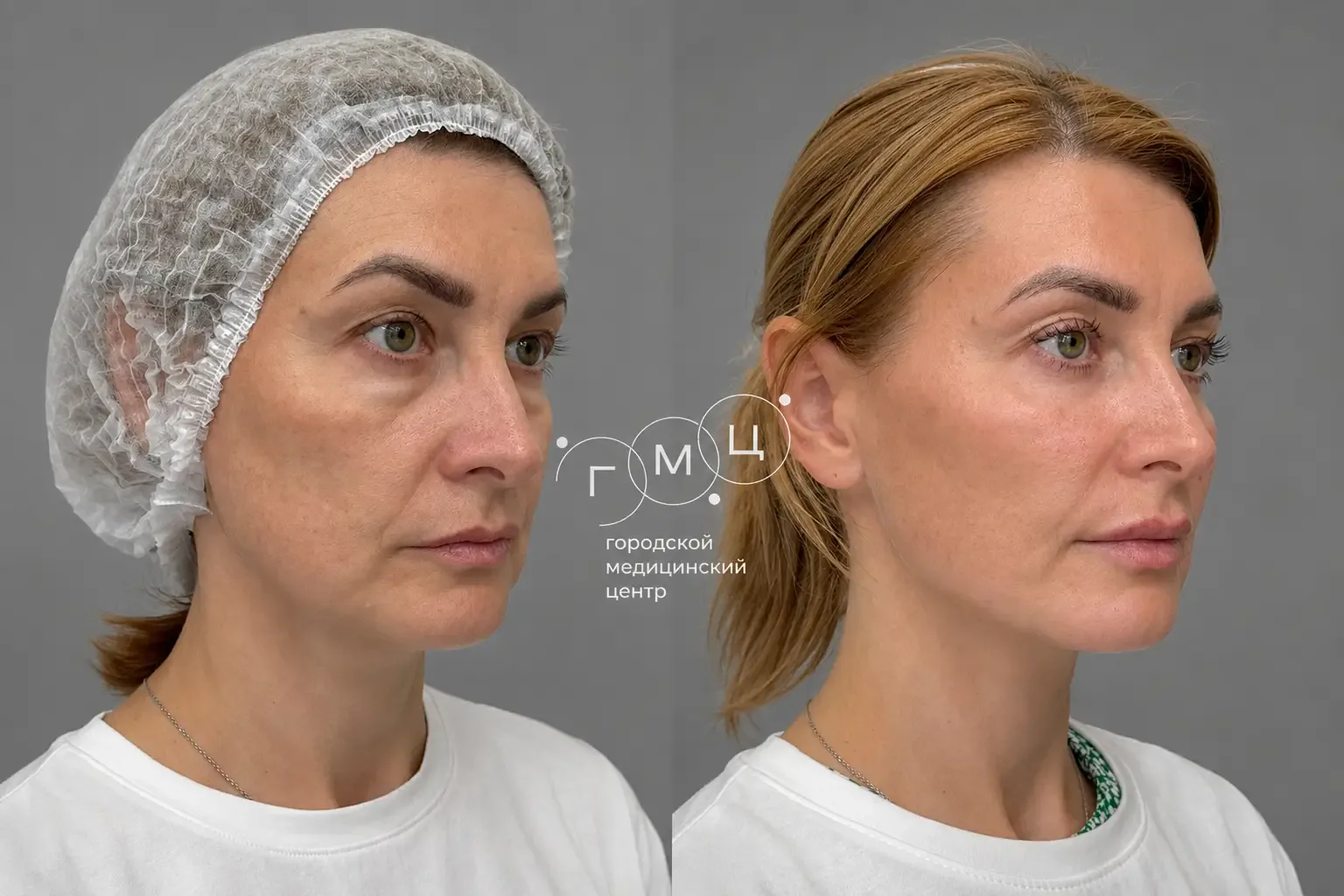
38 years
5 months
SMAS facelift
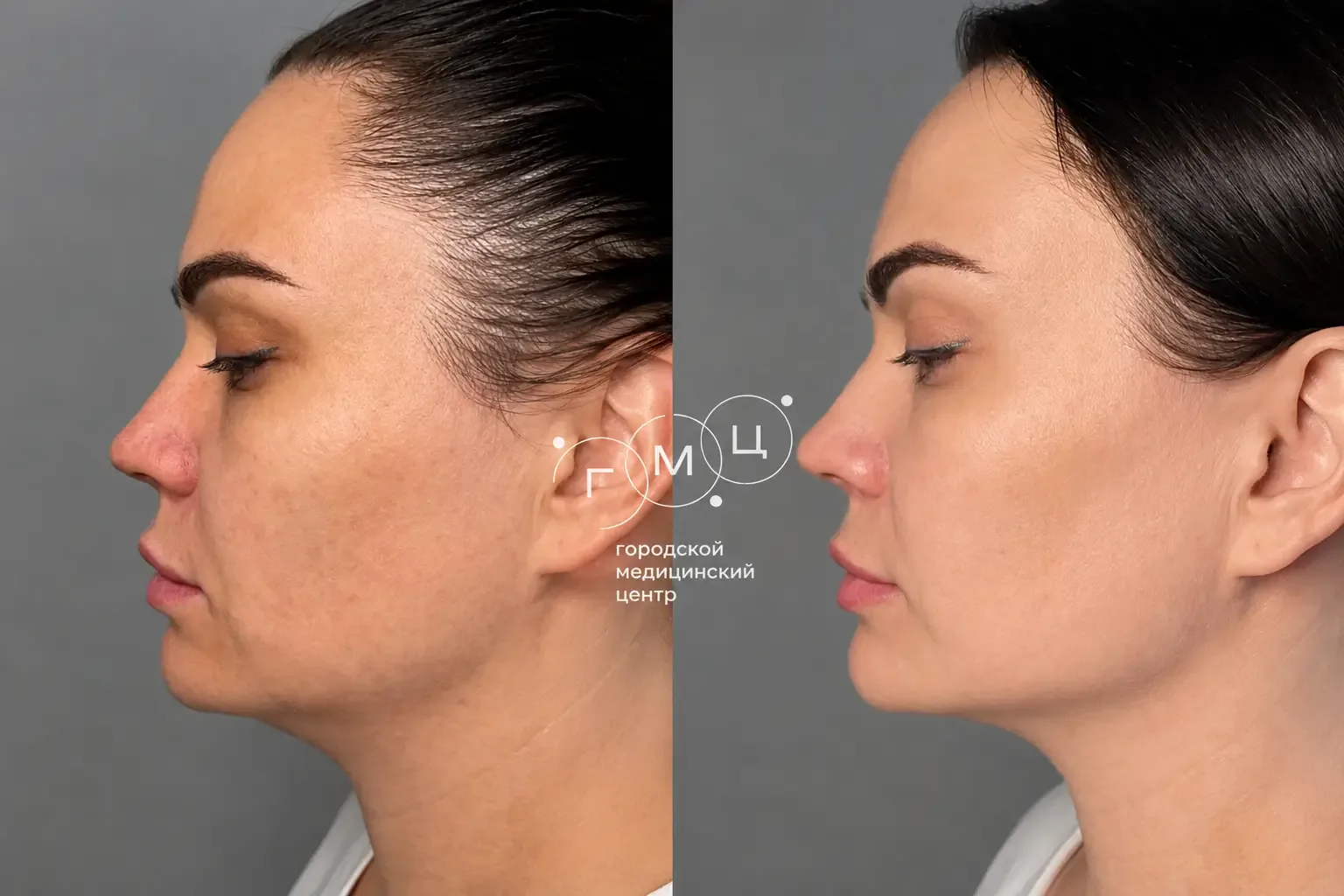
33 years
6 months
SMAS facelift
50 years
9 months
SMAS facelift
58 years
8 months
SMAS facelift
34 years
5 months
SMAS facelift
32 years
7 months
SMAS facelift
40 years
6 months
SMAS facelift
45 years
8 months
SMAS facelift
38 years
5 months
SMAS facelift
33 years
6 months
SMAS facelift
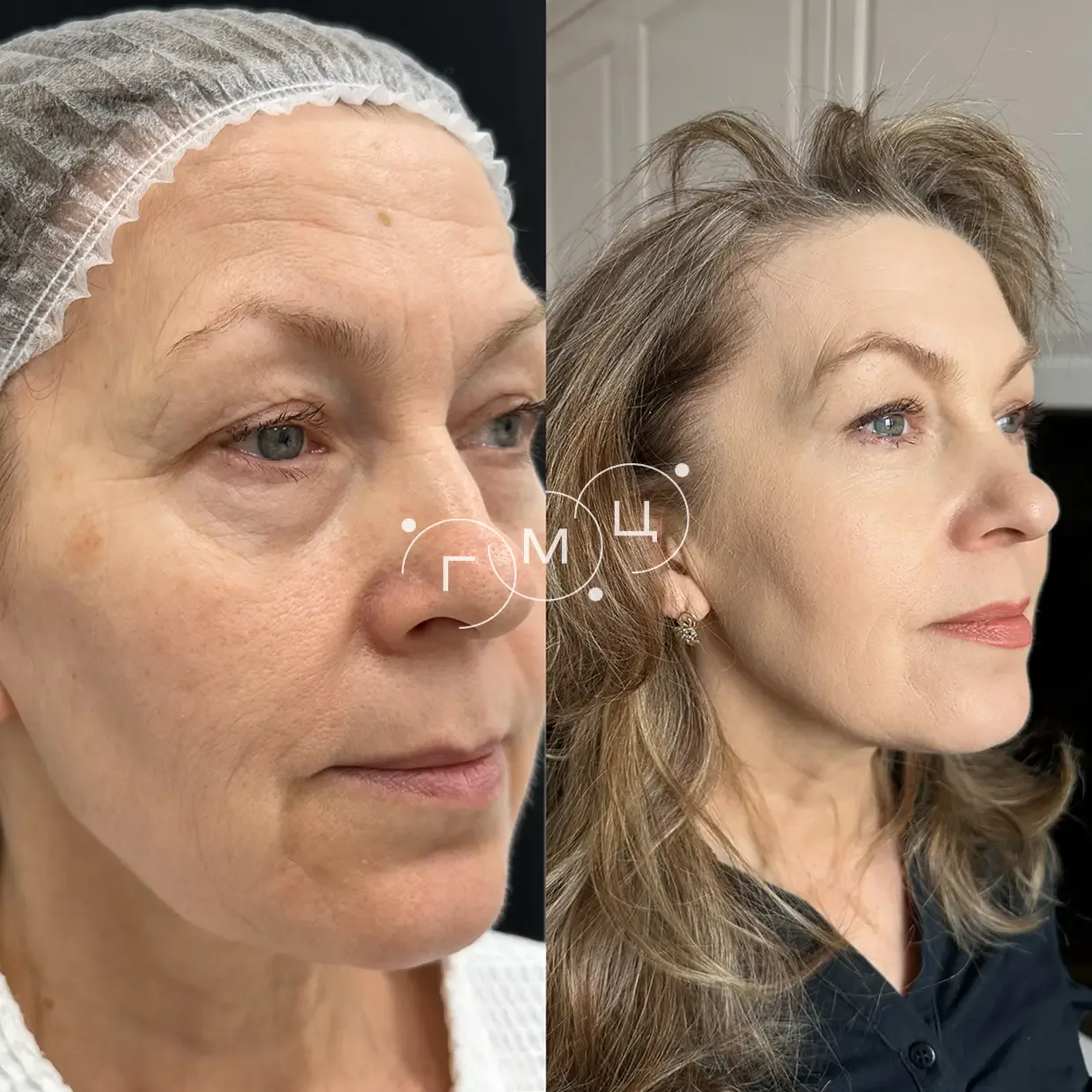

Marked sagging of the face and neck
The jawline is blurred, with jowls
A double chin with loose skin on the neck
Marionette lines and deep nasolabial folds
Drooping brows and a heavy look
A significant drop in skin firmness after 40
Looking for a result that lasts (7–10 years)

Younger than 30
Skin in an acute inflammatory state
Being pregnant or currently breastfeeding
Severe heart and vascular disease
Disorders of blood clotting
Cancer
Decompensated diabetes
Facelift in Palma: a short guide
What changes after a facelift? The lower-face contour becomes crisp, the cheeks are lifted, the chin line is clean without a double chin and nasolabial folds soften. Brows rise and the eyes look more open. The aim for patients from Palma is a younger, fresher look without an overdone effect or a mask-like appearance. One surgery gives a complete result, and a full lift keeps it for up to 10 years.
Discomfort and tightness in the first few days are normal and are relieved with medication prescribed by the doctor. Your operating surgeon then follows you up for the whole first year, until the final result. For those in Palma, this means the same surgeon who performed the operation monitors how the face settles, answers questions along the way and assesses the outcome at the end.
The price starts at $2,400 (≈ €2,150) and already covers the essentials: anaesthesia, the inpatient stay with meals, round-the-clock monitoring and a year of surgeon follow-up until the final result. Palma residents can pay through in-house 0% instalments with no overpayment. The first consultation is free: send your name and phone number, and a coordinator will contact you.
Stories of well-known people
Well-known people who spoke openly about this operation, in their own words.
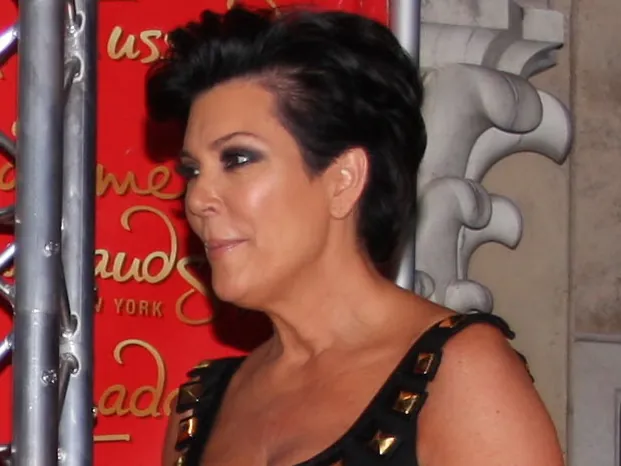 Kris Jenner’s facelift: “I love my facelift”Kris Jenner said she had a facelift about 15 years ago and a refresh before turning 70 — and that she loves it. How a SMAS facelift and recovery work.
 Did Vicki Gunvalson have a facelift? Yes, and she showed the result herselfVicki Gunvalson had a facelift in May 2018 after deciding fillers no longer looked like her. Her own words, how a facelift works and recovery.
 Keltie Knight’s facelift: why she decided to “just own it”Keltie Knight had a facelift in 2023 at 41 and chose to talk about it openly. What she said, how a SMAS facelift works and what recovery looks like.
 Did Linda de Mol have a neck lift? Yes, and she wrote about it herselfLinda de Mol wrote in LINDA. in 2025 that she had a neck lift. What she said, why she chose to be open, and how a face and neck lift works today.
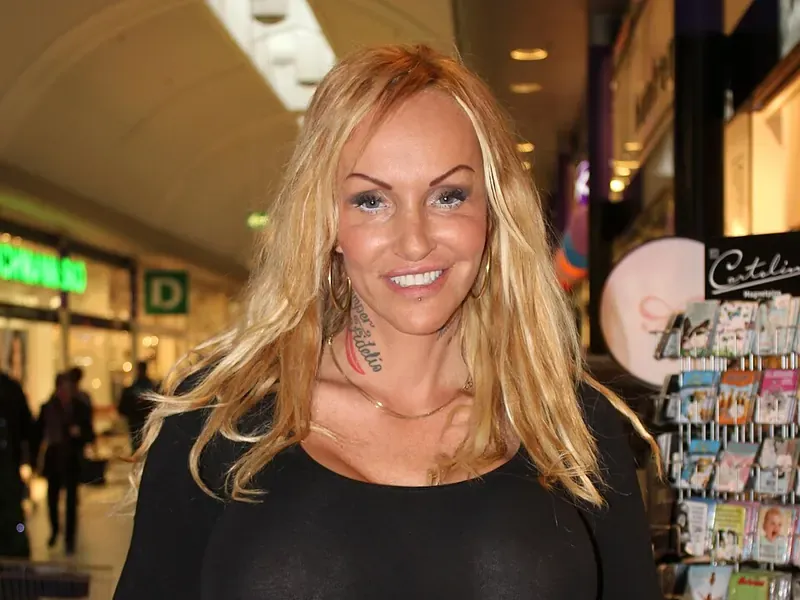 Linse Kessler and her facelifts: what she said herselfDanish reality star Linse Kessler has said openly that she has had several facelifts. Her words, how a modern facelift works and what recovery involves.
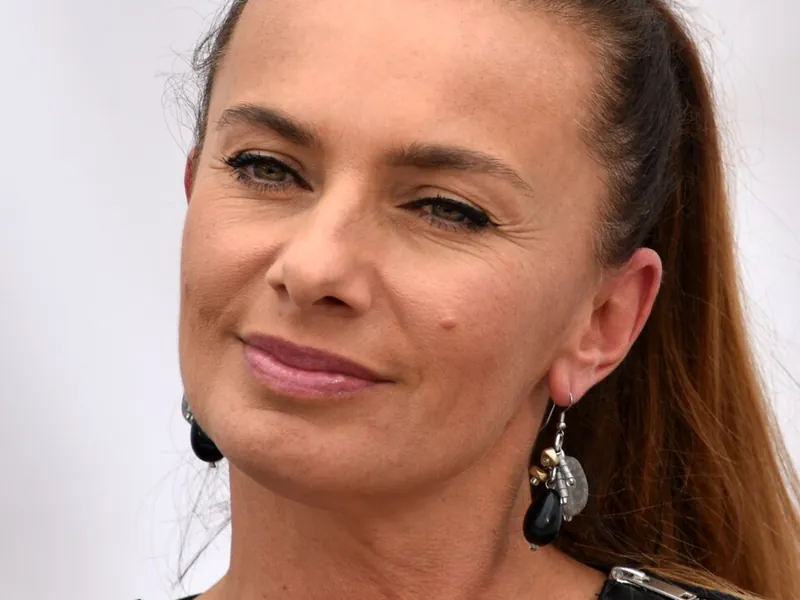 Did Alice Bendová have a facelift? Yes, and she explained why herselfAlice Bendová confirmed a deep plane facelift in September 2026. Her words, how a facelift works, who it suits and what recovery looks like.
Facelift in Palma: price and what is included
Prices are in US dollars; the amount in brackets is an approximate conversion to EUR at the rate of 02.10.2026. The final price is fixed in your contract.
- Faceliftfrom $2,400 (≈ €2,150)
What is a SMAS facelift?
It is a face lift that tightens the deep SMAS layer under the skin, not only the skin itself, so the lower face, jawline and neck stay firmer for longer. The result lasts about 7–10 years.
How much does a facelift in Palma cost?
Prices start from $2,400 (≈ €2,150). The surgeon sets the final price at the free consultation, and it is fixed in the contract, with no hidden extras.
What is included in the price?
A one-to-one consultation, the medical team, anaesthesia, inpatient care with meals, 24/7 monitoring and twelve months of follow-up by the surgeon.
How do I get my exact price?
Message us on WhatsApp or Telegram using the buttons below. A coordinator will answer your questions and book a free consultation where the doctor names the exact price.
By messaging us, you agree to our Privacy Policy
Sun hours in Palma and what they mean for a healing face
Palma gets 2,858 hours of sunshine a year. July alone has 353 hours, while December has 152. For anyone considering a SMAS facelift, this matters more than the usual question of which month is "quiet". Skin that has been lifted and redraped needs time without strong direct sun. In the city with the long sunny season, that is a real planning point rather than a footnote.
During the free online consultation, the doctor looks at the photos you send on WhatsApp or Telegram. The doctor assesses jowls, cheek descent, the jawline and the neck, and explains which of the four facelift types fits. The same conversation is the moment to talk about your daily routine. If you spend hours outdoors, work on a terrace or are used to long days by the water, say so. The coordinator can then help you choose dates that keep the first weeks of recovery away from the sunniest stretch of the year.
The treatment plan says swelling and bruising fade in 2–4 weeks and that the first clear changes appear after 3–4 weeks. The final look of the face arrives 3–6 months after surgery. These stages overlap with the sunny months differently depending on when you start. An operation in the weeks around December means the first, most visible stage happens when the city has its lowest number of sunshine hours. An operation in early summer means the 2–4 weeks of visible swelling coincide with the brightest light of the year.
None of this means one season is right and another is wrong. It means you can decide with numbers in front of you. Palma's long sunny period is also a reason to take skin protection seriously after the operation. The doctor will explain what is suitable for your skin type and the stage of healing. Follow that advice rather than general tips from friends. Because follow-up with the operating doctor lasts for the whole first year, you can ask again when the seasons change.
Planning backwards from the beach season
The sea around Palma gives a handy calendar. The bathing season runs roughly from the end of April to the beginning of November, about six to seven months. Sea temperature averages 19.5 °C over the year. It reaches its minimum of 13.9 °C in February and its maximum of 26.0 °C in August. June averages 22.5 °C and September 25.0 °C.
Many patients like to work backwards from a date they care about. The treatment plan gives the building blocks: 7–10 days at the start of rest, a compression bandage and reduced physical activity. Swelling and bruising then fade in 2–4 weeks, and full recovery takes about two months.
Here is an example. Suppose the operation is planned for late January 2027. The first quiet week or ten days fall in the coldest part of the year. By mid to late February, swelling and bruising have settled for most people, within that 2–4 week range. By late March, about two months have passed, which is the time the description gives for full recovery. That leaves a margin before the bathing season begins at the end of April. The final result still continues to refine for 3–6 months after surgery, so the face keeps settling through the spring and into summer.
A later operation shifts everything. If you choose April, the two-month recovery covers May and June, when the sea is warming up and the sunshine hours are climbing towards the July peak. That is entirely possible, but it requires more discipline about shade and protection.
The doctor cannot promise a precise day on which every sign of surgery will vanish. Recovery varies with age, skin quality, the scope of the operation and whether it is combined with eyelid surgery or double-chin liposuction. What the coordinator can do is lay out the ranges from the treatment plan and fit them to your calendar. Online, you can ask this on a Sunday evening or at night, since coordinators answer round the clock.
Mild winters, damp autumns: weather and the first two weeks
Palma's climate is classified as warm semi-arid. The coldest months are January and February, with highs of 15.7 °C and lows of 8.5 °C and 8.4 °C. The warmest are July and August, with highs of 29.7 °C and 30.2 °C and lows of 22.4 °C and 23.0 °C. The annual mean is 18.5 °C. April averages 19.7 °C by day and 12.2 °C at night, and October 24.0 °C and 16.8 °C.
These figures suggest a practical point. A winter in Palma is cool rather than harsh. For the first 7–10 days of rest, with a compression bandage and reduced activity, you will mostly be indoors anyway. A home that is neither too hot nor too cold helps. Summer nights with lows above 22 °C can be uncomfortable when you are advised to rest and keep a bandage on. The doctor will advise on sleeping position and activity during recovery.
Rain follows its own pattern. Annual precipitation is 470.1 mm over 53.6 days. October is the wettest month at 72.6 mm, followed by November at 67.8 mm and September at 60.5 mm. July is the driest at just 5.1 mm. Average relative humidity is 72 %.
If your recovery falls in autumn, plan for wet days. Short outings for follow-up photos or a pharmacy visit are easier to manage with a little flexibility. In midsummer the opposite applies: dry days are inviting, but strong light and heat are exactly what a healing face needs to avoid.
Humidity is a general fact about the place, not a medical measure, so it would be wrong to say it changes how swelling behaves. What it does change is how comfortable you feel while resting at home. Use it as a practical prompt. Think about ventilation, shade and cool cloths only as the doctor allows, and ask the coordinator if you are unsure what is permitted at each stage.
A city with students, saints and seasons of company
Palma is the capital of the Balearic Islands and of Mallorca. The municipality has 438,234 inhabitants, the eighth largest in Spain, and the urban area is estimated at 550,000. The Universitat de les Illes Balears, founded in 1978 with its main campus in Palma, had 15,789 students in the 2022–23 academic year. A city of this size has a full calendar of work, study, family gatherings and public celebrations.
The city's patron is San Sebastián, and its patroness is the Virgen de la Salud. Many people know the major dates in their own circle, and this is a good reason to think about "presentability" in concrete terms.
The treatment plan does not offer a single moment at which the face looks exactly as it will in its final form. Instead it gives a sequence: 7–10 days of rest and a bandage, swelling and bruising fading in 2–4 weeks, first clear changes at 3–4 weeks, about two months for full recovery and 3–6 months for the final look. So think about each occasion separately:
- A family event within the first 2–4 weeks is the hardest to combine with surgery, because bruising and swelling may still be visible.
- A work meeting on video is easier, but the doctor should confirm when you can resume normal activity.
- An important occasion about two months later falls at the point the description calls full recovery.
- An occasion 3–6 months later is when the final result is expected.
Spouses, relatives and close friends often play a role in recovery. A spouse can help with photos taken at the same time of day, in the same light and from the same angle. That makes follow-up with the doctor much clearer than random snapshots. The coordinator can describe which angles are useful for a facelift: front, both sides, and an angle that shows the neck and jawline.
Whether you tell colleagues is entirely your decision. Some prefer to book the operation so that the first quiet weeks coincide with a natural pause in their routine, such as a period of lighter study or work. What matters is that recovery has room to happen without pressure to appear in public too early.
Public healthcare, waiting lists and why cosmetic facelift is a separate path
Spain's public health system, the SNS, has a common portfolio of services set out in Royal Decree 1030/2006. It does not finance techniques whose purpose is "mere aesthetic or cosmetic improvement". Procedures with an aesthetic purpose that are not related to an accident, an illness or a congenital malformation are excluded from specialist care. In plain terms, a facelift chosen for appearance belongs outside the public system.
That is a factual starting point, not a judgement. It means that someone in Palma who wants a SMAS facelift will not find it on a public waiting list in the first place. For context, the SNS statistics show how long public queues are even for covered care. On 31 December 2025, plastic surgery had the longest average wait of any specialty in the system: 269 days. Across all surgical specialties, the average was 121 days, and 21.6 % of patients had waited more than six months. In the Balearic Islands, 17,075 patients were in structural surgical waiting, with an average of 105 days.
Those figures describe the public system for covered conditions. They are not a comparison with private care and they do not predict anything about your own timeline. They help explain why many people consider a private online consultation: it can be arranged at any time of day, and the doctor can give an assessment and a plan before anything is booked.
Another number from the national health survey is worth mentioning. In 2020, 82.9 % of people aged 15 and over in the Balearic Islands rated their health positively, the highest percentage in Spain. A good general state of health is often what the doctor wants to confirm before surgery. The treatment plan is clear that chronic illness requires advice from a doctor. Contraindications include severe cardiovascular disease, clotting problems, cancer, decompensated diabetes, acute skin inflammation, pregnancy and breastfeeding, and age under 30.
If you take regular medication or have a chronic condition, say so in the first message. The doctor can then judge what is relevant. You do not need to send documents before you have spoken to the coordinator, and nothing is booked until you have confirmed the plan and dates.
Sending photos, asking questions: a calm way into the consultation
A facelift is a decision with a long horizon. The description says the effect of a surgical SMAS facelift lasts 7–10 years and that a repeat procedure after that time is possible if the patient wishes. That is a long time, so there is no reason to rush the first step.
The consultation is online and free. You write on WhatsApp or Telegram, send photos and receive an assessment. A reply is promised within 15 minutes, and coordinators are available 24/7. In Palma, that suits people with irregular rhythms: seasonal work, shifts, study timetables or family obligations.
Here is a practical way to prepare, built around the city's conditions:
- Take photos in natural, even light, away from strong direct sun, which creates harsh shadows along the jaw and under the cheeks.
- Pull your hair back from the face and ears, since incisions in several facelift types are placed around the ears and in the frontal edge of the hair.
- Include a front view, both sides and one that shows the neck.
- Note which area bothers you most: jowls, cheeks, double chin, nasolabial folds, drooping brows or loose skin on the neck.
- Write down your calendar for the next six months, including events you would like to be fully recovered for.
With this information, the doctor can say which of the four options may fit: the standard SMAS facelift, the full circular facelift, the lift for the neck and lower face, or the endoscopic lift of the brow and temple. The description says the endoscopic option uses tiny punctures, with scars hidden in the hair-bearing area.
The description also states that general (inhalation) anaesthesia is used, that the stay includes monitoring by medical staff around the clock, and that post-operative care from the plastic specialist continues for a whole year. You can ask for details of each stage in the chat. The final price is named by the doctor and fixed in the contract, so you will know the scope before agreeing to anything.
Is it better to plan a facelift in Palma for winter or for summer?
Neither season is ruled out. Winter has the fewest sunshine hours (152 in December against 353 in July) and cooler days, with highs of about 15.7 °C in January and February. That makes the first 7–10 days of rest and the following weeks of fading swelling easier to spend indoors. Summer is possible, but strong light and nights with lows above 22 °C make protection and comfort more demanding. The doctor will discuss your dates and skin type during the consultation.
How should I think about sun exposure in the months after surgery?
Palma has about 2,858 hours of sunshine a year, so the issue arises in most months. The description gives the stages of recovery: swelling and bruising fade in 2–4 weeks, and full recovery takes about two months. During that time, the doctor will give specific instructions on protecting the healing skin and on when normal outdoor activity is suitable. Ask about this in the first chat so you can plan your first weeks.
If I operate in late January 2027, when could I expect to look more settled?
Using the ranges given, the first 7–10 days are for rest with a compression bandage. Swelling and bruising then fade over 2–4 weeks, which would be around mid to late February. About two months for full recovery points to late March, and the final result appears 3–6 months after surgery. These are ranges, not promises for a particular day, and individual healing varies.
Will Spanish public health insurance cover a cosmetic facelift?
The common portfolio of the national health system, set out in Royal Decree 1030/2006, excludes techniques aimed at mere aesthetic or cosmetic improvement, and aesthetic procedures not linked to an accident, illness or congenital malformation are outside specialist public care. A facelift for appearance therefore falls outside it. If you have private insurance, check your own policy terms directly, since they differ.
Does Palma's humidity or rainy autumn affect healing?
Average relative humidity is 72 %, and October is the wettest month with 72.6 mm of rain. These are general climate facts, and we do not claim they change how tissue heals. They matter mainly for comfort and logistics: planning short outings around wet days and keeping a comfortable home while you rest. For anything about wound care, follow the doctor's instructions.
Can I plan around the city's holidays and the bathing season?
Yes. The bathing season runs from late April to early November, and the patron saint San Sebastián and the Virgen de la Salud are part of the city's calendar. Share the dates that matter to you with the coordinator. Count at least 2–4 weeks for swelling and bruising, about two months for full recovery and 3–6 months for the final look, then choose dates with a comfortable margin.
Can I discuss a facelift with my spouse or family before deciding?
Yes. The first consultation is free, nothing is booked until you confirm the plan and dates, and you can message at any hour. Many people share the doctor's assessment with a spouse or relative first. The doctor names the final price and it is fixed in the contract, so the family can decide with the full picture. Questions about contraindications, such as chronic illness, are best raised in the first message.