





























at first
by 12 months
2,800 grafts
FUE method
City Medical Centre
0% instalments
from $367/mo
The first session, priced — $0.
Real patient
at first
by 12 months
FUE, no incisions or sutures. Graft count and outcome forecast worked out and not charged — before you decide.
Free online consultation · Reply within 15 minutes
It costs nothing, no surgery booking required
Message our coordinator
Free online consultation · Reply within 15 minutes
Message us on TelegramMessage us on WhatsAppBy messaging us, you agree to our Privacy Policy
Hair transplant for patients from Palma at City Medical Centre starts at €2,000 (from $2,200). The first online consultation is free; the doctor names the final price and it is fixed in the contract.
How it works · Hair transplant prices
Information current as of 24 October 2026
results
Genuine patients only, with nothing staged.
at first
by 12 months
2,800 grafts
FUE method

at first
by 12 months
3,500 grafts
FUE method

at first
by 12 months
2,600 grafts
FUE method

at first
by 12 months
3,000 grafts
FUE method

at first
by 12 months
2,700 grafts
FUE method

at first
by 12 months
3,300 grafts
FUE method

at first
by 12 months
2,900 grafts
FUE method

at first
by 12 months
2,500 grafts
FUE method

at first
by 12 months
3,400 grafts
FUE method

at first
by 12 months
2,500 grafts
FUE method

at first
by 12 months
3,100 grafts
FUE method

at first
by 12 months
3,600 grafts
FUE method

at first
by 12 months
4,000 grafts
FUE method

at first
by 12 months
3,200 grafts
FUE method

at first
by 12 months
3,000 grafts
FUE method

at first
by 12 months
3,700 grafts
FUE method

at first
by 12 months
2,700 grafts
FUE method

at first
by 12 months
3,800 grafts
FUE method

at first
by 12 months
3,300 grafts
FUE method

at first
by 12 months
2,800 grafts
FUE method

at first
by 12 months
2,500 grafts
FUE method

at first
by 12 months
3,900 grafts
FUE method

at first
by 12 months
3,500 grafts
FUE method

at first
by 12 months
3,800 grafts
FUE method

at first
by 12 months
2,900 grafts
FUE method

at first
by 12 months
3,600 grafts
FUE method

at first
by 12 months
2,600 grafts
FUE method

at first
by 12 months
2,700 grafts
FUE method

at first
by 12 months
3,700 grafts
FUE method

at first
by 12 months
3,200 grafts
FUE method

at first
by 12 months
3,000 grafts
FUE method

at first
by 12 months
2,800 grafts
FUE method

at first
by 12 months
4,000 grafts
FUE method

at first
by 12 months
3,400 grafts
FUE method

at first
by 12 months
2,900 grafts
FUE method

at first
by 12 months
3,100 grafts
FUE method

at first
by 12 months
2,600 grafts
FUE method

at first
by 12 months
3,300 grafts
FUE method

at first
by 12 months
3,900 grafts
FUE method

at first
by 12 months
3,500 grafts
FUE method

at first
by 12 months
2,700 grafts
FUE method

at first
by 12 months
3,800 grafts
FUE method

at first
by 12 months
3,200 grafts
FUE method

at first
by 12 months
3,000 grafts
FUE method

at first
by 12 months
2,800 grafts
FUE method

at first
by 12 months
3,100 grafts
FUE method

at first
by 12 months
3,600 grafts
FUE method
Comparison
We offer three graft transfer technologies: classic FUE, suture-free DHI and a combined protocol. Set them side by side by implantation technique, tissue trauma and graft survival, and choose knowingly.
Classic technique without incisions or stitches

$2,200
$2,700
Graft implantation technique
ForcepsGraft trauma
MinimalA natural growth angle
NaturalGraft survival
98–100%Suitable for
Androgenetic alopeciaImplantation with a Choi pen, no sutures

$2,500
$2,900
Graft implantation technique
DHI, a Choi implanterGraft trauma
MinimalA natural growth angle
NaturalGraft survival
98–100%Suitable for
DensificationExtraction by FUE, DHI implant

$2,700
$2,900
Graft implantation technique
Extraction by FUE, DHI implantGraft trauma
MinimalA natural growth angle
NaturalGraft survival
98–100%Suitable for
Densification for androgenetic alopeciaEach method has averaged survival and trauma figures, given for orientation: the exact numbers depend on the transplant area and the patient's individual features, and the doctor clarifies them at the consultation.
Speak to a specialist


















about the clinic
Clean, well-equipped rooms and staff who notice you

We will take your questions and find a consultation time convenient for you
Message us on WhatsApp Drop us a lineHonest words come first: if no operation is required, the doctor tells you during the consultation, so nothing leaves your wallet. The situations in which a transplant genuinely works are described below.
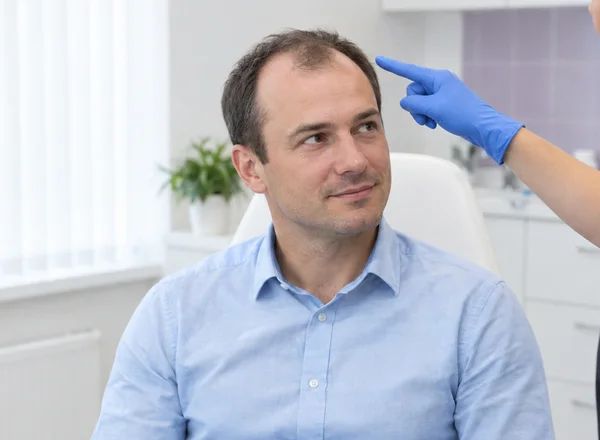

Leave a number: photos go to a coordinator in a messenger, the doctor looks and says if a transplant will help you. Free, no booking.

services
Grafts are counted free of charge, the price follows, and the contract makes it binding.
suture-free graft extraction

$2,200$2,700
or $367/mo — 0% instalments for 6 months
Fix your priceimplantation without channels

$2,500$2,900
or $417/mo — 0% instalments for 6 months
Fix your pricecombined technique

$2,700$2,900
or $450/mo — 0% instalments for 6 months
Fix your price| Your case reviewed | Free |
|---|---|
| Eyebrow transplant, FUE | |
| Beard transplant, FUEinstalments $467/mo | |
| Hair trichopigmentation | |
| PRP therapy / session | $200 |
all included
One continuous path: pre-op prep and 12 months after.
Your payment does not grow on the day of surgery.
two other areas
The scalp is only one option. Donor grafts still come from the back of the head, the method is still FUE, and only the treated zone differs.
FUE method, free of cuts or stitches

From the donor area at the back of the head the grafts are taken and moved through micro-punctures of about 1 mm; no scars remain. The doctor discusses the shape with you before the operation and takes your facial features into account. Transplanted hair grows for life: the beard is trimmed and styled as usual.
$2,800$3,000
or $467/mo — 0% instalments for 6 months
Fix your priceFUE method, free of cuts or stitches

Your first meeting with the surgeon includes drawing the brow shape, going through references jointly and matching the design to the proportions of your face. The implanted hairs sit at the angle of growth, which keeps the brows from looking painted on. Brows that gave up growing under years of plucking are helped.
$1,600$1,700
a procedure you go home from, numbed locally
Fix your priceThe doctor studies the donor zone, settles on a graft number and shows what outcome it will give. Pricing follows straight after, and the contract keeps it unchanged.

Message our coordinator
Free online consultation · Reply within 15 minutes
Message us on TelegramMessage us on WhatsAppBy messaging us, you agree to our Privacy Policy
Process
From consultation to going home — all in one day

Everything begins with a free consultation: the doctor explains the FUE and DHI methods, answers your questions, and puts together a plan designed specifically for you.

This step confirms the date through a deposit paid by card at the clinic or online, with the arrangement recorded in a medical services contract.

Tests must be in hand before the operation. The clinic hands you the whole list and walks you through what to do.

This stage applies local anaesthesia, which keeps the entire operation painless.

Taken from the occipital zone or the temples, the grafts leave a donor area that requires no stitches.

The surgical team implants each graft into the balding zone with precision.
Everything you need for recovery, plus complete instructions, comes from the clinic at this final stage.

The crusts come off, the swelling eases, the skin restores itself

This shedding is expected; the roots are not affected

The area gradually thickens, and the result shows

The hair fills in, with volume and hairline clearly visible

Everything evens out into a natural-looking hairline

Free, before any operation with no strings attached.
Speak to a specialistdoctors

Hair transplant doctor, trichologist, surgeon
10 years of experience

Dermatovenereologist, trichologist, surgeon
11 years of experience

Plastic surgeon
9 years of experience

Plastic surgeon
9 years of experience

Assistant
9 years of experience
The doctor judges the donor zone, puts a figure on the grafts and sets out the outcome you can expect.
Speak to a specialistcoordinators
A coordinator takes on your case early and stays with it until recovery ends.

Your patient adviser
Looks after you at each stage of the way
Picks up all your forms and your bookings
Your patient adviser
Looks after you at each stage of the way
Picks up all your forms and your bookings
Your patient adviser
Looks after you at each stage of the way
Picks up all your forms and your bookings
Your patient adviser
Looks after you at each stage of the way
Picks up all your forms and your bookings













We will take your questions and find a consultation time convenient for you
Message us on WhatsApp Drop us a lineReviews
I was having trouble with my hair. I came here and got a hair transplant. The results was awesome thank you
Review on Google
І experienced hair loss due to COVID and turned to this clinic; they helped me and performed a hair transplant, moving hair from the back of my head to my temples. Thank you.
Review on Google
I traveled to City Medical Centre, where they helped me overcome hair loss through a transplant to the balding areas of my scalp. I am grateful to the doctors for performing the procedure painlessly.
Review on Google
I am sharing my experience, because before the operation I went through a pile of reviews myself and was looking for real stories. I had a beard transplant six months ago. Honestly, in the first days after the procedure I felt a little jittery: my face looked unfamiliar, there was slight swelling and small scabs. In the first couple of months the hair partly fell out, as the doctor had warned. But now the result truly makes me very happy) From about the 4th month active, even growth began. The transplanted hair took very well, the beard now looks as natural as possible, no bald patches are left. The beard became much thicker and denser, with the shape I had thought about for a long time. All in all, I recommend the clinic, the doctor was polite and explained everything 👍 The result is definitely worth it!
Review on Google
I traveled to this clinic and do hair transplant, very good quality and cheap. Good doctors
Review on Google
I do hair transplant here very good doctors!!
Review on Google
Popular questions
People often say hair implants, but no artificial hair is used. In a hair transplant the doctor moves your own follicles (grafts) from the donor area to thinning or bald areas using FUE or DHI.

Yes. City Medical Centre accepts patients from other cities and countries, and an online consultation is available before you decide.
Prices start at $2,200 (≈ €2,000) for FUE, $2,500 (≈ €2,250) for DHI, and $2,700 (≈ €2,450) for the combined method. Your final price is set after a free graft count and locked into the contract.
It takes a day, and afterwards everyone goes back home.
It helps with stable pattern hair loss and a receding hairline when there are enough donor grafts. Some types of alopecia need treatment first; the doctor checks this at the consultation.
Patients feel nothing: the scalp is numbed with an anesthetic given locally.
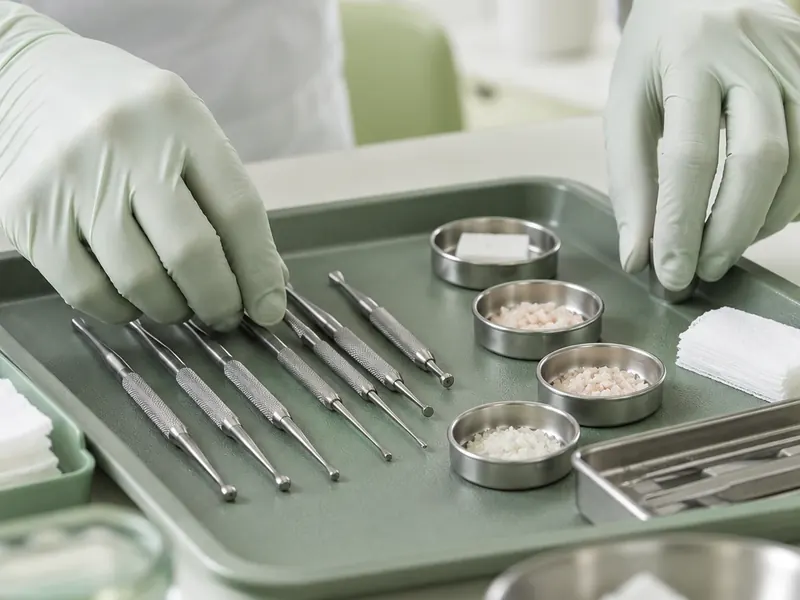
FUE is the classic method: grafts are harvested with tweezers, with no cuts or stitches. DHI implants grafts without channels, using a Choi pen. A combined method harvests grafts by FUE and implants them with the DHI pen.
Nobody can guess it in advance; the doctor counts them at a free appointment based on your donor reserve.
0–10 days of healing, a normal loss of hair at 2–4 weeks, regrowth from 3–4 months, density plainly there at 6–9 months, and the last word at 12–18 months.
Your procedure includes a lifetime hair-growth guarantee under contract.
We hold a medical licence, and care is provided to the standards and clinical guidelines
per Ministry of Health.

Doctors who will operate: their diplomas and certificates
Open the documentsAKC POMOSHCH LLC
the clinic's legal name
1057746096924
OGRN
7728536872
INN
A patient in Palma is not facing an ordeal. FUE and DHI leave no cuts to heal and no stitches to remove, local anaesthesia is enough throughout, and the operation is over within a day of starting.
Ask now, decide later, and pay nothing for the asking: a patient in Palma sends photos of the area, the doctor looks at them online and says whether a transplant helps. Contact 24/7.
The skin settles in 0-10 days, the transplanted hairs drop out at 2-4 weeks as part of the process, growth appears at 3-4 months, thickness at 6-9 and the final result at 12-18. Follow-ups at 1, 3, 6, 9 and 12 months with photo tracking by a personal coordinator and a lifetime growth guarantee.
Prices are in US dollars; the amount in brackets is an approximate conversion to EUR at the rate of 02.10.2026. The final price is fixed in your contract.
By messaging us, you agree to our Privacy Policy
Well-known people who spoke openly about this operation, in their own words.
 John Cena's hair transplant: “I got a problem, I try to fix it”John Cena spoke openly in 2025 about his hair transplant and the fan signs that pushed him to it. His words, how the procedure works and the recovery.
 Did Calum Best have a hair transplant? Yes, and he said so himselfCalum Best said in 2023 he had his sixth hair transplant, this time using patches of beard hair. His words, how the procedure works and recovery.
 Did Chloe Goodman have a hair transplant? Yes, and she explained whyChloe Goodman had a hair transplant in 2025 after losing hair following pregnancy. Her own words, how the procedure works and what recovery involves.
 Did Dean McCullough have a hair transplant? Yes, and he filmed itRadio 1 presenter Dean McCullough shared his FUE hair transplant on TikTok in 2024. His own words, what the swelling means and how results develop.
 Did Ella Morgan have a hair transplant? Yes — to cover a hairline scarThe Married at First Sight star revealed a hair transplant in 2025 to cover scarring along her hairline from facial surgery. Her own words and the facts.
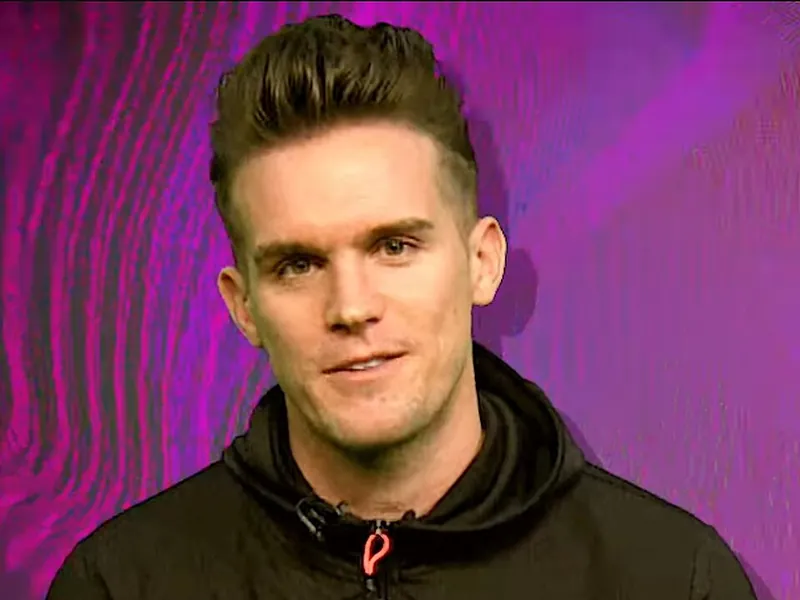 Gaz Beadle on his beard transplant: “I LOVE IT”Gaz Beadle told his 3.6 million followers he had a beard transplant after years of patchy stubble. His own words, and how a hair or beard transplant works today.
Page medically reviewed by Anastasia A. Kolesnik, hair transplant doctor. Review date: .
Palma sits at 13 m above sea level in the middle of the bay on the south coast of Mallorca. The climate is classed as warm semi-arid, and the sun is the main factor for anyone planning a hair transplant. The city gets 2,858 hours of sunshine a year. July alone has 353 hours, while December has 152. After an FUE or DHI procedure the skin of the recipient area and the donor area at the back of the head is in a healing phase, so the strength of the light matters. In July the daily maximum averages 29.7 °C and in August 30.2 °C, with night minimums of 22.4 and 23.0 °C. In those months a freshly treated scalp meets the full summer sun.
This is why the timing of the operation is discussed on its own during the free online consultation. The doctor and the coordinator can look at the calendar with you. The first days, the 0-10 day healing period when crusts fall away and swelling subsides, are easier to pass in the soft light of winter than in the brightest weeks of summer. Specific rules on headwear, washing and sun exposure come from the care plan that is part of the programme, and the doctor adjusts them to your case. The block you are reading only helps you think about how the local calendar fits that plan.
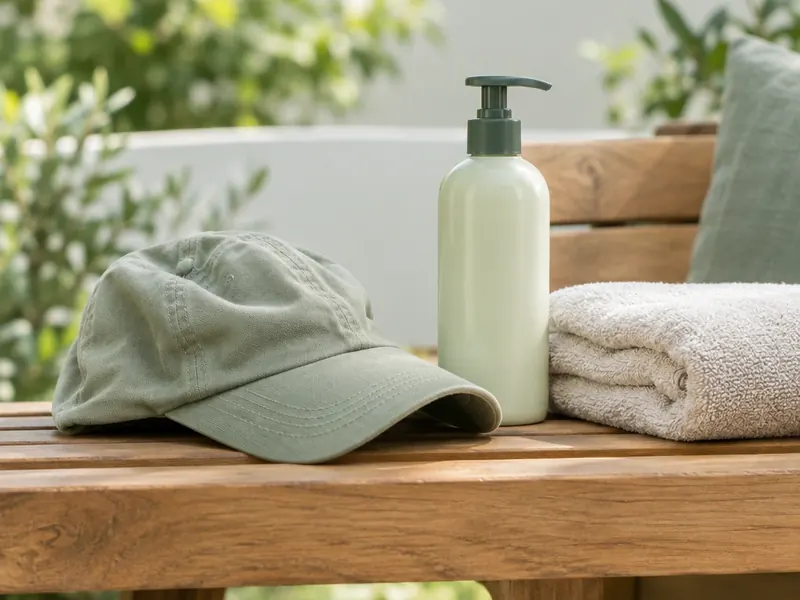
Humidity is the second factor. Average relative humidity in Palma is 72 %, which is fairly high for a city with so much sun. Air that is both warm and humid makes a cap or hat feel heavier than it would in dry air, so choose headwear that is breathable and loose. The coordinators will explain on WhatsApp or Telegram what to look for in a hat and how to wear it in the first period. Send a photo of what you already own, and they will tell you whether it suits the plan.
Wind has a role too, because the bay opens to the sea and the island has the Serra de Tramuntana to the north and west. Sea breeze carries salt and dust. That is a practical reason to follow the washing instructions exactly and not to improvise.
A hair transplant is a long project. The service programme describes the stages clearly. In the first 0-10 days the area heals. At 2-4 weeks the transplanted hairs shed, which is a normal stage in which only the hairs fall out and the follicles stay in place. At 3-4 months the first new growth appears. At 6-9 months density shows and the main volume and contour become visible. The final result comes 12-18 months after the operation. Follow-up checks are planned at 1, 3, 6, 9 and 12 months.
Put these stages on the Palma calendar. Suppose the operation is done in the second half of November 2026. Shedding falls in December and the first half of January 2027, the season with the fewest sunshine hours, so the least visible part of the process happens in the quietest light. The first growth arrives around March 2027, as the days get longer. Density shows between about May and August 2027, so the period when the hair looks thicker coincides with the long summer days and the start of the bathing season. The final result is expected from November 2027 to May 2028. With an operation in November, the earlier checks at 1 and 3 months fall in winter and early spring, when they are easy to fit around work.
Now compare a summer start. An operation in July 2027 puts the shedding phase and the first weeks of healing inside the hottest period of the year, with a July maximum around 29.7 °C. The doctor may not rule this out, but you will have to be much stricter about sun and headwear. If your schedule leaves a choice, many people in this situation find that autumn or winter gives a calmer start. It is still an individual decision that depends on your donor area, the number of grafts and your work.
When you write to the coordinator, say which months are hard for you: exams, a busy season at work, family events, or a period when you cannot wear a hat. Then the dates can be proposed so that the shedding phase does not fall on an important occasion. The coordinator is available round the clock, and the surgery date is confirmed in the contract only after you have agreed on the plan and paid the deposit.
Palma has an urban beach, Platja de Palma, also known as El Arenal. The bathing season there lasts about 6-7 months, from late April to early November. Sea temperature follows the seasons clearly. The annual average is 19.5 °C, the minimum is 13.9 °C in February and the maximum is 26.0 °C in August. June averages 22.5 °C and September 25.0 °C. For someone planning a transplant these numbers set a rhythm. They show when the sea is a real temptation and when it is not.
Nothing in the programme text gives a fixed number of days before you can swim, so this article does not invent one. What the programme does include is a plan for returning to sport and a care plan for the transplant and donor areas, along with advice on washing, sleep and headwear. The doctor will say during the consultation when sea water and the pool can be brought back, and the coordinator will remind you at the relevant stage. Sea water, sand and strong sun together are exactly the combination you should not decide about on your own.
Think ahead about the first summer after the operation. If the operation is done in November 2026, the first full bathing season in April-November 2027 arrives when the follow-up checks at 3, 6 and 9 months are happening. By then the hair has started to grow and the area is far from the freshly treated state. You can send a photo to the coordinator before the first beach weekend and get an answer from the doctor on what is reasonable at that stage.
For athletes the same logic applies. Running along the bay in warm weather means sweat, sun and a cap. Team sports with contact need a separate conversation. Tell the doctor about your regular activities at the first consultation, so that the plan for returning to sport is written around what you actually do and not around a general template.
Palma is dry compared with most of Europe. Annual precipitation is 470.1 mm over 53.6 days. The rain is concentrated in autumn. October is the wettest month with 72.6 mm, November has 67.8 mm and September 60.5 mm. July is the driest with 5.1 mm. That matters for planning in a small way. If the operation is in October or November, the early healing days may come with rain and damp air, so an umbrella or a hood that does not press on the scalp will be more useful than a tight cap.
Winter is mild. January and February are the coldest months, with a maximum of 15.7 °C and minimums of 8.5 and 8.4 °C. Such temperatures do not by themselves demand any special measures, but a cold wind from the sea can be unpleasant on the head, and a soft, loose hat can solve that. The principle is the same as in summer: nothing tight, nothing that rubs the healing area, and clean headwear. The care plan covers the details, and you can ask the coordinator about a specific item.
Spring and autumn are the transitional seasons. April averages 19.7 °C by day and 12.2 °C at night. October is warmer than many expect, with 24.0 °C by day and 16.8 °C at night. The annual averages are a maximum of 22.2 °C and a minimum of 14.9 °C, with a mean of 18.5 °C. This means a large part of the year is neither hot nor cold, and the main decision is whether you want the first weeks in a quiet autumn or winter period or in a lighter spring one.
People often ask whether a hair transplant makes the scalp more sensitive to temperature changes in the first months. The programme text does not make claims about this, so the honest answer is that the doctor will tackle it at consultation based on your skin and the area treated. What can be said is that choosing a calmer month reduces the number of variables you have to manage.
The consultation is online. You send photos by WhatsApp or Telegram, receive a free assessment from the doctor and learn the final price, which is fixed in the contract. The doctor looks at the donor area, counts the grafts and shows the result achievable in your case. The real cases in the programme material range from about 2,500 to 4,000 grafts with the FUE method, which gives a sense of scale, but your own number is calculated individually. The operation itself takes one day at the clinic, with local anaesthesia, and the process is explained at each step: harvesting from the back of the head or the temples without stitches, then implantation into the area of alopecia.
The public health system is relevant to this choice in a specific way. Spain's common portfolio of national health system services, regulated by Royal Decree 1030/2006, does not fund techniques whose aim is merely aesthetic or cosmetic. Procedures with an aesthetic purpose that are unrelated to an accident, an illness or a congenital malformation are excluded from specialist care. For most people choosing a hair transplant for androgenetic alopecia, this means the decision is made outside the public waiting lists in any case.
It is still useful to know how the public system looks. At the end of 2025 the average surgical wait in the national system was 121 days, and 21.6 % of patients waited more than 6 months. Plastic Surgery was the specialty with the longest average wait, 269 days. In the Balearic Islands, 17,075 patients were on the structural surgical waiting list, 13.62 per 1,000 inhabitants, with an average wait of 105 days. These figures concern the public system and are not a comparison with a private procedure, but they explain why many people look for a planned path with a date fixed in advance.
In the Balearic Islands, 82.9 % of people aged 15 and over rated their health positively in 2020, the highest share in Spain. Where health is generally good, a hair transplant is often part of a decision about appearance rather than a response to illness. Even so, the doctor checks your general health first. The conditions listed in the programme where a transplant is not suitable include trichotillomania, body dysmorphic disorder, cancer, being under 18, epilepsy, serious heart conditions, diabetes mellitus, a pacemaker, AIDS/HIV, hepatitis B/C and pulmonary embolism. If you are not sure which group you belong to, send photos to the coordinator and the doctor will tell you whether a transplant would help or whether your case can be solved without surgery.
The doctor decides individually, but the climate figures give a guide. December has 152 hours of sunshine against 353 in July, and January and February have maximums of 15.7 °C, while July and August reach 29.7 and 30.2 °C. Many people choose autumn or winter for a calmer start, though a summer date is not ruled out in advance.
The programme describes shedding of the transplanted hairs at 2-4 weeks, which would be December 2026 to early January 2027. First growth follows at 3-4 months, roughly February to March 2027, and density shows at 6-9 months, around May to August 2027. The final result is expected 12-18 months after the operation.
The programme does not set a fixed number of days, so the doctor gives the timing at the consultation. The bathing season runs from late April to early November, and the sea is 13.9 °C in February and 26.0 °C in August. Ask the coordinator before the first swim, because sea water, sand and sun together need a clear instruction.
Average relative humidity is 72 %, so a tight or synthetic cap can feel heavy in warm weather. Choose breathable, loose headwear that does not rub the healing area. You can send a photo of the hat you own to the coordinator on WhatsApp or Telegram, and they will tell you whether it fits the care plan.
Under Royal Decree 1030/2006, techniques aimed at merely aesthetic or cosmetic improvement are not financed by the national health system. Procedures with an aesthetic purpose unrelated to an accident, illness or congenital malformation are excluded from specialist care. The doctor tells you at the free consultation how your case is classified from the medical side.
Name the months that are difficult for you, such as a busy period at work, exams, family events or planned sport. The shedding phase at 2-4 weeks and the follow-up checks at 1, 3, 6, 9 and 12 months can then be placed around them. The date is confirmed in the contract after you agree the plan and pay the deposit.
The number is calculated by the doctor after looking at your donor area in the photos. The real FUE cases shown in the programme range from about 2,500 to 4,000 grafts, but your figure depends on the area to be covered. The consultation and the count are free, and you owe nothing before the operation.

 Forceps
 Minimal


