


























 1
Consultation and scan review
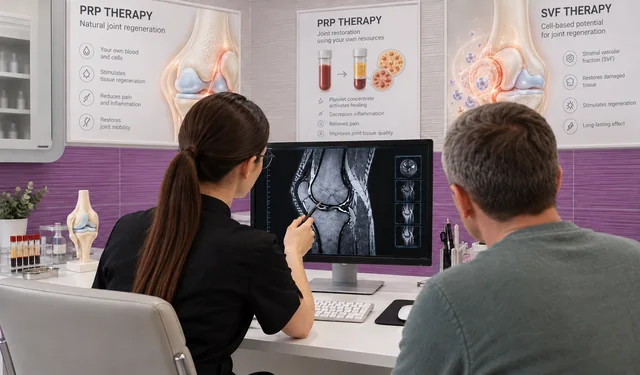
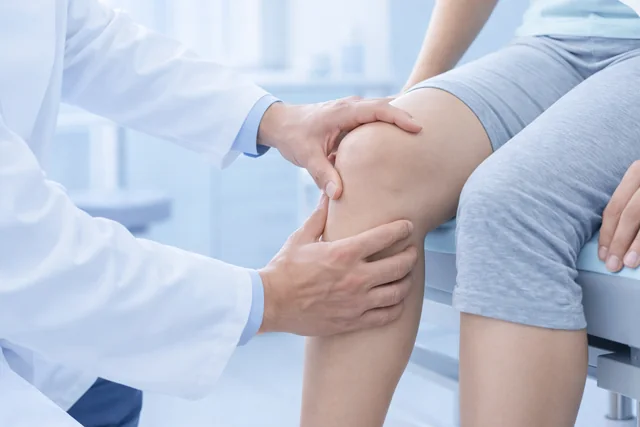
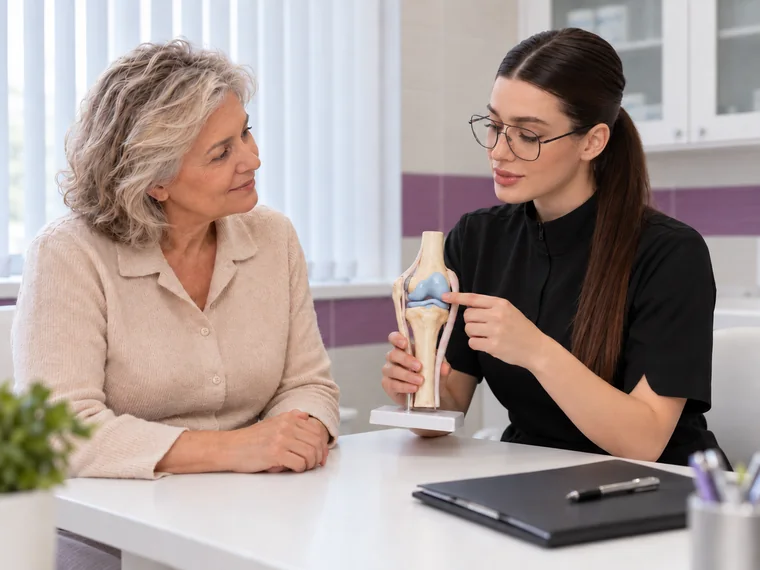
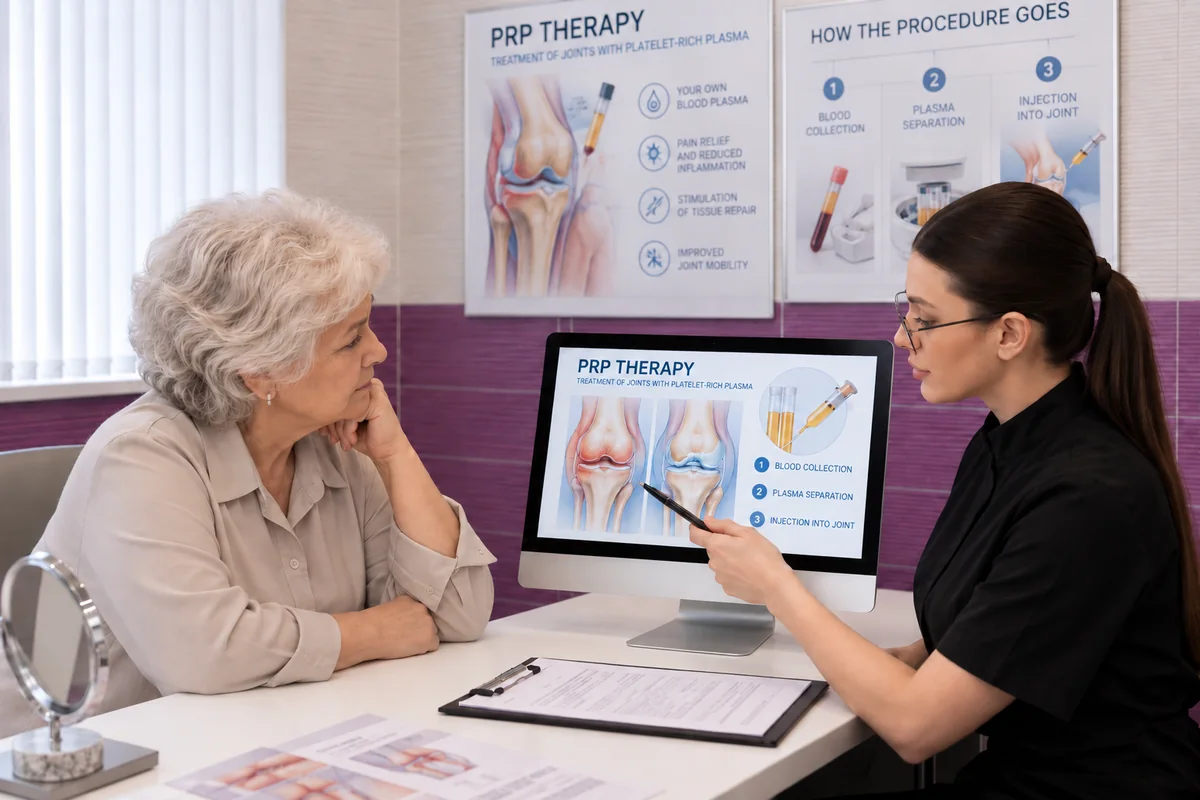
The doctor examines the joint, reviews your X-rays, MRI or ultrasound and decides whether the procedure suits you. If you already have scans, you can send them before the visit.
Cell therapy (SVF) and PRP as one element of arthritis care — knee, hand, shoulder and other joints, with a doctor reviewing your tests beforehand
Consultation and review of your scansFree
Message us on WhatsAppFree online consultation · Reply within 15 minutes
Message our coordinator
Free online consultation · Reply within 15 minutes
Message us on TelegramMessage us on WhatsAppBy messaging us, you agree to our Privacy Policy
What it is
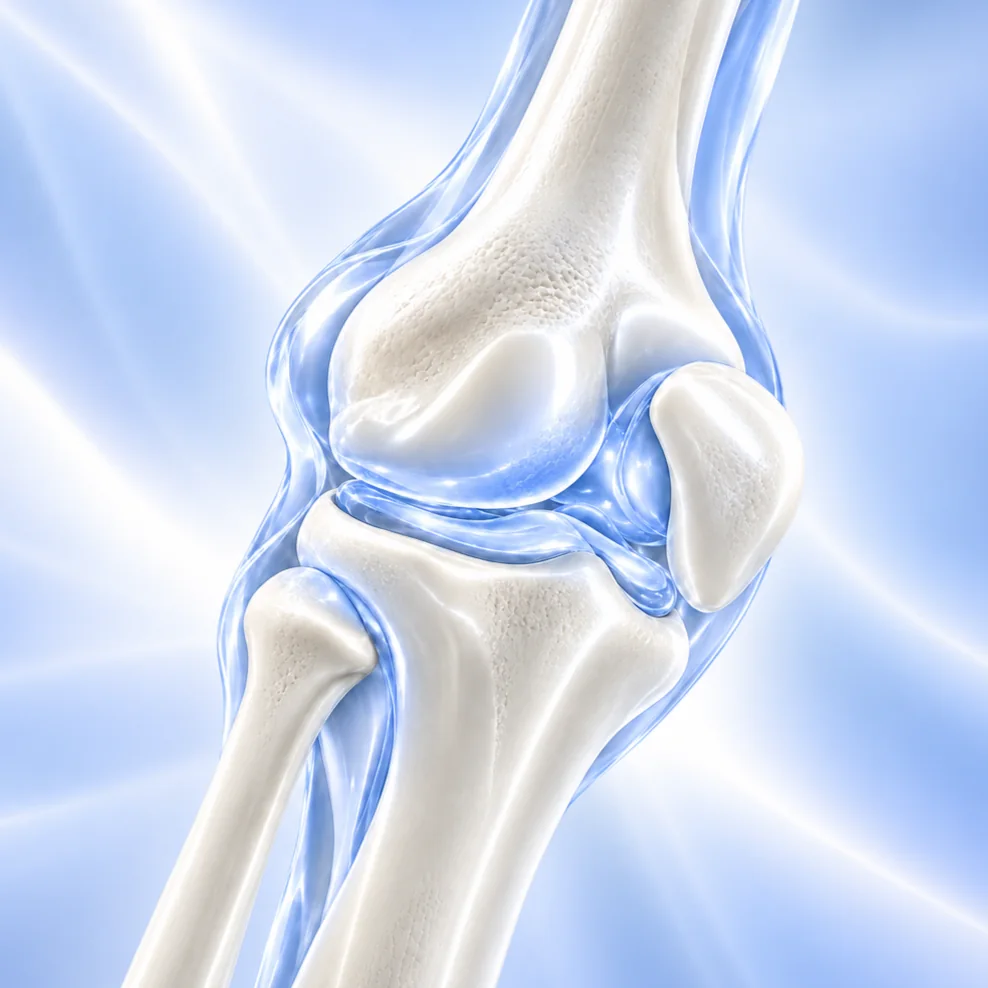
Put simply, arthritis is joint inflammation. The joint may hurt at rest and at night, feel stiff each morning for more than half an hour, swell, redden and feel warm. Causes include autoimmune diseases such as rheumatoid or psoriatic arthritis, as well as gout, infection or an old injury.
These injections — PRP and SVF — can reduce pain and inflammation and support tissue inside the joint, but a systemic disease stays under a rheumatologist's care. During an active infection of the joint or a severe flare the procedure is not done: the doctor first confirms the arthritis type and chooses when to act.
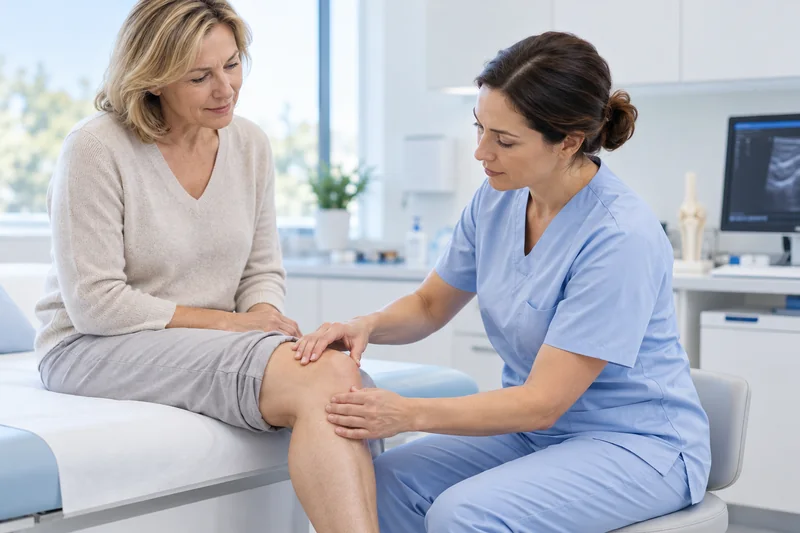
Your scans are reviewed and you are examined before a doctor decides whether the treatment suits you

Not sure the treatment is right for you?
Leave your number — the coordinator will ask for your scans (X-ray, MRI or ultrasound), and the doctor will tell you whether treatment without surgery suits you.
Find out if it suits meWhat we treat
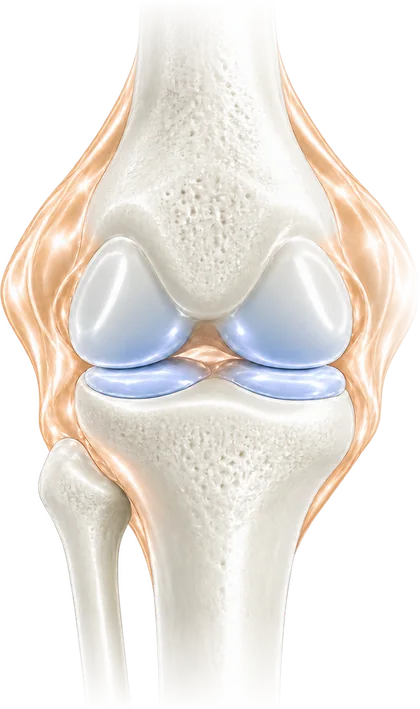 Arthritis
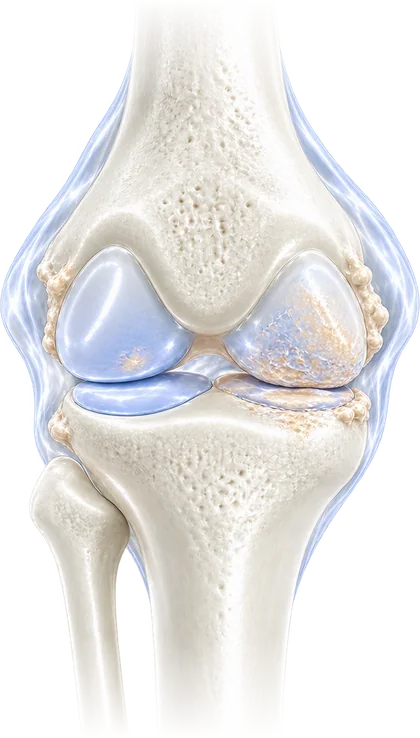 Arthrosis
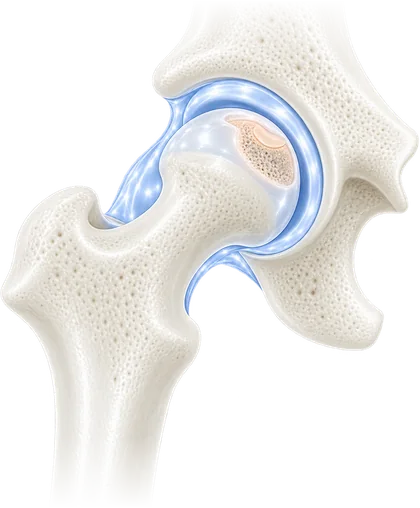 Avascular necrosis
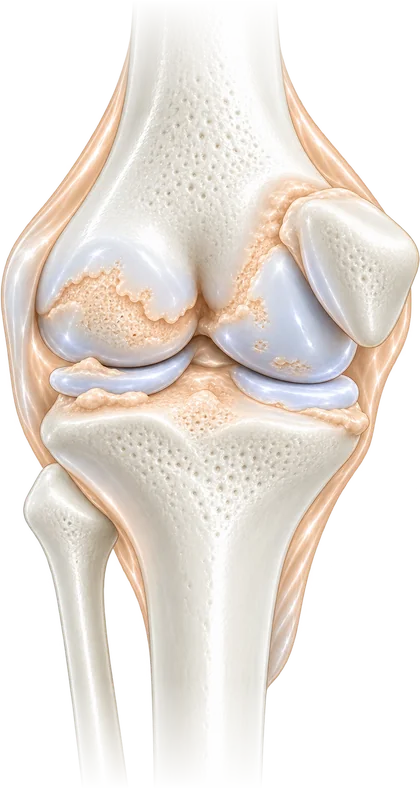 Osteoarthritis
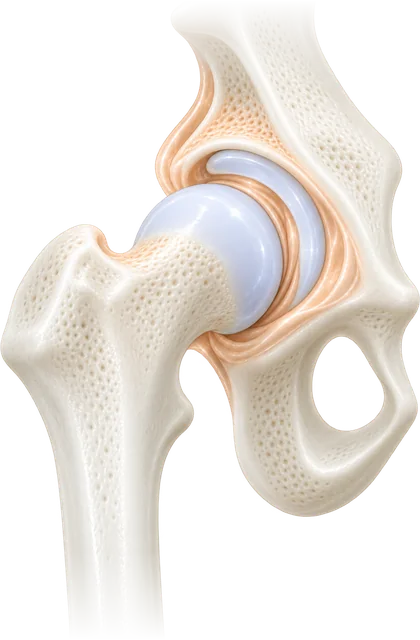 Coxarthrosis (hip osteoarthritis)
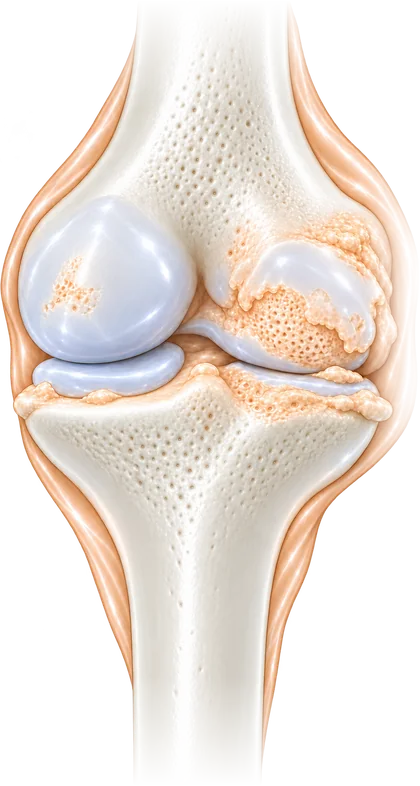 Gonarthrosis (knee osteoarthritis)
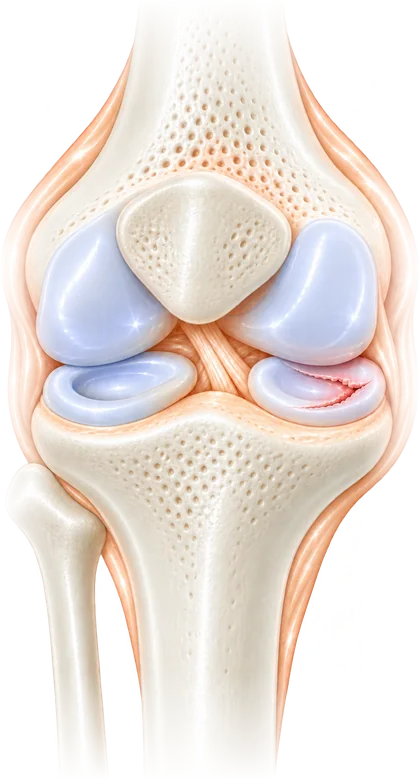 Meniscus pathology and injury
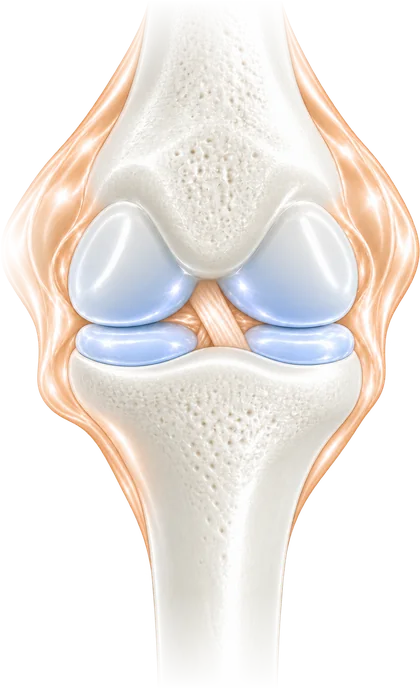 Rehabilitation after injuries and surgery
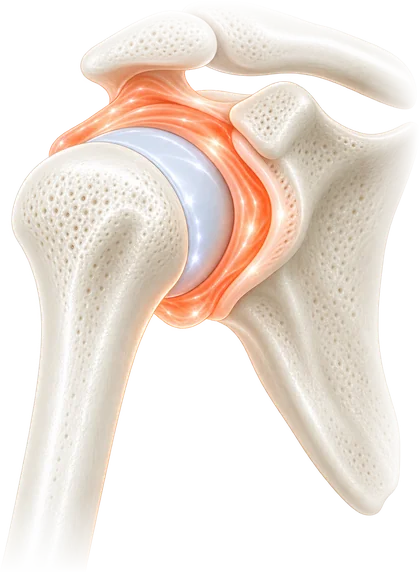 Inflammatory joint conditions
How it works
1The doctor examines the joint, reviews your X-rays, MRI or ultrasound and decides whether the procedure suits you. If you already have scans, you can send them before the visit.
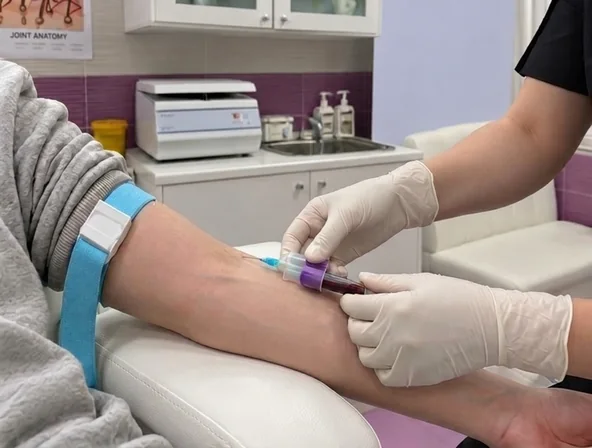 2
A little blood is drawn from a vein, and from it platelet-rich plasma containing growth factors is later prepared.
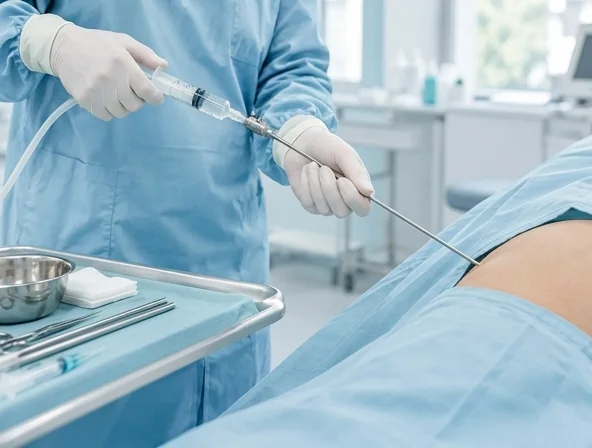 3
About 30 ml of adipose tissue is taken through a puncture on the abdomen or inner thigh, under local anaesthetic; the puncture needs no stitches.
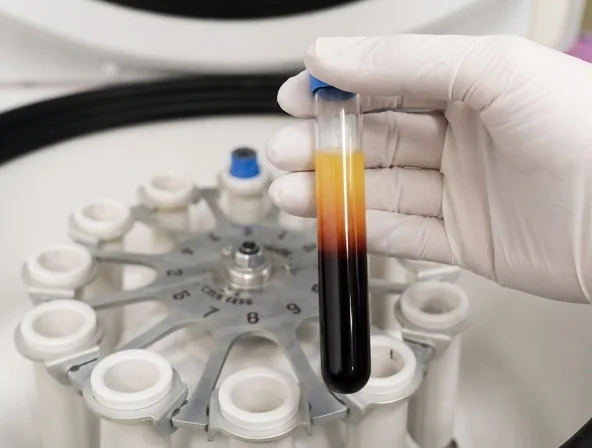 4
The stromal vascular fraction is isolated after the sample is spun in a centrifuge and separates into layers, then mixed with the platelet-rich plasma.
 5
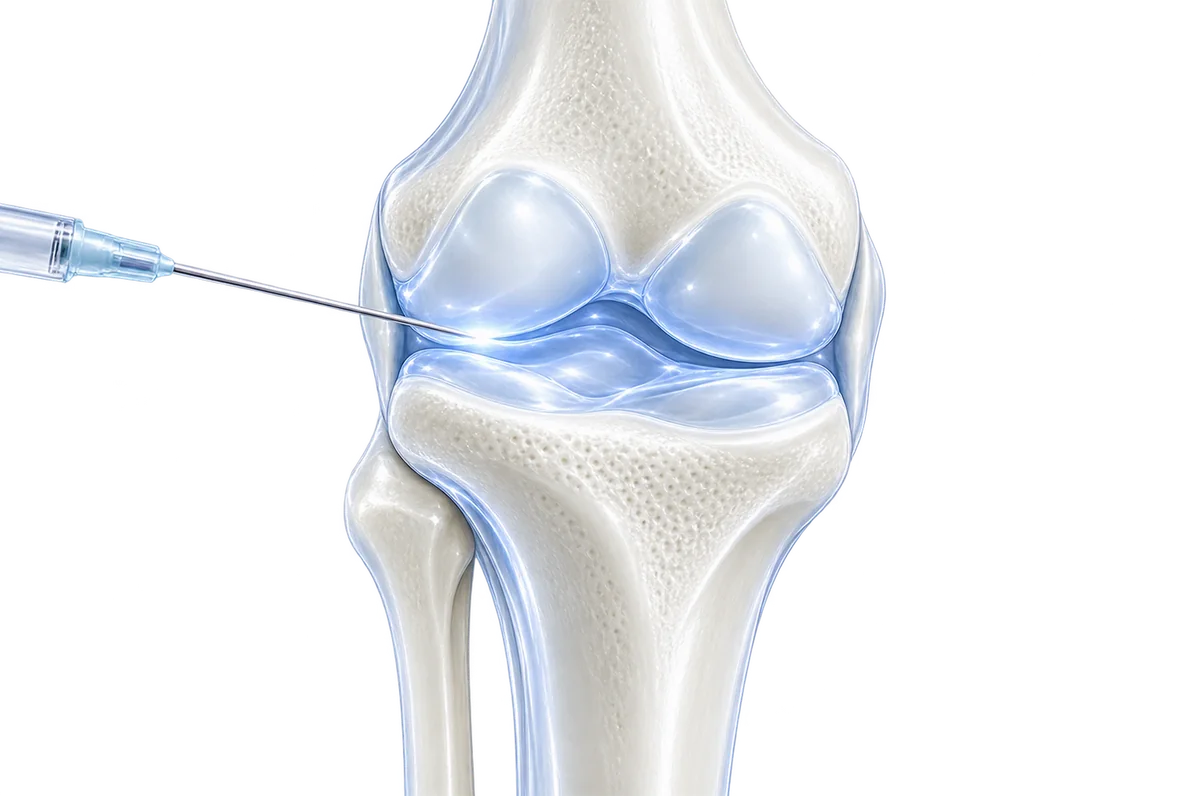
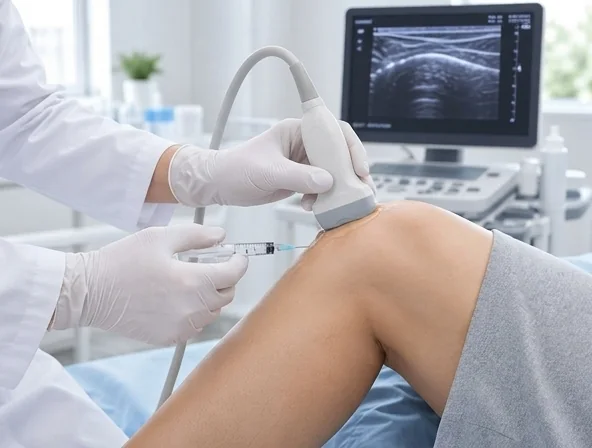
Guided by ultrasound for accurate placement, the doctor injects the prepared material directly into the affected joint.
 6
No hospital stay and no crutches. Once the procedure is done, the doctor remains in touch and tracks how your joint responds.
Call or message us — our coordinator will contact you shortly and book your consultation

Results

The joint may ache a little more — this is an expected reaction.

The pain usually eases.
Mobility and activity improve.

The full effect develops.
How long it lasts differs from person to person and depends on the stage of the condition, body weight, activity and other factors — no one can promise a fixed result.
Comparison
Just your blood and your adipose tissue; donor and synthetic materials are not used
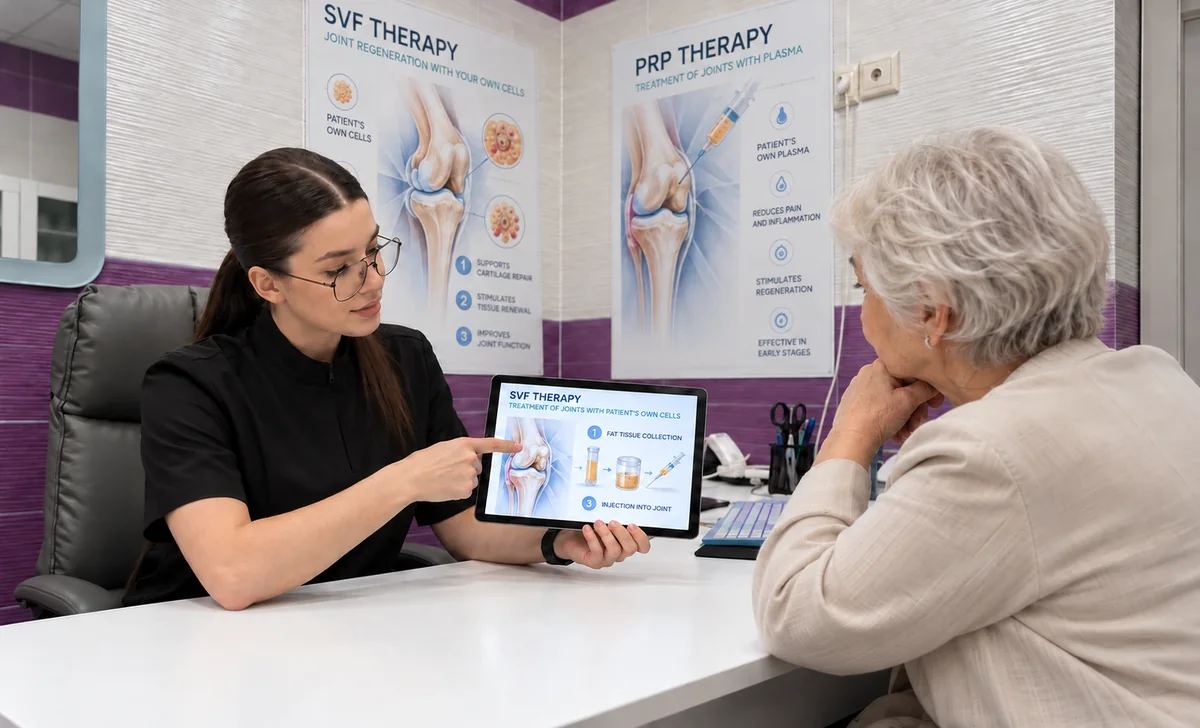
Your adipose tissue, in a small sample, is processed to isolate the stromal vascular fraction (SVF) — a combination of cells engaged in tissue repair. The affected joint then receives it by injection, together with your own plasma.
In inflammatory arthritis, after the acute flare has passed, it is chosen for how it acts on local inflammation and tissue repair.
A small amount of your blood is used to separate plasma rich in platelets and growth factors, which is then injected into the joint. It helps settle inflammation and gives tissue repair better conditions.
It may be advised for rheumatoid or other inflammatory arthritis, always as just one part of the overall plan of treatment.
The benefits and timings shown are averaged and given for guidance: the plan and recovery depend on your joint and individual features, and the doctor confirms them at the consultation.
At the consultation the doctor will review your scans and suggest a treatment plan
Free consultation
Joints
The doctor looks at your scans and then chooses which joint to treat, which method to use and how many injections — for large and small joints alike
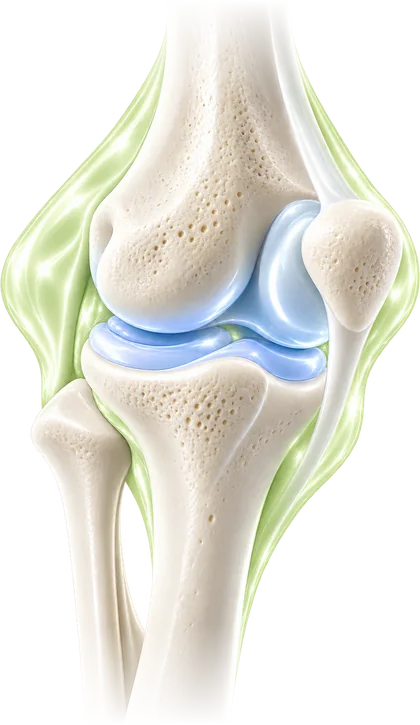 KneeWear of the cartilage, problems with the meniscus, pain after walking and on stairs
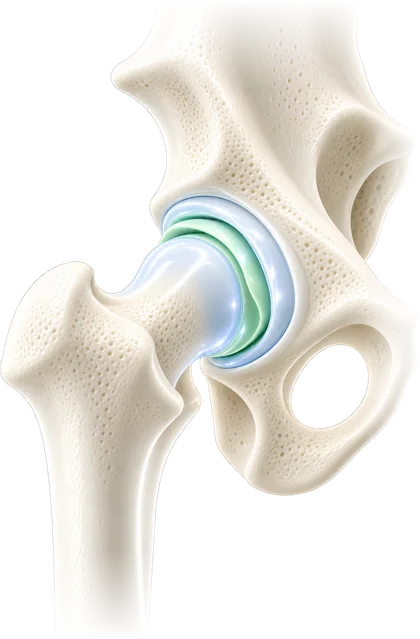 HipEarly hip osteoarthritis, groin pain, limited rotation
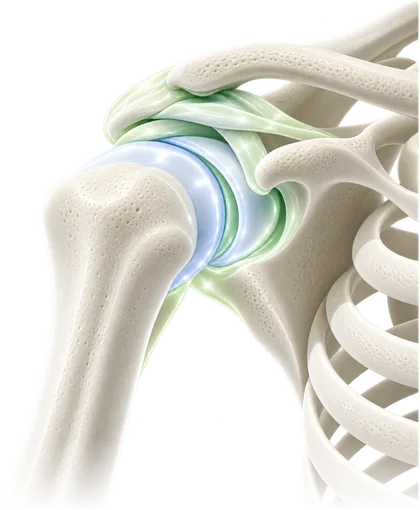 ShoulderPain lifting the arm, with wear of the joint and its surrounding tendons
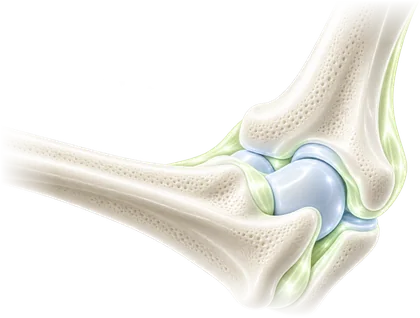 ElbowJoint surfaces that have worn, plus pain after sports strain or overuse
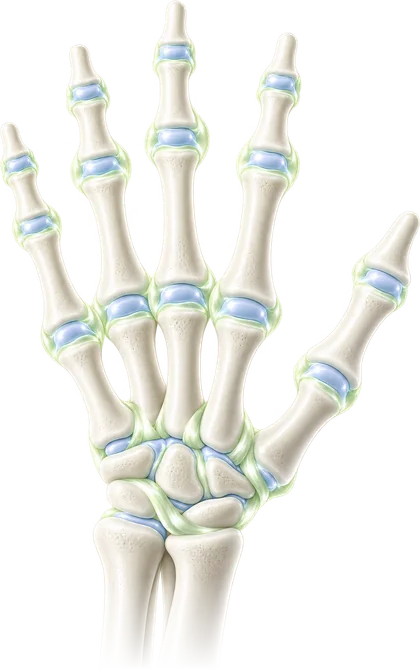 Hand and wrist jointsPainful, stiff small joints of the wrist and fingers
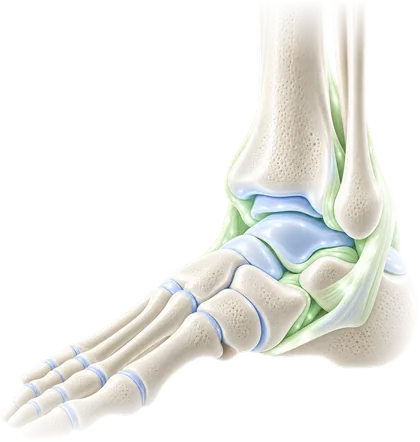 AnklePain and stiffness after sprains and old injuries
Advantages
Treatment without surgery that sets out to keep your own joint instead of replacing it
Just your blood and your adipose tissue; donor and synthetic materials are not used
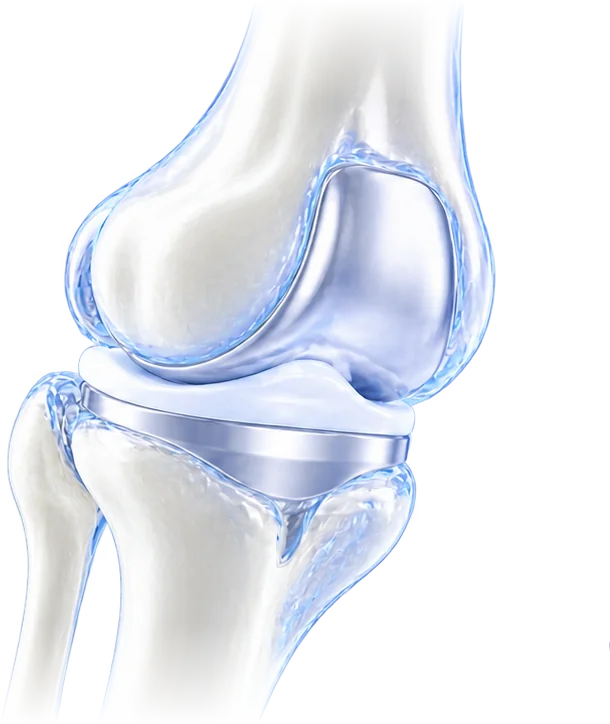
Instead of incisions we use punctures, with local anaesthetic and no long rehabilitation
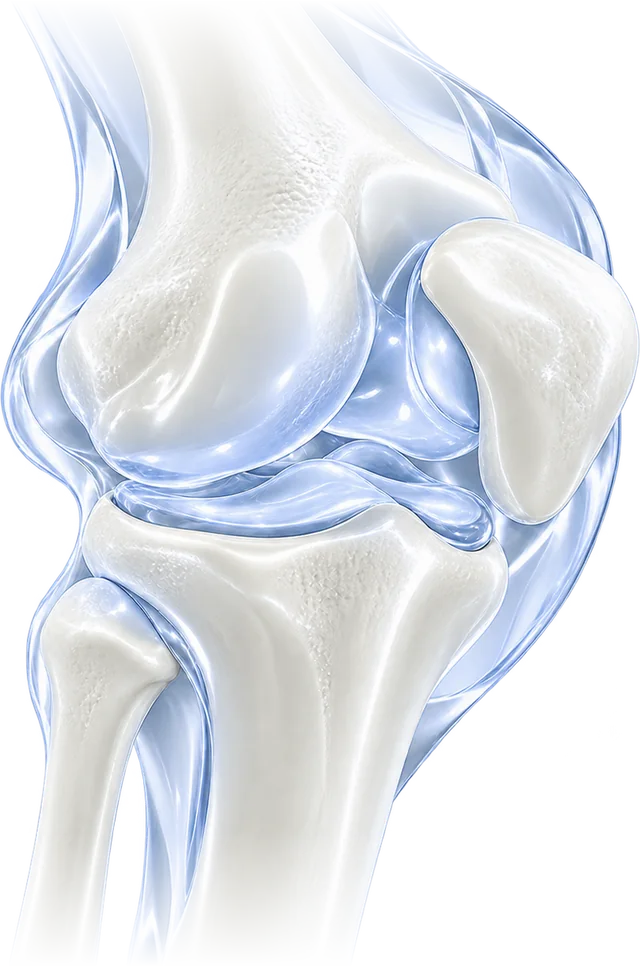
A doctor independently assesses the X-rays, MRI or reports you send — free of charge
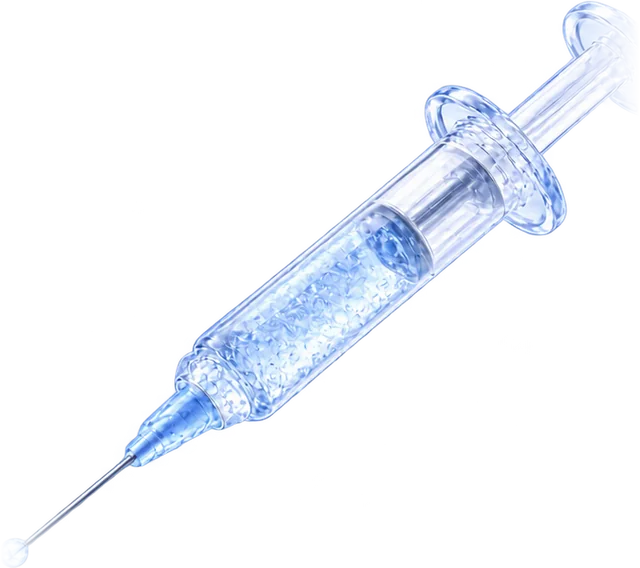
Staying in touch after the procedure, we follow the outcome and not only the injection day
About the clinic
Modern equipment, comfortable rooms and care for every patient

We will answer your questions and find a convenient time for a consultation
By messaging us, you agree to our Privacy Policy
Request a free callPrice
The joint, the type of arthritis and the method determine the cost — the doctor names it after the consultation
Free
Book — Consultation and review of your scansPrice at consultation
Book — PRP therapy (platelet-rich plasma)Price at consultation
Book — Cell therapy (SVF + PRP), one jointFAQ
Rheumatoid arthritis is a systemic disease that is treated by a rheumatologist. PRP and SVF injections do not cure it; once an acute flare has settled, the doctor can assess whether joint injections may ease local symptoms.
An inflammatory disease of the joints, arthritis typically causes resting and night-time pain, morning stiffness beyond 30 minutes, swelling, redness and warmth. Causes range from autoimmune conditions, for example rheumatoid arthritis, to infections, gout and psoriasis.
In rheumatoid and other inflammatory arthritis, PRP may be used to help ease local inflammation, pain and swelling. The growth factors that platelets release affect the immune response and tissue repair. It adds to, but does not replace, the treatment your rheumatologist prescribes.
Psoriatic arthritis is a chronic disease that cannot currently be cured completely. The aim is long remission: controlling inflammation and preventing joint deformity. Regenerative injections can be one part of that plan.
SVF brings cells able to modulate the immune response in the joint and to support repair of damaged tissue. This is an area of ongoing research, so expect the doctor to discuss realistic outcomes for your type of arthritis.
It is not done if there is an active joint infection, a severe flare, pregnancy, cancer or a blood clotting disorder. The doctor then postpones the procedure or offers another option.
Knee arthritis is an inflammation, driven by an autoimmune reaction, infection or gout, that shows as redness, warmth, marked swelling and tenderness to the touch. Osteoarthritis means worn cartilage and usually presents as aching pain and a dry crunch on movement.
All the time — at night, at rest and when moving — inflammation keeps triggering the pain receptors in the joint. Treatment directed at reducing inflammation, PRP and SVF among it, can ease the pain.
No. Pregnancy rules out joint injections, including PRP and SVF, and arthritis treatment in pregnancy is decided only jointly with a rheumatologist and an obstetrician.
Yes — send us your X-rays, MRI, ultrasound or blood test results. A doctor reviews them free of charge and tells you whether your type of arthritis could suit regenerative treatment.
It needs timely treatment: otherwise it can lead to permanent deformity and loss of function of the joint, osteoporosis and damage to internal organs, including the heart, lungs and kidneys.
About the conditions
It is gradual wear of the cartilage that covers the ends of the bones in a joint. When the cartilage thins, the joint loses its cushioning, the bones rub against each other, and pain, stiffness and crunching appear. It is a degenerative condition, not an inflammatory one.
At early stages, PRP or SVF injections combined with exercise therapy and physiotherapy can reduce pain and improve movement. If the joint is already badly damaged, replacement may be the more realistic option — the doctor will tell you honestly after seeing your scans.
At early stages (1–2), SVF therapy may be considered to support blood supply to the femoral head and delay the need for joint replacement. At later stages surgery is usually required.
SVF contains cells that can modulate the local immune response and support the repair of damaged tissue. Research is ongoing, so the doctor discusses realistic expectations with every patient in Palma.
If you are being treated by a rheumatologist, do not stop your prescribed medication without talking to them. In Palma, regenerative injections are planned together with your ongoing treatment.
Patients from Palma can start with a free review of their tests and scans: the doctor tells you whether regenerative treatment could suit your type of arthritis and what it would cost.
Palma has a hot semi-arid climate, and the 1991-2020 normals for the port show how the year is laid out. July and August are the warmest months, with highs of 29.7 and 30.2 °C and lows of 22.4 and 23.0 °C. January and February are the coldest, with highs of 15.7 °C and lows of 8.5 and 8.4 °C. Annual rainfall is 470.1 mm over 53.6 days, but it is not spread evenly. October is the wettest month at 72.6 mm, followed by November at 67.8 mm and September at 60.5 mm, while July gets only 5.1 mm. Average relative humidity is 72 %, and sunshine adds up to 2,858 hours a year, from 353 hours in July down to 152 in December.
For someone with an inflamed joint, these numbers are a frame for a symptom diary, not an explanation of the disease. Many people suspect the weather when a joint worsens, but a suspicion proves nothing. A diary kept through the damp autumn and the cooler months can show whether your flares really line up with rain, with a drop of a few degrees, or with something else, such as a missed medicine, a stressful week or an infection. A diary kept across several seasons is far more convincing than memory.
Keep the entries short and the same every day. Write the date and a score from 0 to 10 for pain at night and for pain at rest. Note how long morning stiffness lasted, and whether it went past half an hour, which is one of the typical signs of an inflamed joint. Record whether the joint looked swollen, red or warm. Add one line on the weather and one on what you did that day. After a month the diary starts to answer a question the doctor will certainly ask: is this a steady ache or a series of flares?
The diary also protects you from a common mistake, which is judging a treatment during a flare. The method described for this service is applied once an acute flare has calmed, and during a severe flare or an active joint infection the doctor does not act at all. Dated notes help show when the joint is actually quiet.
Coverage in Spain is national. The public health system, the SNS, publishes waiting-list data every few months, and the figures at 31 December 2025 give useful context. Nationally, 84.42 of every 1,000 people were waiting for a first specialist consultation, with an average wait of 102 days. Traumatología had the longest consultation wait of any specialty, at 132 days. These are averages, so an individual wait can be shorter or longer.
For surgery, the Balearic Islands had 17,075 patients in structural waiting at the same date, which is 13.62 per 1,000 inhabitants, with an average wait of 105 days. Traumatología on the islands accounted for 3,874 patients waiting for surgery, with an average of 138 days. At national level, hip replacement had an average wait of 98 days, with 13.7 % beyond the 180-day maximum, and knee replacement 105 days, with 15.9 % beyond it. Please treat these as a snapshot. The national summary was followed by a rectification note concerning data from one region, so exact values may move.
What does this mean for a person with arthritis? Inflammatory arthritis is usually followed by a rheumatologist, and the online doctor of this service does not replace that relationship. The waiting numbers matter mainly for the period between appointments, when a joint is painful and a scan sits unread. A free second opinion on existing X-rays, MRI, ultrasound or blood test results can be arranged within the day by messaging a coordinator on WhatsApp or Telegram, which are staffed round the clock. It does not move you in or out of the public queue. It simply gives you an independent view of the images while you wait.
Think about which questions a second opinion can answer. Is the joint inflamed or worn? Does the scan suggest an early or a moderate stage, where injections of your own plasma or cell material may be discussed, or a damaged joint where replacement may be the more realistic option? The doctor says this honestly after seeing the scans. If the answer is replacement, the waiting figures above help you plan around it.
One more point: the national benefits catalogue distinguishes treatment of illness from procedures done only for appearance. A joint treatment for pain and inflammation belongs to the first group. Whether a specific procedure from a private provider is covered by any insurance you hold is a question for the insurer, so ask in writing before you decide.
The 2020 European Health Survey run by Spain's statistics institute found osteoarthritis (artrosis) to be the third most common diagnosed chronic problem among people aged 15 and over, at 14.4 %. Only high blood pressure (19.0 %) and high cholesterol (15.3 %) were more common. Low back pain was reported by 13.7 %. With such figures it is easy to put every aching joint under one label, but arthritis and osteoarthritis are different things.
Arthritis means an inflamed joint. The signs to look for are pain at night or at rest, morning stiffness lasting longer than half an hour, swelling, and a joint that is red and warm. The cause can be autoimmune, as in rheumatoid or psoriatic arthritis. It can also be gout, an infection or an injury long past. Osteoarthritis is gradual wear of the cartilage at the ends of the bones. It is degenerative rather than inflammatory, and it is usually noticed as a dry crunch and an aching pain when the joint moves.
The distinction changes what can be offered. Rheumatoid arthritis is a systemic disease treated by a rheumatologist, and PRP and SVF injections do not cure it. Psoriatic arthritis is chronic and cannot currently be cured completely. The aim there is long remission, keeping inflammation in check and preventing deformity. Regenerative injections are only one possible part of the plan, and they supplement the care prescribed by your rheumatologist without replacing it.
PRP is platelet-rich plasma prepared from a small quantity of your own blood. It is injected into the joint to help quieten inflammation and to set up better conditions for tissue repair. SVF, the stromal vascular fraction, is a mix of cells that support tissue repair, taken from your own adipose tissue and combined with your own plasma. For inflammatory arthritis, SVF is applied after the acute flare has calmed. Research on SVF in autoimmune arthritis is still ongoing, and the doctor will discuss realistic expectations for your particular type.
Some situations rule the procedure out or postpone it. These include an active joint infection, a severe flare, cancer, a blood clotting disorder and pregnancy. A fever, a cold or flu, or any skin inflammation over the joint are temporary reasons to wait. Mention all of these openly.
The first conversation is free, and the doctor works from what you can show. Gather the material in a form that is easy to send before the call.
Start with imaging. Send X-rays, MRI or ultrasound files, or at least the written reports, because the coordinator will ask for them. Photos of printed reports are fine if they are sharp and the whole page is visible. Add recent blood test results, particularly anything your rheumatologist ordered, because the type of arthritis must be confirmed before anything else is decided.
Next, write a one-page summary. Say which joints are affected and for how long. Describe how the pain behaves at night, at rest and during movement, and give your best estimate of morning stiffness in minutes. List the medicines you take for the arthritis and note any changes in the past weeks. If you have had a fever, a cold or a skin problem near the joint recently, say so, since these are temporary contraindications.
Then add your diary. A few weeks of dated entries, with the weather line described above, give the doctor a sense of how often the joint flares and how long each flare lasts. The doctor can then judge whether the joint is quiet enough to consider an injection.
Finally, prepare questions. Useful ones are which joint and which method the doctor would choose, how many injections may be needed, and what the doctor would do if a flare starts before the date you agreed. Ask also how the follow-up works, because the doctor keeps in touch after the procedure and follows how the joint responds. Prices are given after the consultation, since they depend on the joint, the method and the type of arthritis, and the consultation itself carries no obligation to book.
Be ready for an honest answer in either direction. The doctor may say the treatment suits you, or may say it does not, or that it should wait.
The procedure itself is done in one day. Blood is taken from a vein for PRP. If SVF is part of the plan, about 30 ml of adipose tissue is taken under local anaesthetic through a single puncture on the abdomen or inner thigh, with no stitches. The sample is spun in a centrifuge, the stromal vascular fraction is separated and added to the plasma, and the material is injected into the joint under ultrasound guidance. There are no crutches and no hospital stay.
The expected course is averaged and given for guidance only. In the first week the joint may ache a little more, which is an expected reaction. At around one month the pain usually eases. By about three months mobility and activity improve, and by about six months the full effect develops. How long it lasts differs from person to person and depends on the stage of the condition, body weight, activity and other factors, and nobody can promise a fixed result.
Here is how that might look on a calendar. Suppose the injection is on 16 November 2026, in the wet part of the year when November rainfall averages 67.8 mm. The extra ache of the first week would fall in that damp spell, and your diary should record it as an expected reaction, not as a failure. Around 16 December you would compare your pain scores with the weeks before. February 2027 falls at about three months, and it is the coldest part of the year, with lows around 8.4 °C. If the joint behaves better in the cold than it did last winter, the diary will show it. The six-month point in May 2027 is the moment for a full review.
Keep writing the same entries through all of this, so the comparison stays fair. Message the coordinator if something looks unusual, such as new redness, warmth or fever, since an infection in or near the joint is a reason to stop and reassess.
The facts about the city cannot answer that for you. Palma has a mean relative humidity of 72 % and its wettest months are October and November, but whether your joints react to such weather is individual. A dated symptom diary with a short weather note, kept across several months, is the practical way to see if your flares follow rain or cooler days or follow something else.
The doctor decides the timing, and the key condition is that the acute flare has calmed, because the procedure is not done during a severe flare or an active joint infection. Autumn is the wettest season in Palma, with October averaging 72.6 mm of rain, so some people notice more symptoms then. If your diary shows quiet periods, mention them. The doctor will pick a date based on how the joint is at that moment, not on the calendar.
Published figures for 31 December 2025 show that the Balearic Islands had an average surgical wait of 105 days, and Traumatología there had 3,874 patients waiting with an average of 138 days. Nationally, the average wait for a first specialist consultation was 102 days. These are averages that change over time, so your own wait may differ. A free online second opinion on your scans can be arranged in the meantime.
According to the 2020 European Health Survey, 14.4 % of people aged 15 and over reported diagnosed osteoarthritis, making it the third most common chronic problem after high blood pressure and high cholesterol. It is a wear condition rather than an inflammatory one, so the doctor will first confirm which of the two you have.
Note night and rest pain, the length of morning stiffness (especially if it passes half an hour), swelling, and whether the joint is red or warm. Add the date, a 0-10 pain score, your medicines and a line on the weather. Send a few weeks of entries along with your scans, because they help the doctor judge when the joint is quiet.
Yes. Send your X-rays, MRI, ultrasound or blood test results to the coordinator on WhatsApp or Telegram, which are staffed round the clock. The doctor reviews them free of charge and says whether regenerative treatment could suit your type of arthritis. This does not replace the rheumatologist, who treats systemic diseases such as rheumatoid arthritis.
Tell the coordinator straight away. A fever, a cold or flu, and any skin inflammation over the joint planned for treatment are temporary contraindications, so the doctor will postpone the procedure until you have recovered.