City Medical Centre · multi-specialty surgery clinicOpen 24/7

Tummy tuck

Abdominal Wall Tightening in Cordoba

Free consultation

from $2,400

The price is fixed in the contract before surgery

Message us on WhatsApp

Free online consultation · Reply within 15 minutes
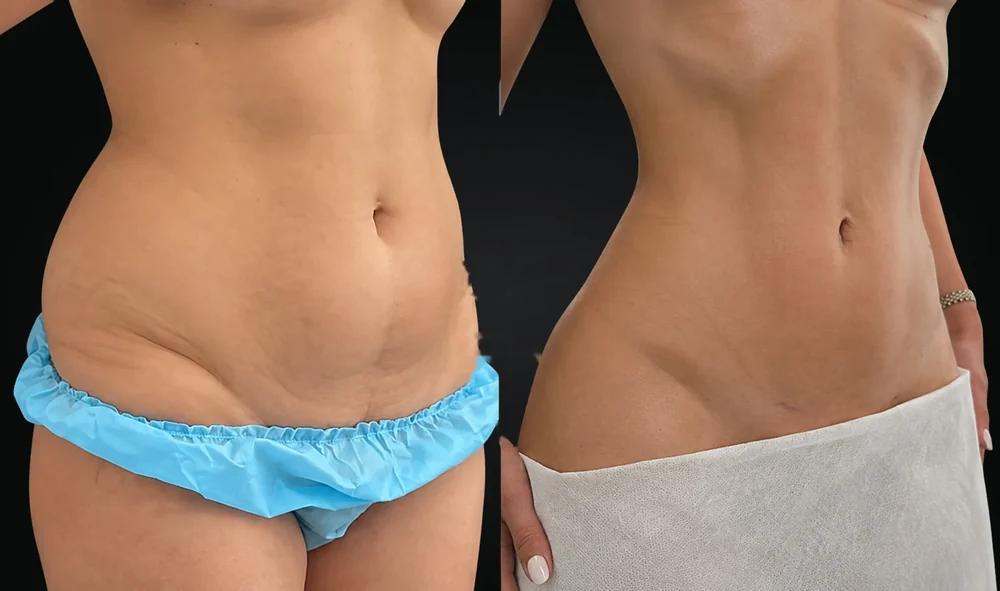
Real case
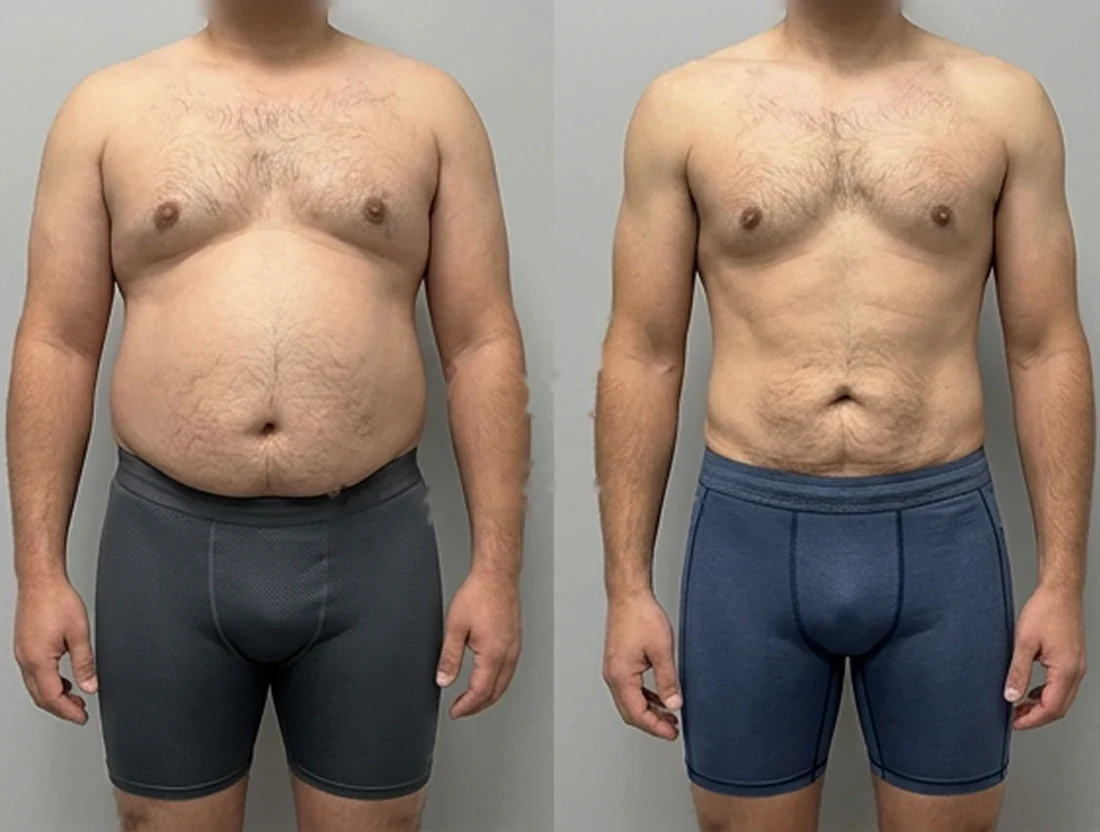
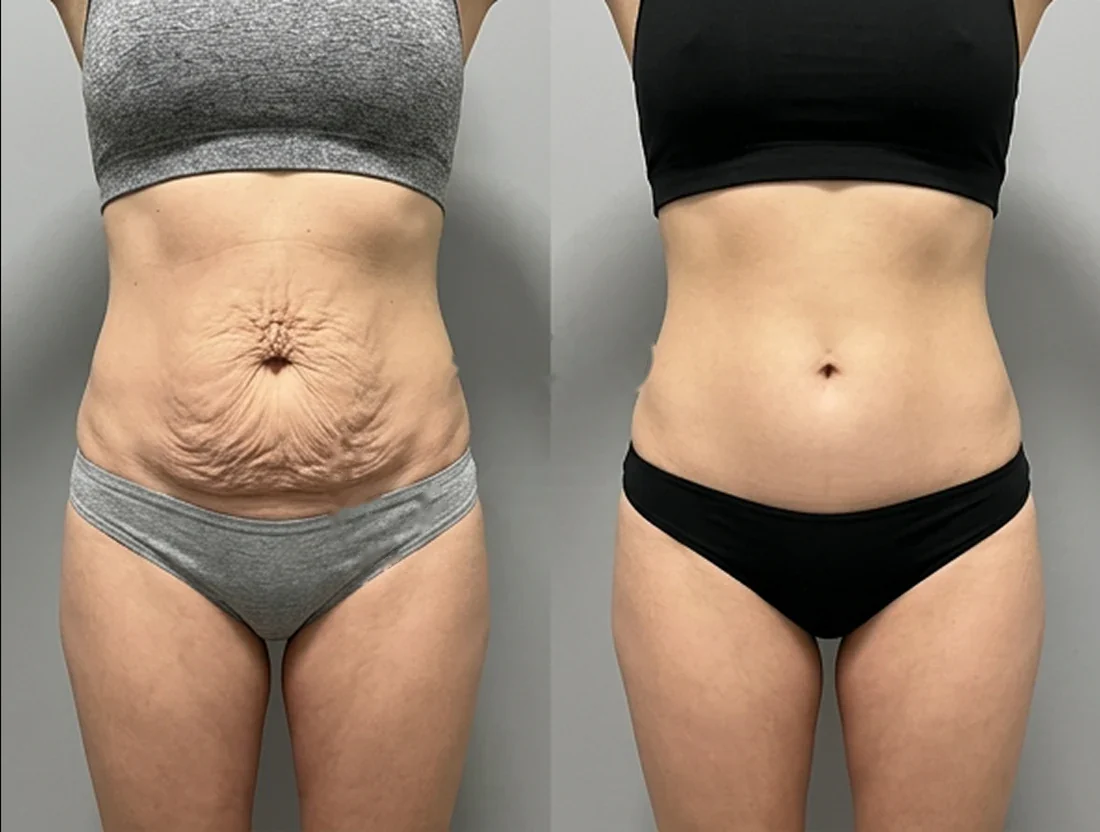
Tummy tuck: a patient's abdomen before and after surgery before after
A flat tummy and a toned silhouette in one operation. Your individual surgical plan and the expected result are discussed at the consultation

Message our coordinator

Free online consultation · Reply within 15 minutes

Message us on Telegram

By messaging us, you agree to our Privacy Policy

Tummy tuck (abdominoplasty) in Cordoba: price and key facts

Tummy tuck for patients from Cordoba at City Medical Centre: the price is named at the free online consultation and fixed in the contract with no hidden extra charges.

Duration
2–4 hours
Anesthesia
general
Stay
1–3 days
Recovery
back to work after 2–3 weeks
Final result
6–12 months after surgery
How it works
Send photos on WhatsApp or Telegram, get a free doctor assessment and the price, then confirm the plan and dates before anything is booked.

How it works · Tummy tuck prices

Information current as of 24 October 2026

Free online consultation on WhatsApp and Telegram

Results

Tummy tuck (abdominoplasty) results
of our patients

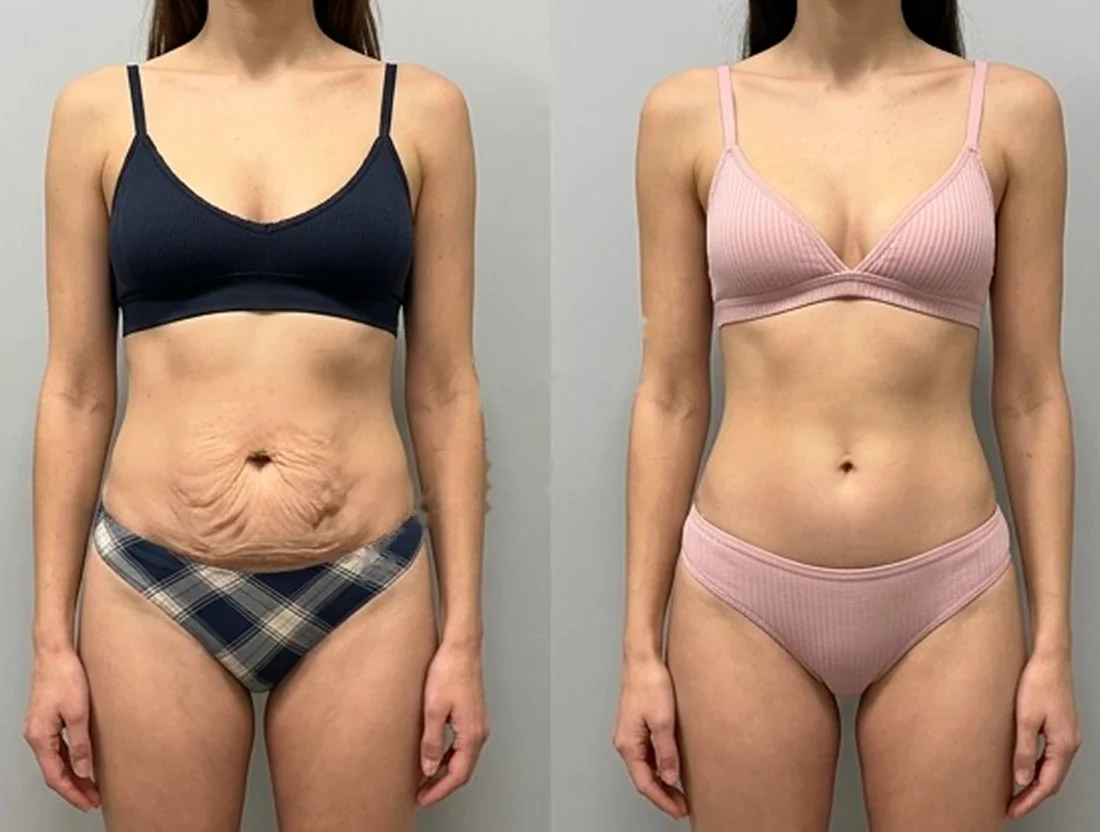
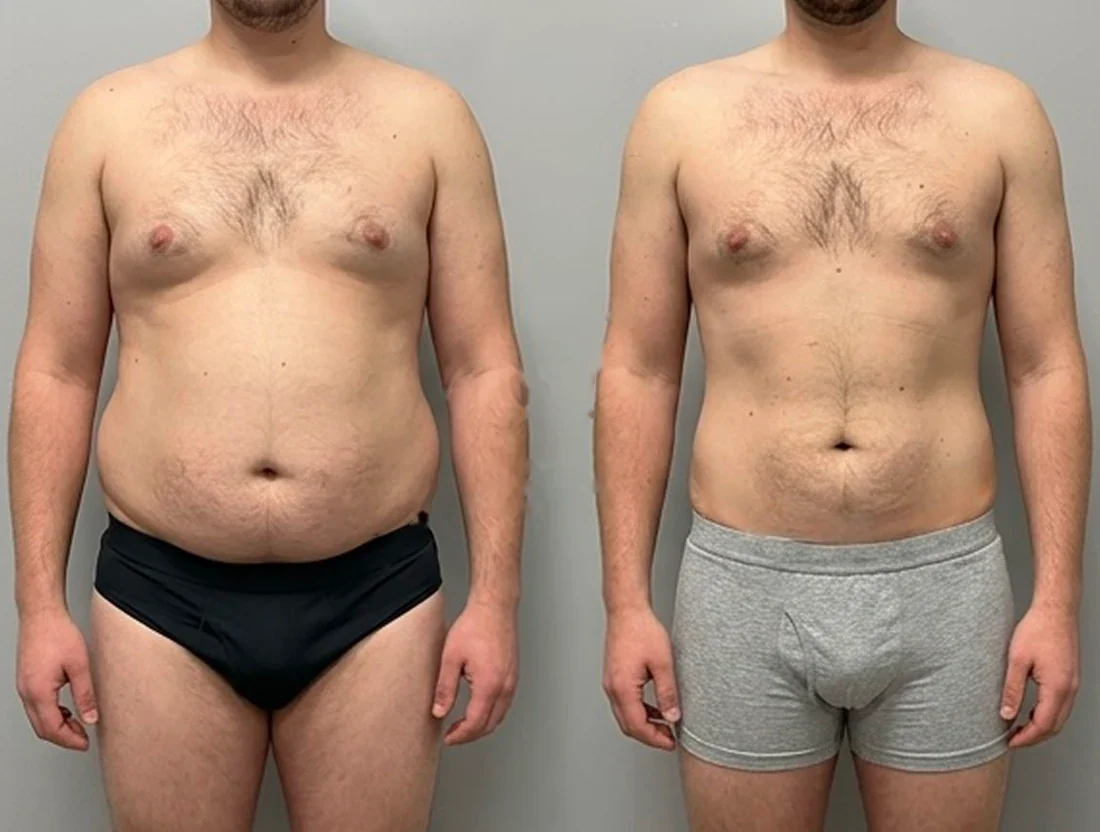
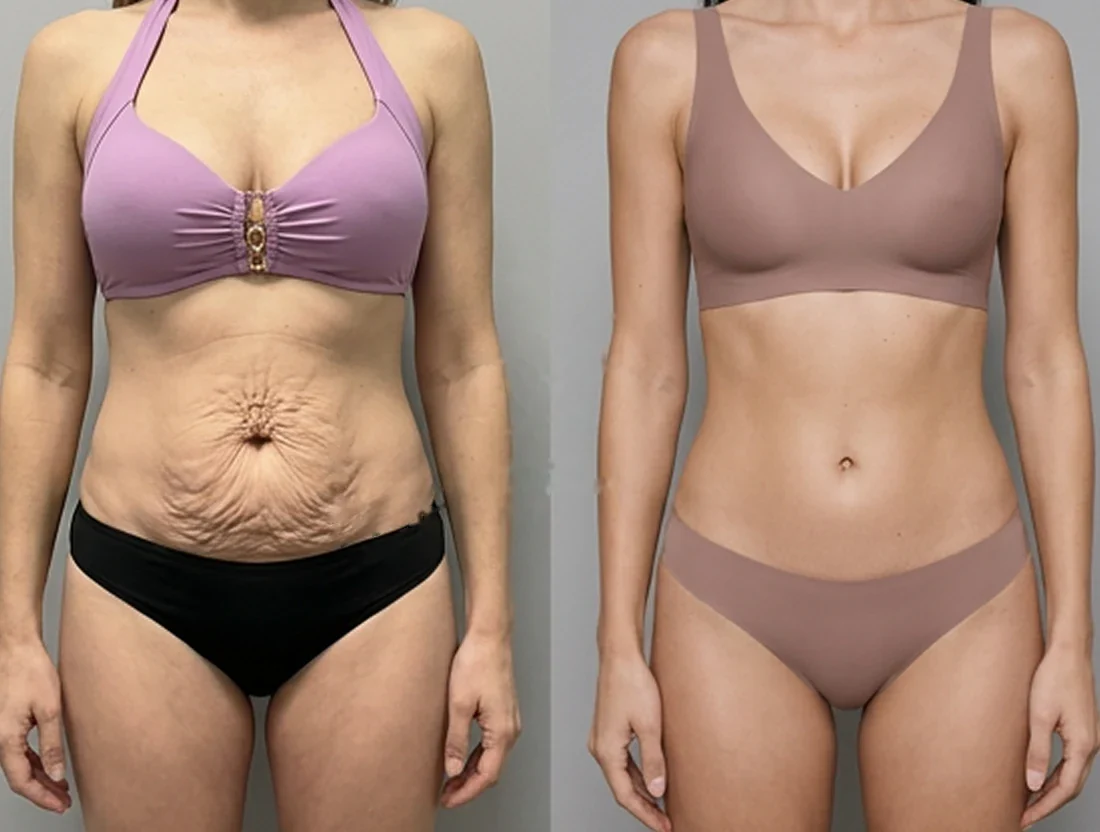
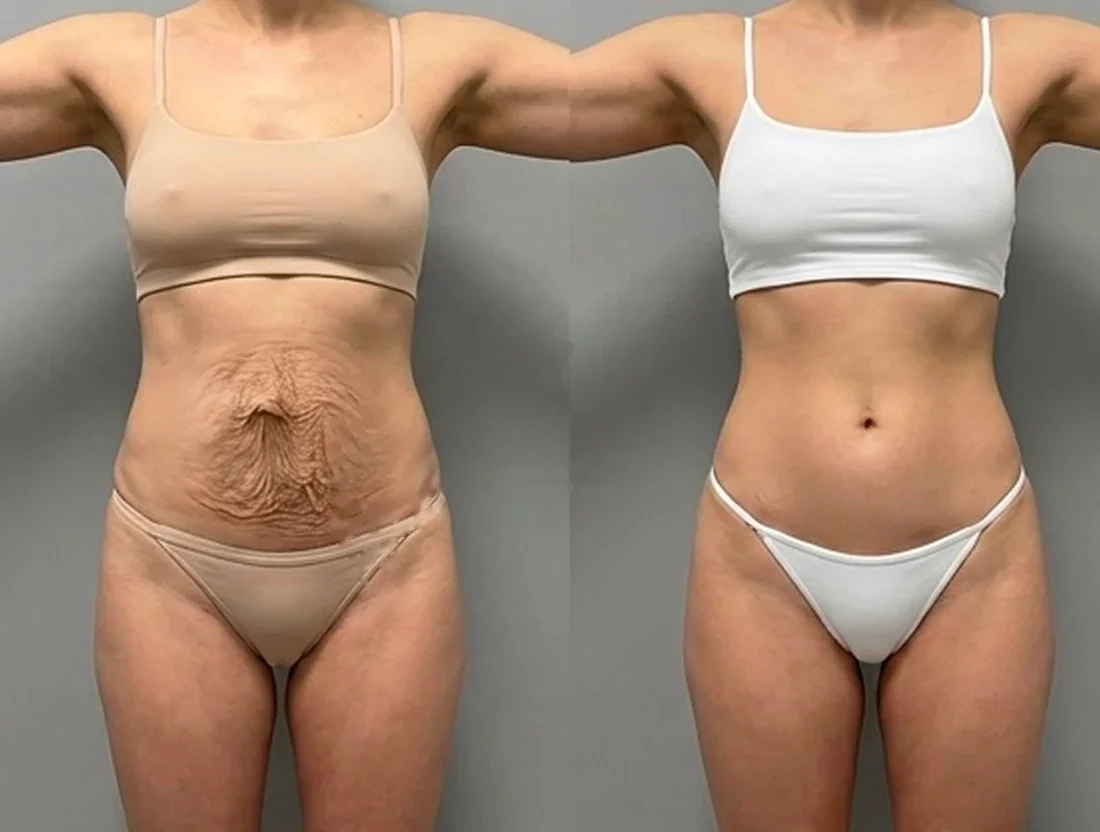
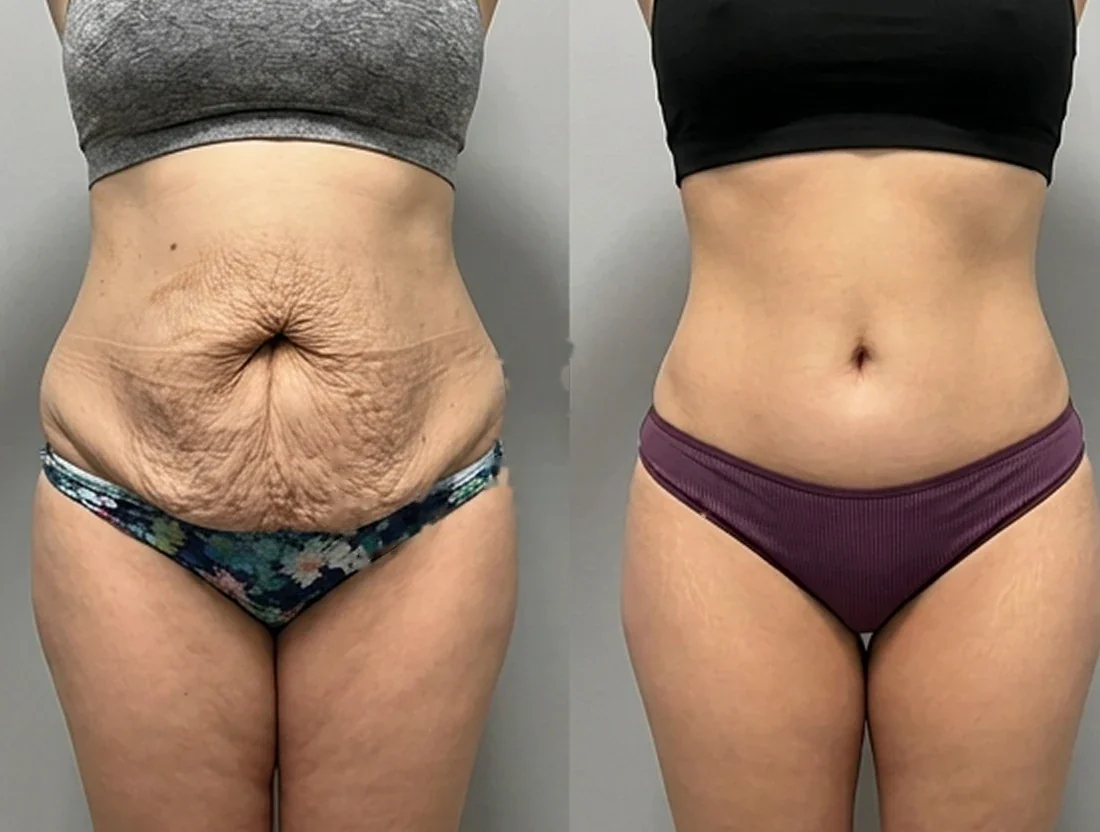
All cases are real patients. Faces and identifying details are hidden.

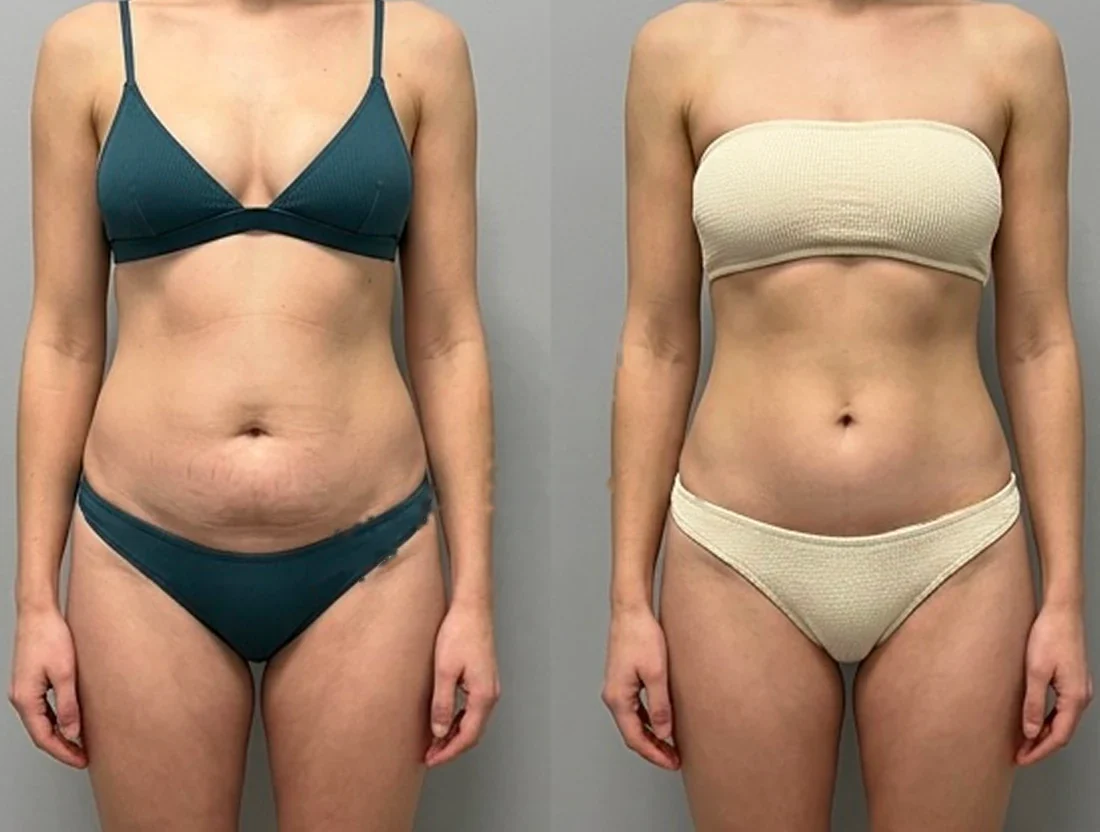
Tummy tuck: a female patient's abdomen before and after surgerybeforeafter
Tummy tuck: a male patient's abdomen before and after surgerybeforeafter
Tummy tuck: a female patient's abdomen before and after surgerybeforeafter
Tummy tuck: a male patient's abdomen before and after surgerybeforeafter
Tummy tuck: a female patient's abdomen before and after surgerybeforeafter
1 of 8

Comparison

Tummy tuck techniques

A tummy tuck is done as a full (classic) or mini operation, or combined with liposuction as lipoabdominoplasty. Compare the scope of surgery, the indications and the expected results to choose the right technique together with your surgeon.

Tummy tuck

Removal of excess skin, abdominal muscle tightening
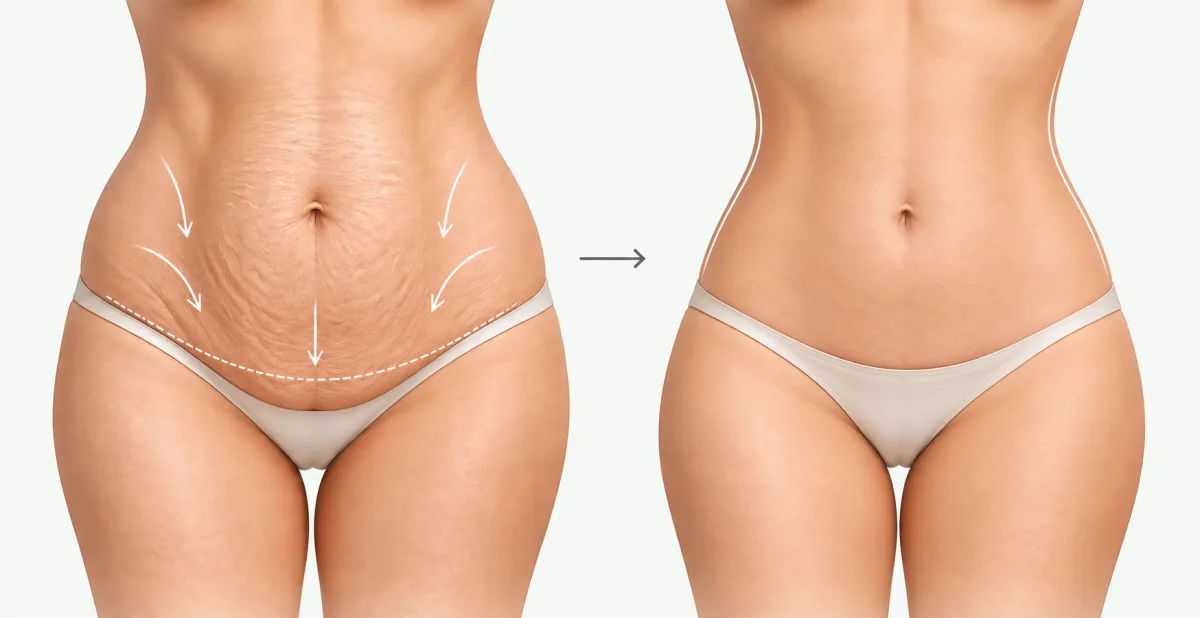
Tummy tuck diagram: the abdomen before surgery with the incision line, and the result
Main goal
Removal of excess skin, diastasis repair
When it is done
Excess skin after childbirth or weight loss
Anaesthesia and stay
General anaesthesia, up to 3 days in hospital

Lipoabdominoplasty

Tummy tuck with added liposuction
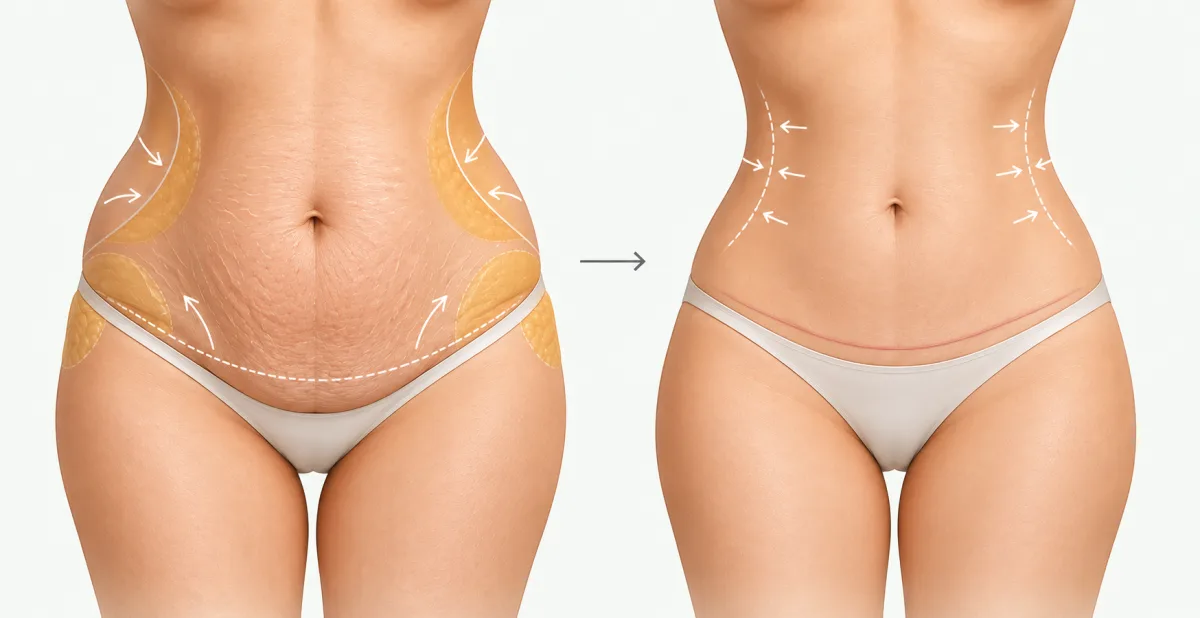
Lipoabdominoplasty diagram: the abdomen with fat on the flanks before surgery, and the result
Main goal
Tummy tightening and waist contouring
When it is done
For fat deposits on the flanks and waist
Anaesthesia and stay
General anaesthesia, up to 3 days in hospital

The benefits and recovery times shown are averaged for each technique and given for guidance: the scope of correction and rehabilitation depend on your anatomy and individual features, and the surgeon confirms them at the consultation.

At the consultation the surgeon draws up a plan for your case and explains how your tummy tuck will go.

Free, before surgery and with no obligation.

Book a consultation

Tummy tuck from the inside

About the clinic

A clinic where you can feel at ease

Modern equipment, comfortable rooms and care for every patient

A doctor and a patient in a clinic ward

Contact us the way that suits you

We will answer your questions and find a convenient time for a consultation

By messaging us, you agree to our Privacy Policy

A tummy tuck is not for everyone

If your case can be solved without surgery, the doctor will tell you so at the consultation — and you will not spend money for nothing.

Suitable

A surgeon shows a patient on a model and a monitor how the abdominal contour changes after a tummy tuck
  • Rectus abdominis diastasis
  • Skin folds after weight loss
  • Loose abdominal skin
  • Stretched skin after pregnancy
  • A distorted abdominal contour

Not suitable

A surgeon discusses the indications and contraindications for a tummy tuck with a patient
  • Acute infections
  • Severe disease of the heart, kidneys or liver
  • Blood coagulation disorders
  • Age under 18
  • Decompensated diabetes
  • Cancer
  • Skin inflammation in the surgical area
  • Pregnancy or breastfeeding

Not sure the surgery is right for you?

Message us — the coordinator will ask for your photos in the messenger, and the surgeon will tell you whether a tummy tuck suits you. No surgery booking needed.

Find out if it suits me

A surgeon goes through a tummy tuck diagram with a patient at the consultation

Prices

You know the price
before surgery

The price is set at the consultation and fixed in the contract.

Other services

  • First consultationFree
  • Liposuction of the abdomen and flanksfrom $1,700
Book a consultation

Find out your tummy tuck plan and price

The surgeon assesses your abdominal skin and muscles, listens to your wishes and chooses the right correction technique.
The price is set at the consultation and fixed in the contract.
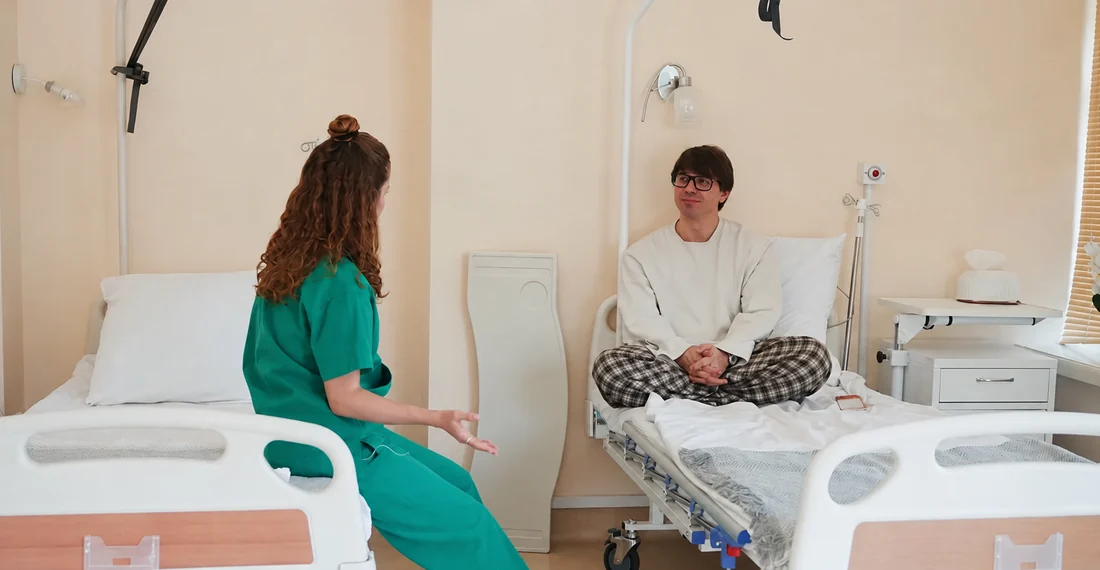
A nurse talks to a patient in a clinic ward

Message our coordinator

Free online consultation · Reply within 15 minutes

Message us on Telegram

By messaging us, you agree to our Privacy Policy
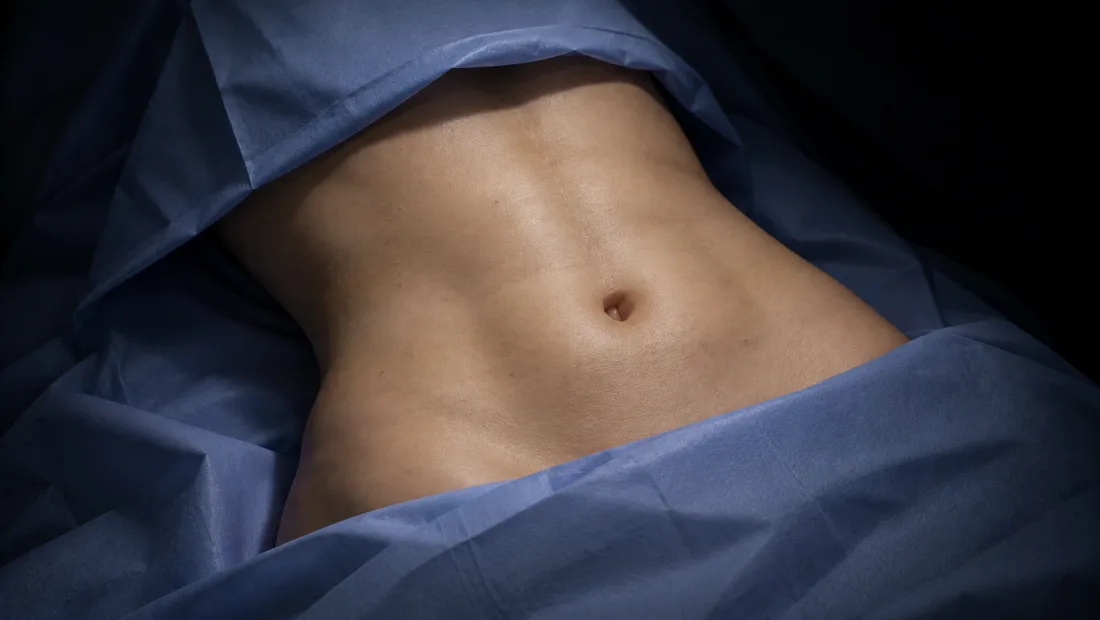
A patient's abdomen before a tummy tuck in the operating room

all inclusive

What the price includes

From preparation for surgery
to post-op check-ups.

  • All scheduled dressings
  • Scheduled post-op check-ups
  • A personal coordinator on call
  • Compression garments fitted on the day of surgery
  • A stay in a comfortable
    hospital ward with meals
  • Individual recommendations
    for recovery
  • Remote progress monitoring
    by photos

How it works

Three days at the clinic —
from preparation to discharge

An agreed correction plan, inpatient observation and post-op check-ups.

A doctor shows a patient a tummy tuck diagram on a monitor1

Consultation
and the surgical plan

The surgeon assesses your abdominal skin and muscles and checks for diastasis, listens to your wishes and chooses the right correction technique.

Paying the deposit by card at the clinic reception2

Booking the date
of surgery

We reserve a surgery date for you: the deposit can be paid by card at the clinic or online by bank transfer. The terms are fixed in the contract for medical services

A blood sample tube for tests before a tummy tuck3

Check-up before
surgery

Before surgery you complete a full lab check-up: blood tests, an ECG, a chest X-ray and reports from the required specialists.

The surgical team during the operation4

Surgery

The surgeon performs the tummy tuck with the chosen technique, repairs diastasis if needed and shapes a firmer abdominal contour.

A hospital ward at the clinic5

Inpatient stay

After surgery the patient stays for 1–3 days in a comfortable hospital ward with meals, under medical supervision.

A surgeon and a patient in the ward during recovery6

Recovery

After surgery you get a recovery programme. Check-ups at 7 days, 3 and 6 months help track your recovery.
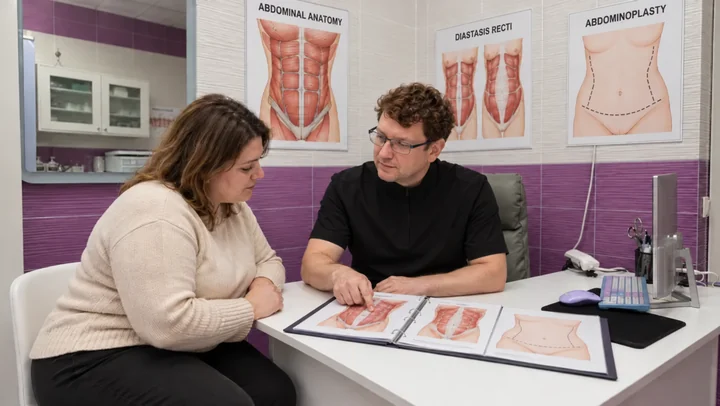
Book a free consultation — the surgeon will plan every step with you.

A doctor discusses the tummy tuck plan with a patient
Book a consultation
A doctor discusses the tummy tuck plan with a patient

How it really happens

Recovery after a tummy tuck

After surgery comes a 1–3 day hospital stay under medical supervision. Drains usually come out after two days, and stitches are removed after 7 days. The compression binder is worn for 1.5–2 months — it supports the abdominal wall and helps shape a smooth contour. Most swelling subsides within 30 days; office work resumes after 2–3 weeks. For 2–3 months there is no sport, sauna or heavy lifting; early on, sleep on your back with your knees bent. The scar is fully mature by 12 months, fading until it is barely noticeable.

Post-op check-ups

After 7 days, at 3 months and at 6 months. Until the end of the year, get a post-surgery consultation with your surgeon to review results and get more information, at the clinic's expense

Advantages

Why people choose City Medical Centre

A surgeon discusses the tummy tuck plan with a patient at the consultation

Just find out — you lose nothing

At the consultation we discuss your wishes and assess your abdominal skin and muscles. The surgeon explains what changes are possible, chooses the correction technique and answers your questions.

A surgeon on a video call with a patient after surgery

We stay with you after surgery

The surgeon follows your recovery and the changing abdominal contour at check-ups after 7 days, 3 and 6 months. Check-ups, dressings and aftercare advice are already included in the price of surgery.

A surgeon shows a patient a model and tummy tuck diagrams

A beautiful contour that fits your figure

We choose the correction technique based on your skin, muscles and figure. Our aim is a harmonious abdominal contour that keeps the natural proportions of your body.

A patient writes down a convenient visit time in her planner

Your schedule is our priority

We respect your time: we work 24/7, with easy booking and a personal approach — we adapt to your pace.
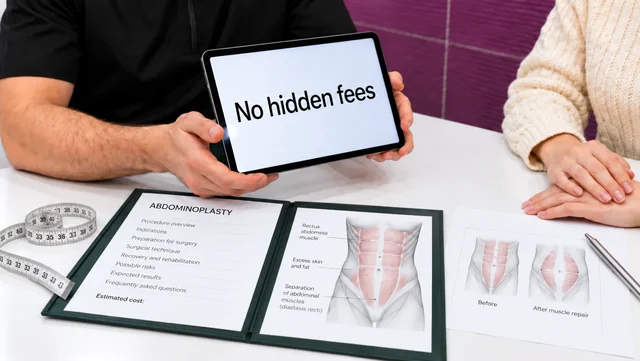
A surgeon shows a patient the fixed price of surgery with no extra charges

Fixed prices

After the consultation the surgeon defines the extent of correction, and you get a clear price for the surgery — no surprises on the way to the result you want.

A surgeon visits a patient in the hospital ward after surgery

Round-the-clock care after surgery

Recovery starts in a comfortable hospital ward under round-the-clock nursing care. The stay and meals are already included in the price.

FAQ

We answer what
people ask before booking

What Cordoba residents ask about a tummy tuck

Diastasis is not always part of the picture. Repair is done only when the rectus abdominis muscles are actually separated: the surgeon sees it at the examination and, if in doubt, it is confirmed by ultrasound. When needed, the muscles are brought together during the tummy tuck itself, with no separate procedure. Patients from Cordoba learn at the consultation whether their case requires it.

Pre-surgery tests should be completed in advance, not the day before. The surgeon gives the exact list at the consultation, and results are usually valid for 10–14 days. Seven to ten days before the operation, stop smoking, alcohol and medicines that affect blood clotting. Anyone in Cordoba preparing for a tummy tuck also sees a GP and an anaesthetist before the surgery date.

If you are comparing tummy tuck options in Cordoba, look at more than the operation itself. Here the approach includes hormone screening before surgery, tests at the clinic with no waiting, a hospital stay under medical supervision and surgeon support until the result. The cost is calculated after a free consultation and fixed in the contract. Leave a request to arrange yours.

Stories of well-known people

Well-known people who spoke openly about this operation, in their own words.

All stories about this operation →

Reading the Cordoba weather before you pick a date

Cordoba lies in the Guadalquivir depression, with the river crossing the city from east-northeast to west-southwest. The city centre stands at roughly 123-125 m above sea level. A tummy tuck is not an event of a single day. The operation takes 2–4 hours, but the recovery stretches over months, and your calendar will overlap with the local weather. It is worth looking at the numbers before you fix a date.

The weather-station averages for 1991-2020 show July and August as the hottest months. The mean daytime maximum is 37.1 °C in July and 37.0 °C in August, and the mean night minimum is 19.1 and 19.6 °C. January is the coldest month, with a mean maximum of 15.2 °C and a minimum of 3.7 °C. The records are more extreme: 46.9 °C on 13 July 2017 and again on 14 August 2021, and −8.2 °C on 28 January 2005. These are station figures, not a forecast for your flat, but they show how wide the seasonal swing is.

Why does that matter for this operation? After a tummy tuck a compression binder is worn for 1.5–2 months. It supports the abdominal wall and shapes the contour, so it is not something you can skip when the weather turns. Wearing it through a month with average highs of 37 °C is a different experience from wearing it under ordinary winter clothes at 15 °C. Neither option is wrong, but you should choose knowingly. The doctor will talk through this with you at the free online consultation.

Take an example. Suppose the operation is in the second half of January 2027. The binder would stay on until roughly the middle of March, and sport, sauna and heavy lifting would remain off-limits for 2–3 months, so into April. The check-ups at 7 days, 3 months and 6 months would then fall in January, April and July. The 6-month check would land in the hottest part of the year, when July brings about 372 hours of sun. The scar matures fully only by 12 months, so it will still be changing through its first summer. For at least a month after the operation you avoid sauna, steam bath, pool and tanning beds. The doctor will explain at the consultation how to look after the scar in strong sun.

Rain is a lesser factor, but you can plan around it too. October, November and December are the wettest months, with 78.7, 79.2 and 90.7 mm, and the yearly total is 572.9 mm over 55.1 days. July is almost dry at 0.5 mm. Relative humidity averages 38 % in July and 78 % in December. We do not claim that damp or dry air changes how tissue heals, because that is not something we can support. These figures simply help with practical planning, such as getting to your first check-up in an agreed dressing without being caught in a downpour.

Core, back and the first weeks of lifting and bending

A tummy tuck works on the abdominal wall, so the first weeks are mostly about how you move. After the operation you stay in hospital for 1–3 days under medical supervision. Drains are usually removed after two days and stitches after 7 days. For the first 2–3 weeks, physical exertion, heavy lifting and sudden movements are not allowed. At first the advice is to sleep on your back with your knees bent. Think about what you lift and bend for in an ordinary day, then work out who will do it for you.

The home list is easy to underestimate: laundry baskets, shopping bags, a pan of water, a suitcase, a pet. If you have a small child, the question is who will lift them in the early weeks. Heavy lifting stays off the list for 2–3 months, and that includes carrying a toddler on your hip. It helps to ask your spouse, a relative or a friend to take over specific tasks for a defined period. Writing the tasks down before the operation is more useful than a general promise to help.

Work is the second question. Office work usually resumes after 2–3 weeks. If you teach, study or work at one of the city's two universities, the University of Cordoba (founded in 1972, around 21,000 enrolled students) or Loyola Andalucía, the academic calendar may give you a quieter spell to use. Whether your job involves standing, carrying or driving is something to tell the doctor, because a desk job and a physical one will not recover on the same schedule.

The Spanish health survey of 2020 (INE) found that low back pain was reported by 13.7 % of people aged 15 and over, and osteoarthritis by 14.4 %. We do not draw medical conclusions from that, but it is a useful reminder that many adults already manage back or joint complaints. If you are one of them, say so at the consultation. Sleeping position, how you get out of bed and how you bend all matter in the first weeks, and the doctor can fit the advice to what you already live with.

Because the municipality is very large, about 1,253 km2, getting somewhere in person can take real time. The compression garment is fitted on the day of the operation. A personal coordinator is on call, and recovery is followed remotely by photos and at scheduled check-ups at 7 days, 3 months and 6 months. You can write to the coordinator on WhatsApp or Telegram round the clock, including in the middle of the night when something worries you. Keep your questions short, send a clear photo, and note the day since the operation.

What public waiting lists say about planning a tummy tuck

Anyone thinking about this operation in Spain is likely to ask whether the public health system covers it. The common portfolio of services of the national health system does not fund techniques whose aim is «mere aesthetic or cosmetic improvement». Aesthetic procedures with no link to an accident, an illness or a congenital malformation are excluded from specialist care. In practice, a tummy tuck done for a cosmetic purpose is outside public provision. This is a rule about coverage, and it says nothing about whether the operation is suitable for you.

The waiting-list statistics for public care are still useful as background. On 31 December 2025 the national health system reported 853.509 patients on surgical waiting lists, with an average wait of 121 days, and 21.6 % had waited more than six months. In Andalucía, 199.950 patients were waiting for surgery, which is 23.51 per 1000 inhabitants, with an average of 173 days. Plastic surgery had the longest average wait of any specialty in the national system, 269 days. These numbers describe public care for conditions that qualify for it. They are not a comparison with a private pathway, and we do not present them as one.

What they do show is why many people prefer to set their own date. At City Medical Centre the plan is fixed before anything is booked. You send photos on WhatsApp or Telegram, receive a free doctor's assessment, and confirm the plan and dates. Because the tests before the operation (blood and urine tests, coagulation panel, biochemistry, infection tests, ECG, chest X-ray, leg vein ultrasound and a GP's report) are usually valid for only 10–14 days, the date and the testing window should be agreed together, not separately.

Weight is part of that planning. The 2020 European Health Survey found obesity in 16.0 % of Spanish adults and overweight in 37.6 %, so 53.6 % were above normal weight. A tummy tuck is not a way to lose weight. Its aim is to remove excess stretched skin and the fat apron and restore the abdominal muscle wall, and it is done at a stable weight. If your weight is still changing, the advice is to see a dietitian or an endocrinologist first. The public system has a separate route for severe obesity surgery under defined criteria. That is a different decision with a different purpose, and it is worth keeping apart from this one.

If you are unsure, the first step costs nothing. The consultation is free and carries no obligation to book. If your case can be solved without an operation, the doctor will tell you so. A short, honest answer early is better than an undefined wait.

May in Cordoba, scars and the 12-month horizon

Local events can shape a recovery plan. The Feria de Nuestra Señora de la Salud takes place in the last full week of May, and the Festival of the Cordoban Patios was declared a UNESCO World Heritage item in 2012. If you want to be comfortable and active by then, count backwards from the milestones instead of from the event. Swelling mostly resolves within 30 days, the binder comes off after 1.5–2 months, and sport, sauna and heavy lifting remain off-limits for 2–3 months.

Take an operation in early February 2027. The 7-day check-up falls in the second week of February. The binder period ends in late March or early April. The 3-month check-up falls in early May, shortly before the last full week of May. You would be on the other side of the strictest restrictions, but still within the first year of scar maturation. An operation in March would put the festival inside the 2–3 month window. The goal is not to avoid events but to know where you stand relative to them.

The scar deserves honest attention. A classic tummy tuck leaves an incision across the lower abdomen from hip to hip, below the underwear or swimsuit line. A mini tummy tuck leaves a much shorter one. Over time it fades and thins, and by 12 months it is fully mature, barely noticeable. The service cannot promise how your own scar will look, because it depends on your skin and anatomy. What can be said is that the early weeks are not the final picture.

Sun is a practical factor in a city with 2,990 hours of sunshine a year, about 66 % of the possible total. A fresh scar and strong sun are a combination to think about. During the first month, tanning beds, pool and steam bath are off the list, and the doctor will give you specific aftercare advice. If your plans for the following summer include beaches, patios and open-air events, mention them, so that the date of the operation and your aftercare fit together.

Last, remember that the result develops over time. The first changes appear about 2 weeks after the operation as the main swelling subsides. An interim result is visible at 1.5–2 months, and the final contours at 6–12 months. The check-ups at 7 days, 3 months and 6 months are there to follow that development. Until the end of the year, a post-operation consultation with the doctor to review results is offered at the clinic's expense.

From WhatsApp photos to the operating day: preparing from a distance

The first conversation takes place online. You send photos by WhatsApp or Telegram, and a coordinator replies, typically within 15 minutes. The doctor then assesses your abdominal skin and muscles, looks for diastasis, listens to what you want and suggests a technique. There are three options in practice: the classic tummy tuck, the mini version, and lipoabdominoplasty, which adds liposuction of the flanks and waist. All of them are planned individually, and the doctor confirms the scope at the consultation.

The choice rests on your anatomy. A mini tummy tuck deals with a small excess of skin below the navel, so the incision is shorter, the navel stays put and recovery is faster. One day in hospital is usually enough. A classic tummy tuck removes the skin-and-fat apron across the whole abdomen, moves the navel, and lets the doctor repair diastasis along the full length of the muscles, with 1–3 days in hospital. Lipoabdominoplasty fits people with fat deposits on the flanks and waist as well as loose skin. Diastasis is repaired only when the rectus abdominis muscles are really separated.

Some people are not suitable candidates, and the doctor will say so. Reasons include acute infections, severe disease of the heart, kidneys or liver, problems with blood clotting, decompensated diabetes, cancer, skin inflammation in the surgical area, pregnancy and nursing, and age under 18. Suitable cases include rectus abdominis diastasis, skin folds after weight loss, loose or stretched skin after pregnancy, and a distorted abdominal contour. If you plan more children, it is better to wait: pregnancy after the operation is possible, but it stretches the repaired muscles.

Preparation is concrete. Smoking, alcohol and medicines that affect blood clotting are stopped 7–10 days before the operation. The pre-operation tests need to be done in advance, not the day before. On the day, general anaesthesia is used, the operation takes 2–4 hours, and you stay 1–3 days in a hospital ward with meals and round-the-clock nursing. The price is set at the consultation and fixed in the contract, and it includes dressings, scheduled check-ups, a personal coordinator and the compression garment fitted on the day.

At home, the plan is simple. Keep your coordinator's WhatsApp or Telegram chat open and photograph the area on the days you agree. Keep the binder on as instructed, and avoid sauna, steam bath, pool, tanning beds, alcohol and smoking for at least a month. Sport returns gradually and only with the doctor's approval. Come to the free consultation with a short list of questions about your work, your household and your calendar, and leave with a plan.

Is it a problem to have a tummy tuck in the hottest months in Cordoba?

It is not a medical prohibition that we can point to, but it is a planning question. In July and August the mean daytime maximum is 37.1 and 37.0 °C, and the compression binder is worn for 1.5–2 months. Many people find a cooler season easier for that reason. In the end the doctor decides on the date after assessing your health and your anatomy. Tell the coordinator what your summer looks like and the date can be chosen with it in mind.

Can I plan the operation so that I am recovered by the Feria in the last week of May?

You can count backwards from the milestones. Swelling mostly resolves within 30 days, the binder stays on for 1.5–2 months, and sport, sauna and heavy lifting are off-limits for 2–3 months. An operation in early February would put the 3-month check-up around early May. An operation in March would leave the festival inside the restriction window. The final contours take 6–12 months, so the Feria would be a stage of recovery rather than the end of it.

Does the Spanish public health system cover a tummy tuck?

The common portfolio of services excludes techniques done only for aesthetic or cosmetic improvement, and procedures with an aesthetic aim unrelated to an accident, illness or congenital malformation are not covered in specialist care. A cosmetic tummy tuck therefore falls outside public provision. Whether you could qualify for any other care is a question for your own GP. The free online consultation at City Medical Centre only assesses whether the operation suits you and how it would be done.

Why do you mention waiting-list figures if the operation is private?

They are context, not a comparison. On 31 December 2025 the average surgical wait in the national system was 121 days, in Andalucía 173 days, and in plastic surgery 269 days, the longest of any specialty. Those figures describe public care for qualifying conditions. For a planned private operation, the useful point is that you choose the date together with the doctor, within the window in which your tests are valid, usually 10–14 days.

I live far from the centre of such a large municipality. How are check-ups handled?

Recovery is followed through scheduled check-ups at 7 days, 3 months and 6 months, and by photo-based progress monitoring with a personal coordinator on call. The municipality covers about 1,253 km2, so distance within it is real. Tell the coordinator where you live and how you would get to appointments. Message in the chat at any hour with a clear photo if something looks different from what you were told to expect.

How soon can I go back to work or university?

Office work usually resumes after 2–3 weeks, and physical exertion, heavy lifting and sudden movements are not allowed for the first 2–3 weeks. Heavy lifting, sport and sauna stay off the list for 2–3 months. If your work involves carrying, standing for long hours or driving, say so at the consultation. A student or office worker can often return sooner than someone in a physical job, and the doctor will adapt the advice.

Does the autumn rain season change anything about the recovery?

We make no claim that rain or humidity changes how tissue heals. October, November and December are the wettest months, with 78.7, 79.2 and 90.7 mm, and humidity averages 78 % in December. The practical points are your first week and your check-up journeys, such as the 7-day visit when stitches are removed. If your operation falls in that season, plan transport for those days, keep dressings dry as instructed and ask your coordinator whenever you are unsure.