


























Suture-based method
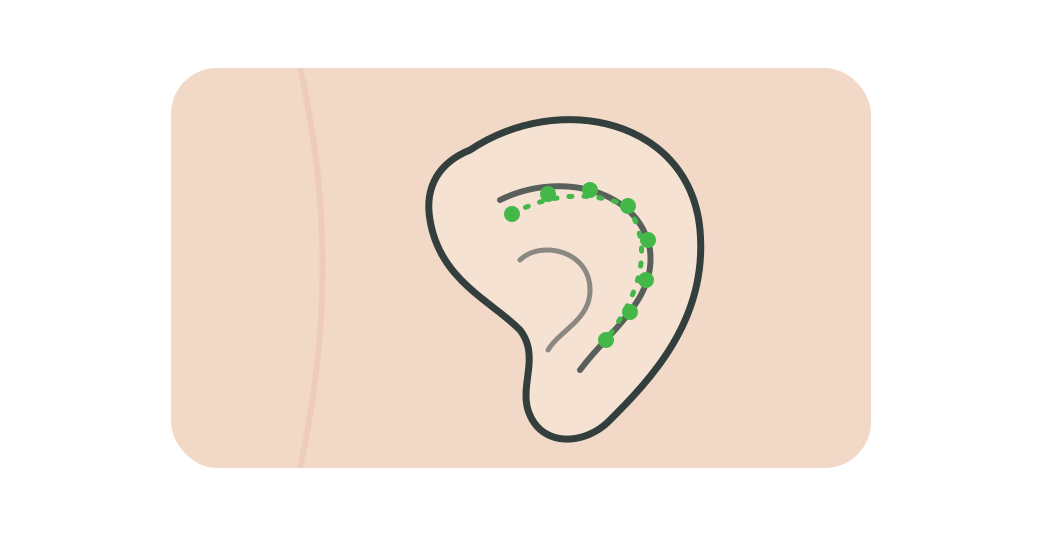
Reshapes cartilage without cutting it away
Price at consultation
- Main goal
- Bring the ears closer and form the fold
- Best suited when
- The cartilage can be shaped with stitches alone
- Approach
- Permanent stitches hold the new shape
Price confirmed after your consultation
You will know the price before booking, because the surgeon assesses your case first and confirms it.
Message our coordinator
Free online consultation · Reply within 15 minutes
Message us on TelegramMessage us on WhatsAppBy messaging us, you agree to our Privacy Policy
Comparison
What an otoplasty changes depends on the approach. A suture-based approach and an approach that also works on the cartilage itself are not the same, and the surgeon helps you choose after examining your ears at the consultation.
Reshapes cartilage without cutting it away
Price at consultation
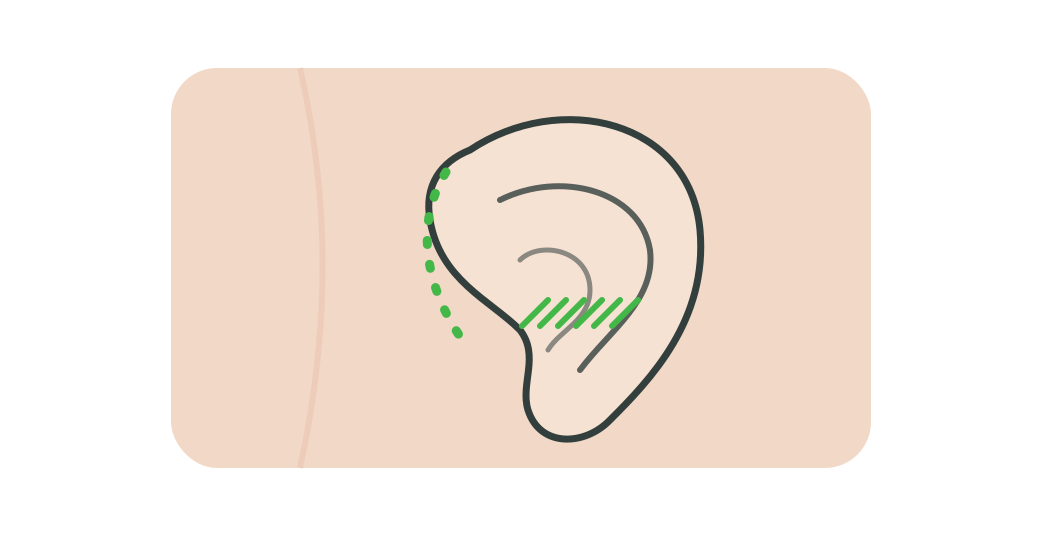
Also incises, scores or reduces cartilage
Price at consultation
The methods are presented here in a general way. Surgery extent and recovery differ between patients, so the surgeon confirms both for you after examining your ears and discussing your wishes.
At the consultation the surgeon builds a plan for your case and explains the method chosen.
Free, before surgery and with no obligation.
About the clinic
Up-to-date equipment, comfortable rooms and attention to each patient
We answer your questions and arrange a consultation at a time that suits you.
By messaging us, you agree to our Privacy Policy
Request a free callWhere your concern can be solved without surgery, the surgeon will tell you. Where it cannot, the operation is advised only if it suits your ears, your health and your expectations.
Message a coordinator in Telegram or WhatsApp with photos of your ears. The surgeon will review them and give you an opinion, and you are under no obligation to have surgery.
Send photos
Process
Nothing is left unexplained: every stage is described in advance, and your coordinator is in touch with you at all times.
The surgeon examines your case from the photos you send and your online conversation, discusses what can and cannot be changed, and then proposes a plan with the price.

You book only once the surgeon has confirmed everything; once you are happy with the plan and the price, you choose a suitable date with your coordinator.
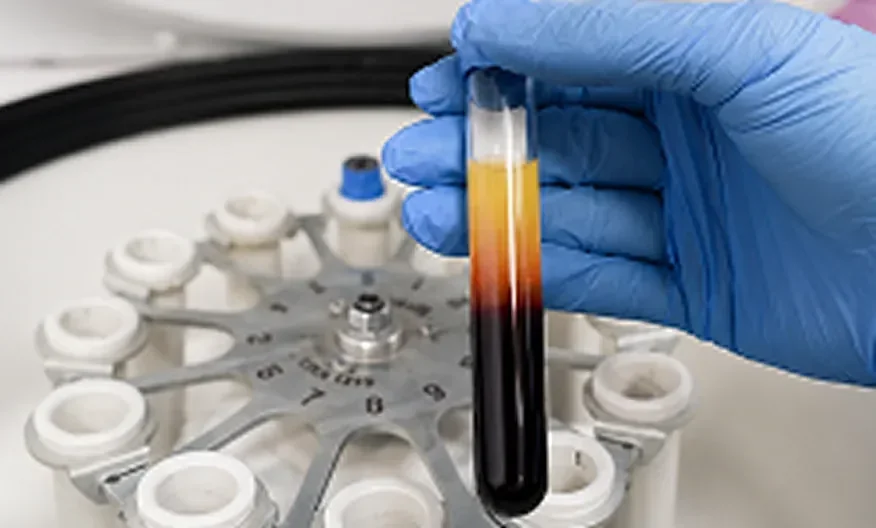
As needed, the surgeon arranges standard tests, and also reviews your medical history and medicines and takes photographs. Stopping blood-thinning medicines happens only on the surgeon's instructions.
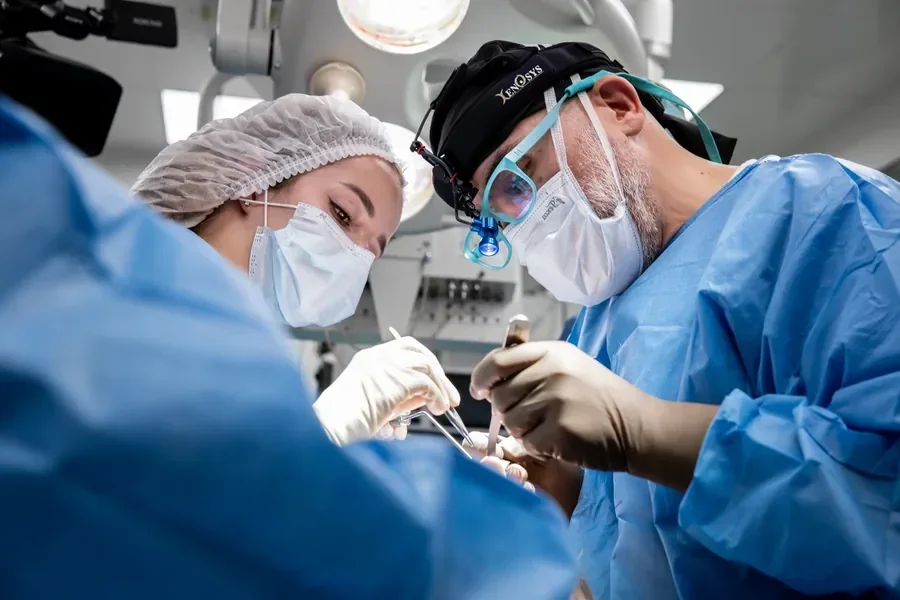
Adults and older teenagers usually have local anaesthesia, with sedation if needed. General anaesthesia is often chosen for younger children. The incision is usually behind the ear, and the cartilage is reshaped with permanent stitches.
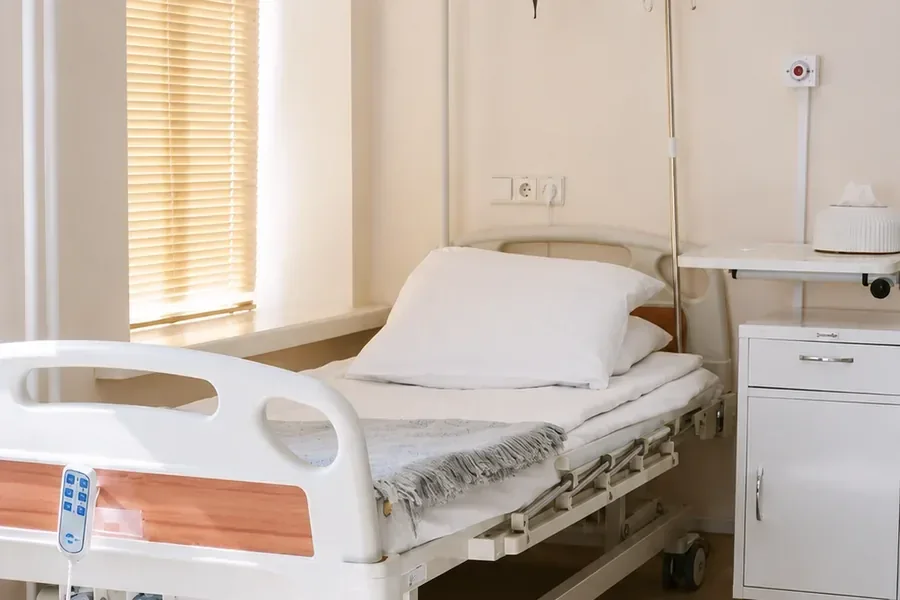
Expect to wear a head dressing for the first days. The team explains sleeping on your back, without pressure on the ears, and the signs to watch for.
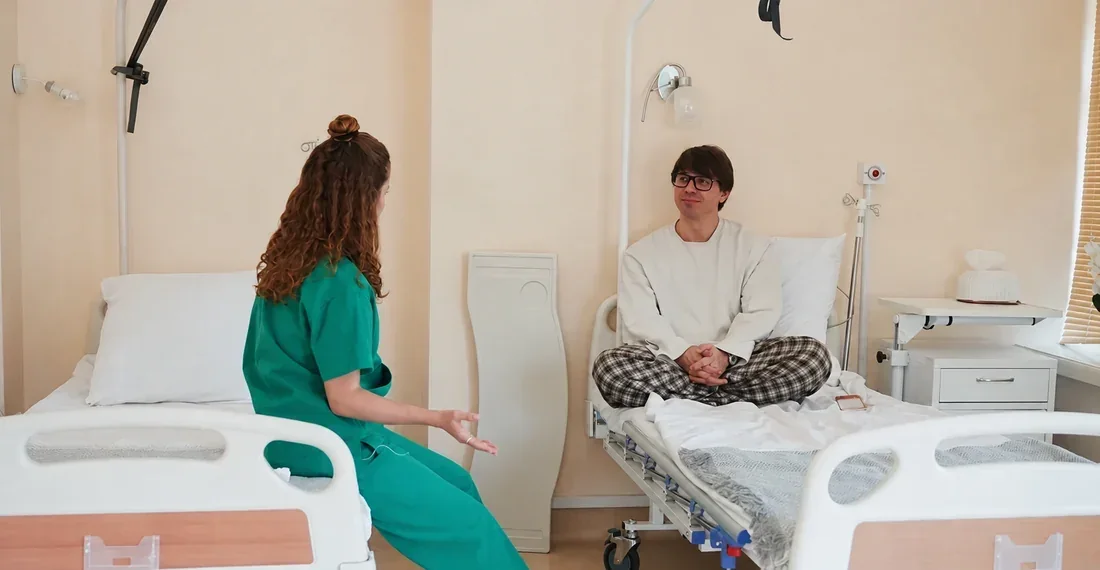
After the first weeks of wearing a soft headband day and night, you wear it at night as the surgeon instructs. Swelling and bruising ease over several weeks, and a follow-up is scheduled by the surgeon.
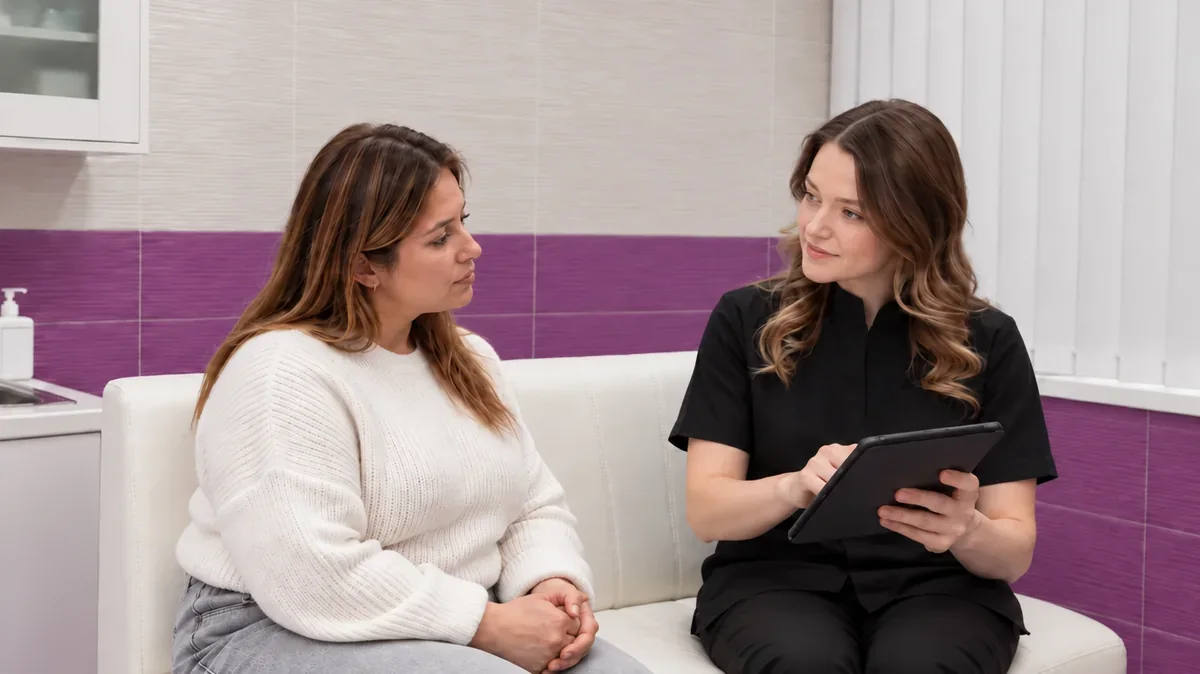
Free, before surgery and with no obligation.
Discuss my planBenefits
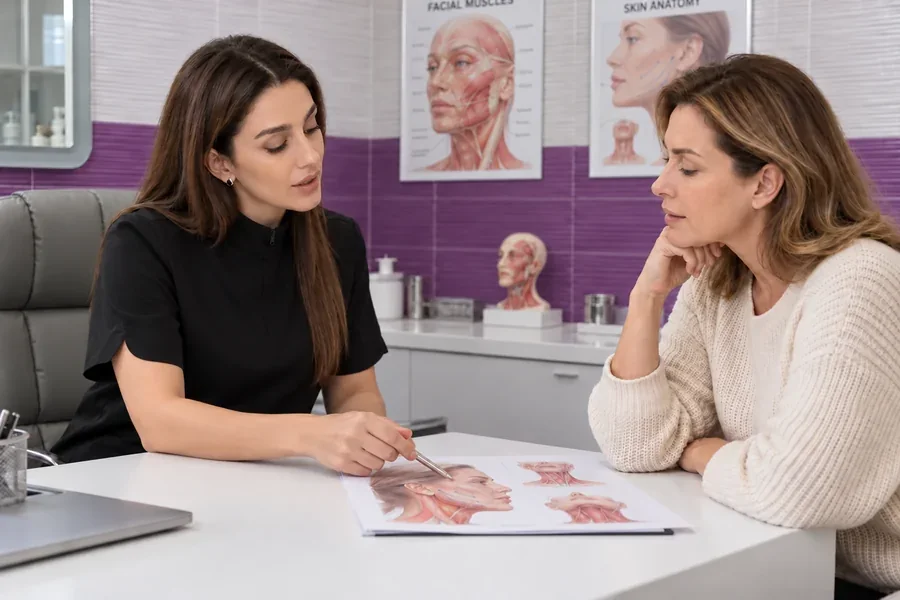
Before suggesting any plan, the surgeon looks at your ears and listens to what you want. The method and the extent of the surgery are fitted to your case rather than copied from a template.
Recovery, limits on activity and possible risks are explained in plain language before you book. You know what to expect and can ask any question.
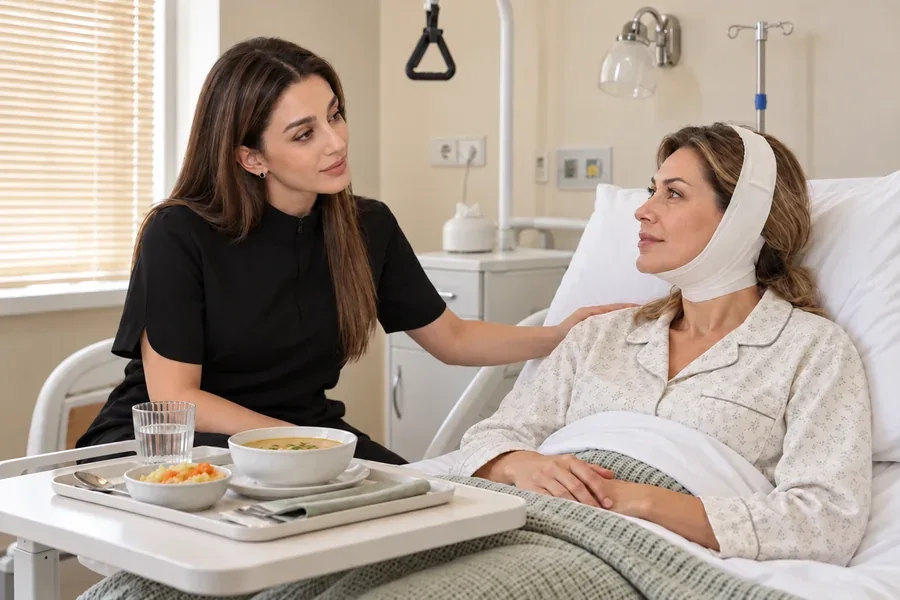
You begin by sending photos through a messenger and then have an online conversation with the surgeon. The first consultation is free of charge, with no obligation to operate.
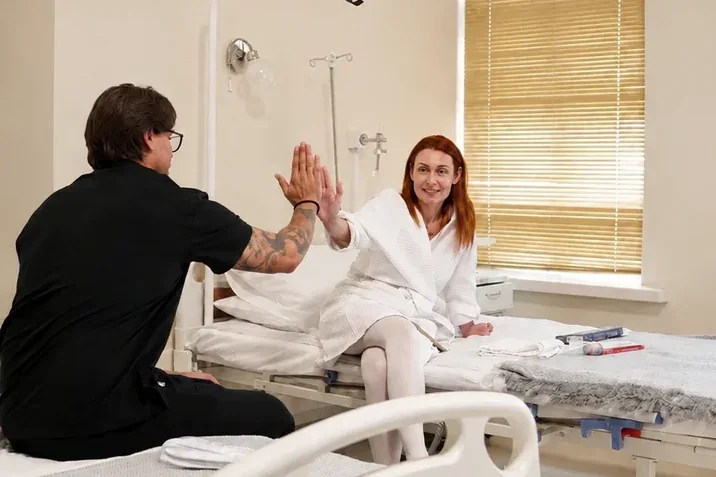
You may contact us on Telegram or WhatsApp at any time and an answer will come. The consultation is scheduled flexibly, around your other commitments.

Before you book, you will know the price, which is confirmed after the surgeon's assessment of your case. Nothing unexpected is left for later.
Free online consultation · Reply within 15 minutes
Message us on TelegramMessage us on WhatsAppBy messaging us, you agree to our Privacy Policy
Frequently asked questions
Write to a coordinator on Telegram or WhatsApp and send clear photos of your ears. The first consultation is free. The surgeon looks at the photos, speaks with you online and puts forward a plan.
Through an incision that is usually behind the ear, the surgeon reshapes the cartilage. Permanent stitches are used, along with thinning or scoring where needed. Adults often have local anaesthesia, and younger children often have general anaesthesia.
Many adults and children return to work or school after about a week. You wear a head dressing for the first days, then a soft headband for the first weeks, and you avoid pressure on the ears, contact sports and swimming for several weeks.
The incision is generally made in the fold behind the ear, which hides the scar. As people scar differently, a visible or thickened scar is possible. The surgeon discusses this with you and asks about any tendency you have to scar.
Expect the surgeon to explain, before surgery, the risks of bleeding or a blood collection under the skin, infection, asymmetry, visible or thickened scars, changed skin sensation, and the correction partly relaxing over time.
The operation may not be right for you, or may need clearing first, in the case of blood clotting disorders, active infection in the ear or skin, uncontrolled chronic illness, keloid scarring tendency, unrealistic expectations, or pregnancy before the timing is confirmed.
When healing is complete, the ears stay in their new shape. Slight differences between the ears are normal, and in a few cases some relaxation of the correction can occur. You will talk about this with the surgeon beforehand.
Price is set by your individual case and the plan the surgeon suggests. You receive confirmation after the surgeon's assessment and ahead of booking, so nothing is decided before you know it.
Ears that stand away from the head, lack a defined fold, look too large or do not match each other are the usual reasons for otoplasty. The surgeon works on the cartilage and, where needed, removes excess skin. If you are in The Hague, you can learn whether this applies to you before any decision is made.
Nothing is fixed at the first contact. You share photos from The Hague, we talk, and the surgeon examines and confirms the plan. Local anaesthesia, with sedation if needed, is common in adults and older teenagers, while general anaesthesia is often chosen for younger children. The surgeon and anaesthetist decide together.
Send a short message on Telegram or WhatsApp and a coordinator will reply, day or night. From The Hague you can arrange the free online consultation, share your photographs and ask your questions. Price is confirmed only after the surgeon has assessed your ears, and always before booking.