


























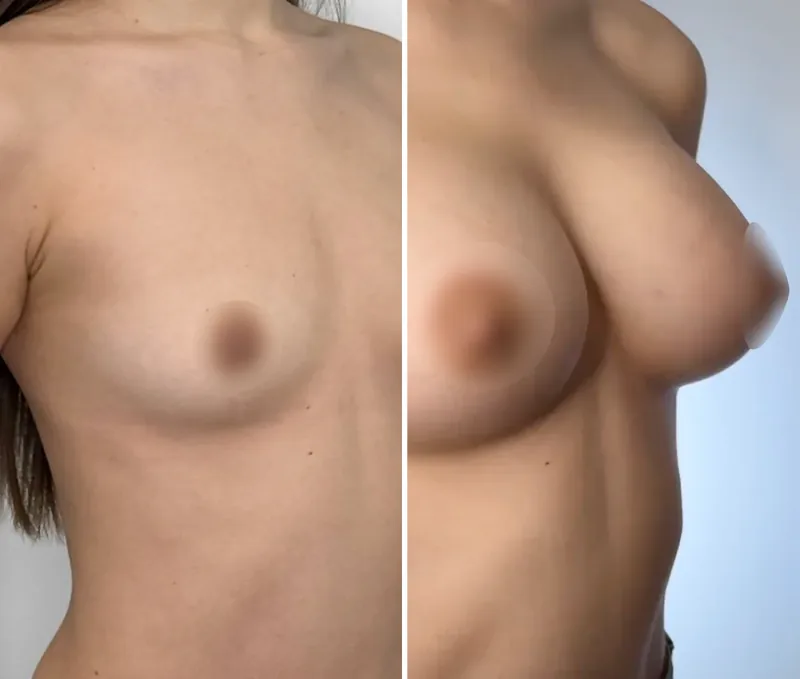
 beforeafter
Mammoplasty
Method: implants
Breast augmentation
$4,700
$5,900 · First consultation — Free
Free online consultation · Reply within 15 minutes
Message our coordinator
Free online consultation · Reply within 15 minutes
Message us on TelegramMessage us on WhatsAppBy messaging us, you agree to our Privacy Policy
Breast augmentation for patients from Iasi at City Medical Centre starts at RON 22,500 (from $4,700). The first online consultation is free; the doctor names the final price and it is fixed in the contract.
How it works · Breast augmentation prices
Information current as of 24 October 2026
Results
Each case belongs to a real clinic patient; faces and identifying details are not shown.
beforeafterMethod: implants
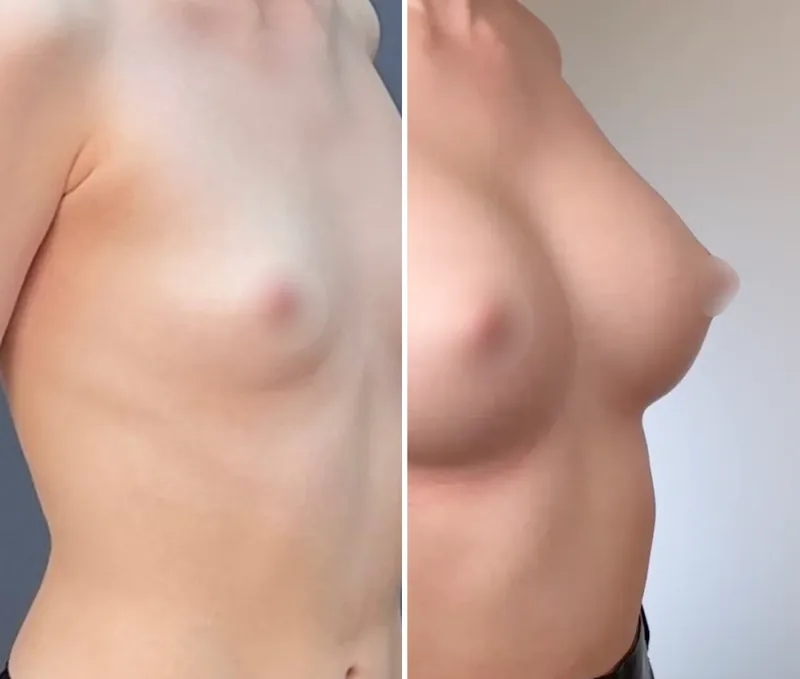 beforeafter
Method: implants
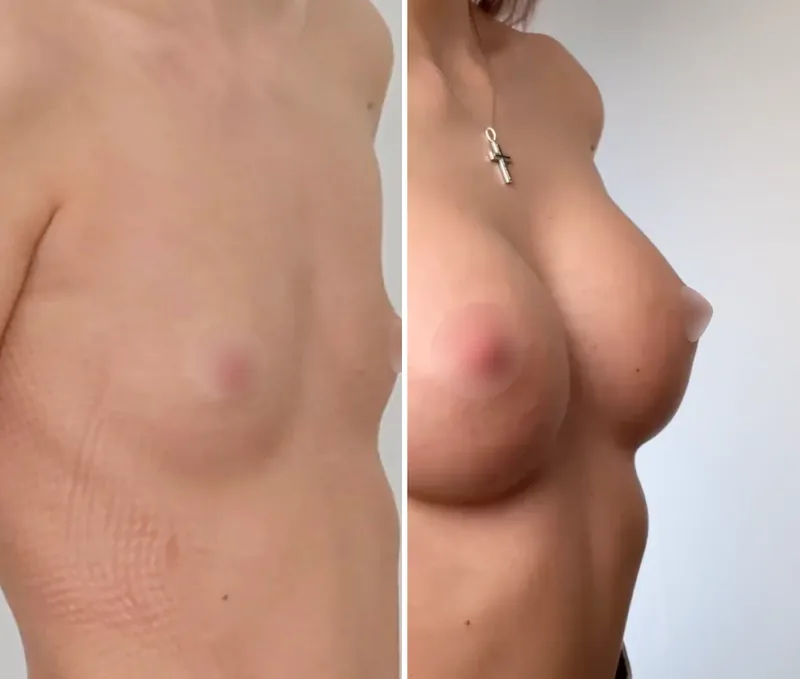 beforeafter
Method: implants
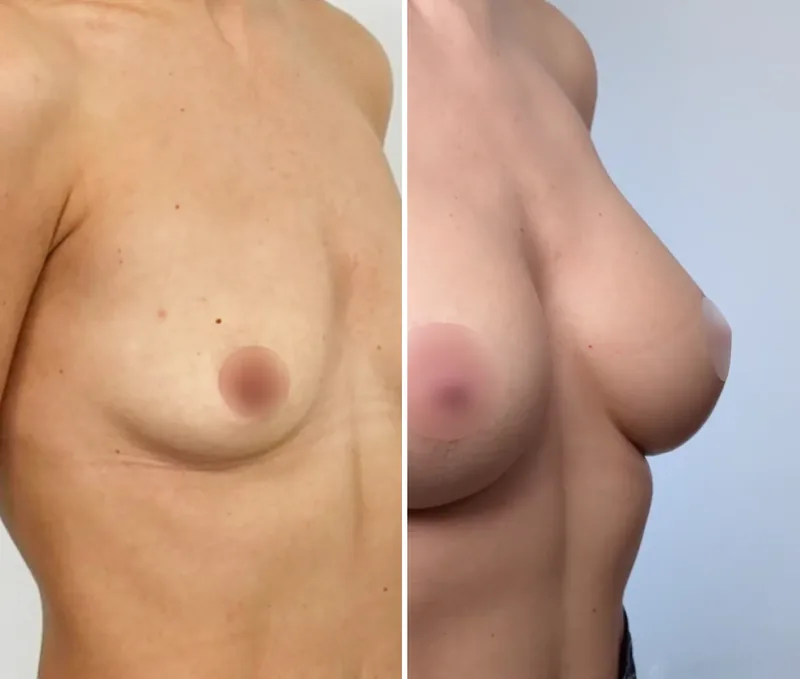 beforeafter
Method: implants
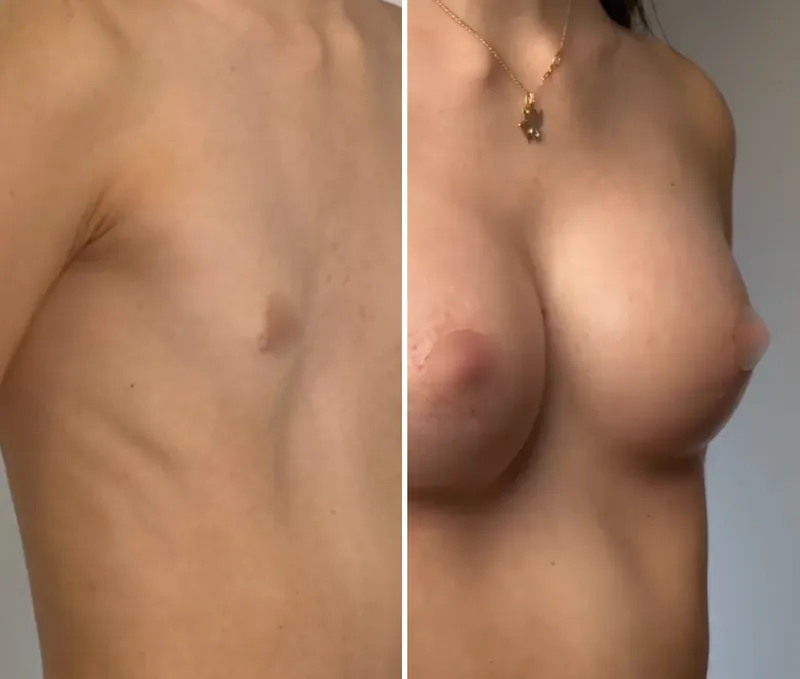 beforeafter
Method: implants
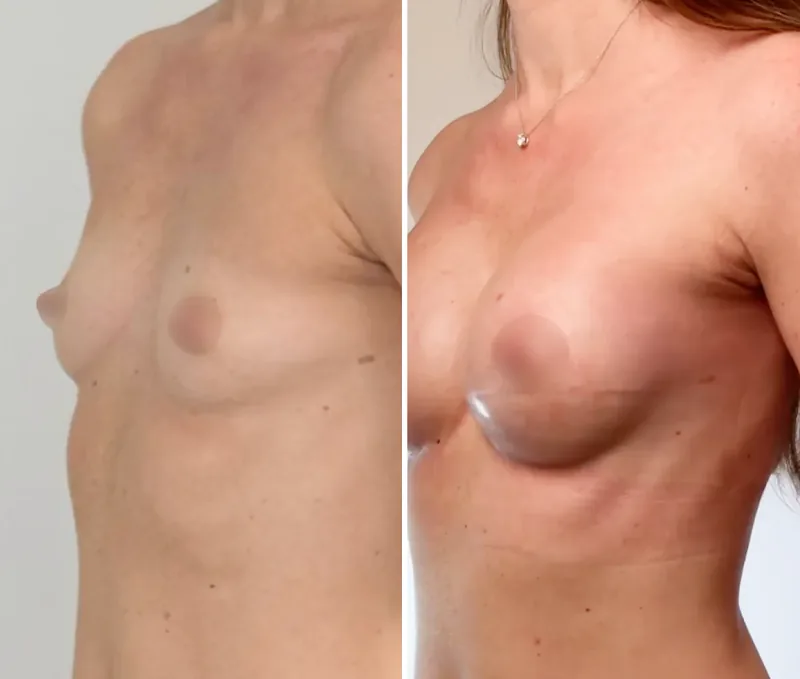 beforeafter
Method: implants
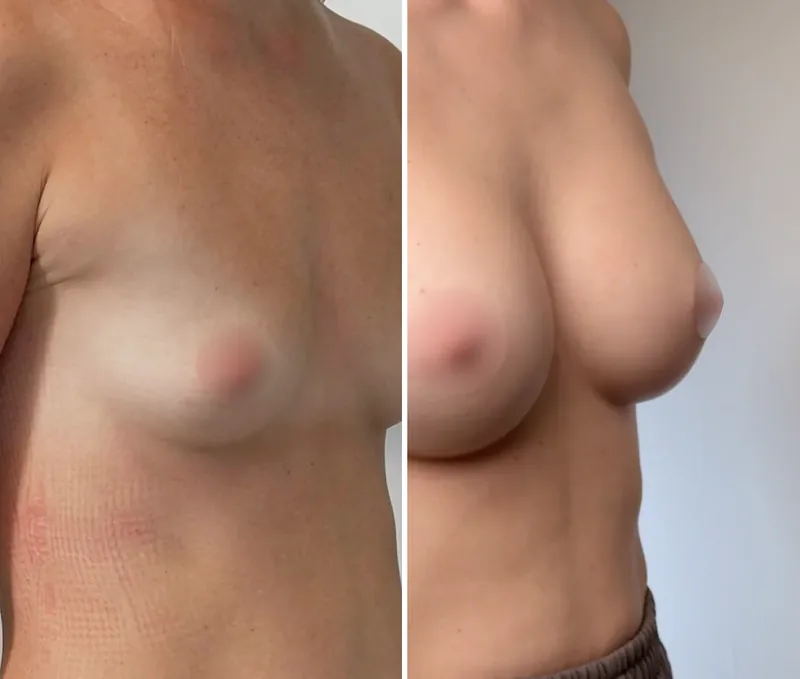 beforeafter
Method: implants
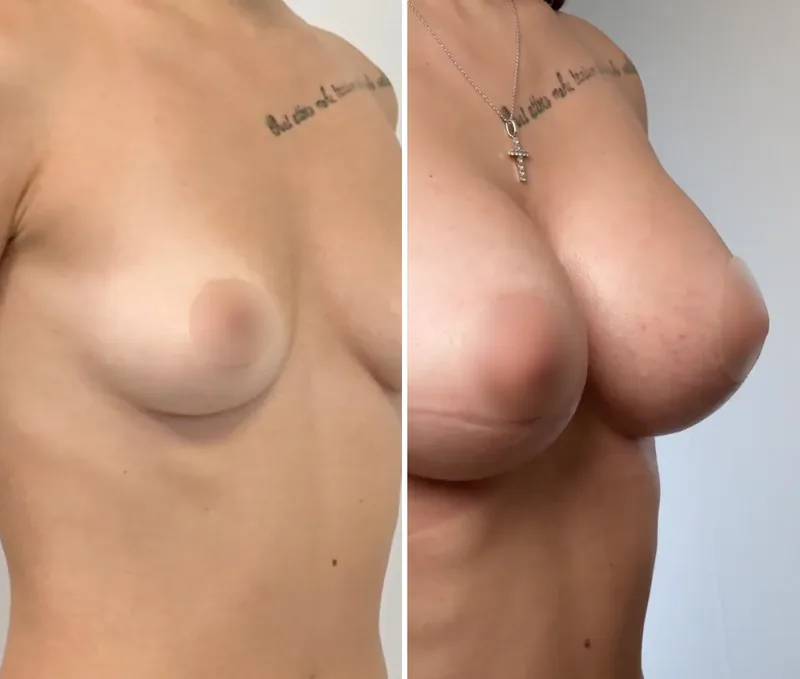 beforeafter
Method: implants
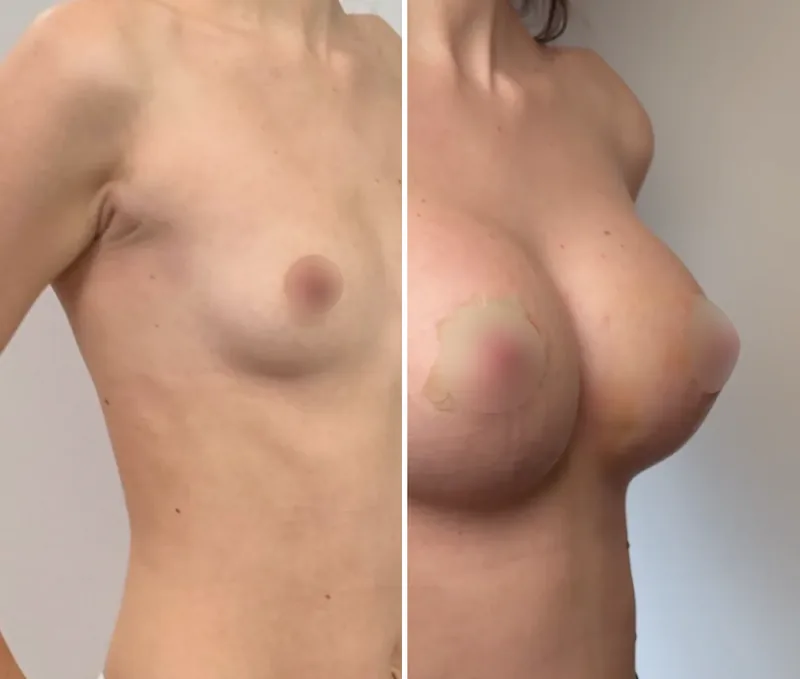 beforeafter
Method: implants
Comparison
Our surgeons use two main methods of breast correction — augmentation and reduction. See the goal, the precision and the indications of each to make an informed choice.
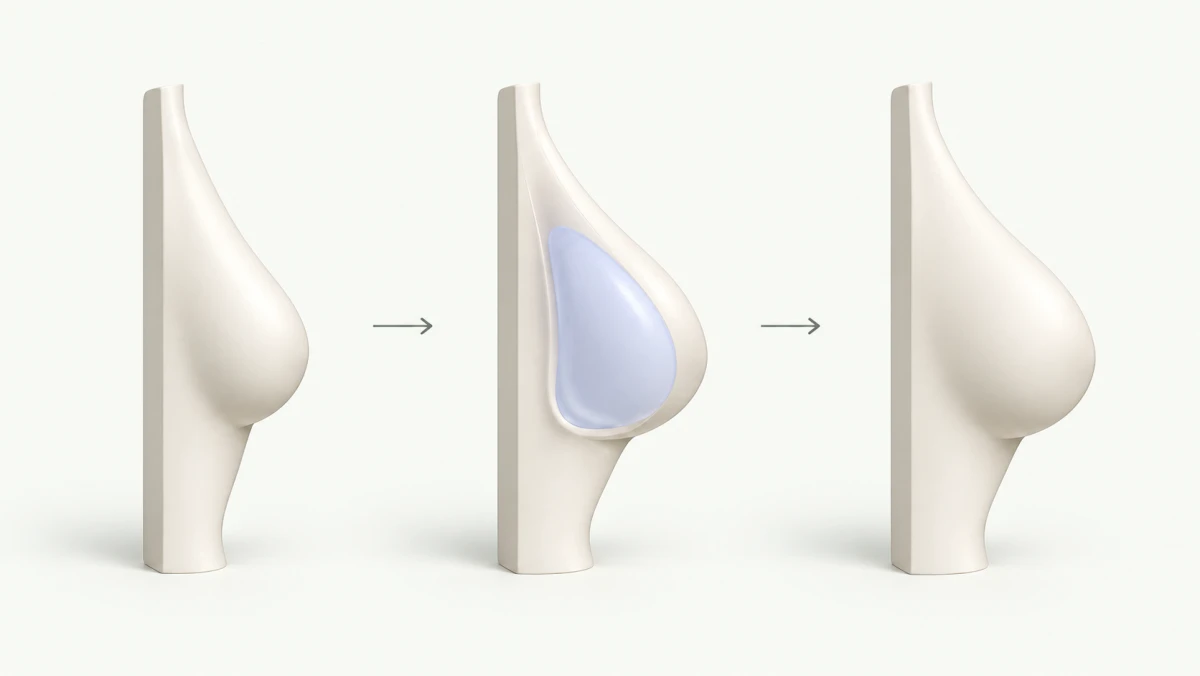
Size and shape correction with implants
Discounted price
$4,700 $5,900
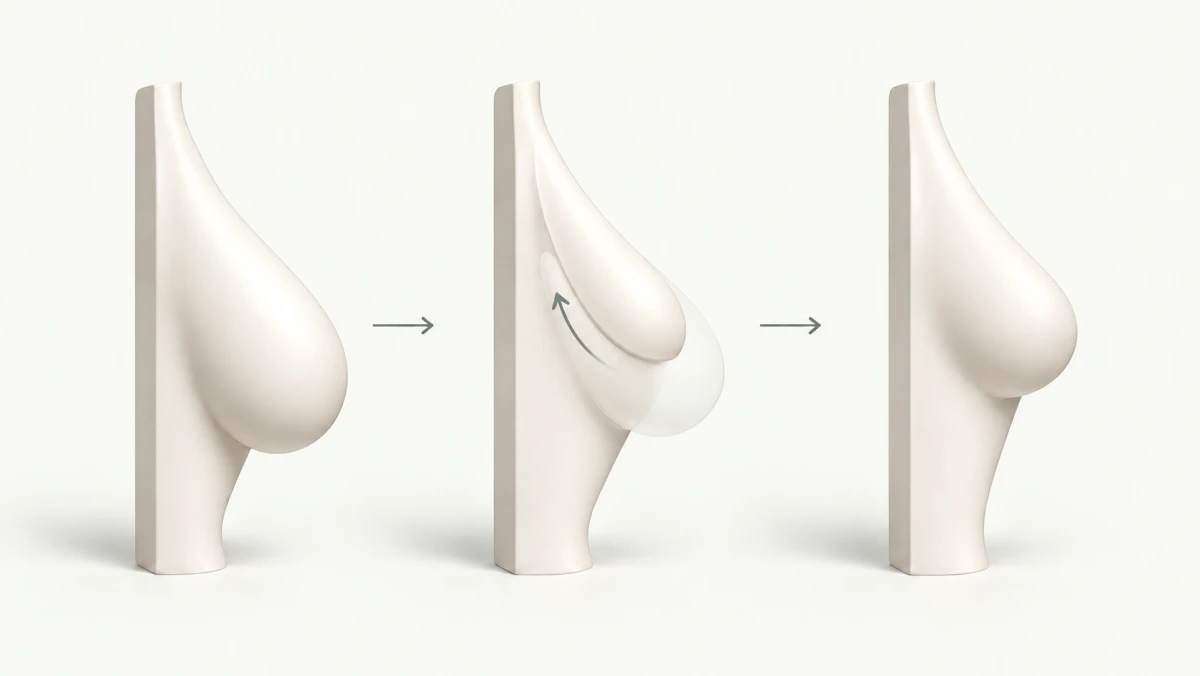
Breast size correction through reduced volume and weight
Discounted price
$4,700 $5,900
At the consultation the surgeon assesses the shape and proportions of your breasts, discusses your wishes and chooses the best mammoplasty option for you.
The consultation is free, before surgery and with no commitment.
Comparison
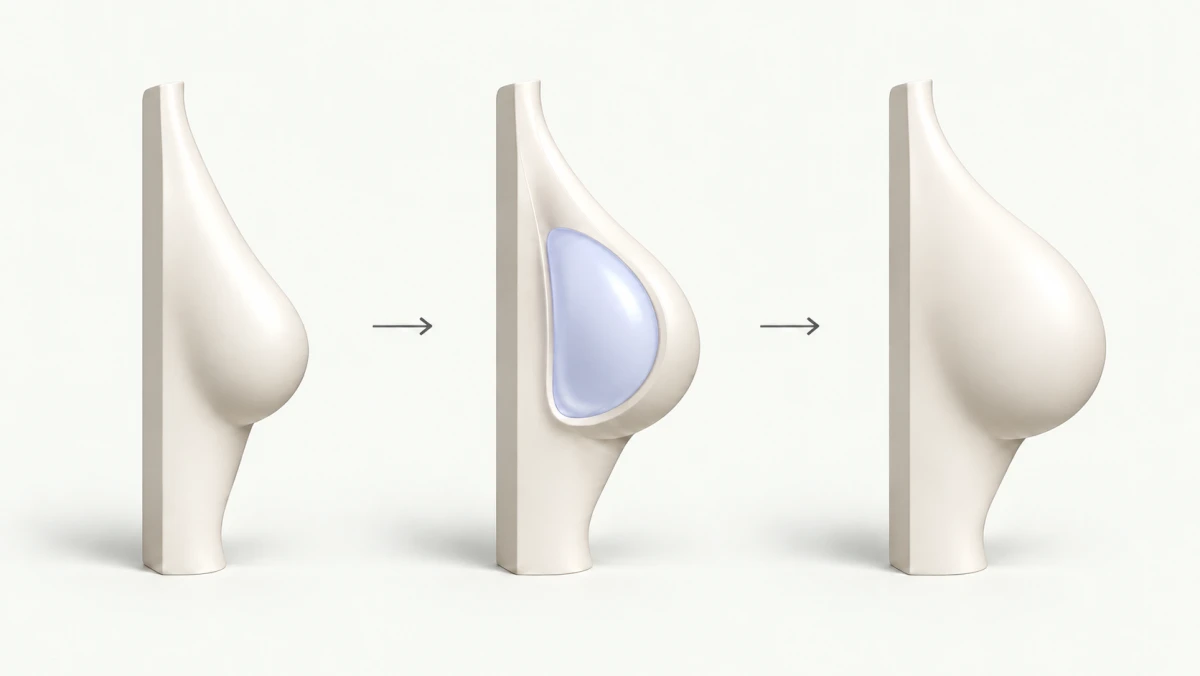
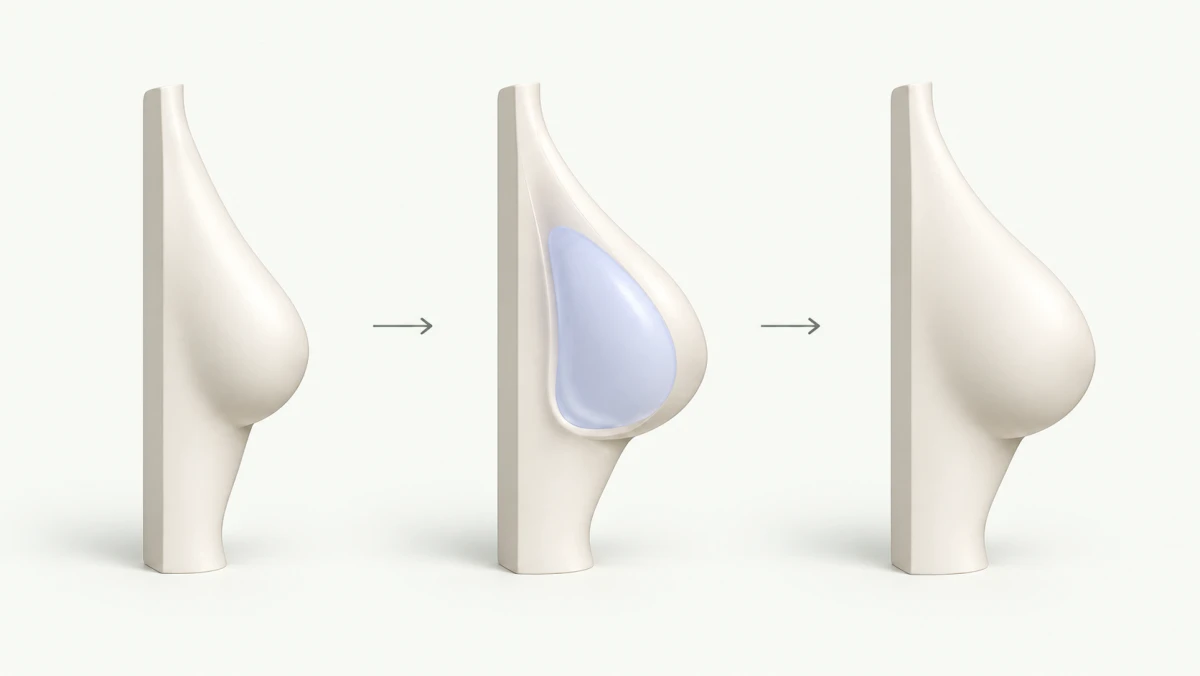
We work with two main types of implants: round and anatomical. Both add volume and correct the shape of the breasts, but they differ in shape and in the kind of result.
Balanced volume and a fuller upper pole
A natural slope with a soft, teardrop-like shape
The surgeon will help you choose the implant shape and volume.
About us
Up-to-date equipment, comfortable rooms and attention to each patient
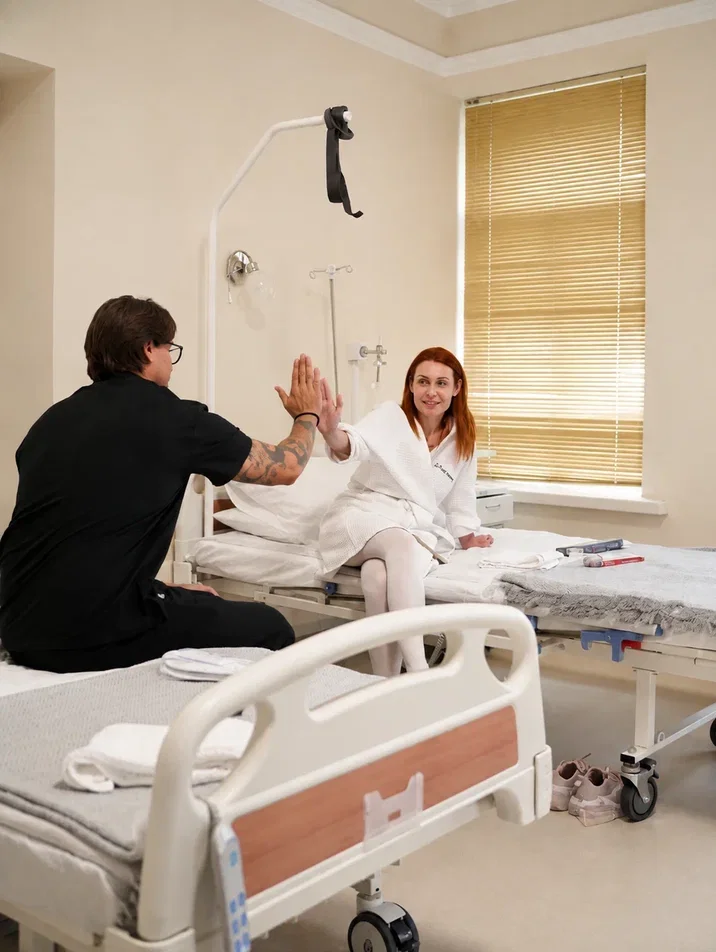
We will answer your questions and find a convenient time for a consultation
By messaging us, you agree to our Privacy Policy
When surgery is not needed, the doctor tells you honestly at the consultation — and you avoid spending money on an unnecessary operation.

Unsure whether surgery suits your case?
Send us a message — the coordinator will ask for a few photos in a messenger, and after reviewing them the surgeon will tell you if mammoplasty is right for you.
Find out if it suits me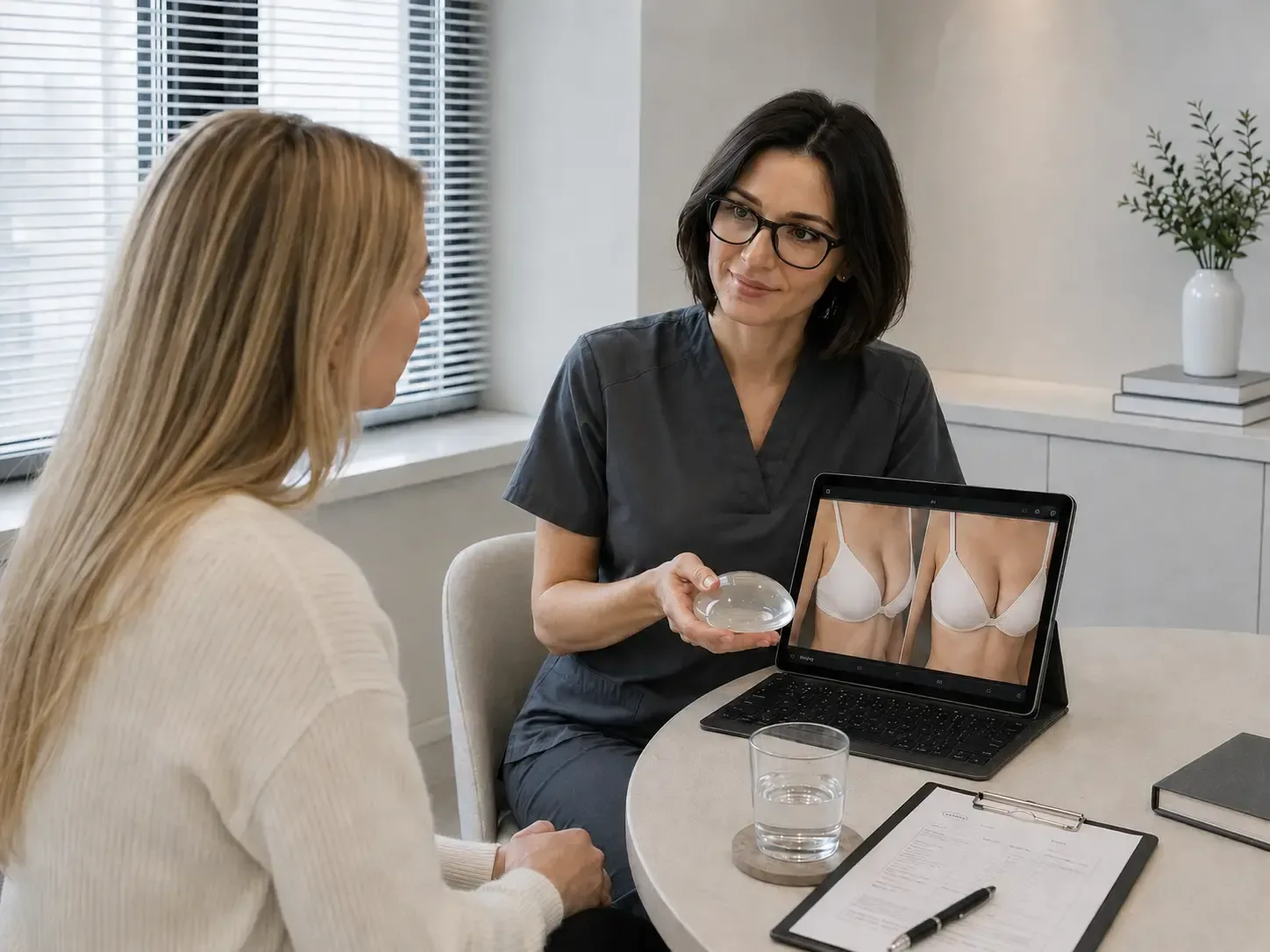
Prices
The price is set at the consultation and fixed in the contract.
Discounted price
Size and shape correction with implants
$4,700$5,900
Discounted price
Reducing the volume and weight of the breasts
$4,700$5,900
Breast restoration after mastectomy
The price is set at the consultation and fixed in the contract.
Get a consultationAfter assessing your breast anatomy and proportions and listening to your wishes, the surgeon chooses the appropriate correction method.
The price is set at the consultation and fixed in the contract.
Message our coordinator
Free online consultation · Reply within 15 minutes
Message us on TelegramMessage us on WhatsAppBy messaging us, you agree to our Privacy Policy
all inclusive
Starting with preparation for surgery
and ending with support for 12 months.
Discounted price
$4,700$5,900
Step by step
A personal correction plan, inpatient observation and a year of recovery monitoring.
 1
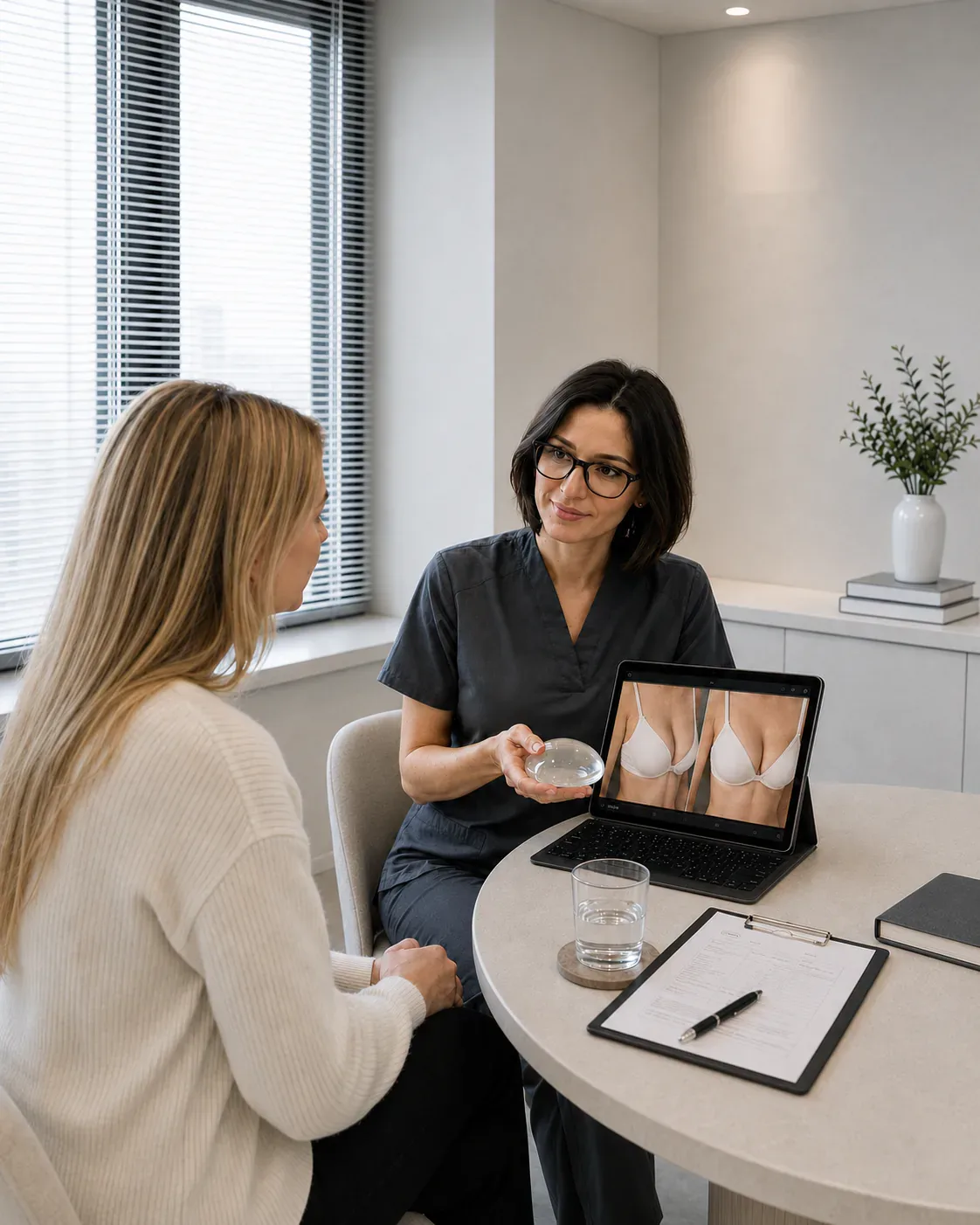
The surgeon examines your figure, discusses your wishes and selects the best volume, shape and correction method.
 2
Your surgery date is reserved for you: the deposit can be paid by card at the clinic or online by bank transfer, and the terms are fixed in the medical services contract
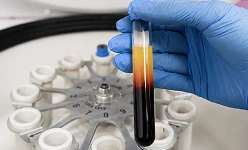 3
Before the operation you take a full set of tests: blood tests, an ECG and any other examinations the doctor prescribes.
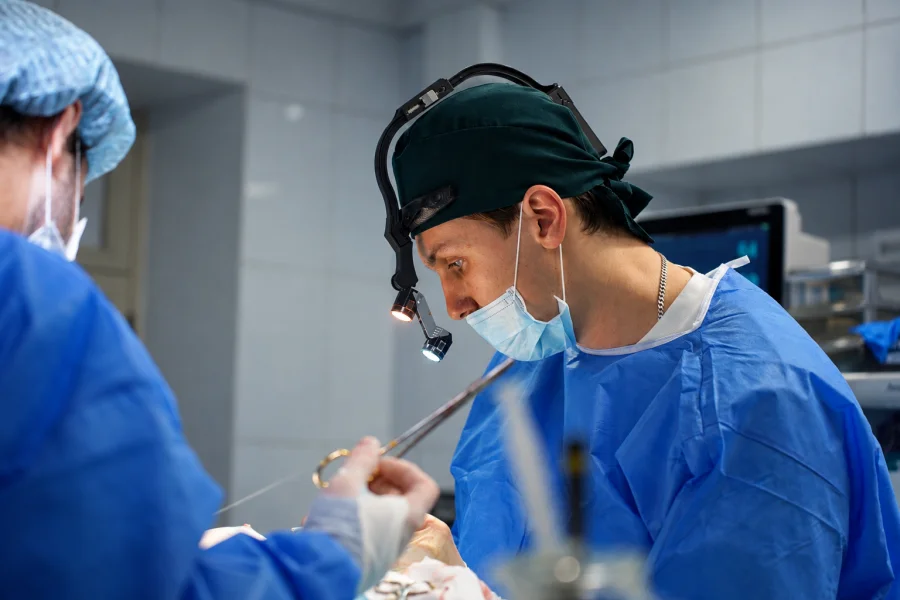 4
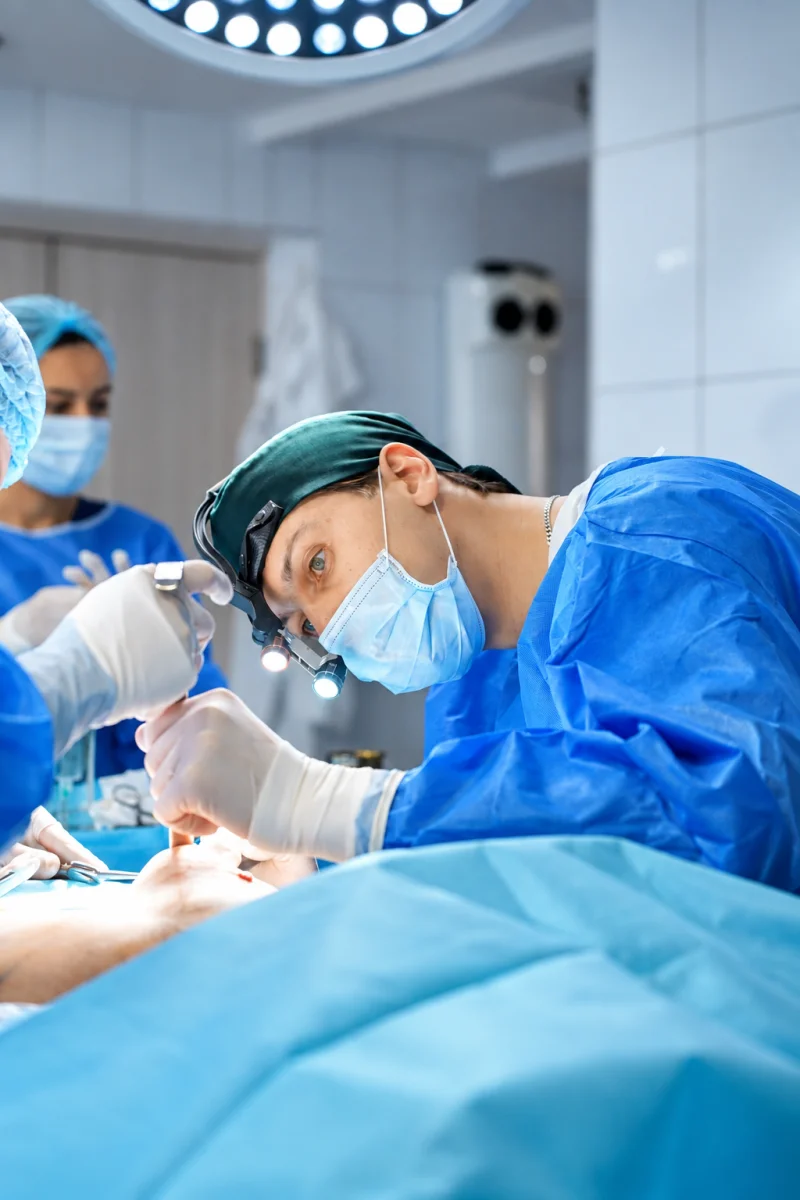
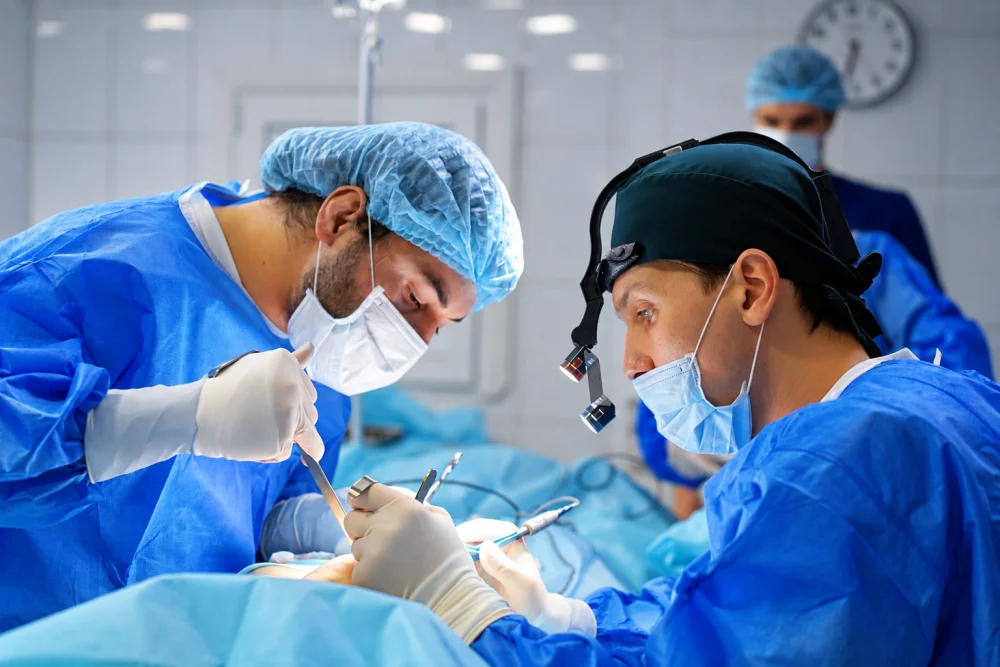
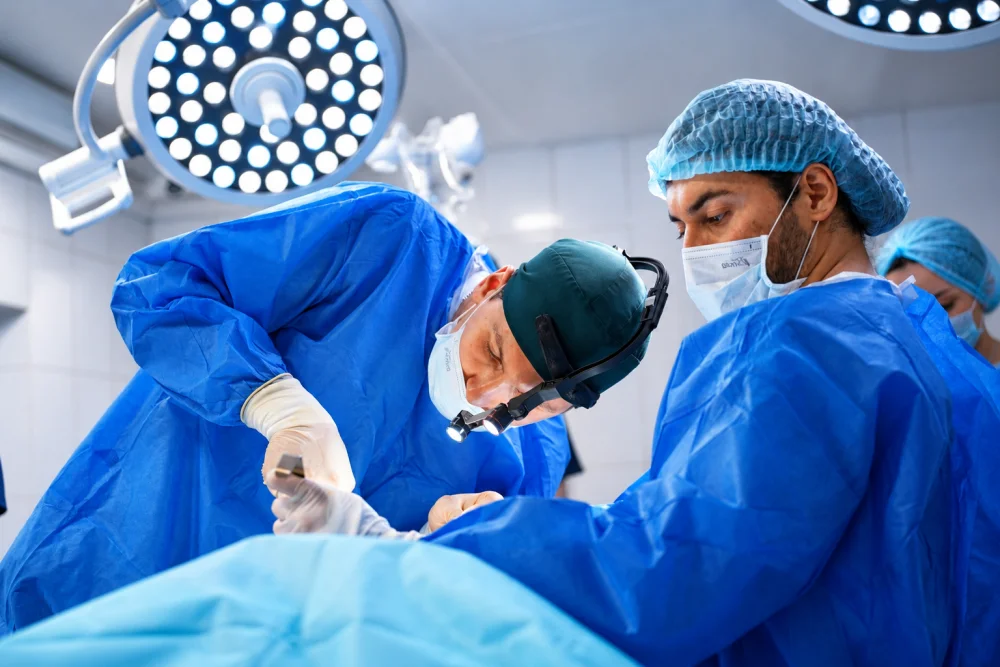
Mammoplasty is performed according to your individual plan. The surgery is done under general anaesthesia while your condition is monitored throughout.
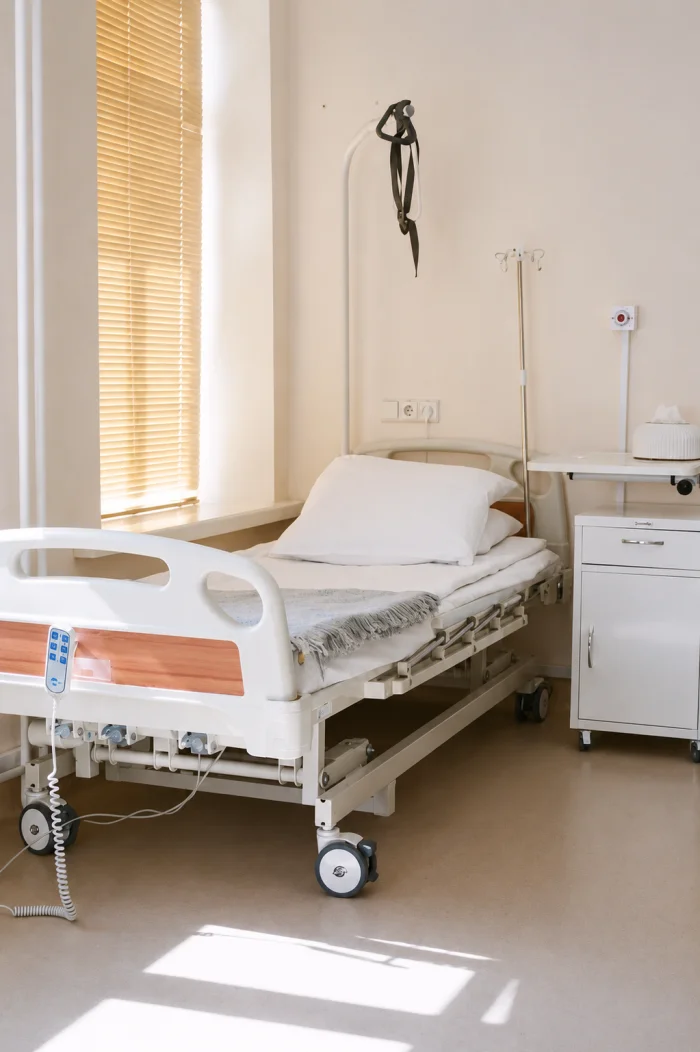 5
Following surgery, you recover in a comfortable inpatient ward of the clinic with the medical team looking after you until discharge.
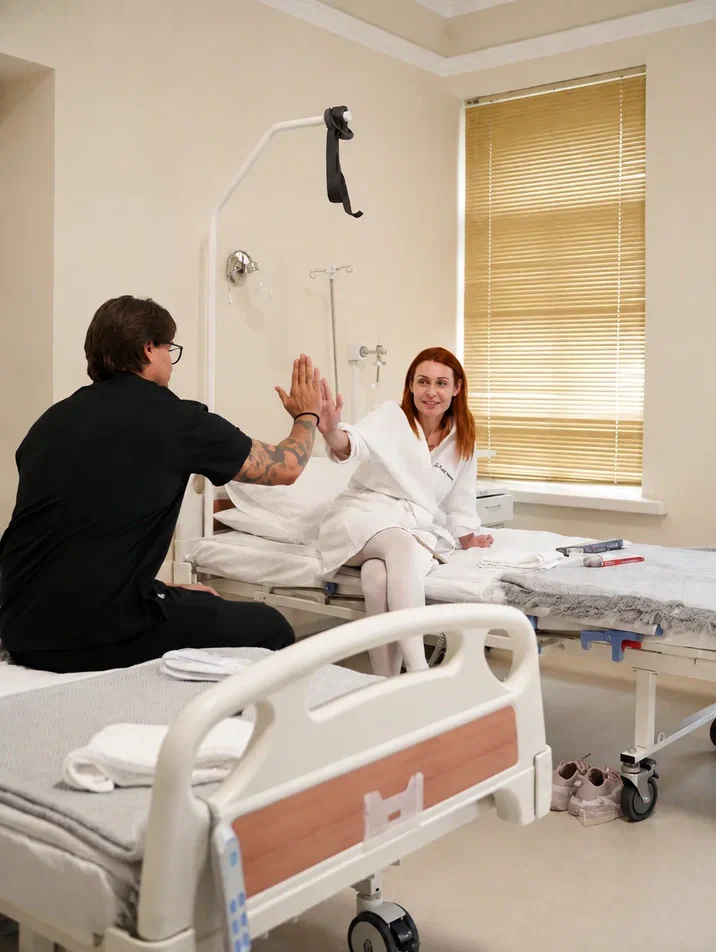 6
After surgery you get a recovery programme. Check-ups at 7 days, 3 and 6 months help track your recovery. For a year after surgery, consultations with your surgeon are free.
Before surgery it helps to follow a few easy steps: rest as well as work, sleep more, keep away from stress, anxiety and strong emotions, and reduce physical activity.
At least one month before the procedure, oral hormonal contraceptives should be stopped
Aspirin-containing drugs, steroids and hormonal medications for chronic conditions must be stopped before surgery
Do your tests a week before the operation
Post-operative swelling disappears in 3 weeks
Within 3 weeks, scars form
No heavy exertion (lifting more than 3 kg)
No lifting arms above shoulder height — 3 weeks
Recovery after correction includes wearing compression garments for 1–1.5 months
Avoid intense gym workouts for up to 40 days and overly active aerobics; after a month light cardio is possible. Watch your diet and meals.
After 3 months, discomfort disappears
No tub baths or saunas for up to three months, and no physiotherapy
By 3 months, inflammatory changes in the tissue have resolved and a “pocket” has formed around the implant
Doctors
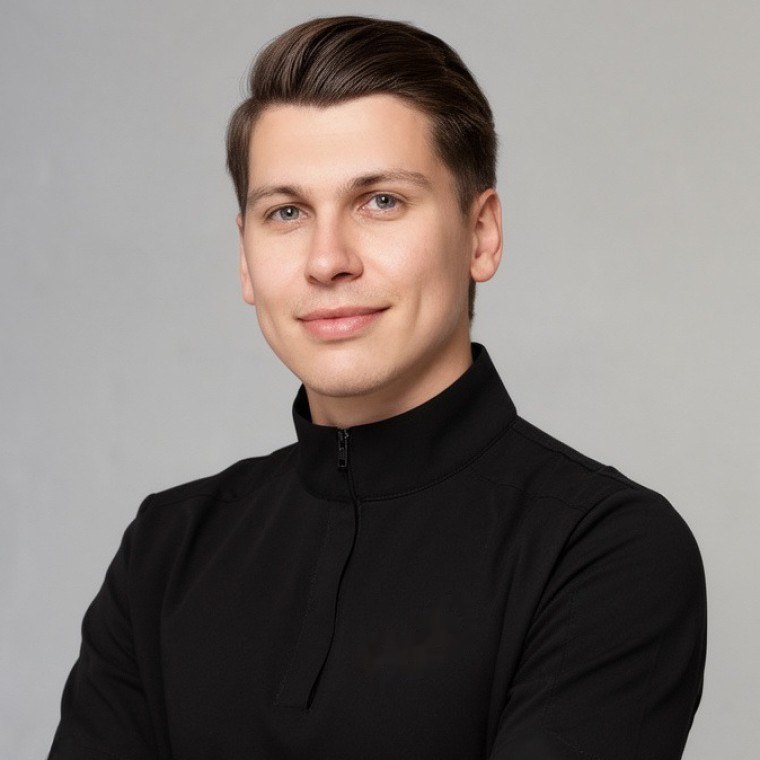
7 years of experience
Plastic surgeon
Underwent residency in plastic surgery at the Petrovsky National Research Centre of Surgery. Specializes in breast and body surgery, aesthetic and reconstructive.
You speak with the operating surgeon at the consultation
A plastic surgeon with deep experience who cares about patient beauty and health
Book a consultationAdvantages
We review your wishes at the consultation and model the planned result. The surgeon explains what the operation can do, so you understand exactly what we are aiming for.
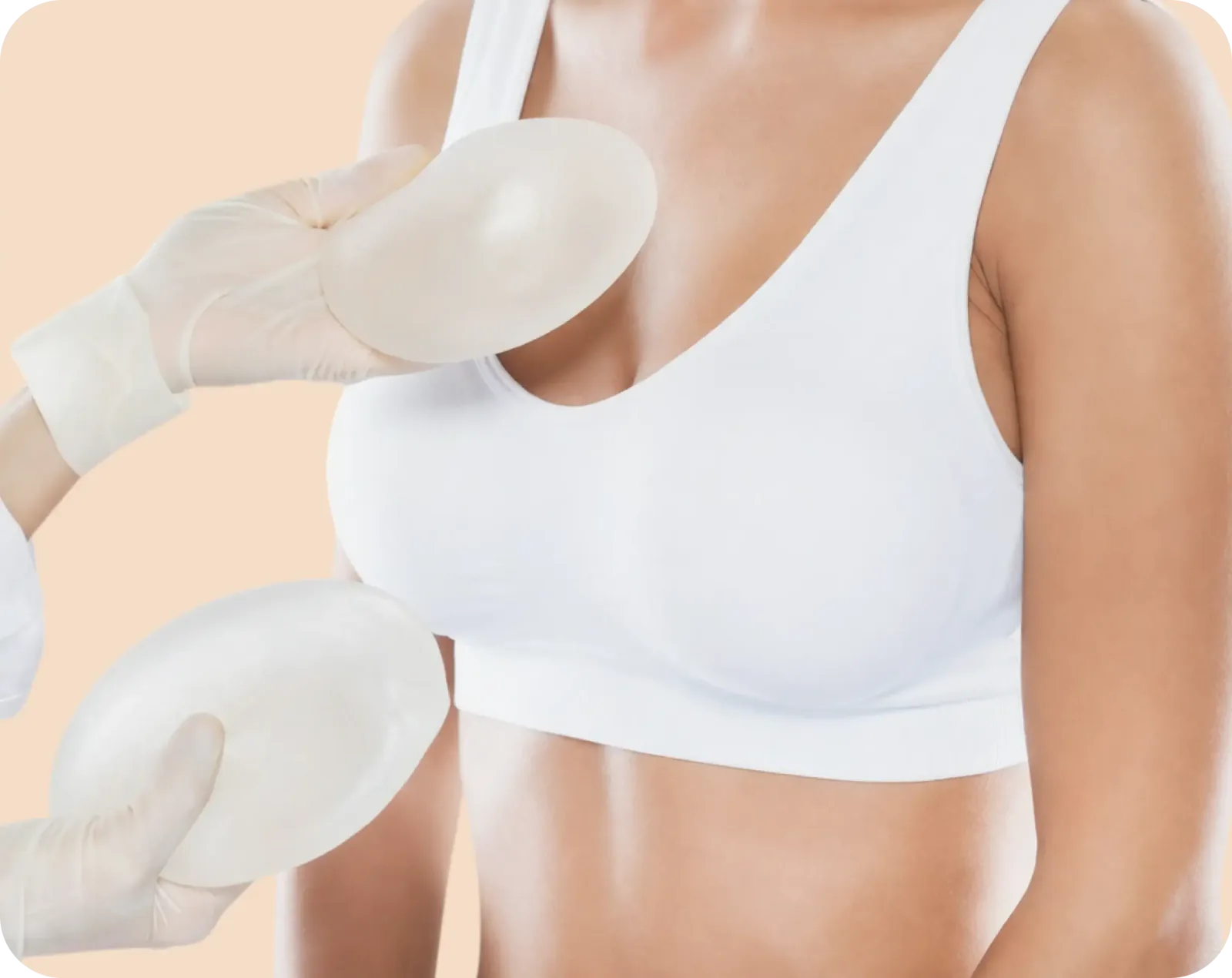
Your surgeon follows your recovery and the changes in your breast shape for a full year; check-ups and dressings are included in the price.
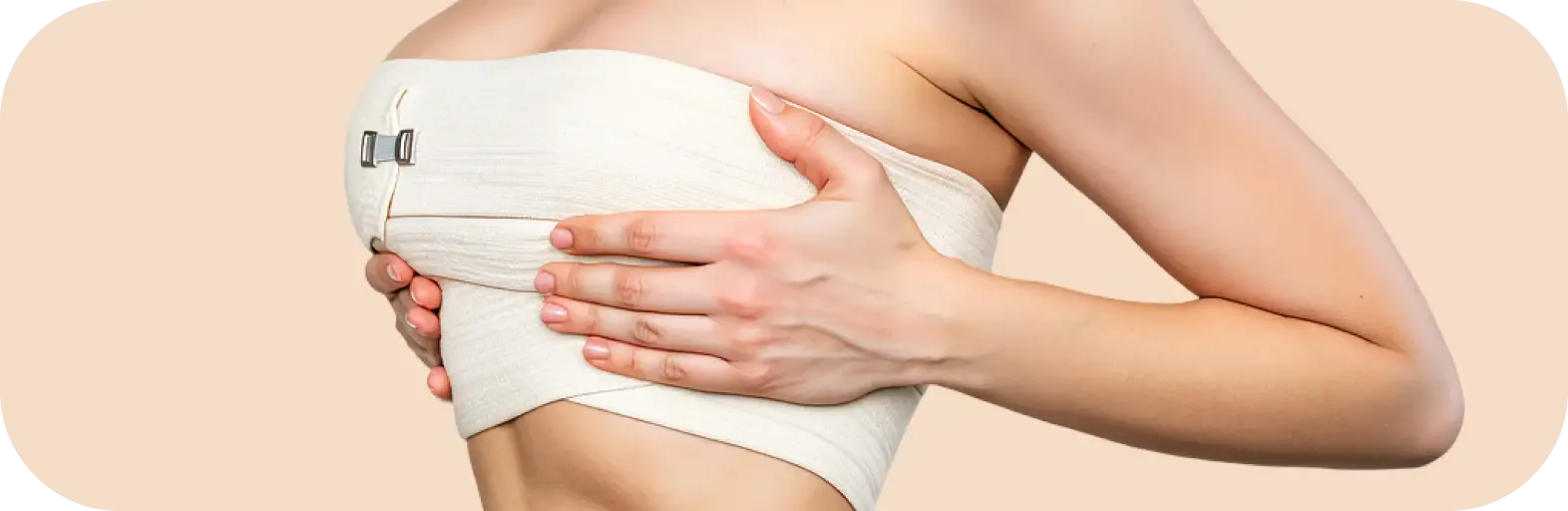
We select the shape, volume and correction method according to your anatomy and goals; for augmentation, implant size and profile are chosen just for you.
We respect your time: available 24/7, with easy booking and a personal approach — we adapt to your pace.
Once the surgeon has defined the extent of correction at the consultation, you get a clear surgery price — no surprises on the way to your result.

Recovery starts in a comfortable inpatient ward with nursing care around the clock. Your stay and meals are already included in the price.
FAQ
Yes. Boob job is the everyday name for breast augmentation. At City Medical Centre it is done with round or anatomical implants that the surgeon chooses with you at the consultation.
Breast enlargement adds volume with implants. A breast lift (mastopexy) raises sagging breasts and removes excess skin. Which one suits you is decided at the free consultation.
Mammoplasty spans several procedures: augmentation (enlargement with implants), reduction (excess tissue and skin are removed), mastopexy (lift of sagging breasts), reconstruction (after mastectomy) and asymmetry correction. The ideal method is chosen for you individually, taking into account your wishes and the surgeon's advice.
Message us — our coordinator will get back to you shortly and book your consultation. The plastic surgeon consultation is free.
Following all recommendations makes complications rare. Still, they may involve hematoma or seroma, infection of the wound, decreased or increased nipple sensitivity, capsular contracture, aesthetic asymmetry, wound separation and tissue necrosis.
A mammoplasty result lasts a long time, about 10–15 years after augmentation (until implants need replacing) and 5–10 years after a lift or reduction. Its longevity is affected by weight, pregnancy, skin aging and gravity. Supportive underwear and weight control help preserve it.
Breastfeeding after mammoplasty varies with the type of surgery. Lactation is usually preserved after augmentation through an under-breast or armpit incision with the implant under the muscle, because glandular tissue is not injured. After a lift or reduction there is more risk, since ducts may be cut. Discuss this in advance with your surgeon.
Choosing an implant takes into account the material (silicone looks the most natural, saline is used less often), shape (round or anatomical teardrop), surface (smooth or textured), size and profile. Your surgeon will select the best option for your anatomy and wishes.
The operation itself happens under general anaesthesia, so nothing is felt. Moderate discomfort can occur in the first 1–3 days and responds to painkillers. By day 5–7 pain decreases a lot, and by weeks 2–3 discomfort is gone. In case of severe pain, tell your doctor right away.
A return to work (no physical exertion) is possible after 7–14 days. Easy walks from 1–2 weeks. Fitness and swimming from 4–6 weeks; strength training from 3 months. Pool and sea from 4–6 weeks. Compression garments for 4–6 weeks. Precise timing depends on your individual recovery.
Science has found no evidence that mammoplasty increases the risk of breast cancer. Implants are not a cause of cancer. After the procedure, go on with regular screening, including self-exams, mammography and ultrasound, and always tell the examining doctor about the implants.
Mammoplasty can follow a C-section, but first your body must fully recover. Allow a minimum of 6–12 months from giving birth and from the end of breastfeeding. Before surgery, a consultation and check-up with the surgeon are required.
Mammoplasty does leave scars, but in the hands of a skilled surgeon they are minimal. Incisions are placed in hidden areas: under the breast, around the areola or in the armpit. Scars look reddish in the first months, yet within 6–12 months they fade and become nearly invisible.
A little asymmetry in the early weeks after the operation is normal, due to swelling and uneven healing. If the shape or size still differs after 3–6 months, have your surgeon examine you to determine the cause.
Breast and nipple sensitivity may change for a time after mammoplasty, going down or up. The cause lies in irritation of nerve endings. In the majority of cases sensitivity is restored within 3–12 months. If nothing has improved after a year, consult your surgeon.
There is no direct effect of hormonal drugs (contraceptives, hormone replacement therapy) on implants, but swelling or changes in breast tissue volume may occur and temporarily affect appearance. Let your surgeon know about these medications before surgery.
Prices are in US dollars; the amount in brackets is an approximate conversion to RON at the rate of 02.10.2026. The final price is fixed in your contract.
Prices start from $4,700 (≈ RON 22,500). The surgeon sets the final price at the free consultation, and it is fixed in the contract, with no hidden extras.
The surgical team's work, anaesthesia, the inpatient stay with meals, dressings and follow-up visits for twelve months.
Message us on WhatsApp or Telegram using the buttons below. A coordinator will answer your questions and book a free consultation where the doctor names the exact price.
By messaging us, you agree to our Privacy Policy
Implants are the core of augmentation, and their choice defines the look. Round or teardrop, smooth or textured shells, different sizes and profiles — every option changes the final contour. If you are weighing breast augmentation in Iasi, the plastic surgeon will compare the variants against your anatomy and help pick the one closest to the result you have in mind.
The journey begins with an initial consultation: the doctor examines and palpates the breasts to rule out lumps and discusses expectations with you. Patients from Iasi then complete a pre-op work-up — blood tests, coagulation panel, infection screening, ECG, chest X-ray and breast ultrasound. The surgery lasts 1.5 to 3 hours under general anaesthesia, followed by one day of inpatient observation.
What do you pay for? From $4,700 (≈ RON 22,500) covers the operation itself and everything around it: preparation with the surgeon, anaesthesia, one day in an inpatient room with meals and 24/7 supervision, then twelve months of dressings, check-ups and surgeon follow-up. Consultations with the plastic surgeon are free. Anyone from Iasi can apply via the form or any messenger to arrange one.
Well-known people who spoke openly about this operation, in their own words.
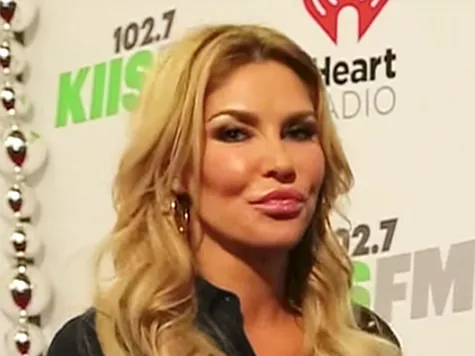 Did Brandi Glanville have a breast augmentation? Yes — a 20-year implant exchangeThe RHOBH star had 20-year-old implants replaced in 2026 — then a dive dislodged one. Her quotes on silicone poisoning and the repair ahead.
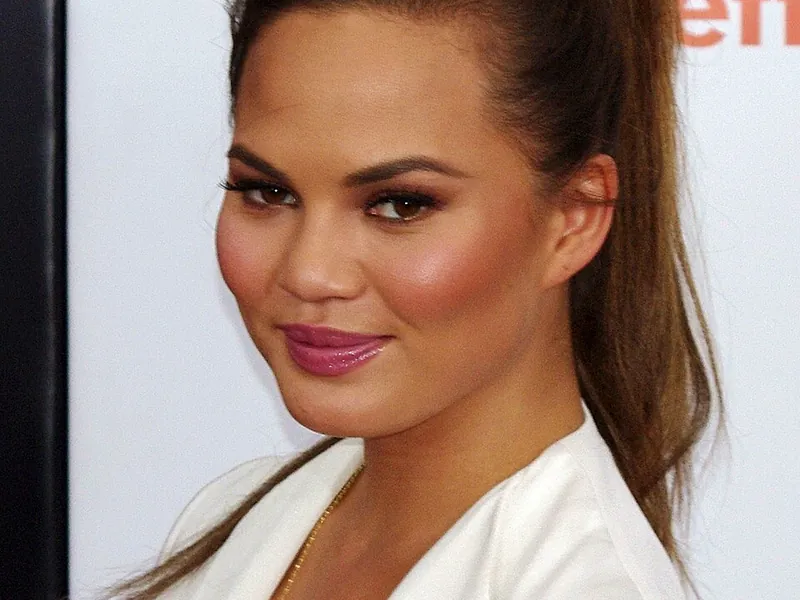 Chrissy Teigen and breast augmentation: what she said about her implantsChrissy Teigen got breast implants at 20 and said they were great to her for many years. Her words, how augmentation works and how to plan long term.
 Did Courtney Stodden have a breast augmentation? Yes at 18 — and a reduction at 31The reality star got huge implants at barely 18 and removed them at 31. Their honest quotes on reclaiming the decision and what surgery involves.
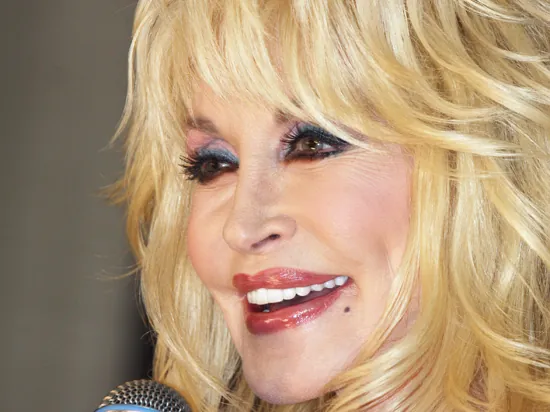 Did Dolly Parton have a breast augmentation? Yes — and she jokes about it openlyThe country queen has never denied her breast implants — from age 22 to today. Her funniest and wisest quotes, and what augmentation involves.
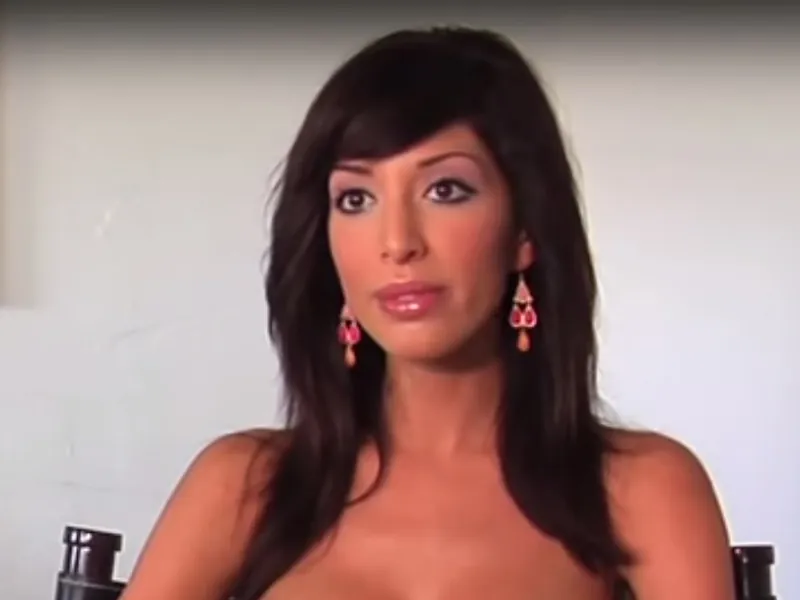 Did Farrah Abraham have a breast augmentation? Yes — and she explained whyThe Teen Mom star's chest changed after her baby and hurt her self-esteem — so she had augmentation. Her quotes and what the operation involves.
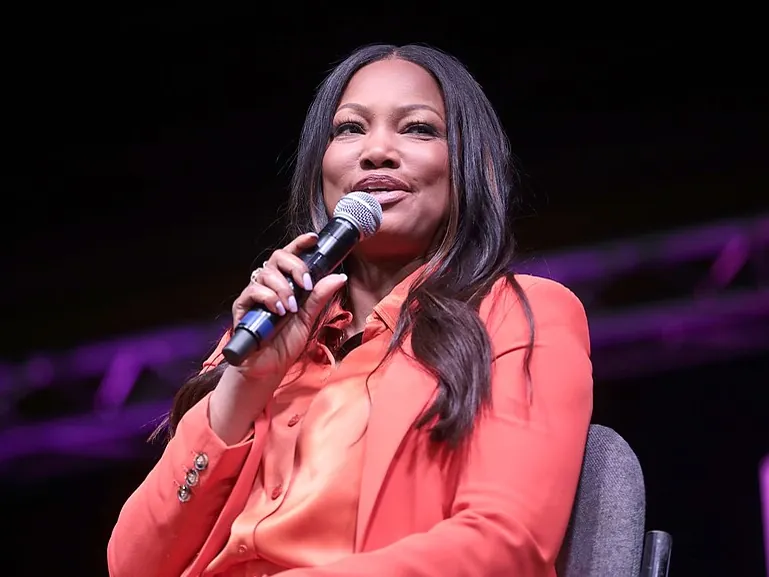 Did Garcelle Beauvais have breast implants? Yes — and she had them removedThe RHOBH star opened up about getting her breast implants removed — and said plastic surgery shouldn't be taboo. Her story and what removal involves.
What patients write after this operation. Reviews are translated from the original language.
Anna Smirnova
I went to Dmitry Sergeyevich for breast augmentation with implants. At the consultation everything was explained in detail, and together we chose the best size. The operation under combined anaesthesia took 2 hours, and I was discharged home the next day. The swelling went down in about a month, and my breasts look very natural. The year of follow-up care is a real lifesaver: you can always ask a question and get an answer. Thank you to the clinic!
Breast augmentation
Doctor: Dmitry S. Kuznetsov
Ekaterina Morozova
After two births I decided on a breast lift without implants. I chose Dmitry Sergeyevich and have no regrets. The result exceeded all my expectations: my breasts are lifted and the shape is youthful and firm. The incisions are minimal and almost invisible. I spent one day in the hospital, and the room was very comfortable. I recommend him!
Breast lift
Doctor: Dmitry S. Kuznetsov
Olga Kuznetsova
I had a combined operation, a breast lift with augmentation, with Dmitry Sergeyevich. At the consultation it was immediately clear that I was in the right place. Everything is included in the price, with no hidden charges. After a month my breasts already feel soft and natural. Personal follow-up after the operation is very valuable.
Breast lift with implants
Doctor: Dmitry S. Kuznetsov
Maria Lebedeva
Breast augmentation from a size 3 to a size 4 with Dmitry Sergeyevich. He chose perfect anatomical implants. The operation took 2 hours, and I woke up with almost no pain. In the ward I was fed and monitored around the clock. Four months have passed and the result looks like a magazine cover.
Breast augmentation
Doctor: Dmitry S. Kuznetsov
Natalia Vorobyova
I went to Dmitry Sergeyevich to correct breast asymmetry with a small lift. A true professional: at the consultation he immediately showed before-and-after photos of similar cases. Recovery was easy and the swelling went down quickly. I had my check-up after just 7 days. An excellent clinic!
Breast reconstruction
Doctor: Dmitry S. Kuznetsov
Yulia Romanova
I had a lift with implants after losing a lot of weight. I chose Dmitry Sergeyevich. At the consultation everything was explained in simple words, and my fears were gone. One day in the hospital, then care at home. Now my breasts look natural and keep their shape. I am very happy!
Breast lift with implants
Doctor: Dmitry S. Kuznetsov
Page medically reviewed by Dmitry S. Kuznetsov, plastic surgeon. Review date: .
Anyone in Iasi who plans breast augmentation has to fit the operation around real life. In Romania, 15 days a year are non-working: 1-2 January, 24 January, Orthodox Easter from Friday to Monday, 1 May, 1 June, Pentecost on Sunday and Monday, 15 August, 30 November, 1 December and 25-26 December. For recovery planning this list is useful, because several of those days come in clusters and can cover part of the quiet first period at home.
The medical figures are simple. The operation is done under general anaesthesia and includes one day at the clinic. A return to work without physical exertion is possible after 7-14 days, and the first check-up takes place at 7 days. Easy walks are possible from 1-2 weeks. Exact timing depends on your own recovery, and the doctor will confirm it during the consultation.
Here is an example with dates after the holidays of 2026. Orthodox Easter Sunday falls on 2 May 2027, so Friday 30 April to Monday 3 May is a long weekend, and 1 May sits inside it. Suppose the operation is on Monday 12 April 2027. The 7-day check-up would be on 19 April. A desk job without lifting could resume between 19 and 26 April, which is the 7-14 day window. The three-week point, when swelling is expected to subside and the limits on lifting over 3 kg and raising the arms above shoulder level end, falls on 3 May, which is the Easter Monday of that year. The holiday weekend therefore falls in a stage when you are already moving more freely, not in the most restricted days.
A winter version works differently. Suppose the operation is on Thursday 7 January 2027, just after the New Year break. Returning to work after 7-14 days means roughly 14-21 January. Three weeks later is 28 January, four days after the 24 January holiday. In this case the holidays fall before the operation and not during recovery, so the time off has to come from your own leave or agreement with your employer.
Work out which dates are fixed for you and which can move: exams, a school term, a family event or a work deadline. Then send the coordinator a short message on WhatsApp or Telegram. Coordinators answer round the clock, so you can ask about dates at any hour. Dates are confirmed before anything is booked, and the plan is fixed in the contract.
The medical advice is that compression garments are worn for 1-1.5 months while you recover from the correction. The general recovery guidance also mentions 4-6 weeks of compression, and the doctor will name the period that suits your case. Iasi has a continental climate, Köppen Dfb, so the same garment will feel very different depending on the month of surgery.
In January the mean high is 1.3 °C and the mean low -5.1 °C. Humidity in December is 83%, and the winter record is -36.3 °C. Snow averages 61.8 cm a year (1961-1990 normals), with 14.3 cm in February and 11.3 cm in January. For recovery this mostly matters for clothing. For 3 weeks you should not raise your arms above shoulder level, so a coat with a tight sleeve or a heavy scarf is awkward to put on. A loose, front-fastening layer, a wide scarf and a jacket that opens fully are the practical answer. The garment itself sits under the clothes, so the extra layers only have to stay comfortable and light.
In summer the numbers go the other way. The July mean high is 29.0 °C and the low 16.3 °C; August is 28.8 °C and 15.6 °C. The record high is 41.3 °C. Humidity in July is around 60%, lower than in winter, but a compression garment worn for weeks still feels warm on a hot afternoon. Soft cotton underlayers, shade during the day and rest in the cooler evening hours are sensible choices. Do not remove or change the garment on your own because of heat; ask the doctor first if it becomes unbearable.
Baths, saunas and physiotherapy are not allowed for up to three months, so a hot bath is not a way to cool down or warm up in either season. In the cold months a warm room and a blanket do the job. In summer, showers and fans are the realistic options.
Spring and autumn are the milder points between these two extremes. Annual precipitation is 548.0 mm on 75.1 days with at least 1 mm. June has the most rain at 78.0 mm and July 70.8 mm, while February is the driest at 25.8 mm. Rain does not change the medical plan, but it affects the walks you take in the first weeks, so keep a light waterproof jacket that is easy to put on.
The recovery guidance gives clear numbers for water. Pool and sea are possible from 4-6 weeks; fitness and swimming also from 4-6 weeks. Baths and saunas wait longer, up to three months. The doctor confirms these dates during the consultation according to how your tissue is healing.
Iasi sits on the Bahlui river and is surrounded by hills. People who want to swim in summer therefore usually have to plan an extra outing, and the date has to be decided around the medical window, not around a holiday weekend. Use the numbers as a calendar. If the operation is on 12 April 2027, four weeks is 10 May and six weeks is 24 May. If the pool or sea is the main aim of your summer, those dates tell you whether you can take part from late May or should wait for June.
Sunshine matters for the planning as well. Iasi gets about 2,083.5 hours of sun a year, with 291.2 hours in July and just 61.5 hours in December. A bright season makes swimming and outdoor activity more tempting exactly when the body still needs restraint. The medical text does not give instructions on sun exposure, so ask the doctor about it at the consultation and during the 3-month check-up.
Another small point: in the first weeks the compression garment is part of the daily routine, and the guidance says supportive underwear helps maintain the result. When you buy swimwear, think about it only after the doctor allows water. A comfortable, supportive cut is more important than a quick purchase.
If you are planning a family holiday in July or August, count backwards. Six weeks before 1 July is 20 May, and three months before 1 August is 1 May. Strength training is allowed from 3 months, and baths and saunas from the same horizon, so it helps to have the operation done well before the date on which you want everything back to normal.
Upper-body work is where the restrictions are strictest. For 3 weeks there is no strenuous activity and no lifting over 3 kg, and the arms must not go above shoulder level. After that, intense gym training should wait for up to 40 days, and overly active aerobics should also be avoided. Light cardio may be possible after a month. Fitness and swimming come from 4-6 weeks, and strength training from 3 months.
In practice that means reading each stage as a rule for ordinary objects. A laptop bag, a shopping bag and a backpack full of books can easily pass 3 kg. Over 60,000 students study in Iasi's five public universities, and the Alexandru Ioan Cuza University alone had 24,047 students in 2019-2020 across 15 faculties. A student or teacher who carries a laptop, a tablet and books should plan to leave most of that at home during the first 3 weeks, or use a light case. The same applies to anybody who carries children, boxes or equipment at work.
Daily movement in the city also counts. The municipal transport operator runs 126 trams and 150 buses, and electric trams have operated since 1900. Holding a rail in a crowded tram with one arm raised above shoulder level is exactly what the first 3 weeks exclude. Travel off-peak, sit when you can, and keep your hands near your body. Easy walking is encouraged from 1-2 weeks, so walks can replace crowded rides.
Sport follows a gradual line. In the first month: walking and gentle mobility only. After about a month: light cardio if the doctor agrees. At 40 days: a return to the gym may start, but not at full intensity. At 3 months: strength training and also baths, saunas and physiotherapy. The city has football, basketball and rugby traditions, so if you play or coach, tell the doctor at the consultation what your sport involves. Contact and overhead movements are a separate conversation.
One more preparation point: in the 1-2 months before surgery, the guidance asks for a healthy work-rest balance, more sleep, less stress and lower physical activity. This is not the time for a heavy training block just before the operation.
Health insurance in Romania is run by CNAS, the national authority that manages the social health insurance system and a basic package of medical services, medicines, sanitary materials and medical devices. Free procedures require a health card showing paid insurance. Since April 2019, insured people may pay the difference between private-provider tariffs and the fund's fees. CNAS has also started to introduce co-payments for certain services that are not strictly medically necessary.
We have no official figure on whether cosmetic breast surgery is covered, and we do not claim that it is. A related example: a news article from December 2024 says CNAS does not fully reimburse bariatric surgery, but some pre- and postoperative services such as endoscopy can be free with a family-doctor referral. This shows that the rules vary by procedure and by situation. For breast augmentation, assume no automatic coverage, and ask the coordinator what in your case could be separate, for example routine tests that your family doctor may be able to arrange.
Before the first message it helps to prepare some practical items. Have photos ready, because the coordinator asks for a few in a messenger and the doctor assesses them. Note any medicines you take: aspirin-containing drugs, steroids and hormonal medications for chronic conditions must be stopped 1-2 weeks before surgery, and oral hormonal contraceptives at least one month before. Write down when you last gave birth or finished breastfeeding, since the guidance allows a minimum of 6-12 months. Tests are done about a week before the operation: blood tests, an ECG and other examinations the doctor prescribes.
Remember also that the consultation is free and online, and the plan, dates and final terms are fixed in the contract before anything is booked. Check-ups at 7 days, 3 months and 6 months, and consultations for a year, are part of the plan. If your concern can be resolved without an operation, the doctor will say so.
There is no perfect month. In January the mean high is 1.3 °C and the mean low -5.1 °C, so you will need loose, front-fastening outer layers, since raising your arms above shoulder level is not allowed for 3 weeks. In July the mean high is 29.0 °C, so the garment feels warmer. The garment is worn for 1-1.5 months, and the doctor confirms the exact period.
Yes, but count the days. Orthodox Easter Sunday is 2 May 2027, and the non-working days run from Friday to Monday, with 1 May inside that period. An operation on 12 April 2027 would put the 3-week point on 3 May. Only the doctor can confirm dates and your own recovery pace.
Pool and sea are possible from 4-6 weeks, and fitness and swimming also from 4-6 weeks. With an operation on 12 April 2027, that is between 10 and 24 May. Baths and saunas are not allowed for up to three months.
For 3 weeks do not lift over 3 kg and do not raise your arms above shoulder level. A laptop with a charger and a few books can exceed that, so leave heavy items at home or ask someone else to carry them. Keep your hands close to your body on a crowded tram.
We cannot confirm that. CNAS manages a basic services package and is introducing co-payments for some services that are not strictly medically necessary, but we have no official figure on cosmetic surgery coverage. Ask the coordinator what applies in your case before you decide.
Intense gym training should wait for up to 40 days, and overly active aerobics should be avoided. Light cardio may be possible after a month, fitness from 4-6 weeks, and strength training from 3 months. The doctor will adjust this to your recovery.
Both can work. In winter the main issue is dressing without raising your arms; in summer it is heat under the garment and the wish to swim sooner than allowed. The doctor does not give a seasonal preference in the medical guidance, so choose the time when you can follow 3 weeks of limits and the later stages calmly.