City Medical Centre · multi-specialty surgery clinicOpen 24/7

Tummy tuck

Abdominoplasty in Constanta: a Flat Stomach

Free consultation

from $2,400

The price is fixed in the contract before surgery

Message us on WhatsApp

Free online consultation · Reply within 15 minutes
Real case
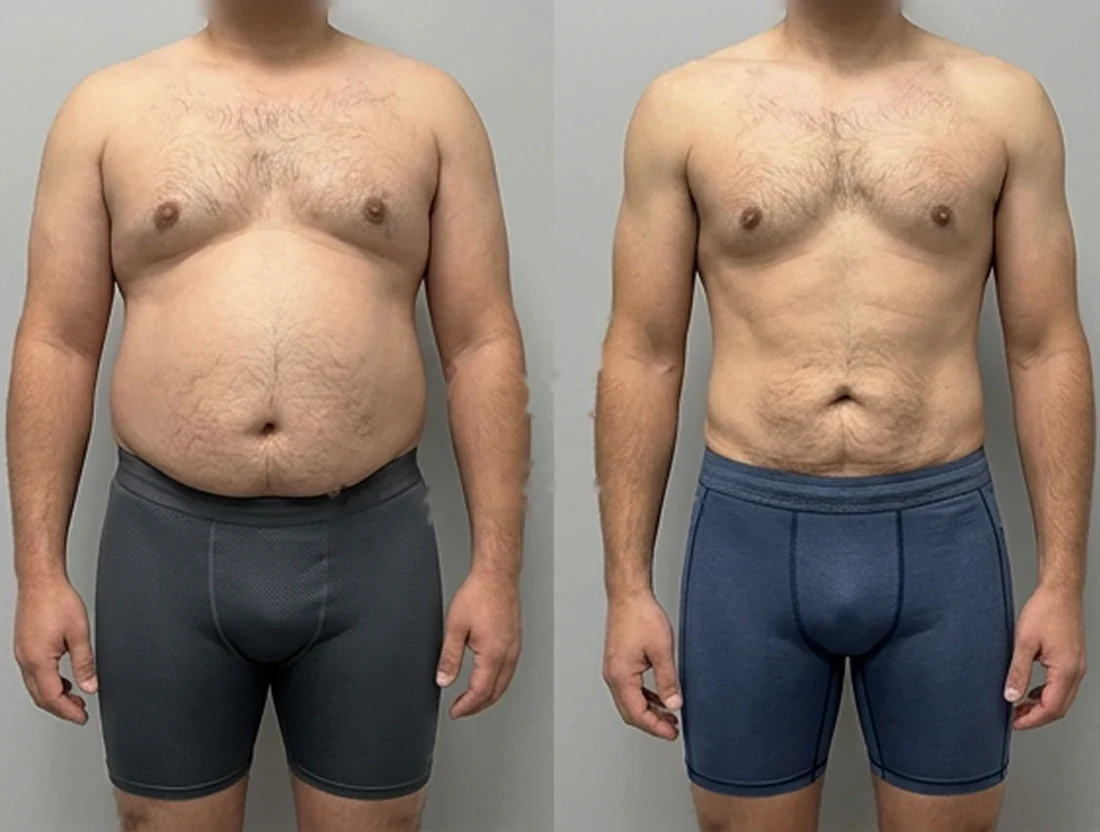
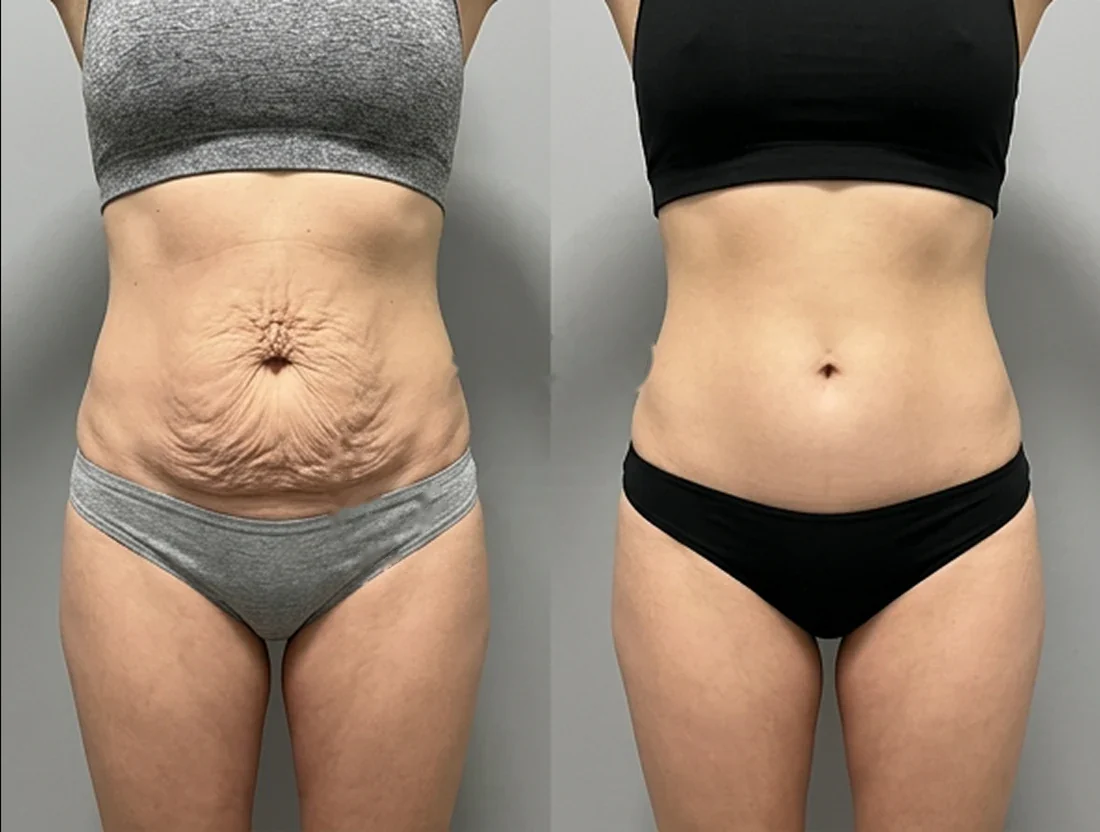
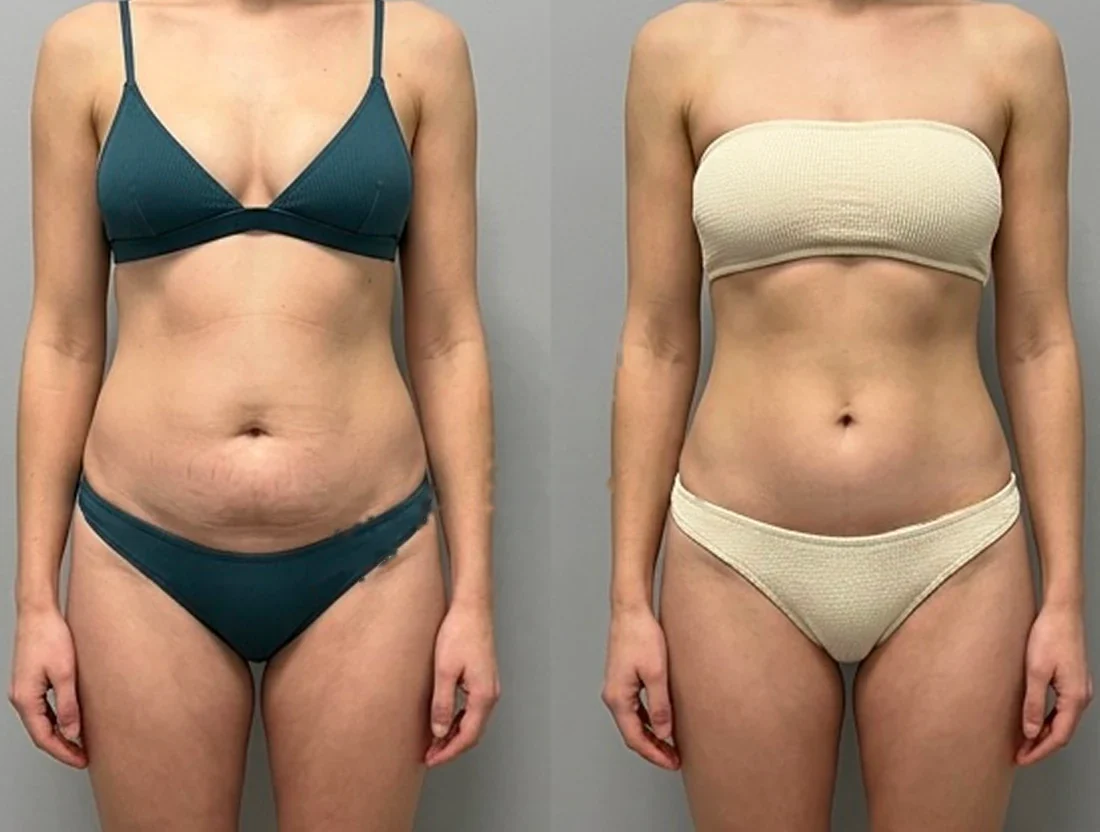
Tummy tuck: a patient's abdomen before and after surgery before after
A flat tummy and a toned silhouette in one operation. Your individual surgical plan and the expected result are discussed at the consultation

Message our coordinator

Free online consultation · Reply within 15 minutes

Message us on Telegram

By messaging us, you agree to our Privacy Policy

Tummy tuck (abdominoplasty) in Constanta: price and key facts

Tummy tuck for patients from Constanta at City Medical Centre: the price is named at the free online consultation and fixed in the contract with no hidden extra charges.

Duration
2–4 hours
Anesthesia
general
Stay
1–3 days
Recovery
back to work after 2–3 weeks
Final result
6–12 months after surgery
How it works
Send photos on WhatsApp or Telegram, get a free doctor assessment and the price, then confirm the plan and dates before anything is booked.

How it works · Tummy tuck prices

Information current as of 24 October 2026

Free online consultation on WhatsApp and Telegram

Results

Tummy tuck (abdominoplasty) results
of our patients

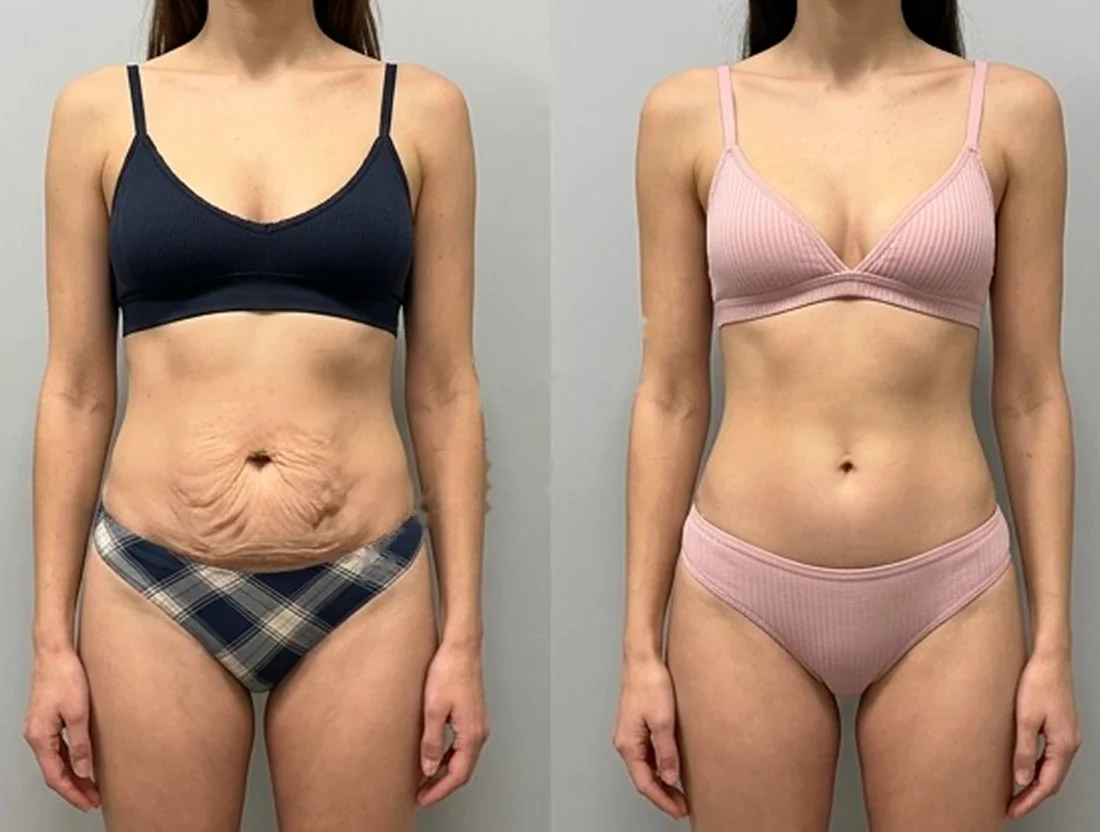
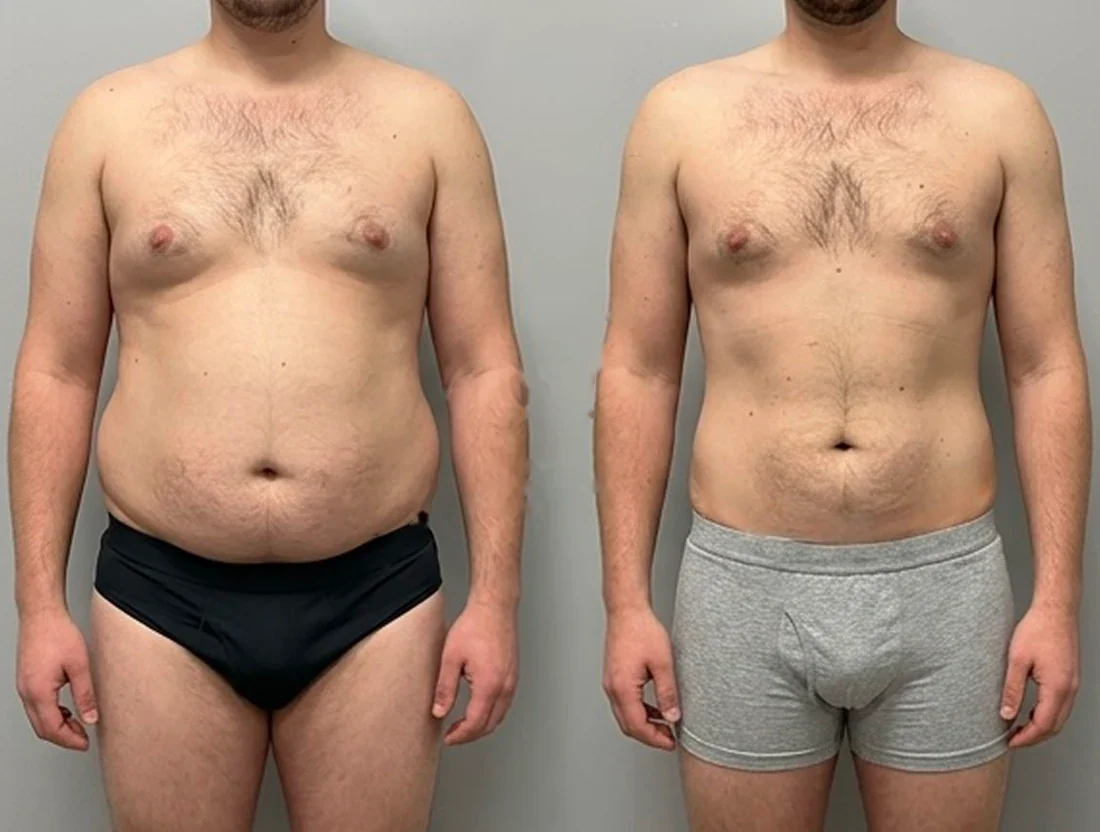
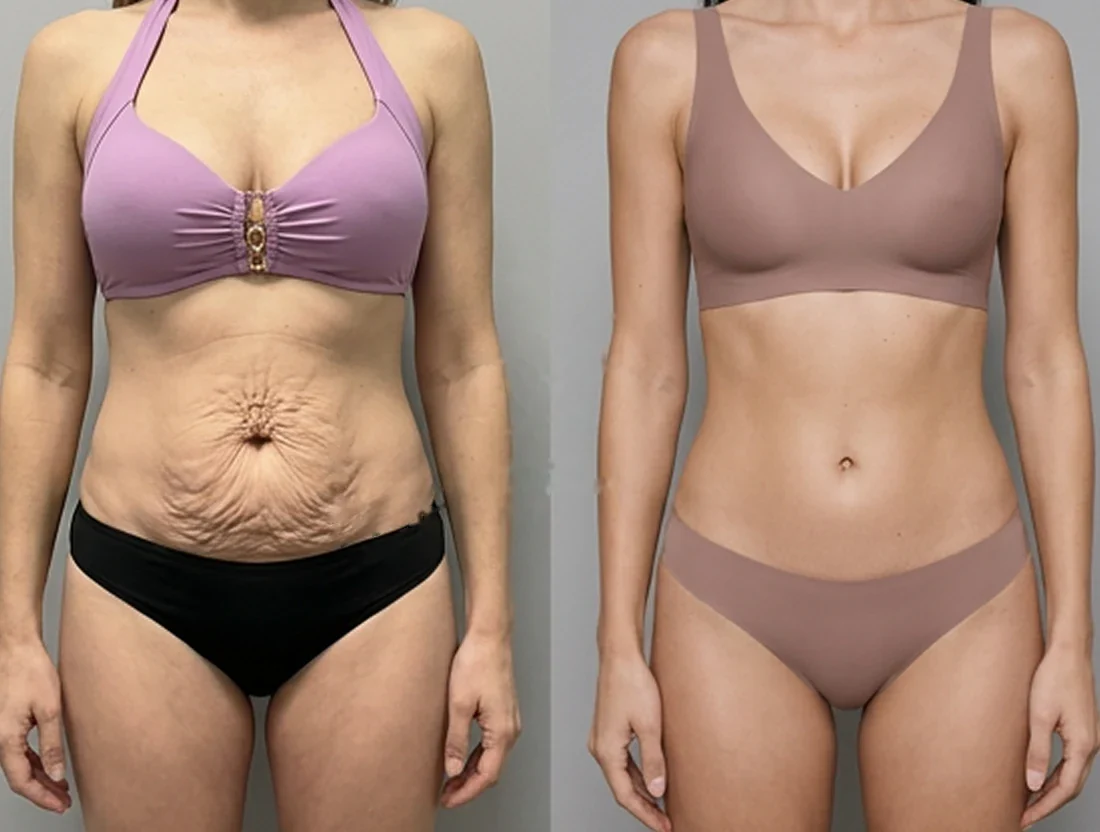
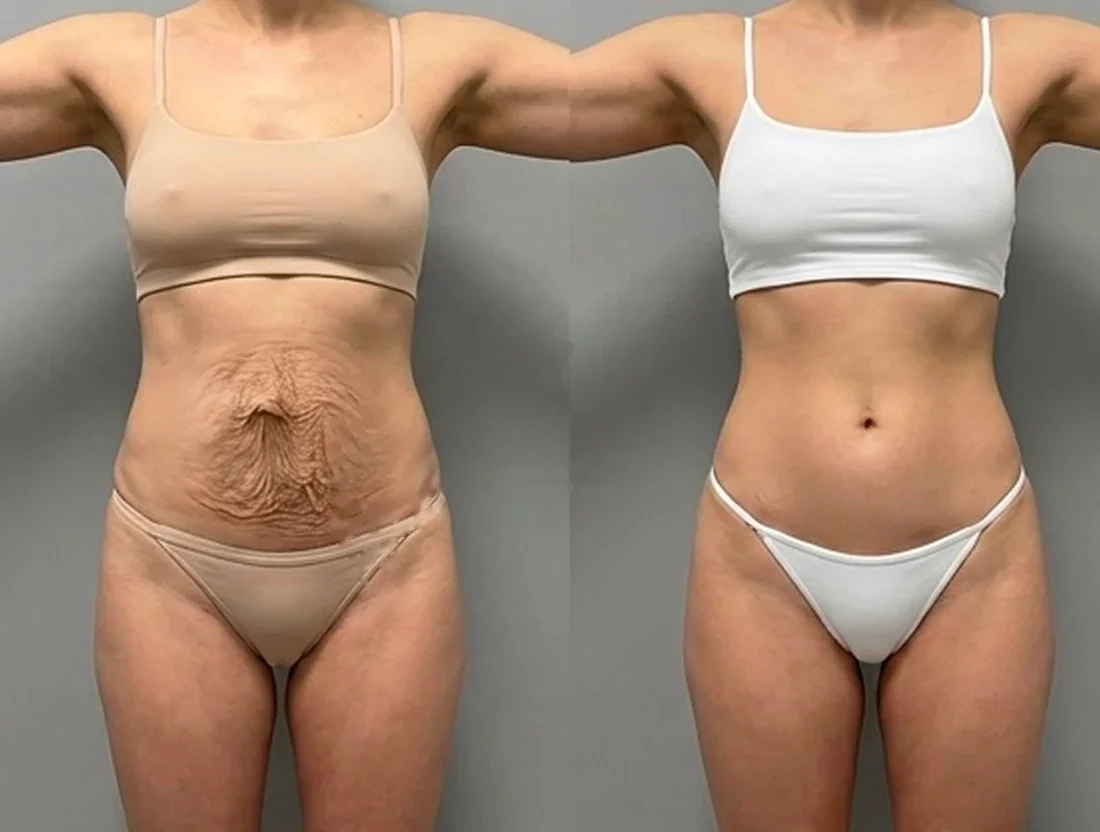
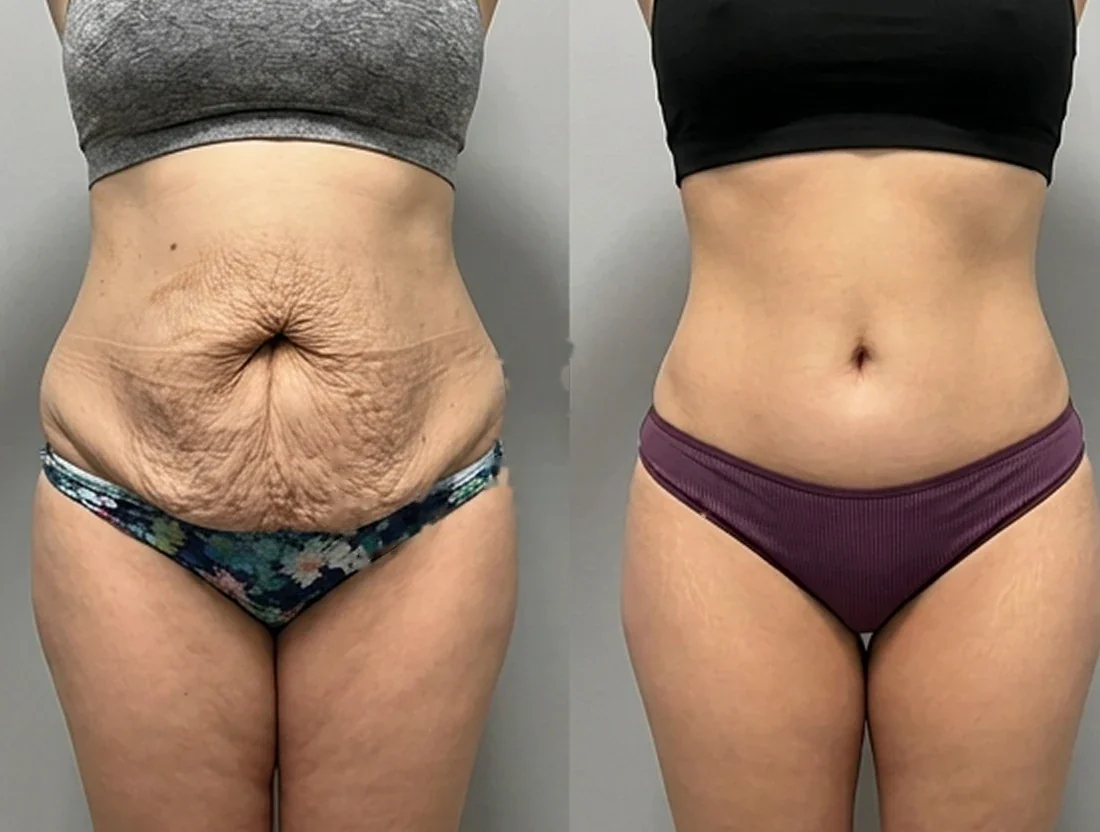
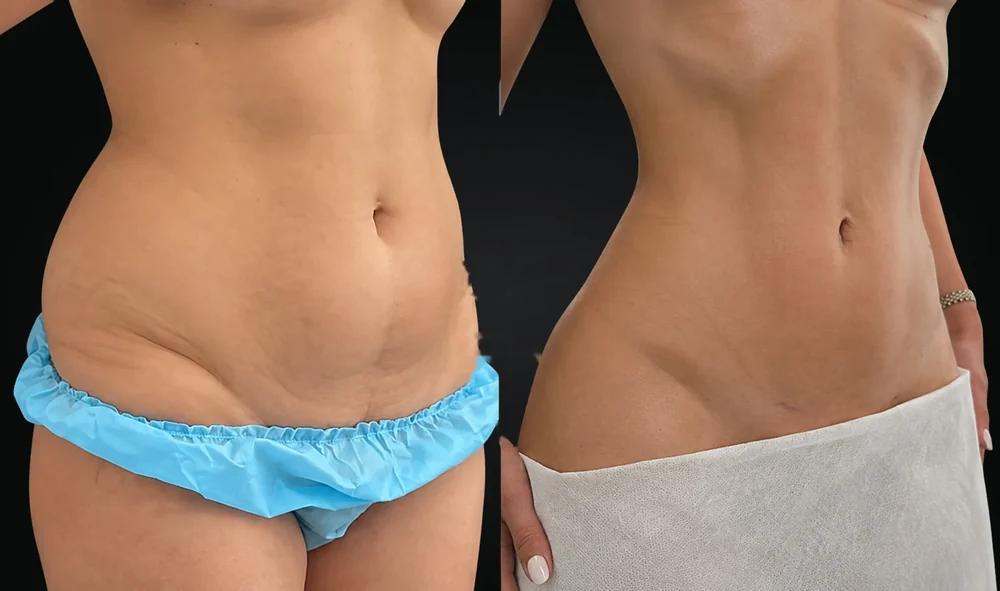
All cases are real patients. Faces and identifying details are hidden.

Tummy tuck: a female patient's abdomen before and after surgerybeforeafter
Tummy tuck: a male patient's abdomen before and after surgerybeforeafter
Tummy tuck: a female patient's abdomen before and after surgerybeforeafter
Tummy tuck: a male patient's abdomen before and after surgerybeforeafter
Tummy tuck: a female patient's abdomen before and after surgerybeforeafter
1 of 8

Comparison

Tummy tuck techniques

A tummy tuck is done as a full (classic) or mini operation, or combined with liposuction as lipoabdominoplasty. Compare the scope of surgery, the indications and the expected results to choose the right technique together with your surgeon.

Tummy tuck

Removal of excess skin, abdominal muscle tightening
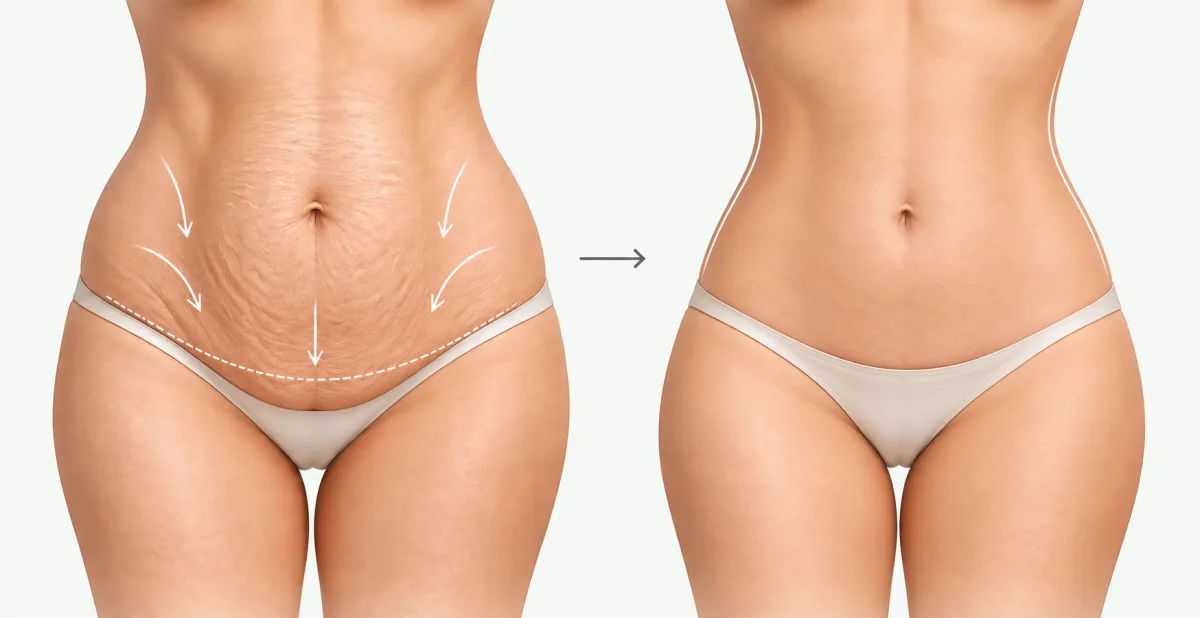
Tummy tuck diagram: the abdomen before surgery with the incision line, and the result
Main goal
Removal of excess skin, diastasis repair
When it is done
Excess skin after childbirth or weight loss
Anaesthesia and stay
General anaesthesia, up to 3 days in hospital

Lipoabdominoplasty

Tummy tuck with added liposuction
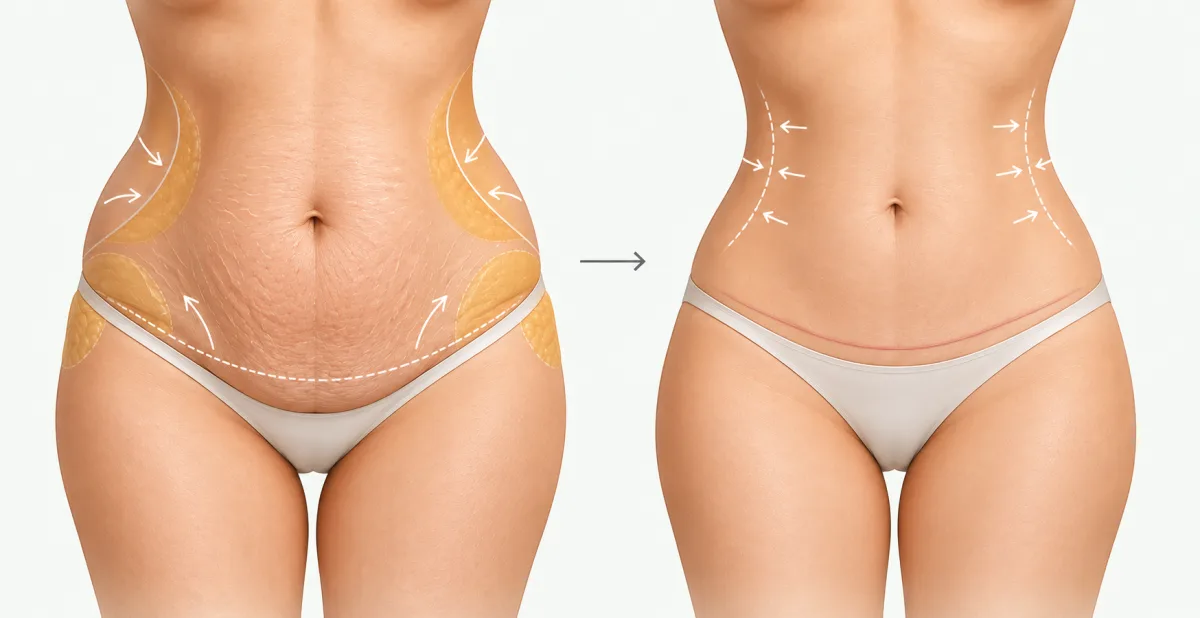
Lipoabdominoplasty diagram: the abdomen with fat on the flanks before surgery, and the result
Main goal
Tummy tightening and waist contouring
When it is done
For fat deposits on the flanks and waist
Anaesthesia and stay
General anaesthesia, up to 3 days in hospital

The benefits and recovery times shown are averaged for each technique and given for guidance: the scope of correction and rehabilitation depend on your anatomy and individual features, and the surgeon confirms them at the consultation.

At the consultation the surgeon draws up a plan for your case and explains how your tummy tuck will go.

Free, before surgery and with no obligation.

Book a consultation

Tummy tuck from the inside

About the clinic

A clinic where you can feel at ease

Modern equipment, comfortable rooms and care for every patient

A doctor and a patient in a clinic ward

Contact us the way that suits you

We will answer your questions and find a convenient time for a consultation

By messaging us, you agree to our Privacy Policy

A tummy tuck is not for everyone

If your case can be solved without surgery, the doctor will tell you so at the consultation — and you will not spend money for nothing.

Suitable

A surgeon shows a patient on a model and a monitor how the abdominal contour changes after a tummy tuck
  • Rectus abdominis diastasis
  • Skin folds after weight loss
  • Loose abdominal skin
  • Stretched skin after pregnancy
  • A distorted abdominal contour

Not suitable

A surgeon discusses the indications and contraindications for a tummy tuck with a patient
  • Acute infections
  • Severe disease of the heart, kidneys or liver
  • Clotting disorders of the blood
  • Age below 18
  • Decompensated diabetes
  • Cancer
  • Skin inflammation in the surgical area
  • Pregnancy and nursing

Not sure the surgery is right for you?

Message us — the coordinator will ask for your photos in the messenger, and the surgeon will tell you whether a tummy tuck suits you. No surgery booking needed.

Find out if it suits me

A surgeon goes through a tummy tuck diagram with a patient at the consultation

Prices

You know the price
before surgery

The price is set at the consultation and fixed in the contract.

Other services

  • First consultationFree
  • Liposuction of the abdomen and flanksfrom $1,700
Book a consultation

Find out your tummy tuck plan and price

The surgeon assesses your abdominal skin and muscles, listens to your wishes and chooses the right correction technique.
The price is set at the consultation and fixed in the contract.
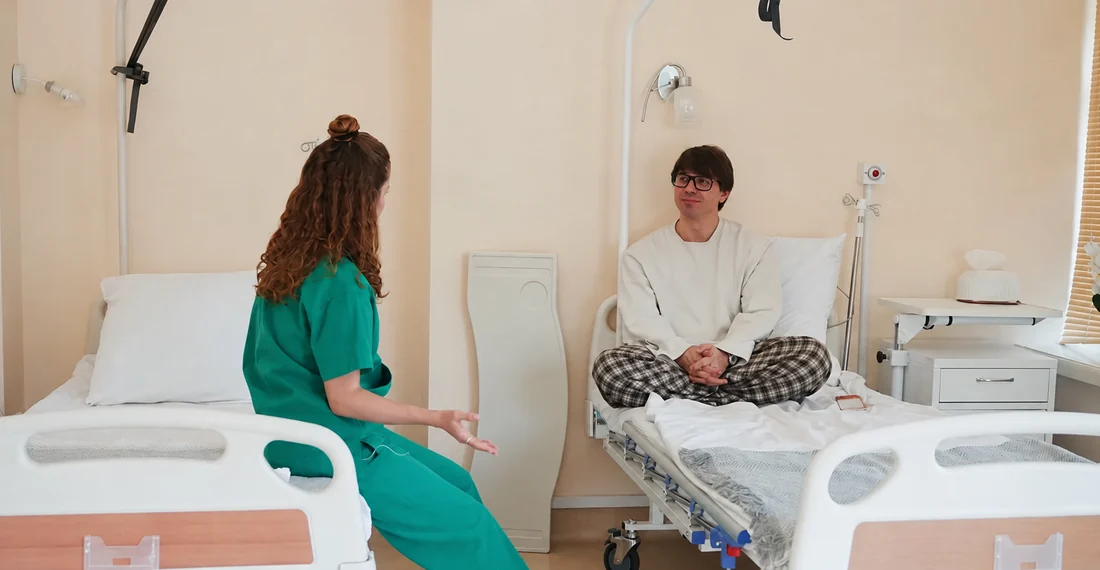
A nurse talks to a patient in a clinic ward

Message our coordinator

Free online consultation · Reply within 15 minutes

Message us on Telegram

By messaging us, you agree to our Privacy Policy
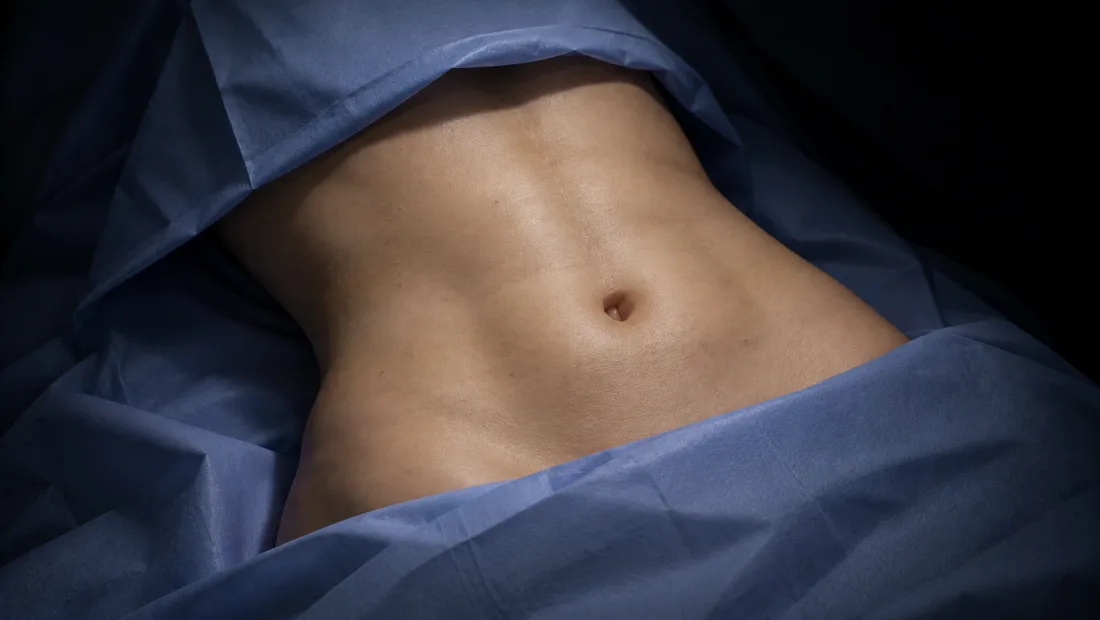
A patient's abdomen before a tummy tuck in the operating room

all inclusive

What the price includes

From preparation for surgery
to post-op check-ups.

  • All scheduled dressings
  • Scheduled post-op check-ups
  • A personal coordinator on call
  • Compression garments fitted on the day of surgery
  • A stay in a comfortable
    hospital ward with meals
  • Individual recommendations
    for recovery
  • Remote progress monitoring
    by photos

How it works

Three days at the clinic —
from preparation to discharge

An agreed correction plan, inpatient observation and post-op check-ups.

A doctor shows a patient a tummy tuck diagram on a monitor1

Consultation
and the surgical plan

The surgeon assesses your abdominal skin and muscles and checks for diastasis, listens to your wishes and chooses the right correction technique.

Paying the deposit by card at the clinic reception2

Booking the date
of surgery

We reserve a surgery date for you: the deposit can be paid by card at the clinic or online by bank transfer. The terms are fixed in the contract for medical services

A blood sample tube for tests before a tummy tuck3

Check-up before
surgery

Before surgery you complete a full lab check-up: blood tests, an ECG, a chest X-ray and reports from the required specialists.

The surgical team during the operation4

Surgery

The surgeon performs the tummy tuck with the chosen technique, repairs diastasis if needed and shapes a firmer abdominal contour.

A hospital ward at the clinic5

Inpatient stay

After surgery the patient stays for 1–3 days in a comfortable hospital ward with meals, under medical supervision.

A surgeon and a patient in the ward during recovery6

Recovery

After surgery you get a recovery programme. Check-ups at 7 days, 3 and 6 months help track your recovery.
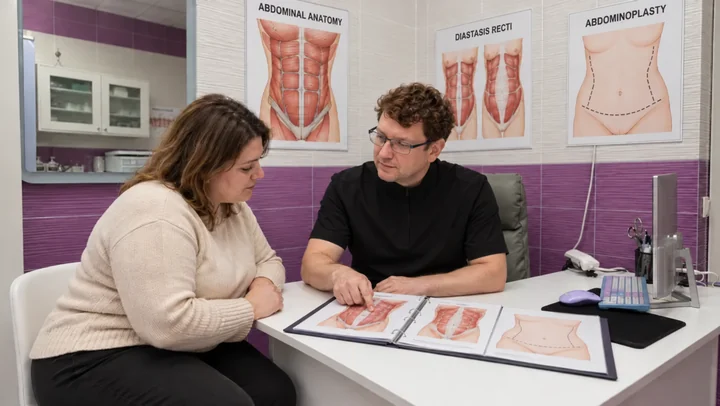
Book a free consultation — the surgeon will plan every step with you.

A doctor discusses the tummy tuck plan with a patient
Book a consultation
A doctor discusses the tummy tuck plan with a patient

How it really happens

Recovery after abdominoplasty

Following surgery, the patient stays 1–3 days in hospital under medical supervision. Drains usually come out after two days, and stitches after 7 days. For 1.5–2 months a compression binder supports the abdominal wall and shapes a smooth contour. Within 30 days most swelling goes, and office work is possible after 2–3 weeks. Sports, sauna and heavy lifting are not allowed for 2–3 months; in the early days, sleep on your back with your knees bent. By 12 months the scar is fully mature: faded and barely noticeable.

Post-op check-ups

After 7 days, at 3 months and at 6 months. Until the end of the year, get a post-surgery consultation with your surgeon to review results and get more information, at the clinic's expense

Advantages

Reasons to choose City Medical Centre

A surgeon discusses the tummy tuck plan with a patient at the consultation

Just find out — you lose nothing

At the consultation we discuss your wishes and assess your abdominal skin and muscles. The surgeon explains what changes are possible, chooses the correction technique and answers your questions.

A surgeon on a video call with a patient after surgery

We stay with you after surgery

The surgeon follows your recovery and the changing abdominal contour at check-ups after 7 days, 3 and 6 months. Check-ups, dressings and aftercare advice are already included in the price of surgery.

A surgeon shows a patient a model and tummy tuck diagrams

A beautiful contour that fits your figure

We choose the correction technique based on your skin, muscles and figure. Our aim is a harmonious abdominal contour that keeps the natural proportions of your body.

A patient writes down a convenient visit time in her planner

Your schedule is our priority

We respect your time: we work 24/7, with easy booking and a personal approach — we adapt to your pace.
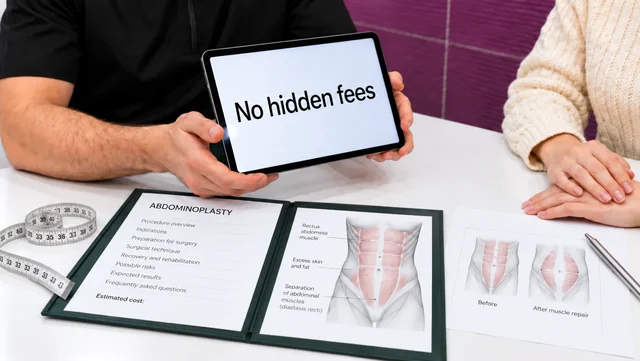
A surgeon shows a patient the fixed price of surgery with no extra charges

Fixed prices

After the consultation the surgeon defines the extent of correction, and you get a clear price for the surgery — no surprises on the way to the result you want.

A surgeon visits a patient in the hospital ward after surgery

Round-the-clock care after surgery

Recovery starts in a comfortable hospital ward under round-the-clock nursing care. The stay and meals are already included in the price.

FAQ

We answer what
people ask before booking

Tummy tuck in Constanta: what you should know

Abdominoplasty is often combined with other procedures. Liposuction of the flanks and waist can be added to shape the silhouette, and after childbirth rectus diastasis repair is included. One anaesthesia and one recovery period cover everything, and the surgeon decides the scope at an in-person consultation. This makes the operation a complete abdominal correction for patients from Constanta.

Pre-surgery tests should be completed in advance, not the day before. The surgeon gives the exact list at the consultation, and results are usually valid for 10–14 days. Seven to ten days before the operation, stop smoking, alcohol and medicines that affect blood clotting. Anyone in Constanta preparing for a tummy tuck also sees a GP and an anaesthetist before the surgery date.

The first step costs nothing: the consultation with the surgeon is free. You get an assessment of excess skin and muscle separation, a recommended technique, an explanation of recovery and your personal price. Patients from Constanta can then decide calmly, with the amount fixed in the contract. Fill in the short form on the page, and a coordinator will call back shortly.

Stories of well-known people

Well-known people who spoke openly about this operation, in their own words.

All stories about this operation →

The first fortnight: protecting the core while life carries on

A tummy tuck is surgery on the abdominal wall as well as the skin, so the first weeks are mostly about leaving that wall alone while it heals. The operation takes 2–4 hours under general anaesthesia, and you then spend 1–3 days in hospital under medical supervision. Drains are usually removed after two days and stitches after 7 days. At first, sleeping on your back with the knees bent is advised, because it takes the pull off the lower abdomen. For the first 2–3 weeks physical exertion, heavy lifting and sudden movements are not allowed. Build the plan around that fortnight before you choose a date.

Constanta is a city of 263,688 people within its limits (2021 census), and it is the fourth-largest city in Romania. Its port covers 39.26 km2 and runs for about 30 km along the coast. That is a lot of working life built around loads, vehicles and long shifts. We do not assume anything about your job. During the online consultation the doctor will ask what you actually carry, push or reach for in a normal week, and whether the work is mostly at a desk. A desk job is the case the figure of 2–3 weeks refers to: office work resumes after that time. Work that involves loads follows the longer restriction on heavy lifting, which is 2–3 months.

Most of the difficulty comes from small domestic movements rather than big ones. Bending to a low cupboard, pulling a heavy pan from the oven, lifting a laundry basket, getting out of a deep sofa or leaning over a bath all use the abdominal wall. Before the operation, move everyday items to waist or chest height. Put water, medicines, a phone charger and snacks within reach of the bed. Arrange for someone else to do the shopping and carry the bags upstairs for the first weeks. These preparations cost very little, and they make it far easier to follow the rule against sudden movements.

The coordinators on WhatsApp and Telegram are available 24/7, so you can send a photo of the room where you will recover and ask whether the set-up looks workable. After surgery you can send progress photos for remote monitoring and ask about anything that looks unusual. Check-ups at 7 days, 3 months and 6 months are part of the plan. They give you fixed points to ask what you may start doing again, rather than guessing from the calendar.

Children, relatives and the order of life events

Many people considering abdominoplasty have had children, and the stretched skin and separated muscles that follow pregnancy are the main reasons for the operation. The indications in the plan are excess skin after childbirth or weight loss, rectus abdominis diastasis, skin folds and a distorted abdominal contour. If diastasis is present, the muscles are brought together during the same operation. It is repaired only where the muscles are actually separated. The doctor sees this at the examination, and in doubtful cases an ultrasound confirms it.

Family life gives the most practical problems in the first 2–3 months. A toddler is a heavy lift, and the same goes for a pushchair carried up steps, a bag of shopping or a child who suddenly jumps into your arms. The restriction on heavy lifting lasts 2–3 months, and sudden movements are not allowed for the first 2–3 weeks. For a household with small children, the plan should therefore name a second adult, or a relative, who takes over lifting, bathing and carrying for that period. If you are the only adult at home, tell the coordinator now, so that the doctor can discuss timing with you honestly.

The order of events matters for the result. A pregnancy after a tummy tuck is possible, but it stretches the repaired muscles again, so surgery is best planned once your family is complete. Removed skin does not regrow, and the abdomen will only stretch again with significant weight gain. A stable weight before surgery also helps keep the result. If your weight is still changing, the advice is to see a dietitian or endocrinologist first. A tummy tuck is not a way to lose weight.

Constanta is home to Ovidius University, with about 15,000 students and 16 faculties, including Medicine and Pharmacy. That matters only if you are a student or a lecturer and need to fit the recovery around a timetable or exam session. Sitting through lectures is closer to desk work than to lifting. The 2–3 weeks before returning to an office-type routine should still be treated as a minimum, and it is worth telling the doctor what your study day looks like.

Compression, heat and humidity: wearing the binder through a Black Sea summer

A compression binder is worn for 1.5–2 months after a tummy tuck. It supports the abdominal wall and helps to shape a smooth contour. Compression garments are fitted on the day of surgery and are included in the plan. In practice the garment is a constant companion for the first weeks, under clothes at work, at home and in bed. It is worth thinking about how it will feel in the weather you will actually have.

The 1991–2020 climate figures for Constanta show a mean high of 27.9 °C in July and August, with lows of 19.7–19.9 °C. Relative humidity is 82% over the year, 76% in July and 88% in December. Constanta lies in a humid subtropical (Cfa) climate. A binder worn in 27.9 °C will be much less comfortable than the same binder worn in January, when the mean high is 4.7 °C and the mean low is -1.2 °C. If the 1.5–2 months of compression fall in midsummer, ask the doctor about spare garments, loose clothing on top and sensible ways to keep the skin dry and comfortable. If it falls in winter, the binder sits easily under layers.

Sunshine is the other factor. The city gets 2,314 hours of sun a year, with 331 hours in July but only 86 in December. The scar from a classic tummy tuck runs across the lower abdomen from hip to hip, below the underwear or swimsuit line. A mini tummy tuck leaves a much shorter one. The scar is fully mature at around 12 months, when it fades and is barely noticeable. During that time, sun on the area is a question to raise with the doctor, and tanning beds, sauna and steam bath are to be avoided for at least a month. Do not plan to test the scar on a long beach day.

Mamaia is a district of Constanta on a strip of land 8 km long and 300 m wide between the Black Sea and Lake Siutghiol. Its beach season runs from mid-June to early September, and the city has a beach length of 13 km. For someone recovering, that is a fixed point on the calendar. The pool is also on the list of things to avoid for at least a month, and sports, sauna and heavy lifting are off-limits for 2–3 months. Count the months backwards from mid-June and you can see whether a spring operation is realistic or whether it leaves you in the middle of the binder period just when the beach opens.

Choosing the month: a calendar for November 2026 onwards

There is no single right season for abdominoplasty. The useful question is which two or three months you can protect. The key milestones from the plan are these: 1–3 days in hospital, office work after 2–3 weeks, a binder for 1.5–2 months, most swelling gone within 30 days, sports and heavy lifting off for 2–3 months, check-ups at 7 days, 3 months and 6 months, and the final result at 6–12 months. Place those on a calendar before you decide.

Take an example of an operation in the middle of November 2026. The 7-day check-up and the removal of stitches fall in the last week of November. The 30-day mark for most of the swelling arrives in mid-December. Constanta's December is the darkest month, with 86 hours of sun and 88% humidity, so the first weeks are spent mostly indoors anyway. The binder phase would end around the turn of the year or early January. The 3-month check-up falls in mid-February 2027 and the 6-month one in mid-May 2027. By mid-June, when the beach season opens, the surgery is about seven months behind you. That is inside the 6–12 months over which the final result and scar are assessed, so ask the doctor about sun protection for the scar.

Now take a spring example. An operation in March 2027 puts the binder phase in April and May, and the 2–3 months of restricted sport reach June or early July. Constanta's May is the wettest month, with 44.8 mm, and October is close behind with 44.4 mm. February is the driest at 25.9 mm. Annual precipitation is 467.1 mm over 59.5 days with at least 1 mm. That is not extreme, but wet days do change how you get to check-ups and short walks. Sudden movement on a wet pavement is exactly what the first weeks do not need. Snow falls on about 22 days a year, most often in January with 7.83 days and in February with 5.25, so a midwinter recovery may mean icy pavements.

Public holidays are worth using. Romania has 15 non-working days a year. They are 1–2 January, 24 January, Orthodox Easter from Friday to Monday, 1 May, 1 June, Pentecost on Sunday and Monday, 15 August, 30 November, 1 December and 25–26 December. Orthodox Easter Sunday falls on 2 May 2027. Placing the first 2–3 weeks next to such days can save leave, but do not plan to return to the desk on the first day after a holiday. Treat 2–3 weeks as a minimum and tell the coordinator which dates matter, so that the booking is agreed before anything is reserved.

Insurance cards, co-payments and what the consultation settles

Health insurance in Romania is run by CNAS, the national health insurance authority, which manages the social health insurance system and a basic package of services, medicines, sanitary materials and medical devices. Free procedures require a health card that shows paid insurance. EU citizens and uninsured Romanians get free emergency care. Since April 2019, insured people may pay the difference between private-provider tariffs and the fund's fees. These are general rules of the system, and they do not tell us how a particular cosmetic abdominal operation is treated.

For the same reason we do not promise that insurance will pay for a tummy tuck, and we do not suggest that a health card will lower the cost. CNAS has begun introducing co-payments for certain services that are not strictly medically necessary, and the system is described as hospital-centric, with a shortage of healthcare workers. The information available gives no official figure on cosmetic surgery coverage or waiting lists. Out-of-pocket payments were around 21% of total health expenditure, against an EU average of 15%. That figure is dated, but it shows that paying privately for health care is a familiar situation in Romania.

A comparison helps to show how careful one should be. For bariatric surgery, a 2024 news article states that CNAS does not fully reimburse the operation, whether in a state or a private hospital. It adds that some pre- and postoperative services, such as endoscopy, can be free with a family-doctor referral. That is a different operation with different indications, and nothing in it can be carried over to abdominoplasty. It does suggest, though, that it is worth asking your family doctor what a referral can cover for routine tests. Do not assume the answer.

What we can state firmly concerns our own process. The first consultation is free and online. You send photos on WhatsApp or Telegram, a doctor assesses them, and the price is named at the consultation, then fixed in the contract before surgery, with no hidden extra charges. The plan includes all scheduled dressings and check-ups, a personal coordinator on call, the compression garment, a hospital ward with meals, and remote progress monitoring by photos. The coordinators answer round the clock and usually reply within 15 minutes. Nothing is booked until you confirm the plan and dates.

Will my CNAS health card cover a tummy tuck?

We cannot promise that. A health card showing paid insurance gives access to free procedures within the basic package managed by CNAS. The available information does not state any official position on cosmetic abdominal surgery, and CNAS has started introducing co-payments for services that are not strictly medically necessary. Where abdominoplasty is done for appearance, it is safest to assume that you will be paying privately. If you think there is a medical indication, ask your family doctor in writing what the fund will and will not cover, and send us the answer. The doctor will take it into account at the free online consultation. Nothing is booked until you confirm the plan and the terms in the contract.

Which months in Constanta are the easiest for recovering from a tummy tuck?

No month is perfect, and each has a different weak point. Midsummer brings a mean high of 27.9 °C, humidity of 76% and up to 331 hours of sunshine in July, which is hard on a binder worn for 1.5–2 months and on a fresh scar. January has a mean high of 4.7 °C and a low of -1.2 °C, snow on about 22 days a year, and icy pavements when you need to avoid sudden movements. May and October are the wettest months, at 44.8 mm and 44.4 mm. Pick the period when you can rest for 2–3 weeks and protect the following 2–3 months, then ask the doctor about sun on the scar.

How do I fit the recovery around Romanian public holidays?

Start with the 15 non-working days: 1–2 January, 24 January, Orthodox Easter from Friday to Monday, 1 May, 1 June, Pentecost on Sunday and Monday, 15 August, 30 November, 1 December and 25–26 December. Orthodox Easter Sunday falls on 2 May 2027. Office work resumes after 2–3 weeks, and the check-ups come at 7 days, 3 months and 6 months. A holiday block can lie inside the first fortnight. Keep leave for the days after it, because the 2–3 weeks is a minimum, and swelling and tightness pass by 1.5–2 months. Send the coordinator the dates you cannot move, and they can be set against the surgery date before anything is reserved.

Can I go to the beach at Mamaia or swim after the operation?

Not in the early weeks. The pool, sauna, steam bath and tanning beds are to be avoided for at least a month, and sports and heavy lifting are off-limits for 2–3 months. The binder is worn for 1.5–2 months, and the scar matures by around 12 months. Mamaia's beach season runs from mid-June to early September, so the decision comes down to counting. If the surgery date is only a couple of months before mid-June, you will probably still be in restrictions. Ask the doctor when swimming and sun on the scar are acceptable in your case, since the answer depends on how your healing progresses and which technique was used.

Is the compression binder bearable in Constanta's summer humidity?

It is manageable, but it needs planning. The binder is worn for 1.5–2 months and supports the abdominal wall while the contour settles. July and August have a mean high of 27.9 °C and lows near 19.7–19.9 °C, with relative humidity of 76% in July. The garment is fitted on the day of surgery and is included in the plan. Ask whether a second one is useful for changing, and wear loose, breathable clothes over it. Do not remove or adjust it by yourself to feel cooler. If it rubs or the skin looks irritated, send a photo to the coordinator, who is available 24/7, and the doctor will advise.

How do I handle small children or older relatives at home in the first weeks?

Treat them as a lifting problem. Sudden movements and heavy lifting are not allowed for the first 2–3 weeks, and heavy lifting stays off the list for 2–3 months. A small child, a baby carrier or a grandparent who needs help to stand all involve exactly that effort. Arrange for another adult to take over lifting, bathing and carrying for the first weeks. Rearrange the home so that you do not have to bend or stretch. If no help is available at the right time, say so at the consultation, because the doctor can discuss moving the date. Plan any further pregnancy after the operation carefully, since it stretches the repaired muscles.

I follow Farul football, rugby or handball in Constanta. When can I get back to sport?

Be careful about both playing and watching. Sports are off-limits for 2–3 months, and they resume gradually and only with the doctor's approval. In the first 2–3 weeks sudden movements are not allowed, and a crowded stand or a sudden jump when a goal goes in is exactly the kind of sudden movement meant. Sitting quietly and watching a match on TV is another matter. When you reach the 3-month check-up, ask what is allowed in your case, from gentle walking to jogging and contact sport. Do not return to a team sport simply because the swelling has gone down, since it can pass well before the muscles are ready.

When should I do the pre-surgery tests if I live in Constanta?

Do them in advance, not the day before. The list includes blood and urine tests, coagulation panel, biochemistry, infection tests, ECG, chest X-ray, leg vein ultrasound and a GP's report, plus consultations with the GP and anaesthetist. Tests are usually valid for 10–14 days, so the timing matters. The doctor gives the exact list at the consultation. Smoking, alcohol and medicines affecting blood clotting are paused 7–10 days before the operation. You may ask your family doctor whether a referral can cover part of the routine tests. A news article on another operation mentions that some such services can be free with a referral, but that does not mean the same applies here.