



























Message our coordinator
Free online consultation · Reply within 15 minutes
Message us on TelegramMessage us on WhatsAppBy messaging us, you agree to our Privacy Policy
Facelift and neck lift in Constanta: price and key facts
Facelift for patients from Constanta at City Medical Centre starts at RON 11,500 (from $2,400). The first online consultation is free; the doctor names the final price and it is fixed in the contract.
- Price
- RON 11,500 (from $2,400)
- Anesthesia
- general (inhalation)
- Recovery
- about 2 months to full recovery
- Final result
- 3–6 months after surgery
- How it works
- Send photos on WhatsApp or Telegram, get a free doctor assessment and the price, then confirm the plan and dates before anything is booked.
How it works · Facelift prices
Information current as of 24 October 2026

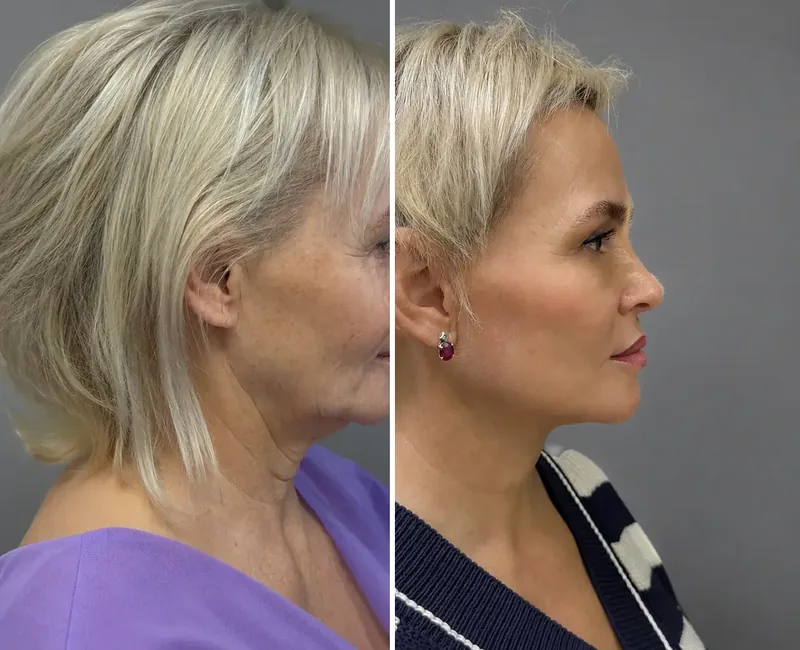
50 years
9 months
SMAS facelift
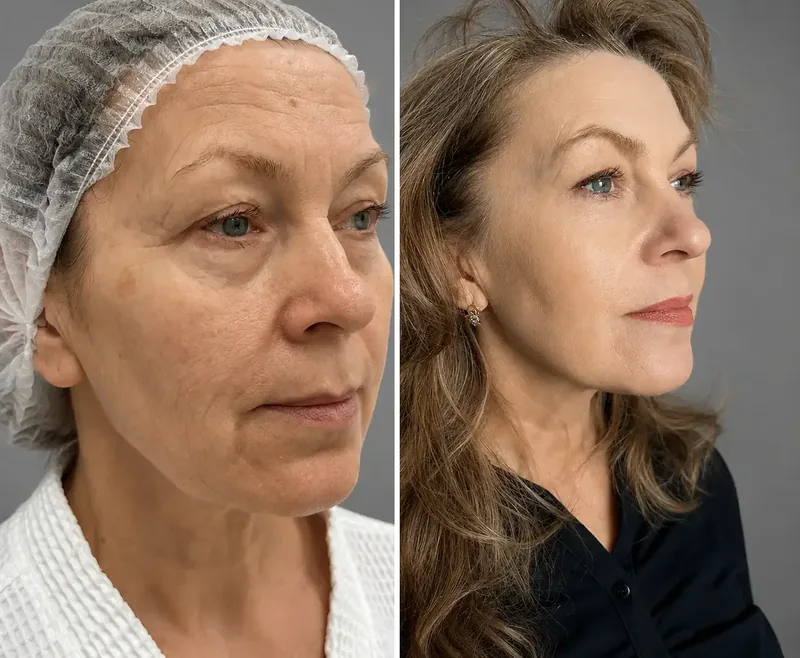
58 years
8 months
SMAS facelift
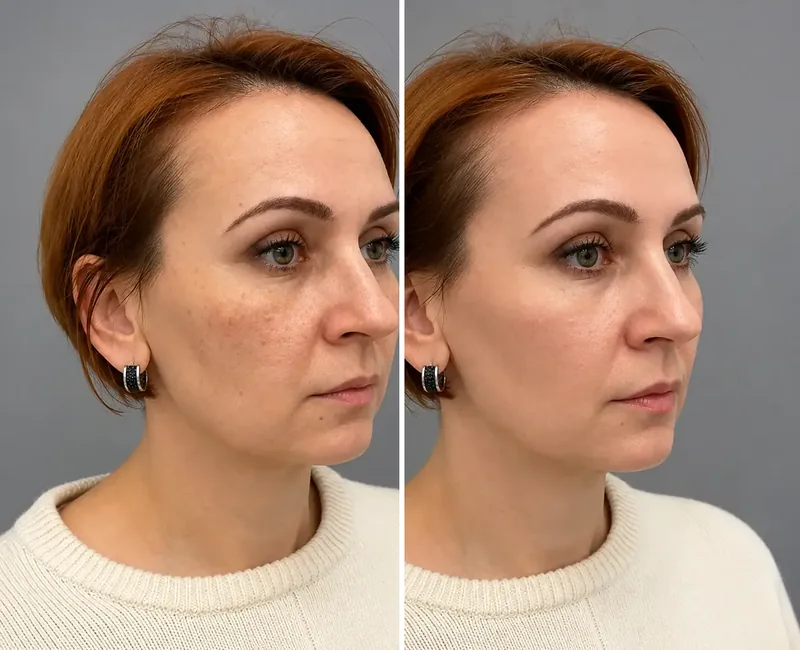
34 years
5 months
SMAS facelift
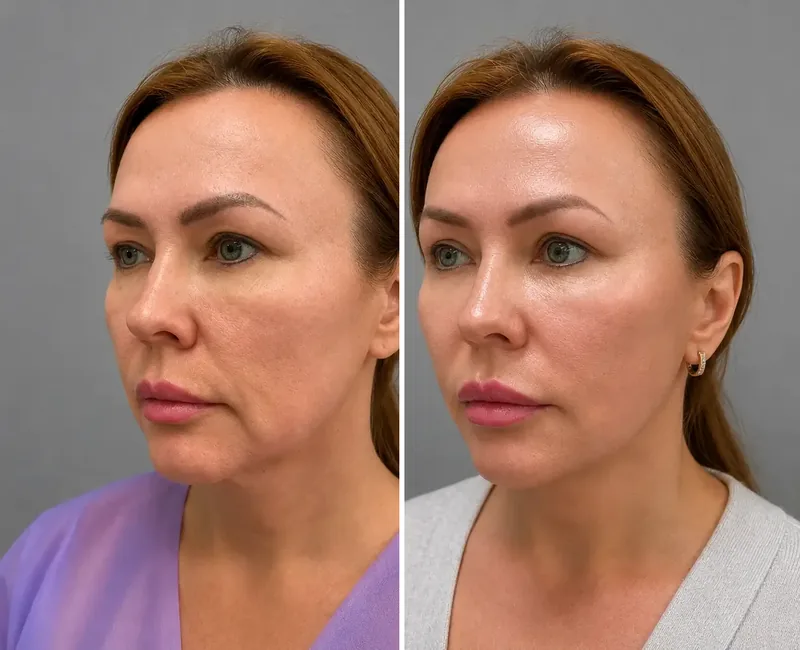
32 years
7 months
SMAS facelift
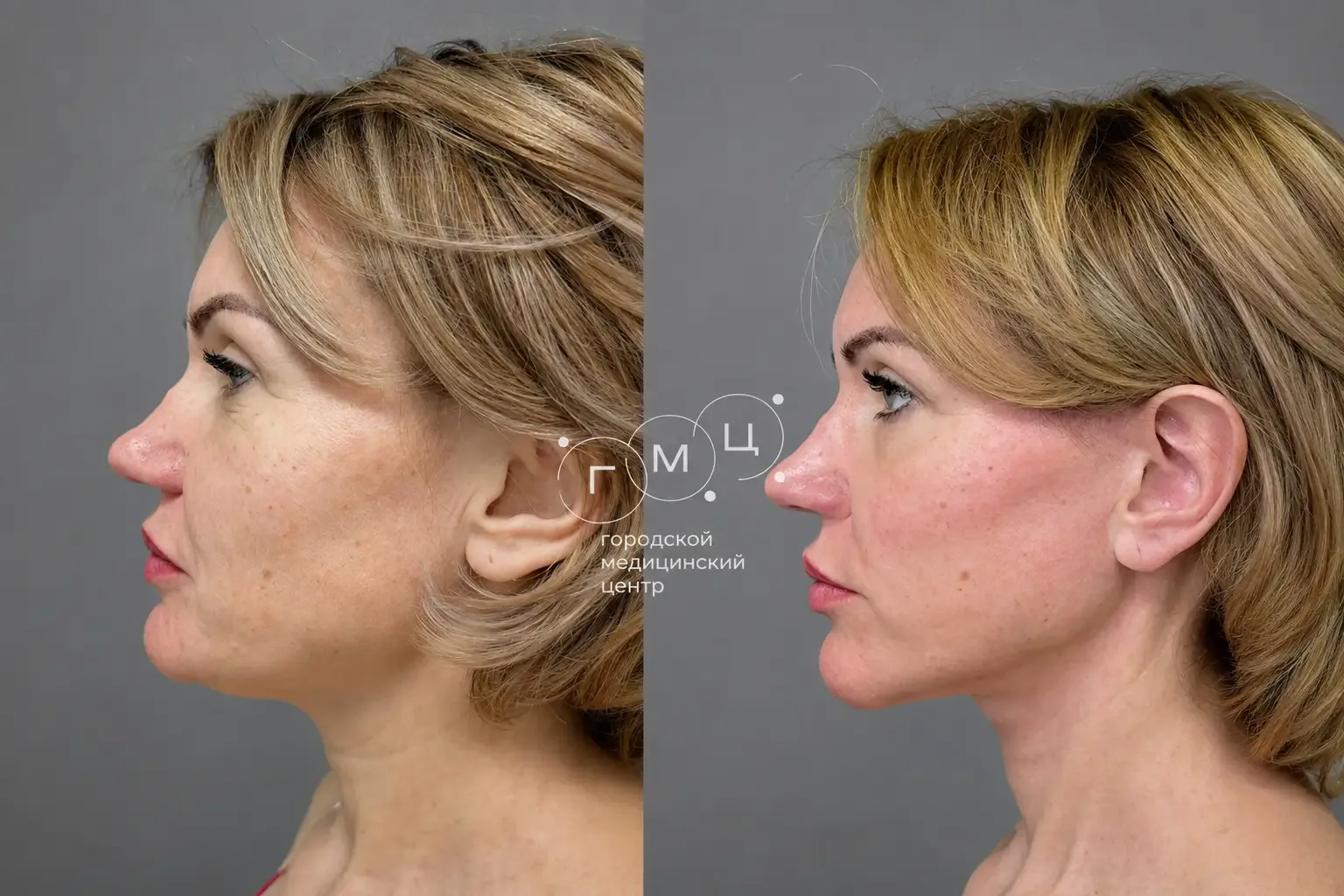
40 years
6 months
SMAS facelift
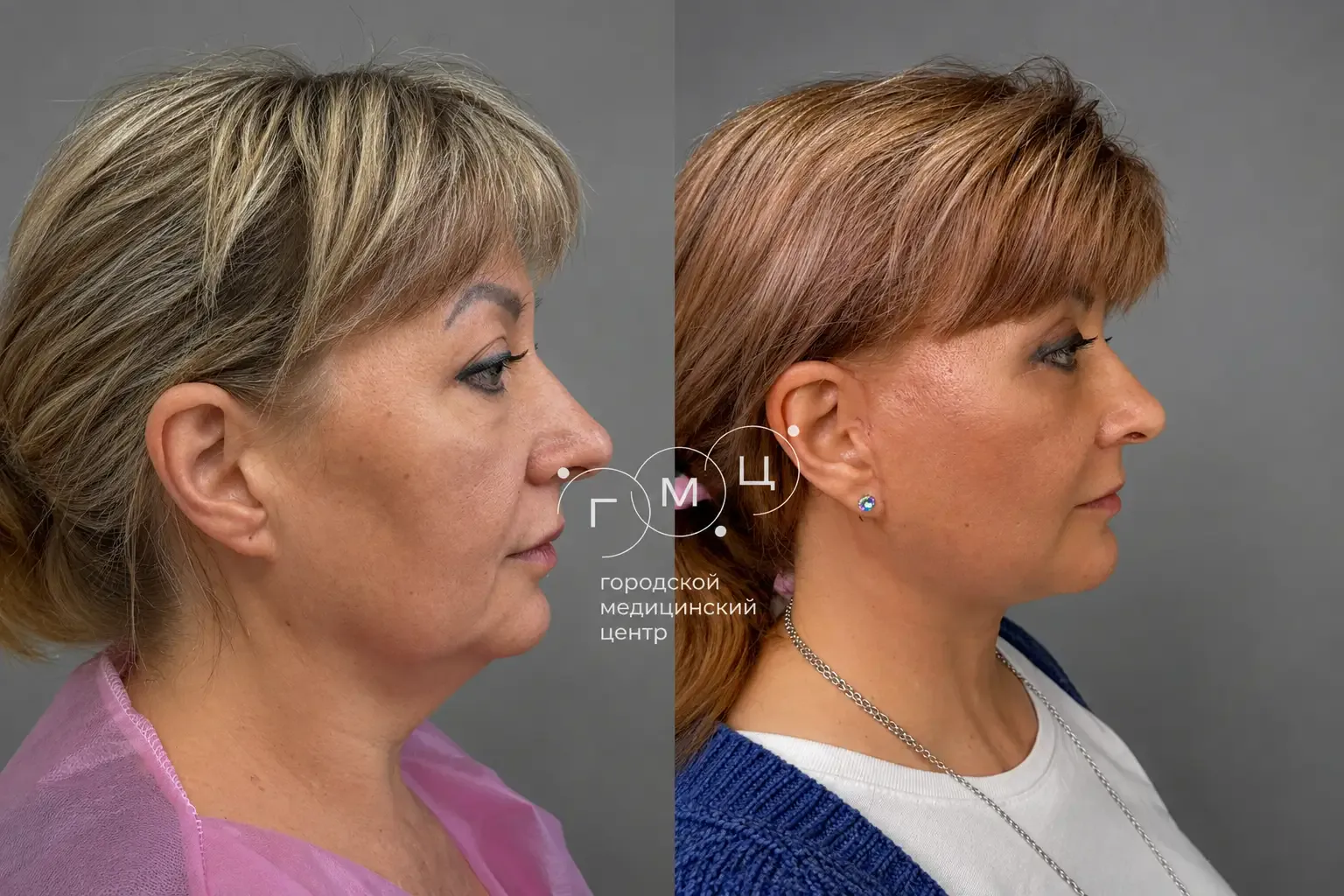
45 years
8 months
SMAS facelift
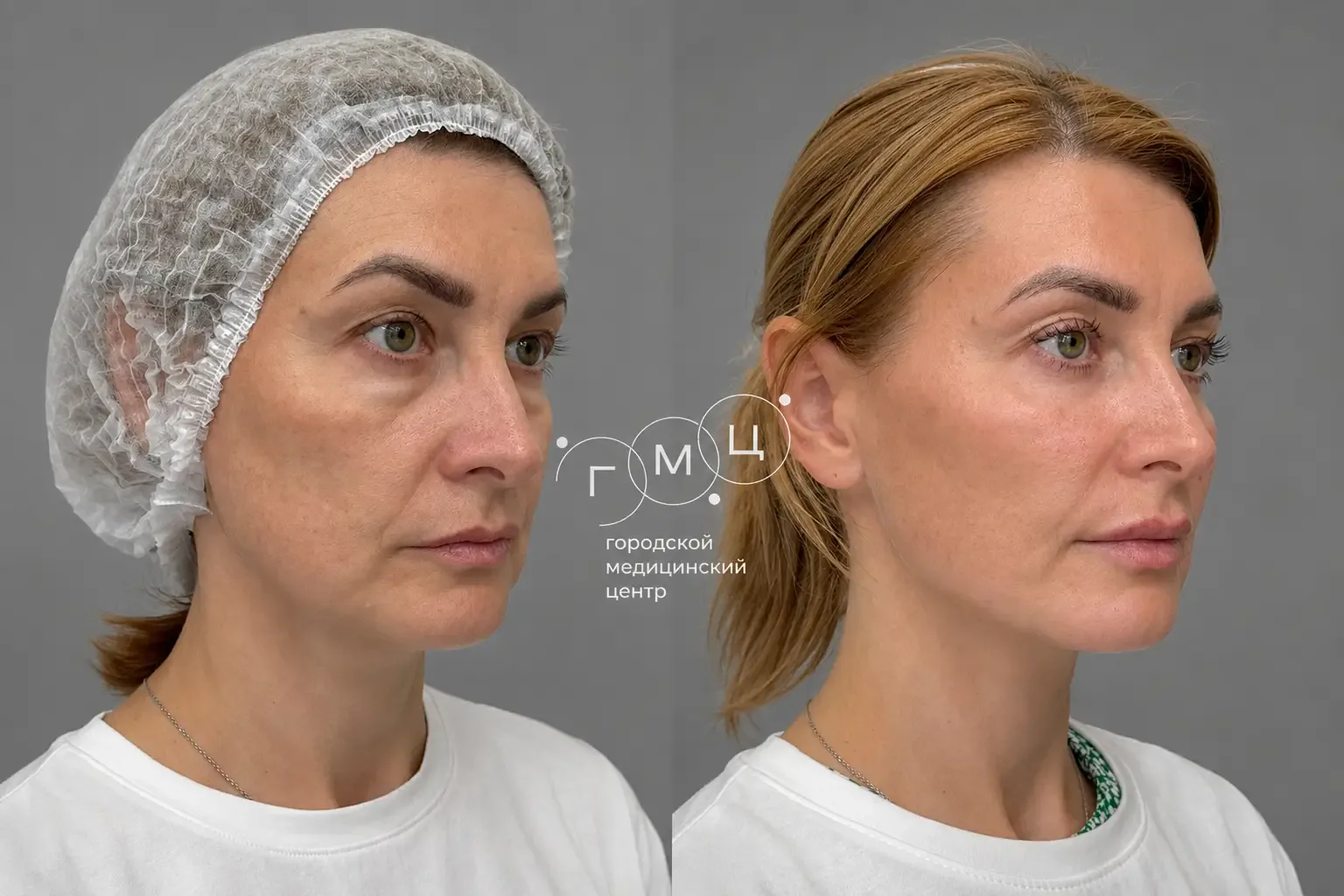
38 years
5 months
SMAS facelift
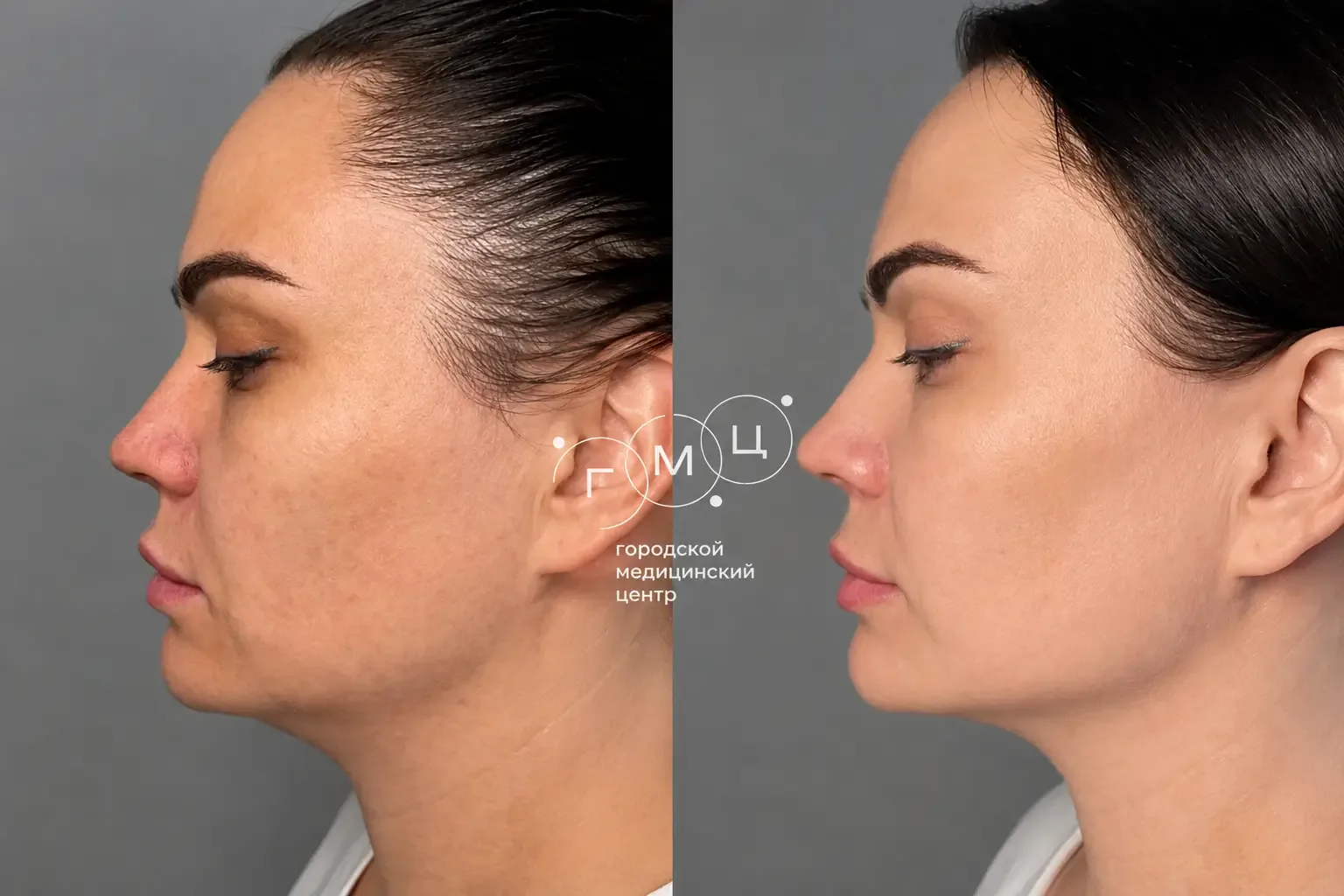
33 years
6 months
SMAS facelift
50 years
9 months
SMAS facelift
58 years
8 months
SMAS facelift
34 years
5 months
SMAS facelift
32 years
7 months
SMAS facelift
40 years
6 months
SMAS facelift
45 years
8 months
SMAS facelift
38 years
5 months
SMAS facelift
33 years
6 months
SMAS facelift
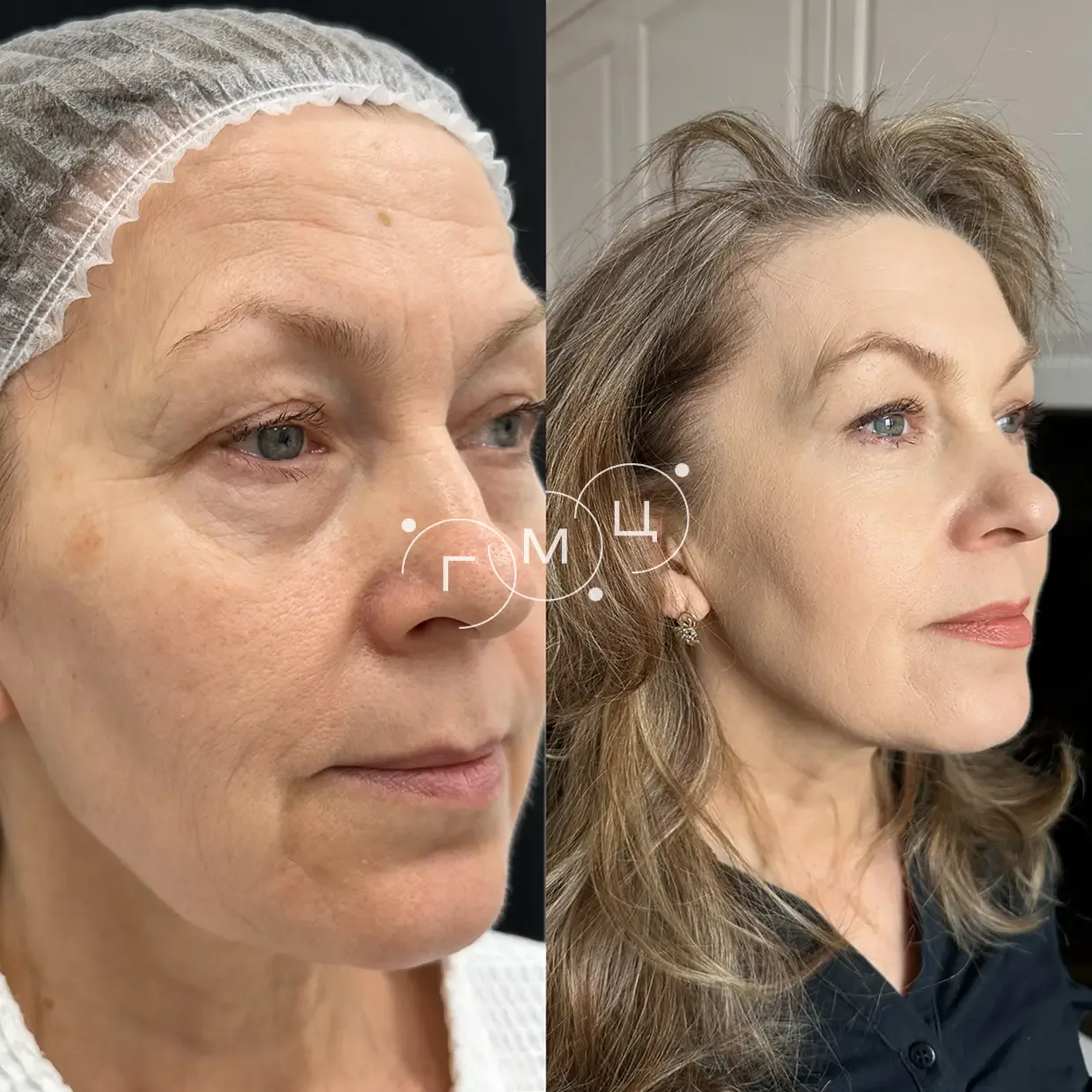

Marked sagging across the face and neck
A loss of jawline definition, jowls
A double chin with loose skin on the neck
Deep nasolabial folds, marionette lines
A heavy look caused by drooping brows
Noticeable loss of skin firmness after 40
Preference for a long-term result (7–10 years)

Patients under the age of 30
An acute skin inflammation
Pregnancy and the breastfeeding stage
Severe cardiovascular disease
Impaired blood clotting
Cancer
Decompensated diabetes
Facelift in Constanta: what you should know
A facelift can also be part of a broader plan. It is often combined with blepharoplasty (eyelid surgery), rhinoplasty or double-chin liposuction, and the scope of a combined procedure is set by the surgeon at the consultation. This lets patients from Constanta address several concerns in one combined procedure. The surgeon never suggests surgery where it is not needed and never prescribes anything extra.
Follow-up does not end at discharge. Throughout the first year, your plastic surgeon monitors how the face settles and checks the result until it is final. Personal support is provided before and after surgery. When combined procedures such as eyelid surgery or double-chin liposuction are planned, the surgeon sets their scope in advance. For patients from Constanta, every step is agreed at the consultation.
A free consultation is the easiest way to get an exact figure. The surgeon assesses the degree of sagging and the zones to correct, recommends the type of lift and names the final price; a facelift starts from $2,400 (≈ RON 11,500). Apply before the end of the year and the consultation is free. Patients from Constanta can use the form on the page or message us in any messenger.
Stories of well-known people
Well-known people who spoke openly about this operation, in their own words.
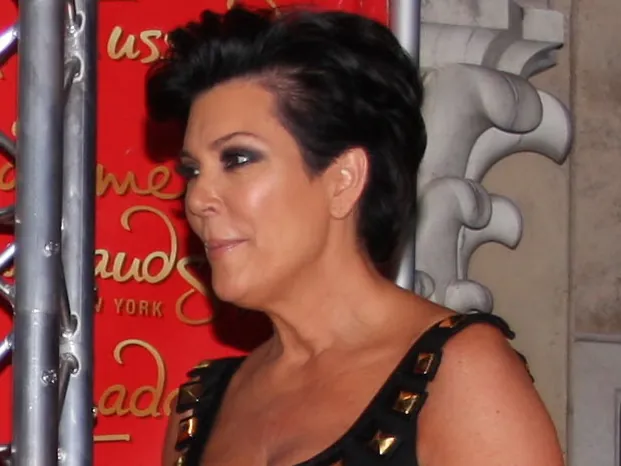 Kris Jenner’s facelift: “I love my facelift”Kris Jenner said she had a facelift about 15 years ago and a refresh before turning 70 — and that she loves it. How a SMAS facelift and recovery work.
 Did Vicki Gunvalson have a facelift? Yes, and she showed the result herselfVicki Gunvalson had a facelift in May 2018 after deciding fillers no longer looked like her. Her own words, how a facelift works and recovery.
 Keltie Knight’s facelift: why she decided to “just own it”Keltie Knight had a facelift in 2023 at 41 and chose to talk about it openly. What she said, how a SMAS facelift works and what recovery looks like.
 Did Linda de Mol have a neck lift? Yes, and she wrote about it herselfLinda de Mol wrote in LINDA. in 2025 that she had a neck lift. What she said, why she chose to be open, and how a face and neck lift works today.
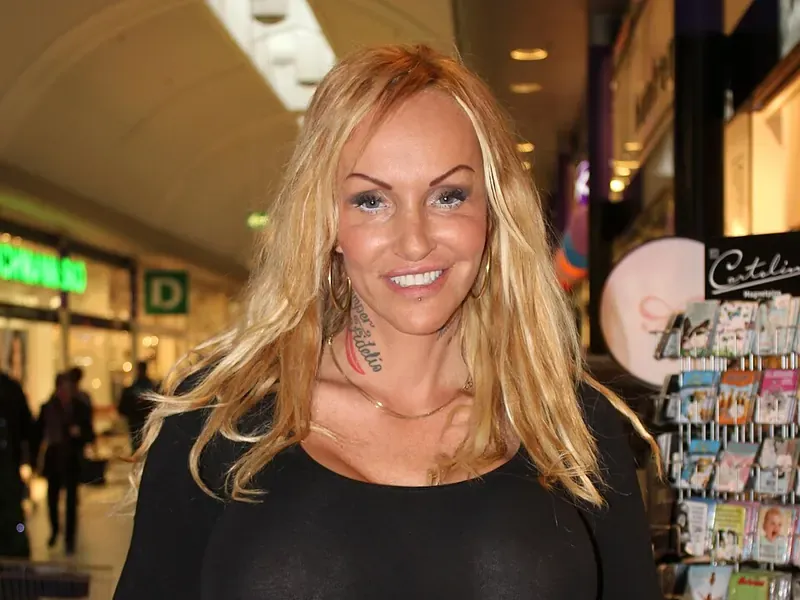 Linse Kessler and her facelifts: what she said herselfDanish reality star Linse Kessler has said openly that she has had several facelifts. Her words, how a modern facelift works and what recovery involves.
 Did Alice Bendová have a facelift? Yes, and she explained why herselfAlice Bendová confirmed a deep plane facelift in September 2026. Her words, how a facelift works, who it suits and what recovery looks like.
Facelift in Constanta: price and what is included
Prices are in US dollars; the amount in brackets is an approximate conversion to RON at the rate of 02.10.2026. The final price is fixed in your contract.
- Faceliftfrom $2,400 (≈ RON 11,500)
What is a SMAS facelift?
It is a face lift that tightens the deep SMAS layer under the skin, not only the skin itself, so the lower face, jawline and neck stay firmer for longer. The result lasts about 7–10 years.
How much does a facelift in Constanta cost?
Prices start from $2,400 (≈ RON 11,500). The surgeon sets the final price at the free consultation, and it is fixed in the contract, with no hidden extras.
What is included in the price?
A one-to-one consultation, the medical team, anaesthesia, inpatient care with meals, 24/7 monitoring and twelve months of follow-up by the surgeon.
How do I get my exact price?
Message us on WhatsApp or Telegram using the buttons below. A coordinator will answer your questions and book a free consultation where the doctor names the exact price.
By messaging us, you agree to our Privacy Policy
Skin that meets 2,314 hours of sun a year
Constanta is a Black Sea city with about 2,314 hours of sunshine a year, according to the 1991-2020 climate normals. July alone brings roughly 331 hours, while December has about 86. For facelift planning the contrast is useful. In a sunny year skin is exposed to a lot of ultraviolet light, and the doctor will ask about this during the online consultation: how many summers you have spent on the beach, whether you use sun protection, and whether your skin has thickened, spotted or lost elasticity. These details help the doctor judge the quality of the tissue before the scope of surgery is discussed.
A SMAS facelift works on the muscle and fascia layer, not only on the skin. The surgical description says it repositions that layer, redistributes fat in the cheeks and lower face, and then redrapes the skin without excess tension. That is why sagging cheeks, jowls, a double chin and deep nasolabial folds are the typical indications. Sun damage is a separate matter. A lift does not turn back years of exposure, and the doctor will say plainly which part of the picture surgery can change.
Beach life is concentrated on a long coastline. The city's beach length is about 13 km, and the Mamaia resort lies on a strip of land 8 km long and 300 m wide between the sea and Lake Siutghiol. The beach season there runs from mid-June to early September. If you want to be fully recovered for the first warm weeks, count back from mid-June. The recovery described for this operation is about 2 months to full recovery, and the final look of the face settles 3 to 6 months after surgery. An operation in late winter or early spring therefore gives enough time for the early swelling to pass before the sun is strong.
When you send photos on WhatsApp or Telegram, use soft daylight, a plain background and a straight-on view, plus a profile on each side. A photo taken in harsh midsummer light exaggerates shadows under the jaw and along the folds. A photo in even light gives the doctor a fairer starting point for the assessment.
Damp winters, sea air and the first weeks of healing
The climate is humid subtropical, and the winter months matter for the early recovery period. January has a mean high of 4.7 °C and a mean low of -1.2 °C. Snow falls on about 22 days a year, mostly in January and February, and the records stand at 38.5 °C for heat and -25.0 °C for cold. Relative humidity averages 82% over the year and reaches 88% in December. In practice, a winter operation means your first days at home are cold and damp, and the face is the part you will most want to protect when you go outside.
The recovery plan for a SMAS facelift is specific. The first 7 to 10 days are for rest, a compression bandage and reduced physical activity. Swelling and bruising fade in 2 to 4 weeks. The first clear changes show at about 3 to 4 weeks, once the swelling goes down. In a cold month the sensible approach is to keep the first days quiet and indoors, and to avoid long outdoor walks until the doctor says the bandage stage is over. A short trip to the car in 0 °C is not dramatic. A long stand on a cold waterfront with a freshly lifted face is simply an unnecessary strain.
Summer has its own demands. July and August have a mean high of 27.9 °C and a mean low of 19.7 to 19.9 °C. Warm weather, heat and strong light are not friendly to healing tissue. If your operation falls in the warm season, plan for shade, a cool room and no sun on the face during the weeks when bruising is still visible. Your coordinator can go through these points with you in the chat, and the doctor will give the actual instructions for sun protection and washing.
Precipitation is moderate: 467.1 mm a year on 59.5 days with at least 1 mm. The wettest months are May (44.8 mm) and October (44.4 mm), and the driest is February (25.9 mm). Rain by itself does not affect healing. What matters is whether you can reach follow-up appointments and check-ins comfortably. Since the first consultation and much of the follow-up are online, a wet day does not have to disrupt the schedule.
Counting swelling and bruising against the Constanta calendar
The key planning question is not only when to operate but when you want to appear in public again. The medical timeline is straightforward. Swelling and bruising fade in 2 to 4 weeks, and full recovery takes about 2 months. Because everyone heals differently, do not plan a major public event in the first month. Treat the 4-week mark as the earliest point at which you may feel presentable, and the 3 to 6 month mark as the time when the final look has arrived.
Romania has 15 non-working days a year, and several of them are useful for planning. A block of rest around 1 and 2 January, or the days of 25 and 26 December, lets you stay at home with little social pressure. National days fall on 30 November and 1 December. If you set your first week of rest around the end of November 2026, those dates give a natural pause. Orthodox Easter is the largest holiday block: the Friday to Monday around Easter Sunday on 2 May 2027, joined by 1 May. If you hope to be at a family table at Easter 2027, the operation should be well behind you by then. With bruising fading in 2 to 4 weeks and the first clear changes at 3 to 4 weeks, an operation in March 2027 would give you more than enough margin, but the actual date is set with the doctor, not by a calendar.
The city also has an academic rhythm. Ovidius University of Constanta has about 15,000 students and 16 faculties, including Medicine and Pharmacy, and was founded in 1961. If you work in or around the university, your term, exam and assessment periods may decide when you can take leave. Teachers and administrators often find that the quieter weeks between terms are the easiest to protect.
Sport also shapes the social calendar. FCV Farul Constanta plays in Liga I, RC Farul in the rugby Divizia Nationala, and HCD Constanta in handball. If you attend matches regularly, a stadium evening is a crowded, loud, physical setting and best left until the bandage stage has passed and the doctor has cleared you for normal activity. The same goes for any contact sport of your own. Reduced physical activity in the first 7 to 10 days is a firm instruction, not a suggestion.
For work, many people with desk jobs prefer to take the whole first fortnight off and then return with a plan for video calls. The face may still look a little tired, but the earliest and heaviest swelling is behind you. The doctor can say during the consultation what is realistic for your type of work.
How Romanian health insurance fits a cosmetic operation
Health insurance in Romania is run by CNAS, the national health insurance authority. It manages the social insurance system and a basic package of medical services, medicines, sanitary materials and medical devices. A facelift is a cosmetic operation for rejuvenation. The material we have found gives no official figure on whether such operations are reimbursed, and none on waiting lists for them. It is safest to assume that the operation is not covered by the basic package, and to confirm that with your insurer if you wish.
Some background helps in understanding the context. Free procedures in the public system require a health card showing paid insurance. EU citizens and uninsured Romanians receive free emergency care. Since April 2019, insured people may pay the difference between private-provider tariffs and the fund's fees. CNAS has also begun introducing co-payments for certain services that are not strictly medically necessary. Out-of-pocket payments were about 21% of total health expenditure against an EU average of 15%, though this is dated data.
A comparison is informative. A published article from December 2024 on bariatric operations says CNAS does not fully reimburse that operation in state or private hospitals, while some pre- and postoperative services such as endoscopy can be free with a family-doctor referral. The same logic applies sensibly to us. Any routine tests your family doctor can arrange through the insurance system, for example for chronic conditions, may be handled that way, while the operation itself is a private matter agreed in a contract.
The price is not part of this text. What you should know is how it is handled: the first online consultation is free, the doctor names the final price after assessing the photos, and it is fixed in the contract before anything is booked. In-house 0% instalments are available if you prefer to pay in parts, without bank interest.
Preparing your photos, questions and health history
Because the first step is an online conversation, a little preparation makes it much more productive. Gather clear photos in even daylight: front, both sides and a slightly raised chin to show the neck. Photos from ten years ago are also valuable, since they show how your face has changed.
Write down your health history. The contraindications are concrete: age under 30, acute skin inflammation, pregnancy and breastfeeding, severe cardiovascular disease, blood clotting problems, cancer and decompensated diabetes. If you have a chronic illness, say so at the start and bring recent results from your family doctor if you have them. A surgical facelift is generally advised from age 40 with marked tissue sagging, and in some cases from 35, but this is an individual recommendation made after an examination.
Think about which of the four main approaches interests you. The standard SMAS facelift covers the mid and lower face. The full (circular) facelift covers the forehead, temples, mid and lower face and neck. A lift for the neck and lower face targets a double chin, jowls and loose neck skin. The endoscopic brow and temple lift works through tiny punctures and lifts the brows. The doctor will help choose, and can also discuss combining the facelift with eyelid surgery, rhinoplasty or double-chin liposuction.
Finally, think about the logistics of your stay and recovery. The price includes inpatient rooms, meals during your stay, 24/7 monitoring by medical staff and support before and after surgery, with follow-up for a whole year. Plan who will help you at home in the first days, and how you will explain your absence at work. Coordinators reply on WhatsApp and Telegram round the clock, so questions that come to mind at night can be sent right away.
Which season in Constanta is most comfortable for the first weeks of recovery?
There is no single ideal season. Winter is cold and damp, with a January mean high of 4.7 °C and humidity of 88% in December, so you would stay indoors during the first 7 to 10 days. Summer brings strong sun and a July mean high of 27.9 °C, so you would need shade. Many people choose late winter or early spring so the swelling has gone before the beach season begins in mid-June. The doctor will advise on your own date.
Do I need to avoid the sun before and after a facelift?
Constanta gets about 2,314 hours of sunshine a year, so sun protection is a sensible habit all year round. The doctor will give exact instructions for before and after the operation. As a general principle, do not expose healing skin to strong light while bruising and swelling are still visible, which usually means 2 to 4 weeks.
Can I plan the operation around Orthodox Easter in 2027?
Yes, but allow plenty of margin. Orthodox Easter Sunday falls on 2 May 2027, with a long non-working weekend around it. Swelling and bruising fade in 2 to 4 weeks and full recovery takes about 2 months, so an operation well before spring would let you attend gatherings looking rested. The doctor confirms the exact timing during the consultation.
Will Romanian health insurance cover a facelift?
CNAS manages the basic package of services, but we found no official information on cosmetic facelift coverage. Co-payments are being introduced for services that are not strictly medically necessary. It is safest to treat the operation as a private service governed by the contract, and to ask your insurer if you want to be certain.
Is the winter damp a problem for healing?
Damp and cold do not stop healing, but they make the first outings less pleasant. The first 7 to 10 days are for rest, a compression bandage and reduced activity anyway, so most of that time is spent indoors. Keep your face protected on the first outings and follow the doctor's instructions.
How do I fit the consultation around a student or work term?
The consultation is online and free, and coordinators reply 24/7, so it can be done at any time of day or night. For the operation and recovery, many people use university breaks or holiday blocks such as 25 and 26 December or 1 and 2 January. Count at least 2 to 4 weeks for the bruising to fade.
Can I attend a match or play sport soon after surgery?
Not in the first 7 to 10 days, when physical activity is reduced. After that, the doctor will tell you when to return to normal activity. Crowded events and contact sports carry a risk of knocks to the face, so wait for the doctor's clearance.
When will I see the final result?
The first clear changes show after 3 to 4 weeks, once swelling goes down, and the final look of the face arrives 3 to 6 months after the operation. Results of a SMAS facelift are described as lasting 7 to 10 years.