City Medical Centre · multi-specialty surgery clinicOpen 24/7

Liposuction in Nantes: Price and Techniques

Free consultation

from $1,200

The price is fixed in the contract before surgery

Message us on WhatsApp

Free online consultation · Reply within 15 minutes
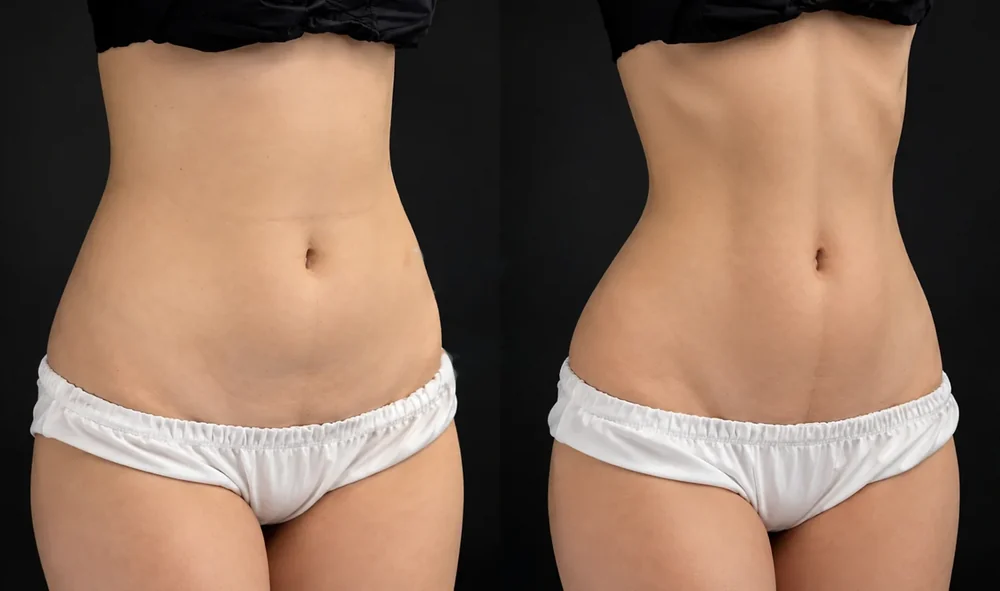
Real case
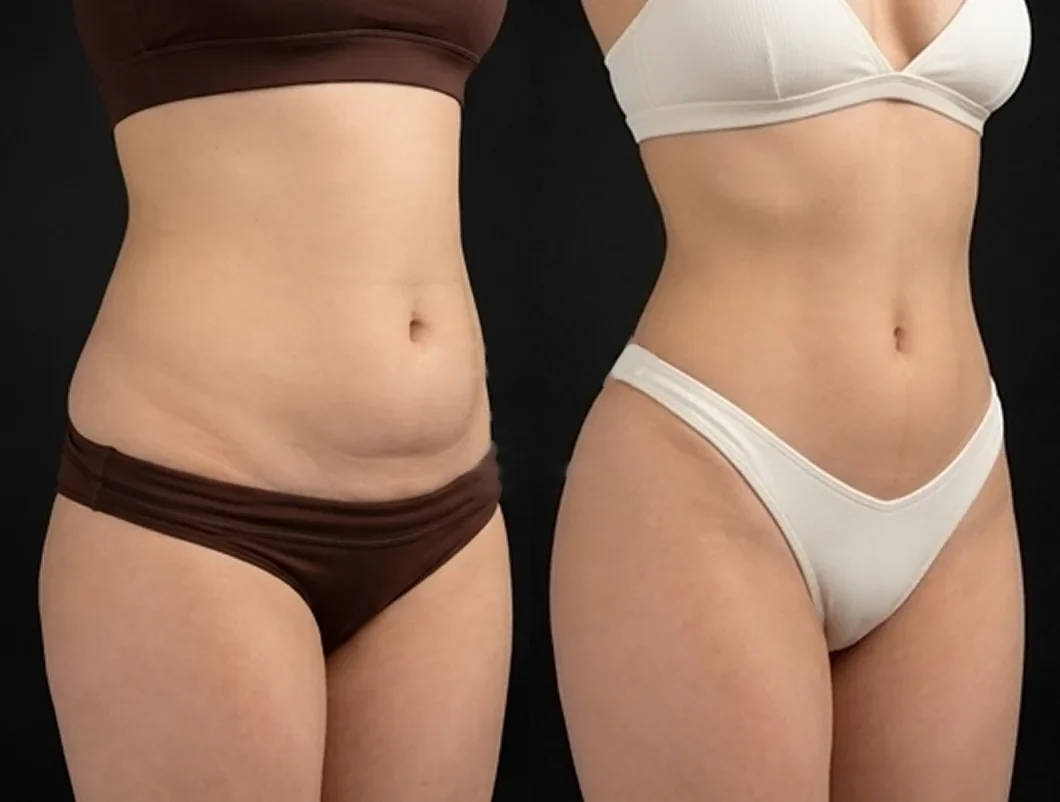
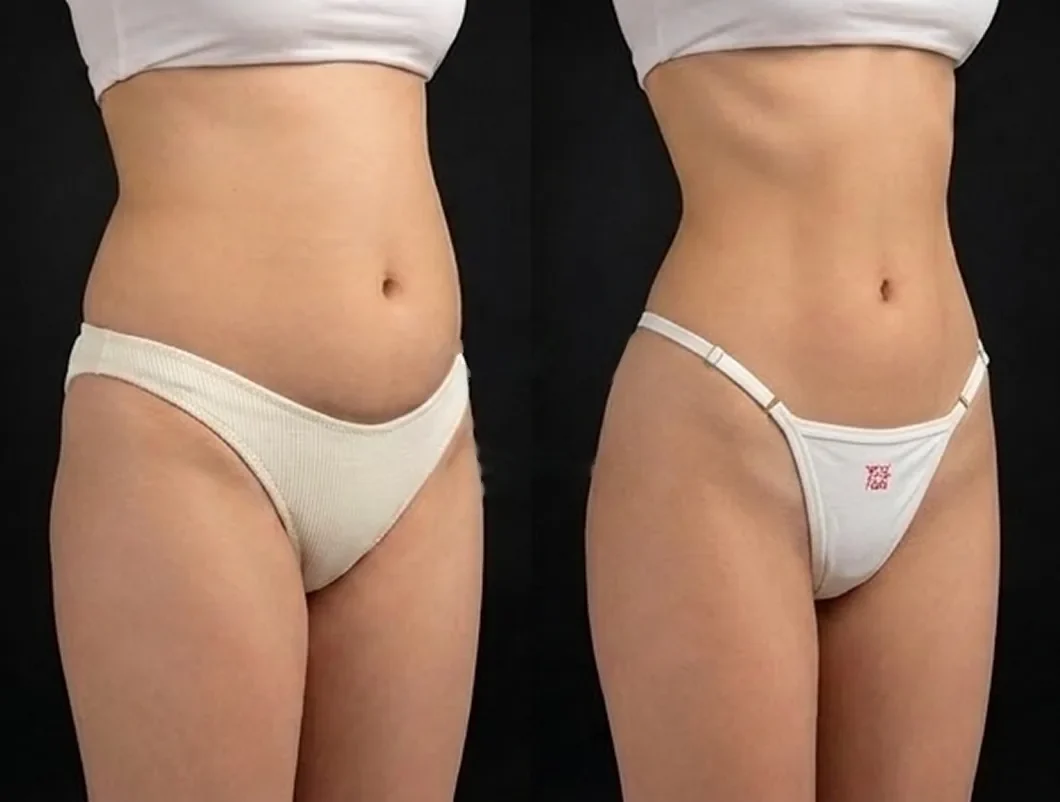
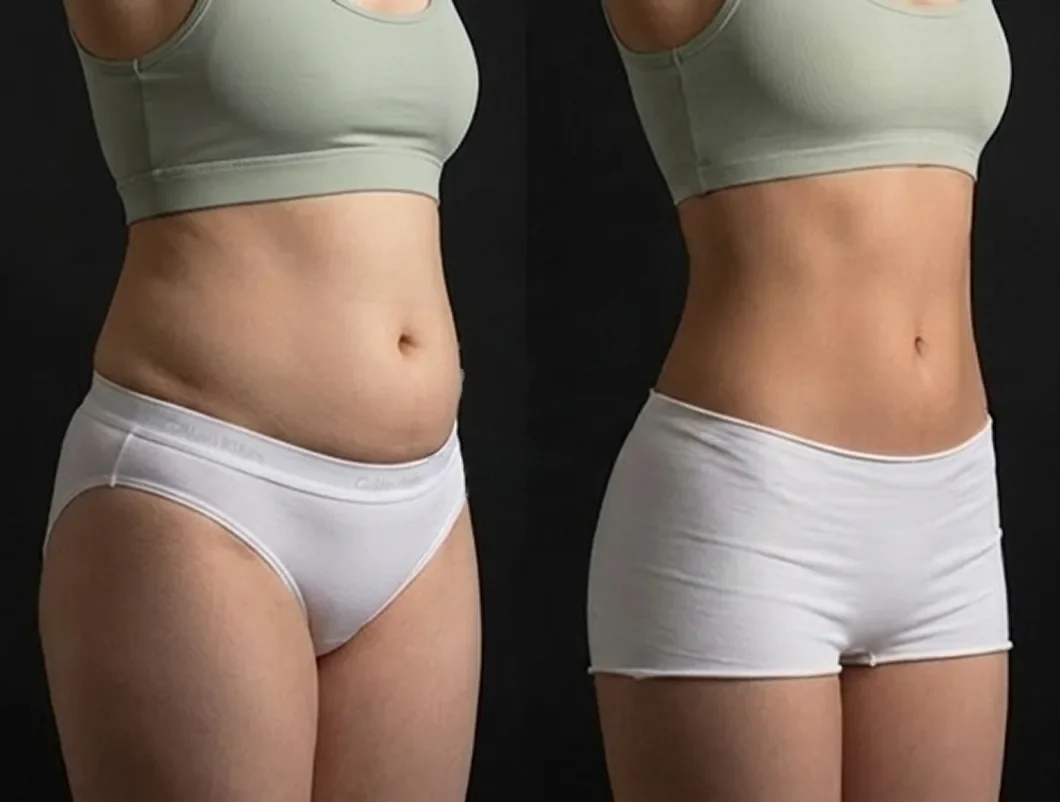
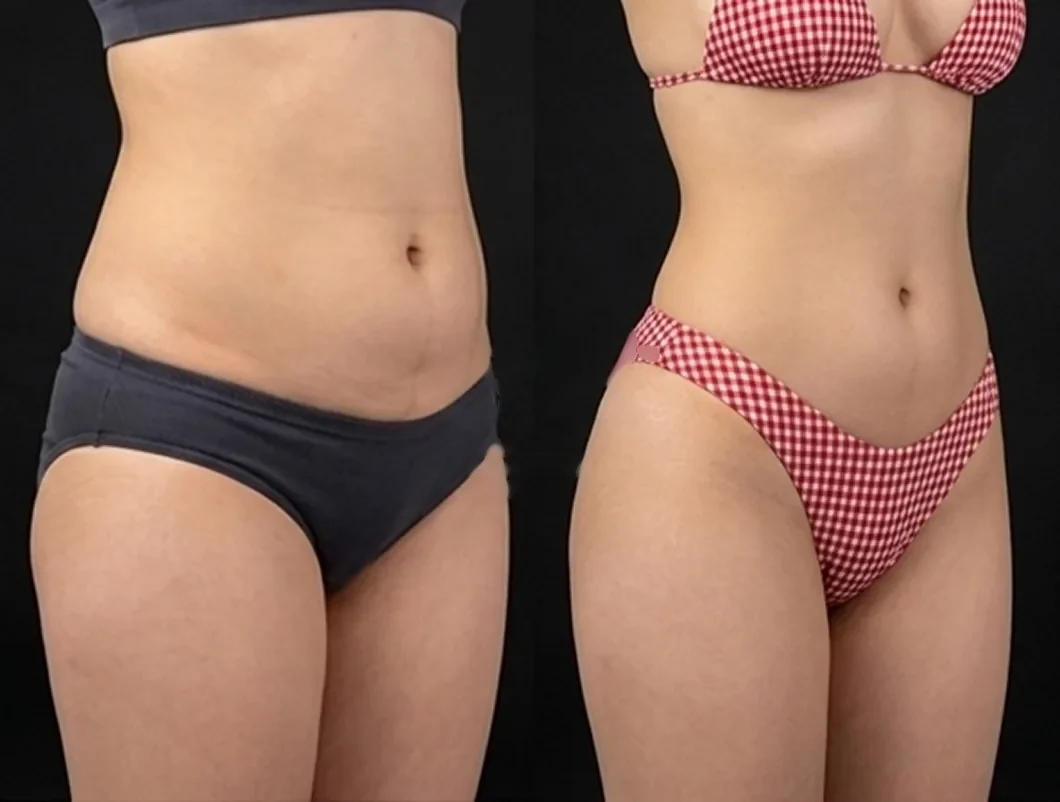
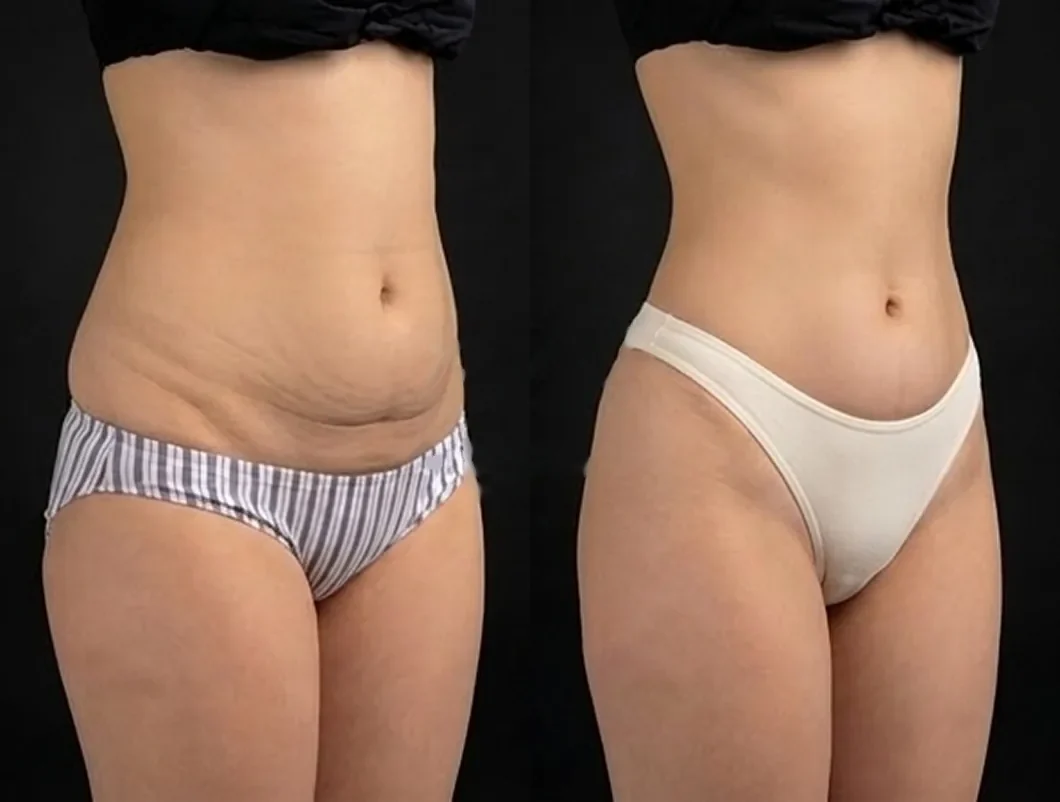
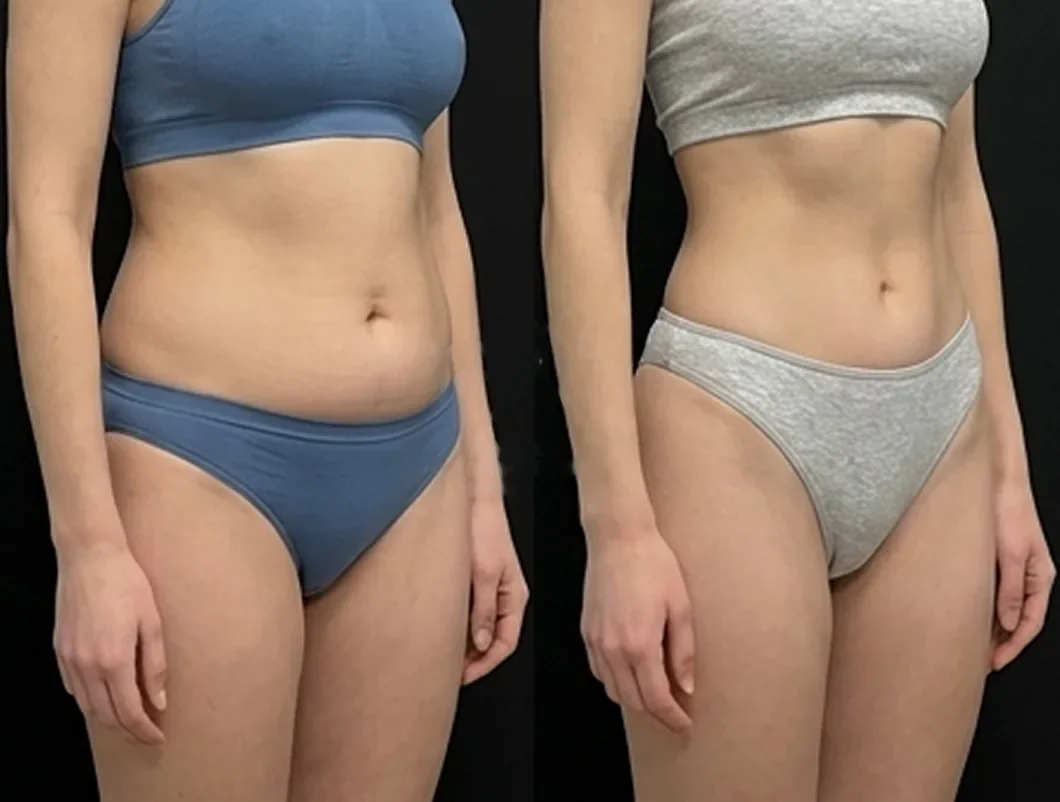
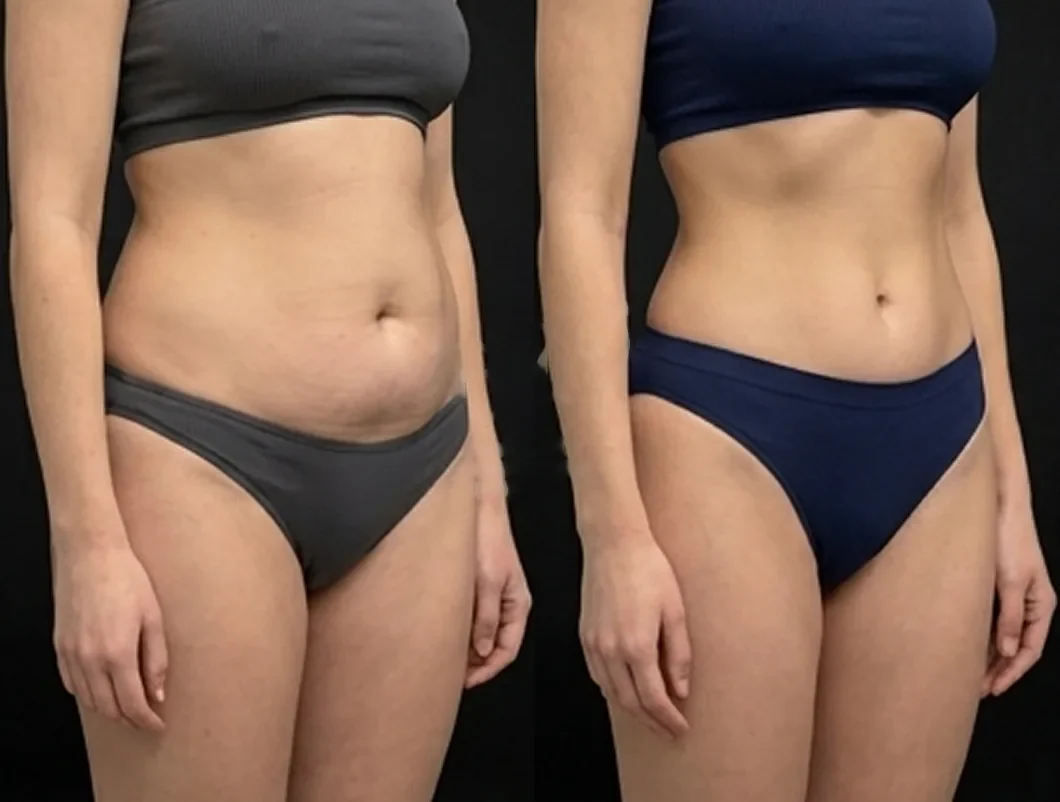
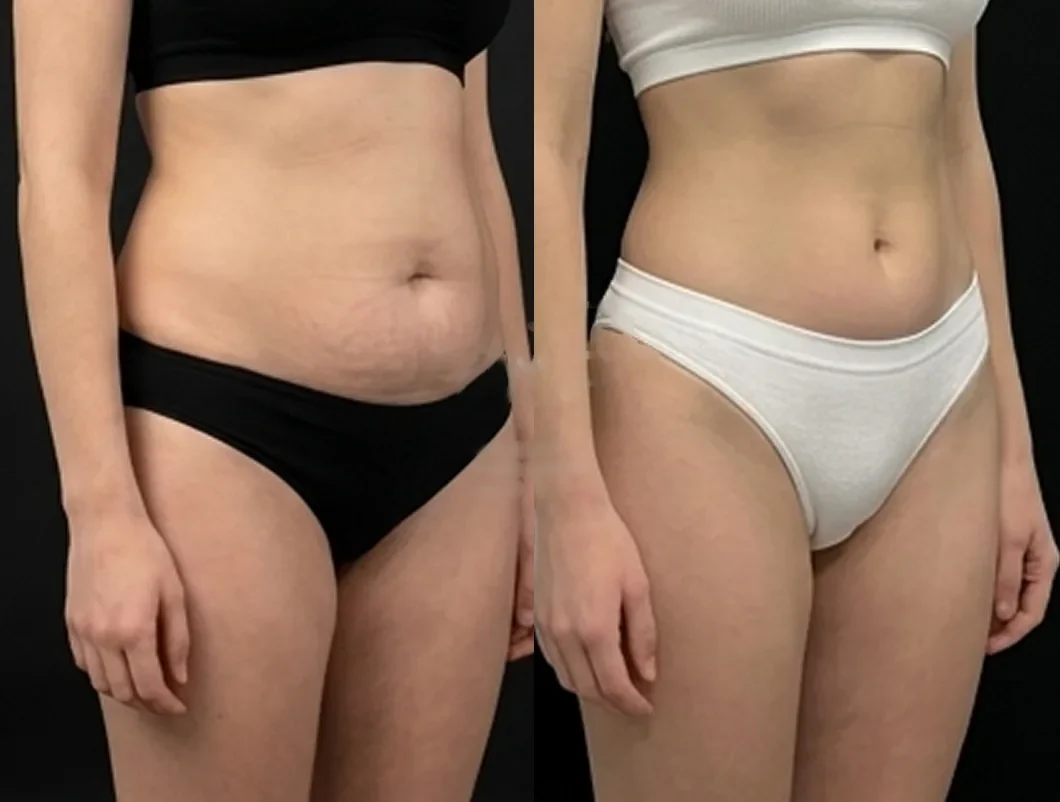
Liposuction: a patient's abdomen and flanks before and after surgery before after
Stubborn local fat that diet and exercise don't shift. Your plan is set at the consultation

Message our coordinator

Free online consultation · Reply within 15 minutes

Message us on Telegram

By messaging us, you agree to our Privacy Policy

Liposuction and fat removal in Nantes: price and key facts

Liposuction for patients from Nantes at City Medical Centre starts at €1,100 (from $1,200). The first online consultation is free; the doctor names the final price and it is fixed in the contract.

Price
€1,100 (from $1,200)
Duration
1–4 hours
Anesthesia
local or general
Stay
home the same day (local anesthesia) or after 1 day (general anesthesia)
Recovery
back to work after 7–10 days
Final result
3–6 months after surgery
How it works
Send photos on WhatsApp or Telegram, get a free doctor assessment and the price, then confirm the plan and dates before anything is booked.

How it works · Liposuction prices

Information current as of 24 October 2026

Free online consultation on WhatsApp and Telegram

Results

Liposuction and fat removal results
of our patients

All cases are real patients. Faces and identifying details are hidden.

Abdomen and flanks

Liposuction of the abdomen and waist: before and after surgerybeforeafter
1 of 10

Comparison

Liposuction techniques

We use two liposuction techniques: tumescent (classic) and VASER (ultrasound). Compare the goal, the indications and the anaesthesia to choose the right technique together with your surgeon.

Tumescent liposuction

A special solution loosens fat for removal through a thin cannula
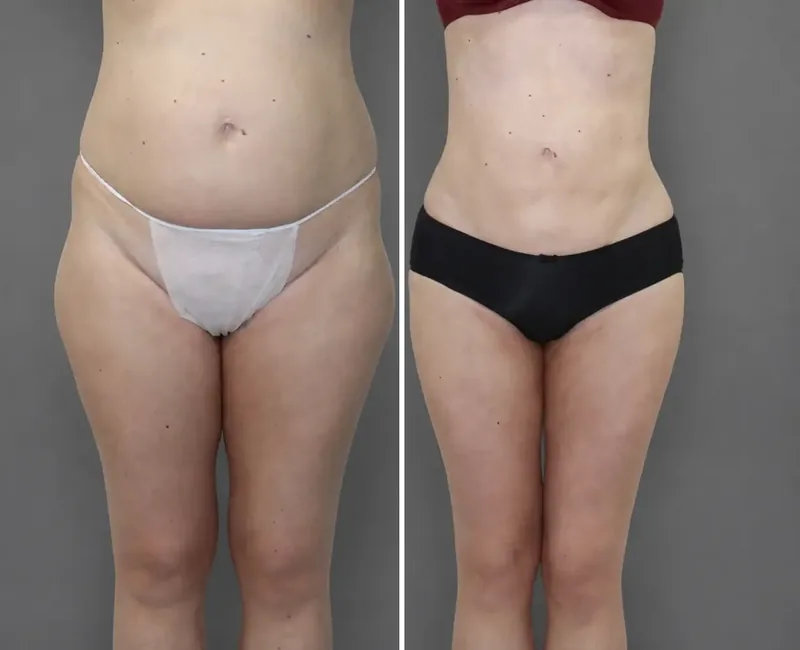
Tumescent liposuction: abdomen and thighs before and after surgery

from $1,200

Main goal
Removal of local fat with minimal blood loss
When it is done
Abdomen, flanks, thighs, back, arms, chin
Anaesthesia and stay
Local or general anaesthesia, home the same day or after 1 day

VASER liposuction

Ultrasound breaks down fat cells before vacuum removal
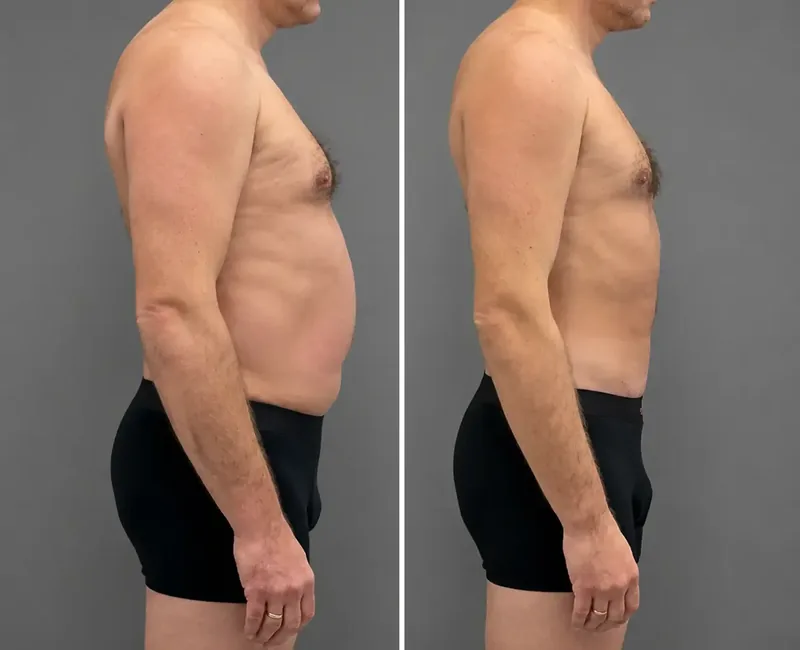
VASER liposuction: a male patient before and after surgery

Price at consultation

Main goal
Defined muscle relief and body contouring
When it is done
Athletic abs and delicate areas
Anaesthesia and stay
Local or general anaesthesia, 1–4 hours of surgery

The benefits and recovery times shown are averaged for each technique and given for guidance: the scope of correction and rehabilitation depend on your anatomy and individual features, and the surgeon confirms them at the consultation.

At the consultation the surgeon draws up a plan for your case and explains how your liposuction will go.

Free, before surgery and with no obligation.

Book a consultation

Areas we treat

Combine several areas in one operation to save recovery time and budget

  • Abdomen and flanks

    The most requested area for women and men, often combined with abdominoplasty

  • Thighs (outer and inner)

    Stubborn fat exercise can't shift

  • Back and lower back

    Rolls on the back that affect the silhouette

  • Arms and shoulders

    A cosmetic issue seen in warm weather

  • Chin and neck

    Small volume and a fast-appearing result

  • Knees

    A delicate zone that calls for precision

  • Chest (for men)

    Gynecomastia, pseudogynecomastia: the fat part

About the clinic

A clinic where you can feel at ease

Modern equipment, comfortable rooms and care for every patient

A doctor and a patient in a clinic ward

Contact us the way that suits you

We will answer your questions and find a convenient time for a consultation

By messaging us, you agree to our Privacy Policy

Request a free call

Liposuction is not for everyone

If your case can be solved without surgery, the doctor will tell you so at the consultation — and you will not spend money for nothing.

Suitable

A surgeon shows a patient on a model and a monitor how the body contour changes after liposuction
  • Local fat that resists diet and exercise
  • Uneven subcutaneous fat
  • Disrupted body proportions
  • Silhouette changes after childbirth or weight loss
  • Fat component of gynecomastia in men
  • Good skin tone and elasticity

Not suitable

A surgeon discusses the indications and contraindications for liposuction with a patient
  • Patients under 18
  • Pregnancy and the breastfeeding period
  • Endocrine obesity
  • Decompensated diabetes
  • Problems with blood clotting
  • Serious heart, kidney or liver disease, cancer

Not sure the surgery is right for you?

Leave your number — the coordinator will call you back, and the surgeon will tell you whether liposuction suits you. No surgery booking needed.

Find out if it suits me

A surgeon goes through the treatment areas with a patient at the consultation

Prices

You know the price
before surgery

The final price is calculated individually after an examination and fixed in the contract.

Liposuction prices

  • First consultationFree
  • Flanks / waist liposuctionfrom $1,400
  • Thigh liposuction (outer)from $1,200
  • Thigh liposuction (inner)from $1,200
  • Torso liposuction — the front abdominal wall, sides of the belly, lower backfrom $3,600
Book a consultation

Find out your liposuction plan and price

The surgeon assesses the fat deposits and skin tone, listens to your wishes and chooses the right technique.
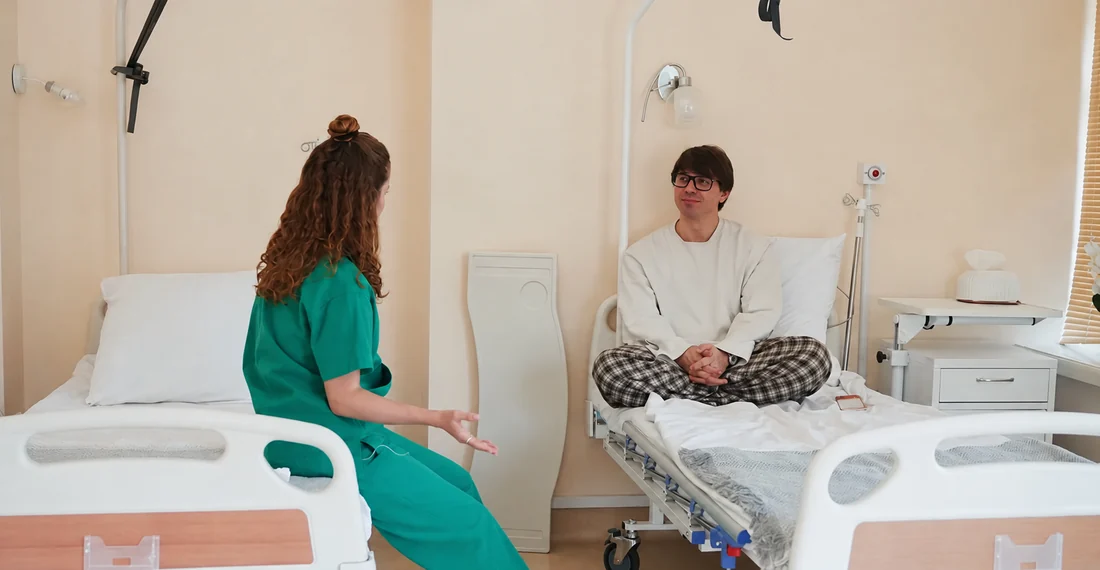
A nurse talks to a patient in a clinic ward

Message our coordinator

Free online consultation · Reply within 15 minutes

Message us on Telegram

By messaging us, you agree to our Privacy Policy
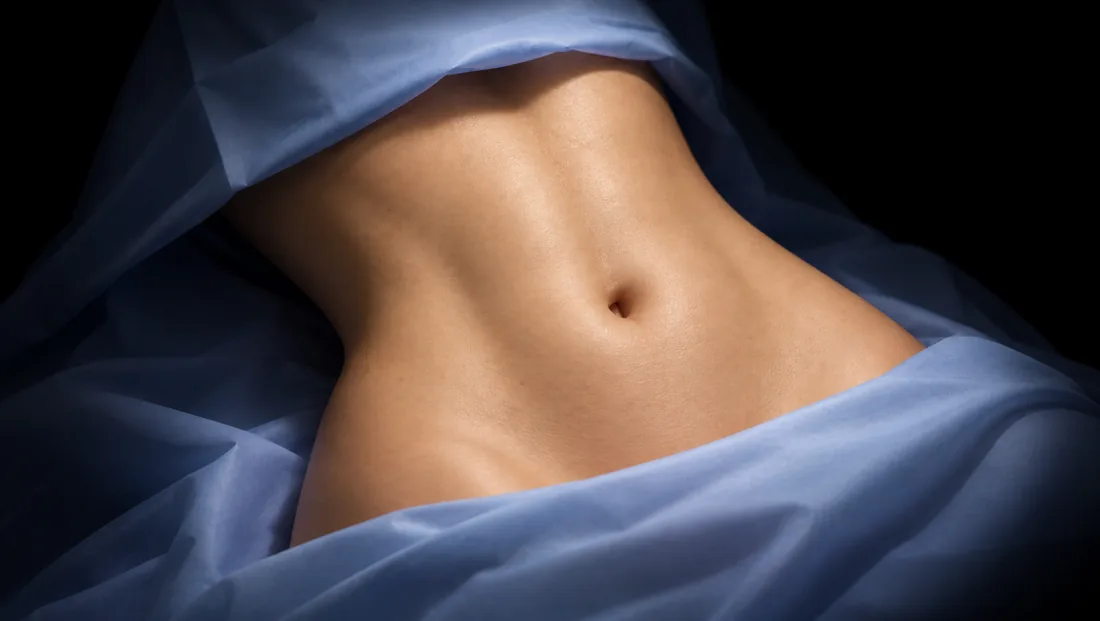
A patient before liposuction in the operating room

all inclusive

What the price includes

From preparation for surgery
to post-op check-ups.

  • All scheduled dressings
  • Scheduled post-op check-ups
  • A personal coordinator on call
  • Compression garments fitted on the day of surgery
  • A stay in a comfortable
    hospital ward with meals
  • Individual recommendations
    for recovery
  • Remote progress monitoring
    by photos

from $1,200

Book a consultation

How it works

From consultation —
to your new contour

An agreed treatment plan, careful monitoring after surgery and post-op check-ups.

A surgeon goes through the liposuction plan with a patient on a monitor1

Consultation
and the surgical plan

The surgeon listens to your wishes, assesses the fat deposits and skin tone and rules out contraindications. A hormonal screening is also ordered — it helps predict the long-term result.

Paying the deposit by card at the clinic reception2

Booking the date
of surgery

We reserve a surgery date for you: the deposit can be paid by card at the clinic or online by bank transfer. The terms are fixed in the contract for medical services

A blood sample tube for tests before liposuction3

Check-up before
surgery

Blood tests (complete count, coagulation panel, biochemistry, infections), an ECG, a chest X-ray and, if needed, a GP consultation. All tests can be done at the clinic with no waiting.

The surgical team during the operation4

Surgery

Marking the areas and fitting compression garments. Under local or general anaesthesia the surgeon removes fat through 3–5 mm micro-punctures — from 1 hour for small areas to 3–4 hours for a combined procedure.

A hospital ward at the clinic5

Waking up
and monitoring

With local anaesthesia you go home 3–4 hours after surgery; with general anaesthesia you stay one day in a comfortable ward under medical supervision.

A surgeon and a patient in the ward during recovery6

Recovery

Compression garments for 30–45 days. First changes show at 2 weeks, once swelling subsides; the final result forms in 3–6 months. Check-ups at 7 days, 3 and 6 months.
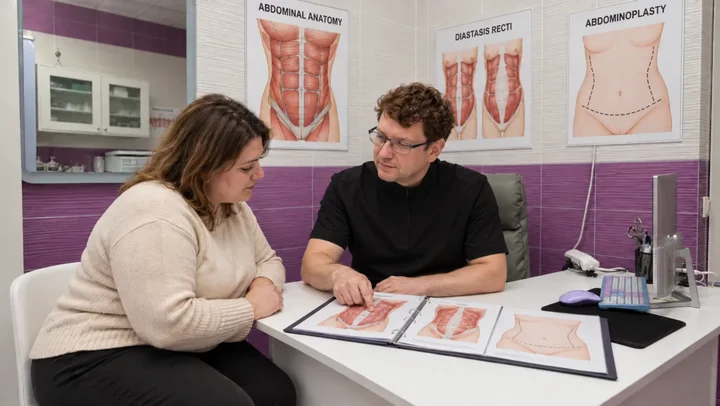
Book a free consultation — the surgeon will plan every step with you.

A doctor discusses the liposuction plan with a patient
Book a consultation
A doctor discusses the liposuction plan with a patient

After liposuction: recovery

After tumescent liposuction, recovery is much shorter than after a conventional procedure. Most patients return to work within 7–10 days. In the first week, mild swelling and a raised temperature are possible — a normal response to surgery. Compression garments are worn for 30–45 days: they fix the new contours and speed up tissue recovery. In the first month, bathhouse, sauna, pool and intense sport are off-limits. For the best result and faster recovery we recommend lymphatic drainage massage, pressotherapy and a gradual return to activity. First visible changes show 2 weeks after surgery, when the main swelling subsides; the final result forms in 3–6 months.

Post-op check-ups

After 7 days, at 3 months and at 6 months. Until the end of the year, get a post-surgery consultation with your surgeon to review results and get more information, at the clinic's expense.

Advantages

Why patients choose City Medical Centre

A surgeon discusses the liposuction plan with a patient at the consultation

Just find out — you lose nothing

At the consultation we discuss your wishes and assess the fat deposits and skin tone. Before surgery an endocrinologist rules out hormonal causes of the fat deposits — this improves the long-term result.

A surgeon on a video call with a patient after surgery

We stay with you after surgery

The surgeon follows your recovery and the new body contour at check-ups after 7 days, 3 and 6 months. Check-ups, dressings and aftercare advice are already included in the price of surgery.

A surgeon shows a patient a model and body contouring diagrams

A beautiful contour that fits your figure

Tumescent and VASER techniques, micro-incisions of 3–5 mm and precise volume control. Our aim is a smooth contour that keeps the natural proportions of your body.

A patient writes down a convenient visit time in her planner

Your schedule is our priority

We respect your time: we work 24/7, with easy booking and a personal approach — we adapt to your pace.

A surgeon shows a patient a tablet: no hidden fees

Fixed prices

After the consultation the surgeon defines the areas and the scope of surgery, and you get a clear price fixed in the contract — no hidden extras.

A surgeon visits a patient in the hospital ward after surgery

Round-the-clock care after surgery

With general anaesthesia recovery starts in a comfortable hospital ward under round-the-clock nursing care. The stay and meals are already included in the price.

FAQ

We answer what
people ask before booking

Liposuction in Nantes: price and what is included

Prices are in US dollars; the amount in brackets is an approximate conversion to EUR at the rate of 02.10.2026. The final price is fixed in your contract.

How much does liposuction in Nantes cost?

Prices start from $1,200 (≈ €1,100) per area. The surgeon sets the final price at the free consultation, and it is fixed in the contract, with no hidden extras.

What is included in the price?

The operation under local or general anaesthesia and the surgeon's support throughout recovery. The price is per area and fixed in the contract.

How do I get my exact price?

Message us on WhatsApp or Telegram using the buttons below. A coordinator will answer your questions and book a free consultation where the doctor names the exact price.

By messaging us, you agree to our Privacy Policy

Liposuction in Nantes: what you should know

Before any decision on liposuction in Nantes, it helps to know how the clinic approaches it. An endocrinologist rules out hormonal causes of excess fat, which improves the long-term result. Surgery uses tumescent and VASER techniques and closed fat-harvesting systems with precise volume control. Liposuction can also be combined with other procedures, for example a tummy tuck for the abdomen.

It starts with a surgeon consultation: the doctor listens to your wishes, assesses the fat deposits and rules out contraindications, and a hormonal screening is ordered to predict the long-term result. Patients from Nantes then take pre-operative tests — blood count, coagulation panel, biochemistry, infection screening, ECG and chest X-ray — which can all be done at the clinic with no waiting.

If you are comparing liposuction prices in Nantes, check what the figure depends on: the number of zones, their size and the chosen technique. Here the starting price is $1,200 (≈ €1,100), the final sum is set after an examination and nothing hidden is added. Hormonal screening before surgery and surgeon support through recovery are part of the approach. Book a free consultation to get your plan.

Stories of well-known people

Well-known people who spoke openly about this operation, in their own words.

All stories about this operation →

Weight stability and the French picture of body shape

Liposuction reshapes local fat. It does not treat obesity, and that point matters more when the national statistics are in front of you. The Obepi survey of 2020 found that 17% of French adults were obese, up from 8.5% in 1997 and 15% in 2012. It also found that 47.3% of adults were overweight or obese. These are national figures, and a regional breakdown for the Nantes area was not available to us. They still show why a sensible consultation begins with a question about weight rather than about the abdomen.

A resident of Nantes who is considering liposuction usually has one of two profiles. The first is a person whose weight has been stable for a long time but who has one or two stubborn zones: the flanks, the outer thighs, the lower abdomen, the chin. The second is a person whose weight has changed recently, through a pregnancy, a diet or a medical treatment, and whose body has not settled into a new shape. The doctor treats these two profiles very differently. For the first, the plan can be drawn up quickly. For the second, the sensible advice is often to wait, to see a nutritionist or an endocrinologist, and to come back when the weight has been steady.

The medical text we work from is clear on this. Liposuction is not a weight-loss method. It targets local fat deposits that resist diet and exercise and reshapes the contour of the body. If your weight is unstable, the first step is a nutritionist or an endocrinologist. This is why the online consultation includes a conversation about your weight history, not only a look at photographs. You will be asked how many months your weight has been roughly the same, what you tried before, and whether any medication or hormonal issue could be driving the fat deposits. A hormonal screening is part of the planning, because it helps to predict how well the result will hold.

Some situations are outside what liposuction is meant for, and the list is short and concrete. Age under 18, pregnancy and breastfeeding, endocrine obesity, decompensated diabetes, blood coagulation disorders, and serious heart, kidney or liver disease or cancer all rule it out. If you live in Nantes and recognise yourself in one of these categories, the coordinator will tell you straight away instead of letting you collect photographs for nothing. The French medical language for severe obesity is different again. Metabolic and weight-loss operations are discussed in France in terms of a body mass index of 35 or more with at least one complication that surgery could improve, or an index above 40. Those paths involve failed diet attempts and multidisciplinary follow-up before and after. They are a separate field from liposuction, and the consultation will point you in that direction if your situation looks like that.

What the doctor looks for in a good candidate is simple and practical: local fat that does not respond to diet and exercise, uneven subcutaneous fat, disrupted proportions, changes in the silhouette after childbirth or weight loss, or, in men, the fat component of gynecomastia. Skin quality matters just as much. Good tone and elasticity mean the skin can tighten and adapt to the new contour. If tone is reduced or stretch marks are present, the specialists may recommend preparatory treatments that improve the skin in advance.

One honest point about weight afterwards: removed fat cells do not come back, but the remaining cells can grow if you gain weight. Nobody asks you to follow a strict diet after the operation. A balanced diet and regular physical activity are what protect the contour in the long run, and the post-operative check-ups at 7 days, 3 months and 6 months give you fixed moments to review your weight with the doctor.

Summer warmth, winter damp: choosing the season for compression

The compression garment is the most visible part of recovery, and its schedule is fixed by the medical plan: it is worn for 30–45 days. It is fitted on the day of the operation and it fixes the new contours and speeds up tissue recovery. What you can choose is the calendar around it, and the Atlantic climate of Nantes gives you real numbers to think with.

The weather station at Nantes-Bouguenais, using the 1991–2020 averages, shows a July mean high of 25.1 °C and a mean low of 14.3 °C. August is almost identical, at 25.4 °C and 14.2 °C. January is much cooler, with a mean high of 9.3 °C and a low of 3.4 °C. Over the year the average is 17.1 °C by day and 8.3 °C by night, and the climate is classed as oceanic. So a garment worn through July or August meets daytime temperatures in the mid-twenties and cool nights. A garment worn through January meets days under 10 °C.

The records are a reminder that averages are not the whole story: 42.1 °C at the hottest and −15.6 °C at the coldest. A recovery that happens to coincide with an exceptional heat wave is uncomfortable under a snug garment, and the doctor can only help with practical advice, such as how to plan rest, light clothing over the garment and how to stay in a cool room. During the first month, bathhouse, sauna and pool are off-limits in any season. Alcohol and tanning beds should be avoided for at least a month. This matters if the weeks after the operation fall in a sunny spell. Nantes gets 1,873.3 hours of sunshine a year, with August the sunniest month at 232.6 hours and December the dullest at 77.6 hours. Sun exposure on healing skin is something to discuss with the doctor, not to improvise.

Winter has its own logic. In December the average humidity is 89%, against 75% in July, and the 81% annual figure says that the air is rarely dry. Rain is also frequent: precipitation reaches 101.0 mm in December and 94.1 mm in November, with 13.5 rainy days in December against 7.1 in July. We do not claim that humidity changes how swelling behaves. There is no medical statement of that kind in our material. What the numbers do tell you is that a winter recovery in Nantes means more days spent indoors, and that suits the first week of rest, when you avoid physical exertion and heavy lifting. For some patients this is exactly why they pick November or December: the diary is quieter, the garment is hidden under winter clothes, and the 30–45 days of wear pass without the discomfort of warm afternoons.

A worked example, with dates after 1 November 2026: an operation in the middle of November 2026 would put the 30–45 days of garment wear between mid-December and the very end of the year. Mild swelling in the first week would pass before the Christmas period. The first visible changes, at about 2 weeks, would come in early December, and the interim result at 1.5–2 months would be visible in January. The final contour, at 3–6 months, would settle between February and May 2027, just as the days get warmer and lighter. An operation in the first half of June 2027 reverses the picture: the garment goes through the warmest weeks, and the final result appears in the autumn.

Neither choice is better in general. The right season depends on your work, your sensitivity to heat, and the dates the doctor can offer after your tests. The coordinator will discuss the calendar with you, and the date is confirmed before anything is booked.

Cycling, walking and the first weeks after the operation

Nantes has an unusually well-documented infrastructure for moving around the city without a car, and it is useful to think about it in recovery terms. The Bicloo bike-sharing system has 880 bicycles at 103 stations. The tramway has 3 lines covering 43.5 km, and Semitan, the public transport operator, recorded 132.6 million trips in 2015. Green space makes up 41% of the city, with 100 public parks covering 218 hectares. The Loire, the Erdre and the Sèvre Nantaise add water edges to that.

For a patient this means a recovery plan can be built on two things the city already offers: very easy short journeys and a lot of places to walk. The medical text does not give a day-by-day exercise programme, so we will not invent one. What it does say is that in the first 7 days you skip physical exertion and heavy lifting, that in the first month intense sport is off-limits, and that for the best result and faster recovery lymphatic drainage massage, pressotherapy and a gradual return to activity are recommended. A gradual return is the key idea. Light walking in a park is a different load from a fast ride on a bike with the garment pressing on the abdomen or thighs. Whether and when you may use a shared bicycle is a question for the doctor at your check-up, not something to decide because a station happens to be near your door.

The terrain helps in one small way. The highest natural point in the city, the Butte Sainte-Anne, is 38 m above sea level, the northwest high point is 52 m, and the lowest points along the Loire are 2 m. The city is mostly gentle, without sustained steep climbs, so a short walk on foot or a short tram journey rarely means hard effort. This is not medical advice, only the geography. The practical advice is the same as anywhere: start with short distances on flat streets, listen to how the swelling responds, and report anything unusual by photo to your coordinator.

People who enjoy sport usually ask about the Stade de la Beaujoire, which has 37,473 seats and hosted matches of the 1984 European Championship, or about the local football club with its eight league titles. Spectating is not exercise, but crowds and long standing do add fatigue and bumps. For the first weeks, choose a seat, avoid crowded standing areas, and ask the doctor whether an event in your first month is a good idea.

For those thinking longer term, the structure of the plan is simple. The first month is the strictest. After that, many of the limits are lifted by the doctor as the check-ups at 3 and 6 months show how the tissues have adapted. The final result forms in 3–6 months, so your return to cycling or running at full effort is part of that timeline and is confirmed individually. The city's parks, riverbanks and tram lines will still be there when you are ready. What matters is that exercise helps you keep the contour, since a stable weight is the best protection for the result, and that you do not rush to it.

Reading the French health insurance rules before you decide

Patients living in France often arrive with a fair question: will the health insurance pay? The French system is wide in coverage. The figures commonly quoted say that 99.9% of the population is covered, that the main fund covers 84% of the population, and that the system generally refunds 70% of most costs. About 85% of people also hold complementary private insurance, called a mutuelle. Another source shows that in 2020 the general regime had 59.2 million beneficiaries and that the national fund (CNAM) insured 88% of the population. Some of these numbers are dated, so treat them as an outline and not as today's rule.

For liposuction the key distinction is between a procedure done for personal comfort and one that repairs something. Cosmetic procedures carried out for reasons of personal comfort are not paid for by the Sécurité sociale. There are exceptions: grave psychological or social harm, such as protruding ears or breast reduction, or medical criteria, such as a deviated septum. In those cases the treating doctor sends a prior request to the insurer's medical adviser, and the request is deemed accepted if there is no reply within 15 days. The procedure must also take place in a public or an approved (conventionné) establishment. This description comes from an insurer's explanatory article and not from the official insurance website, so check the current rules with your own fund.

Reconstructive procedures after an accident, an illness or a malformation are covered by the Assurance Maladie, most often in full. That is the general rule as described in the same article. We want to be careful here. Our online consultation is not an insurance assessment, and we do not tell you that your case will or will not be reimbursed. What we can do is describe your plan precisely, in writing, with the areas, the technique and the anaesthesia, so that you can show it to your mutuelle or your own doctor if you want to ask. Many complementary insurers have their own rules for cosmetic procedures, and the answer is in your policy, not in a general article.

Waiting times are another reason patients look for a different path. An older survey from 2010, which we cite only as old data, found that 53% of specialist appointments happened within a month while 28% took more than two months, and that 46% of people had elective surgery within a month while 7% waited four months or more. We would not draw conclusions about today's Nantes from that, but it explains why people value a plan in which the dates are agreed before anything is booked. In our process the coordinator replies within 15 minutes to a first message, the doctor assesses your photos for free, and the date is confirmed only after you accept the plan.

On the financial side we keep to what is stated in the contract: the final amount is calculated individually after the examination and fixed in the contract, and the all-inclusive package covers dressings, scheduled check-ups, a personal coordinator on call, compression garments fitted on the day, the hospital stay with meals, individual recovery recommendations and remote monitoring by photo. Ask your mutuelle how it treats such costs, and keep the contract and medical documents together so that you have them if a reimbursement request is possible.

A calendar of holidays, festivals and student terms

Planning a medical procedure is partly a calendar exercise, and France has a particular one. There are 11 public holidays: 1 January, Easter Monday, 1 May, 8 May, Ascension, Whit Monday, 14 July, 15 August, 1 November, 11 November and 25 December. In spring several of them fall close together, and a patient who needs 7–10 days before going back to work can sometimes use a bridge between them to reduce the number of working days taken off. The medical timeline does not change, since most patients go back to work within 7–10 days, but the gap in your diary may be shorter.

For example, the tests before surgery (blood tests, ECG, chest X-ray, and a consultation with a GP if needed) are normally done in the days before the operation, and the three check-ups come at 7 days, 3 months and 6 months. If a public holiday falls on the day of the 7-day check-up, the check-up is done remotely by photo, and the coordinator, who answers 24/7, reschedules anything that needs your presence. This works because progress monitoring by photo is already part of the package.

Nantes has an event rhythm that matters if you want a quiet recovery or if you want to be able to attend something specific. The classical music festival La Folle Journée takes place each winter over five days. Le Voyage à Nantes has run every summer since 2012. The Rendez-vous de l'Erdre jazz festival is held in September and attracts about 150,000 people. We do not know how any of these affect your daily life, and we will not guess. What is useful is to treat them as markers: if you want to attend an event in the first month, tell the coordinator in advance, since intense sport and crowded, tiring days are best avoided for a time, and you can plan the operation date to fall after the event rather than before.

The university adds another rhythm. The University of Nantes was founded in 1460 and had 37,140 students in 2018–19 according to the infobox figure, although the text of the same article gives roughly 34,500, and the wider metropolitan area counted 53,000 students in 2013–14. The figures differ because they come from different counts, so take them as an order of magnitude. For a student or a member of staff in this large academic community, the calendar of exams and terms is usually the limiting factor, not the surgery itself. A recovery of 7–10 days before returning to normal routine is shorter than many people expect, but the first week of rest, with no heavy lifting, is real, and carrying a bag of books across campus is exactly the kind of load to avoid. If you study or teach, discuss the timing with the coordinator before the exam period, not during it.

For anyone with a family, the school holiday calendar is the equivalent of the student calendar. A parent who needs somebody to take over lifting and carrying for the first 7 days will find the planning easier in a period when another adult is at home. This is a question of logistics, and we leave the choice to you. The coordinator will help you shape the plan so that the medical dates (tests, operation, 7-day check-up) fit your calendar and not the other way round.

Preparing from home: an online route from first photo to check-up

The whole process starts with a message. You send photos on WhatsApp or Telegram, the doctor assesses them for free, and you receive a plan and a price that is fixed in the contract. You confirm the plan and the dates before anything is booked. For a resident of Nantes this means you can do the first steps from your sofa, at any hour, since coordinators answer 24/7. The consultation is free and there is no obligation to book an operation.

What the doctor needs from you is practical. Clear photos of the areas you want to treat, taken in good light, from the front, side and back. A short note about your weight history and any medication. A description of what you tried before. From this the doctor can discuss which technique fits: tumescent liposuction, in which a special solution loosens the fat for removal through a thin cannula, or VASER, in which ultrasound breaks down the fat cells before vacuum removal. Tumescent is the classic technique, aimed at removing local fat with minimal blood loss in the abdomen, flanks, thighs, back, arms and chin. VASER is aimed at defined muscle relief and body contouring, such as athletic abdominal definition and delicate areas. Both can be done under local or general anaesthesia, and the surgery lasts between 1 and 4 hours depending on the scope.

Preparation is more than photographs. Smoking, alcohol and medications that affect clotting, such as aspirin, are given up 7–10 days before the operation. Pre-operative tests are required: blood tests (complete count, coagulation panel, biochemistry, infections), an ECG, a chest X-ray, ultrasound if needed, and consultations with a GP and an anaesthesiologist. You receive all instructions after the first consultation, and an endocrinologist rules out hormonal causes of the fat deposits before surgery. If you want to do some of the tests with your usual doctors in Nantes, ask the coordinator which results are accepted and in what form, and send them in advance so that the medical team can read them before you arrive for the operation.

On the day, the areas are marked and the compression garment is fitted. With local anaesthesia, you go home 3–4 hours after the operation. With general anaesthesia, you stay one day in a comfortable ward with round-the-clock nursing care, and the stay and meals are included. The fat is removed through 3–5 mm micro-punctures, which usually need no stitches, and once healed the marks are barely visible. With proper care during recovery they fade completely.

From then on the process goes back to being remote. A personal coordinator is available on call, and you send progress photos so that the doctor can follow the swelling and the contour. In the first week mild swelling and a raised temperature are possible, which is a normal response to surgery. Mild discomfort can be relieved by the painkillers prescribed by the doctor. If something does not look normal, you write immediately and do not wait for the next scheduled check.

A good preparation habit is to write a short list before the consultation: what bothers you, what you have already tried, which dates are impossible for work or family reasons, and which questions you want answered. Many patients find that this list shortens the conversation and makes the plan more precise. The doctor will also tell you honestly if your case can be solved without surgery, and you will not spend money for nothing.

Does the mutuelle usually help with a liposuction done for aesthetic reasons?

There is no general rule we can state for your policy. In France, procedures carried out for personal comfort are not paid for by the Sécurité sociale, and about 85% of people hold a complementary private insurance (mutuelle) whose terms differ from one contract to another. The best approach is to ask your insurer in writing how it treats cosmetic procedures, and to use the detailed plan from the online consultation as the document you show.

When could a reconstructive case be reimbursed, and is that what you offer?

Reconstructive procedures after an accident, an illness or a malformation are covered by the Assurance Maladie, most often in full, and in some exceptional cosmetic cases a prior request from the treating doctor is deemed accepted if the insurer's medical adviser does not reply within 15 days. That is a separate route, requiring a public or approved establishment. Our online consultation is not an insurance assessment, so we do not tell you whether your case qualifies. We describe the areas, technique and anaesthesia precisely so that you can ask your own doctor and your fund.

Is a summer or a winter date better for wearing the compression garment in Nantes?

Both work, and the choice depends on you. The garment is worn for 30–45 days. In July the average high at Nantes-Bouguenais is 25.1 °C and in August 25.4 °C, while in January it is 9.3 °C by day and 3.4 °C by night. A summer recovery means a snug garment in warm afternoons, and a winter recovery means cool, damp, rainy weeks indoors, which suit the first week of rest. Tell the coordinator which you prefer and the date will be planned around your tests.

Can I use the Bicloo bikes or the tramway during the first weeks?

The tramway, with 3 lines over 43.5 km, is an easy way to make short journeys without strain. Shared bicycles, such as the 880 Bicloo bikes at 103 stations, are a different matter: in the first 7 days you skip physical exertion and heavy lifting, and in the first month intense sport is off-limits. Ask the doctor at your check-up before you ride, because the answer depends on the area treated and on how your swelling is behaving.

Is it a problem if my weight changes before the operation?

Yes, it can be. Liposuction is not a weight-loss method, and it is designed for people whose weight is reasonably stable and who have local fat that resists diet and exercise. If your weight is unstable, a nutritionist or endocrinologist is the first step. Removed fat cells do not come back, but the remaining ones can grow if you gain weight, so the doctor will usually ask you to stabilise your weight first.

How do public holidays affect the dates of the check-ups?

France has 11 public holidays, and some fall close together in spring. The medical schedule stays the same, with check-ups at 7 days, 3 months and 6 months. If a holiday falls on a check-up day, progress can be reviewed by photo and the coordinator, who answers 24/7, reschedules anything else. It is worth telling the coordinator about holidays and long weekends when the first date is discussed.

Does the damp Atlantic climate change how recovery goes?

We do not have any medical statement saying so. What we can say is the pattern: relative humidity in Nantes is 81% over the year, 89% in December and 75% in July, and December has 13.5 rainy days against 7.1 in July. The medical plan itself does not change: 7–10 days before most patients return to work, 30–45 days of garment wear and 3–6 months for the final contour. If you have a concern about skin irritation under the garment in humid weather, send a photo and the doctor will advise.

I study or teach at the university. When is the best time in the academic year?

The University of Nantes has tens of thousands of students, and the calendar of terms is a real constraint. Most patients return to work within 7–10 days, but the first week excludes heavy lifting, so carrying a heavy bag is not advised. Choose a period away from exams, discuss it with the coordinator, and remember that tests before surgery and the 7-day check-up also need to fit your timetable.

Do I need to be in Nantes for the check-ups, or can they be done remotely?

Progress is monitored remotely by photo, and a personal coordinator is on call 24/7, so many questions can be answered from home. The check-ups at 7 days, 3 months and 6 months are part of the plan, and the doctor will tell you in each case how they are organised. If you notice anything unusual between check-ups, write at once instead of waiting.

Is liposuction a suitable response to the rise in obesity in France?

No. The Obepi survey found 17% of French adults obese in 2020, and 47.3% overweight or obese, but liposuction does not treat obesity. Severe obesity is handled in a different medical pathway, with a body mass index of 35 or more plus a complication, or above 40, and with multidisciplinary follow-up. Liposuction is for local fat that resists diet and exercise, and the doctor will redirect you if your case belongs elsewhere.