City Medical Centre · multi-specialty surgery clinicOpen 24/7

Liposuction for Patients from Mannheim

Free consultation

from $1,200

The price is fixed in the contract before surgery

Message us on WhatsApp

Free online consultation · Reply within 15 minutes
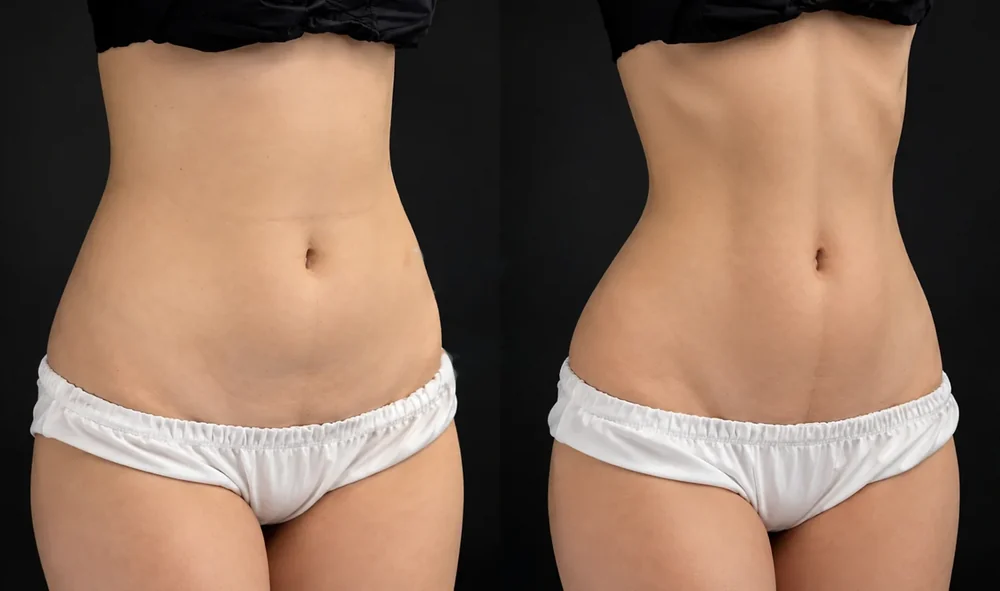
Real case
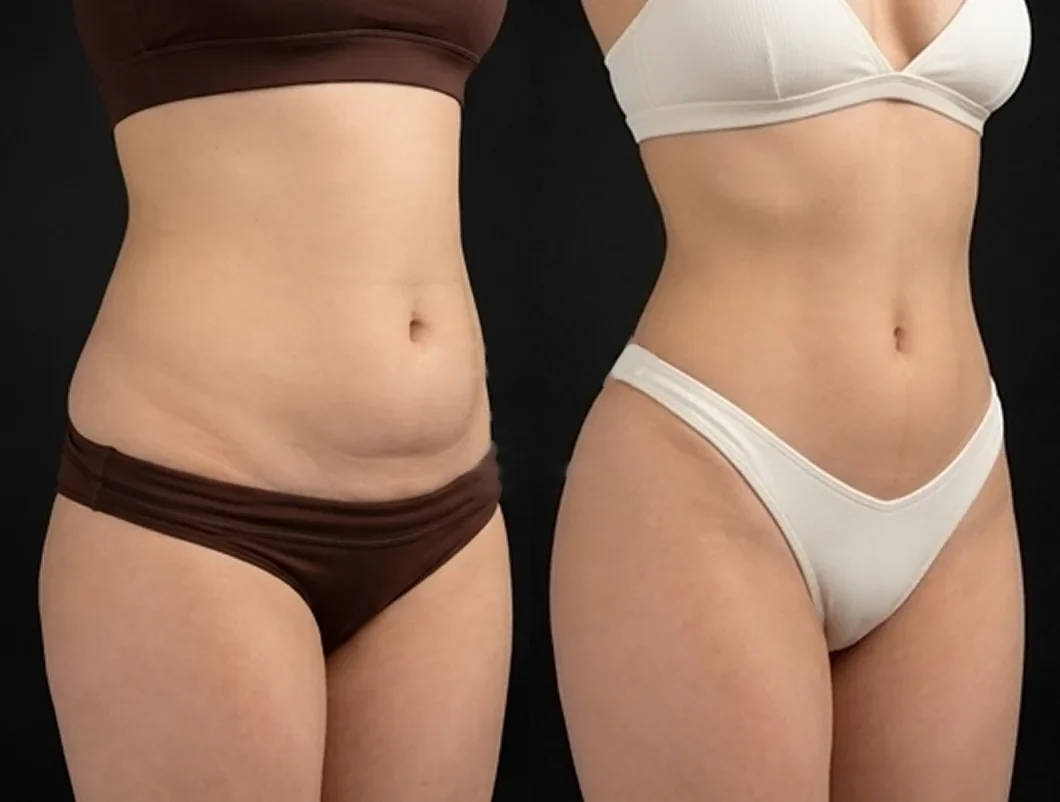
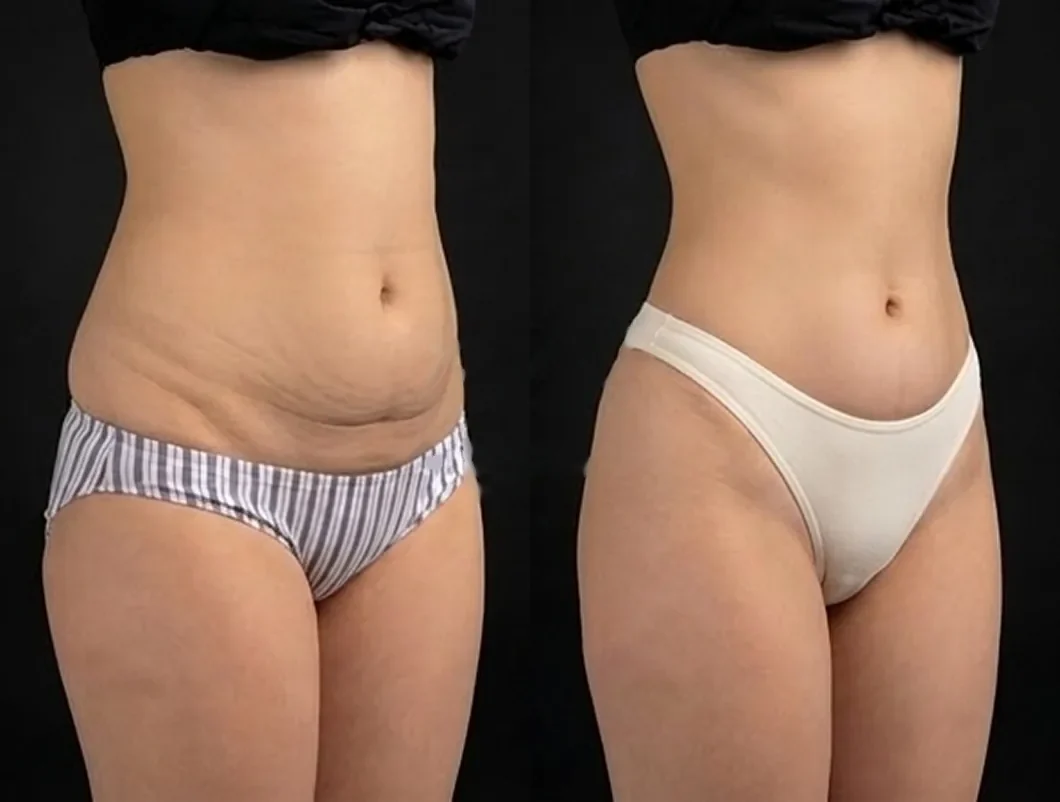
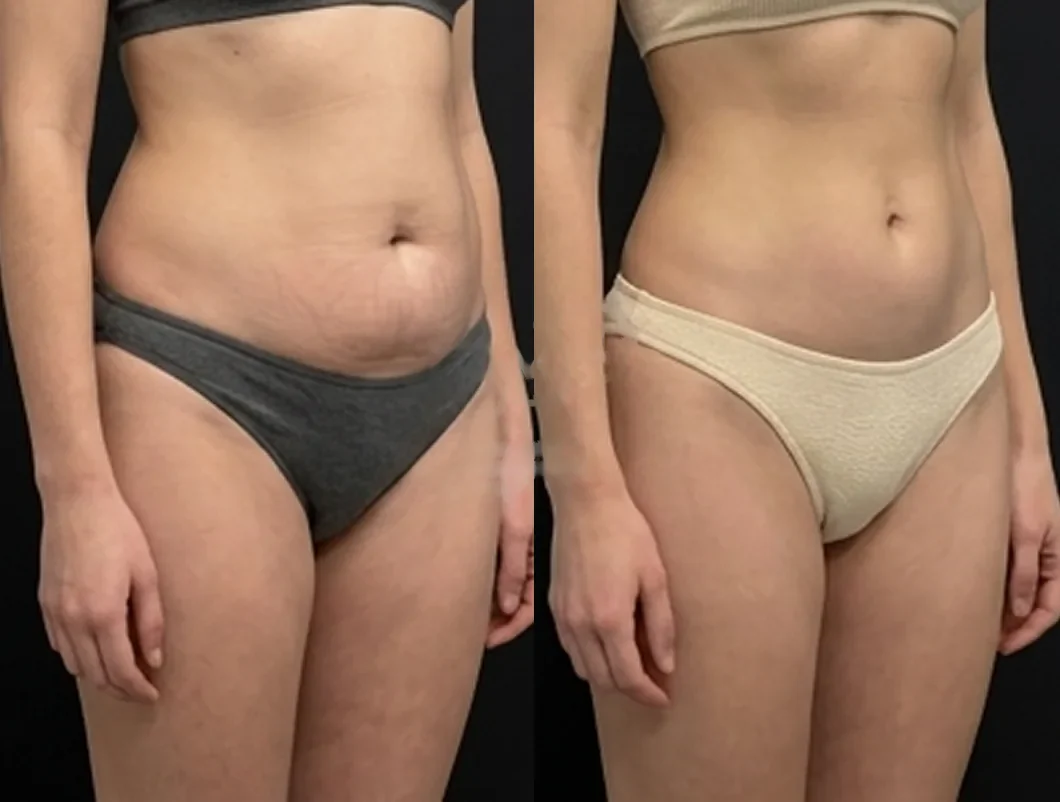
Liposuction: a patient's abdomen and flanks before and after surgery before after
Stubborn local fat that diet and exercise don't shift. Your plan is set at the consultation

Message our coordinator

Free online consultation · Reply within 15 minutes

Message us on Telegram

By messaging us, you agree to our Privacy Policy

Liposuction and fat removal in Mannheim: price and key facts

Liposuction for patients from Mannheim at City Medical Centre starts at €1,100 (from $1,200). The first online consultation is free; the doctor names the final price and it is fixed in the contract.

Price
€1,100 (from $1,200)
Duration
1–4 hours
Anesthesia
local or general
Stay
home the same day (local anesthesia) or after 1 day (general anesthesia)
Recovery
back to work after 7–10 days
Final result
3–6 months after surgery
How it works
Send photos on WhatsApp or Telegram, get a free doctor assessment and the price, then confirm the plan and dates before anything is booked.

How it works · Liposuction prices

Information current as of 24 October 2026

Free online consultation on WhatsApp and Telegram

Results

Liposuction and fat removal results
of our patients

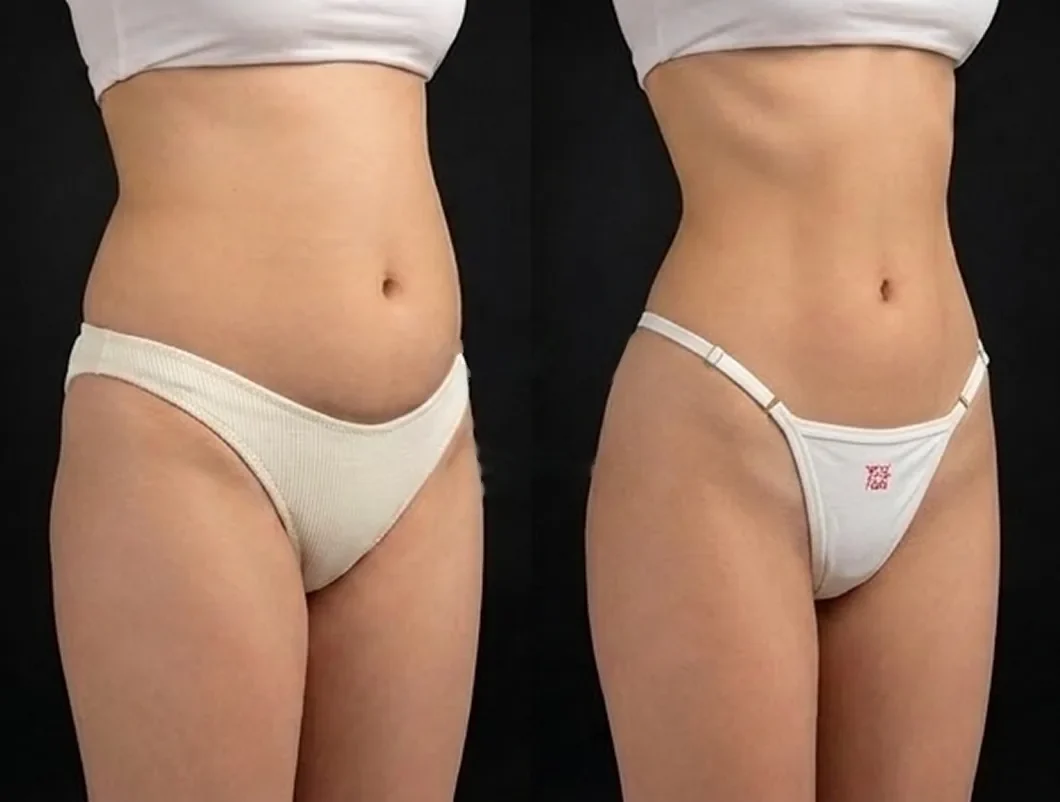
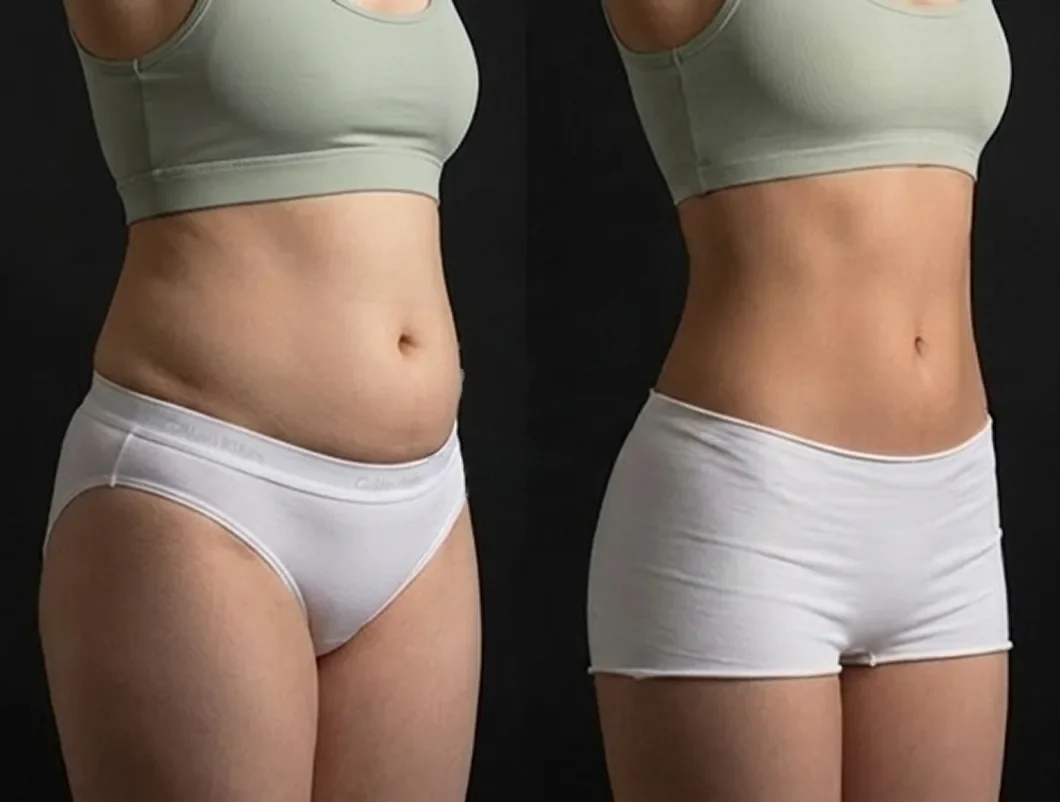
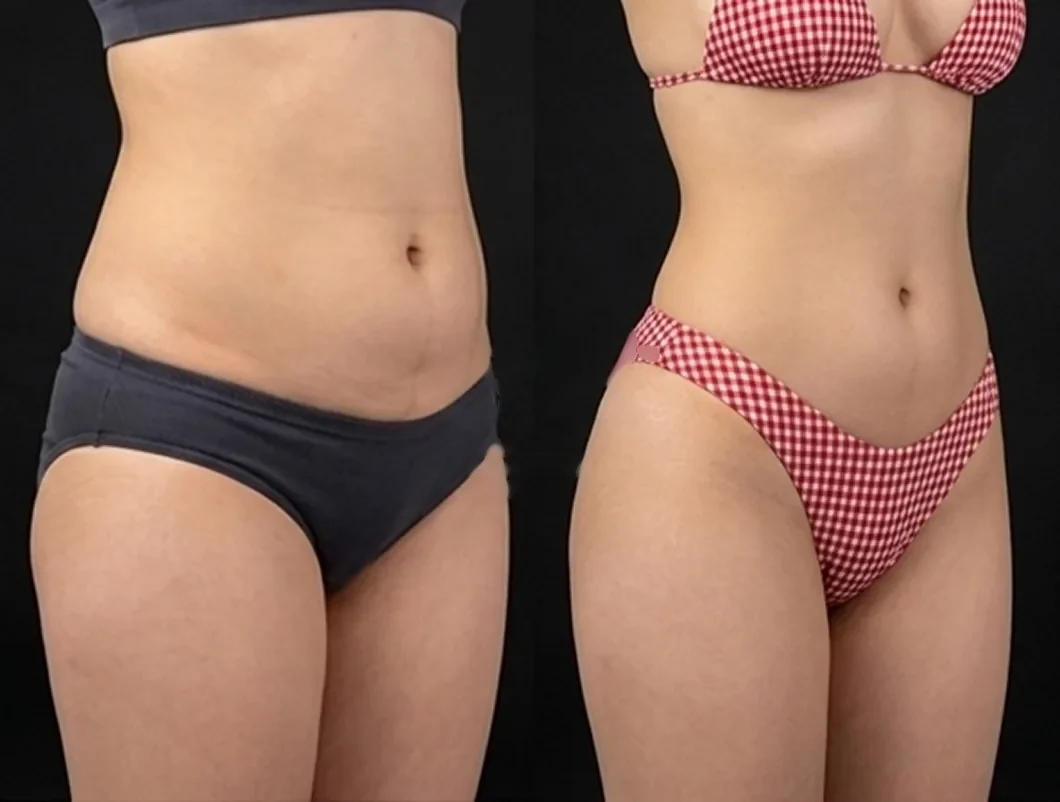
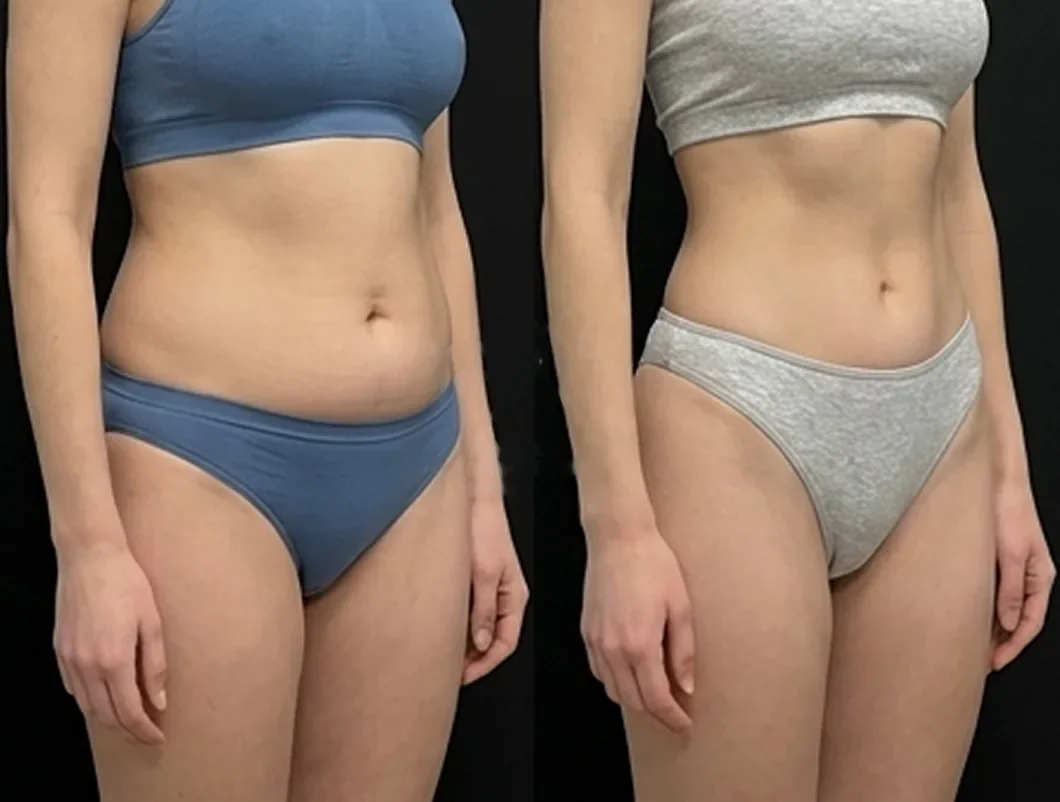
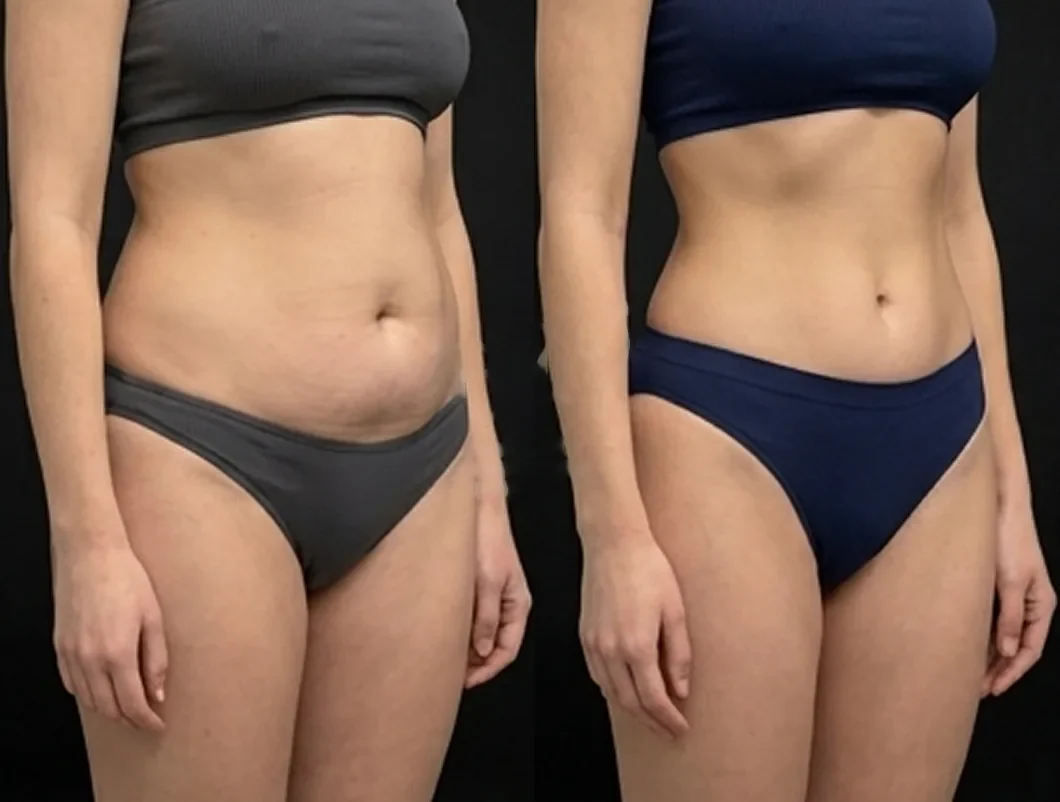
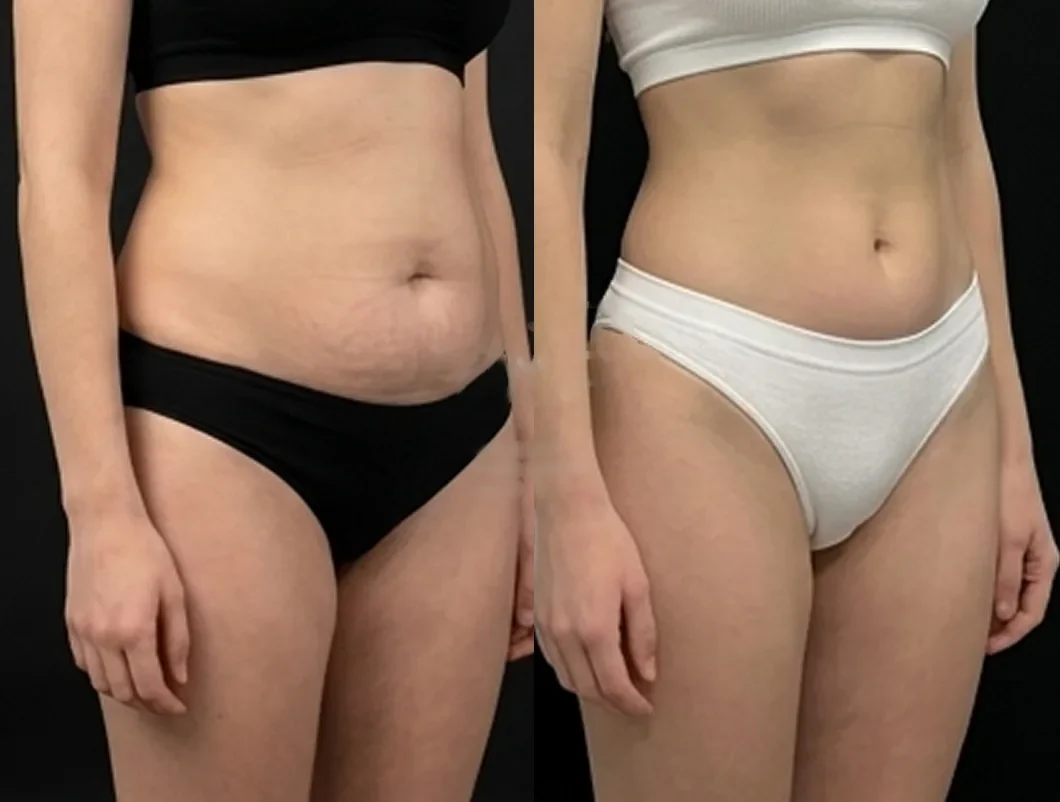
All cases are real patients. Faces and identifying details are hidden.

Belly and flanks

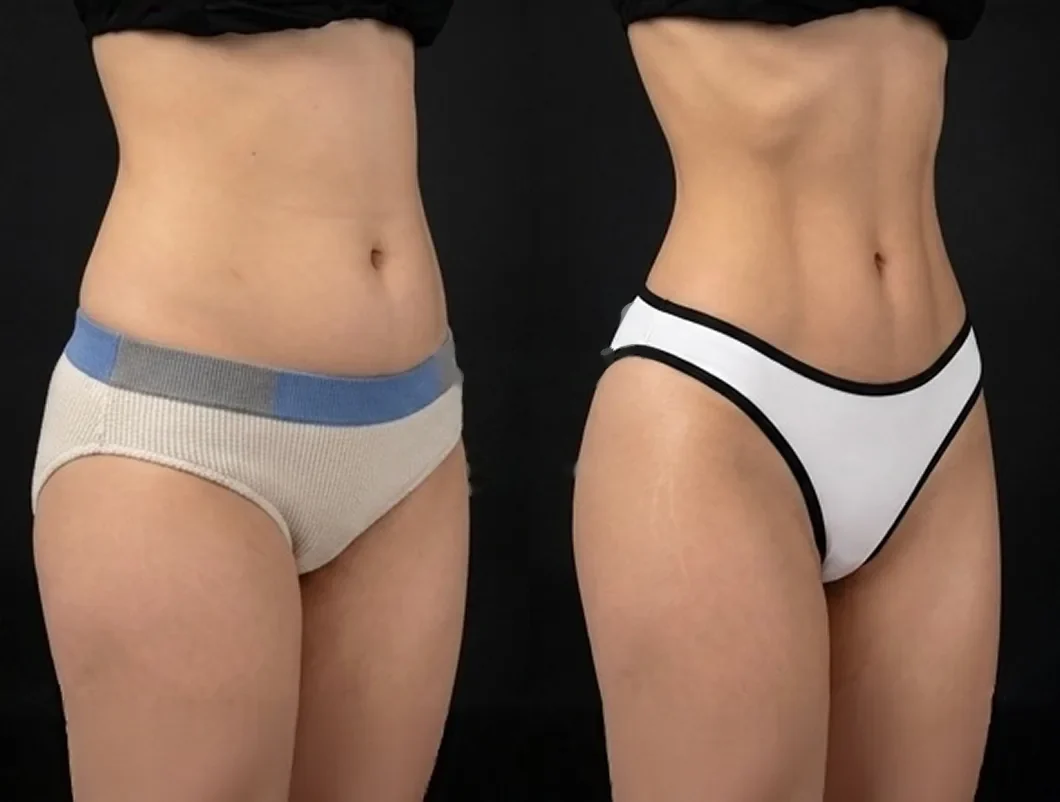
Liposuction of the abdomen and waist: before and after surgerybeforeafter
1 of 10

Comparison

Liposuction techniques

We use two liposuction techniques: tumescent (classic) and VASER (ultrasound). Compare the goal, the indications and the anaesthesia to choose the right technique together with your surgeon.

Tumescent liposuction

A special solution loosens fat for removal through a thin cannula
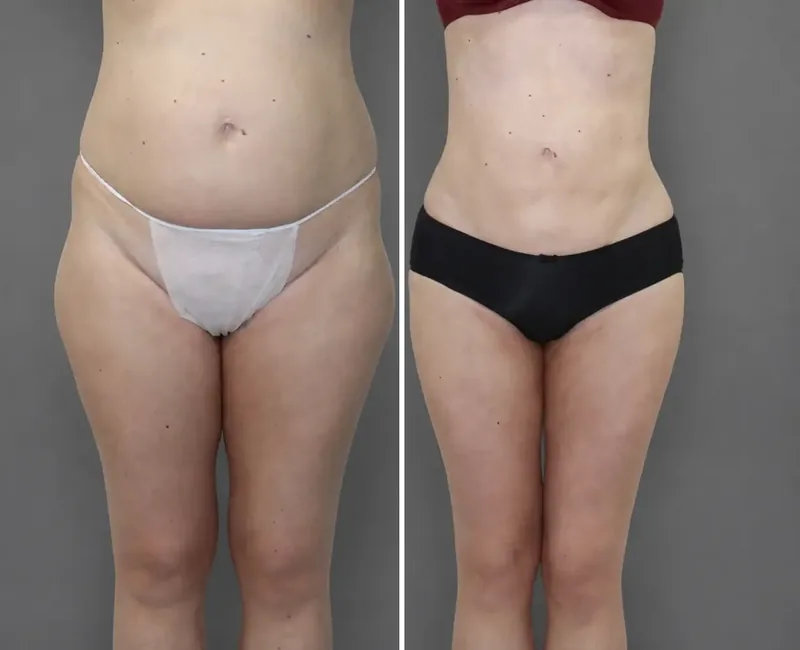
Tumescent liposuction: abdomen and thighs before and after surgery

from $1,200

Main goal
Removal of local fat with minimal blood loss
When it is done
Abdomen, flanks, thighs, back, arms, chin
Anaesthesia and stay
Local or general anaesthesia, home the same day or after 1 day

VASER liposuction

Ultrasound breaks down fat cells before vacuum removal
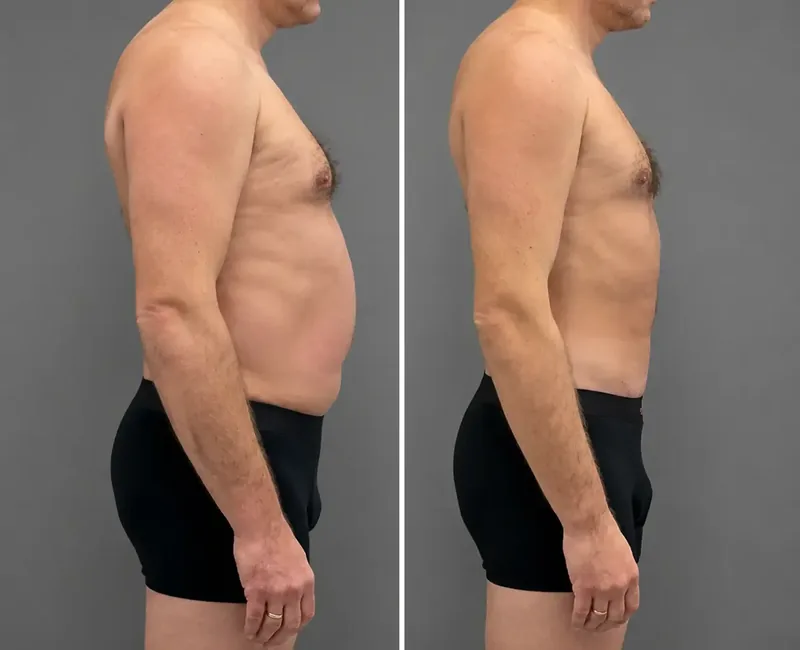
VASER liposuction: a male patient before and after surgery

Price at consultation

Main goal
Defined muscle relief and body contouring
When it is done
Athletic abs and delicate areas
Anaesthesia and stay
Local or general anaesthesia, 1–4 hours of surgery

The benefits and recovery times shown are averaged for each technique and given for guidance: the scope of correction and rehabilitation depend on your anatomy and individual features, and the surgeon confirms them at the consultation.

At the consultation the surgeon draws up a plan for your case and explains how your liposuction will go.

Free, before surgery and with no obligation.

Book a consultation

Areas covered by liposuction

Several areas can be treated in one operation — this saves recovery time and budget

  • Belly and flanks

    The most requested area for women and men, often combined with abdominoplasty

  • Thighs (outer and inner)

    Fat pockets that resist training

  • The back and lower back

    Rolls on the back that affect the silhouette

  • Shoulders and arms

    Something that shows up when it's warm

  • Chin and neck

    Small volume and a fast-appearing result

  • Knees

    An area that needs careful, precise work

  • Chest (for men)

    Gynecomastia, pseudogynecomastia — the fat component

About the clinic

A clinic where you can feel at ease

Modern equipment, comfortable rooms and care for every patient
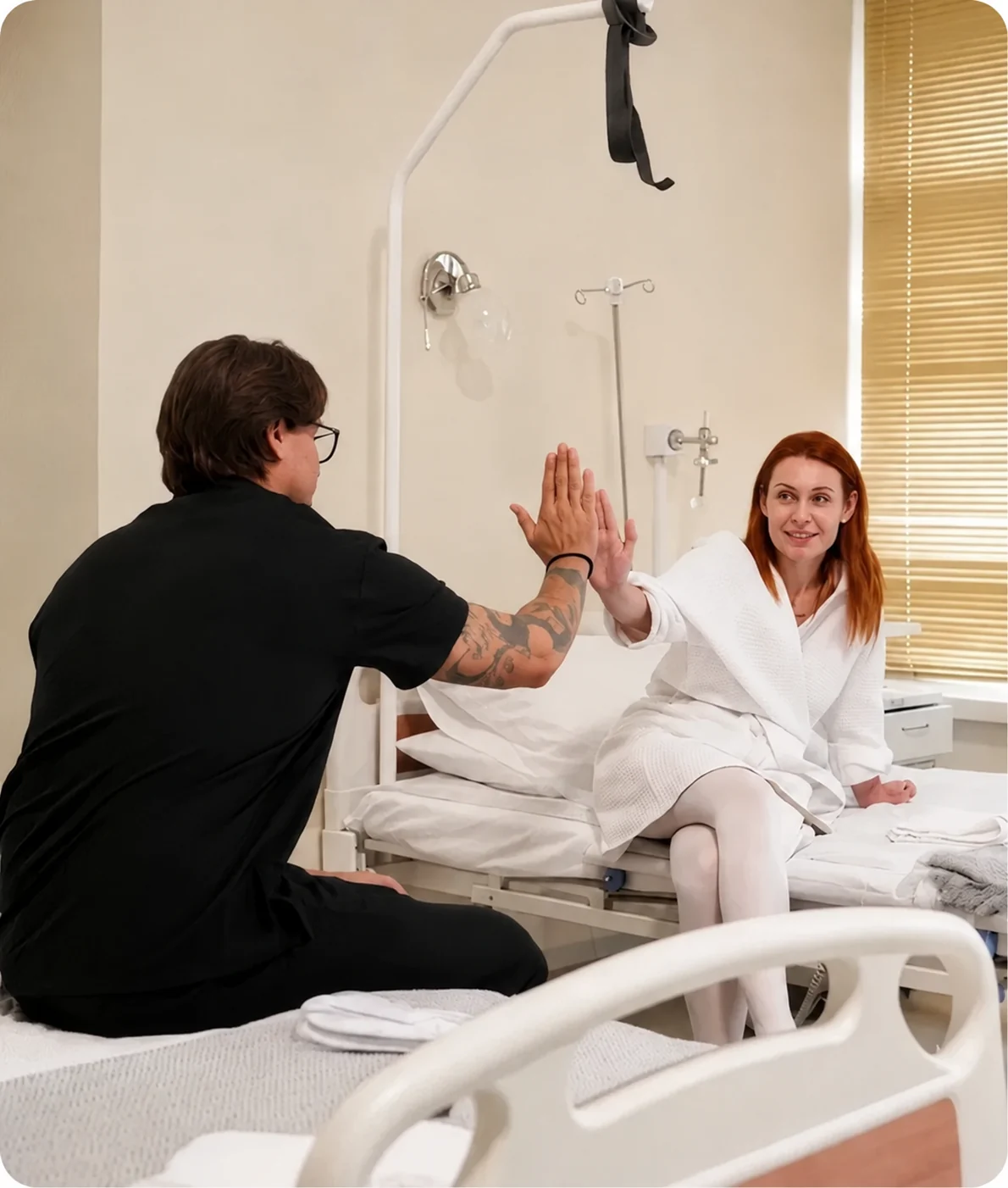
A doctor and a patient in a clinic ward

Contact us the way that suits you

We will answer your questions and find a convenient time for a consultation

By messaging us, you agree to our Privacy Policy

Request a free call

Liposuction is not for everyone

If your case can be solved without surgery, the doctor will tell you so at the consultation — and you will not spend money for nothing.

Suitable
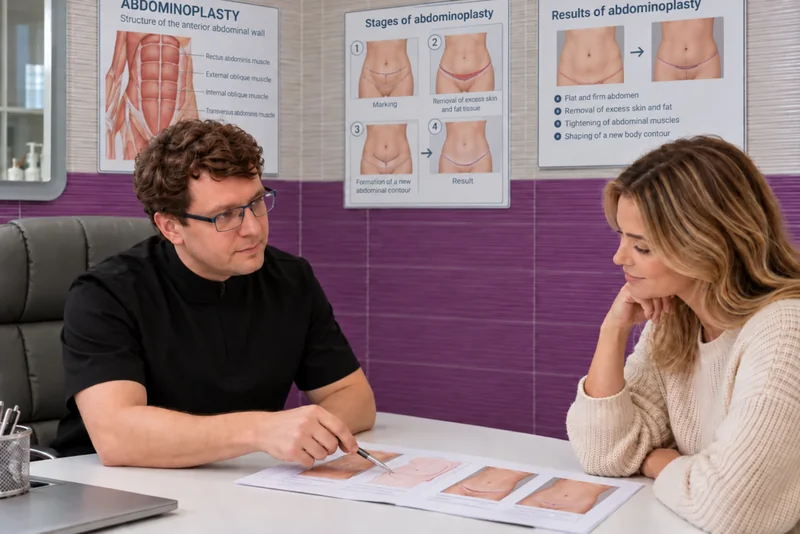
A surgeon shows a patient on a model and a monitor how the body contour changes after liposuction
  • Local fat that resists diet and exercise
  • Uneven subcutaneous fat
  • Disrupted body proportions
  • Silhouette changes after childbirth or weight loss
  • Fat component of gynecomastia in men
  • Good skin tone and elasticity

Not suitable
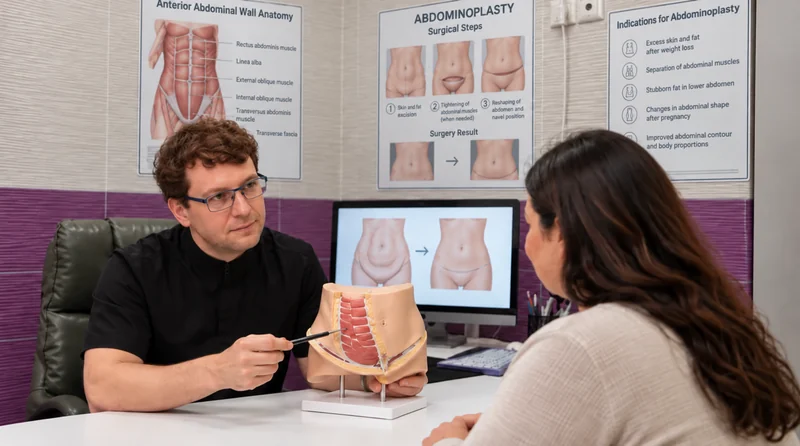
A surgeon discusses the indications and contraindications for liposuction with a patient
  • Patients under 18
  • Pregnancy and breastfeeding
  • Endocrine obesity
  • Decompensated diabetes
  • Conditions affecting blood clotting
  • Serious heart, kidney or liver disease, cancer

Not sure the surgery is right for you?

Leave your number — the coordinator will call you back, and the surgeon will tell you whether liposuction suits you. No surgery booking needed.

Find out if it suits me
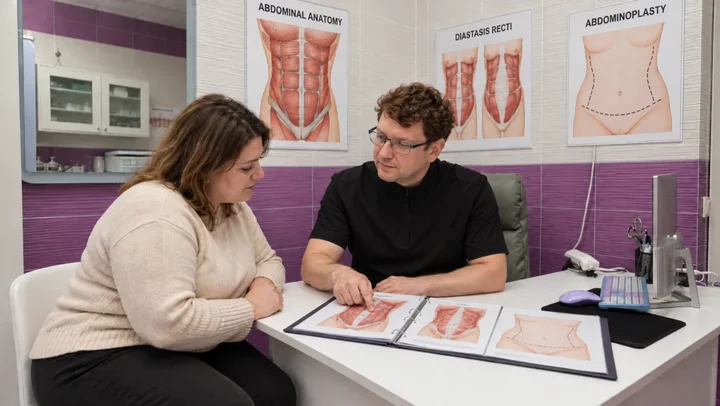
A surgeon goes through the treatment areas with a patient at the consultation

Prices

You know the price
before surgery

The final price is calculated individually after an examination and fixed in the contract.

Liposuction prices

  • First consultationFree
  • Flanks / waist liposuctionfrom $1,400
  • Thigh liposuction (outer)from $1,200
  • Thigh liposuction (inner)from $1,200
  • Liposuction of the torso (lower back, front abdominal wall, sides of the abdomen)from $3,600
Book a consultation

Find out your liposuction plan and price

The surgeon assesses the fat deposits and skin tone, listens to your wishes and chooses the right technique.
A nurse talks to a patient in a clinic ward

Message our coordinator

Free online consultation · Reply within 15 minutes

Message us on Telegram

By messaging us, you agree to our Privacy Policy
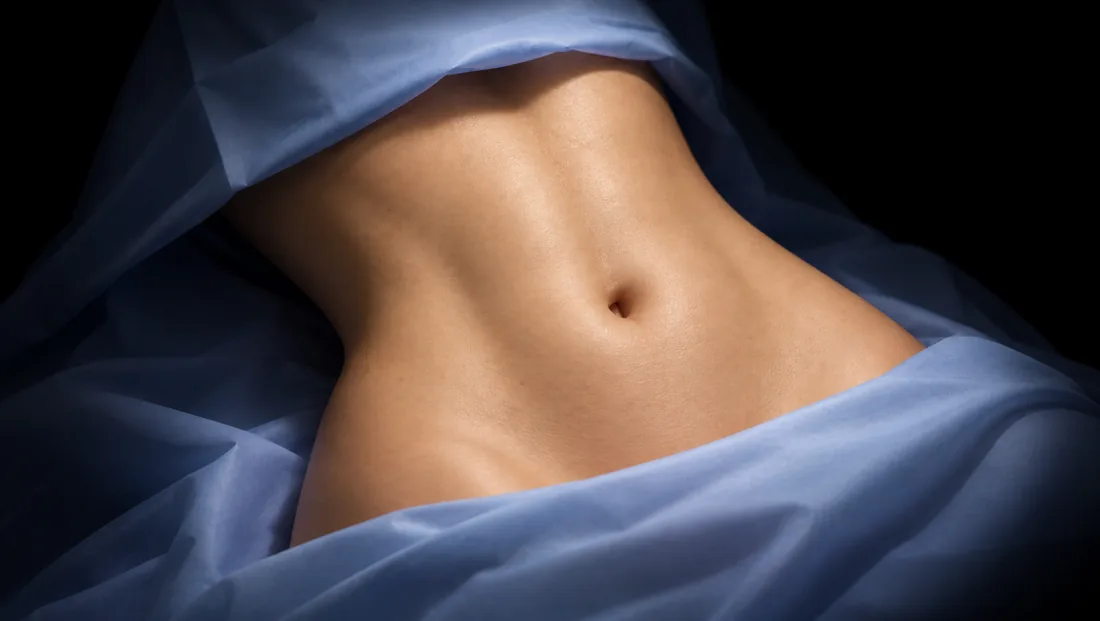
A patient before liposuction in the operating room

all inclusive

What the price includes

From preparation for surgery
to post-op check-ups.

  • All scheduled dressings
  • Scheduled post-op check-ups
  • A personal coordinator on call
  • Compression garments fitted on the day of surgery
  • A stay in a comfortable
    hospital ward with meals
  • Individual recommendations
    for recovery
  • Remote progress monitoring
    by photos

from $1,200

Book a consultation

How it works

From consultation —
to your new contour

An agreed treatment plan, careful monitoring after surgery and post-op check-ups.
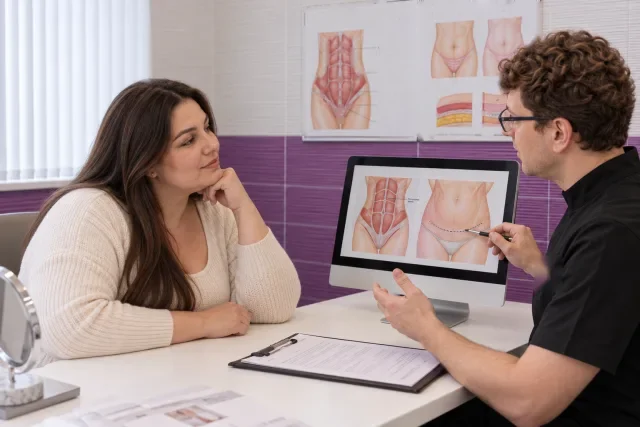
A surgeon goes through the liposuction plan with a patient on a monitor1

Consultation
and the surgical plan

The surgeon listens to your wishes, assesses the fat deposits and skin tone and rules out contraindications. A hormonal screening is also ordered — it helps predict the long-term result.

Paying the deposit by card at the clinic reception2

Booking the date
of surgery

We reserve a surgery date for you: the deposit can be paid by card at the clinic or online by bank transfer. The terms are fixed in the contract for medical services
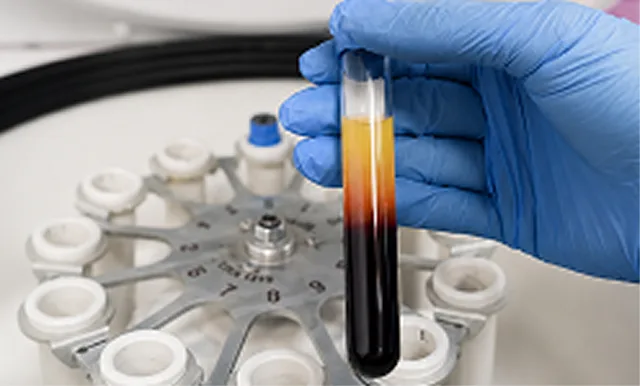
A blood sample tube for tests before liposuction3

Check-up before
surgery

Blood tests (complete count, coagulation panel, biochemistry, infections), an ECG, a chest X-ray and, if needed, a GP consultation. All tests can be done at the clinic with no waiting.
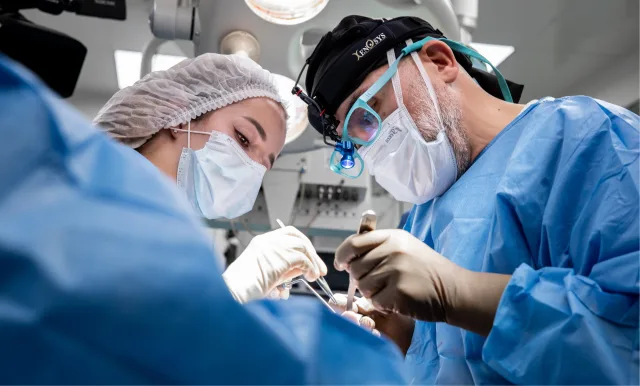
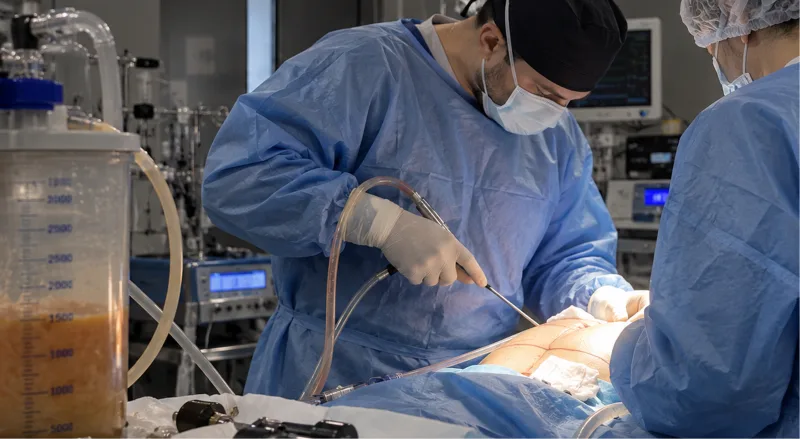
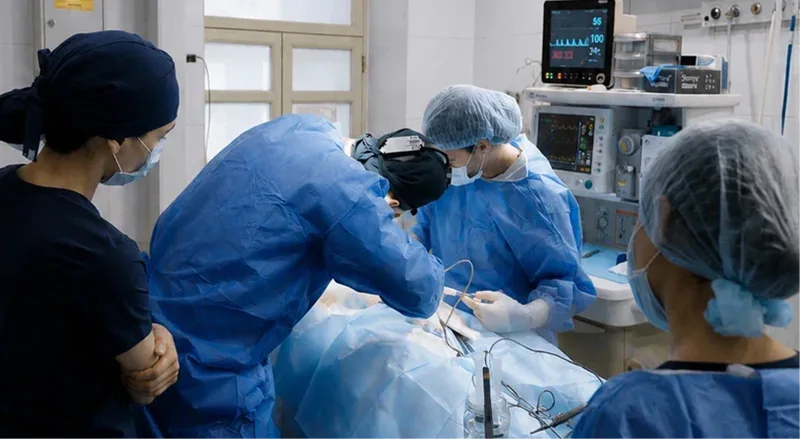
The surgical team during the operation4

Surgery

Marking the areas and fitting compression garments. Under local or general anaesthesia the surgeon removes fat through 3–5 mm micro-punctures — from 1 hour for small areas to 3–4 hours for a combined procedure.
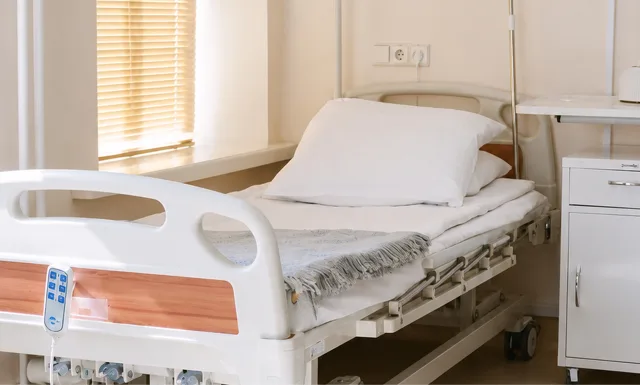
A hospital ward at the clinic5

Waking up
and monitoring

With local anaesthesia you go home 3–4 hours after surgery; with general anaesthesia you stay one day in a comfortable ward under medical supervision.
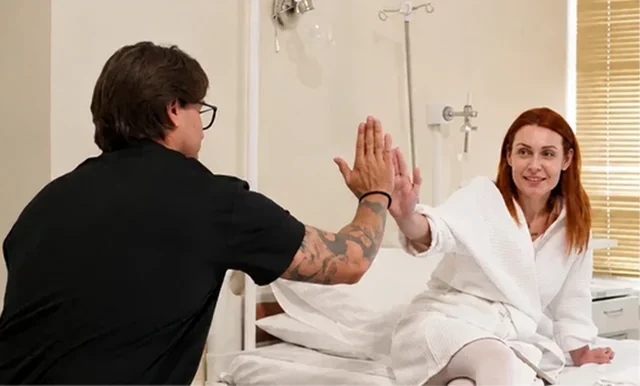
A surgeon and a patient in the ward during recovery6

Recovery

Compression garments for 30–45 days. First changes show at 2 weeks, once swelling subsides; the final result forms in 3–6 months. Check-ups at 7 days, 3 and 6 months.
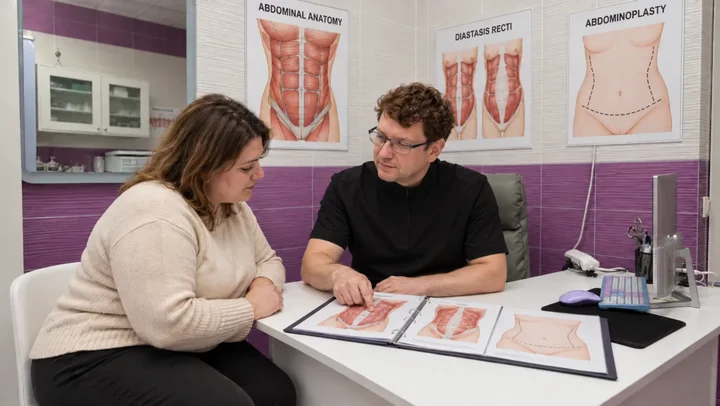
Book a free consultation — the surgeon will plan every step with you.

A doctor discusses the liposuction plan with a patient
Book a consultation
A doctor discusses the liposuction plan with a patient

The recovery period after liposuction

After tumescent liposuction, recovery is much shorter than after a conventional procedure. Most patients return to work within 7–10 days. In the first week, mild swelling and a raised temperature are possible — a normal response to surgery. Compression garments are worn for 30–45 days: they fix the new contours and speed up tissue recovery. In the first month, bathhouse, sauna, pool and intense sport are off-limits. For the best result and faster recovery we recommend lymphatic drainage massage, pressotherapy and a gradual return to activity. First visible changes show 2 weeks after surgery, when the main swelling subsides; the final result forms in 3–6 months.

Post-op check-ups

After 7 days, at 3 months and at 6 months. Until the end of the year, get a post-surgery consultation with your surgeon to review results and get more information, at the clinic's expense.

Advantages

Reasons patients choose City Medical Centre
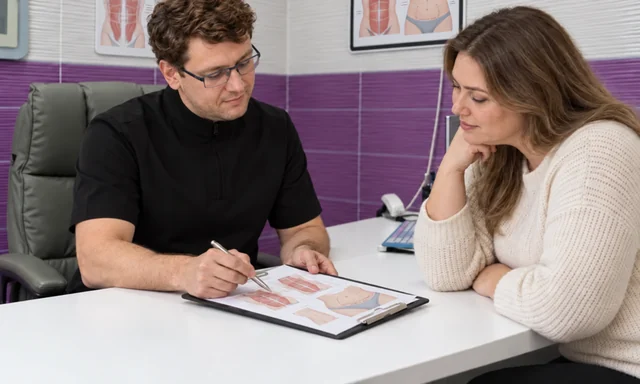
A surgeon discusses the liposuction plan with a patient at the consultation

Just find out — you lose nothing

At the consultation we discuss your wishes and assess the fat deposits and skin tone. Before surgery an endocrinologist rules out hormonal causes of the fat deposits — this improves the long-term result.
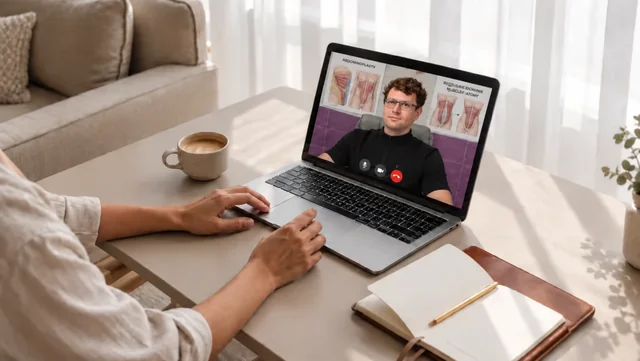
A surgeon on a video call with a patient after surgery

We stay with you after surgery

The surgeon follows your recovery and the new body contour at check-ups after 7 days, 3 and 6 months. Check-ups, dressings and aftercare advice are already included in the price of surgery.
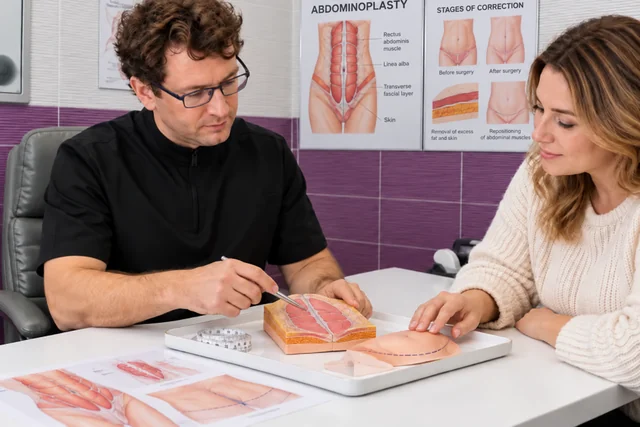
A surgeon shows a patient a model and body contouring diagrams

A beautiful contour that fits your figure

Tumescent and VASER techniques, micro-incisions of 3–5 mm and precise volume control. Our aim is a smooth contour that keeps the natural proportions of your body.

A patient writes down a convenient visit time in her planner

Your schedule is our priority

We respect your time: we work 24/7, with easy booking and a personal approach — we adapt to your pace.

A surgeon shows a patient a tablet: no hidden fees

Fixed prices

After the consultation the surgeon defines the areas and the scope of surgery, and you get a clear price fixed in the contract — no hidden extras.

A surgeon visits a patient in the hospital ward after surgery

Round-the-clock care after surgery

With general anaesthesia recovery starts in a comfortable hospital ward under round-the-clock nursing care. The stay and meals are already included in the price.

FAQ

We answer what
people ask before booking

Liposuction in Mannheim: price and what is included

Prices are in US dollars; the amount in brackets is an approximate conversion to EUR at the rate of 02.10.2026. The final price is fixed in your contract.

How much does liposuction in Mannheim cost?

Prices start from $1,200 (≈ €1,100) per area. The surgeon sets the final price at the free consultation, and it is fixed in the contract, with no hidden extras.

What is included in the price?

The operation under local or general anaesthesia and the surgeon's support throughout recovery. The price is per area and fixed in the contract.

How do I get my exact price?

Message us on WhatsApp or Telegram using the buttons below. A coordinator will answer your questions and book a free consultation where the doctor names the exact price.

By messaging us, you agree to our Privacy Policy

Liposuction in Mannheim: from consultation to result

Liposuction is not only a women's procedure. The abdomen and flanks are the top request for both sexes, and in men the chest is a separate case: the fat component of gynecomastia or pseudogynecomastia can be removed surgically. VASER, with ultrasound breakdown of fat, helps define pronounced muscle relief. Men in Mannheim can discuss which technique suits their goals at the consultation.

Recovery after tumescent liposuction is much shorter than after a conventional procedure. Most patients return to work within 7–10 days. Mild swelling and a raised temperature in the first week are a normal response. Compression garments are worn for 30–45 days to fix the new contours. For those in Mannheim, lymphatic drainage massage and pressotherapy are recommended to speed things up.

Liposuction starts from $1,200 (≈ €1,100) for a single area, and the final figure is calculated individually after an examination. For patients from Mannheim, the price is fixed in the contract with no hidden extras, and interest-free instalments are available. The first consultation with the surgeon is free: leave your name and phone number, and a coordinator will contact you to book it.

Stories of well-known people

Well-known people who spoke openly about this operation, in their own words.

All stories about this operation →

Why the flat Upper Rhine Plain matters when you plan body contouring

Mannheim sits where the Neckar flows into the Rhine, at an elevation of 97 m above NHN, in the Upper Rhine Plain. That plain is described as the warmest region in Germany. For a person thinking about liposuction, this geography is useful for planning, because it shapes both the months in which you wear a compression garment and the way you return to movement afterwards.

Liposuction removes stubborn local fat, the kind that stays in the abdomen, flanks, thighs, back, arms, chin or knees despite diet and exercise. It reshapes contours and is not a weight-loss method. A city with a warm climate raises one practical question early: when in the year will the first weeks of recovery fall? The compression garment is worn for 30–45 days after the operation, and it is fitted on the day of surgery. In a region whose summers are among the warmest in the country, this is a real planning factor, and we discuss it in detail further down.

The city has 319,536 inhabitants (31 December 2025) on an area of 144.97 km², a density of 2,204.3 people per km². The wider metropolitan area was counted at 2,362,046 in a 2012 figure. These numbers describe a compact, densely built city inside a large urban region. In practical terms, patients from Mannheim and its surroundings usually have their daily life organised around short distances. That matters for the first week after liposuction, when you will want to avoid physical exertion and heavy lifting. A compact city makes it easier to arrange a quiet first week close to home, with groceries and pharmacy needs met nearby, without a long day outdoors.

Because the consultation with us is online, none of this requires you to leave home before the decision is made. You send photos on WhatsApp or Telegram, the doctor assesses them and names the price, and only then do you confirm the plan and dates. Coordinators answer round the clock, so a question that occurs to you late in the evening does not have to wait until the next working day.

The geography also gives a useful frame for thinking about light physical activity during recovery. A plain with a river confluence offers level ground for gentle walking, which fits the advice to return to activity gradually. Intense sport, bathhouse, sauna and pool stay off-limits during the first month. A calm walk on level ground is not the same as training, and the doctor will tell you at the consultation when each kind of movement is appropriate for your case.

One more point belongs here. The decision to have liposuction should come from your own goals and your physical findings, not from the season or from a calendar event. The climate facts below help you choose a suitable moment, but they never replace the medical assessment of fat deposits and skin tone.

Warm summers, cold Januaries: choosing the season for a compression garment

Climate figures for Mannheim are specific enough to plan around. The mean daily maximum is 27.7 °C in July, the warmest month, followed by 26.3 °C in August and 25.6 °C in June. The annual mean temperature is 11.9 °C (DWD 2015–2020). In January the mean daily maximum is only 6.0 °C and the minimum is 0.2 °C, with February's minimum at 0.6 °C.

Compression garments are worn for 30–45 days. That is the period in which they fix the new contours and speed up tissue recovery. It is also the period in which you cannot simply decide to take the garment off because the weather is warm. So the practical question is: would you rather spend those weeks in a month when the daily maximum is near 6 °C, or in one when it approaches 27.7 °C?

In winter the garment is easy to hide under normal clothing and the cold makes it less noticeable in terms of comfort. A layer under a sweater or trousers is rarely an issue at 6 °C. In summer the same garment sits close to the skin during days when the maximum reaches the mid-to-upper 20s. Breathable underlying clothing, loose outer layers and avoiding long sun exposure all become more relevant. We also remind patients that tanning beds and alcohol should be avoided for at least a month, and that bathhouse, sauna and pool are off-limits during the first month, which in a warm summer removes some of the most tempting ways to cool down.

Here is a worked example for winter planning. If your liposuction took place on 12 November 2026, the 30–45 day period would run until a date between 12 December and 27 December 2026. You would wear the garment through the coldest part of the autumn-winter transition, and your first visible changes would appear about two weeks after the operation, once the main swelling subsides. The interim result at 1.5–2 months would then fall in January, and the final contours, which form in 3–6 months, would be settled by spring or early summer, just in time for the warmest part of the year. That is one reason some patients prefer the cooler half of the year: the long maturation period ends when lighter clothing season begins.

Summer scheduling has its own logic. A patient who wants to be fully recovered by a particular autumn event may have the operation in warm months and accept the garment-in-heat issue. The doctor can discuss this with you, but the requirement itself does not change: 30–45 days of compression, and no sauna, pool or intense sport in the first month.

Humidity is another number from the city's climate. Relative humidity averages 74.9%, reaching 84% from November to January and falling to 66% in July. Damp winter air does not alter the medical instructions, but it is a reason to choose clothing that dries well and to keep dressings and skin dry and clean as instructed. Your coordinator can ask you to send photos of the treated areas so that the doctor can monitor progress remotely.

Sunshine also differs by season. It averages 5 h/day across the year, 8.3 h in July and 8.0 h in June, but only 1.4 h in December and January. Strong summer sun is a consideration for fresh scars from the 3–5 mm punctures and for skin that is still recovering. Protecting treated areas from direct sun is simply sensible, and the doctor will give individual recommendations. In the dark months the issue is reversed: little sun, so less concern about exposure but also less motivation to go outdoors for gentle walking. Many patients find a short daily walk useful for the gradual return to activity, even in January, and the 6.0 °C daytime maximum is not an obstacle if you dress warmly over the garment.

Weight stability, local fat and what the German obesity figures can and cannot tell you

Liposuction is for local fat that resists diet and exercise, not for general weight reduction. The doctor will say so plainly at the consultation. If your weight is unstable, the first step is to see a nutritionist or endocrinologist. Before the operation an endocrinologist also rules out hormonal causes of the fat deposits, and a hormonal screening is ordered because it helps predict the long-term result.

German obesity data help to put the question into perspective, as long as they are read carefully. For adults with a BMI of 30 or more, the Mikrozensus survey of 2009 reported 15.7% of men and 13.8% of women. Measured data from DEGS 2008/11 gave higher figures: 23.3% of men and 23.9% of women. The difference is a known feature of the data, since self-reported surveys produce lower values than measurements. What this tells you is that being heavier than intended is common in Germany, and that you cannot rely on a self-estimate alone. For liposuction, your actual measured weight and body composition matter more than any national average.

Endocrine obesity is on the list of cases where liposuction is not suitable. So are decompensated diabetes, blood coagulation disorders, serious heart, kidney or liver disease, and cancer. Age under 18, pregnancy and the breastfeeding period also exclude the operation. If your case can be solved without surgery, the doctor will tell you so, and you will not spend money for nothing.

Weight stability after the operation deserves a clear explanation. Removed fat cells do not come back, but the remaining ones can grow if you gain weight. A strict diet is not required, but nutrition matters for keeping the result. We recommend a balanced diet and regular physical activity. A result that looks good in six months can change if body weight changes substantially in the following years, and the changes will not necessarily be evenly spread over the body. The treated areas have fewer fat cells; other areas have more.

The German guideline figures for bariatric surgery offer a useful boundary. The German S3 guideline indicates bariatric surgery from BMI 40 kg/m² even without comorbidities and from BMI 35 kg/m² with an obesity-related comorbidity, once conservative therapy has failed. That is a different procedure with different goals. If your BMI is in that range, liposuction is not the appropriate tool, and the doctor will redirect the conversation. Bariatric surgery is among the other treatments we offer, and the online consultation can clarify which direction suits you. Liposuction suits people with local deposits, uneven subcutaneous fat, disrupted proportions, silhouette changes after childbirth or weight loss, and the fat component of gynecomastia in men, ideally with good skin tone and elasticity.

A practical suggestion for weight stability before the consultation: keep a steady weight for some weeks and send photos taken in the same light and posture. Doctors can then assess the fat deposits and skin tone more reliably. If your weight has been moving up and down, say so honestly. It changes the plan and sometimes the timing, and it is far better to discuss it before the operation than after.

Movement in a flat river city: gentle activity, bicycles and the return to sport

The consultation page tells us the key rules for activity. During the first 7 days, skip physical exertion and heavy lifting. For 4–6 weeks, wear compression garments and avoid bathhouse, sauna, pool and active sport. Most patients go back to work and their normal routine within 7–10 days. Swelling and bruising disappear by weeks 4–5. Recovery supported by lymphatic drainage massage, pressotherapy and a gradual return to activity is recommended for the best result.

Mannheim lies on a plain at the meeting of two rivers, so the terrain is not a barrier to simple outdoor movement. We do not claim that residents follow any particular habit, and we do not need to. Whatever your normal routine is, whether it involves walking to work, cycling, or mostly sitting at a desk, the sequence after liposuction is the same, and you can use it to plan.

In the first week, rest and short, slow walks around the home. Between the first and second week, if the doctor agrees at your check-up, longer walks on level ground. From the second week on, many patients are back at desk work. Cycling is something to raise at the consultation rather than assume. Pressure from a saddle on the thighs and the lower body, the jolting of uneven surfaces and the effort of a fast ride are different from walking. The doctor will tell you when it is reasonable for your areas, which depend on whether the abdomen, flanks, thighs or other zones were treated.

The post-op check-ups happen at 7 days, 3 months and 6 months. At the 7-day check-up you can ask directly about walking distance and about cycling. At 3 months you are in the interim stage; the contours are visible but still maturing. At 6 months the final result is formed, and you can talk about returning to full sport, including training that you may have wanted to resume sooner.

Swelling and a raised temperature in the first week are described as a normal response to surgery. If you feel something that worries you, send a message to the coordinator, who is on call round the clock. Progress is also monitored remotely by photos, which is useful for someone living in a city where the operation is carried out away from home, because the first questions often come after the return, not before it.

VASER liposuction is chosen when the goal is defined muscle relief and body contouring, for instance athletic abs and delicate areas. Tumescent liposuction uses a special solution that loosens fat for removal through a thin cannula, with minimal blood loss. Both can be done under local or general anaesthesia. The choice is made together with the doctor at the consultation, based on your anatomy, your wishes and the areas to be treated.

Warm weather makes the upper arms, thighs, knees and chin more visible, which is a reason many people think about these areas in spring. The summary of the body areas treated includes the arms and shoulders, "something that shows up when it's warm". A single operation can treat several areas at once, which saves recovery time. The doctor will suggest the optimal scope based on your health and the result you want.

Local rhythms: the Maimarkt, the Mess and university terms as calendar markers

Some calendar events can be used as reference points when you plan time off, without any suggestion that they dictate your decision. The Maimarkt begins on the last Saturday in April and lasts eleven days. In 2025 it ran from 26 April to 6 May. It was first recorded in 1613, and the article gives annual visitor numbers from 250,000 to about 350,000. The Mannheimer Mess fair takes place twice a year, in spring and in autumn.

Large events mean a busier city, with more crowds. For someone in the first week after liposuction, avoiding crowds and heavy physical exertion is sensible. You do not need to attend anything. If the Maimarkt starts on the last Saturday of April 2027, which is 24 April, and lasts eleven days, it would end on 4 May. A patient who wants a quiet first fortnight could plan the operation shortly after, for example on 10 May 2027, with the 30–45 day compression period then running to a date between 9 June and 24 June 2027. That example is only arithmetic, not a recommendation of a date.

The university is another reference point for a certain group of patients. Universität Mannheim had 11,933 students in the winter semester 2023/24. For students and university staff, the academic calendar defines when a free week is possible. The usual recovery plan is simple: back to work or study within 7–10 days for most patients, so a semester break is helpful but not required. If you have exams, set the date of liposuction so that the first week of rest and the 7-day check-up do not coincide with an important deadline.

Working people have their own calendar: the 7–10 days before return to work is an average, and the real time depends on the scope of the operation. A small area under local anaesthesia, with surgery taking about 1 hour and a return home 3–4 hours later, is different from a combined procedure of 3–4 hours under general anaesthesia, with one day in a comfortable ward. We suggest you send us your planned time off, and the coordinator will help you match it to the plan. The consultation is free and does not commit you to book surgery.

The doctor will also ask you to prepare: give up smoking, alcohol and medications that affect clotting (aspirin and similar) 7–10 days before the operation. Pre-operative tests are blood tests (complete count, coagulation panel, biochemistry, infections), an ECG, a chest X-ray and, if needed, a GP consultation. In a busy-event week, it is easy to forget the instruction about alcohol. A festival or fair week can make that harder, which is one more reason to keep the pre-operative days quiet.

Finally, the instructions after the operation exclude alcohol and tanning beds for at least a month. If your autumn or spring calendar includes celebrations, choose the date so that the first month is not full of them.

Insurance in Germany: why liposuction is a self-funded decision

Statutory health insurance (GKV) covers about 92% of the German population. As of 2024, about 88% of the working population is insured through statutory funds and about 11% privately. Most readers in Mannheim therefore have statutory cover, and it is useful to know what it does and does not include.

Cosmetic procedures carried out at the patient's own request are not paid by the GKV. The source puts it plainly: in Germany there is no cost coverage by the statutory health insurance for such procedures. The patient bears the full cost, including lost income. Another source says health insurers cover treatment costs except in cosmetic surgery, for which the total costs are borne by the patient. For liposuction aimed at contour, this means you should plan on funding it yourself. The doctor at the consultation will tell you the final price, which is fixed in the contract before the operation, with no hidden extras.

There is an additional legal point. After a medically not indicated procedure, insured persons must share in the costs of resulting complications, including sick pay. Insurers may restrict or refuse benefits under § 52 SGB V, and there is no entitlement to continued wage payment (Entgeltfortzahlung) in that case. For an employee, that is a practical reason to schedule the operation so that the 7–10 days of recovery fall into planned leave, and to discuss with the employer how the time off will be arranged. Do not assume that sick leave will be paid as usual if you have a complication after an elective cosmetic operation.

Bariatric surgery is a separate case. It is not part of the regular benefit catalogue of the GKV, but can be applied for in individual cases. The conditions are proof that conservative weight-loss methods were exhausted over 6 to 12 months in a multimodal concept, and an assessment by the Medizinischer Dienst (MD). This is relevant only if your situation is one of significant obesity, not local fat deposits. If you are unsure which route fits, the online consultation is the place to ask, and it is free.

What the cost of liposuction with us includes is stated clearly: preparation for surgery, all scheduled dressings, scheduled post-op check-ups, a personal coordinator on call, compression garments fitted on the day of surgery, a stay in a comfortable hospital ward with meals, individual recommendations for recovery and remote progress monitoring by photos. Because those items are inside the contract, you can compare them with other offers on the basis of content rather than just the headline figure.

A final reflection on waiting times: a 2010 Commonwealth Fund survey found that 70% of Germans reported waiting less than 1 month for elective surgery. That figure is about the German system generally and says nothing about our scheduling. For cosmetic operations that you pay for yourself, the timing is set by agreement: you confirm the plan and dates before anything is booked.

Reading the German aesthetic-surgery figures with a clear head

Germany has seen strong growth in body-related procedures. Breast procedures nearly doubled between 2017 and 2022, reaching about 76,650 breast augmentations, 31,950 breast lifts and 24,170 breast reductions. The figures come from a documentary as cited, and they concern a different operation from liposuction. Still, they show how common elective aesthetic treatment has become, and why it is worth asking sober questions before you decide.

Another comparison is orthopaedic. About 400,000 hip and knee joint replacement operations were performed in Germany in 2016, and about five million people have osteoarthritis. After an uncomplicated hip replacement the inpatient stay lasts about six to eight days in most clinics, with rehabilitation arranged during the stay. The contrast with liposuction is instructive. Liposuction is usually a short stay: home the same day under local anaesthesia, or after 1 day under general. The recovery profile is different, and so is the reason for the operation. Joint replacement treats disease; liposuction reshapes body contour.

The count of gastric bypass operations in Germany in 2014, 4,083 cases, gives another sense of scale for weight-loss surgery. It is a separate field, and it is not liposuction.

How should a patient use these figures? First, do not treat popularity as proof that a procedure suits you. Second, expect honest information, including the information that you may not need the operation. Our consultation page states that liposuction is not for everyone. If your case can be solved without surgery, the doctor will tell you so. Third, understand what the operation does: it removes local fat through 3–5 mm micro-punctures that usually need no stitches, and the marks are barely visible once healed. It does not tighten loose skin on its own, it does not change the structure that causes cellulite, and it does not replace weight management.

On skin: good skin tightens on its own and adapts to the new contours. If tone is reduced or stretch marks are present, specialists recommend preparatory treatments that improve the skin in advance. Skin tone, elasticity and turgor are checked before surgery. This is why photos matter at the first consultation, and why a second assessment may be needed if the skin changes.

On results: the first changes show at 2 weeks, an interim result at 1.5–2 months, and final contours in 3–6 months. We cannot promise a particular outcome for any individual, because the scope of correction and rehabilitation depend on your anatomy and individual features, and the doctor confirms them at the consultation.

If you are in Mannheim and want to start, the practical first step is to message the coordinator on WhatsApp or Telegram, send photos, and receive a free assessment and price. Nothing is booked until you agree to the plan and the dates.

Which season is more comfortable for wearing a compression garment in Mannheim?

It depends on your priorities. The mean daily maximum is 6.0 °C in January and 27.7 °C in July, so the garment, worn for 30–45 days, is easier to hide and less bothersome in cooler months, while in summer it needs breathable clothing underneath and protection from strong sun. The doctor will discuss the timing with you at the online consultation.

If I have the operation in mid-November 2026, when would I stop wearing the garment?

If the operation were on 12 November 2026, the 30–45 day period would end between 12 December and 27 December 2026. The doctor confirms the exact period at your check-ups. The first visible changes appear at about 2 weeks, and the final contours form in 3–6 months.

Does the damp winter air in Mannheim affect recovery?

Relative humidity averages 74.9% and reaches 84% from November to January, but it does not change the medical instructions. Keep dressings and skin clean and dry as the doctor advises, choose clothing that dries well, and send photos of the treated areas to the coordinator if anything looks unusual.

Will the statutory health insurance in Germany pay for liposuction?

No. Cosmetic procedures done at the patient's request are not paid by the statutory health insurance, and the patient bears the full cost, including lost income. After a medically not indicated procedure, insurers may also restrict or refuse benefits for complications under § 52 SGB V. The final price is fixed in your contract before the operation.

Can I count on sick pay if I need more time off after the operation?

Not necessarily. After a medically not indicated procedure there is no entitlement to continued wage payment (Entgeltfortzahlung) in the case of complications. Most patients return to work within 7–10 days, so it is wise to plan the operation around leave you have arranged in advance.

I am worried about the Maimarkt and other busy periods in the city. Should I avoid them after liposuction?

Crowds are not a medical contraindication, but physical exertion, heavy lifting and active sport should be avoided for the first 7 days, and sauna, pool and intense sport for the first month. If the Maimarkt starts on 24 April 2027 and runs for eleven days, you could plan the operation after it and keep the first fortnight quiet.

I am a student at the university. When is the best moment for the operation?

Choose a time when you can rest for the first 7 days and attend the check-up after 7 days. Most patients return to study or work within 7–10 days, so a semester break helps but is not required. Avoid dates close to important exams, because swelling and bruising last until weeks 4–5.

German surveys show different obesity rates. Which number should I trust for myself?

For your own case, neither. Surveys such as the 2009 Mikrozensus gave lower values than measured data from DEGS 2008/11 (23.3% of men and 23.9% of women with BMI 30 or more). Your measured weight and the doctor's assessment of fat deposits and skin tone decide whether liposuction is suitable.

At what BMI is liposuction replaced by a discussion about bariatric surgery?

Liposuction is for local fat, not general weight loss. The German S3 guideline indicates bariatric surgery from BMI 40 kg/m² without comorbidities and from BMI 35 kg/m² with an obesity-related comorbidity, after conservative therapy has failed. If your weight is in that range, the doctor will explain the options at the consultation.

Can I walk or cycle around Mannheim during recovery?

Gentle walking is part of the gradual return to activity, after the first 7 days of rest from physical exertion. Cycling, with its saddle pressure and effort, should be agreed with the doctor, since it depends on which areas were treated. Intense sport stays off-limits for the first month.

How do I follow up on my results if the consultation is online?

Progress is monitored remotely by photos, and a personal coordinator is on call round the clock on WhatsApp and Telegram. Scheduled check-ups take place at 7 days, 3 months and 6 months, and the doctor reviews the new contour at each of them.