


























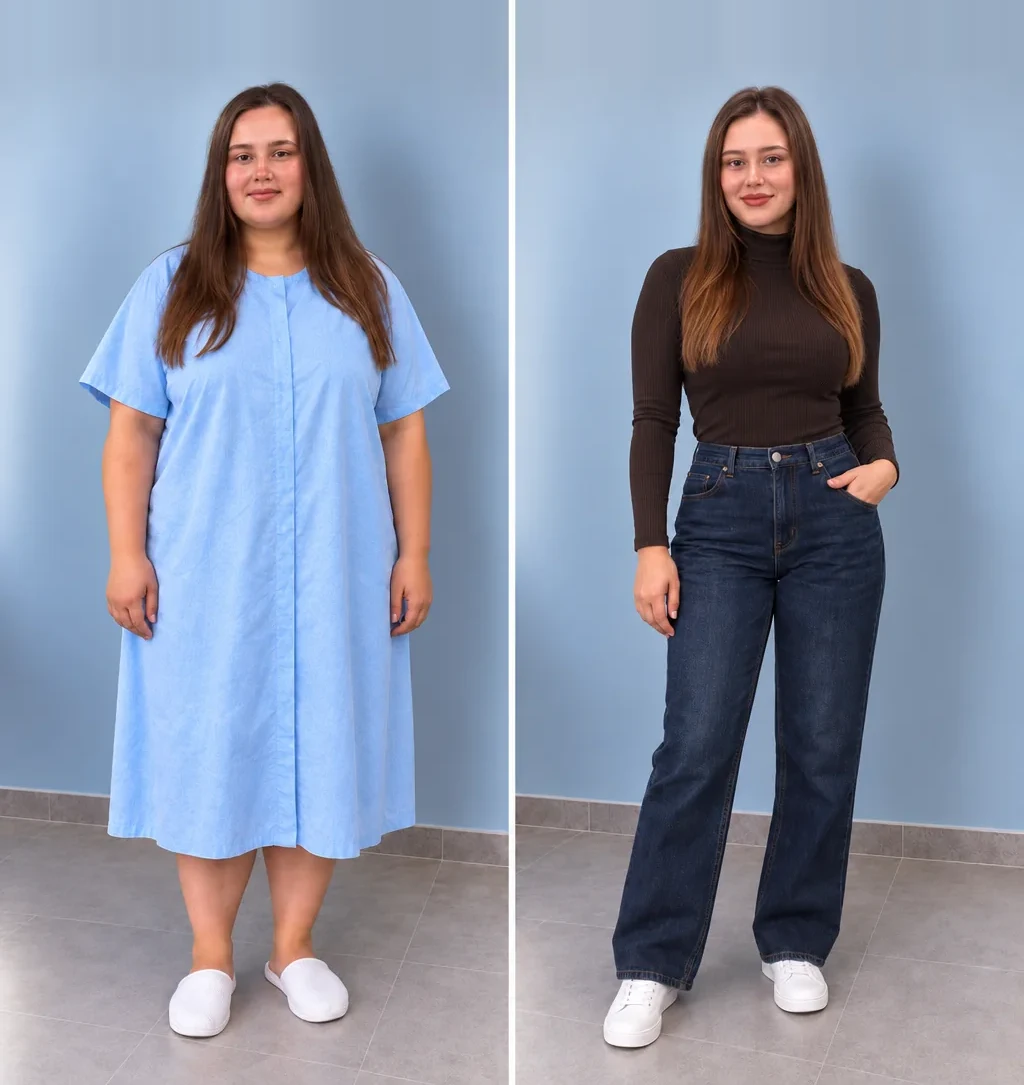
 beforeafter
Irina, 26
Bariatric surgery
Bariatric surgery
$3,600
$4,800 · First consultation — Free
Free online consultation · Reply within 15 minutes
 before
after
Message our coordinator
Free online consultation · Reply within 15 minutes
Message us on TelegramMessage us on WhatsAppBy messaging us, you agree to our Privacy Policy
Bariatric surgery for patients from Mannheim at City Medical Centre starts at $3,600. The first online consultation is free; the doctor names the final price and it is fixed in the contract.
How it works · Bariatric surgery prices
Information current as of 24 October 2026
Results
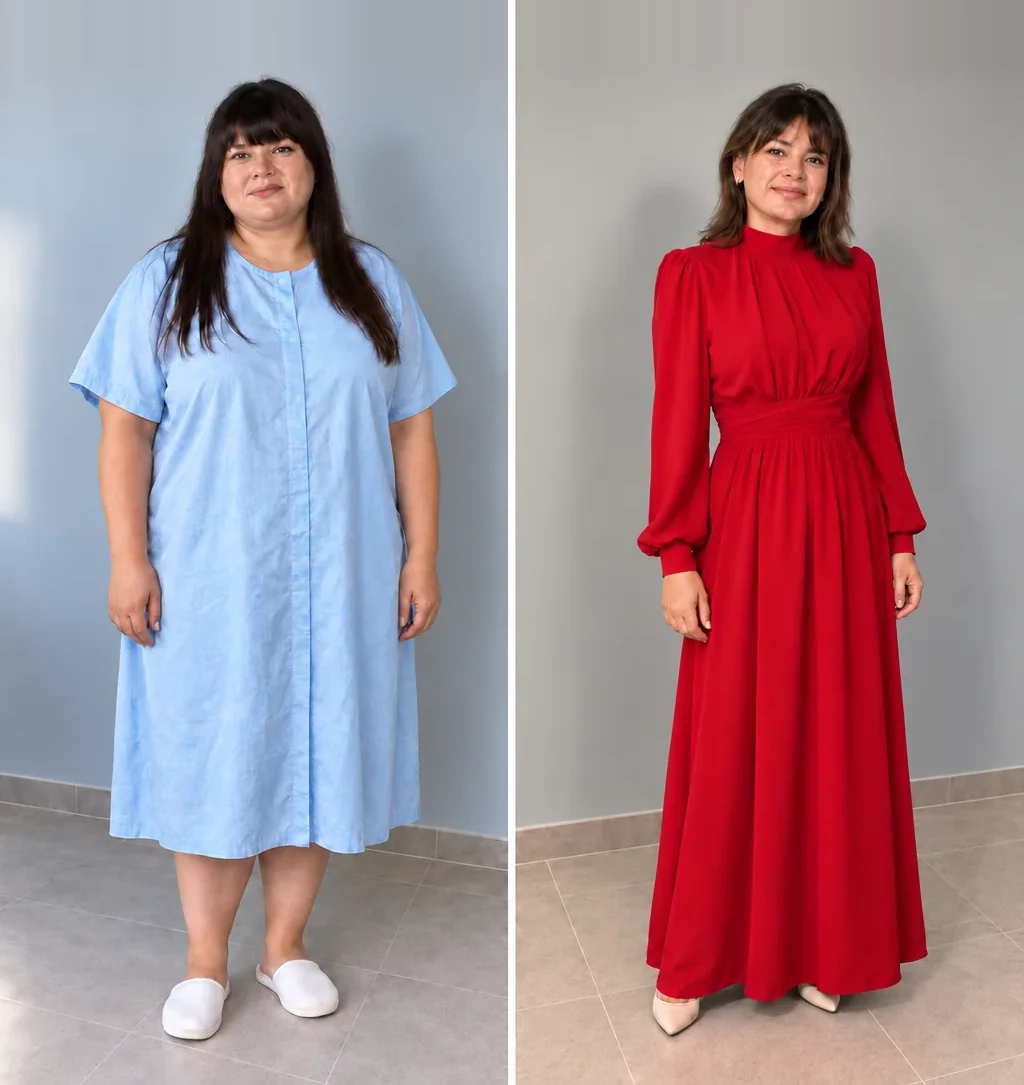
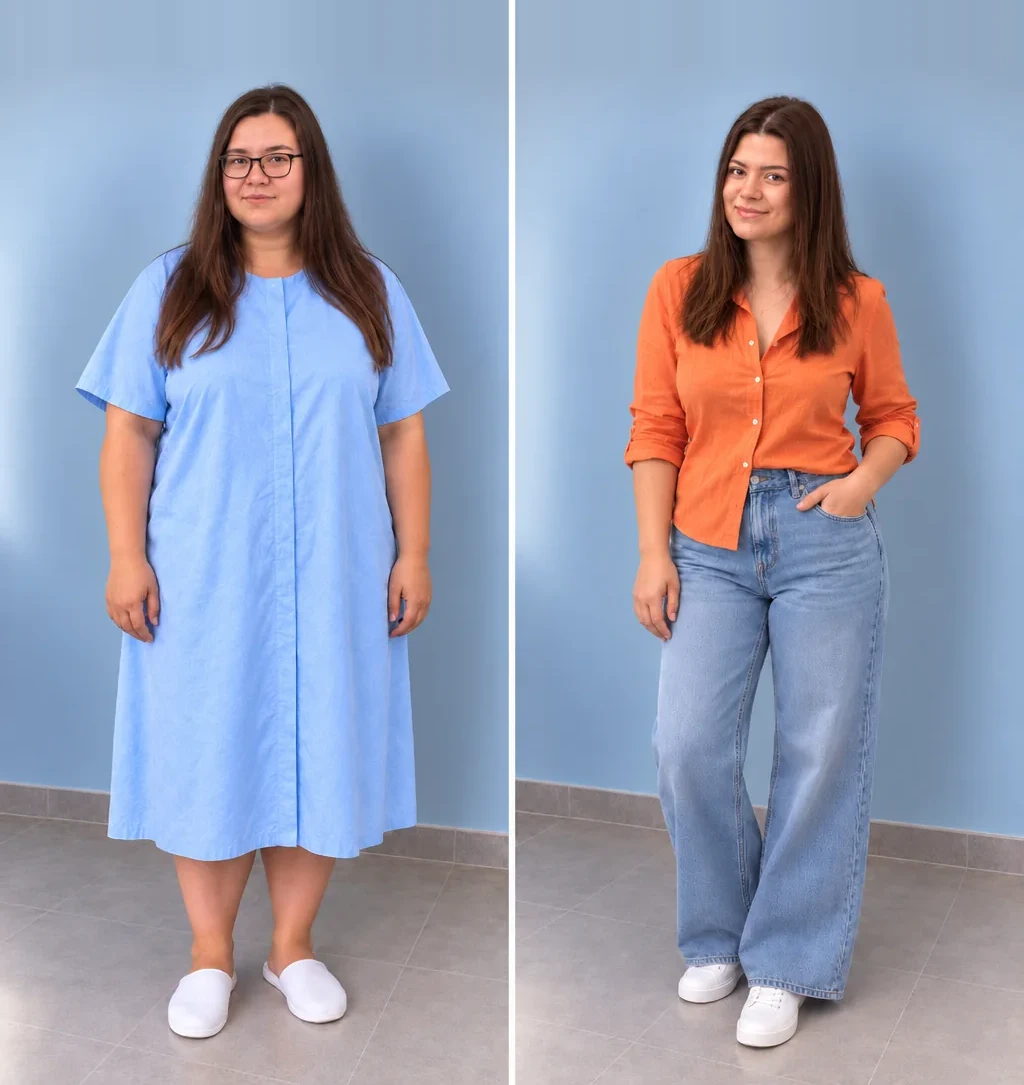
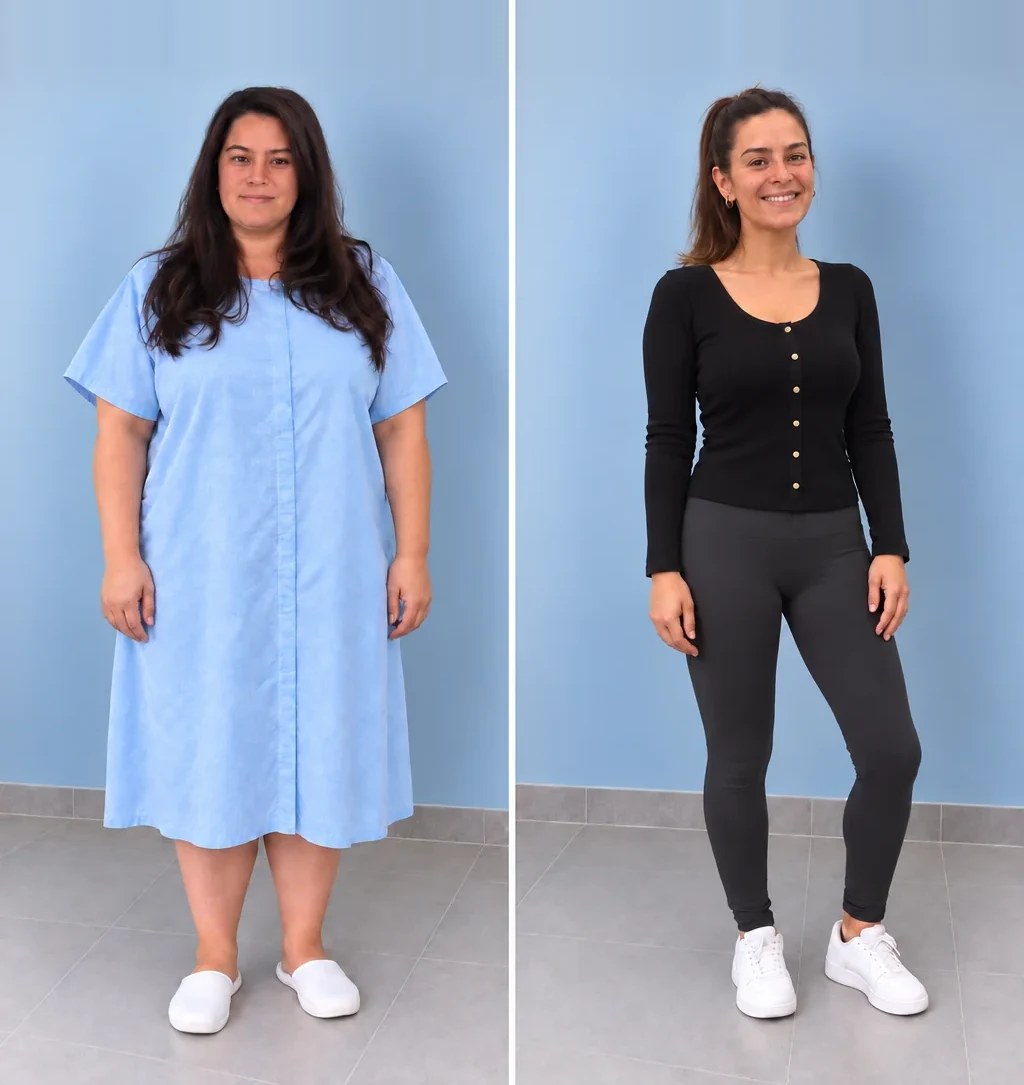
Each result belongs to a real patient of the clinic.
beforeafterBariatric surgery
 beforeafter
Bariatric surgery
 beforeafter
Bariatric surgery
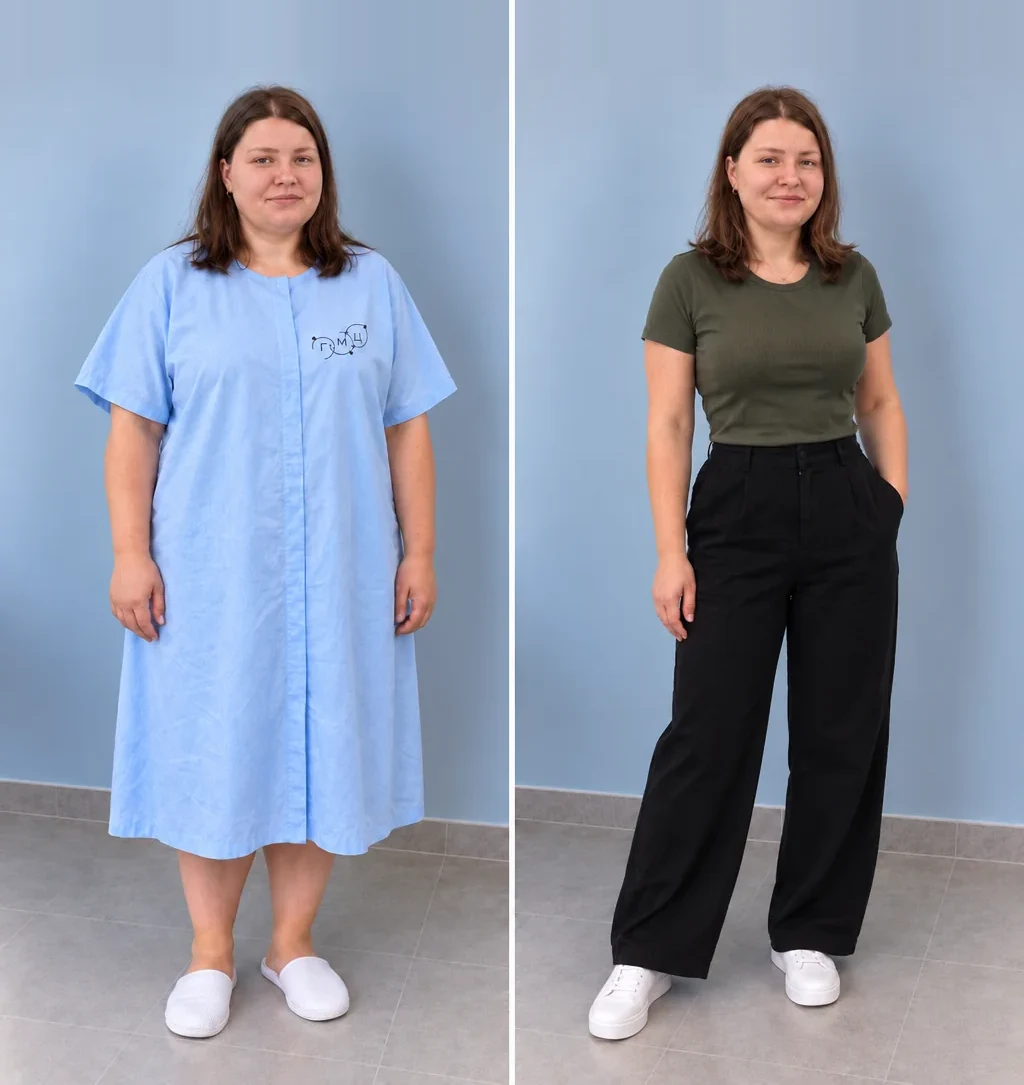 beforeafter
Bariatric surgery
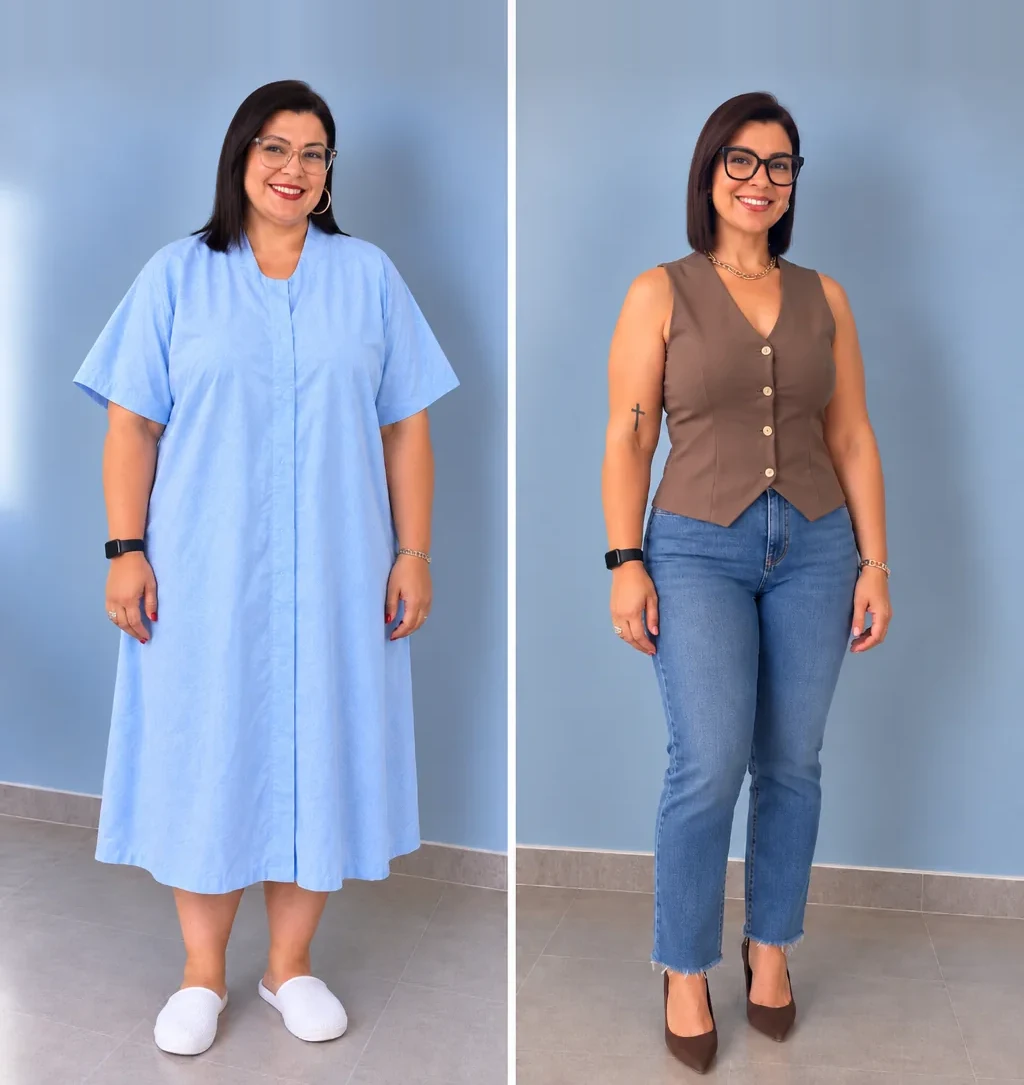 beforeafter
Bariatric surgery
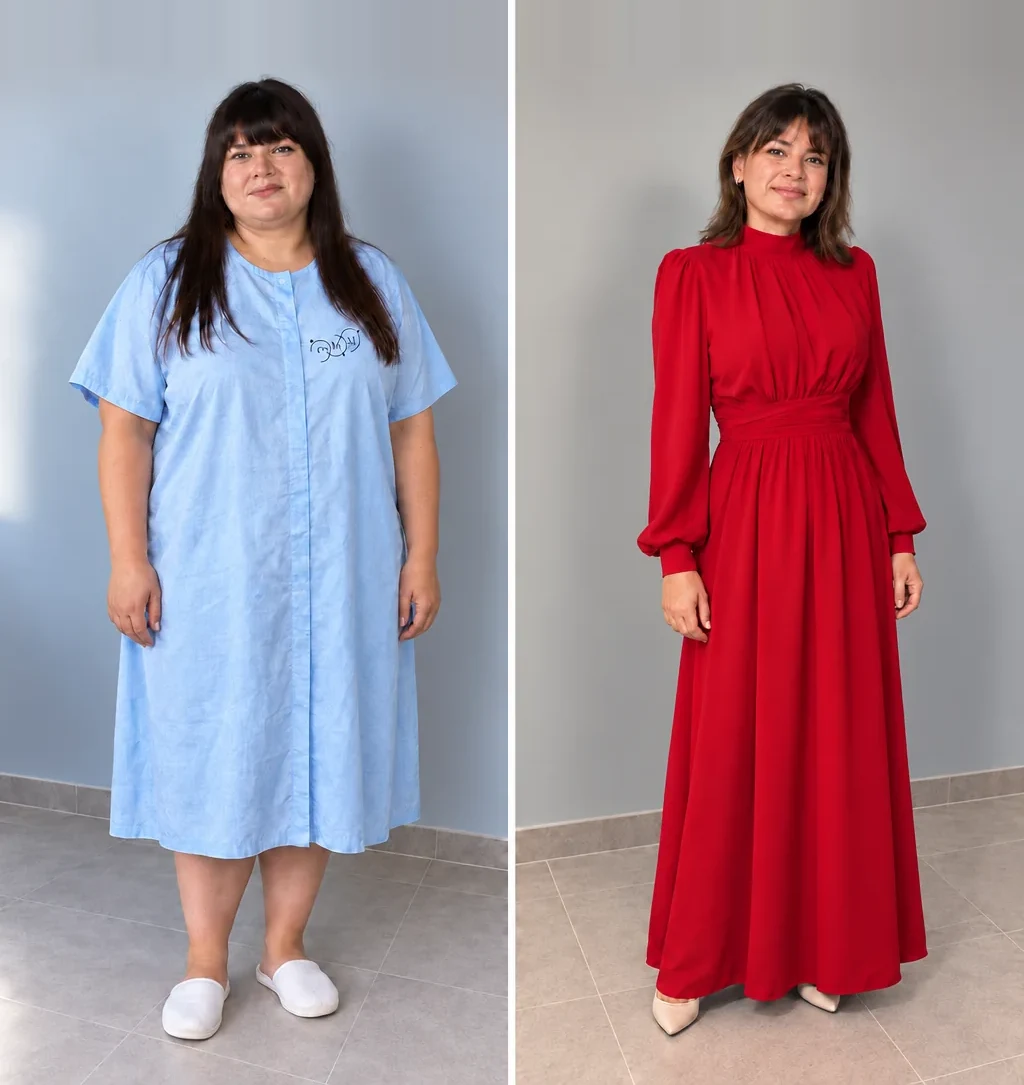 beforeafter
Bariatric surgery
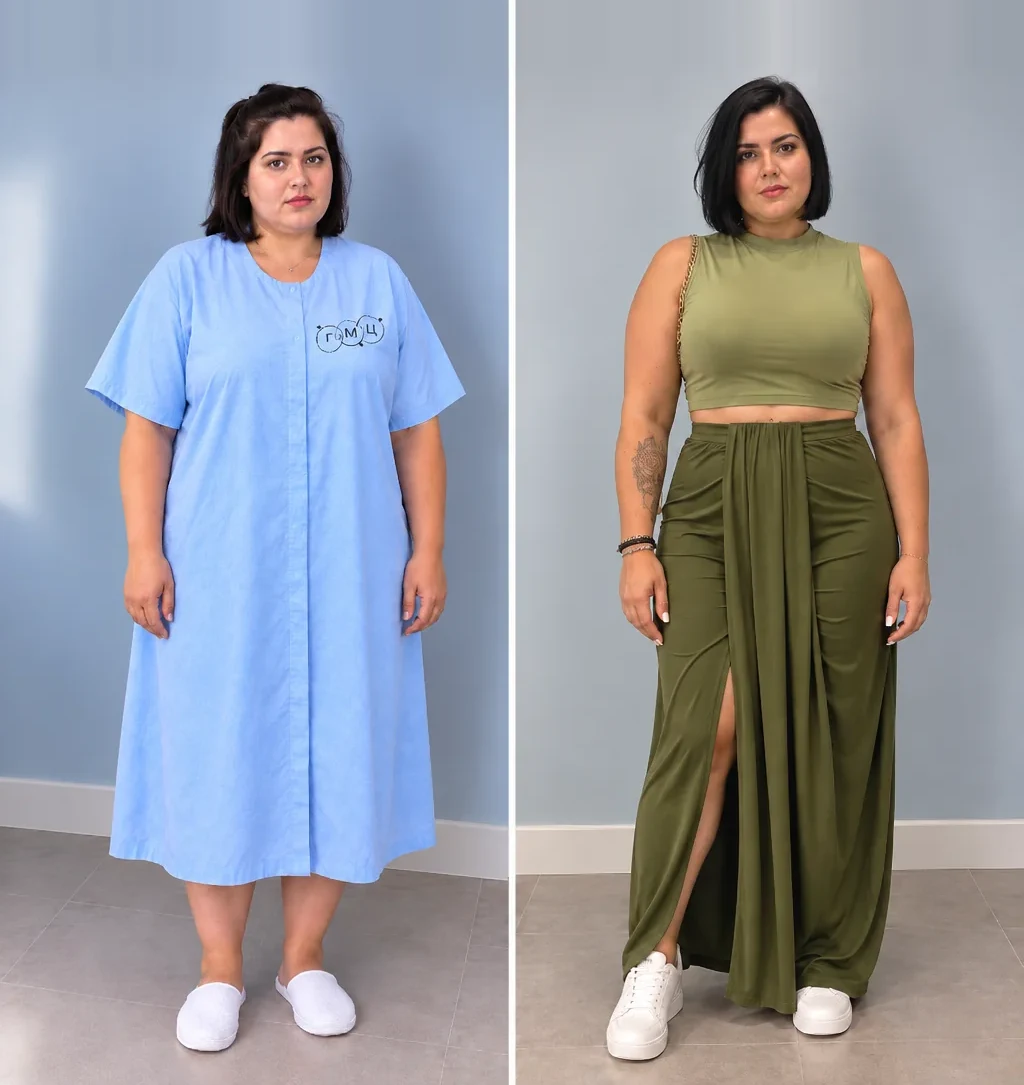 beforeafter
Bariatric surgery
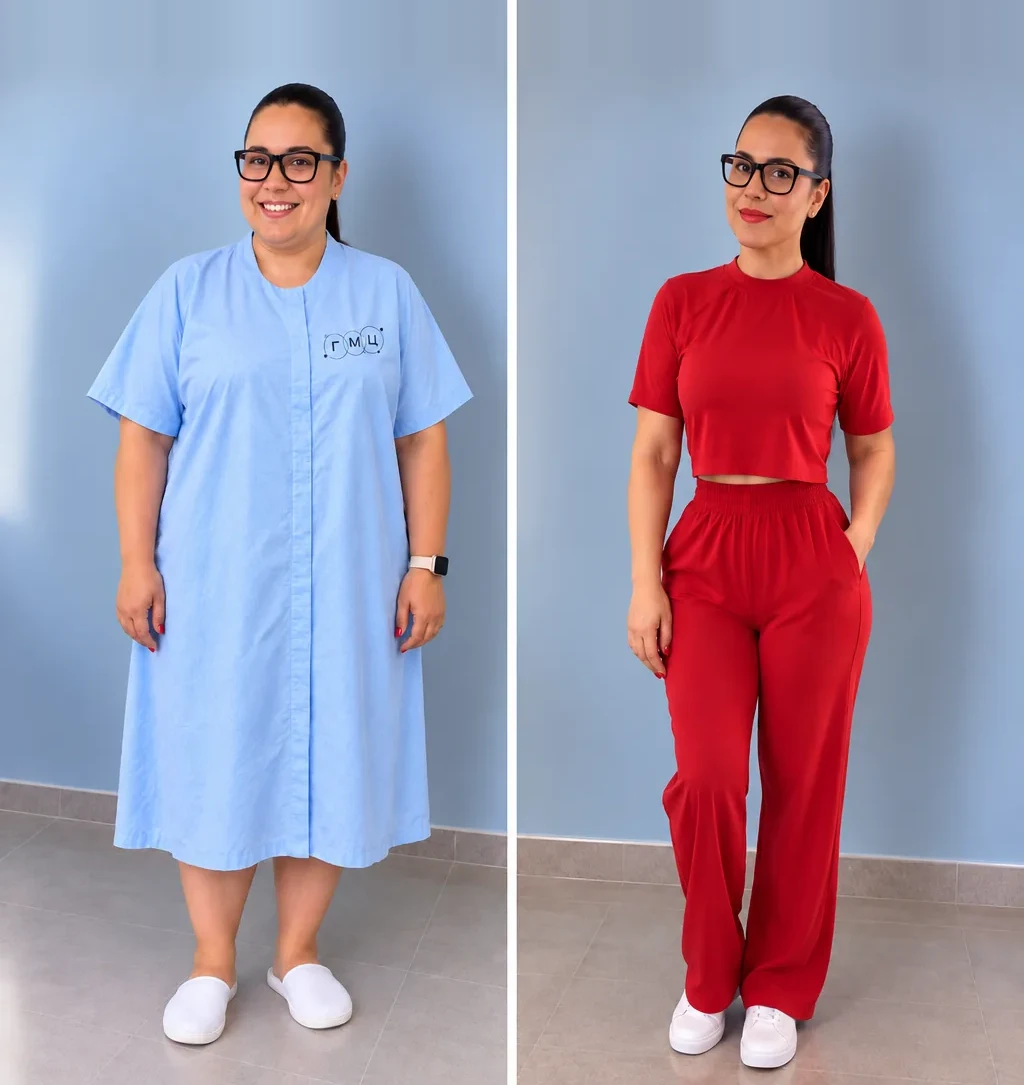 beforeafter
Bariatric surgery
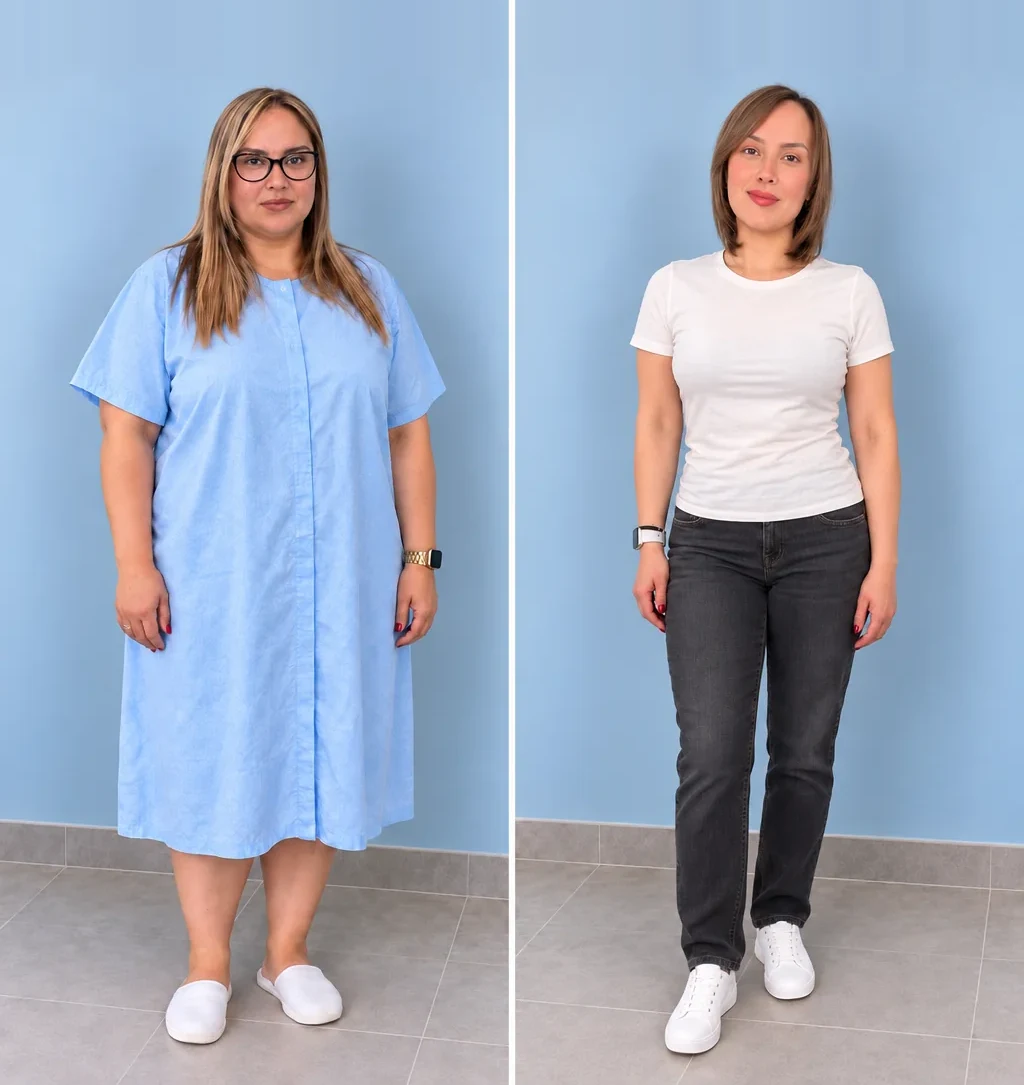 beforeafter
Bariatric surgery
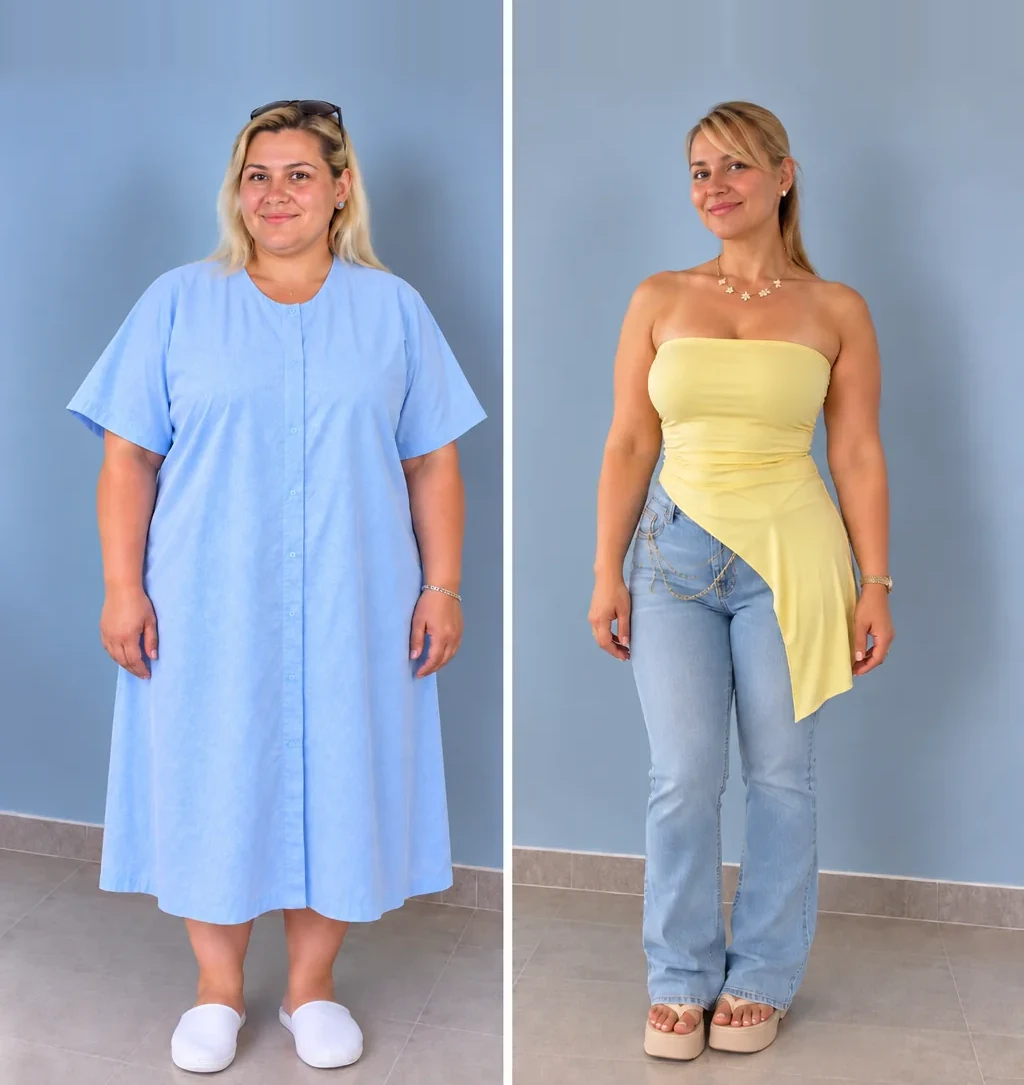 beforeafter
Bariatric surgery
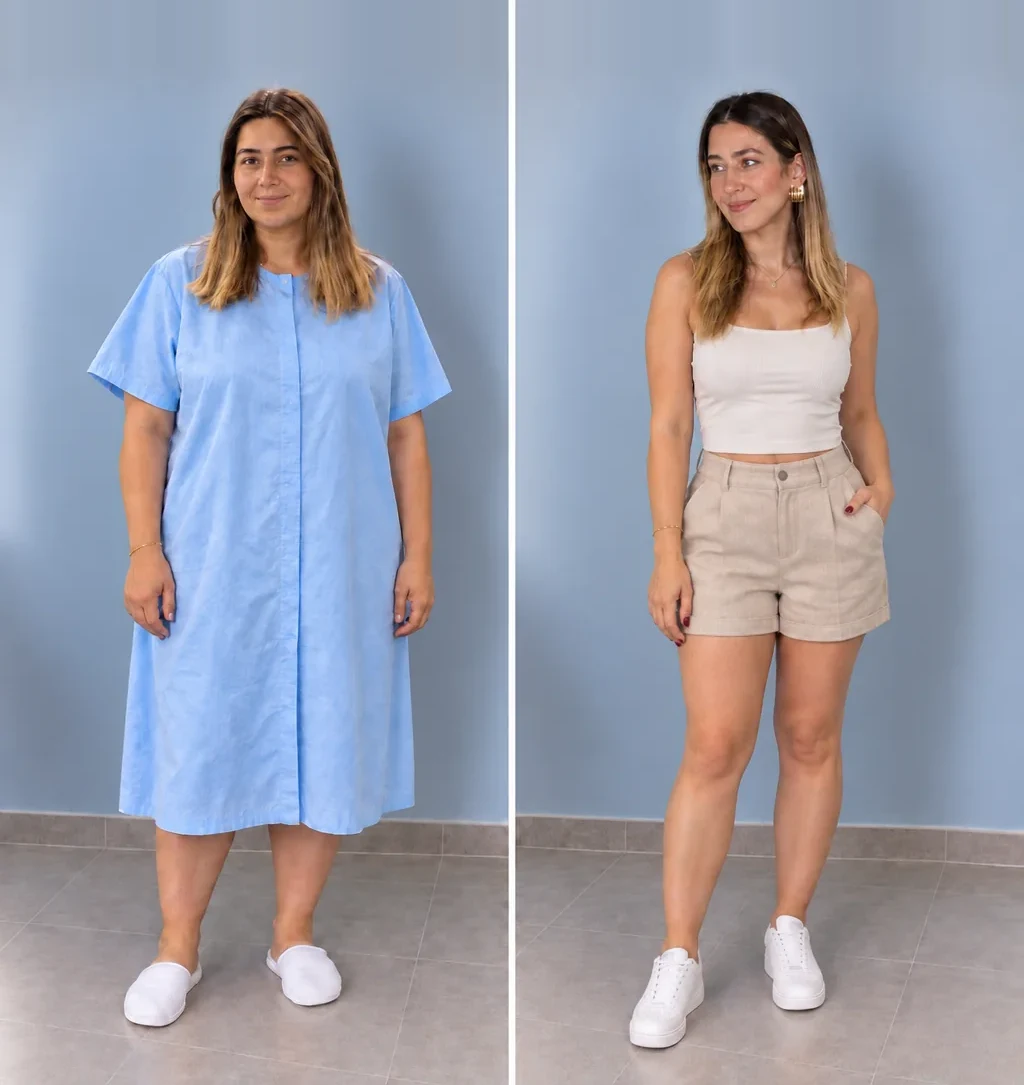 beforeafter
Bariatric surgery
Comparison
We perform two main operations: sleeve gastrectomy and gastric bypass. Compare how they work, what they are for and when they are indicated to choose your method with confidence.
A smaller stomach volume
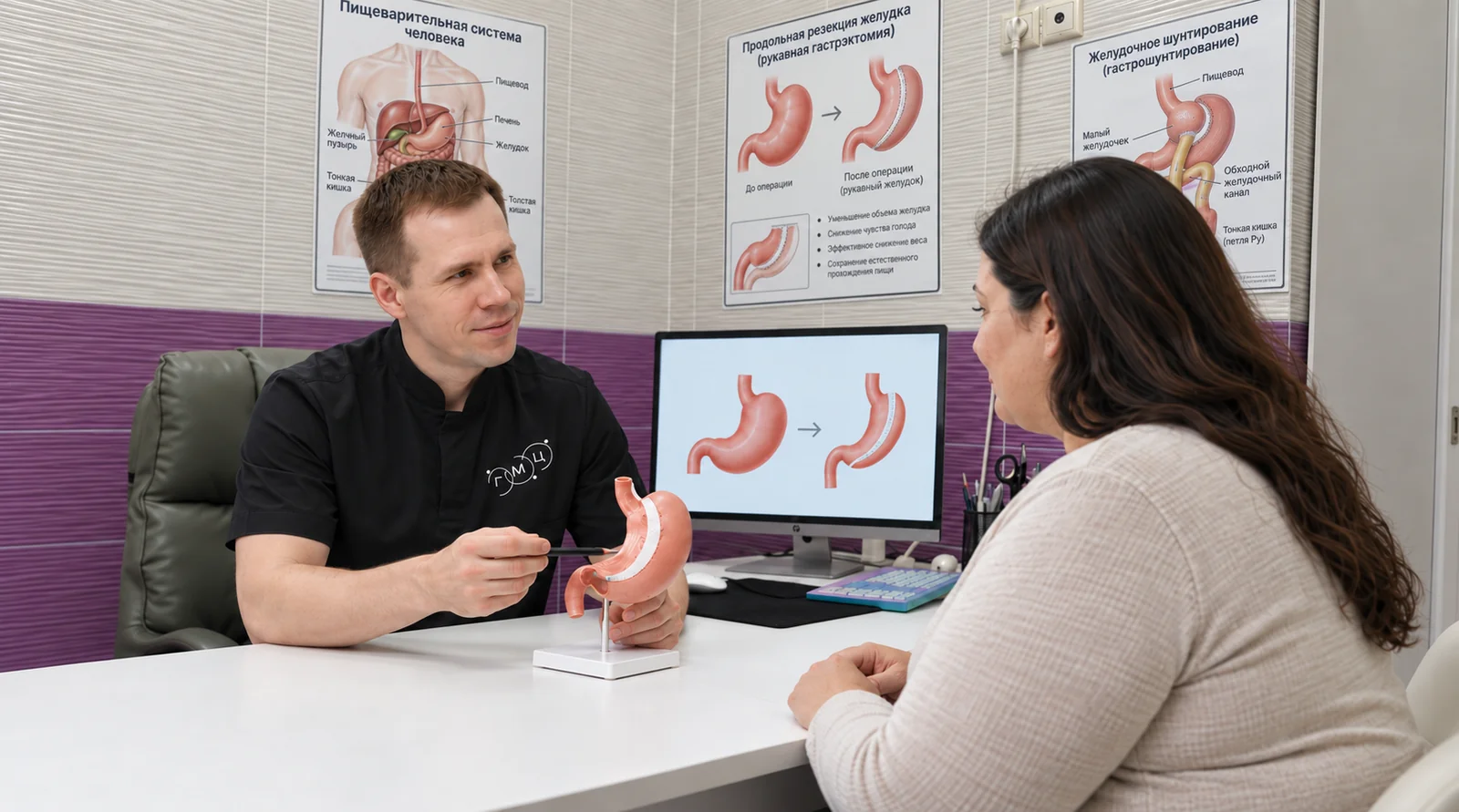
Discounted price
$3,600 $4,800
The stomach is made smaller and food is rerouted
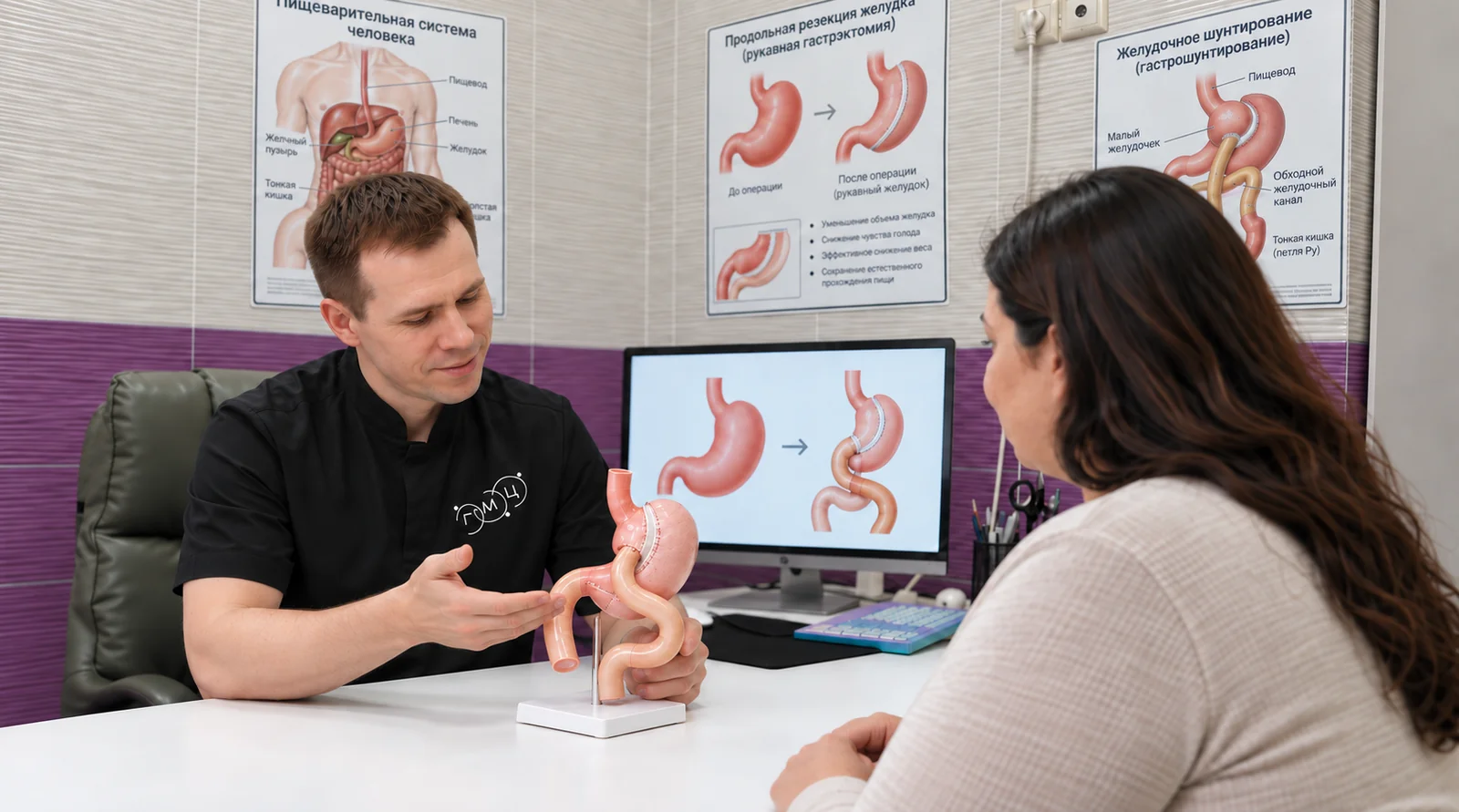
Discounted price
$4,000 $5,200
The benefits and recovery times are method averages meant as a guide; the actual scope of the operation and your recovery depend on your anatomy and individual features. The surgeon confirms them at the consultation.
Book a consultationAbout us
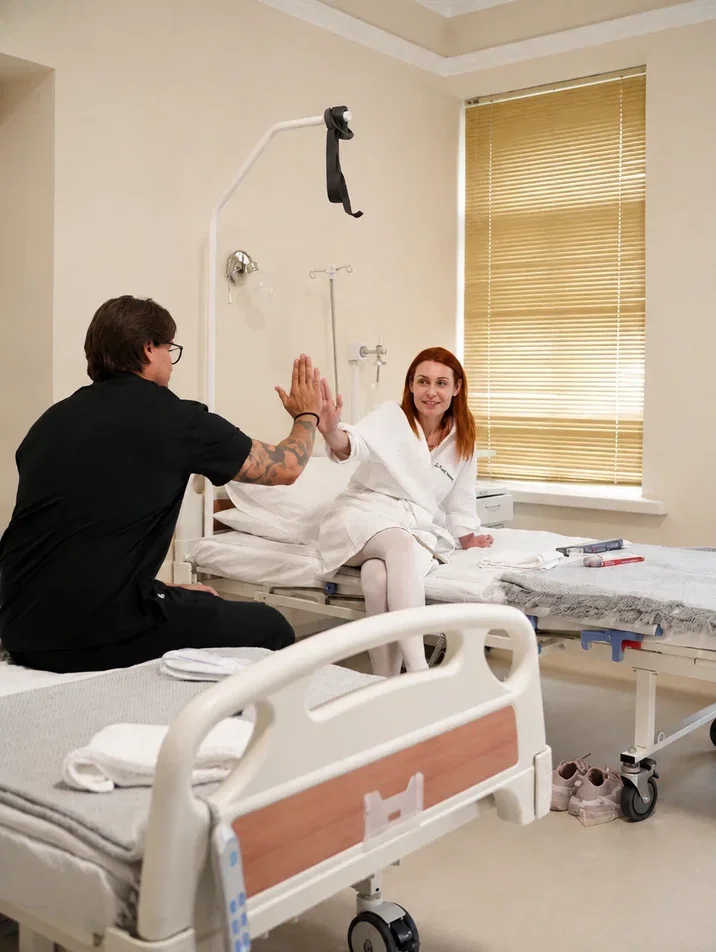
Comfortable rooms, modern equipment and care for each person
We will answer your questions and find a convenient time for a consultation
By messaging us, you agree to our Privacy Policy
Get a consultationThe decision to operate is taken with the surgeon, following a consultation and a check-up.
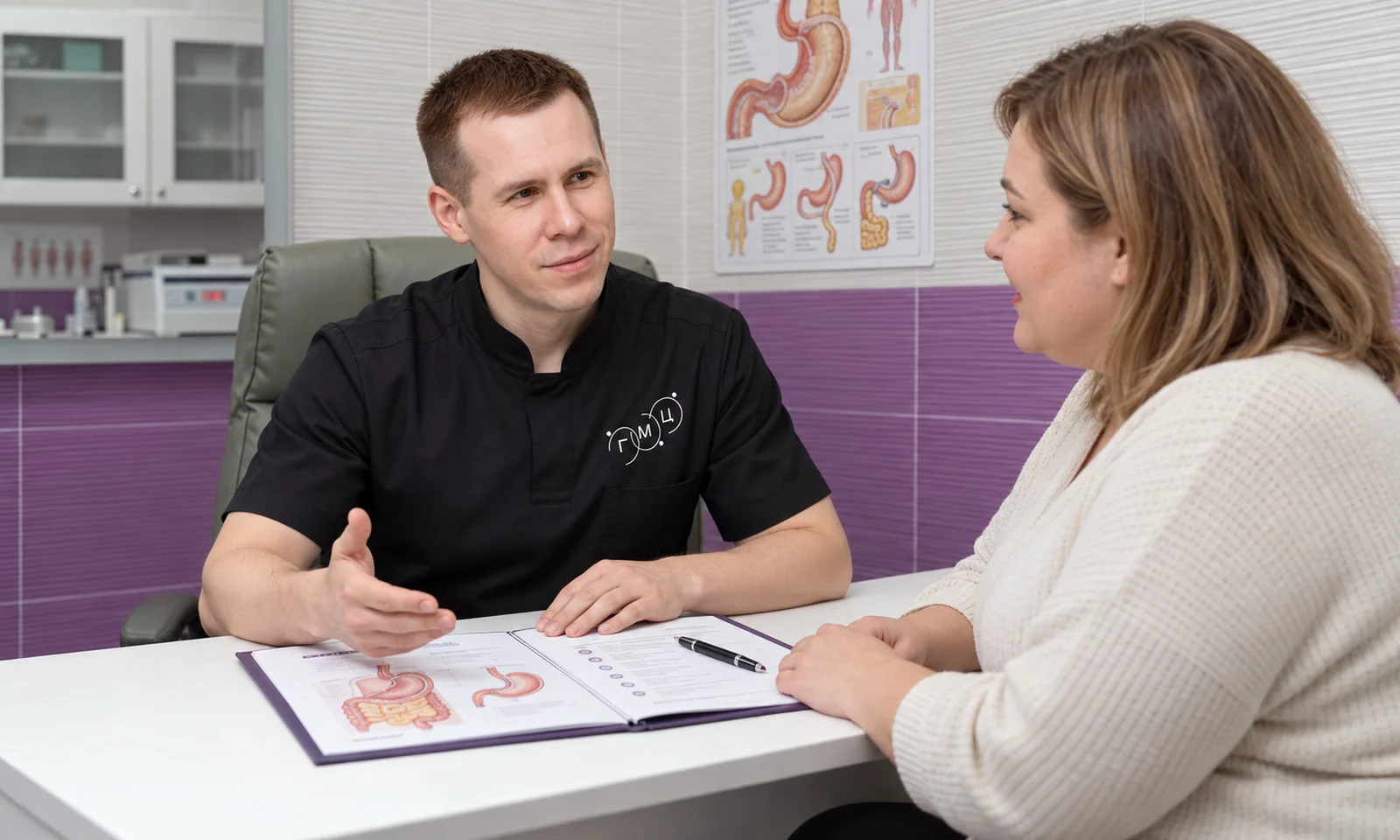
Not sure which group you fall into?
Write to us on Telegram and our coordinator will tell you whether bariatric surgery is suitable. Your surgeon consultation is free and carries no commitment to surgery.
Find out if it suits me
Prices
When your plan is prepared, the cost is named at the consultation and locked in the contract.
Discounted price
A smaller stomach volume
$3,600$4,800
Discounted price
Weight reduction with rerouting of food
$4,000$5,200
Free
A treatment plan after the surgeon's examination

Free
the cost of surgery is named
and fixed in the contract
The doctor reviews your health and goals and decides on the right bariatric surgery method. At the consultation the cost is named, and the contract fixes it.
Message our coordinator
Free online consultation · Reply within 15 minutes
Message us on TelegramMessage us on WhatsAppBy messaging us, you agree to our Privacy Policy

price
Preparation to 12 months of support in one package — nothing extra to pay.Everything from surgery preparation
to support over 12 months.
How it goes
Hospital monitoring, a treatment plan agreed with you and a year of support.
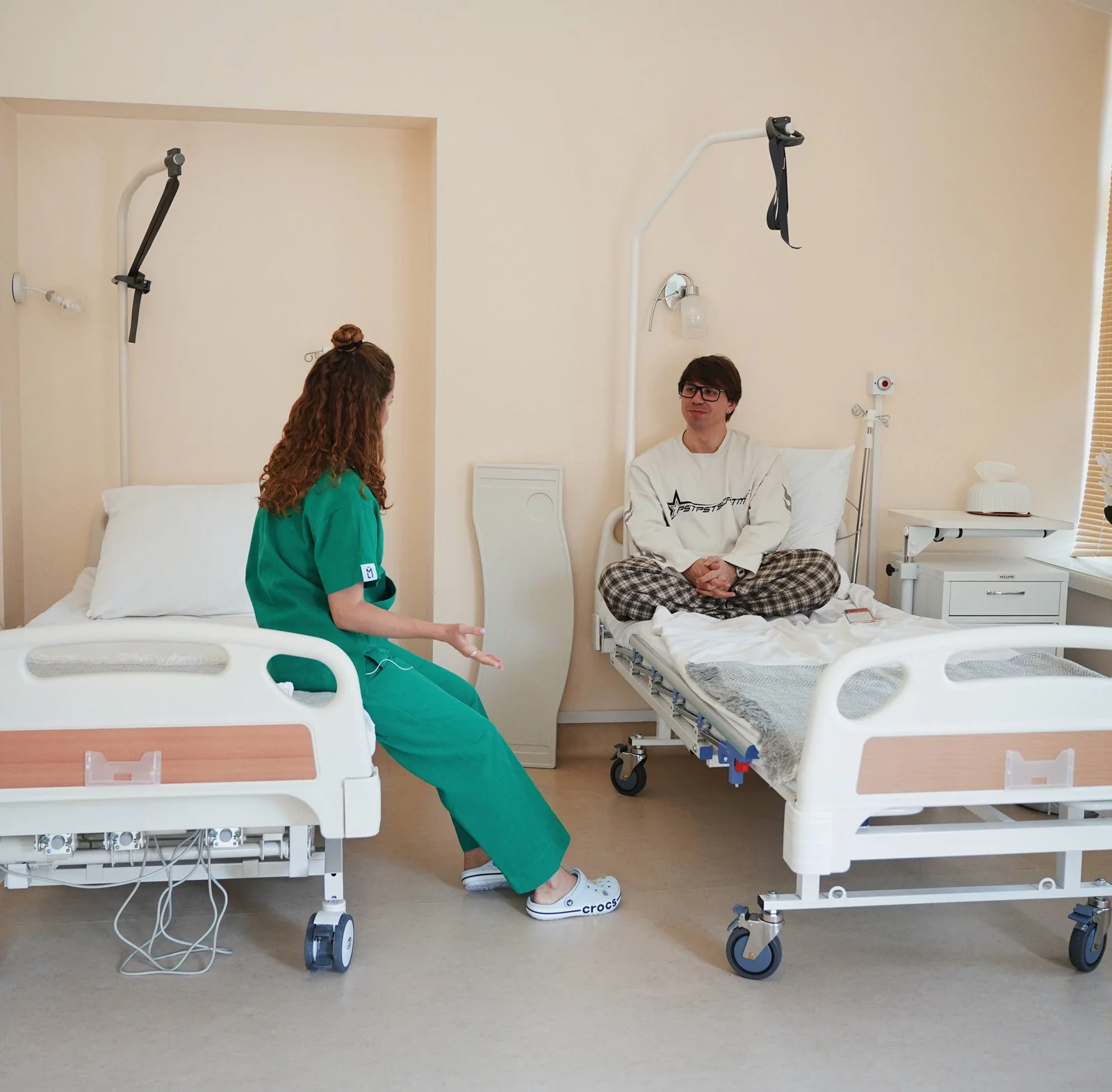
1The doctor checks your health, goes over your goals and arranges the tests needed to choose a suitable bariatric surgery method.
2We hold a surgery date for you: pay the deposit by card at the clinic or online by bank transfer. The terms are set out in the contract for medical services
 3
Before surgery you have blood and urine tests, an ECG, an ultrasound and a gastroscopy, and see the specialists. The doctor gives you the exact list at the consultation.
 4
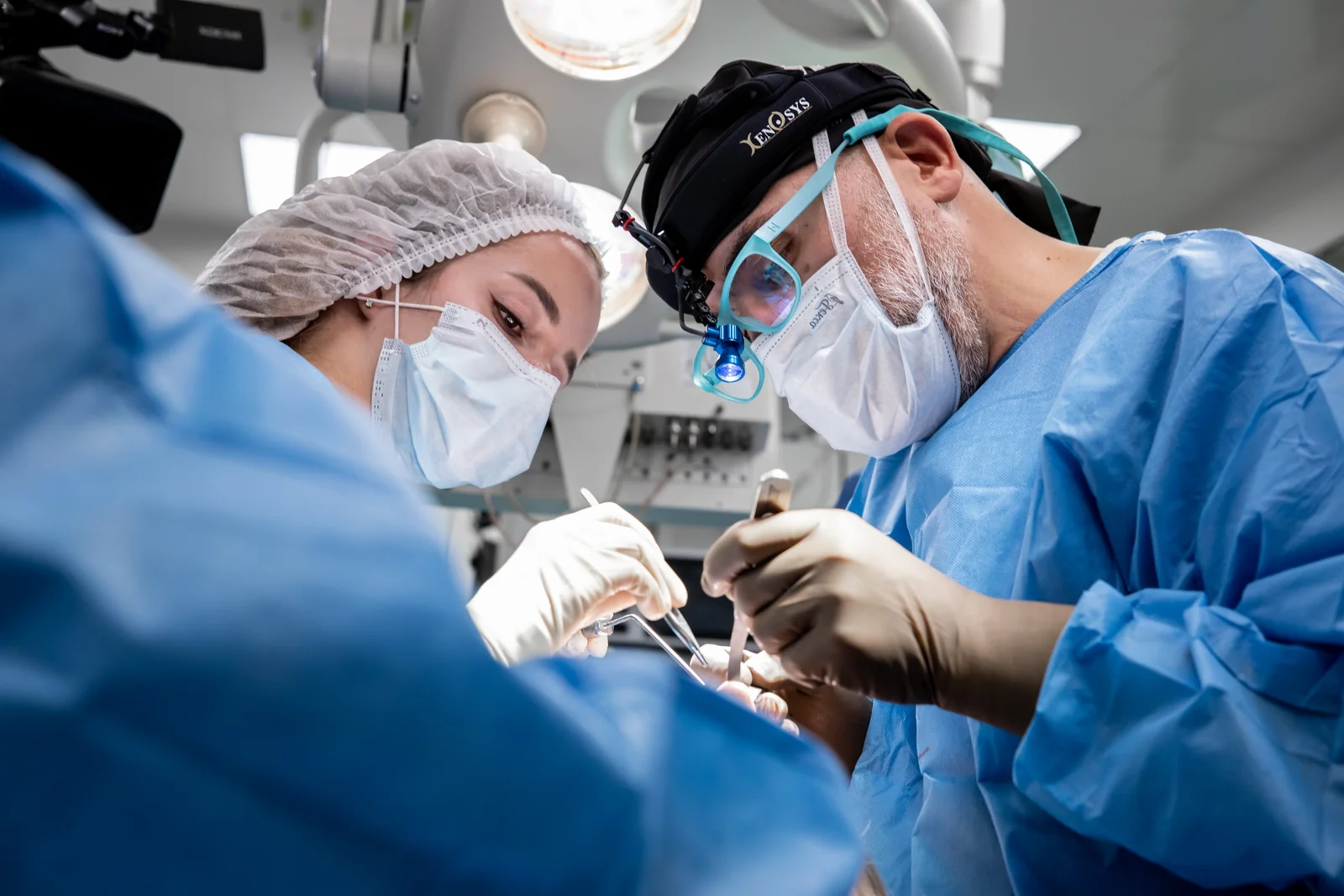
The bariatric operation is performed by the surgeon under general anaesthesia with the selected method. Afterwards the patient is monitored by the medical team.
 5
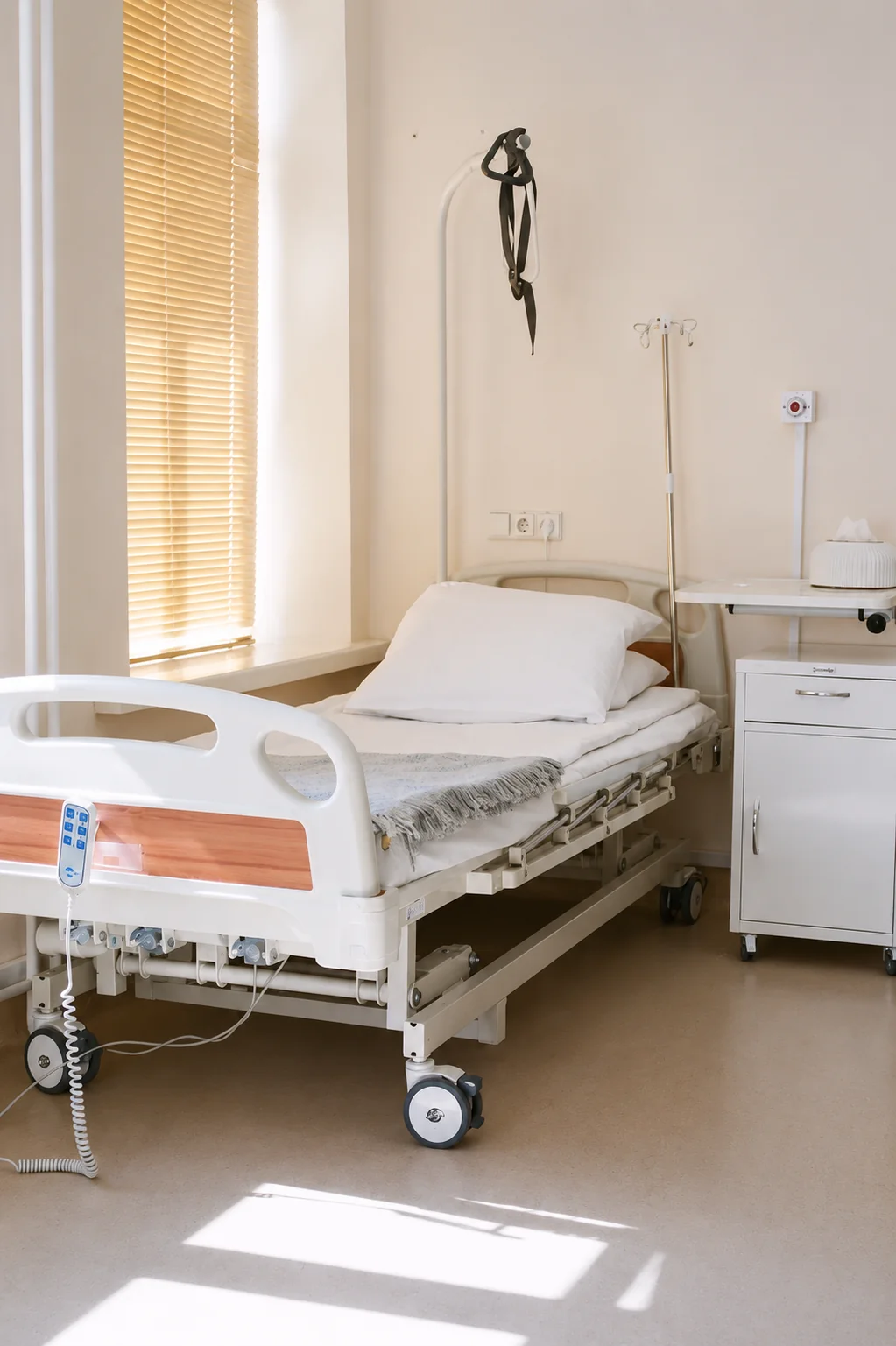
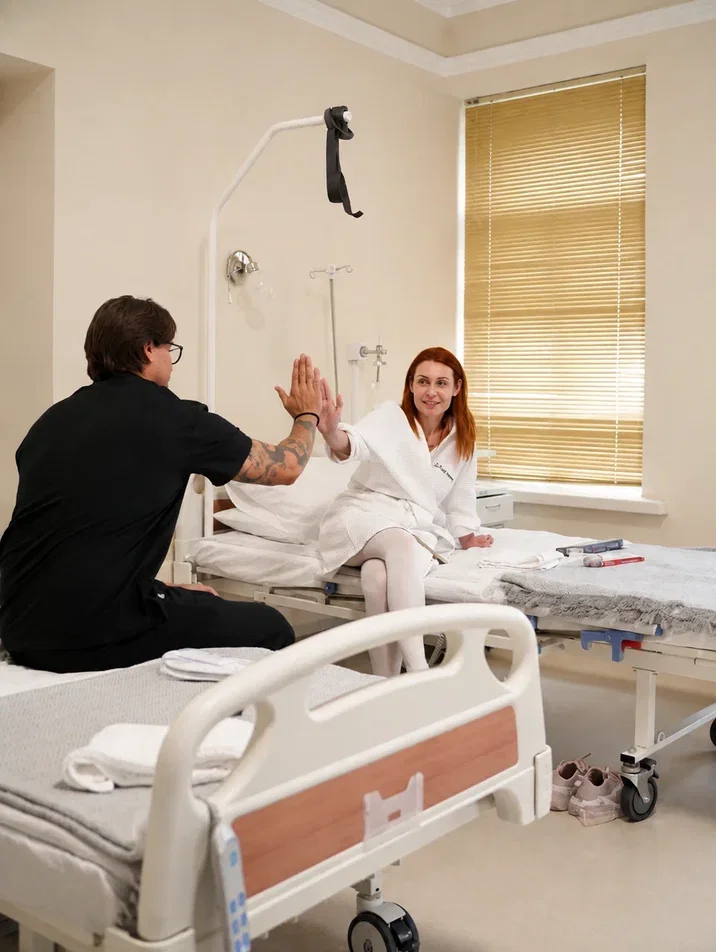
After the operation you stay in hospital under doctors' supervision for 1–3 to 4–5 days, depending on the complexity of the operation and how you feel.
 6
After you leave hospital, you receive advice on diet and recovery. Scheduled check-ups monitor your weight, test results and how you feel. The clinic team supports you for a year.
At the consultation you get a plan from the doctor and an explanation of how surgery will go
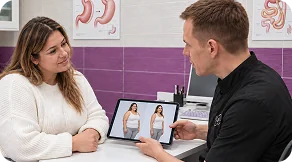
The consultation costs nothing, takes place before surgery and has no obligation.
Book a consultationDoctors

27 years of experience
Lead bariatric surgeon
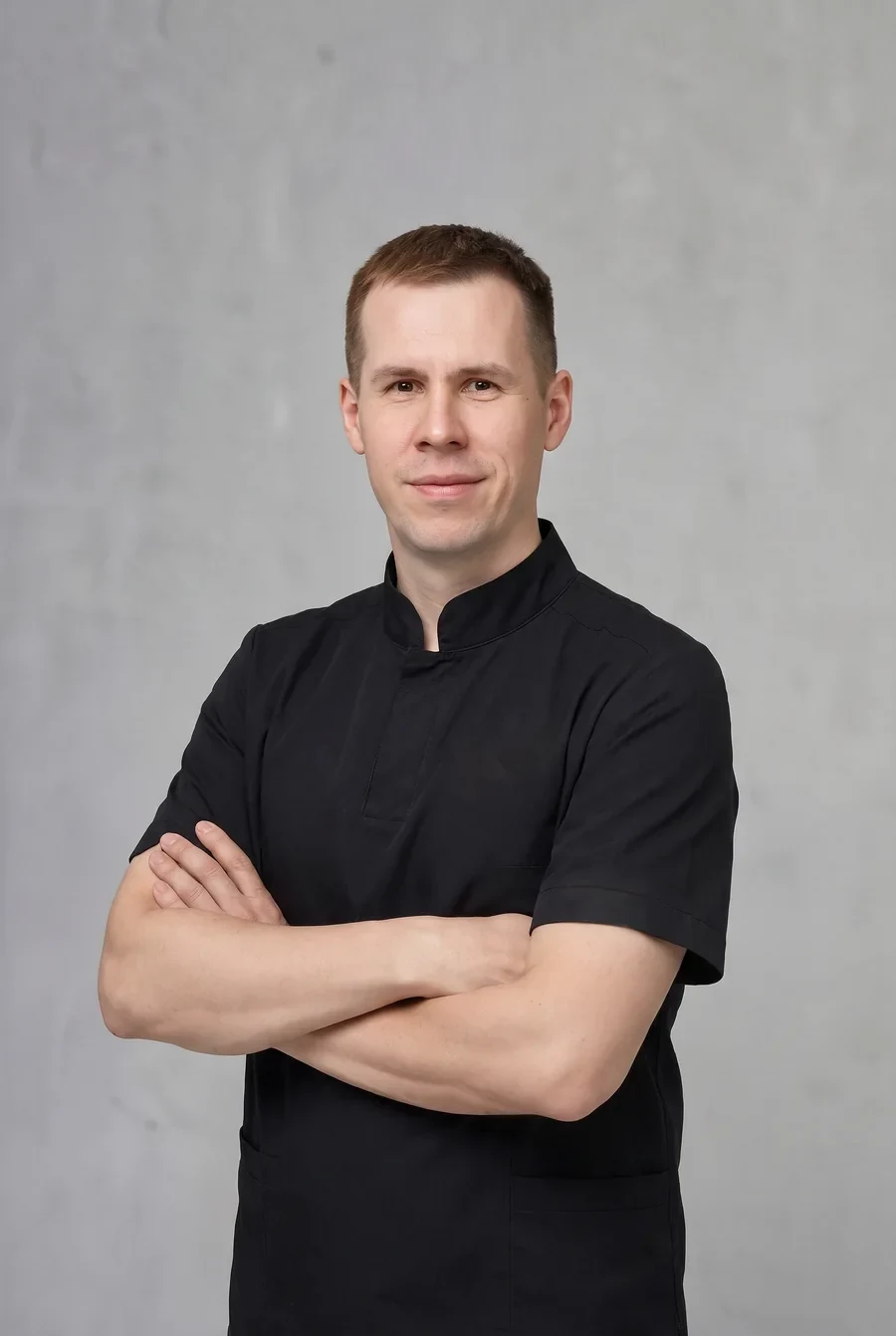
9 years of experience
Bariatric surgeon
Surgical oncologist
Your surgeon carries out the operation and follows you from the first consultation to your result.
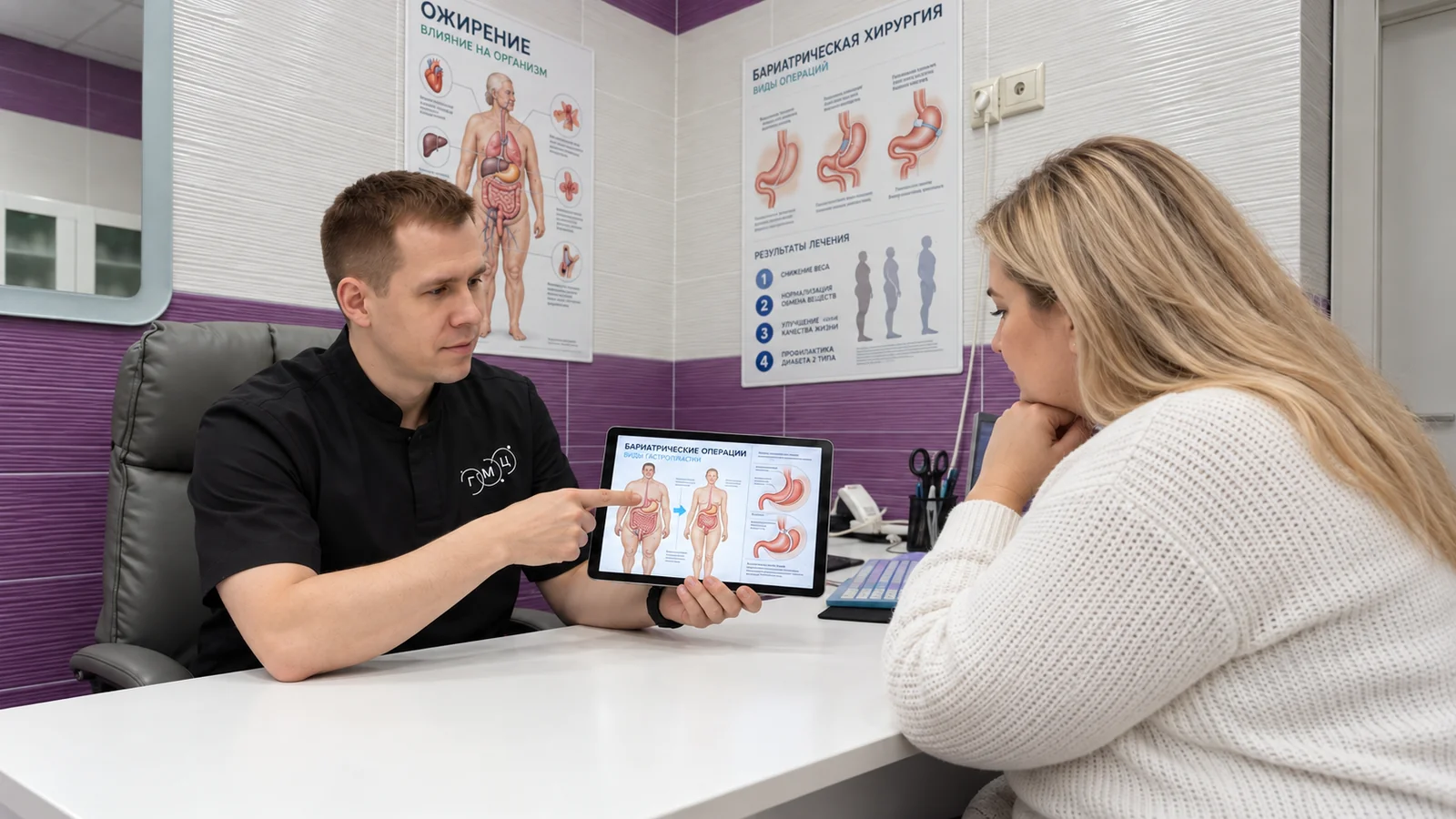
You start with a free consultation with our patient care manager, who calculates your BMI, explains the methods and books you in with the surgeon.
Book a consultationCoordinators
Our team supports you at each stage

The person you reach first at the clinic, from your first message up to the consultation
Specialist in patient care
Handles your questions before the first consultation and helps you choose a convenient date

By your side from booking to discharge, before and during your stay
Specialist in patient care
Helps you prepare for surgery and stays in touch during your stay at the clinic

Accompanies you through recovery, from discharge to your final check-up
Specialist in patient care
Keeps in contact while you recover and schedules your follow-ups with the surgeon
Advantages
We choose the optimal method for your health, lifestyle and goals, with our team beside you all the way.
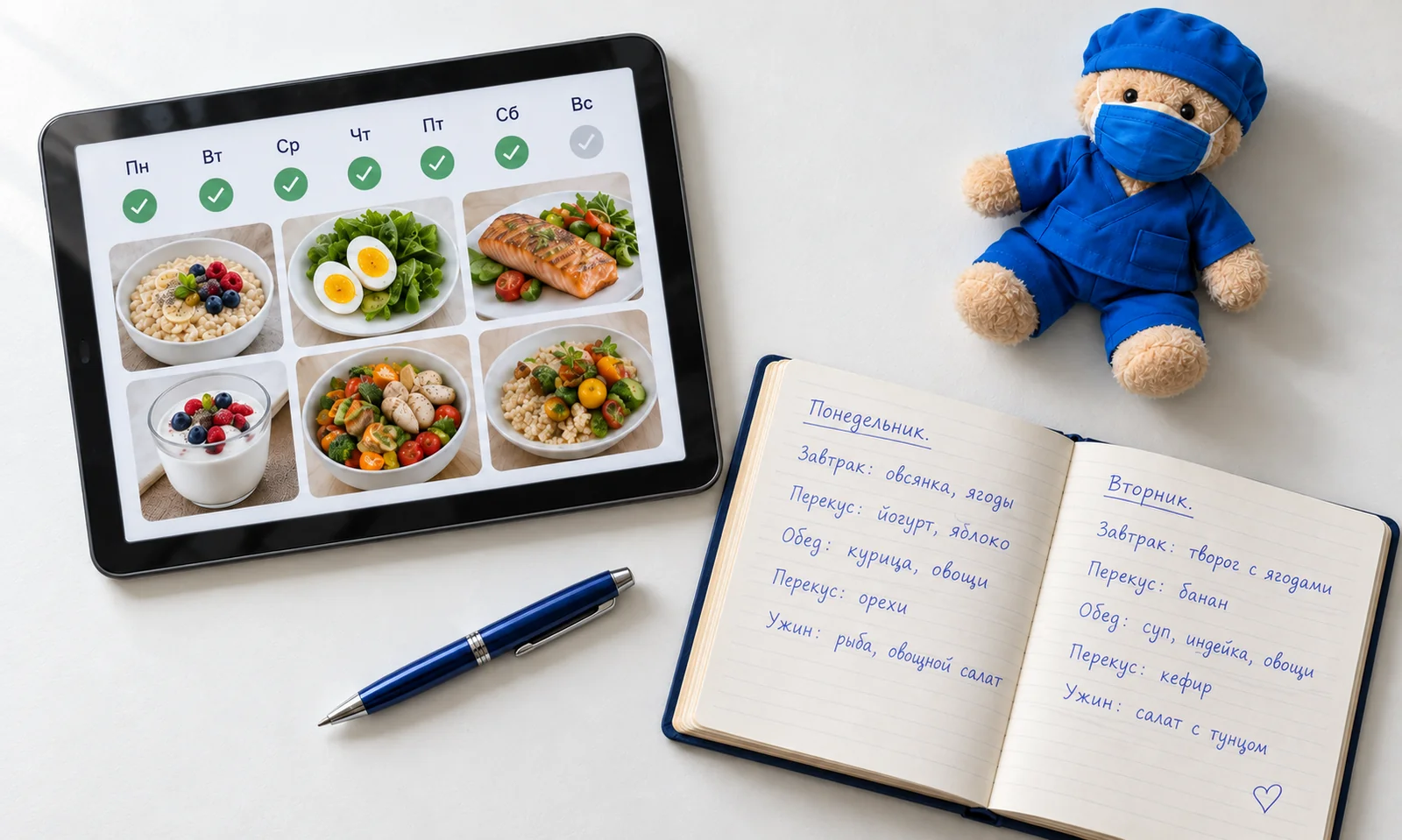
We help you settle into new eating habits, keep track of your results and keep them.

Consistent weight loss, better well-being and a higher quality of life.

We respect your time, working 24/7 with easy booking and a personal approach that adapts to your pace.
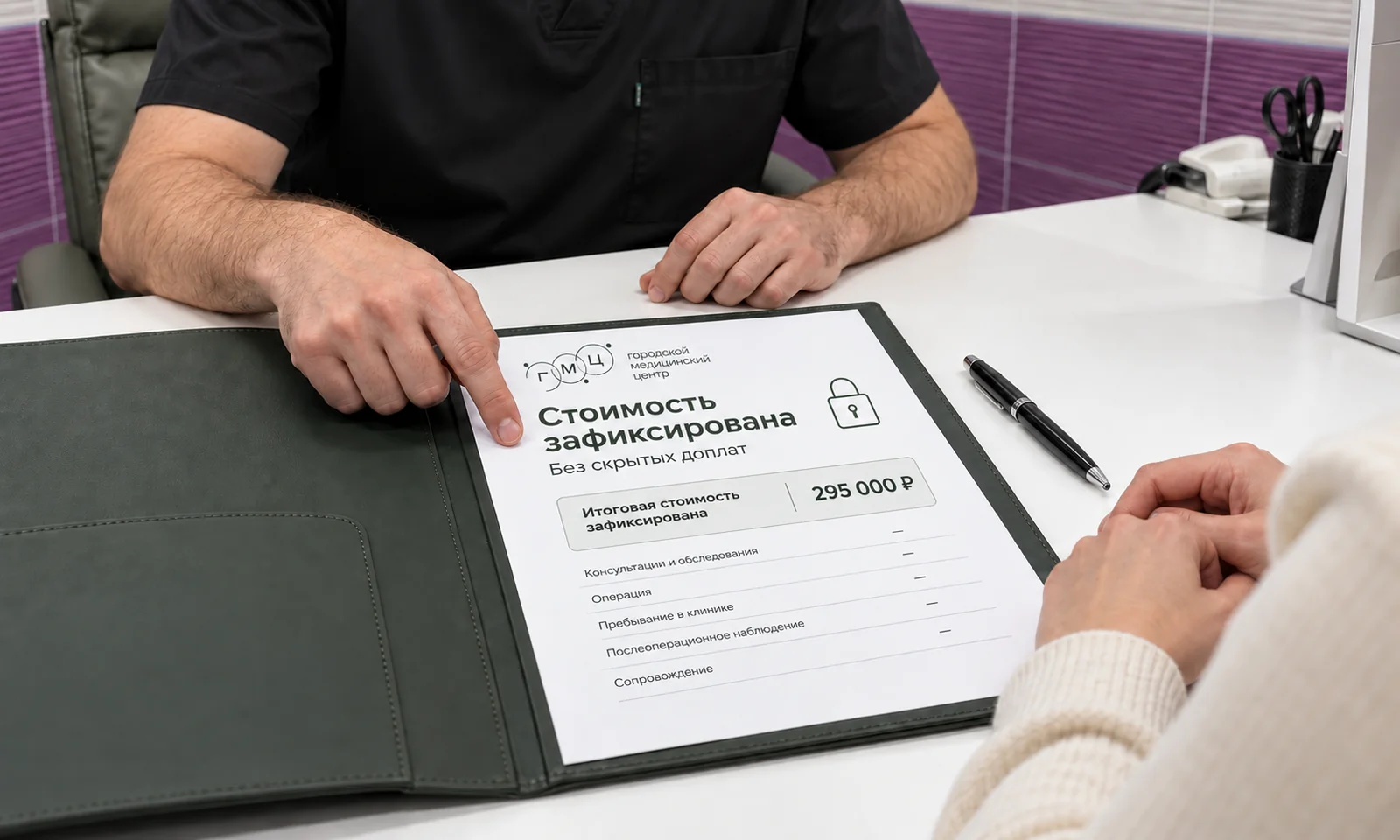
After the consultation the surgeon selects the method, and you get a transparent price — no hidden fees, no surprises on the road to your result.
FAQ
Yes, bariatric surgery is the medical term for it. At City Medical Centre the main methods are sleeve gastrectomy (gastric sleeve) and gastric bypass; the surgeon chooses the method by your BMI and health.
Usually a BMI over 40, or over 35 with related health conditions. The surgeon confirms whether surgery suits you at the consultation.
The clinic's bariatric procedures are performed by experienced bariatric surgeons:
Write to us — a coordinator will get back to you soon and arrange your consultation. The bariatric surgeon consultation is free of charge.
Surgery is prescribed only when clear criteria are met
BMI is the primary tool for judging obesity. The formula: body weight (kg) divided by height squared (m²). Surgery is typically justified at a BMI above 40, or above 35 if there are serious related conditions. At times surgery is also considered with lower figures — provided non-surgical treatment has failed.
Though often confused, the two have fundamentally different goals. Bariatric surgery is a medical treatment of obesity and related illnesses; it changes the functioning of the digestive tract to address the causes of excess weight and metabolism. Plastic surgery reshapes the outer contours of the body and neither treats obesity nor affects metabolism.
Four main bariatric surgery types are available at City Medical Centre: sleeve gastrectomy, Roux-en-Y gastric bypass, mini gastric bypass (MGB) and SADI-S duodeno-ileal bypass. The method is picked individually, considering BMI, related conditions and the patient's goals.
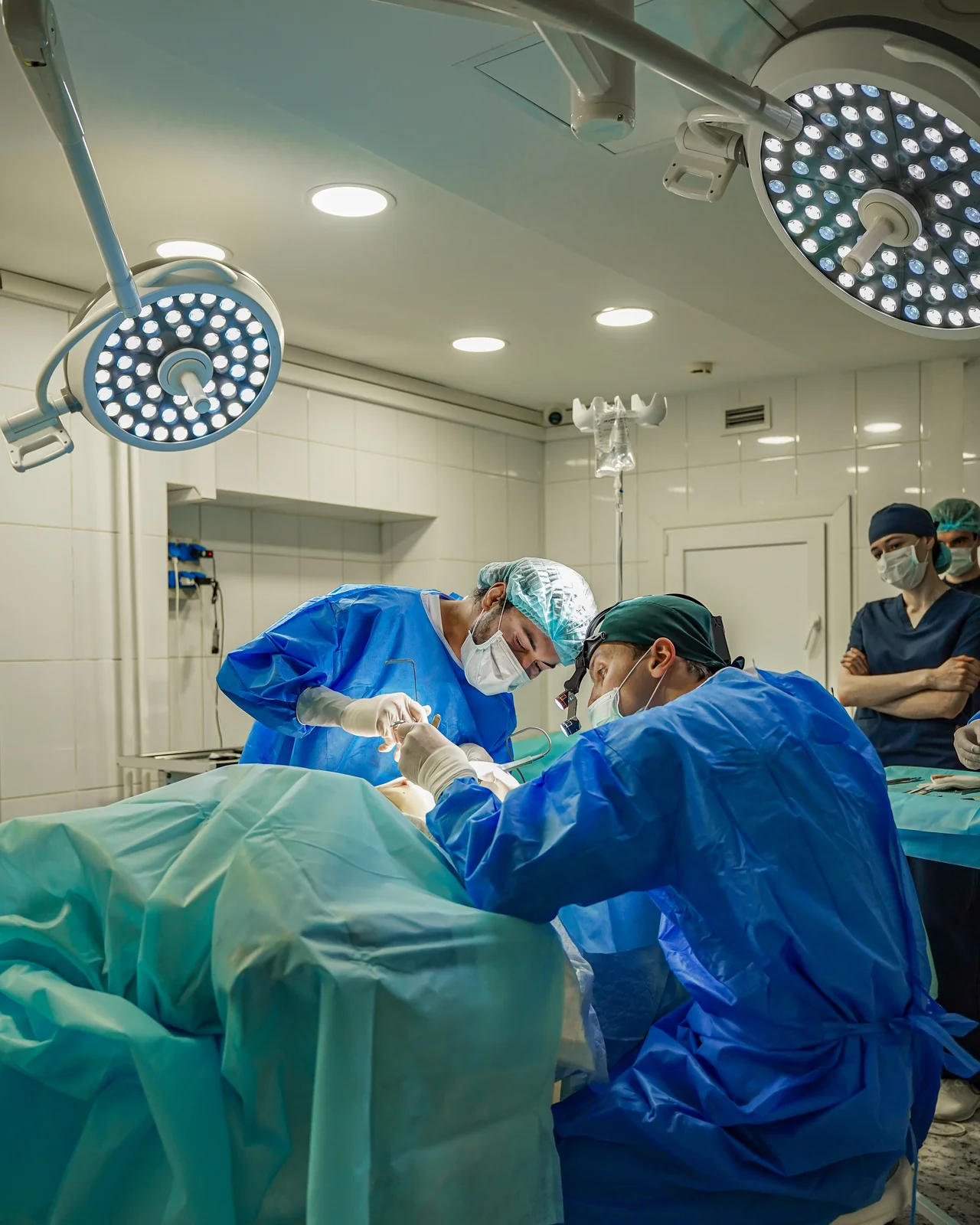
We rely on modern laparoscopic technique. The operation is performed through 4 small punctures of 5 to 15 mm. Cosmetic sutures are used, so after healing the marks are barely visible.
The recovery timeline depends on your activity. Office work: after 2–4 weeks. Physical work: after 1.5 months. Sport and activity: swimming allowed from 30 days, other exercise added gradually as weight comes down. Travel and holidays: best planned at least a month after surgery.
The diet evolves in steps — from liquids to soft, then solid food — with a focus on protein and limits on high-calorie, fatty food.
You can become pregnant after bariatric surgery, but doctors advise a wait of at least 12–18 months. Over this period the body stabilizes, weight hits target values and nutritional status normalizes.
Yes, vitamins become essential after bariatric surgery. The changed digestive anatomy lowers absorption of some nutrients, so regular vitamin and mineral supplements turn into a permanent part of the patient's life.
Regain after bariatric surgery is possible, but very unlikely if you follow the doctor's advice. Proper nutrition, no high-calorie drinks and regular follow-up visits with City Medical Centre specialists make the difference.
Prices are in US dollars; the amount in brackets is an approximate conversion to EUR at the rate of 02.10.2026. The final price is fixed in your contract.
Prices start from $3,600 (≈ €3,250). The surgeon sets the final price at the free consultation, and it is fixed in the contract, with no hidden extras.
General anaesthesia, a personal coordinator from day one, monitoring in the hospital and support for one year.
The hospital stay is 1–5 days, depending on the method and how you feel. Office work is possible after 2–4 weeks.
Yes. The first consultation is free and does not oblige you to anything. You can start online by sending a message to the coordinator.
Message us on WhatsApp or Telegram using the buttons below. A coordinator will answer your questions and book a free consultation where the doctor names the exact price.
By messaging us, you agree to our Privacy Policy
Weight that began in childhood, a family history of obesity, shortness of breath on stairs, avoiding photos — these are common reasons people in Mannheim start thinking about surgery. A consultation is warranted not only by a high BMI but also by related conditions. The surgeon reviews your health and weight history and offers the most suitable of the four surgical methods.
Recovery is short thanks to the minimally invasive technique, and absorbable sutures dissolve on their own. Office work is usually resumed after 2–4 weeks and physical work after about 1.5 months; swimming is allowed after 30 days, with other exercise added gradually. For the first weeks, no sauna or intense training. Mannheim residents get the same step-by-step guidance from the team.
Everything needed for the result is combined in one package, with no hidden fees and no surprises. For patients from Mannheim, it includes surgery by a dedicated team, round-the-clock care in the ward with meals and nursing, a doctor nearby 24/7 and a personal coordinator. The first step is a free 15-minute consultation with a bariatric surgeon.
Well-known people who spoke openly about this operation, in their own words.
 Al Roker and gastric bypass: twenty years of talking about it honestlyAl Roker had gastric bypass surgery in March 2002 and has talked about it for 20 years. His words, how the operation works and what recovery involves.
 Did Billy Gardell have bariatric surgery? Yes — and he says it saved his lifeThe Mike & Molly star had bariatric surgery in 2021 after a diabetes diagnosis. His quotes on the decision, the 100-pound loss and his children.
 Did Graham Elliot have weight-loss surgery? Yes, and he did it for his familyChef Graham Elliot had weight-loss surgery in 2013, saying it was what he needed to do for his family. His words, the operation and recovery.
 Did Mama June have a gastric sleeve? Yes — in her own wordsJune 'Mama June' Shannon had a gastric sleeve in May 2015. Her quotes on the 550-pound start, the regain and starting over.
 Did Randy Jackson have gastric bypass surgery? Yes, and he still talks about maintaining itRandy Jackson had gastric bypass surgery in 2003 and lost 114 pounds. His own words, how the operation works today and what recovery involves.
 Remi Bader and her weight-loss surgery: what she actually saidRemi Bader said in 2023 she had weight-loss surgery removing 80% of her stomach and lost 140 lbs. What she said, how the operation works, and recovery.
What patients write after this operation. Reviews are translated from the original language.
Irina, 26
For a long time I doubted whether to go ahead with surgery, but after the consultation I felt much calmer. Andrey Georgievich explained in detail how gastric bypass is done, what to expect after the operation and how recovery would go. I especially liked that they talked to me calmly and without pressure. I am now gradually getting used to my new way of life and I am very glad I took this step.
Bariatric surgery
Doctor: Andrey G. Ugay
Angelina, 22
For me the hardest part was deciding to have the operation. At the consultation Ruslan Sergeyevich answered all my questions in detail and explained the specifics of sleeve gastrectomy and recovery. After the operation I always understood what I was doing and why. Thank you to the doctor and the whole team for their attentiveness.
Bariatric surgery
Doctor: Ruslan S. Menzulin
Anna, 31
For a very long time I tried to deal with my excess weight on my own, but I did not get the result I wanted. After the consultation with Andrey Georgievich I finally understood what to do next. I came through the operation well, and my recovery was supervised by the doctors. It was important for me to feel that I was not left alone after surgery.
Bariatric surgery
Doctor: Andrey G. Ugay
Veronika, 25
Before the operation I had many fears, mostly of the unknown. Ruslan Sergeyevich explained every stage of treatment in detail and answered even the simplest questions. Thanks to that I felt much more confident. I keep following the recommendations and I am gradually seeing the changes I had the operation for.
Bariatric surgery
Doctor: Ruslan S. Menzulin
Valentina, 23
The decision to have bariatric surgery was not easy for me. I worried both about the operation itself and about how my life would change afterwards. At the consultation Andrey Georgievich explained everything in detail, so little by little my fear turned into confidence. What matters most to me now is the result and the chance to treat my health and lifestyle differently.
Bariatric surgery
Doctor: Andrey G. Ugay
Anna, 27
I am very grateful to Ruslan Sergeyevich for his attentiveness. Before the operation I had a huge number of questions, and I got a clear answer to every one of them. After the operation it was also clear which recommendations to follow and how to eat. It was important to me that the doctor stayed in touch and I felt supported at every stage.
Bariatric surgery
Doctor: Ruslan S. Menzulin
Page medically reviewed by Andrey G. Ugay, lead bariatric surgeon. Review date: .
Two sets of numbers describe how common obesity is among adults in Germany, and they differ more than most readers expect. In the Mikrozensus survey of 2009, 15.7% of men and 13.8% of women reported a BMI of 30 or higher. The measured data of the DEGS study (2008/11) gave 23.3% of men and 23.9% of women. Surveys that rely on self-reported height and weight give lower values than measuring people directly. If you have only ever estimated your own weight, it is worth weighing yourself properly before you plan anything.
Mannheim has 319,536 inhabitants (31 December 2025) on 144.97 km², with a density of 2,204.3 per km². The metropolitan area was counted at 2,362,046 people (2012 figure). Applied to a city of this size, even the lower survey values mean tens of thousands of adults in Mannheim with a BMI of 30 or more. This is only an arithmetic illustration of the national percentages, not a local statistic. It does show that the question you are asking is a common one and nothing to be embarrassed about.
BMI is the number that opens or closes most conversations about weight loss surgery. You get it by dividing weight in kilograms by height in metres squared. Surgery is generally considered above a BMI of 40, or above 35 when serious related conditions are present. The German S3 guideline uses the same logic: bariatric surgery is indicated from BMI 40 kg/m² even without comorbidities, and from BMI 35 kg/m² with an obesity-related comorbidity, once conservative therapy has failed. The words "once conservative therapy has failed" matter. Surgery is positioned as a step after other approaches have been tried, not as a first reaction to a number on the scale. In some cases it is also considered at lower values, when non-surgical methods have not worked. The doctor decides this individually at the consultation.
Bariatric surgery is not a cosmetic procedure. It is a medical treatment of obesity and the illnesses that go with it: hypertension, type 2 diabetes, sleep apnea, fatty liver disease, joint disease and reproductive health problems. It changes how the digestive tract works, and that sets it apart from body contouring, which reshapes outer outlines and does not treat obesity or affect metabolism. The distinction also matters for how German insurers think about it, as the next section explains.
For scale, a gastric bypass was performed on obesity patients in Germany in 4,083 cases in 2014, according to Statista as cited in the German encyclopedia article on the procedure. That is a modest figure against the number of adults living with obesity. Few of them ever reach an operating table, and the route through the insurance system is one reason.
About 92% of the German population is covered by statutory health insurance (GKV). As of 2024, roughly 88% of the working population is insured through statutory funds and about 11% privately. Most readers in Mannheim therefore belong to the GKV system, and that is where the rules on weight loss surgery are strictest.
Bariatric surgery is not part of the regular benefit catalogue of the GKV, but it can be applied for in individual cases. Two conditions are named. First, you must show that conservative weight-loss methods were exhausted over 6 to 12 months within a multimodal concept (usually combined nutrition, exercise and behavioural components under supervision). Second, the Medizinischer Dienst (MD) assesses your case according to its "Begutachtungsanleitung Adipositas-Chirurgie". Only after this review does the insurer decide.
In practice the file you assemble matters a great deal. Records of the supervised programme, your weight curve, your diagnoses and the BMI values are the building blocks of an application. If you are thinking about this route, begin collecting documents now, and tell the coordinator on WhatsApp or Telegram what you already have. The doctor will explain during the consultation which documents are useful and which test results will be needed anyway before an operation.
Many people mix up bariatric surgery with cosmetic surgery, so a second set of German rules deserves attention. Statutory insurance does not pay for cosmetic procedures done at the patient's request. In that case the patient bears the full cost, including lost income. Health insurers cover treatment costs with the exception of cosmetic surgery. After a medically not indicated procedure, insured persons must share in the costs of resulting complications, including sick pay. Insurers may restrict or refuse benefits under § 52 SGB V, and there is no entitlement to continued wage payment (Entgeltfortzahlung) in that case. These rules concern procedures without medical indication. A bariatric operation that follows a documented medical indication is a different category. Still, the passage shows why the paperwork around "medically indicated" matters so much in Germany, and why it is better to clarify your position with your insurer before you commit to any date.
Waiting is the other practical question. A 2010 Commonwealth Fund survey found that 70% of Germans reported waiting less than 1 month for elective surgery. That is an older survey and it covers elective operations in general, not obesity surgery specifically, so it cannot predict your own timeline. Where a statutory application is involved, the review by the MD adds time that the survey figure does not capture. If you plan to arrange the operation yourself and not through the insurer, the sequence is simpler. You send photos, receive a doctor's assessment and a price, then confirm the plan and dates before anything is booked. The first online consultation is free and does not commit you to surgery. Coordinators answer round the clock, so you can ask about timing at any hour.
Both routes are legitimate, and which one suits you depends on your insurance, your BMI and how long you are willing to wait. Ask the coordinator to walk you through what each path involves. The doctor then confirms at the consultation whether surgery suits you medically.
The clinic carries out four main types of bariatric surgery: sleeve gastrectomy, Roux-en-Y gastric bypass, mini gastric bypass (MGB) and SADI-S duodeno-ileal bypass. The choice is individual, based on BMI, related conditions and your goals. The two procedures most often compared are the sleeve and the bypass.
Sleeve gastrectomy reduces the volume of the stomach. Its main goal is weight loss and a quick feeling of fullness, and it is usually considered for obesity without marked reflux. Gastric bypass reduces stomach volume and also changes the path of food, aiming at weight loss and better metabolism. It is usually considered for obesity combined with diabetes or reflux. Both are done under general anaesthesia with a hospital stay of 1 to 5 days. According to the planning text, the length of stay depends on complexity and on how you feel, from 1–3 days up to 4–5 days. Averages are for guidance only; the extent of surgery and recovery vary with your anatomy and individual traits, and the doctor confirms them at the consultation.
The operation is done with a laparoscopic technique through 4 small punctures of 5 to 15 mm. Cosmetic sutures are placed, so once healed the marks become almost invisible. That is a statement about scars, not about the whole recovery, which still follows its own pace.
Before the operation, tests are needed: blood and urine tests, an ECG, an ultrasound and a gastroscopy, plus visits to specialists. The doctor gives the exact list at the consultation. Since Mannheim residents are used to arranging examinations through local practices, you can usually have these tests done close to home and send the results to the coordinator. That keeps the preparation in your own routine until the date of the operation is confirmed.
For return to normal life, the clinic gives these guideposts. Office work resumes after 2–4 weeks. Physical work follows after about 1.5 months. Swimming is fine after 30 days, and other exercise is added gradually as weight drops. Holidays are best planned from a month after surgery. The final result is usually seen 18–24 months after the operation, so the first months are the beginning of a process and not the endpoint.
Not everyone is suited to surgery. Contraindications include age under 18, malignant tumours, pregnancy, blood clotting disorders, severe chronic and mental illness, acute illness or flare-ups of chronic disease, and less than six months since breastfeeding ended. If you are unsure which group you belong to, write to the coordinator. A first conversation costs nothing and has no obligation.
Diet changes in stages after the operation: from liquid to soft to solid food. The main focus is protein, and high-calorie fatty food is restricted. High-calorie drinks are another point, because they undermine the effect of the smaller stomach. None of this is unique to Germany, but it has to be fitted into the way you actually eat.
Our sources do not describe Mannheim's food habits, so we will not claim to know what is on your table. What we can describe is the rhythm of the city's calendar, because events shape when many people eat out. The Maimarkt begins on the last Saturday in April and lasts eleven days. In 2025 it ran from 26 April to 6 May, and it was first recorded in 1613. The article gives 250,000 to about 350,000 visitors annually. The Mannheimer Mess fair is held twice a year, in spring and in autumn. Fairs of this size tend to put fried and sugary snacks and drinks within reach. Whether you attend or not, it helps to decide beforehand what you will eat, particularly during the early stages when only liquids or soft food are allowed.
The sensible approach is to match the stage of your diet to the calendar. If the spring fair or the Maimarkt falls in your first weeks, plan a quiet period instead of testing yourself in a crowd. Your eating plan after discharge comes with advice on diet and scheduled check-ups of your well-being, weight and test results. If a family event or a fair is coming, tell the coordinator, who can help you reschedule check-ups or discuss what suits your current stage.
Vitamins are not optional. Because digestive anatomy changes, the body absorbs certain nutrients less well, so regular vitamin and mineral supplements become a lasting part of life after the procedure. Make a habit of taking them at a fixed moment of your day, and bring up any questions during follow-up.
Pregnancy after bariatric surgery can happen, but doctors advise holding off at least 12–18 months. In this period the body becomes stable, weight reaches target values and nutritional status normalises. If a family is part of your plan, discuss the timing at the first consultation.
Mannheim lies at the mouth of the Neckar into the Rhine, at 97 m above NHN, in the Upper Rhine Plain, which is described as Germany's warmest region. The climate figures matter when you think about a hospital stay and the recovery that follows at home.
The mean daily maximum is 27.7 °C in July, the warmest month, then 26.3 °C in August and 25.6 °C in June. The annual mean temperature is 11.9 °C (DWD 2015–2020). In January the mean daily maximum is 6.0 °C and the minimum 0.2 °C, and February has a minimum of 0.6 °C. Annual precipitation is 578 mm with 153 rainy days; May and June are the wettest at 69 mm each, and April the driest at 32 mm. Relative humidity averages 74.9%, reaching 84% from November to January and 66% in July. Sunshine averages 5 hours a day over the year: 8.3 hours in July and 8.0 in June, but only 1.4 hours in December and January.
What does this change for you? Not the medicine, but the details of the first weeks. Eating little in the early stage means that you drink in small, regular amounts, and in a July heat of 27.7 °C that needs more attention than in a damp, cool January. Keep a bottle within reach and sip through the day. Walking is part of gradual activity, and short walks fit well in the long July daylight of 8.3 sunshine hours. In December and January, with 1.4 hours of sun, you may need to schedule a walk around the brighter part of the day so that you move at all. Cold, wet days at 84% humidity make it easier to skip movement, so decide in advance what you will do indoors.
The planning text says swimming is fine after 30 days. A pool or a warm day by the river may then be a pleasant option, but only once the doctor has confirmed that your wounds have healed. Cosmetic sutures heal well, but do not rush the date.
The package covers preparation through 12 months of support. It includes the surgery and the doctor's work, general anaesthesia, the inpatient stay, meals at the clinic, one coordinator from day one and remote progress checks by photos. Because the follow-up is remote, living in Mannheim does not affect how well it works. The coordinator reminds you about tests and check-ups, answers questions during recovery and books follow-up appointments with the doctor.
Long-term monitoring is the part that decides how well the result lasts. Weight regain after bariatric surgery is possible, but it is very unlikely if you follow the doctor's advice. Proper eating, avoiding high-calorie drinks and regular follow-up with the clinic's specialists are the key factors. Keep the habit of sending photos and test results on schedule, even in months when you feel well. The scale alone does not tell the whole story, since the doctor also looks at nutrition and blood values.
A student or a working person in Mannheim may find the rhythm of follow-up easy to fit. The University of Mannheim alone had 11,933 students in the winter semester 2023/24, which tells us that many people in the city are in education or early careers and may need flexible scheduling. Chat-based coordination suits that: you write when you have a moment, and the answer comes round the clock. A first reply is promised within 15 minutes.
Finally, remember that the first online consultation is free, with no obligation. The doctor names the final price, and it is fixed in the contract before anything is booked. If you are weighing the statutory route against arranging the procedure yourself, start with the consultation and bring your documents, so the discussion can cover both.
In the Mikrozensus survey of 2009, 15.7% of men and 13.8% of women reported a BMI of 30 or more. The measured DEGS data (2008/11) showed 23.3% of men and 23.9% of women. Surveys based on self-reported values give lower figures than direct measurement, so it helps to have your height and weight measured accurately before assessing your BMI.
It is not part of the regular benefit catalogue of the GKV, but it can be applied for in individual cases. You need proof that conservative weight-loss methods were exhausted over 6 to 12 months in a multimodal concept, and an assessment by the Medizinischer Dienst under the "Begutachtungsanleitung Adipositas-Chirurgie". The insurer then decides. Ask your own insurer which documents it expects.
The German S3 guideline indicates bariatric surgery from BMI 40 kg/m² even without comorbidities, and from BMI 35 kg/m² with an obesity-related comorbidity, once conservative therapy has failed. The clinic uses a similar approach: usually BMI over 40, or over 35 with related conditions. The doctor confirms at the consultation whether surgery suits you.
The rules on cosmetic procedures concern operations done at the patient's request without medical indication, where the patient bears the full cost, including lost income. Bariatric surgery is a medical treatment of obesity and related illnesses, not a cosmetic procedure, which is why a statutory application is possible in individual cases. For a procedure without medical indication, insurers may restrict or refuse benefits under § 52 SGB V. Clarify your situation with your insurer before fixing dates.
A 2010 Commonwealth Fund survey found that 70% of Germans reported waiting less than 1 month for elective surgery. That is an old figure for elective operations in general, not for obesity surgery. If a statutory application is involved, the MD review adds time. If you arrange the operation yourself, dates are confirmed after the consultation and your plan, and the coordinator can tell you what is needed.
The July mean daily maximum is 27.7 °C, and humidity averages 66% that month. Early after surgery you drink in small, regular sips, so plan to keep fluids close during warm weeks. In winter, with a mean maximum of 6.0 °C in January and humidity up to 84%, the challenge is more to keep moving. Plan indoor activity ahead, and discuss your timing with the doctor.
Follow-up is online. The package includes support for 12 months, one coordinator from day one and remote progress checks by photos. Coordinators answer on WhatsApp and Telegram round the clock, so you can send photos and results when it suits you. Scheduled check-ups of your well-being, weight and test results are part of the plan.
There is no ban, but timing matters. The Maimarkt starts on the last Saturday in April and lasts eleven days, and the Mess fair is held in spring and autumn. In the first weeks your diet moves from liquid to soft to solid food, with limits on high-calorie fatty food and drinks. Crowded fairs make that harder, so it is wiser to choose a quieter time. Tell the coordinator if your dates overlap, and the doctor can advise on your stage.