City Medical Centre · multi-specialty surgery clinicOpen 24/7

Tummy tuck

Abdominoplasty in Mannheim: Scar and Results

Free consultation

from $2,400

The price is fixed in the contract before surgery

Message us on WhatsApp

Free online consultation · Reply within 15 minutes
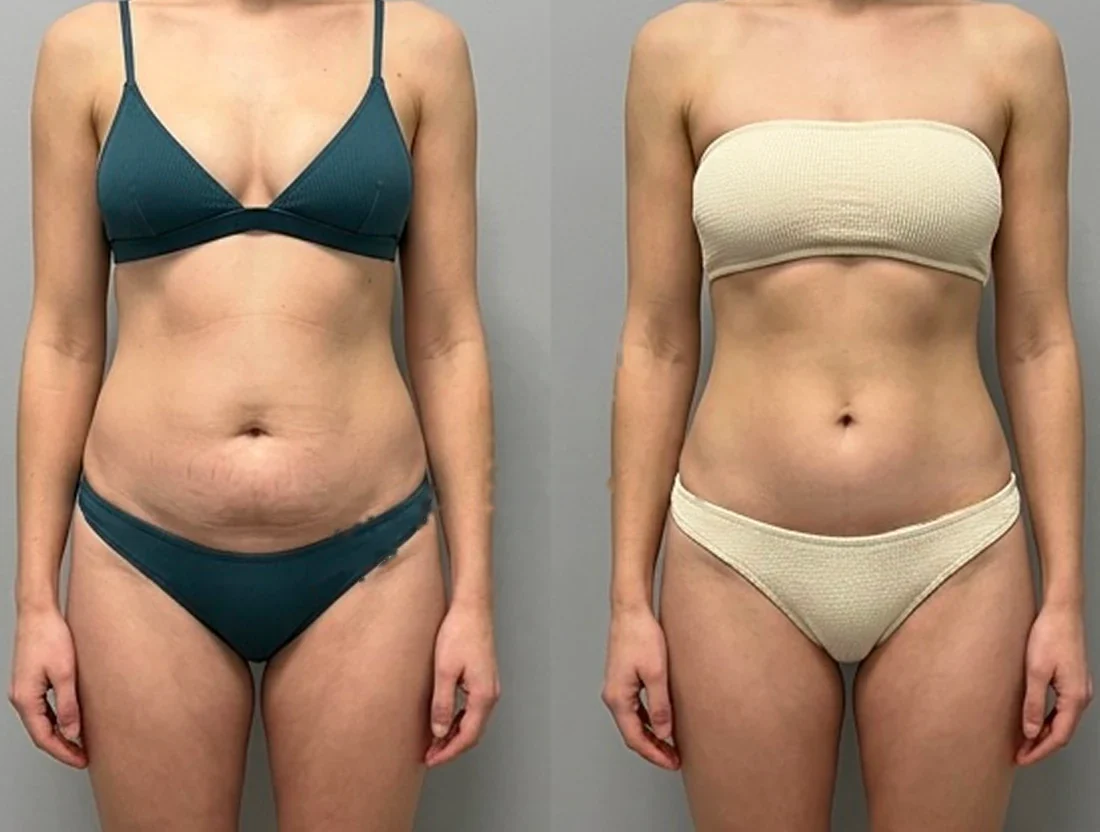
Real case
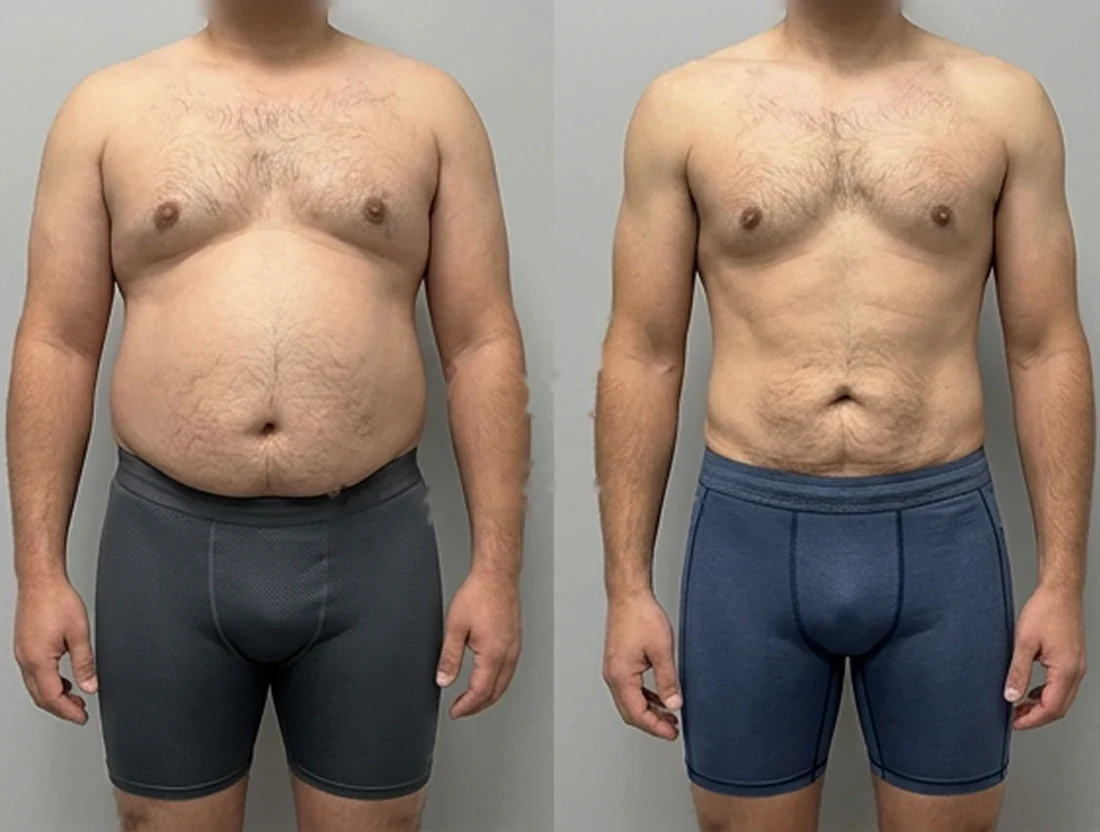
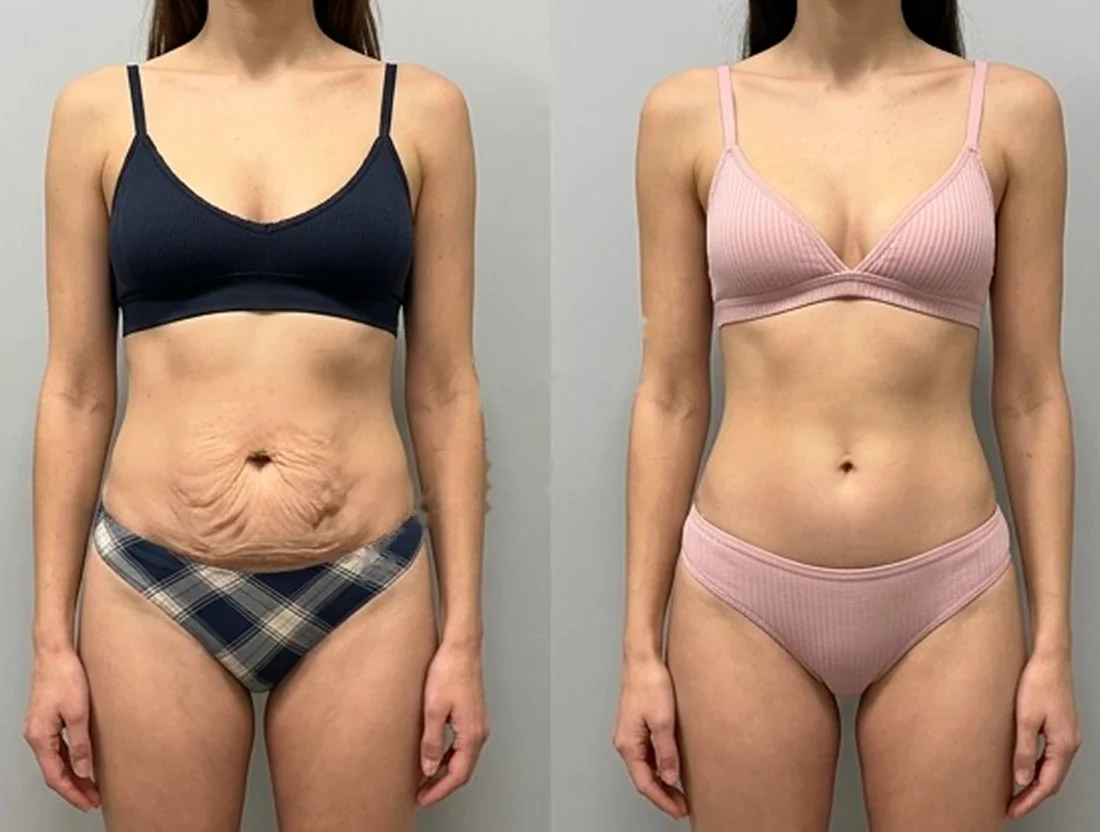
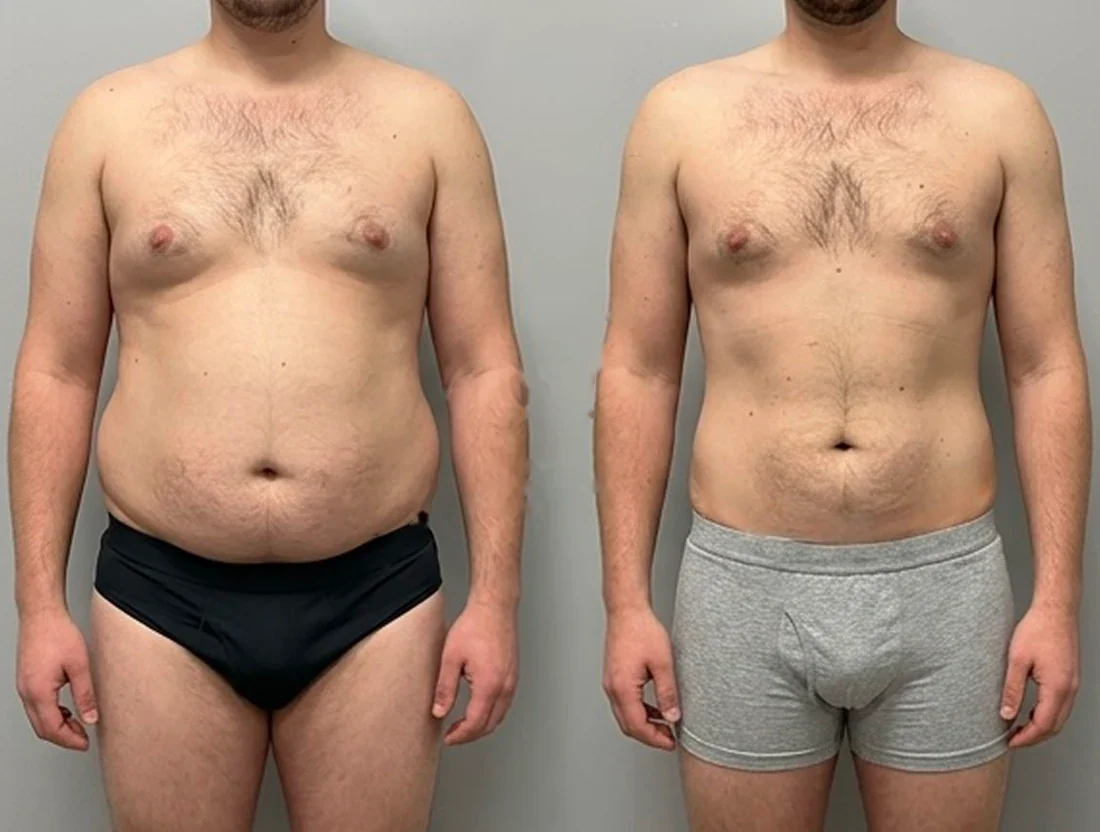
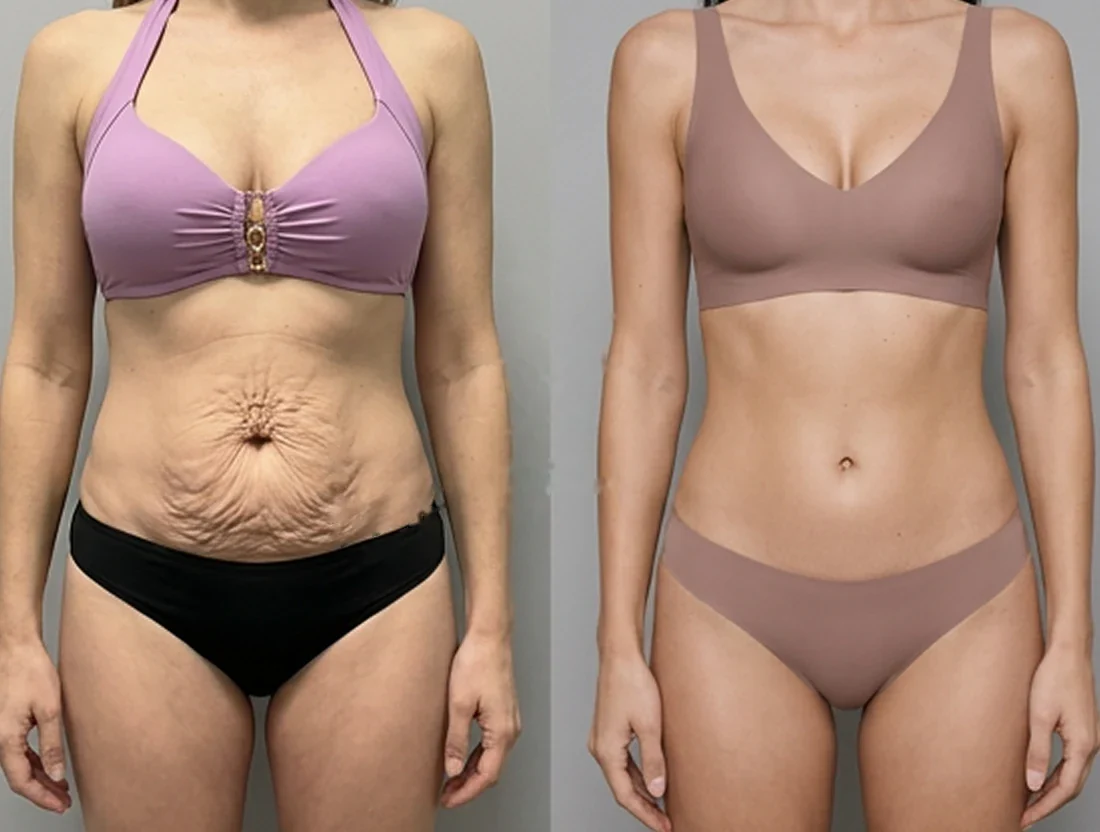
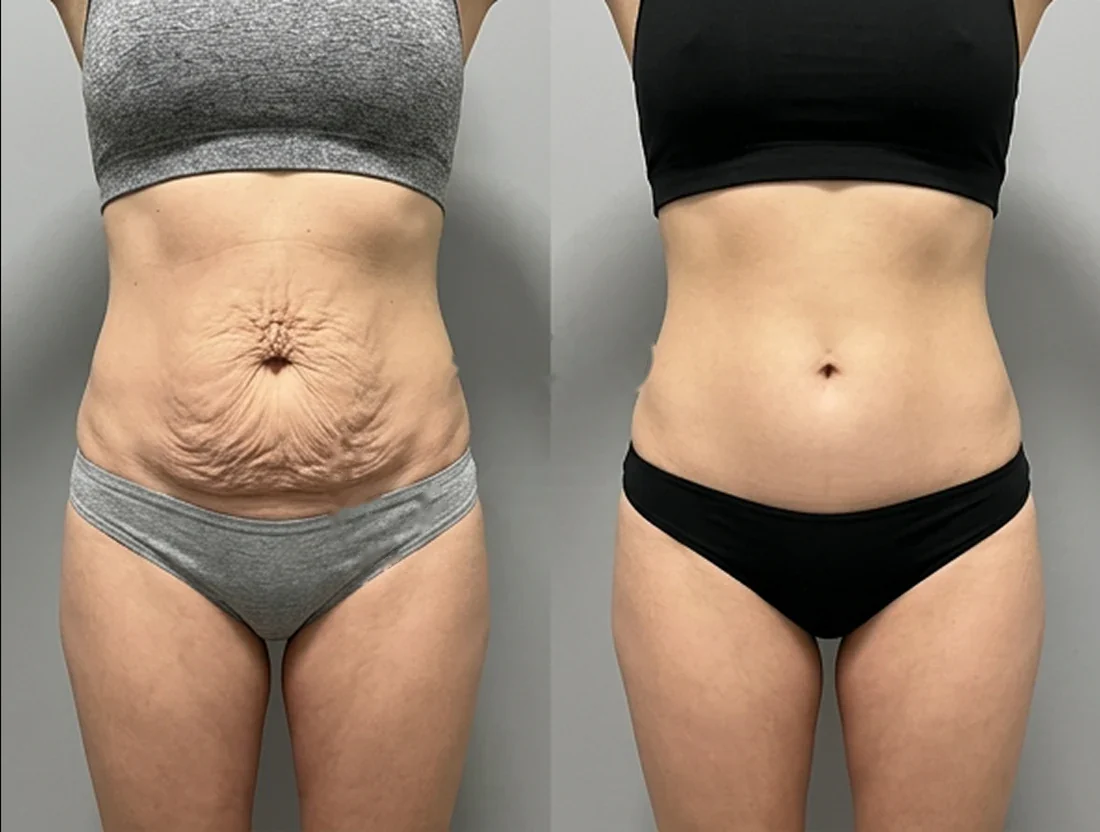
Tummy tuck: a patient's abdomen before and after surgery before after
A flat tummy and a toned silhouette in one operation. Your individual surgical plan and the expected result are discussed at the consultation

Message our coordinator

Free online consultation · Reply within 15 minutes

Message us on Telegram

By messaging us, you agree to our Privacy Policy

Tummy tuck (abdominoplasty) in Mannheim: price and key facts

Tummy tuck for patients from Mannheim at City Medical Centre: the price is named at the free online consultation and fixed in the contract with no hidden extra charges.

Duration
2–4 hours
Anesthesia
general
Stay
1–3 days
Recovery
back to work after 2–3 weeks
Final result
6–12 months after surgery
How it works
Send photos on WhatsApp or Telegram, get a free doctor assessment and the price, then confirm the plan and dates before anything is booked.

How it works · Tummy tuck prices

Information current as of 24 October 2026

Free online consultation on WhatsApp and Telegram

Results

Tummy tuck (abdominoplasty) results
of our patients

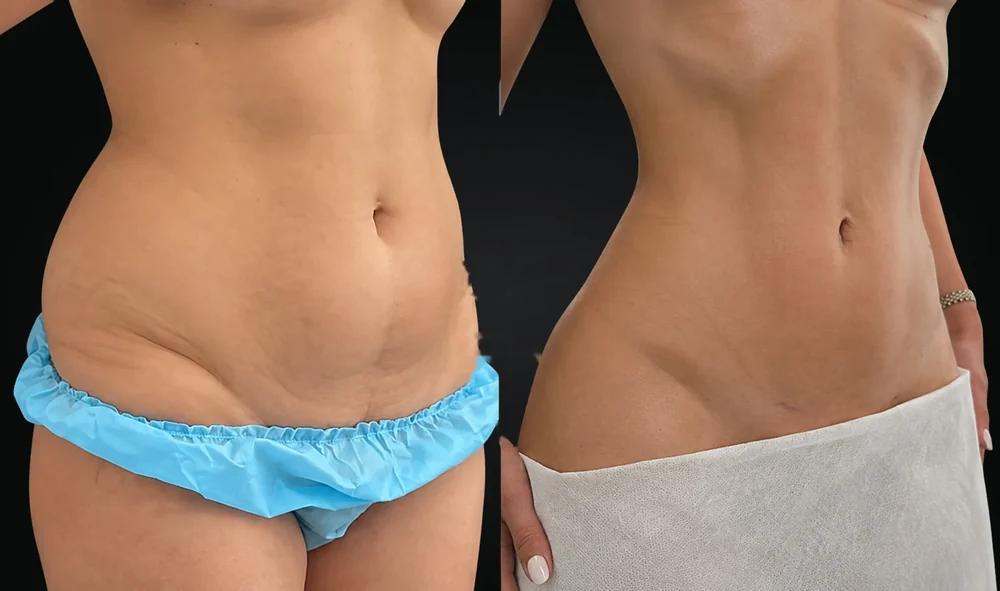
All cases are real patients. Faces and identifying details are hidden.

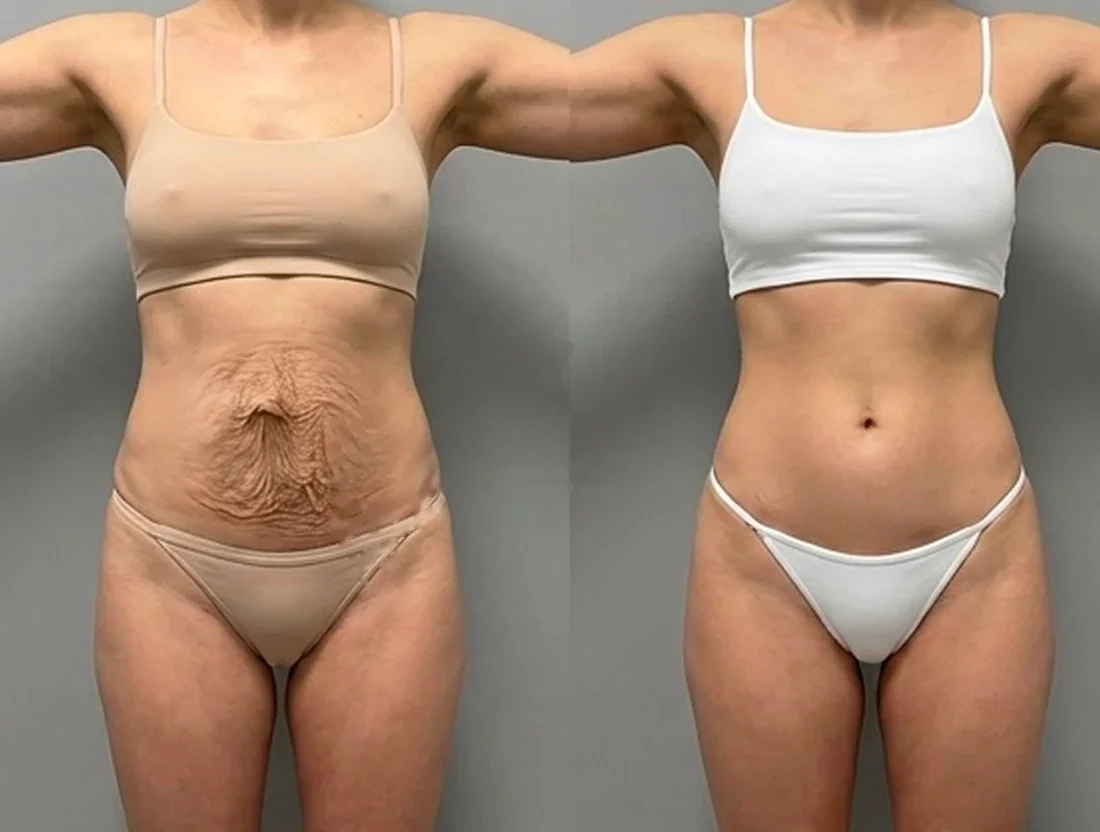
Tummy tuck: a female patient's abdomen before and after surgerybeforeafter
Tummy tuck: a male patient's abdomen before and after surgerybeforeafter
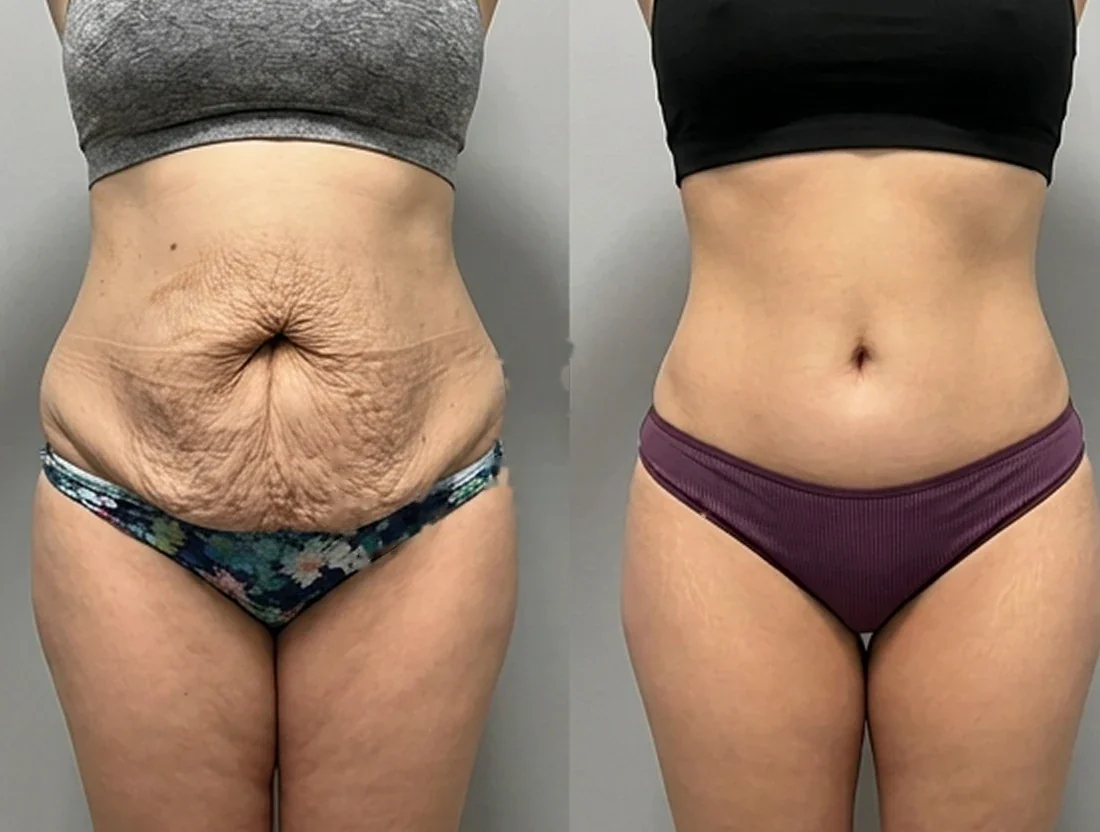
Tummy tuck: a female patient's abdomen before and after surgerybeforeafter
Tummy tuck: a male patient's abdomen before and after surgerybeforeafter
Tummy tuck: a female patient's abdomen before and after surgerybeforeafter
1 of 8

Comparison

Tummy tuck techniques

A tummy tuck is done as a full (classic) or mini operation, or combined with liposuction as lipoabdominoplasty. Compare the scope of surgery, the indications and the expected results to choose the right technique together with your surgeon.

Tummy tuck

Removal of excess skin, abdominal muscle tightening
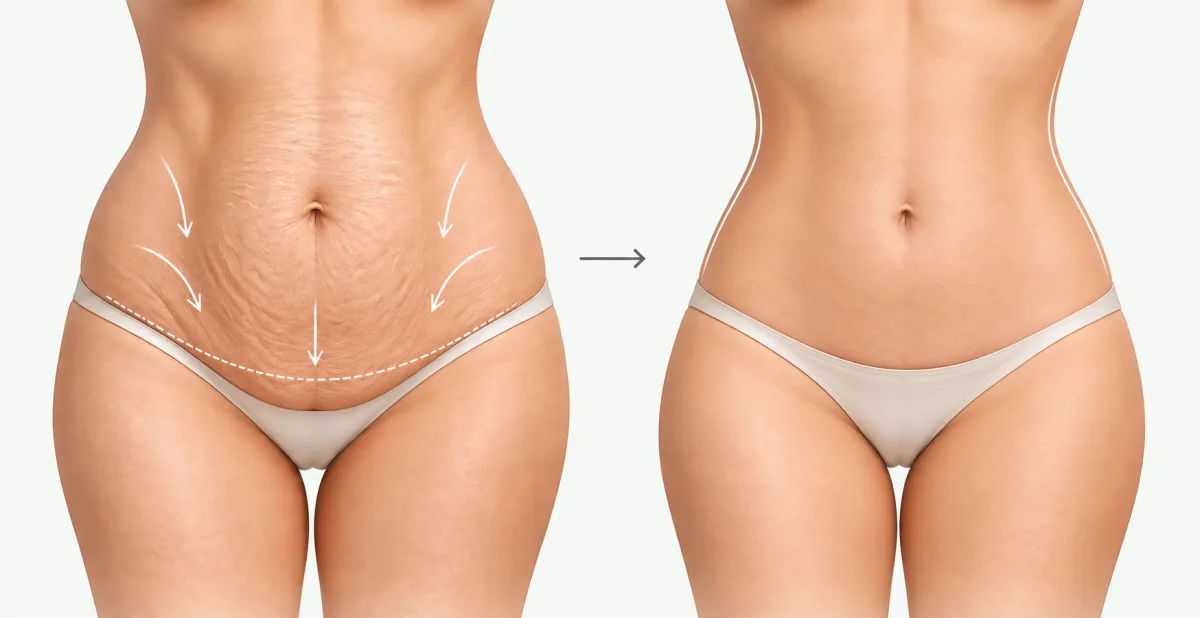
Tummy tuck diagram: the abdomen before surgery with the incision line, and the result
Main goal
Removal of excess skin, diastasis repair
When it is done
Excess skin after childbirth or weight loss
Anaesthesia and stay
General anaesthesia, up to 3 days in hospital

Lipoabdominoplasty

Tummy tuck with added liposuction
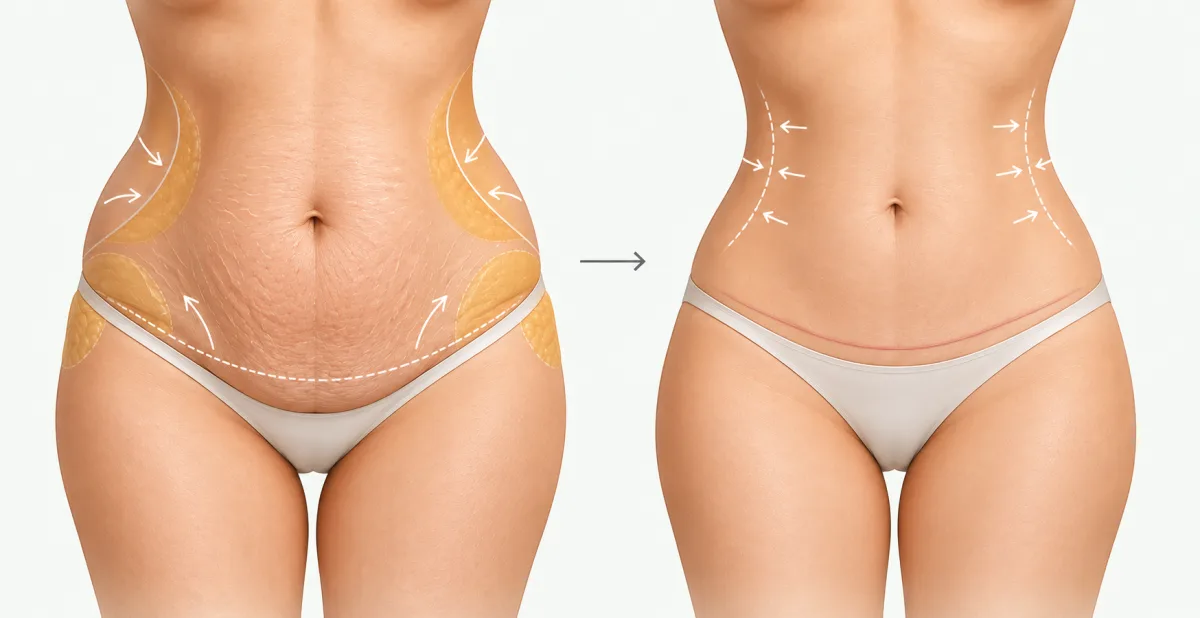
Lipoabdominoplasty diagram: the abdomen with fat on the flanks before surgery, and the result
Main goal
Tummy tightening and waist contouring
When it is done
For fat deposits on the flanks and waist
Anaesthesia and stay
General anaesthesia, up to 3 days in hospital

The benefits and recovery times shown are averaged for each technique and given for guidance: the scope of correction and rehabilitation depend on your anatomy and individual features, and the surgeon confirms them at the consultation.

At the consultation the surgeon draws up a plan for your case and explains how your tummy tuck will go.

Free, before surgery and with no obligation.

Book a consultation

Tummy tuck from the inside

About the clinic

A clinic where you can feel at ease

Modern equipment, comfortable rooms and care for every patient
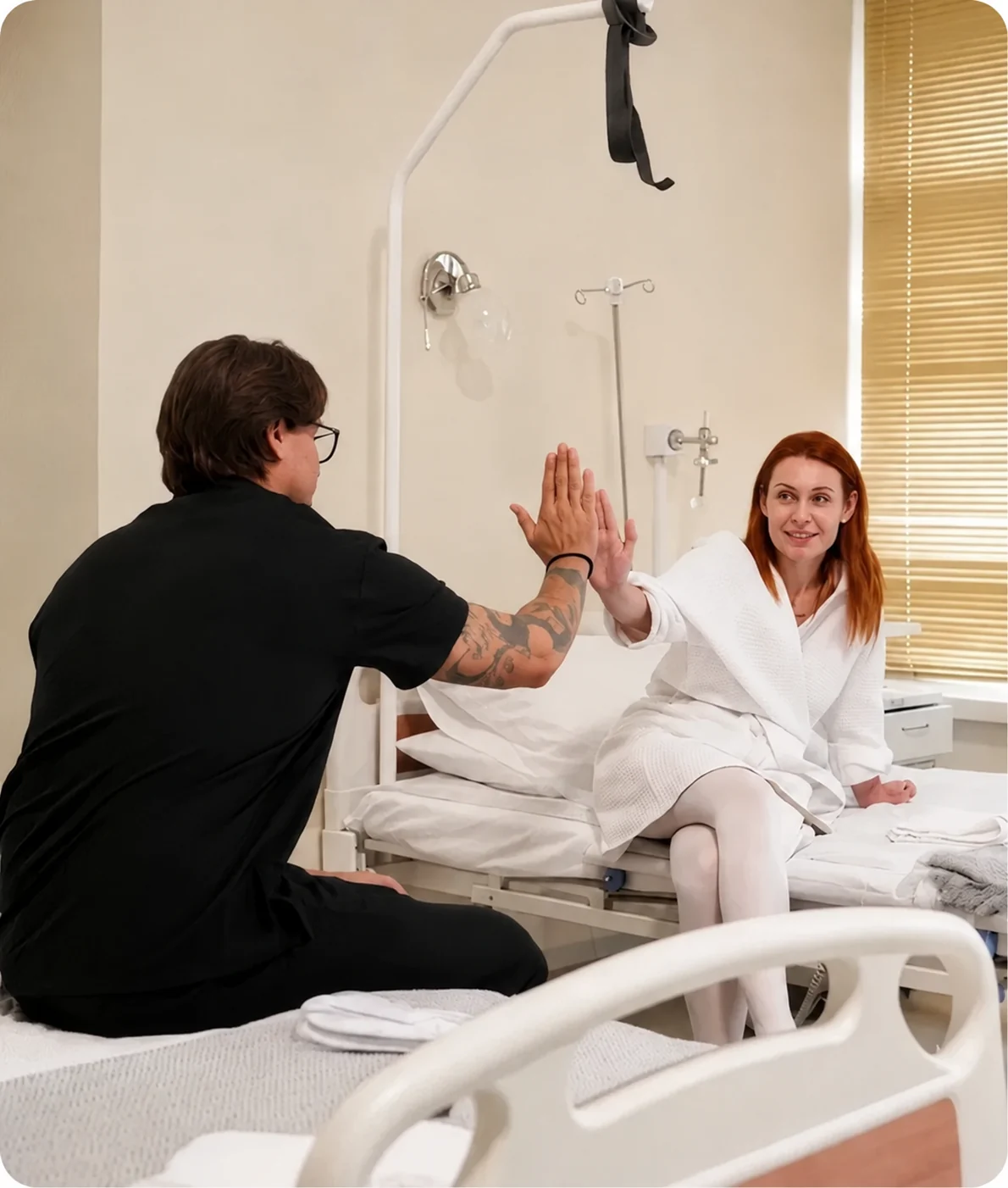
A doctor and a patient in a clinic ward

Contact us the way that suits you

We will answer your questions and find a convenient time for a consultation

By messaging us, you agree to our Privacy Policy

A tummy tuck is not for everyone

If your case can be solved without surgery, the doctor will tell you so at the consultation — and you will not spend money for nothing.

Suitable
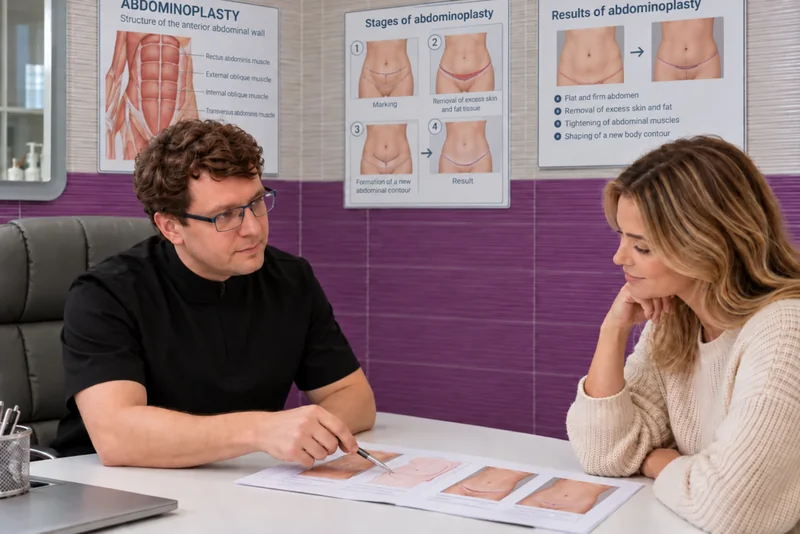
A surgeon shows a patient on a model and a monitor how the abdominal contour changes after a tummy tuck
  • Rectus abdominis diastasis
  • Skin folds after weight loss
  • Loose abdominal skin
  • Stretched skin after pregnancy
  • A distorted abdominal contour

Not suitable
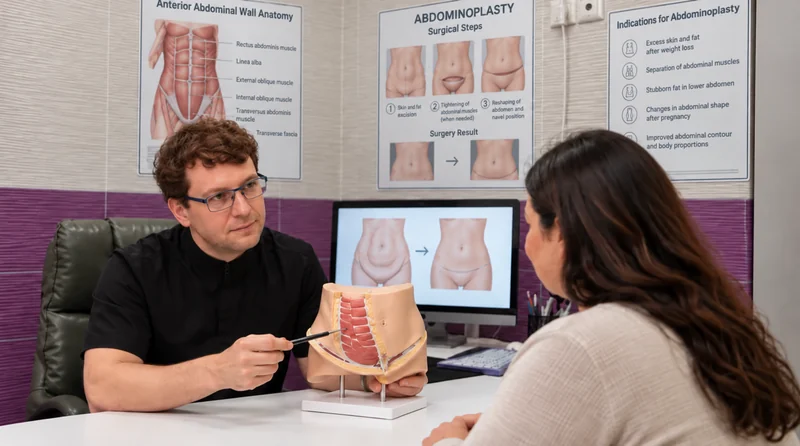
A surgeon discusses the indications and contraindications for a tummy tuck with a patient
  • Acute infections
  • Significant disease of the heart, kidneys or liver
  • Clotting disorders of the blood
  • Age below 18
  • Decompensated diabetes
  • Cancer
  • Skin inflammation in the surgical area
  • Pregnancy and breastfeeding

Not sure the surgery is right for you?

Message us — the coordinator will ask for your photos in the messenger, and the surgeon will tell you whether a tummy tuck suits you. No surgery booking needed.

Find out if it suits me
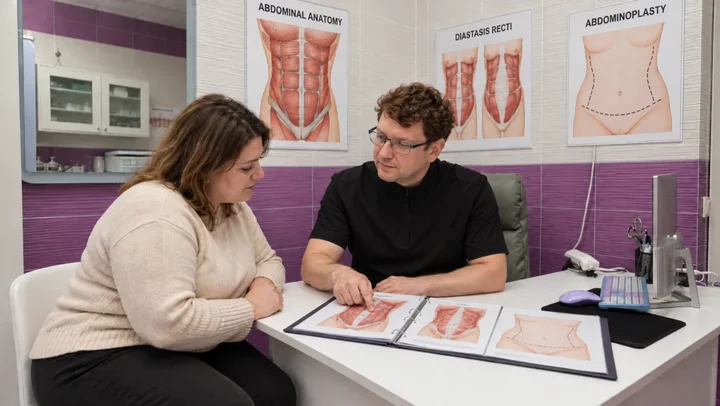
A surgeon goes through a tummy tuck diagram with a patient at the consultation

Prices

You know the price
before surgery

The price is set at the consultation and fixed in the contract.

Other services

  • First consultationFree
  • Liposuction of the abdomen and flanksfrom $1,700
Book a consultation

Find out your tummy tuck plan and price

The surgeon assesses your abdominal skin and muscles, listens to your wishes and chooses the right correction technique.
The price is set at the consultation and fixed in the contract.
A nurse talks to a patient in a clinic ward

Message our coordinator

Free online consultation · Reply within 15 minutes

Message us on Telegram

By messaging us, you agree to our Privacy Policy
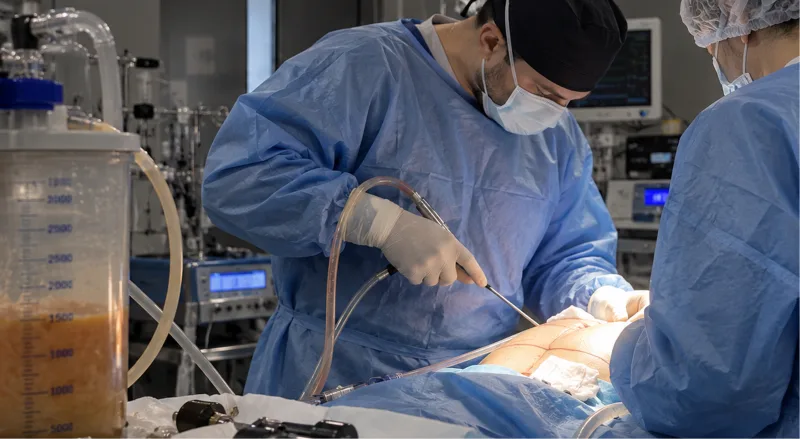
A patient's abdomen before a tummy tuck in the operating room

all inclusive

What the price includes

From preparation for surgery
to post-op check-ups.

  • All scheduled dressings
  • Scheduled post-op check-ups
  • A personal coordinator on call
  • Compression garments fitted on the day of surgery
  • A stay in a comfortable
    hospital ward with meals
  • Individual recommendations
    for recovery
  • Remote progress monitoring
    by photos

How it works

Three days at the clinic —
from preparation to discharge

An agreed correction plan, inpatient observation and post-op check-ups.
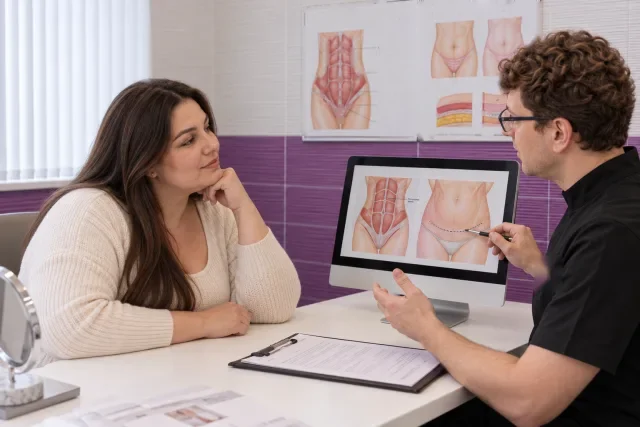
A doctor shows a patient a tummy tuck diagram on a monitor1

Consultation
and the surgical plan

The surgeon assesses your abdominal skin and muscles and checks for diastasis, listens to your wishes and chooses the right correction technique.

Paying the deposit by card at the clinic reception2

Booking the date
of surgery

We reserve a surgery date for you: the deposit can be paid by card at the clinic or online by bank transfer. The terms are fixed in the contract for medical services
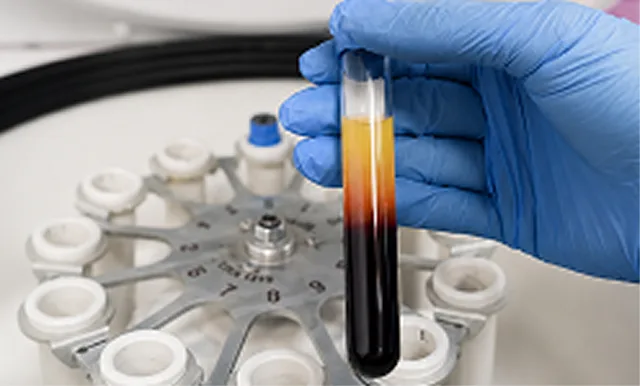
A blood sample tube for tests before a tummy tuck3

Check-up before
surgery

Before surgery you complete a full lab check-up: blood tests, an ECG, a chest X-ray and reports from the required specialists.
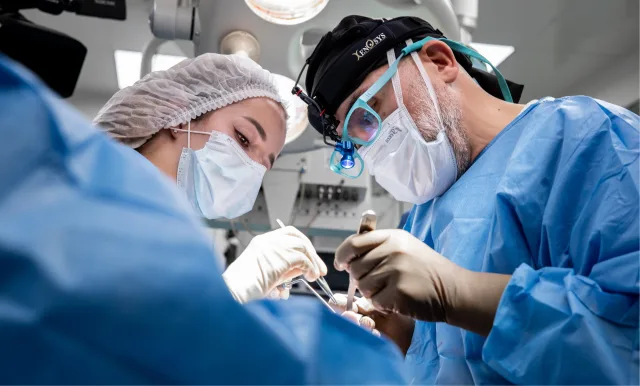
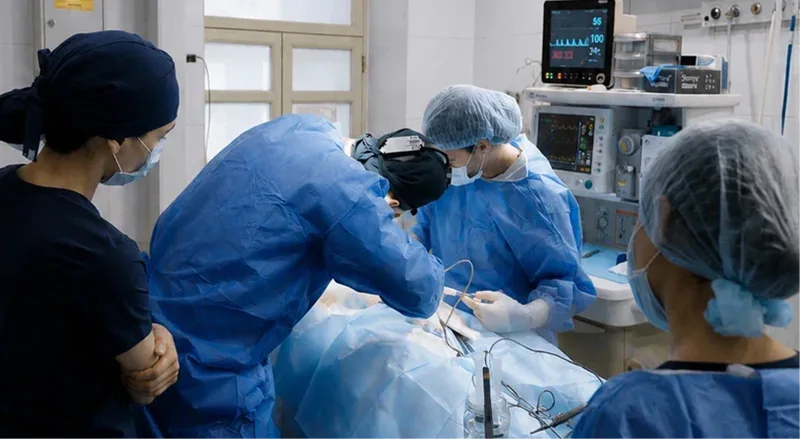
The surgical team during the operation4

Surgery

The surgeon performs the tummy tuck with the chosen technique, repairs diastasis if needed and shapes a firmer abdominal contour.
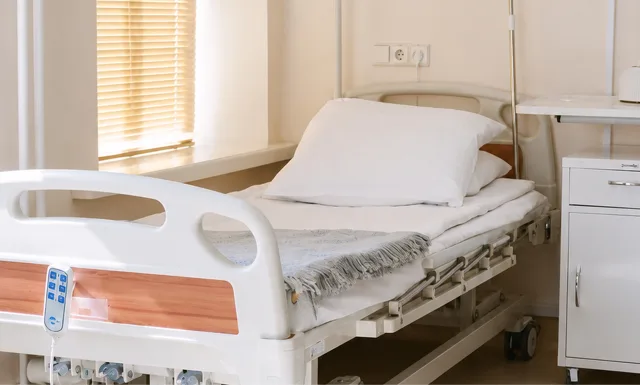
A hospital ward at the clinic5

Inpatient stay

After surgery the patient stays for 1–3 days in a comfortable hospital ward with meals, under medical supervision.
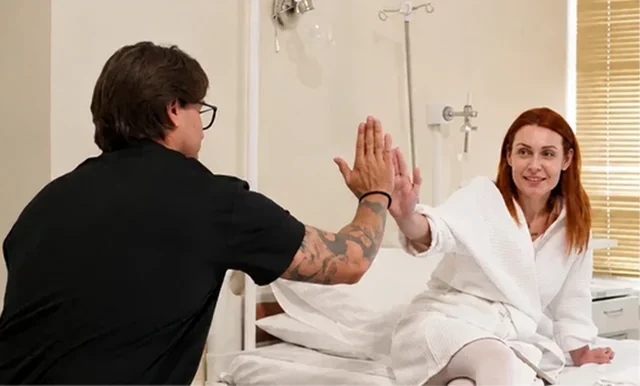
A surgeon and a patient in the ward during recovery6

Recovery

After surgery you get a recovery programme. Check-ups at 7 days, 3 and 6 months help track your recovery.
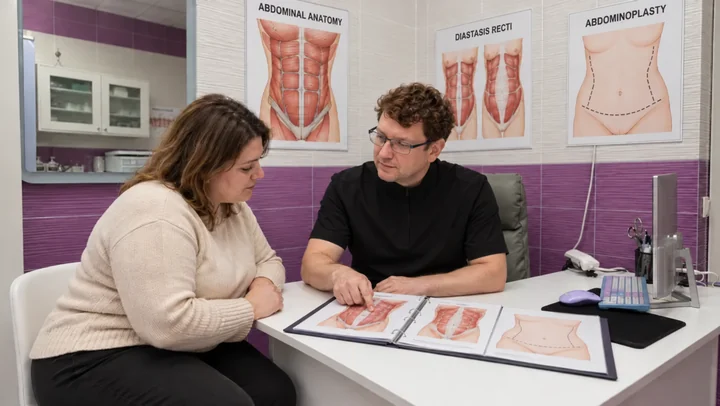
Book a free consultation — the surgeon will plan every step with you.

A doctor discusses the tummy tuck plan with a patient
Book a consultation
A doctor discusses the tummy tuck plan with a patient

How it really happens

Recovery after a tummy tuck

Right after the operation, 1–3 days in hospital under medical supervision. Drains usually come out after two days and stitches after 7 days. The compression binder stays on for 1.5–2 months, supporting the abdominal wall and shaping a smooth contour. Most swelling passes within 30 days, and you can go back to office work after 2–3 weeks. Sport, sauna and heavy lifting are ruled out for 2–3 months; it's advised to sleep on your back with knees bent early on. After 12 months the scar is fully mature — faded and barely noticeable.

Post-op check-ups

After 7 days, at 3 months and at 6 months. Until the end of the year, get a post-surgery consultation with your surgeon to review results and get more information, at the clinic's expense

Advantages

Reasons to choose City Medical Centre
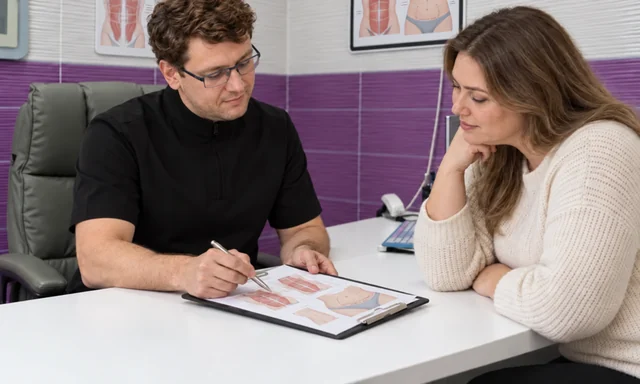
A surgeon discusses the tummy tuck plan with a patient at the consultation

Just find out — you lose nothing

At the consultation we discuss your wishes and assess your abdominal skin and muscles. The surgeon explains what changes are possible, chooses the correction technique and answers your questions.
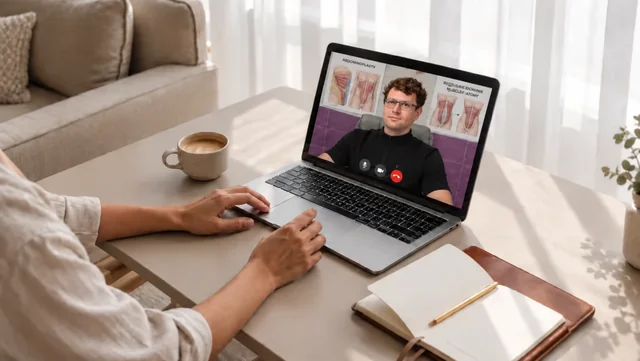
A surgeon on a video call with a patient after surgery

We stay with you after surgery

The surgeon follows your recovery and the changing abdominal contour at check-ups after 7 days, 3 and 6 months. Check-ups, dressings and aftercare advice are already included in the price of surgery.
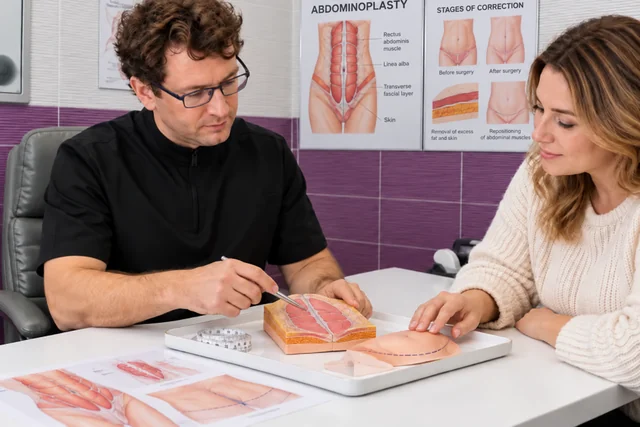
A surgeon shows a patient a model and tummy tuck diagrams

A beautiful contour that fits your figure

We choose the correction technique based on your skin, muscles and figure. Our aim is a harmonious abdominal contour that keeps the natural proportions of your body.

A patient writes down a convenient visit time in her planner

Your schedule is our priority

We respect your time: we work 24/7, with easy booking and a personal approach — we adapt to your pace.
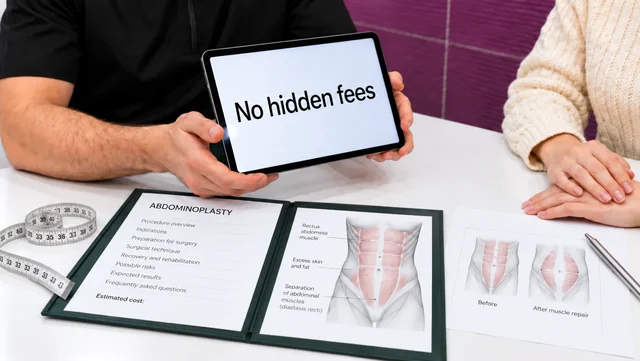
A surgeon shows a patient the fixed price of surgery with no extra charges

Fixed prices

After the consultation the surgeon defines the extent of correction, and you get a clear price for the surgery — no surprises on the way to the result you want.

A surgeon visits a patient in the hospital ward after surgery

Round-the-clock care after surgery

Recovery starts in a comfortable hospital ward under round-the-clock nursing care. The stay and meals are already included in the price.

FAQ

We answer what
people ask before booking

Tummy tuck in Mannheim: from consultation to result

Abdominoplasty is often combined with other procedures. Liposuction of the flanks and waist can be added to shape the silhouette, and after childbirth rectus diastasis repair is included. One anaesthesia and one recovery period cover everything, and the surgeon decides the scope at an in-person consultation. This makes the operation a complete abdominal correction for patients from Mannheim.

After surgery you stay in hospital under medical supervision for 1–3 days; after a mini tummy tuck one day is usually enough. Drains are typically removed after two days and stitches after seven. A compression binder is worn for 1.5–2 months to support the abdominal wall and shape a smooth contour. Recovery continues at home, and patients in Mannheim are monitored at scheduled check-ups.

The price of a tummy tuck is set individually after a free consultation, because it depends on the technique and the scope of surgery. For patients from Mannheim, the figure is then fixed in the contract with no hidden extra charges. The clinic works under an official contract with a guarantee. Leave your name and phone number, and a coordinator will contact you to book the consultation.

Stories of well-known people

Well-known people who spoke openly about this operation, in their own words.

All stories about this operation →

Choosing a season between the Neckar and the Rhine

Mannheim lies at the mouth of the Neckar into the Rhine, about 97 m above NHN, in the Upper Rhine Plain. This part of Germany is described as the one with the highest temperatures in the country. For anyone planning a tummy tuck, this matters more than it first seems. Recovery is not a single day on an operating table. It is a stretch of roughly a year in which the abdomen is bandaged, then held in a compression binder, then watched as a scar matures. The weather and the daylight of those months shape how comfortable that stretch feels.

The climate figures give a clear outline. The mean daily maximum is 27.7 °C in July, 26.3 °C in August and 25.6 °C in June. In January the mean daily maximum is only 6.0 °C, with a minimum of 0.2 °C. The annual mean temperature is 11.9 °C. A binder that is worn for 1.5–2 months feels very different in a 6 °C January than in a 27 °C July. Neither season is wrong. They simply ask for different preparation, and it is better to decide on purpose than to let the date fall by chance.

Winter has its own character here. Sunshine averages 8.3 hours a day in July and 8.0 in June, but only 1.4 hours in December and January. Relative humidity reaches 84% from November to January, against 66% in July. Short, damp days make a calm first fortnight at home easy to accept. Nobody is tempted to spend the day outdoors, and sleeping on the back with knees bent, as the recovery programme suggests, fits naturally into long evenings. Heavy outerwear is also loose enough to hide a binder and a slightly changed posture without any effort.

Here is a concrete example, counted from a date after 1 November 2026. Suppose the operation takes place on 11 January 2027. Stitches come out after 7 days, around 18 January. Office work becomes possible after 2–3 weeks, so between about 25 January and 1 February. The binder is worn until roughly late February or the second week of March. Sports, sauna and heavy lifting stay off the list for 2–3 months, until mid-March to mid-April. The 3-month check-up falls in April and the 6-month check-up in July. By then the scar has gone through spring and is facing the strongest sun of the year. We will not call this the ideal calendar, because every body and every job is different. It does show how one date lays out the whole year, and the coordinator can run the same calculation with your own dates in a few minutes.

Rainfall is the smaller factor. Mannheim receives 578 mm a year over 153 rainy days, with May and June the wettest at 69 mm each and April the driest at 32 mm. Wet pavements and carrying shopping bags do not suit the first weeks, when sudden movements and heavy lifting are not allowed. If you can arrange deliveries or ask someone to carry things during that period, almost any month works. What matters is not the season itself but the plan around it.

Core, back and lifting: what the abdominal wall is asked to do

A tummy tuck is not only about skin. The doctor removes loose skin and excess fat, and where the rectus abdominis muscles have actually separated, the muscles are brought together in the same operation. This is called diastasis repair. Not everyone needs it. It is done only when the separation is really there, and at the examination the doctor sees it. In doubtful cases an ultrasound confirms it. The repaired muscle wall is the reason the first weeks are so specific about movement.

Everyday life is full of small bends and lifts that we never notice. You reach into the lower kitchen cupboard, pick up a laundry basket, lean over to tie a child's shoes, lift a bag from the car boot. In the first 2–3 weeks after the operation physical exertion, heavy lifting and sudden movements are not allowed. Sports, sauna and heavy lifting remain off-limits for 2–3 months. It helps to go through your own home before the date and move the things you use daily to the height of your waist and chest. Put what you need on the middle shelves, set up a place to sit while dressing, and make the bed or the sofa easy to get out of without pushing hard with the abdomen.

Work is a separate question. The service allows office work after 2–3 weeks, which is a guide and not a promise. A desk job with a decent chair and the option to stand up and walk is one thing. A job that includes carrying boxes, bending over a counter, driving long distances or standing for hours is another. If your work is physical, tell the coordinator at the very first message exactly what you do in a day, and ask the doctor during the consultation what can be changed or postponed. Honest planning here is worth more than optimism.

In the first days you are in hospital for 1–3 days under medical supervision. Drains are usually removed after two days. Walking short distances is part of ordinary recovery, but the posture feels different. Many people find it more comfortable to stay slightly bent at first, and the doctor explains how and when to straighten gradually. For sleeping, the recommendation is on the back with knees bent, and a few cushions prepared at home make this far easier.

Mannheim has a busy rhythm of large events. The Maimarkt begins on the last Saturday in April and lasts eleven days. In 2027 that would be 24 April to 4 May. The Mannheimer Mess fair is held twice a year, in spring and in autumn. Crowds, queues and standing for long periods are a poor match for a healing abdominal wall. Someone who had the operation in January will have passed the 3-month point by the Maimarkt, but the doctor decides what is allowed at the check-up. Treat these dates as markers, not as targets to hurry towards.

Compression binder, humidity and the wardrobe question

After the operation a compression binder is worn for 1.5–2 months. It supports the abdominal wall and helps shape a smooth contour. In the programme of City Medical Centre the compression garments are fitted on the day of surgery and are part of the all-inclusive scope. So the practical questions are not about buying the right model, but about living in it: how it feels under clothes, in a car seat, at a desk, at night and in different weather.

The weather data of the city help here. In winter the mean daily maximum is 6.0 °C and humidity is 84% from November to January, so the garment sits under sweaters and trousers and the extra layer is a small bonus rather than a problem. In July the mean daily maximum is 27.7 °C and the sun shines for 8.3 hours on average, and a tight garment under summer clothing gets harder to tolerate. If the dates you are considering fall in the hottest months, ask the doctor and the coordinator how to organise your days, for example by keeping the home cool, planning errands for the morning and choosing soft cotton layers. Only the doctor can say what is allowed with the garment, so do not make changes on your own.

Skin comfort matters too. A binder that stays on all day lives against dressings and later against the healing scar. Moisture, sweat and friction are real everyday topics, and the answers belong to the doctor: how often to change the layer under the garment, which fabrics suit you, what to do if you notice redness or irritation. Remote monitoring by photos is included in the programme, so you can send pictures through WhatsApp or Telegram and get an answer from the coordinator instead of waiting with a worry. Scheduled dressings and check-ups after 7 days, 3 months and 6 months are also part of it.

Clothing can be prepared in advance in a simple way. Choose trousers and skirts with soft, wide waistbands that do not press on the lower abdomen. Pick tops that can be put on without lifting the arms very high. Think about shoes you can put on without a deep bend, such as slip-ons. Think about sleepwear that is easy to change. None of this is medical advice. It is only the kind of practical preparation that makes the first weeks calmer, and the doctor may suggest something different for your case.

Most swelling goes within 30 days, but the form of the abdomen keeps changing for months. The first changes appear around 2 weeks after the operation, the interim result is seen at 1.5–2 months, and the final contours at 6–12 months. It is therefore worth keeping the same photo routine: the same light, the same distance, the same pose. When you send pictures to the coordinator, the doctor can compare them week by week and give a calm view, instead of reacting to a single day's mirror.

Family life, paid time off and what German insurance does not cover

A tummy tuck is often considered after pregnancy or after major weight loss. Both stories usually involve a family. Small children want to be picked up, and a toddler who jumps into your arms is the opposite of what the first weeks need. Heavy lifting is off-limits for 2–3 months. This is not a detail to settle on the morning of the operation. The people at home should know the date, the rules and their role: who does the school run, who does the shopping, who carries the baby seat. A spouse or an adult relative who can take over the lifting for the first period changes the whole experience.

The service text also touches on the order of life events. Skin that has been removed does not regrow, and the abdomen stretches again only with a significant weight gain, so a stable weight is part of the planning. A pregnancy after a tummy tuck is possible, but it stretches the repaired muscles, and so the operation is planned once your family is complete. If another child is still on the horizon, discuss this honestly with the doctor at the consultation. It is a decision about timing, not about right and wrong, and it is made at the free consultation with no obligation to book.

Now the German system. According to the sources, statutory health insurance (GKV) does not pay for cosmetic procedures that are done at the patient's request. The patient bears the full cost, including lost income. After a procedure that is not medically indicated, insured persons must also share in the costs of resulting complications, including sick pay. Under § 52 SGB V insurers may restrict or refuse benefits, and there is no entitlement to continued wage payment (Entgeltfortzahlung) in that case. About 92% of the population is covered by statutory insurance, so for most people living in Mannheim this is the framework. It is worth asking your own insurer and employer how they treat such a case, before choosing dates, rather than after.

The same applies to the topic of weight loss. Bariatric surgery is not part of the regular benefit catalogue of the GKV, but can be applied for in individual cases. The conditions are proof that conservative weight-loss methods were exhausted over 6 to 12 months in a multimodal concept, and an assessment by the Medizinischer Dienst. The German S3 guideline sees it as indicated from BMI 40 kg/m2 without comorbidities and from BMI 35 kg/m2 with an obesity-related comorbidity. This is information about a different procedure and does not decide anything about a tummy tuck. It is mentioned because many people ask about loose skin after large weight loss. For that, the doctor first looks at whether your weight is stable, and a tummy tuck itself is not a way to lose weight.

Because the financial and the insurance side stays with the patient, the practical plan is to agree the length of absence from work with the employer in advance, to keep a reserve in the calendar, and to avoid fixed commitments in the first weeks. The contract for medical services fixes the terms before anything is booked, and the coordinator answers questions round the clock on WhatsApp and Telegram. The first consultation is free, and a reply usually comes within 15 minutes.

The scar, the sun and the twelve-month horizon

Every tummy tuck leaves a scar, because removing excess skin always has that consequence. A classic operation leaves an incision across the lower abdomen from hip to hip, below the underwear or swimsuit line. A mini tummy tuck leaves a much shorter one. Stitches are removed after 7 days, but the scar is only fully mature at around 12 months. It then fades and is barely noticeable. During those months it changes colour and feel, and this is normal. What you do in the meantime, including how you treat it in the sun, is a topic for your doctor.

Light in Mannheim is very uneven through the year. The sun shines about 5 hours a day on annual average, but 8.3 hours in July and 8.0 in June, against 1.4 hours in December and January. Someone operated in January will have a young scar when the long days arrive in June and July. Someone operated in July will spend the first weeks indoors or in shade, and the scar will meet the bright season of the next year at a more mature stage. The service text mentions that tanning beds are to be avoided for at least a month, and that sauna, steam bath, pool, alcohol and smoking are excluded in the same period. Ask the doctor specifically about sun protection for the scar and about when swimming and sunbathing are suitable, because the answer depends on how your tissue heals.

The daily mean maximum of 27.7 °C in July is also relevant for clothing. A swimsuit or underwear line is where the incision is placed on purpose, so an ordinary summer wardrobe usually hides it. That does not make it invisible during healing, and the best approach is to wait for the doctor's approval before showing it on a beach or at a pool. Think about it in the same way as about sports: the date is set by the check-up, not by the weather forecast.

Check-ups are the backbone of this year. They take place after 7 days, at 3 months and at 6 months, and the service also describes a post-surgery consultation with the doctor to review the results, at the clinic's expense, until the end of the year. As a patient from Mannheim you do not need to wait for the date to ask something. Photos can be sent through WhatsApp or Telegram, and the coordinator is available 24/7. If the scar looks different from what you expected, a photo and a short question are the right first step, because the doctor can tell you whether this is part of normal maturing.

The final result is assessed at 6–12 months, once the tissues have fully adapted. Planning for that horizon helps with patience. The first weeks are about rest and rules, the next months about gradual return to movement, and the rest of the year about letting the scar and the contour settle. Looking at the process as one long season, not as a single operation, usually makes it easier to choose the start date and to feel calm while waiting for the result.

Does the climate of Mannheim make some months more suitable for a tummy tuck than others?

It makes some months easier, but none unsuitable. The mean daily maximum is 27.7 °C in July and 6.0 °C in January, and a compression binder is worn for 1.5–2 months. In the hot months the garment needs more attention to comfort and skin, in the cold months it hides easily under clothing. The sun matters for the scar, which matures over about 12 months. Discuss the exact date with the doctor and the coordinator.

Will German statutory health insurance pay for a tummy tuck?

According to the sources, GKV does not pay for cosmetic procedures done at the patient's request, and the patient bears the full cost, including lost income. For procedures that are not medically indicated, insurers can also restrict benefits for complications under § 52 SGB V, and there is no entitlement to continued wage payment in that case. Ask your insurer and employer about your own situation before fixing a date.

How can I arrange sick leave and work around the operation?

Office work is possible after 2–3 weeks, while heavy lifting, sports and sauna stay off the list for 2–3 months. Because there may be no entitlement to continued wage payment, it is sensible to agree the absence with your employer in advance, for example as holiday. If your job involves lifting or long standing, describe it to the coordinator in your first message so the doctor can take it into account.

Is it a problem that the consultation is online while I live in Mannheim?

No. You send photos through WhatsApp or Telegram, receive a free assessment from the doctor and confirm the plan and dates before anything is booked. Replies usually come within 15 minutes, and the coordinator is available 24/7. After the operation, progress is monitored remotely by photos, in addition to check-ups after 7 days, 3 months and 6 months.

How should I prepare my home for the first weeks?

Move everyday items to the height of your waist and chest, so you do not have to bend or reach. Prepare cushions for sleeping on your back with knees bent. Choose soft, wide waistbands and clothes that need no high arm movements. Heavy lifting and sudden movements are not allowed in the first 2–3 weeks, so arrange for someone to carry shopping and lift children.

Can I plan a tummy tuck around the Maimarkt or the Mess fair?

You can use them as calendar markers, not as goals. The Maimarkt begins on the last Saturday in April and lasts eleven days, in 2027 from 24 April. The Mess is held in spring and autumn. Crowds and long standing do not suit a healing abdominal wall, and sports remain off-limits for 2–3 months. The doctor decides what is allowed at the check-ups.

I lost a lot of weight. When is the right moment for a tummy tuck?

A tummy tuck removes loose skin after weight loss or pregnancy, but it is not a way to lose weight. Surgery is done at a stable weight, and the doctor assesses this at the consultation. If your weight is still changing, the recommendation is to see a dietitian or endocrinologist first. Skin that has been removed does not regrow, but significant new weight gain can stretch the abdomen again.

What should I know about sun and swimming in the first year?

The scar matures over about 12 months, and for at least a month the sauna, steam bath, pool, tanning beds, alcohol and smoking are excluded. After that, ask the doctor at the check-ups about sun protection and swimming. Mannheim has about 8.3 hours of sunshine per day in July but only 1.4 in December and January, so the first summer after the operation needs particular care.