City Medical Centre · multi-specialty surgery clinicOpen 24/7

Liposuction in Florence: Price and Techniques

Free consultation

from $1,200

The price is fixed in the contract before surgery

Message us on WhatsApp

Free online consultation · Reply within 15 minutes
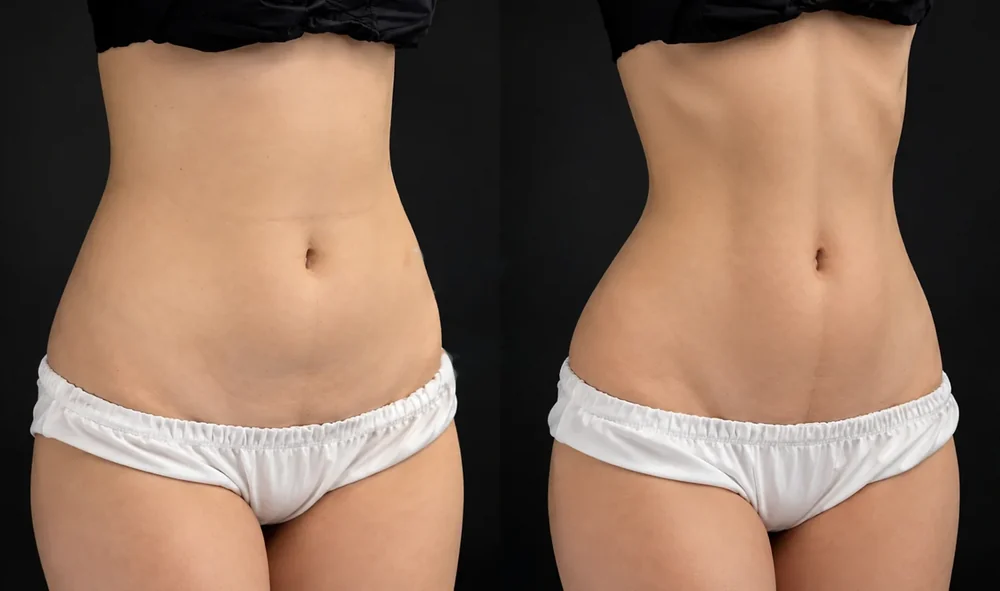
Real case
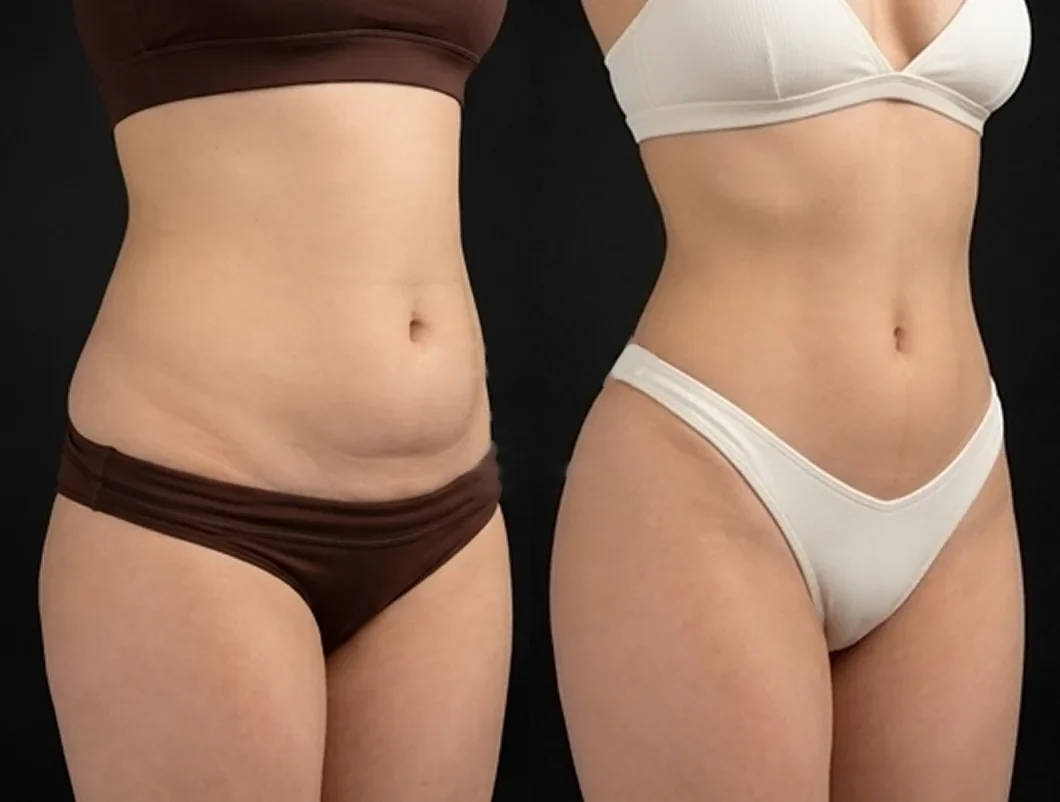
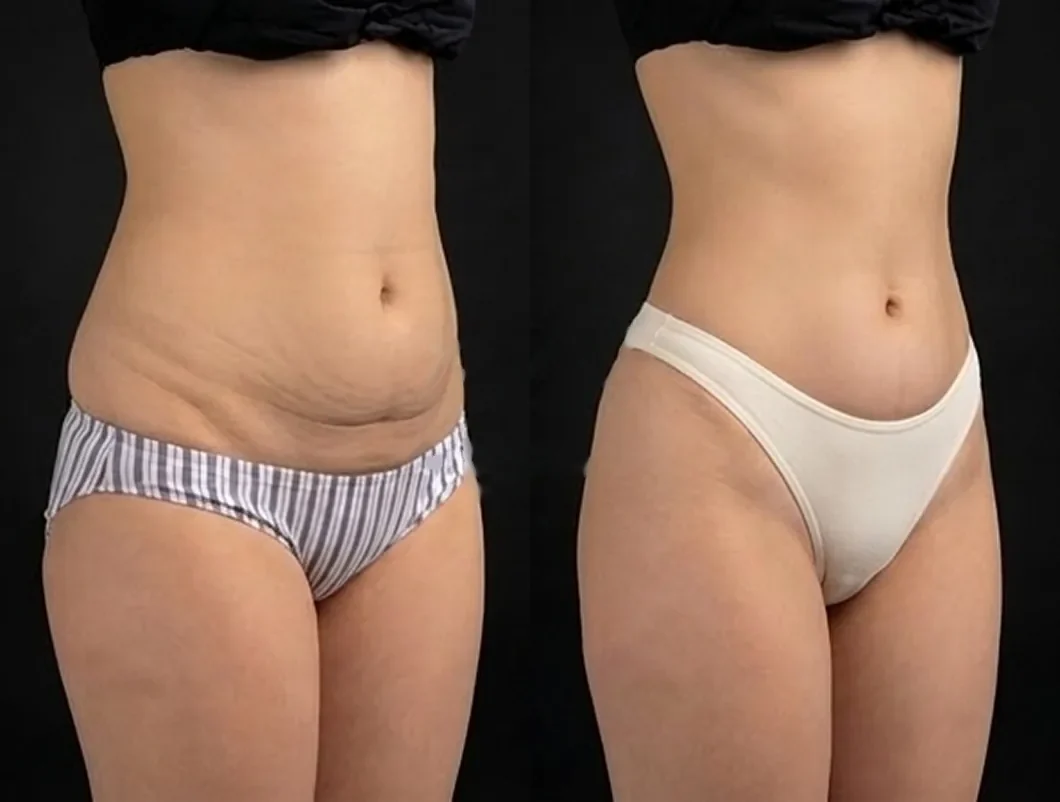
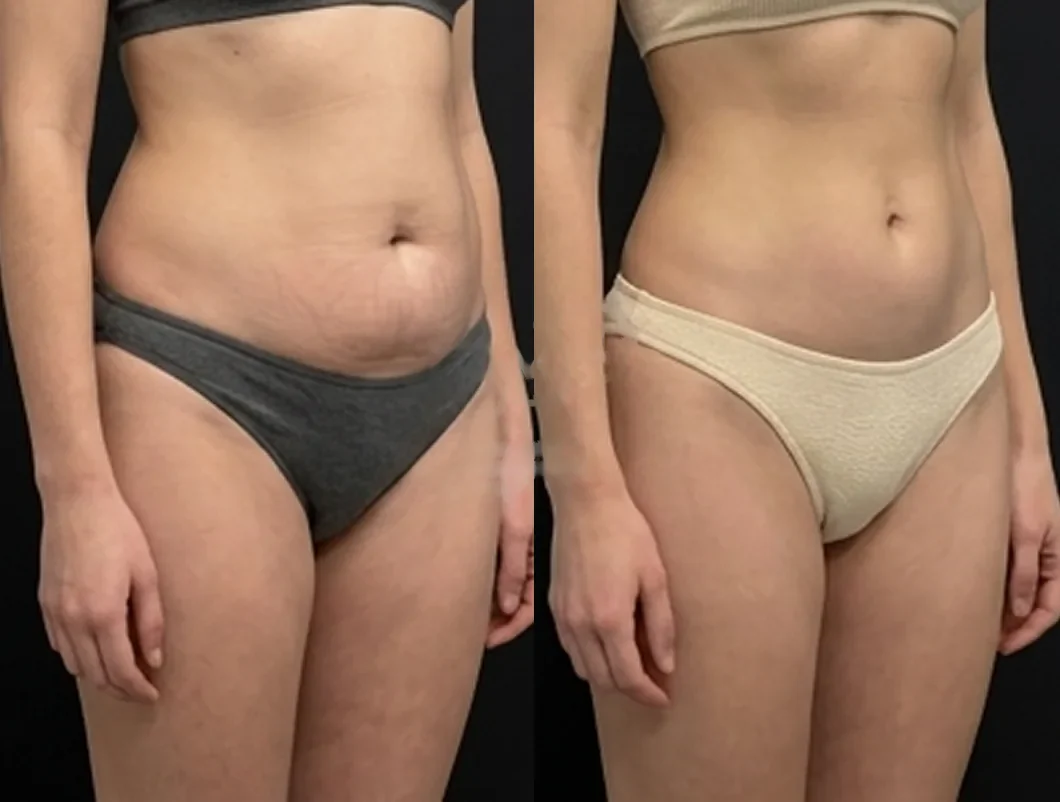
Liposuction: a patient's abdomen and flanks before and after surgery before after
Stubborn local fat that diet and exercise don't shift. Your plan is set at the consultation

Message our coordinator

Free online consultation · Reply within 15 minutes

Message us on Telegram

By messaging us, you agree to our Privacy Policy

Liposuction and fat removal in Florence: price and key facts

Liposuction for patients from Florence at City Medical Centre starts at €1,100 (from $1,200). The first online consultation is free; the doctor names the final price and it is fixed in the contract.

Price
€1,100 (from $1,200)
Duration
1–4 hours
Anesthesia
local or general
Stay
home the same day (local anesthesia) or after 1 day (general anesthesia)
Recovery
back to work after 7–10 days
Final result
3–6 months after surgery
How it works
Send photos on WhatsApp or Telegram, get a free doctor assessment and the price, then confirm the plan and dates before anything is booked.

How it works · Liposuction prices

Information current as of 24 October 2026

Free online consultation on WhatsApp and Telegram

Results

Liposuction and fat removal results
of our patients

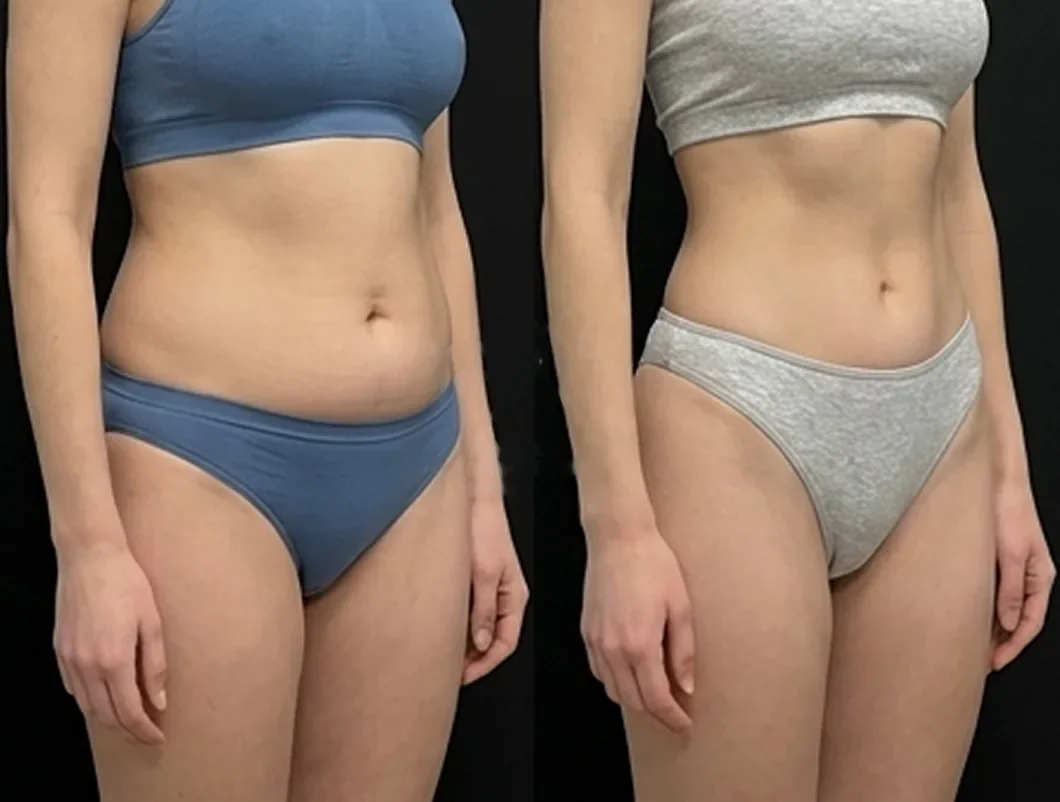
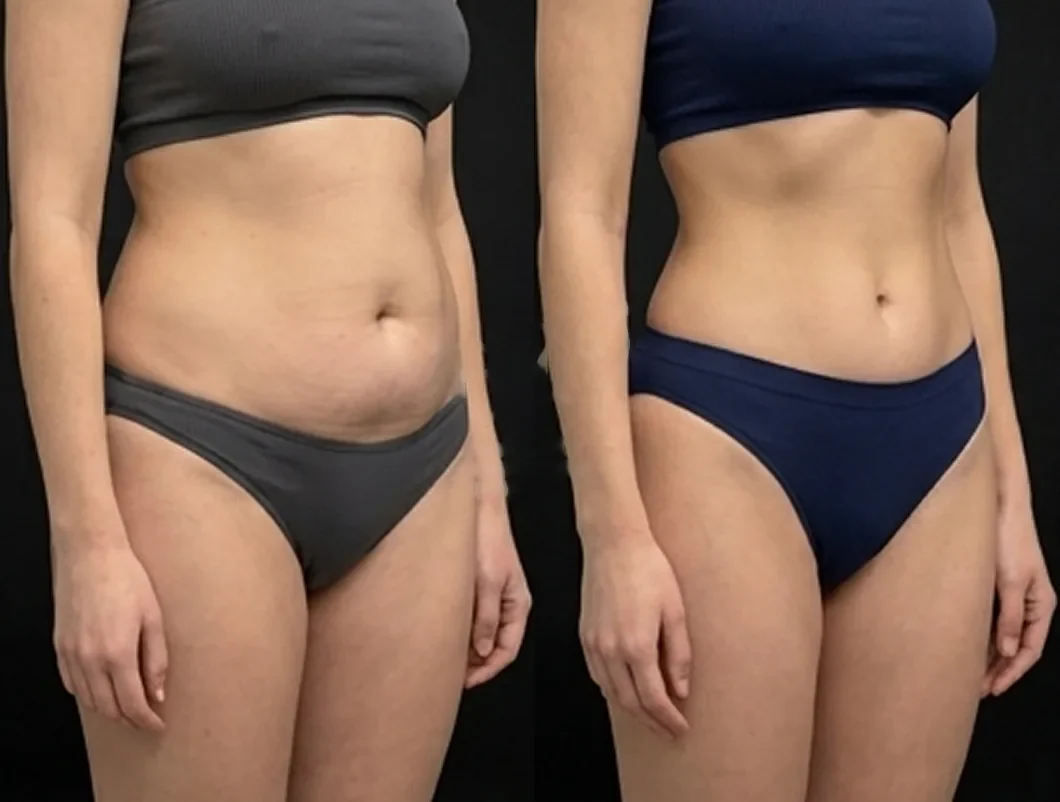
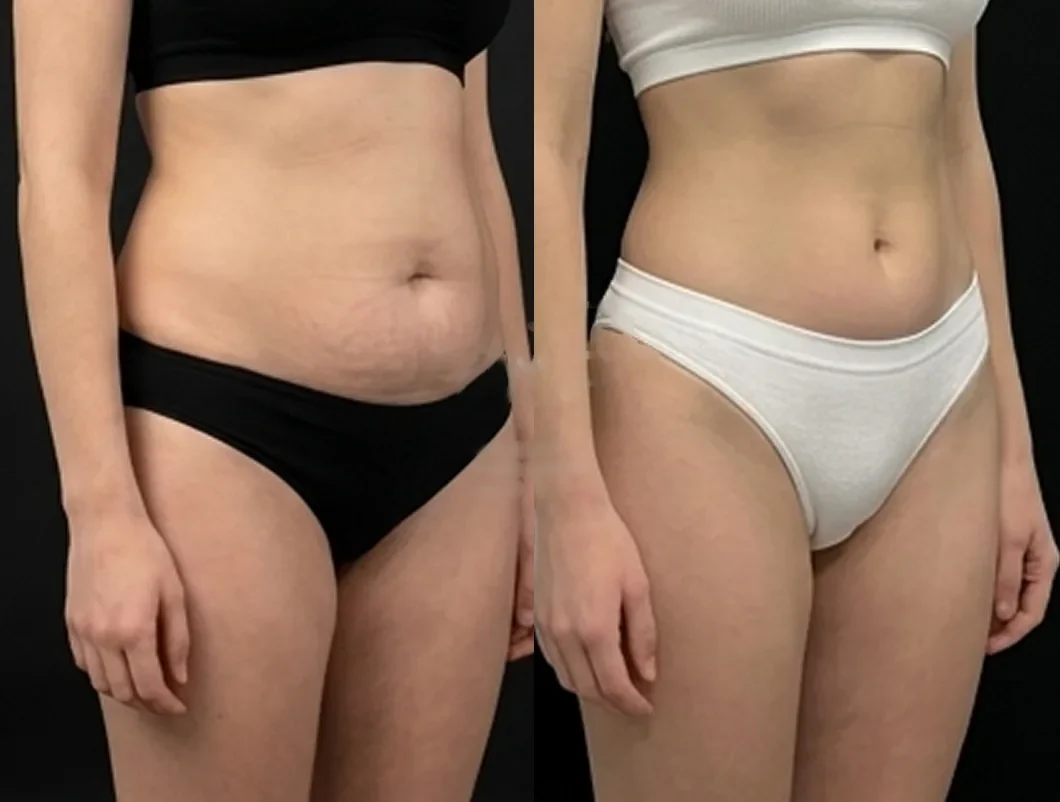
All cases are real patients. Faces and identifying details are hidden.

Abdomen and sides

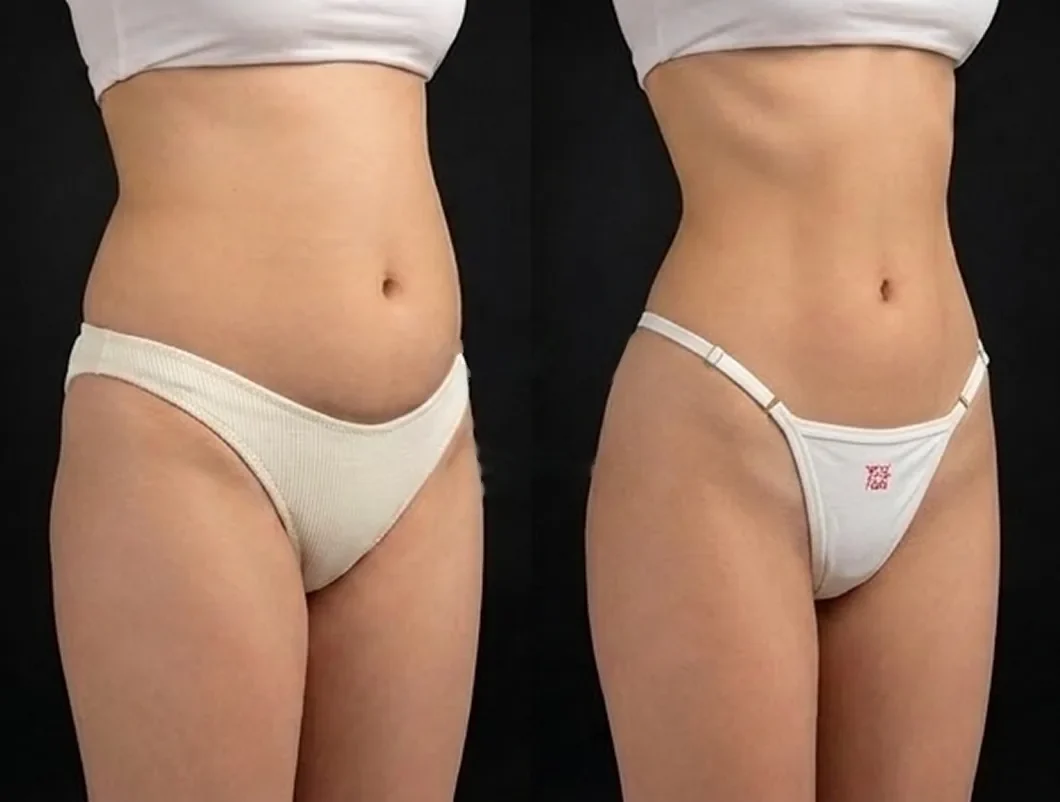
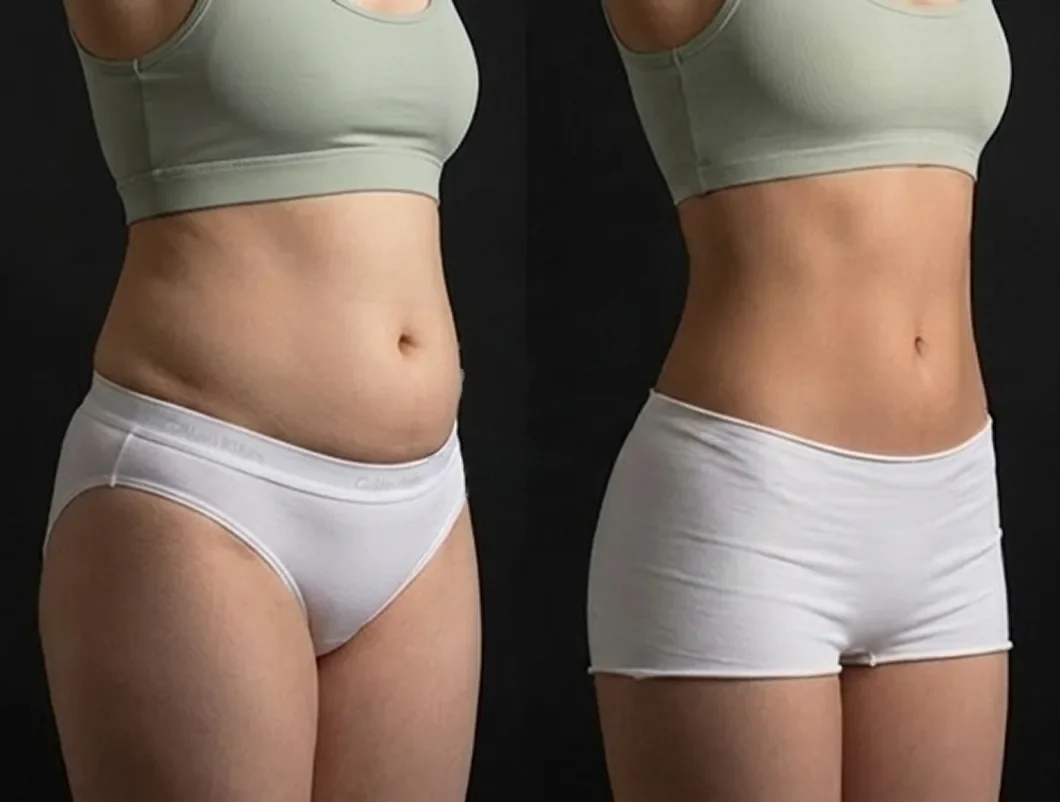
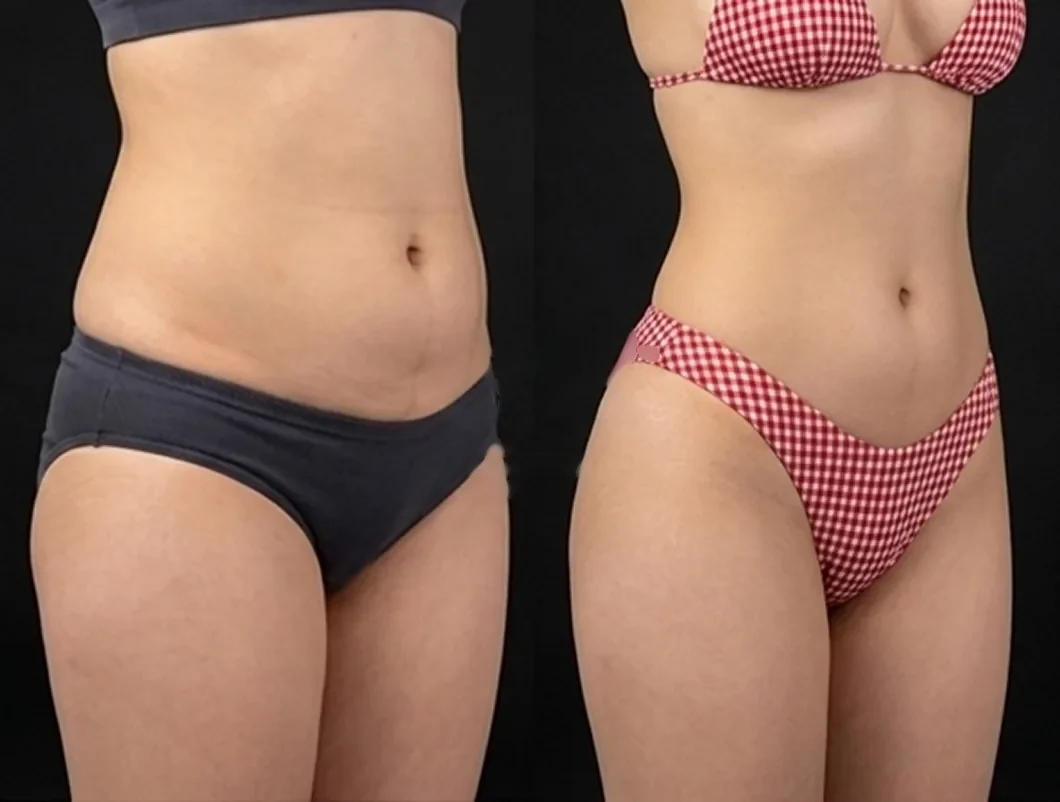
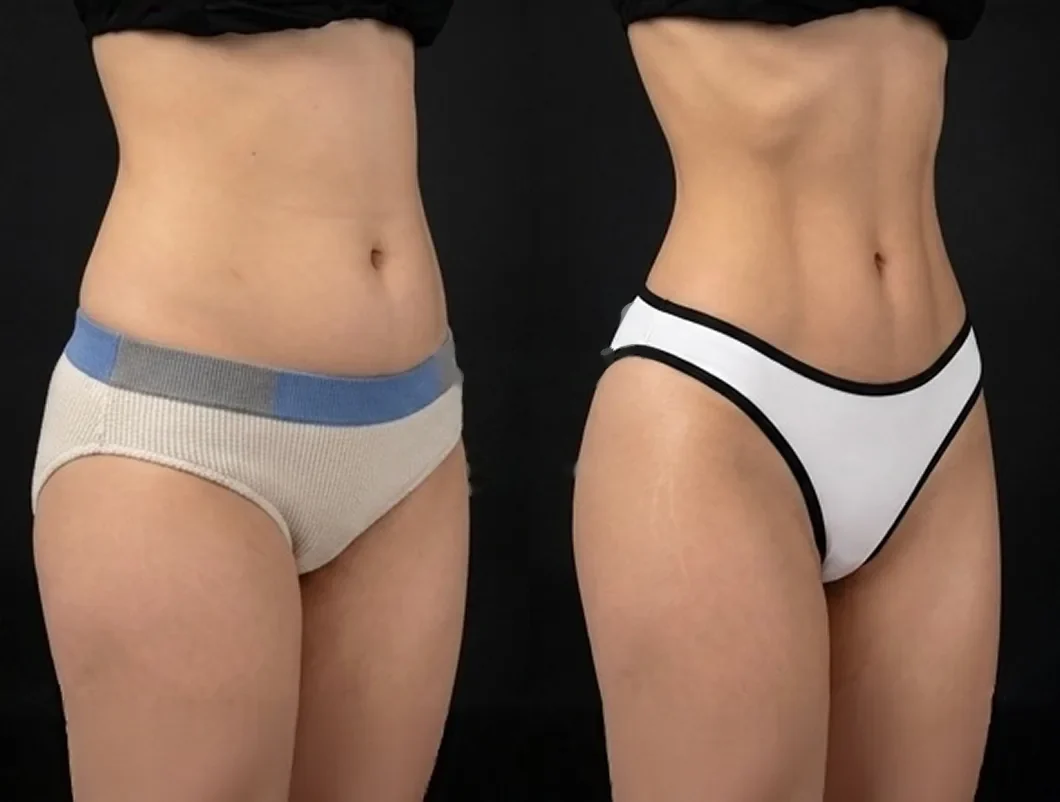
Liposuction of the abdomen and waist: before and after surgerybeforeafter
1 of 10

Comparison

Liposuction techniques

We use two liposuction techniques: tumescent (classic) and VASER (ultrasound). Compare the goal, the indications and the anaesthesia to choose the right technique together with your surgeon.

Tumescent liposuction

A special solution loosens fat for removal through a thin cannula
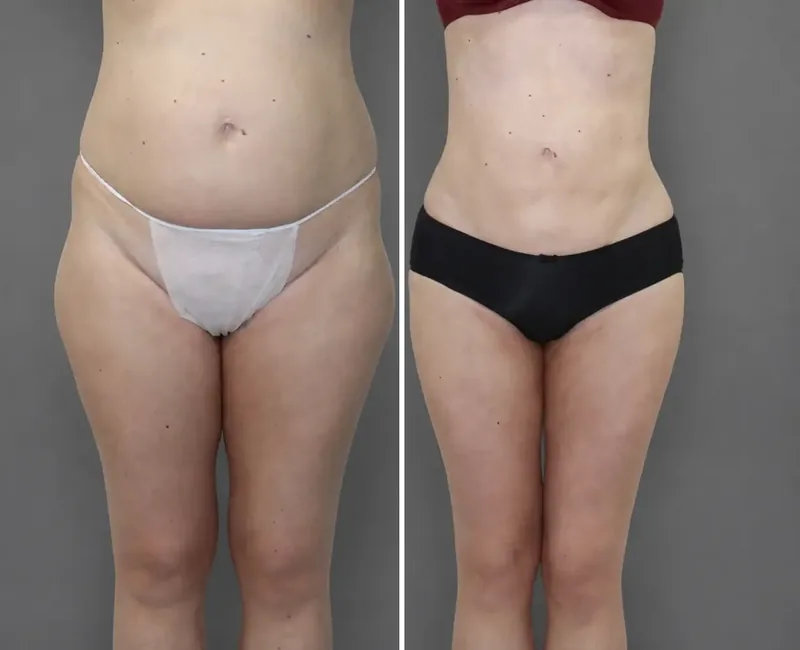
Tumescent liposuction: abdomen and thighs before and after surgery

from $1,200

Main goal
Removal of local fat with minimal blood loss
When it is done
Abdomen, flanks, thighs, back, arms, chin
Anaesthesia and stay
Local or general anaesthesia, home the same day or after 1 day

VASER liposuction

Ultrasound breaks down fat cells before vacuum removal
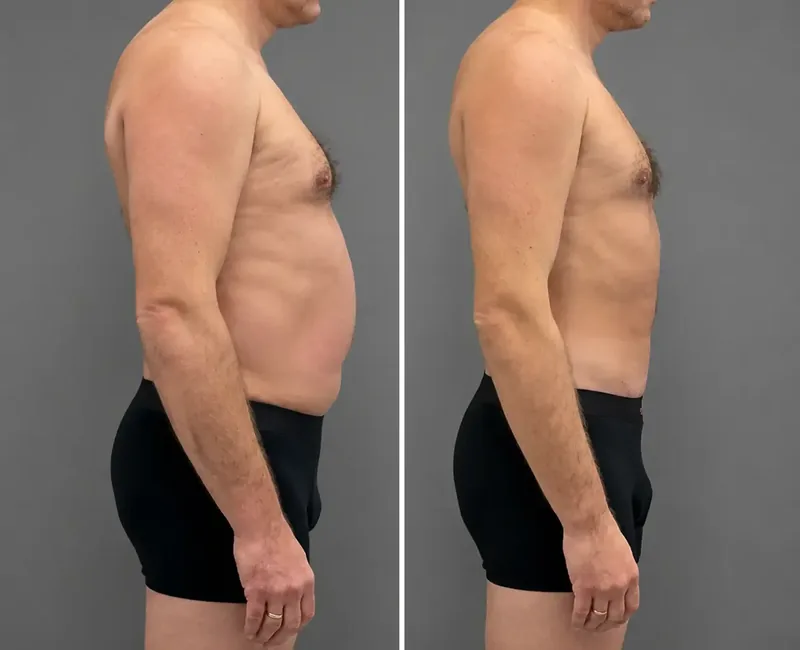
VASER liposuction: a male patient before and after surgery

Price at consultation

Main goal
Defined muscle relief and body contouring
When it is done
Athletic abs and delicate areas
Anaesthesia and stay
Local or general anaesthesia, 1–4 hours of surgery

The benefits and recovery times shown are averaged for each technique and given for guidance: the scope of correction and rehabilitation depend on your anatomy and individual features, and the surgeon confirms them at the consultation.

At the consultation the surgeon draws up a plan for your case and explains how your liposuction will go.

Free, before surgery and with no obligation.

Book a consultation

Zones we treat

You can treat several areas in one operation and save on both recovery time and cost

  • Abdomen and sides

    The most requested area for women and men, often combined with abdominoplasty

  • Thighs (outer and inner)

    Stubborn fat exercise can't shift

  • The back and lower back

    Back rolls that spoil the silhouette

  • Shoulders and arms

    A concern that becomes visible in warm weather

  • Chin and neck

    Small area, fast visible result

  • Knees

    A delicate spot that requires precision

  • Chest (for men)

    Gynecomastia and pseudogynecomastia — the fat component

About the clinic

A clinic where you can feel at ease

Modern equipment, comfortable rooms and care for every patient
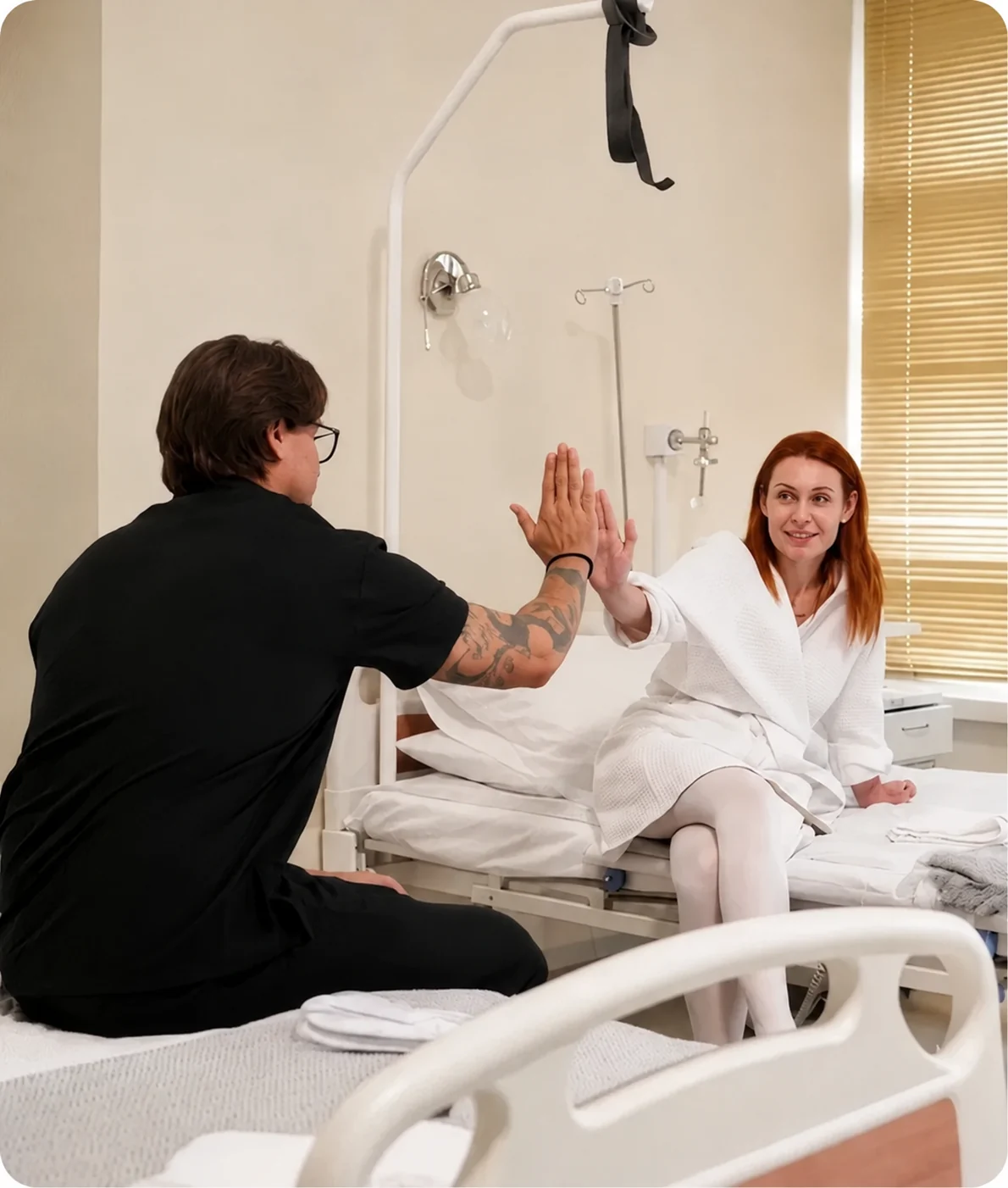
A doctor and a patient in a clinic ward

Contact us the way that suits you

We will answer your questions and find a convenient time for a consultation

By messaging us, you agree to our Privacy Policy

Request a free call

Liposuction is not for everyone

If your case can be solved without surgery, the doctor will tell you so at the consultation — and you will not spend money for nothing.

Suitable
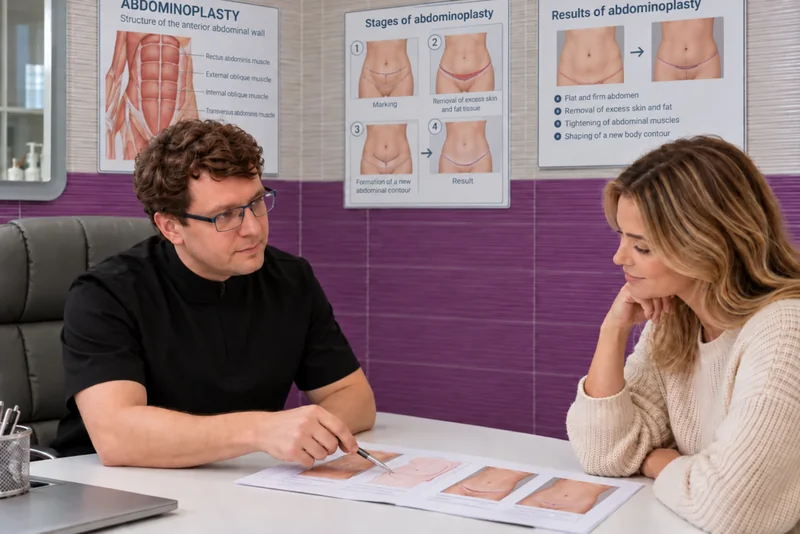
A surgeon shows a patient on a model and a monitor how the body contour changes after liposuction
  • Local fat that resists diet and exercise
  • Uneven subcutaneous fat
  • Disrupted body proportions
  • Silhouette changes after childbirth or weight loss
  • Fat component of gynecomastia in men
  • Good skin tone and elasticity

Not suitable
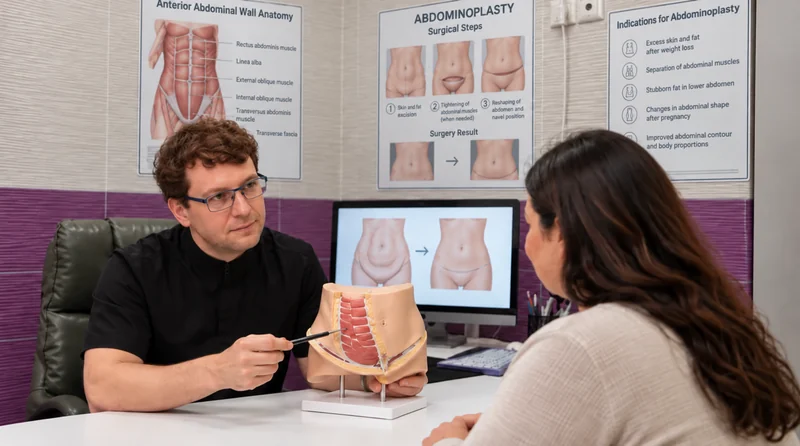
A surgeon discusses the indications and contraindications for liposuction with a patient
  • Not yet 18
  • Pregnancy or breastfeeding
  • Endocrine obesity
  • Decompensated diabetes
  • Conditions affecting blood clotting
  • Serious heart, kidney or liver disease, cancer

Not sure the surgery is right for you?

Leave your number — the coordinator will call you back, and the surgeon will tell you whether liposuction suits you. No surgery booking needed.

Find out if it suits me
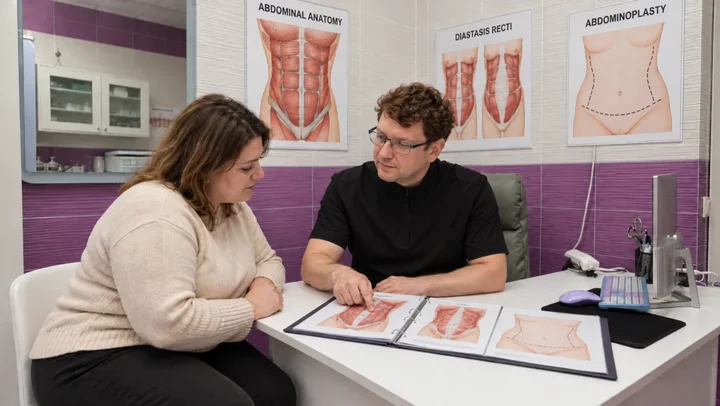
A surgeon goes through the treatment areas with a patient at the consultation

Prices

You know the price
before surgery

The final price is calculated individually after an examination and fixed in the contract.

Liposuction prices

  • First consultationFree
  • Flanks / waist liposuctionfrom $1,400
  • Thigh liposuction (outer)from $1,200
  • Thigh liposuction (inner)from $1,200
  • Liposuction for the torso (front abdominal wall, abdominal sides and lower back)from $3,600
Book a consultation

Find out your liposuction plan and price

The surgeon assesses the fat deposits and skin tone, listens to your wishes and chooses the right technique.
A nurse talks to a patient in a clinic ward

Message our coordinator

Free online consultation · Reply within 15 minutes

Message us on Telegram

By messaging us, you agree to our Privacy Policy
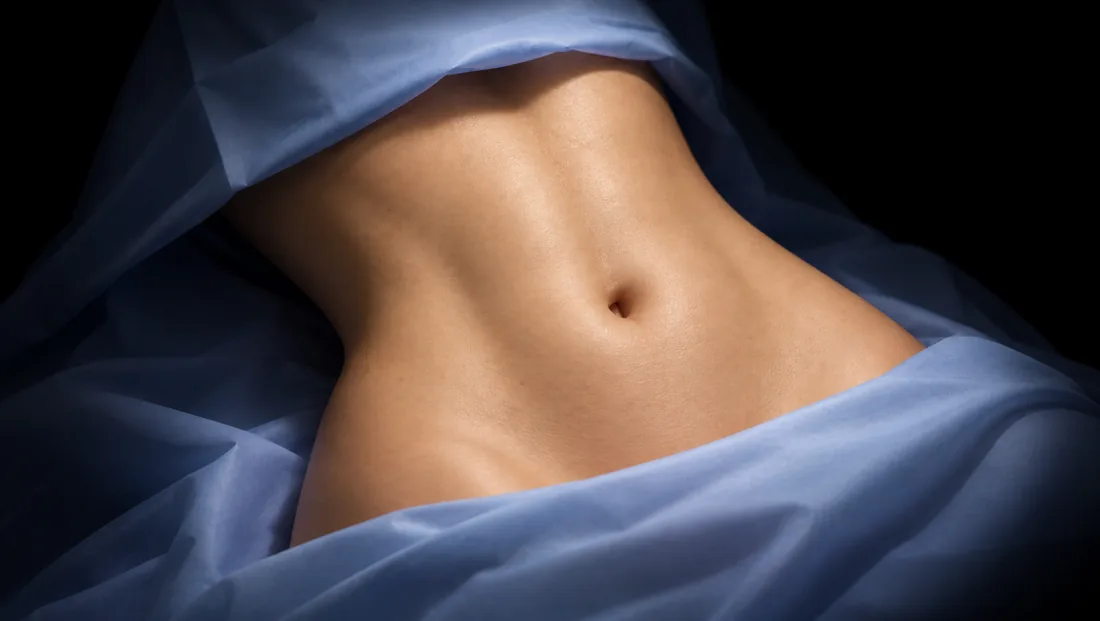
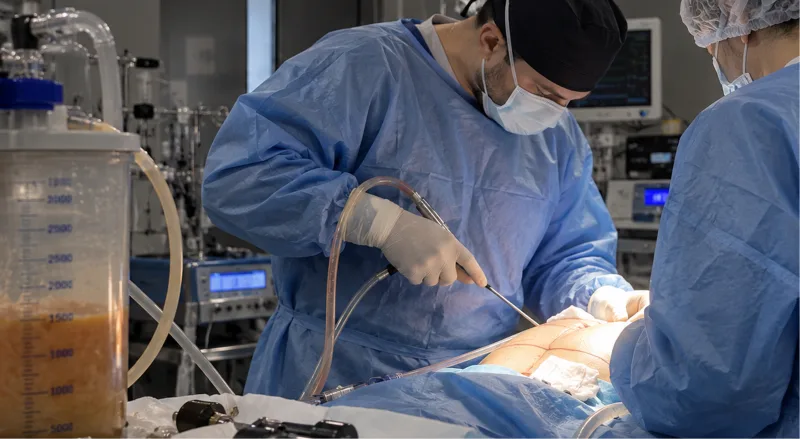
A patient before liposuction in the operating room

all inclusive

What the price includes

From preparation for surgery
to post-op check-ups.

  • All scheduled dressings
  • Scheduled post-op check-ups
  • A personal coordinator on call
  • Compression garments fitted on the day of surgery
  • A stay in a comfortable
    hospital ward with meals
  • Individual recommendations
    for recovery
  • Remote progress monitoring
    by photos

from $1,200

Book a consultation

How it works

From consultation —
to your new contour

An agreed treatment plan, careful monitoring after surgery and post-op check-ups.
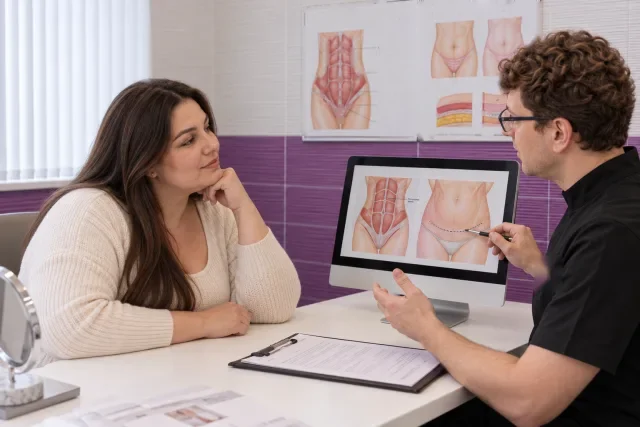
A surgeon goes through the liposuction plan with a patient on a monitor1

Consultation
and the surgical plan

The surgeon listens to your wishes, assesses the fat deposits and skin tone and rules out contraindications. A hormonal screening is also ordered — it helps predict the long-term result.

Paying the deposit by card at the clinic reception2

Booking the date
of surgery

We reserve a surgery date for you: the deposit can be paid by card at the clinic or online by bank transfer. The terms are fixed in the contract for medical services
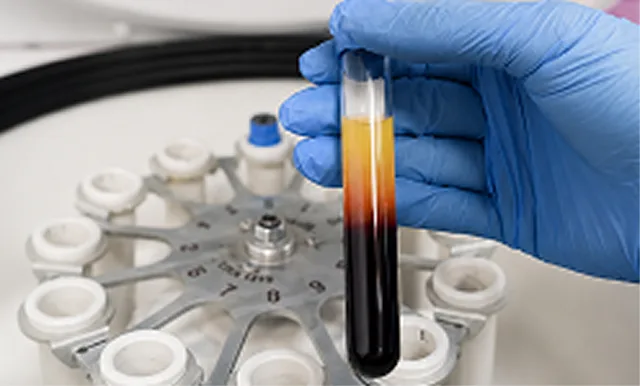
A blood sample tube for tests before liposuction3

Check-up before
surgery

Blood tests (complete count, coagulation panel, biochemistry, infections), an ECG, a chest X-ray and, if needed, a GP consultation. All tests can be done at the clinic with no waiting.
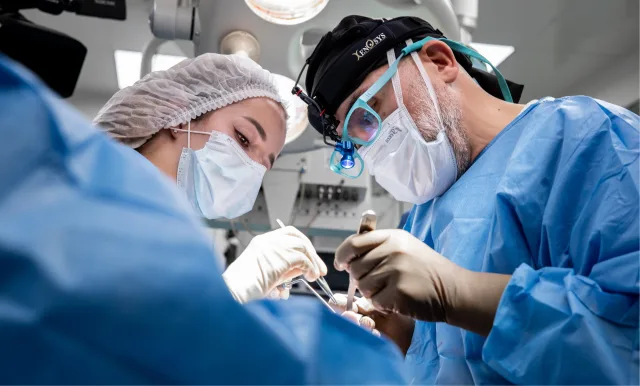
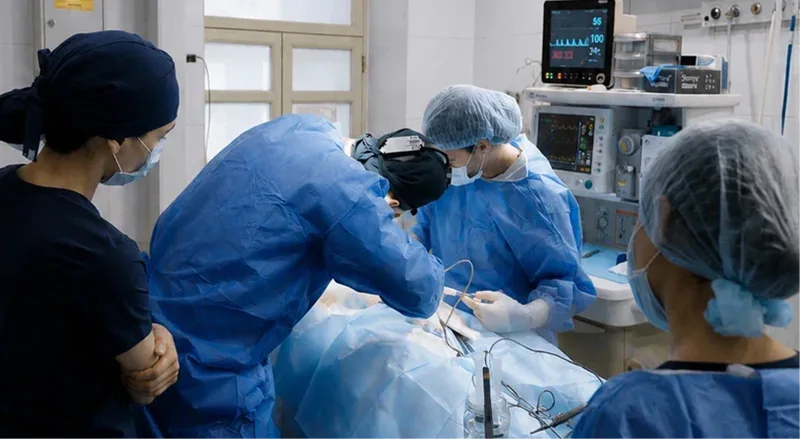
The surgical team during the operation4

Surgery

Marking the areas and fitting compression garments. Under local or general anaesthesia the surgeon removes fat through 3–5 mm micro-punctures — from 1 hour for small areas to 3–4 hours for a combined procedure.
A hospital ward at the clinic5

Waking up
and monitoring

With local anaesthesia you go home 3–4 hours after surgery; with general anaesthesia you stay one day in a comfortable ward under medical supervision.
A surgeon and a patient in the ward during recovery6

Recovery

Compression garments for 30–45 days. First changes show at 2 weeks, once swelling subsides; the final result forms in 3–6 months. Check-ups at 7 days, 3 and 6 months.
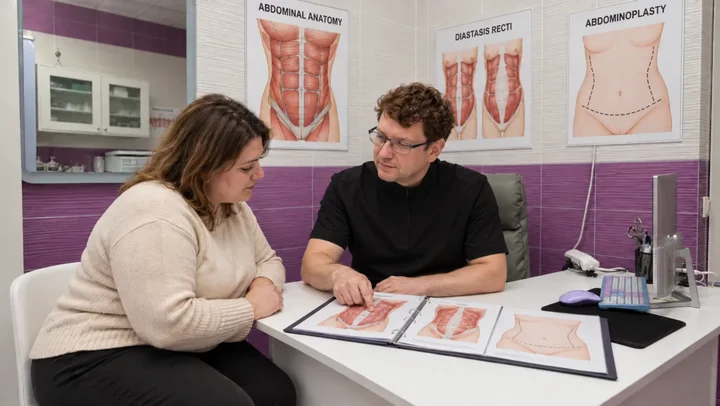
Book a free consultation — the surgeon will plan every step with you.

A doctor discusses the liposuction plan with a patient
Book a consultation
A doctor discusses the liposuction plan with a patient

Recovery after liposuction

After tumescent liposuction, recovery is much shorter than after a conventional procedure. Most patients return to work within 7–10 days. In the first week, mild swelling and a raised temperature are possible — a normal response to surgery. Compression garments are worn for 30–45 days: they fix the new contours and speed up tissue recovery. In the first month, bathhouse, sauna, pool and intense sport are off-limits. For the best result and faster recovery we recommend lymphatic drainage massage, pressotherapy and a gradual return to activity. First visible changes show 2 weeks after surgery, when the main swelling subsides; the final result forms in 3–6 months.

Post-op check-ups

After 7 days, at 3 months and at 6 months. Until the end of the year, get a post-surgery consultation with your surgeon to review results and get more information, at the clinic's expense.

Advantages

Reasons patients choose City Medical Centre
A surgeon discusses the liposuction plan with a patient at the consultation

Just find out — you lose nothing

At the consultation we discuss your wishes and assess the fat deposits and skin tone. Before surgery an endocrinologist rules out hormonal causes of the fat deposits — this improves the long-term result.
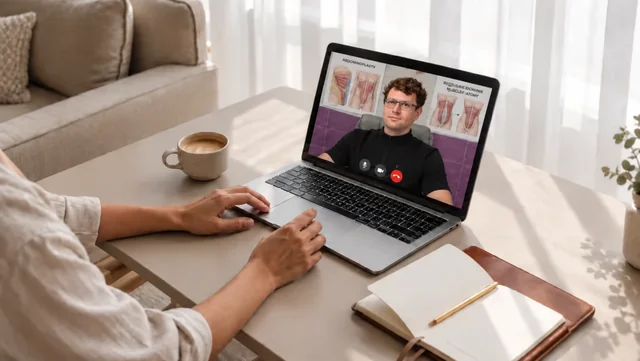
A surgeon on a video call with a patient after surgery

We stay with you after surgery

The surgeon follows your recovery and the new body contour at check-ups after 7 days, 3 and 6 months. Check-ups, dressings and aftercare advice are already included in the price of surgery.
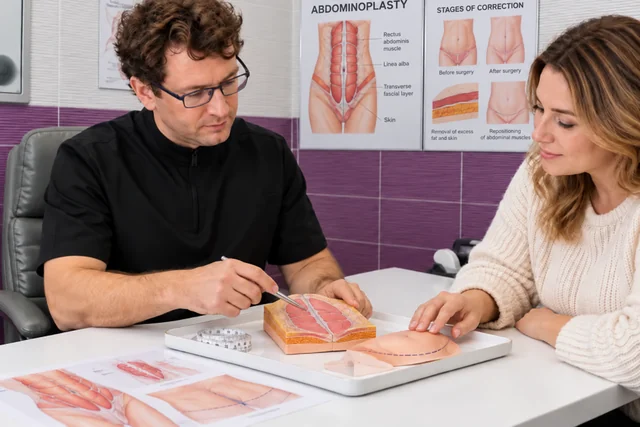
A surgeon shows a patient a model and body contouring diagrams

A beautiful contour that fits your figure

Tumescent and VASER techniques, micro-incisions of 3–5 mm and precise volume control. Our aim is a smooth contour that keeps the natural proportions of your body.

A patient writes down a convenient visit time in her planner

Your schedule is our priority

We respect your time: we work 24/7, with easy booking and a personal approach — we adapt to your pace.

A surgeon shows a patient a tablet: no hidden fees

Fixed prices

After the consultation the surgeon defines the areas and the scope of surgery, and you get a clear price fixed in the contract — no hidden extras.
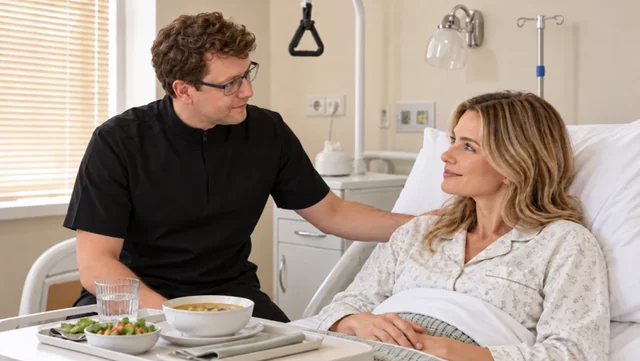
A surgeon visits a patient in the hospital ward after surgery

Round-the-clock care after surgery

With general anaesthesia recovery starts in a comfortable hospital ward under round-the-clock nursing care. The stay and meals are already included in the price.

FAQ

We answer what
people ask before booking

Liposuction in Florence: price and what is included

Prices are in US dollars; the amount in brackets is an approximate conversion to EUR at the rate of 02.10.2026. The final price is fixed in your contract.

How much does liposuction in Florence cost?

Prices start from $1,200 (≈ €1,100) per area. The surgeon sets the final price at the free consultation, and it is fixed in the contract, with no hidden extras.

What is included in the price?

The operation under local or general anaesthesia and the surgeon's support throughout recovery. The price is per area and fixed in the contract.

How do I get my exact price?

Message us on WhatsApp or Telegram using the buttons below. A coordinator will answer your questions and book a free consultation where the doctor names the exact price.

By messaging us, you agree to our Privacy Policy

About liposuction for patients from Florence

Before any decision on liposuction in Florence, it helps to know how the clinic approaches it. An endocrinologist rules out hormonal causes of excess fat, which improves the long-term result. Surgery uses tumescent and VASER techniques and closed fat-harvesting systems with precise volume control. Liposuction can also be combined with other procedures, for example a tummy tuck for the abdomen.

Preparation follows a simple schedule. Two weeks before surgery, medications that affect blood clotting are stopped; a week before, alcohol and smoking are cut out for faster healing; the last meal is eight hours before the operation. On the day itself, the surgeon meets you, marks the areas and fits compression garments. This is the routine for everyone in Florence.

How much is liposuction in Florence? Prices start at $1,200 (≈ €1,100), depending on the zone and the scope of surgery. Treating several areas in one operation often saves both recovery time and budget. The exact cost is confirmed once the surgeon has examined you, and it is then fixed in the contract. Start with a free consultation by sending a request or messaging us.

Stories of well-known people

Well-known people who spoke openly about this operation, in their own words.

All stories about this operation →

Contouring stubborn fat: what the Italian figures on weight mean for you

Liposuction is a contouring procedure, not a way to lose weight, and national statistics show why that difference matters. In ISTAT's 2023 survey of adults aged 18 and over, 46.3% were overweight or obese. Overweight accounted for 34.6% and obesity for 11.8%, up from 10.3% in 2013. These are national figures and no regional split was found, so they do not describe Florence on its own. They are still a useful reminder that body weight in Italy is moving, and that anyone thinking about liposuction should look at their own weight trend first.

The procedure suits people whose fat sits in specific places and does not respond to diet and exercise. Typical places are the abdomen and flanks, the outer and inner thighs, the back including the lower back, the arms, the chin and neck, the knees, and in men the fat component of gynecomastia. If your weight is still changing from month to month, the doctor will probably suggest seeing a nutritionist or endocrinologist before anything else. Removed fat cells do not return, but the remaining ones can grow if weight is gained. A result that looks smooth in the first year can lose its shape if the scale climbs again.

The same survey found that 35% of people aged 3 and over are sedentary, again a national number. It is a practical point for the weeks after the operation. A gradual return to activity is part of recovery, and a habit of regular movement is what keeps the new contour in proportion later. During the free online consultation the doctor asks what your week looks like: how much you walk, whether you train, how stable your weight has been over the last year. Those answers shape the plan as much as the photographs do.

A hormonal screening is part of the planning. The doctor orders it because it helps predict the long-term result, and an endocrinologist rules out hormonal causes of the fat deposits before surgery. Endocrine obesity and decompensated diabetes are on the list of cases where liposuction is not suitable. If a hormonal cause turns up, the right conversation is about treating it, not about booking a date.

Several areas can be treated in one operation, for example abdomen and flanks together, or inner and outer thighs. For a Florence resident this means one recovery period instead of two. The scope depends on your health and on what you want to change. The doctor sets it after looking at your photos and listening to your wishes. The final cost is fixed in the contract before surgery, so the plan you agree is the plan you carry out.

Compression garments: a July afternoon at 32 °C versus a January morning at 2 °C

Compression garments are worn for 30–45 days after liposuction. They hold the new contours and speed up tissue recovery. For a Florence patient the practical question is what that month and a half feels like in the local weather, and the climate figures show how different the seasons are.

For 1991–2020, the mean daily high in July is 32.3 °C with a low of 18.4 °C. August is almost identical, at 32.4 °C and 18.5 °C. Days with a maximum of 30 °C or more average 71 a year. A close-fitting garment in that weather needs planning. If surgery falls in early summer, most of the 30–45 days will be spent in hot afternoons. Many patients ask for a second garment so one can be washed while the other is worn, and the coordinator can raise this when you discuss the date. Light clothing on top, shade, and unhurried walks in the evening, when lows are around 18 °C, make the weeks easier to bear.

Winter is the opposite. The January mean high is 11.2 °C and the mean low 2.1 °C. About 28.5 days a year have a minimum below freezing. A garment under warm clothing is hardly noticeable and nobody sees the outline. The trade-off is that cold, damp weather makes it tempting to stay indoors, and the doctor's advice is a gradual return to activity. Short, regular walks matter more than waiting until spring. Relative humidity averages 66.7% over the year, with 71.5% in January and 60.6% in July.

Take October and November as an example of the damp months. Rainfall peaks then, with 105.1 mm in October and 115.3 mm in November, against only 24.6 mm in July. Annual precipitation is 788 mm over 84.7 days with at least 1 mm. Dressings and the first check-up at 7 days are not affected by rain, but a wet pavement is a poor reason to rush the first outings. If your operation is in November, the 30–45 days of compression would end between late December and early January. That falls in the Christmas period, when work and family plans often change, so it is worth looking at the calendar together with the coordinator.

The doctor has the final say on how long the garment is worn, because it depends on your anatomy and on the areas treated. The local climate should shape small practical decisions: fabric, the number of garments, the layers you wear over them. It should not shorten the period. Skipping the garment on hot days because it is uncomfortable is a common mistake, and the doctor will discuss it with you openly during the consultation.

Planning around the Florentine calendar: holidays, June festivities and the rhythm of the academic year

Recovery from liposuction is short but not zero. Most patients return to work after 7–10 days, mild swelling and a raised temperature are normal in the first week, and the first visible changes appear at around 2 weeks. When you choose a date, the Florentine calendar helps. Italy's national holidays are 1 January, 6 January, Easter Monday, 25 April, 1 May, 2 June, 15 August, 4 October (St Francis), 1 November, 8 December, 25 December and 26 December, and every Sunday counts as a holiday too. A holiday that falls on a Monday or Friday can extend a quiet week without using extra days off, though the doctor's rule is still no heavy lifting or physical exertion in the first 7 days.

Two city events fix dates in the calendar. Calcio Fiorentino is held in the third week of June in Piazza Santa Croce. Two semi-finals are followed by a final on 24 June, the feast of St John the Baptist and the city's patron-saint holiday. Four teams from the quartieri take part. Scoppio del Carro takes place on Easter Sunday in Piazza del Duomo, with the cart drawn from Porta al Prato. If you hope to watch either in person, check the date against your recovery. Standing in a crowd is not a light activity, and intense sport, sauna, pool and bathhouse are off-limits in the first month. Planning the operation well before such an event, with the 30–45 days of compression garments finished, is more comfortable than trying to squeeze it in just before.

The rhythm of study also matters in a city with about 50,000 enrolled students at the University of Florence. It was founded in 1859, with roots in the Studio Fiorentino of 1321. The city article adds more than 8,000 US students in study programmes. For a student, the choice of dates follows the academic year: a week of reduced activity is easier after an exam session than before one. For an employee, it is usually easier to combine 7–10 days away with a public holiday than to ask for extra leave.

Florence also receives many visitors. In 2015 there were over 4.95 million arrivals, and in 2014 there were 8.5 million overnight stays. The historic centre has been a UNESCO site since 1982, and the Uffizi sold over 1.93 million tickets in 2014. Anyone who works in hospitality, guiding or retail in the centre knows that some months are far busier than others. Those workers may want to book their recovery in a quieter season. This is a scheduling remark, not a medical one. The medical decision is made with the doctor, but you decide when you are ready.

Because the consultation is online and coordinators answer 24/7 on WhatsApp and Telegram, you can send photos on a Sunday or a holiday and still get a reply. You get a free assessment and an indicative plan, and you confirm the date only when you are ready. The date of surgery is reserved only after you accept the plan, and the terms are fixed in the contract for medical services.

Walking the hills and returning to movement without hurrying

Florence lies at an elevation of 50 m on the Arno, with the Mugnone, Ema and Greve also flowing in the area. The basin is ringed by the hills of Careggi, Fiesole, Settignano, Arcetri, Poggio Imperiale and Bellosguardo. This geography matters for anyone planning a return to activity after liposuction. The hills are near, but they do not belong in the first weeks. The doctor's rule for the first 7 days is no physical exertion and no heavy lifting. For 4–6 weeks the compression garment stays on, and bathhouse, sauna, pool and active sport are avoided. Steady walking on level ground is a reasonable first step, and slopes can wait until the doctor agrees.

A sensible progression, as the recovery guidance describes it, is a gradual return to activity. In practice a patient might begin with short walks near home in the first week, once the doctor allows it, then lengthen them as swelling falls. Swelling and bruising disappear by weeks 4–5, and the interim result shows at 1.5–2 months. The final contour forms between 3 and 6 months, as the tissues adapt. Lymphatic drainage massage and pressotherapy are recommended during recovery. These help with the swelling and are best discussed with the doctor before the operation, so that appointments can be planned around work.

The sun deserves attention. Florence has about 2,246.3 hours of sunshine a year, with July at 313.1 hours and January at 93.0. Mean daily sunshine is 50% across the year. The service guidance asks you to keep away from tanning beds and alcohol for at least a month. Ask the doctor at the consultation how to treat the 3–5 mm puncture sites in strong sunlight, and follow the answer for your own skin. The marks are small and usually need no stitches. With proper care during recovery they fade, but they should not be pushed to heal faster by exposure.

Sport is the other question. Some patients ask about returning to football, running or the gym. The honest answer is that active sport is restricted for the first month. After that, a gradual return is discussed at the check-ups after 7 days, 3 months and 6 months. Fiorentina fans, for instance, may want to watch matches in Stadio Artemio Franchi, which holds 47,282 people. Sitting in a stand is not sport, but the walk, the crowd and the stairs are physical effort. Check with the coordinator before buying tickets close to the operation.

VASER, the ultrasound technique, is often asked about by people who train and want defined muscle relief. It is used for athletic abs and delicate areas. Tumescent liposuction, the classic technique, uses a special solution that loosens the fat, which is removed through a thin cannula with minimal blood loss. Both can be done under local or general anaesthesia. The doctor chooses the technique after assessing the fat deposits and skin tone, and the choice does not change the basic rule: contouring works best when weight is stable and activity is regular.

Coverage in Italy: what the SSN does and does not pay for

Italy's Servizio Sanitario Nazionale (SSN) was established in 1978. It provides universal coverage to citizens and residents and is run on a regional basis. National Essential Levels of Care (LEA) define what must be offered. Spending on health was 9.7% of GDP in 2020, and life expectancy was 83.4 years in 2018 according to the OECD, the fourth highest in that group. Florence belongs to Tuscany and to the Metropolitan City of Florence, so its residents use the Tuscan regional system.

Purely aesthetic surgery is not paid for by the SSN. An article on money.it from January 2024 says it is accessible only through private services. Liposuction for contouring falls into this group, which means a consultation with City Medical Centre is a private arrangement. The cost is set in the contract before surgery, and there is no waiting for an SSN slot. The article lists what the SSN does cover: reconstructive surgery after trauma, burns and mastectomy, and defined functional cases. Examples are blepharoplasty when vision is reduced by at least 60%, and rhinoplasty for a severe septal deviation or breathing problems.

The same article says that procedures needed to reduce the risks of severe obesity are reimbursable, including bariatric surgery, and it lists post-obesity abdominoplasty among them. This is a secondary source dated January 2024, so it is best treated as orientation and not as a legal opinion. In Italy the bariatric route has its own criteria, including a requirement that conservative therapy has failed, that the patient is an adult, and that alcohol, drugs and smoking are avoided for a period before the operation. Liposuction is a different operation with a different purpose. If your main aim is to reduce a large amount of weight, the doctor will say so at the consultation and may direct you to a medical path instead. If your case can be solved without surgery, the doctor will tell you that as well.

Waiting times and co-payments also influence decisions. English-language sources say that waits are usually up to a few months in the big public facilities and up to a few weeks in private facilities contracted with the SSN, though no official waiting-list figure was found. Specialist visits carry a co-payment, with exemptions by age (over 65, under 6), income or chronic illness. None of this applies to a private cosmetic consultation, but it explains why some Florence residents ask whether a medical reason could make part of their care reimbursable. Ask your general practitioner about that. It is a matter for the public system, and the coordinator cannot decide it for you.

The sources also mention patient mobility from poorer southern regions to the more prosperous north for care. It is a reminder that the quality and availability of services differ by region, and Tuscany is generally described among the better-served areas. For liposuction, the practical consequence is simple. Whatever your region, the first step is the same: send photos, get a free doctor assessment, and receive the plan and the fixed cost before you commit.

Taking the first step online from Florence

For a resident of Florence, the process begins with a message. You write on WhatsApp or Telegram, send photos of the areas you are considering, and the coordinator replies, with a stated reply time of within 15 minutes. The doctor assesses the photos, tells you whether liposuction suits you, and explains the technique, the likely anaesthesia and the duration. Surgery lasts 1–4 hours, from about 1 hour for a small area to 3–4 hours for a combined procedure. The consultation is free, without obligation to book surgery. If you are not sure the operation is right for you, you can simply ask.

Before the operation there is a medical check-up. The tests are a complete blood count, a coagulation panel, biochemistry, infection tests, an ECG, a chest X-ray and, if needed, a general practitioner's consultation. Preparation also means giving up smoking, alcohol and clotting-affecting medication such as aspirin 7–10 days before liposuction. Instructions come after the first consultation, so you do not need to guess. The coordinator explains where each test can be done and when the results are needed.

Anaesthesia can be local or general. With local anaesthesia you go home 3–4 hours after the procedure. With general anaesthesia you stay one day in a hospital ward under round-the-clock nursing care, with meals included. The compression garment is fitted on the day of surgery and is part of what the contract includes. So are all scheduled dressings, post-op check-ups, a personal coordinator on call, individual recovery recommendations and remote progress monitoring by photos.

Follow-up is built around three check-ups, at 7 days, 3 months and 6 months. Between them you can send photos, and the doctor follows how the swelling and the new contour develop. The first changes show at 2 weeks, swelling and bruising subside by weeks 4–5, and the final result forms in 3–6 months. This long timeline is worth stating plainly: the shape you see at 3 weeks is not the final one, and the doctor will repeat it at each check-up.

Some people are not suitable for liposuction. These include anyone under 18, pregnant or breastfeeding women, and people with endocrine obesity, decompensated diabetes, blood coagulation disorders, or serious heart, kidney or liver disease or cancer. Good skin tone and elasticity are favourable. If the tone is reduced or stretch marks are present, preparatory treatments may be recommended. Skin tone, elasticity and turgor are always checked before surgery, and liposuction does not change the skin structure that causes cellulite, although improved contours can visibly reduce its appearance.

Is it harder to wear a compression garment in a Florence summer?

It is more demanding, though not impossible. In July the mean daily high is 32.3 °C and in August 32.4 °C, and days of 30 °C or more average 71 a year. The garment is worn for 30–45 days, so a summer operation means several weeks of warm afternoons. Light clothing, shade, a spare garment for washing and walks in the cooler evening hours help. Ask the coordinator about fabric and sizes when you discuss dates. The doctor decides how long it is worn, and heat should not shorten that period.

Would winter be a better season for liposuction in Florence?

Winter makes the garment easier to wear, since the January mean high is 11.2 °C and the mean low 2.1 °C, and layers hide the outline. The trade-offs are damp weather and shorter days: October and November are the wettest months, at 105.1 mm and 115.3 mm. The doctor's advice is a gradual return to activity, so short walks should continue even in cold weather. Neither season is medically better. Pick the one in which you can follow the rules for the first week and the first month most easily.

How do Italian public holidays affect the time I need off work?

Most patients return to work after 7–10 days. National holidays include 1 January, 6 January, Easter Monday, 25 April, 1 May, 2 June, 15 August, 4 October, 1 November, 8 December, 25 December and 26 December, and every Sunday is a holiday. A holiday next to the first week can reduce the number of working days you need to take. Heavy lifting and physical exertion are still off-limits for the first 7 days, so plan the days honestly. The coordinator can help match the date to your calendar.

Can I take part in Calcio Fiorentino or Scoppio del Carro after the operation?

Both are crowd events: Calcio Fiorentino in the third week of June in Piazza Santa Croce, with a final on 24 June, and Scoppio del Carro on Easter Sunday in Piazza del Duomo. Watching is not sport, but standing in a crowd and walking to the venue is physical effort. Intense sport, sauna, pool and bathhouse are off-limits for the first month, and compression garments are worn for 30–45 days. Plan the operation so that the first weeks are over well before the event, and ask the doctor about your own case.

Does the SSN cover liposuction for body contouring?

Purely aesthetic surgery is not paid for by the SSN, according to a January 2024 article on money.it, so contouring liposuction is a private service. The SSN covers reconstructive surgery after trauma, burns and mastectomy, and defined functional cases. For liposuction at City Medical Centre the cost is fixed in the contract before the operation. If you think a medical reason might apply to your case, ask your general practitioner about the public route and tell the doctor at the consultation.

I had bariatric surgery or lost a lot of weight. Is liposuction the right next step?

Not necessarily. The money.it article says procedures that reduce the risks of severe obesity are reimbursable, including bariatric surgery, and it lists post-obesity abdominoplasty among them (a secondary source, January 2024). Liposuction removes local fat and does not tighten loose skin. Silhouette changes after weight loss are among the suitable indications, provided skin tone and elasticity are good. If excess skin is the main problem, the doctor may suggest another procedure. Send photos and say how stable your weight has been.

Italian statistics show many adults are overweight. Does that make me a worse candidate?

No. The ISTAT 2023 figures show 46.3% of adults overweight or obese, with obesity at 11.8%, but these are national statistics and say nothing about you. What matters is your own situation: local fat that does not respond to diet and exercise, good skin tone and a stable weight. Liposuction is not a weight-loss method. If your weight is unstable, the doctor may recommend first seeing a nutritionist or endocrinologist, and a hormonal screening is part of the planning.

How long would I wait for a consultation compared with the public system?

In the public system, English-language sources say waits are usually up to a few months in the big facilities and up to a few weeks in contracted private ones, though no official waiting-list figure was found. At City Medical Centre the first online consultation is free and the reply comes within 15 minutes. You send photos on WhatsApp or Telegram, get the doctor's assessment and the fixed cost, and choose a date. Nothing is booked until you confirm the plan.

Will strong Florentine sunshine affect the small marks after liposuction?

Florence gets about 2,246.3 hours of sunshine a year, with 313.1 hours in July. The marks are 3–5 mm punctures that usually need no stitches and are barely visible once healed. Tanning beds and alcohol should be avoided for at least a month. Ask the doctor at the consultation how to protect the marks in strong sunlight, and follow the instructions for your skin. With proper care during recovery they fade, but the doctor cannot promise how quickly in every case.

When should I resume walks in the hills around the city?

Start with short walks on level ground once the doctor allows it, since physical exertion and heavy lifting are off-limits for the first 7 days. For 4–6 weeks the garment is worn and active sport, sauna, pool and bathhouse are avoided. Hills such as Fiesole, Settignano or Bellosguardo are better left until the doctor agrees at a check-up, usually after swelling has subsided in weeks 4–5. A gradual return is the rule. Lymphatic drainage massage and pressotherapy are recommended during recovery.