



























Message our coordinator
Free online consultation · Reply within 15 minutes
Message us on TelegramMessage us on WhatsAppBy messaging us, you agree to our Privacy Policy
Facelift and neck lift in Florence: price and key facts
Facelift for patients from Florence at City Medical Centre starts at €2,150 (from $2,400). The first online consultation is free; the doctor names the final price and it is fixed in the contract.
- Price
- €2,150 (from $2,400)
- Anesthesia
- general (inhalation)
- Recovery
- about 2 months to full recovery
- Final result
- 3–6 months after surgery
- How it works
- Send photos on WhatsApp or Telegram, get a free doctor assessment and the price, then confirm the plan and dates before anything is booked.
How it works · Facelift prices
Information current as of 24 October 2026

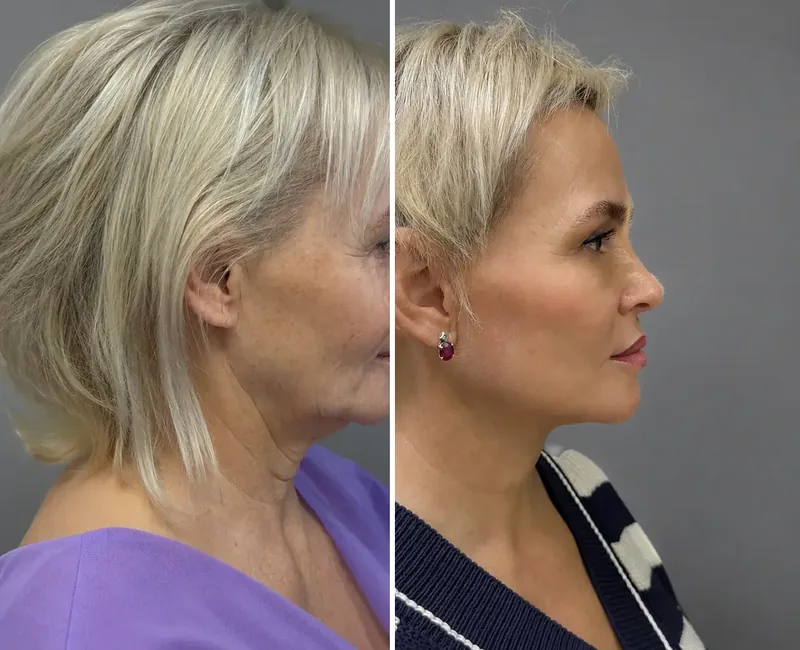
50 years
9 months
SMAS facelift
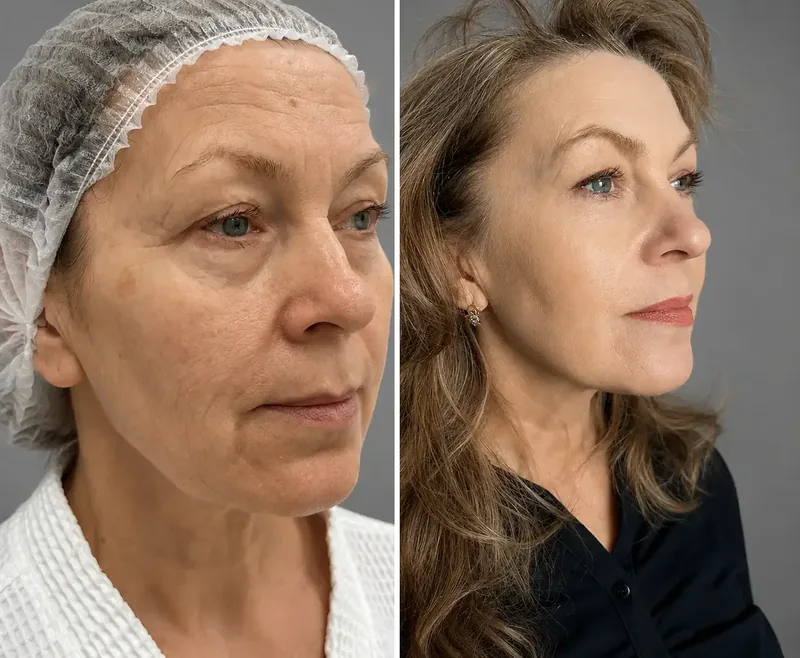
58 years
8 months
SMAS facelift
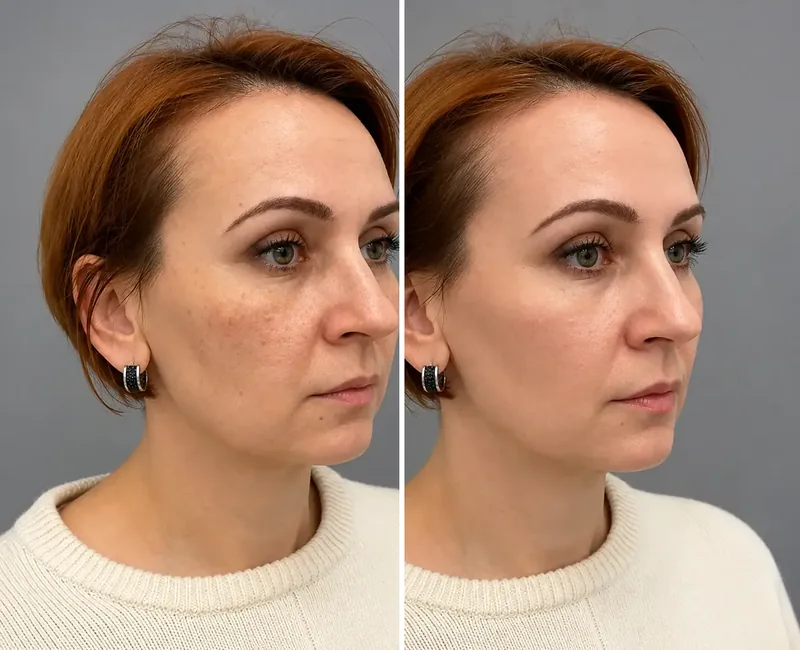
34 years
5 months
SMAS facelift
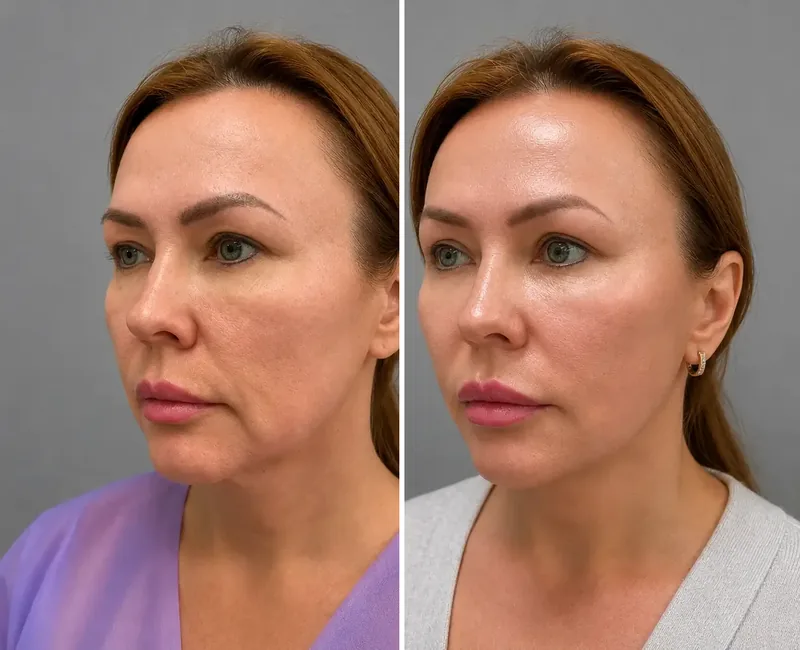
32 years
7 months
SMAS facelift
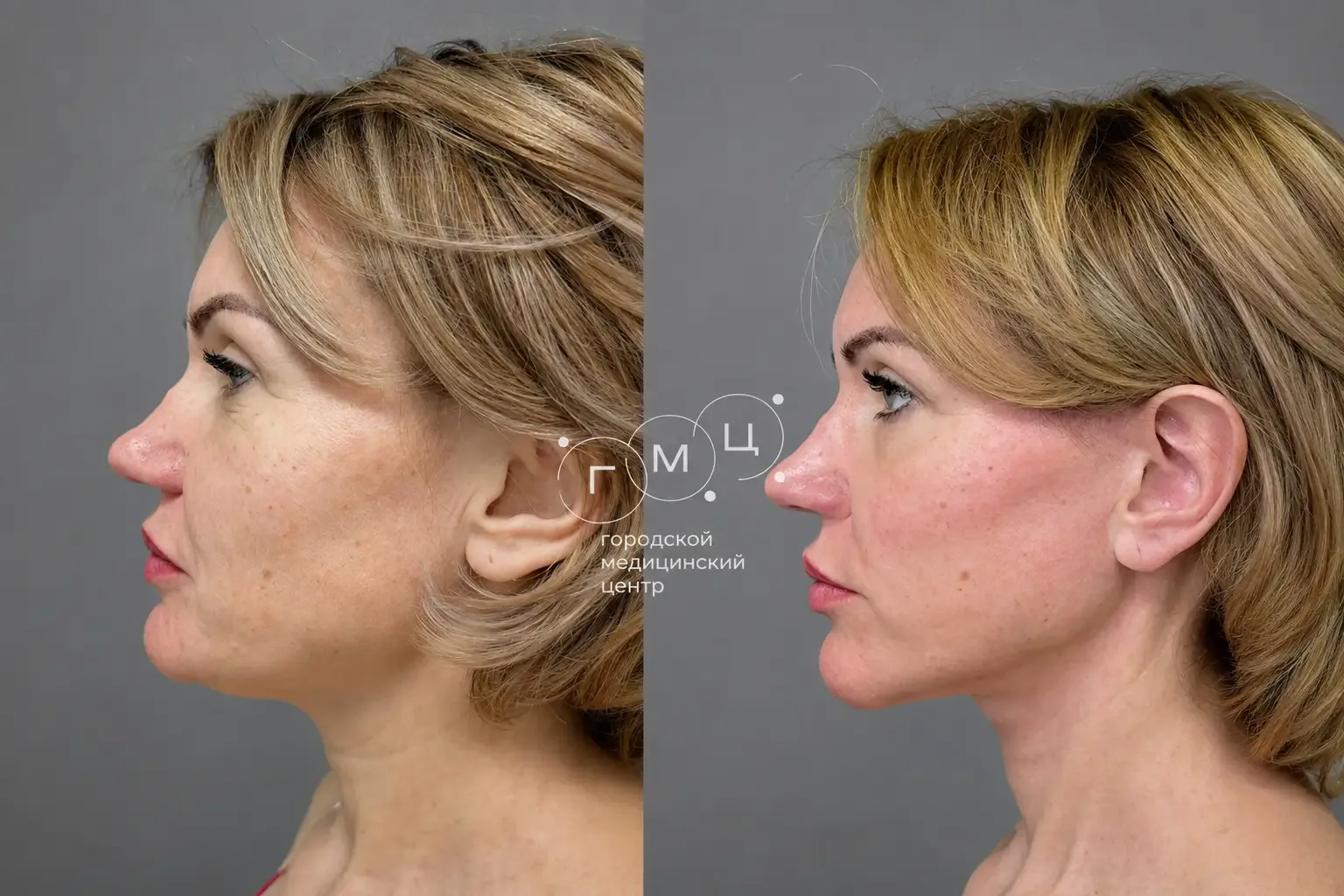
40 years
6 months
SMAS facelift
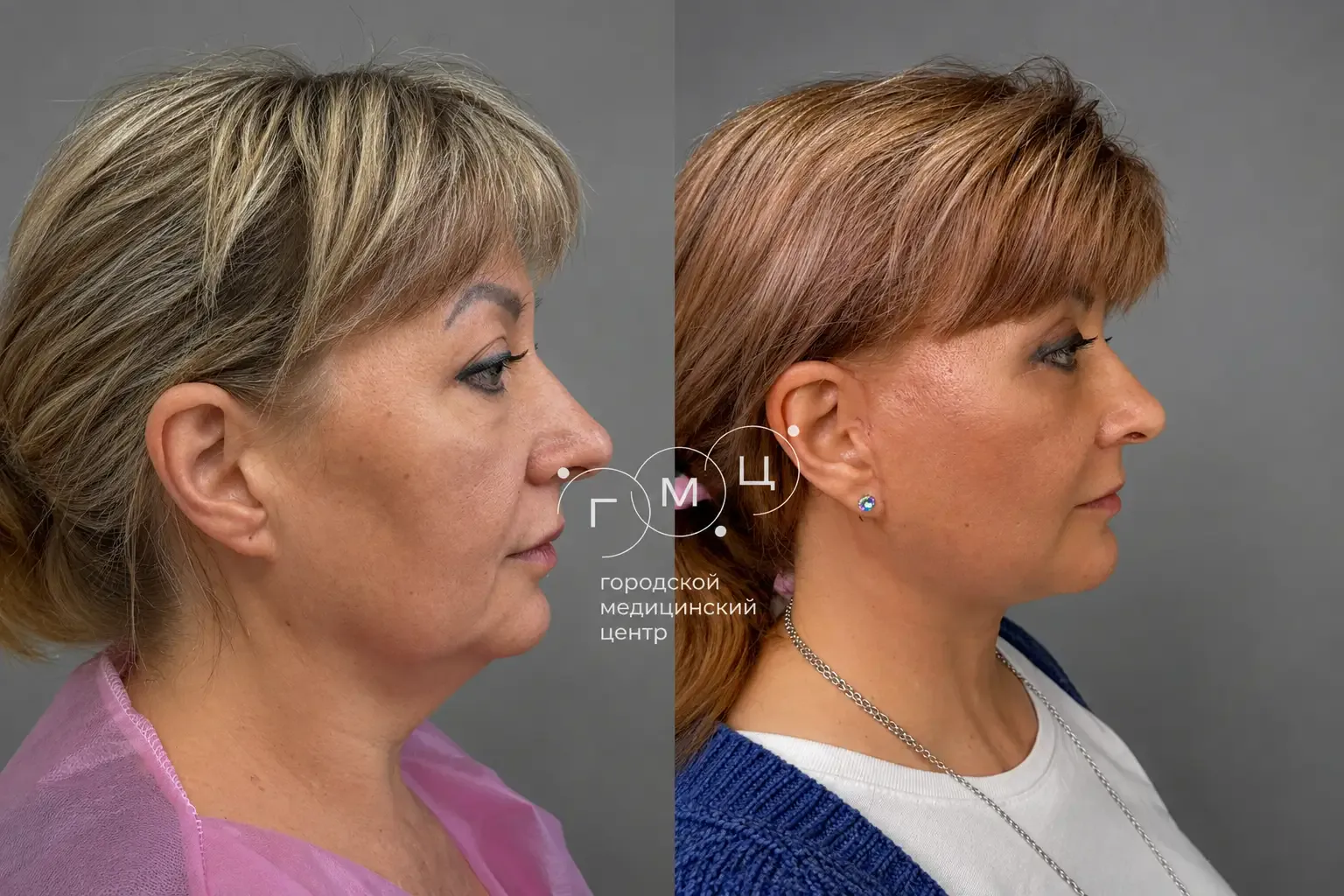
45 years
8 months
SMAS facelift
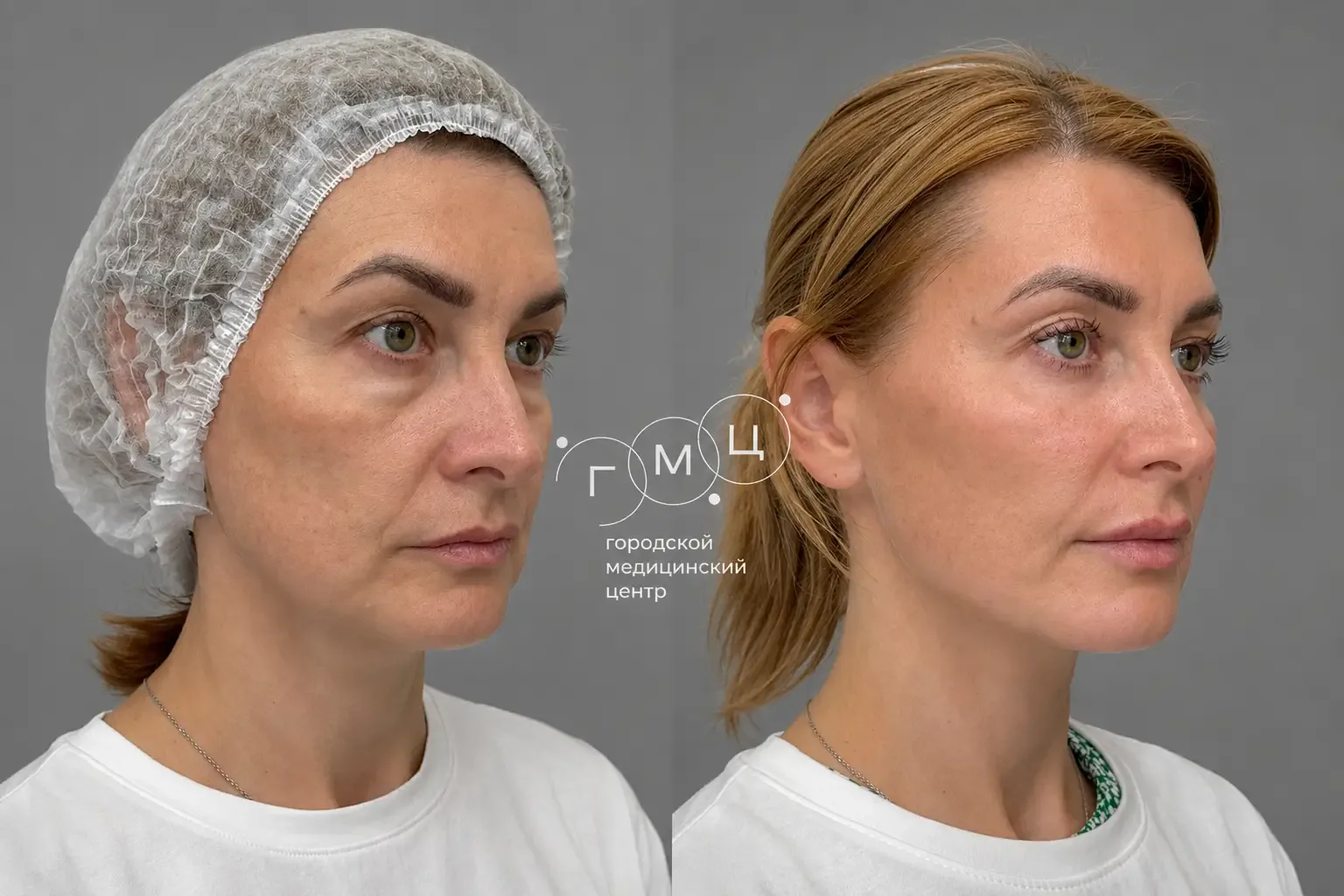
38 years
5 months
SMAS facelift
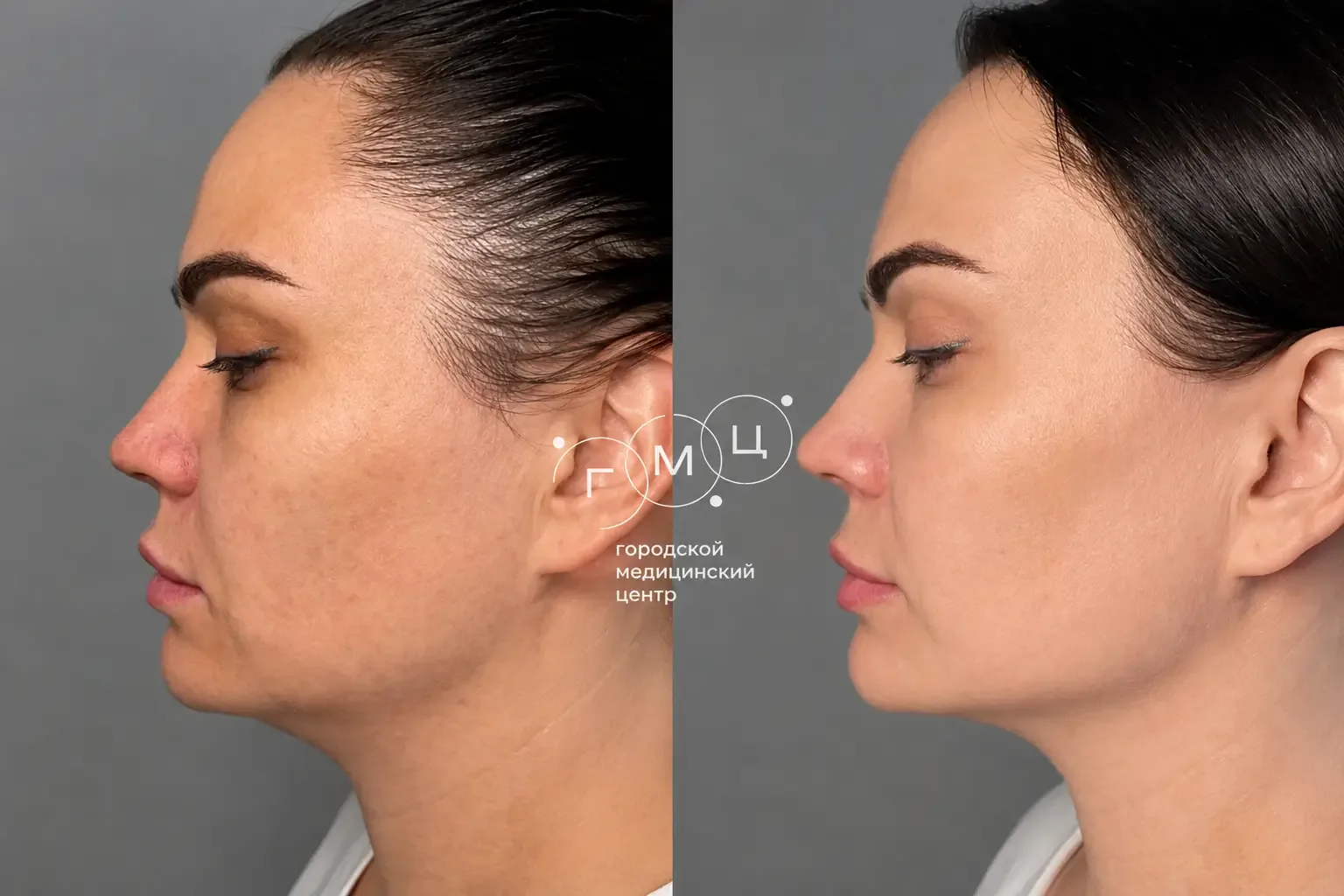
33 years
6 months
SMAS facelift
50 years
9 months
SMAS facelift
58 years
8 months
SMAS facelift
34 years
5 months
SMAS facelift
32 years
7 months
SMAS facelift
40 years
6 months
SMAS facelift
45 years
8 months
SMAS facelift
38 years
5 months
SMAS facelift
33 years
6 months
SMAS facelift
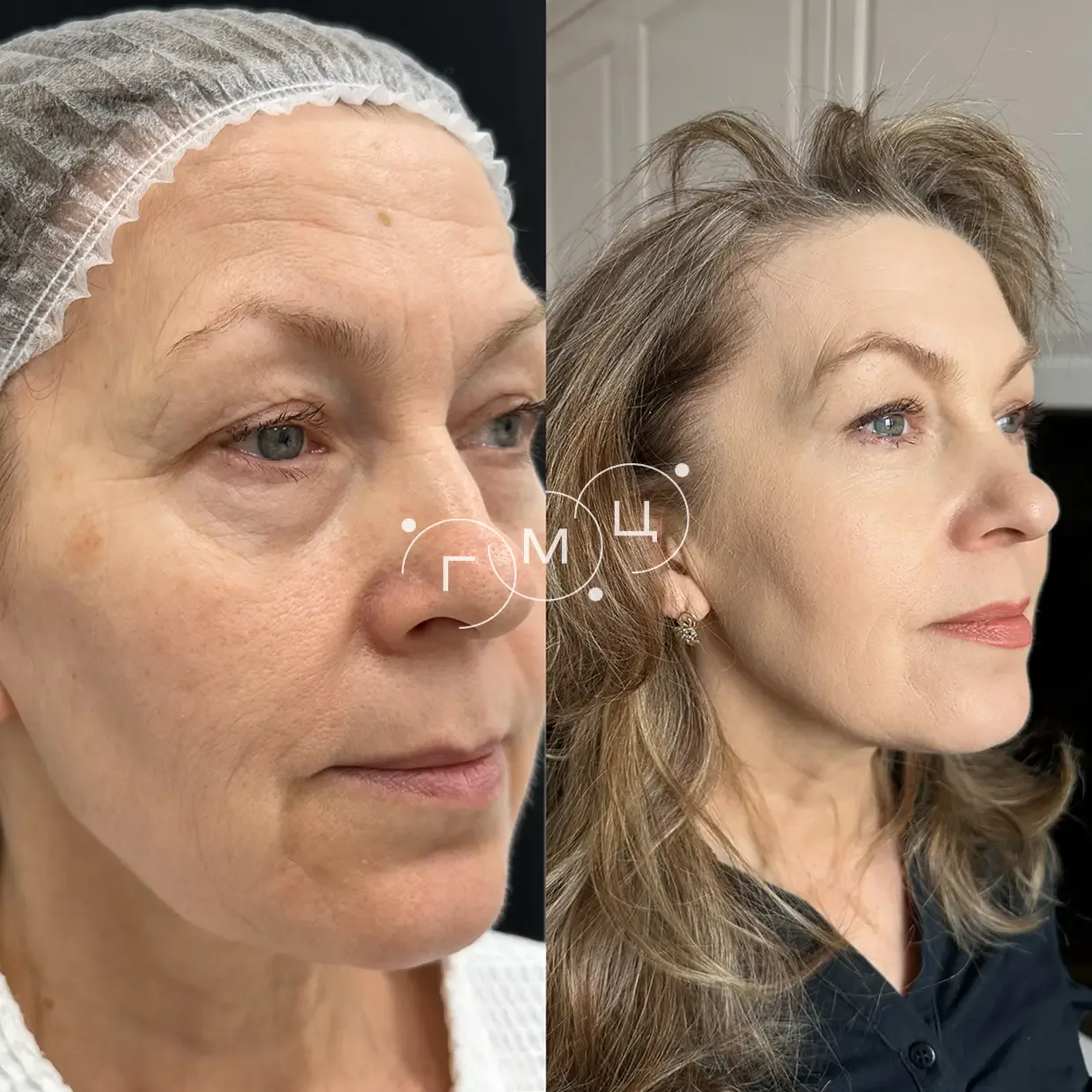

Marked sagging of the face and neck
A blurred jawline with jowls
A double chin with loose skin on the neck
Deep nasolabial folds and marionette lines
Drooping brows, a heavy look
A significant drop in skin firmness after 40
A long-term result is wanted (7–10 years)

Being under 30
Active, acute inflammation of the skin
Pregnancy or the breastfeeding period
A severe disease of the cardiovascular system
Impaired blood clotting
Cancer
Decompensated diabetes
About facelift surgery for patients from Florence
Jowls, a heavy lower face, a blurred jawline, drooping brows: these are the changes that bring people in Florence to a plastic surgeon. Cosmetology can refresh the skin, but it does not reach the deep layer where sagging begins. A SMAS facelift does, which is why it suits patients who want a lasting correction. Where sagging affects only the lower face, a neck and lower face lift may be enough.
On the day of surgery you are under combined inhalation anaesthesia, so there is no pain. The surgeon works through incisions hidden along the hairline and around the ears, lifts the skin, redistributes fat and secures the SMAS layer. Afterwards you stay in a comfortable inpatient room with meals and 24/7 monitoring by medical staff. The same care applies to everyone in Florence.
How much is a facelift in Florence? Prices start from $2,400 (≈ €2,150), and the final cost is calculated individually after an examination. At the consultation the surgeon defines the scope of surgery and gives the final price straight away, with no hidden extras. In-house 0% instalments let you pay in parts without bank interest. Leave a request to book your free consultation.
Stories of well-known people
Well-known people who spoke openly about this operation, in their own words.
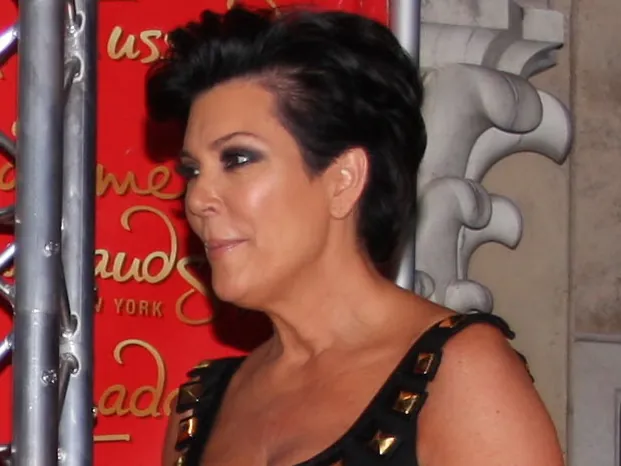 Kris Jenner’s facelift: “I love my facelift”Kris Jenner said she had a facelift about 15 years ago and a refresh before turning 70 — and that she loves it. How a SMAS facelift and recovery work.
 Did Vicki Gunvalson have a facelift? Yes, and she showed the result herselfVicki Gunvalson had a facelift in May 2018 after deciding fillers no longer looked like her. Her own words, how a facelift works and recovery.
 Keltie Knight’s facelift: why she decided to “just own it”Keltie Knight had a facelift in 2023 at 41 and chose to talk about it openly. What she said, how a SMAS facelift works and what recovery looks like.
 Did Linda de Mol have a neck lift? Yes, and she wrote about it herselfLinda de Mol wrote in LINDA. in 2025 that she had a neck lift. What she said, why she chose to be open, and how a face and neck lift works today.
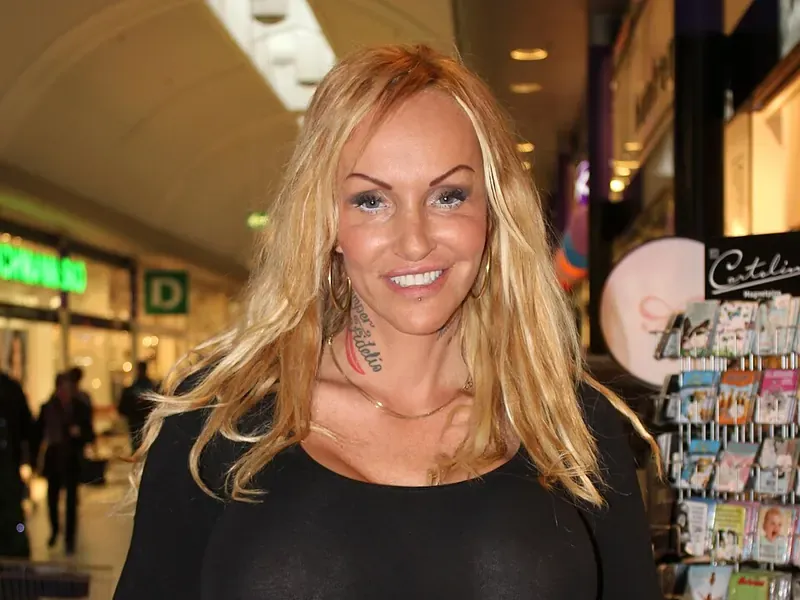 Linse Kessler and her facelifts: what she said herselfDanish reality star Linse Kessler has said openly that she has had several facelifts. Her words, how a modern facelift works and what recovery involves.
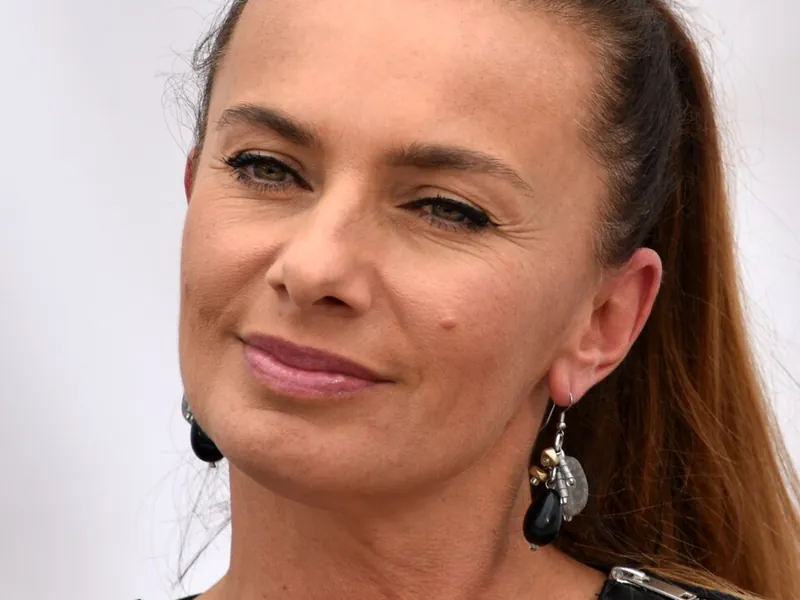 Did Alice Bendová have a facelift? Yes, and she explained why herselfAlice Bendová confirmed a deep plane facelift in September 2026. Her words, how a facelift works, who it suits and what recovery looks like.
Facelift in Florence: price and what is included
Prices are in US dollars; the amount in brackets is an approximate conversion to EUR at the rate of 02.10.2026. The final price is fixed in your contract.
- Faceliftfrom $2,400 (≈ €2,150)
What is a SMAS facelift?
It is a face lift that tightens the deep SMAS layer under the skin, not only the skin itself, so the lower face, jawline and neck stay firmer for longer. The result lasts about 7–10 years.
How much does a facelift in Florence cost?
Prices start from $2,400 (≈ €2,150). The surgeon sets the final price at the free consultation, and it is fixed in the contract, with no hidden extras.
What is included in the price?
A one-to-one consultation, the medical team, anaesthesia, inpatient care with meals, 24/7 monitoring and twelve months of follow-up by the surgeon.
How do I get my exact price?
Message us on WhatsApp or Telegram using the buttons below. A coordinator will answer your questions and book a free consultation where the doctor names the exact price.
By messaging us, you agree to our Privacy Policy
Sun, heat and frost: how Florence's weather meets healing skin
Florence sits at 50 m above sea level in a basin on the Arno, ringed by the hills of Careggi, Fiesole, Settignano, Arcetri, Poggio Imperiale and Bellosguardo. For a facelift this matters mostly because of the sun. The city records about 2,246 hours of sunshine a year. July alone brings 313.1 hours, against 93.0 in January. In July the mean daily high is 32.3 °C, and on average 71 days a year reach 30 °C or more. Skin that has just been lifted and redraped should not spend those hours uncovered, so the calendar matters as much as the technique.
Winter is a different case. The January mean high is 11.2 °C and the mean low is 2.1 °C. About 28.5 nights a year fall below freezing, and records go as low as -23.2 °C. Cold air makes tight, tender facial skin feel more uncomfortable, and it can make a compression bandage feel more noticeable on a morning walk. Relative humidity averages 66.7% over the year, 71.5% in January and 60.6% in July. Annual rainfall is 788 mm over 84.7 days with at least 1 mm. October (105.1 mm) and November (115.3 mm) are the wettest months, and July is the driest at 24.6 mm.
None of this makes a season unsuitable. The surgery is done under general inhalation anaesthesia in a controlled inpatient setting, so the weather outside never touches the operation itself. It shapes the weeks afterwards. In the colder months you will spend the first 7–10 days of rest indoors anyway, as the plan requires: rest, a compression bandage and reduced physical activity. In the bright months you need a realistic plan for shade and covered outings once you start going out again.
The doctor will explain sun protection and what to wear outdoors during the online consultation, once the photos have been reviewed. Describe your own skin type and how it reacts to strong light, as well as any history of inflammation. Acute skin inflammation is one of the listed contraindications, so it is worth mentioning early.
Choosing a window: Easter, the June festival and the academic year
Florence has a social calendar that people plan around, and it helps to decide which dates you want to look like yourself for. On Easter Sunday the Scoppio del Carro takes place in Piazza del Duomo, with the cart drawn from Porta al Prato. Easter Monday is a national holiday, and so is every Sunday. In the third week of June the Calcio Fiorentino is held in Piazza Santa Croce. Four teams from the city's quartieri play two semi-finals and then a final on 24 June, the feast of St John the Baptist and the city's patron-saint holiday. These are the dates when many people want to feel at their most presentable.
The recovery milestones can be set against those dates. Take an example operation date of 11 January 2027. The 7–10 days of rest end in the third week of January. Swelling and bruising fade over 2–4 weeks, so by the middle of February most of the visible signs are behind you. Full recovery takes about 2 months, which is around mid-March. Easter Sunday in 2027 falls on 28 March, so the face would be well into its settled phase. The final look arrives 3–6 months after surgery, which for that date means roughly mid-April to mid-July. The Calcio Fiorentino final on 24 June would then fall inside that range, close to the point where the result has fully matured.
Other rhythms count as well. The University of Florence has about 50,000 students and dates from 1859, with roots in the Studio Fiorentino of 1321. If you teach, work in administration or study around that calendar, you can place the quiet recovery days in a term break or a lighter week. The national holidays also help: 1 January, 6 January, 25 April, 1 May, 2 June, 15 August, 4 October, 1 November, 8 December, 25 and 26 December. A bridge between holidays is a natural slot for the first rest week, though no calendar can replace the doctor's follow-up.
The coordinators answer on WhatsApp and Telegram round the clock, so you can discuss a date and the dates around it before anything is booked. Nothing is fixed until you have confirmed the plan.
Week by week: swelling, bruising and when the face looks presentable
Honest timing is the most useful thing a patient can have before choosing a date. The first 7–10 days are the quiet phase. You rest, wear the compression bandage and keep physical activity low. Tightness and discomfort may appear in the first days, and the doctor prescribes medication to relieve them. This is not the stage for appointments, photographs or social events.
Swelling and bruising then fade over 2–4 weeks. That is a range, not a promise, and it varies with skin, age and the scope of the operation. The first clear changes in the face appear after 3–4 weeks, when the swelling has gone down. Many patients feel presentable for close, informal company somewhere in this window, and for formal occasions a little later. Full recovery takes about 2 months. The final look settles between 3 and 6 months after surgery. The scope of the operation also plays a part. A lower face and neck lift, a classic SMAS lift for the mid and lower face, an endoscopic brow and temple lift and a full circular lift each involve a different amount of work. The doctor sets that scope at the consultation after assessing your changes and explaining each stage.
For a Florence patient, the cold months allow a gentle way back to ordinary life. Daytime highs in January average 11.2 °C, so a scarf and a hat are normal and unremarkable. In summer the same disguise would be uncomfortable. In July the average high is 32.3 °C, so keep your first outings short and shaded. Thunder occurs on about 10 days a year, and the wettest autumn months bring a lot of rain. On those days the simplest plan is to stay in and keep resting.
Follow-up does not end with the first weeks. You stay under the care of the operating plastic specialist for the whole first year, until the final result is reached. If something looks unexpected on day 12 or in week 6, you can send a photo to the coordinator in the same chat where you started.
Paying for a facelift in Italy: where the national health service stops
Italy's Servizio Sanitario Nazionale (SSN) was established in 1978. It provides universal coverage to citizens and residents and is run regionally. National Essential Levels of Care (LEA) define what it must provide. Healthcare spending reached 9.7% of GDP in 2020, and life expectancy was 83.4 years in 2018, the fourth highest in the OECD. A facelift for appearance does not belong to the care the SSN pays for. A January 2024 article on money.it states that purely aesthetic surgery is accessible only through private services.
The same source lists what the SSN does cover: reconstructive surgery after trauma, burns or mastectomy, and defined functional cases. Examples are an eyelid operation when vision is reduced by at least 60%, and a nose operation for severe septal deviation or breathing problems. A facelift to soften jowls, cheeks and the neck falls outside those categories. If you have a combination case, such as eyelid surgery on functional grounds alongside facial rejuvenation, ask your regional service which part might qualify. Do not assume it will be covered.
Waiting times in the public system are described as usually up to a few months in the large public facilities, and up to a few weeks in private facilities contracted with the SSN. No official figure was found, so treat this as a general indication. A private facelift does not queue in that system. Dates are set between you and the medical centre, after you have confirmed the plan.
On the payment side, the centre offers in-house instalments without bank interest or overpayment. The final cost is named by the doctor after the free online consultation and is fixed in the contract before anything is booked. Whether any private health policy you hold contributes to aesthetic procedures depends on its wording. Read the exclusions and excess terms of your own policy, and ask the insurer directly before assuming anything.
Preparing the online consultation from home
Everything starts with photos. Send them on WhatsApp or Telegram and the doctor assesses the type and degree of ageing, then explains the expected result. Natural daylight helps. Florence has plenty of it, with a daily sunshine share of about 50% over the year, though January is the dullest month at 93.0 hours. Photograph your face and neck from the front and both sides, with your hair pulled back and no make-up, ideally at the same time of day.
Prepare a short list of facts for the doctor. Mention chronic illnesses, because the service asks you to raise them: a severe cardiovascular condition, clotting problems, cancer and decompensated diabetes are among the contraindications. Mention any acute skin inflammation, pregnancy or breastfeeding, and your age. Surgical facelifts are generally advised from 40 with marked sagging of the tissues, and in some cases from 35. Under 30 is a contraindication. Also write down which area bothers you most: jowls, jawline, cheeks, the neck, the brows or the nasolabial folds.
Think about your calendar before the call. Do you have a milestone, such as Easter Sunday at the Duomo, the Calcio Fiorentino final on 24 June, a university term or a family event? The doctor can then say whether the 7–10 days of rest, the 2–4 weeks of swelling and bruising and the 3–6 months for the final look fit your plan. A realistic schedule is better than an optimistic one.
The coordinator replies within 15 minutes and is reachable round the clock, which suits people who can only write in the evening. If you have recently changed weight, mention that, as facial contours respond to it. Italian national figures show 46.3% of adults overweight or obese in 2023, and a stable weight before any operation is a sensible question to discuss with the doctor. No decision is needed during the first chat. You review the assessment and the plan, and you decide in your own time.
Does the Florence climate affect when I should schedule a facelift?
It affects the weeks after surgery, not the operation. The July mean high is 32.3 °C and July brings 313.1 hours of sunshine, so strong light and heat can be hard on healing skin. The January mean high is 11.2 °C, so a scarf is unremarkable. The doctor will explain sun protection and clothing for your date during the online consultation.
Which Florentine dates should I plan recovery around?
Consider Easter Sunday, when the Scoppio del Carro takes place in Piazza del Duomo, and the Calcio Fiorentino in the third week of June, with the final on 24 June. The recovery plan runs 7–10 days of rest, swelling and bruising fading in 2–4 weeks, full recovery in about 2 months and the final look at 3–6 months. An operation in January 2027 would fit comfortably before both.
Will the Italian health service cover a facelift?
Not when it is purely aesthetic. A money.it article from January 2024 says such surgery is accessible only through private services. The SSN covers reconstructive surgery after trauma, burns or mastectomy and defined functional cases. If you think part of your case is functional, ask your regional health service before assuming anything. The centre's own consultation is online.
Is a cold, wet autumn a good or a poor moment for recovery?
There is no medical rule against it. October brings about 105.1 mm of rain and November about 115.3 mm, so many days suit the quiet rest the first 7–10 days require. The compression bandage is easy to cover with a scarf and hat. Discuss your exact dates with the coordinator before anything is booked.
How do I fit my university term or work calendar around recovery?
Use the stages as a guide. The first 7–10 days need rest, swelling and bruising fade in 2–4 weeks, and the first clear changes appear after 3–4 weeks. Full recovery takes about 2 months. Students and staff of the University of Florence may find a term break easiest, while others can combine the first rest days with national holidays such as 1 January, 6 January or 25 April.
What should I photograph for the online assessment?
Send clear photos of your face and neck from the front and both sides, with hair pulled back and no make-up, in natural daylight. Add a short note on chronic illnesses, skin inflammation, pregnancy or breastfeeding, and your age. Surgery is generally advised from 40, and in some cases from 35. The doctor reviews the photos and explains the options.
Do I need to be in Florence for follow-up questions during recovery?
Follow-up runs through the same chat. You stay under the care of the operating plastic specialist for the whole first year, until the final result. Coordinators reply round the clock on WhatsApp and Telegram, so you can send a photo of swelling or bruising on day 12 or in week 6 and ask whether it fits the expected 2–4 weeks.
Is a facelift a one-time decision, or will I need repeat surgery?
A complete result is achieved in one operation. The effect of a surgical SMAS facelift lasts 7–10 years, and a repeat procedure after that is possible if you wish. The final look arrives 3–6 months after surgery, so judge the result after that period rather than in the first weeks.