


























 beforeafter
Mammoplasty
Method: implants
Breast augmentation
$4,700
$5,900 · First consultation — Free
Free online consultation · Reply within 15 minutes
Message our coordinator
Free online consultation · Reply within 15 minutes
Message us on TelegramMessage us on WhatsAppBy messaging us, you agree to our Privacy Policy
Breast augmentation for patients from Florence at City Medical Centre starts at €4,200 (from $4,700). The first online consultation is free; the doctor names the final price and it is fixed in the contract.
How it works · Breast augmentation prices
Information current as of 24 October 2026
Results
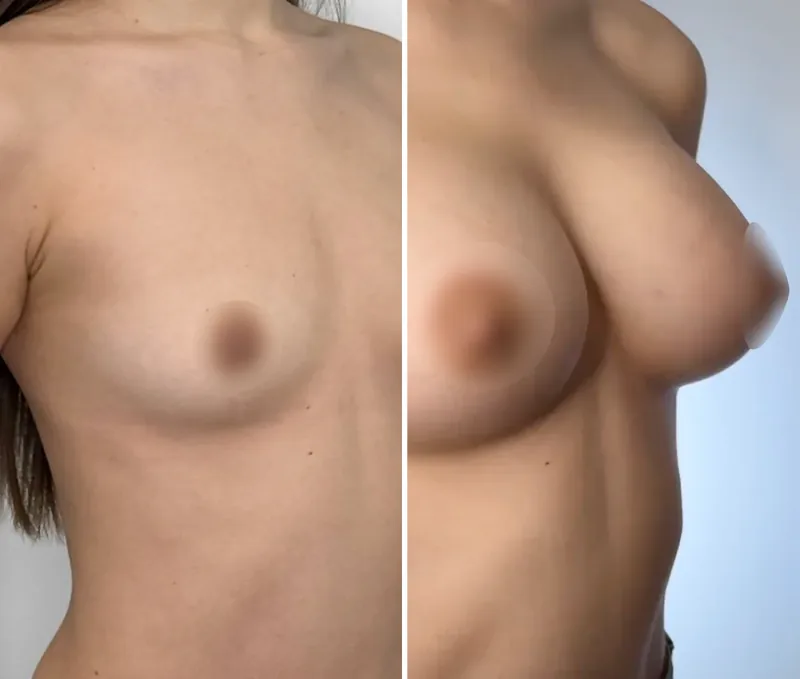
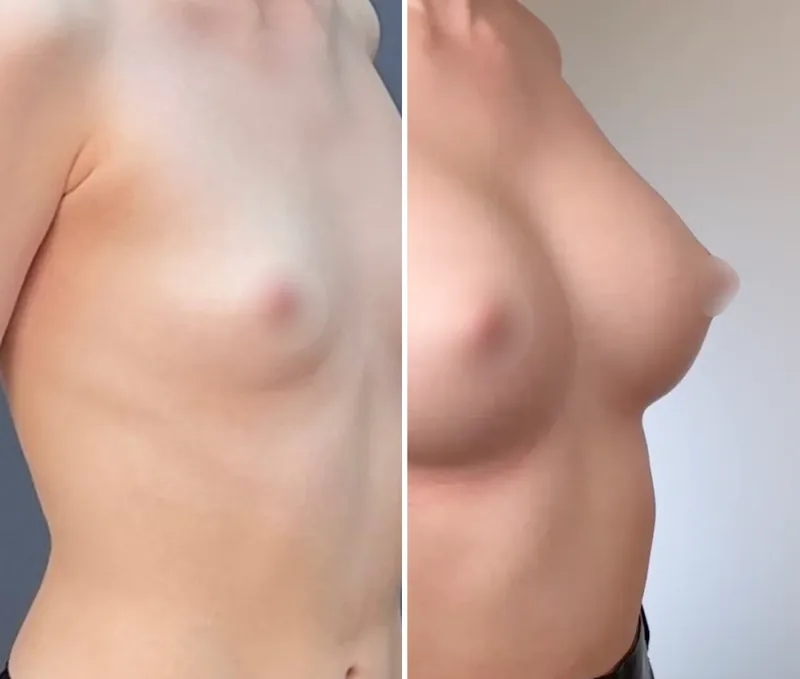
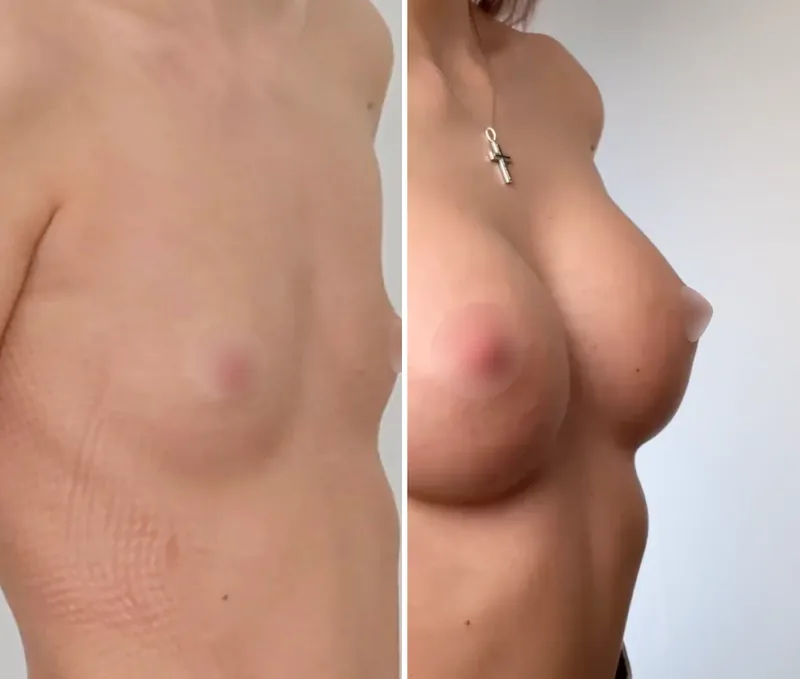
These are real patients of the clinic, with faces and identifying details hidden.
beforeafterMethod: implants
 beforeafter
Method: implants
 beforeafter
Method: implants
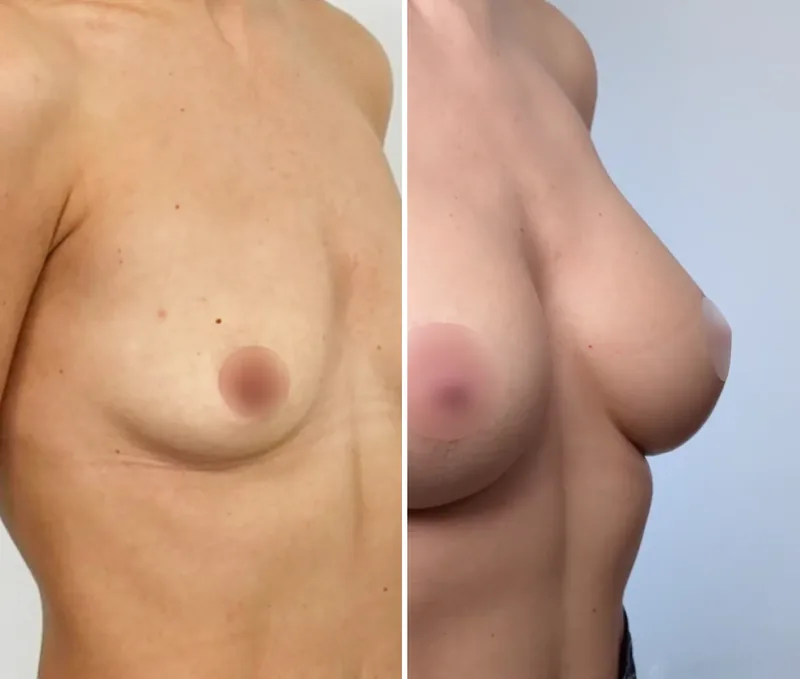 beforeafter
Method: implants
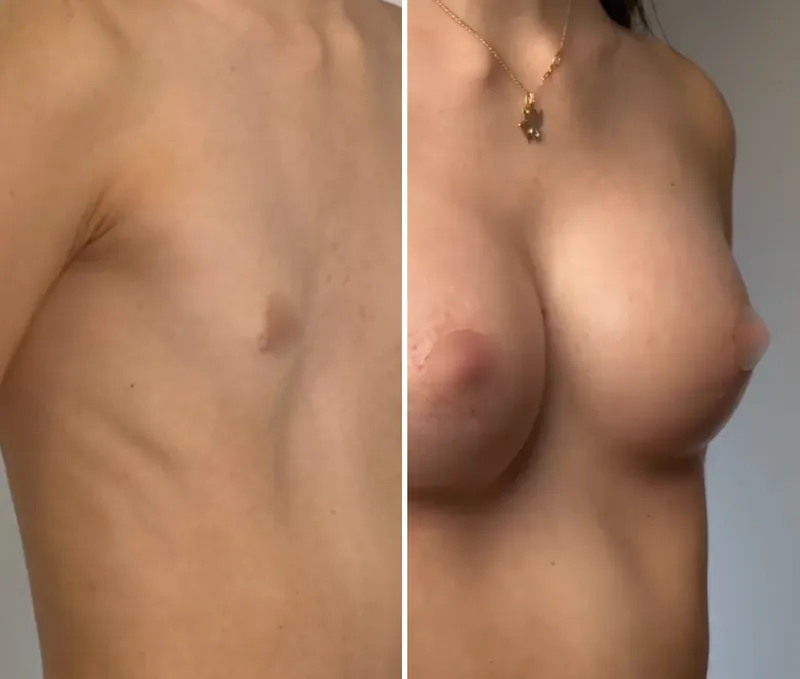 beforeafter
Method: implants
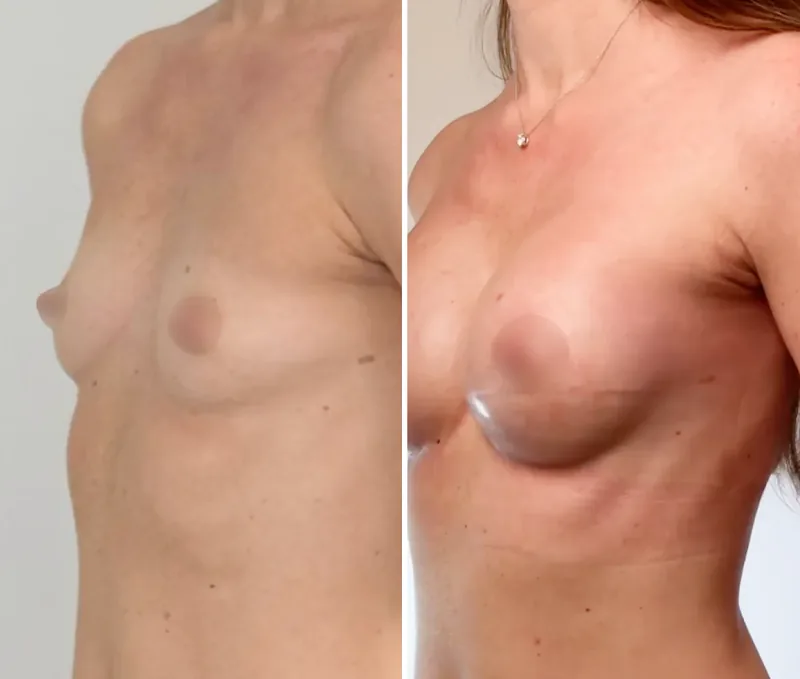 beforeafter
Method: implants
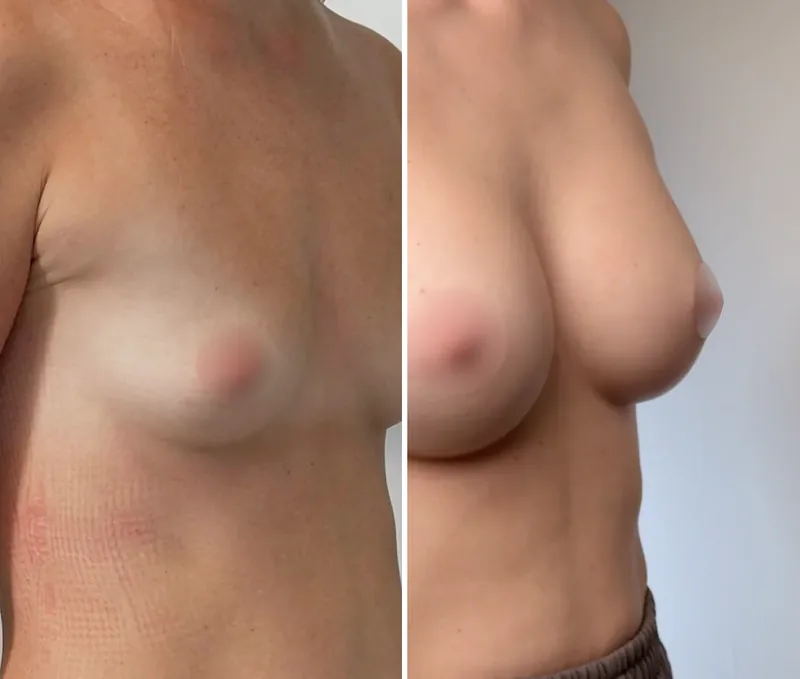 beforeafter
Method: implants
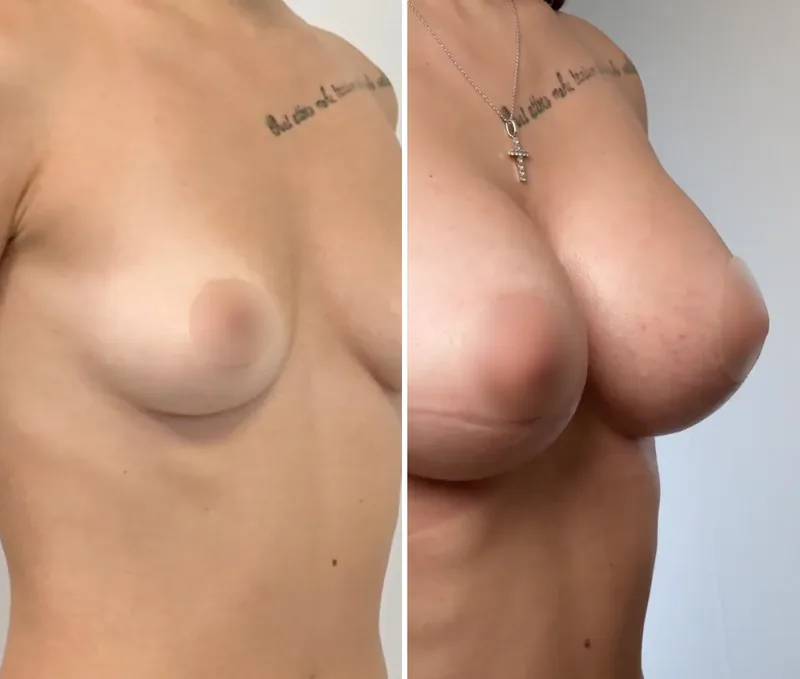 beforeafter
Method: implants
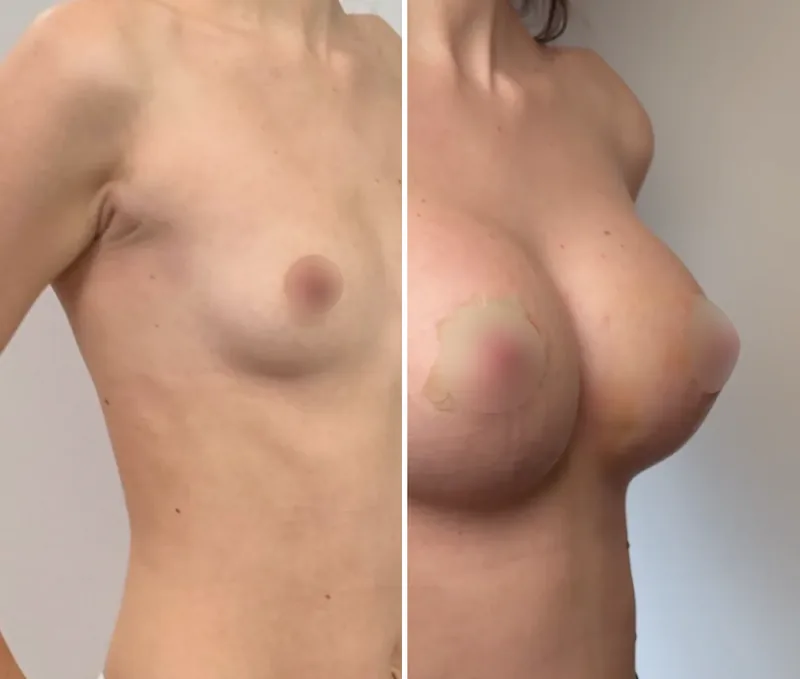 beforeafter
Method: implants
Comparison
There are two main ways we correct the breasts: augmentation and reduction. Compare their goal, how precise the correction is and who they suit, and choose your method with confidence.
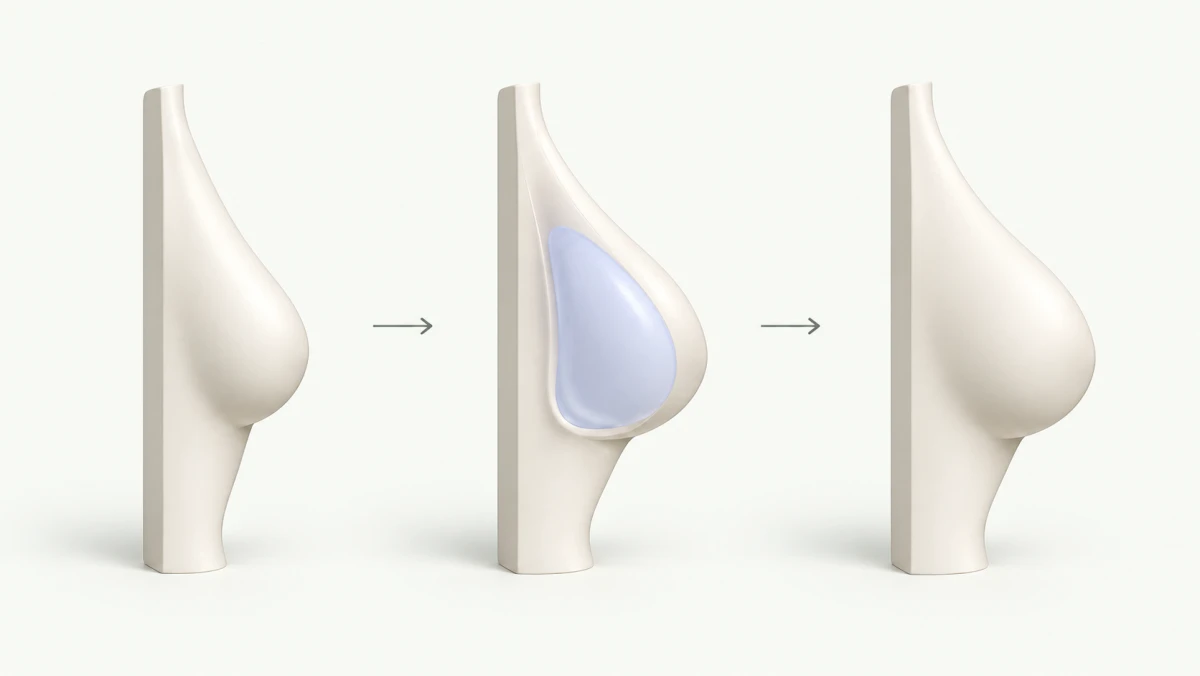
Size and shape correction with implants
Discounted price
$4,700 $5,900
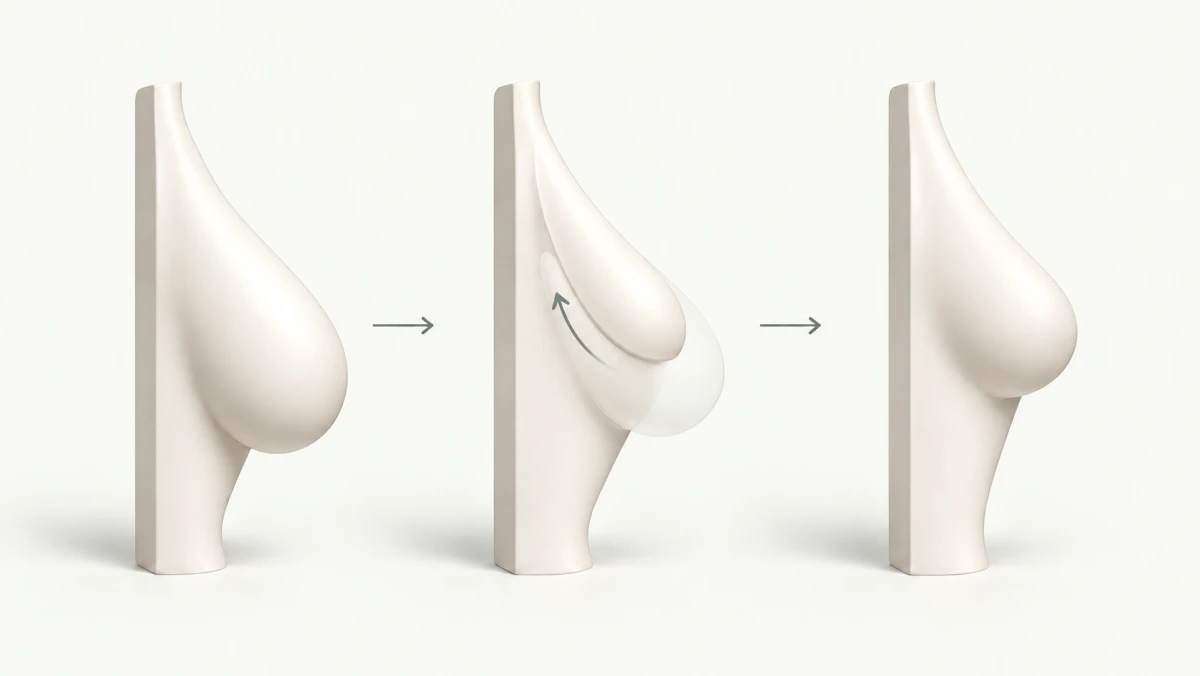
Breast size correction: making the breasts smaller and lighter
Discounted price
$4,700 $5,900
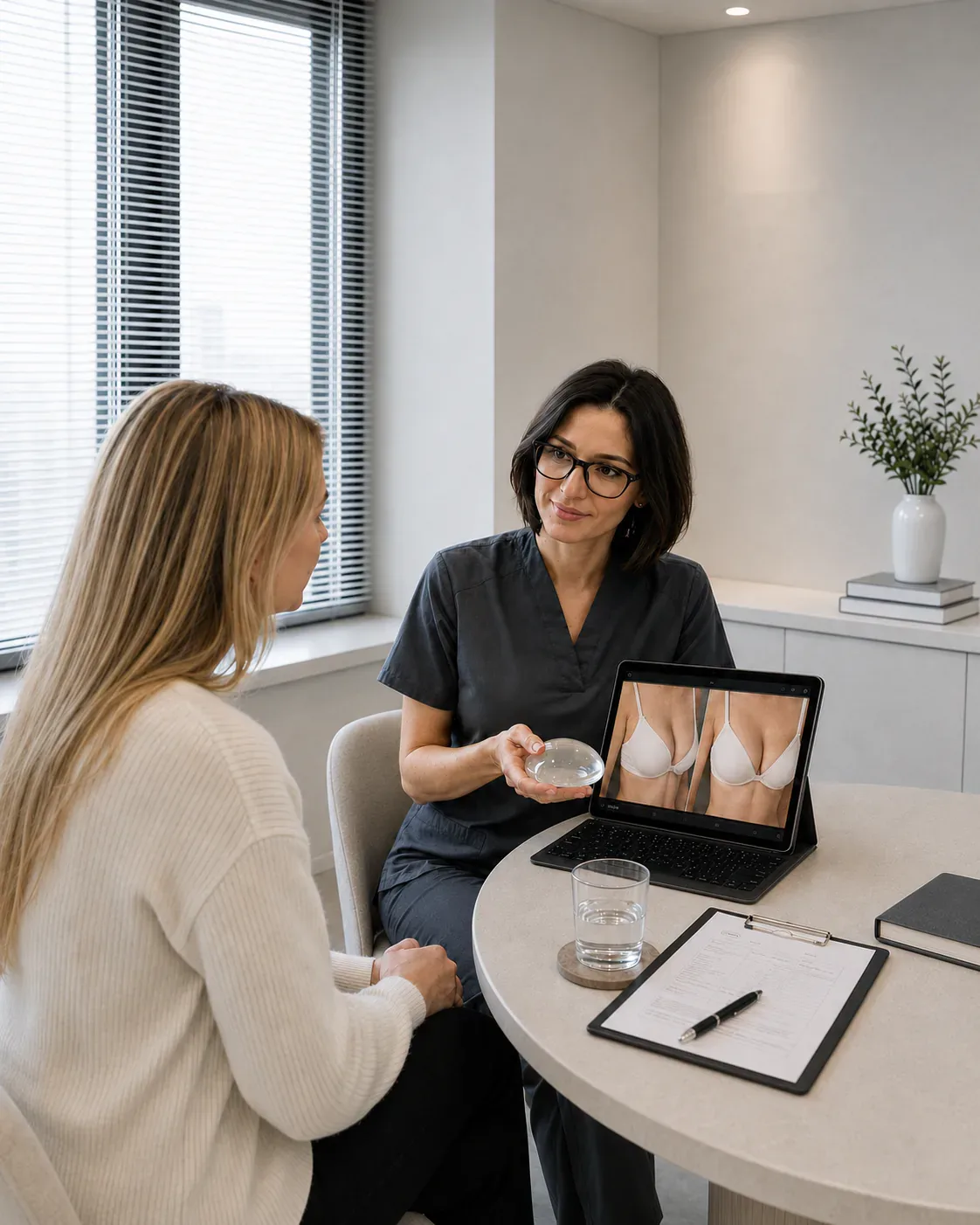
At the consultation the surgeon assesses the shape and proportions of your breasts, discusses your wishes and chooses the best mammoplasty option for you.
The consultation is free, before surgery and with no commitment.
Comparison
We use two main implant types — round and anatomical. Both increase volume and improve breast shape, yet each gives a different contour and result.
Uniform volume and a fuller upper area
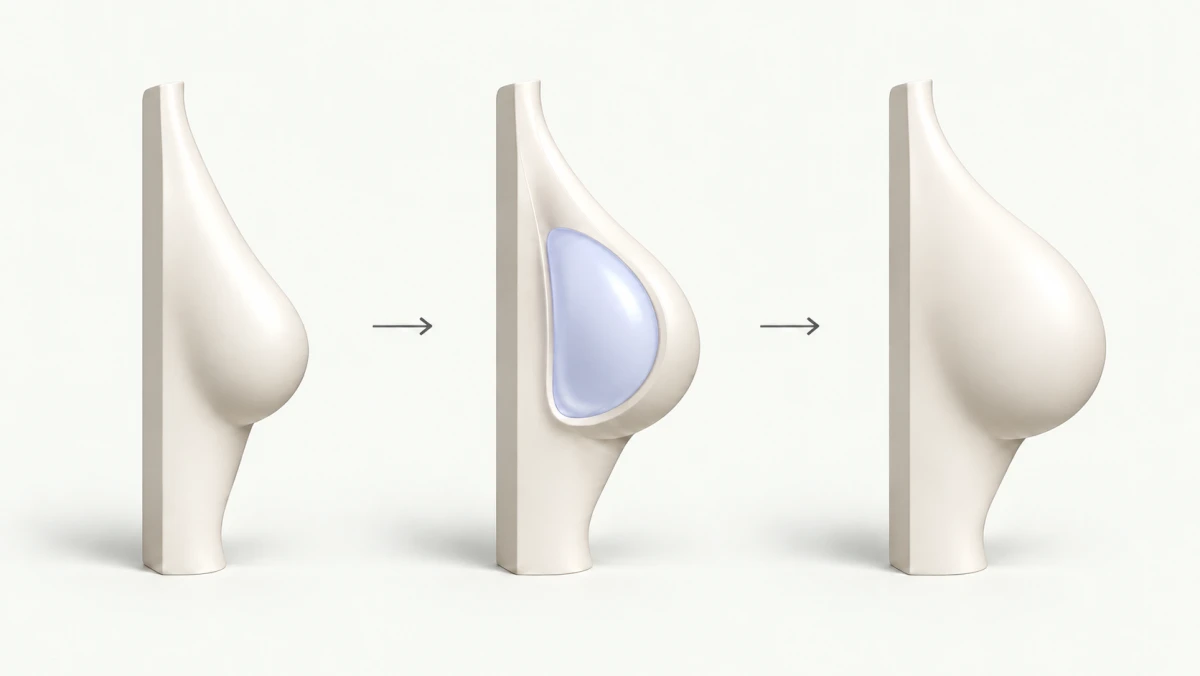
A natural slope with a soft, teardrop-like shape
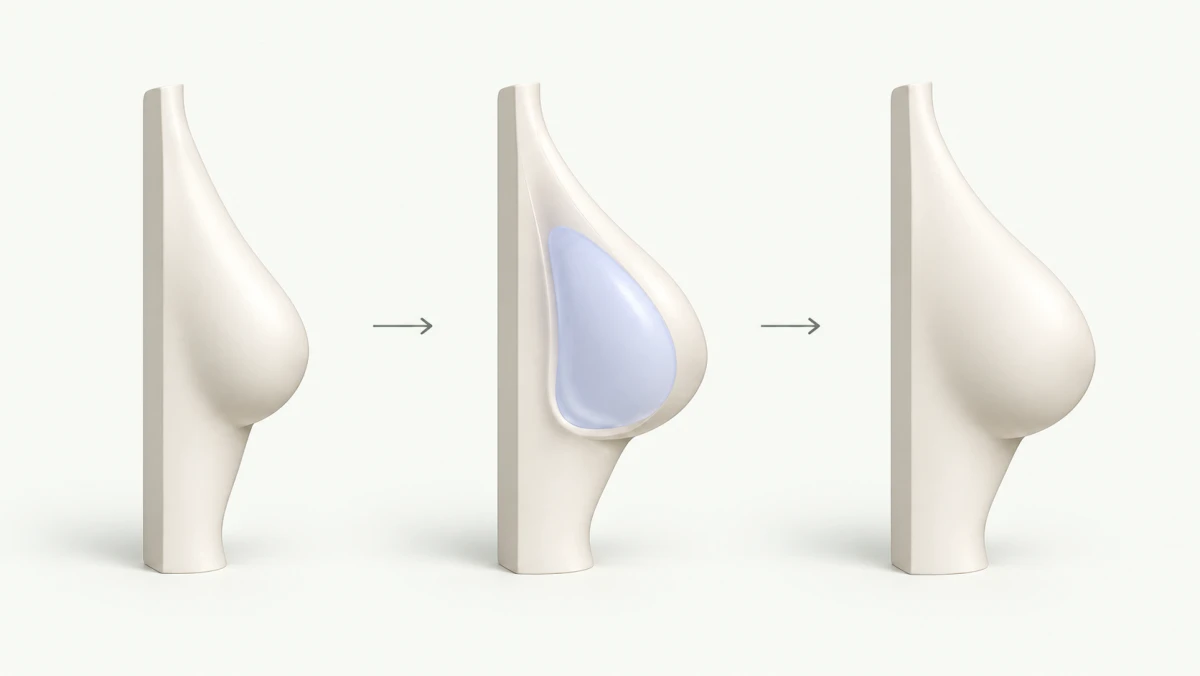
The surgeon will help you choose the implant shape and volume.
The clinic
Each patient gets care, comfortable rooms and modern equipment
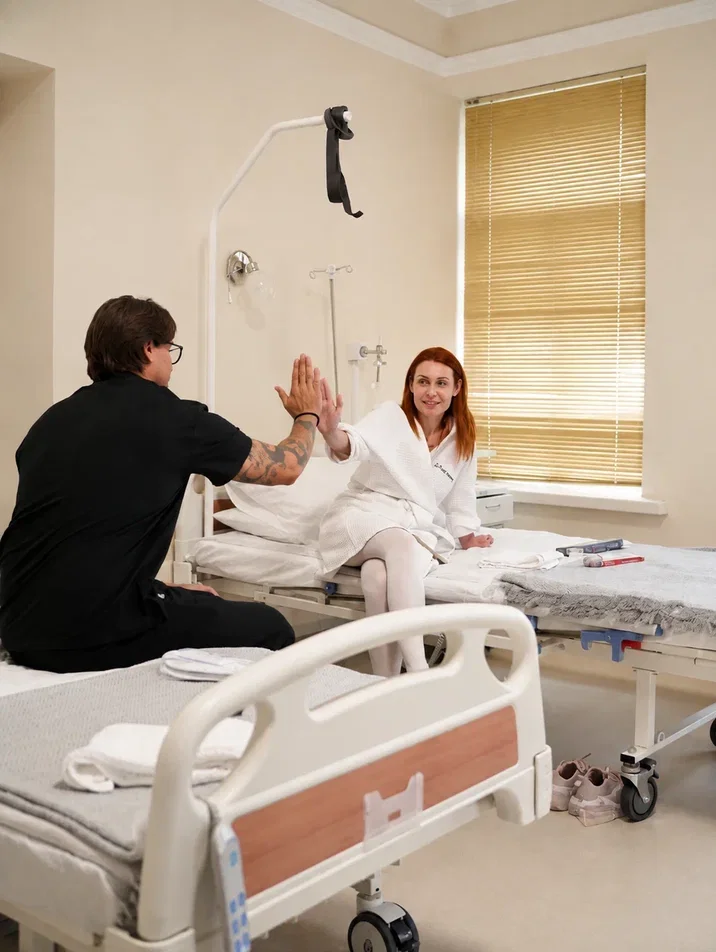
Ask us anything, and we will arrange a consultation at a time that suits you
By messaging us, you agree to our Privacy Policy
Should your case not require surgery, you will hear it from the doctor at the consultation, and no money will be spent in vain.
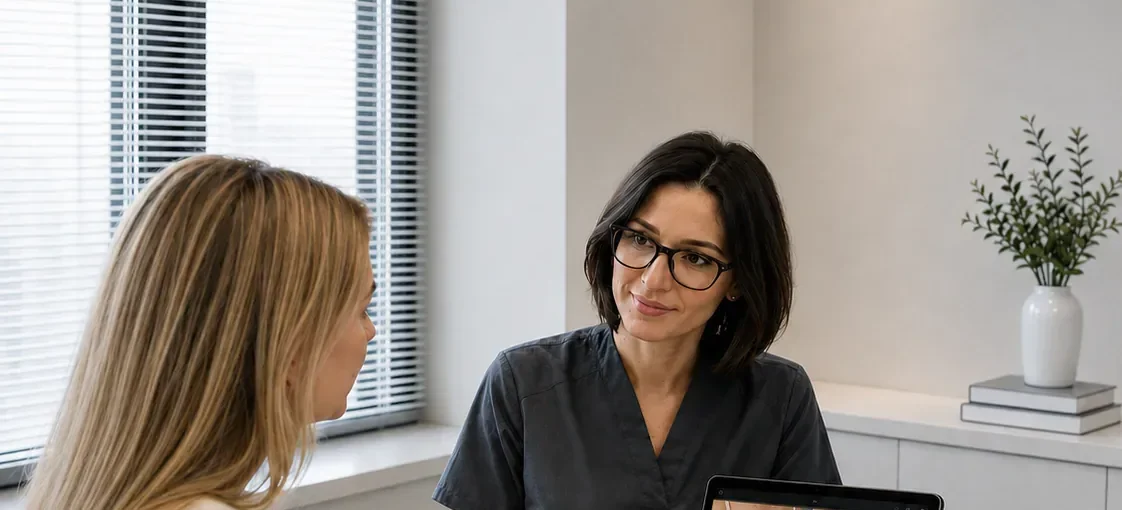

Unsure whether surgery suits your case?
Write to us: your coordinator will request photos in a messenger, and the surgeon will review them and tell you whether mammoplasty suits you.
Find out if it suits me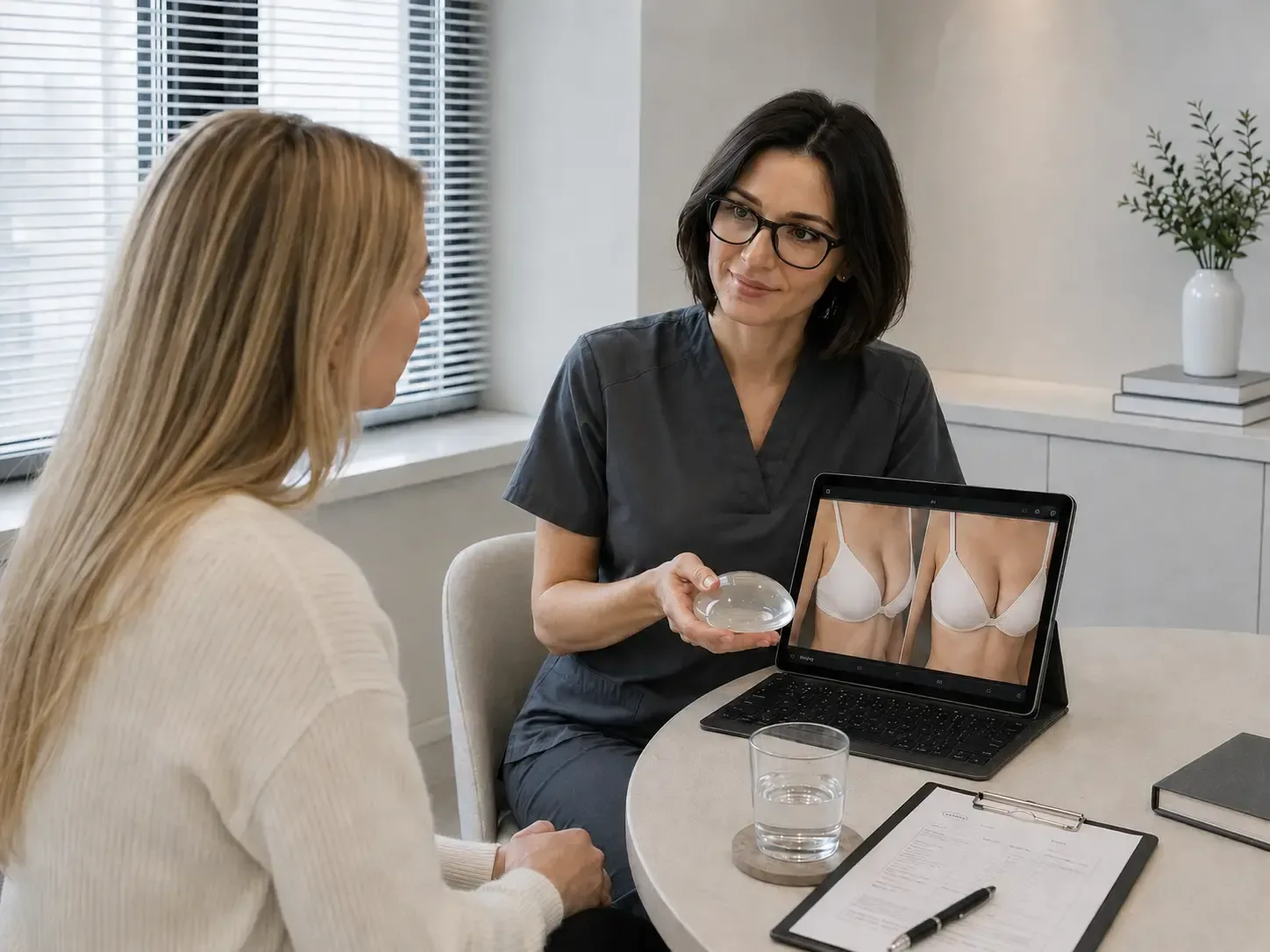
Prices
The price is set at the consultation and fixed in the contract.
Discounted price
Size and shape correction with implants
$4,700$5,900
Discounted price
Reducing the volume and weight of the breasts
$4,700$5,900
Breast restoration after mastectomy
The price is set at the consultation and fixed in the contract.
Get a consultationThe surgeon evaluates the anatomy and proportions of your breasts, hears what you want and selects the most suitable correction method.
The price is set at the consultation and fixed in the contract.
Message our coordinator
Free online consultation · Reply within 15 minutes
Message us on TelegramMessage us on WhatsAppBy messaging us, you agree to our Privacy Policy
all inclusive
Starting with preparation for surgery
and ending with support for 12 months.
Discounted price
$4,700$5,900
How it goes
An agreed plan for correction, hospital observation and a year of recovery monitoring.
 1
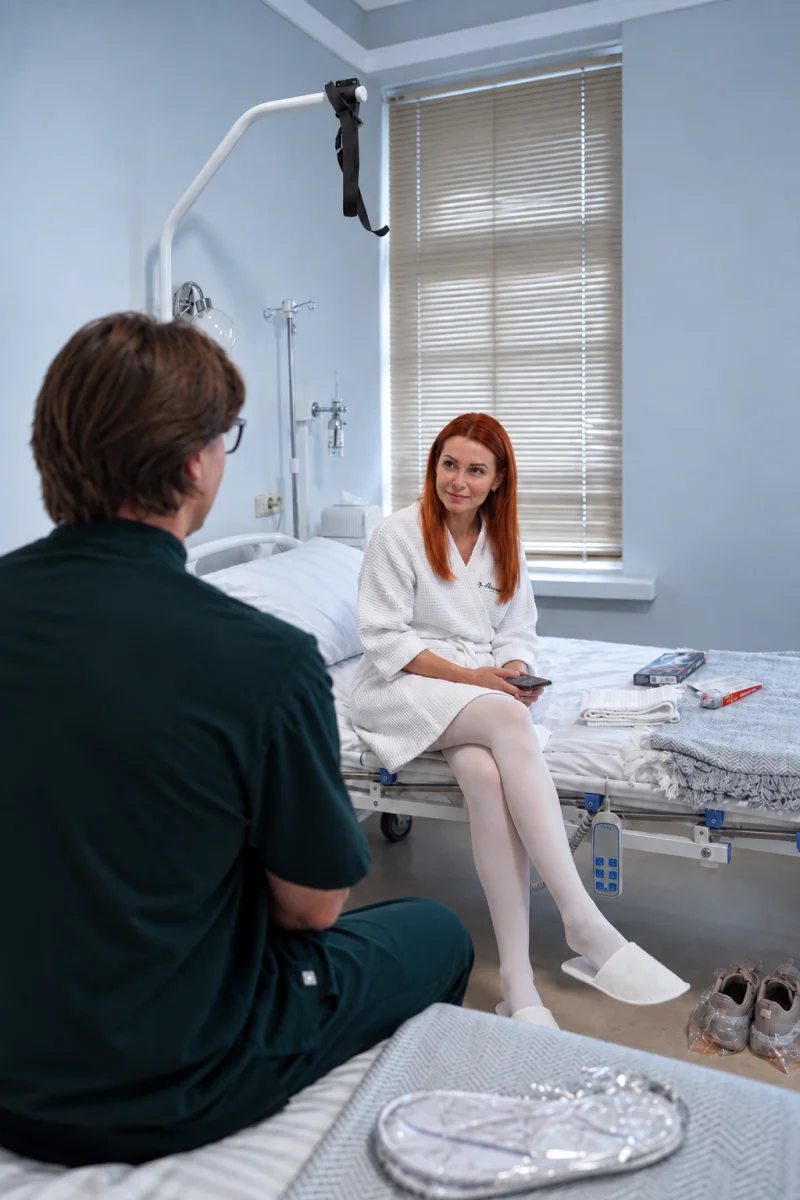
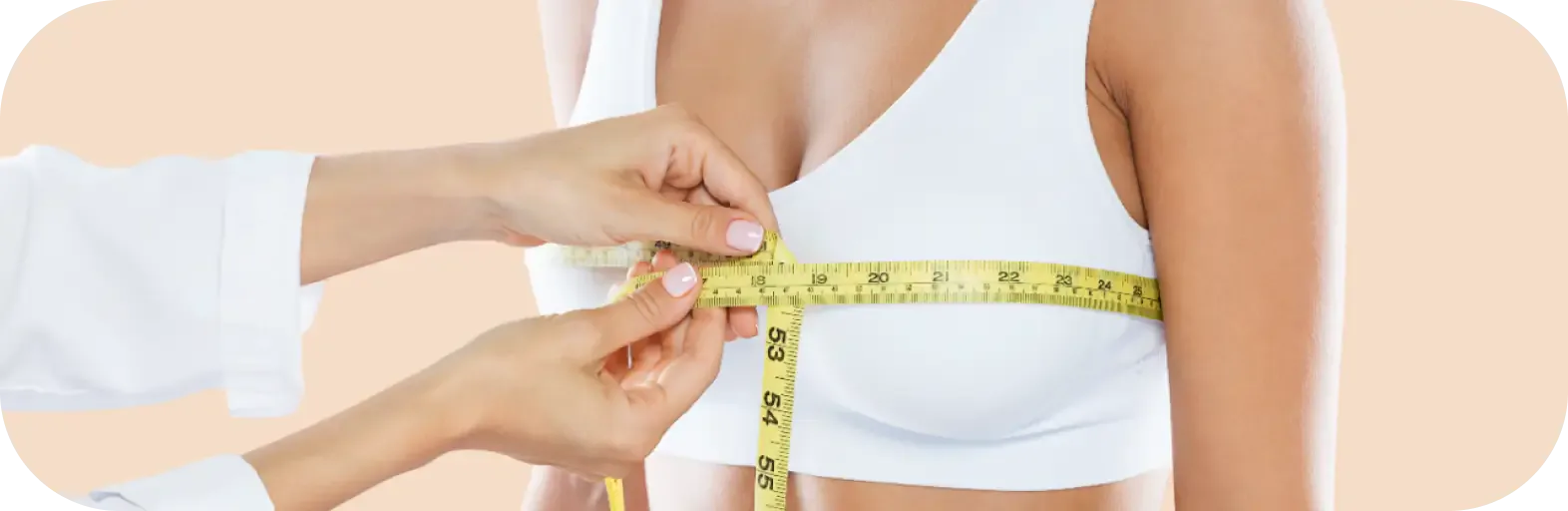
The surgeon examines your figure, discusses your wishes and selects the best volume, shape and correction method.
 2
Your surgery date is reserved for you: the deposit can be paid by card at the clinic or online by bank transfer, and the terms are fixed in the medical services contract
 3
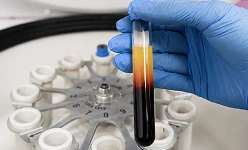
Ahead of surgery you go through full testing — blood tests, an ECG and other examinations as prescribed by the doctor.
 4
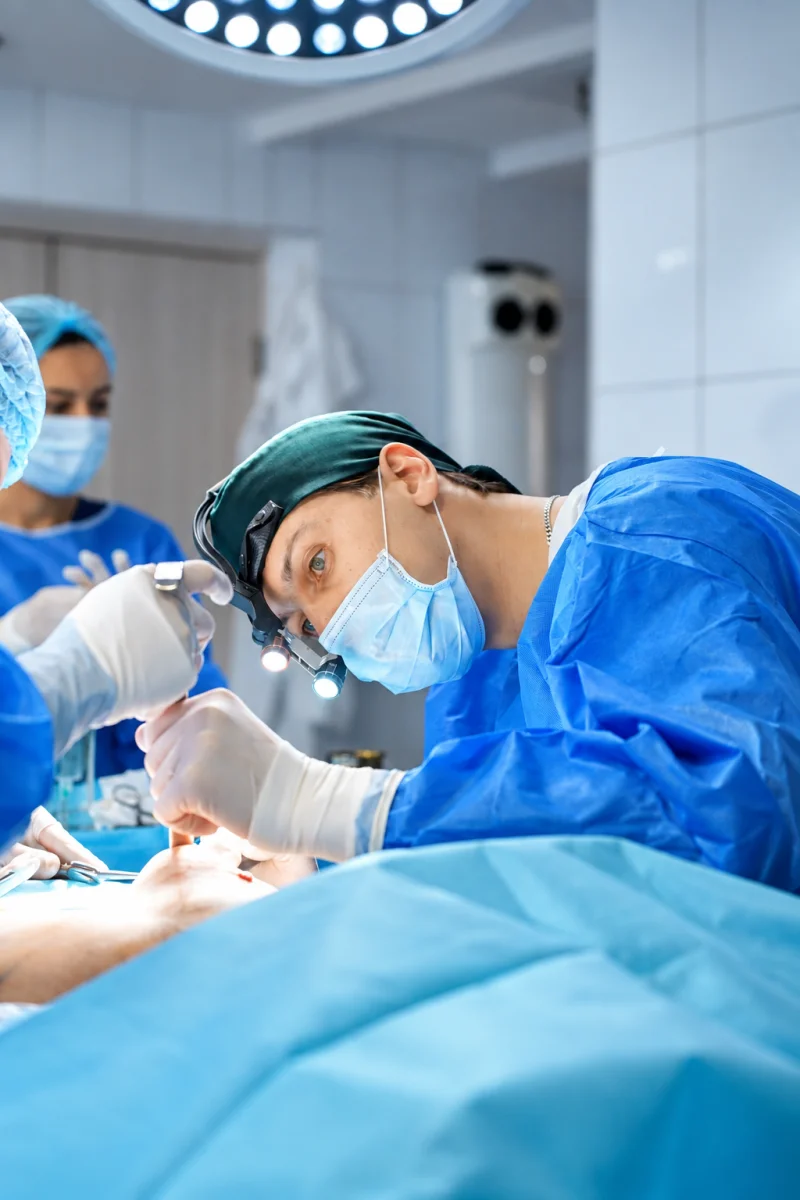
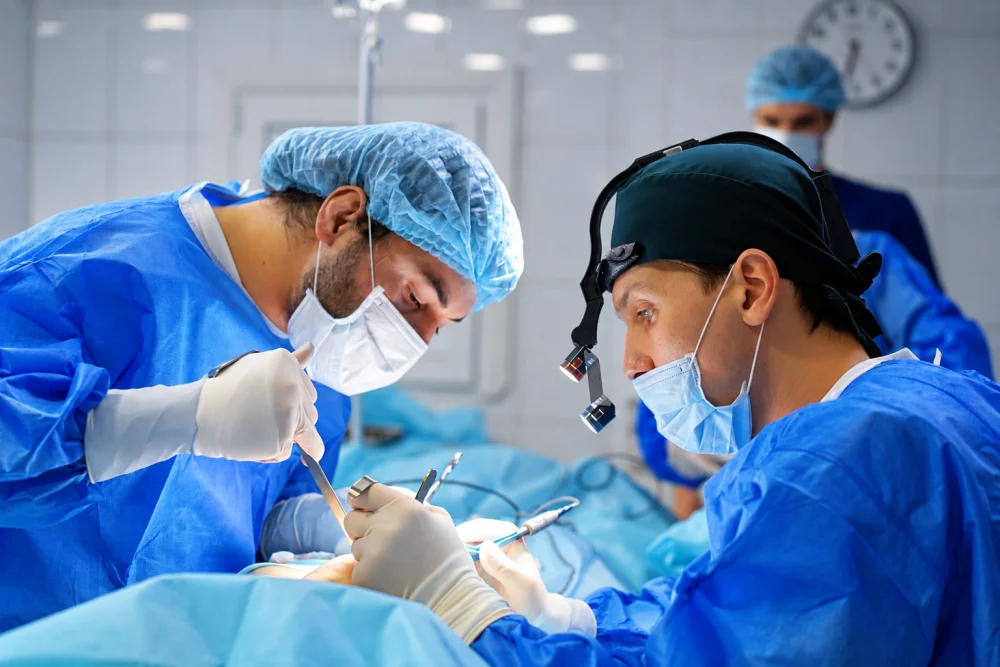
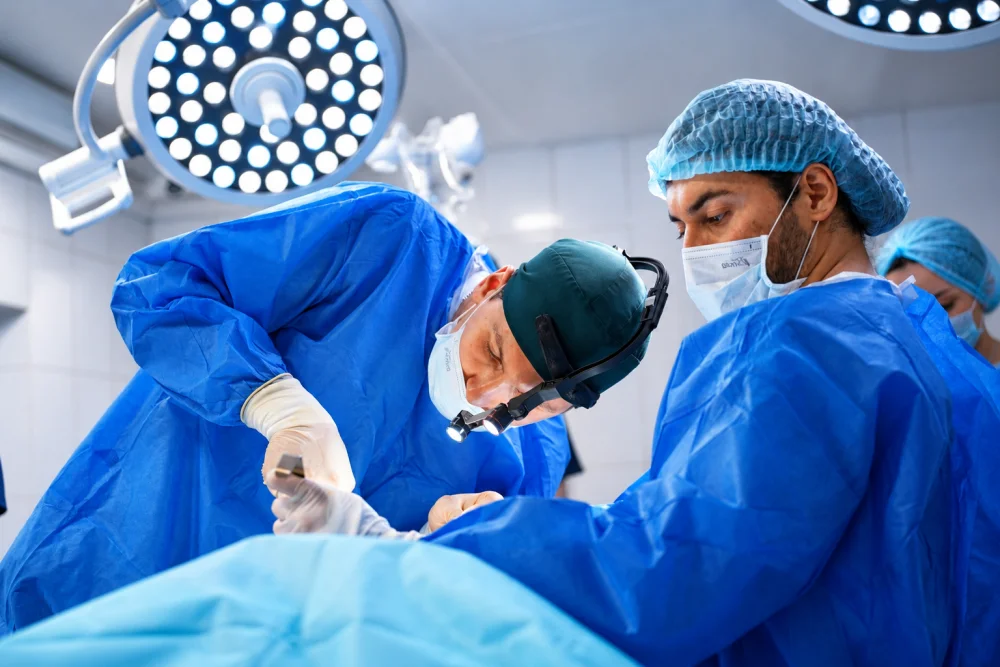
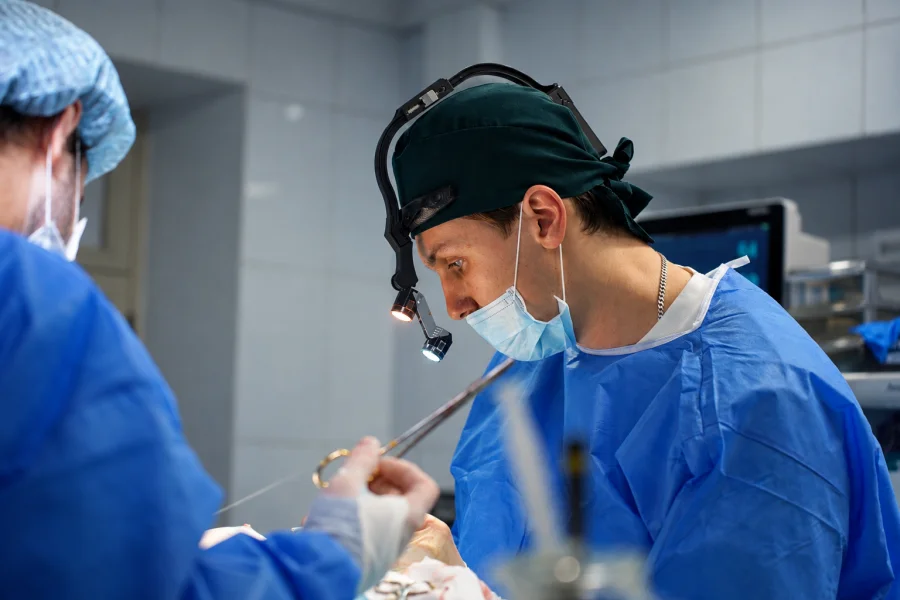
The surgeon performs mammoplasty according to your individual plan. The operation takes place under general anaesthesia with continuous patient monitoring.
 5
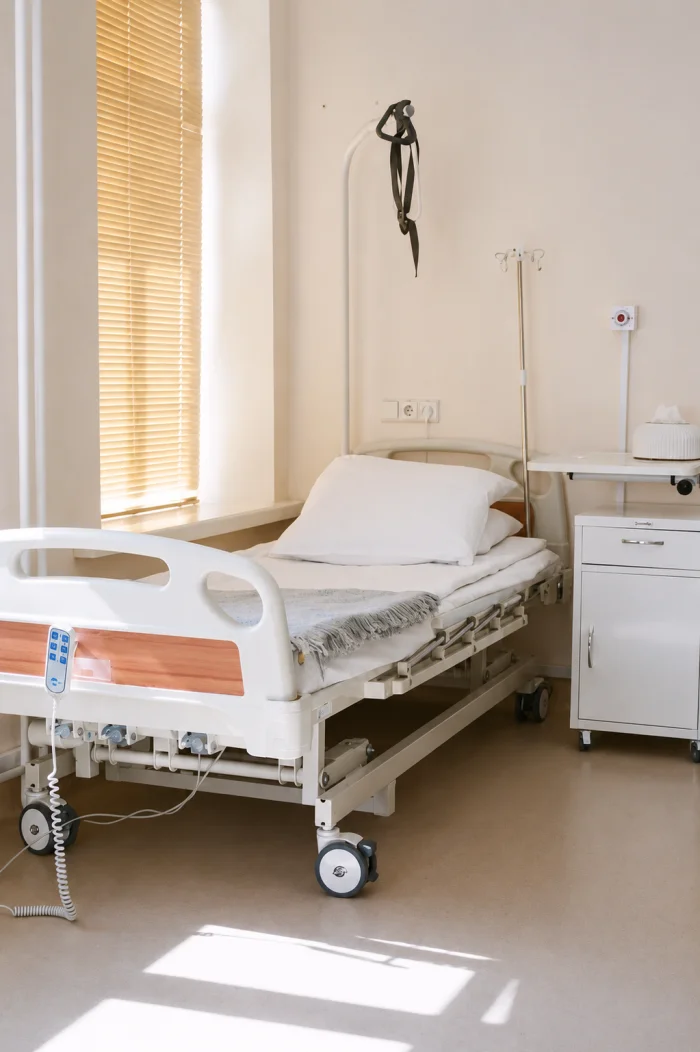
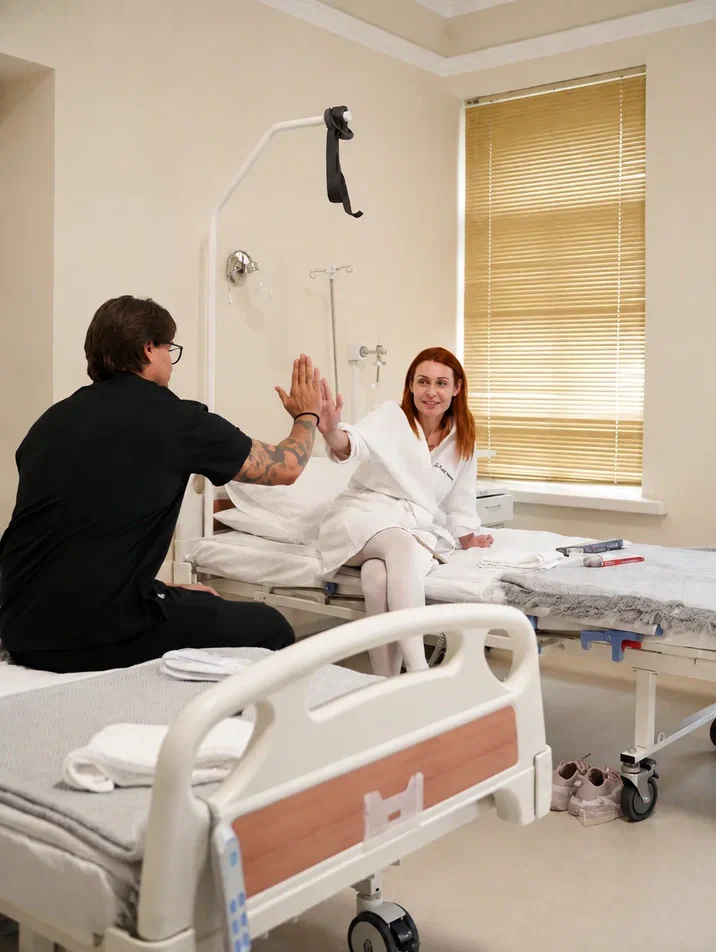
After surgery you stay in the clinic's comfortable inpatient ward under the care of the medical team until discharge.
 6
After surgery you receive a recovery programme. Check-ups at 7 days, 3 and 6 months track your progress, and consultations with your surgeon are free for a year.
Prepare for surgery with a few simple steps: a healthy balance of work and rest, more sleep, no stress, anxiety or strong emotions, and reduced physical activity.
Hormonal birth control pills must be discontinued a month or more before surgery
Ahead of surgery, pause any aspirin-containing medicines, steroids and hormonal drugs taken for chronic conditions
Complete your tests a week before the surgery
Swelling after surgery goes away after 3 weeks
Within 3 weeks, scars form
Avoid exertion (lifting over 3 kg)
No lifting arms above shoulder height — 3 weeks
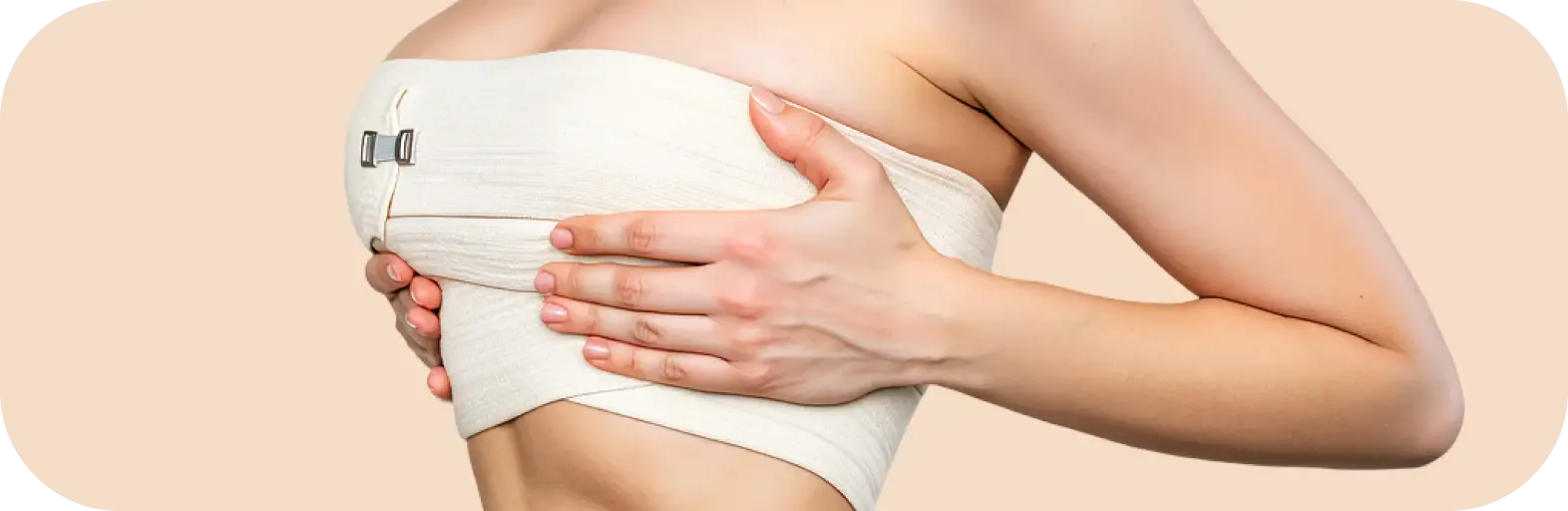
Compression garments are worn for 1–1.5 months as part of recovery after correction
Intense gym workouts should be avoided for up to 40 days, along with overly active aerobics; after a month light cardio may be possible. Watch your diet.
Discomfort goes away after 3 months
Baths and saunas are off-limits up to three months, as is physiotherapy
Within 3 months, the tissue is free of inflammatory changes and a “pocket” surrounds the implant
Doctors
7 years of experience
Plastic surgeon
Underwent residency in plastic surgery at the Petrovsky National Research Centre of Surgery. Specializes in breast and body surgery, aesthetic and reconstructive.
You speak with the operating surgeon at the consultation
An experienced plastic surgeon committed to patients' beauty and health
Book a consultationAdvantages
At the consultation we talk through what you want and model the changes. The surgeon explains the possibilities of surgery so that the goal is clear to you.
Your surgeon follows your recovery and the changes in your breast shape for a full year; check-ups and dressings are included in the price.
We select the shape, volume and correction method according to your anatomy and goals; for augmentation, implant size and profile are chosen just for you.
We respect your time: available 24/7, with easy booking and a personal approach — we adapt to your pace.
After the consultation the surgeon defines the extent of correction, and you get a clear price for the surgery — no surprises on the way to the result you want.

Recovery starts in a comfortable inpatient ward with nursing care around the clock. Your stay and meals are already included in the price.
FAQ
Yes. Boob job is the everyday name for breast augmentation. At City Medical Centre it is done with round or anatomical implants that the surgeon chooses with you at the consultation.
Breast enlargement adds volume with implants. A breast lift (mastopexy) raises sagging breasts and removes excess skin. Which one suits you is decided at the free consultation.
Mammoplasty covers several procedures: augmentation (increasing volume with implants), reduction (removing excess tissue and skin), mastopexy (lift for sagging), reconstruction (after mastectomy) and asymmetry correction. The best method is chosen individually based on your wishes and the surgeon's advice.
Message us — our coordinator will get back to you shortly and book your consultation. The plastic surgeon consultation is free.
As long as all recommendations are kept, complications are rare. Among the possible ones: hematoma or seroma, wound infection, reduced or increased nipple sensitivity, capsular contracture, aesthetic asymmetry, wound separation and tissue necrosis.
Mammoplasty results last a long time: about 10–15 years after augmentation (until implant replacement) and 5–10 years after a lift or reduction. Weight, pregnancy, skin aging and gravity affect how long it lasts. To maintain the result, wear supportive underwear and control your weight.
Breastfeeding after mammoplasty varies with the type of surgery. Lactation is usually preserved after augmentation through an under-breast or armpit incision with the implant under the muscle, because glandular tissue is not injured. After a lift or reduction there is more risk, since ducts may be cut. Discuss this in advance with your surgeon.
Implant choice is based on material (silicone gives the most natural appearance, saline is used more rarely), shape (round or anatomical teardrop), surface (smooth or textured), size and profile. Your surgeon will pick the best one for your anatomy and goals.
Surgery takes place under general anaesthesia, and the patient feels no pain. Moderate discomfort is possible in the first 1–3 days and is managed with painkillers. Pain eases considerably by day 5–7 and discomfort disappears by weeks 2–3. Tell your doctor immediately if pain is severe.
A return to work (no physical exertion) is possible after 7–14 days. Easy walks from 1–2 weeks. Fitness and swimming from 4–6 weeks; strength training from 3 months. Pool and sea from 4–6 weeks. Compression garments for 4–6 weeks. Precise timing depends on your individual recovery.
No scientific data suggest that mammoplasty increases breast cancer risk, and implants are not carcinogenic. After the operation, continue regular screening: self-examination, mammography and ultrasound. Always tell the doctor who examines you about your implants.
After a C-section, mammoplasty can be done once the body has fully healed. At least 6–12 months should pass after delivery and after breastfeeding ends. A consultation and examination by a surgeon are required before the operation.
There are scars after mammoplasty, though a skilled surgeon keeps them minimal. The incisions go in discreet areas, such as under the breast, around the areola or in the armpit. Early on the scars are reddish, but over 6–12 months they fade and are almost unnoticeable.
Slight asymmetry in the first weeks after surgery is normal: it is caused by swelling and uneven healing. If a difference in shape or size persists after 3–6 months, see your surgeon for an examination to find the cause.
After mammoplasty, nipple and breast sensitivity may change temporarily — decrease or increase. The cause is irritation of nerve endings. In most cases sensitivity returns within 3–12 months. If there is no improvement after a year, see your surgeon.
Although hormonal drugs (contraceptives, hormone replacement therapy) have no direct impact on implants, they can produce swelling or changes in breast tissue volume, temporarily affecting appearance. Be sure your surgeon knows about such medications before surgery.
Prices are in US dollars; the amount in brackets is an approximate conversion to EUR at the rate of 02.10.2026. The final price is fixed in your contract.
Prices start from $4,700 (≈ €4,200). The surgeon sets the final price at the free consultation, and it is fixed in the contract, with no hidden extras.
The surgical team's work, anaesthesia, the inpatient stay with meals, dressings and follow-up visits for twelve months.
Message us on WhatsApp or Telegram using the buttons below. A coordinator will answer your questions and book a free consultation where the doctor names the exact price.
By messaging us, you agree to our Privacy Policy
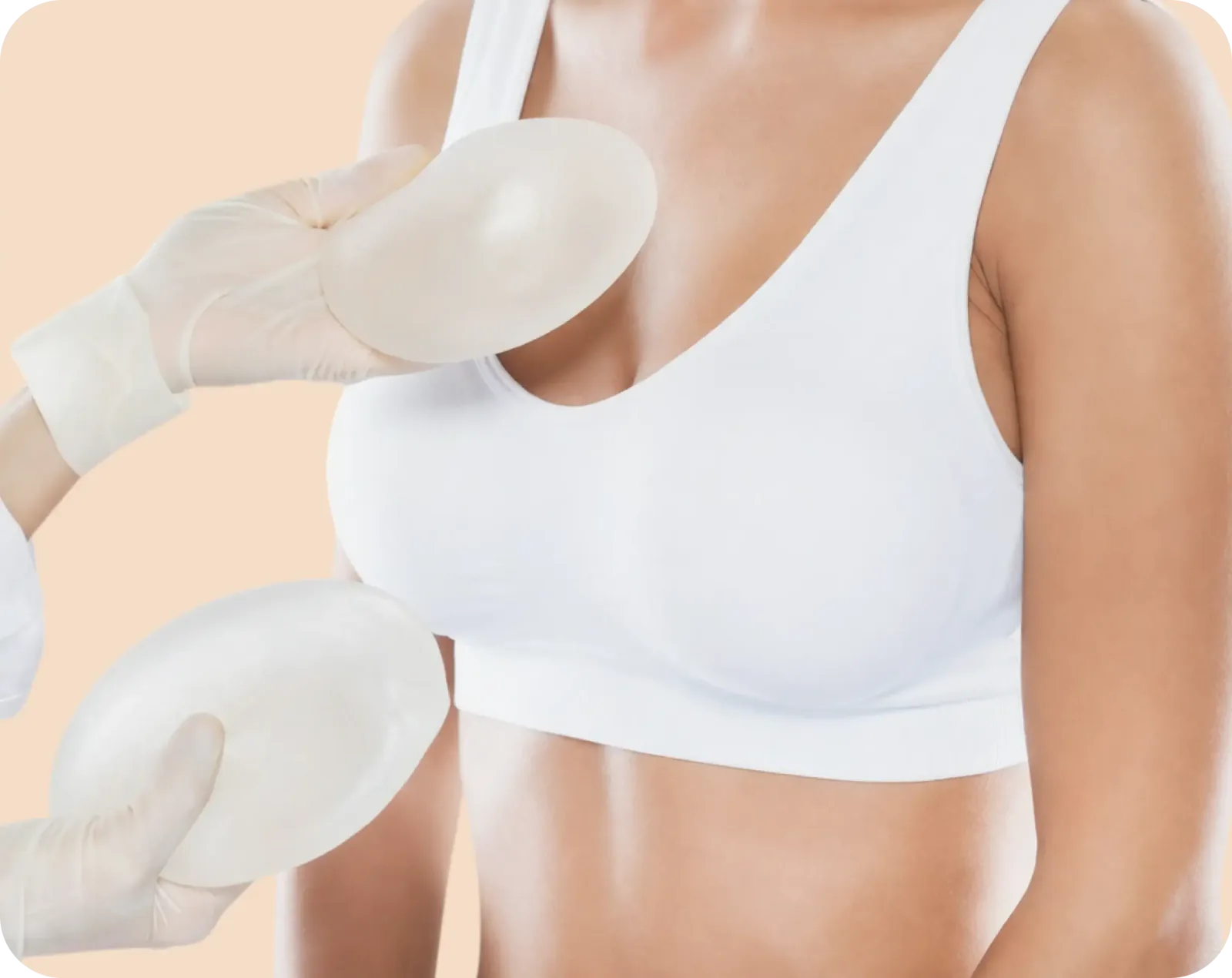
Implants are the core of augmentation, and their choice defines the look. Round or teardrop, smooth or textured shells, different sizes and profiles — every option changes the final contour. If you are weighing breast augmentation in Florence, the plastic surgeon will compare the variants against your anatomy and help pick the one closest to the result you have in mind.
Step one is a meeting with the plastic surgeon to choose size, shape and profile. Step two is a full medical check-up with lab tests, instrumental examinations and, if indicated, a GP, gynecologist or breast specialist. On the day itself, the surgeon marks incisions, places the implant and closes the wound in layers with self-absorbing cosmetic sutures. This is how augmentation goes for Florence patients.
The fixed price starts at $4,700 (≈ €4,200), and everything essential is already in it: anaesthesia, the hospital stay and a year of follow-up by your plastic surgeon. A breast lift with implants is $5,400 (≈ €4,850), implant removal $3,300 (≈ €2,950). Florence residents can book the first consultation free of charge and ask about in-house instalments.
Well-known people who spoke openly about this operation, in their own words.
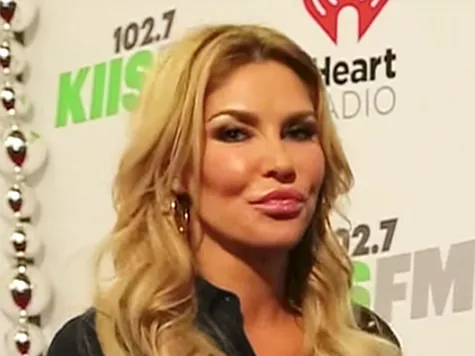 Did Brandi Glanville have a breast augmentation? Yes — a 20-year implant exchangeThe RHOBH star had 20-year-old implants replaced in 2026 — then a dive dislodged one. Her quotes on silicone poisoning and the repair ahead.
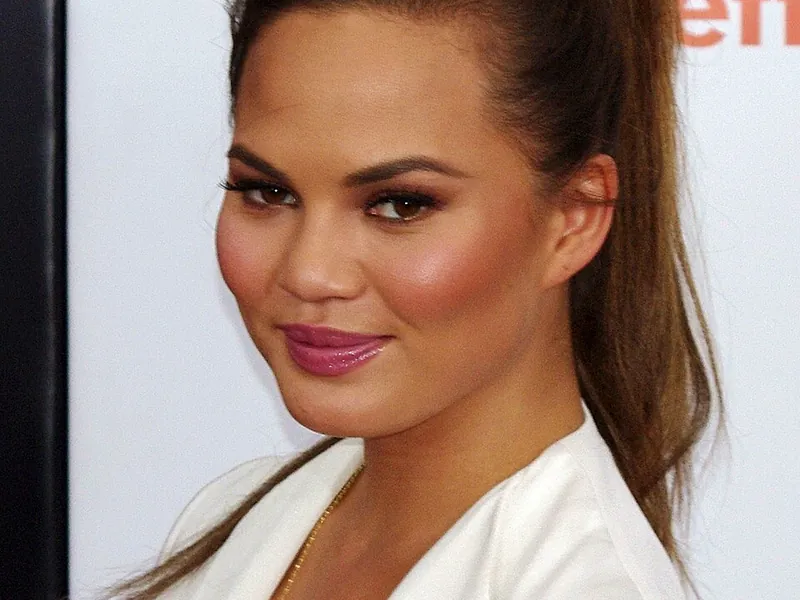 Chrissy Teigen and breast augmentation: what she said about her implantsChrissy Teigen got breast implants at 20 and said they were great to her for many years. Her words, how augmentation works and how to plan long term.
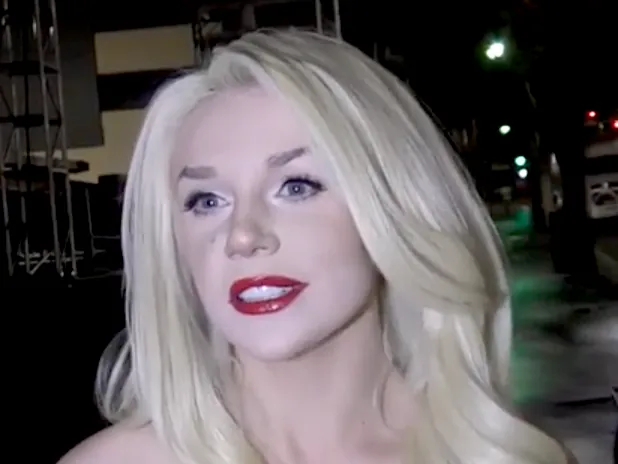 Did Courtney Stodden have a breast augmentation? Yes at 18 — and a reduction at 31The reality star got huge implants at barely 18 and removed them at 31. Their honest quotes on reclaiming the decision and what surgery involves.
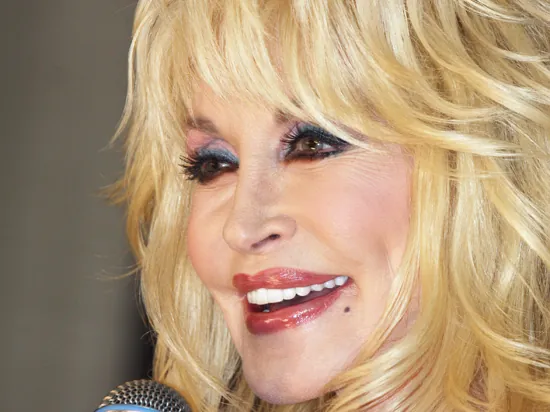 Did Dolly Parton have a breast augmentation? Yes — and she jokes about it openlyThe country queen has never denied her breast implants — from age 22 to today. Her funniest and wisest quotes, and what augmentation involves.
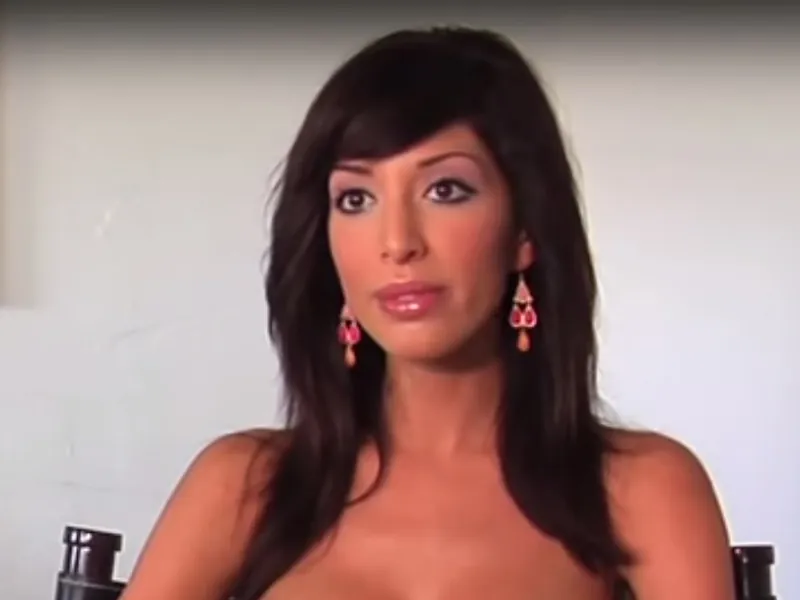 Did Farrah Abraham have a breast augmentation? Yes — and she explained whyThe Teen Mom star's chest changed after her baby and hurt her self-esteem — so she had augmentation. Her quotes and what the operation involves.
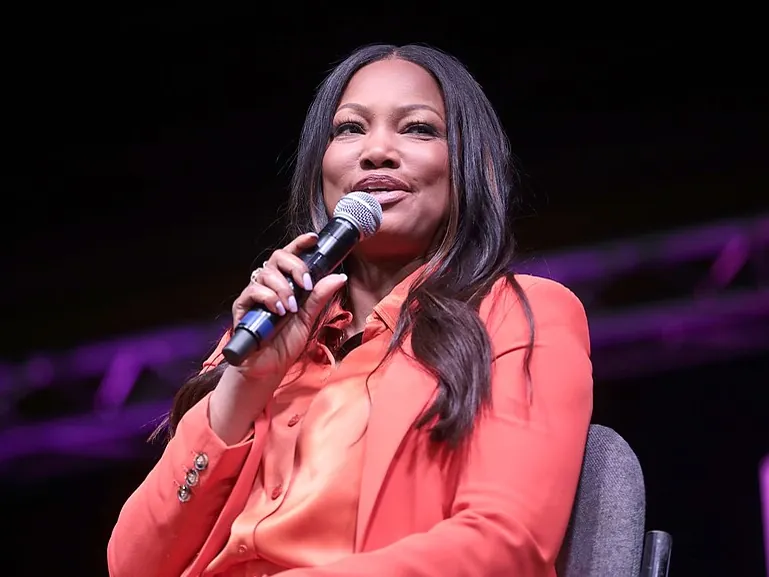 Did Garcelle Beauvais have breast implants? Yes — and she had them removedThe RHOBH star opened up about getting her breast implants removed — and said plastic surgery shouldn't be taboo. Her story and what removal involves.
What patients write after this operation. Reviews are translated from the original language.
Anna Smirnova
I went to Dmitry Sergeyevich for breast augmentation with implants. At the consultation everything was explained in detail, and together we chose the best size. The operation under combined anaesthesia took 2 hours, and I was discharged home the next day. The swelling went down in about a month, and my breasts look very natural. The year of follow-up care is a real lifesaver: you can always ask a question and get an answer. Thank you to the clinic!
Breast augmentation
Doctor: Dmitry S. Kuznetsov
Ekaterina Morozova
After two births I decided on a breast lift without implants. I chose Dmitry Sergeyevich and have no regrets. The result exceeded all my expectations: my breasts are lifted and the shape is youthful and firm. The incisions are minimal and almost invisible. I spent one day in the hospital, and the room was very comfortable. I recommend him!
Breast lift
Doctor: Dmitry S. Kuznetsov
Olga Kuznetsova
I had a combined operation, a breast lift with augmentation, with Dmitry Sergeyevich. At the consultation it was immediately clear that I was in the right place. Everything is included in the price, with no hidden charges. After a month my breasts already feel soft and natural. Personal follow-up after the operation is very valuable.
Breast lift with implants
Doctor: Dmitry S. Kuznetsov
Maria Lebedeva
Breast augmentation from a size 3 to a size 4 with Dmitry Sergeyevich. He chose perfect anatomical implants. The operation took 2 hours, and I woke up with almost no pain. In the ward I was fed and monitored around the clock. Four months have passed and the result looks like a magazine cover.
Breast augmentation
Doctor: Dmitry S. Kuznetsov
Natalia Vorobyova
I went to Dmitry Sergeyevich to correct breast asymmetry with a small lift. A true professional: at the consultation he immediately showed before-and-after photos of similar cases. Recovery was easy and the swelling went down quickly. I had my check-up after just 7 days. An excellent clinic!
Breast reconstruction
Doctor: Dmitry S. Kuznetsov
Yulia Romanova
I had a lift with implants after losing a lot of weight. I chose Dmitry Sergeyevich. At the consultation everything was explained in simple words, and my fears were gone. One day in the hospital, then care at home. Now my breasts look natural and keep their shape. I am very happy!
Breast lift with implants
Doctor: Dmitry S. Kuznetsov
Page medically reviewed by Dmitry S. Kuznetsov, plastic surgeon. Review date: .
The medical text for this procedure sets the compression garment at 1 to 1.5 months, and the FAQ gives 4 to 6 weeks for the same item. Florence has a climate in which that period can feel very different depending on when the operation falls. At the main weather station, the 1991-2020 July mean high is 32.3 °C with a mean low of 18.4 °C, and August is almost identical at 32.4 °C and 18.5 °C. Days with a maximum of 30 °C or more average 71 a year, so a patient who schedules the operation in late spring or early summer will wear the garment into the hottest part of the calendar.
This does not make summer impossible. It means the practical details deserve attention in advance. The plan agreed at the consultation fixes the length of wear, and the garment is part of recovery rather than an accessory you can drop when it becomes uncomfortable. Several things are worth thinking about before a date is reserved: how many washable garments you will have, what you will wear over the top, and how you will manage a bedroom where the night-time low stays near 18 °C. These are questions for the coordinator on WhatsApp or Telegram, which are answered round the clock, so a warm evening is not a reason to wait until morning.
Humidity matters as well. Annual relative humidity in Florence averages 66.7%, with January at 71.5% and July at 60.6%. Damp winter air and dry summer air suit different fabrics. In the first days after surgery the medical text mentions dressings and check-ups, and the doctor will tell you what to do about skin care under the garment. Do not invent your own routine from forums; send a photo to the coordinator if something looks unusual.
Winter has its own character. The January mean high is 11.2 °C and the mean low 2.1 °C, and about 28.5 days a year have a minimum below freezing. The garment is a comfortable extra layer in those months. A coat is another matter, because lifting the arms above shoulder level is not allowed for 3 weeks. A coat that is easy to put on, with wide sleeves and a front opening, is a sensible choice for the first weeks. That is a practical note, not a medical instruction, and the doctor's recommendations always take precedence.
The extremes in the climate record are 42.6 °C (26 July 1983) and -23.2 °C (12 January 1985). Everyday planning rarely needs them, but they show that this basin on the Arno can be harsh in both directions. For a patient who will be at home recovering for 7 to 14 days before returning to desk work, a cool room in July or a warm one in January matters more than most people expect.
The weather in Florence also shapes how comfortable the first weeks of healing feel. The city receives 788 mm of precipitation a year on 84.7 days with at least 1 mm. November is the wettest month at 115.3 mm, followed by October at 105.1 mm, while July is the driest at 24.6 mm. Sunshine totals 2,246.3 hours a year, from 93.0 hours in January to 313.1 hours in July.
Here is how that fits the medical timeline. Suppose the operation takes place on 16 November 2026. The first 1 to 3 days bring moderate discomfort, which the FAQ says is eased with painkillers. By day 5 to 7 the pain is much milder, and the first check-up falls at 7 days. Easy walks are possible from 1 to 2 weeks. A patient recovering in a month with 115.3 mm of rain on average can still go for short walks between showers, but should avoid slippery pavements and avoid carrying an umbrella and a heavy bag at the same time, because lifting over 3 kg is excluded for 3 weeks.
Sunshine is relevant to the scars. The text says scars develop within 3 weeks, and the general advice is to follow the doctor's instructions about sun exposure. This block does not invent a protection regimen. What the climate figures allow us to say is that a July operation means roughly 313 hours of sunshine in the very month the scars are maturing, while a January operation means 93 hours. Neither is better in itself, but each calls for a different conversation with the doctor about clothing and exposure.
Thunder occurs on about 10 days a year, which is a minor point. It is mentioned only because storms can disrupt a plan to go out, and a patient in the first week should not be pushed to leave home on a day when the weather is poor. The coordinators can move a video check-in time to suit you; consultations by message are not tied to a single slot.
Sport is often the part of recovery patients ask about first. The medical text is clear on this. No strenuous activity and no lifting over 3 kg for 3 weeks. No raising arms above shoulder level for 3 weeks. Intense gym training is skipped for up to 40 days, and overly active aerobics are avoided. Light cardio may be possible after a month. Fitness and swimming are given as 4 to 6 weeks in the FAQ, with the pool and sea also from 4 to 6 weeks. Strength training is back at 3 months. Baths, saunas and physiotherapy are not allowed for up to three months.
Take a worked example. A patient operated on 12 April 2027 would return to office work between 19 and 26 April, since the text gives 7 to 14 days. The 3-week limit on lifting and on raising the arms ends on 3 May. The compression garment runs for 1 to 1.5 months, so roughly to mid or late May. Swimming from 4 to 6 weeks means between about 10 and 24 May. The 40 days without intense gym training end on 22 May, and strength training returns at 3 months, around 12 July. This is arithmetic from the stated ranges, not a promise about your own recovery; the doctor sets exact timing.
For anyone who does upper-body work, whether in a gym, climbing, rowing or carrying loads for a living, the 3 kg limit and the shoulder-height limit are the two numbers to take seriously. A patient who normally handles heavy equipment should talk this through with the coordinator before booking, because "back to work after 7-14 days" applies to work without physical exertion. If your job involves lifting, the return date is a different conversation.
The city has a strong sporting identity. ACF Fiorentina was formed in 1926, won the championship in 1956 and 1969, and plays at the Stadio Artemio Franchi, which holds 47,282. Watching football from a seat is a light activity, but a crowded stand involves pushing, jostling and raised arms for celebrations. In the first 3 weeks, it is wiser to watch at home. This is a reasoned suggestion, not a medical rule from the text.
The sauna and bath restriction of up to three months is the one patients forget. Thermal pools and hot baths are not allowed during that period, and the text lists baths, saunas and physiotherapy together. Warm showers are a separate matter, and the doctor will specify how and when you may wash around the dressings.
Planning is easier when you know which days are fixed. Italy's national holidays include 1 January, 6 January, Easter Monday, 25 April, 1 May, 2 June, 15 August, 4 October, 1 November, 8 December, 25 December and 26 December, and every Sunday is a holiday. Florence adds its own: Calcio Fiorentino is played in the third week of June in Piazza Santa Croce, with two semi-finals and a final on 24 June, which is St John the Baptist's day and the city's patron-saint holiday. Easter Sunday brings the Scoppio del Carro at Piazza del Duomo, with the cart drawn from Porta al Prato.
How does this help a patient? Holidays are useful because they can extend a short recovery without using extra leave. Consider a date shortly before Easter 2027, which falls on 28 March, with Easter Monday on 29 March. An operation on 22 March would put the first week of home recovery, the 7-day check-in and the first return to light activity around a long weekend. By contrast, a patient who books for early June could find that 2 June and the Calcio Fiorentino week, ending 24 June, fall in the 3-week window when lifting and raising the arms are restricted. Crowded squares are not where you want to be.
Another example for the autumn: an operation on 16 November 2026 means the 7-day check-up falls on 23 November, the 3-week restrictions end on 7 December, and 8 December is a public holiday. The compression garment runs until between mid and late December. Strength training returns at 3 months, around 16 February 2027. The calendar of 25 and 26 December then arrives after most of the early restrictions have passed. A patient can plan family meals with this in mind, though you should not expect to carry large dishes before 3 weeks.
For students, the University of Florence has about 50,000 students, and the city article mentions over 8,000 US students in study programmes. We make no claims about semester dates, which vary. What the figures say is that a large part of the city's population is of student age, and that lectures, practical sessions and exam periods are real obligations. A student who wants to have breast augmentation should be aged 18 or older, since the text lists age under 18 as not suitable, and should discuss with the coordinator how to fit 7 to 14 days of rest around coursework.
For anyone working in tourism, the numbers are large: over 4.95 million arrivals in 2015, 8.5 million overnight stays in 2014, and over 1.93 million Uffizi tickets sold in 2014. We do not know the staffing pattern in your workplace. If your job is on your feet in a busy season, mention it to the coordinator. The 7 to 14 days applies to work with no physical exertion, and standing and carrying trays is a different category.
Italy's Servizio Sanitario Nazionale was established in 1978 and provides universal coverage to citizens and residents. It is run on a regional basis and sets national Essential Levels of Care. For a purely aesthetic procedure, however, the position is stated plainly in a January 2024 article: aesthetic surgery is "accessibile soltanto attraverso prestazioni private." Breast augmentation chosen for appearance therefore sits outside what the SSN pays for.
The same source lists what the SSN does cover: reconstructive surgery after trauma, burns and mastectomy, and defined functional cases. Our medical text lists breast reconstruction after mastectomy among the procedures, with the amount settled at the consultation. A patient in Florence who needs reconstruction after mastectomy should therefore ask two questions. One is what the public system offers. The other is what an additional private consultation might add. We do not compare the two, and we do not suggest one is a substitute for the other. Our consultation is free and online, and its purpose is to explain options.
Waiting times are also relevant. English-language sources describe them as usually up to a few months in the big public facilities and up to a few weeks in private facilities contracted with the SSN. No official waiting-list figure was found, so treat this as general background. For an aesthetic procedure it matters less, because the SSN is not the route. What matters is that the date is yours to choose and can be reserved after the consultation, once the plan is agreed.
Italy's health spending was 9.7% of GDP in 2020, and life expectancy was 83.4 years in 2018 according to the OECD, fourth highest among its members. National data for 2023 show 46.3% of adults aged 18 and over as overweight or obese, and 35% of people aged 3 and over as sedentary. These are national figures with no regional split, so they cannot describe Florence specifically. They are relevant to one point: weight changes affect results. The text says weight changes, pregnancy, skin ageing and gravity influence how long the result lasts, which the FAQ puts at about 10 to 15 years for augmentation until implant replacement.
Everything below comes from the medical text, arranged as a timeline. One to two months in advance: keep a healthy work-rest balance, sleep more, avoid stress and strong emotions, and reduce physical activity. Hormonal oral contraceptives are stopped at least one month before the procedure. One to two weeks before: aspirin-containing drugs, steroids and hormonal medications for chronic conditions are discontinued as the doctor instructs. Tests, including blood tests and an ECG, are done a week before the operation.
The procedure itself is under general anaesthesia, with one day at the clinic. After that, check-ups come at 7 days, 3 months and 6 months, and consultations with the doctor are free for a year. Dressings and check-ups are included for a full year. Because the follow-up runs online, a patient in Florence does not need to schedule appointments around a commute; photos go to the coordinator by message.
Some conditions are not suitable for the operation: pregnancy and breastfeeding, acute infectious diseases, inflammation or damaged skin in the surgical area, decompensated chronic diseases, age under 18, uncorrected blood clotting disorders, uncontrolled diabetes, and malignant breast tumours before treatment is complete. If any applies, say so at the start. The doctor will say honestly if your concern can be tackled without an operation.
It is possible, but plan for it. The July mean high is 32.3 °C and August 32.4 °C, and the compression garment is worn for 1 to 1.5 months, with the FAQ giving 4 to 6 weeks. Baths and saunas are excluded for up to three months, and strenuous activity is restricted. Many patients prefer a cooler month, but the choice depends on your leave and comfort. Ask the coordinator to map the dates against your calendar before a date is reserved.
Italy's national holidays include 1 January, 6 January, Easter Monday, 25 April, 1 May, 2 June, 15 August, 4 October, 1 November, 8 December, 25 December and 26 December, and every Sunday. In Florence, 24 June, St John the Baptist, is also a holiday. A return to work without physical exertion is possible after 7 to 14 days, so a holiday next to the operation can extend rest at no extra cost in leave. Check that the holiday does not fall at a point when you need a check-up; the first is at 7 days.
Watching is fine if you avoid crowds and raised arms; playing is not. Lifting over 3 kg and raising the arms above shoulder level are excluded for 3 weeks, intense gym training is skipped for up to 40 days, and light cardio may be possible after a month. Strength training returns from 3 months. The Calcio Fiorentino takes place in the third week of June, and Fiorentina's stadium holds 47,282, so large gatherings are best avoided during the first weeks of recovery.
Not when it is purely aesthetic. A January 2024 article describes aesthetic surgery as available only through private provision. The SSN covers reconstructive surgery after trauma, burns and mastectomy, and defined functional cases. If you are unsure which category applies to you, send a message to the coordinator, who will pass your photos and questions to the doctor. The consultation is free and does not commit you to anything.
Not necessarily. The January mean high is 11.2 °C and the low 2.1 °C, with about 28.5 days of sub-zero minimum a year and humidity at 71.5%. Winter means layers over the garment, and the 3-week restriction on raising the arms makes wide-sleeved front-opening coats a practical choice. An operation in mid-November has the 3-week restrictions ending on 7 December, and the doctor will give you the exact guidance for skin care.
The university has about 50,000 students, and its calendar is set by faculty. What the medical text gives is the recovery: one day at the clinic, work without physical exertion after 7 to 14 days, swelling gone after 3 weeks, and check-ups at 7 days, 3 and 6 months. You must be 18 or older. Tell the coordinator which weeks you cannot miss, and the date will be fixed around that, with the arithmetic done for you.
The medical text gives 4 to 6 weeks for fitness, swimming, pool and sea, depending on your individual recovery. Baths, saunas and physiotherapy are excluded for up to three months. For an operation on 12 April 2027, 4 to 6 weeks falls between about 10 and 24 May. The doctor confirms the date at a check-up, so do not decide on the basis of weather alone, even if a warm day makes it tempting.