City Medical Centre · multi-specialty surgery clinicOpen 24/7

Body Contouring with Liposuction in Bologna

Free consultation

from $1,200

The price is fixed in the contract before surgery

Message us on WhatsApp

Free online consultation · Reply within 15 minutes
Real case
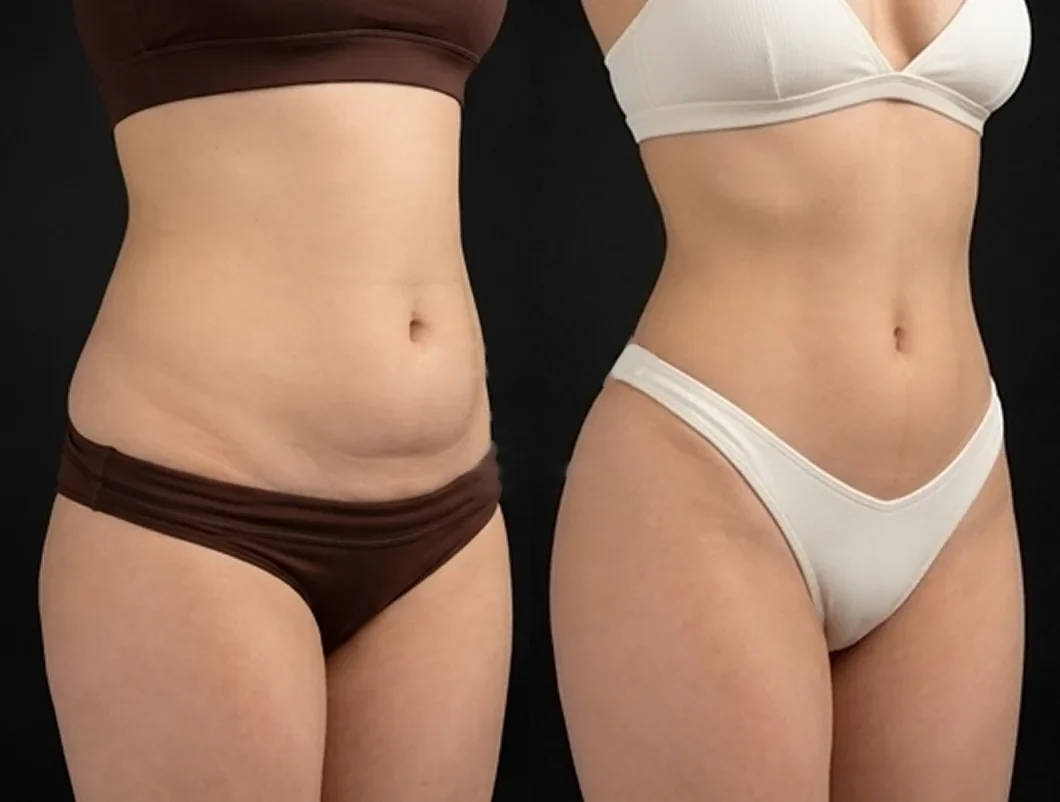
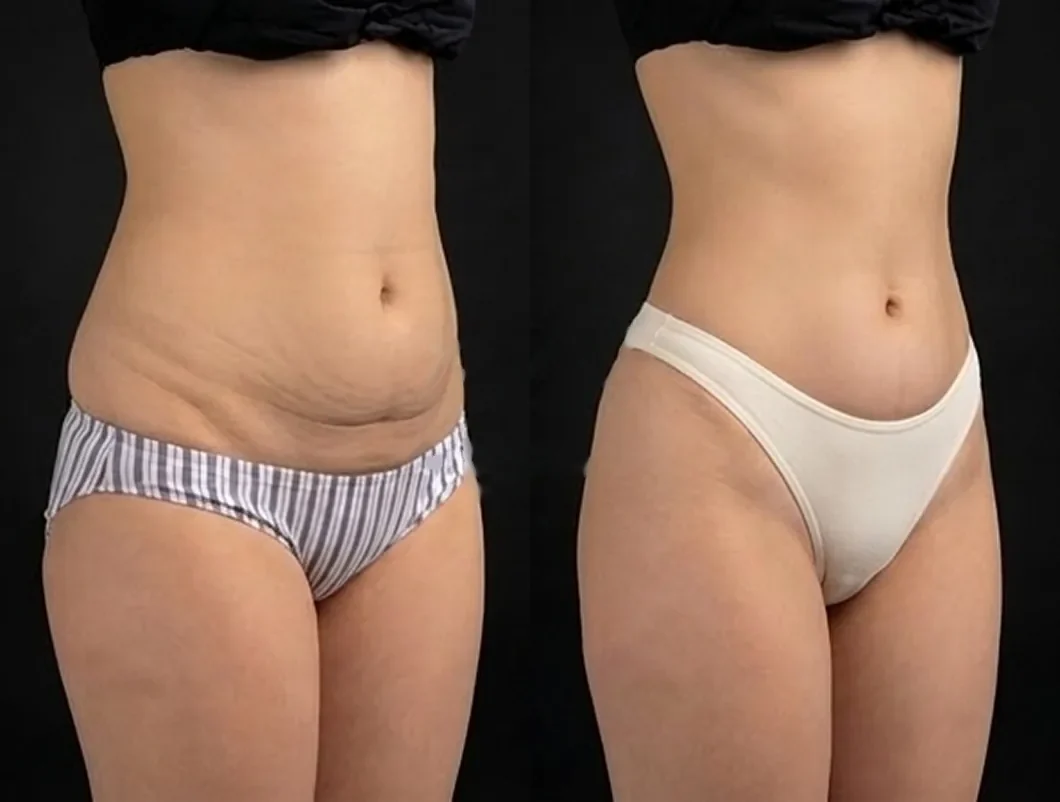
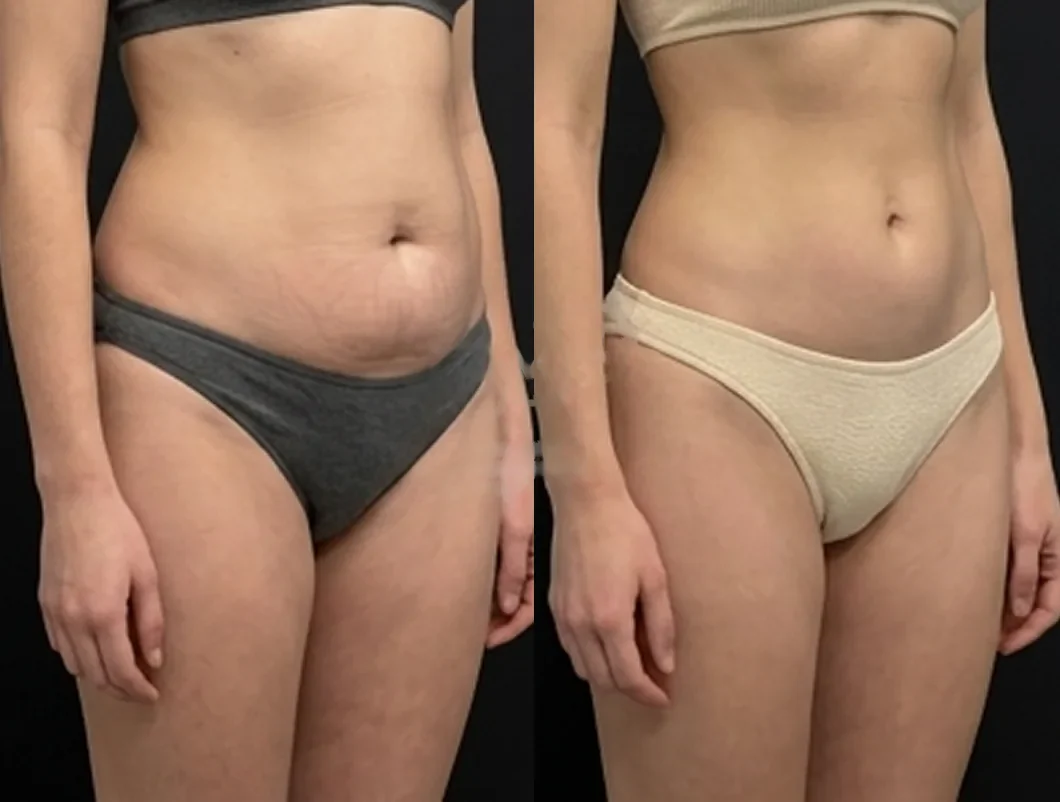
Liposuction: a patient's abdomen and flanks before and after surgery before after
Stubborn local fat that diet and exercise don't shift. Your plan is set at the consultation

Message our coordinator

Free online consultation · Reply within 15 minutes

Message us on Telegram

By messaging us, you agree to our Privacy Policy

Liposuction and fat removal in Bologna: price and key facts

Liposuction for patients from Bologna at City Medical Centre starts at €1,100 (from $1,200). The first online consultation is free; the doctor names the final price and it is fixed in the contract.

Price
€1,100 (from $1,200)
Duration
1–4 hours
Anesthesia
local or general
Stay
home the same day (local anesthesia) or after 1 day (general anesthesia)
Recovery
back to work after 7–10 days
Final result
3–6 months after surgery
How it works
Send photos on WhatsApp or Telegram, get a free doctor assessment and the price, then confirm the plan and dates before anything is booked.

How it works · Liposuction prices

Information current as of 24 October 2026

Free online consultation on WhatsApp and Telegram

Results

Liposuction and fat removal results
of our patients

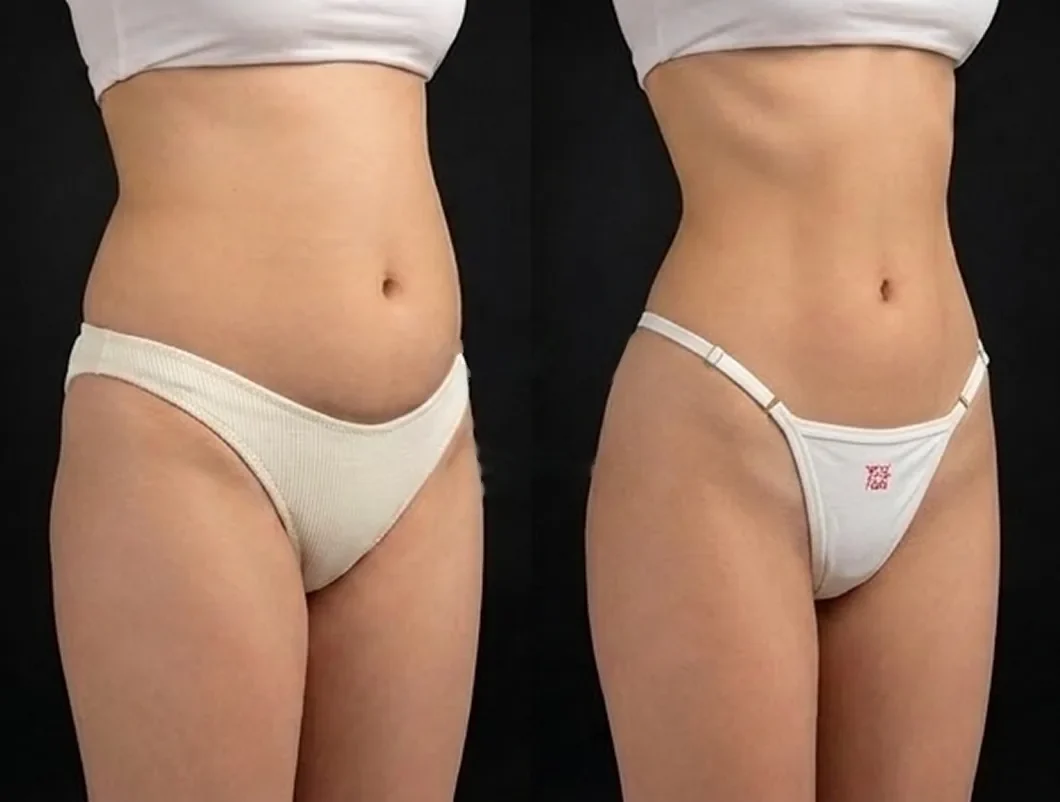
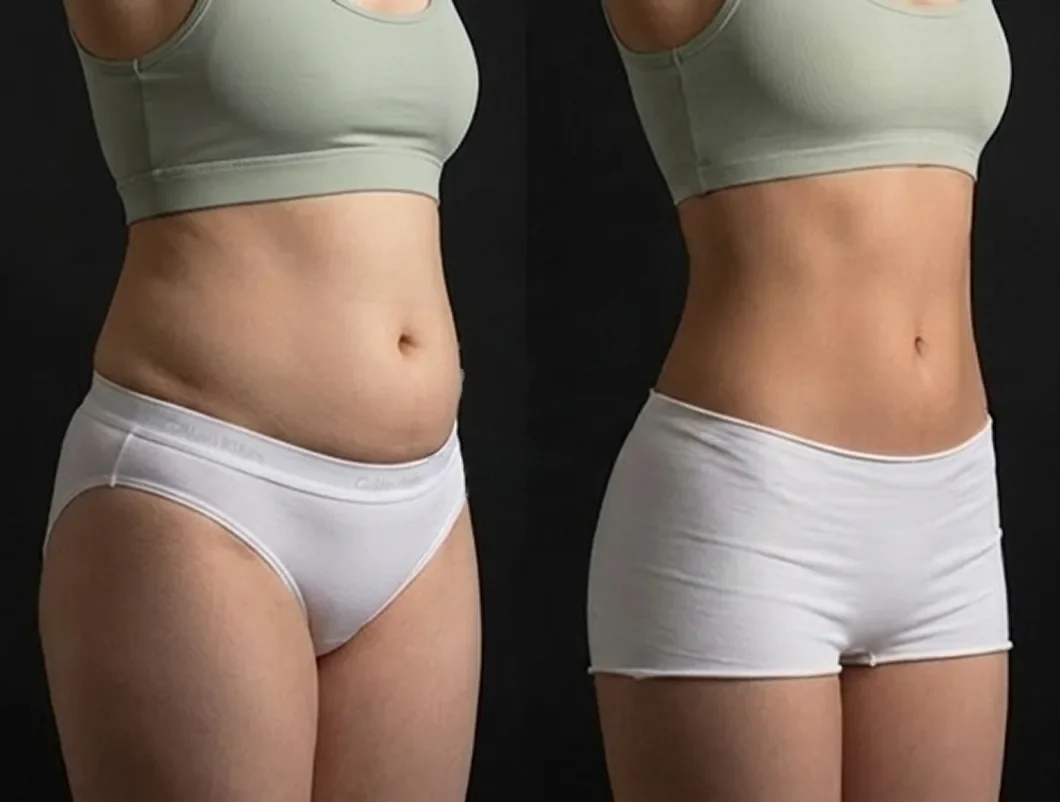
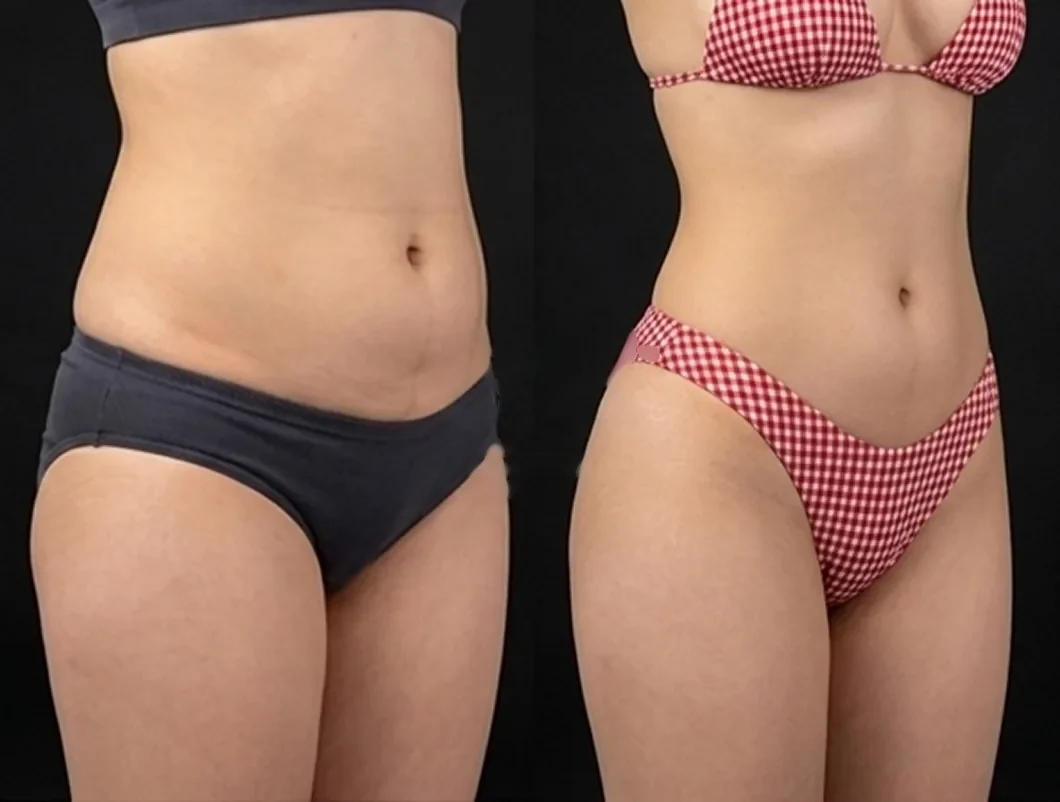
All cases are real patients. Faces and identifying details are hidden.

Abdomen and waist

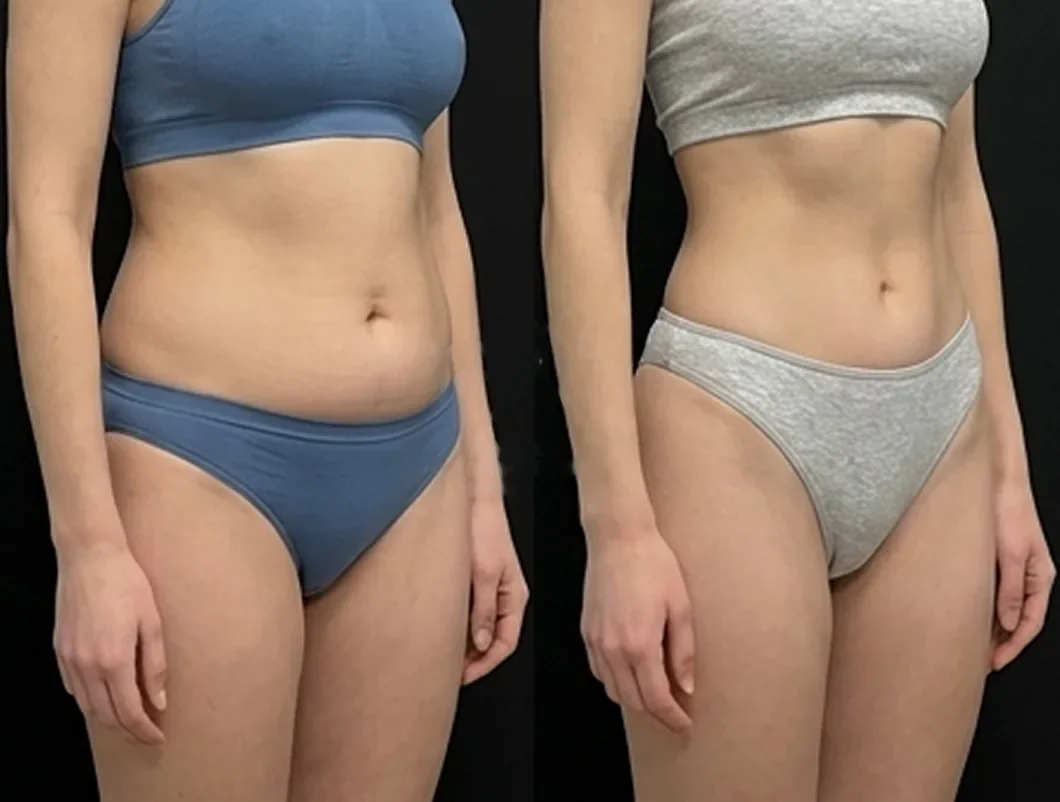
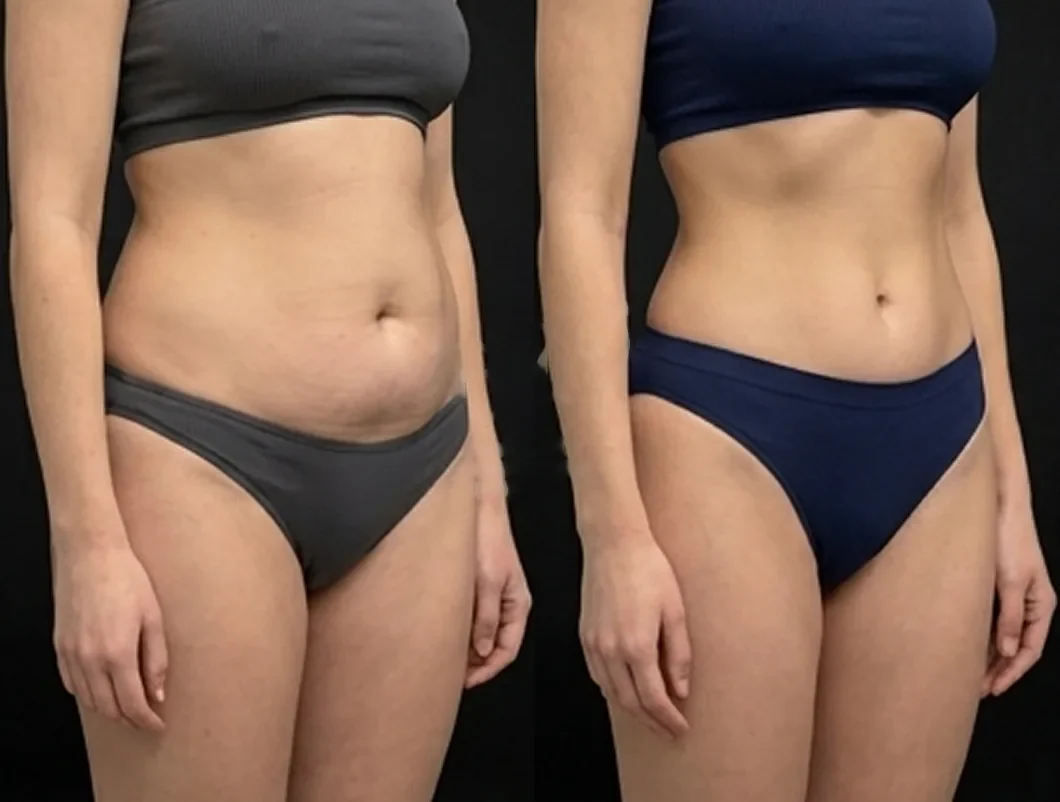
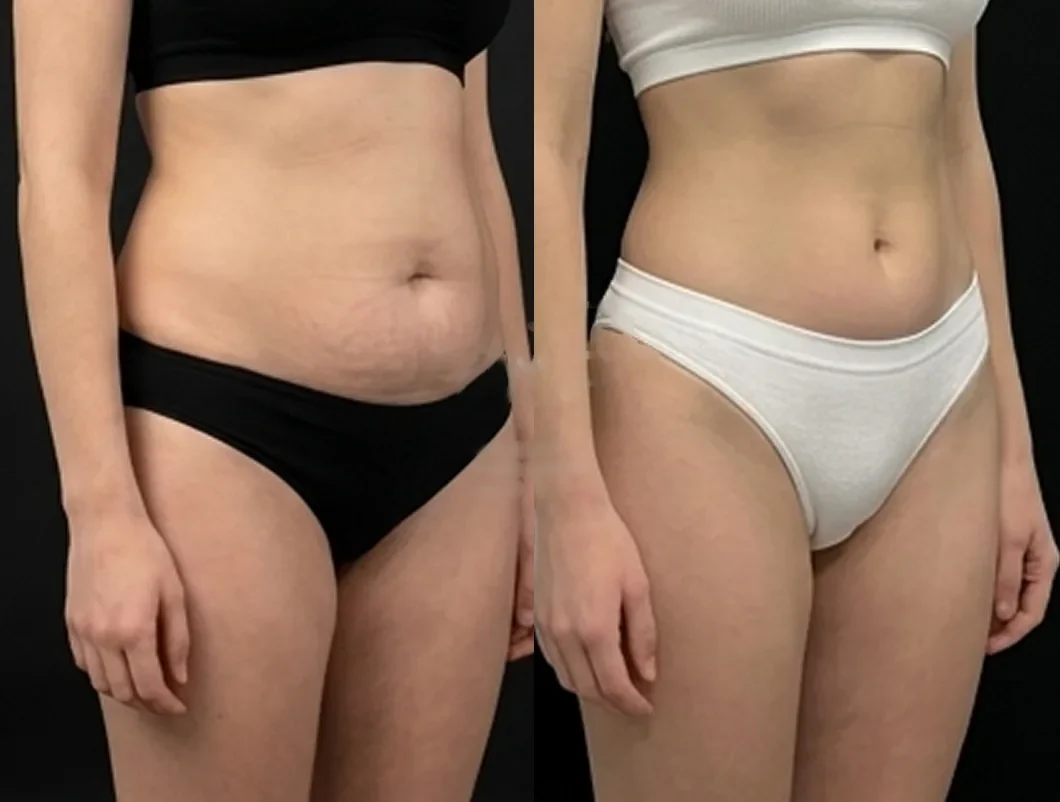
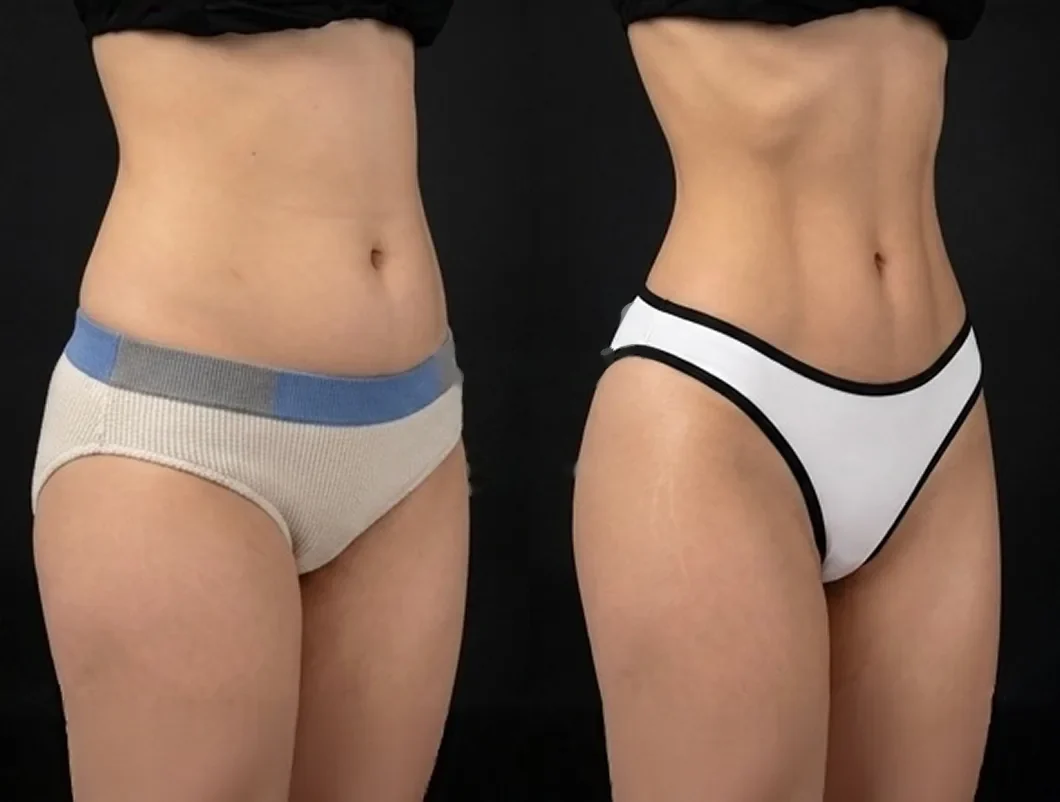
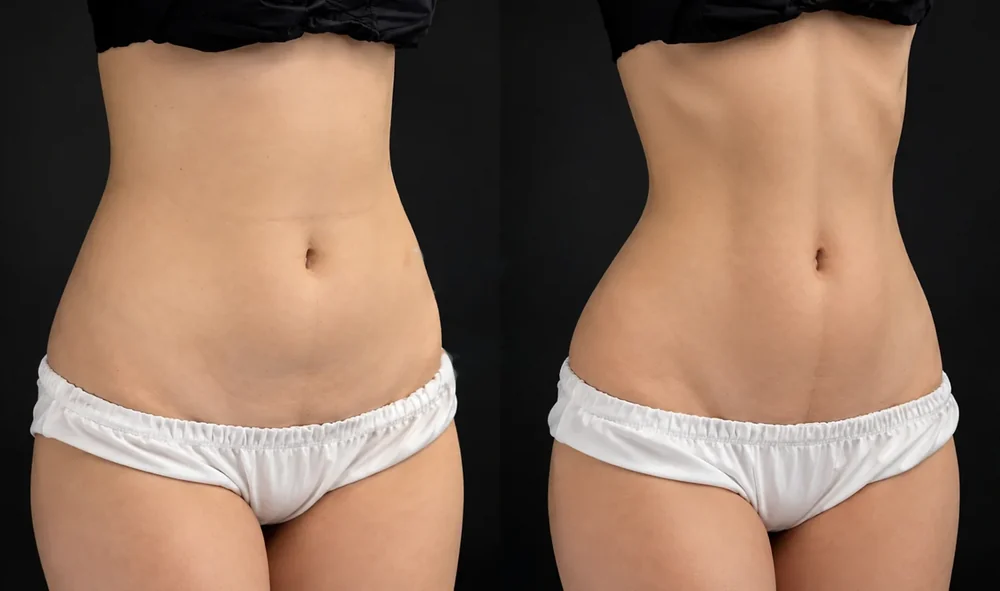
Liposuction of the abdomen and waist: before and after surgerybeforeafter
1 of 10

Comparison

Liposuction techniques

We use two liposuction techniques: tumescent (classic) and VASER (ultrasound). Compare the goal, the indications and the anaesthesia to choose the right technique together with your surgeon.

Tumescent liposuction

A special solution loosens fat for removal through a thin cannula
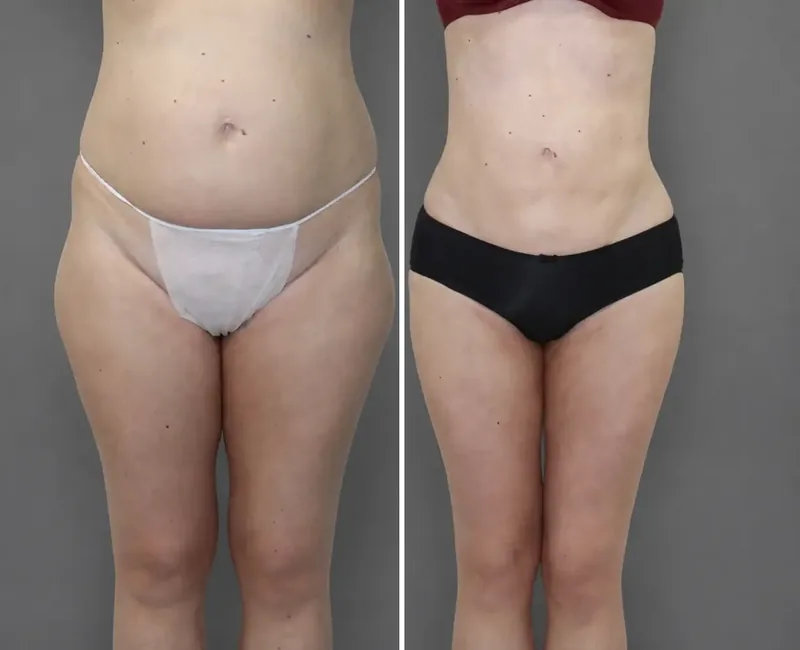
Tumescent liposuction: abdomen and thighs before and after surgery

from $1,200

Main goal
Removal of local fat with minimal blood loss
When it is done
Abdomen, flanks, thighs, back, arms, chin
Anaesthesia and stay
Local or general anaesthesia, home the same day or after 1 day

VASER liposuction

Ultrasound breaks down fat cells before vacuum removal
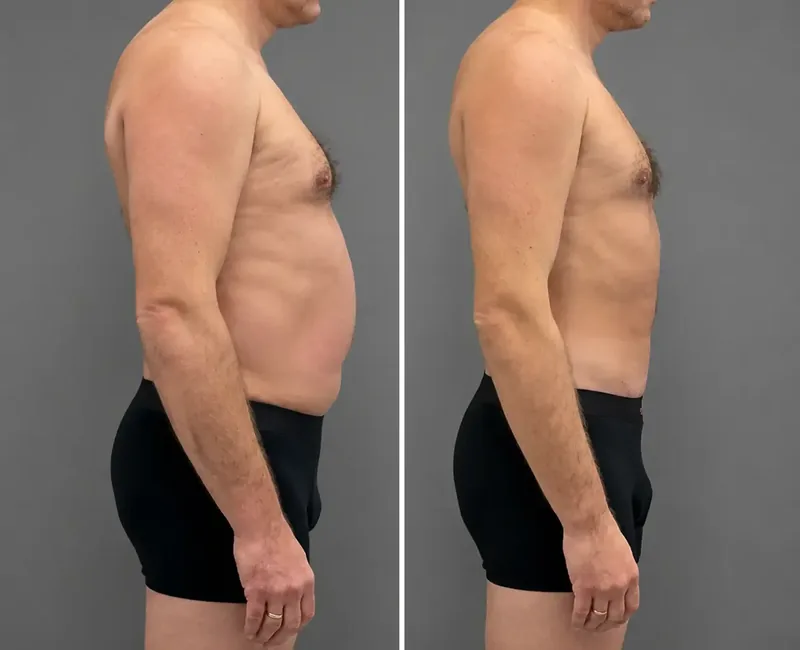
VASER liposuction: a male patient before and after surgery

Price at consultation

Main goal
Defined muscle relief and body contouring
When it is done
Athletic abs and delicate areas
Anaesthesia and stay
Local or general anaesthesia, 1–4 hours of surgery

The benefits and recovery times shown are averaged for each technique and given for guidance: the scope of correction and rehabilitation depend on your anatomy and individual features, and the surgeon confirms them at the consultation.

At the consultation the surgeon draws up a plan for your case and explains how your liposuction will go.

Free, before surgery and with no obligation.

Book a consultation

Areas we treat

Several areas can be treated in a single operation, saving both recovery time and budget

  • Abdomen and waist

    The most requested area for women and men, often combined with abdominoplasty

  • Thighs (outer and inner)

    Fat “traps” that resist exercise

  • Back and lower back

    Back rolls that disrupt the silhouette

  • Arms and shoulder area

    A concern that becomes visible in warm weather

  • Chin and neck

    Small volume, quick visible result

  • Knees

    A delicate area that needs precise work

  • Chest (for men)

    Gynecomastia, pseudogynecomastia — the fat component

About the clinic

A clinic where you can feel at ease

Modern equipment, comfortable rooms and care for every patient

A doctor and a patient in a clinic ward

Contact us the way that suits you

We will answer your questions and find a convenient time for a consultation

By messaging us, you agree to our Privacy Policy

Request a free call

Liposuction is not for everyone

If your case can be solved without surgery, the doctor will tell you so at the consultation — and you will not spend money for nothing.

Suitable

A surgeon shows a patient on a model and a monitor how the body contour changes after liposuction
  • Local fat that resists diet and exercise
  • Uneven subcutaneous fat
  • Disrupted body proportions
  • Silhouette changes after childbirth or weight loss
  • Fat component of gynecomastia in men
  • Good skin tone and elasticity

Not suitable

A surgeon discusses the indications and contraindications for liposuction with a patient
  • Age under 18
  • Expecting a baby or breastfeeding
  • Endocrine obesity
  • Decompensated diabetes
  • Blood clotting disorders
  • Serious heart, kidney or liver disease, cancer

Not sure the surgery is right for you?

Leave your number — the coordinator will call you back, and the surgeon will tell you whether liposuction suits you. No surgery booking needed.

Find out if it suits me

A surgeon goes through the treatment areas with a patient at the consultation

Prices

You know the price
before surgery

The final price is calculated individually after an examination and fixed in the contract.

Liposuction prices

  • First consultationFree
  • Flanks / waist liposuctionfrom $1,400
  • Thigh liposuction (outer)from $1,200
  • Thigh liposuction (inner)from $1,200
  • Liposuction of the torso (lower back, front abdominal wall, sides of the abdomen)from $3,600
Book a consultation

Find out your liposuction plan and price

The surgeon assesses the fat deposits and skin tone, listens to your wishes and chooses the right technique.
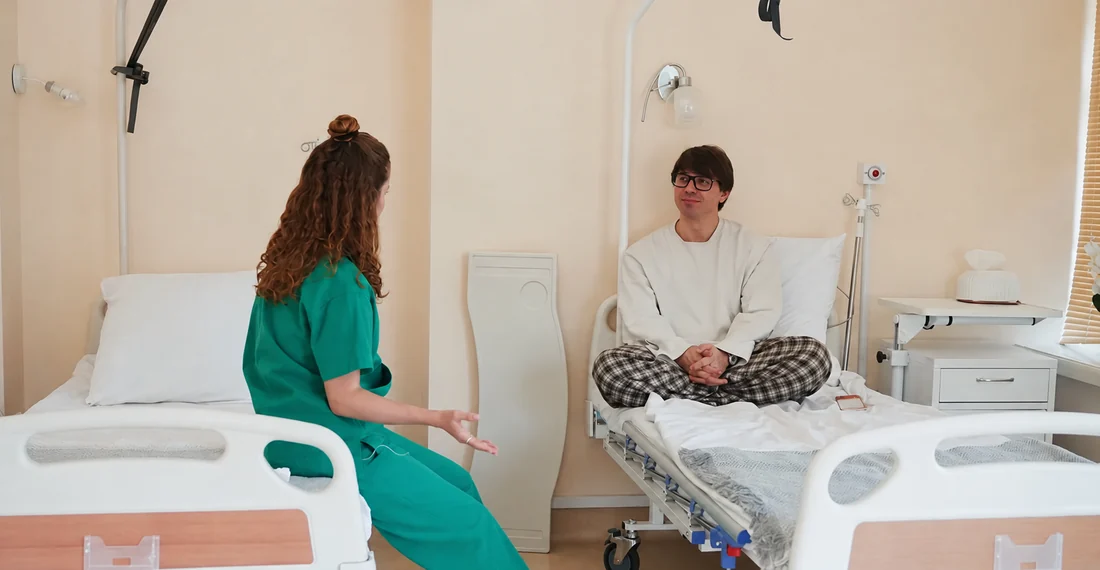
A nurse talks to a patient in a clinic ward

Message our coordinator

Free online consultation · Reply within 15 minutes

Message us on Telegram

By messaging us, you agree to our Privacy Policy
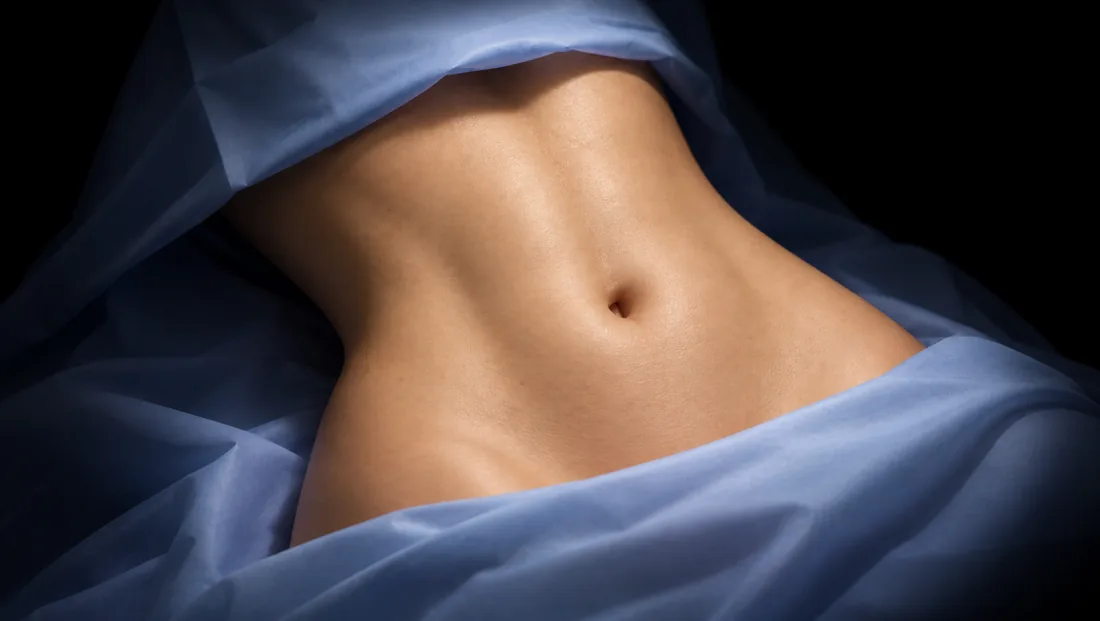
A patient before liposuction in the operating room

all inclusive

What the price includes

From preparation for surgery
to post-op check-ups.

  • All scheduled dressings
  • Scheduled post-op check-ups
  • A personal coordinator on call
  • Compression garments fitted on the day of surgery
  • A stay in a comfortable
    hospital ward with meals
  • Individual recommendations
    for recovery
  • Remote progress monitoring
    by photos

from $1,200

Book a consultation

How it works

From consultation —
to your new contour

An agreed treatment plan, careful monitoring after surgery and post-op check-ups.

A surgeon goes through the liposuction plan with a patient on a monitor1

Consultation
and the surgical plan

The surgeon listens to your wishes, assesses the fat deposits and skin tone and rules out contraindications. A hormonal screening is also ordered — it helps predict the long-term result.

Paying the deposit by card at the clinic reception2

Booking the date
of surgery

We reserve a surgery date for you: the deposit can be paid by card at the clinic or online by bank transfer. The terms are fixed in the contract for medical services

A blood sample tube for tests before liposuction3

Check-up before
surgery

Blood tests (complete count, coagulation panel, biochemistry, infections), an ECG, a chest X-ray and, if needed, a GP consultation. All tests can be done at the clinic with no waiting.

The surgical team during the operation4

Surgery

Marking the areas and fitting compression garments. Under local or general anaesthesia the surgeon removes fat through 3–5 mm micro-punctures — from 1 hour for small areas to 3–4 hours for a combined procedure.

A hospital ward at the clinic5

Waking up
and monitoring

With local anaesthesia you go home 3–4 hours after surgery; with general anaesthesia you stay one day in a comfortable ward under medical supervision.

A surgeon and a patient in the ward during recovery6

Recovery

Compression garments for 30–45 days. First changes show at 2 weeks, once swelling subsides; the final result forms in 3–6 months. Check-ups at 7 days, 3 and 6 months.
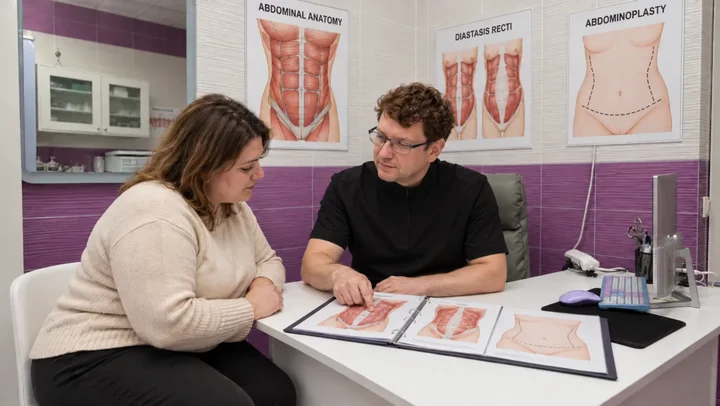
Book a free consultation — the surgeon will plan every step with you.

A doctor discusses the liposuction plan with a patient
Book a consultation
A doctor discusses the liposuction plan with a patient

Recovery after liposuction

After tumescent liposuction, recovery is much shorter than after a conventional procedure. Most patients return to work within 7–10 days. In the first week, mild swelling and a raised temperature are possible — a normal response to surgery. Compression garments are worn for 30–45 days: they fix the new contours and speed up tissue recovery. In the first month, bathhouse, sauna, pool and intense sport are off-limits. For the best result and faster recovery we recommend lymphatic drainage massage, pressotherapy and a gradual return to activity. First visible changes show 2 weeks after surgery, when the main swelling subsides; the final result forms in 3–6 months.

Post-op check-ups

After 7 days, at 3 months and at 6 months. Until the end of the year, get a post-surgery consultation with your surgeon to review results and get more information, at the clinic's expense.

Advantages

Why people choose City Medical Centre

A surgeon discusses the liposuction plan with a patient at the consultation

Just find out — you lose nothing

At the consultation we discuss your wishes and assess the fat deposits and skin tone. Before surgery an endocrinologist rules out hormonal causes of the fat deposits — this improves the long-term result.

A surgeon on a video call with a patient after surgery

We stay with you after surgery

The surgeon follows your recovery and the new body contour at check-ups after 7 days, 3 and 6 months. Check-ups, dressings and aftercare advice are already included in the price of surgery.

A surgeon shows a patient a model and body contouring diagrams

A beautiful contour that fits your figure

Tumescent and VASER techniques, micro-incisions of 3–5 mm and precise volume control. Our aim is a smooth contour that keeps the natural proportions of your body.

A patient writes down a convenient visit time in her planner

Your schedule is our priority

We respect your time: we work 24/7, with easy booking and a personal approach — we adapt to your pace.
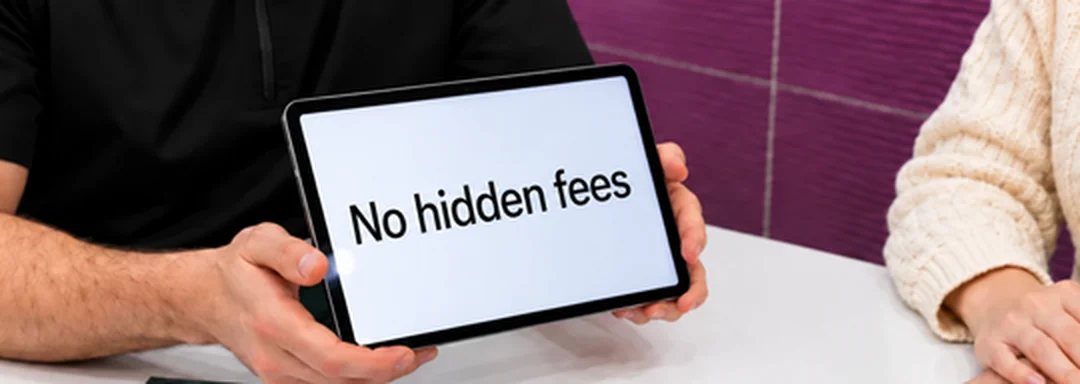
A surgeon shows a patient a tablet: no hidden fees

Fixed prices

After the consultation the surgeon defines the areas and the scope of surgery, and you get a clear price fixed in the contract — no hidden extras.

A surgeon visits a patient in the hospital ward after surgery

Round-the-clock care after surgery

With general anaesthesia recovery starts in a comfortable hospital ward under round-the-clock nursing care. The stay and meals are already included in the price.

FAQ

We answer what
people ask before booking

Liposuction in Bologna: price and what is included

Prices are in US dollars; the amount in brackets is an approximate conversion to EUR at the rate of 02.10.2026. The final price is fixed in your contract.

How much does liposuction in Bologna cost?

Prices start from $1,200 (≈ €1,100) per area. The surgeon sets the final price at the free consultation, and it is fixed in the contract, with no hidden extras.

What is included in the price?

The operation under local or general anaesthesia and the surgeon's support throughout recovery. The price is per area and fixed in the contract.

How do I get my exact price?

Message us on WhatsApp or Telegram using the buttons below. A coordinator will answer your questions and book a free consultation where the doctor names the exact price.

By messaging us, you agree to our Privacy Policy

Liposuction in Bologna: what you should know

Liposuction is minimally invasive: fat is removed through micro-incisions of just a few millimetres that usually need no stitches and become barely visible once healed. Before surgery the surgeon assesses skin tone and elasticity, because firm skin tightens on its own along the new contours. If you are considering liposuction in Bologna with stretch marks or reduced tone, preparatory treatments may be recommended.

Inside the operating room the process is gentle. With the tumescent method a solution of saline, lidocaine and adrenaline is injected into the area, loosening the fat and narrowing vessels. The fat emulsion is then removed by vacuum through a thin cannula. With VASER, ultrasound breaks down fat cells first. Either way, patients from Bologna get micro-incisions that are barely visible later.

One operation can cover several problem zones, and the price reflects that: from $1,200 (≈ €1,100) for a single area, calculated individually for combinations. The contract fixes the sum with no hidden extras, and instalments carry no interest. For patients from Bologna, a free surgeon consultation is the place to plan scope and cost together. Leave a request to book yours.

Stories of well-known people

Well-known people who spoke openly about this operation, in their own words.

All stories about this operation →

Contouring in a compact, busy city

Bologna is a dense city. The municipality covers 140.86 km2 and, according to the 2026 figure, has 391,473 residents, a density of 2,779.2 per km2. The Metropolitan City is much larger, with 1,024,290 residents over 3,702.32 km2. For someone planning liposuction, these numbers matter mostly because they describe how daily life is arranged: shorter distances, a lot of walking between stops, and public transport as the backbone of the weekday. The average commute is listed as 5.4 km and 53 minutes per weekday trip. That is a useful reference when you think about the first days after the procedure.

Liposuction removes stubborn local fat from areas such as the abdomen, flanks, thighs, back, arms, chin or knees. It reshapes the contour, but it is not a weight-loss method. The doctor will ask what your ordinary week looks like during the online consultation. Do you commute by trolleybus, walk to a lecture hall or an office, or stand most of the day? These details help set realistic expectations. Most patients return to work within 7–10 days, but a commute of nearly an hour each way is a different matter from working at home, and it is worth discussing before a date is fixed.

Trolleybus lines have been run by TPER since 2012, and a first tramway line was under construction in May 2023 with four lines planned. Neither fact changes the medical plan. It does mean that, as the network develops, a sitting commute is likely to stay part of weekday life for many people. In the first week, mild swelling and a raised temperature are possible and are a normal response to the procedure. A long seated trip in a compression garment is more comfortable once you have agreed the timing with the coordinator. Send photos of the areas you want to treat on WhatsApp or Telegram, and the doctor will give a free assessment and a price fixed in the contract before anything is booked.

The sections below link the medical side of the plan to Bologna's weather, its health system, the national weight statistics and the city's calendar.

Compression garment: a July afternoon versus a January morning

The compression garment is the most visible part of recovery. It is worn for 30–45 days, fixes the new contours and speeds up tissue recovery. It is fitted on the day of the procedure, and its fit is checked at the post-op check-ups. In Bologna the season of the procedure changes how the garment feels, so it is a fair topic for planning.

The 1991–2020 normals describe a humid subtropical climate. The July mean high is 31.4 °C with a mean low of 19.1 °C, and August is almost identical at 31.3 °C and 19.0 °C. The record high in those same normals is 40 °C, in both July and August. Italian sources also cite 40.1 °C on 4 August 2017. Humidity in July is around 59.1%, which is the lowest of the year, but a close-fitting garment under a summer shirt is still noticeably warmer than normal clothing. A procedure that puts the first weeks of the 30–45 days in midsummer calls for breathable layers, cotton underneath where the doctor allows it, and cool, shaded rest.

Winter is the opposite. The January mean high is 7.2 °C and the mean low is -0.5 °C. The record low is -17 °C in the 1991–2020 normals, and the Italian figures give an absolute minimum of -18.8 °C in 1966. Humidity in January is 79.2%, and it reaches 81% in November. In winter the garment is easy to wear under a coat, but the first days at home can feel damp and cold. Wearing layers is easier than adjusting the garment itself. The recovery rules stay the same: bathhouse, sauna, pool and intense sport are off-limits for the first month, and tanning beds and alcohol should be avoided for at least a month.

Neither season is better. The point is to choose consciously. If you know you cope badly with heat, a procedure in a cooler month may suit you. If you dislike cold, damp days, a milder season might. Say so to the coordinator, who answers 24/7 on WhatsApp and Telegram, and the doctor will take it into account together with the extent of the work, since the procedure takes from 1 hour for small areas to 3–4 hours for a combined one.

Rain, sunshine and the weeks when swelling settles

Recovery has a clear timeline. The first visible changes appear at about 2 weeks, when the main swelling subsides. Swelling and bruising disappear by weeks 4–5. An interim result shows at 1.5–2 months, and the final contour forms in 3–6 months. It helps to put this timeline against Bologna's year.

Precipitation in 1991–2020 totals 667.6 mm over 73 days with at least 1 mm. The wettest months are November (77.2 mm) and October (75.4 mm), while January (34 mm) and July (32.1 mm) are the driest. A procedure scheduled in autumn means the early check-up weeks coincide with the damp season. That is not a medical problem, but it affects how comfortable it is to go outside for the gradual return to walking. The doctor recommends lymphatic drainage massage, pressotherapy and a gradual return to activity, and gentle walking suits this approach better than a rushed return to the gym.

The older 1961–1990 normals record 2,040.85 hours of sunshine a year, with 291.4 hours in July and only 74.4 in December. They also record 6.35 snowy days a year, 2.4 of them in January. For a patient this means the short, dim winter days leave less natural light for a daily walk, while summer offers long evenings that are better for gentle outdoor movement later in recovery. Scars from 3–5 mm punctures usually need no stitches and are barely visible once healed, but healed marks and fresh skin should not be left in strong sun without the advice of the doctor. Tanning beds are to be avoided for at least a month, and the same caution applies to intense sun in the first weeks.

None of this changes the surgical plan. It simply gives you something concrete to talk through with the coordinator. If your procedure date falls in a wet month, ask how to arrange rest days and short walks. If it falls in high summer, ask how to keep the garment comfortable. The check-ups at 7 days, 3 months and 6 months are done remotely by photos, so you do not need to plan around weather to attend them.

What the national weight numbers mean for a liposuction decision

Liposuction removes fat cells from chosen areas. The service explanation is direct on this point: it is not a weight-loss method, and anyone with unstable weight should see a nutritionist or endocrinologist first. National figures show why this distinction matters in Italy. According to ISTAT data for 2023, 46.3% of adults aged 18 and over were overweight or obese. Overweight accounted for 34.6% and obesity for 11.8%, up from 10.3% in 2013. ISTAT also reported that 35% of people aged 3 and over were sedentary. These are national numbers, and no regional split for Bologna was found, so they should not be read as a statement about the city. They do show the general context in which many adults think about body shape.

For a patient, the practical meaning is simple. Liposuction suits local fat that resists diet and exercise, uneven subcutaneous fat, disrupted proportions, and silhouette changes after childbirth or weight loss. It does not suit endocrine obesity or decompensated diabetes. That is why the first consultation includes questions about weight history and why a hormonal screening is ordered. An endocrinologist rules out hormonal causes of the fat deposits, which improves the long-term result.

Removed fat cells do not come back. The remaining ones can grow if you gain weight, so a stable weight after the procedure matters. A strict diet is not required, but a balanced diet and regular physical activity are recommended. If you are in the middle of losing weight, the doctor may suggest waiting until it settles. That advice is not a refusal. It protects the contour that you pay for, and a plan can be revisited later at no cost, since the first online consultation is free and carries no obligation to book.

Cellulite is another common question. Liposuction does not change the skin structure that causes it, although improved contours still visibly reduce its appearance. Skin tone and elasticity are checked before the procedure. Good skin tightens on its own, and if tone is reduced or stretch marks are present, preparatory treatments can be recommended in advance.

Where liposuction sits next to the national health system

Italy's Servizio Sanitario Nazionale was established in 1978 and provides universal coverage to citizens and residents. It is run on a regional basis under the Ministry of Health, which sets the national Essential Levels of Care, known as LEA. For a Bologna resident this system is familiar, so it is fair to ask where liposuction stands within it.

Purely aesthetic surgery is not paid for by the SSN. A January 2024 article on money.it describes it as accessible only through private services. The SSN does cover reconstructive work after trauma, burns or mastectomy, and defined functional cases, such as eyelid correction when vision is reduced by at least 60%, or nose surgery for a severe septal deviation or breathing problems. Body contouring for appearance alone falls on the private side. Liposuction for contour at City Medical Centre is therefore arranged privately, and the final price is fixed in the contract after the examination, with no hidden extras. Co-payments, called tickets, exist in the public system for specialist consultations, with exemptions by age, income or chronic illness. They are separate from what is described here.

The same article notes that procedures needed to reduce the risks of severe obesity can be covered, including bariatric surgery and post-obesity abdominoplasty. It is a secondary source from January 2024. Criteria for bariatric surgery in Italy include a BMI of 40 kg/m2 or more, or a BMI of 35–39.9 with one or more obesity-related diseases. Other conditions are type 2 diabetes with HbA1c above 8%, failed conservative therapy, adult age, and abstaining from alcohol, drugs and smoking for at least 6 weeks before the operation. If your situation fits those criteria rather than local fat, the better route may be the public pathway or the bariatric service, and the doctor will say so honestly. Liposuction is not meant to treat obesity.

The English-language description of Italian healthcare adds that waiting times are usually up to a few months in the big public facilities, and up to a few weeks in private facilities contracted with the SSN. No official waiting-list figure was found. By comparison, the online route here is quick. Photos go to the coordinator on WhatsApp or Telegram, the reply comes within 15 minutes, and the doctor gives an assessment and a price before any date is reserved.

Fitting the plan around the university calendar, holidays and match days

Bologna's rhythm is shaped by its university. The University of Bologna was founded around 1088, and its infobox lists 90,291 students, with campuses in Cesena, Forlì, Ravenna and Rimini. The city article cites over 80,000 students enrolled in 2015, and the university has 11 schools, 33 departments and 93 libraries. If you are a student or a university employee, your academic calendar is probably the first thing to check. Recovery of 7–10 days before work, plus the first month without intense sport, is easier to arrange outside an exam period or a busy teaching block.

Public holidays also help with planning. Italy's national holidays are 1 January, 6 January, Easter Monday, 25 April, 1 May, 2 June, 15 August, 4 October for St Francis, 1 November, 8 December, 25 December and 26 December, and every Sunday is a holiday. A holiday placed next to a procedure date can add a few quiet days, but it is not a substitute for the full 7–10 days. If you want to keep work absence short, say so during the consultation, and the coordinator can propose dates that make use of the calendar. The coordinators answer round the clock, so questions can be asked outside normal hours.

The city also has a busy cultural calendar. The festivals listed include the Bologna Jazz Festival, Biografilm, Il Cinema Ritrovato, Gender Bender, the Future Film Festival, the Human Rights Film Festival and the Zecchino d'Oro, although the months were not given in the source. If you want to attend one, simply tell the coordinator which event matters to you, and the dates can be arranged around it. Sitting through an evening screening in a garment is possible, but long events with lots of standing are better left until the first weeks have passed.

Sport is a different case. Bologna FC 1909 has seven Serie A titles, the last in 1963–64, and three Coppa Italia wins, the most recent in 2024–25. The Stadio Renato Dall'Ara holds about 32,000 to 38,000 spectators, depending on the source. Virtus Bologna has 17 Italian basketball titles. A match day means crowds, long standing and queuing, which is a sensible thing to postpone in the first weeks. Watching from home is easier on swelling. Intense sport of your own is off-limits for the first month, then returns gradually.

Walking back into the city: gradual activity on a hilly edge

Bologna lies on the edge of the Po Plain at the foot of the Apennines, where the Reno and Savena valleys meet, and it is the capital of the Emilia-Romagna region. The elevation is 54 m at the centre, and ranges from 29 m in Corticella to 300 m at Sabbiuno and the Colle della Guardia. For the first week after the procedure the relevant detail is that the centre is level, while the edges climb. This matters for recovery because the doctor recommends a gradual return to activity.

A sensible pattern is the one the recommendations imply. During the first 7 days, skip physical exertion and heavy lifting. Gentle walking on level ground is a natural start. In the following weeks, as swelling goes down by weeks 4–5, you can lengthen the walks, and the hills are better left until the doctor confirms that your recovery is on track. For 4–6 weeks wear compression garments and avoid bathhouse, sauna, pool and active sport. Lymphatic drainage massage and pressotherapy support the process and can be added as the doctor advises.

People who commute by bicycle or on foot often ask when to restart. The answer is individual and depends on the areas treated. Abdomen and flanks, thighs, back and arms each load the body differently. A single operation can treat several areas, which saves recovery time, but a combined procedure that lasts 3–4 hours calls for more care than a small one lasting about an hour. With local anesthesia you go home 3–4 hours after the procedure. With general anesthesia you stay one day in a comfortable ward under medical supervision, with the stay and meals included in the price.

Round-the-clock support continues after you leave. Dressings, scheduled check-ups, a personal coordinator on call and remote monitoring by photos are all part of what is included. If a question comes up on a rainy evening, you can write on WhatsApp or Telegram and receive an answer. Then you can ask whether the plan for the next week still fits, and whether the walk you had in mind is reasonable.

Is a procedure in Bologna's hot summer a bad idea because of the compression garment?

Not necessarily. Summer mean highs in July and August are around 31 °C, with record highs of 40 °C, so a close-fitting garment will feel warmer than usual clothing. The garment is worn for 30–45 days whatever the season, and breathable clothing over it and shaded rest make it manageable. Some patients prefer a cooler month, and you can tell the coordinator your preference so that the doctor can plan the date accordingly.

Is winter easier for wearing the garment in Bologna?

Often it is more comfortable, because the January mean high is 7.2 °C and a garment under a coat is not noticeable. The drawback is that humidity is high, around 79.2% in January and 81% in November, and homes can feel damp. Layers help. The rules for recovery stay the same: no bathhouse, sauna, pool or intense sport in the first month.

How do rainy autumn months affect the recovery weeks?

October and November are the wettest months, with 75.4 mm and 77.2 mm on average. Rain does not change the medical process, but it can make the gradual return to walking less pleasant. Short walks on dry days and indoor movement suit the first weeks. Lymphatic drainage and pressotherapy can be arranged as the doctor advises, and the first visible changes appear at about 2 weeks.

Does the national health system pay for liposuction?

Purely aesthetic surgery is not paid for by the SSN. Only reconstructive cases (after trauma, burns or mastectomy) and defined functional cases are covered. Contouring of local fat for appearance is therefore handled privately. The final price is set after the doctor's assessment and fixed in the contract, so you know the amount before anything is booked.

What if my main issue is obesity rather than local fat?

Then liposuction may not be the right tool. It is not a weight-loss method, and endocrine obesity and decompensated diabetes are among the reasons it is not suitable. In Italy, bariatric surgery has defined criteria, for example a BMI of 40 kg/m2 or more, or 35–39.9 with an obesity-related disease, and it can be covered by the public system. The doctor will say honestly during the free online consultation which route fits your case.

Do the national overweight statistics change how liposuction is planned?

They provide context but not a plan. ISTAT reported for 2023 that 46.3% of adults were overweight or obese, with obesity at 11.8%, and 35% of people aged 3 and over were sedentary. These are national figures, with no regional split found. Your plan depends on your own fat deposits, skin tone and weight history. Stable weight protects the result, because remaining fat cells can grow if you gain weight.

Can I plan the procedure around the university year or a public holiday?

Yes. The usual return to work is within 7–10 days, so students and staff often look for a quieter stretch in the academic year. Italian holidays such as 1 November and 8 December, and every Sunday, can add quiet days. They do not replace the recovery period. Tell the coordinator your calendar, and the dates can be proposed to fit it.

Can I attend a festival or a match soon after liposuction?

It is better to wait. The first 7 days exclude physical exertion and heavy lifting, and the first month excludes bathhouse, sauna, pool and intense sport. Crowds and long standing at a festival or at the Stadio Renato Dall'Ara are tiring in the early weeks. Watching from home is easier. Ask the doctor when a specific event becomes realistic for you.

How is the commute handled in the first weeks, since public transport is widely used?

The average commute is 5.4 km and 53 minutes per weekday trip. Mild swelling and a raised temperature are possible in the first week, so long seated or standing trips in a garment are better postponed until the doctor agrees. Most patients return to work within 7–10 days. If your job involves a long commute, mention it at the consultation so the return date is realistic.

How are check-ups handled if I live in Bologna and the consultation is online?

Check-ups are scheduled at 7 days, 3 months and 6 months, and progress is monitored remotely by photos. A personal coordinator is on call, and you can write on WhatsApp or Telegram around the clock. The first changes are visible at about 2 weeks, an interim result at 1.5–2 months, and the final result forms in 3–6 months.