



























Message our coordinator
Free online consultation · Reply within 15 minutes
Message us on TelegramMessage us on WhatsAppBy messaging us, you agree to our Privacy Policy
Facelift and neck lift in Nice: price and key facts
Facelift for patients from Nice at City Medical Centre starts at €2,150 (from $2,400). The first online consultation is free; the doctor names the final price and it is fixed in the contract.
- Price
- €2,150 (from $2,400)
- Anesthesia
- general (inhalation)
- Recovery
- about 2 months to full recovery
- Final result
- 3–6 months after surgery
- How it works
- Send photos on WhatsApp or Telegram, get a free doctor assessment and the price, then confirm the plan and dates before anything is booked.
How it works · Facelift prices
Information current as of 24 October 2026

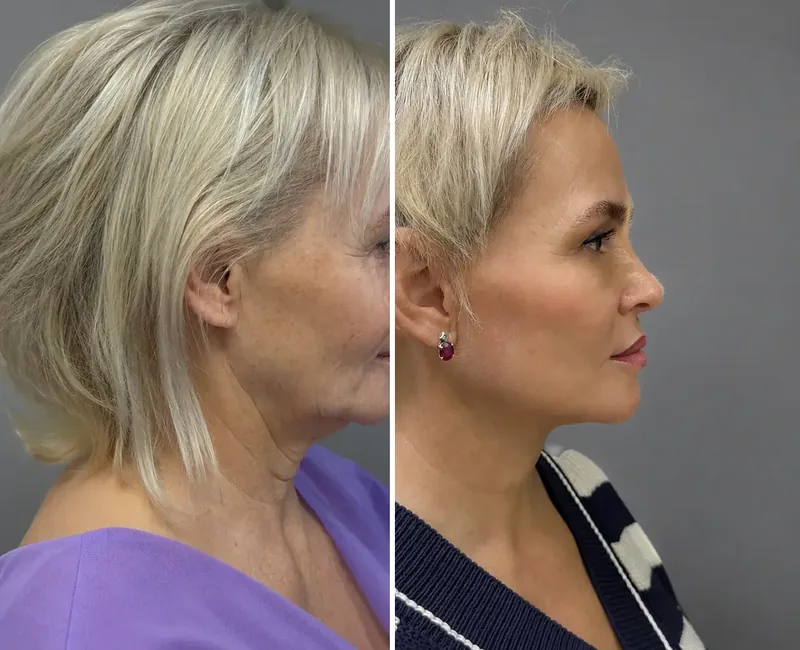
50 years
9 months
SMAS facelift
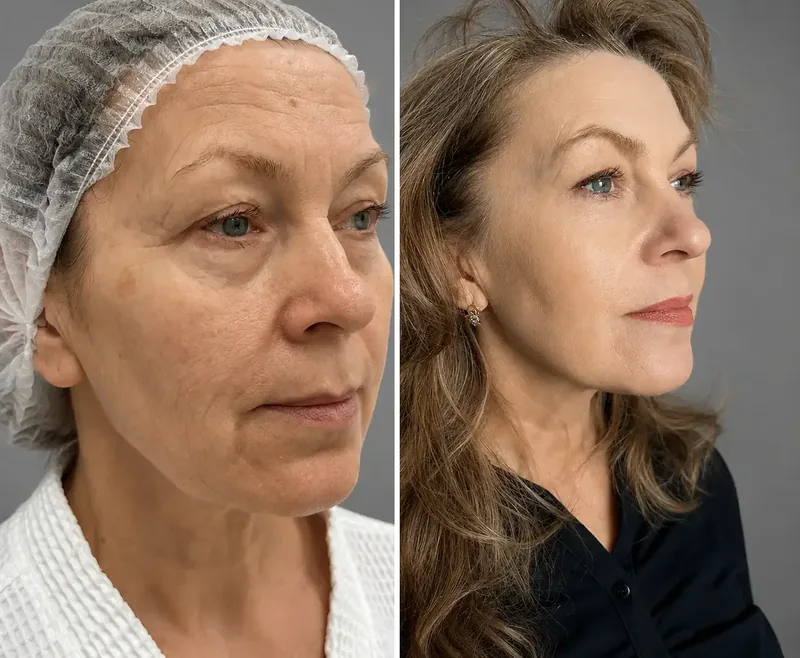
58 years
8 months
SMAS facelift
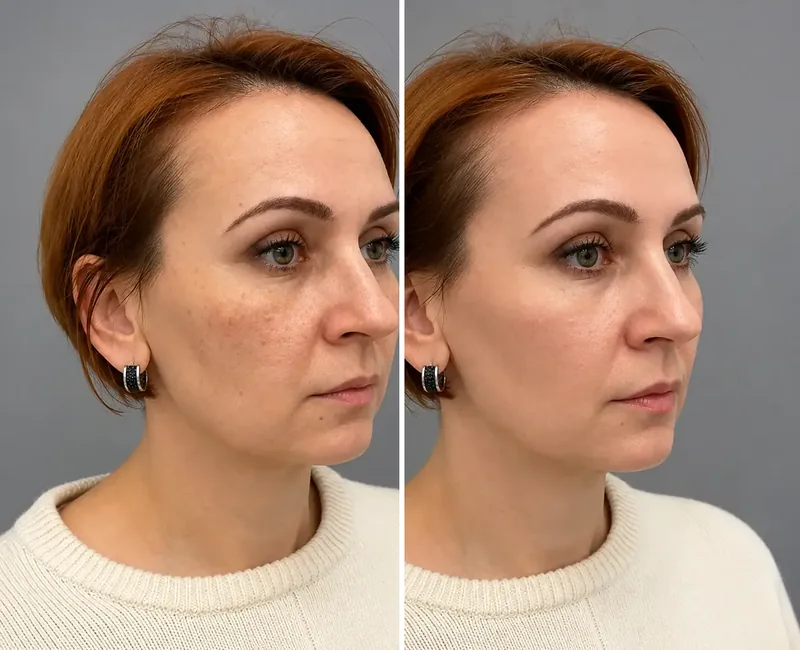
34 years
5 months
SMAS facelift
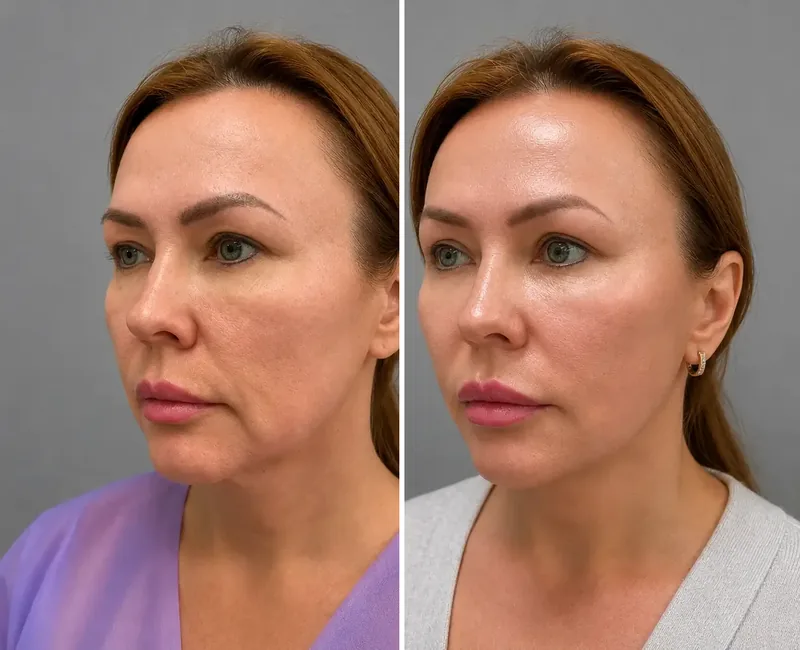
32 years
7 months
SMAS facelift
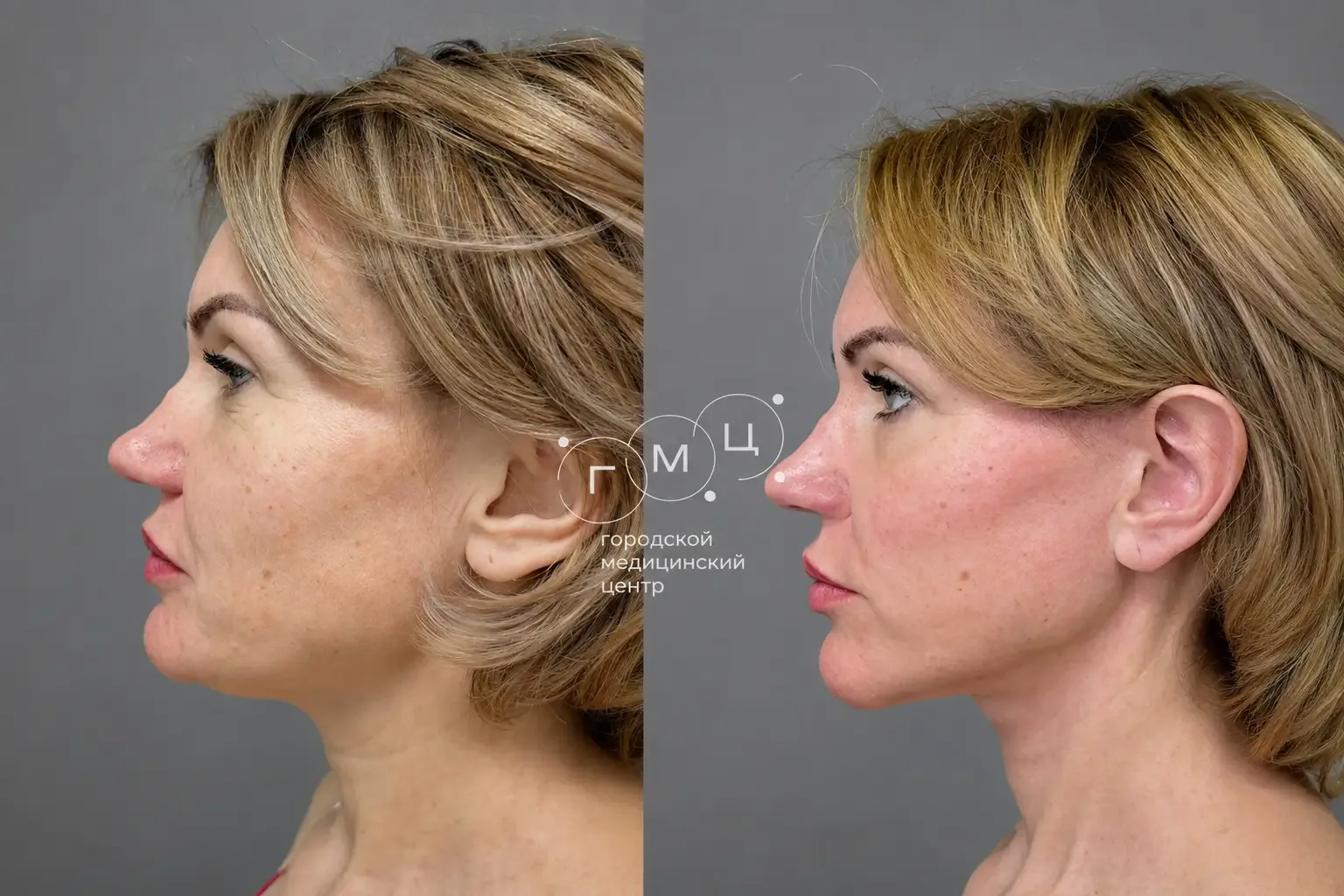
40 years
6 months
SMAS facelift
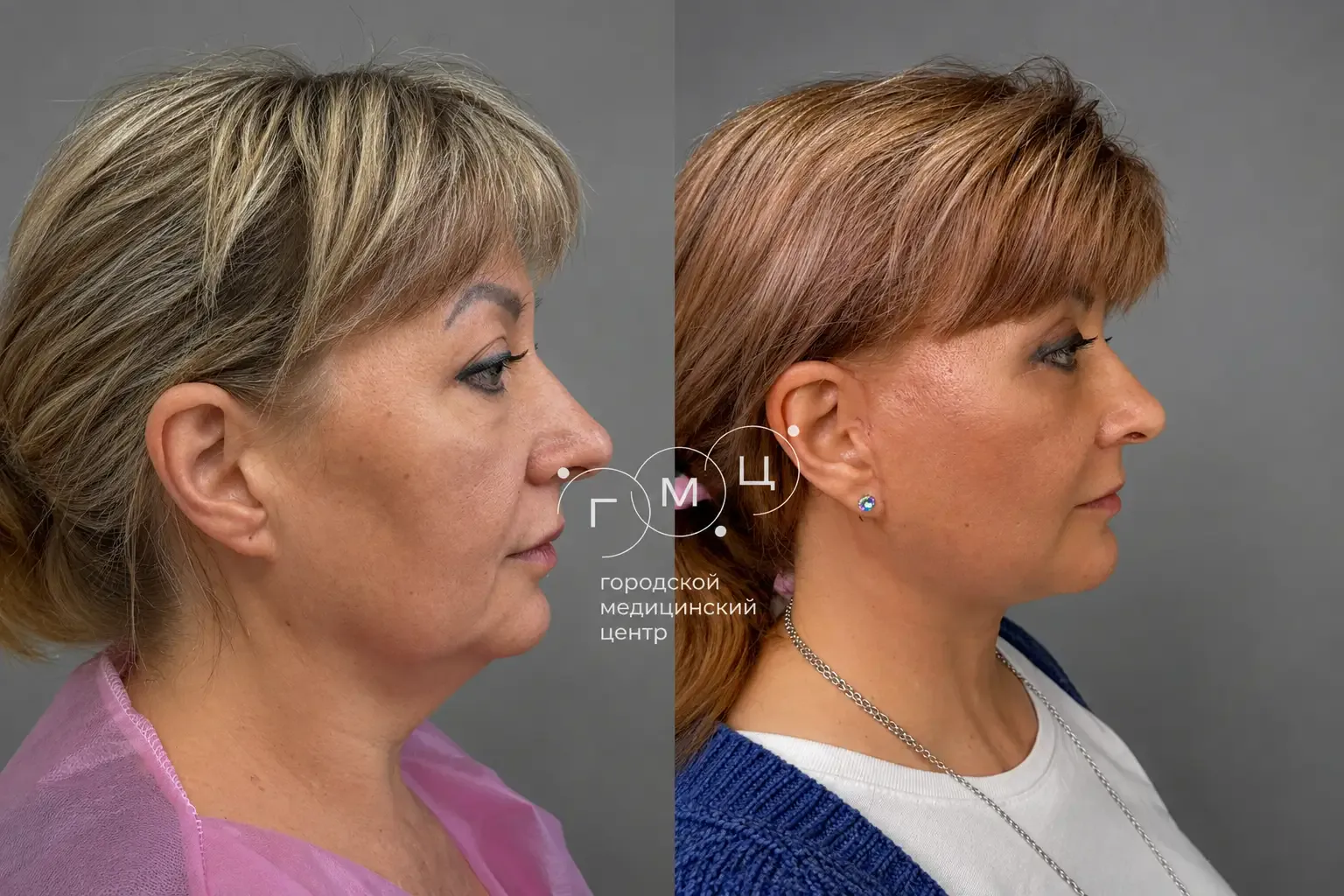
45 years
8 months
SMAS facelift
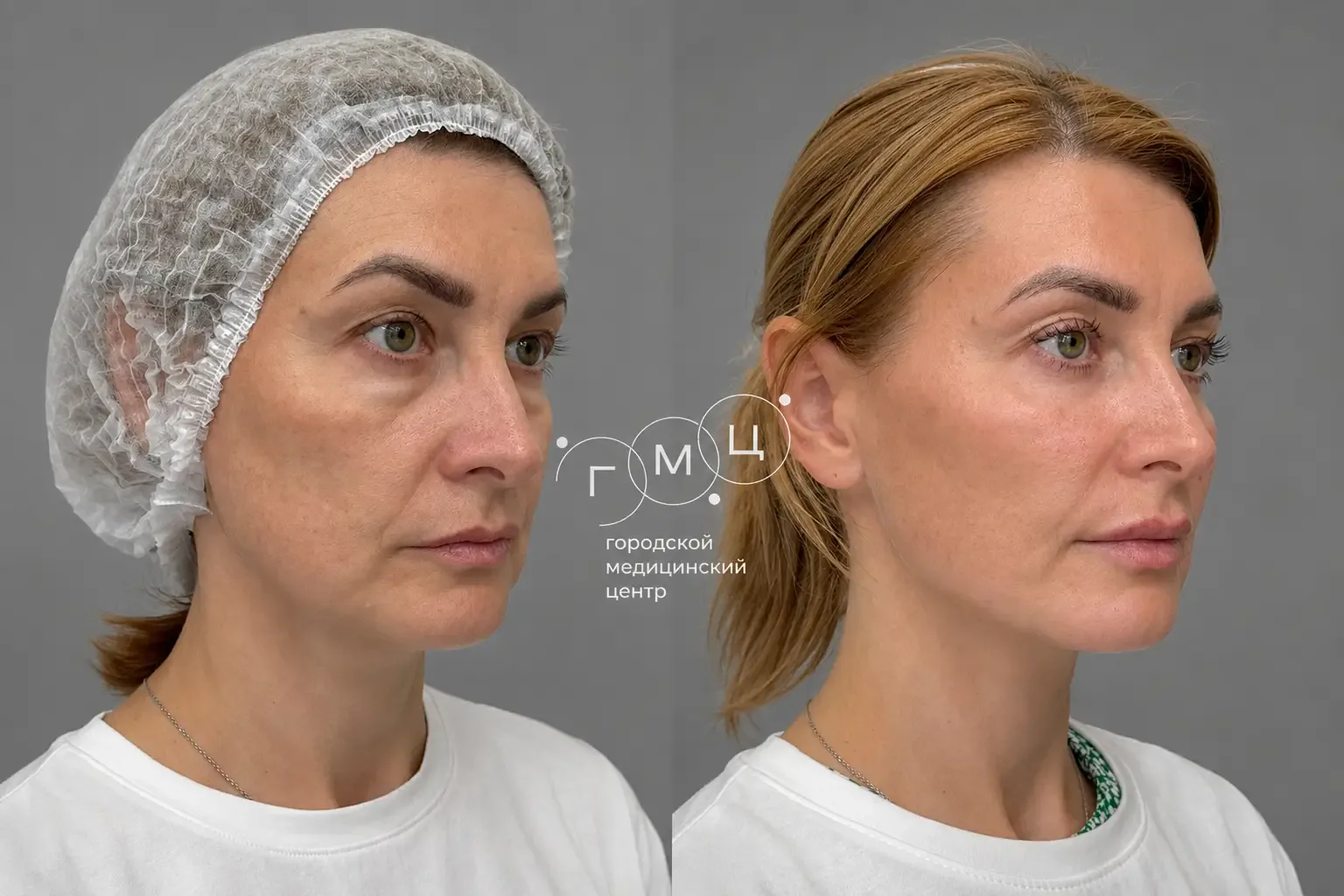
38 years
5 months
SMAS facelift
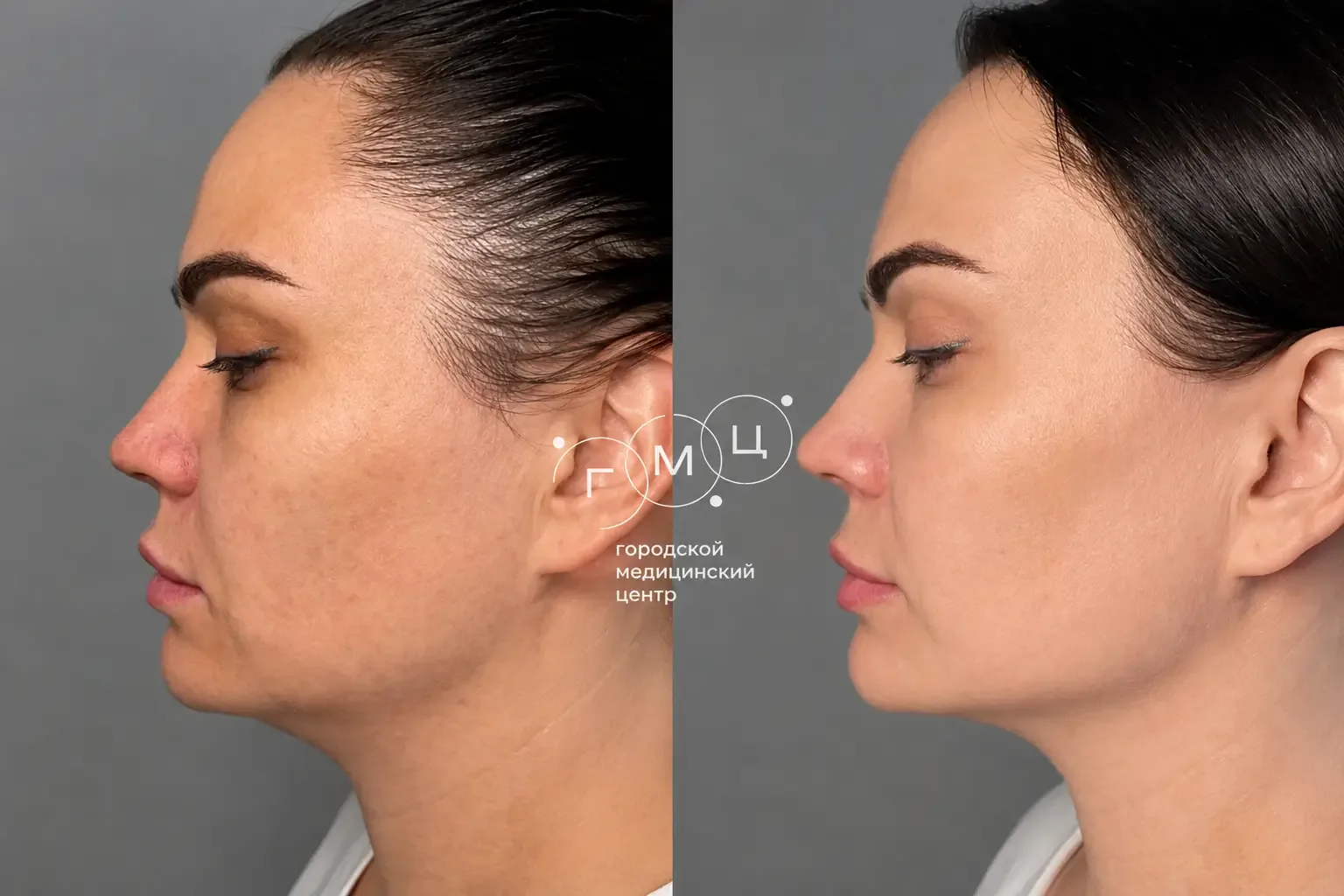
33 years
6 months
SMAS facelift
50 years
9 months
SMAS facelift
58 years
8 months
SMAS facelift
34 years
5 months
SMAS facelift
32 years
7 months
SMAS facelift
40 years
6 months
SMAS facelift
45 years
8 months
SMAS facelift
38 years
5 months
SMAS facelift
33 years
6 months
SMAS facelift
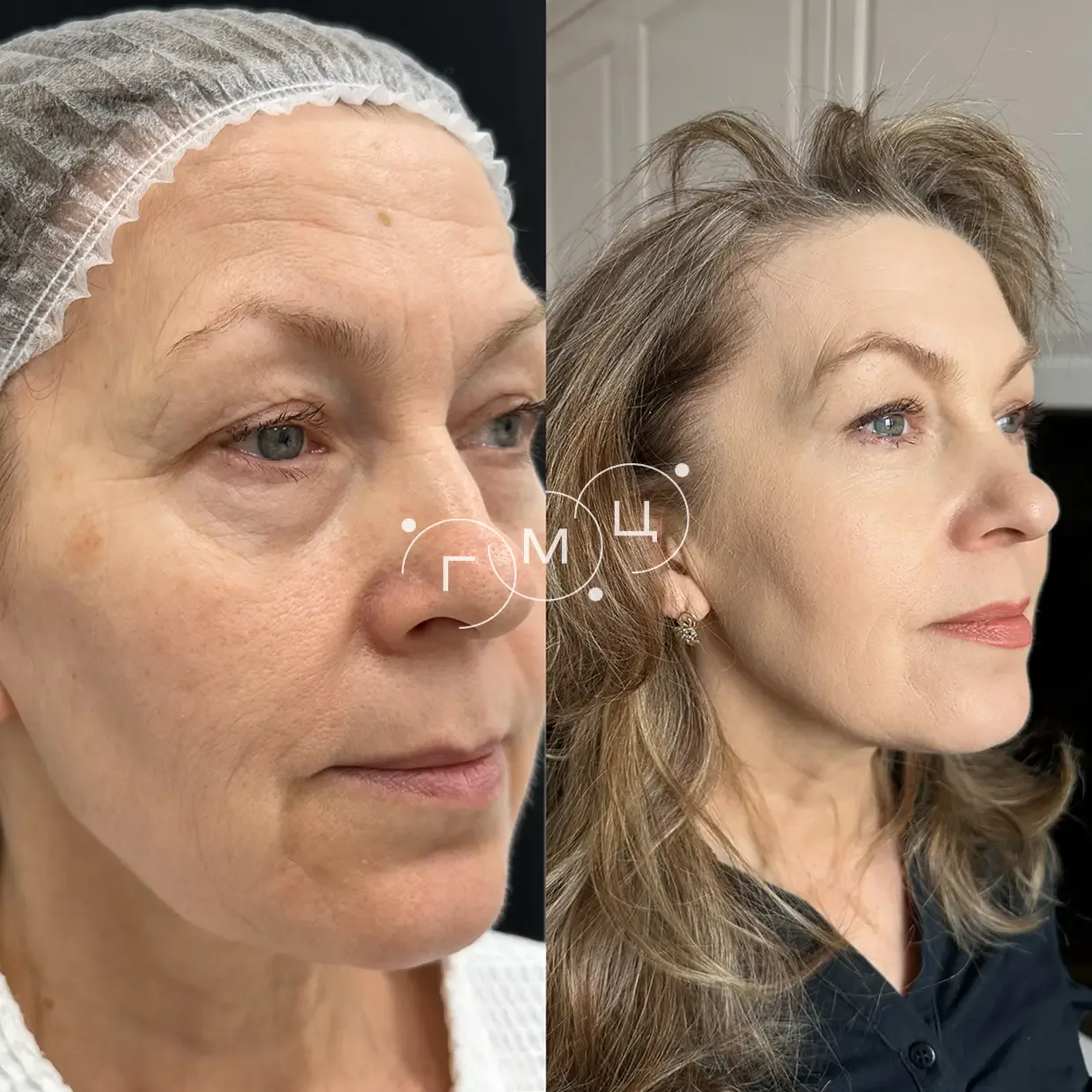

Pronounced sagging in the face and neck
A blurred jawline with jowls
A double chin and loose neck skin
Marionette lines and deep nasolabial folds
A heavy, tired look from drooping brows
Significant loss of skin firmness after 40
Preference for a long-term result (7–10 years)

Age under 30
Acute skin inflammation
Being pregnant or currently breastfeeding
A severe cardiovascular condition
Disorders of blood clotting
Cancer
Decompensated diabetes
About facelift surgery for patients from Nice
City Medical Centre performs surgical facelifts only, and the scope is tailored at the consultation. Indications include marked sagging of the face and neck, a blurred jawline and jowls, a double chin or loose neck skin, deep nasolabial folds and marionette lines, and drooping brows that make the look heavy. People in Nice who want a long-term result rather than a temporary fix are typical candidates.
Here is the route in brief. A free consultation with an assessment of sagging. A choice between a SMAS, full, neck and lower face or endoscopic lift. Surgery under general anaesthesia. A stay in an inpatient room with meals and round-the-clock monitoring. Then 7–10 days of rest in a compression bandage and a year of follow-up. Patients from Nice follow this same sequence.
The price starts at $2,400 (≈ €2,150) and already covers the essentials: anaesthesia, the inpatient stay with meals, round-the-clock monitoring and a year of surgeon follow-up until the final result. Nice residents can pay through in-house 0% instalments with no overpayment. The first consultation is free: send your name and phone number, and a coordinator will contact you.
Stories of well-known people
Well-known people who spoke openly about this operation, in their own words.
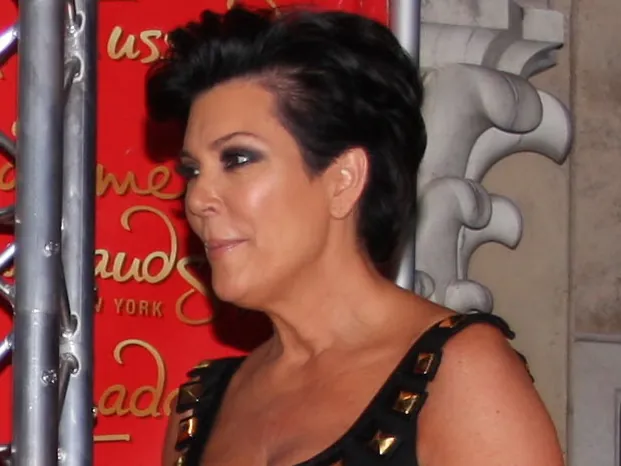 Kris Jenner’s facelift: “I love my facelift”Kris Jenner said she had a facelift about 15 years ago and a refresh before turning 70 — and that she loves it. How a SMAS facelift and recovery work.
 Did Vicki Gunvalson have a facelift? Yes, and she showed the result herselfVicki Gunvalson had a facelift in May 2018 after deciding fillers no longer looked like her. Her own words, how a facelift works and recovery.
 Keltie Knight’s facelift: why she decided to “just own it”Keltie Knight had a facelift in 2023 at 41 and chose to talk about it openly. What she said, how a SMAS facelift works and what recovery looks like.
 Did Linda de Mol have a neck lift? Yes, and she wrote about it herselfLinda de Mol wrote in LINDA. in 2025 that she had a neck lift. What she said, why she chose to be open, and how a face and neck lift works today.
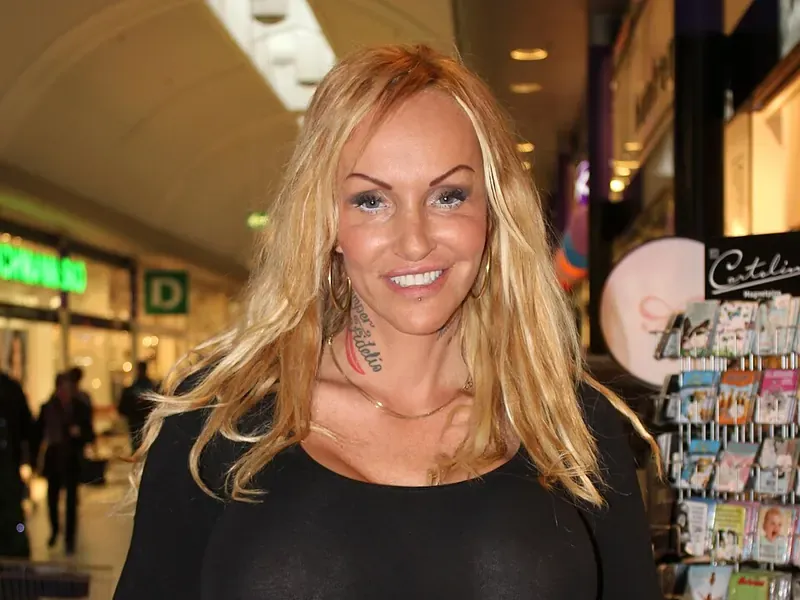 Linse Kessler and her facelifts: what she said herselfDanish reality star Linse Kessler has said openly that she has had several facelifts. Her words, how a modern facelift works and what recovery involves.
 Did Alice Bendová have a facelift? Yes, and she explained why herselfAlice Bendová confirmed a deep plane facelift in September 2026. Her words, how a facelift works, who it suits and what recovery looks like.
Facelift in Nice: price and what is included
Prices are in US dollars; the amount in brackets is an approximate conversion to EUR at the rate of 02.10.2026. The final price is fixed in your contract.
- Faceliftfrom $2,400 (≈ €2,150)
What is a SMAS facelift?
It is a face lift that tightens the deep SMAS layer under the skin, not only the skin itself, so the lower face, jawline and neck stay firmer for longer. The result lasts about 7–10 years.
How much does a facelift in Nice cost?
Prices start from $2,400 (≈ €2,150). The surgeon sets the final price at the free consultation, and it is fixed in the contract, with no hidden extras.
What is included in the price?
A one-to-one consultation, the medical team, anaesthesia, inpatient care with meals, 24/7 monitoring and twelve months of follow-up by the surgeon.
How do I get my exact price?
Message us on WhatsApp or Telegram using the buttons below. A coordinator will answer your questions and book a free consultation where the doctor names the exact price.
By messaging us, you agree to our Privacy Policy
Sunshine, salt and fresh scars: skin in a bright climate
Nice records 2,760.5 hours of sunshine a year. July alone brings 349.3 hours, and even December has 145.2. For someone planning a facelift this matters more than temperature. After a SMAS lift the skin is repositioned and the incisions along the frontal edge of the hair and around the ears are still healing. Bright light is a constant presence on the Riviera, and the plan for the first weeks should account for it. During the free online consultation, the coordinator and the doctor will ask how much of your day is spent outdoors, whether you work near water, and whether you drive a lot with the sun at the windscreen. These details shape the advice on hats, shade and when to go back to a normal outdoor routine. The doctor gives the exact instructions for your case.
The sea is part of the picture too. Mediterranean water at Nice averages 13.4 °C in January and 14.6 °C in April. It reaches 23.1 °C in July and peaks at 23.6 °C in August. Many residents think of the sea as an everyday habit, and a facelift interrupts it for a while. The treatment plan gives a clear frame: 7–10 days of rest at the start, a compression bandage and reduced physical activity, then about 2 months until full recovery. Swimming, salt water and sun on healing skin are questions to put to the doctor in the chat, ideally before you pick a date, so that your plan does not collide with a favourite season.
Humidity is a quieter factor. Relative humidity in Nice averages 71.3%, with 67% in January and 75% in May. Air that is fairly moist is gentler on the skin than very dry air, though this is no substitute for medical advice. Send photos on WhatsApp or Telegram in natural daylight, without filters and without heavy make-up. The doctor can then assess the degree of sagging in the jowls, the jawline and the neck, and tell you whether a standard SMAS lift, a full circular lift, a lower face and neck lift or an endoscopic brow and temple lift fits your face. This applies whether your skin has been shaped by decades of Riviera light or by a calmer indoor life.
The age guidance is the same for everyone. Surgery is generally advised from 40 with marked sagging, and in some cases from 35. Younger than 30 is a contraindication. If you are in your late thirties and tanned from years outdoors, the coordinator will not push you towards an operation. The consultation is there to say honestly whether a lift is needed at all.
Mild winters and warm summers: choosing a month for swelling to settle
The climate of Nice makes the choice of month easier than in many places, but it does not make it automatic. January has a mean high of 13.3 °C and a mean low of 5.8 °C. Snow falls on only 1.1 days a year on average, so heavy winter conditions are rarely an obstacle to getting about during the early days of rest. July averages 27.5 °C by day and 20.8 °C at night, and August 27.9 °C and 21.1 °C. The record high is 37.7 °C, set on 1 August 2006. Heat is not a medical risk on its own, but a compression bandage and a recovering face are easier to manage in cooler months. This is something to discuss with the doctor rather than to decide alone.
Rain follows a clear pattern. Annual precipitation is 791.3 mm over 62.1 days of at least 1 mm. November is the wettest month with 138.4 mm, followed by October with 127.9 mm. July is the driest with 13.6 mm, then August with 17.2 mm. For a person who will mostly stay home for 7–10 days and avoid strenuous activity, a wet November is not a problem in itself. It can even suit a quiet recovery with little temptation to go out. It does affect short errands such as pharmacy trips, so have someone help you with them if possible.
The timeline in the medical description helps you work backwards from an event. The first clear changes show after 3–4 weeks, when swelling goes down. Swelling and bruising fade in 2–4 weeks. Full recovery takes about 2 months, and the final look of the face comes 3–6 months after surgery. If you start in early December, the first clear changes would fall in the first weeks of the new year and the final look would settle well into spring. These are illustrations, not promises, since every face heals at its own pace.
When you message the coordinator, mention the earliest and latest dates that suit you. Nothing is booked until you have received the doctor's assessment, the price and the plan, and have confirmed them yourself. The price is fixed in the contract after the consultation. Think of the season as one input among several: your work calendar, who can be with you, and how you feel about being seen with visible bruising.
Carnival weeks, holidays and race days: looking like yourself again
Nice has a social rhythm that is easy to pin to a calendar. The Carnival runs in February and sometimes into early March. The dates were 17 February to 3 March in 2024 and 15 February to 2 March in 2025, so it lasts about two weeks, and the event has records going back to 1294. The article we used says it draws over a million visitors a year. For a facelift this suggests a practical question: do you want to be in the crowd with healing skin, or fully presentable? If a December or January operation fits your plans, the 2–4 weeks of swelling and bruising would be largely over before the carnival crowds arrive. The first clear changes appear after 3–4 weeks, and the doctor will explain what you can realistically expect by then.
Other fixtures matter as well. The city hosts the finish of the Paris–Nice cycling race, and the Nice Jazz Festival is among its festivals, although the month was not given in the material we have. OGC Nice play in Ligue 1, so match days can bring crowds. None of these is a medical consideration. They are simply moments when many people want to look and feel their best, and when a visible recovery may feel awkward. A conversation with the coordinator about which event matters most to you helps set the order of the plan.
France has 11 public holidays: 1 January, Easter Monday, 1 May, 8 May, Ascension, Whit Monday, 14 July, 15 August, 1 November, 11 November and 25 December. Several of these create natural long weekends, and a few fall in the winter months. If you work in an office or a school, an operation shortly before 25 December and 1 January can let you use time already off. The 7–10 days of rest do not need to be spent entirely at home alone. The coordinator is available 24/7 on WhatsApp and Telegram, so questions about a swollen cheek or tightness at 2 a.m. are not left waiting.
The city also has a large student population. Côte d'Azur University has between nearly 30,000 and 35,000 students depending on which part of the source you read, and the university has existed in its current form since 25 July 2019. If you teach there or work nearby, the academic calendar may shape when you can step back for a couple of weeks. A facelift is a personal decision and nobody at work needs to be told the reason. Choose a rest period that leaves you free of obligations in the first days, then plan a gentler return with fewer public meetings.
One more point about being presentable. A face is not the same as a calendar entry. The doctor says that swelling and bruising fade in 2–4 weeks, and that recovery to full form takes about 2 months. Some people feel confident sooner and others later. Send follow-up photos through the chat, and the operating doctor stays with you for the whole first year.
What French coverage does and does not cover
France has a broad health system. The English-language article reports that 99.9% of the population is covered and that the main fund covers 84% of the population. The system generally refunds 70% of most costs, and about 85% of people hold complementary private insurance known as a mutuelle. Some of this data is dated, so treat it as a general picture and not a current statement about your own policy.
For a facelift, the more relevant point is the line between cosmetic and reparative procedures. Aesthetic surgery done for personal comfort is not paid by Sécurité sociale. There are exceptions where a person suffers grave psychological or social harm, for example protruding ears or breast reduction, or where there are medical criteria such as a deviated septum. In those cases the operating doctor submits an "entente préalable" to the medical adviser of the fund. The request is deemed accepted if there is no reply within 15 days, and the procedure must be done in a public or approved establishment. Reparative surgery after an accident, illness or malformation is covered by Assurance Maladie, most often in full. That source is an insurer's article and not the official site of the fund, so confirm details with your own insurer.
For a facelift aimed at age-related sagging, expect that it will be treated as elective and cosmetic. A mutuelle contract may or may not include any contribution, and many exclude it, so read your policy or ask your insurer before assuming anything. If you had an accident or have a documented condition affecting the face, say so during the consultation. The doctor can tell you what the plan involves, and you can then ask your insurer whether a reparative classification is possible. Do not count on it before you have heard from them.
The medical centre's own terms are separate from national coverage. The first online consultation is free and the price is fixed in the contract once the doctor has examined your photos and described the scope of surgery. In-house 0% instalments are available, so you can pay in parts with no bank interest. Ask for the plan in writing in the chat, so that you can compare it with what your insurer says.
On waiting times, the only data we have is old: a 2010 survey found that 53% of specialist appointments took place within a month, while 28% waited over two months. Elective surgery within a month was reported by 46% of respondents, and 7% waited four months or more. Those numbers are well out of date and refer to the public system. An online consultation with a coordinator who replies 24/7 works on a different timescale altogether.
Preparing from the Riviera: what to do before anything is booked
Everything starts in a chat. You send photos on WhatsApp or Telegram, receive a free assessment from the doctor with a price, and then confirm the plan and the dates. Nothing is booked before that. Take clear photos in daylight: front, both sides and a three-quarter angle, with hair pulled back from the face and ears and no heavy make-up. Natural light in Nice is generous, so a window on a bright morning is usually enough. Avoid the strong midday glare that flattens the shadows along the jawline and under the cheeks, because those are exactly the areas the doctor wants to study.
Write down your health history before the conversation. The contraindications are acute skin inflammation, pregnancy and the breastfeeding stage, a severe cardiovascular condition, problems with blood clotting, cancer and decompensated diabetes. Age under 30 is also a contraindication. If you have a chronic illness, say so right away, because the service asks patients with chronic conditions to consult a doctor first. List any medication you take regularly, since the doctor will go over it with you. Do not stop anything on your own.
Think about the practical side of 7–10 days of rest. The operation is done under general inhalation anaesthesia, and the service describes the inpatient stay as including comfortable rooms, meals and 24/7 monitoring by medical staff. Afterwards you are in a compression bandage with limited physical activity. Arrange for someone to help with shopping and short errands. The Paillon river was covered over and its route is now a tram route, which makes getting about the central city straightforward. Even so, in the first days it is wiser to let someone else handle trips than to push yourself.
Consider what you want to change. The standard SMAS facelift targets the mid and lower face, with results of 7–10 years. The full circular lift covers the forehead, temples, mid and lower face and neck, with results lasting up to 10 years. The lower face and neck lift deals with a double chin, jowls and loose neck skin through small incisions. The endoscopic brow and temple lift works through tiny punctures, raises the brows and smooths forehead and frown lines. A facelift can also be combined with eyelid surgery, rhinoplasty or double-chin liposuction, and the doctor decides on the scope at the consultation. If you have a clear reason for the visit, such as heavy-looking brows or a neck that has changed, say so, because the plan follows from that.
Finally, decide how you want to talk about it. A facelift is private. Some people tell family and friends, others simply say they took a rest. Either is fine. The coordinator is there at any hour, and you do not need to explain more than you want to.
Is the sunny climate of Nice a problem for healing after a facelift?
It is a factor to plan for, not a barrier. Nice has about 2,760.5 hours of sunshine a year, with 349.3 in July and 145.2 in December, so strong light is present for much of the year. The incisions and repositioned skin need protection during recovery, which is about 2 months until full recovery according to the treatment plan. The doctor will give instructions for your case during the online consultation and afterwards in the chat.
Which season in Nice is easiest for the first weeks of recovery?
There is no single answer, but the climate figures help. January has a mean high of 13.3 °C and a low of 5.8 °C, while July averages 27.5 °C by day. Cooler months can be more comfortable when wearing a compression bandage, and snow falls on only 1.1 days a year. Autumn is wetter, with November at 138.4 mm, which may suit a quiet stay at home. Tell the coordinator your dates and the doctor will help you weigh them.
Can I plan a facelift so that I am presentable for the Nice Carnival?
Carnival runs in February and sometimes into early March, and it lasted about two weeks in 2024 and 2025. Swelling and bruising fade in 2–4 weeks, and the first clear changes show after 3–4 weeks. Working back from the carnival period, an operation in December or early January would leave time for the early recovery to pass. The final look comes 3–6 months after surgery, so full results will appear later than the event.
Will French health insurance cover a facelift?
Usually not. Cosmetic surgery done for personal comfort is not paid by Sécurité sociale. Exceptions exist for grave psychological or social harm or for medical criteria, and they require an "entente préalable" with a reply deemed accepted if none comes within 15 days, in a public or approved establishment. Reparative surgery after an accident, illness or malformation is covered, most often in full. About 85% of people hold a mutuelle, but contracts differ, so ask your insurer directly.
Do public holidays in France help with planning recovery time?
They can. France has 11 public holidays, including 1 November, 11 November, 25 December and 1 January. If one falls near your planned date, it can add days off to the 7–10 days of rest at the start. The coordinator replies 24/7 on WhatsApp and Telegram, including on holidays, so you are not waiting for an office to reopen.
How should I photograph my face for the online assessment in Nice?
Use soft daylight from a window, not harsh midday sun, which flattens the shadows along the jawline. Take front, side and three-quarter views with hair pulled back and without make-up or filters. Send them on WhatsApp or Telegram. The doctor assesses the degree of sagging and the type of ageing, and the assessment and price are free.
Does the humid Mediterranean air affect recovery?
The relative humidity in Nice averages 71.3%, with 67% in January and 75% in May. That is moderate and not a recognised obstacle to recovery on its own. What counts more is following the doctor's instructions: rest, the compression bandage and reduced activity for 7–10 days, then a gradual return. If you notice anything unusual, message the coordinator at any hour.
Can I combine a facelift with other procedures if I want a single recovery period?
Yes. A surgical facelift is often combined with eyelid surgery, rhinoplasty or double-chin liposuction, and the doctor decides on the combined scope at the consultation. Doing it in one stay means one period of rest, which can be helpful when your calendar is busy with work, holidays or events. The final price is fixed in the contract after the doctor's assessment.